Solar Is Easy. Neighbours Are Not.
I installed balcony solar panels at home. They work. They reduce my electricity bill. They also revealed something structural. Solar is technically simple. Scaling it is not. In Vilnius, I explored what happens when decentralised energy meets multi-ap...
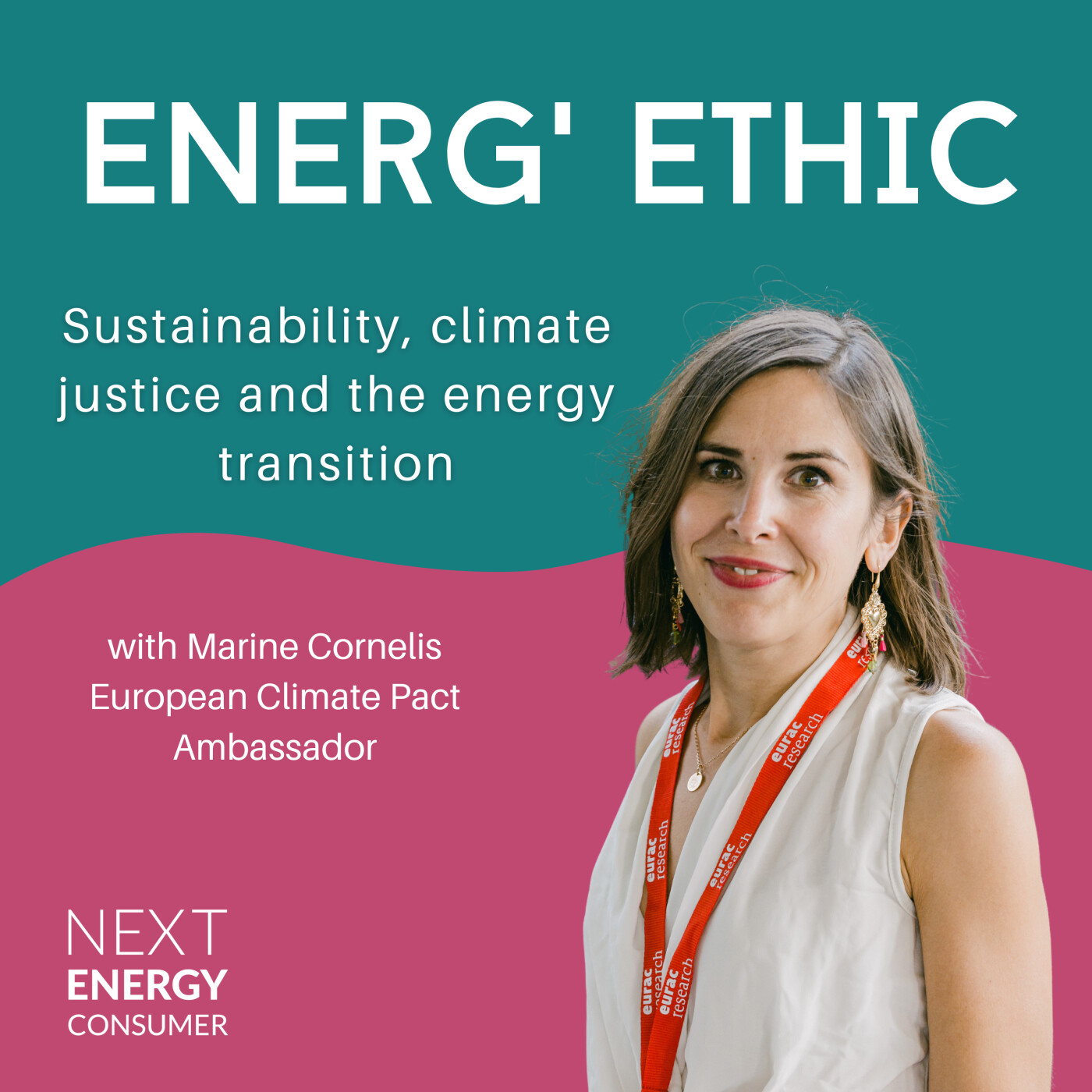
Energ’Ethic - Climate Justice and Energy Transition
Audio is streamed directly from the publisher (dts.podtrac.com) as published in their RSS feed. Play Podcasts does not host this file. Rights-holders can request removal through the copyright & takedown page.
Show Notes
I installed balcony solar panels at home. They work. They reduce my electricity bill. They also revealed something structural.
Solar is technically simple. Scaling it is not.
In Vilnius, I explored what happens when decentralised energy meets multi-apartment governance. In Central and Eastern Europe, 60% of people live in multi-family buildings.
These buildings concentrate energy poverty, fragmented ownership, tight budgets and collective decision-making.
Technology is progressing:
Panels are lighter.
Batteries are modular.
Sodium-ion storage is emerging as a lower-cost option.
Lithuania already counts 170,000 consumer-generators, with 12% of electricity production in 2025 coming from consumers.
And yet, every time solar approaches a multi-family building, coordination begins.
Who carries liability?
Who guarantees mounting safety?
Who stays present when after-sales disappears?
This episode explores:
Why 50% neighbour approval for shared solar is a relational threshold, not a technical one
How standards on power limits, mounting systems and documentation reduce uncertainty
Why flexibility policy collapses without visibility and information symmetry
How the revised EPBD and the upcoming Citizens Energy Package will depend on building-level coordination
Multi-family buildings are the proving ground.
If decentralised energy depends on exceptional motivation, scaling will fragment.
If governance absorbs friction, trust accumulates.
From plug and play to trust and repair, this is the real work of the energy transition.
Energ' Ethic goes out every other week.
Marine Cornelis is the founder of Next Energy Consumer, a policy consultancy working on energy poverty, consumer rights, and housing at EU level. If you are working on a related mandate or research question, you can reach her at [email protected]
Keep up to date with new episodes straight from your inbox
Reach out to Marine Cornelis via BlueSky or LinkedIn
Music: I Need You Here - Kamarius
Edition: Podcast Media Factory
Support Energ'Ethic on Patreon
© Next Energy Consumer, 2026
Hosted on Ausha. See ausha.co/privacy-policy for more information.