Audio is streamed directly from the publisher (ivoox.com) as published in their RSS feed. Play Podcasts does not host this file. Rights-holders can request removal through the copyright & takedown page.
Show Notes
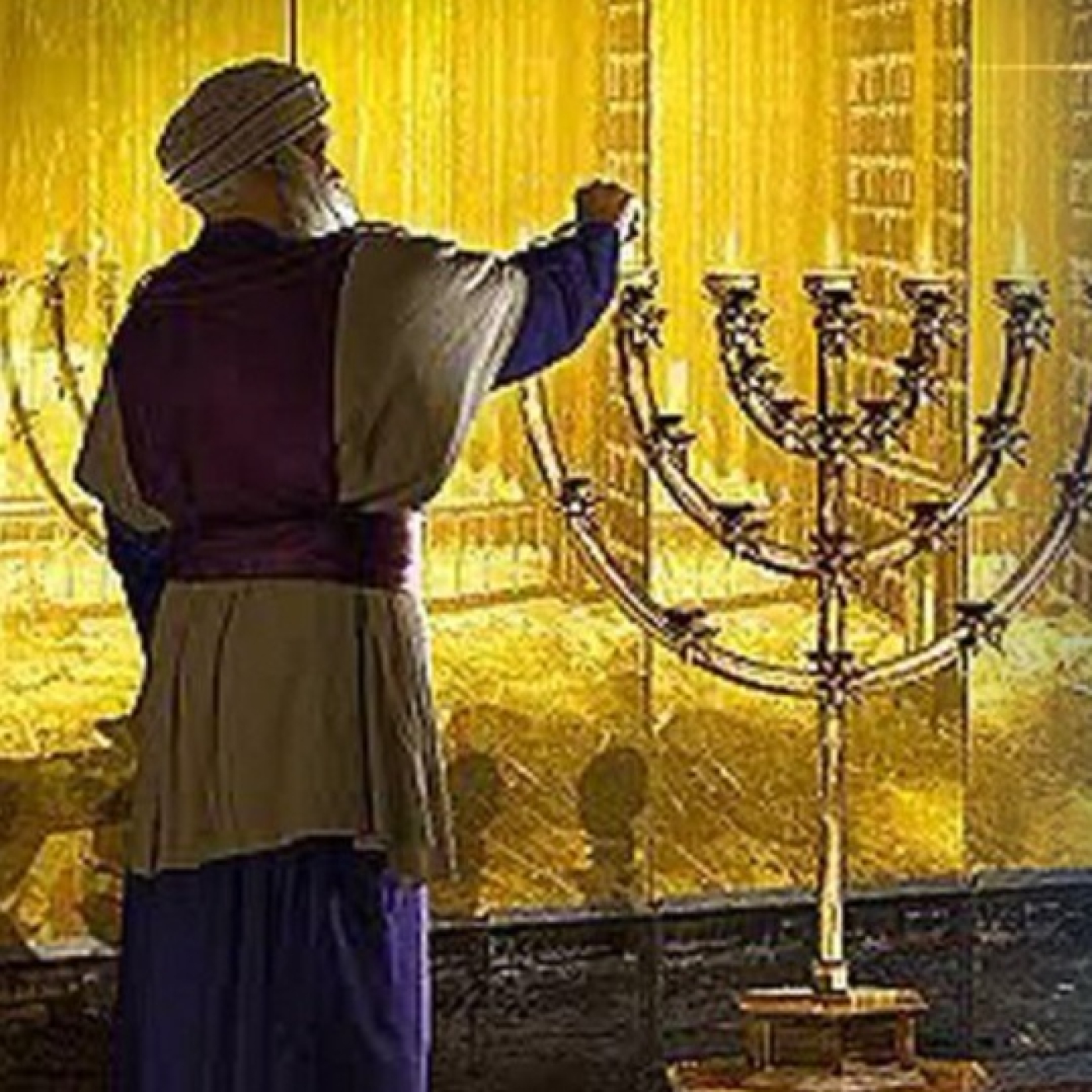
Accordingly, Aaron illuminates the lights, orienting them towards the center of the Menorah by Hashem's instructions to Moses. The construction was as follows: it was a single piece of worked gold, from its base to the flowers (which decorated the candelabra and were its most delicate part), and it was all of worked gold. In a manner analogous to the construction of the Menorah. (Moshe was unaware of the specifications for the Menorah.) Subsequently, on Mount Sinai, the Adon exhibited one example and instructed him.
Aaron and Miriam express discontent with their brother Moses. Miriam contracts Tzara'at, yet Aaron is exempt from its effects. One might inquire whether this is an equitable outcome. Miriam was subsequently confined to the periphery of the encampment for seven days, during which the collective population remained stationary until her return. (Numbers 12:15) Even Aaron and Miriam were not exempt from the sin of complaining. In Numbers 12:1-2, the text provides further insight into the nature of their complaint against Moses. It seems that they held a grudge against Moshe because of the Cushite woman he had married. (The Torah does not provide the specifics of their complaint, but it is not uncommon for siblings to become annoyed with their siblings' spouses.) The complaint against Moses pertained to his role. Both Miriam and Aaron were prophets in their own right. Both had received prophecies from God directly. They began to resent Moshe's exclusive leadership over the assembly. "Has the Lord spoken exclusively through Moses?" "Has He not also spoken through us?" In Bamidbar 12:2, they inquired. Miriam and Aaron assumed that no one could overhear their private conversation. They failed to consider that Hashem could hear. The Torah states, "And Adonai heard it" (Bamidbar 12:2).