Dissidents and Dictators
159 episodes — Page 3 of 4
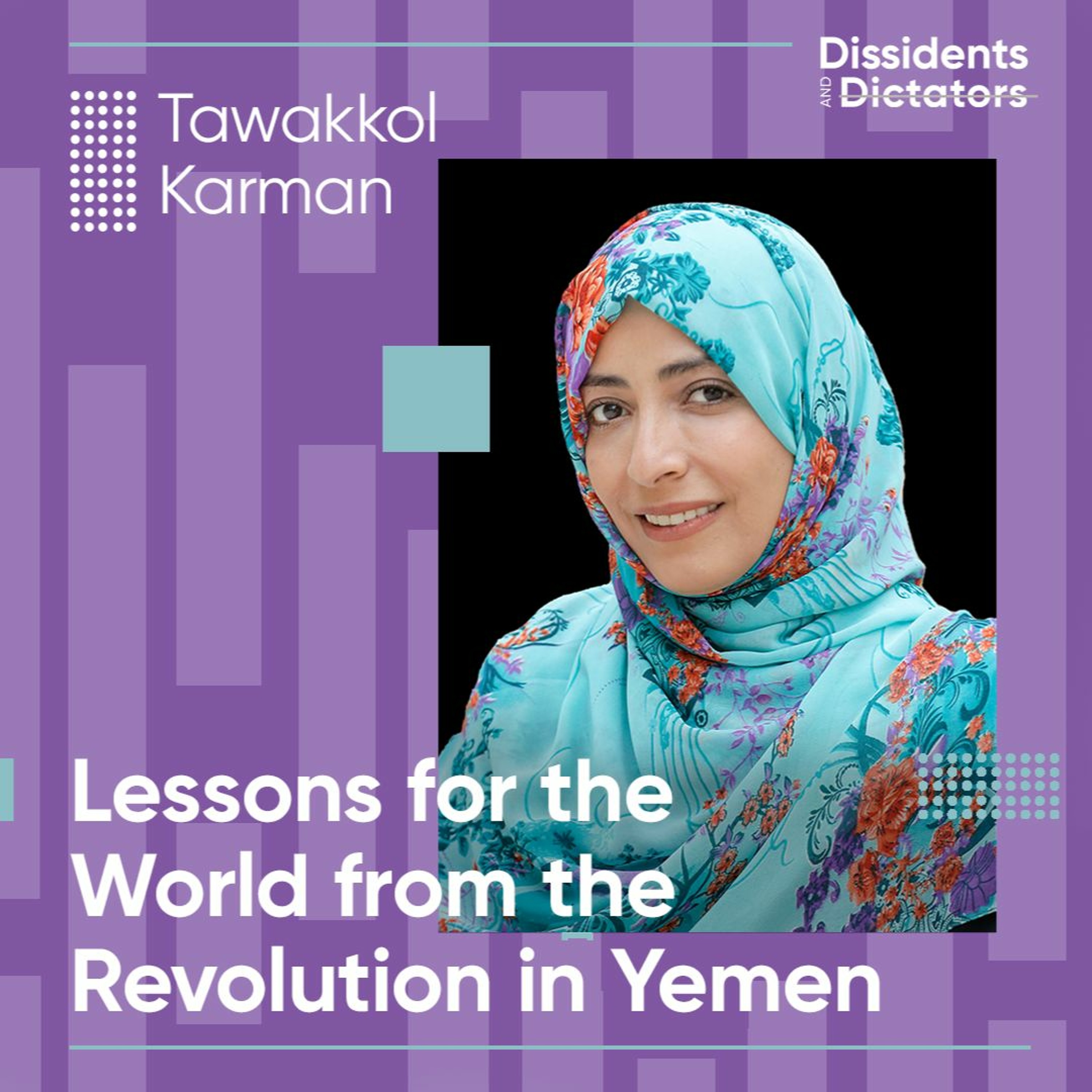
Tawakkol Karman, Lessons for the World from the Revolution in Yemen
In this episode, recorded at the 2022 Oslo Freedom Forum, we hear from human rights activist Tawakkol Karman, who was awarded the Nobel Peace Prize in 2011 for her non-violent struggle for democracy and women’s rights in Yemen. In her roles as a journalist, politician, and founder of the Tawakkol Karman International Foundation, she is also known as “mother of the revolution,” “the iron woman,” and the Lady of the Arab Spring.
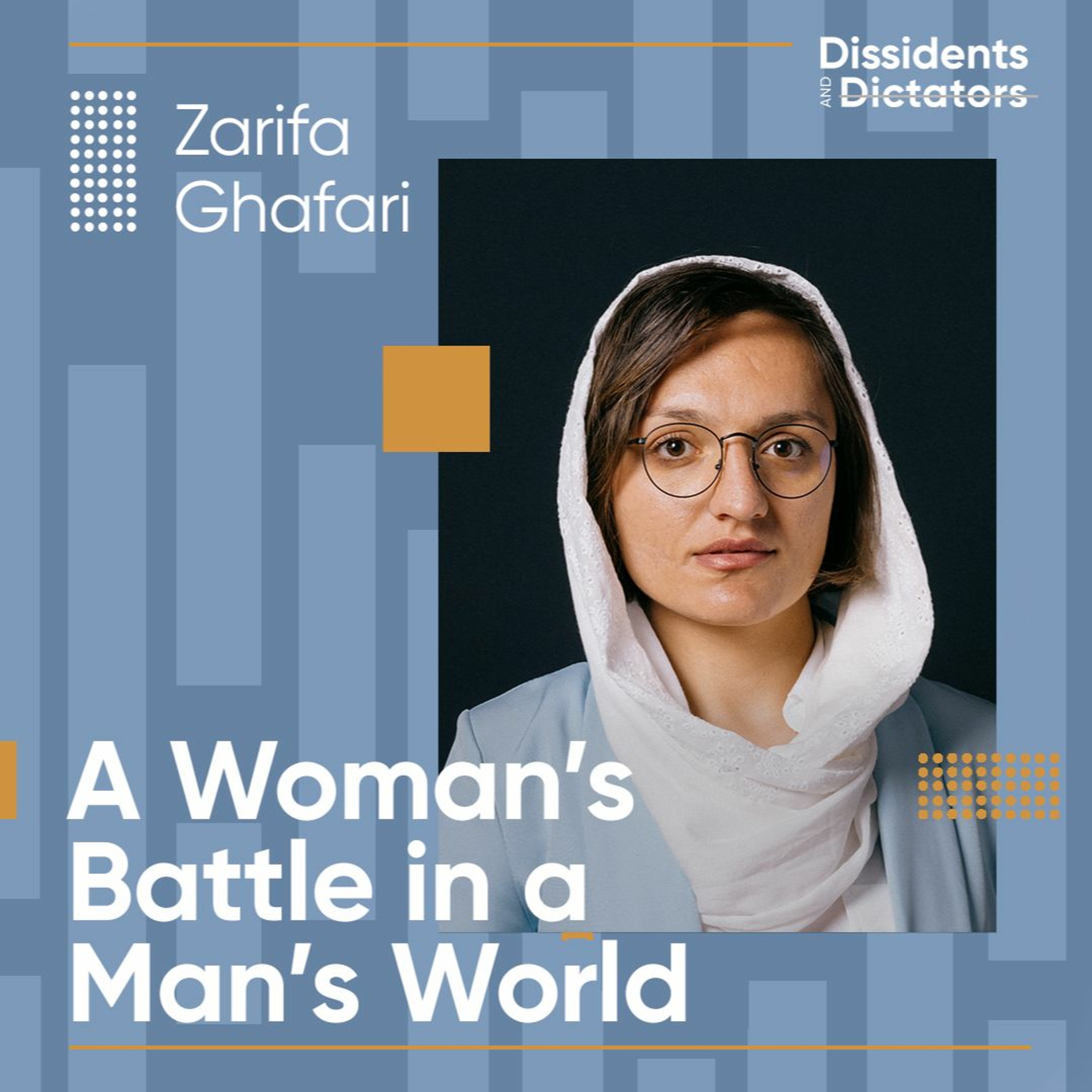
Zarifa Ghafari, A Woman’s Battle in a Man’s World
In this episode, recorded at the 2022 Oslo Freedom Forum, exiled Afghan activist and politician Zarifa Ghafari speaks on the challenges faced under the Taliban — particularly concerning women’s rights, freedom of speech, and human rights. After making a daring escape from the Taliban, Zarifa now lives in exile, where she continues to advocate for human rights in Afghanistan and globally.
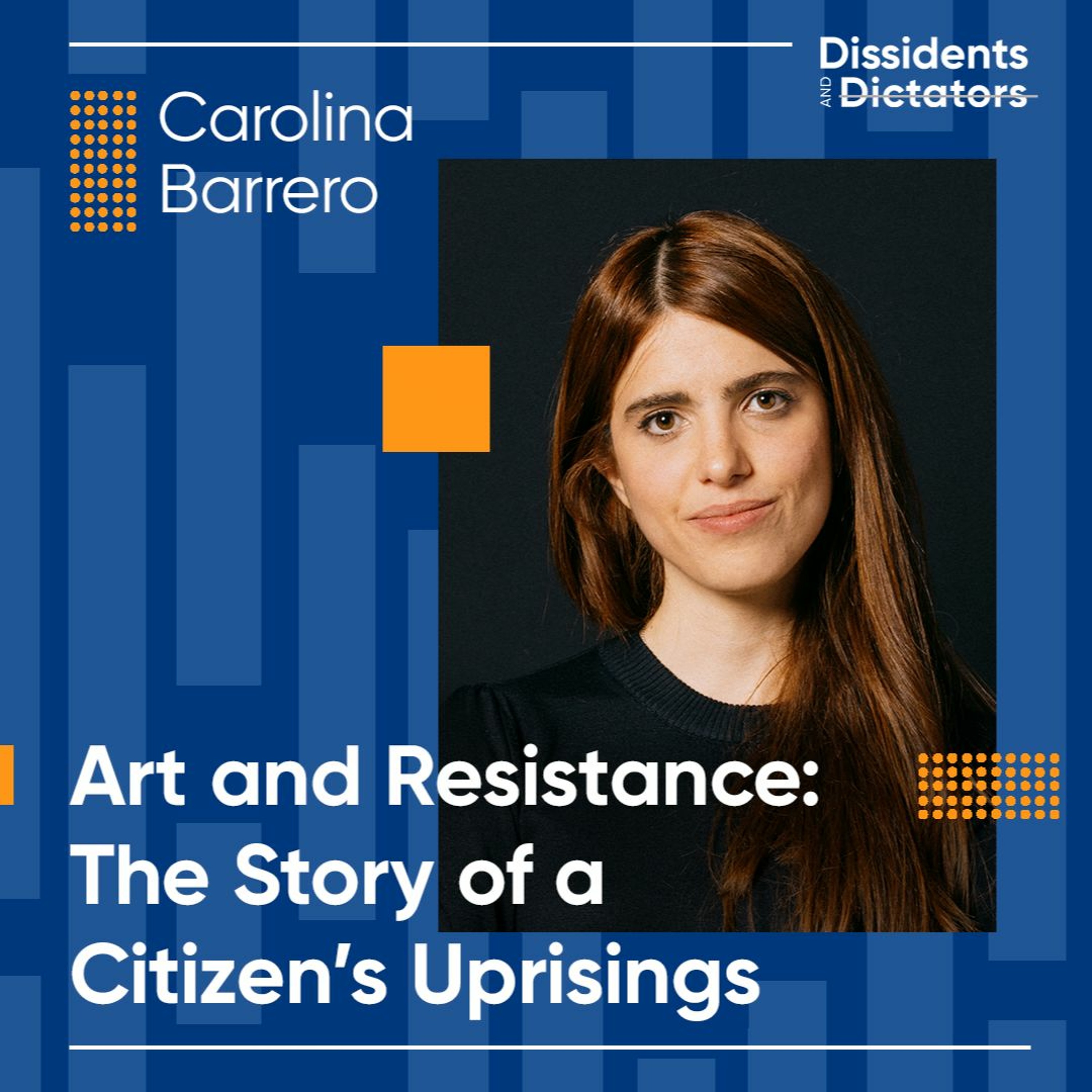
Carolina Barrero, Art and Resistance: The Story of a Citizen’s Uprisings
In this episode, recorded at the 2022 Oslo Freedom Forum, we hear from Carolina Barrero, an art historian, activist, and human rights advocate fighting for peace and civil and political rights in Cuba. As a member of the 27N movement of artists and intellectuals, Barrero participated in 2021 protests that challenged Cuba’s totalitarian regime.
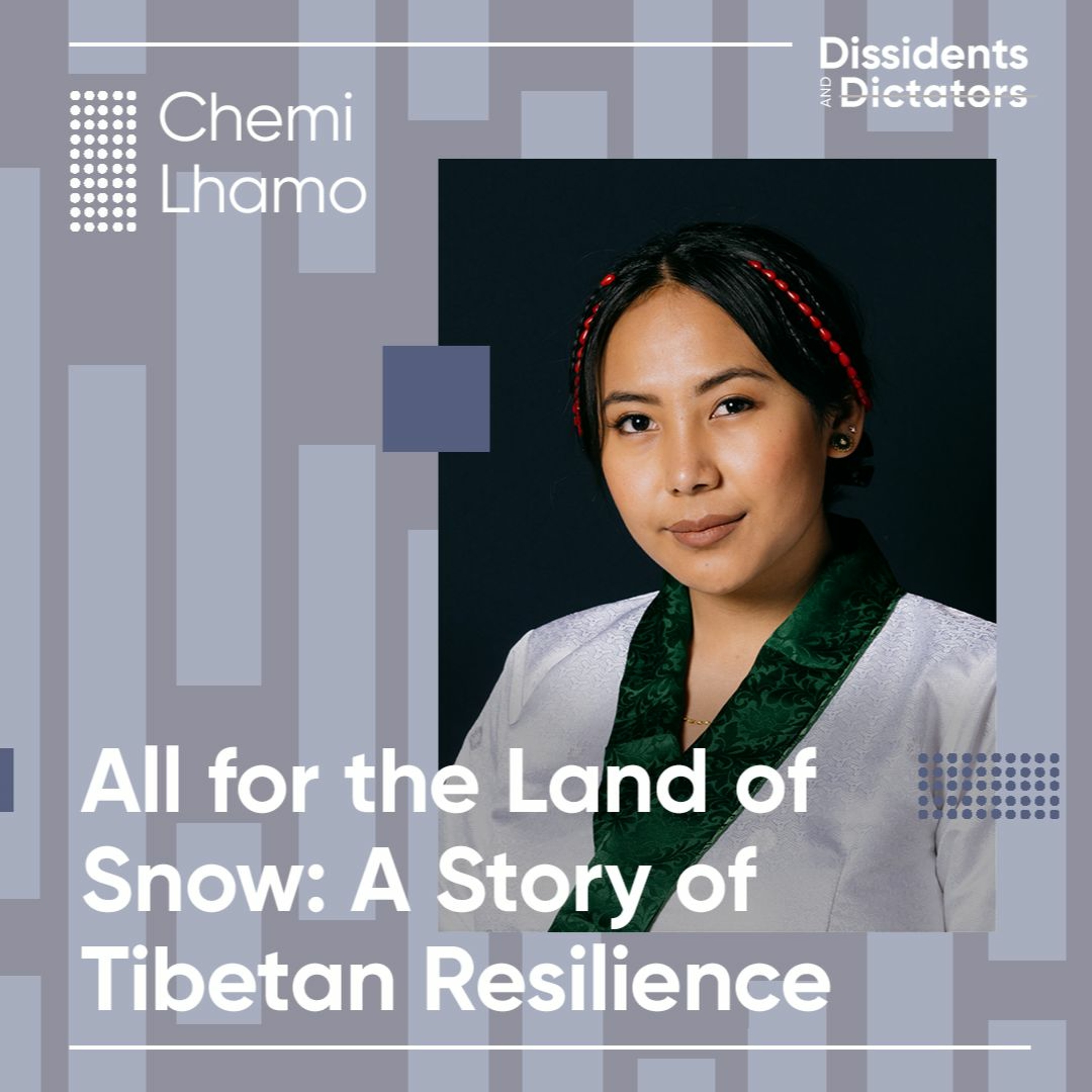
Chemi Lhamo, All for the Land of Snow: A Story of Tibetan Resilience
In this episode, recorded at the 2022 Oslo Freedom Forum, Chemi Lhamo discusses the annexation of her homeland, Tibet, by the authoritarian Chinese government, and urges the international community to help amplify the Tibetan peoples’ calls for freedom.
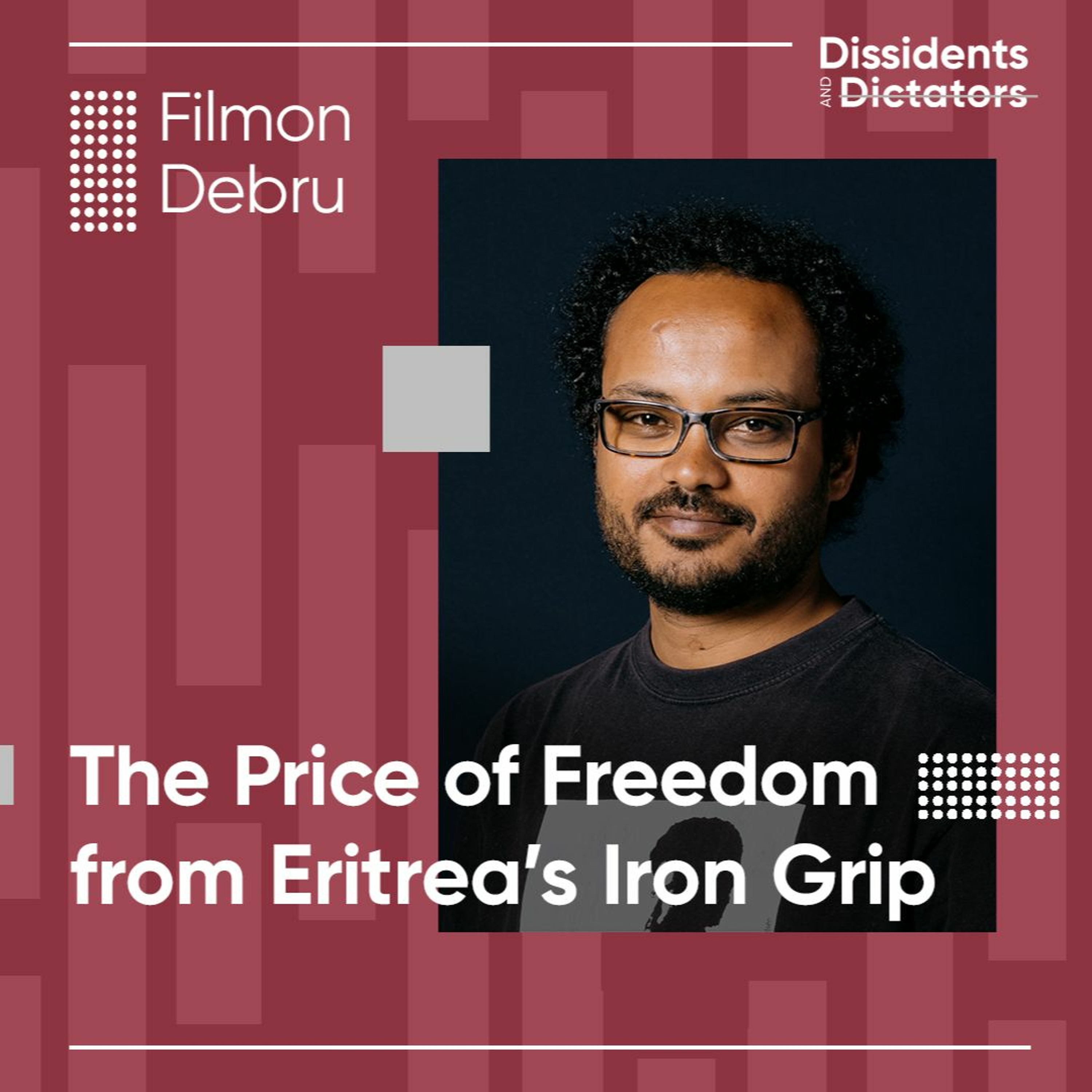
Filmon Debru, The Price of Freedom from Eritrea’s Iron Grip
In this episode, recorded at the 2022 Oslo Freedom Forum, Eritrean human rights activist and software developer Filmon Debru recounts his experience in the expansive human trafficking cycle. Since his escape, Debru has raised awareness about human trafficking and testified before international bodies, including the European Parliament.

Jewher Ilham, Until Every Uyghur is Free
In this episode, recorded at the 2022 Oslo Freedom Forum, we hear from author and Uyghur advocate Jewher Ilham about the widespread use of Uyghur forced labor and how the international community must respond. Jewher has testified before the U.S. Congress, published op-eds in The New York Times and Guardian, and received numerous international awards on behalf of her father, imprisoned academic Ilham Tohti.
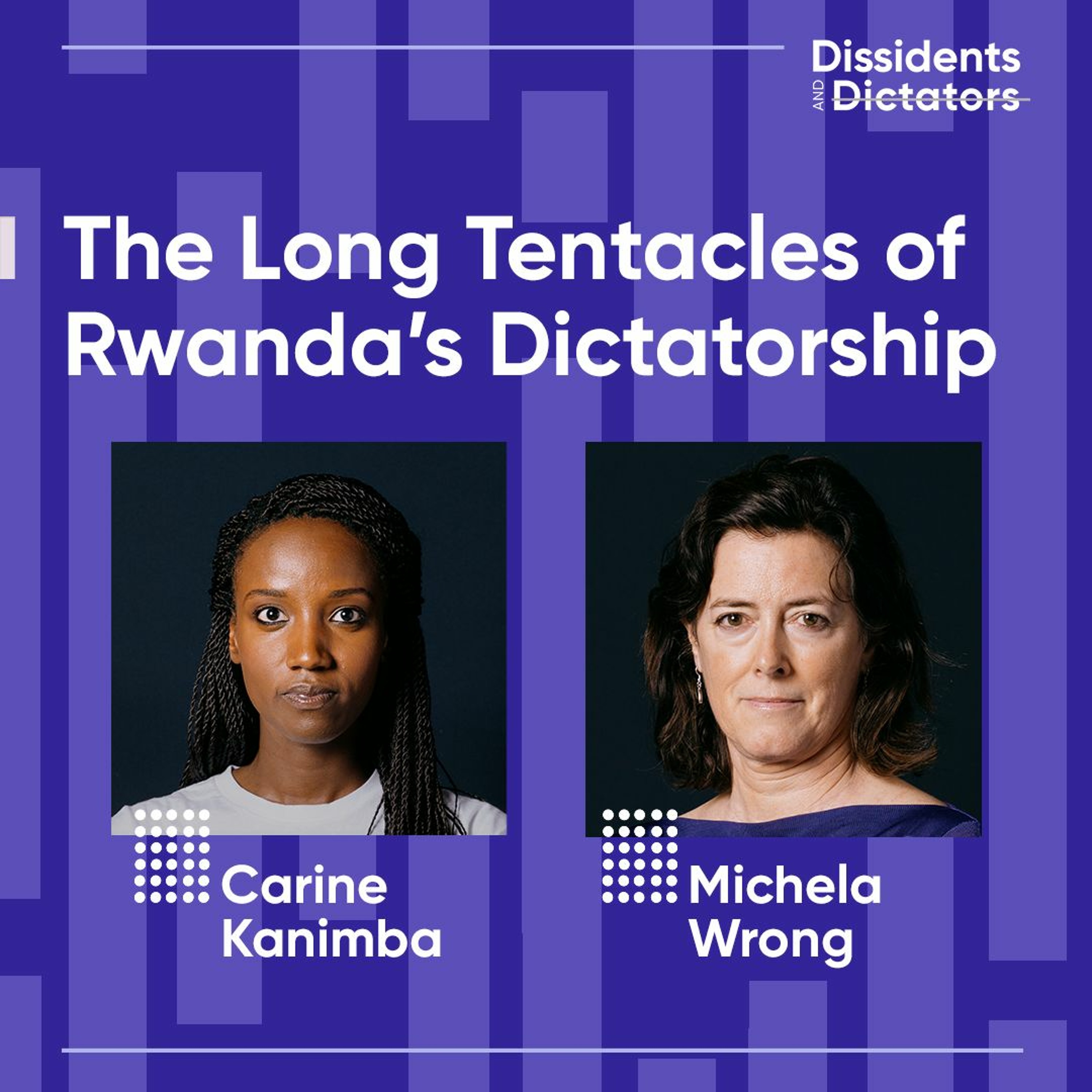
Carine Kanimba & Michela Wrong, The Long Tentacles of Rwanda’s Dictatorship
In this episode, recorded at the 2022 Oslo Freedom Forum, we hear a conversation between renowned journalist Michaela Wrong and Carine Kanimba, an activist and daughter of Hotel Rwanda’s Paul Rusesabagina — who saved more than 1,200 people in his hotel during the 1994 genocide.
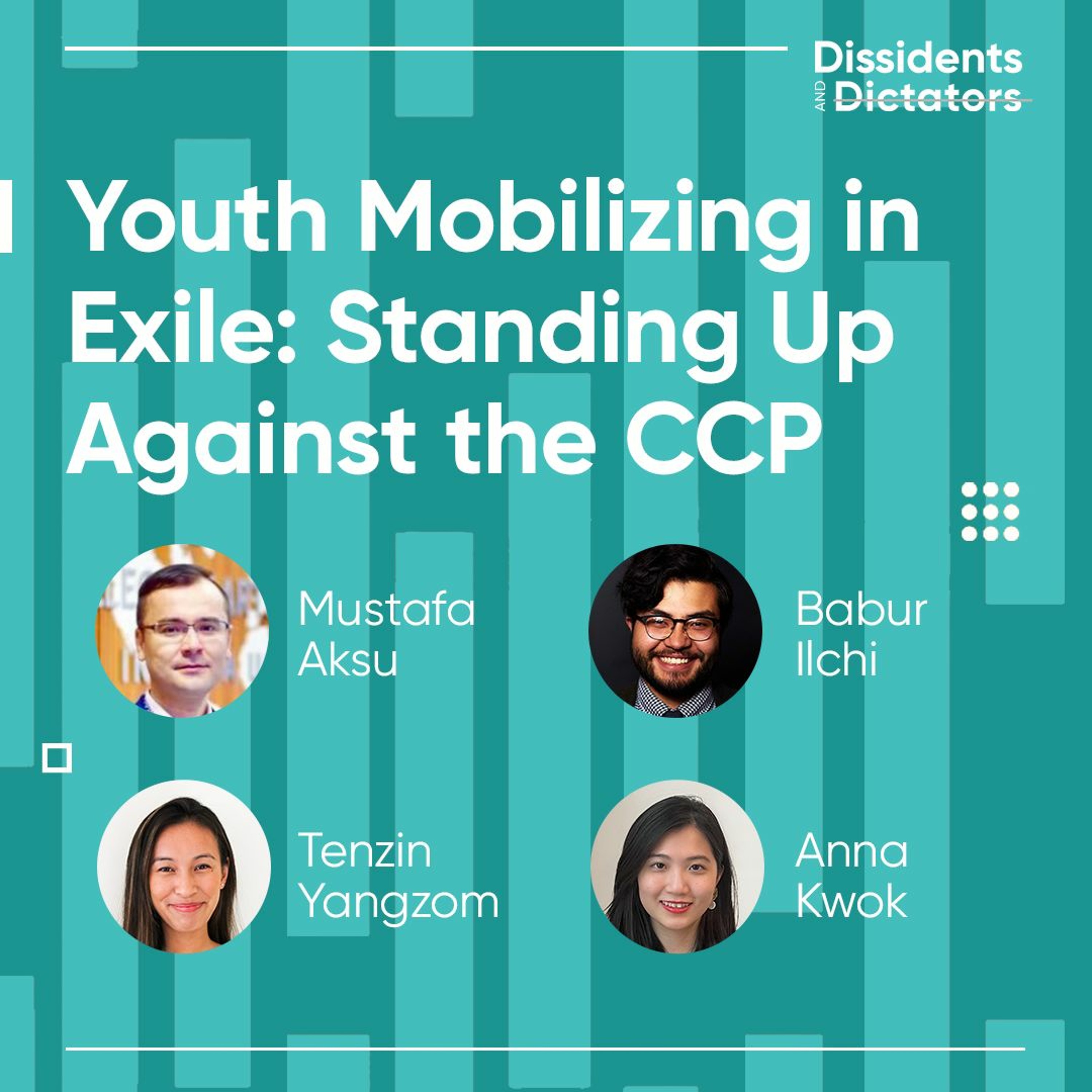
Youth Mobilizing in Exile: Standing Up Against the CCP
Over the past several decades, the Chinese Communist Party (CCP) has relentlessly attacked human rights in order to advance its political goals. This episode explores how youth in the diaspora are grappling with the Chinese government’s abuses in their respective homelands, and mobilizing in exile. Guests include Babur Ilchi from the Campaign for Uyghurs, Tenzin Yangzom from Students for a Free Tibet, Anna Kwok from Hong Kong Democracy Council, and Mustafa Aksu from the Uyghur Human Rights Project.
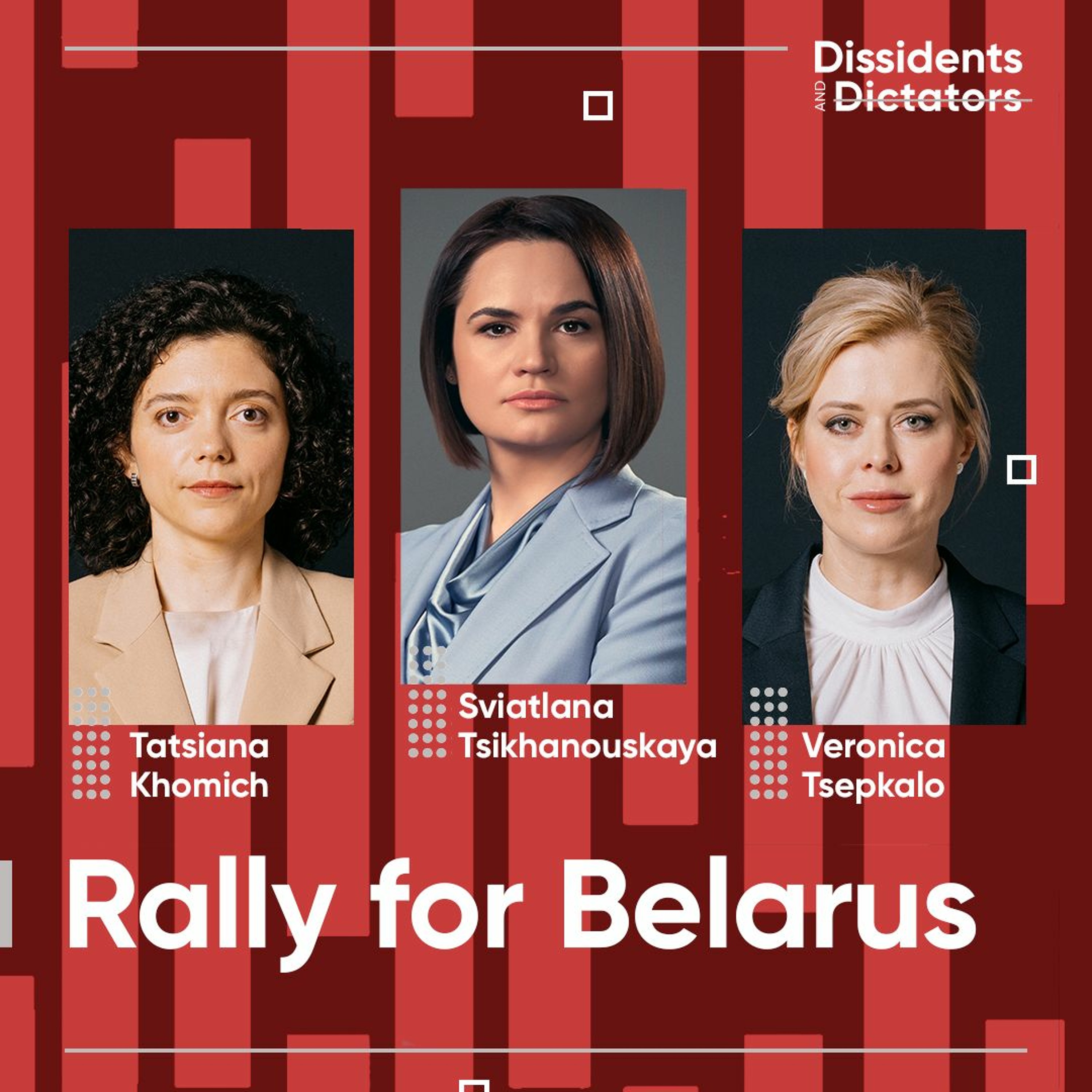
Rally for Belarus
In this episode, recorded at the 2022 Oslo Freedom Forum, we hear from three Belarusian activists –– Sviatlana Tsikhanouskaya, Veronica Tsepkalo & Tatsiana Khomich –– who have spent years fighting corruption under Alexander Lukashenko’s regime, and rallying for a free and democratic Belarus. Sviatlana Tsikhanouskaya is a former presidential candidate and leader of the national democratic movement in Belarus; Veronica Tsepkalo was one of the three leaders of the national democratic movement in Belarus and currently chairs the Belarus Women’s Foundation; and Tatsiana Khomich is a Belariusian activist and sister of political prisoner Maria Kalesnikava.
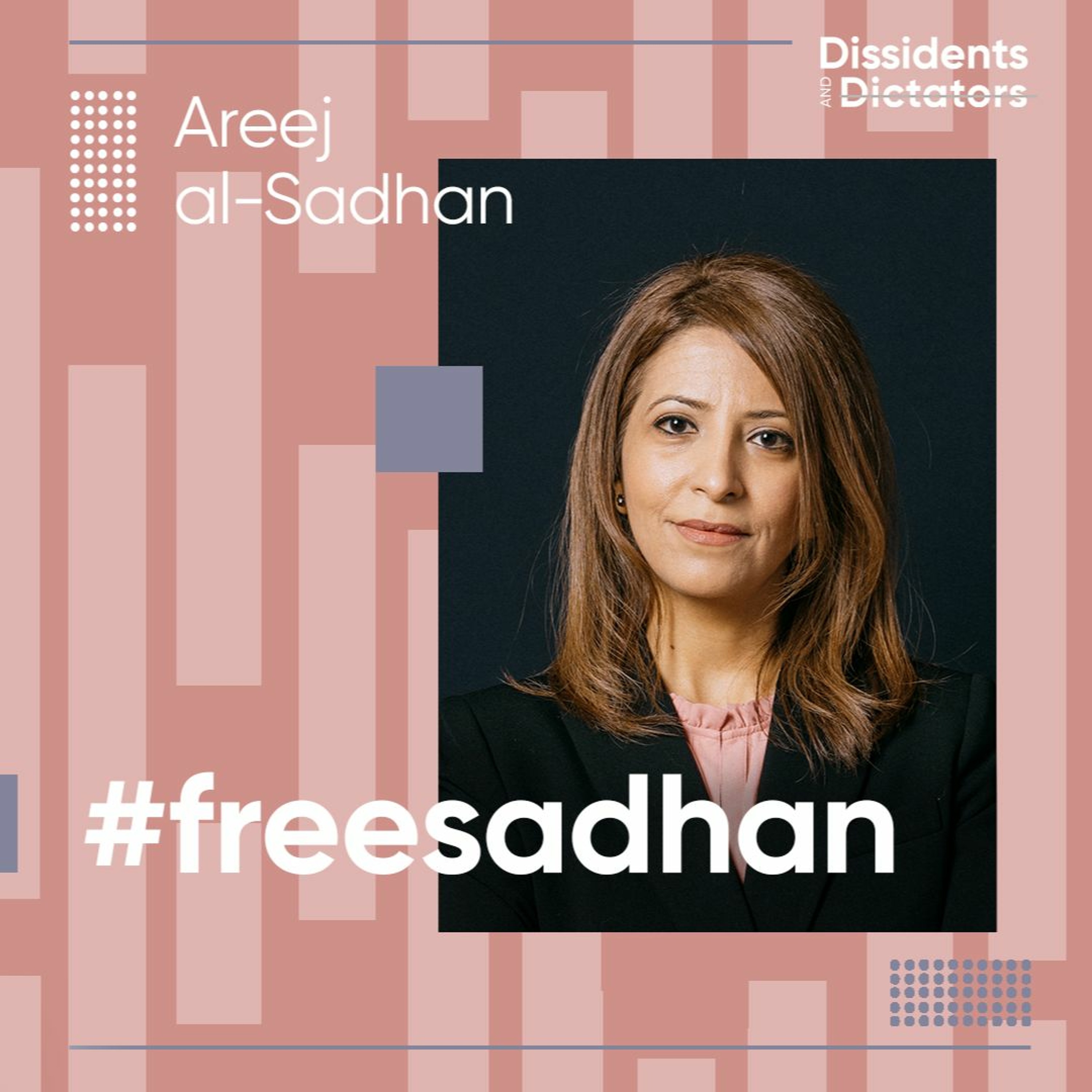
Areej al-Sadhan, #freesadhan
In this episode, recorded at the 2022 Oslo Freedom Forum, we hear from Areej al-Sadhan, a Saudi activist and sister of Red Crescent humanitarian worker Abdulrahman al-Sadhan, who disappeared in 2018 during a mass crackdown on critics and rights activists in Saudi Arabia. Areej remains outspoken on the ill-treatment of her brother and other activists, and has publicly denounced Saudi Crown Prince Mohammed Bin Salman’s brutal human right abuses.
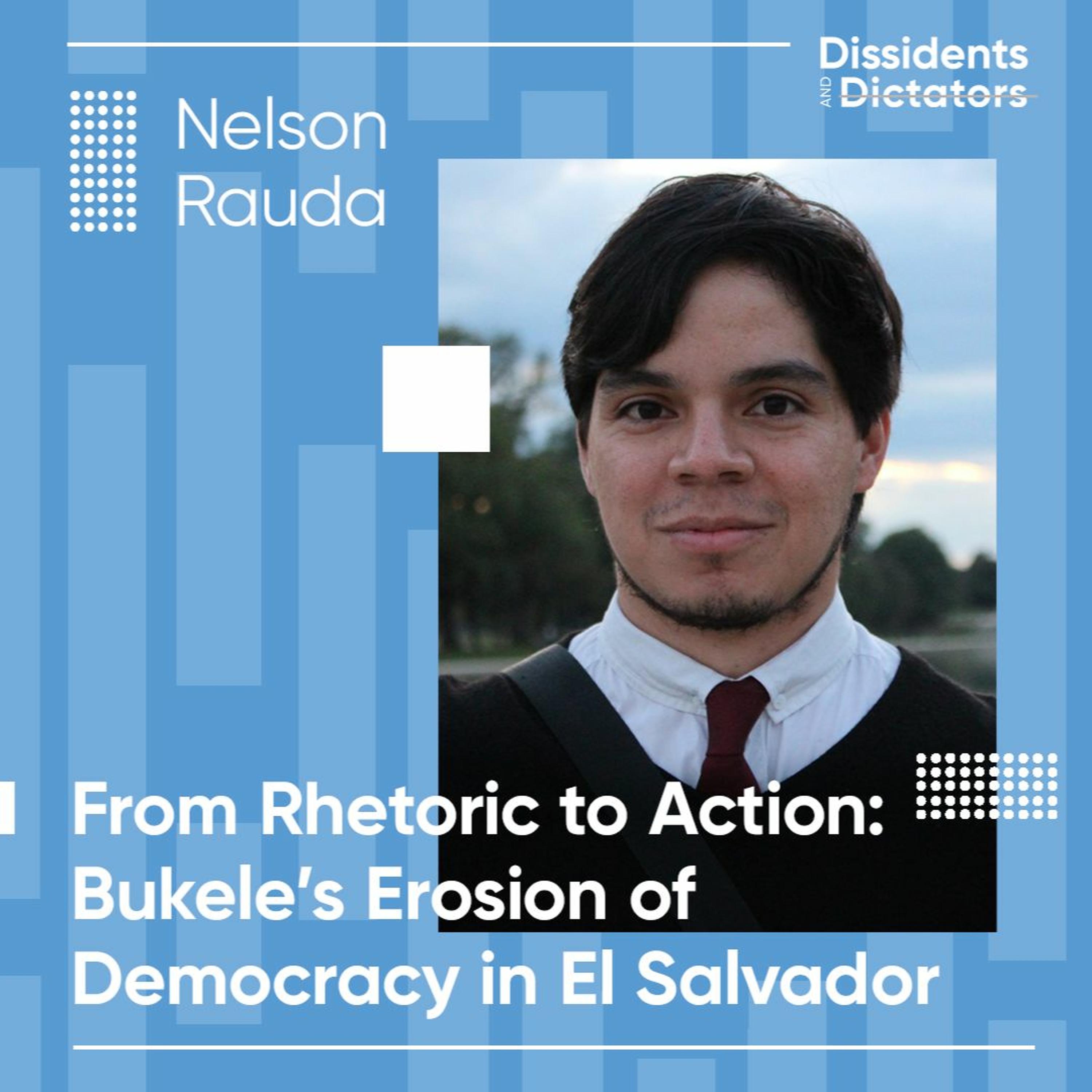
From Rhetoric to Action: Bukele’s Erosion of Democracy in El Salvador
After nearly two decades of democracy, El Salvador’s democratic institutions find themselves, once again, under siege. President Nayib Bukele has achieved extreme popularity, fueled by populist rhetoric and the adept use of social media. In this episode, El Faro journalist Nelson Rauda discusses how Bukele has abused emergency powers, eroded the independence of the judiciary, and paved the way for his re-election in direct violation of El Salvador’s constitution.
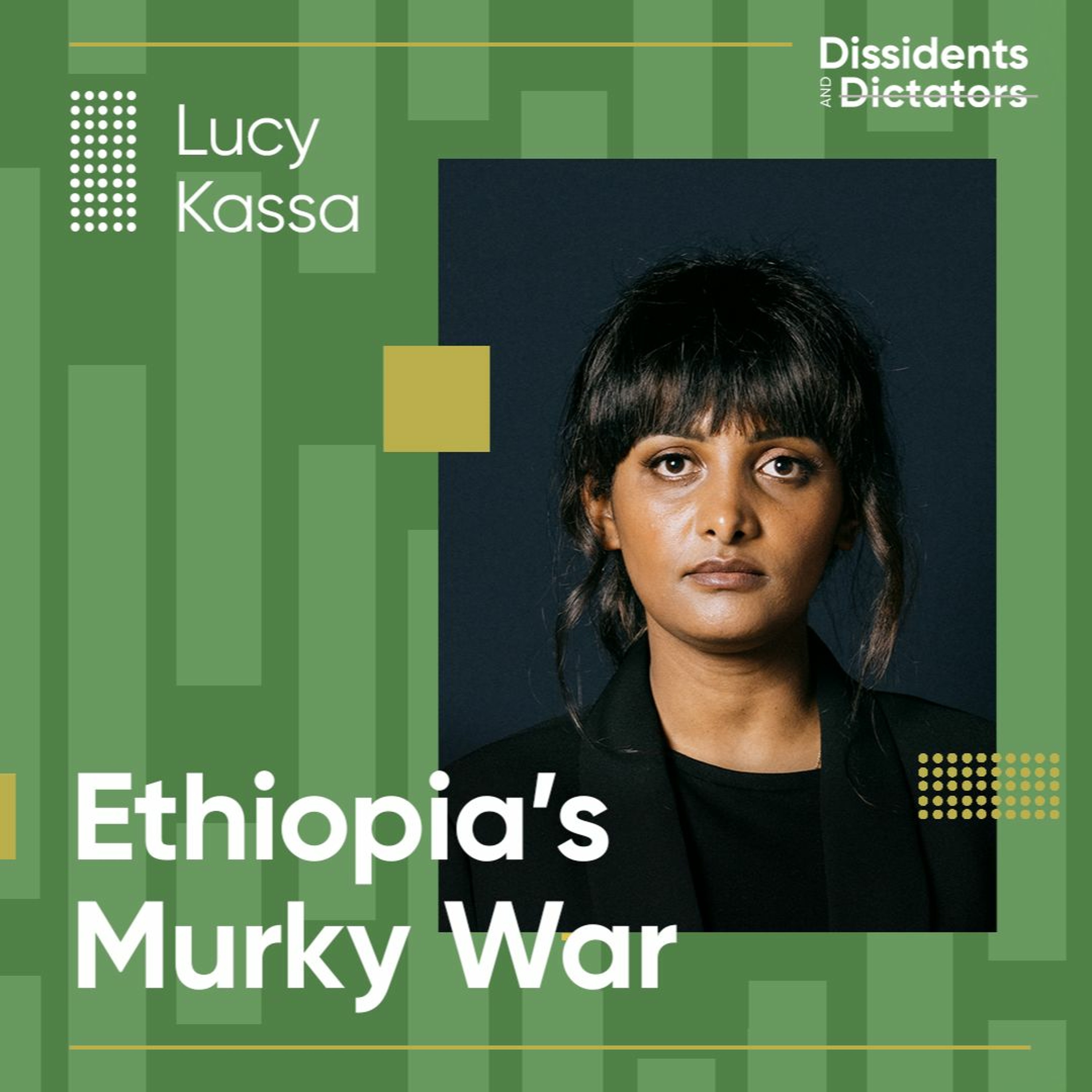
Lucy Kassa, Ethiopia’s Murky War
In this episode, recorded at the 2022 Oslo Freedom Forum, Ethiopian investigative journalist Lucy Kassa discusses her extensive reporting on the war in Ethiopia, and the power journalism holds to expose human rights abuses. Despite suffering physical intimidation, death threats, and ongoing online trolling and smear campaigns, Kassa continues to report stories that bring attention to the victims of war.
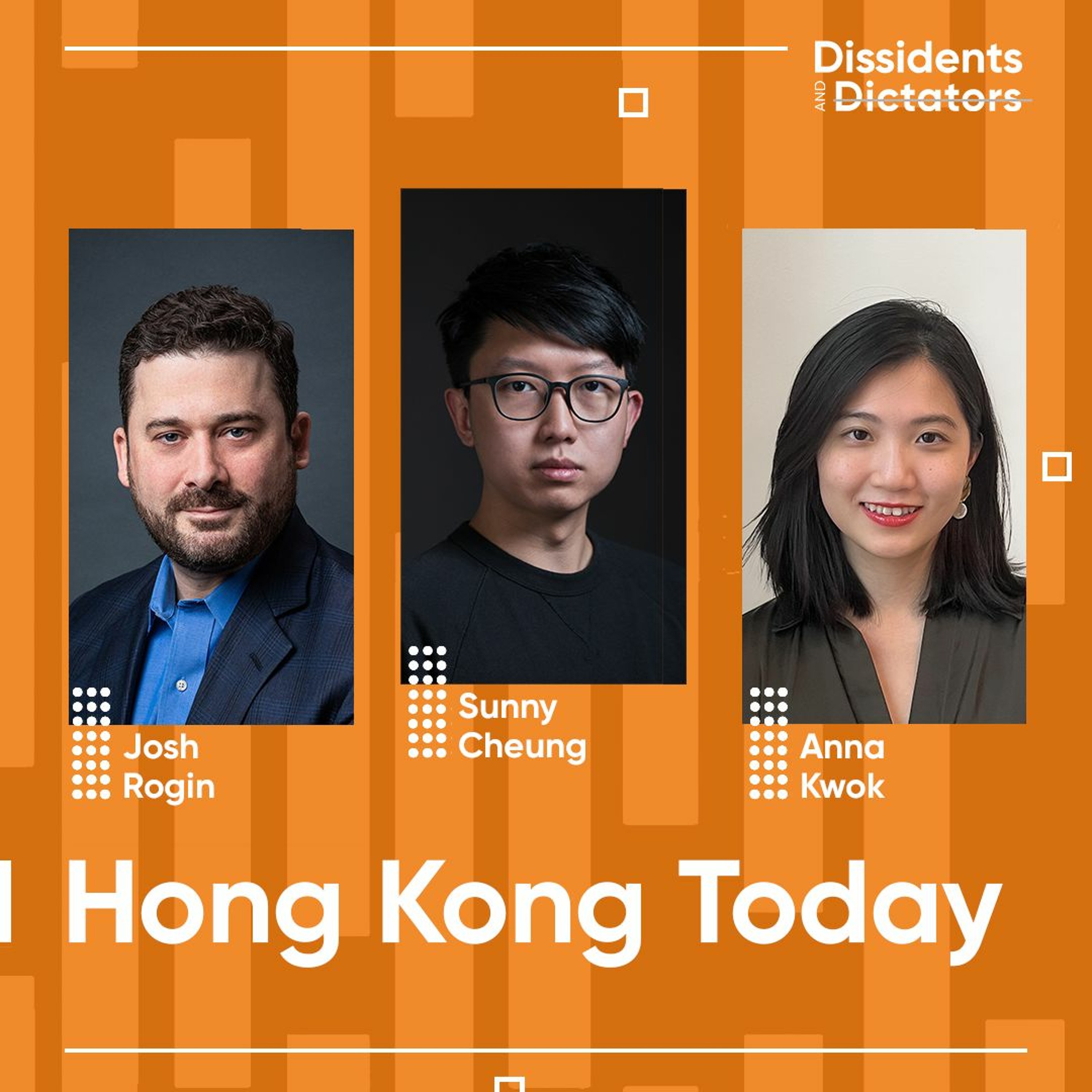
Hong Kong Today
This episode discusses the deterioration of freedoms in Hong Kong since the implementation of the national security law, and highlights the Chinese government's aggression. The Chinese Communist Party (CCP) has continuously tried to suppress Hong Kong’s civil society, and the national security law — alarming legislation aimed at eradicating the pro-democracy movement — has been the final “nail in the coffin.” The draconian national security law and the resulting erosion of civil liberties must serve as a warning to all democratic countries about the Chinese government’s disregard of human rights. Guests include Hong Kong activists-in-exile, Sunny Cheung and Anna Kwok, from the Hong Kong Democracy Council. Washington Post journalist and columnist Josh Rogin moderates this conversation.
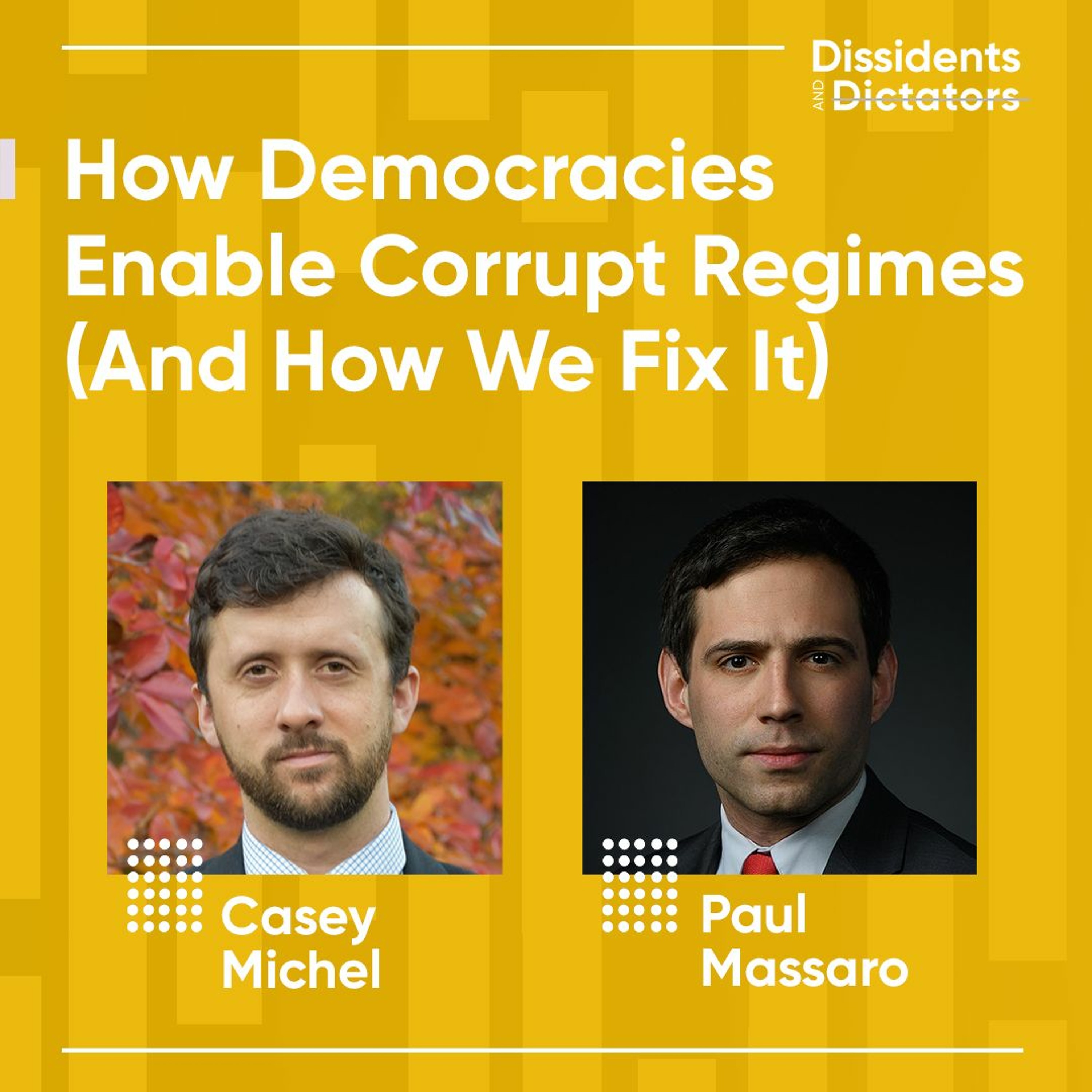
How Democracies Enable Corrupt Regimes (And How To Fix It)
In this episode, Casey Michel and Paul Massaro discuss how corrupt regimes exploit systems of democracies to launder their money, and the ongoing legislative efforts in the United States (U.S.) to address this issue. Casey Michel is an investigative journalist and author of “American Kleptocracy,” which studies how the U.S. has become a haven for stolen wealth, and Paul Massaro is a counter-corruption expert and Senior Policy Advisor for the U.S. Helsinki Commission. The views expressed by Paul are his own and do not represent an official position of the U.S. government.
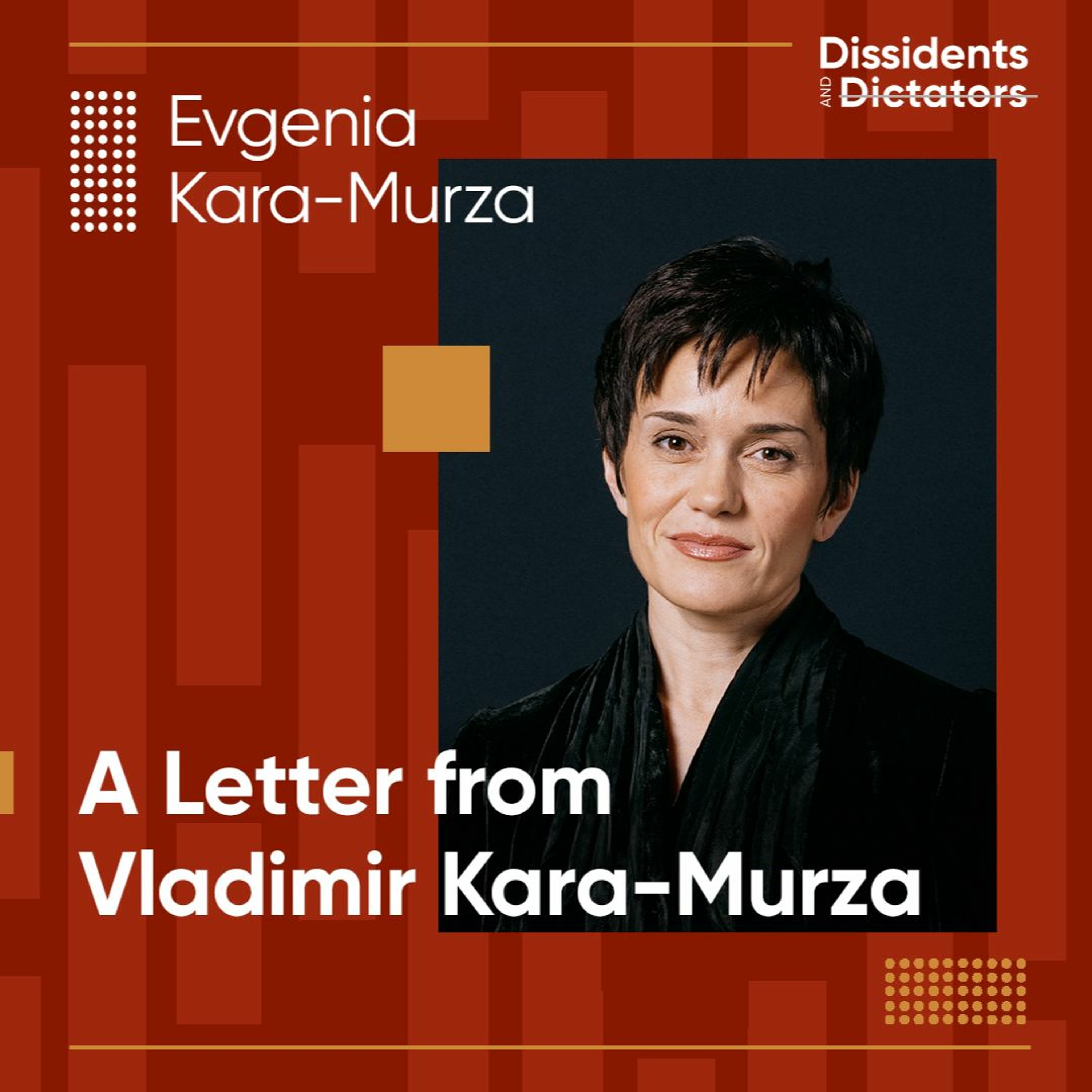
Evgenia Kara-Murza, A Letter from Vladimir Kara-Murza
Recorded at the 2022 Oslo Freedom Forum, in this episode, Evgenia Kara-Murza speaks on behalf of her husband, former OFF speaker and Russian opposition leader Vladimir Kara-Murza, who was arbitrarily arrested in Moscow. Evgenia Kara-Murza is the project manager of the Free Russia Foundation, a nonprofit, nonpartisan international organization supporting civil society and democratic development in Russia.
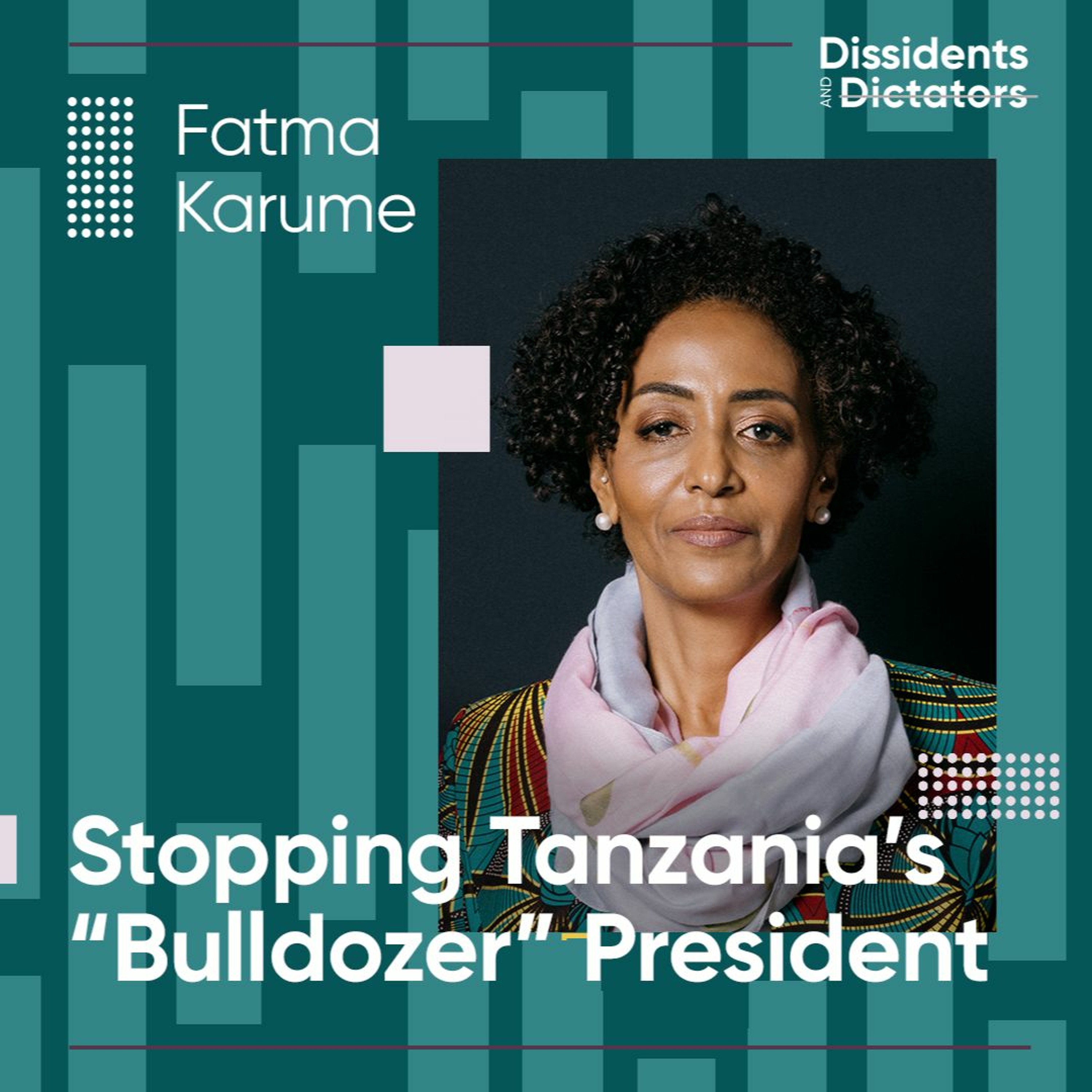
Fatma Karume, Stopping Tanzania’s “Bulldozer” President
Recorded at the 2022 Oslo Freedom Forum, Tanzanian lawyer Fatma Karume recounts in this episode her fight against Tanzania's late authoritarian president, John Magufuli. Karume co-founded the Center for Strategic Litigation to challenge the regime’s repressive and unconstitutional laws in court. In response to her activism, Karume’s office was bombed in 2017, and she faced disbarment in 2020. Karume turned to Twitter to educate the public about human rights violations and raise funds for political prisoners. Despite John Magufuli’s death, Karume warns of further repression.
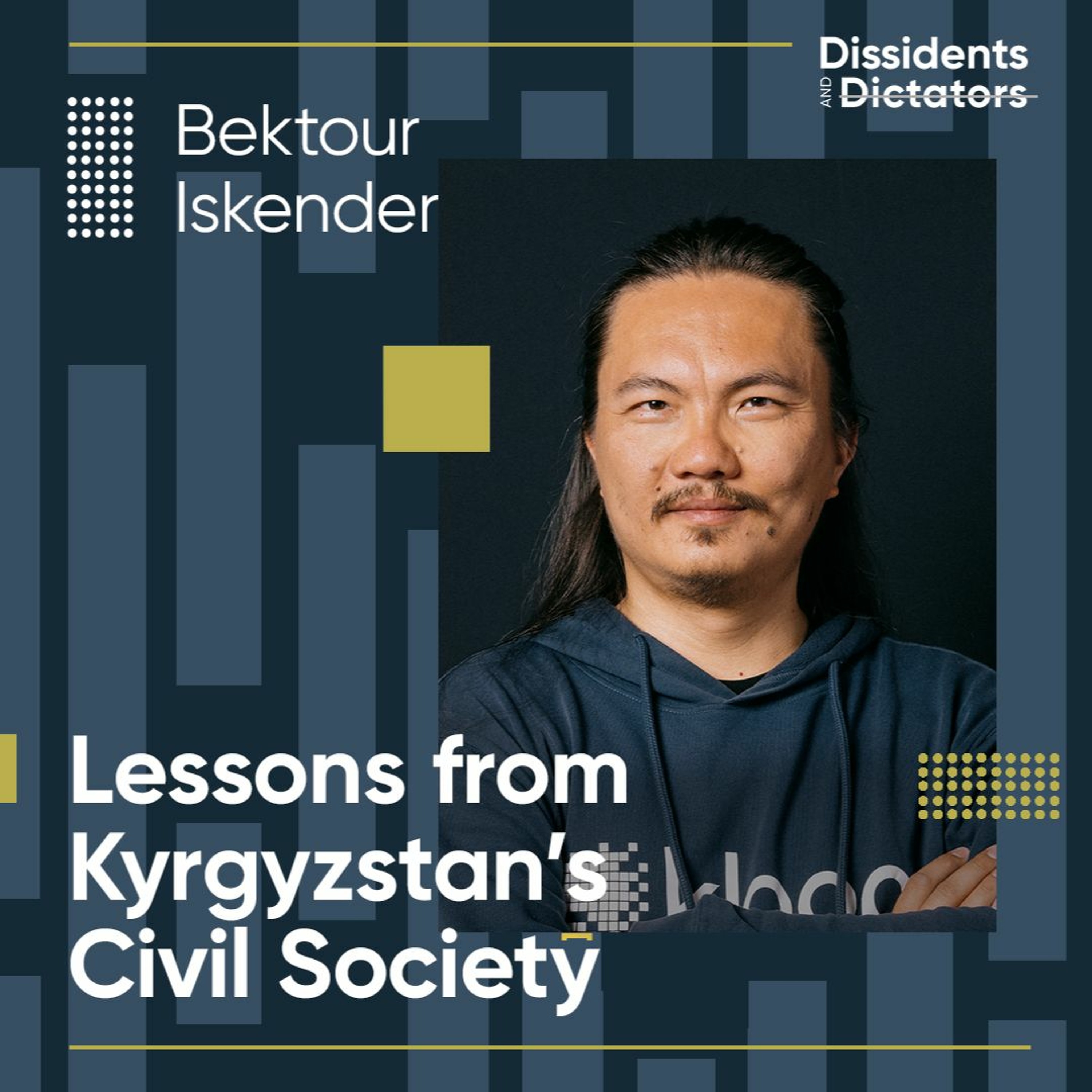
Bektour Iskender, Lessons from Kyrgyzstan’s Civil Society
Bektour Iskender is a journalist, educator, and co-founder of Kloop Media, one of Kyrgyzstan’s largest media outlets that doubles as a journalism school to equip youth in the country with the skills to investigate and report on corruption. Recorded at the 2022 Oslo Freedom Forum, in this episode, Iskender tells of his live-blogging of the 2010 Kyrgyz Revolution, which culminated in the ousting of Kyrgyzstan’s corrupt administration. Despite death threats from the national security services, Iskender is still using machine learning to uncover corruption, and working to launch Kyrgyzstan’s first satellite into space with a team of all-female engineers.
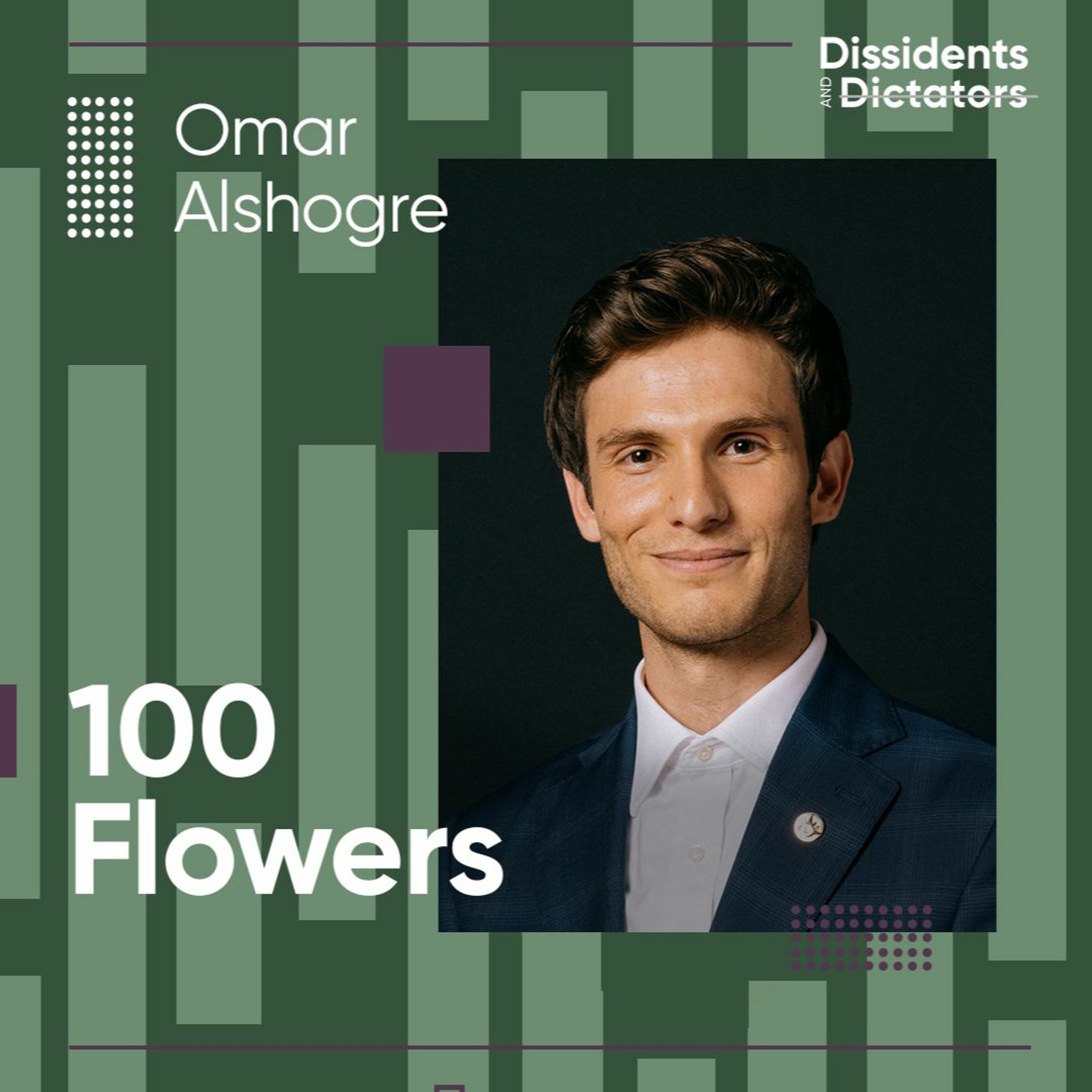
Omar Alshogre, Mit Warde: “100 Flowers”
Recorded at the 2022 Oslo Freedom Forum, in this episode, Syrian public speaker and human rights advocate Omar Alshogre recounts his experience as a political prisoner, braving torture and witnessing the death of his beloved cousin. At the age of 20, Alshogre was smuggled out of prison and fled Syria with the help of his mother. Alshogre currently serves as Director of Detainees Affairs for the Syrian Emergency Task Force, advocating for the liberation of detainees. He is a key witness in numerous national prosecution efforts to hold the Assad regime accountable for war crimes.
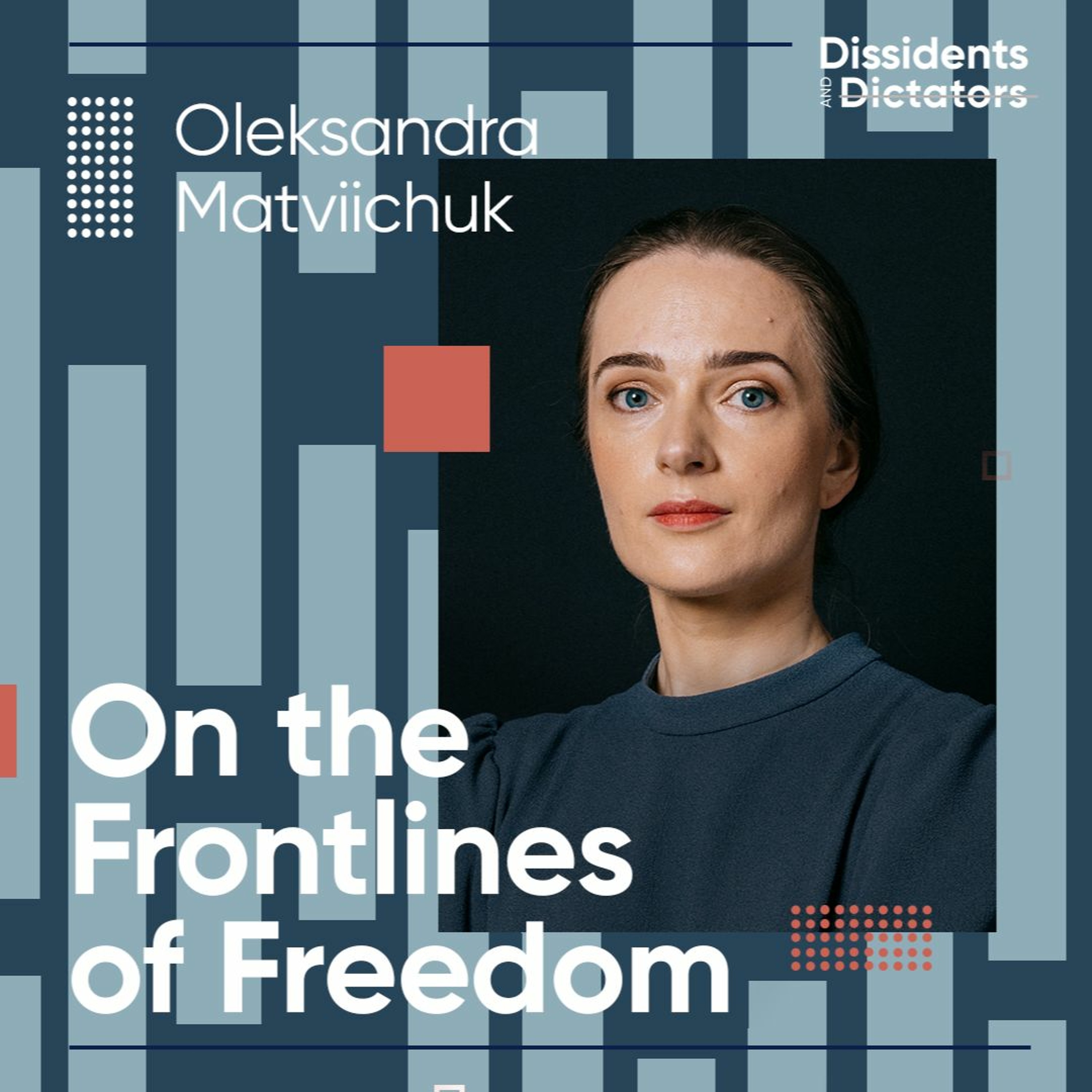
Oleksandra Matviichuk, On the Frontlines of Freedom
Recorded at the 2022 Oslo Freedom Forum, Oleksandra Matviichuk recounts in this episode the horrors of Russia’s all-out invasion of Ukraine, and stresses the need for mass mobilization against Vladimir Putin. Matviichuk is a human rights defender who heads the Center for Civil LIberties, which aims to protect and defend human rights and democracy in Ukraine and the OSCE region.
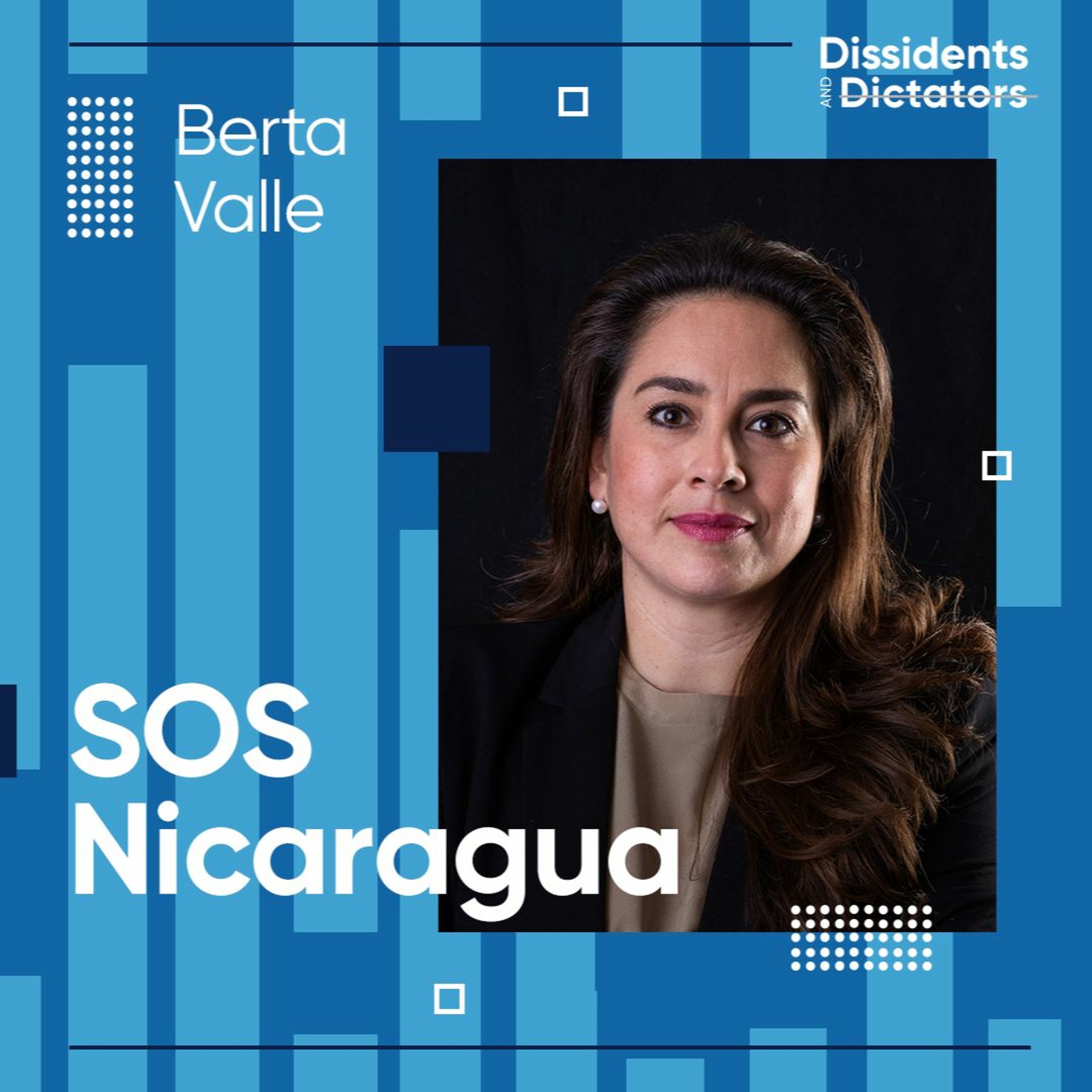
SOS Nicaragua, Berta Valle
In the past year, Daniel Ortega’s regime in Nicaragua has dramatically ramped up its persecution of civil society, arresting presidential candidates in the run up to the November 2021 elections in an attempt to solidify his one-party rule. Recorded at the 2021 Oslo Freedom Forum, Berta Valle, a Nicaraguan journalist and vocal critic of the regime, tells the story of how her husband, former #OFF speaker and Nicaraguan civil society leader Felix Maradiaga, and many others have paid a high price for standing up for truth and freedom in her country.
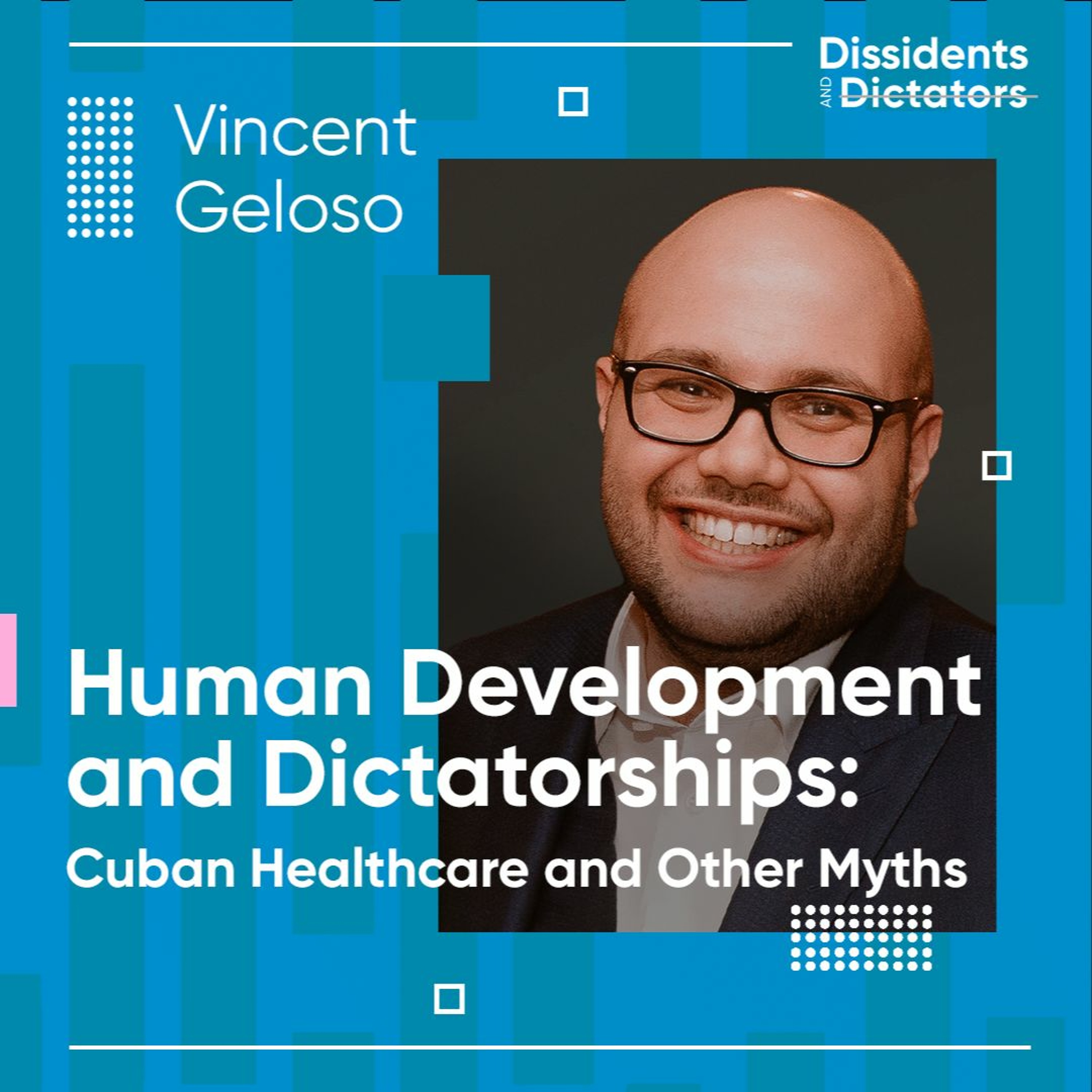
Human Development & Dictatorships: Cuban Healthcare and Other Myths
For decades, the Communist regime in Cuba has sold an image of a nation with high human development, boosted by its alleged world class healthcare system and education. However, reality tells a story of coercion, lies, and misery. The case of the Cuban dictatorship is not unique. Other regimes have positioned themselves as having achieved commendable levels of development: Chile under Pinochet, Kazakhstan under Nazarbayev, and numerous others. In this episode, economic historian and Assistant Professor at George Mason University Vincent Geloso discusses how authoritarianism is a poor vehicle for development, and how an expansion of rights and democracy has been a driving force behind the improvement in the lives of billions over the past century.
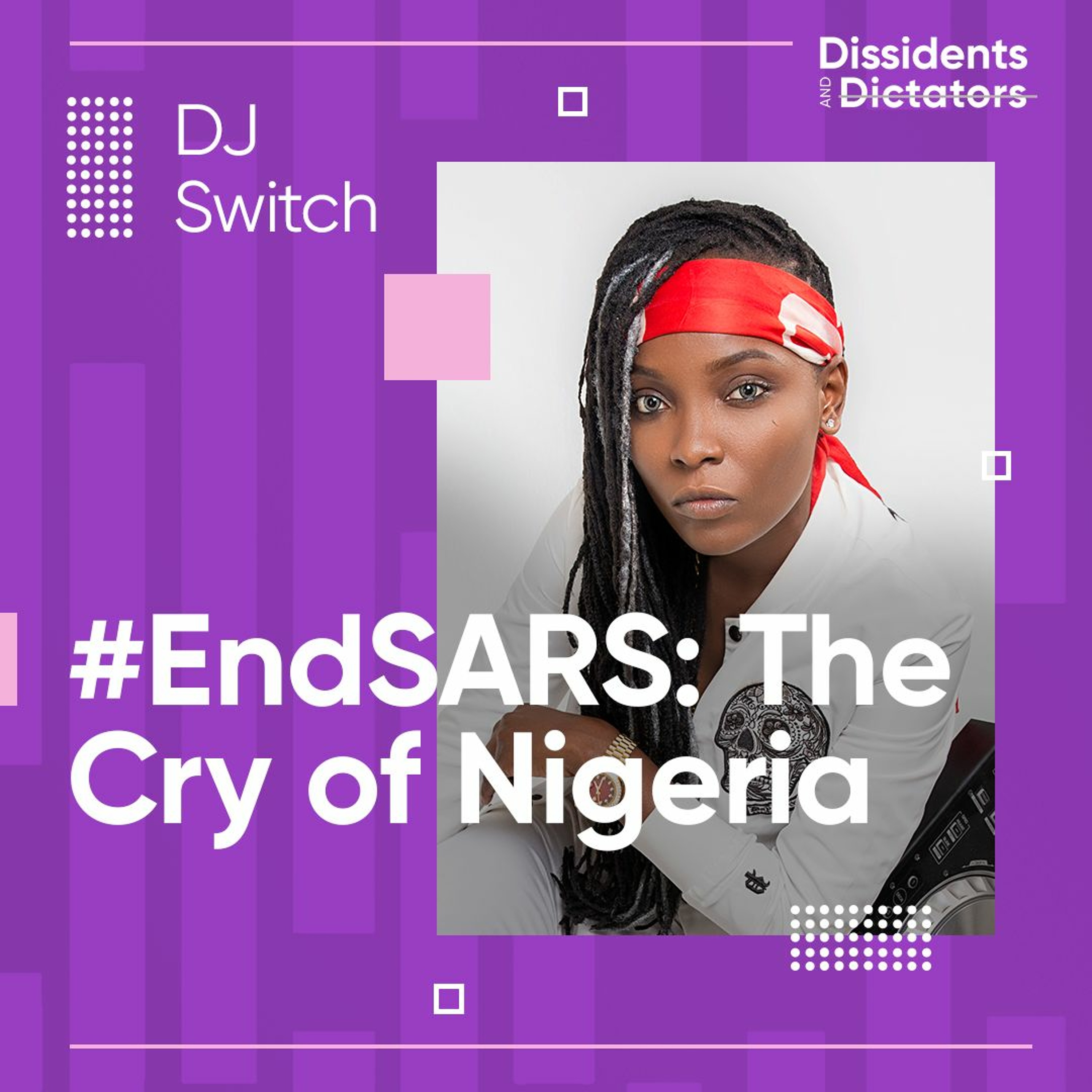
#EndSARS: The Cry of Nigeria, DJ Switch
Recorded at the 2021 Oslo Freedom Forum, DJ Switch recounts in this episode how she survived the October 20, 2020 #LekkiMassacre in Lagos State, Nigeria. This tragedy was the worst case of violence to take place during the #EndSARS protests against police brutality. She describes how the protests illustrate the defiance of the current generation of Nigerian youth, dubbed the “coconut head generation” for their determination to speak out and stand up against oppression and poor governance.

The Human Cost of Internet Shutdowns
Over the last decade, the frequency, severity, and duration of government-imposed internet shutdowns has been fast accelerating. Used to quash dissent and stifle democratic participation, shutdowns are a blunt tool that strip individuals of their human rights, and cause untold damage to economies, education, and healthcare. Recorded at the 2021 Oslo Freedom Forum, this episode outlines the tactics authoritarian regimes have used to impose internet shutdowns, and explores the many consequences they hold. Guests include Scott Carpenter, Director of Policy and International Engagement at Jigsaw; Justin Henck, Product Manager at Jigsaw; Vinicius Fortuna, Software Engineer Lead at Jigsaw; Felicia Anthonio, Campaigner and #KeepItOn Lead at Access Now; Roya Ensafi, Assistant Professor in Computer Science and Engineering at the University of Michigan; and Marianne Díaz Hernández, Venezuelan activist and #KeepItOn Fellow.
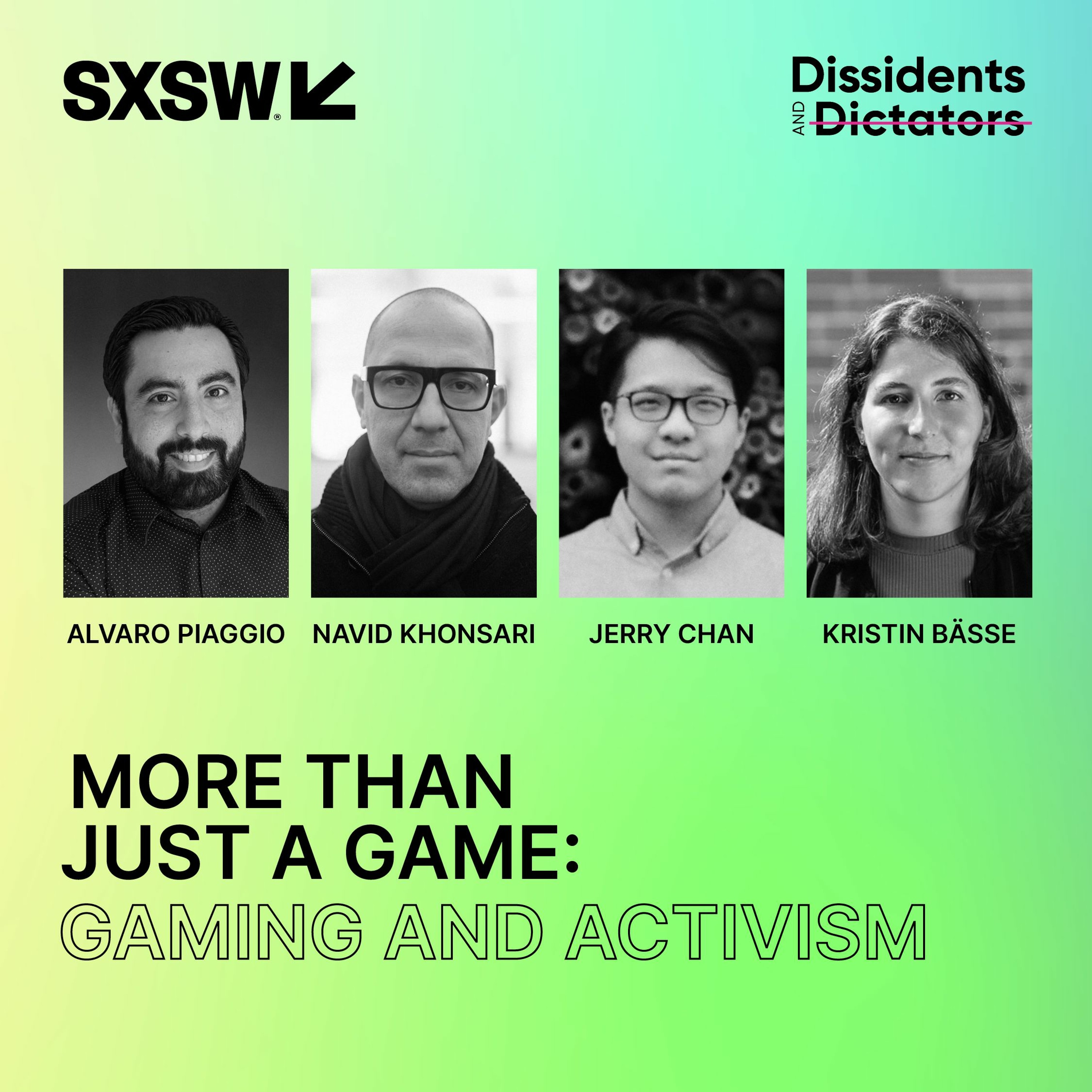
More Than Just a Game: Gaming and Activism
The gaming industry has taken the world by storm since the 1970s. Technological advancements over the past several decades have allowed PC, mobile, and console games to incorporate new designs and new storylines. These advances have helped the industry to expand dramatically, attracting diverse audiences with various interests, including sports, music, and current events. Recorded at SXSW 2022, this panel discussion explores how video games have become not only a hobby, but also even an avenue for activism. Guests include Kristin Bässe, Public Relations Officer at Reporters Without Borders Germany; Jerry Chan, Co-founder of Zeitgeist Studio; Navid Khonsari, Founder of iNK Stories; and Alvaro Piaggio, Policy Advisor at HRF.
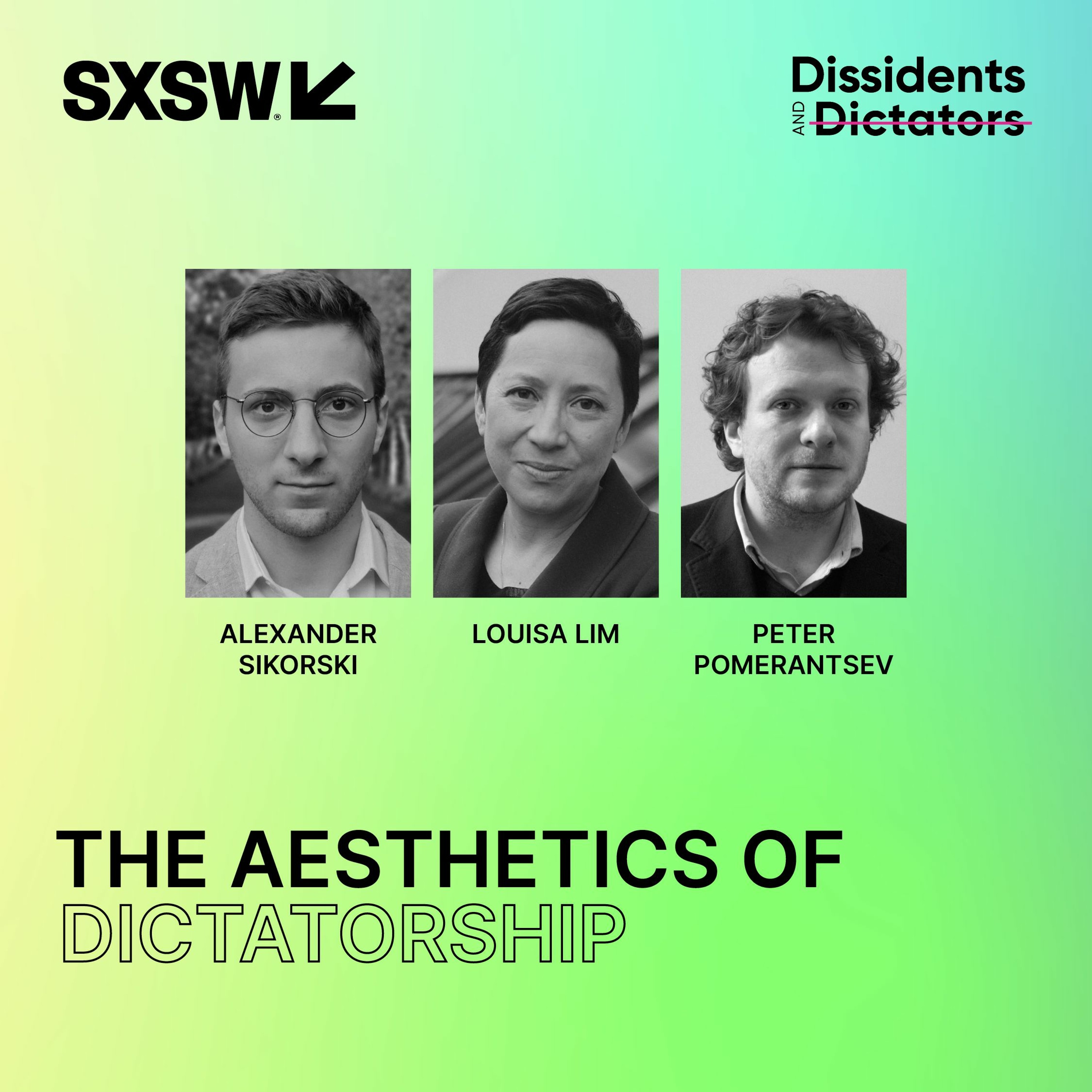
The Aesthetics Of Dictatorship
Dictatorships frequently use art and culture as propaganda to create cults of personality and maintain legitimacy. The totalitarian aesthetic is familiar to many of us from films and documentaries of the Soviet Union or Nazi Germany: tanks driving down wide boulevards; paintings of toiling workers; military uniforms laden with medals; and films depicting past glories. But for billions of people who continue to live under authoritarian regimes, these images and experiences continue to be a part of everyday life. Recorded at SXSW 2022, this panel discussion explores how dictators co-opt cultural institutions with visual propaganda, using dress, art, film, and architecture to instill fear, impose their vision of society, and reinforce their authoritarian regimes. Guests include Louisa Lim, award-winning author, journalist, and former correspondent at BBC’s Beijing Desk and NPR from Hong Kong; Peter Pomerantsev, Senior Fellow at the SNF Agora Institute at Johns Hopkins University; and Alexander Sikorski, Policy Officer at HRF.
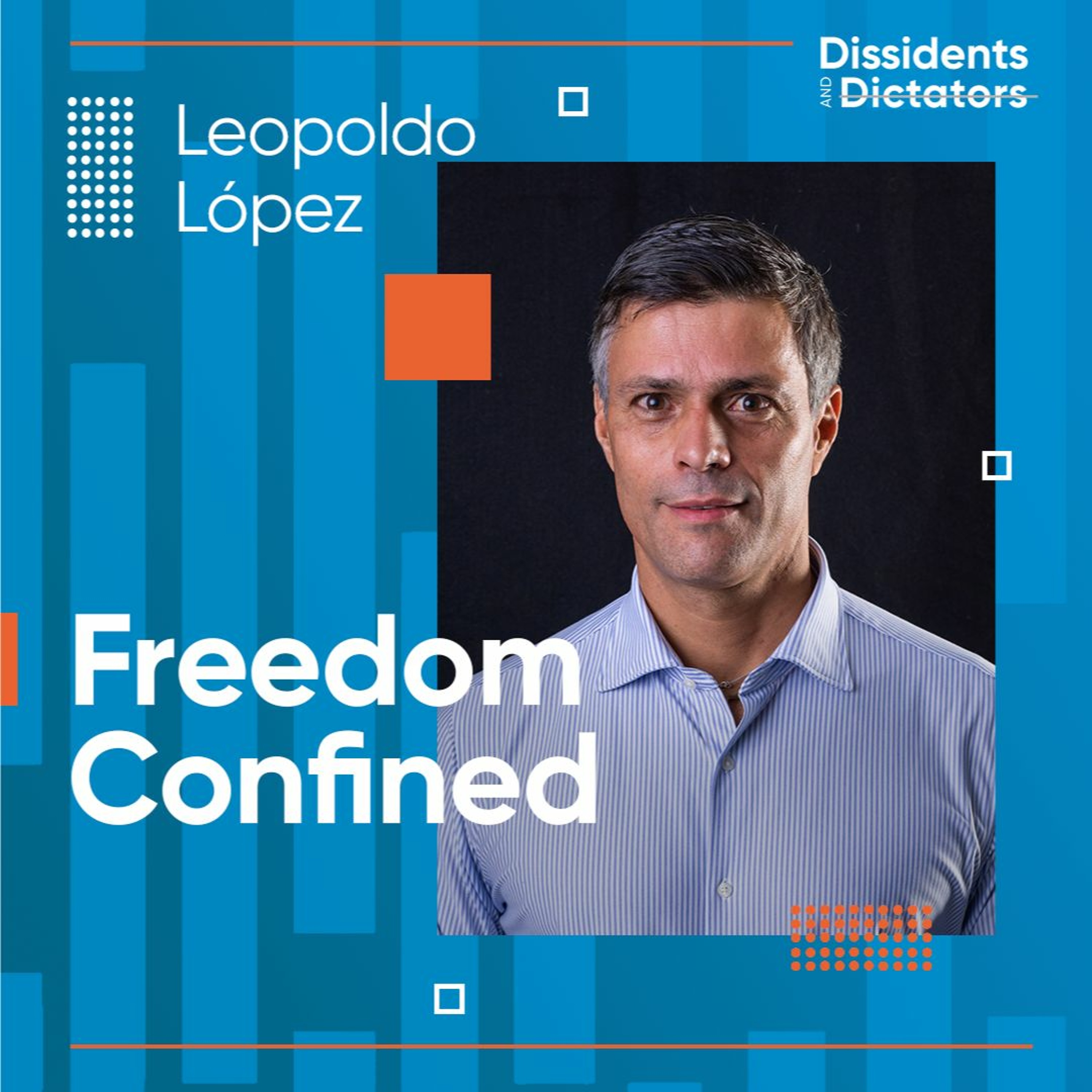
Freedom Confined, Leopoldo López
Leopoldo López, a Venezuelan opposition leader and democracy activist, talks about his experience in prison, the abuses he suffered while being detained, and his hopes for democracy in Venezuela and around the world.

Sanctions, Oligarchs, and the War in Ukraine
"One month ago, Russian forces launched a full-scale invasion of Ukraine. Putin’s army has mercilessly targeted civilian areas, including apartment blocs, hospitals, and civilian shelters. The war crimes of Putin's regime are clear to all, as millions of refugees flee the conflict and thousands perish. In response to Putin’s murderous behavior, the United States and other democracies have imposed sanctions on Russia, targeting the Russian banking sector, Russian exports, and over 100 individuals, including some of Putin’s closest oligarch allies. However, these sanctions did not target the most important segment of the Russian economy — the export of oil and gas. They also did not address a deeper problem, which is the ability of Russian oligarchs to hide their money in the West. This week, we examine how oligarchs conduct business in the West, the impact of Western sanctions on Russia, and the types of reforms and sanctions democracies need to implement to change Putin’s behavior. On this week’s episode of Dissidents & Dictators, we have three guests. Casey Michel is an investigative journalist and the author of American Kleptocracy, which studies how the United States has become a haven for stolen wealth. Bill Browder is the CEO Hermitage Capital, and the Head of the Global Magnitsky Justice campaign. Hagar Chemali is a professor at Columbia University and a former official at the Treasury Department’s Office of Terrorist Financing and Financial Crimes."
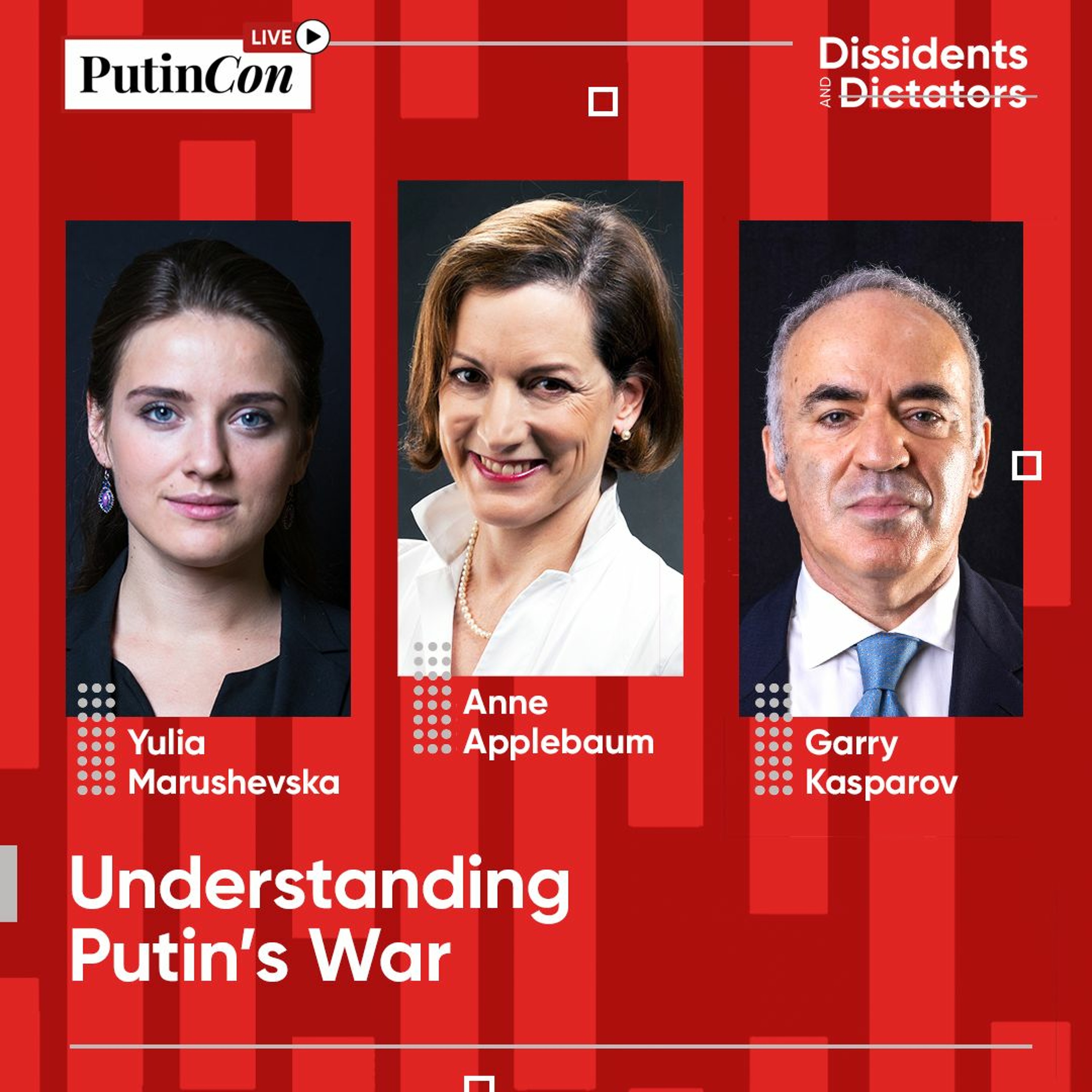
Understanding Putin's War
On February 24th, Russian forces launched a full-scale invasion of Ukraine. Heavy artillery, missile strikes, and bombs have targeted civilian areas, destroying housing, hospitals, and orphanages. Many of these attacks are war crimes. There are already millions of refugees, and many thousands of casualties. This war is Putin’s war. Putin has wielded violence as the key tool in shaping a system that gives him unrivaled power and wealth, both within Russia and worldwide. Putin’s regime is one of today’s gravest threats to democracy and human rights worldwide. On this week's Dissidents & Dictators podcast, we have three guests. Garry Kasparov is Chairman of the Human Rights Foundation and an ardent critic of Russian president Vladimir Putin. Anne Applebaum is an American-Polish journalist and Pulitzer Prize-winning author who writes extensively on communism and the development of civil society in Central and Eastern Europe. Yulia Marushevska is a Ukrainian civil activist, economic growth expert, and the former Head of the Odessa Customs.
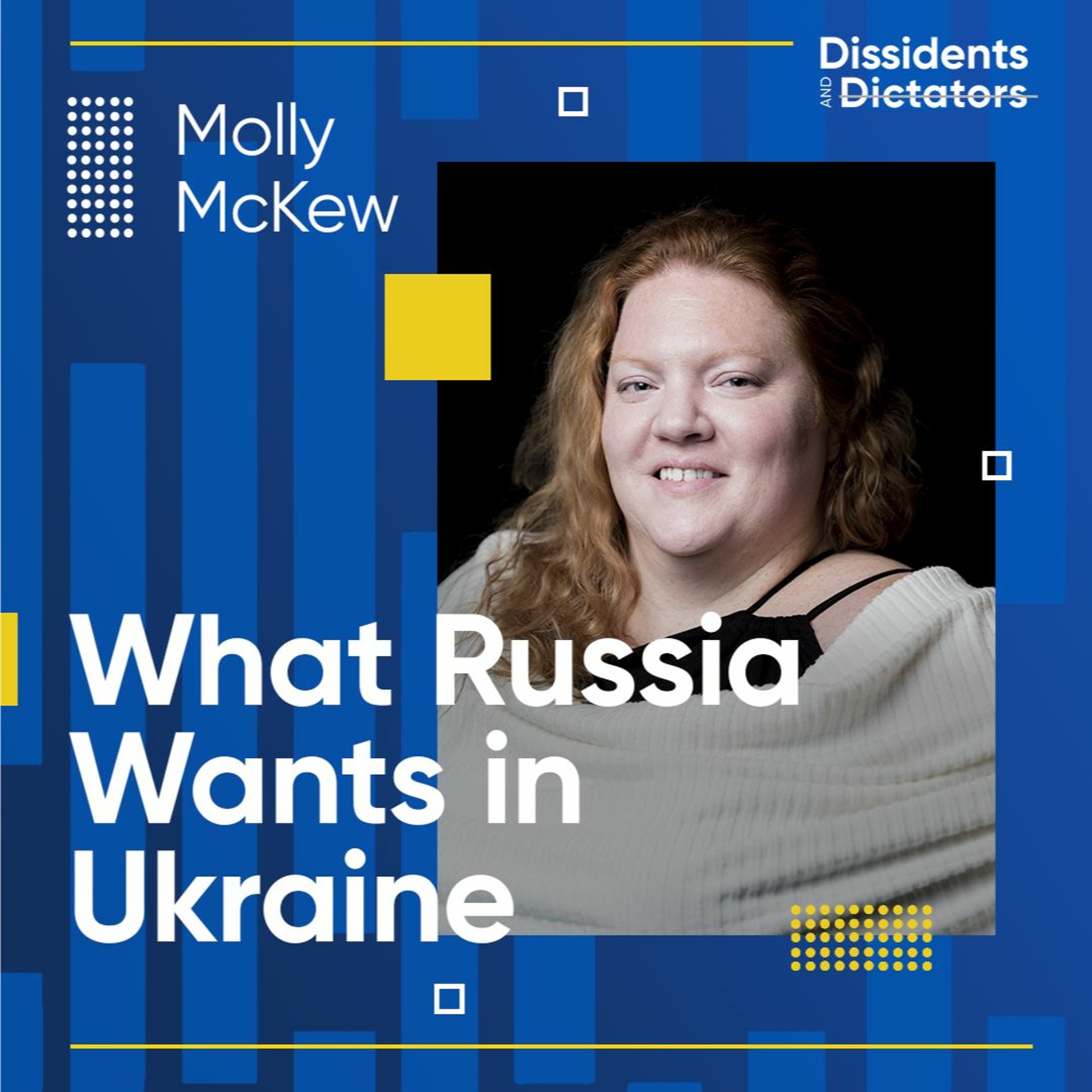
What Russia Wants In Ukraine
Since 2014, the Russian military has fought a war against Ukraine, annexed the Crimean peninsula, supported seperatist forces in the Donbas, and used cyber attacks to destabilize Ukrainian government services. On February 22, Russia commenced a full-scale invasion of Ukraine, intensifying a war that has already cost more than 14,000 lives. Amidst the uncertainty of the situation, we examine why Russian dictator Vladimir Putin sought to destabilize Ukraine and started the largest war in Europe since 1945. Our guest this week is Molly McKew, a writer and researcher of Russian influence and information warfare. She is the lead author of greatpower.us, which explores what great power competition looks like in an era of asymmetric warfare and hybrid influence. Her articles have appeared in Politico, Wired, The Washington Post, Lawfare, and other publications. She is also an adjunct professor at Georgetown University’s Edmund Walsh School of Foreign Service, where she teaches Russian hybrid warfare. This podcast was recorded before the start of the Russian invasion of Ukraine.
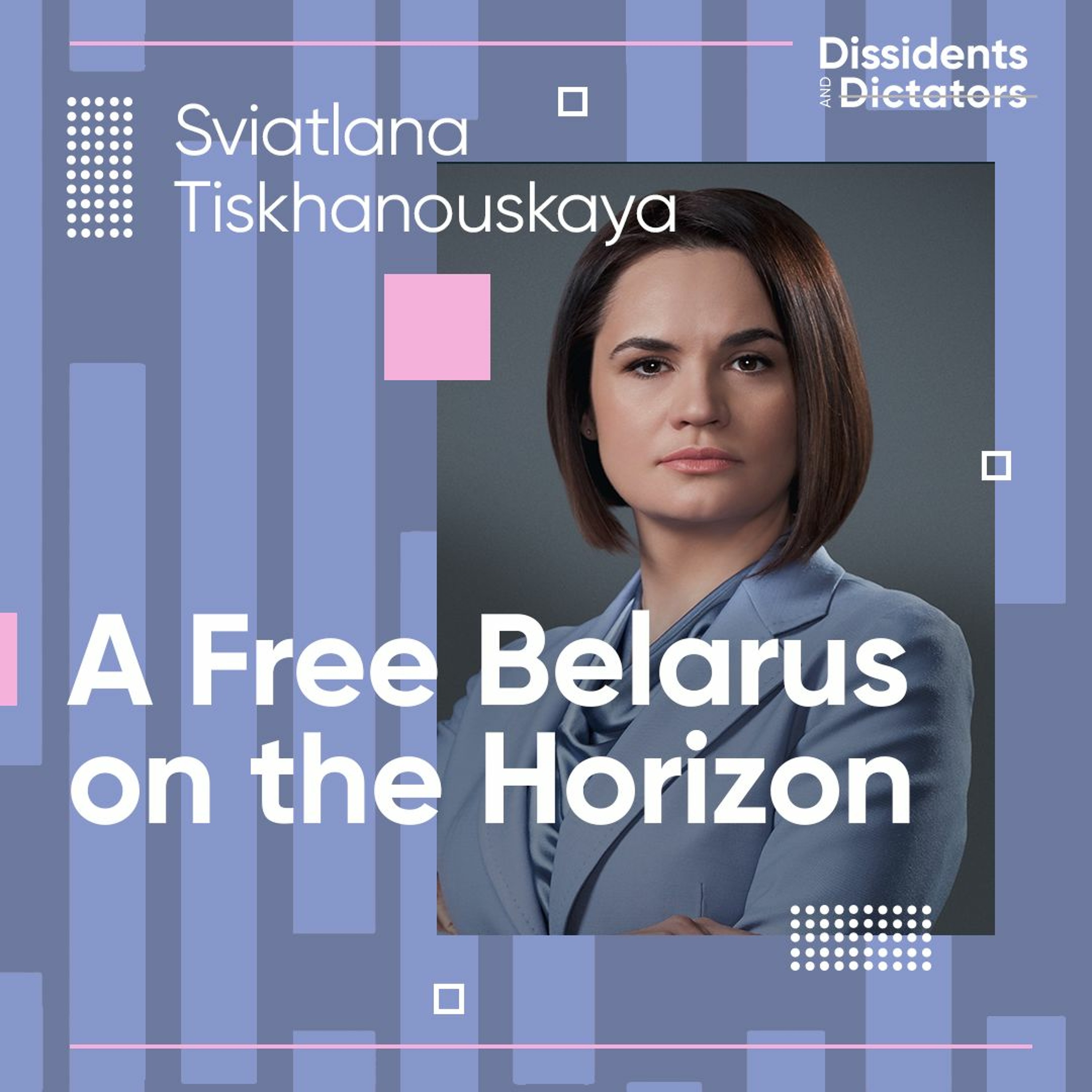
A Free Belarus on the Horizon, Sviatlana Tsikhanouskaya
A conversation between Sviatlana Tsikhanouskaya and HRF Chairman Garry Kasparov about how dictator Alexander Lukashenko stole the 2020 presidential election, how Belarus rose up, and how she has been advocating around the world for the release of political prisoners, an end to political violence, and free and fair elections in Belarus.
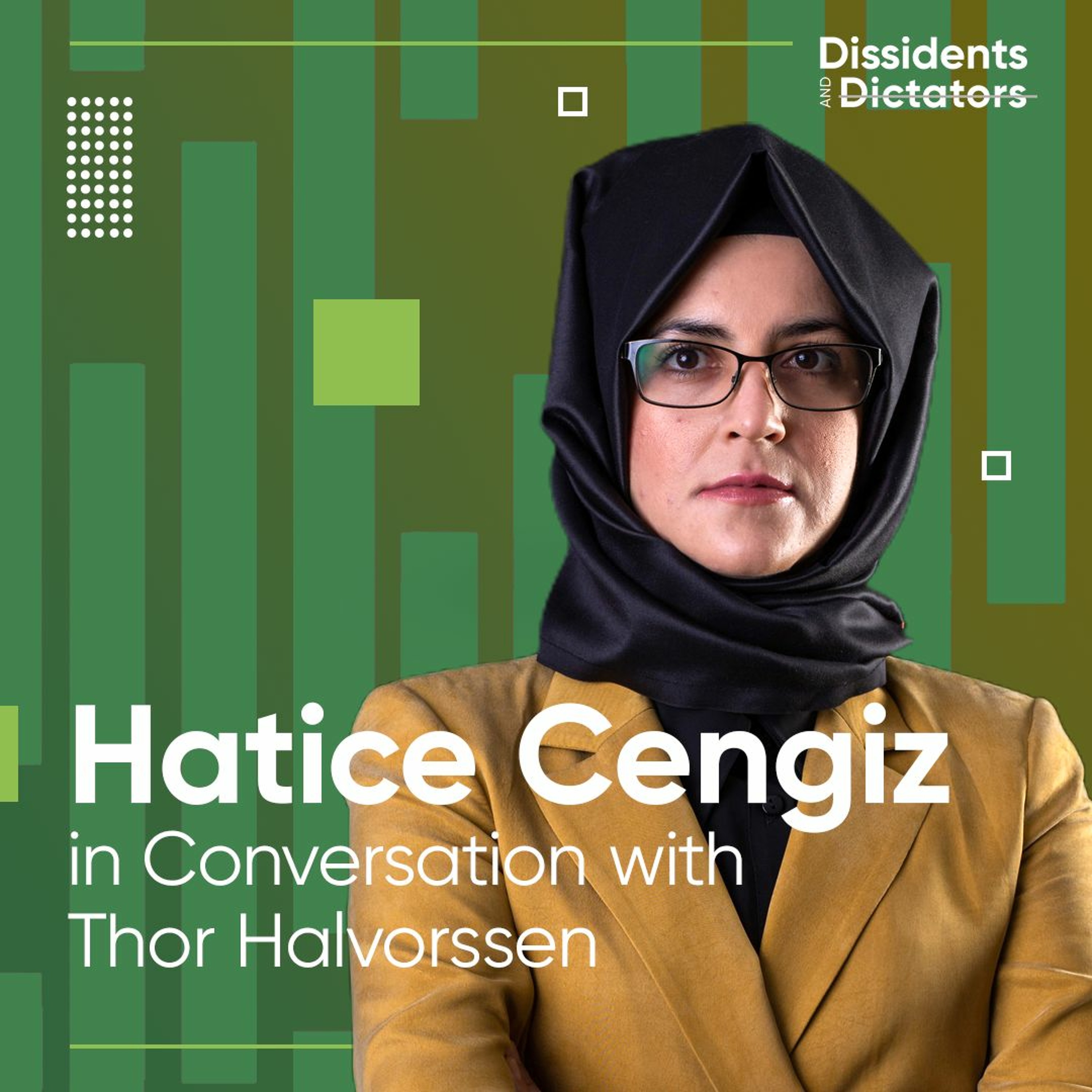
Hatice Cengiz in Conversation with Thor Halvorssen
HRF President and CEO Thor Halvorssen sat down with Hatice Cengiz, fiancée of slain Saudi journalist and Washington Post columnist Jamal Khashoggi, for a long-awaited Q&A. Hatice has been relentless in her campaign to bring justice to Jamal’s case since his brutal murder by an assassination squad inside the Saudi Consulate in Istanbul, Turkey. In this conversation, Hatice expands on her activism in immortalizing Jamal’s heritage, her experience with HRF's documentary, The Dissident, and makes the case for how Jamal’s murder was an attack against democracy and freedom worldwide.
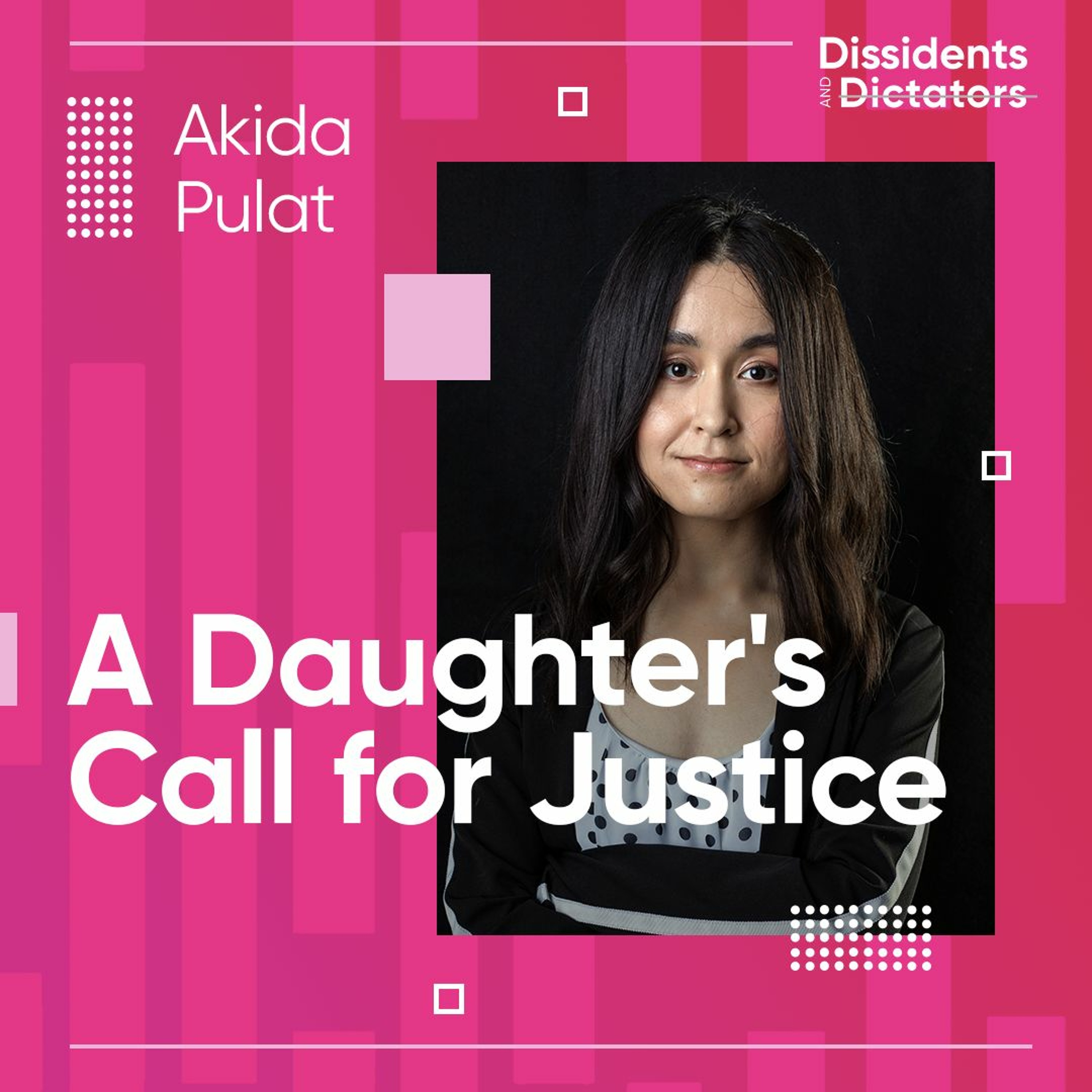
A Daughter’s Call for Justice, Akida Pulat
More than one million Uyghurs are currently detained in China’s mass network of concentration camps, where they are regularly subject to torture, forced abortions, severe mental and bodily harm, and even forced labor. Young Uyghur activist Akida Pulat discusses how this system of abuse has impacted her family, and shares what companies, organizations, governments, and the general public should do in response to the Chinese government’s atrocities.
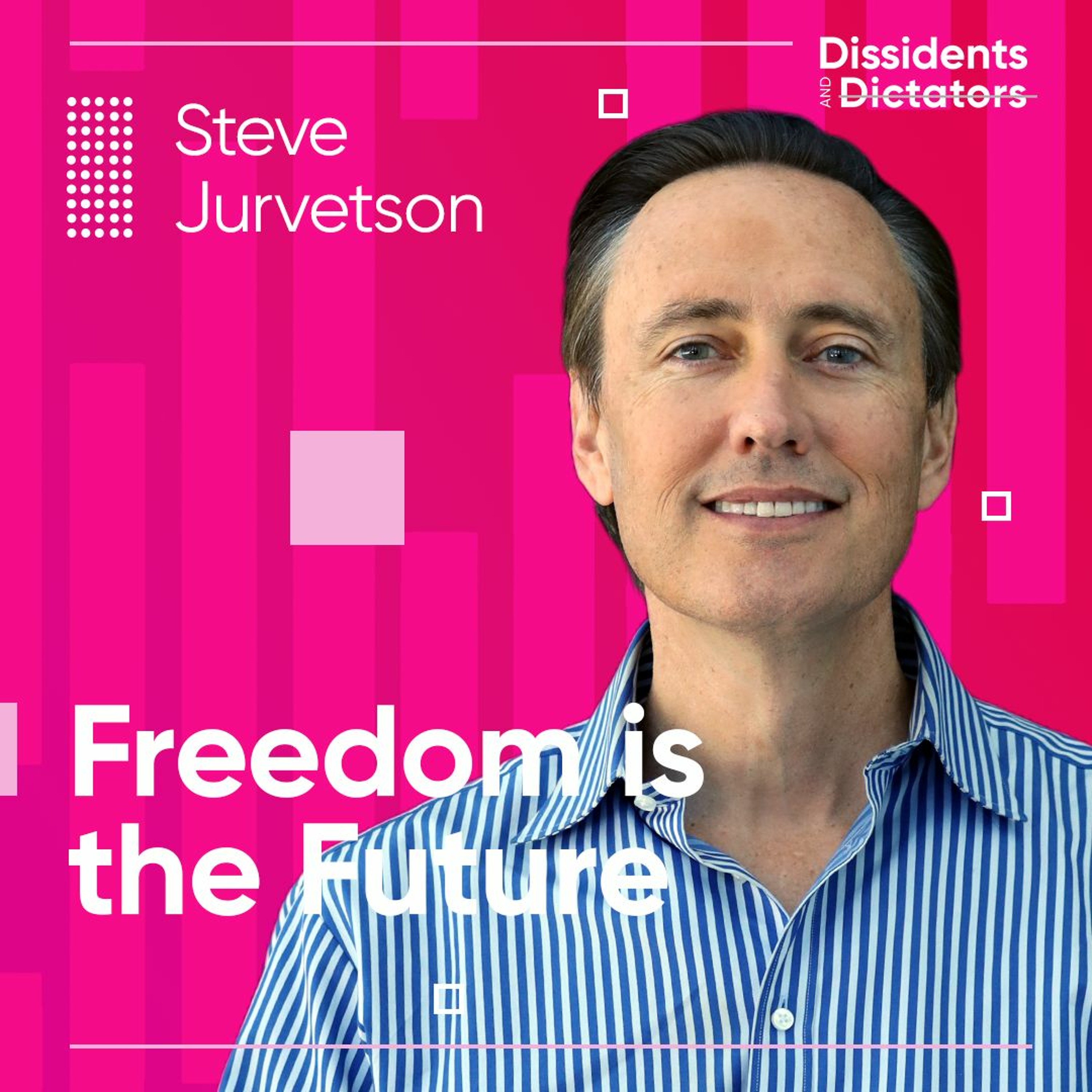
Freedom is the Future, Steve Jurvetson
Steve Jurvetson talks on the importance of promoting and maintaining a system under which new ideas and technologies can arise that can disrupt the status quo and change the lives of billions for the better. This system can be no other than an open society that allows for the protection and promotion of people’s freedoms in all dimensions.
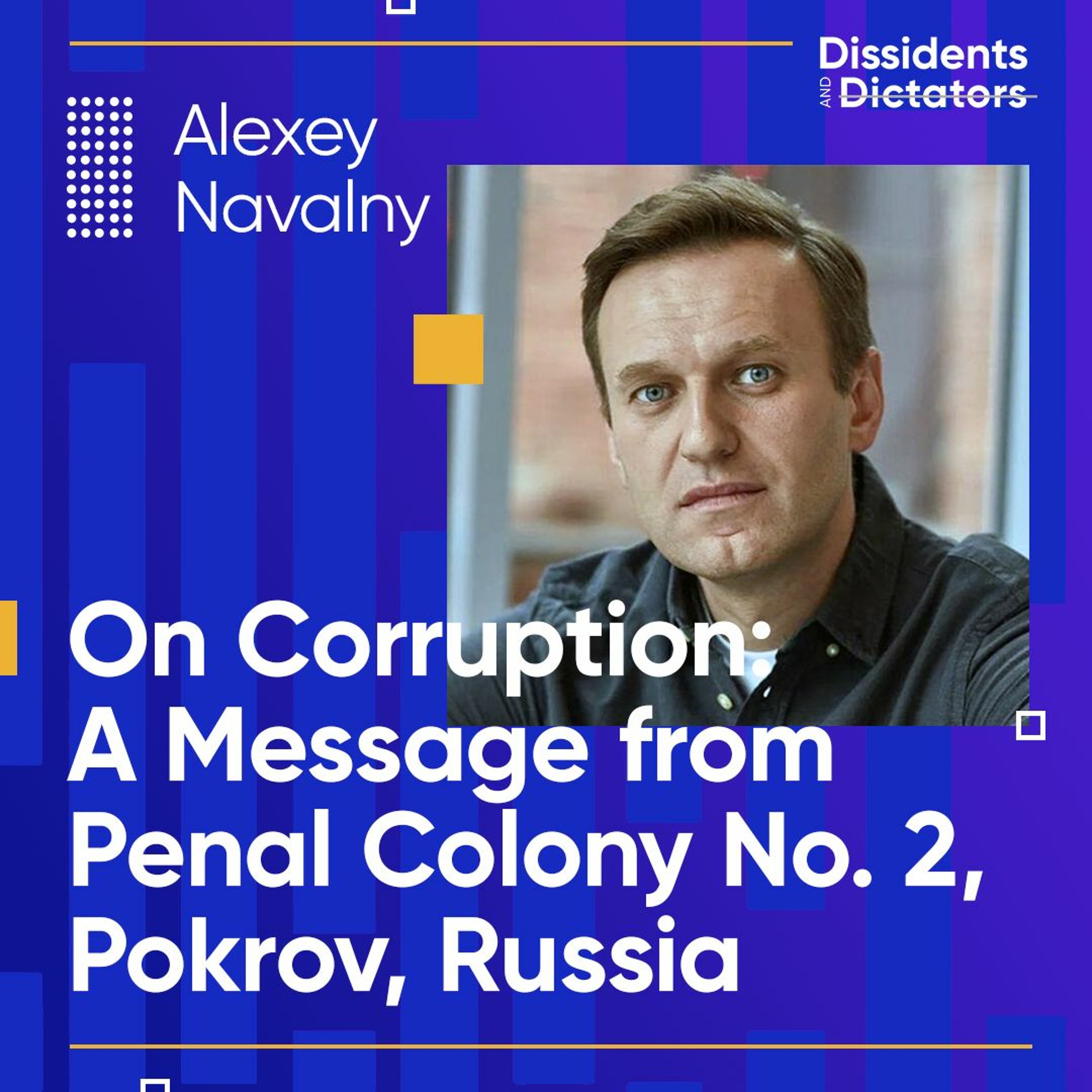
On Corruption: A Message from Penal Colony No. 2, Alexey Navalny
A message authored by Alexey Navalny from prison reflecting on the recent elections and condemning not just the terrible corruption of the Putin regime, but also the West failure to crack down on Russian influence abroad.
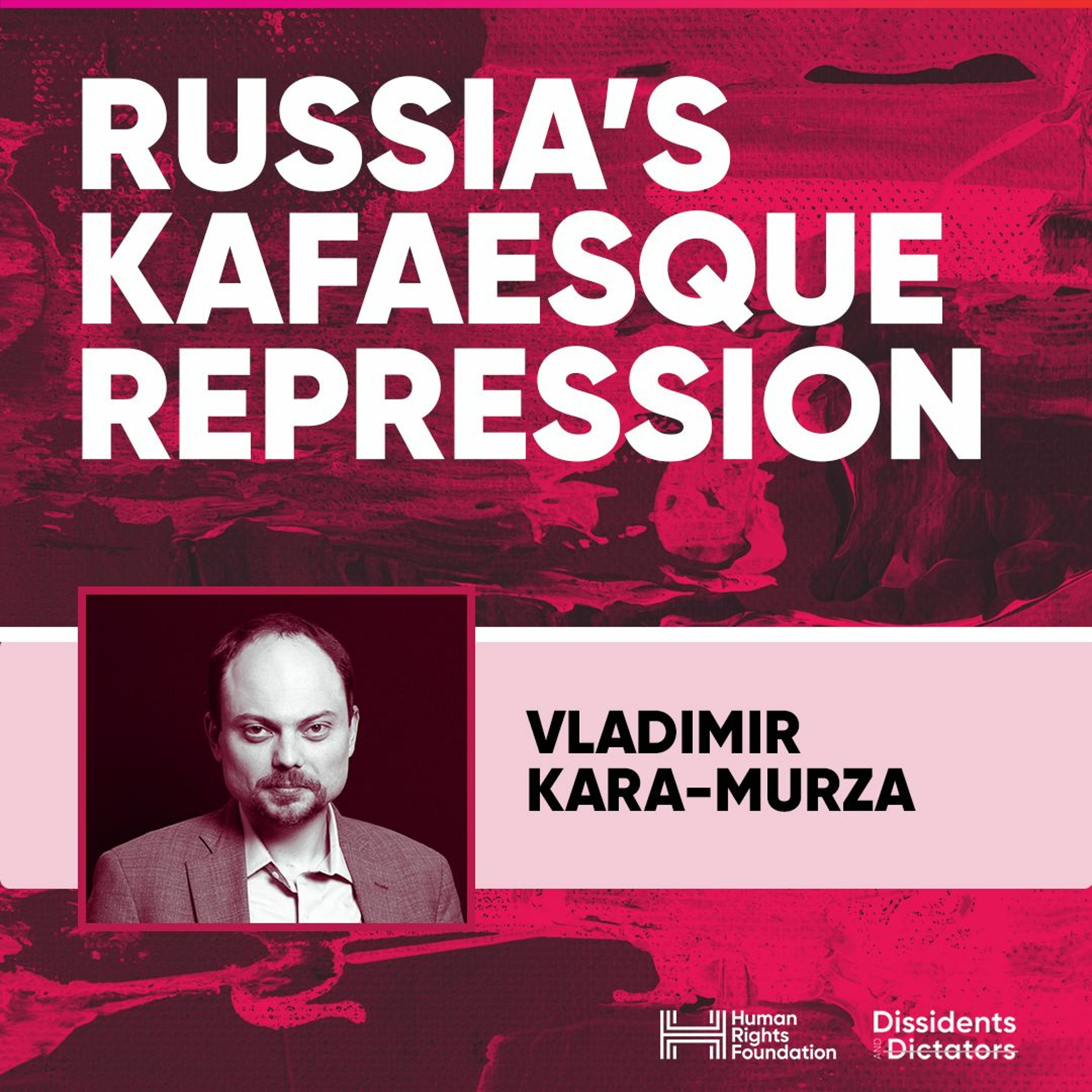
Russia's Kafkaesque Repression
In this episode of Dissidents and Dictators, the Human Rights Foundation’s (HRF) International Legal Associate Michelle Gulino speaks with Russian pro-democracy activist and opposition leader Vladimir Kara-Murza about the rise of government repression in Putin’s Kafkaesque Russia. Under Putin’s rule, Russia has become one of the most repressive countries in the world. Kara-Murza is Vice President of the Free Russia Foundation, an international organization supporting civil society and democratic development in Russia, and he chairs the Boris Nemtsov Foundation for Freedom. He is also one of the major champions of the Magnitsky Act, and has been the target of two assassination attempts by Putin’s regime for his outspokenness against the dictatorship. Throughout this conversation, Kara-Murza details the methods and aims of Putin’s repressive apparatus, and how democratic leaders around the world can help support Russian civil society.
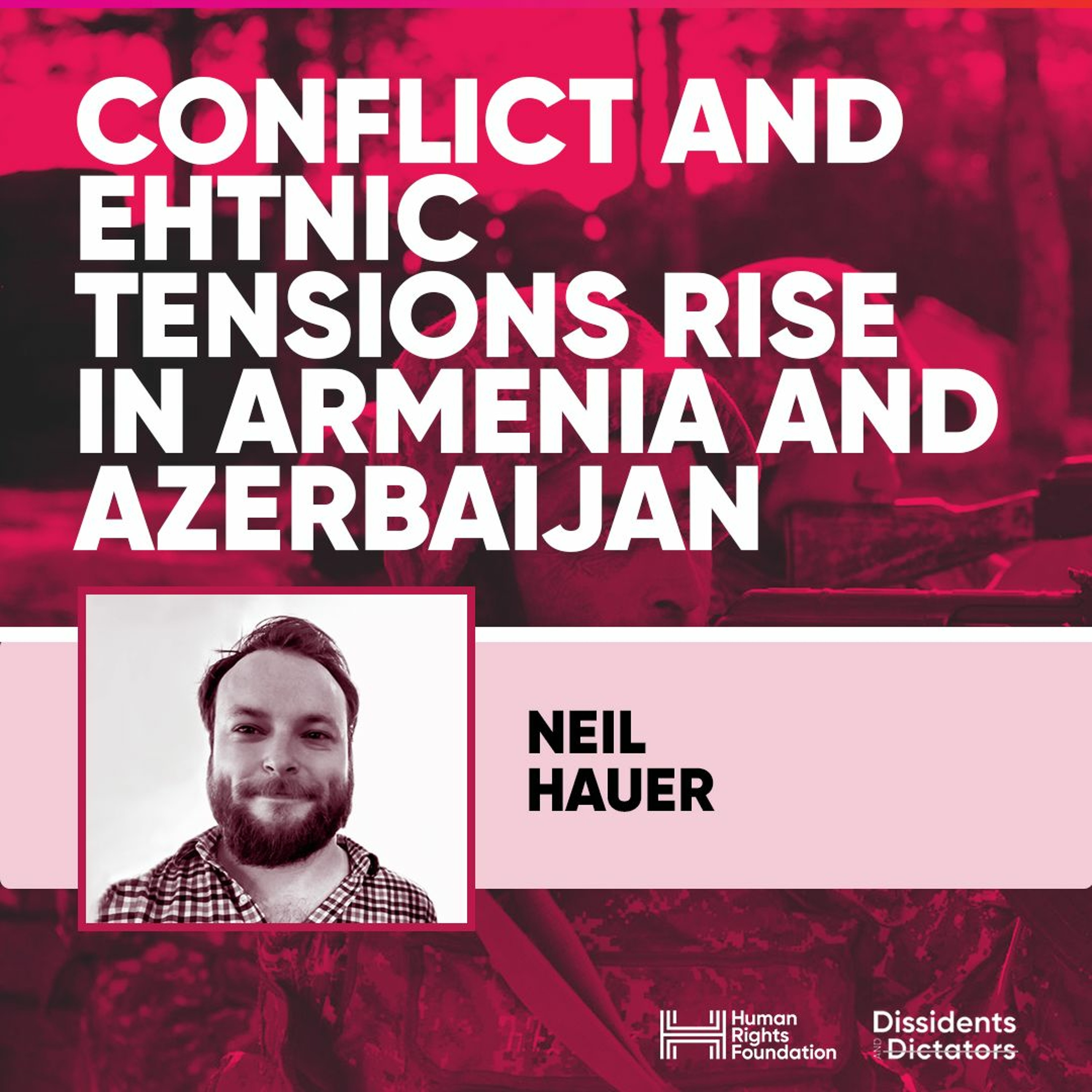
Conflict and Ethnic Tension Between Armenia and Azerbaijan
In the autumn of 2020, Armenia and Azerbaijan fought a 44 daylong war over the disputed territory of Nagorno-Karabakh, leading to thousands of civilian and military casualties, as well as more than one hundred thousand refugees. Despite a peace agreement, historical grievances, wartime atrocities, and nationalistic rhetoric have spurred continued violence and ethnic hatred between Armenia and Azerbaijan. This HRF conversation features journalist and security analyst Neil Hauer, who covered the 2020 conflict from Stepanakert, the largest city in Nagorno-Karabakh. His work focuses on politics and conflict in the South Caucasus, Russia’s role in the Syrian conflict, and violence and politics in Chechnya and Ingushetia.
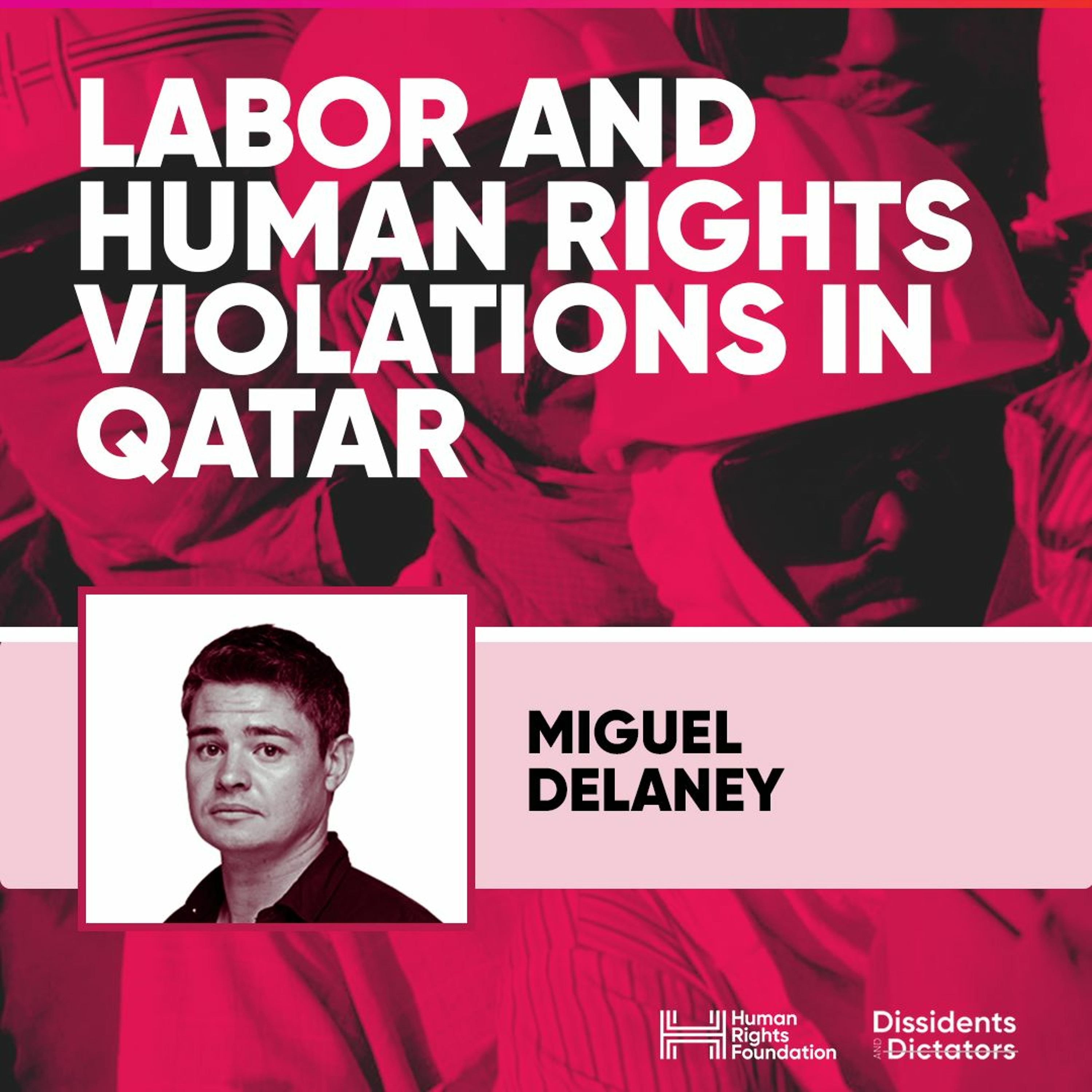
Labor And Human Rights Violations In Qatar
As the world prepares for the 2022 FIFA World Cup to be held in Qatar, the Human Rights Foundation (HRF) seeks to hold the Qatari government accountable for labor and human rights violations against migrant workers building the infrastructure for the event. Thousands of migrant workers have died on Qatari construction sites, and there are numerous reports of systemic exploitation and mistreatment against laborers. In this episode of Dissidents and Dictators, Miguel Delaney, Chief Football Writer for The Independent, speaks with veteran journalist Pete Pattison about the harmful conditions and human rights violations facing these migrant workers. The two discuss the Qatari government’s role in allowing these conditions to continue even after promises of labor reforms, and how FIFA teams and sponsors, and listeners like you, can pressure Qatari officials to improve labor conditions for migrant workers.
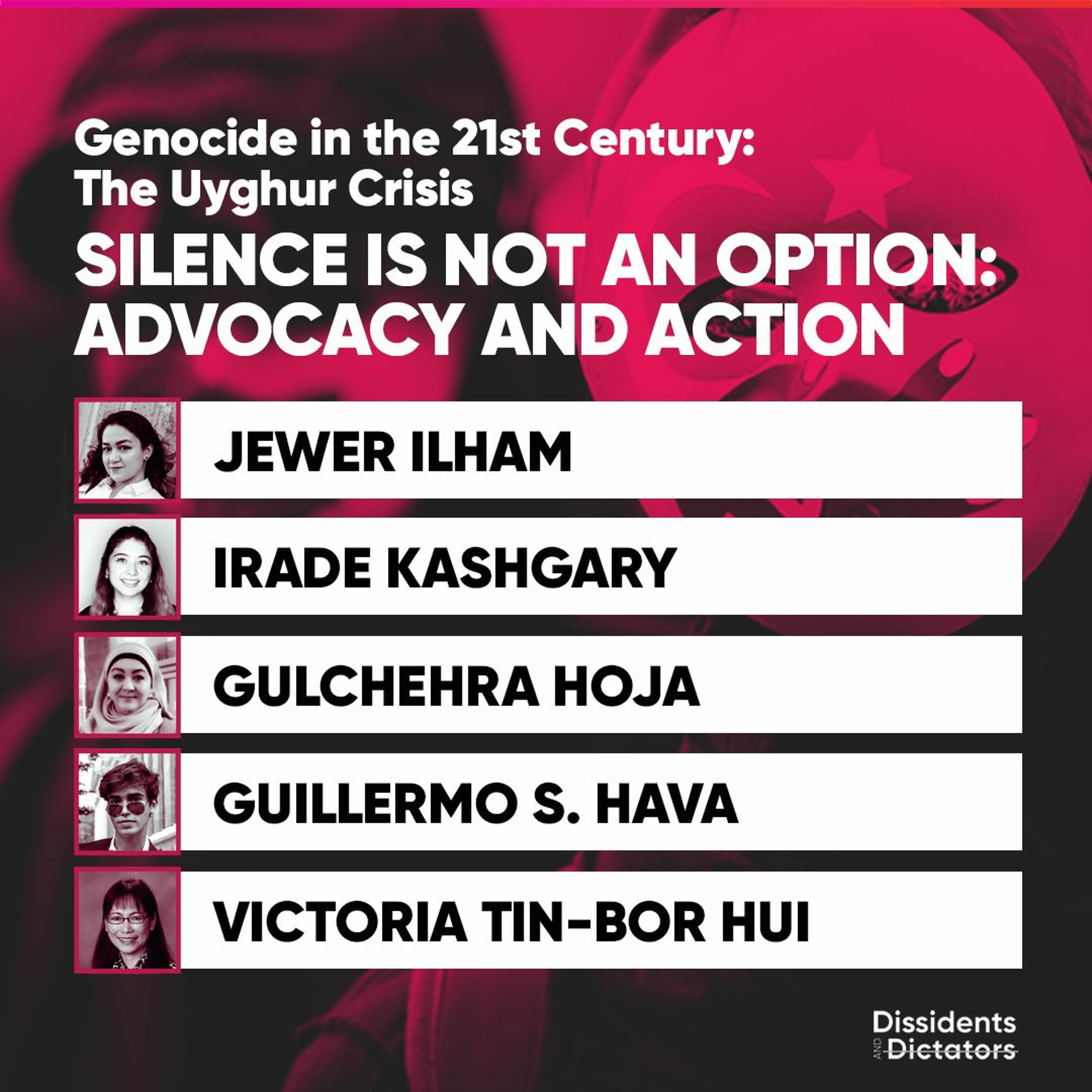
Silence is Not an Option: Advocacy and Action (Genocide in the 21st Century: The Uyghur Crisis)
With millions being arbitrarily detained and imprisoned in labor camps in the Xinjiang region of China simply for speaking a different language and practicing a different culture, Silence Is Not An Option. Sit down with our panelists for a chance to listen to three individually unique stories all with the same end goal, to free their family, friends, and neighbors from the regime's tight grasp. Whether working as a journalist, teacher, researcher, or advocate these amazing activists go in-depth into their personal experiences and the prosecution they've undergone, as well as share how we can all do our part to end the Uyghur Genocide taking place in Xinjiang. Moderator: Guillermo S. Hava, Coordinator of the Harvard Human Rights Working Group, Harvard University Panelists: Jewher Ilham, Uyghur human rights activist Gulchehra Hoja, Uyghur journalist Irade Kashgary, Uyghur activist and HRF Freedom Fellow Closing Remarks: Dr. Victoria Tin-bor Hui, Associate Professor of Political Science at University of Notre Dame
Highlighting the Unprecedented Digital Repression (Genocide in the 21st Century: The Uyghur Crisis)
Moderator: Alex Gladstein, Human Rights Foundation Panelists: Dr. Darren Byler: Anthropologist and Uyghur technopolitics expert Megha Rajagopalan: Buzzfeed international correspondent and investigative journalist Bethany Allen-Ebrahiminan: Axios China reporter What is unfolding in the Xinjiang Uyghur Autonomous Region (also referred to as East Turkestan) is considered one of the worst human rights abuses in the world today. The Uyghur Region — known as the Xinjiang province in China — is often referred to as a dystopian surveillance state and an open-air prison. The actions of the Muslim minorities living in the region are heavily monitored through cell phone applications, frequent home inspections, and an array of checkpoints throughout the region. Anywhere from 1 to 3 million people, including Uyghurs, Kazakhs, Tajiks, and other ethnic minorities, are forcibly confined to the Uyghur Region by the Chinese government — simply because they speak a different language, practice religion, and embrace a different culture. Within these concentration camps built by the Chinese government, Uyghurs are forced to take “re-education” courses, and are subject to mental & bodily harm and torture. In many cases, they are coerced and trafficked into state-sponsored forced labor schemes to ramp up production in factories across the country. Featuring spotlight speakers and engaging panelists, this 2-day event aims to provide participants with a holistic and multi-dimensional understanding of the genocide unfolding in the region. Participants will leave equipped with concrete ideas on how they can help stand up against these atrocities.
The Long-Arm of Authoritarianism (Genocide in the 21st Century: The Uyghur Crisis)
The Long-Arm of Authoritarianism Moderator: Jenny Wang, Human Rights Foundation Panelists: Dr. Sean Roberts, Director of International Development Studies Program at George Washington University's Elliott School of International Affairs Dr. Timothy Grose, Associate Professor of China Studies at the Rose-Hulman Institute of Technology Alex Chow, Hong Kong activist and 2018 Nobel Peace Prize nominee What is unfolding in the Xinjiang Uyghur Autonomous Region (also referred to as East Turkestan) is considered one of the worst human rights abuses in the world today. The Uyghur Region — known as the Xinjiang province in China — is often referred to as a dystopian surveillance state and an open-air prison. The actions of the Muslim minorities living in the region are heavily monitored through cell phone applications, frequent home inspections, and an array of checkpoints throughout the region. Anywhere from 1 to 3 million people, including Uyghurs, Kazakhs, Tajiks, and other ethnic minorities, are forcibly confined to the Uyghur Region by the Chinese government — simply because they speak a different language, practice religion, and embrace a different culture. Within these concentration camps built by the Chinese government, Uyghurs are forced to take “re-education” courses, and are subject to mental & bodily harm and torture. In many cases, they are coerced and trafficked into state-sponsored forced labor schemes to ramp up production in factories across the country.
The Future of Democracy in Belarus with Sviatlana Tsikhanouskaya
A discussion with democratic leader of Belarus, Sviatlana Tsikhanouskaya on the future of the democratic movement and human rights in Belarus along with: Michael McFaul: Former U.S. Ambassador to Russia Bill Browder: Magnitsky Act Architect Garry Kasparov: Chairman of the Human Rights Foundation Moderator: Roberto González, Chief Legal Officer at the Human Rights Foundation

How "Sportswashing" is Changing the Game
Dictatorial regimes from Russia to Saudi Arabia to China are investing millions of dollars into hosting major sporting events and investing in teams in free societies, in an effort to improve their human rights images internationally and pivot the global eye away from their repressive measures. Countries like Saudi Arabia and China have been leading these investments and bids in global sporting events to whitewash crimes. Panelists will examine just how authoritarian regimes are using this method of "sportswashing" to divert attention away from their reprehensible human rights records, and the trends and implications of these soft power, high-dollar tactics. Panelists: Garry Kasparov, Chairman, Human Rights Foundation Karim Zidan, Investigative Journalist, The Guardian / freelance Irade Kashgary, Director and Activist, Uyghur American Association Miguel Delaney, Chief Football Writer, The Independent
An Invisible Threat: Press Freedom and the Dangers of Spyware
Authoritarian regimes around the world, such as China, Russia, and Saudi Arabia, are increasingly using technology to spy on journalists, dissidents, and activists. From basic phishing emails to sophisticated malware, these methods violate personal privacy and endanger the lives of individuals who dare to stand up against dictators and freely express their opinions. The Human Rights Foundation, which produced THE DISSIDENT — a new documentary highlighting the labyrinth of deceit behind the high-profile murder of Washington Post columnist Jamal Khashoggi — and the Committee to Protect Journalists (CPJ) are co-hosting a virtual panel to discuss the invisible digital threat that is placing press freedom and access to information at risk. The conversation will feature Saudi activist, blogger, and close friend of Jamal Khashoggi, Omar Abdulaziz; THE DISSIDENT’s Award-winning director Bryan Fogel; Al Jazeera journalist Ghada Oueiss; and CPJ Senior Africa Researcher Jonathan Rozen. Panelists will unpack the most pressing questions about spyware: How is spyware used to silence dissidents and journalists? How is it falling into the hands of bad actors? How widespread is the danger? And how should concerned governments respond? This conversation will be moderated by Courtney Radsch, CPJ Advocacy Director.
How Athletes Are Defending Democracy In Belarus
Dictatorships often use professional sports to cover up their crimes and establish international legitimacy. In Belarus, the regime of Alexander Lukashenko is particularly invested in Ice Hockey as a means of promoting his regime. However, in January Belarusians convinced the International Ice Hockey Federation to cancel the Ice Hockey World Championships in Minsk in order to prevent Lukashenko from using the event to distract from human rights violations. HRF’s Alexander Sikorski speaks to Anatoly Kotov of the Belarus Sports Solidarity Foundation about how athletics are used by authoritarian regimes, why Belarusians pressured the IIHF and other international sporting bodies to boycott sports events in Belarus, and how Belarusian athletes have stood up for freedom and democracy in Belarus.
State Sponsored Hacking: Russia, Saudi Arabia and North Korea
How are Russia, Saudi Arabia, and North Korea using technology to consolidate their power and influence globally? Panelists: Phillipa Thomas, Iyad El-Baghdadi, Jieun Baek and Andy Greenberg
Audrey Tang: Adapting to the Rise of Authoritarianism
Authoritarianism is on the rise globally – but one resilient country has learned how to push back. In this conversation with Taiwan's Digital Minister Audrey Tang, learn how Taiwan is protecting its young democracy using transparency, innovation, and open governance.
How Saudi Arabia Uses Spy Tech to Hunt Critics Around the World
How does Saudi Arabia use spy tech to hunt critics and dissidents around the world? In this episode, John Scott- Railton and Bill Marczak, dive into the case of Omar Abdulaziz and how the Saudi regime hacks dissidents to intimidate and silence them.
Saudi Arabia's Sportswashing & PR Entertainment Campaigns
Ahmed Gatnash, host of "The Arab Tyrant Manual" podcast and Founder of the Kawaakibi Foundation, moderates a discussion between HRF Chairman Garry Kasparov, Areej Sadhan, sister of jailed Saudi dissident Abdulrahman al-Sadhan, and investigative journalist Karim Zidan on the Saudi regime's investments in sports and entertainment to distract from ongoing human rights abuses. This panel was recorded at the 2020 Oslo Freedom Forum, produced by the Human Rights Foundation.
Trapped in Saudi Arabia: The Kafala System
Saudi Arabia just announced the “Labour Relation Initiative” set to be implemented in March 2021 which will ease foreign workers contractual restrictions. This podcast will provide an overview of the Kafala sponsorship system in Saudi Arabia and the implications of the announcement. In a fireside chat, Executive Director of the Saudi American Justice Project Bethany AlHaidari will discuss how the Kafala system works, and how the Saudi regime is using this alleged “reform” to draw attention away from human rights abuses in the lead up to the upcoming G20 summit. It will also highlight other “cosmetic” reforms that the regime implements, such as those to its male guardianship system, to whitewash its human rights violations.
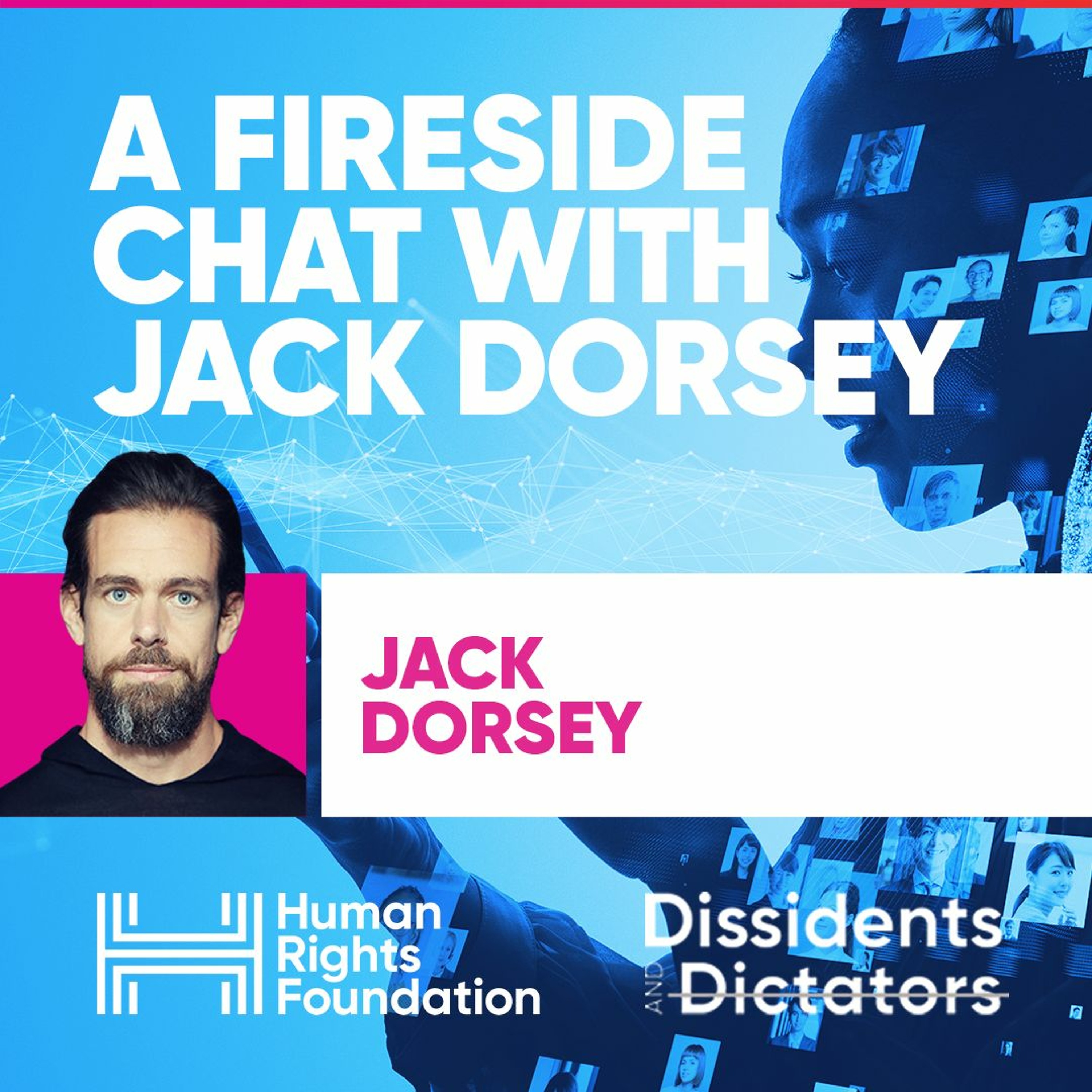
Jack Dorsey: Twitter's Role in Shaping Public Discourse, Blockchain, and Much More
Twitter and Square CEO Jack Dorsey discusses the role Twitter plays in shaping public discouse, his thoughts on the murder of Jamal Khashoggi, and much more with HRF president Thor Halvorssen at the 2020 Oslo Freedom Forum.