The Mess Around Menopausal Hormone Therapy
Diabesity Decodified - Is Food the root cause of Type 2 Diabetes Mellitus pandemic? · Pandiyan Natarajan
Audio is streamed directly from the publisher (content.rss.com) as published in their RSS feed. Play Podcasts does not host this file. Rights-holders can request removal through the copyright & takedown page.
Show Notes
The Mess Around Menopausal Hormone Therapy
Professor Dr. Pandiyan Natarajan
Professor of Andrology and Reproductive Sciences
(Disclaimer: This podcast is for informational purposes only and is based on a synthesis of current medical evidence and expert opinion. It is not a substitute for professional medical advice. Please discuss your health care plan and any concerns with your qualified healthcare provider.)
Menopause is a universal biological milestone — a normal physiological transition, not a disease. For many, this transition is smooth, but for others, it brings disruptive symptoms. The field of menopausal hormone therapy (MHT), a highly effective treatment, has spent two decades swinging between hype and fear.
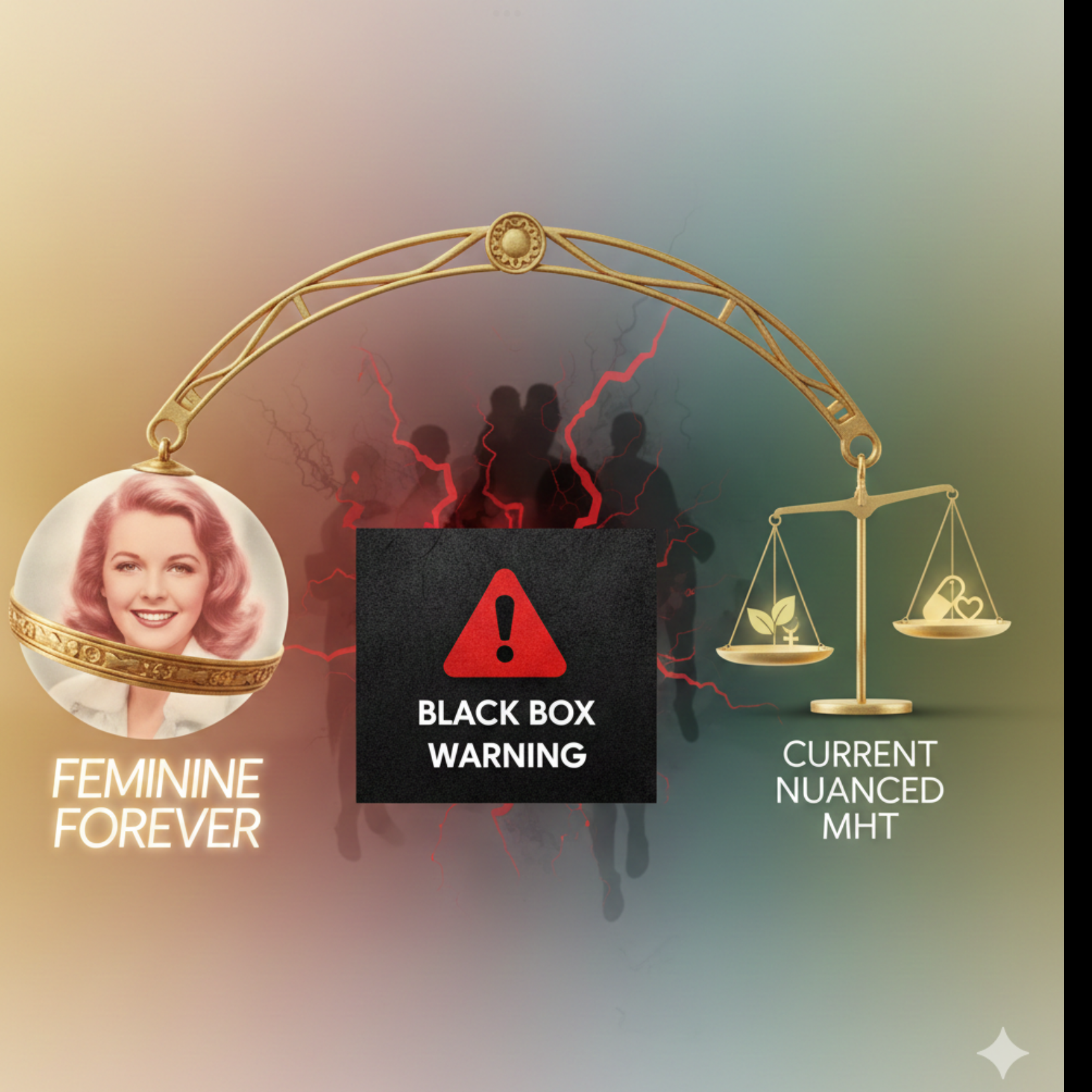
From "Feminine Forever" to Global Panic
In the 1990s, MHT was glorified as "Feminine Forever," believed to prevent heart disease and preserve youth. This changed with the 2002 Women’s Health Initiative (WHI) study. Its headlines were catastrophic: "Hormones cause breast cancer and heart attacks!" Prescriptions collapsed overnight.
However, the study's design was flawed. The average participant was 63 years old and 12 years past menopause. The alarming results were applied to younger, healthier women for whom they were not relevant.
Revisiting the Data: A Dramatic Shift
Reanalysis revealed a different story for healthy women under 60 or within 10 years of menopause:
· Benefits: Reduced overall mortality, lower risk of heart disease, type 2 diabetes, and fractures.
· Risks: A slightly increased risk of breast cancer with combined estrogen-progestin, and increased risk of VTE and stroke in older women using oral estrogen.
The study that caused panic actually showed benefits for the women most likely to seek treatment.
A Balanced, Evidence-Based Approach
MHT is safe and effective when used correctly. Major medical societies agree on a "therapeutic window" for women under 60 or within 10 years of menopause. Outside this window, risks rise.
Key Principles for a Rational Path:
1. Menopause is Physiology, Not Pathology: Not every woman needs MHT. Symptoms vary globally, and many adapt well with lifestyle and cultural support.
2. Individualize Treatment: There is no one-size-fits-all rule for duration. It depends on symptom severity, bone health, and patient preference, requiring regular review.
3. Avoid the New Hype: MHT is not an anti-aging therapy, cognitive enhancer, or weight-loss tool. It treats menopausal symptoms, not aging itself.
4. Follow a Sensible Middle Path:
· Start with lifestyle measures (diet, exercise, Cognitive Behavioral Therapy ).
· Use MHT only for significant, persistent symptoms.
· Use the lowest effective dose, favoring safer options like transdermal estrogen and micronized progesterone.
· Ensure the woman makes a fully informed decision.
The goal is a calm, evidence-based perspective—neither glorifying MHT as a cure-all nor demonizing it as dangerous.