Diabesity Decodified - Is Food the root cause of Type 2 Diabetes Mellitus pandemic?
55 episodes — Page 2 of 2
S1 Ep 5Endometriosis — A Fresh Look for Everyone
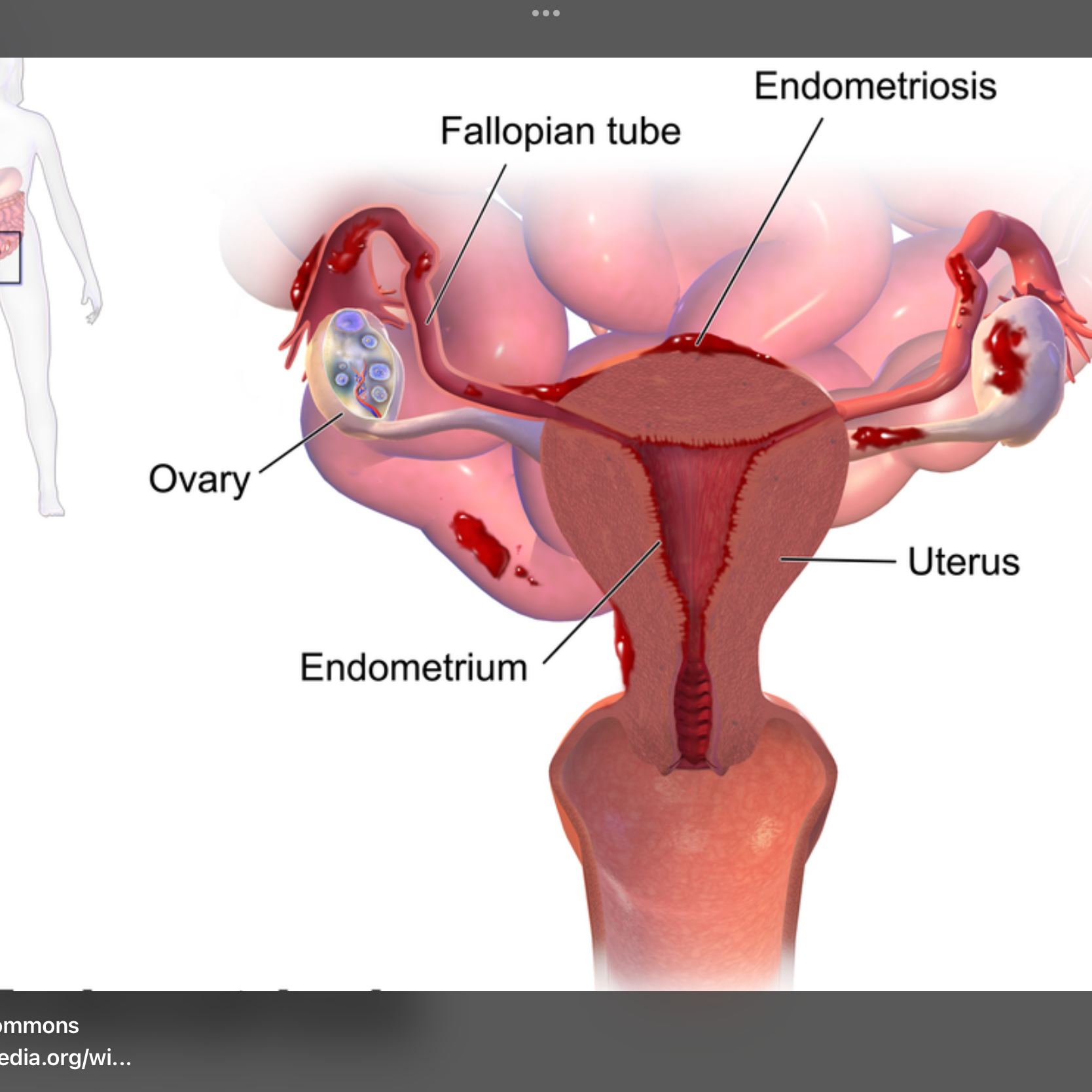
Disclaimer: This is an opinion podcast for educational purposes only and does not constitute medical advice. Readers should consult their healthcare providers before making any decisions about diagnosis or treatment.What is Endometriosis? Endometriosis happens when tissue like the lining of the womb (uterus) grows in places it does not belong — like on the ovaries, the fallopian tubes, or other parts of the pelvis. In rare cases, it can even show up in places far from the womb, like the lungs or surgical scars.This tissue behaves like it would inside the womb — it reacts to monthly hormonal changes, swells, and bleeds during periods. But because it is trapped outside the womb, it can cause pain, swelling, and sometimes scar tissue.Why Does It Happen? Doctors are not completely sure why endometriosis develops. One main theory is retrograde menstruation — where some menstrual blood flows backward into the pelvis instead of out of the body. These cells then stick to other tissues and grow.We also know that: — It mostly affects women who are having regular periods and have working ovaries. — Pregnancy and breastfeeding often ease symptoms because periods stop for a while. Endometriosis usually goes away after menopause when periods stop permanently.How Common is It? We do not know the exact number because many women have no symptoms.But it is estimated that: — Around 1 in 3 women with endometriosis have trouble getting pregnant. Around 1 in 3 women with fertility problems have endometriosis. — In India alone, over 40 million women may have it.What Are the Symptoms? Some women have no symptoms at all. For others, endometriosis can cause: — Very painful periods — Pain during or after sex — Difficulty getting pregnant — Pain when passing stools or urine (especially during periods) — Ongoing pelvic painDoes It Cause Infertility? This is still debated. In some cases, scar tissue or adhesions from endometriosis can block the fallopian tubes or affect the ovaries, making pregnancy harder. But in many women, the link between endometriosis and infertility is unclear. Some experts even suggest infertility can sometimes lead to endometriosis rather than the other way around.How is it Diagnosed? The only sure way to confirm endometriosis is through a small surgical procedure called laparoscopy — where a tiny camera is inserted into the abdomen. Even then, samples are taken and usually checked under a microscope to be sure.Scans like ultrasound can detect endometriomas (a type of cyst caused by endometriosis), but they can miss smaller or hidden spots.Treatment Options: Treatment depends on whether the main problem is pain, infertility, or both.1. Hormonal treatments (such as birth control pills, progestins, or hormone-blocking injections) can relieve pain but usually prevent ovulation, making them unsuitable for those trying to conceive. — Surgery can remove endometriosis patches, but symptoms can return. Surgery is advised when there’s severe pain, bowel or urinary blockage, or suspicion of cancer.2. For infertility, mild cases may be addressed with fertility treatments such as ovulation stimulation and intrauterine insemination (IUI). — For more severe cases or if other treatments fail, IVF is usually the best choice. — Removing endometriomas before IVF does not usually improve success rates and may reduce egg numbers, so it is often avoided unless necessary.Living with Endometriosis: Endometriosis can be frustrating & unpredictable — symptoms can be mild, severe, or even disappear on their own. The key is to tailor treatment to the woman’s main concerns — pain, fertility, or both — and avoid unnecessary delays in trying for pregnancy when that is the goal.
S1 Ep 4Fertility Add-Ons: Hope, Hype, and Hard Truths
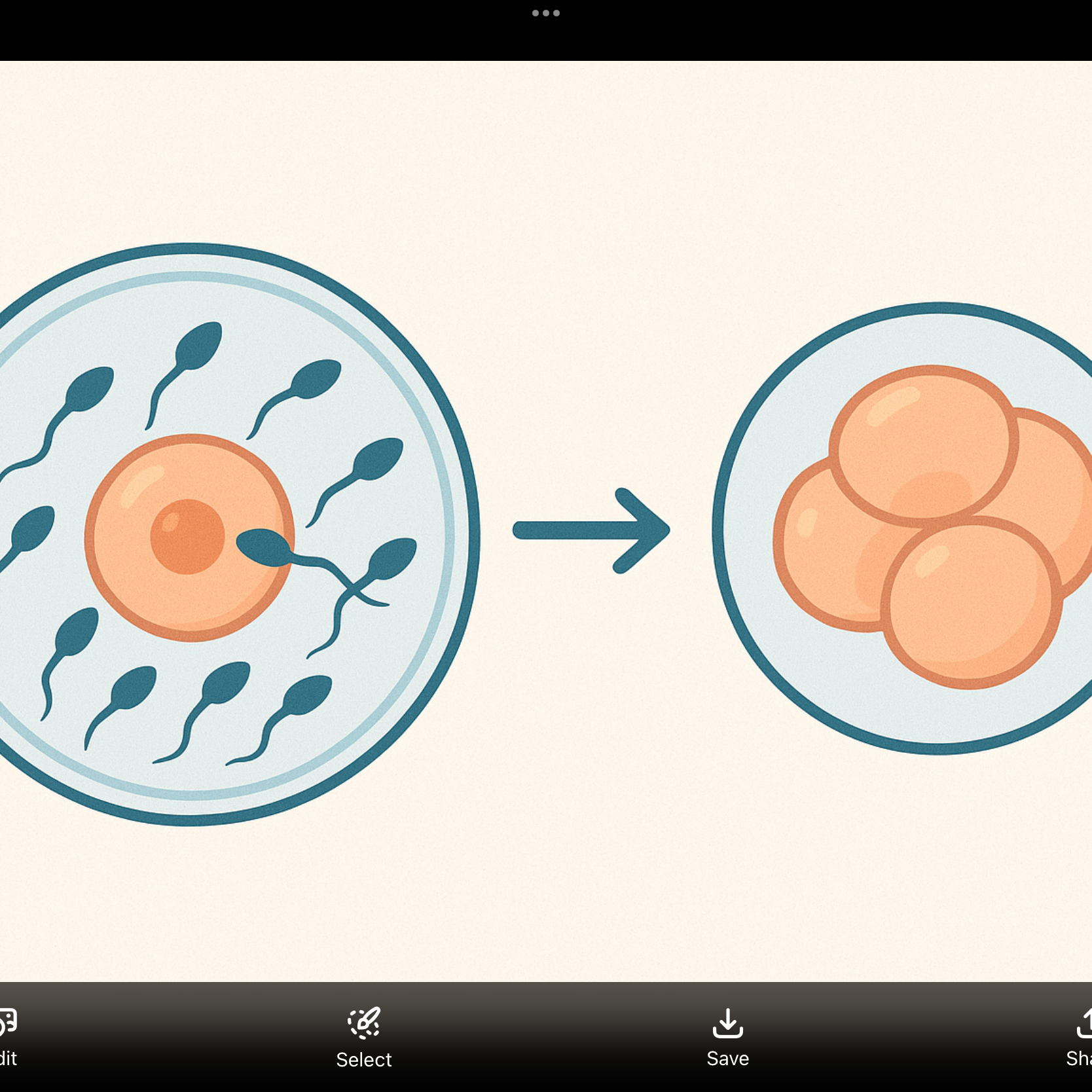
Disclaimer: This is an opinion podcast for educational purposes only and does not constitute medical advice. Listeners should consult their healthcare providers before making any decisions about diagnosis or treatment.Fertility Add-Ons: Hope, Hype, and Hard TruthsQuick Look:Add-ons are optional extras in IVF promising better success. Most lack strong evidence for improving live birth rates and often add only cost, risk, and complexity.What Are Add-Ons?Add-ons are drugs, procedures, or lab techniques added to standard IVF hoping to improve outcomes. Examples include additional drugs (DHEA, growth hormone), lab innovations (time-lapse imaging, embryo glue), and procedures (endometrial scratching). Today's routine (like ICSI) was often yesterday's add-on, reminding us that today's fashion may be tomorrow's history.The Vulnerability of PatientsThe emotional burden of infertility makes patients vulnerable and willing to try anything. History shows the dangers of untested interventions (e.g., Thalidomide, DES). Embryos are highly sensitive, and add-ons may carry hidden long-term risks.Do Add-Ons Really Work?Most fail to improve live birth rates:· Androgens/Growth Hormone: May increase eggs retrieved but not proven to improve live births.· Antioxidants: Can improve sperm quality, but link to live birth is weak.· Aspirin/Heparin: Evidence does not support routine use.· Metformin: Useful for PCOS to reduce risk but doesn’t clearly raise live births.· Endometrial Scratching/Assisted Hatching/ERA: Strong trials show little to no benefit for most.The Herd Effect & Problem with "Evidence"Medicine is not immune to fashion. Unproven add-ons become mainstream as patients request them and clinics offer them to stay competitive. Supporters often cite weak evidence like meta-analyses of small studies or statistically significant but clinically meaningless p-values. Fertility treatment demands the strongest evidence.What This Means for Patients· Ask: “Is it proven to help someone like me achieve a live birth?”· Weigh the significant financial costs.· Understand potential side effects and unknown long-term risks.The Hard TruthMost add-ons do not increase your chance of a baby. They reliably add cost, confusion, and complexity. Innovation must continue but with caution, protecting patients.Final TakeawayUntil solid evidence proves they increase live births without harm, add-ons remain optional extras—not essentials.

S1 Ep 3BMI: A Number That Misleads More Than It Measures
Disclaimer: This is an opinion article for educational purposes only and does not constitute medical advice. Readers should consult their healthcare providers before making any decisions about diagnosis or treatment.Introduction. For decades, doctors, policymakers, & the public have relied on one simple calculation to assess health: the Body Mass Index (BMI).. But does this number really tell us anything about health? The answer is increasingly clear: NO. BMI is not a health parameter. It is a statistical relic that misclassifies millions of people, ignores biology, & distracts us from the real issue: adult weight gain after early adulthood.Origins of BMI: A Misapplied Tool BMI was introduced in the 1830s by Adolphe Quetelet, a Belgian mathematician and statistician. Quetelet was not a doctor, nor was he interested in diagnosing individuals. His goal was to describe the “average man” for population studies. It was never meant to be a medical tool, much less the gold standard for health. Yet today, BMI dominates everything from insurance policies to public health campaigns, despite its glaring flaws.Fundamental Flaws of BMI 1. Oversimplification BMI uses only weight and height. It makes no distinction between muscle, fat, bone, or water. A muscular athlete may be classified as “obese,” while someone with low muscle but excess abdominal fat may fall into the “normal” category.2. No insight into fat distribution Abdominal fat is far more harmful than fat in the hips and thighs. Waist circumference and waist-to-height ratio are much stronger predictors of diabetes and heart disease than BMI.3. Ethnic and gender differences South Asians, for example, develop diabetes at lower BMIs than Europeans. Women and men carry fat differently. One-size-fits-all cutoffs simply do not work.4. Metabolic disconnect A “normal” BMI does not guarantee metabolic health. Many with so-called normal BMI have insulin resistance, fatty liver, or hypertension. Conversely, some in the “overweight” range are metabolically healthy.5. Psychological & social harm.By labeling people “obese” or “overweight,” BMI stigmatizes without nuance. It fails to address the real determinants of health: diet quality, physical activity, stress, sleep, and metabolic fitness. The Biology of Adult Body Weight If BMI is not the answer, then what is?Adult body weight is not random. It is shaped by a complex interplay of: Genetics: Heritable traits that influence body shape, metabolism, and fat storage. Epigenetics: Early life programming that determines how genes are expressed. Intrauterine life: Nutrition & growth in the womb affect lifelong metabolism. Early childhood: Growth, diet, and environment influence the body’s weight trajectory. Puberty: Hormonal changes fix height & weight patterns. By the time an individual reaches early adulthood — roughly 20 years of age, when height (the Y-axis growth) has stopped — the body’s natural baseline weight is established. This is the weight an individual is biologically designed to carry.The Critical Point: Weight Gain After Early Adulthood.Any significant weight gain after puberty & early adulthood is abnormal. Unlike childhood & adolescence, when growth is natural & expected, adult weight gain represents a deviation from the biological blueprint. Pregnancy is an exception — temporary, physiological, & necessary. Bodybuilding or deliberate increase in lean muscle mass is another. But outside of these contexts, weight gain in adulthood has consequences — even if BMI still labels it “normal.”https://medium.com/@pandiyan1_39083/bmi-a-number-that-misleads-more-than-it-measures-665a2d0375d8
S1 Ep 2Rethinking Polycystic Ovary Syndrome. PCOS. Is PCOS an Epiphenomenon
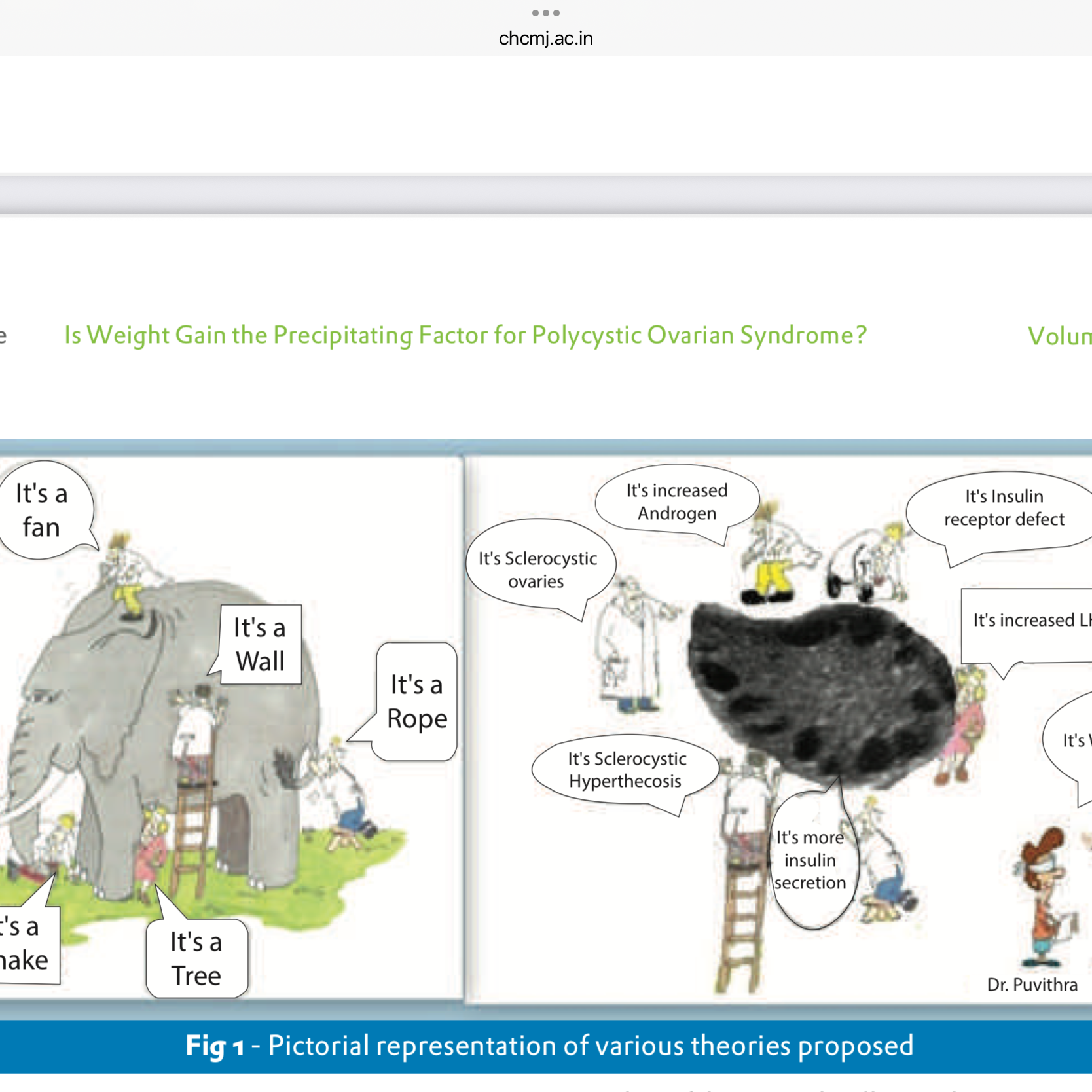
PCOS is an Epiphenomenon Polycystic Ovary Syndrome (PCOS), the commonest endocrine disorder in women, affects fertility, metabolism, & quality of life. It is portrayed as a primary disease of the ovaries, where follicles do not mature, ovulation becomes irregular, & multiple cysts appear on ultrasound. Is this the full story?Our research over the past decade challenges this traditional view. We asked a simple question: Is PCOS the problem, or is it a downstream effect — an epiphenomenon — of something deeper?Weight Gain Comes FirstIn our retrospective study of over 170 women with infertility, we noticed that more than 97% of women with PCOS had gained at least 4-5% of their body weight after adolescence before developing PCOS symptoms.This weight gain was not limited to women who were overweight or obese. Even women with normal BMI developed PCOS when their weight crept up. Absolute number on the scale mattered less than shift in weight.Why is this important? This suggests that weight gain may be the precipitating factor for PCOS. The ovaries, are not inherently diseased. Rather, they are responding to metabolic signals from rest of the body.The Domino Effect: From Weight to Hormones to OvariesBiology supports this. Here is what happens when weight gain accumulates:• More fat tissue increases leptin, which alters hypothalamic-pituitary-ovarian (HPO) axis.• Rising blood sugar triggers insulin release & compensatory hyperinsulinemia.• High insulin lowers sex hormone–binding globulin (SHBG), increasing the amount of free testosterone.• Elevated free testosterone disrupts follicle development, leading to anovulation.A Protective Checkpoint?In a Perspective, we proposed that PCOS might serve as a biological checkpoint. By halting ovulation in a hormonally hostile environment, body may be protecting itself from high-risk pregnancies.This reframes PCOS not just as a disorder, but as an adaptive response gone awry in the modern context of rapid weight gain & lifestyle change.Pregnancy Complications: Blaming PCOS or BMI?It is believed that women with PCOS are at higher risk for complications during pregnancy. Our 2017 study examined over 100 PCOS pregnancies compared to controls. The results were revealing:• The only significant complication was gestational diabetes mellitus (GDM).• Risk of GDM rose not because of PCOS itself, but in proportion to BMI.• PCOS women with normal BMI had similar outcomes to non-PCOS controls.Conclusion: PCOS is not an independent culprit. It is weight gain & metabolic status that drive both PCOS & its associated pregnancy risks.Rethinking PCOS ManagementIf PCOS is an epiphenomenon of weight gain & metabolic dysfunction, then treatment strategies should shift focus:• Instead of forcing ovulation through medications, we should address the root causes — weight management, insulin sensitivity,& lifestyle modification.• By correcting upstream imbalance, downstream reproductive effects may resolve naturally..Take-Home MessagePCOS may not be a disease of the ovaries. It may be the body’s way of signaling that something is off balance — a metabolic alarm bell ringing through the reproductive system.When we ask, “Is PCOS an Epiphenomenon?” the evidence increasingly points to Yes. The shift in perspective could change the way we diagnose, counsel, & treat millions of women worldwideDisclaimer: This opinion article is for educational purposes only & does not constitute medical advice. Readers should consult their healthcare providers before making any decisions about diagnosis or treatment.
Ep 1Diabesity Decodified - Is Food the root cause of Type 2 Diabetes Mellitus pandemic?
This is not medical advice. This is food for thought. Please discuss with your doctor before making any change in your food & lifestyle.The escalating global incidence of Type 2 Diabetes Mellitus (T2DM) over the past five decades directly correlates with the parallel rise in overweight and obesity, forming an intertwined epidemic termed "diabesity." This review argues that the primary driver of this crisis is the pervasive consumption of "inappropriate food," particularly refined carbohydrates and ultra-processed foods, which disrupt metabolic homeostasis and promote weight gain. We propose that "appropriate food"—defined as whole, fresh, local, plant-based, minimally processed, or unprocessed foods, consumed in appropriate amounts and at appropriate times, and complemented by age-specific exercise—constitutes the fundamental and most effective intervention for T2DM prevention, management, and even remission. This lifestyle-centric approach, supported by emerging insights into the gut microbiome and personalized monitoring via continuous glucose monitors, often renders long-term pharmacotherapy unnecessary and potentially harmful. We critically examine the conventional reliance on chronic drug therapy, highlighting its significant side effects and questionable long-term morbidity/mortality benefits, advocating instead for its judicious use primarily in acute medical emergencies. This paper calls for a paradigm shift in T2DM management, prioritizing sustainable, food-based lifestyle interventions over a drug-centric model. Disclaimer: This is an opinion article for educational purposes only & does not constitute medical advice.Readers should consult their healthcare providers before making any decisions about diagnosis or treatment.