
Data & AI with Mukundan | Learn AI by Building
53 episodes — Page 1 of 2
S1 Ep 52How AI Agents Saved My Job Hunt — And How They Can Save Yours Too
In this episode, Mukundan opens up about one of the most difficult phases of his job hunt and how he built a tiny 3-agent AI system that completely changed the way he applied, prepared, and stayed consistent. You will learn how the Researcher Agent, Writer Agent, and Reviewer Agent work together to turn any job description into clarity. You will also hear a raw, human story about self-doubt, burnout, and the psychology behind job search momentum. This is a deeply personal, practical episode for anyone who feels stuck, exhausted, confused, or overwhelmed in their job search.Optimized for: AI jobs, data jobs, job search tools, AI agents, career automation, productivity systems, job search burnout, how to find clarity in job search.Join the Discussion (comments hub): https://mukundansankar.substack.com/notesTools I use for my Podcast and Affiliate PartnersRecording Partner: Riverside → Sign up here (affiliate)Host Your Podcast: RSS.com (affiliate )Research Tools: Sider.ai (affiliate)Sourcetable AI: Join Here(affiliate)🔗 Connect with Me:Free Email NewsletterWebsite: Data & AI with MukundanGitHub: https://github.com/mukund14Twitter/X: @sankarmukund475LinkedIn: Mukundan SankarYouTube: Subscribe
S1 Ep 51I Built an AI That Talks Like My Parents | Emotional AI, Empathy, and the Future of Human Tech
I missed my parents, so I built an AI that talks like them. This isn’t about replacing people—it’s about remembering the voices that make us feel safe.In this 90-minute episode of Data & AI with Mukundan, we explore what happens when technology stops chasing efficiency and starts chasing empathy. Mukundan shares the story behind “What Would Mom & Dad Say?”, a Streamlit + GPT-4 experiment that generates comforting messages in the voice of loved ones.You’ll hear:The emotional spark that inspired the projectThe plain-English prompts anyone can use to teach AI empathyBoundaries & ethics of emotional AIHow this project reframed loneliness, creativity, and connectionTakeaway: AI can’t love you—but it can remind you of the people who do.🔗 Try the free reflection prompts below:THE ONE-PROMPT VERSION: “What Would Mom & Dad Say?” “You are speaking to me as one of my parents. Choose the tone I mention: either Mom (warm and reflective) or Dad (practical and encouraging). First, notice the emotion in what I tell you—fear, stress, guilt, joy, or confusion—and name it back to me so I feel heard. Then reply in 3 parts:Start by validating what I’m feeling, in a caring way.Share a short story, lesson, or perspective that fits the situation.End with one hopeful or guiding question that helps me think forward. Keep your words gentle, honest, and simple. No technical language. Speak like someone who loves me and wants me to feel calm and capable again.”Join the Discussion (comments hub): https://mukundansankar.substack.com/notesTools I use for my Podcast and Affiliate PartnersRecording Partner: Riverside → Sign up here (affiliate)Host Your Podcast: RSS.com (affiliate )Research Tools: Sider.ai (affiliate)Sourcetable AI: Join Here(affiliate)🔗 Connect with Me:Free Email NewsletterWebsite: Data & AI with MukundanGitHub: https://github.com/mukund14Twitter/X: @sankarmukund475LinkedIn: Mukundan SankarYouTube: Subscribe
S1 Ep 50How I Used AI Agents to Fix My Job Hunt:Turning job search chaos into a system — using three AI agents that did the heavy lifting for me.
What if your job hunt could run like a data system?In this episode, I share the story of how I used three AI agents — Researcher, Writer, and Reviewer — to rebuild my job search from the ground up. These agents read job descriptions, tailor resumes, and even critique tone and clarity — saving hours every week.But this episode isn’t just about automation. It’s about agency. I’ll talk about rejection, burnout, and the mindset shift that changed everything: treating every rejection as a data point, not a defeat.Whether you’re in tech, analytics, or just tired of the job search grind — this one’s for you.🔹 Learn how I automated resume tailoring with GPT-4 🔹 Understand how to design AI systems that protect your mental energy 🔹 Discover why “efficiency” means doing less of what drains you 🔹 Hear the emotional story behind building these agents from scratchJoin the Discussion (comments hub): https://mukundansankar.substack.com/notesTools I use for my Podcast and Affiliate PartnersRecording Partner: Riverside → Sign up here (affiliate)Host Your Podcast: RSS.com (affiliate )Research Tools: Sider.ai (affiliate)Sourcetable AI: Join Here(affiliate)🔗 Connect with Me:Free Email NewsletterWebsite: Data & AI with MukundanGitHub: https://github.com/mukund14Twitter/X: @sankarmukund475LinkedIn: Mukundan SankarYouTube: Subscribe
S1 Ep 49How I Built an AI That Thinks Like an Analyst — and What It Taught Me About Curiosity
What happens when an AI starts asking better questions than you?In this 60-minute episode, I share the real story behind “The AI That Thinks Like an Analyst” — a Streamlit + GPT-4 project that changed the way I see data, curiosity, and creativity.This isn’t a technical tutorial. It’s a journey into the mind of a data professional learning to think deeper — and how building this AI taught me the most human lesson of all: how to stay curious.We’ll explore:Why the hardest part of analysis isn’t code — it’s curiosity.How I built a privacy-first Streamlit app that generates questions instead of answers.What AI can teach us about slowing down, observing, and thinking like explorers.The moment I realized data analysis and self-reflection are the same skill.If you’ve ever felt stuck staring at your data, unsure what to ask next — this episode is for you. 📖 Read the full story: https://mukundansankar.substack.com/p/the-no-upload-ai-analyst-v4-secure Join the Discussion (comments hub): https://mukundansankar.substack.com/notesTools I use for my Podcast and Affiliate PartnersRecording Partner: Riverside → Sign up here (affiliate)Host Your Podcast: RSS.com (affiliate )Research Tools: Sider.ai (affiliate)Sourcetable AI: Join Here(affiliate)🔗 Connect with Me:Free Email NewsletterWebsite: Data & AI with MukundanGitHub: https://github.com/mukund14Twitter/X: @sankarmukund475LinkedIn: Mukundan SankarYouTube: Subscribe
S1 Ep 48AI Teams That Work While You Sleep: How Multiple AI Agent systems plan, collaborate, and finish what one AI agent can’t.
This week, I’m showing you exactly how I used AI agents to fix my job hunt — no hype, just results.I was juggling dozens of job applications, interviews, and follow-ups until I built three small agents that acted like my personal job search team.In this episode, I do a live demo of:A Researcher Agent that finds company insights automaticallyA Writer Agent that drafts personal outreach messagesA Reviewer Agent that polishes tone and clarityTogether, they turned hours of chaos into minutes of clear progress.You’ll see how these agents plan, collaborate, and improve your workflow — and how you can build your own version tonight using just ChatGPT or any LLM platform.By the end, you’ll understand what makes agents powerful: planning, memory, and feedback.🔗 Connect with Me:Free Email NewsletterWebsite: Data & AI with MukundanGitHub: https://github.com/mukund14Twitter/X: @sankarmukund475LinkedIn: Mukundan SankarYouTube: Subscribe
S1 Ep 47The AI Interview Copilot for Data Analysts & Data Scientists: SQL, Cases, ML, and STAR—Made Simple
Data interviews do not have to feel messy. In this episode, I share a simple AI Interview Copilot that works for data analyst, data scientist, analytics engineer, product analyst, and marketing analyst roles.What you will learn today:How to Turn a Job Post into a Skills Map: Know Exactly What to Study First.How to build role-specific SQL drills (joins, window functions, cohorts, retention, time series).How to practice product/case questions that end with a decision and a metric you can defend.How to prepare ML/experimentation basics (problem framing, features, success metrics, A/B test sanity checks).How to plan take-home assignments (scope, assumptions, readable notebook/report structure).How to create a 6-story STAR bank with real numbers and clear outcomes.How to follow a 7-day rhythm so you make steady progress without burnout.How to keep proof of progress so your confidence comes from evidence, not hope.Copy-and-use prompts from the show:JD → Skills Map: “Parse this job post. Table: Skill/Theme | Where mentioned | My level (guess) | Study action | Likely interview questions. Then give 5 bullets: what they are really hiring for.”SQL Drill Factory (Analyst/Product/Marketing): “Create 20 SQL tasks + hint + how to check results using orders, users, events, campaigns. Emphasize joins, windows, conditional agg, cohorts, funnels, retention, time windows.”Case Coach (Data/Product): “Run a 15-minute case: key metric is down. Ask one question at a time. Score clarity, structure, metrics, trade-offs. End with gaps + practice list.”ML/Experimentation Basics (Data Science): “Create a 7-step outline for framing a modeling problem (goal, data, features, baseline, evaluation, risks, comms). Add an A/B test sanity checklist (power, SRM, population, metric guardrails).”Take-Home Planner: “Given this brief, propose scope, data assumptions, 3–5 analysis steps, visuals, and a short results section. Output a clear report outline.”Behavioral STAR Bank: “Draft 6 STAR stories (<120s) for conflict, ambiguity, failure, leadership without title, stakeholder influence, measurable impact. Put numbers in Results.”
S1 Ep 46Automate Your Day with AI Agents: Plan Your Day, Protect Deep Work, Finish More
If your “system” is 17 to‑do lists and three forgotten calendars, this episode is your reset. We build a Notion Life OS powered by three tiny AI agents that make daily planning stick:Capture Agent – Inbox anything in under 30 seconds, deduplicate, and route it to the right list.Prioritizer Agent – Convert chaos into a Today list using urgency × effort, hard time limits, and the rule of 3.Timebox Agent – Create a 3‑block schedule with buffers, calendar sync, and a 60‑second kickoff ritual. Plus: an Evening Reflection micro‑agent so you close the loop—wins, misses, one improvement. You’ll leave with prompts, templates, and guardrails you can copy tonight.Primary keywords: AI agents, Notion planner, daily planning, timeboxing, productivity, routines, morning routine, evening reflectionSecondary keywords: capture to inbox, Eisenhower matrix, calendar sync, habit loops, task automation, micro‑automationsLinks & ResourcesRecording Partner: Riverside → Sign up here (affiliate)Host Your Podcast: RSS.com (affiliate )Research Tools: Sider.ai (affiliate)Join the Newsletter: Free Email Newsletter to receive practical AI tools weekly.Join the Discussion (comments hub): https://mukundansankar.substack.com/notes🔗 Connect with Me:Website: Data & AI with MukundanTwitter/X: @sankarmukund475LinkedIn: Mukundan SankarYouTube: Subscribe
S1 Ep 45AI Agents That Land Jobs: Application Tracking, Interview Prep, Automation
If your job search feels like tab-hell—applications everywhere, prep scattered, follow-ups forgotten—this episode is your reset. I walk you through three small but mighty AI agents you can build in an afternoon:• Application Tracker Agent — paste a job link → extract company, title, pay, location → auto-log to Notion/Sheets → set a 7-day follow-up. • Interview Prep Agent — feed the JD + your resume → get tailored behavioral questions, SQL/case drills, and a tight “Tell me about yourself.” • Follow-Up Agent — generate a thank-you in your voice, log the interview date, and nudge you if you haven’t heard back.You’ll learn the agent essentials—planning, memory, feedback loops—plus a copy-and-paste framework, example prompts, and quality checks so your agents save time instead of making noise.Chapters below. Show notes include my working templates, prompts, and affiliate tools I actually use (Riverside for recording, RSS.com for hosting, Sider for research). Rate the show if this helped—it means a lot.Primary keywords: ai agents, job search, interview prep, application tracking, follow-up emails Secondary keywords: Notion, Google Sheets, SQL interview, behavioral questions, automation, productivity, podseo, career toolsLinks & ResourcesRecording Partner: Riverside → Sign up here (affiliate)Host Your Podcast: RSS.com (affiliate )Research Tools: Sider.ai (affiliate)Join the Newsletter: Free Email Newsletter to receive practical AI tools weekly.Join the Discussion (comments hub): https://mukundansankar.substack.com/notes🔗 Connect with Me:Website: Data & AI with MukundanTwitter/X: @sankarmukund475LinkedIn: Mukundan SankarYouTube: Subscribe
S1 Ep 44How AI Agents Actually Think: Planning, Memory, and Feedback That Saves You Hours
AI agents are everywhere in the headlines — but what do they really do? In this episode of Data & AI with Mukundan, we cut through the hype and explain, in plain language, how AI agents actually think.You’ll learn the three key ingredients that separate real agents from chatbots:Planning: breaking big goals into concrete stepsMemory: remembering context so actions feel consistentFeedback: adjusting when things go wrong instead of collapsingI also walk through a live demo where an AI agent triages my Google Calendar and Gmail inbox. You’ll hear exactly how it proposes deep-work sessions, admin blocks, and even a workout — all while avoiding conflicts and asking for my approval before making changes.To make this practical, I include a true/false quiz to test your instincts and a set of discussion prompts to help you imagine how agents could save you hours in real life.By the end of this episode, you’ll know:How to tell the difference between a chatbot, automation, and a real AI agentWhy most flashy demos online fail in practiceHow to build your first mini-agent with just one tool and a simple feedback loopWhy agents only matter if they give you back time and focusIf you’ve ever wished for an assistant to handle your messy inbox, your cluttered schedule, or your repetitive tasks, this episode will show you how AI agents can actually do it. No buzzwords, no sci-fi — just practical, useful AI that you can build today.Links & ResourcesToday's Demo: HereQuiz: HereRecording Partner: Riverside → Sign up here (affiliate)Host Your Podcast: RSS.com (affiliate )Research Tools: Sider.ai (affiliate)Join the Newsletter: Free Email Newsletter to receive practical AI tools weekly.Join the Discussion (comments hub): https://mukundansankar.substack.com/notes🔗 Connect with Me:Website: Data & AI with MukundanTwitter/X: @sankarmukund475LinkedIn: Mukundan SankarYouTube: Subscribe
S1 Ep 43Agents vs. Chatbots: How to Build One That Actually Works
Plain-English agents, not hype: plan, use tools, add guardrails—then dry-run a calendar + inbox agent that saves hours.You’ve heard “AI agent” everywhere, but definitions vary. In this episode, Mukundan explains—in plain, practical language—what a real agent is and when to use one. We’ll contrast agents with chatbots and simple automations, walk through the five pillars (goal, plan, tools, memory, feedback), and strip the tooling of buzzwords. Then we run a live dry-run: two 90-minute deep-work blocks, one 45-minute admin sweep, and a 30-minute workout that avoids your existing commitments. We finish by triaging sample emails into reply/delegate/archive/read-later and drafting five concise replies with one clear next step each. Safety first: drafts-only, tentative calendar holds, approval gates, and fallbacks if tools fail. Copy the templates from the show notes and ship your v0.5 tonight.Lightning Round: True/False (answers in the episode)An AI agent is just a chatbot.Remove a tool and it still makes progress → probably a real agent.Clear success criteria matter less than good prompts.Chatbots reply; agents execute across steps.Fixed automations are best when inputs rarely change.If a tool disconnect breaks everything, it’s a brittle macro.Links & ResourcesAI Agent Copy-Paste Templates (run these in ChatGPT): Get your free copyRecording Partner: Riverside → Sign up here (affiliate)Host Your Podcast: RSS.com (affiliate )Research Tools: Sider.ai (affiliate)Join the Newsletter: Free Email Newsletter to receive practical AI tools weekly.Join the Discussion (comments hub): https://mukundansankar.substack.com/notes🔗 Connect with Me:Website: Data & AI with MukundanTwitter/X: @sankarmukund475LinkedIn: Mukundan SankarYouTube: Subscribe
S1 Ep 42Tiny AI Prompts for Big Productivity: Mastering the 80‑20 Rule with Practical AI
Discover how small AI prompts can transform your productivity. In this episode, Mukundan explains the 80‑20 rule. Mukundan demonstrates AI workflows for scheduling and focus, and introduces a Prompt Wallet to help you beat decision fatigue. Perfect for anyone seeking practical AI and better time management.Episode Highlights80‑20 Rule Explained: Most of your progress comes from a few critical actions. Learn how to identify them with prompts.Prompt Structure 101: Context, constraints, desired outcome, and a tiny first step.Classic Prompts: 10‑minute workouts, zero‑based budgeting, Pomodoro study plans, teach‑back outlines, and Power Clean 15.New Productivity Hacks: Time blocking, task prioritization, interrupt handling, focus sprints, and daily review.Live Demo: Mukund feeds tasks into the AI and shows how it schedules a day, orders tasks by impact, manages interruptions, and sets up a focus sprint.Seven‑Day Challenge: Try one prompt per day and track whether you start within 60 seconds. Join the conversation with #PromptWalletChallenge.Takeaways & ActionsStart with your context and constraints. Ask for a plan and a micro‑action.Most results come from a handful of well‑chosen tasks. Use prompts to find them.Commit to the seven‑day challenge. Sign up for the free newsletter and email Mukundan your progress.Download the free Prompt Wallet PDF to keep all the scripts handy.Support the show by subscribing and leaving a review; tell your friends if you found value.Links & ResourcesPrompt Wallet PDF: Get your free copyRecording Partner: Riverside → Sign up here (affiliate)Host Your Podcast: RSS.com (affiliate )Research Tools: Sider.ai (affiliate)Join the Newsletter: Free Email Newsletter to receive practical AI tools weekly.Join the Discussion (comments hub): https://mukundansankar.substack.com/notes🔗 Connect with Me:Website: Data & AI with MukundanTwitter/X: @sankarmukund475LinkedIn: Mukundan SankarYouTube: Subscribe
S1 Ep 41The No-Upload AI Analyst: Hash, Mask, Redact—AI Analytics Without CSV File Uploads
AI, data, numbers—without uploads. Hash, mask, and redact PII, then run data analytics locally for time-saving and privacy.In this episode, we build a No-Upload AI Analyst that keeps your PII safe: HMAC SHA-256 hashing, masking, and redaction using policy presets and client-side transforms. We’ll: • Reframe the problem (insights > risk) • Set four hard constraints (no uploads, local preferred, policy presets, human-readable audit) • Use rules-first privacy + schema semantics • Walk the 5-step workflow (paste headers → pick preset → set secret → transform → analyze) • Show real-world cases (HIPAA/HITECH-aware analytics, FERPA contexts, product analytics) • Share a checklist + quiz + local Streamlit approach Perfect for data teams in healthcare, finance, education, and privacy-sensitive orgs.Key takeawaysStop uploading customer data. Transform it client-side first.Use HMAC hashing to keep joins without exposing raw emails/IDs.Mask for human-readable UI; redact when you don’t need the field.Ship a data-handling report with every analysis.Run the app locally for maximum privacy.Affiliate note: I record with Riverside (affiliate) and host on RSS.com (affiliate). Links in show notes.LinksBlog version: (Free): https://mukundansankar.substack.com/p/the-no-upload-ai-analyst-v4-secure Join the Discussion (comments hub): https://mukundansankar.substack.com/notesTools I use for my Podcast and Affiliate PartnersRecording Partner: Riverside → Sign up here (affiliate)Host Your Podcast: RSS.com (affiliate )Research Tools: Sider.ai (affiliate)Sourcetable AI: Join Here(affiliate)🔗 Connect with Me:Free Email NewsletterWebsite: Data & AI with MukundanGitHub: https://github.com/mukund14Twitter/X: @sankarmukund475LinkedIn: Mukundan SankarYouTube: Subscribe
S1 Ep 40AI Meal Planner — What to Cook Tonight with What You Have
AI, data, and analytics pick three cookable dinners from the ingredients and appliances you already have—no grocery run.We use AI, data, and a rules-first analytics score to rank real meals you can make tonight with what’s in your pantry. A lightweight rules engine avoids AI hallucinations; Chef-AI adds safe swaps and one-line directions. You’ll learn a copy-paste AI prompt, how to reduce waste, and how analytics rank time, fit, and vibe.3 bullets (skimmable):Rules > raw AI for reliable, cookable resultsAnalytics score to rank fastest/best-fit mealsCopy-paste prompt for 3 ideas in under a minuteYou’ll learnWhy a rules engine beats raw AI for reliable, cookable recipesHow an analytics score prioritizes the best matches fastA copy-paste AI prompt that returns 3 make-tonight ideas in under a minuteHow to reduce waste and keep weeknight meals simple & tastyTry this prompt: I have [3–5 ingredients] and these appliances: [list]. Suggest 3 meals I can make in under 30 minutes. If something’s missing, suggest simple pantry substitutions. Keep it realistic and give one-line directions for each.Quick quiz True or False — If you only rely on AI, it may assume tools you don’t have and suggest impossible recipes. Answer: True. Start with rules; use AI for riffs and swaps.Discussion question When you’re deciding on dinner, do you want structure (reliable classics) or creativity (something new)? Reply on Substack or X—I'll share the poll next week.Resources & linksBlog Link: https://mukundansankar.substack.com/p/pantry-plate-the-aifirst-way-to-decideKey takeawaysPut rules before AI for cookable results.One clear AI prompt can end dinner indecision in minutes.AI is a partner, not the chef.Affiliate partners (links below):RSS: your podcast, get free transcripts, and earn ad revenue with as few as 10 monthly downloads. Sign up here.Sider AI. AI-powered research and productivity assistant for breaking down job descriptions into keywords. Try Sider here.Riverside FM: Record your podcast in studio-quality audio and 4K video from anywhere. Get started with Riverside here.Affiliate disclosure: Some links may be affiliates. If you use them, I may earn at no extra cost to you.Answer: True.Keywords: ai, ai meal planner, data, data analytics, analytics, time-saving tools, pantry, dinner ideas, recipe generator, meal planning
S1 Ep 39Ask Better Questions with AI & Data Analytics — Smarter Decisions with Better Tools
I first built an AI that thinks like an analyst. Now I have built a better AI Data analyst for the practical use of AI. This episode breaks down the simple rebuild: start with a clear objective, pick 5–8 focus columns, and ship a one-page Markdown brief. You’ll also get a 3-minute quiz (10:33), a Substack discussion (17:04), and a 9-step checklist you can use today.What you’ll learnHow to start with a clear business goal (not charts)Why focusing on 5–8 columns increases signalHow a 1-page brief moves work faster than a dashboardQuiz & DiscussionTake the Lightning QuizJoin the Substack discussion: https://mukundansankar.substack.com/(Tell your day-two story, your one metric, and your 5–8 focus columns.)Listener ChecklistCopy/paste:1) Objective (one line)2) 5–8 focus columns3) 10 questions + why4) Quick data health checks5) Export 1-page brief6) Share in Slack/Notion/Jira7) Run 2–3 quick analyses today8) Log learning + next decision9) Repeat tomorrowLinksBlog version: (with Medium membership): https://medium.com/data-science-collective/i-built-an-ai-that-thinks-like-a-data-analyst-then-it-went-viral-so-i-made-it-smarter-1f3206a8254b(Free): https://mukundansankar.substack.com/p/i-built-an-ai-that-thinks-like-aSubstack Note (comments hub): https://mukundansankar.substack.com/notesTools I use for my Podcast:Recording Partner: Riverside → Sign up here (affiliate)Host Your Podcast: RSS.com (affiliate )Research Tools: Sider.ai (affiliate)🔗 Connect with Me:Free Email Newsletter: https://data-ai-with-ms.kit.com/bae4d0c550Website: https://mukundansankar.substack.com/Twitter/X: @sankarmukund475LinkedIn: https://www.linkedin.com/in/mukundansankar/YouTube: https://www.youtube.com/@MukundSankar
S1 Ep 38AI-Driven Job Search: Using Data & Analytics for Portfolio Audits
Beat instant rejections. Use an AI resume audit to pass ATS filters and turn silence into interviews—clear steps, a one-week plan, and a free checker.AI job search without the guesswork. In this episode I use a tiny AI resume & portfolio audit to beat ATS filters—what to highlight, what’s missing, and how to rewrite one project so a hiring manager actually cares. It’s personal, practical, and ends with a one-week plan you can apply today.You’ll learn • How modern ATS screeners work—and why they’re fast (and unforgiving) • The simple AI workflow behind my ATS simulator (no hype, just outcomes) • Three lessons from failing my own test—and what actually moved the score • How to translate your story so it passes the bots and reaches humans • A one-week action plan to raise your odds on your next applicationKey takeaways • ATS = gatekeeper. If you don’t pass it, humans may never see you. • Match keywords exactly from the JD—“close enough” doesn’t count. • ATS-friendly formatting beats fancy templates that break parsing. • Quantify outcomes so machines and recruiters see impact. • Test before you apply with an ATS checker/simulator.Try this today (no code) Paste into your AI tool of choice: “Here’s my resume + 3 project summaries and the job description I’m applying to. 1) What should I highlight to match the JD? 2) What am I missing? 3) Rewrite one project to emphasize measurable business outcomes in 2–3 bullets.”One-week plan Day 1: Baseline ATS check; log gaps. Day 2: Map exact JD keywords to your resume/projects. Day 3: Rewrite top project in outcome language (numbers first). Day 4: Fix formatting (simple headings, standard section names). Day 5: Add two quantified wins; remove tool-only bullets. Day 6: Align portfolio links to the role (pin your best two). Day 7: Re-test; apply to three roles; track results.ResourcesFull story + DIY steps: https://medium.com/data-science-collective/when-an-ai-tool-i-built-evaluated-my-resume-i-learned-what-100-rejections-never-taught-me-8e8eea1f3d8fRecommended: use any reputable ATS checker to preview parsing before you apply.Affiliate DisclosureThis episode may contain affiliate links. If you purchase via these links, I may earn a small commission at no extra cost to you. Thanks for supporting the show.Affiliate partners (links below):RSS: your podcast, get free transcripts, and earn ad revenue with as few as 10 monthly downloads. Sign up here.Sider AI. AI-powered research and productivity assistant for breaking down job descriptions into keywords. Try Sider here.Riverside FM: Record your podcast in studio-quality audio and 4K video from anywhere. Get started with Riverside here.Do this nextRun your resume through an ATS checker this week. Find the gaps. Fill them. If this helped, share with a friend who’s job hunting and follow/subscribe for more real-world AI workflows.
S1 Ep 36Perfecting Your Elevator Pitch with Engaging AI Strategies
Description: Join Mukundan Sankar as he explores the challenges of delivering an effective elevator pitch and how AI can assist in crafting one. Mukundan shares personal anecdotes and demonstrates AI-generated pitches tailored for different career stages.Key Takeaways:The importance of a well-crafted elevator pitch How AI can personalize pitches for different roles Real-life examples of AI-generated pitchesResources:1]Elevator Pitch AI Code Mukundan's Blog Post: https://substack.com/home/post/p-1704009772] Thinking about starting a podcast but worried it’ll take forever to grow? Here’s the thing — you don’t need a huge audience to get started or to earn money.I run my show on RSS.com, and it’s the simplest way to get your podcast live on Spotify, Apple, Amazon, YouTube, iHeartRadio, Deezer, and more — all in one step. Their analytics tell me exactly where my listeners are tuning in from, so I know what’s working.And here’s the best part — with their paid plan, you can start earning revenue through ads with as little as 10 downloads a month. That’s right — you don’t need to wait for thousands of listeners to start monetizing.Start your podcast for free today at RSS.com. (Affiliate link — I may earn a commission at no extra cost to you.)3] 💡 Sider.ai– Your AI Copilot for Productivity: Sider.ai is the all-in-one AI assistant that works inside your browser, letting you research, write, summarize, and brainstorm without switching tabs. Whether you’re prepping for an interview, drafting your next pitch, or refining your business plan, Sider.ai can supercharge your productivity. It’s like having GPT-4 on standby, ready to help you think faster and write better. Try Sider.ai today and see how much more you can accomplish in less time. (Affiliate link — I may earn a commission if you sign up.)
S1 Ep 35Using AI to Create a Time-Saving Memory Tool for Lasting Comfort
Private AI memory app, built respectfully, to echo my parents’ advice—comfort across oceans today, and someday after they’re gone.Private AI memory app—ethical, respectful, and comforting. I share why I built a small, private AI that echoes my parents’ advice when distance (India ↔ U.S.) feels heavy—and how I kept it ethical with privacy, consent, and dignity. This isn’t a replacement for real conversations; it’s a quiet anchor for hard days, and a way to preserve the feeling behind their words.You’ll learnDesign for comfort over novelty (two simple voice profiles)Boundaries: privacy, consent, dignity—and why they matterA high-level recipe for a personal AI tool (framework-agnostic)A no-code way to try the idea safely todayBuild it yourself (guide):https://medium.com/data-science-collective/what-if-you-could-talk-to-your-parents-long-after-theyre-gone-i-built-an-ai-for-that-62bbaf37236dIf this helped:Follow the show and share it with someone who misses home.Affiliate DisclosureThis episode may contain affiliate links. If you purchase via these links, I may earn a small commission at no extra cost to you. Thanks for supporting the show.Affiliate partners (links below):RSS.com — Start your podcast, get free transcripts, and earn ad revenue with as few as 10 monthly downloads. Sign up here.Sider.ai — Your AI-powered research and productivity assistant for breaking down job descriptions into keywords. Try Sider here.Riverside.fm — Record your podcast in studio-quality audio and 4K video from anywhere. Get started with Riverside here.
S1 Ep 34The Future of Data Storytelling: AI Tools that Turn Your Blogs into Slides
Turn writing into a clean, editable deck—create slides with AI so you focus on the message, not formatting. Includes a simple presentation workflow.🎧 Episode Summary:Create slides with AI—fast, clear, editable. This episode shows how I turned long-form writing (blogs, memos, outlines) into a polished slide deck you can download and edit—without getting stuck in formatting. You’ll get a simple AI presentation workflow, a reusable prompt, and ideas for diagrams that actually support your point.You’ll learnA repeatable blog → slides structure (7–10 slides, title + 3–5 bullets)How to keep slides human: clarity over decorationWhen to include a diagram (only for processes/flows)A fast export routine so you can present anywhereTry this (no code) “Convert this article into a 9-slide deck. For each slide: short title + 3–5 bullets, no paragraphs. If a slide describes a process, write a one-line prompt for a simple diagram. Keep language clear and speak to a non-expert audience.”Do next Generate → lightly edit → export → deliver. The goal is a message people can follow, not a template people admire.DIY guide https://medium.com/data-science-collective/i-built-an-ai-that-turns-any-blog-post-into-a-polished-slide-deck-with-smart-diagrams-10cbda8010aa
S1 Ep 33I Was Getting Rejected From Jobs in Minutes—So I Built an AI to Tell Me Why
In this episode, we dive into the world of job searching and explore how AI tools are revolutionizing the process. Discover practical strategies to overcome common job search challenges, from crafting the perfect resume to acing interviews. Learn how AI can enhance your job search experience, making it more efficient and effective. Whether you're a recent graduate or a seasoned professional, this episode offers valuable insights to help you land your dream job. Tune in and transform your job search journey with the power of AI!See blog with code: https://medium.com/p/530957cefe65
S1 Ep 32I Built An AI Tool That Understood Me!
In this deeply personal episode, I share the story of a chaotic week, mounting pressure, and a craving for Sonic fries. But more importantly, I take you inside the quiet tool I built—an AI Thought Organizer.It didn’t coach me. It didn’t solve anything. It just… reflected what I was already feeling.Inside the episode:The emotional spiral that led to this toolHow I built it (yes, with code—but it’s not technical)Why the laugh that followed changed everythingWhat this experience taught me about overwhelm, clarity, and AIWhether you're a builder, creator, or someone looking for a new kind of peace—you’ll want to hear this.🛠 Full blog and source code:1] Medium: https://medium.com/data-science-collective/i-fed-my-thoughts-to-an-ai-and-it-helped-me-breathe-again-c9796f17c7912] Website: https://mukundansankar.substack.com/p/i-fed-my-thoughts-to-an-ai-and-it🍟 Craving fries after listening? You’re not alone.
S1 Ep 31Can You Take a Look at This Dataset? The six words that haunt analysts—and the tool I built to make it painless.
TakeawaysMany data professionals struggle with knowing where to start with new datasets.Asking the right questions is crucial for effective data analysis.The AI tool summarizes data and generates exploratory questions.Real-world data analysis is often messier than textbook examples.The tool is designed to help users gain analytical momentum.It can be beneficial for new hires, students, and experienced analysts alike.The tool is not a replacement for deep thinking but a partner for better thinking.Users have reported increased confidence when using the tool for interviews.Future developments include adding visualization support and custom question tones.Better questions lead to better insights and career growth.Medium Blog: https://medium.com/data-science-collective/how-i-built-an-ai-that-thinks-like-a-data-analyst-69fba12ad08dFree Blog: https://mukundansankar.substack.com/p/how-i-built-an-ai-that-thinks-like
S1 Ep 30Why Smart People Lose Opportunities—And How This App Fixes It
TakeawaysAutomating presentations can enhance storytelling with data.Traditional Jupyter notebooks often lack narrative flow.The app allows users to upload notebooks for instant presentation creation.AI-generated content can significantly reduce preparation time.Effective communication is crucial for success in data roles.The app provides a strong foundation for presentations.Real-world use cases include students and data analysts.Future plans include more diagram types and voice narration.The project is open source and encourages collaboration.The tool is designed for anyone in the data field.Free Blog: https://mukundansankar.substack.com/p/beyond-the-notebook-how-to-turn-anyMedium Users: https://medium.com/data-science-collective/beyond-the-notebook-how-to-turn-any-data-science-jupyter-notebook-into-stunning-animated-slide-e738bebc195e
S1 Ep 29I Built an AI Tool That Turns Any Python Code Into an Emotionally Engaging Blog Post
TakeawaysCode2Story Pro turns Python code into engaging blog posts.Traditional documentation methods are often insufficient.Effective communication of code is crucial for collaboration.The tool allows users to select tone and emotion for their writing.Mukund built the tool out of frustration with documentation.The technical setup involves Streamlit and OpenAI's GPT-4.Users can generate blog posts in under 30 seconds.Future updates will include file uploads and image generation.The tool is aimed at helping developers share their work easily.Storytelling in coding can enhance career opportunities.Blog: https://medium.com/data-science-collective/i-built-an-ai-tool-that-turns-any-python-code-into-an-emotionally-engaging-blog-post-f6d14daeddbdWebsite: Subscribe for free access to the code: https://mukundansankar.substack.com/
S1 Ep 27How I Built an AI That Understands My Emotions—And Helped Me Beat Burnout
SummaryIn this episode, Mukund Sankar discusses the development of his AI reflection system, Reflection OS, which aims to provide emotional clarity and productivity support. He shares his personal struggles with time management and emotional burnout, leading to the creation of a tool that acts as a compassionate mirror for self-reflection. The conversation explores the technology behind the app, its purpose in building emotional habits, and future plans for community engagement and beta testing.Blog: https://medium.com/data-science-collective/i-built-an-ai-app-that-reflects-my-feelings-not-just-my-output-2a40c275243dWebsite: https://mukundansankar.substack.com/
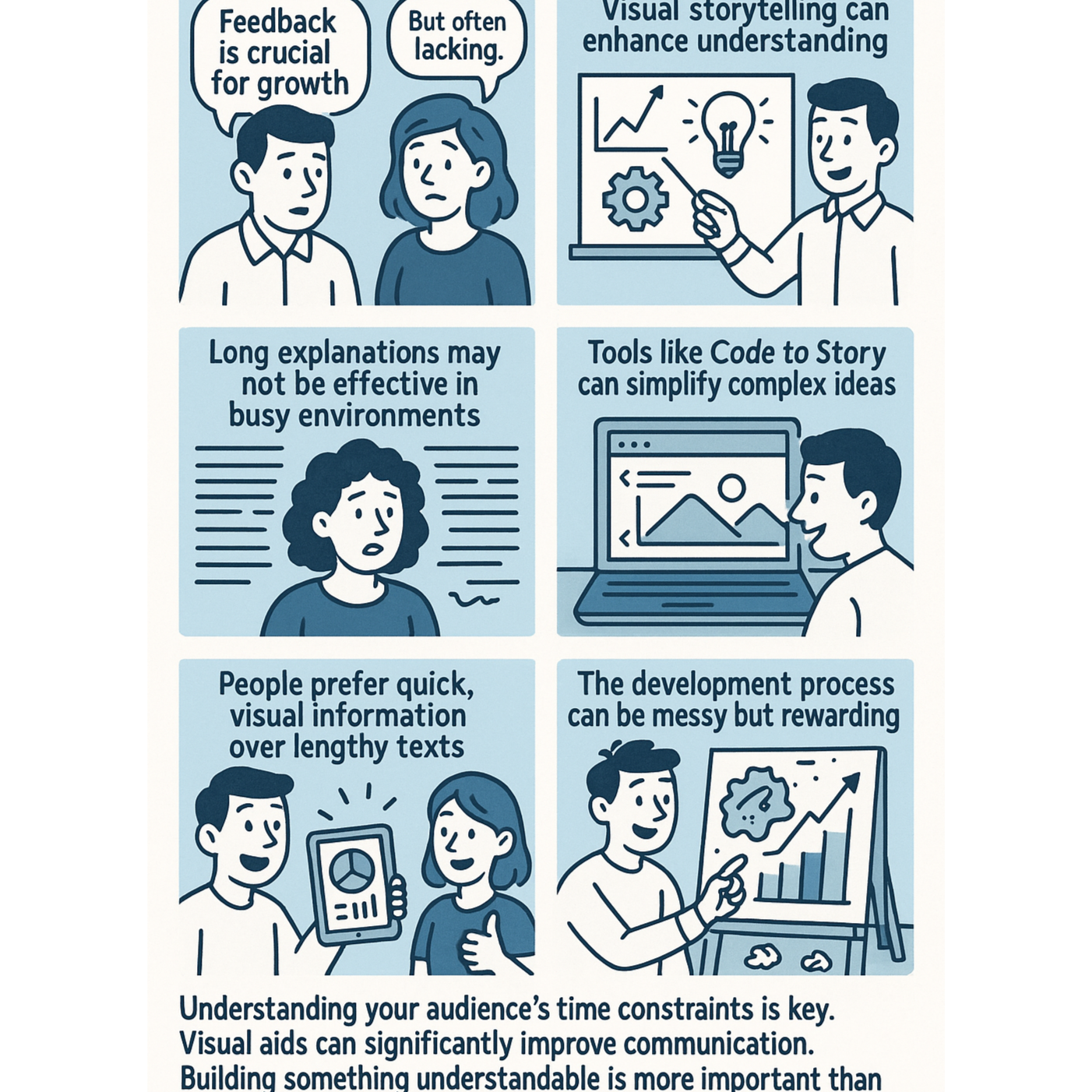
S1 Ep 28Why Nobody Understands Your Work—And How to Fix It using AI: The Art of Visual Storytelling for Code
TakeawaysFeedback is crucial for growth but often lacking.Visual storytelling can enhance understanding.Long explanations may not be effective in busy environments.Tools like Code to Story can simplify complex ideas.People prefer quick, visual information over lengthy texts.The development process can be messy but rewarding.Understanding your audience's time constraints is key.Visual aids can significantly improve communication.Building something understandable is more important than perfection.Let your work speak for itself through visuals.Blog that shows you how to do this yourself: https://medium.com/towards-artificial-intelligence/how-to-instantly-explain-your-code-with-visuals-powered-by-gpt-4-bc379985f43fSubscribe to my Substack for updates on the course: https://mukundansankar.substack.com/
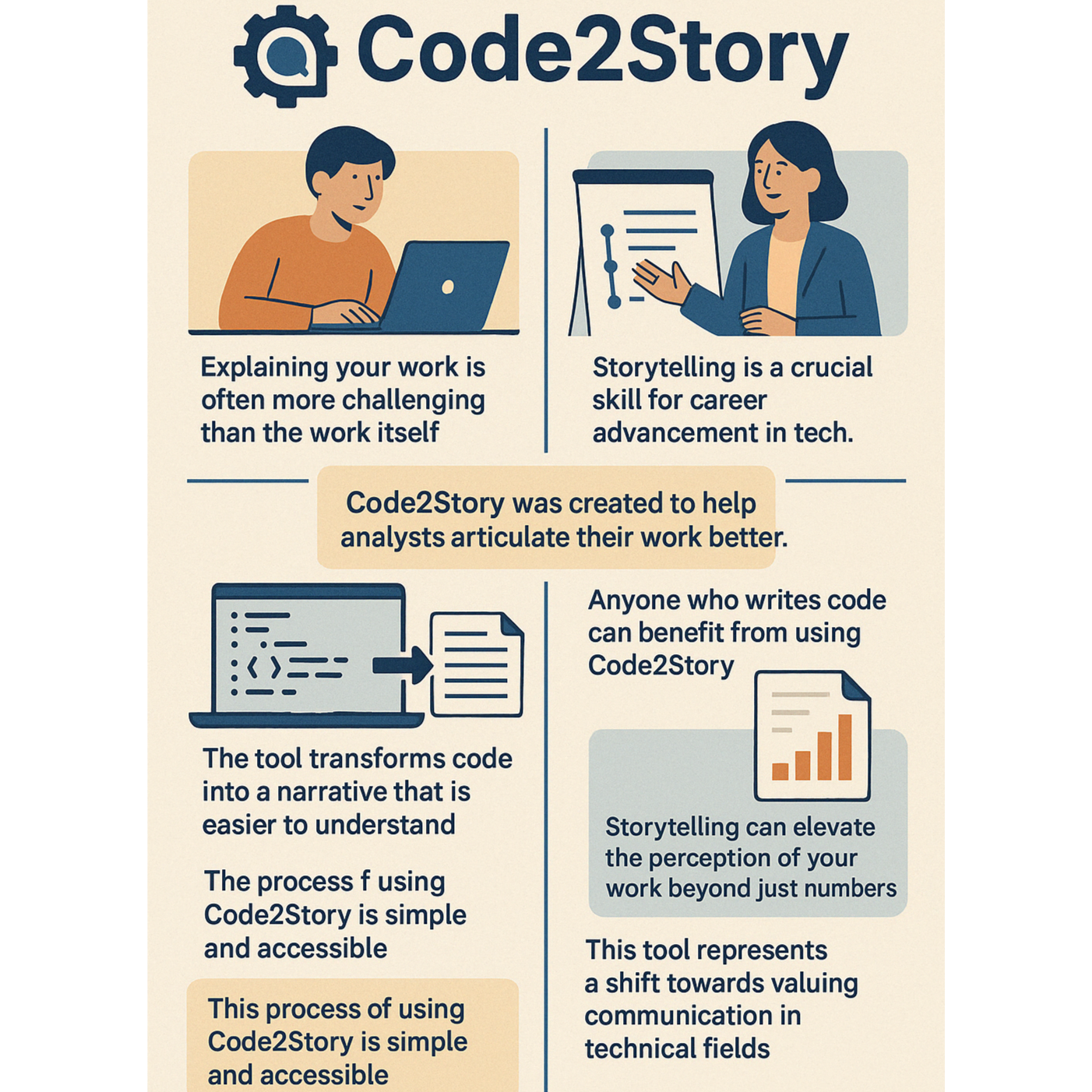
The Art of Storytelling in Data Analysis
TakeawaysExplaining your work is often more challenging than the work itself.Many analysts struggle to communicate their logic and findings.Storytelling is a crucial skill for career advancement in tech.Code2Story was created to help analysts articulate their work better.The tool transforms code into a narrative that is easier to understand.Anyone who writes code can benefit from using Code2Story.The app is not just for engineers but for all who need to explain their work.Storytelling can elevate the perception of your work beyond just numbers.The process of using Code2Story is simple and accessible.This tool represents a shift towards valuing communication in technical fields.Blog with Full code: https://medium.com/towards-artificial-intelligence/i-built-an-ai-that-turns-side-projects-into-stories-that-get-you-hired-f51cac9e1a32

S1 Ep 26I Was About to Order Taco Bell—Then I Built an AI to Talk Me Down
SummaryIn this episode, Mukund Sankar shares a personal story about how a midnight craving led him to create an app that helps him reflect on his emotions rather than just satisfy his hunger. He discusses the impact of emotional eating and how technology, specifically GPT-4, can be used to foster self-awareness and emotional health. The conversation transitions into the development of a digital therapist that encourages users to engage with their feelings and patterns of behavior, ultimately promoting personal growth and emotional well-being.TakeawaysMukund reflects on how midnight cravings can lead to deeper emotional insights.He emphasizes that cravings often stem from emotional needs rather than physical hunger.The app he created uses GPT-4 to help users articulate their feelings.Journaling and self-reflection can reduce cravings and improve emotional health.Avoiding hard conversations can lead to increased cravings and emotional distress.The app serves as a non-judgmental space for users to express their feelings.Mukund's experience highlights the importance of communication with oneself.He encourages listeners to build their own tools for emotional reflection.The conversation illustrates the intersection of technology and mental health.Mukund plans to share resources for building similar apps.Blog: https://medium.com/towards-artificial-intelligence/i-was-about-to-order-taco-bell-again-instead-i-built-an-ai-that-talks-me-down-00021d1310e3Website: Monitor this for a mini course on how to do it yourself.https://mukundansankar.substack.com/

S1 Ep 25Your Words Are Lying to You: How AI Helped Me Write with Feeling
Have you ever written something that looked perfect but felt… off? Like the grammar was flawless, the structure airtight, but the soul? Missing. In this episode, Mukundan shares a deeply personal story about emotional disconnection in writing—and how a simple AI app helped him uncover and correct it. It's part confessional, part technical walkthrough, and completely human.Whether you're a writer, blogger, speaker, or someone who wants their words to indeed land, this episode will make you rethink everything you thought you knew about “tone.”TakeawaysI built an AI to tell me the emotional truth.My writing felt emotionally disconnected.Tone is invisible, but it is everything.AI reflects and shows us our blind spots.We need more felt truth in the world.When was the last time you asked your words how they feel?Being real helps you connect with people.I trained a model to use my own writing.The world doesn't need more content, it needs more truth.What is the emotional tone of this paragraph?Blog: https://medium.com/towards-artificial-intelligence/i-built-a-tool-to-expose-the-lie-my-blog-was-telling-b89ce9903384
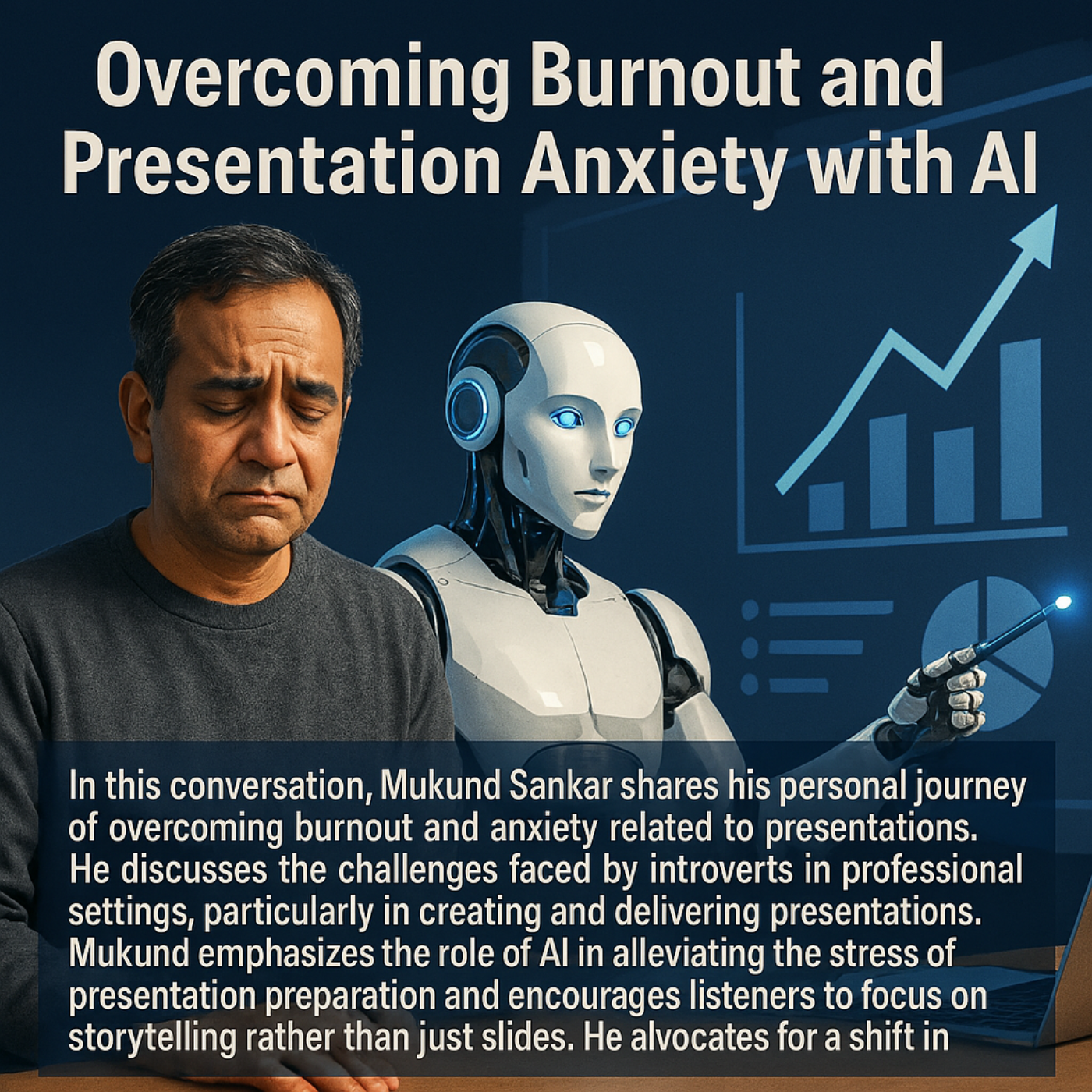
S1 Ep 24How I Beat Burnout & Presentation Fear—with a Little Help from AI
SummaryIn this conversation, Mukund Sankar shares his personal journey of overcoming burnout and anxiety related to presentations. He discusses the challenges faced by introverts in professional settings, particularly in creating and delivering presentations. Mukund emphasizes the role of AI in alleviating the stress of presentation preparation and encourages listeners to focus on storytelling rather than just slides. He advocates for a shift in mindset from fearing presentations to viewing them as opportunities for connection and sharing personal stories.TakeawaysBurnout can lead to a loss of identity and purpose.Presentations can be a source of anxiety, especially for introverts.AI can significantly aid in creating presentations efficiently.It's important to prepare not just content, but also to manage fears.Many professionals share the struggle of presenting.Using AI can help streamline the presentation process.Storytelling is more impactful than just presenting slides.Connecting with the audience is key to effective presentations.Overcoming the fear of presentations can lead to personal growth.Embracing vulnerability can enhance the presentation experience.Link to Blog post that shows you how to do it yourself (how to DIY):https://mukundansankar.substack.com/p/i-woke-up-with-no-memoryand-a-calendar
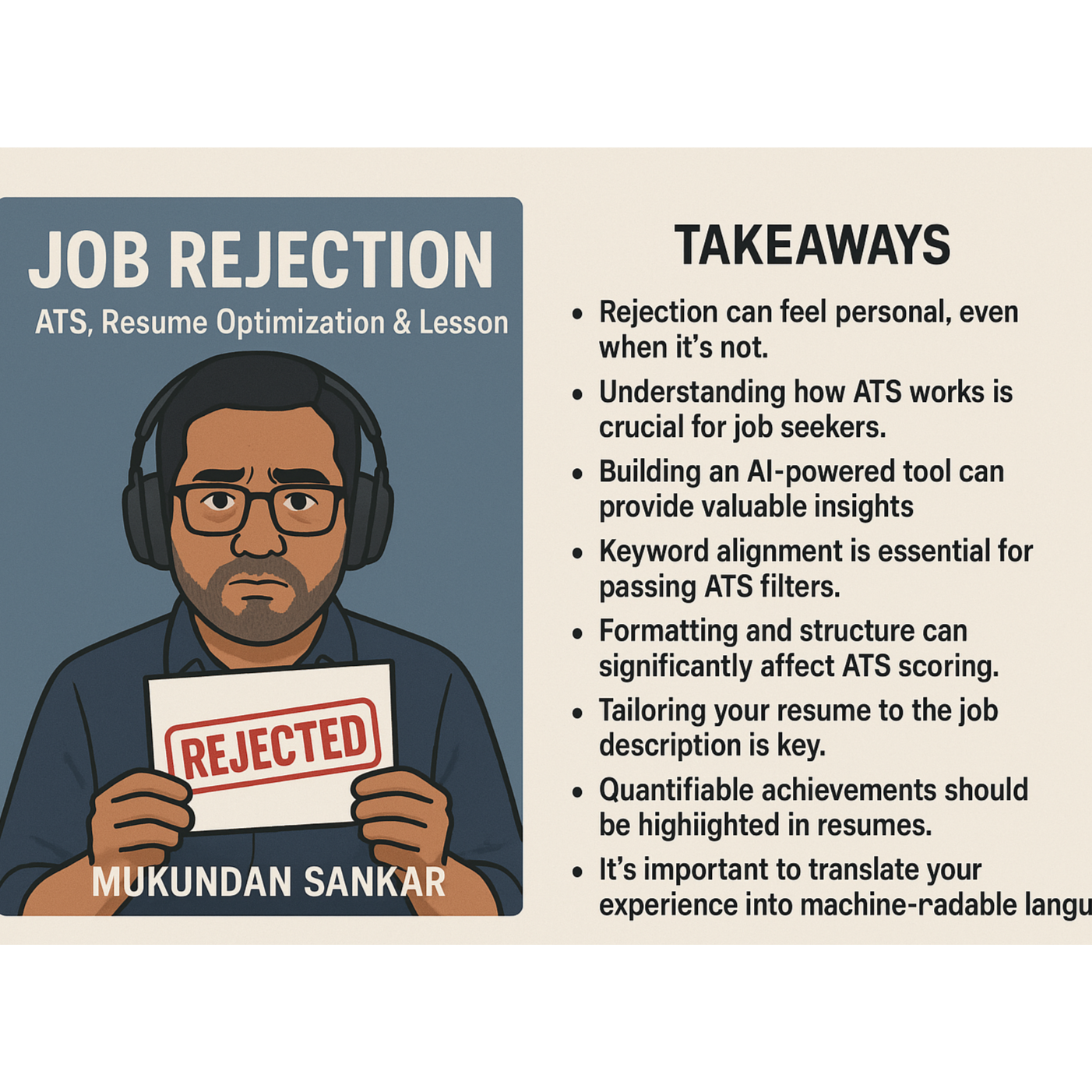
S1 Ep 23Your Resume Might Be Dying in an Algorithm - I Built an AI Tool to Find Out—and It Failed Mine
SummaryIn this episode, Mukund Sankar delves into the often painful experience of job rejection, particularly focusing on the role of Applicant Tracking Systems (ATS) in the hiring process. He shares his personal journey of building an AI-powered resume checker to better understand how these systems work and how they can impact job seekers. Through his experiences, he highlights key lessons about resume optimization, the importance of keyword alignment, and the need to present one's qualifications in a way that resonates with both machines and human recruiters.TakeawaysRejection can feel personal, even when it's not.Understanding how ATS works is crucial for job seekers.Building an AI-powered tool can provide valuable insights.Keyword alignment is essential for passing ATS filters.Formatting and structure can significantly affect ATS scoring.Tailoring your resume to the job description is key.Quantifiable achievements should be highlighted in resumes.It's important to translate your experience into machine-readable language.Feeling invisible in the job search process is common.You don't need to rewrite your resume; just tune it for success.How You can Build Your Own: https://mukundansankar.substack.com/p/will-your-resume-pass-the-ats-i-builtMedium Members : https://medium.com/towards-artificial-intelligence/will-your-resume-pass-the-ats-i-built-an-ai-app-to-find-out-a0ad9f3ce4ad

S1 Ep 22 Reclaiming Creativity: The Power of AI in Content Promotion
SummaryIn this episode, Mukundan Sankar discusses the challenges of content promotion and how it often overshadows the joy of content creation. He shares his journey of building an AI content engine that automates the promotion process, allowing creators to focus on their passion for writing. The conversation emphasizes the importance of reclaiming creativity through automation and offers practical insights for content creators looking to enhance their reach without the burnout of manual promotion.takeawaysContent creation is often overshadowed by the burden of promotion.Each platform requires a unique approach to content sharing.Promotion can take longer than the actual writing process.Systemizing content promotion can alleviate stress for creators.Using AI tools can help automate the promotion process.Creating a custom GPT can streamline content distribution.Engagement can increase by repurposing content across platforms.Automation allows creators to focus on their passion for writing.The right tools can save time and enhance creativity.Investing in automation tools can lead to greater content impact.Automate your content so that you can focus on creating the full tutorial with prompt for each platformMy Medium Blog

S1 Ep 21The Future of Time Management
SummaryIn this episode of Data and AI with Mukundan, the host discusses the creation and impact of an AI life planner designed to enhance productivity and time management. The conversation covers the technology behind the planner, including the use of GPT-4, Google Calendar API, and the Pomodoro technique, as well as the personal transformation experienced by the host as a result of implementing this tool.TakeawaysMost of us struggle with time management.AI can help optimize our schedules.The AI life planner analyzes daily habits.It syncs with Google Calendar for seamless planning.Reminders are sent via Slack API integration.A Pomodoro timer helps maintain focus.The planner allows for real-time adjustments.Productivity can skyrocket with the right tools.You can build your own AI life planner.Engaging with the audience for feedback is important.If you want to see exactly how I built this AI Life Planner, check out my full guide here: https://mukundansankar.substack.com/p/i-never-thought-i-had-my-life-togetherHow the App looks like: https://youtu.be/pyyWV7-Ty5w?feature=shared

S1 Ep 20AI That Learns You—Without Spying on You
Episode DescriptionEver feel like your phone knows you a little too well? One Google search, and suddenly, ads follow you across the internet like a digital stalker. AI-powered personalization has long relied on collecting massive amounts of personal data—but what if it didn’t have to?In this episode of Data & AI with Mukundan, we explore a game-changing shift in AI—personalized experiences without intrusive tracking. Two groundbreaking techniques, Sequential Layer Expansion and FedSelect, are reshaping how AI learns from users while keeping their data private.We’ll break down: ✅ Why AI personalization has been broken until now ✅ How these new models improve AI recommendations without privacy risks ✅ Real-world applications in streaming, e-commerce, and healthcare ✅ How AI can respect human identity while scaling globallyThe future of AI is personal, but it doesn’t have to be invasive. Tune in to discover how AI can work for you—without spying on you.Key Takeaways🔹 The Problem: Why AI Personalization Has Been BrokenStreaming services, e-commerce, and healthcare AI often make irrelevant or generic recommendations.Most AI models collect massive amounts of user data, stored on centralized servers—risking leaks, breaches, and misuse.AI personalization has been a “one-size-fits-all” approach that doesn’t truly adapt to individual needs.🔹 The Solution: AI That Learns Without Spying on You ✨ Sequential Layer Expansion – AI that grows with youInstead of static AI models, this method builds in layers, adapting over time.It learns only what’s relevant to you, reducing unnecessary data collection.Think of it like training for a marathon—starting small and progressively improving.✨ FedSelect – AI that fine-tunes only what mattersInstead of changing an entire AI model, it selectively updates the most relevant parameters.Think of it like tuning a car—you upgrade what’s needed instead of replacing the whole engine.Everything happens locally on your device, meaning your raw data never leaves.🔹 Real-World Impact: How This Changes AI for You 🎬 Streaming Services – Netflix finally gets your taste right—without tracking you across the web. 🛍️ E-commerce – Shopping apps suggest what you actually need, not random trending items. 🏥 Healthcare – AI-powered health plans tailored to your genes and habits—without sharing your medical data.🔹 The Bigger Picture: Why This Matters for the Future of AIPersonalized AI at scale: AI adapts to billions of users while remaining privacy-first.AI that respects human identity: You control your AI, not the other way around.The end of surveillance-style tracking: No more creepy ads following you around.🌟 AI can be personal—without being invasive. That’s the future we should all demand.Fedselect: https://arxiv.org/abs/2404.02478 |Sequential Layer Expansion:https://arxiv.org/abs/2404.17799🔔 Subscribe, rate, and review for more AI insights!

S1 Ep 19Synthetic Data: The AI Gold Rush You Can't Afford to Miss
Episode SummaryIn this episode, we dive into the transformative power of synthetic data and its ability to bypass privacy barriers while accelerating AI innovation. Learn how industries like healthcare, finance, and retail leverage synthetic data to fuel progress and discover actionable steps to implement this game-changing technology.Key Topics CoveredWhat Is Synthetic Data?Definition and importance.How it solves privacy and data scarcity challenges.Top 5 Breakthroughs in Synthetic Data:SafeSynthDP: Differential privacy for secure synthetic data generation.GANs for Healthcare: Generating synthetic patient records.CaPS: Collaborative synthetic data sharing across organizations.Private Text Data: Privacy-safe NLP dataset generation.Vertical Federated Learning: Secure synthetic data creation for tabular datasets.Applications Across Industries:Healthcare: HIPAA-compliant AI for diagnostics.Finance: Risk modeling with synthetic transaction data.Retail: Personalization using synthetic customer profiles.Action Plan:Learn and apply differential privacy techniques.Experiment with large language models for synthetic data.Use federated learning for collaborative data sharing.Build synthetic datasets for complex, messy data.Market privacy-first solutions to build customer trust.Resources MentionedResearch Papers:SafeSynthDP: Privacy-Preserving Data GenerationGANs for Healthcare DataCaPS: Collaborative Synthetic Data PlatformPrivate Predictions for NLPVertical Federated Learning for Tabular DataTools and Frameworks:TensorFlow Privacy LibraryPyTorch GAN ZooFlower Framework for Federated LearningTakeawaysSynthetic data is not just a workaround—it’s a key enabler of privacy-compliant AI innovation.Industries across the board are adopting synthetic data to overcome regulatory and privacy challenges.You can start leveraging synthetic data today with available tools and frameworks.Ready to explore the power of synthetic data? Dive into the resources mentioned and start experimenting with synthetic data generation to give your AI strategy a competitive edge. Subscribe to our podcast for more cutting-edge insights into the world of AI and data innovation.Website: https://mukundansankar.substack.com/

S1 Ep 189 Hidden Data Visualization Tricks to Transform Your Visuals using Plotly library in Python
Key Takeaways:1. Why Plotly is a Game-ChangerUnlike Matplotlib or Seaborn, Plotly offers interactive and dynamic visualizations that are perfect for storytelling.Unlock powerful features that go beyond basic bar charts or scatter plots.2. 9 Hidden Plotly Tricks:Custom Pairwise Correlation Matrix: Add annotations and custom color scales for deeper insights.Dynamic Data Highlighting: Like Excel, conditional formatting but on steroids.Density Contours: Visualize class distribution and clustering with ease.Faceted Histograms: Compare subgroups in a single view.Threshold Lines: Emphasize decision boundaries effectively.Custom Annotations: Turn visuals into storytelling tools.3D Scatter Plots: Explore invisible relationships in 3D.Animated Visualizations: Reveal dynamic patterns over time.Interactive Tooltips: Make charts engaging and informative.3. Real-world ApplicationsBusiness intelligence, scientific research, and education examples.Techniques aren’t just about aesthetics—they’re about actionable insights.4. Bonus Resources Complete code examples are in the links below: Medium Members: https://medium.com/towards-artificial-intelligence/9-hidden-plotly-tricks-every-data-scientist-needs-to-know-eb7f2181df56Non-Medium Members can read for Free here: https://mukundansankar.substack.com/p/9-hidden-plotly-tricks-every-dataDatasets from the UCI Machine Learning Repository for hands-on practice.https://archive.ics.uci.edu/datasetsTwitter: @sankarmukund475

S1 Ep 17How to Use Dynamic Topic Modeling to Boost Your Marketing and Strategy
Episode Summary:In this episode, Mukundan simplifies the concept of Dynamic Topic Modeling (DTM) for listeners and discusses its transformative impact on businesses. DTM is a machine learning method used to track the evolution of themes in text data over time. It helps companies to make smarter decisions by staying in tune with customer needs and market trends.Key Topics Covered:Introduction to Dynamic Topic ModelingWhat it is and why it matters for businesses.Real-world examples like customer reviews and social media trends.How Dynamic Topic Modeling WorksOver time, analyze text data (e.g., reviews, surveys, reports).Groups words into topics such as price, quality, or features.Applications of Dynamic Topic ModelingAdjusting marketing strategies to customer priorities.Enhancing product features based on evolving feedback.Predicting and responding to trends like sustainability in physical products.Tracking employee feedback to refine HR strategies and reduce churn.Step-by-Step Guide to Implementing DTMCollecting text data (e.g., reviews, surveys).Using tools like Python or pre-built software for analysis.Generating clear visuals and actionable insights.Benefits for BusinessesUnderstanding customer and employee feedback more effectively.Staying ahead of competitors.Saving time while making informed, data-driven decisions.Call to ActionEncourage listeners to explore DTM to gain a competitive edge.Mukundan invites questions and collaboration via email: mukundansankar.substack.com.Memorable Quotes:"Dynamic Topic Modeling helps businesses turn text data into actionable business strategies.""With DTM, you can stay ahead of competitors by understanding what customers truly care about over time.""It's not just about making decisions but smarter decisions driven by data."Real-Life Examples:Amazon Reviews: How DTM categorizes feedback into price, durability, and other topics.Marketing Adjustments: Shifting focus to features customers prioritize.Trend Analysis: Tracking the rise of sustainability in customer demands.Employee Insights: Using DTM to predict trends in employee satisfaction and churn.Resources Mentioned:Dynamic Topic Modeling Tools: Python and other software solutions for beginners and professionals.Email for Guidance: mukundansankar.substack.com

S1 Ep 1690% of people still don’t know this AI hack… are you missing out?
DescriptionIn this episode of Data & AI with Mukundan, we dive into Lang Chain—a powerful tool that connects AI systems for smarter, more efficient applications. Mukundan breaks down how Lang Chain simplifies complex processes by acting as a bridge between AI tools, enabling automation and improved decision-making.From content creation and chatbots to research and customer support, discover real-world examples of Lang Chain in action. Learn how it can fetch, summarize, and synthesize information from multiple sources, and how businesses and individuals alike can use it to save time and effort. Whether you're a content creator, academic researcher, or entrepreneur, this episode is packed with insights on how Lang Chain can work for you.Key TakeawaysWhat is Lang Chain? A tool that connects different AI systems, enabling smarter, automated workflows.Why Lang Chain Matters:Automates repetitive tasks.Saves time by integrating multiple AI tools.Facilitates smarter decision-making through contextual understanding.Real-Life Applications:Chatbots for intelligent customer interaction.Content creation (e.g., blogs, emails, social media posts).Research tools for summarizing academic papers and lengthy documents.How Lang Chain Works: Combines AI tools like ChatGPT, Google, and specialized engines (e.g., Perplexity.ai) to fetch and synthesize data into actionable outputs.Getting Started with Lang Chain:Choose a task (e.g., chatbot, writing assistant, research).Combine Lang Chain with AI tools like ChatGPT.Let it automate tasks for smarter results.Highlights & ExamplesUse Lang Chain to brainstorm blog ideas using ChatGPT and Perplexity.ai.Simplify customer support with automated chatbots.Accelerate academic research by summarizing complex documents.Enhance workflows with tools like Zapier, which integrates Lang Chain.Actionable StepsStart with simple tasks to explore Lang Chain’s potential.Experiment with connecting AI tools for tailored solutions.Gradually build smarter systems that save you time and effort.Closing NotesMukundan encourages listeners to experiment with Lang Chain and see its magic in action. Don’t forget to subscribe for more episodes on harnessing AI for smarter living!Additional LinksMukundan's website: https://mukundansankar.substack.com/

S1 Ep 15The Ultimate Guide to Using Analytics to Grow Your Newsletter
SummaryIn this episode, Mukundan Sankar discusses the importance of analytics for Newsletter creators using Substack, emphasizing how understanding traffic sources can significantly enhance newsletter growth. He breaks down various traffic types, including direct, email, referral, and social media, and provides actionable strategies for optimizing each source. The conversation also highlights common mistakes creators make with their analytics and offers the next steps for leveraging data effectively to engage audiences and grow subscriptions.Chapters00:00 Introduction to Content Creation and Analytics00:00 Understanding Substack and Its Analytics01:11 The Importance of Traffic Analytics03:01 Exploring Traffic Sources09:58 Leveraging Traffic Analytics for Growth12:54 Common Traffic Mistakes and Next Steps14:57 Conclusion and Future UpdatesTakeawaysAnalytics provide insights into audience engagement.Understanding traffic sources is crucial for growth.Direct traffic indicates loyal audience members.Email traffic reflects the effectiveness of subject lines.Referral traffic can introduce new readers to your content.Social media can convert casual readers into subscribers.Data must be acted upon to be valuable.Avoid focusing solely on top-line metrics.Experimentation is key to finding effective strategies.Set measurable goals to track progress.Links:Website: https://mukundansankar.substack.com/
S1 Ep 14Revolutionize Your Content Creation: Unlock AI Tools Today!
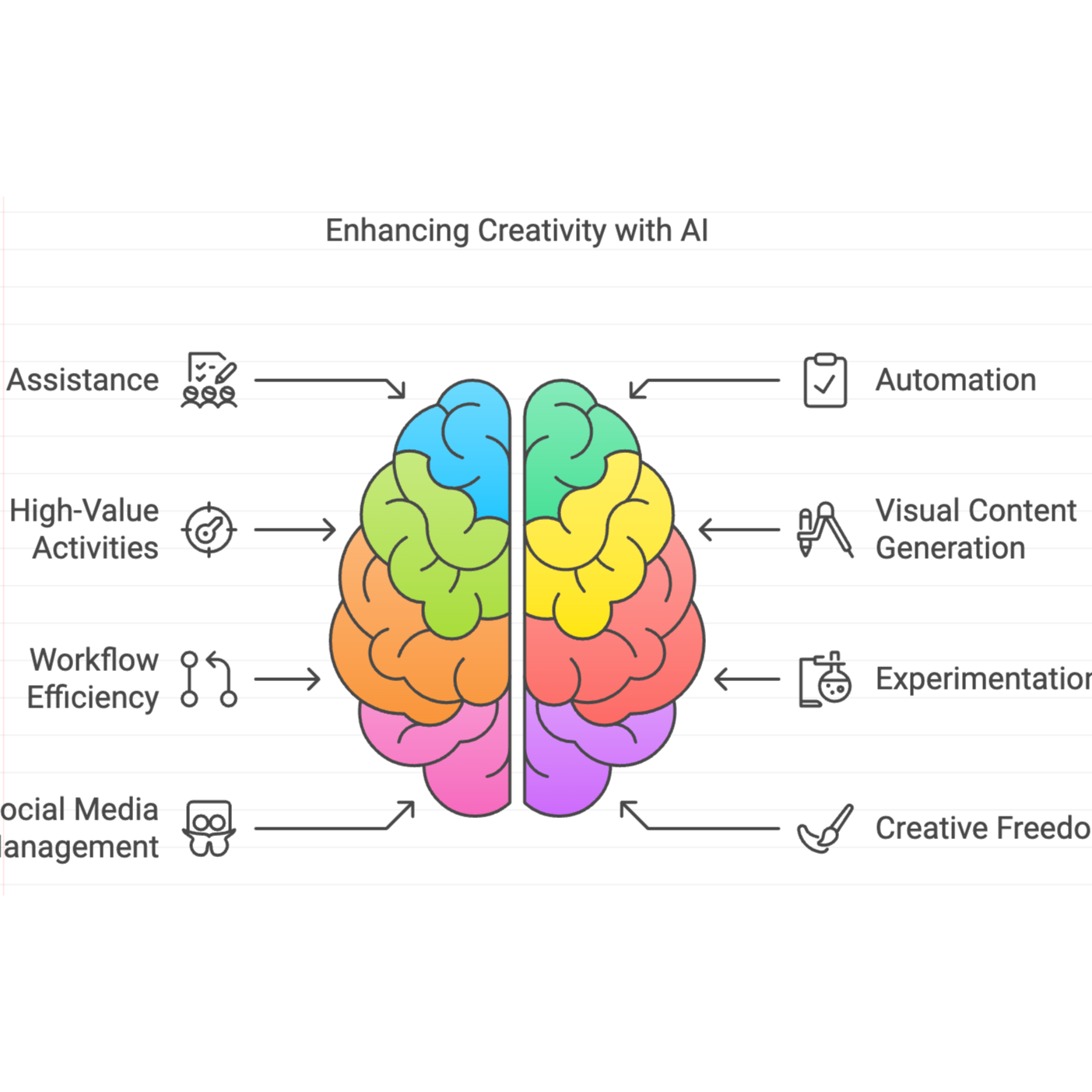
SummaryIn this conversation, Mukundan Sankar discusses the transformative role of AI agents in content creation. He emphasizes how these tools can help streamline workflows, automate repetitive tasks, and ultimately allow creators to focus on high-quality content. The discussion covers various AI tools like ChatGPT, Zapier, and Canva, and highlights the benefits of integrating these technologies into the content creation process.TakeawaysAI agents can assist with content creation and brainstorming.Automation tools like Zapier can save time for creators.Content creators often spend too much time on repetitive tasks.Using AI tools allows for more strategic focus in content creation.AI can help generate visuals for social media posts.Streamlined workflows lead to higher quality content production.AI agents can alleviate the overwhelming nature of content creation.Experimenting with different AI tools can enhance creativity.AI tools can help manage and schedule social media posts.The ultimate goal is to express creativity more freely with AI assistance.

S1 Ep 13AI Agents: The Autonomous Sidekick Revolutionizing Work for Startups and Creators
Episode Description:Welcome to a world where technology works smarter, not harder. In this episode, we dive deep into the world of AI agents—autonomous systems designed to take on tasks, make decisions, and even generate creative ideas with minimal human intervention. Think of them as your digital teammates, always ready to help without needing a lunch break.Here’s what we explore:What Are AI Agents? Learn the basics of these advanced systems, how they work, and why they’re more than just another AI tool.Challenges They Solve: From automating repetitive tasks like customer support to analyzing data for better decisions, AI agents can handle the heavy lifting while you focus on growth.Why They Matter for Solopreneurs and Small Teams: Discover how startups and creators are using AI agents to scale their operations without the costs of hiring more people.Real-Life Examples: Hear how an AI agent can streamline marketing efforts, boost customer engagement, and even help overcome creative blocks.How to Set Up Your Own AI Agent: Step-by-step guidance to get started, whether you’re a tech novice or a seasoned pro.We provide tips and tricks to get your agent up and running without needing a tech background.

S1 Ep 12Multimodal AI: The Detective Changing the Game for Businesses
Episode OverviewIn this fascinating episode, we explore Multimodal AI—the cutting-edge technology that's reshaping how businesses solve complex problems. Think of it as a brilliant detective, piecing together clues from text, images, audio, and video to solve mysteries that would otherwise go unnoticed. Whether it's improving customer satisfaction, boosting team performance, or outsmarting competitors, Multimodal AI has the answers.Let’s dive into the details and discover how this incredible tool can transform the way you work.What Is Multimodal AI?Multimodal AI is like a detective for businesses. Instead of relying on just one type of information, it gathers and analyzes data from multiple sources:Text: Emails, reports, and customer feedback.Images: Product photos, website heatmaps, and ads.Audio: Recorded conversations and customer support calls.Video: Marketing content, training sessions, and competitor campaigns.By combining all these clues, Multimodal AI provides a full picture of what’s really happening in your business.How It Solves ProblemsImagine running a company where data is scattered everywhere. Multimodal AI connects the dots to find hidden solutions. For example:Sales Drop Mystery: It reads sales reports (text), analyzes fewer clicks on your website (image), listens to customer complaints (audio), and reviews competitor ads (video). The answer? Your competitor’s design is outperforming yours.Employee Training Issues: By scanning training videos and listening to feedback, it uncovers why new hires are struggling and suggests solutions.Customer Dissatisfaction: It pieces together product reviews, social media chatter, and customer service calls to highlight what your audience really wants.The Detective’s ToolkitMultimodal AI has a wide range of tools that can help your business:Competitor Analysis: Tracks trends from competitor ads and online content to refine your strategy.Pattern Recognition: Finds inefficiencies in processes, helping you unlock hidden opportunities.Customer Insights: Decodes reviews, photos, and social media to tell you exactly what your customers desire.Employee Feedback: Helps improve team performance by analyzing onboarding videos and feedback sessions.Why It MattersWith Multimodal AI, you don’t just respond to problems—you prevent them. Whether it’s a struggling campaign or unhappy customers, this tool can solve the issue before it escalates into a crisis. It’s like having a corporate Sherlock Holmes by your side, ensuring your business stays one step ahead.Final ThoughtsMultimodal AI is more than just technology—it’s your secret weapon for success. Tune in to this episode to learn how it works, why it’s essential, and how it can take your business to the next level.Listen now and solve your toughest challenges with Multimodal AI!
S1 Ep 11Unveiling AI’s Best-Kept Secret: The Mystery of Neurosymbolic Intelligence
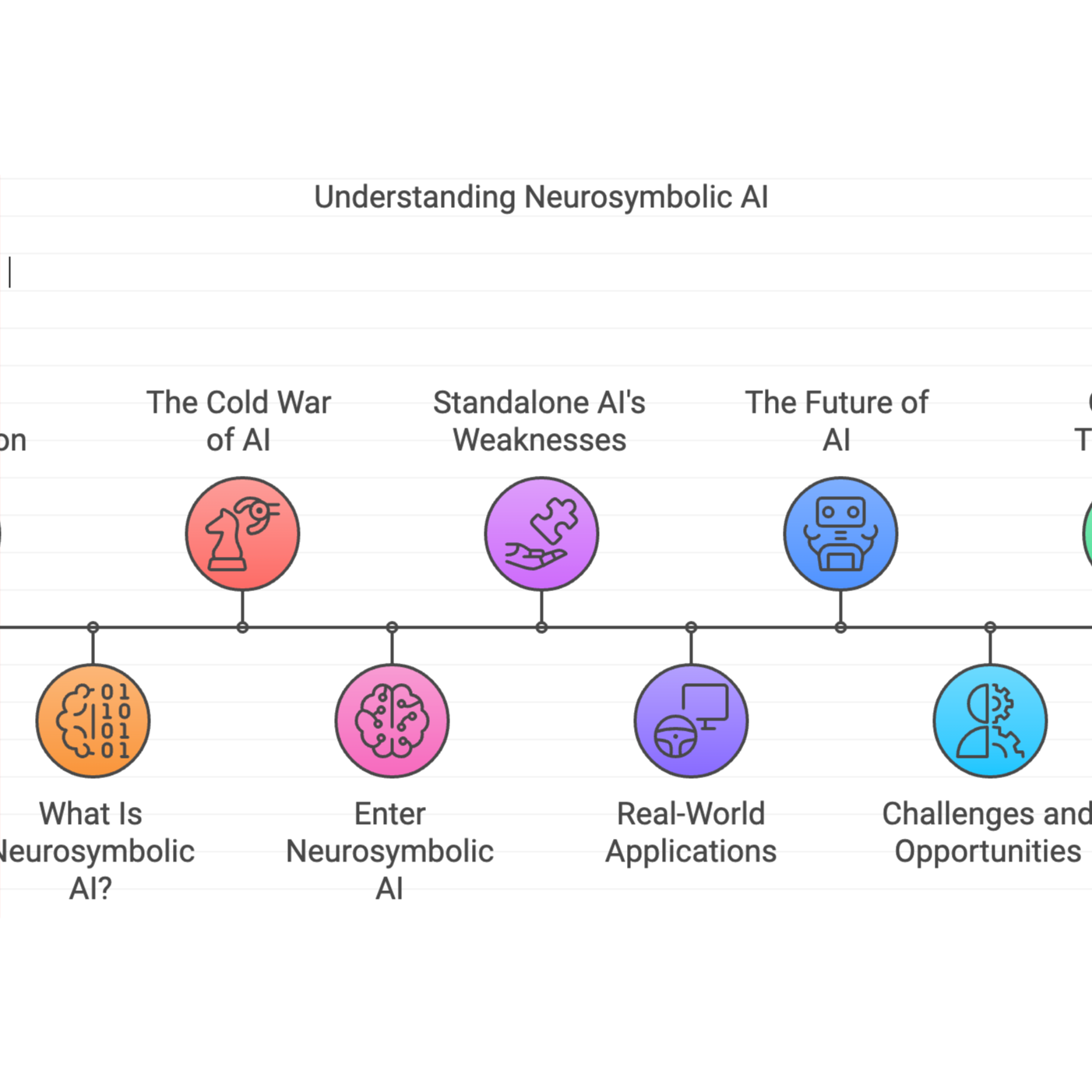
In this captivating episode of Data and AI with Mukundan, we unravel the mysteries of Neurosymbolic AI—a powerful combination of neural networks and symbolic reasoning. This hybrid approach is revolutionizing artificial intelligence, tackling the challenges of explainability, adaptability, and reasoning. Learn why Neurosymbolic AI is more than just a technological innovation—it's a potential game-changer for industries ranging from healthcare to autonomous vehicles.Discover how this blend of brain-inspired learning and logic-driven analysis can solve some of AI's toughest problems, such as ethical decision-making and trustworthiness. Dive into real-world applications, breakthrough cases, and the challenges that researchers face as they push this cutting-edge technology toward its full potential.Episode Chapters:[00:00] Introduction Host Mukundan Sankar welcomes listeners and previews the episode's focus on Neurosymbolic AI—what it is and why it matters.[00:41] What Is Neurosymbolic AI? An exploration of the concept, blending neural networks' pattern recognition with symbolic AI's logic and reasoning.[01:11] The Cold War of AI: Neural vs. Symbolic A breakdown of the strengths and weaknesses of neural networks and symbolic AI, and why each is incomplete on its own.[02:07] Enter Neurosymbolic AI: A Peace Treaty How Neurosymbolic AI bridges the gap, creating a hybrid system that's intuitive yet logical.[02:49] Standalone AI's Weaknesses Examples of where standalone neural or symbolic systems fall short, including face recognition and logical reasoning.[03:14] Real-World ApplicationsMedical Imaging: Detecting tumors and explaining the findings.Fraud Detection: Spotting anomalies and reasoning about patterns.Autonomous Driving: Recognizing pedestrians and predicting their actions.Multimodal AI: Combining text, images, and logic to solve practical problems.[05:43] The Future of AI The potential of Neurosymbolic AI to address ethical decision-making, trustworthiness, and even general intelligence.[06:24] Challenges and Opportunities Can Neurosymbolic AI scale to solve the hardest problems, or will it remain a niche solution?[06:46] Closing Thoughts Mukundan reflects on the promise of Neurosymbolic AI and invites listeners to share their thoughts on its potential.
S1 Ep 10Unlocking the Power of Fine-Tuning: Making AI Smarter, Not Harder
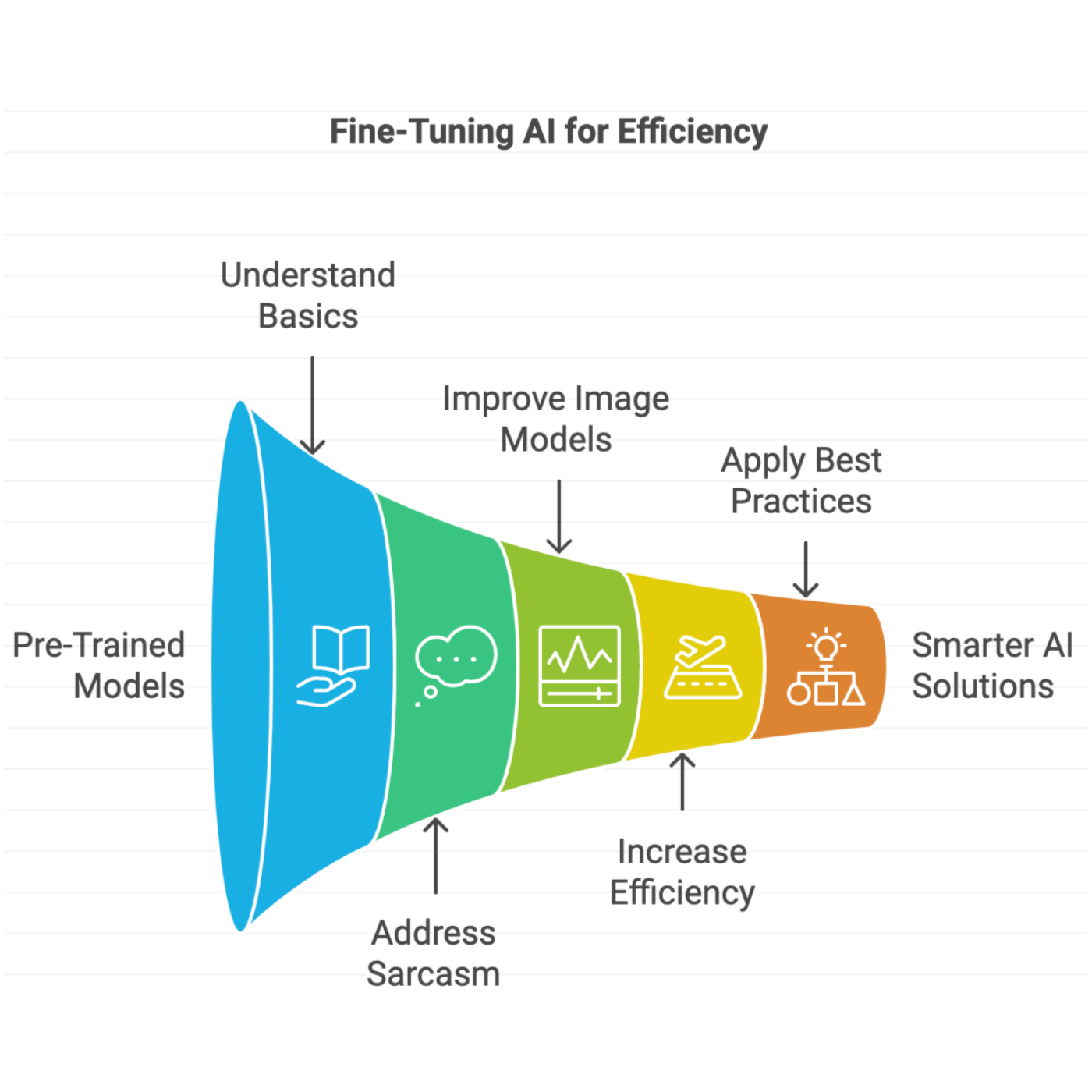
Episode Description: In this episode, we dive deep into the world of fine-tuning pre-trained AI models. Starting with the basics of pre-trained models like BERT, GPT, and ResNet, we explore how fine-tuning transforms them from generalists into task-specific experts.We discuss real-world examples, from improving sentiment analysis accuracy by 15% to enhancing tumor detection rates by 25%, and even boosting translation precision by 20% for specialized language pairs. Learn how fine-tuning not only sharpens AI's skills but also saves time, resources, and makes AI applications more sustainable.Wrapping up with best practices for fine-tuning, you'll get actionable tips to ensure success in your AI projects. Whether you're an AI enthusiast or just curious about how these systems get smarter, this episode is packed with insights. Don't forget to check the show notes for the blog link and subscribe for more AI mysteries decoded!Episode Chapters[00:00 - 02:34] Introduction to Pre-Trained Models Understanding the basics of pre-trained AI models and why they often need fine-tuning to meet specific requirements.[02:35 - 02:55] Cracking Sarcasm in Text Exploring how fine-tuning helps AI understand nuances like sarcasm and slang, improving sentiment analysis.[02:56 - 04:25] Enhancing Image Models for Niche Tasks Discover how fine-tuning image models like ResNet improves accuracy in medical imaging and other specialized tasks.[04:26 - 04:59] Efficiency Through Fine-Tuning How fine-tuning reduces training time by 50%, making it an eco-friendly and resourceful approach.[05:00 - 05:17] Best Practices for Fine-Tuning Key tips for successful fine-tuning, including managing learning rates and avoiding overfitting.[05:18 - 05:56] Conclusion: Smarter, Not Harder A summary of how fine-tuning transforms AI into a sharper, more efficient tool for solving real-world problems.Additional Links: Blog Post that talks about this: https://medium.com/ai-in-plain-english/fine-tuning-pre-trained-models-how-to-make-ai-work-smarter-not-harder-7cf10b5d05f1Stay tuned for the next episode and check the show notes for more resources!
S1 Ep 9Unlocking the Future: The Mystery of Neuro Symbolic AI in Business Strategy
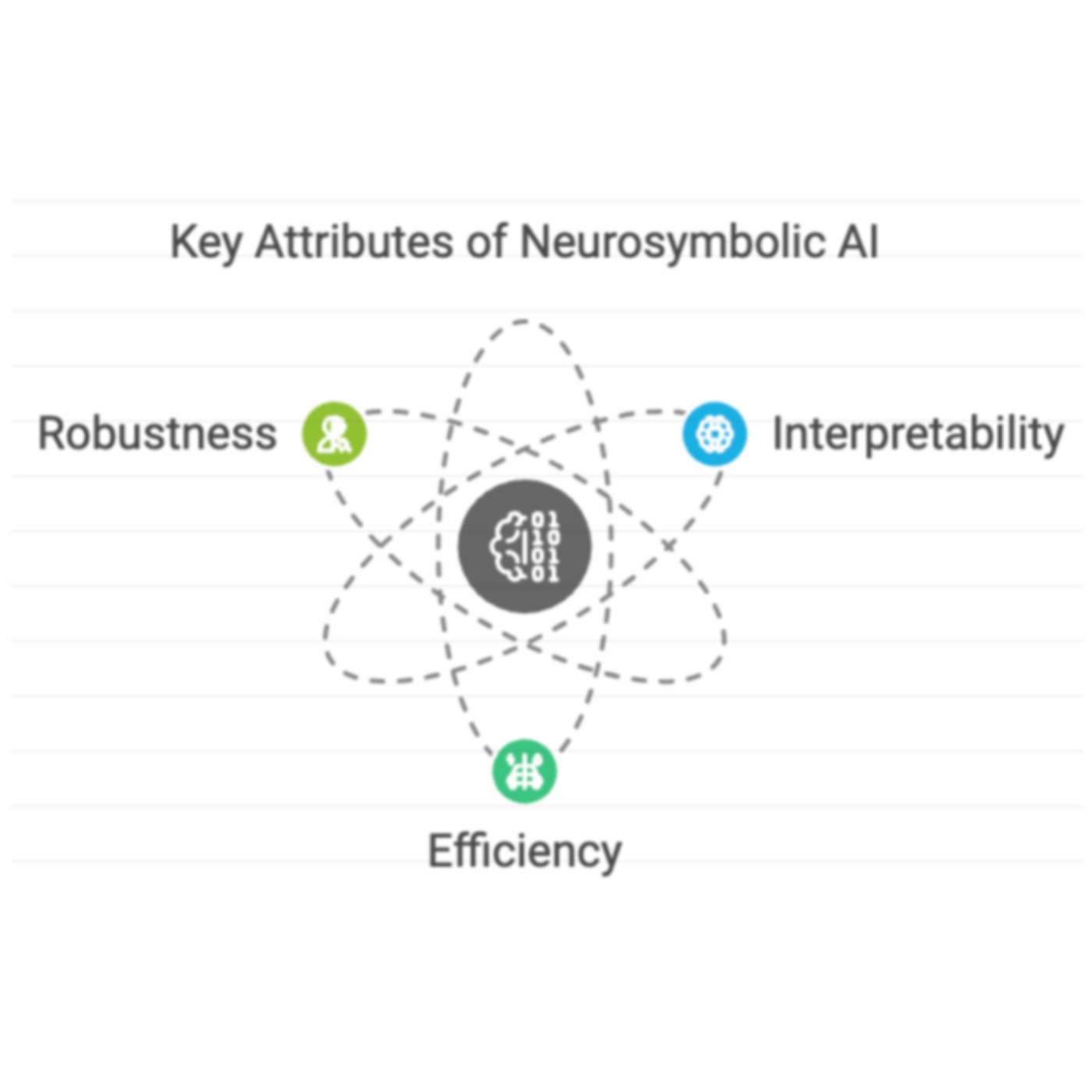
Episode Notes: OverviewIn this compelling episode, I dive into the cutting-edge world of Neuro Symbolic AI, a transformative approach to business strategy that goes beyond traditional SWOT analysis. Moving past the capabilities of older models like GPT-3.5, this episode introduces a tool that doesn’t just identify strengths, weaknesses, opportunities, and threats but also explains the deeper implications and potential future outcomes of each. Join me as I explore how Neuro Symbolic AI is setting new standards for strategic analysis.Key Topics CoveredRebranding the Show I open by explaining the recent rebranding to focus entirely on data and AI, setting the stage for a deeper, more specialized dive into AI-driven insights.Introduction to SWOT Analysis Discover the basics of SWOT analysis and its applications in evaluating businesses, projects, and even personal goals. I explore how traditional AI tools, like GPT-3.5, offer simple, list-based insights but often lack depth and context.The Limitations of Traditional AI I discuss how traditional AI, though powerful, can be too simplistic. It provides a list of strengths and weaknesses without fully explaining their significance or forecasting potential impacts. This often leaves critical details overlooked.Neuro Symbolic AI: The Next Evolution Here, I introduce Neuro Symbolic AI, a hybrid model that combines pattern recognition with rule-based logic. This allows it to not only identify key traits but also to explain why they matter and how they could influence future outcomes. Neuro Symbolic AI transforms SWOT analysis from a static list into a dynamic, predictive tool for strategic planning.Real-World Applications and Advantages Using the example of a fictional toy company, I demonstrate how Neuro Symbolic AI can reveal deeper insights and future opportunities or challenges that traditional AI might miss. This tool doesn’t just give a list—it explains how each factor contributes to the company’s overall strategy and growth potential.The Future of Strategic AI I wrap up by discussing the potential of Neuro Symbolic AI to revolutionize strategic analysis across industries. This AI model can anticipate market shifts, rank strategic priorities, and offer actionable insights, making it an invaluable asset for forward-thinking businesses.Why Listen?If you’re interested in the latest advancements in AI or seeking smarter, future-oriented approaches to business strategy, this episode is a must-listen. Neuro Symbolic AI represents a breakthrough in predictive analysis, providing the kind of context and foresight that can turn reactive strategies into proactive ones.Additional Links:1] Neurosymbolic AI vs. Traditional AI Blog Post2] FREEBIES: Sign up for my substack newsletter (https://mukundansankar.substack.com) and get: free RAG cheatsheet, and wait for it... a FREE Neuro-symbolic AI Cheatsheet!3] AI for SWOT Analysis Blog Post: https://shorturl.at/RJ9fA
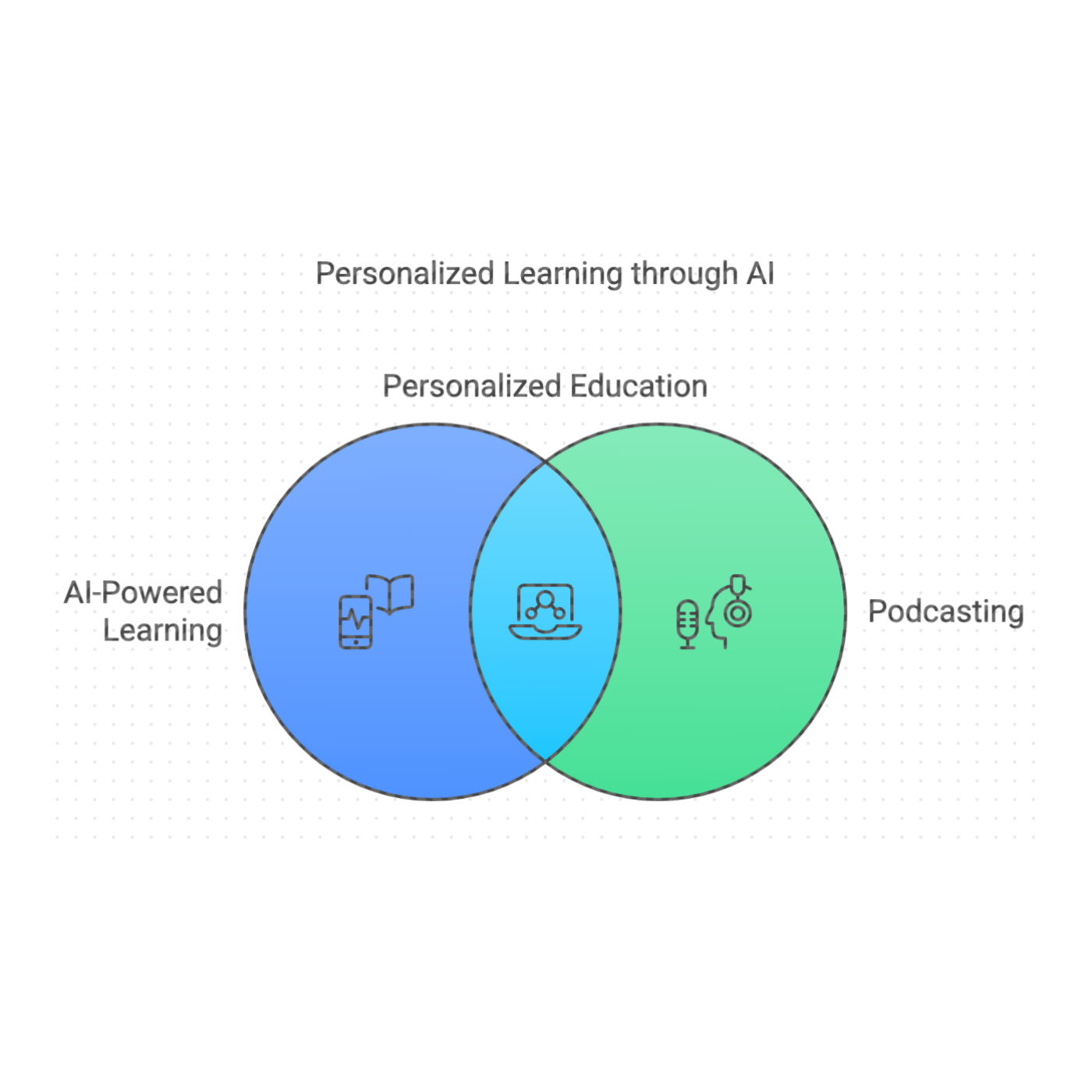
S1 Ep 8Exploring NotebookLM: Transforming Education with AI!
Episode Summary: In this episode, I delve into Google’s NotebookLM, an advanced AI-powered tool designed for research, note-taking, and audio content generation. Originally adopted by content creators for podcasting, NotebookLM offers a range of possibilities beyond mere podcast generation, including making complex ideas easily understandable and serving as an educational tool.Key Discussion Points:Introduction to NotebookLM: NotebookLM, powered by Google’s Gemini 1.5, is a unique AI tool designed to convert written content into natural-sounding audio conversations. I highlight its key features, including support for uploading diverse content sources like web links, YouTube videos, and Google Docs.Functionality and User Experience: I share my firsthand experience with NotebookLM, demonstrating how it transformed a complex blog on retrieval-augmented generation into a conversational podcast format. This feature not only simplifies complex topics but makes learning more accessible and engaging.NotebookLM for Education and Supplemental Learning: I advocate for NotebookLM’s potential as a supplemental learning tool. By breaking down intricate topics, it can serve as an aid for understanding research papers, technical blogs, or any complex written material.Vision for the Future: While the tool’s podcasting capabilities are a game-changer, I envision NotebookLM’s greater impact on education and personal development. I discuss the potential of NotebookLM as a go-to resource for learning on the move, from research papers to blog posts.Takeaway Tips:Use NotebookLM to generate personalized audio content from educational materials.Transform complex topics into digestible audio formats for on-the-go learning.Experiment with NotebookLM as a supplement to traditional learning tools like YouTube or Google Search.Closing Thoughts: I emphasize the potential of NotebookLM as an educational revolution in AI, urging listeners to explore its capabilities and unlock a new way of learning complex topics easily.Additional Resources:Blog Post I used to convert to podcast using NotebookLMTune in to experience NotebookLM’s ability to make complex topics accessible and engaging, and hear my take on its potential future applications!
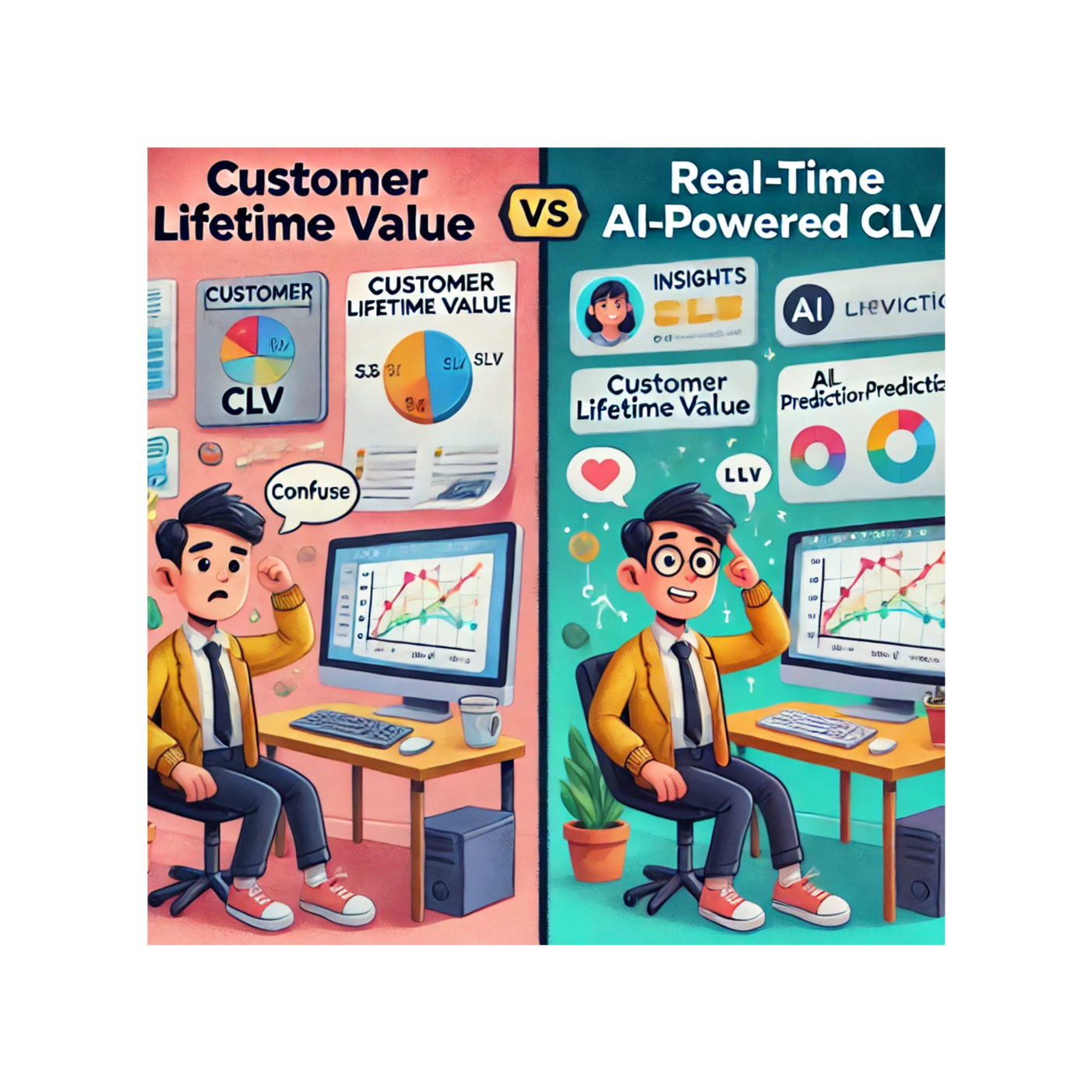
S1 Ep 7 AI for Customer Lifetime Value (CLV) Prediction: Why Smart Marketers Are Paying Attention
Episode Overview: In this episode, we dive into how AI is transforming Customer Lifetime Value (CLV) prediction, a crucial metric for marketers aiming to understand and enhance customer relationships. We discuss why traditional CLV models fall short, how AI provides more accurate, real-time insights, and why this shift is vital for modern marketing strategies.Key Takeaways:Importance of CLV: CLV helps identify high-value customers, guiding where to focus marketing efforts for long-term success.Limitations of Traditional CLV Models: Outdated methods rely on static data and often miss dynamic changes in customer behavior.AI-Powered CLV Prediction:Real-time data processing enables timely responses to shifts in customer activity.Enhanced segmentation allows marketers to understand not just who their customers are, but how they engage.Predictive capabilities help foresee customer behavior, enabling proactive marketing strategies.Practical Insights:AI tools like Google AutoML and Salesforce Einstein offer accessible ways to integrate AI into marketing without needing extensive technical expertise.Start by organizing and cleaning customer data to ensure accuracy and effectiveness in AI analysis.Chapter-wise BreakdownIntroduction & Topic Overview (00:00 - 00:10)Simplifying CLV & Its Traditional Challenges (00:10 - 02:00)The Power of AI for CLV (02:00 - 05:00)AI-Driven Benefits & Customer Insights (05:00 - 09:16)Case Study: Starbucks' Success with AI (09:16 - 12:45)Practical Steps & Final Takeaways (12:45 - End)Real-Life Example: We highlight how Starbucks uses AI to track customer interactions and adapt their marketing efforts based on real-time insights, showcasing the tangible benefits of adopting AI for CLV prediction.Why It Matters: AI-driven CLV prediction isn’t just a trend; it’s a strategic shift that allows marketers to build stronger, data-backed relationships with their customers and stay ahead in an ever-competitive landscape.Final Thought: If you’re not using AI for CLV yet, now is the time to start. Small, data-driven steps can lead to significant improvements in customer retention and business growth.
Start Here — Practical AI in 30 Seconds
trailerLearn AI by shipping small, useful things—no fluff. In 30 seconds: who this is for, what you’ll get, and how to use each episode today. New episodes every Tuesday.Welcome to Data & AI with Mukundan—a weekly show where real-world problems meet practical AI. You’ll get honest stories, clear steps, and tiny builds you can apply the same day you listen. We cover what to automate, how to check quality, and how to keep outputs reliable—so you don’t ship junk.Starter PackGet Interviews: Rejected in minutes? Use AI to rewrite your portfolio (so recruiters care). https://rss.com/podcasts/data-ai-podcast/2142985/Present Faster: Turn your blog into a presentation—without PowerPoint stress. https://rss.com/podcasts/data-ai-podcast/2147688/Save Family Stories: The app I built to talk to my mom & dad after they’re gone. https://rss.com/podcasts/data-ai-podcast/2153606/Podcast home: https://rss.com/podcasts/data-ai-podcast/ Email: [email protected]
S1 Ep 65 Game-Changing Applications of Retrieval-Augmented Generation: Unlocking AI's Full Potential
In this episode of The Deep Dive, we explore Retrieval-Augmented Generation, or RAG, and its revolutionary impact on AI. We break down five game-changing applications of RAG, each transforming how AI interacts with real-time data and complex information. Discover how RAG is enhancing everything from customer service to academic research, by tackling challenges like outdated information and static AI models.Key Highlights:Real-time Q&A Systems: How RAG ensures that AI provides the most up-to-date answers, making customer support smarter and more reliable.Dynamic Content Creation: No more stale reports—learn how RAG allows for content that updates in real-time.Multi-Source Summarization: Summarizing complex, often conflicting information from multiple sources for balanced insights.Intelligent Chatbots: Discover how RAG-driven chatbots bring up-to-the-minute responses, improving user experience in real-time.Specialized Knowledge Integration: From medical diagnoses to legal precedents, see how RAG is revolutionizing fields requiring precise, specialized knowledge.Tune in to see how RAG is shaping the future of AI, making it more adaptable, intelligent, and responsive to our world’s ever-changing landscape!Resources:Article: "5 Game-Changing Techniques to Boost Your NLP Projects with Retrieval Augmented Generation"Explore hands-on with RAG at Hugging FaceResearch and community forums for deeper learning and discussions on RAG
S1 Ep 5Turbocharging Your PDF Workflow with AI: Time-Saving Tools for Data and AI Professionals
Episode SummaryIn this episode, we dive into the power of AI to tackle the often-overwhelming world of PDFs and technical documents. We explore an innovative tool that makes PDFs more accessible and actionable, from summarizing key insights to generating audio and even preparing Q&A. If you work in data science, AI, or any field that requires you to stay up-to-date with extensive documentation and research, this tool could be your new best friend.Topics Covered:* The PDF Dilemma* How data professionals face information overload from research papers, reports, and white papers.* Why keeping up with technical documents can feel like a “black hole” for your time.* AI-Powered PDF Assistance* Overview of an AI tool that leverages PyPDF2 and HuggingFace for seamless PDF extraction and summarization.* Using Google Text-to-Speech to convert summaries into audio for learning on the go.* Interactive Content Generation* How the tool creates a more interactive PDF experience by generating questions and answers.* Scenarios where this could be useful: preparing for presentations, understanding dense research, and managing technical documentation.* Real-World Scenarios and Use Cases* Examples of how a data scientist, data analyst, or any professional could save time and improve understanding.* AI as a “study buddy” for deeper learning and faster, more efficient information processing.* Balancing AI with Critical Thinking* The importance of using AI as a tool rather than a replacement for human expertise.* How AI challenges us to become more thoughtful consumers of information and better thinkers overall.Key Takeaways:* Save Time and Boost UnderstandingEmbrace AI to extract core insights from complex documents, potentially freeing up hours each week to focus on high-impact tasks.* Learn on the GoTurn PDF content into audio to make commuting, exercising, or downtime more productive.* Engage with Information InteractivelyUse the tool’s Q&A generation feature to explore documents in a more interactive way, perfect for preparing presentations or deep-diving into research.Final Thought:Imagine applying this technology not only to PDFs but also to other information sources like websites, articles, and even books. As AI continues to evolve, how might it transform the way we learn, work, and think?Call to ActionIf this resonates with you, let us know! Share what types of PDFs or documents you’d tackle with this AI-powered tool and how you think it could change your workflow. Don’t forget to subscribe for more insights on the latest AI tools and how they’re shaping the future of work and learning.Link:Blog Post Link This is a public episode. If you would like to discuss this with other subscribers or get access to bonus episodes, visit mukundansankar.substack.com
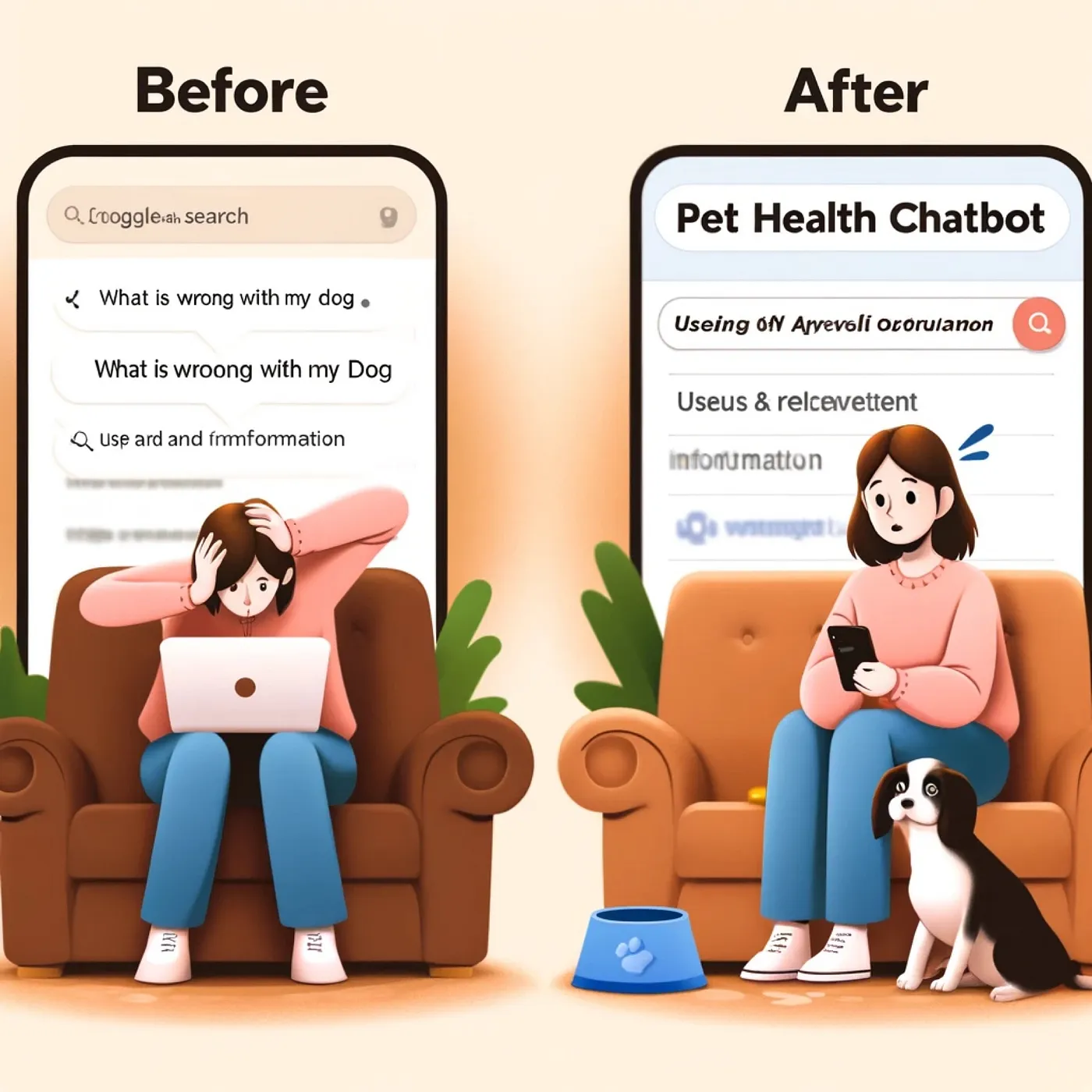
S1 Ep 4How AI is Revolutionizing Pet Health
Summary: In this episode, we dive into the world of pet health and AI with a focus on an innovative AI-powered pet health chatbot. Inspired by the real-life experience of pet owners, this project tackles the late-night panic every pet parent knows all too well—when your pet gets into something they shouldn’t and you're left searching for answers online. Using the cutting-edge capabilities of GPT-3.5, this chatbot cross-references trusted sources like the ASPCA and AVMA to provide clear, reliable advice on common pet health concerns. While it’s not a replacement for a vet, it’s an invaluable tool for empowering pet owners to take charge of their pet’s health, reducing stress, and improving early detection of potential issues.Join us as we explore how this technology can make a real difference, not just for individual pet owners, but for the entire field of veterinary medicine.Key Takeaways:* The inspiration behind developing an AI-powered pet health chatbot for everyday pet owners.* How GPT-3.5 compares to a human "genius" (think Mike Ross from Suits).* Why trustworthy sources like the ASPCA and AVMA are crucial for providing reliable pet health advice.* A breakdown of how the chatbot works and what it can do for you (or your pet-loving friends).* The future potential of AI in pet health and how it could change the landscape of veterinary care.How do you think having an AI-powered tool like this at your fingertips would change the way we approach pet health? Share your thoughts in the comments or reach out on mukundansankar.substack.com!Links:How I Built an AI-based Chatbot for Diagnosing Pet Health - BlogASPCAAVMA This is a public episode. If you would like to discuss this with other subscribers or get access to bonus episodes, visit mukundansankar.substack.com