Curious City
670 episodes — Page 2 of 14
A museum, a mayor and a road: How Lake Shore Drive became a runway ... intentionally
Lake Shore Drive has served as a makeshift runway for emergency landings. But it’s also been an *intentional* runway for planned arrivals. We go back to 1983 to get the story of how a Chicago institution helped turn our lakeside expressway into an airstrip, at least twice.
How one organization is transforming Englewood’s vacant lots
The city of Chicago owns thousands of vacant lots, and more than 80 percent of those parcels are in communities where the population is at least 80 percent Black. That’s according to a report from the Institute for Housing Studies at DePaul University. Residents and organizations are investing in these lots to improve the community. Last episode, we learned about how complicated it can be for individual homeowners to buy a vacant lot in their neighborhood. Today, we focus on an organization that is acquiring these types of spaces. Anton Seals, Jr. is the co-founder of Grow Greater Englewood, an organization that is doing innovative work on abandoned areas on the South Side. In the name of land sovereignty and building lasting community, he and his colleagues are transforming vacant lots into urban farms, a farmers market and a nature trail.
Want to buy the vacant lot next door? It might take awhile
Buying a city-owned lot seems like a simple process, but buying one might take longer than expected. The city puts a limited number of parcels up for sale each year.
Does your iguana need x-rays? A local exotic animal hospital can help
Stop us if you’ve heard this one: A hedgehog, a river otter and an iguana walk into a local exotic animal hospital … Whether intentional or otherwise, exotic pets like sharks, macaws and pythons have made Illinois their home. But finding medical care for these animals isn’t as simple as visiting the neighborhood vet. Last episode, we explored some of the out-of-place animals that’ve been found in Chicago, including a peacock, an alligator and a 20-pound vervet monkey. Today, we’re asking, what happens when they get sick? Take a trip with us to the Chicago Exotics Animal Hospital in Skokie to meet Gomez Addams the tegu lizard and a few of his friends. Plus, hear some wild stories from the people who care for them.
A monkey on the loose: Odd animal sightings in Chicago
Animal control is used to dealing with stray cats and dogs. But what happens when there’s a peacock strutting down the alley? Curious City explores strange animal sightings in Chicago.
Beyond the settlement: Helping Chicago’s many survivors of police torture
Chicago passed a reparations ordinance 10 years ago for the survivors of police torture committed under the direction of disgraced Chicago police commander Jon Burge. As we learned in our last episode, monetary reparations alone cannot heal decades of trauma. In this episode, we take a closer look at the limits of monetary settlements and what else survivors need to heal. We also take a look at how Chicago’s reparations ordinance is looking 10 years later with Aislinn Pulley, the executive director of the Chicago Torture Justice Center, which was established as part of the reparations ordinance.
What impact do big payouts have on survivors of police torture and misconduct?
This year marks a new record, as Chicago city leaders have so far agreed to pay more than $266 million to resolve a wide range of police misconduct lawsuits. After the city washes its hands and the TV news cameras move on, what happens next? Do these payments help bring survivors closure or a sense that justice has been served?
Two-and-a-half minutes: Pilot John Ginley’s dance with disaster
While flying over downtown Chicago on July 18, 2018, a World-War-II era single-engine Ercoupe airplane suffered “complete mechanical failure.” “The throttle cable completely broke off of the carburetor,” said pilot John Ginley. “There was no way to control the engine.” Still, Ginley and his co-pilot — his then-girlfriend and now-wife Ally Ginley — managed to land in the southbound lanes of DuSable Lake Shore Drive, successfully avoiding cars, humans, and the 35th Street pedestrian bridge. In our last episode, we heard about the history of forced plane landings on Chicago’s scenic, multilane expressway. Today, we hear Ginley’s story of escaping imminent disaster from the pilot himself.
‘Mayday, mayday, mayday’: How many planes have landed on Lake Shore Drive?
A couple of pilots have made forced landings on DuSable Lake Shore Drive. What makes a road or any other non-airport spot the best option in an emergency?
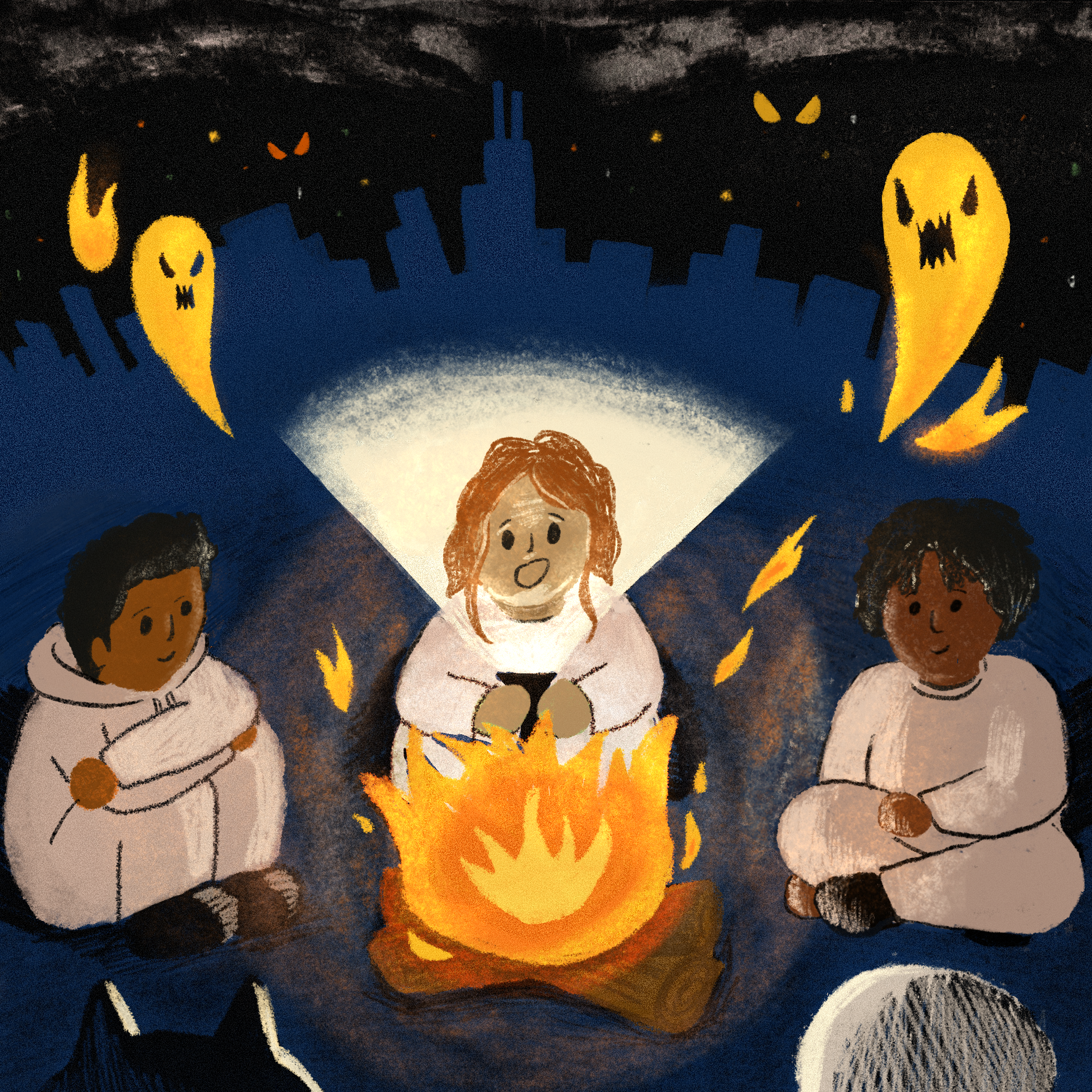
A Curious City Halloween: Scary stories from spooked Chicagoans
Three stories from Chicagoans who endured a terrifying experience that they couldn’t explain, couldn’t get over, or couldn’t escape. Karen Holt tells the story of her haunted childhood home on Chicago’s Southeast Side. Was her house simply saturated with “residual energy”? Or was the ghost of a lost boy wandering the halls? Rachel Shuki tells the story of the haunted, now-closed school she taught at on Chicago’s West Side. A tragic disaster from the past could be the reason behind unexplained occurrences in the building. Ben Astrachan and Jackson Zinn-Rowthorn tell the story of their Northwest Side apartment complex, the ritual site they found in the basement, and the friend that messed with it. Have they disturbed a spiritual realm they aren’t equipped to handle? Get cozy, dim the lights and press play.
Gone and nearly forgotten: Lincoln Park’s High Bridge
A bridge constructed for sightseeing during the turn of the century soon became known as a place for death. If you or someone you know is struggling with thoughts of suicide, you can call or text 988 for the Suicide and Crisis Lifeline.
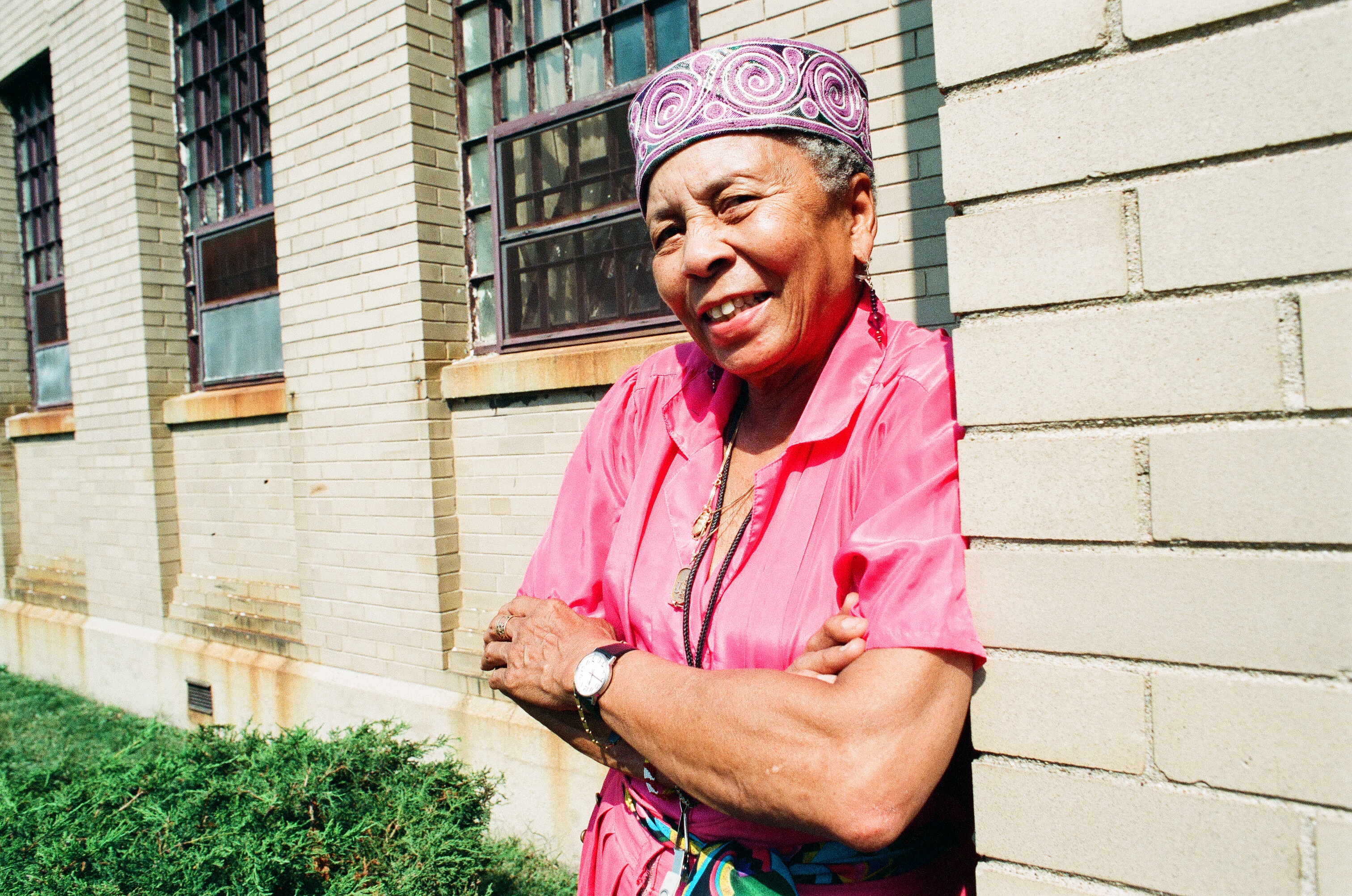
The unsung legacy of Margaret Burroughs: ‘We called her mama’
Margaret Burroughs was a force to be reckoned with. An artist and a poet in Chicago from the 1920s until her death in 2010, she was also a teacher, an organizer, and the founder of the DuSable Black History Museum. Her birthday is November 1. Curious City and the Burroughs Legacy Project at the Invisible Institute tell the story of one of her lesser-known passions: educating people incarcerated in Illinois.
Chicago is a jazz city, but where are the jazz radio stations?
The city is home to a vibrant jazz scene and the Chicago Jazz Festival. But WDCB is the only all-jazz radio station in the region. Why isn't there more jazz programming on the local radio dial?
How a group of volunteers saved a rare Illinois wildflower
The Kankakee mallow is one of the rarest plants on the continent, according to the Smithsonian Garden in Washington D.C. It’s a pink flower that grows on tall stalks and is native to just one small island in the middle of the Kankakee River, about an hour south of Chicago. But when botanist Rachel Goad paddled over to take a look back in 2014 with a group of native plant enthusiasts, instead they found an island overgrown with invasive honeysuckle. Was this special native plant gone for good? Perhaps, if not for the efforts of a small group of volunteers, initially led by conservationist Trevor Edmonson. “Hearing the phrase that the Kankakee mallow only grows on this island — anywhere in the world, like that is the extent of its remaining natural habitat — is such a draw for anybody, especially someone early on in their career,” Edmonson said. Today, reporter Claire Keenan-Kurgan from the Points North podcast at Interlochen Public Radio guides us on this floral rescue mission. Points North is a podcast that tells great stories from the Great Lakes. For more stories like this one, go to pointsnorthpodcast.org.
What’s that dead zone in the 19th Ward?
There’s a hole in the map of Chicago. It turns out, it’s a cemetery. But there are many other cemeteries in Chicago that don’t show up as holes on the map, so what’s up with this one? We take you to the 19th Ward and explore the history of this dead zone.
The tale of the two-flat
You know the building: Two stories, an apartment unit on each floor, usually with bay windows and a facade of brick or greystone. But how did the two-flat become so popular, and who was it originally built to serve? In our last episode, we looked at the types of places Chicago’s single women lived in at the turn of the 20th century. In today’s episode, we explore the Bohemian origins of the humble Chicago two-flat. As it turns out, the advent of the two-flat mirrors the development of the city’s middle class. “Our design No. 144 is a two-family flat designed for a money making proposition,” begins a 1915 ad enticing homebuyers to build a two-flat. “Anyone wanting a comfortable home and at the same time a good income on the investment will do well to consider this proposition.” Plus, we answer another housing-related listener question: why are Chicago fire escapes distinctively wooden (read: flammable) and are they actually effective during fires? This episode was reported by Chris Bentley and was originally published in 2014.
‘Women adrift’: How single women lived independently in early Chicago
At the turn of the century in Chicago, single women without a husband or family were considered to be "adrift," but they weren’t drifting at all. They were making choices that took them to different addresses.
‘Friendship set to music’: Curious City goes square dancing on the South Side
It’s a Thursday night and a group of folks in Washington Heights do-si-do to the bassline from “Shake Your Groove Thing” by Peaches & Herb. Square dancing has a reputation as more of a hobby for white people set to country music. But social clubs like the Southside Squares are turning that image on its head. Last episode, we heard how square dancing was once a booming hobby. Today, we hear from one social club that’s working to keep it alive in the 21st century. But square dancing’s African and African-American roots often get lost in popular accounts. Some of the first callers and musicians were enslaved Black people. Since then, square dancing has continued to be a part of African-American communities, including a long-running social club that meets up in Washington Heights every week to get down. Today, we hear from members of the Southside Squares. And you can’t have a dance without a caller. We also talk with a living legend in square dancing: world renowned caller Sandie Bryant. She’ll show us the ropes and tell us what it’s like being one of the few Black women callers today.
Square dance clubs used to be bumping on the weekends
Square dancing was once so popular that a center opened in the suburbs dedicated to the hobby. Today, veteran dancers are trying to recruit new fans.
Is your local mall dying, thriving or evolving?
Malls hold a special spot in the hearts of many Americans of a certain age. One may have been the setting for your first date, the place you caught a now-classic summer blockbuster, or even a daycare of sorts after mom dropped you off with a few friends (and maybe a few bucks). In our last episode, we looked back at the history of Chicago’s Ford City Mall and the heyday of mall culture in America: the 1980s and 1990s. In this episode, we look at how malls are doing today with Stephanie Cegielski, vice president of the International Council of Shopping Centers (ICSC). She says reports of the death of the mall are overblown, that malls are adapting to a new era by offering experiences, and that Gen Z is playing a large role in malls’ resilience. Cegielski cites an ICSC survey of over 1,000 people aged 16-26 that found 60% of respondents say they visit malls just to socialize or meet friends, even if they don’t need to purchase something specific. “We just asked them blankly, ‘Do you still go to the mall?’” Cegielski said. “And the short answer was yes.”
What was Ford City Mall like in its heyday?
Vacant shops and faded signs, Ford City Mall is in the process of being sold. But this shell of a shopping center was once a bustling hub, especially for young people.
What happened after a dangerous year inside Cook County Jail
The year 2023 was a deadly one at the Cook County Jail. Eighteen people died in custody, “for many reasons,” said reporter Carlos Ballesteros, who reported on the record year for Injustice Watch. His reporting cited drug overdoses, lapses from jail staff and failed oversight. In our last episode, we learned about a group of volunteers who set up outside Cook County Jail to hand out free supplies to people after they get released. Today, we’ll hear about a few people who never were released, the conditions and circumstances that led to some of their deaths, what changes have been made and what changes may still be needed at the Cook County Jail. “Ultimately, it's jail, right?” Ballesteros said. “But the things we hear from people inside and their families is really disturbing.” The number of deaths at the jail has decreased since the 2023 report. We get an update from the Cook County Sheriff’s Department, which oversees the jail.
What is that supply tent outside of Cook County Jail?
Almost every night, a group of volunteers sets up a table of supplies. Their goal is to assist everyone who is being released; from bottled water to a ride home. But sometimes, it’s a challenge when people are released well after midnight.
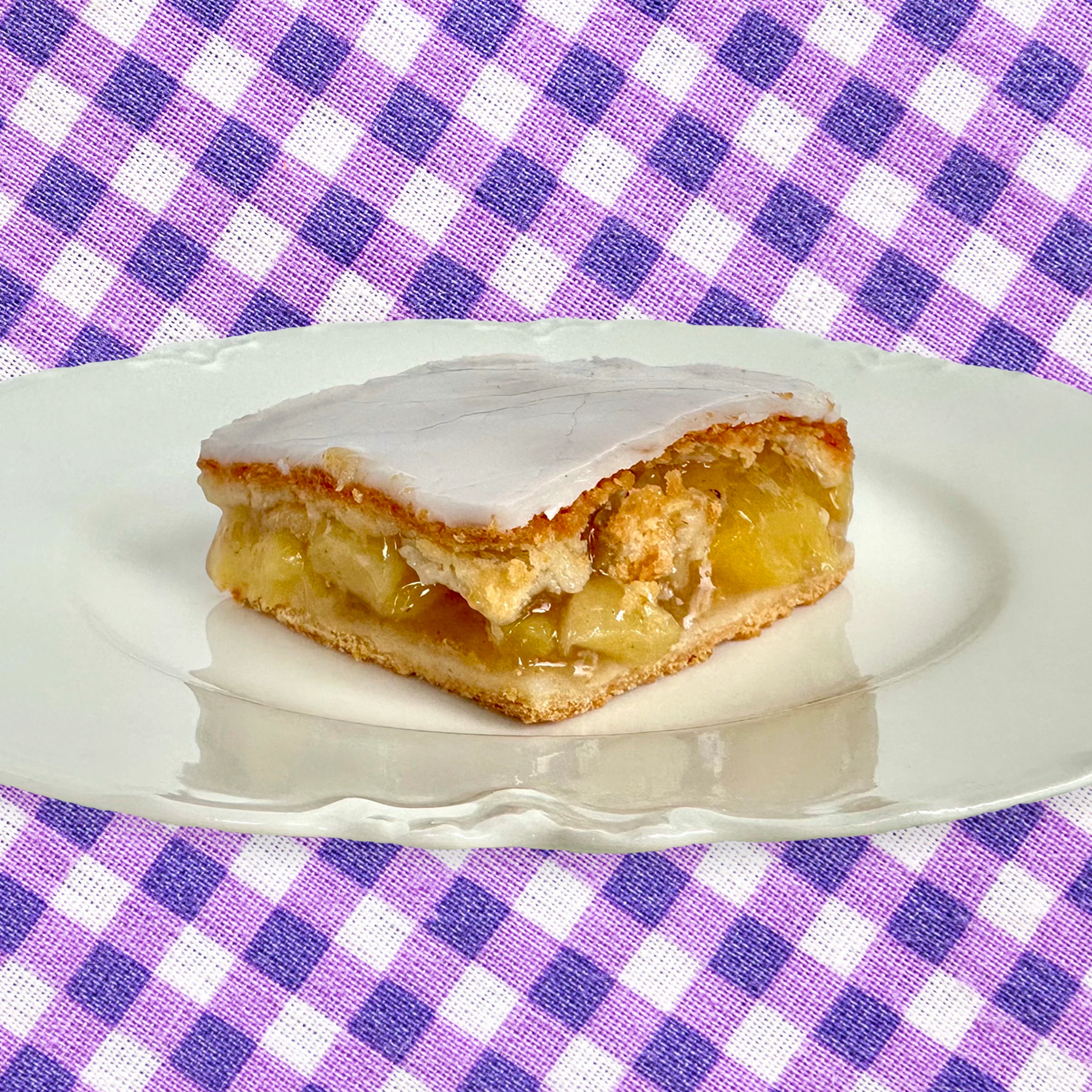
Apple slices are a nearly forgotten piece of Chicago pastry history
Apple slices were a favorite Chicago pastry decades ago. Not many bakeries sell them today, but the dessert still has avid fans who hold on to its nostalgic flavor.
Do pigs need rescuing?
The story of Pigasus, who unknowingly accepted the Youth International Party (Yippie) nomination for president in Daley Plaza in 1968, shows that sometimes pigs need rescuing. “My heart hurt for the pig,” said April Noga, executive director of Chicagoland Pig Rescue, of Pigasus’s run for president. “Because I put myself in the pig’s shoes of being pulled around a rally and then detained and not knowing what's going on. And used as, not entertainment but used as a prop. Because the pig is a sentient being.” In our last episode, we dispelled a rumor that Pigasus was barbecued. Reporter Andrew Meriwether searched Grayslake and Libertyville for the farm where she lived out her days following the ‘68 campaign. In today’s episode, Noga tells us why pigs still need rescuing. She explains that Chicagoland Pig Rescue gets as many as 20 calls a month, from overwhelmed people in need of rehoming a small-breed pet pig, to concerned citizens who have spotted an injured, large-breed pig on the side of the road. “Every case is a little different,” Noga said. Noga explains how she started Chicagoland Pig Rescue and how pig rescuing and fostering works. She also introduces us to Ramona, a three-year old potbelly mix who was rescued from a home where she was neglected. Noga described Ramona — who is one of six pigs in Noga’s “house herd” — as an "automatic foster fail."
What happened to Chicago’s presidential pig?
During the demonstrations at the Democratic National Convention in 1968, activists trotted out a pig named Pigasus for president. Her campaign was cut short after she and protesters were arrested by the Chicago Police. Rumors swirled that Pigasus was barbecued, but what really happened to her?
What’s the oldest book in circulation at the Chicago Public Library?
Curious City went out to find the oldest book in circulation at the Chicago Public Library. Turns out, the title is over 200 years old, and you can still check it out.
School is in session, and we put the CPS butter cookie to the test
Summer is coming to an end, and it’s time to go back to school. Today, the number of Chicago Public School students complaining about school lunch might only be matched by the complaints over homework assignments. So it may come as a surprise that decades ago CPS students actually looked forward to eating cafeteria lunch. In our last episode, WBEZ’s Sarah Karp found that privatization of food services and revamped health guidelines shifted the menu for CPS students. During Karp’s reporting, many alumni kept mentioning an old lunchtime staple, the famed CPS butter sugar cookie. This was a cookie served district wide and baked fresh by lunchroom staff during the 1960s-1980s. The cookie has long been discontinued in schools, but there’s still a cult following. Dozens of copycat recipes pop up on a simple internet search, and one woman even turned it into a business. Curious City decided to put this cookie to the test. With the help of CPS culinary instructor Jeffrey Newman and a dupe recipe, we re-created this classic lunchroom treat. Is it worth all the hype? Will current CPS students like it? Or is this merely a dose of childhood nostalgia?
School lunch used to pass the test
Some Chicago Public School alumni say school lunch used to be delicious, which might shock current students. How did school lunch go from delicious to disappointing?
What’s the history of Chinese gangs in Chicago?
Chicago is known for crime bosses like Al Capone, but the city is also home to two Chinese gangs that were once fierce rivals. This story first aired in 2018.
What a failed robbery from 1951 tells us about Chicago crime
A courageous Chicagoan once helped foil a robbery by men in butcher smocks — a little-known gang from a bygone era of crime in the city.
The other organizations empowering Chicago’s Chinatown
Community organizations are helping Chinatown residents preserve what long-standing family associations helped build.
What happened to Chinatown’s family associations?
Family associations were once the backbone of social and economic organization for Chicago’s Chinatown. Their evolution over the decades tells the history of the community.
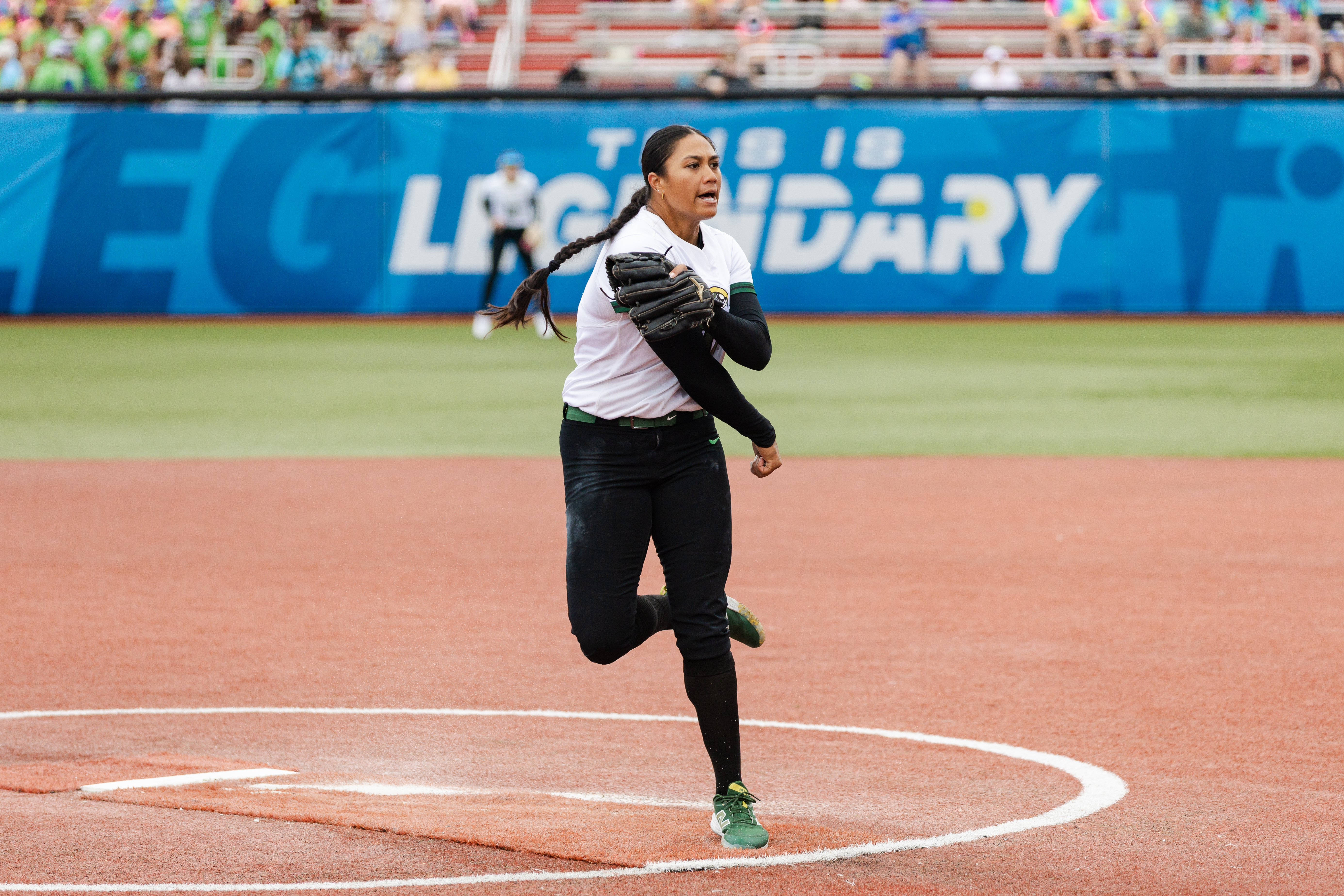
Is women’s pro softball here to stay?
What is it about softball? “What is it not about softball?” replies Megan Faramio, a star pitcher for the Talons in the all-new Athletes Unlimited Softball League, or AUSL. “I can literally talk about softball for days.” The AUSL is about to wrap up its first season with a three-game playoff series in Alabama between Faraimo’s Talons and the Bandits, a team name that Chicago softball fans know well. The Chicago Bandits were based mainly in Rosemont and played in the National Pro Fastpitch league from 2005 to 2019 until the league disbanded during the COVID-19 pandemic. The AUSL said it was “re-introducing” the Bandits brand “to make new history.” AUSL league commissioner Kim Ng acknowledged that pro women’s softball leagues in the U.S. have a “spotty” history, but she says this league will be different. In this inaugural “barnstorming season,” AUSL teams like the Talons and Bandits are not yet attached to specific cities, so The Stadium in Rosemont has hosted every team in the small league for many of the regular season’s games. Next year, the AUSL plans to attach six teams to six to-be-determined cities, and Ng says Rosemont is on the short-list. “Absolutely, you have to consider somewhere that has a Jennie Finch Way,” Ng said, a reference to the team’s legendary former player and the street named after her where Rosemont’s pro softball field is located. In our last episode, we looked back at Chicago’s first professional women’s softball league from the 1940s and ‘50s — one that featured business-sponsored teams like Parichy’s Bloomer Girls or Brach’s Kandy Kids. That softball league rivaled the pro women’s baseball league featured in the 1992 movie “A League of Their Own.” Today, we’re exploring this new chapter in professional women’s softball history. What’s going to give the AUSL staying power? And what’s all the hype about? We asked Talons star Megan Faraimo, Commissioner Ng, and — at a sellout crowd on a hot day in Rosemont — the fans.
A league of Chicago’s Own: The other women’s pro league of the 1940s
There was the Rockford Peaches, women’s pro baseball team of the 1940s that was celebrated in the movie "A League of Their Own." But there was also a pro softball league at the time that had Chicago fans going wild.
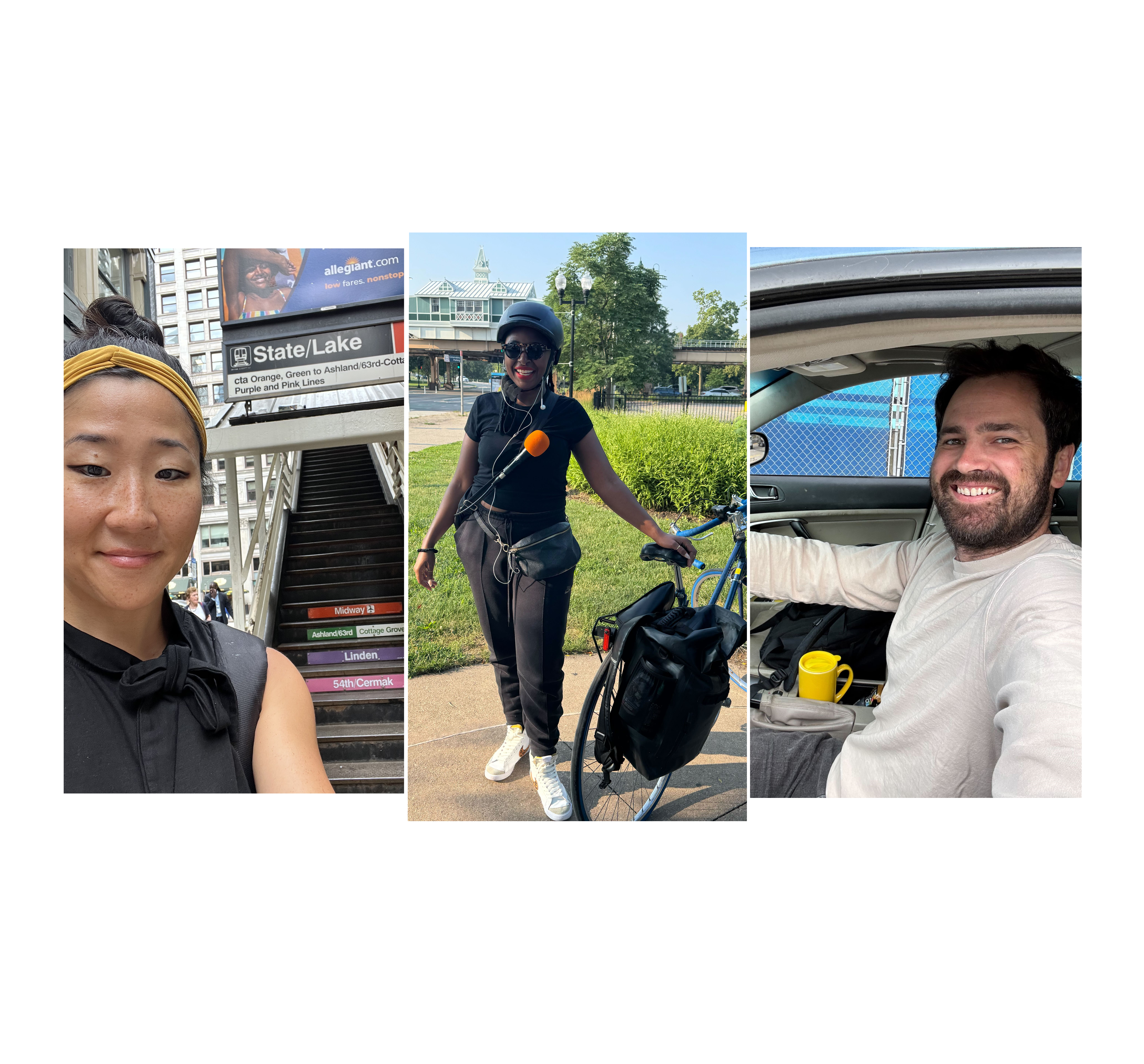
Car, bike, public transit: What’s the best way to get around town?
What would win in a race between a car, bike and the Chicago Transit Authority? Over the past few years, Chicago has been abuzz with road construction projects. There are more protected bike lanes, pedestrian refuge islands and curb bump-outs across the city. As we learned in our last episode, that also includes the installation of miniature traffic circles in residential areas. It’s all in service to make the roads safer by slowing cars down. Safer streets is a win, but it doesn’t necessarily satisfy the urge to get somewhere fast. Cycling and public transportation are viable alternatives, but sometimes it’s hard to separate yourself from the convenience of driving somewhere. In this episode, the Curious City team puts the different modes of transportation to the test in a good old-fashioned transit race. From the Garfield Park Conservatory to Navy Pier, who will win? Car, bike or public transportation? Plus, Midwest correspondent for the Economist, Daniel Knowles makes the case for why we should rethink our relationship with cars, and answers why the fastest isn’t always the best. “People will always drive if it's the most convenient or the quickest way,” said Knowles, author of “Carmeggedon: How Cars Make Life Worse and What to Do About It.” “You can't exhort people to change, you have to kind of change the incentives.”
Who thought traffic circles were a good idea? Do we need them?
Mini traffic circles at the intersections of residential streets might annoy drivers because they force cars to slow down. But their safety features outweigh the inconvenience.
The curious case of the Swami Vivekananda Way street sign
Swami Vivekananda is credited with introducing Hinduism to the West. His work earned him an honorary street sign on Chicago’s Michigan Avenue, but it went missing.
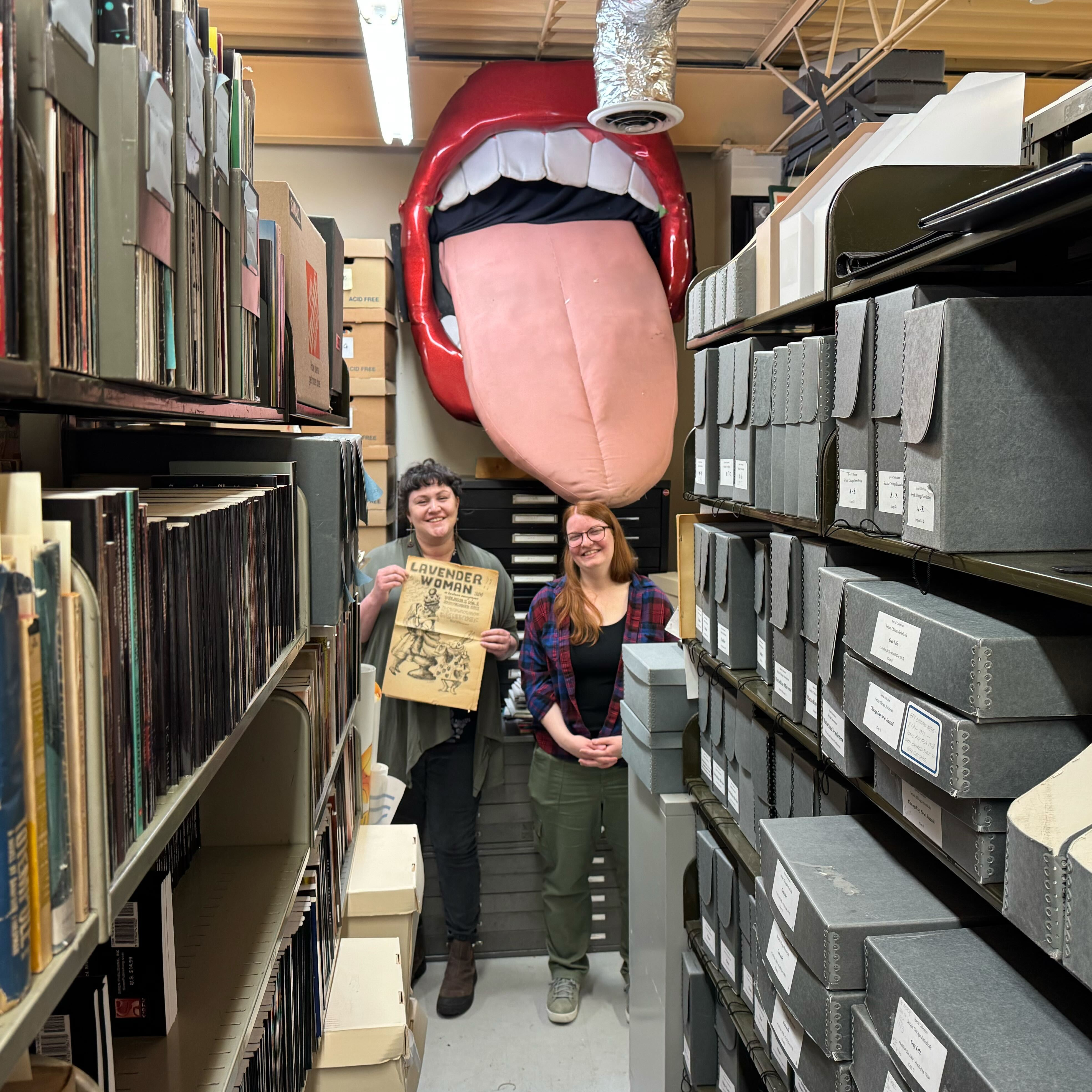
Chicago’s LGBTQ+ library is a space for people to ‘find themselves in the shelves’
Early LGBTQ+ history can be hard to find. Photos, letters, literature and other artifacts have been destroyed or hidden away, in acts of homophobia, out of a fear of repercussions, and even by witting and unwitting family members. “I think a lot of LGBTQ people, when they were passing away, their materials were being destroyed by family members that didn't understand them,” said Jen Dentel, the community outreach and strategic partnerships manager at Gerber/Hart, a large LGBTQ+ library and archive in Chicago. “And so having a space by us, for us, where we would collect and preserve the history became really important.” As we learned in our last episode, some queer women boldly operated sapphic establishments in Chicago during the 1920s and ‘30s. However, there was very little written about these places. Often, the only evidence of their existence came in the form of old newspaper articles reporting on the sudden closure of these businesses at the hands of Chicago police. In this episode, Dentel and Erin Bell, Gerber/Hart’s operations director, take us on a tour of this LGBTQ+ library and archive. They uncover archival treasures of the past, reveal unexpected moments in local gay history and explain the mission of the archive: to preserve queer history as a means of achieving justice and equality.
Where are the girls? A look at early lesbian nightlife in Chicago
It’s not hard to find the LGBTQ+ hangouts in Chicago these days, but at one point it was. There’s a history of lesbian nightlife that goes back more than 100 years.
Yes, people really do win pledge drive giveaways at WBEZ
One Curious City listener was skeptical about whether real people actually win WBEZ’s pledge drive giveaways. They do. But there’s a little more to that answer. Plus, an economist who studies fundraising explains why people give money during pledge drives in the first place. This episode was originally published on March 3, 2022.
Do people actually donate cars to public radio?
An on-air spot soliciting car donations is a fixture of public radio, but do people actually donate? Yes, about 50 cars are donated a month.
There’s nature in Chicago. Go bathe in it.
“Forest bathing” is the exceptionally simple Japanese practice of taking a walk — or a seat — in the woods. Why? For your health, of course! In our last episode, we learned about Chicago’s urban forest — including the $416 million in benefits all those trees provide, in terms of energy cost savings, stormwater mitigation and air purification. Today, we’re taking advantage of that urban forest by taking a bath in it. (And no, there is no soap or water required.) Our guide is the co-founder of The Spiritual Guidance Training Institute, Jeanette Banashak, who’s also a faculty member at Erikson Institute downtown. Banashak has been leading forest bathing and nature companionship experiences for four years. She took Curious City to the Jarvis Bird Sanctuary on the North Side for what she called “a playful, slow, mindful, joyful walk [and] sit in the natural world.” The goal of forest bathing is to disconnect from urban life, de-stress and connect with nature. Banashak said the practice is rife with health benefits, from lowering blood pressure to improving immune function and calming your parasympathetic nervous system. And although the practice does not require a guide, Banashak has a dream of training facilitators of these experiences to offer weekly sessions, year-round, on every side of the city. Lucky for us, Chicago has plenty of parks, bird sanctuaries, and natural spaces in which you can forest bathe. So join us. All you need to do is make the time and press play.
Are healthy Chicago trees getting the ax?
Some Chicagoans have noticed city workers cutting down seemingly healthy trees. Who is responsible, and why are they cutting down these trees?
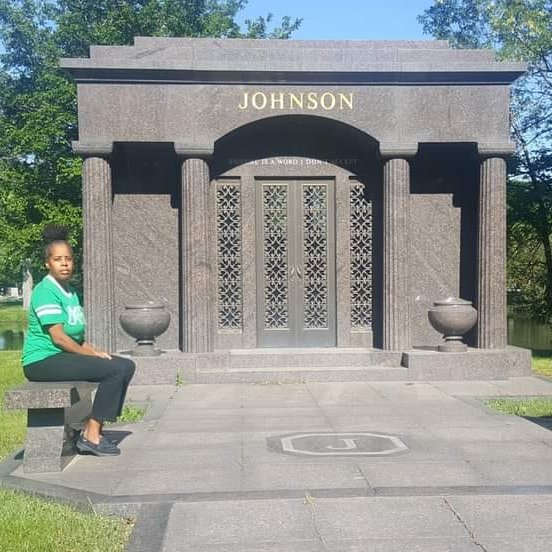
‘Have you checked on your ancestors?’ This woman brings dignity to deceased Black Chicagoans
Tammy Gibson wants you to visit the gravesites of your deceased relatives. “Have you checked on your ancestors?” said Gibson, the founder of Sankofa TravelHer, an organization dedicated to honoring the legacy of African-Americans who were often denied dignity in death. As we learned last episode, Chicago’s long history of segregation affected both the living and the dead, as many area cemeteries once offered burial space “for the exclusive use of the Caucasian race.” So where did African-Americans bury their loved ones in the 19th and early 20th centuries? “From my research, African-Americans could not get buried in Chicago,” Gibson told Curious City. Instead, she said many African-Americans buried their dead in the South Suburbs, at cemeteries like Mount Glenwood in Glenwood, Ill., and later Burr Oak Cemetery in Alsip, Ill. In this episode, Gibson tells us about the people who first started these cemeteries and the notable people buried there. She talks about the work she does to continue honoring the deceased, including offering a reinterment ceremony years after the 2009 grave-stacking scandal at Burr Oak Cemetery. Gibson also works to get headstones for notable Chicagoans who do not have them. This includes Eugene Williams, whose death sparked the 1919 Chicago Race Riot, and journalist Ethel Payne from Chicago’s Englewood neighborhood, who was known as the First Lady of the Black Press.
Exploring the segregated past of Chicago cemeteries
Mayor Harold Washington is buried in a cemetery that was once for “whites only.” Protests and legislative fights desegregated area cemeteries.
What happened to Chicago's Japanese community?
Lakeview once had a thriving Japanese community, but it fell victim to a push for assimilation. As one Japanese-American puts it: “You had to basically be unseen.”
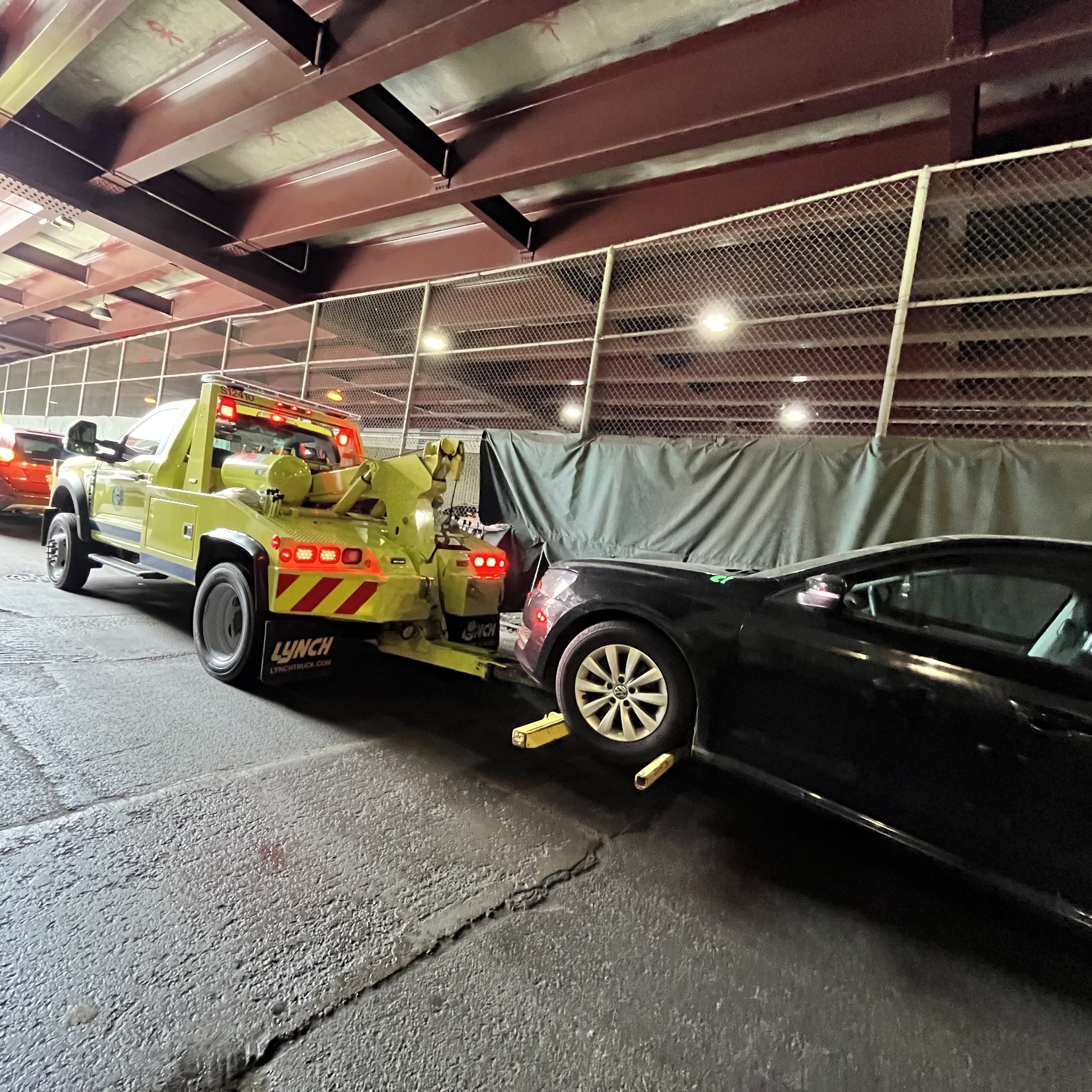
Car towed? Listen to this on your way down to Chicago’s Central Auto Pound
If you’ve had your car towed in Chicago, there’s a decent chance you had to journey down to Lower Lower Wacker Drive — likely not in the best of moods — to open your wallet and recollect your vehicle. “It's supposed to be a happy process,” said Michael Lacoco, the deputy commissioner of the city’s bureau of traffic services. In our last episode, we answered some of your many questions about Lower Wacker Drive, a.k.a. Chicago’s basement. Today, we try to demystify a notorious Chicago landmark within: the Central Auto Pound. Lacoco is a 33-year veteran of this department, the perfect person to help us on this journey. He explains why you shouldn’t try to steal your own car from the lot, why that white inventory number they draw on your window is so hard to wash off, and what you can do if you think you were wrongfully towed.
Lower Wacker Drive: A uniquely Chicago street
Curious City has gotten several questions about Wacker Drive over the years. We head down to the lower levels in search of some answers.
Schools, Water Plants and City Hall: We search for Chicago’s nuclear fallout shelters
Nuclear fallout shelters are still among us, though they are not exactly ready for the apocalypse. These remnants of Cold War-era infrastructure do exist across Chicago, often in places you might not expect.