Curiosity Weekly
1,634 episodes — Page 25 of 33
S’more History, How “Text Speak” Affects Literacy Skills, and What Lead Does to Your Body
Learn about whether “text speak” harms your literacy skills; why the s’mores recipe isn’t as old as you think; and what lead does to the human body.In this podcast, Cody Gough and Ashley Hamer discuss the following stories from Curiosity.com to help you get smarter and learn something new in just a few minutes:Does 'Text Speak' Harm Your Literacy Skills? — https://curiosity.im/2Jv4L2pThe S'more Recipe Isn't as Old as You Think — https://curiosity.im/2xDnDpuThis Is What Lead Does to the Human Body — https://curiosity.im/2xxVLD8Want to support our show? Register for the 2019 Podcast Awards and nominate Curiosity Daily to win for People’s Choice, Education, and Science & Medicine. After you register, simply select Curiosity Daily from the drop-down menus (voting in other categories optional): https://curiosity.im/podcast-awards-2019Download the FREE 5-star Curiosity app for Android and iOS at https://curiosity.im/podcast-app. And Amazon smart speaker users: you can listen to our podcast as part of your Amazon Alexa Flash Briefing — just click “enable” here: https://curiosity.im/podcast-flash-briefing. Find episode transcript here: https://curiosity-daily-4e53644e.simplecast.com/episodes/smore-history-how-text-speak-affects-literacy-skills-and-what-lead-does-to-your-body Hosted on Acast. See acast.com/privacy for more information.
Microscale Machine Manufacturing (w/ Cornell University) and Stopping Hiccups with Science
Learn about how researchers are manufacturing robots that are half the width of a human hair, in the second edition of our Microscale Mondays mini-series. You’ll also learn about a science-backed way to stop the hiccups.In this podcast, Cody Gough and Ashley Hamer discuss the following story from Curiosity.com about one science-backed way to stop the hiccups: https://curiosity.im/2xAAF75Additional resources from Cornell University:Physicists take first step toward cell-sized robots — https://as.cornell.edu/news/physicists-take-first-step-toward-cell-sized-robotsGraphene Origami [VIDEO] — https://research.cornell.edu/video/graphene-origamiNanobots That Can Do Just about Anything — https://research.cornell.edu/news-features/nanobots-can-do-just-about-anythingItai Cohen | Department of Physics Cornell Arts & Sciences — https://physics.cornell.edu/itai-cohenPaul McEuen | Department of Physics Cornell Arts & Sciences — https://physics.cornell.edu/paul-mceuenWant to support our show? Register for the 2019 Podcast Awards and nominate Curiosity Daily to win for People’s Choice, Education, and Science & Medicine. After you register, simply select Curiosity Daily from the drop-down menus (no need to pick nominees in every category): https://curiosity.im/podcast-awards-2019Download the FREE 5-star Curiosity app for Android and iOS at https://curiosity.im/podcast-app. And Amazon smart speaker users: you can listen to our podcast as part of your Amazon Alexa Flash Briefing — just click “enable” here: https://curiosity.im/podcast-flash-briefing. Find episode transcript here: https://curiosity-daily-4e53644e.simplecast.com/episodes/microscale-machine-manufacturing-w-cornell-university-and-stopping-hiccups-with-science Hosted on Acast. See acast.com/privacy for more information.
Pomodoro Technique to Stop Procrastination, Where Medicine Goes, and Baseball Physics
Learn about the physics of hitting a baseball; a productivity hack to stop procrastination; and, how viruses and medicines know where to go in your body.In this podcast, Cody Gough and Ashley Hamer discuss the following stories from Curiosity.com to help you get smarter and learn something new in just a few minutes:What It Takes to Hit a Baseball Makes Baseball Players Look Like Superheroes — https://curiosity.im/2xCsNC2The Pomodoro Technique Is the Productivity Hack Designed to Halt Procrastination — https://curiosity.im/2xzFa1PAdditional resources discussed:How do medicines know where in the body to start working? — MIT School of Engineering — https://engineering.mit.edu/engage/ask-an-engineer/how-do-medicines-know-where-in-the-body-to-start-working/How does gene therapy work? | U.S. National Library of Medicine — https://ghr.nlm.nih.gov/primer/therapy/proceduresWant to support our show? Register for the 2019 Podcast Awards and nominate Curiosity Daily to win for People’s Choice, Education, and Science & Medicine. After you register, simply select Curiosity Daily from the drop-down menus (no need to pick nominees in every category): https://curiosity.im/podcast-awards-2019Download the FREE 5-star Curiosity app for Android and iOS at https://curiosity.im/podcast-app. And Amazon smart speaker users: you can listen to our podcast as part of your Amazon Alexa Flash Briefing — just click “enable” here: https://curiosity.im/podcast-flash-briefing. Find episode transcript here: https://curiosity-daily-4e53644e.simplecast.com/episodes/pomodoro-technique-to-stop-procrastination-where-medicine-goes-and-baseball-physics Hosted on Acast. See acast.com/privacy for more information.
Simple Quantum Physics (w/ George Greenstein), Parachute-less Falling, and Dog Adoption
Learn about a simple way to explain quantum physics, with a special guest, astrophysicisist George Greenstein. You’ll also learn about how to survive falling without a parachute, and how to avoid “speed-dating mistakes” when adopting a dog.Please support our sponsors! Get two months of unlimited access to over 25,000 classes on Skillshare — for free. To sign up, go to skillshare.com/curiosityIn this podcast, Cody Gough and Ashley Hamer discuss the following stories from Curiosity.com to help you get smarter and learn something new in just a few minutes:How to Survive Falling Without a Parachute — https://curiosity.im/2LH2t1PHere's How to Avoid 'Speed-Dating Mistakes' When Adopting a Dog — https://curiosity.im/2LtJGalMore from George Greenstein:“Quantum Strangeness: Wrestling with Bell's Theorem and the Ultimate Nature of Reality” — https://amazon.comOther publications from George Greenstein on Amazon — https://amazon.comWebsite — http://www3.amherst.edu/~gsgreenstein/Amherst College bio — https://www.amherst.edu/people/facstaff/gsgreensteinWant to support our show? Register for the 2019 Podcast Awards and nominate Curiosity Daily to win for People’s Choice, Education, and Science & Medicine. After you register, simply select Curiosity Daily from the drop-down menus (no need to pick nominees in every category): https://curiosity.im/podcast-awards-2019Download the FREE 5-star Curiosity app for Android and iOS at https://curiosity.im/podcast-app. And Amazon smart speaker users: you can listen to our podcast as part of your Amazon Alexa Flash Briefing — just click “enable” here: https://curiosity.im/podcast-flash-briefing. Find episode transcript here: https://curiosity-daily-4e53644e.simplecast.com/episodes/simple-quantum-physics-w-george-greenstein-parachute-less-falling-and-dog-adoption Hosted on Acast. See acast.com/privacy for more information.
EPR Paradox and Quantum Strangeness (w/ George Greenstein) and Temperatures for Sleep
Learn about why room temperature is so important for getting a good night’s sleep. Plus, learn about the EPR paradox and a famous debate from the world of quantum physics with a special guest, astrophysicist George Greenstein.In this podcast, Cody Gough and Ashley Hamer discuss the following story from Curiosity.com about how scientists figured out why room temperature is so important for sleep: https://curiosity.im/2LH1MpbMore from George Greenstein:“Quantum Strangeness: Wrestling with Bell's Theorem and the Ultimate Nature of Reality” — https://amazon.comOther publications from George Greenstein on Amazon — https://amazon.comWebsite — http://www3.amherst.edu/~gsgreenstein/Amherst College bio — https://www.amherst.edu/people/facstaff/gsgreensteinWant to support our show? Register for the 2019 Podcast Awards and nominate Curiosity Daily to win for People’s Choice, Education, and Science & Medicine. After you register, simply select Curiosity Daily from the drop-down menus (no need to pick nominees in every category): https://curiosity.im/podcast-awards-2019Download the FREE 5-star Curiosity app for Android and iOS at https://curiosity.im/podcast-app. And Amazon smart speaker users: you can listen to our podcast as part of your Amazon Alexa Flash Briefing — just click “enable” here: https://curiosity.im/podcast-flash-briefing. Find episode transcript here: https://curiosity-daily-4e53644e.simplecast.com/episodes/epr-paradox-and-quantum-strangeness-w-george-greenstein-and-temperatures-for-sleep Hosted on Acast. See acast.com/privacy for more information.
Self-Defense Amputations, Unique English Words, and How Puppy-Dog Eyes Evolved
Learn about how animals evolved to amputate their limbs in self-defence; how dogs literally have human friendship in their DNA; and English words that don’t exist in other languages.In this podcast, Cody Gough and Ashley Hamer discuss the following stories from Curiosity.com to help you get smarter and learn something new in just a few minutes:Here's Why Some Animals Amputate Their Limbs in Self-Defense — https://curiosity.im/2LqG60oPuppy-Dog Eyes Evolved to Pull Your Heartstrings — https://curiosity.im/2LIvuKKThese English Words Don't Exist in Other Languages — https://curiosity.im/2LnO3DKWant to support our show? Register for the 2019 Podcast Awards and nominate Curiosity Daily to win for People’s Choice, Education, and Science & Medicine. After you register, simply select Curiosity Daily from the drop-down menus (no need to pick nominees in every category): https://curiosity.im/podcast-awards-2019Download the FREE 5-star Curiosity app for Android and iOS at https://curiosity.im/podcast-app. And Amazon smart speaker users: you can listen to our podcast as part of your Amazon Alexa Flash Briefing — just click “enable” here: https://curiosity.im/podcast-flash-briefing. Find episode transcript here: https://curiosity-daily-4e53644e.simplecast.com/episodes/self-defense-amputations-unique-english-words-and-how-puppy-dog-eyes-evolved Hosted on Acast. See acast.com/privacy for more information.
A Normal Body Temperature Isn't 98.6 Degrees, Fettuccine-Like Rocks, and Toothbrush Tips
Learn about why a normal temperature isn’t really 98.6 degrees Fahrenheit; why Mars rovers should search for rocks that look like fettuccine; and how often you should replace your toothbrush.Please support today’s sponsor, ButcherBox! To get FREE bacon in EVERY box for the life of your subscription, PLUS $20 off your first box, visit https://www.butcherbox.com/curiosityIn this podcast, Cody Gough and Ashley Hamer discuss the following stories from Curiosity.com to help you get smarter and learn something new in just a few minutes:A Normal Temperature Isn't Really 98.6 Degrees Fahrenheit — https://curiosity.im/2LJQ7GeA New Study Says Mars Rovers Should Search for Rocks That Look Like Fettuccine — https://curiosity.im/2Lo3T0XThis Is How Often You Should Replace Your Toothbrush — https://curiosity.im/2LpM4PkWant to support our show? Register for the 2019 Podcast Awards and nominate Curiosity Daily to win for People’s Choice, Education, and Science & Medicine. After you register, simply select Curiosity Daily from the drop-down menus (no need to pick nominees in every category): https://curiosity.im/podcast-awards-2019Download the FREE 5-star Curiosity app for Android and iOS at https://curiosity.im/podcast-app. And Amazon smart speaker users: you can listen to our podcast as part of your Amazon Alexa Flash Briefing — just click “enable” here: https://curiosity.im/podcast-flash-briefing. Find episode transcript here: https://curiosity-daily-4e53644e.simplecast.com/episodes/a-normal-body-temperature-isnt-98-6-degrees-fettuccine-like-rocks-and-toothbrush-tips Hosted on Acast. See acast.com/privacy for more information.
Cell-Sized Robots (w/ Cornell University), Learning Styles Don’t Exist, and Why Pulsars Matter
Learn about the woman who discovered pulsars and why they matter; and, why learning styles don’t exist. You’ll also learn about cell-sized robots, in the the first edition of our Microscale Mondays mini-series with Cornell physicists Itai Cohen and Paul McEuen.In this podcast, Cody Gough and Ashley Hamer discuss the following stories from Curiosity.com to help you get smarter and learn something new in just a few minutes:Pulsars Are One of Our Best Tools for Understanding the Universe — https://curiosity.im/2LlfptYLearning Styles Don't Actually Exist — https://curiosity.im/2KfRgoVAdditional resources from Cornell University:Physicists take first step toward cell-sized robots — https://as.cornell.edu/news/physicists-take-first-step-toward-cell-sized-robotsGraphene Origami [VIDEO] — https://research.cornell.edu/video/graphene-origamiNanobots That Can Do Just about Anything — https://research.cornell.edu/news-features/nanobots-can-do-just-about-anythingItai Cohen | Department of Physics Cornell Arts & Sciences — https://physics.cornell.edu/itai-cohenPaul McEuen | Department of Physics Cornell Arts & Sciences — https://physics.cornell.edu/paul-mceuenWant to support our show? Register for the 2019 Podcast Awards and nominate Curiosity Daily to win for People’s Choice, Education, and Science & Medicine. After you register, simply select Curiosity Daily from the drop-down menus (no need to pick nominees in every category): https://curiosity.im/podcast-awards-2019Download the FREE 5-star Curiosity app for Android and iOS at https://curiosity.im/podcast-app. And Amazon smart speaker users: you can listen to our podcast as part of your Amazon Alexa Flash Briefing — just click “enable” here: https://curiosity.im/podcast-flash-briefing. Find episode transcript here: https://curiosity-daily-4e53644e.simplecast.com/episodes/cell-sized-robots-w-cornell-university-learning-styles-dont-exist-and-why-pulsars-matter Hosted on Acast. See acast.com/privacy for more information.
Songs in Tonal Languages (w/ James Kirby) and Neanderthal DNA in Human Chromosomes
Learn how researchers found ancient Neanderthal DNA in human chromosomes. Plus, linguist James Kirby will answer a question about how musicians write songs in tonal languages.In this podcast, Cody Gough and Ashley Hamer discuss the following story from Curiosity.com about how genetecists found Neanderthal DNA in the dark centers of human chromosomes: https://curiosity.im/2xF98kIWant to support our show? Register for the 2019 Podcast Awards and nominate Curiosity Daily to win for People’s Choice, Education, and Science & Medicine. After you register, simply select Curiosity Daily from the drop-down menus (no need to pick nominees in every category): https://curiosity.im/podcast-awards-2019Download the FREE 5-star Curiosity app for Android and iOS at https://curiosity.im/podcast-app. And Amazon smart speaker users: you can listen to our podcast as part of your Amazon Alexa Flash Briefing — just click “enable” here: https://curiosity.im/podcast-flash-briefing. Find episode transcript here: https://curiosity-daily-4e53644e.simplecast.com/episodes/songs-in-tonal-languages-w-james-kirby-and-neanderthal-dna-in-human-chromosomes Hosted on Acast. See acast.com/privacy for more information.
Smartphone Technology and the Future of Innovation
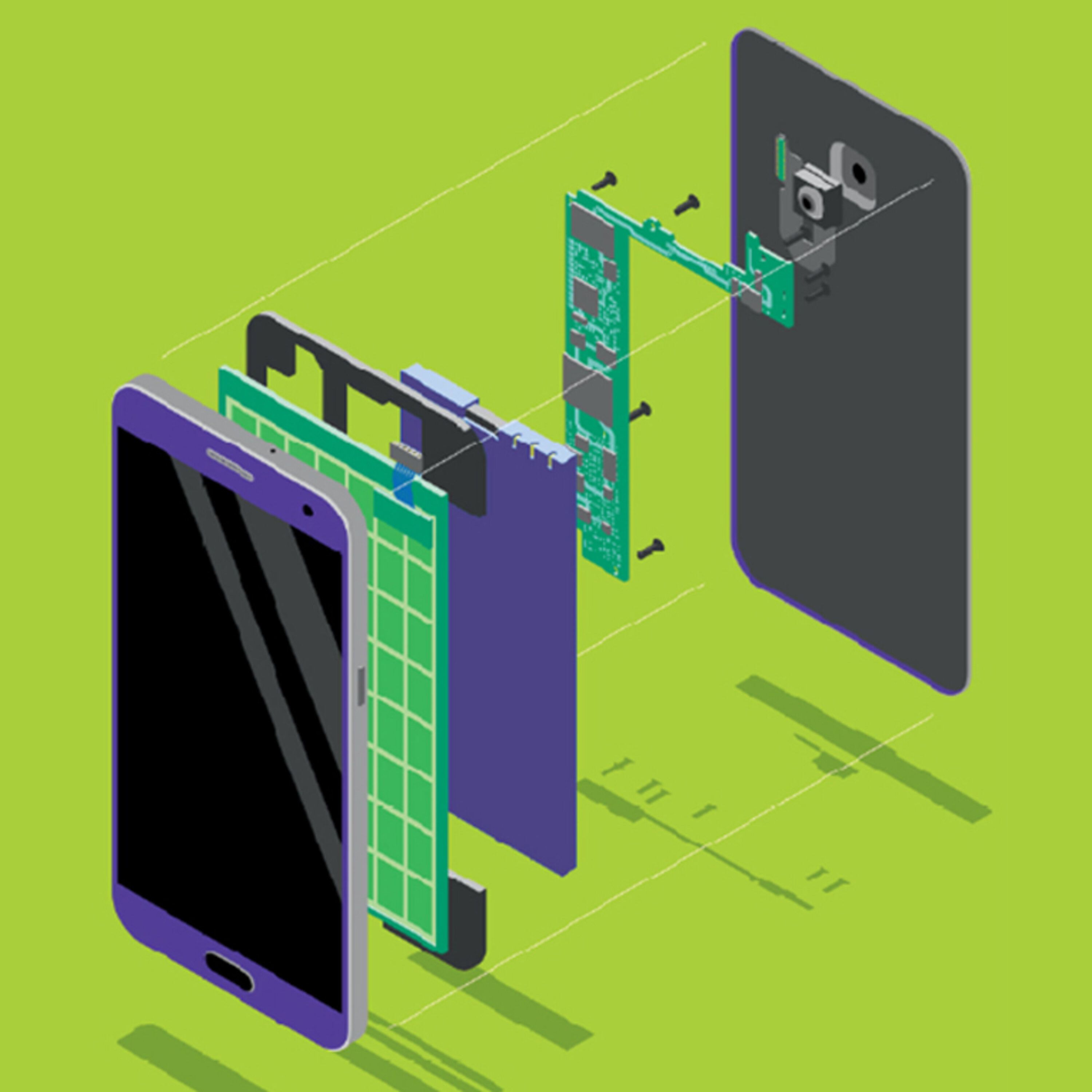
Learn about the dielectrics, metals, and other components from EMD Performance Materials that make your smartphone possible. Plus: the unique challenges of advancing technology on a microscopic level, the future of virtual and augmented reality, and what’s in store for autonomous vehicles.This episode is sponsored by EMD Performance Materials, a business of Merck KGaA, Darmstadt, Germany. The final entry in our 5-part series to help you learn about how science and technology are being applied to drive innovation and change the world, this episode features Aldo Orsi (Head of Global Product Management, Semiconductor Solutions) and Mansour Moinpour (Head of Technology Scouting, Semiconductor Solutions).Learn more about EMD Performance Materials: https://www.emdgroup.com/en/performance-materials.htmlSubscribe to the Curiosity Daily science podcast on:Google Podcasts — https://curiosity.im/curiosity-daily-google-podcasts Apple Podcasts — https://curiosity.im/curiosity-podcast-itunes Spotify — https://curiosity.im/curiosity-daily-spotify Alexa Flash Briefing — https://curiosity.im/podcast-flash-briefing RSS — https://curiosity.im/podcast-RSSOfficial Curiosity Daily podcast website — https://curiositydaily.com Hosted on Acast. See acast.com/privacy for more information.
Surprising Science of Glass (w/ Nick Uhas), Satellite Tethers, and Map Coloring Math
Learn about futuristic tethers that could help us stop making a mess in space; how we finally solved a deceptively simple mathematics mystery; and, the surprising science of glass, with special guest Nick Uhas.In this podcast, Cody Gough and Ashley Hamer discuss the following stories from Curiosity.com to help you get smarter and learn something new in just a few minutes:Futuristic Tethers Could Help Satellites De-Orbit When They Die — https://curiosity.im/2XryS2EThis Map-Coloring Problem Was a Century-Old Mathematics Mystery — https://curiosity.im/2XsnYtxAdditional resources from Nick Uhas:Watch “Blown Away” on Netflix — https://netflix.com/blownawayCorning Museum of Glass — https://www.cmog.org/Subscribe to Nick Uhas on YouTube — https://www.youtube.com/user/NickUhasFollow @NickUhas on Twitter — https://twitter.com/nickuhas/Follow @NickUhas on Instagram — https://www.instagram.com/nickuhas/Nick Uhas’ official website — https://www.nickuhas.com/Want to support our show? Register for the 2019 Podcast Awards and nominate Curiosity Daily to win for People’s Choice, Education, and Science & Medicine. After you register, simply select Curiosity Daily from the drop-down menus (no need to pick nominees in every category): https://curiosity.im/podcast-awards-2019Download the FREE 5-star Curiosity app for Android and iOS at https://curiosity.im/podcast-app. And Amazon smart speaker users: you can listen to our podcast as part of your Amazon Alexa Flash Briefing — just click “enable” here: https://curiosity.im/podcast-flash-briefing. Find episode transcript here: https://curiosity-daily-4e53644e.simplecast.com/episodes/surprising-science-of-glass-w-nick-uhas-satellite-tethers-and-map-coloring-math Hosted on Acast. See acast.com/privacy for more information.
AI Translating Babies’ Cries, Being Suckered by the Barnum Effect, and City of Lies and Truth
Learn about how scientists are using artificial intelligence to translate babies’ cries; test your skills with the City of Lies and Truth logic puzzle; and learn how to avoid falling prey to a common psychological phenomenon called the Barnum effect.Please support our sponsors! Visit capterra.com/curiosity to find the best software solution for your business — for free!In this podcast, Cody Gough and Ashley Hamer discuss the following stories from Curiosity.com to help you get smarter and learn something new in just a few minutes:Scientists Are Translating Babies' Cries with Artificial Intelligence — https://curiosity.im/2Xq5FFpCan You Solve the City of Lies and Truth Logic Puzzle? — https://curiosity.im/2Xq5wSnThe Barnum Effect Is Why You Think Horoscopes and Fortune Cookies Were Meant Just for You — https://curiosity.im/2XkGBzCWant to support our show? Register for the 2019 Podcast Awards and nominate Curiosity Daily to win for People’s Choice, Education, and Science & Medicine. After you register, simply select Curiosity Daily from the drop-down menus (no need to pick nominees in every category): https://curiosity.im/podcast-awards-2019Download the FREE 5-star Curiosity app for Android and iOS at https://curiosity.im/podcast-app. And Amazon smart speaker users: you can listen to our podcast as part of your Amazon Alexa Flash Briefing — just click “enable” here: https://curiosity.im/podcast-flash-briefing. Find episode transcript here: https://curiosity-daily-4e53644e.simplecast.com/episodes/ai-translating-babies-cries-being-suckered-by-the-barnum-effect-and-city-of-lies-and-truth Hosted on Acast. See acast.com/privacy for more information.
Finding What You Love to Do (w/ David Epstein) and How to Deliver Bad News
Learn about how to find what you love doing and excel at it, from author David Epstein. You’ll also learn about why you should always present good news along with bad news.In this podcast, Cody Gough and Ashley Hamer discuss the following story from Curiosity.com about why it’s best to say “I have good news and bad news” — https://curiosity.im/2XpkiZnAdditional resources from David Epstein:Get your copy of “Range: Why Generalists Triumph in a Specialized World” on Amazon — https://amazon.com“The Sports Gene: Inside the Science of Extraordinary Athletic Performance” — https://amazon.comOfficial website — https://www.davidepstein.com/Follow @DavidEpstein on Twitter — https://twitter.com/DavidEpsteinRemember the ‘10,000 Hours’ Rule for Success? Forget About It | The New York Times — https://www.nytimes.com/2019/05/28/books/review/david-epstein-range.htmlWant to support our show? Register for the 2019 Podcast Awards and nominate Curiosity Daily to win for People’s Choice, Education, and Science & Medicine. After you register, simply select Curiosity Daily from the drop-down menus (no need to pick nominees in every category): https://curiosity.im/podcast-awards-2019Download the FREE 5-star Curiosity app for Android and iOS at https://curiosity.im/podcast-app. And Amazon smart speaker users: you can listen to our podcast as part of your Amazon Alexa Flash Briefing — just click “enable” here: https://curiosity.im/podcast-flash-briefing. Find episode transcript here: https://curiosity-daily-4e53644e.simplecast.com/episodes/finding-what-you-love-to-do-w-david-epstein-and-how-to-deliver-bad-news Hosted on Acast. See acast.com/privacy for more information.
Why Generalists Triumph (w/ David Epstein) and What Causes Puffy Eyes After Crying
Learn about why your eyes get puffy when you cry. You’ll also learn about the benefits of being a generalist instead of a specialist from a special guest: author David Epstein.In this podcast, Cody Gough and Ashley Hamer discuss the following story from Curiosity.com about why your eyes get puffy when you cry: https://curiosity.im/2Lq2SpqAdditional resources from David Epstein:Get your copy of “Range: Why Generalists Triumph in a Specialized World” on Amazon — https://amazon.com“The Sports Gene: Inside the Science of Extraordinary Athletic Performance” — https://amazon.comOfficial website — https://www.davidepstein.com/Follow @DavidEpstein on Twitter — https://twitter.com/DavidEpsteinRemember the ‘10,000 Hours’ Rule for Success? Forget About It | The New York Times — https://www.nytimes.com/2019/05/28/books/review/david-epstein-range.htmlWant to support our show? Register for the 2019 Podcast Awards and nominate Curiosity Daily to win for People’s Choice, Education, and Science & Medicine. After you register, simply select Curiosity Daily from the drop-down menus (no need to pick nominees in every category): https://curiosity.im/podcast-awards-2019Download the FREE 5-star Curiosity app for Android and iOS at https://curiosity.im/podcast-app. And Amazon smart speaker users: you can listen to our podcast as part of your Amazon Alexa Flash Briefing — just click “enable” here: https://curiosity.im/podcast-flash-briefing. Find episode transcript here: https://curiosity-daily-4e53644e.simplecast.com/episodes/why-generalists-triumph-w-david-epstein-and-what-causes-puffy-eyes-after-crying Hosted on Acast. See acast.com/privacy for more information.
Never Hit the Snooze Button, Unblock Your Creativity with a 4-Year-Old, and Dinosaur Colors
Learn about how a 4-year-old can help you unblock your creativity; how we figured out what color dinosaurs were; and why you should never hit the snooze button.In this podcast, Cody Gough and Ashley Hamer discuss the following stories from Curiosity.com to help you get smarter and learn something new in just a few minutes:One Unusual Way to Unblock Your Creativity: Borrow a 4-Year-Old — https://curiosity.im/2LsTIs3How Do We Know What Color Dinosaurs Were? — https://curiosity.im/2XrvQLOWhatever You Do, Don't Hit the Snooze Button — https://curiosity.im/2Xl133rWant to support our show? Register for the 2019 Podcast Awards and nominate Curiosity Daily to win for People’s Choice, Education, and Science & Medicine. After you register, simply select Curiosity Daily from the drop-down menus (no need to pick nominees in every category): https://curiosity.im/podcast-awards-2019Download the FREE 5-star Curiosity app for Android and iOS at https://curiosity.im/podcast-app. And Amazon smart speaker users: you can listen to our podcast as part of your Amazon Alexa Flash Briefing — just click “enable” here: https://curiosity.im/podcast-flash-briefing.Find episode transcript here: https://curiosity-daily-4e53644e.simplecast.com/episodes/never-hit-the-snooze-button-unblock-your-creativity-with-a-4-year-old-and-dinosaur-colors Hosted on Acast. See acast.com/privacy for more information.
Black Hole Edges (w/ Ralph Crewe), Your Brain’s Backup Plan, and Healthy Tanning Tips
Learn about how to get your best tan with the least amount of damage; the surprising relationship between short-term and long-term memories; and whether black holes have “edges,” with some help from special guest Ralph Crewe from the podcast Science, News, and Qs.In this podcast, Cody Gough and Ashley Hamer discuss the following stories from Curiosity.com to help you get smarter and learn something new in just a few minutes:For a Healthier Tan, Limit Sunbathing to Every Other Day — https://curiosity.im/2Lp8ShXThere's a Surprising Relationship Between Short-Term and Long-Term Memories — https://curiosity.im/2XnvdCVMore from Ralph Crewe:Science News and Qs (SNaQ), a Carnegie Science Center Podcast — http://snaq.podbean.com/Getting Curious with Ashley and Cody of Curiosity on SNaQ — https://snaq.podbean.com/e/getting-curious-with-ashley-and-cody-of-curiosity/Learn more about the Carnegie Science Center — http://www.carnegiesciencecenter.org/Follow @CarnegieSciCtr on Twitter — https://twitter.com/carnegiescictrFollow @RalphCrewe on Twitter — https://twitter.com/RalphCreweWant to support our show? Register for the 2019 Podcast Awards and nominate Curiosity Daily to win for People’s Choice, Education, and Science & Medicine. After you register, simply select Curiosity Daily from the drop-down menus (no need to pick nominees in every category): https://curiosity.im/podcast-awards-2019Download the FREE 5-star Curiosity app for Android and iOS at https://curiosity.im/podcast-app. And Amazon smart speaker users: you can listen to our podcast as part of your Amazon Alexa Flash Briefing — just click “enable” here: https://curiosity.im/podcast-flash-briefing. Find episode transcript here: https://curiosity-daily-4e53644e.simplecast.com/episodes/black-hole-edges-w-ralph-crewe-your-brains-backup-plan-and-healthy-tanning-tips Hosted on Acast. See acast.com/privacy for more information.
Spontaneous Human Combustion, Your Terrible Creep Radar, and Employee Honesty
Learn about why your creep radar is probably terrible; the science of spontaneous human combustion; and the one belief that determines employee honesty.In this podcast, Cody Gough and Ashley Hamer discuss the following stories from Curiosity.com to help you get smarter and learn something new in just a few minutes:Your Creep Radar Is Probably Terrible — https://curiosity.im/2XkLxo8Does Spontaneous Human Combustion Really Happen? — https://curiosity.im/2MJVUOkEmployee Honesty Depends on One Belief — https://curiosity.im/2MJosY8Want to support our show? Register for the 2019 Podcast Awards and nominate Curiosity Daily to win for People’s Choice, Education, and Science & Medicine. After you register, simply select Curiosity Daily from the drop-down menus (no need to pick nominees in every category): https://curiosity.im/podcast-awards-2019Download the FREE 5-star Curiosity app for Android and iOS at https://curiosity.im/podcast-app. And Amazon smart speaker users: you can listen to our podcast as part of your Amazon Alexa Flash Briefing — just click “enable” here: https://curiosity.im/podcast-flash-briefing. Find episode transcript here: https://curiosity-daily-4e53644e.simplecast.com/episodes/spontaneous-human-combustion-your-terrible-creep-radar-and-employee-honesty Hosted on Acast. See acast.com/privacy for more information.
Fireworks Technology, Human Body’s Energy Limit, and Making Meat-Like Burgers from Plants
Learn about the energy limit of the human body; how they make meat-like burgers from plants; and the surprisingly advanced technology behind your favorite fireworks shows.In this podcast, Cody Gough and Ashley Hamer discuss the following stories from Curiosity.com to help you get smarter and learn something new in just a few minutes:Scientists Have Pinpointed the Energy Limit of the Human Body — https://curiosity.im/2Xq9Hh1How Do They Make Meat-Like Burgers From Plants? — https://curiosity.im/2MJJN3JThere's Surprisingly Advanced Technology Behind Your Favorite Fireworks Shows — https://curiosity.im/2MLboSbWant to support our show? Register for the 2019 Podcast Awards and nominate Curiosity Daily to win for People’s Choice, Education, and Science & Medicine. After you register, simply select Curiosity Daily from the drop-down menus (no need to pick nominees in every category): https://curiosity.im/podcast-awards-2019Download the FREE 5-star Curiosity app for Android and iOS at https://curiosity.im/podcast-app. And Amazon smart speaker users: you can listen to our podcast as part of your Amazon Alexa Flash Briefing — just click “enable” here: https://curiosity.im/podcast-flash-briefing. Find episode transcript here: https://curiosity-daily-4e53644e.simplecast.com/episodes/fireworks-technology-human-bodys-energy-limit-and-making-meat-like-burgers-from-plants Hosted on Acast. See acast.com/privacy for more information.
Admit What You Don’t Know, Moral Dilemmas of Self-Driving Cars, and Revolving Door Origins
Learn about the weird reason why revolving doors were invented; why people who can admit what they don’t know tend to know more; and why a thought experiment called the trolley problem may be more relevant than ever.Please support our sponsors! Get your first month of KiwiCo FREE by visiting https://www.kiwico.com/curiosity.In this podcast, Cody Gough and Ashley Hamer discuss the following stories from Curiosity.com to help you get smarter and learn something new in just a few minutes:This Is the Weird Reason Revolving Doors Were Invented — https://curiosity.im/2XoJAHgPeople Who Can Admit What They Don't Know Tend to Know More — https://curiosity.im/2XsreFhThe Trolley Problem Is a 50-Year-Old Moral Dilemma — https://curiosity.im/2MJUDH2Download the FREE 5-star Curiosity app for Android and iOS at https://curiosity.im/podcast-app. And Amazon smart speaker users: you can listen to our podcast as part of your Amazon Alexa Flash Briefing — just click “enable” here: https://curiosity.im/podcast-flash-briefing.Find episode transcript here: https://curiosity-daily-4e53644e.simplecast.com/episodes/admit-what-you-dont-know-moral-dilemmas-of-self-driving-cars-and-revolving-door-origins Hosted on Acast. See acast.com/privacy for more information.
Individuals Really Can Slow Climate Change, Muscle Memory Is Real, and Penguin Waddles
Learn about why it’s good news that muscle memory is real; why a penguin’s waddle has some advantages over the way we humans walk; and new research that shows how individuals can have a bigger impact on slowing climate change than we thought.In this podcast, Cody Gough and Ashley Hamer discuss the following stories from Curiosity.com to help you get smarter and learn something new in just a few minutes:Muscle Memory Is Real, and That's Good News for Everyone — https://curiosity.im/2Xt82apA Penguin's Waddle Is More Efficient Than Your Walk (Who's Laughing Now?) — https://curiosity.im/2MMcTzvIndividuals Can Have a Bigger Impact on Slowing Climate Change Than We Thought — https://curiosity.im/2RrHUY5Download the FREE 5-star Curiosity app for Android and iOS at https://curiosity.im/podcast-app. And Amazon smart speaker users: you can listen to our podcast as part of your Amazon Alexa Flash Briefing — just click “enable” here: https://curiosity.im/podcast-flash-briefing. Find episode transcript here: https://curiosity-daily-4e53644e.simplecast.com/episodes/individuals-really-can-slow-climate-change-muscle-memory-is-real-and-penguin-waddles Hosted on Acast. See acast.com/privacy for more information.

Sweat is Not Detoxifying, How to Educate People About GMOs, and Mascara Mouth
Learn about why you open your mouth when you apply mascara or put in contacts; how to educate people if you want them to trust GMOs; and why sweat really is not detoxifying.Please support today’s sponsor, ButcherBox! To get FREE bacon in EVERY box for the life of your subscription, PLUS $20 off your first box, visit https://www.butcherbox.com/curiosityIn this podcast, Cody Gough and Ashley Hamer discuss the following stories from Curiosity.com to help you get smarter and learn something new in just a few minutes:Why Do You Open Your Mouth When Applying Mascara? — https://curiosity.im/2KhEkPBLearning the Science of GMO Food Makes People Trust It More — https://curiosity.im/2Klb3DvSweat Is Not Detoxifying — https://curiosity.im/2XxSQJnDownload the FREE 5-star Curiosity app for Android and iOS at https://curiosity.im/podcast-app. And Amazon smart speaker users: you can listen to our podcast as part of your Amazon Alexa Flash Briefing — just click “enable” here: https://curiosity.im/podcast-flash-briefing Find episode transcript here: https://curiosity-daily-4e53644e.simplecast.com/episodes/sweat-is-not-detoxifying-how-to-educate-people-about-gmos-and-mascara-mouth Hosted on Acast. See acast.com/privacy for more information.
Without Space, We Die (w/ Kevin J. DeBruin), Breeding New Apples, and Ceres’ Ice Volcano
Learn about how agricultural experts make new types of apples; why the dwarf planet Ceres has a giant ice volcano; and why space matters, with some help from former NASA rocket scientist Kevin J. DeBruin.In this podcast, Cody Gough and Ashley Hamer discuss the following stories from Curiosity.com to help you get smarter and learn something new in just a few minutes:This Is How Ungodly Long It Takes to Breed a New Apple — https://curiosity.im/2MMbGrXTiny Ceres Has a Great Big Ice Volcano — https://curiosity.im/2MHmjMpAdditional resources from Kevin J. DeBruin:Without Space We Die” | Kevin DeBruin | TEDxGeorgiaTech — https://youtu.be/ODqGCWsYQNsFollow @kevinjdebruin on Instagram — https://www.instagram.com/kevinjdebruin/Official website — https://kevinjdebruin.com/Follow @rocketdebruin on Twitter — https://twitter.com/rocketdebruinIf you love our show and you're interested in hearing full-length interviews, then please consider supporting us on Patreon. You'll get exclusive episodes and access to our archives as soon as you become a Patron! https://www.patreon.com/curiositydotcomDownload the FREE 5-star Curiosity app for Android and iOS at https://curiosity.im/podcast-app. And Amazon smart speaker users: you can listen to our podcast as part of your Amazon Alexa Flash Briefing — just click “enable” here: https://curiosity.im/podcast-flash-briefing. Find episode transcript here: https://curiosity-daily-4e53644e.simplecast.com/episodes/without-space-we-die-w-kevin-j-debruin-breeding-new-apples-and-ceres-ice-volcano Hosted on Acast. See acast.com/privacy for more information.
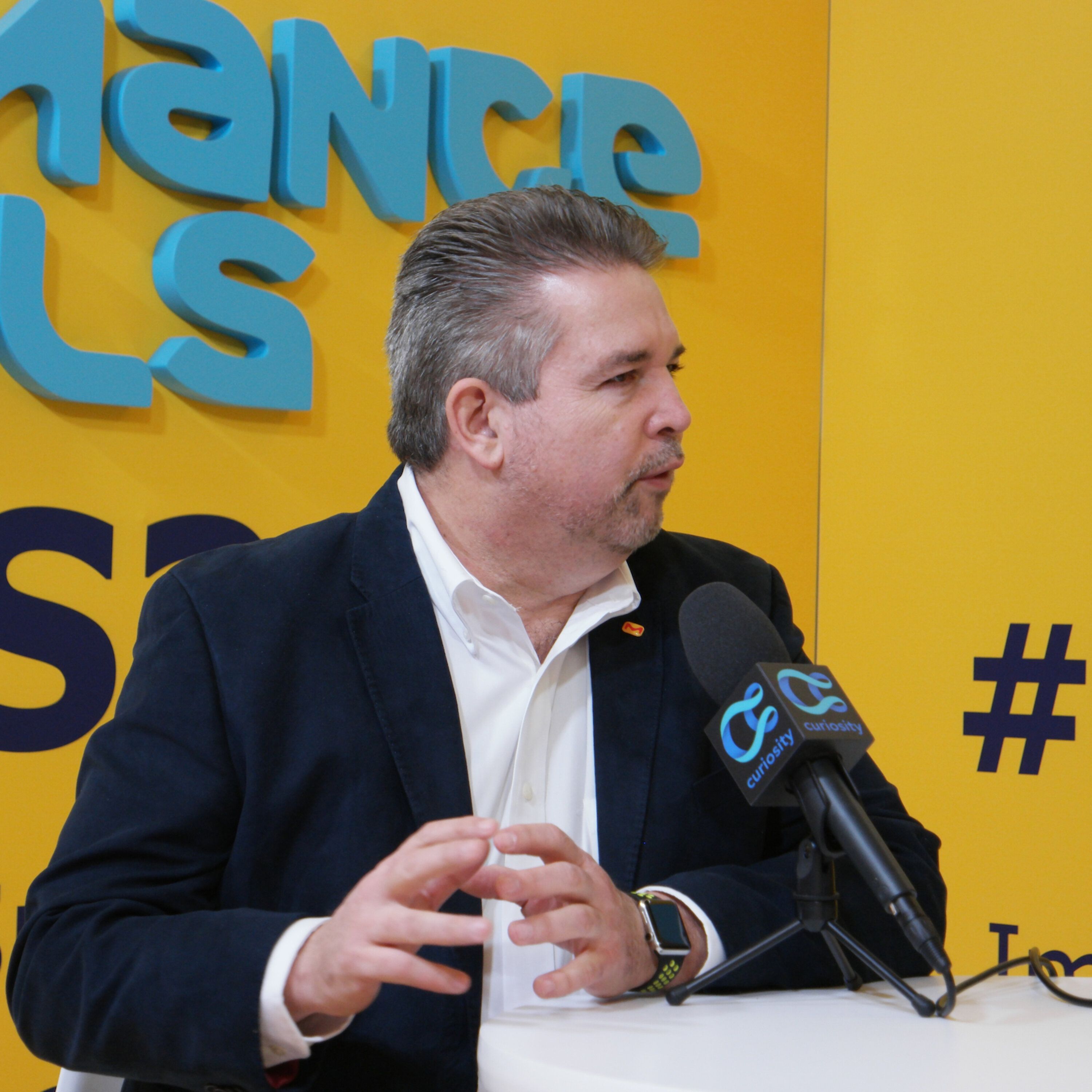
Educating and Innovating for the Future with Sustainable Solutions
Learn how new technology is being developed to help the environment and our society as a whole, from liquid crystal windows to OLED displays. It’s all part of a commitment to innovation for improving global health, broadening minds, and developing sustainable solutions.This episode is sponsored by EMD Performance Materials, a business of Merck KGaA, Darmstadt, Germany. The fourth of a 5-part series to help you learn about how science and technology are being applied to drive innovation and change the world, this episode features Kai Beckmann (Member of the Executive Board at Merck KGaA), Michele Ricks (Technology Manager for OneDisplay), and Luiz Vieira (President and Managing Director of EMD Performance Materials).Learn more about EMD Performance Materials: https://www.emdgroup.com/en/performance-materials.htmlSubscribe to the Curiosity Daily science podcast on:Google Podcasts — https://curiosity.im/curiosity-daily-google-podcasts Apple Podcasts — https://curiosity.im/curiosity-podcast-itunes Spotify — https://curiosity.im/curiosity-daily-spotify Alexa Flash Briefing — https://curiosity.im/podcast-flash-briefing RSS — https://curiosity.im/podcast-RSSOfficial Curiosity Daily podcast website — https://curiositydaily.com Hosted on Acast. See acast.com/privacy for more information.
Game Transfer Phenomena (w/ Angelica Ortiz de Gortari) and the Methane Spike on Mars
Learn how a newly detected methane spike on Mars may change our understanding of the red planet; and how you can participate in a new research study on game transfer phenomena, with researcher Angelica Ortiz de Gortari.In this podcast, Cody Gough and Ashley Hamer discuss the following story from Curiosity.com about a methane spike we found on Mars: https://curiosity.im/2RyGmf3Additional Game Transfer Phenomena resources from Angelica Ortiz de Gortari:Gamers Needed for Web Experiment on Game Transfer Phenomena (Participate in the Study Here) — https://gametransferphenomena.com/2019/05/gamers-needed-for-web-experiment-on-game-transfer-phenomena-2/Game Transfer Phenomena Website — https://gametransferphenomena.com/Follow Angelica Ortiz de Gortari on Twitter @cyberpsyke — https://twitter.com/cyberpsykeGame Transfer Phenomena and its associated factors: An exploratory empirical online survey study | ScienceDirect — https://www.sciencedirect.com/science/article/pii/S0747563215003568If you love our show and you're interested in hearing full-length interviews, then please consider supporting us on Patreon. You'll get exclusive episodes and access to our archives as soon as you become a Patron! https://www.patreon.com/curiositydotcomDownload the FREE 5-star Curiosity app for Android and iOS at https://curiosity.im/podcast-app. And Amazon smart speaker users: you can listen to our podcast as part of your Amazon Alexa Flash Briefing — just click “enable” here: https://curiosity.im/podcast-flash-briefing. Find episode transcript here: https://curiosity-daily-4e53644e.simplecast.com/episodes/game-transfer-phenomena-w-angelica-ortiz-de-gortari-and-the-methane-spike-on-mars Hosted on Acast. See acast.com/privacy for more information.
Nuclear Survival Guide, Physical Health Benefits of Being Kind to Yourself, Snakes and Ladders
Learn what Chutes and Ladders can tell us about the way culture can influence art; how to survive the aftermath of a nuclear explosion, according to science; and how being kind to yourself can make you physically healthier.In this podcast, Cody Gough and Ashley Hamer discuss the following stories from Curiosity.com to help you get smarter and learn something new in just a few minutes:Chutes and Ladders Began as a Game to Teach Morality 2,000 Years Ago — https://curiosity.im/2MKZVlyHow to Survive a Nuclear Explosion, According to Science — https://curiosity.im/2K2R78vBeing Kind to Yourself Has Real Health Benefits — https://curiosity.im/2RhvstXIf you love our show and you're interested in hearing full-length interviews, then please consider supporting us on Patreon. You'll get exclusive episodes and access to our archives as soon as you become a Patron! https://www.patreon.com/curiositydotcomDownload the FREE 5-star Curiosity app for Android and iOS at https://curiosity.im/podcast-app. And Amazon smart speaker users: you can listen to our podcast as part of your Amazon Alexa Flash Briefing — just click “enable” here: https://curiosity.im/podcast-flash-briefing. Find episode transcript here: https://curiosity-daily-4e53644e.simplecast.com/episodes/nuclear-survival-guide-physical-health-benefits-of-being-kind-to-yourself-snakes-and-ladders Hosted on Acast. See acast.com/privacy for more information.
Weirdest Types of Lightning, Spotting Audio Lies Easily, and the Traveling Salesman Problem
Learn about some of the weirdest types of lightning; why nobody’s been able to solve the traveling salesman problem; and why it’s easier to spot a lie on a podcast or radio show than it is in other media.Please support our sponsors! Get two months of unlimited access to over 25,000 classes on Skillshare — for free. To sign up, go to skillshare.com/curiosity.In this podcast, Cody Gough and Ashley Hamer discuss the following stories from Curiosity.com to help you get smarter and learn something new in just a few minutes:5 of the Weirdest Types of Lightning — https://curiosity.im/2RibX4mWhy Fake News Spreads, Positive Lightning, and the Habitable Trinity [Past Curiosity Daily Episode] — https://curiosity.im/2KkZwEgThe Traveling Salesman Problem Has Been Unsolved for Nearly 200 Years — https://curiosity.im/2JZPuIsIt's Easier to Spot a Lie on the Radio Than on TV — https://curiosity.im/2JZPvw0If you love our show and you're interested in hearing full-length interviews, then please consider supporting us on Patreon. You'll get exclusive episodes and access to our archives as soon as you become a Patron! https://www.patreon.com/curiositydotcomDownload the FREE 5-star Curiosity app for Android and iOS at https://curiosity.im/podcast-app. And Amazon smart speaker users: you can listen to our podcast as part of your Amazon Alexa Flash Briefing — just click “enable” here: https://curiosity.im/podcast-flash-briefing. Find episode transcript here: https://curiosity-daily-4e53644e.simplecast.com/episodes/weirdest-types-of-lightning-spotting-audio-lies-easily-and-the-traveling-salesman-problem Hosted on Acast. See acast.com/privacy for more information.
Find Out if You’re an Echoist, Pluto Swapping with Neptune, and Our Ancestors’ Healthy Living
Learn about whether our ancient ancestors were healthier than we are; why Neptune is sometimes further away from the sun than Pluto; and how to know if you’re an echoist, which is the polar opposite of a narcissist.In this podcast, Cody Gough and Ashley Hamer discuss the following stories from Curiosity.com to help you get smarter and learn something new in just a few minutes:Were Our Ancient Ancestors Healthier Than We Are? — https://curiosity.im/2MxswKZPluto and Neptune Swap Places Every 248 Years — https://curiosity.im/2K4ToA6Are You an Echoist? Take This Quiz to Find Out — https://curiosity.im/2RiaPxKIf you love our show and you're interested in hearing full-length interviews, then please consider supporting us on Patreon. You'll get exclusive episodes and access to our archives as soon as you become a Patron! https://www.patreon.com/curiositydotcomDownload the FREE 5-star Curiosity app for Android and iOS at https://curiosity.im/podcast-app. And Amazon smart speaker users: you can listen to our podcast as part of your Amazon Alexa Flash Briefing — just click “enable” here: https://curiosity.im/podcast-flash-briefing. Find episode transcript here: https://curiosity-daily-4e53644e.simplecast.com/episodes/find-out-if-youre-an-echoist-pluto-swapping-with-neptune-and-our-ancestors-healthy-living Hosted on Acast. See acast.com/privacy for more information.
History-Changing Chewing Gum, How to Spot Bad Nutrition Tips, and Why Dogs Love Humans
Learn about how dogs may have evolved to love humans; how you can spot bad nutrition advice; and how 10-thousand year old chewing gum may change our understanding of ancient society.In this podcast, Cody Gough and Ashley Hamer discuss the following stories from Curiosity.com to help you get smarter and learn something new in just a few minutes:Dogs May Have a Brain Region Dedicated to Human Faces — https://curiosity.im/2K44jKk3 Ways to Spot Bad Nutrition Advice — https://curiosity.im/2K3Biy7Scientists Recovered DNA from 10,000-Year-Old Chewing Gum — https://curiosity.im/2I0Q7OsIf you love our show and you're interested in hearing full-length interviews, then please consider supporting us on Patreon. You'll get exclusive episodes and access to our archives as soon as you become a Patron! https://www.patreon.com/curiositydotcomDownload the FREE 5-star Curiosity app for Android and iOS at https://curiosity.im/podcast-app. And Amazon smart speaker users: you can listen to our podcast as part of your Amazon Alexa Flash Briefing — just click “enable” here: https://curiosity.im/podcast-flash-briefing. Find episode transcript here: https://curiosity-daily-4e53644e.simplecast.com/episodes/history-changing-chewing-gum-how-to-spot-bad-nutrition-tips-and-why-dogs-love-humans Hosted on Acast. See acast.com/privacy for more information.
Godzilla’s Deeper Meaning, Exoplanets (w/ Ralph Crewe from SNaQ), and Turing Machines
Learn about the Turing machine, an imaginary device that’s the basis for all computers. Plus: what can Godzilla tell us about our collective anxiety? We’ll also discuss a listener question about exoplanets with a special guest, Ralph Crewe from the podcast Science, News, and Qs.In this podcast, Cody Gough and Ashley Hamer discuss the following stories from Curiosity.com to help you get smarter and learn something new in just a few minutes:A Turing Machine Is the Imaginary Device That's the Basis for All Computers — https://curiosity.im/2K3hyKWGodzilla Has Grown Like Crazy, and Two Scientists Think They Know Why — https://curiosity.im/2Rhe7RXMore from Ralph Crewe:Science News and Qs (SNaQ), a Carnegie Science Center Podcast — http://snaq.podbean.com/Getting Curious with Ashley and Cody of Curiosity on SNaQ — https://snaq.podbean.com/e/getting-curious-with-ashley-and-cody-of-curiosity/Learn more about the Carnegie Science Center — http://www.carnegiesciencecenter.org/Follow @CarnegieSciCtr on Twitter — https://twitter.com/carnegiescictrFollow @RalphCrewe on Twitter — https://twitter.com/RalphCreweIf you love our show and you're interested in hearing full-length interviews, then please consider supporting us on Patreon. You'll get exclusive episodes and access to our archives as soon as you become a Patron! https://www.patreon.com/curiositydotcomDownload the FREE 5-star Curiosity app for Android and iOS at https://curiosity.im/podcast-app. And Amazon smart speaker users: you can listen to our podcast as part of your Amazon Alexa Flash Briefing — just click “enable” here: https://curiosity.im/podcast-flash-briefing. Find episode transcript here: https://curiosity-daily-4e53644e.simplecast.com/episodes/godzillas-deeper-meaning-exoplanets-w-ralph-crewe-from-snaq-and-turing-machines Hosted on Acast. See acast.com/privacy for more information.
Planning for and Investing in New Technologies
Learn about developing cutting-edge technology, from photonic quantum computing to advanced artificial intelligence. Plus: the science behind making driverless cars as safe and reliable as we want them to be.This episode is sponsored by EMD Performance Materials, a business of Merck KGaA, Darmstadt, Germany. The third of a 5-part series to help you learn about how science and technology are being applied to drive innovation and change the world, this episode features Owen Lozman, the Head of Performance Materials Venture Fund, M Ventures.Learn more about EMD Performance Materials: https://www.emdgroup.com/en/performance-materials.htmlLearn more about M Ventures: http://www.m-ventures.com/Subscribe to the Curiosity Daily science podcast on:Google Podcasts — https://curiosity.im/curiosity-daily-google-podcastsApple Podcasts — https://curiosity.im/curiosity-podcast-itunesSpotify — https://curiosity.im/curiosity-daily-spotifyAlexa Flash Briefing — https://curiosity.im/podcast-flash-briefingRSS — https://curiosity.im/podcast-RSSOfficial Curiosity Daily podcast website — https://curiositydaily.com Hosted on Acast. See acast.com/privacy for more information.
Fighting the Most Common Form of Prejudice, Autokinetic Effect, and Fermat’s Last Theorem
Learn about the optical illusion that makes stars look like UFOs; surprising facts about Fermat’s last theorem, one of math’s greatest mysteries; and why the most common form of prejudice may surprise you.In this podcast, Cody Gough and Ashley Hamer discuss the following stories from Curiosity.com to help you get smarter and learn something new in just a few minutes:The Autokinetic Effect Is an Optical Illusion That Makes Stars Look Like UFOs — https://curiosity.im/2K7iVIKFermat's Last Theorem Was Scribbled in the Margin of a Book — https://curiosity.im/2K1CPVvThe Most Common Form of Prejudice May Surprise You — https://curiosity.im/2K7hz0CIf you love our show and you're interested in hearing full-length interviews, then please consider supporting us on Patreon. You'll get exclusive episodes and access to our archives as soon as you become a Patron! https://www.patreon.com/curiositydotcomDownload the FREE 5-star Curiosity app for Android and iOS at https://curiosity.im/podcast-app. And Amazon smart speaker users: you can listen to our podcast as part of your Amazon Alexa Flash Briefing — just click “enable” here: https://curiosity.im/podcast-flash-briefing. Find episode transcript here: https://curiosity-daily-4e53644e.simplecast.com/episodes/fighting-the-most-common-form-of-prejudice-autokinetic-effect-and-fermats-last-theorem Hosted on Acast. See acast.com/privacy for more information.
Developing Drugs to Fight Superbugs (w/ Dr. Matt McCarthy) and What Dark Mode Does
Learn about whether dark mode really is easier on your eyes, according to research. Then, learn about how new antibiotics are being developed with Dr. Matt McCarthy, author of the new book “Superbugs: The Race to Stop an Epidemic.”In this podcast, Cody Gough and Ashley Hamer discuss the following story from Curiosity.com about whether dark mode really is easier on your eyes: https://curiosity.im/2Wf2xMIAdditional resources from Dr. Matt McCarthy:Pick up “Superbugs: The Race to Stop an Epidemic” on Amazon — https://amazon.comOfficial website — http://www.drmattmccarthy.com/Follow @DrMattMcCarthy on Twitter — https://twitter.com/drmattmccarthyWhat Superbug Hunters Know That We Don’t | The New York Times — https://www.nytimes.com/2019/05/20/opinion/hospitals-antibiotic-resistant-bacteria-superbugs.htmlIf you love our show and you're interested in hearing full-length interviews, then please consider supporting us on Patreon. You'll get exclusive episodes and access to our archives as soon as you become a Patron! https://www.patreon.com/curiositydotcomDownload the FREE 5-star Curiosity app for Android and iOS at https://curiosity.im/podcast-app. And Amazon smart speaker users: you can listen to our podcast as part of your Amazon Alexa Flash Briefing — just click “enable” here: https://curiosity.im/podcast-flash-briefing. Find episode transcript here: https://curiosity-daily-4e53644e.simplecast.com/episodes/developing-drugs-to-fight-superbugs-w-dr-matt-mccarthy-and-what-dark-mode-does Hosted on Acast. See acast.com/privacy for more information.
Superbugs and Antibiotic Resistance (w/ Dr. Matt McCarthy) and Third-Person Pep Talks
Learn why talking to yourself in the third person can help you keep your emotions in check. Then, learn about “superbugs” (and why we need to stop them) with Dr. Matt McCarthy, author of the new book “Superbugs: The Race to Stop an Epidemic.”In this podcast, Cody Gough and Ashley Hamer discuss the following story from Curiosity.com about research that suggests talking to yourself in the third person can benefit your mental health: https://curiosity.im/2I2RaxyAdditional resources from Dr. Matt McCarthy:Pick up “Superbugs: The Race to Stop an Epidemic” on Amazon — https://amazon.comOfficial website — http://www.drmattmccarthy.com/Follow @DrMattMcCarthy on Twitter — https://twitter.com/drmattmccarthyWhat Superbug Hunters Know That We Don’t | The New York Times — https://www.nytimes.com/2019/05/20/opinion/hospitals-antibiotic-resistant-bacteria-superbugs.htmlIf you love our show and you're interested in hearing full-length interviews, then please consider supporting us on Patreon. You'll get exclusive episodes and access to our archives as soon as you become a Patron! https://www.patreon.com/curiositydotcomDownload the FREE 5-star Curiosity app for Android and iOS at https://curiosity.im/podcast-app. And Amazon smart speaker users: you can listen to our podcast as part of your Amazon Alexa Flash Briefing — just click “enable” here: https://curiosity.im/podcast-flash-briefing. Find episode transcript here: https://curiosity-daily-4e53644e.simplecast.com/episodes/superbugs-and-antibiotic-resistance-w-dr-matt-mccarthy-and-third-person-pep-talks Hosted on Acast. See acast.com/privacy for more information.
Boost Productivity with a Potted Plant, Why Coffee Makes You Poop, and Nuclear Semiotics
Learn about why it could be hard to communicate with humans of the future; how a potted plant can help you boost your productivity; and why coffee makes you poop.Please support today’s sponsor, WSJwine! Order now and they’ll add to your case 2 bonus California Cabernets and 2 Dartington Crystal glasses. https://www.wsjwine.com/0842005In this podcast, Cody Gough and Ashley Hamer discuss the following stories from Curiosity.com to help you get smarter and learn something new in just a few minutes:How Can We Communicate with Humans of the Future Without Using Language? — https://curiosity.im/2I2Rbl6Boost Your Productivity by Putting a Plant on Your Desk — https://curiosity.im/2JZHR4MWhy Does Coffee Make You Poop? — https://curiosity.im/2K2ct5NIf you love our show and you're interested in hearing full-length interviews, then please consider supporting us on Patreon. You'll get exclusive episodes and access to our archives as soon as you become a Patron! https://www.patreon.com/curiositydotcomDownload the FREE 5-star Curiosity app for Android and iOS at https://curiosity.im/podcast-app. And Amazon smart speaker users: you can listen to our podcast as part of your Amazon Alexa Flash Briefing — just click “enable” here: https://curiosity.im/podcast-flash-briefing. Find episode transcript here: https://curiosity-daily-4e53644e.simplecast.com/episodes/boost-productivity-with-a-potted-plant-why-coffee-makes-you-poop-and-nuclear-semiotics Hosted on Acast. See acast.com/privacy for more information.
Overcoming the Incredible Power of Exclusion (w/ Vivian Zayas) and a One-Way Sound Device
Learn about how to feel less excluded and why it’s so important, with special guest Vivian Zayas, Director of the Personality, Attachment, and Control Laboratory at Cornell University. Plus, learn about a new device that makes sound go one-way.In this podcast, Cody Gough and Ashley Hamer discuss the following story from Curiosity.com about a new device that scientists have developed that makes sound go one-way: https://curiosity.im/2K3bTVcAdditional resources from Cornell University:Cornell University’s “What Makes Us Human?” podcast series — https://as.cornell.edu/humanitiesHear Vivian Zayas on the “Love Science” episode of the What Makes Us Human?” podcast — https://as.cornell.edu/news/love-sciencePersonality, Attachment, and Control Laboratory at Cornell University — http://people.psych.cornell.edu/~pac_lab/Vivian Zayas’ Cornell University research bio — https://research.cornell.edu/researchers/vivian-zayasIf you love our show and you're interested in hearing full-length interviews, then please consider supporting us on Patreon. You'll get exclusive episodes and access to our archives as soon as you become a Patron! https://www.patreon.com/curiositydotcomDownload the FREE 5-star Curiosity app for Android and iOS at https://curiosity.im/podcast-app. And Amazon smart speaker users: you can listen to our podcast as part of your Amazon Alexa Flash Briefing — just click “enable” here: https://curiosity.im/podcast-flash-briefing. Find episode transcript here: https://curiosity-daily-4e53644e.simplecast.com/episodes/overcoming-the-incredible-power-of-exclusion-w-vivian-zayas-and-a-one-way-sound-device Hosted on Acast. See acast.com/privacy for more information.
Difference Between 5G and 4G Networks (w/ Trace Dominguez) and Self-Repairing Batteries
Learn about how scientists developed a self-repairing battery. Plus: science communicator Trace Dominguez answers a listener question about the difference between 4G and 5G networks.In this podcast, Cody Gough and Ashley Hamer discuss the following story from Curiosity.com about how scientists have developed a self-repairing battery: https://curiosity.im/2JZD57mAdditional resources from Trace Dominguez:How We Got to 5G, Explained — https://www.youtube.com/watch?v=g1mtzyeKUPYSubscribe to Uno Dos of Trace on YouTube — https://www.youtube.com/user/TravellinTraceFollow @tracedominguez on Twitter — https://twitter.com/tracedominguezTrace Dominguez on Facebook — https://www.facebook.com/official.tracedominguezIf you love our show and you're interested in hearing full-length interviews, then please consider supporting us on Patreon. You'll get exclusive episodes and access to our archives as soon as you become a Patron! https://www.patreon.com/curiositydotcomDownload the FREE 5-star Curiosity app for Android and iOS at https://curiosity.im/podcast-app. And Amazon smart speaker users: you can listen to our podcast as part of your Amazon Alexa Flash Briefing — just click “enable” here: https://curiosity.im/podcast-flash-briefing. Find episode transcript here: https://curiosity-daily-4e53644e.simplecast.com/episodes/difference-between-5g-and-4g-networks-w-trace-dominguez-and-self-repairing-batteries Hosted on Acast. See acast.com/privacy for more information.

How to Push the Limits of Innovation
Learn about the unbelievable level of purity and complexity that goes into producing new technologies. Also, what researchers are working on and how the world will look in the future thanks to their efforts.This episode is sponsored by EMD Performance Materials, a business of Merck KGaA, Darmstadt, Germany. The second of a 5-part series to help you learn about how science and technology are being applied to drive innovation and change the world, this episode features guests Anand Nambiar (Global Head of Semiconductor Solutions, Business Unit) and DongKwan Lee (Head of Packaging, Business Field).Learn more about EMD Performance Materials: https://www.emdgroup.com/en/performance-materials.htmlListen and subscribe to the Curiosity Daily science podcast on:Google Podcasts — https://curiosity.im/curiosity-daily-google-podcastsApple Podcasts — https://curiosity.im/curiosity-podcast-itunesSpotify — https://curiosity.im/curiosity-daily-spotifyAlexa Flash Briefing — https://curiosity.im/podcast-flash-briefingRSS — https://curiosity.im/podcast-RSSOfficial Curiosity Daily podcast website — https://curiositydaily.com Hosted on Acast. See acast.com/privacy for more information.
Solar Sail Testing, Benefits of Debating Politics Online, and Tongue Map Mythbusting
Learn about an upcoming solar sail launch to test solar propulsion; why the tongue map you learned about in school is all wrong; and new research that says debating politics online may not be a total waste.In this podcast, Cody Gough and Ashley Hamer discuss the following stories from Curiosity.com to help you get smarter and learn something new in just a few minutes:We're Launching a Solar Sail to Test Solar Propulsion — https://curiosity.im/2I5CPR5The Tongue Map You Learned in School Is All Wrong — https://curiosity.im/2I7A5CDNew Research Says Debating Politics Online May Not Be a Total Waste — https://curiosity.im/2Ic1jbsIf you love our show and you're interested in hearing full-length interviews, then please consider supporting us on Patreon. You'll get exclusive episodes and access to our archives as soon as you become a Patron! https://www.patreon.com/curiositydotcomDownload the FREE 5-star Curiosity app for Android and iOS at https://curiosity.im/podcast-app. And Amazon smart speaker users: you can listen to our podcast as part of your Amazon Alexa Flash Briefing — just click “enable” here: https://curiosity.im/podcast-flash-briefing. Find episode transcript here: https://curiosity-daily-4e53644e.simplecast.com/episodes/solar-sail-testing-benefits-of-debating-politics-online-and-tongue-map-mythbusting Hosted on Acast. See acast.com/privacy for more information.
Wine Myths, The Case for Code-Switched Classes, and The Most Dangerous Tree in the World
Learn about how the way you talk could change your ability to learn; two of the biggest myths about wine; and why the manchineel tree is the most dangerous tree in the world.Please support today’s sponsor, WSJwine! Order now and they’ll add to your case 2 bonus California Cabernets and 2 Dartington Crystal glasses. https://www.wsjwine.com/0842005In this podcast, Cody Gough and Ashley Hamer discuss the following stories from Curiosity.com to help you get smarter and learn something new in just a few minutes:All of Your Relationships Are Affected by Your Code-Switching — https://curiosity.im/2I5diaBDo You Believe These 5 Wine Myths? — https://curiosity.im/2I681QcYou Should Avoid the Poisonous Manchineel, aka the "Tree of Death," at All Costs — https://curiosity.im/2I4NICwIf you love our show and you're interested in hearing full-length interviews, then please consider supporting us on Patreon. You'll get exclusive episodes and access to our archives as soon as you become a Patron! https://www.patreon.com/curiositydotcomDownload the FREE 5-star Curiosity app for Android and iOS at https://curiosity.im/podcast-app. And Amazon smart speaker users: you can listen to our podcast as part of your Amazon Alexa Flash Briefing — just click “enable” here: https://curiosity.im/podcast-flash-briefing. Find episode transcript here: https://curiosity-daily-4e53644e.simplecast.com/episodes/wine-myths-the-case-for-code-switched-classes-and-the-most-dangerous-tree-in-the-world Hosted on Acast. See acast.com/privacy for more information.
Hairy Ball Theorem, the Secret to Effective Practice, and Disposable Water Bottle Dangers
Learn about the strangely-named hairy ball theorem that explains why there’s always a storm brewing somewhere; new research into how you can practice more effectively; and why there are safer ways to be eco-friendly than by reusing your disposable water bottle.In this podcast, Cody Gough and Ashley Hamer discuss the following stories from Curiosity.com to help you get smarter and learn something new in just a few minutes:The Hairy Ball Theorem Says There's Always a Storm Brewing Somewhere — https://curiosity.im/2I4UtnNThe Secret to Effective Practice? Taking Breaks — Even Short Ones — https://curiosity.im/2K4Rwr4Don't Reuse That Disposable Water Bottle — There Are Safer Ways to Be Eco-Friendly — https://curiosity.im/2IapFlCIf you love our show and you're interested in hearing full-length interviews, then please consider supporting us on Patreon. You'll get exclusive episodes and access to our archives as soon as you become a Patron! https://www.patreon.com/curiositydotcomDownload the FREE 5-star Curiosity app for Android and iOS at https://curiosity.im/podcast-app. And Amazon smart speaker users: you can listen to our podcast as part of your Amazon Alexa Flash Briefing — just click “enable” here: https://curiosity.im/podcast-flash-briefing. Find episode transcript here: https://curiosity-daily-4e53644e.simplecast.com/episodes/hairy-ball-theorem-the-secret-to-effective-practice-and-disposable-water-bottle-dangers Hosted on Acast. See acast.com/privacy for more information.
Leaders Can Be Too Extroverted, The Cutest Age for a Puppy, and Goldbach’s Conjecture
Learn about the Goldbach conjecture, a simple math problem that’s never been solved; why researchers studied the cutest age for a puppy; and why extroverted leaders can have too much of a good thing.In this podcast, Cody Gough and Ashley Hamer discuss the following stories from Curiosity.com to help you get smarter and learn something new in just a few minutes:The Goldbach Conjecture Is a Simple Problem That's Never Been Solved — https://curiosity.im/2JV5kUTScience Has Determined That This Is the Cutest Age for a Puppy — https://curiosity.im/2YIsNf8Extroverted Leaders Can Have Too Much of a Good Thing — https://curiosity.im/2QD1JLEIf you love our show and you're interested in hearing full-length interviews, then please consider supporting us on Patreon. You'll get exclusive episodes and access to our archives as soon as you become a Patron! https://www.patreon.com/curiositydotcomDownload the FREE 5-star Curiosity app for Android and iOS at https://curiosity.im/podcast-app. And Amazon smart speaker users: you can listen to our podcast as part of your Amazon Alexa Flash Briefing — just click “enable” here: https://curiosity.im/podcast-flash-briefing.Find episode transcript here: https://curiosity-daily-4e53644e.simplecast.com/episodes/leaders-can-be-too-extroverted-the-cutest-age-for-a-puppy-and-goldbachs-conjecture Hosted on Acast. See acast.com/privacy for more information.

How Badly We Need to Feel Socially Connected (w/ Vivian Zayas) and Work Commute Tips
Learn about the surprising power behind our need to feel socially connected, with guest Vivian Zayas, Director of the Personality, Attachment, and Control Laboratory at Cornell University. Plus, learn about how to make your commute a little happier.Please support our sponsors! Get two months of unlimited access to over 25,000 classes on Skillshare — for free. To sign up, go to skillshare.com/curiosity.In this podcast, Cody Gough and Ashley Hamer discuss the following story from Curiosity.com about 7 ways to make your commute a little happier: https://curiosity.im/2QE2kwtAdditional resources from Cornell University:Cornell University’s “What Makes Us Human?” podcast series — https://as.cornell.edu/humanitiesHear Vivian Zayas on the “Love Science” episode of the What Makes Us Human?” podcast — https://as.cornell.edu/news/love-sciencePersonality, Attachment, and Control Laboratory at Cornell University — http://people.psych.cornell.edu/~pac_lab/Vivian Zayas’ Cornell University research bio — https://research.cornell.edu/researchers/vivian-zayasIf you love our show and you're interested in hearing full-length interviews, then please consider supporting us on Patreon. You'll get exclusive episodes and access to our archives as soon as you become a Patron! https://www.patreon.com/curiositydotcomDownload the FREE 5-star Curiosity app for Android and iOS at https://curiosity.im/podcast-app. And Amazon smart speaker users: you can listen to our podcast as part of your Amazon Alexa Flash Briefing — just click “enable” here: https://curiosity.im/podcast-flash-briefing. Find episode transcript here: https://curiosity-daily-4e53644e.simplecast.com/episodes/how-badly-we-need-to-feel-socially-connected-w-vivian-zayas-and-work-commute-tips Hosted on Acast. See acast.com/privacy for more information.
Why Itches Spread, Ancient Vending Machine, and Not Realizing When Your Beliefs Change
Learn about the world’s first vending machine that was invented nearly 2,000 years ago; why scratching an itch can make it spread; and, why you probably don’t realize it when your beliefs change.In this podcast, Cody Gough and Ashley Hamer discuss the following stories to help you get smarter and learn something new in just a few minutes:The World's First Vending Machine is 2,000 Years Old — https://curiosity.im/2HCKIgkWhen Your Beliefs Change, You Probably Don't Realize It — https://curiosity.im/2HCKCFuIf you love our show and you're interested in hearing full-length interviews, then please consider supporting us on Patreon. You'll get exclusive episodes and access to our archives as soon as you become a Patron! https://www.patreon.com/curiositydotcomDownload the FREE 5-star Curiosity app for Android and iOS at https://curiosity.im/podcast-app. And Amazon smart speaker users: you can listen to our podcast as part of your Amazon Alexa Flash Briefing — just click “enable” here: https://curiosity.im/podcast-flash-briefing. Find episode transcript here: https://curiosity-daily-4e53644e.simplecast.com/episodes/why-itches-spread-ancient-vending-machine-and-not-realizing-when-your-beliefs-change Hosted on Acast. See acast.com/privacy for more information.
EMD and the Science Behind Today's — and Tomorrow's — Technology
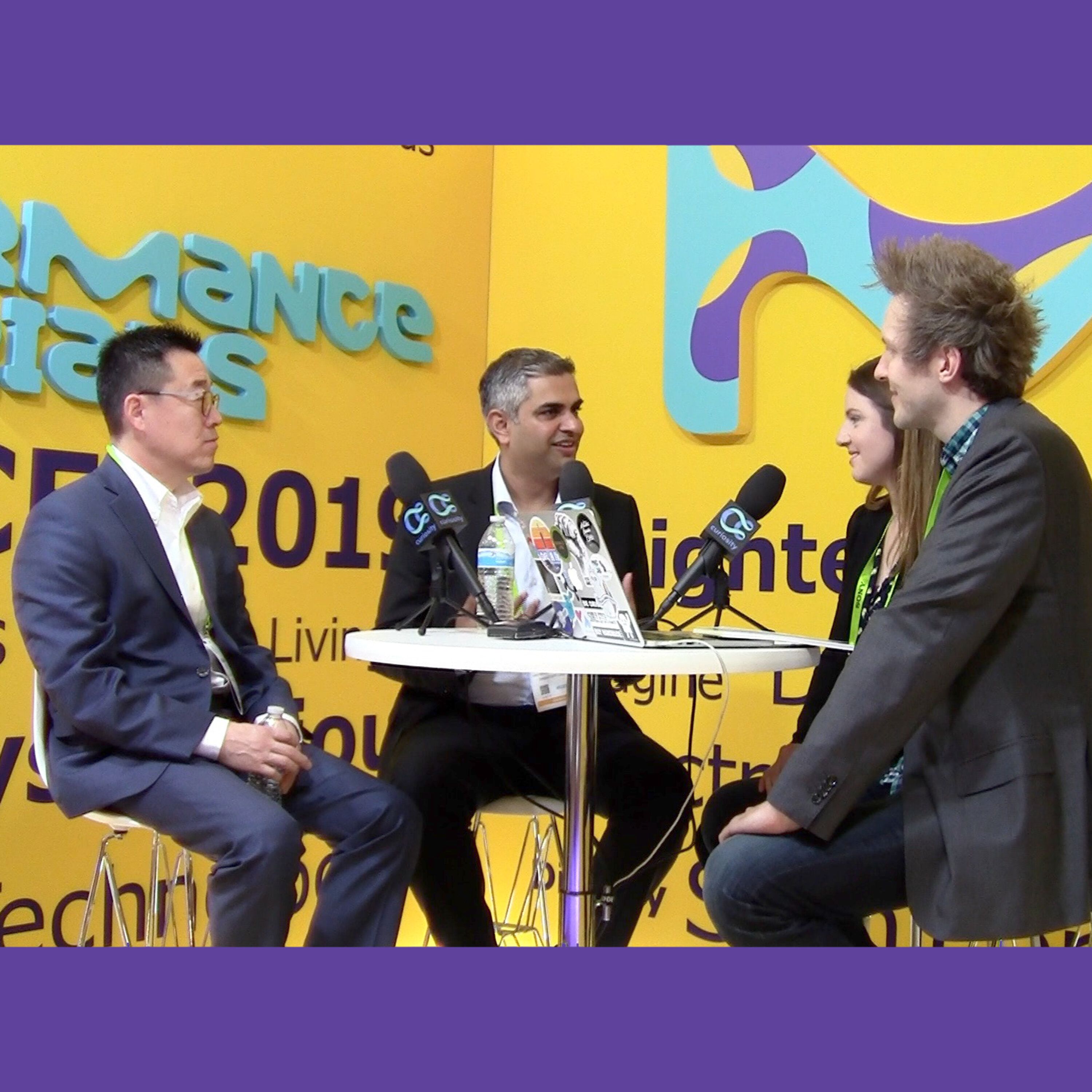
Learn about EMD Performance Materials; why packaging innovation is a vital component in developing new technologies; and what it takes from a business standpoint to change the way we interact with computers and other devices in our daily lives.This episode is sponsored by EMD Performance Materials, a business of Merck KGaA, Darmstadt, Germany. The first of a 5-part series to help you learn about how science and technology are being applied to drive innovation and change the world, this episode features guests Anand Nambiar (Global Head of Semiconductor Solutions, Business Unit) and DongKwan Lee (Head of Packaging, Business Field).Learn more about EMD Performance Materials: https://www.emdgroup.com/en/performance-materials.htmlSubscribe to the Curiosity Daily science podcast on:Google Podcasts — https://curiosity.im/curiosity-daily-google-podcasts Apple Podcasts — https://curiosity.im/curiosity-podcast-itunes Spotify — https://curiosity.im/curiosity-daily-spotify Alexa Flash Briefing — https://curiosity.im/podcast-flash-briefing RSS — https://curiosity.im/podcast-RSSOfficial Curiosity Daily podcast website — https://curiositydaily.com Hosted on Acast. See acast.com/privacy for more information.
Personality Test Role-Playing Game, Antimatter Double-Slit Science, and Asexual Reproduction
Learn about what happened when scientists put antimatter through the double-slit experiment; how a role-playing game could test your personality better than an actual personality test; and why more animals don’t reproduce asexually.In this podcast, Cody Gough and Ashley Hamer discuss the following stories from Curiosity.com to help you get smarter and learn something new in just a few minutes:Scientists Put Antimatter Through the Double-Slit Experiment. Here's What Happened — https://curiosity.im/2Ws6sFsThis New Personality Test Relies on Your Choices in a Role-Playing Game — https://curiosity.im/2WriDSRWhy Don't More Animals Reproduce Asexually? — https://curiosity.im/2HGIPzhIf you love our show and you're interested in hearing full-length interviews, then please consider supporting us on Patreon. You'll get exclusive episodes and access to our archives as soon as you become a Patron! https://www.patreon.com/curiositydotcomDownload the FREE 5-star Curiosity app for Android and iOS at https://curiosity.im/podcast-app. And Amazon smart speaker users: you can listen to our podcast as part of your Amazon Alexa Flash Briefing — just click “enable” here: https://curiosity.im/podcast-flash-briefing. Find episode transcript here: https://curiosity-daily-4e53644e.simplecast.com/episodes/personality-test-role-playing-game-antimatter-double-slit-science-and-asexual-reproduction Hosted on Acast. See acast.com/privacy for more information.
Life After Life Hacking (w/ Professor Joseph M. Reagle, Jr.) and White Hole Science
Learn about what happens after your life is "fully optimized" from a special guest: Professor Joseph M. Reagle Jr., author of the new book “Hacking Life: Systematized Living and Its Discontents.” You’ll also learn why white holes could explain some of the universe’s most unexplainable characteristics — at least, if they exist.Please support our sponsors! Get your first month of KiwiCo FREE by visiting https://www.kiwico.com/curiosity.In this podcast, Cody Gough and Ashley Hamer discuss the following story from Curiosity.com about why white holes could explain some of the universe’s most unexplainable characteristics: https://curiosity.im/2WvxfAwPublications and additional resources from Joseph M. Reagle, Jr:“Hacking Life: Systematized Living and Its Discontents” — https://amazon.com“Reading the Comments: Likers, Haters, and Manipulators at the Bottom of the Web” — https://amazon.com“Good Faith Collaboration: The Culture of Wikipedia” — https://amazon.comOfficial website — https://reagle.org/joseph/Follow @jmreagle on Twitter — https://twitter.com/jmreagleMIT Press — https://mitpress.mit.edu/contributors/joseph-m-reagle-jrGet your copy of “Hacking Life: Systematized Living and Its Discontents” on Amazon: https://amazon.comIf you love our show and you're interested in hearing full-length interviews, then please consider supporting us on Patreon. You'll get exclusive episodes and access to our archives as soon as you become a Patron! https://www.patreon.com/curiositydotcomDownload the FREE 5-star Curiosity app for Android and iOS at https://curiosity.im/podcast-app. And Amazon smart speaker users: you can listen to our podcast as part of your Amazon Alexa Flash Briefing — just click “enable” here: https://curiosity.im/podcast-flash-briefing.Find episode transcript here: https://curiosity-daily-4e53644e.simplecast.com/episodes/life-after-life-hacking-w-professor-joseph-m-reagle-jr-and-white-hole-science Hosted on Acast. See acast.com/privacy for more information.
New Laser Uses Sound Waves, Get Your Kids to Eat Veggies, and Better-Than-Average Effect
Learn about a new phonon laser that uses sound instead of light; a counterintuitive trick to get your kids to eat vegetables; and a cognitive bias that explains why most people think they’re better than other people.In this podcast, Cody Gough and Ashley Hamer discuss the following stories from Curiosity.com to help you get smarter and learn something new in just a few minutes:This New Laser Uses Sound Instead of Light — https://curiosity.im/2JU1dZ1This Counterintuitive Trick Can Get Your Kids to Eat Veggies — https://curiosity.im/2HGGPXNThe Better-Than-Average Effect Says Most People Think They're Better Than Most People — https://curiosity.im/2HI6YWsIf you love our show and you're interested in hearing full-length interviews, then please consider supporting us on Patreon. You'll get exclusive episodes and access to our archives as soon as you become a Patron! https://www.patreon.com/curiositydotcomDownload the FREE 5-star Curiosity app for Android and iOS at https://curiosity.im/podcast-app. And Amazon smart speaker users: you can listen to our podcast as part of your Amazon Alexa Flash Briefing — just click “enable” here: https://curiosity.im/podcast-flash-briefing. Find episode transcript here: https://curiosity-daily-4e53644e.simplecast.com/episodes/new-laser-uses-sound-waves-get-your-kids-to-eat-veggies-and-better-than-average-effect Hosted on Acast. See acast.com/privacy for more information.
Passion for Your Job Can Backfire, Ancient Greeks Knew Earth Was Round, and Hair in Food
Learn about how the ancient Greeks knew the Earth was round; why being passionate about your job can backfire; and why you shouldn’t worry if you find a hair in your food.Please support our sponsors! Visit capterra.com/curiosity to find the best software solution for your business — for free!In this podcast, Cody Gough and Ashley Hamer discuss the following stories from Curiosity.com to help you get smarter and learn something new in just a few minutes:How the Ancient Greeks Knew the Earth Was Round — https://curiosity.im/2HHagcpPassion for Your Job Can Backfire, According to a Study — https://curiosity.im/2WBKhg9Should You Worry About a Hair in Your Food? — https://curiosity.im/2HOoMzgIf you love our show and you're interested in hearing full-length interviews, then please consider supporting us on Patreon. You'll get exclusive episodes and access to our archives as soon as you become a Patron! https://www.patreon.com/curiositydotcomDownload the FREE 5-star Curiosity app for Android and iOS at https://curiosity.im/podcast-app. And Amazon smart speaker users: you can listen to our podcast as part of your Amazon Alexa Flash Briefing — just click “enable” here: https://curiosity.im/podcast-flash-briefing. Find episode transcript here: https://curiosity-daily-4e53644e.simplecast.com/episodes/passion-for-your-job-can-backfire-ancient-greeks-knew-earth-was-round-and-hair-in-food Hosted on Acast. See acast.com/privacy for more information.
What Determines How Others See You (w/ Vivian Zayas) and Don’t Ask for Too Much Advice
Learn about the factors that determine how other people see you with special guest Vivian Zayas, Director of the Personality, Attachment, and Control Laboratory at Cornell University. Plus, learn about why it’s possible to ask for too much advice.In this podcast, Cody Gough and Ashley Hamer discuss the following story from Curiosity.com about how you can, in fact, ask for too much advice: https://curiosity.im/2HouglbAdditional resources from Cornell University:Cornell University’s “What Makes Us Human?” podcast series — https://as.cornell.edu/humanitiesHear Vivian Zayas on the “Love Science” episode of the What Makes Us Human?” podcast — https://as.cornell.edu/news/love-sciencePersonality, Attachment, and Control Laboratory at Cornell University — http://people.psych.cornell.edu/~pac_lab/Vivian Zayas’ Cornell University research bio — https://research.cornell.edu/researchers/vivian-zayasIf you love our show and you're interested in hearing full-length interviews, then please consider supporting us on Patreon. You'll get exclusive episodes and access to our archives as soon as you become a Patron! https://www.patreon.com/curiositydotcomDownload the FREE 5-star Curiosity app for Android and iOS at https://curiosity.im/podcast-app. And Amazon smart speaker users: you can listen to our podcast as part of your Amazon Alexa Flash Briefing — just click “enable” here: https://curiosity.im/podcast-flash-briefing. Find episode transcript here: https://curiosity-daily-4e53644e.simplecast.com/episodes/what-determines-how-others-see-you-w-vivian-zayas-and-dont-ask-for-too-much-advice Hosted on Acast. See acast.com/privacy for more information.
Ancient Cities Can Help Us Plan Modern Cities (w/ Monica L. Smith) and Where Light Goes
Learn about how studying ancient cities can help us plan modern cities from author Monica L. Smith, an archaeologist and professor in the department of anthropology at UCLA. Plus, learn what happens to light when you turn off the light switch.Get your copy of “Cities: The First 6,000 Years” on Amazon: https://amazon.comAdditional resources from Monica L. Smith:“Cities: The First 6,000 Years” — https://amazon.comUCLA Faculty Profile (Anthropology) — https://anthro.ucla.edu/faculty/monica-l-smithUCLA Faculty Profile (Archaeology) — https://ioa.ucla.edu/people/monica-l-smithResearch from Monica L. Smith — https://ucla.academia.edu/MonicaLSmithOther resources discussed:Light Absorption, Reflection, and Transmission | The Physics Classroom — https://www.physicsclassroom.com/class/light/Lesson-2/Light-Absorption,-Reflection,-and-TransmissionWhen You Turn Off A Light, Where Does The Light Go? | Forbes — https://www.forbes.com/sites/jillianscudder/2017/02/19/when-you-turn-off-a-light-where-does-the-light-go/#678694f7556cIf you love our show and you're interested in hearing full-length interviews, then please consider supporting us on Patreon. You'll get exclusive episodes and access to our archives as soon as you become a Patron! https://www.patreon.com/curiositydotcomDownload the FREE 5-star Curiosity app for Android and iOS at https://curiosity.im/podcast-app. And Amazon smart speaker users: you can listen to our podcast as part of your Amazon Alexa Flash Briefing — just click “enable” here: https://curiosity.im/podcast-flash-briefing. Find episode transcript here: https://curiosity-daily-4e53644e.simplecast.com/episodes/ancient-cities-can-help-us-plan-modern-cities-w-monica-l-smith-and-where-light-goes Hosted on Acast. See acast.com/privacy for more information.