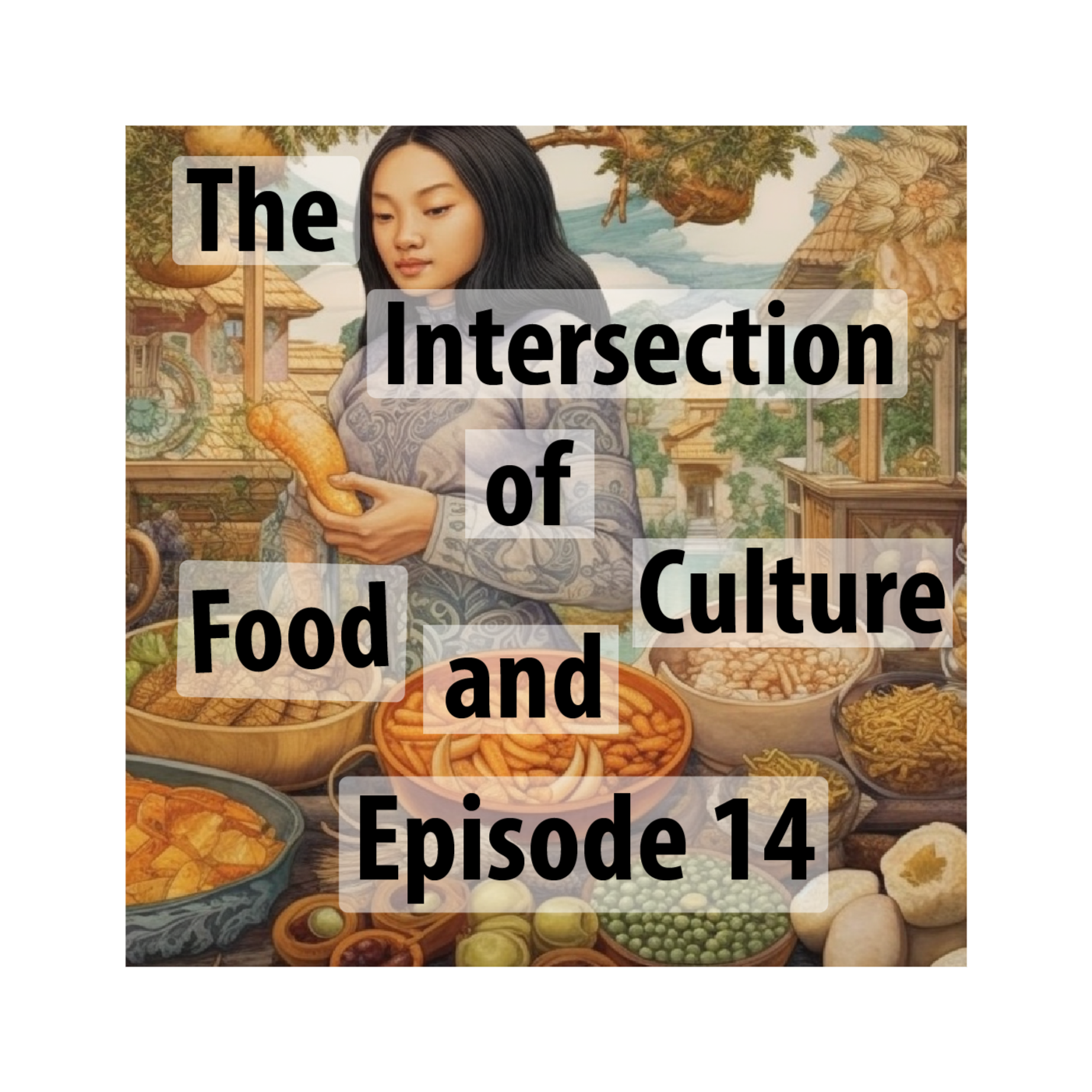
The Culinary Contours: Provocations at the Nexus of Food and Culture
Cultural Journalism: All things Cultural, Every Given Sunday at 7 pm PST · Daniel Sanderson
Audio is streamed directly from the publisher (media.rss.com) as published in their RSS feed. Play Podcasts does not host this file. Rights-holders can request removal through the copyright & takedown page.
Show Notes
Episode Notes: "The Culinary Contours: Provocations at the Nexus of Food and Culture"
Overview:
This episode delves into the intricate relationship between food and culture, exploring how they have co-evolved and influenced each other throughout human history. We unpack the complexities of this intersection through historical analysis, cultural critique, and philosophical inquiry, revealing the layers that define our culinary and cultural identities.
Key Themes:
1. Cultural Transmission Through Gastronomy:
- Main Idea: Food is a vessel for conveying cultural traditions and values. However, the "authentic" cuisine concept is challenged, demonstrating the fluid nature of cultural exchange.
- Key Example: Pasta, often seen as quintessentially Italian, originates in ancient China, illustrating the impact of cultural encounters on culinary practices.
2. Culinary Hegemony and Cultural Imperialism:
- Main Idea: Culinary traditions have historically been used as tools of dominance and imperialism, with colonial powers imposing their food cultures on others.
- Key Example: The British colonization of India showcases how local cuisines were marginalized, and foreign dietary habits were enforced, impacting cultural identities.
3. Globalization and Culinary Homogenization:
- Main Idea: Globalization has led to a homogenization of food cultures, with multinational corporations promoting a standardized, less diverse culinary landscape.
- Key Example: The prevalence of global fast-food chains contributes to declining local culinary traditions, fostering a more uniform global food culture.
4. Rediscovering Culinary Authenticity:
- Main Idea: There is a growing movement towards embracing and revitalizing local food cultures, advocating for sustainability and preserving culinary diversity.
- Key Example: Efforts to revive traditional foodways, support local producers, and make informed consumer choices are highlighted as ways to combat culinary hegemony and promote cultural diversity.
Conclusion:
The episode concludes by emphasizing the importance of questioning and challenging the prevailing narratives around food and culture. It calls for a deeper understanding and appreciation of the rich diversity of culinary traditions and the complex dynamics that shape them. By fostering a more inclusive and reflective approach, we can celebrate and preserve the unique culinary identities that define human cultures.
Call to Action:
Listeners are encouraged to explore their culinary heritage, support local food producers, and remain critical of the global forces shaping our food systems. This exploration and activism can contribute to a more diverse and sustainable gastronomic future.