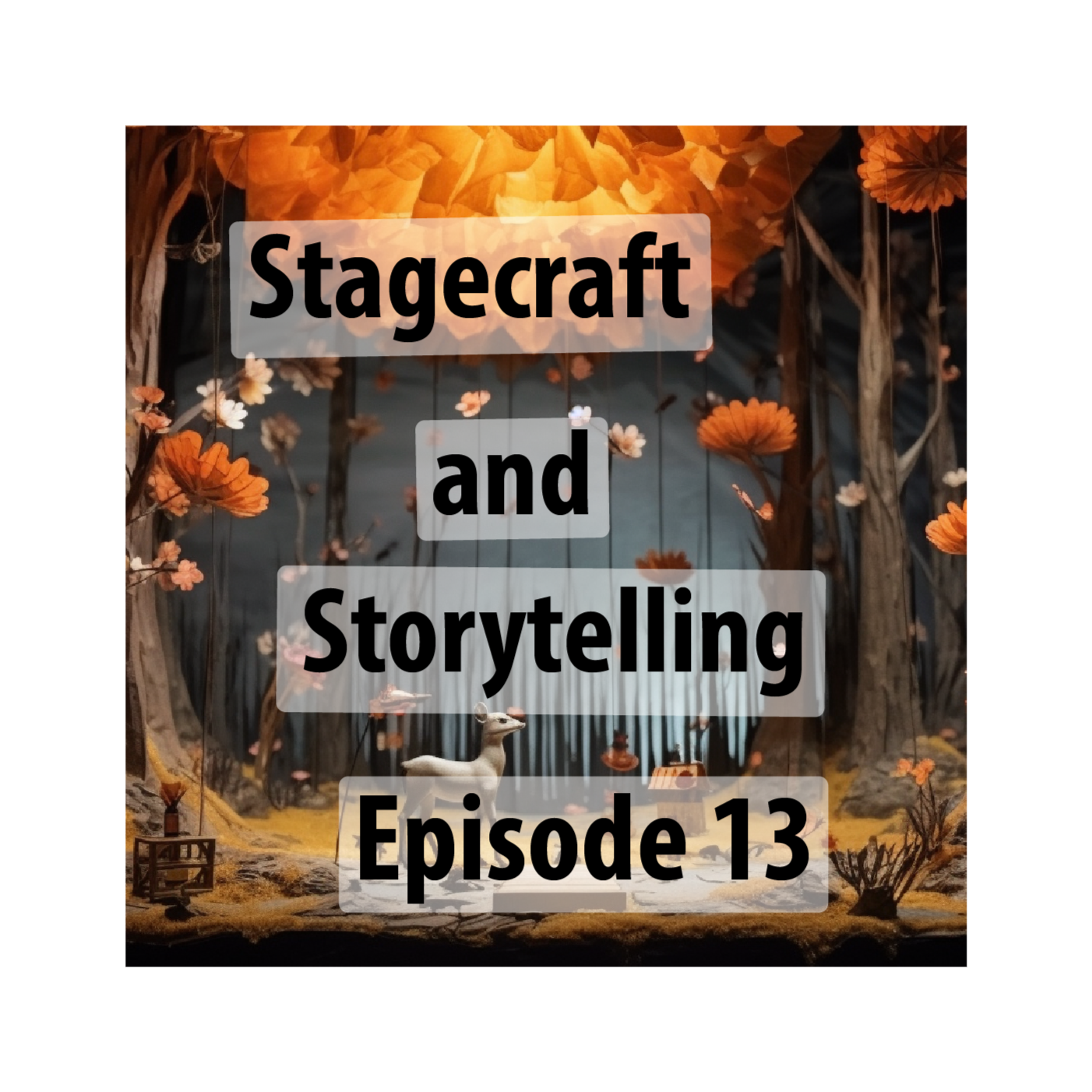
Stagecraft and Storytelling: Unveiling the Theatrical Charade
Cultural Journalism: All things Cultural, Every Given Sunday at 7 pm PST · Daniel Sanderson
Audio is streamed directly from the publisher (media.rss.com) as published in their RSS feed. Play Podcasts does not host this file. Rights-holders can request removal through the copyright & takedown page.
Show Notes
Episode Notes: "Stagecraft and Storytelling: Unveiling the Theatrical Charade"
This thought-provoking episode delves into the intricate relationship between stagecraft and storytelling, two potent forces in human communication. By examining their influence and interaction, we aim to uncover how they can sway audiences, evoke emotions, and even shape historical narratives. Yet, we urge a critical approach to these powerful tools to avoid falling prey to manipulation and outdated narratives.
The Illusion of Reality:
We begin by exploring theatre as an art of illusion, where the line between fiction and reality blurs. Through historical examples such as Euripides' "Medea" and Shakespeare's "Macbeth," we discuss how theatre can reflect and challenge socio-political realities while cautioning against conflating dramatized characters with real-life entities.
Challenging Conventional Wisdom:
The episode questions the effectiveness of stagecraft and storytelling in truly challenging societal norms, referencing Bertolt Brecht's epic theatre. We ponder whether innovative theatrical techniques can become formulaic and lose their impact, emphasizing the importance of continually pushing creative boundaries.
Historical References and the Power of Myth:
We delve into the role of theatre in myth-making and the reinforcement of cultural narratives, using Shakespeare's works as a prime example. The discussion highlights the importance of understanding these stories' historical and political contexts to grasp their impact.
Modern Implications and Perspectives:
Drawing on contemporary examples, we consider the use of stagecraft in various contexts, from political maneuvers to everyday Japanese living spaces. The segment emphasizes storytelling's ubiquitous nature, from cave paintings to modern theatre, and its role in shaping human understanding and memory.
The Unique Power of Live Theater:
The episode celebrates the singular magic of live theatre and its historical evolution from ancient Greek stages to modern proscenium theatres. We examine different theatrical forms, including opera and musical theatre, highlighting their unique storytelling approaches and the immersive experience they provide.
Personal Reflections and Case Studies:
We share personal anecdotes and case studies, such as the creation and impact of a play written for the 24-Hour Theater Festival, to illustrate the potent combination of story and stagecraft in conveying complex issues like the Great Financial Crisis within a concise and compelling framework.
Conclusion:
The episode concludes with a call to critically engage with stagecraft and storytelling, encouraging listeners to question underlying intentions, challenge the status quo, and maintain intellectual rigour. By doing so, we aim to unlock the transformative potential of theatre, ensuring it remains a tool for exploration and inspiration rather than mere entertainment or indoctrination.
Listeners are invited to reflect on their experiences with theatre and storytelling and consider how these mediums have influenced their perception of reality and societal norms.