Cultural Artifacts with Mandi Gerth
Thoughts on creating classroom culture, classical education broadly, and what it means to help our students love things worthy of their love.
Helping students love things worthy of their love
Show overview
Cultural Artifacts with Mandi Gerth has been publishing since 2024, and across the 2 years since has built a catalogue of 19 episodes. That works out to roughly 2 hours of audio in total. Releases follow a roughly quarterly cadence.
Episodes typically run under ten minutes — most land between 7 min and 10 min — though episode length varies meaningfully from one episode to the next. None of the episodes are flagged explicit by the publisher. It is catalogued as a EN-language Education show.
There hasn’t been a new episode in the last ninety days; the most recent episode landed 5 months ago. The busiest year was 2026, with 10 episodes published. Published by Helping students love things worthy of their love.
From the publisher
Mandi offers a brief introduction to hymns, prayers, poems, and other cultural artifacts which could be brought into the classical classroom as part of a routine practice or liturgy. She discusses why these cultural artifacts help build classroom culture and how the teacher might want to use them during the classday. mrsgerthteaches.substack.com
Latest Episodes
Creation of Adam
Proem, the Odyssey by Homer
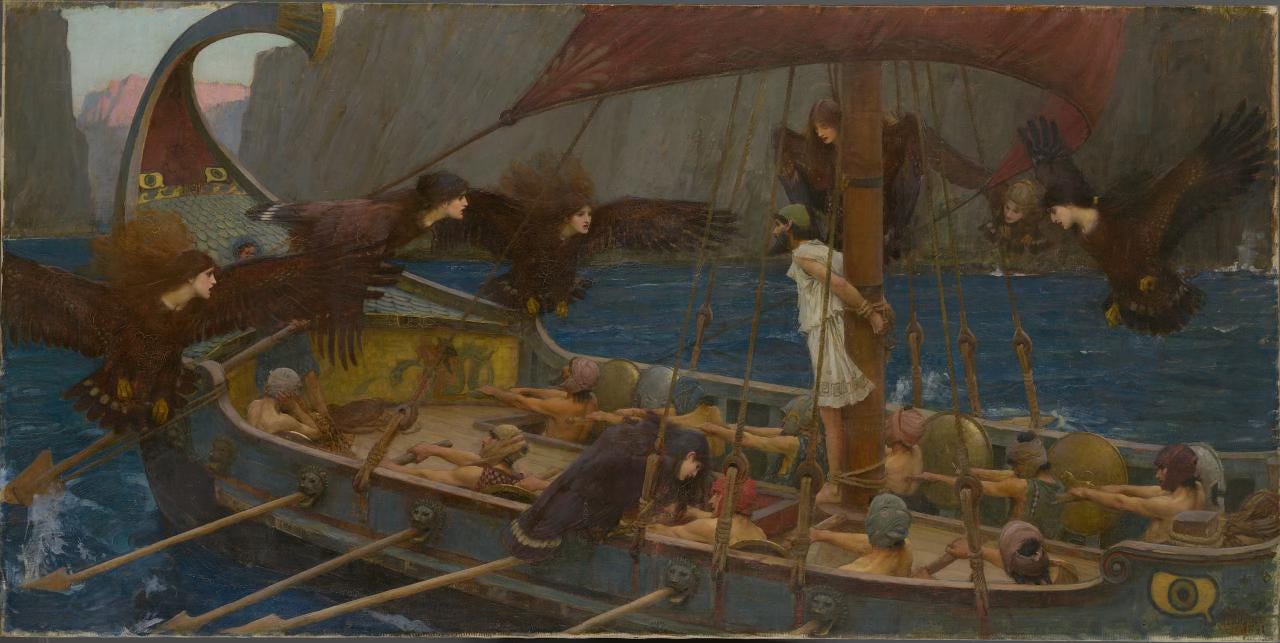
Ulysses and the Sirens by John William WaterhouseIn this episode, we contemplate the beauty of the first twelve lines, or the Proem, of the Odyssey by Homer. Mandi reads from the introduction to Emily Wilson’s translation so that you get an idea of the movement of this epic while also becoming familiar with its three main characters: Odysseus, Penelope, and Telemachus. It is hard to overstate the importance of reading both the Homeric epics if you teach in a classical school or if you have begun to homeschool your children classically. These two poems—the Iliad and the Odyssey—find their way into every corner of a classical curriculum because they are so central to the Western tradition. Enjoy! Chapters:00:00 Introduction to Cultural Artifacts and Homer00:52 The Significance of the Odyssey06:29 Character Analysis: Odysseus, Penelope, and Telemachus11:32 Themes and Teaching Strategies in the OdysseyResources Mentioned: Purchase Fagles’ Translation of the Odyssey.Listen to Claire Danes read The Odyssey on AudibleSubscribe to Mrs. Gerth Teaches.Learn more about Thoroughness & Charm. Attend Repairing the Ruins. June 25-27, Atlanta, GA Thanks for reading Mrs. Gerth Teaches! This post is public so feel free to share it. Get full access to Mrs. Gerth Teaches at mrsgerthteaches.substack.com/subscribe
Beethoven's Symphony No. 5
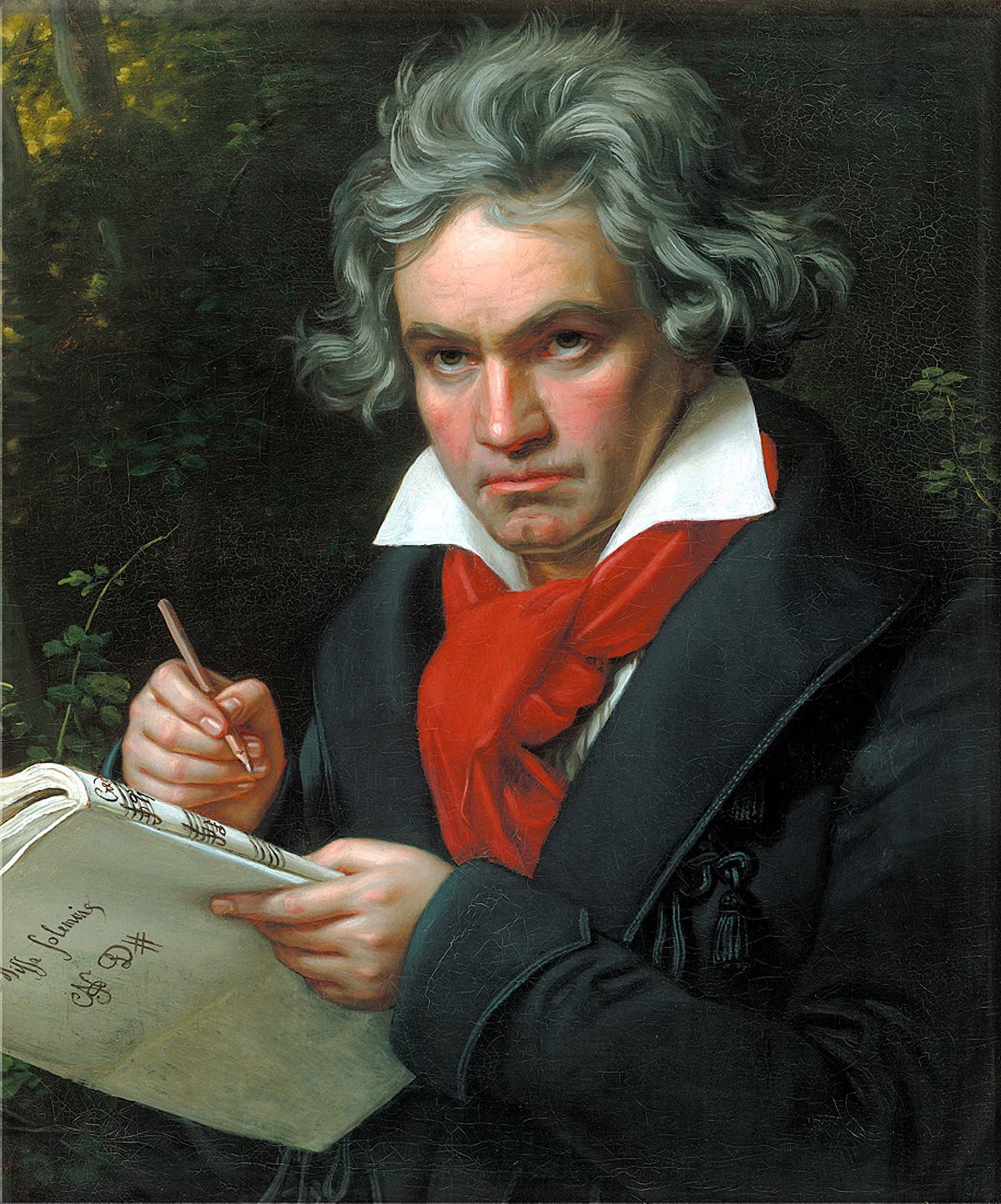
Today, we delve into Beethoven’s Symphony No. 5, a piece that began its journey in 1804 and premiered in December 1808. This symphony, famous for its iconic first four notes, has earned the nickname “Fate Symphony” due to its powerful thematic elements that resonate with the concept of fate knocking at the door. Chapters:00:00 Introduction to Beethoven’s Symphony No. 500:49 Beethoven’s Personal Struggles and Artistic Calling01:20 Musical Themes and Variations in the Symphony02:36 Beethoven’s Innovation in Musical Composition03:33 Listening to Classical Music with Intent04:29 Understanding the Movements as a Developing Story05:23 The First Movement and Its Themes06:33 The Role of the Finale and Instrumentation07:31 The Significance of the Symphony’s Ending08:19 Resources for Deeper Exploration09:25 Engaging with Classical Music in EducationResources Mentioned: Listen to a performance by the Orchestre Révolutionnaire et Romantique, Gardiner on YouTube:Dr. Laura Eidt, Affiliate Assistant Professor Of Modern LanguagesEssay on Symphony Number Five from the Eastman School of Music Get full access to Mrs. Gerth Teaches at mrsgerthteaches.substack.com/subscribe
How Questions Form Intellectual Virtue
Davies Owens asked me to come back on Base Camp Live recently to talk about how parents can ask better questions in conversations with their children. The full episode will launch soon, but here’s a sneak peek. Enjoy! Get full access to Mrs. Gerth Teaches at mrsgerthteaches.substack.com/subscribe
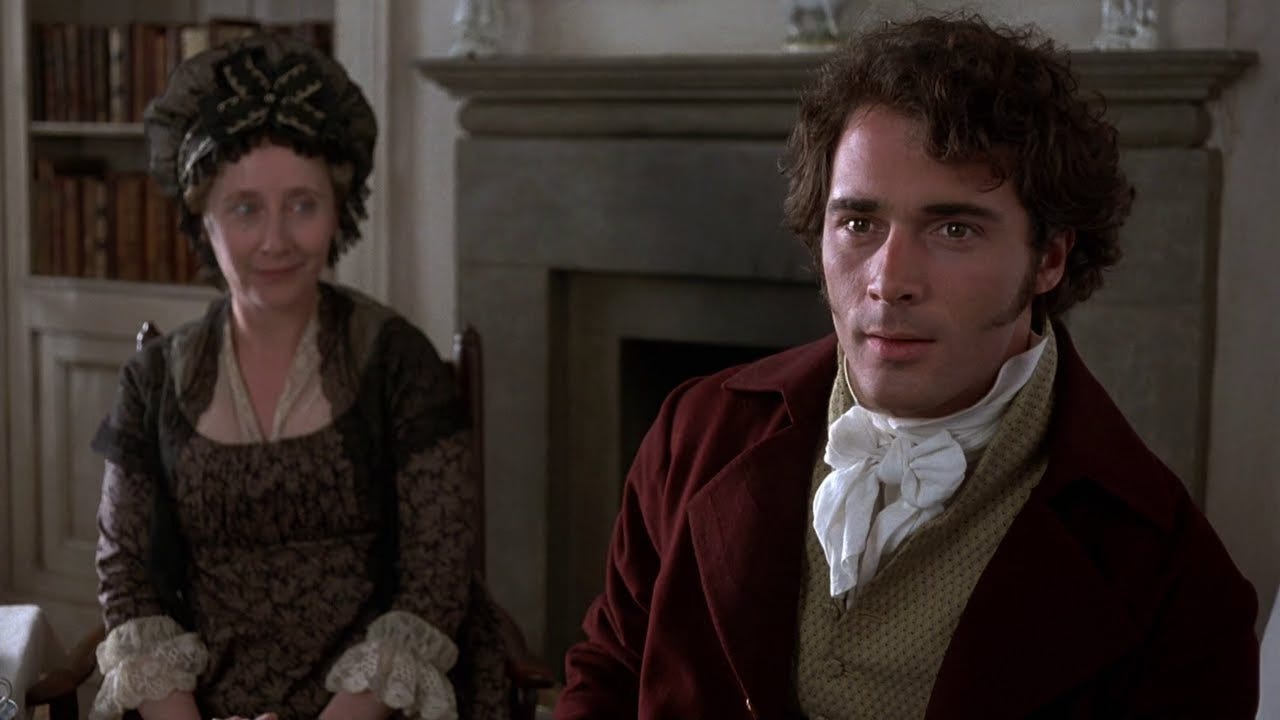
Shakespeare's Sonnet 116
https://www.history.com/this-day-in-history/December-25/washington-crosses-the-delawarehttps://www.mountvernon.org/george-washington/the-revolutionary-war/washingtons-revolutionary-war-battles/the-trenton-princeton-campaign/10-facts-about-washingtons-crossing-of-the-delaware-riverhttps://www.britannica.com/biography/Emanuel-Leutzehttps://youtu.be/1brjwUcz1cA?si=nDHe3PnmxWM4M4SvHis Excellency General Washington by Phillis Wheatleyhttps://poets.org/poem/his-excellency-general-washingtonThe letter which accompanied her poem:https://founders.archives.gov/documents/Washington/03-02-02-0222-0001 Get full access to Mrs. Gerth Teaches at mrsgerthteaches.substack.com/subscribe
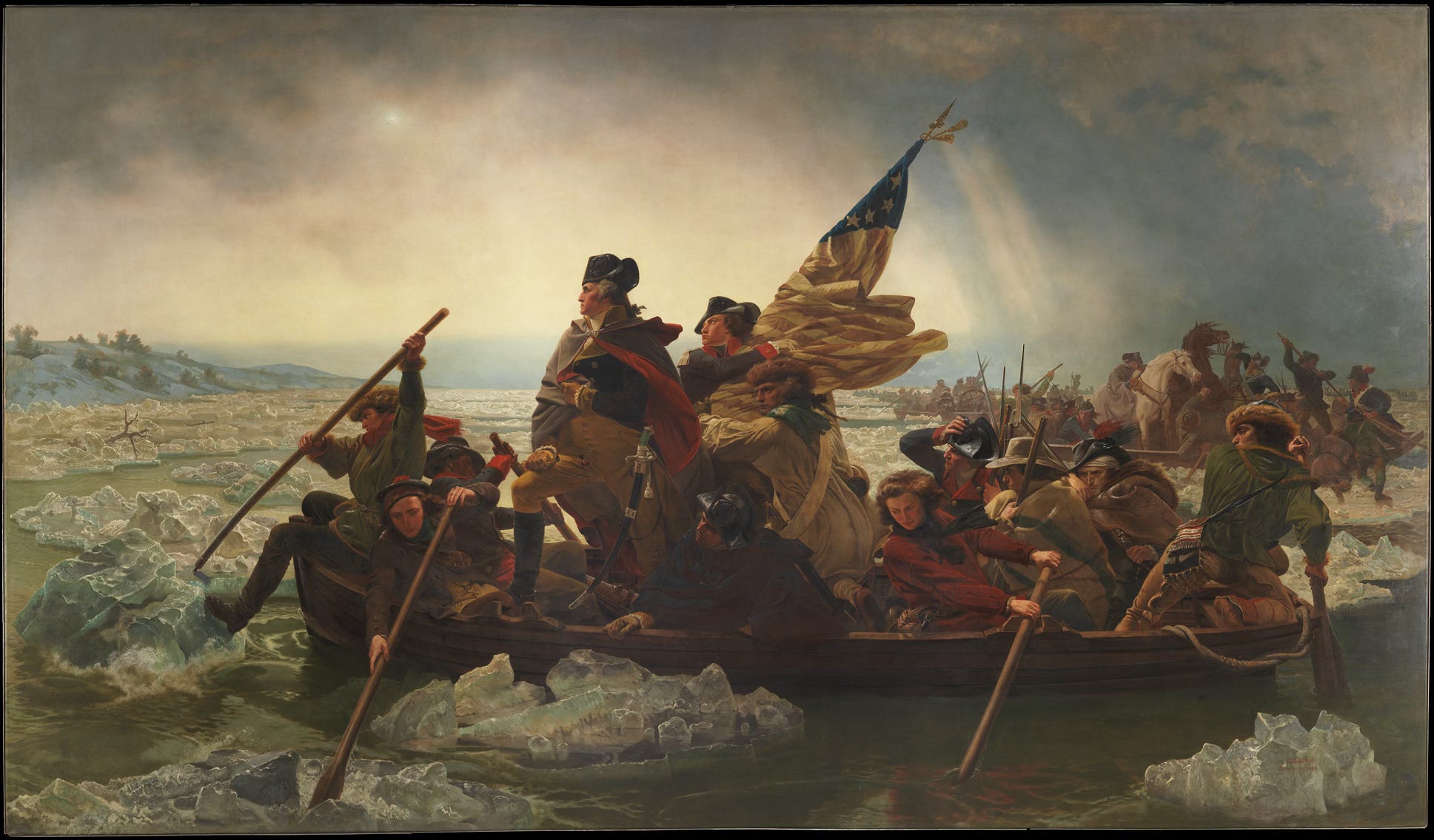
Washington Crossing the Delaware
https://www.history.com/this-day-in-history/December-25/washington-crosses-the-delawarehttps://www.mountvernon.org/george-washington/the-revolutionary-war/washingtons-revolutionary-war-battles/the-trenton-princeton-campaign/10-facts-about-washingtons-crossing-of-the-delaware-riverhttps://www.britannica.com/biography/Emanuel-Leutzehttps://youtu.be/1brjwUcz1cA?si=nDHe3PnmxWM4M4SvHis Excellency General Washington by Phillis Wheatleyhttps://poets.org/poem/his-excellency-general-washingtonThe letter which accompanied her poem:https://founders.archives.gov/documents/Washington/03-02-02-0222-0001 Get full access to Mrs. Gerth Teaches at mrsgerthteaches.substack.com/subscribe
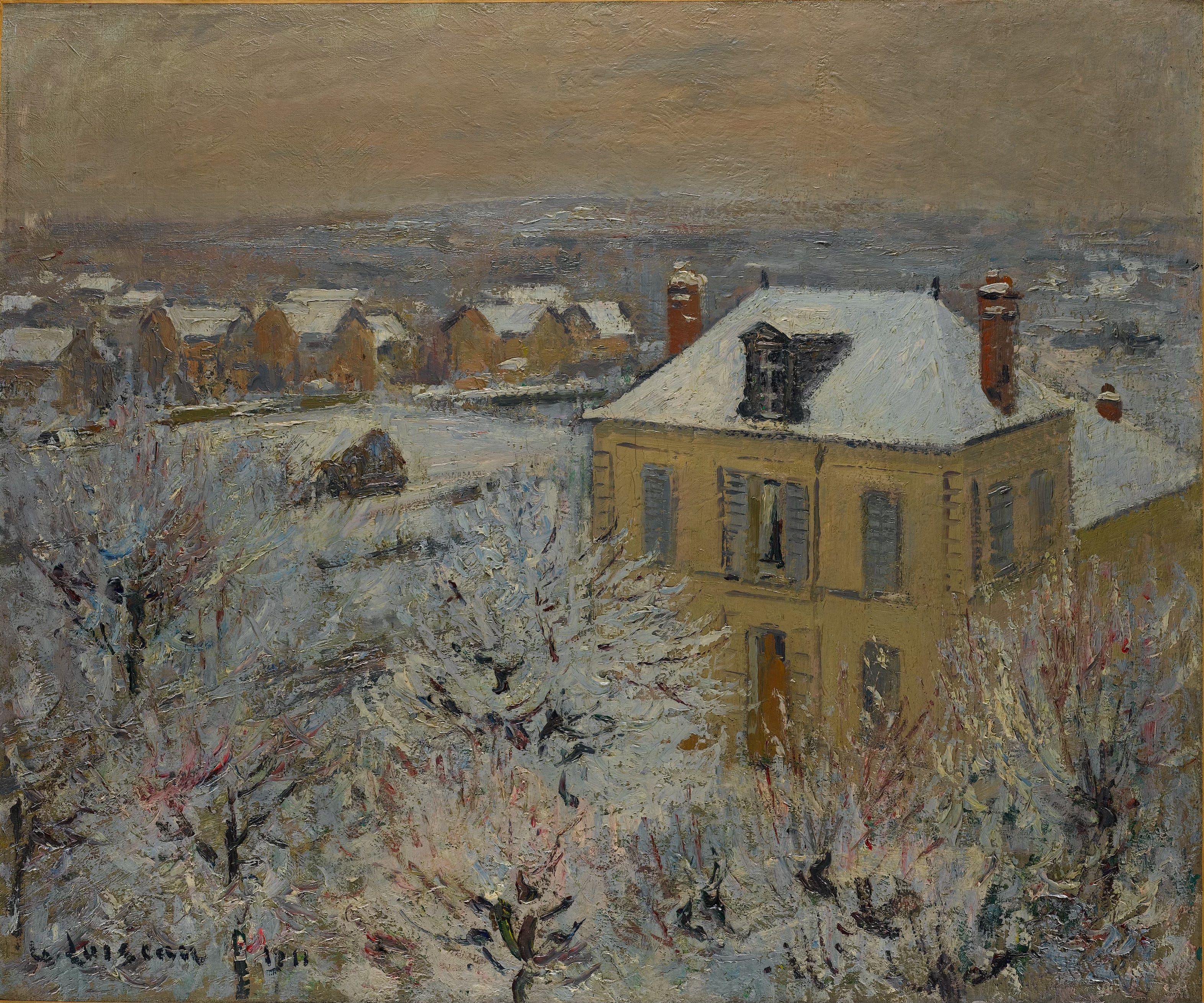
The Darkling Thrush
The Darkling Thrushhttps://www.poetryfoundation.org/poems/44325/the-darkling-thrushBiography on Thomas Hardyhttps://www.poetryfoundation.org/poets/thomas-hardyCritical EssaysSIMPSON, MATT. “MILLENNIAL THOUGHTS — HARDY’S ‘THE DARKLING THRUSH.’” The Thomas Hardy Journal, vol. 15, no. 3, 1999, pp. 80–84. JSTOR, http://www.jstor.org/stable/45274455. Accessed 24 Jan. 2026.SWIER, SUSAN. “‘SOME BLESSED HOPE’: HARDY’S DARKLING THRUSH.” The Hardy Society Journal, vol. 6, no. 1, 2010, pp. 75–81. JSTOR, https://www.jstor.org/stable/48561986. Accessed 24 Jan. 2026. Get full access to Mrs. Gerth Teaches at mrsgerthteaches.substack.com/subscribe
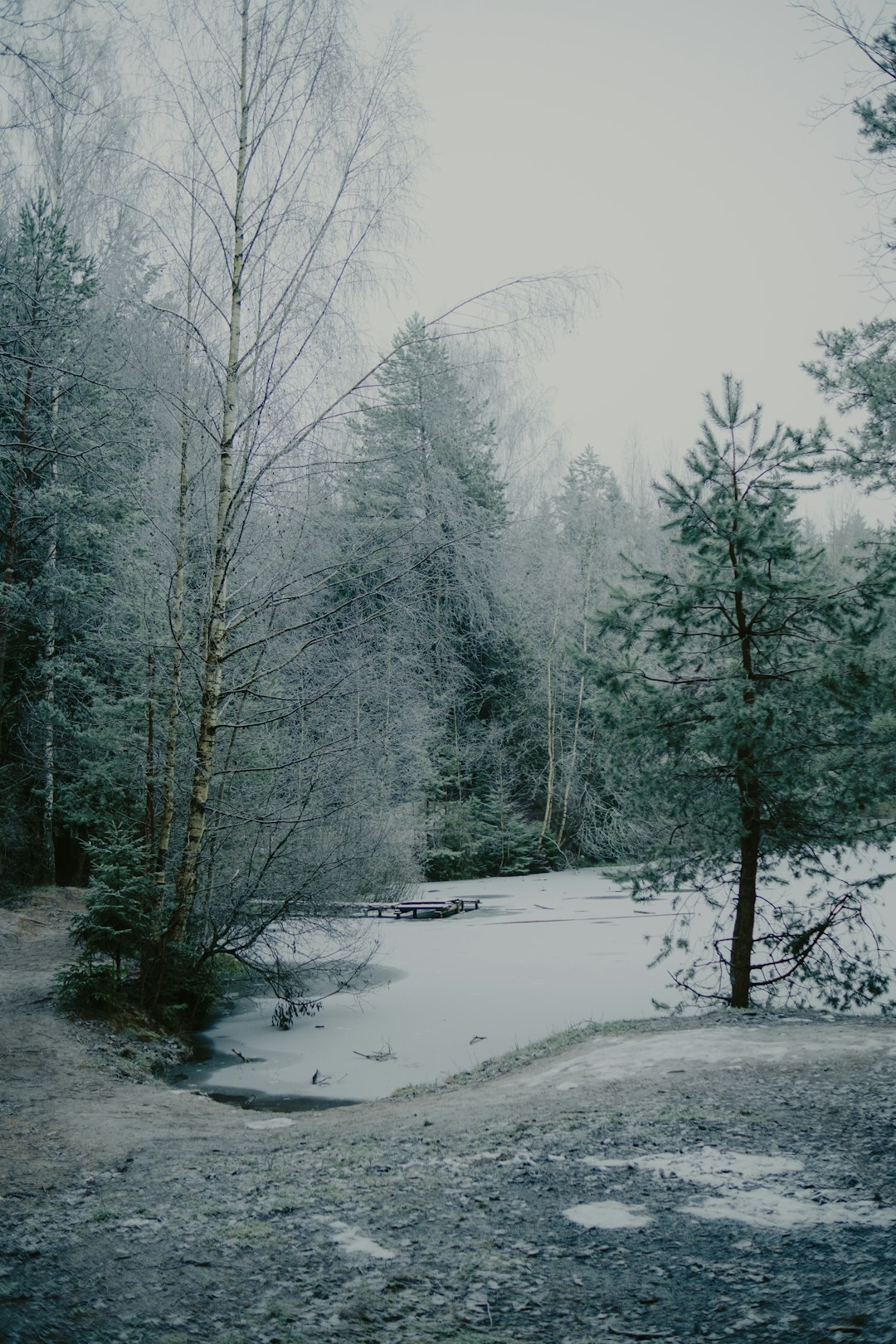
Birches
Today we are looking at the poem Birches, written by Robert Frost. A poem in blank verse that contemplates the loss of youth and the importance of nature to provide perspective when we are “weary of considerations, / and life is too much like a pathless wood.” Information on Robert Frost from Britannica. Critical Essay by George MonteiroRead the poem on Poetry Foundation. Hear Robert Frost read Birches on YouTube. Get full access to Mrs. Gerth Teaches at mrsgerthteaches.substack.com/subscribe
Louise Cowan and our response to literature
I had the privilege of recording a few of Louise’s lectures on tragedy for the Association of Classical Christian Schools earlier this fall. A clip from those courses is linked above. Tonight via Google Meet, Dr. Bainard Cowan and I begin teaching a class on Louise Cowan and Greek Tragedy. We will begin by looking at Louise’s essay in Tragic Abyss and Fergusson’s introduction to Aristotle’s Poetics. We will then go on over the course of four more sessions to hear from Louise on: Prometheus, Agamemnon, Libation Bearers, Eumenides, Oedipus the King, Antigone, Oedipus at Colonus, Medea, Trojan Women, and the Bacchae. (We will be using The Greek Plays.) The reading will clip along at a swift pace—all the better for appropriating and grasping, as Louise encourages below. “Tragedy is primarily an experience, not simply a knowledge—an experience of seeing beyond our daily lives into the impenetrable and unchanging laws that govern existence,” she says. “It is not about good and evil. In it one sees, as Nietzsche has written, beyond good and evil, for none of the laws that govern the universe are evil. But tragedy shows us the way in which these laws, which in and of themselves are good, may be in conflict, so that if this conflict is played out, and not somehow redirected, the human enterprise will be rent from top to bottom, and that destiny to which the human race is called will be harmed…So one of the things we must school ourselves in when we approach Greek tragedy is the temptation to assign blame. We ought not take sides, ought not label a character as wicked, for the grand Greek discovery is of these conflicting goods, as we might call them. We need to school ourselves then to look at all the issues sympathetically” (lecture to DIHC 2003, Cowan Archives). “The task you and I have in reading these tragedies—that come to us from another continent and another epoch, so far away in time and space as to be virtually inaccessible as history—the task is to appropriate them, to grasp them, (and that means to experience them, to approach them with the willing suspension of disbelief and hence not so much to absorb them as to be absorbed) to go on to a few mappings, without, however, thinking that we are getting at the final meaning. Nor, without a lifetime of study as a classical scholar, should we think we are approaching the original meaning (what the Greeks thought of them, or what their significance was in their own culture). As serious readers of literature, as disseminators of the literary tradition, we have no hope of apprehending these Greek dramas except in the light of their universal qualities. It is the miracle of the work of art that it speaks across the ages: that, in fact, we know in principle that we may see more in it than those of the culture out of which it came” (Lecture on the Bacchae, Cowan Archives). Please subscribe to the Cowan Archives Substack for more of Louise’s essays delivered to your inbox. Thanks for reading Mrs. Gerth Teaches! This post is public so feel free to share it. Get full access to Mrs. Gerth Teaches at mrsgerthteaches.substack.com/subscribe
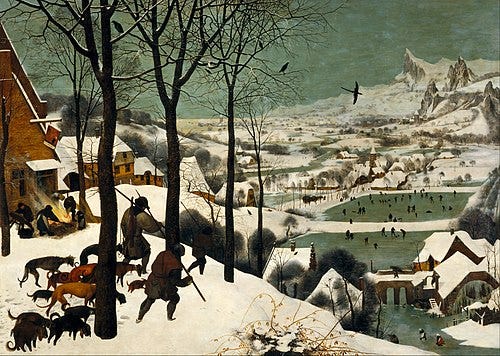
The Hunters in the Snow
Articles about Bruegel: https://www.metmuseum.org/essays/pieter-bruegel-the-elder-ca-1525-1569https://www.britannica.com/biography/Pieter-Bruegel-the-Elderhttps://artsandculture.google.com/asset/hunters-in-the-snow-winter-pieter-bruegel-the-elder/WgFmzFNNN74nUg?hl=enA BBC News Program on Bruegel: https://youtu.be/c5BOzhwaWeM?si=WQ0VxrPb9CozOwFq Get full access to Mrs. Gerth Teaches at mrsgerthteaches.substack.com/subscribe
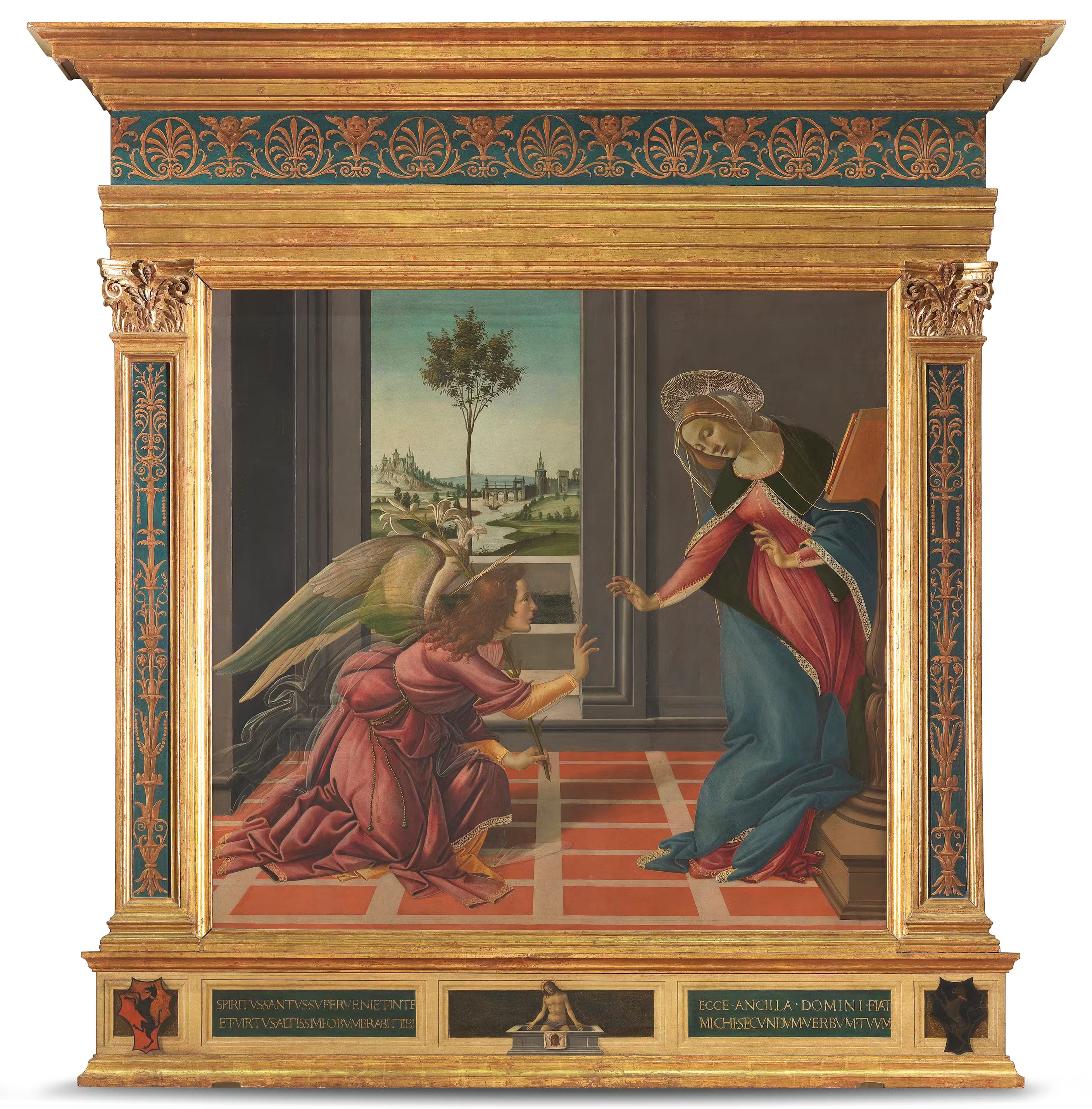
Botticelli's Annunciation
The Poems of Prudentius by Sister Clement EaganOriginal Latin and English TranslationPurchase Sheet Music HereYouTube Videos:https://youtu.be/m9mxDbXNJug?si=isf7pLvtIkC3E7AJhttps://youtu.be/cOF9JLJkPis?si=9Ms0KfKEb_XCV97eArticles on the Hymn:Advent: Of the Father’s Love Begotten by Coty Pinckney History of Hymns by C. Michael HawnMrs. Gerth Teaches SubstackThales College CCEPLouise Cowan on Greek Tragedy Get full access to Mrs. Gerth Teaches at mrsgerthteaches.substack.com/subscribe
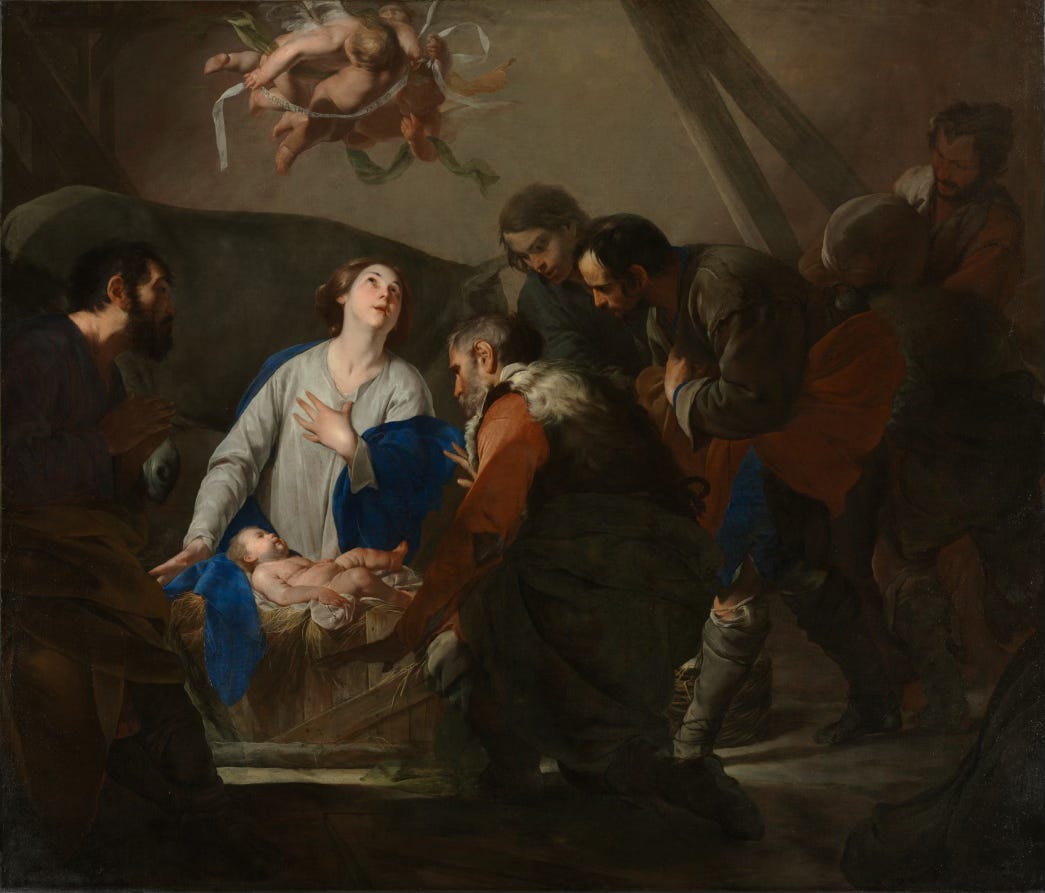
Of the Father's Love Begotten
The Poems of Prudentius by Sister Clement EaganOriginal Latin and English TranslationPurchase Sheet Music HereYouTube Videos:https://youtu.be/m9mxDbXNJug?si=isf7pLvtIkC3E7AJhttps://youtu.be/cOF9JLJkPis?si=9Ms0KfKEb_XCV97eArticles on the Hymn:Advent: Of the Father’s Love Begotten by Coty Pinckney History of Hymns by C. Michael HawnMrs. Gerth Teaches SubstackThales College CCEPLouise Cowan on Greek Tragedy Get full access to Mrs. Gerth Teaches at mrsgerthteaches.substack.com/subscribe
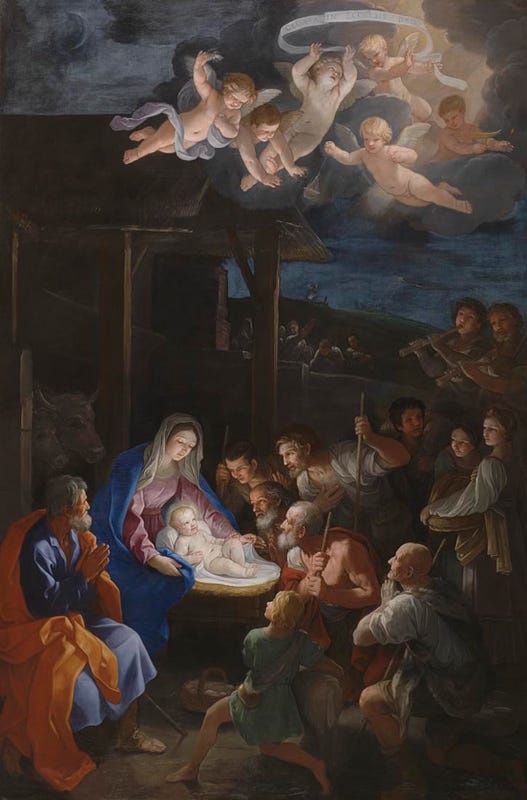
The Christ Child
The NativityLorenzo Monaco (Piero di Giovanni) Italianca. 1406–10https://www.metmuseum.org/art/collection/search/459007Adoration of the ShepherdsGuido Renica. 1642https://www.nationalgallery.org.uk/paintings/guido-reni-the-adoration-of-the-shepherdsThe Holy NightAntonio da Correggioca. 1522 - 1530https://www.the-artinspector.com/post/correggio-the-holy-nightAdvent and Christmas Wisdom from G.K. ChestertonWinter Fire by Ryan Whitaker SmithChrist Child by G.K. ChestertonThe poem set to music Get full access to Mrs. Gerth Teaches at mrsgerthteaches.substack.com/subscribe
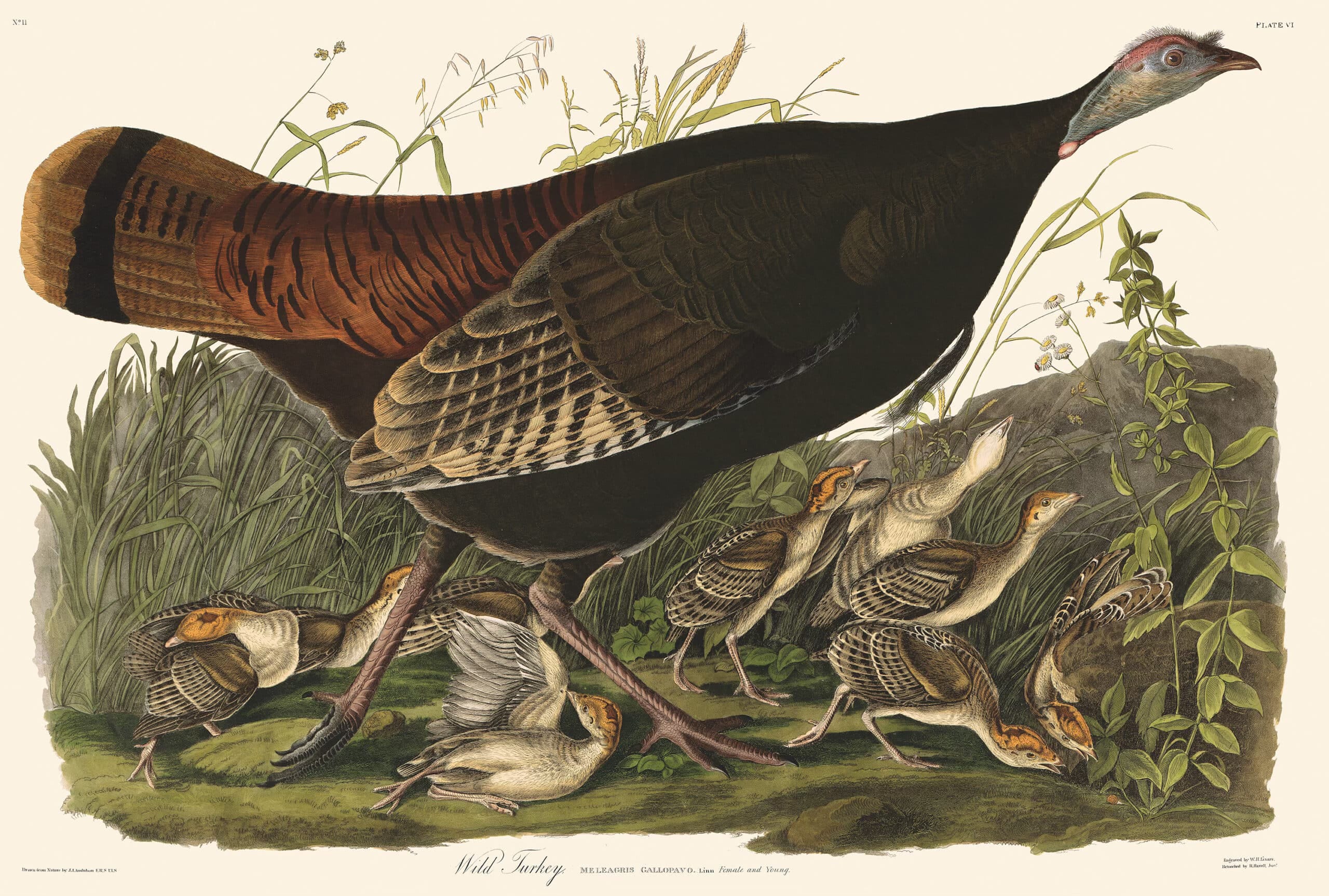
Thanksgiving Prayer
In this episode, we look at a prayer from the 1928 Book of Common Prayer suitable for your Thanksgiving meal this Thursday. I’ve created a Thanksgiving themed notecard featuring this prayer that you can download for free from Teachers Pay Teachers. Print it and share it so that everyone around your table can pray along. Show Notes:Free PDF download of the Thanksgiving Prayer on Teachers Pay TeachersAmazon Affiliate Links to Books Mentioned in Today’s Episode:Every Moment Holy1928 Book of Common PrayerResources Mentioned:Mrs. Gerth Teaches SubstackMrs. Gerth Teaches Teachers Pay TeachersRepairing the RuinsThales College Certificate for Classical Education Philosophy Get full access to Mrs. Gerth Teaches at mrsgerthteaches.substack.com/subscribe
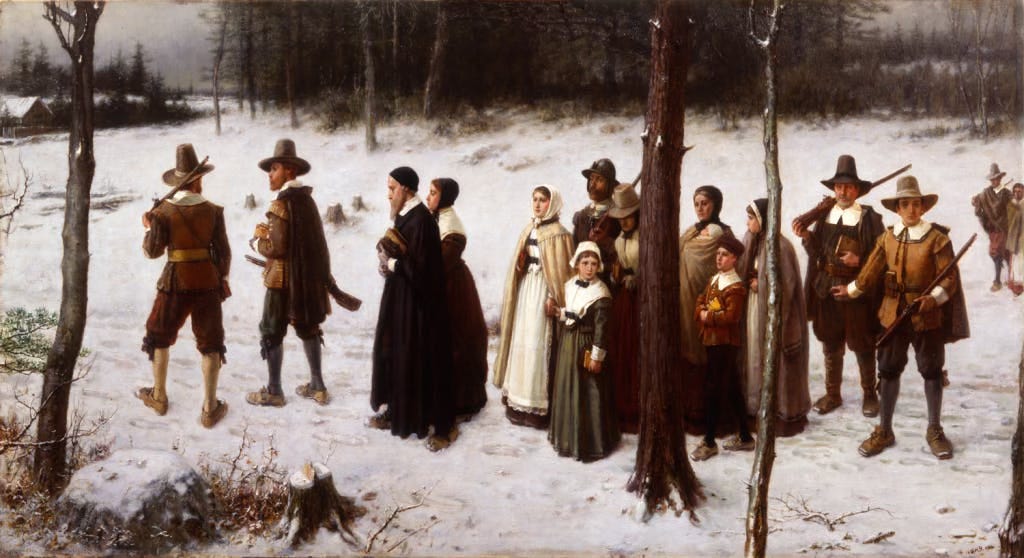
Pilgrims Going to Church
Pilgrims Going to Church - The New York Historicalhttps://www.nyhistory.org/blogs/pilgrims-going-to-church-thanksgiving-and-the-pilgrim-in-public-memoryAmazon Affiliate Links to Books Mentioned in Today’s Episode:The Boy Who Fell Off the Mayflower, or John Howland's Good Fortune by P. J. Lynchhttps://amzn.to/482SRrYThe Thanksgiving Story by Alice Dalglieshhttps://amzn.to/43keTDWThe Pilgrim Fathers by William Henry Bartletthttps://amzn.to/4oRKaHaResources Mentioned:Amanda J. Glesmann’s Scholarly Articlehttp://udspace.udel.edu/handle/19716/27300Mrs. Gerth Teaches Substackhttps://substack.com/@mrsgerthteachesMrs Gerth Teaches Teachers Pay Teachershttps://www.teacherspayteachers.com/store/mrs-gerth-teaches-classicallyRepairing the Ruinshttps://classicalchristian.org/repairing-the-ruins/Thales College Certificate for Classical Education Philosophy https://www.thalescollege.org/academics/philosophy Get full access to Mrs. Gerth Teaches at mrsgerthteaches.substack.com/subscribe
Come, Ye Thankful People, Come
In this episode, we look at a hymn written by Henry Alford in 1844 that would be excellent to sing with your students during the month of November as you discuss the first Thanksgiving feast observed by the Pilgrims, or as you learn about how Thanksgiving became a national holiday in America. Show Notes: https://anglicancompass.com/behind-the-hymn-come-ye-thankful-people-come/https://www.whatsaiththescripture.com/Poetry/Come-Ye-Thankful-People.html Get full access to Mrs. Gerth Teaches at mrsgerthteaches.substack.com/subscribe
Welcome to Cultural Artifacts
“How to see the world truthfully and what to do about that truth does not come to students via assessments or book lists. Instead, it is embodied by adults in authority.”I wrote Thoroughness & Charm because I have a heart for the regular, normal teacher in the average classical school. I want that teacher to feel ennobled and enriched, inspired and encouraged to do this job every day even when it’s hard—even when you can’t read a chapter of “The Horse and His Boy” aloud to your class without crying. Some of that inspiration and encouragement comes from understanding more of the tradition you represent--its noble ideas and Biblical values. What I call getting off the tightrope and finding a wider path to walk on.I hope Cultural Artifacts helps widen the path for you. Here you’ll find a little bit of information for classical educators (including homeschoolers) about lots of good, true, and beautiful things—cultural artifacts from the Western Tradition. Things that could find their way into your classroom liturgies or into your homeschool’s “morning time.” But I also want you to enjoy these moments of glory with me—where we get to explore the intersection of time and timelessness together. Welcome. I’m so glad you’re here. Get full access to Mrs. Gerth Teaches at mrsgerthteaches.substack.com/subscribe
CiRCE National Conference
Last week I spoke at the CiRCE National Conference on Building Classroom Culture. As I was writing Thoroughness & Charm, Charles Taylor’s work on social imaginaries helped me better understand why the routine practices and liturgies of the classroom are so formative. In this clip from my conference talk, I share a quote from his work Modern Social Imaginaries and connect it to James KA Smith’s work You Are What You Love. The full conference audio should be available soon for purchase from CiRCE. Thanks for reading Mrs. Gerth Teaches! Subscribe for free to receive new posts and support my work. Get full access to Mrs. Gerth Teaches at mrsgerthteaches.substack.com/subscribe
How I Help Students Write Better
Most students struggle to keep their entire essay tethered to their thesis. Most parents have little idea how to help. Both student and parent experience frustration. Both know the writing could be better, but aren’t sure how to make it better. When I sit down to help a student one-on-one, I first make sure we have a solid thesis. Then, we work through each evidence paragraph. I look for ways in which the student isn’t completing their thoughts, or isn’t stating their opinion clearly enough. Both of which create ambiguity, which often looks to a teacher like a lack of understanding on behalf of the student. Finally, we work through the introduction and conclusion. Those two parts of the essay require the most eloquence and creativity, which is why they are the hardest for students to write well. Rather than experiencing frustration, please ask for help. Send an email requesting a writer’s workshop anytime. I am able to accommodate most requests with 24 hours notice. The relief students feel when they start to “get it” and the pride they feel when the paper is done bring me great joy. Get full access to Mrs. Gerth Teaches at mrsgerthteaches.substack.com/subscribe