
Conversations
2,140 episodes — Page 6 of 43
QAnon, 15-minute cities and sovereign citizens: Plunging into the world of conspiracy theories
Journalist Ariel Bogle takes us inside the rallies, homes, courtrooms, secret chat rooms and $2000 Byron Bay luxury retreats where Australia’s conspiracy theories spread.Ariel has been investigating conspiracy theories and those who follow them for her new book.When things feel wrong and unfair, sometimes people look for answers in some of the more febrile corners of the internet.Add political fragmentation and the megaphone of the internet to the mix, and many conspiracy theories are fast gaining traction Australia.Some of these beliefs are imported from America; others are home-grown. In researching her book, Ariel met people who believe there are microchips in vaccines, and that the law isn’t real, but QAnon is.She also met those drawn into the cult-like world of sovereign citizens and tried to understand what lured them there in the first place.This episode of Conversations was produced by Alice Moldovan and the Executive Producer is Nicola Harrison.Further information:Conspiracy Nation, co-authored with Cam Wilson is published by Hardie Grant.Listen to David Heilpern's interview with Sarah Kanowski https://www.abc.net.au/listen/programs/conversations/david-heilpern-magistrate-drug-driving-laws-ptsd-justice-system/14103618It explores conspiracy theories, 5G, vaccines, vaccine refusal, traffic fines, QAnon, 15 minute cities, sovereign citizens, pseudo law, legal system, relationships, conferences, podcasters, influential conspiracy theorists, Bill Heffernan, sheeple, Port Arthur, Wieambilla murders, Port Arthur, what pushes people into conspiracy theories, David Heilpern, do conspiracy theorists change their minds, families, fractured families, going no contact, Dezi Freeman, the hunt for Dezi Freeman, sovcit movement, propaganda, powerful cabals, strange conspiracy theories, australian economy, .To binge even more great episodes of the Conversations podcast with Richard Fidler and Sarah Kanowski go the ABC listen app (Australia) or wherever you get your podcasts. There you’ll find hundreds of the best thought-provoking interviews with authors, writers, artists, politicians, psychologists, musicians, and celebrities.
The Hollywood insider and the murder that changed his famous family
Griffin Dunne's acting career was just taking off when his sister was brutally attacked by an ex-boyfriend, and the outcome of the infamous murder trial that followed was devastating for his family.As a child his parents threw legendary parties, including one where Sean Connery saved him from drowning in the family pool in Beverly Hills and when he was a teenager, he hung out with famous actors and directors at his aunty's place, the legendary writer Joan Didion.Then as a struggling actor in his 20s, he shared a Manhattan apartment with his best friend, the actress Carrie Fisher.And Griffin went on to achieve his own success, including a starring role in the cult horror film An American Werewolf in London.But after the murder of his younger sister Dominique, Griffin lost interest in his acting career.And his father Dominick Dunne who wrote about his daughter's trial for Vanity Fair, went on to cover other high profile murder cases for the magazine, including the Menendez Brothers and OJ Simpson.Griffin's memoir is called The Friday Afternoon ClubThis episode of Conversations explores Hollywood history, family, memoir, fame, domestic abuse, murder, legal system, relationships, acting, producing, New York City, alcohol abuse, writing, divorce, homosexuality, writers, directors, horror films.To binge even more great episodes of the Conversations podcast with Richard Fidler and Sarah Kanowski go the ABC listen app (Australia) or wherever you get your podcasts. There you’ll find hundreds of the best thought-provoking interviews with authors, writers, artists, politicians, psychologists, musicians, and celebrities.
Encore: Ben Lee, the chutzpah mystic, Bondi rock prodigy, Noise Addict
Ben Lee on life as a teen rock prodigy, Hollywood fame, living in an Ashram in India, and exploring his subconscious through ayahuasca, a hallucinogenic from the Amazon (R).Ben Lee grew up in Bondi in the 1980s when it was a place of bikie gangs, Yiddish-speaking grandmas and tribes of kids living next to one of the world's most beautiful beaches. He was educated at a local Jewish school where he confounded his Rabbi by asking some surprising questions about Moses.Ben was always a seeker, and even as a boy, he also possessed a whole lot of chutzpah.At the age of 14 he saw Nirvana play at the Big Day Out. The next day he started his own band and just two years later Ben was flying to America to support Sonic Youth.After many wild years, Ben emerged with a crucial realisation about his life story. He is now living back in Australia with his wife Ione and their teenage daughter.This episode of Conversations was produced by Nicola Harrison and the Executive Producer was Carmel Rooney.It explores music, songwriting, drugs, drug taking, ayahuasca, what does ayahuasca feel like, ecstasy, do drugs change your brain, your brain on drugs, your subconscious mind, Claire Danes, how to be famous, what it feels like to be famous, mental health, identity crisis, seasons of life, rock star wife, rock star husband, Evan Dando, Evan Dando drug addiction, Lemonheads, ego, big ego, tall poppy syndrome, catch my disease, gamble everything for love, fame, rock music, singing, Bondi, Noise Addict, Sonic Youth, alternative spirituality, Judaism, Australian music, celebrity, Ione Skye.To binge even more great episodes of the Conversations podcast with Richard Fidler and Sarah Kanowski go the ABC listen app (Australia) or wherever you get your podcasts. There you’ll find hundreds of the best thought-provoking interviews with authors, writers, artists, politicians, psychologists, musicians, and celebrities.
How a heroine of Singapore survived jail and torture in WWII
Historian Tom Trumble tells the story of the cunning World War II Australian sabotage mission known as Operation Jaywick, and how two survivors outsmarted the Imperial Japanese Army police, the Kempeh Tai.Deep in the years of World War II, Australian commandos in the Pacific theatre executed a cunning plan to sneak up on Japanese warships in the occupied Singapore Harbour.They managed to get away with an incredible operation, but in doing so, triggered intense paranoia and embarrassment for Japan.The Japanese were furious, and were convinced Chinese-Singaporeans were behind this humiliating setback.They enacted a terrifying regime of massacres, arrests and torture.Japanese authorities suspected Elizabeth Choy and Robert Heatlie Scott were involved with the sabotage, and the two paid dearly for that assumption during their time in prison.Further informationSurvival in Singapore: The triumph and tragedy of Australia's greatest commando operation is published by Penguin Random House.This episode was produced by Alice Moldovan, Conversations' Executive Producer is Nicola Harrison. It explores Changi, Changi Prison, smuggling money, the double tenth incident, sook ching massacre, fall of Singapore, WWII, military history, WWII history, fishing vessel, sabotage, commando operation, Australian commandos, Ivan Lyon, SOE, Special Operations Executive, revenge, Sumida Haruzo and spies.To binge even more great episodes of the Conversations podcast with Richard Fidler and Sarah Kanowski go the ABC listen app (Australia) or wherever you get your podcasts. There you’ll find hundreds of the best thought-provoking interviews with authors, writers, artists, politicians, psychologists, musicians, and celebrities.
The unlikely outback publican of the 'Taj Mahal of the Warrego’
Fran Harding was a stay-at-home mother of eight children when her pharmacist husband came home one night with the news that the family were moving to Charleville in Western Queensland to run a pub.Gordan had spontaneously leased a pub, and Fran was to be its new publican.So, with their kids in tow (including a little baby), they set off.Fran set up her sewing machine behind the bar and did her best to work out how to pull beers, understand what the locals were saying and keep tabs on her brood.Then Fran’s husband fell in love with the pub across the street – the once grand hotel, The Corones.The Harding family moved in, learning about its history as ‘The Taj Mahal of the Warrego’ and doing their best to return the pub to its former glory.Fran has published two books about her life and about the Corones Hotel, called The Accidental Australians and The Accidental Publican.This episode of Conversations was produced by Meggie Morris. Executive Producer is Nicola Harrison.It explores Australian history, stories, outback, the bush, Queensland, Quilpie, Migration, Great Australians, 1990 flood, recovering after natural disasters, social history, outback characters, hospitality, running a business, big families, motherhood, historic hotels, writing, books, memoir, Greek-Australians, small town Australia, working mothers, how to run a pub, renovating historic buildings, Harry Corones, Kythira, Poppa, Greece, Mediterranean Islands, Greek Orthodox, Greek diaspora, Australian pioneers.To binge even more great episodes of the Conversations podcast with Richard Fidler and Sarah Kanowski go the ABC listen app (Australia) or wherever you get your podcasts. There you’ll find hundreds of the best thought-provoking interviews with authors, writers, artists, politicians, psychologists, musicians, and celebrities.
Journeying to the Hadal Zone in a two-man submarine
Dr Todd Bond is marine ecologist who goes where very few humans have ever been: the underworld, or the deep ocean. There, he studies the strange, scary and often cute creatures who call the deepest parts of our oceans home.This part of the ocean starts at 6000 metres deep, and is known as the 'Hadal Zone'.Todd travels there in a small titanium submersible, not much bigger than his own 6'4'' frame.Waiting there for Todd, in the inky darkness, is mysterious and magic, and is still largely unexplored by humans.And when he can't get there himself, Todd sends cameras down to poke around these trenches and caverns.Dr Todd Bond is the Deputy Director of the Minderoo-UWA Deep-Sea Research Centre at The University of Western Australia. You can read more about what the centre does online.This episode of Conversations was produced by Meggie Morris. Executive Producer is Nicola Harrison.It explores fish, marine biology, marine science, Twiggy Forrest, deep sea, space, exploration, human curiosity, why fish matter, bio-medicine, submarines, OceanGate, Titan submersible implosion, James Cameron, Anglar Fish, snail fish, UWA, university, PhD, doctorate, how to study fish, why we study fish, Mariana Trench, Christmas Island, Java Trench, puffer fish, Antarctica, marine park, conservation, off-shore mining, manganese mining, deep sea mining, ethical science.To binge even more great episodes of the Conversations podcast with Richard Fidler and Sarah Kanowski go the ABC listen app (Australia) or wherever you get your podcasts. There you’ll find hundreds of the best thought-provoking interviews with authors, writers, artists, politicians, psychologists, musicians, and celebrities.
Remembering Dr Jane Goodall's science and her humanity
Jane Goodall, the renowned conservationist and pioneer of groundbreaking chimpanzee field research, has died of natural causes at the age of 91.Jane lived an utterly remarkable life, and her discoveries revolutionised science.She was only 26 years old when she first visited Tanzania to begin her research on chimpanzees in the wildBefore Jane went to Africa we knew very little about chimpanzees, despite the fact that they're our closest cousins.It's only because of Jane’s research and observations that we now know they sometimes eat meat, they make tools, they laugh, they are curious about the world around them, they love, they mourn, and sometimes, they are capable of spectacular violence.You can read more about The Jane Goodall Institute online.Read more about Jane's remarkable life at the ABC News website.This episode of Conversations explores zoology, biology, evolution, Africa, exploration, conservation, chimpanzees, apes, monkeys, Kenya, Tanzania, David Attenborough, Dame Jane, mother earth, protecting our environment, habitats, UN Messenger of Peace, raising awareness, threats to wildlife, sustainable relationship between people, animals and the natural world, celebrity death.To binge even more great episodes of the Conversations podcast with Richard Fidler and Sarah Kanowski go the ABC listen app (Australia) or wherever you get your podcasts. There you’ll find hundreds of the best thought-provoking interviews with authors, writers, artists, politicians, psychologists, musicians, and celebrities.
Why you should empower your children to know their human rights
Lawyer Paula Gerber on the human rights of the most endangered group of people in any community - its children. They are open to the most predatory forms of exploitation simply because they don't have the worldliness of adults, and must rely on trust and goodwill. When Paula Gerber was growing up in suburban Brisbane, she didn’t spend her weekends at the pool or playing cricket with her dad.Quality time with her father meant visiting his clients with him in the local jail or mental institution.Her dad was a criminal lawyer, and Paula tagged along to many of his meetings watching him empathise with people, coming up with defences that worked, sometimes because his client were innocent, and sometimes because he knew the law like the back of his hand, and could do some creative arguing around technicalities.Paula wanted nothing else but to follow in the footsteps of her father.She began her career in construction law, but after a motorbike accident, she needed a change, and turned her thoughts to how to help more people with her law degree.Paula began to specialise in human rights, specifically the rights of children.Sex, Gender & Identity: Trans Rights in Australia is published by Monash University Publishing.This episode of Conversations was produced by Meggie Morris. Executive Producer is Nicola Harrison.It explores childhood trauma, abuse, child protection services, juvenile justice, the age of criminal responsibility, the queer community, growing up gay, lesbians, construction law, Multiplex, property development, women in male dominated fields, writing, books, the law, the legal system, courts, barrister, criminal law, the UN Convention on the Rights of Children, human rights abuses, discrimination, parenting.To binge even more great episodes of the Conversations podcast with Richard Fidler and Sarah Kanowski go the ABC listen app (Australia) or wherever you get your podcasts. There you’ll find hundreds of the best thought-provoking interviews with authors, writers, artists, politicians, psychologists, musicians, and celebrities.
The Wiggles, Red Nose Day and baby Bernadette
Musician Paul Field on grieving the death of his baby girl, Bernadette, and how she inspired his family band, The Wiggles, to bring joy into the lives of millions of children. CW: This episode of Conversations discusses the death of a child.Paul Field was on tour in Queensland with his band, the Cockroaches, when he received a call that would alter his life forever.His 7-month-old baby daughter, Bernadette, had unexpectedly died of Sudden Infant Death Syndrome (SIDS).Paul and his wife, Pauline, had never imagined they would one day plan a funeral for their baby, but that's what they had to do.Surrounded by their close-knit families and with support from mental health professionals, Paul and Pauline grieved differently but together, realising that fully reckoning with the their tragic loss was the only way they could move forward for their eldest son, Luke, and for the three more children to come. Today, Paul loves finding any opportunity to talk about Bernadette, his gentle, joyful baby girl.In fact, Bernadette, changed the course of Paul's next family project: The Wiggles -- a band that has connected with millions of children for the last 30 years.Help and support is always available. You can call or text Lifeline 24 hours a day, 7 days a week.Read more about research into SIDS, and find out more about counselling services available to parents who have lost a child at the Red Nose website.This episode of Conversations was produced by Meggie Morris. Executive Producer is Nicola Harrison.It explores unexplained death of a child, how to cope with losing a child, loss, Red Nose Day, Sids for Kids, grief, marriage, love, relationships, music, family bands, big families, Irish Catholic families, Sydney in the 1980s, pub rock, skivvies, Anthony Field, Emma Watkins, Dorothy the Dinosaur, Greg Page, Jeff Fatt, Wake up Jeff, Lachlan Gillespie, Simon Pryce, Tsehay Hawkins, Evie Ferris, John Pearce, Caterina Mete, Lucia Field, big red car, police corruption, NSW police, royal commission, Sydney gangs, drugs, substance abuse.To binge even more great episodes of the Conversations podcast with Richard Fidler and Sarah Kanowski go the ABC listen app (Australia) or wherever you get your podcasts. There you’ll find hundreds of the best thought-provoking interviews with authors, writers, artists, politicians, psychologists, musicians, and celebrities.
When my parachute failed: How I survived a fall from 15,000 feet
When Brad Guy went skydiving in his early 20s, his whole family was there to watch. But when Brad jumped out of the plane strapped to his instructor, the parachute, and the backup chute both failed to open. The pair plunged to the ground at 80km an hour, and miraculously both survived. The fall was terrifying, but recovery is what scared Brad the most.Despite hitting the ground at around 80kmph, they both survived, but from the first night in hospital Brad started experiencing debilitating night terrors. Then back at home with his parents for the first four months, Brad sunk into a deep depression and was barely able to leave his room. It was the start of physical and emotional recovery that took years and changed Brad and his family forever.This episode of Conversations was produced by Jen Leake. Executive Producer is Nicola Harrison.It explores physical injury, skydiving, fear, family, PTSD, nightmare disorder, shame, guilt, trauma, mental breakdown, sexuality, psychology, medication, family history, generational trauma.To binge even more great episodes of the Conversations podcast with Richard Fidler and Sarah Kanowski go the ABC listen app (Australia) or wherever you get your podcasts. There you’ll find hundreds of the best thought-provoking interviews with authors, writers, artists, politicians, psychologists, musicians, and celebrities.
Encore: Psychotherapist Philippa Perry says yes to feelings
Phillipa Perry grew in England and as a teenager went to a finishing school in Switzerland where she learnt to ski and speak in a posh accent. But instead of joining the aristocracy she worked as debt collector, a manager at McDonalds and eventually a psychotherapist.Later she married the celebrated artist Grayson Perry, who is famous for his cross-dressing.Philippa says the key to raising children is acknowledging feelings – the good, the bad, and the ugly.Her best selling parenting book The Book You Wish Your Parents Had Read is published by Penguin.Her latest book The Book You Want Everyone You Love To Read (and maybe a few you don't) is also published by Penguin.This episode of Conversations was produced by Nicola Harrison. Executive Producer was Carmel Rooney.It explores psychotherapy, parenting, emotions, family, love, queer identity, Grayson Perry, anger, sadness, children, writing.To binge even more great episodes of the Conversations podcast with Richard Fidler and Sarah Kanowski go the ABC listen app (Australia) or wherever you get your podcasts. There you’ll find hundreds of the best thought-provoking interviews with authors, writers, artists, politicians, psychologists, musicians, and celebrities.
What caring for the dying taught Bronnie Ware about living
Bronnie Ware was recovering from burnout when she wrote a blog post reflecting on years working as a palliative carer and the epiphanies patients shared with her as they faced death. It was read by millions and became the basis of her best-selling book, The Top 5 Regrets of the Dying.And the lessons Bronnie learnt from her dying patients also helped her confront some darker elements of her childhood and eventually find peace.The book has become a touchstone for many people all over the world, including influential thinkers like Dr Gabor Mate and Dr Rangan Chaterjee.Bronnie's wildlife vlog can be found on her website bronnieware.comThis episode of Conversations was produced by Jen Leake. Executive Producer is Nicola Harrison.It explores death, dying, palliative care, family, regrets, nature, depression, chronic illness, carer work, Bronnie Ware, The Top 5 Regrets of the Dying, writing, forgiveness, wildlife, spirituality, memory, meditation.To binge even more great episodes of the Conversations podcast with Richard Fidler and Sarah Kanowski go the ABC listen app (Australia) or wherever you get your podcasts. There you’ll find hundreds of the best thought-provoking interviews with authors, writers, artists, politicians, psychologists, musicians, and celebrities.
My father Bryce Courtenay: the charming, charismatic, compulsive liar
To Australia he was a genius adman and best-selling author but behind closed doors Bryce Courtenay was a deeply flawed husband and father. His son, Adam, has tried to make sense of the lies, the ego and the heartbreak.When Adam Courtenay was growing up, he saw his dad Bryce as a hero.Bryce worked in advertising so he knew all the latest, coolest trends, and at bedtime, Bryce told Adam and his brothers amazing stories about his life in South Africa and the Courtenay family’s noble origins.When Bryce went from adman to wildly successful writer with his debut novel, The Power of One, Adam couldn’t have been prouder.As Adam grew older, he became aware of the gaps in the stories his father told so well, and realised just how many lies Bryce had told his family and the nation.At first, Adam tried to ignore the fables and fibs - he wanted badly to believe them because they made Bryce's storytelling so powerful.But when Adam became a writer himself, an author of historical books and a journalist, he needed to champion the truth above all else.Further informationMy Father Bryce is published by Hachette.This episode of Conversations explores novels, writing, advertising, Australiana, Australian books, memoir, father son relationships, big egos, Australian voices, Tandia, The Night Country, Whitethorn, The Potato Factory, Tommo & Hawk, Solomon's Song, Nick Duncan Saga, The Persimmon Tree, Fishing for Stars, The Milky Bar Kid, knowing your parents, marriage, fatherhood, journalism, betrayal, cancer, divorce, affairs, infidelity, public personas, modern history, literature.To binge even more great episodes of the Conversations podcast with Richard Fidler and Sarah Kanowski go the ABC listen app (Australia) or wherever you get your podcasts. There you’ll find hundreds of the best thought-provoking interviews with authors, writers, artists, politicians, psychologists, musicians, and celebrities.
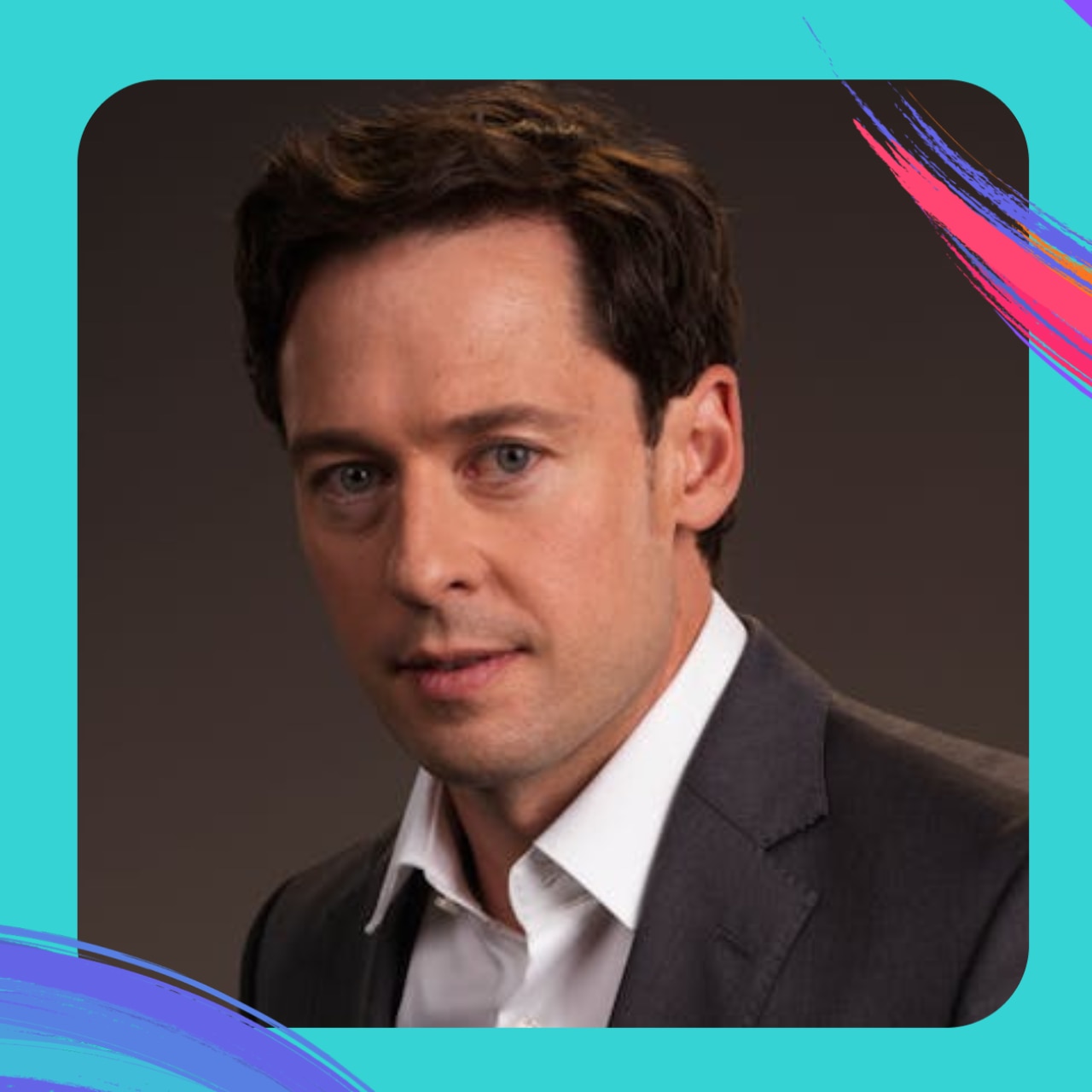
How this journalist took on a war criminal and won
In 2017, journalist Nick McKenzie heard rumours of executions and cover-ups inside Australia’s most elite military unit. For the next eight years, Nick waged an epic battle for the truth to be acknowledged about Ben Roberts-Smith VC.Along with his colleague Chris Masters, Nick began an investigation which hinged on Australia’s most famous, and most decorated living soldier, Ben Roberts-Smith, who served in the Special Air Service Regiment (SAS) from 2003 - 2013.By following the story, they were plunged into the defamation trial of the century.His fight examined evidence of bullying, intimidation, war crimes and murder, and took him across Australia and to Afghanistan.As he unearthed secrets Ben Roberts-Smith had thought he'd long ago buried, Nick had to deal with death threats, and powerful forces intent on destroying his career.He also witnessed attempts to silence brave SAS soldiers, who had witnessed their famous comrade commit unspeakable acts.For years Nick waged an epic battle for the truth to be acknowledged.Earlier this year, Ben Roberts-Smith lost an appeal against a defamation judgement, which found he committed war crimes.Further informationCrossing the Line is published by Hachette.This episode of Conversations was produced by Meggie Morris. Executive Producer is Nicola Harrison.It explores war, Afghanistan, the SAS, war crimes, allegations of war crimes, legal history, Australia's military history, Andrew Hastie, ADF, Iraq, Nine, Fairfax, Kerry Stokes, Seven, Media, Anthony Besanko, Brereton Report, AFP, Federal Police, phone tapping, Mick Keelty, Federal Court, truth defence, David Wroe, peer pressure, military life, camaraderie, life at war, civil versus criminal court.To binge even more great episodes of the Conversations podcast with Richard Fidler and Sarah Kanowski go the ABC listen app (Australia) or wherever you get your podcasts. There you’ll find hundreds of the best thought-provoking interviews with authors, writers, artists, politicians, psychologists, musicians, and celebrities.
Encore: Paralympian Christie Dawes is super/normal
Christie took up wheelchair racing as a child as part of her rehab after a car crash left her with paraplegia. Sometimes dangerous and always thrilling, the sport helped to restore her sense of self and Christie went on to compete in seven Paralympic Games.But she almost gave up one of her events, the marathon, after a terrifying experience in Boston in 2013. Christie manages to split her time training for races, holding down several jobs, and raising her family.Further informationIf you need someone to talk to, help and support is always availableLifeline on 13 11 14Suicide Call Back Service on 1300 659 467Beyond Blue on 1300 22 46 36Headspace on 1800 650 890This episode was produced by Michelle Ransom Hughes and the Executive Producer was Carmel Rooney.This episode of Conversations touches on suicide, Paralympic Games, terrorism, disability, family, wheelchair marathon, wheelchair racing, positivity, sport, women, alcohol, equal rights.To binge even more great episodes of the Conversations podcast with Richard Fidler and Sarah Kanowski go the ABC listen app (Australia) or wherever you get your podcasts. There you’ll find hundreds of the best thought-provoking interviews with authors, writers, artists, politicians, psychologists, musicians, and celebrities.
How I went from being a pregnant, homeless teenager to running a BHP mining merger
Claire Parkinson is the daughter of a long-distance lorry driver and her first job was cleaning the urinals at her local Suffolk factory. A stint as a prison officer set her up with stability and responsibility, then she was assigned to protect a notorious murderer. Content warning: this episode contains strong language.As a child, Claire was the apple of her father’s eye and when she got pregnant unexpectedly while a teenager, he could not speak to her at all and the two fell out.Claire became homeless for a time, then tried to adjust to life with her new baby boy.Eventually she got a job as a prison officer at Highpoint Prison, where she was assigned to look after the child murderer, Myra Hindley.Prison taught Claire many lessons, ones she was forced to lean on in a move halfway around the world, and a new career in mining in Australia, bringing her back to her dad. This episode of Conversations was produced by Alice Moldovan. The Executive Producer is Nicola Harrison. This episode of Conversations touches on bhp job cuts queensland coal mining, virgin australia breastfeeding, childcare, crime, counter terrorism, George Michael, LinkedIn, positivity, growth mindset, family dynamics, origin story, hard work, jail, prison officer, corrective services, corrections, mortgage interest rates, and being a single mum.To binge even more great episodes of the Conversations podcast with Richard Fidler and Sarah Kanowski go the ABC listen app (Australia) or wherever you get your podcasts. There you’ll find hundreds of the best thought-provoking interviews with authors, writers, artists, politicians, psychologists, musicians, and celebrities.
265 days alone at sea — the young boat builder who rowed across the Pacific
Tom Robinson was a 14-year-old living in the Brisbane suburbs when he made a promise to himself to become the youngest person ever to row across the Pacific Ocean. Nine years later Tom set off from Peru bound for Australia without a support crew and limited communication.Tom navigated by the stars, made eye contact with a shark and rowed up to 15 hours a day when strong currents pushed him off course.And when his adventure ended, it was in a completely unexpected by perfect way.Read more about Tom at his website: https://www.tomrobinsonboats.com/This episode of Conversations was produced by Jen Leake. Executive producer is Nicola Harrison.It explores solo adventure, rowing the Pacific Ocean, boat building, remote Pacific Island communities, family, rescue, bad weather, world records, isolation, fear, survival, adventure, near death, volcanic islands, marine life, weather, storms, storms at sea, naked, rescue, teenage adventurer, and getting off your phone.To binge even more great episodes of the Conversations podcast with Richard Fidler and Sarah Kanowski go the ABC listen app (Australia) or wherever you get your podcasts. There you’ll find hundreds of the best thought-provoking interviews with authors, writers, artists, politicians, psychologists, musicians, and celebrities
The secret lives of diplomats: surviving 'bomb season' in Jakarta
Diplomat Grant Dooley was inside the Australian Embassy building in Indonesia when a bomb went off, killing several people. This was just the beginning of a series of devastating events that Grant had to come to terms with years after moving back home to Australia.In 2004, Grant Dooley and his wife, Kristan, moved to Jakarta with their two young children to start a three-year posting at the Australian Embassy.In September of that year, Grant arrived at the embassy complex for a brief visit. Not long after he entered the building, a bomb went off outside, which partially destroyed the building and killed many people.The Australian Embassy had been the target of an attack plotted by Jemaah Islamiah, a terrorist group with links to al-Qaeda.Little did Grant know that he and his family had arrived in Indonesia in the middle of a horror show of bombings, natural disasters, and geopolitical tensions, which would not end for the next several years.The embassy bombing was followed by the Boxing Day Tsunami, a second Bali bombing, the Garuda plane crash in Yogyakarta and more.Not only was Grant a witness to these events, he was also a first responder to some of them.Further informationBomb Season In Jakarta is published by Affirm Press.This episode of Conversations was produced by Meggie Morris; executive producer is Nicola Harrison.It explores terrorism, diplomacy, expats, Bali bombings, Sumatra, earthquake, tsunami, Schapelle Corby, Bali 9, drug smuggling, banged up abroad, how to become a diplomat, the real life of diplomats, PTSD, post traumatic stress, Jemaah Islamiyah, jihadist organisation, al-Qaeda, Paddy's pub, Sari Club, Aceh, John Howard, Alexander Downer, Kevin Rudd, Prabowo Subianto, Megawati Sukarnoputri, Susilo Bambang Yudhoyono, Joko Widodo, foreign affairs, books, writing, memoir, modern history, Abu Bakar Bashir, 2003 Marriott Hotel bombing, East Timor, South East Asia, Iraq, Afghanistan, war.To binge even more great episodes of the Conversations podcast with Richard Fidler and Sarah Kanowski go the ABC listen app (Australia) or wherever you get your podcasts. There you’ll find hundreds of the best thought-provoking interviews with authors, writers, artists, politicians, psychologists, musicians, and celebrities.
Conversations Live podcast extra: Mel Buttle
Sarah and Richard give you a sneak peek behind the scenes of the now complete Conversations Live Tour, Brisbane edition.Comedian, Mel Buttle was one of the special guests who appeared on stage to share some photos close to her heart, and the stories attached to them. Further informationTo see Mel's photos for yourself, head to the ABC Conversations Facebook page.https://www.facebook.com/abcconvos/To binge even more great episodes of the Conversations podcast with Richard Fidler and Sarah Kanowski go the ABC listen app (Australia) or wherever you get your podcasts. There you’ll find hundreds of the best thought-provoking interviews with authors, writers, artists, politicians, psychologists, musicians, and celebrities.
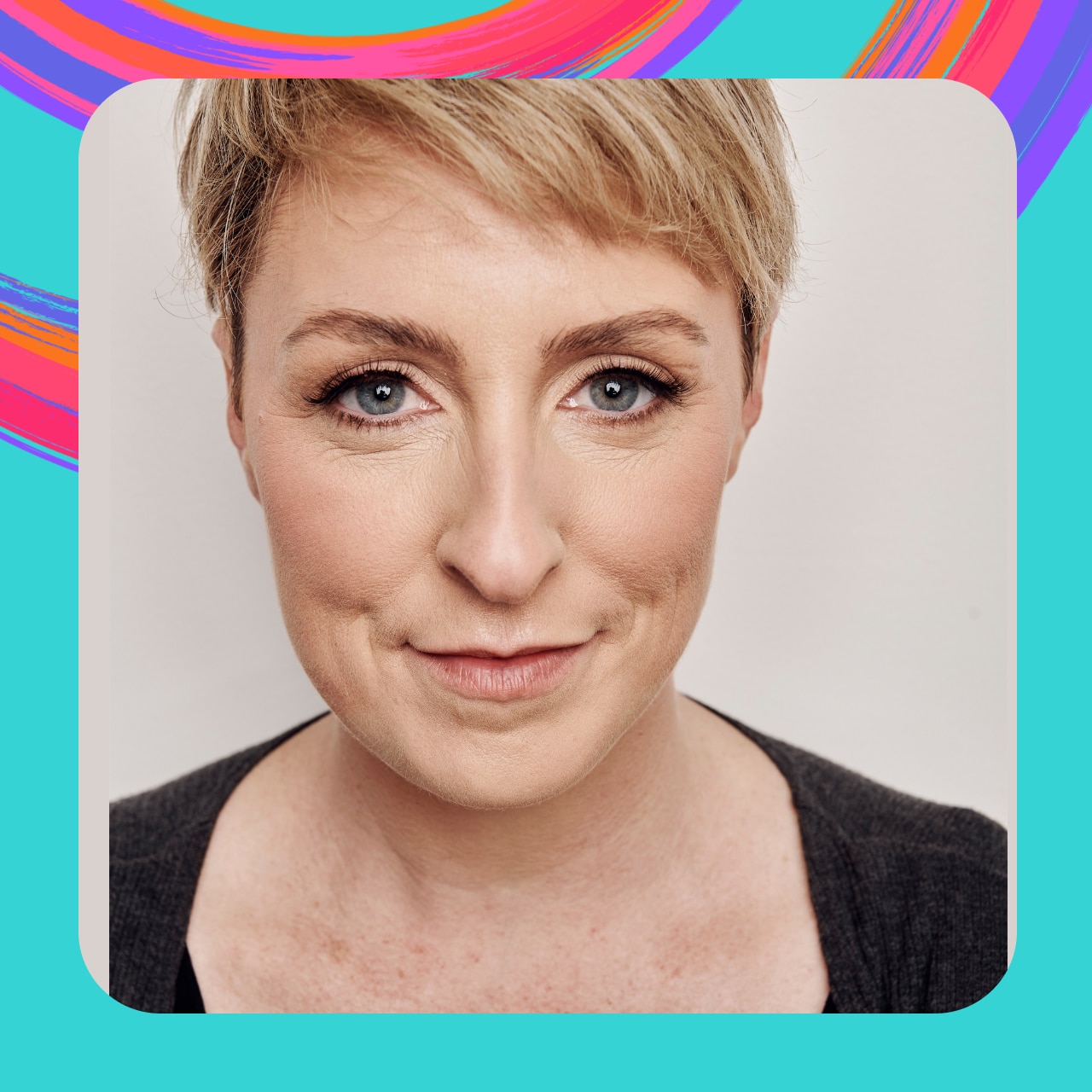
Encore: Candice Fox—How to raise a crime writer
As a child, Candice Fox knew her family wasn't what most people would consider normal. Their Christmas included lunch at Long Bay jail, where her father worked (R).At home, Candice's mother Ocean was busy rescuing lost people, injured native animals, and bringing home odd things from the council clean-up.In one 5-year period, Ocean fostered more than 140 children. To escape the chaos of home, Candice would immerse herself in her mum's collection of illustrated true crime stories.Then she began writing her own. She grew up to become one of the world's best-selling crime authors.Further informationOriginally broadcast in March, 2024.Candice’s novels High Wire and Fire With Fire are now being adapted for the screen.This episode of Conversations was produced by Nicola Harrison. Executive producer was Carmel Rooney.It explores writing, books, animals, Australian animals, wildlife rescue, conservation, childhood memories, true crime, crime novels, crime writing, foster families, foster children, blended families, how to become an author, books.To binge even more great episodes of the Conversations podcast with Richard Fidler and Sarah Kanowski go the ABC listen app (Australia) or wherever you get your podcasts. There you’ll find hundreds of the best thought-provoking interviews with authors, writers, artists, politicians, psychologists, musicians, and celebrities.
When Dr Tottman had to run towards her life
Dr Charlotte Tottman is a clinical psychologist who specialises in supporting cancer patients. Both her parents had died young from different cancers, so Charlotte always joked she would be next. In 2018, it wasn't a joke anymore.While on a beach holiday, Charlotte found a lump in her breast.When she got her own cancer diagnosis, all of Charlotte’s skills as a psychologist went out the window.She was scared, and angry, and determined to keep going rather than letting herself rest.After falling in a heap, Charlotte has found her way back - helped by an ex-husband’s generosity, by her own penchant for swimming only in bikini bottoms and by needing to be there to have deeper conversations with her children as they became adults.Further informationCharlotte's podcast, Upfront About Breast Cancer - What You Don't Know Until You Do, is produced with Breast Cancer Network Australia, and is available to stream at Apple Podcasts.If you or anyone you know needs help:Breast Cancer Network Australia on 1800 500 258Cancer Council on 13 11 20Beyond Blue on 1300 22 46 36Lifeline on 13 11 14This episode of Conversations was produced by Meggie Morris, executive producer is Nicola Harrison.It explores breast cancer, cancer diagnosis, parenting, motherhood, mother-daughter relationships, divorce, finding love again, career change, double mastectomy, body image after cancer, psycho-oncology, helping people with cancer, how to talk to your children about cancer, mindfulness, swimming, mental health, shock, coping with illness, recovering from illness, major surgery, origin story.To binge even more great episodes of the Conversations podcast with Richard Fidler and Sarah Kanowski go the ABC listen app (Australia) or wherever you get your podcasts. There you’ll find hundreds of the best thought-provoking interviews with authors, writers, artists, politicians, psychologists, musicians, and celebrities.
Life after menopause, divorce and loss—How this mountaineer started all over again
A few years ago, after a series of crisis after crisis after crisis, Allie Pepper thought she would have to give up high-altitude mountain climbing. This is how she got her groove back.Record-breaking mountaineer, Allie Pepper, is currently in the middle of a project to become the first and fastest woman to climb the world’s 14 tallest mountains – those over 8000m – without the use of oxygen.But just a few years ago, Allie nearly gave up climbing all together after a trifecta of mid-life crises pulled the rug out from under her.Menopause, divorce, and a devastating death completely grounded Allie.But when she got her groove back, Allie headed straight to the mountain. Further informationAllie recently made a documentary called Limitless Above the Clouds, which was filmed across the Himalayas. It will be available to stream worldwide between 20 - 27 September at this link.This episode of Conversations was produced by Meggie Morris; executive producer is Nicola Harrison.It explores mid-life crisis, starting new, documentary, film, mountain climbing, Everest, Nepal, spiritual journey, India, Pakistan, travel, badass women, women in middle age, how to start again, separation, marriage, death of a father, self esteem, self worth, failing school, TAFE, alternative career pathways, Klára Kolouchová, Nanga Parbat, origin story, child of divorce, peri-menopause, hidden menopause symptoms, HRT, hormone therapy for menopause, chronic fatigue, depression, mental health, sweats.To binge even more great episodes of the Conversations podcast with Richard Fidler and Sarah Kanowski go the ABC listen app (Australia) or wherever you get your podcasts. There you’ll find hundreds of the best thought-provoking interviews with authors, writers, artists, politicians, psychologists, musicians, and celebrities.
Why Dr Ranjana Srivastava tells the whole truth about cancer
Doctors often use euphemisms to dance around the 'C' word. But for oncologist Dr Ranjana Srivastava, how you talk to someone with cancer goes beyond "shadows, lumps and lesions". It's all about compassion and clarity, even when honesty is difficult.Ranjana Srivastava was a young doctor in regional Australia, accompanying her consultant on his late night rounds when she heard a patient say something that stopped Ranjana in her tracks.It was in that moment that she finally knew what her speciality was going to be: oncology. Ranjana now works in Melbourne as an oncologist and an author.She often writes about the need for clarity and compassion in doctor-patient conversations, to deliver good news, bad news and everything that falls between.Ranjana had her own experience of being at the receiving end of devastating news when she was pregnant with twins.Ranjana has carried the lesson she received from her own doctor forward, into her work as an oncologist, where bearing witness to the attitudes of her patients has changed the way she sees the world and has helped put her own life in perspective.Further informationRanjana's latest book, Every Word Matters, is published by Simon & Schuster.She has published seven books about cancer and end of life care, including A Better Death, Tell Me the Truth, Dying for a Chat, So It's Cancer: Now What, and After Cancer: A Guide to Living Well.Ranjana also writes a regular column for The Guardian, for which she won the Kennedy Award for Outstanding Columnist of The Year in 2025.In 2017, Ranjana was awarded an Order of Australia medal for her work as an oncologist and in improving doctor-patient communication.This episode of Conversations was produced by Meggie Morris. Executive producer is Nicola Harrison.It explores cancer, oncology, the big C, cancerland, breast cancer, bowel cancer, how to survive cancer, incurable cancer, end of life care, palliative care, honest doctors, refusing treatment, chemotherapy, radiation, how to be honest with patients, doctor patient relationship, geriatric oncology, India, migration, motherhood, late term miscarriage, pregnancy, writing, books, origin story, journalism.To binge even more great episodes of the Conversations podcast with Richard Fidler and Sarah Kanowski go the ABC listen app (Australia) or wherever you get your podcasts. There you’ll find hundreds of the best thought-provoking interviews with authors, writers, artists, politicians, psychologists, musicians, and celebrities.
Encore: Danny Estrin's Eurovision glory and the bittersweet aftermath
Voyager frontman Danny Estrin on his unconventional path from heavy metal to law and on to the Eurovision grand final (R).Danny Estrin is one of the few Australians who knows what it’s like to perform at Eurovision. As frontman for the progressive synth metal band, Voyager, Danny commanded the stage in the 2023 competition, wind machine and all. His musical education started early, on a piano gifted by his babushka and freighted from the Soviet Union to his childhood home in Hamburg.After moving from Germany to Perth as a child, Danny turned to heavy metal as a way of finding belonging.Danny is also an immigration lawyer, but by night he quite literally lets his hair down, swapping his suit and tie for a keytar and microphone.Just months after Sarah first spoke to Danny in 2023, he received a stage four cancer diagnosis.Voyager had to cancel all the shows they'd booked after their Eurovision performance, as Danny started treatment, supported by his wife and two girls.While his cancer is terminal, Danny has been doing really well, defying everyone's expectations.This year he even got the band back together, and when he's not undergoing treatment, Danny is back on stage with Voyager.Further informationOriginally broadcast in August, 2023.Danny is currently working on a television show about people's love affairs with their cars.This episode of Conversations was produced by Tamar Cranswick.It explores music, heavy metal, Eurovision, migration stories, migration law, Russia, Germany, multiculturalism in Australia, classical music, how to have a career in music, family, fatherhood, love, marriage, father of daughters, cancer diagnosis, terminal cancer, cars, hot rods.To binge even more great episodes of the Conversations podcast with Richard Fidler and Sarah Kanowski go the ABC listen app (Australia) or wherever you get your podcasts. There you’ll find hundreds of the best thought-provoking interviews with authors, writers, artists, politicians, psychologists, musicians, and celebrities.
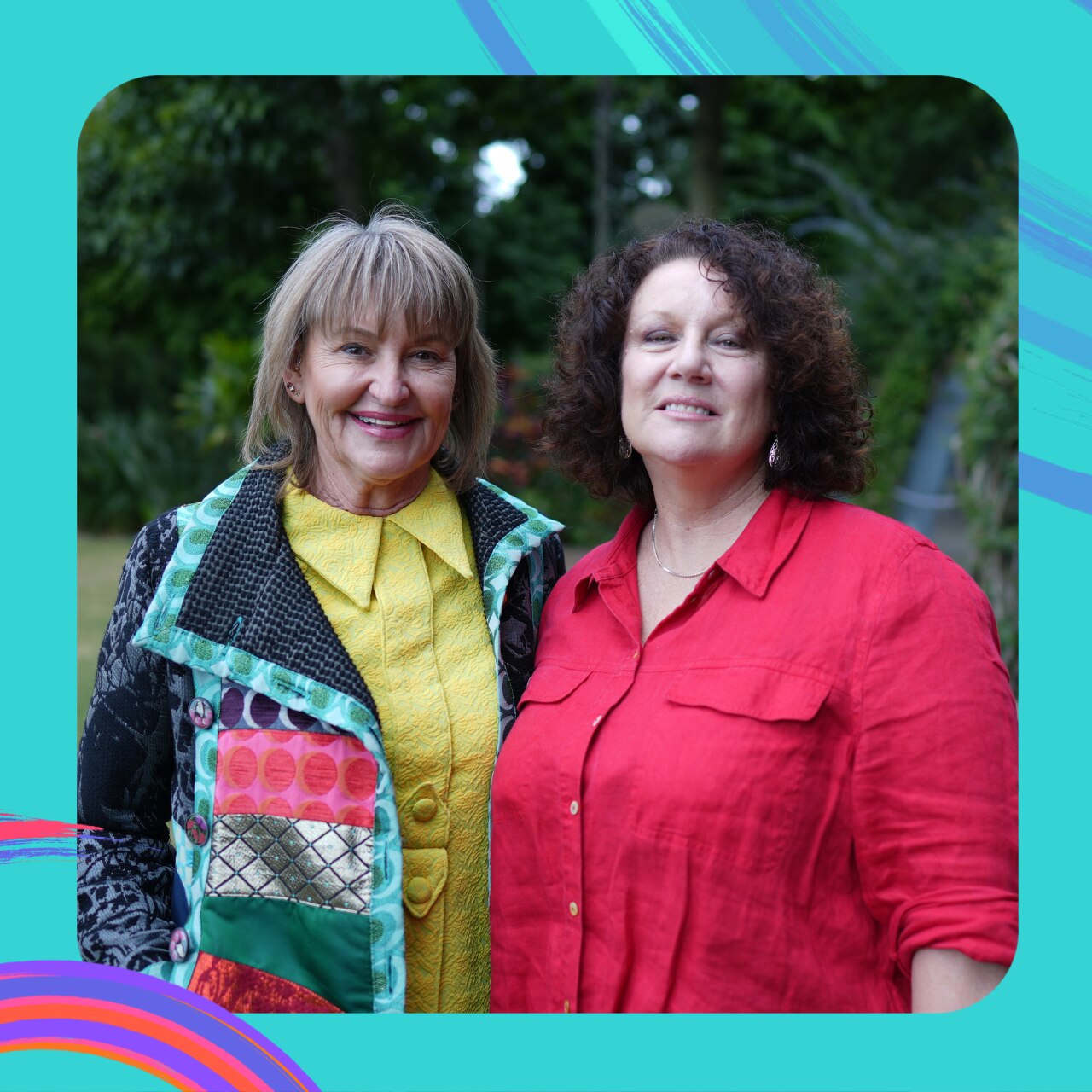
Kathleen Folbigg tells the story of her fight for freedom
Kathleen Folbigg was locked up in prison for decades, wrongly convicted of the deaths of her four children. For years, her childhood friend Tracy was the only person who believed in her innocence. Now they are telling the story of their herculean fight to overturn Kathleen's conviction. (CW: loss of children, descriptions of life in prison)In 2003, Kathleen Folbigg was locked up in jail for decades, wrongly convicted of the deaths of her four children.One of the only people who believed in her innocence was her childhood friend Tracy.Together, they fought for her freedom for years before science and the law caught up with the case.Kathleen was pardoned and exonerated in 2023. Now Kathleen and Tracy have written down their story of their 20-year battle for justice, and they are telling their story together for the first time.Further informationInside Out is published by Penguin Help and support is always available. You can call Lifeline 24 hours a day, on 13 11 14.This episode of Conversations was produced by Nicola Harrison and presented by Sarah Kanowski. The Executive Producer was Nicola Harrison.It explores crime, punishment, criminal conviction, wrongful conviction, a fight for justice, criminal pardon, exoneration, science, DNA, Meadows Law, life in prison, daily life behind bars, flaws in the justice system, internalised misogyny in the law, unsympathetic mothers, never giving up, rallying around scientists and philanthropists, science catching up to a criminal case, the use of DNA to free someone, how a wrongful conviction can be overturned, powerful women, impressive women, tenacity, guts, new beginnings, hope for the future, how to survive the loss of a child, grief after the death of a child, grief after the death of children, post traumatic growth, PTSD, having to be strong, activism, Newcastle, Muswellbrook, famous criminal cases, women who are disliked, how to overcome trauma, moving on, death threats, social media hate, online pile-ons, online cruelty, moving on after trauma, healing after trauma, reinvention, midlife reinvention, new chapter, starting a new chapter of life.To binge even more great episodes of the Conversations podcast with Richard Fidler and Sarah Kanowski go the ABC listen app (Australia) or wherever you get your podcasts. There you’ll find hundreds of the best thought-provoking interviews with authors, writers, artists, politicians, psychologists, musicians, and celebrities.
How Alan 'the shit magnet' Playford helped revolutionise Australia's ambulance services
When you call for an ambulance these days, chances are the officers inside will save a life. But 40 years ago, 80 per cent of Alan Playford's passengers would either die on the way to the hospital, or on its doorstep. This is how he, and his colleagues, changed the face of paramedicine for the better.When Alan Playford first joined the New South Wales Ambulance Service in the 1970s, he would drive an ambulance on his own to all sorts of emergencies.With little equipment, and no support, Alan would simply have to bundle people into the back of the wagon and race to the hospital, where lifesaving machines and skills could give them a chance.In those early days, 80 per cent of Alan's patients would die either on the way to the hospital or on the doorstep.Alan and a group of other ambulance officers and doctors knew they could do better and set about modernising paramedicine.Under the leadership of Dr Bob Wright, they began innovative (and often terrifying) training to save more lives.Ambulance officers from Newcastle, including Alan, were among the first to be trained in these new "advanced life support" skills.So by the time the unprecedented Newcastle Earthqauke hit in 1989, Alan used his more than ten years' experience to save lives at the Newcastle Workers Club and on Beaumont Street.Alan went on to makeover the now beloved Westpac Rescue Helicopter, and took his skills to places like Rwanda and East Timor.He gained his nickname the 'shit magnet' for his habit of coincidentally being there to help out in emergencies, even when he's not on duty.Further informationThrough the Rubble is written by Alan Playford and Penny Keogh. It is published by Simon & Schuster.This episode of Conversations was produced by Meggie Morris and presented by Richard Fidler, executive producer is Nicola Harrison.It explores modern history, medical history, Ambulance Union, paramedics, hospital St Vincents, the Hunter, Norm Duffy, natural disasters, lifesaving innovation, medical innovation, ambos, Australian history, war, Rwanda, genocide, civil war, rescue chopper.To binge even more great episodes of the Conversations podcast with Richard Fidler and Sarah Kanowski go the ABC listen app (Australia) or wherever you get your podcasts. There you’ll find hundreds of the best thought-provoking interviews with authors, writers, artists, politicians, psychologists, musicians, and celebrities.
Why I wrote a musical for my cheeky, charismatic, Persian mum
Ten years ago, Sydney-based artist HOSSEI took a step back from the art world to care for his sick mother. The more time they spent together, the more inspired HOSSEI became to create something especially for, about, and starring his mum.HOSSEI is an artist with a flair for colour, quirk and unbridled joy.But growing up the only son of a Persian-Australian family, it took years of hard work to convince his parents that being an artist was his destiny.HOSSEI's mother, Nahid, came around first, getting her sewing machine out to help her son make his incredible costumes.Then, it was HOSSEI's turn to support his mum, who needed a carer as her health deteriorated.As they spent more and more time together, HOSSEI was inspired to write a musical for, about and starring his cheeky, charismatic mother.The project is personal, but also has a political edge -- women in Iran aren't allowed to freely sing, dance or play music -- and so HOSSEI put his mother centre stage.Further informationRecently, HOSSEI was commissioned by Parramatta Artist Studios to update their uniform in connection with Wear it Purple Day.He has also been commissioned by the Sydney Opera House to develop a play space for the Centre for Creativity, which will be presented in January 2026.HOSSEI is currently touring his show ESSSENSSSE through regional NSW, at Bathurst Regional Gallery, Yarrila Arts and Museum in Coffs Harbour and later to Wagga Wagga Art Gallery.You can keep up to date with HOSSEI's exhibitions and news at his Instagram page.This episode of Conversations was produced by Meggie Morris and presented by Richard Fidler, executive producer is Nicola Harrison.It explores visual arts, performing arts, becoming an artist, how to be an artist, carers, caring for parents, the sandwich generation, Persia, Iran, womens rights, feminism, musical theatre, experimental art, Western Sydney, Sydney College of the Arts, university, TAFE, tertiary education, what to do after high school, graduation, Istanbul, migration, war, escape, family dynamics, sisters, kidnapping.To binge even more great episodes of the Conversations podcast with Richard Fidler and Sarah Kanowski go the ABC listen app (Australia) or wherever you get your podcasts. There you’ll find hundreds of the best thought-provoking interviews with authors, writers, artists, politicians, psychologists, musicians, and celebrities.
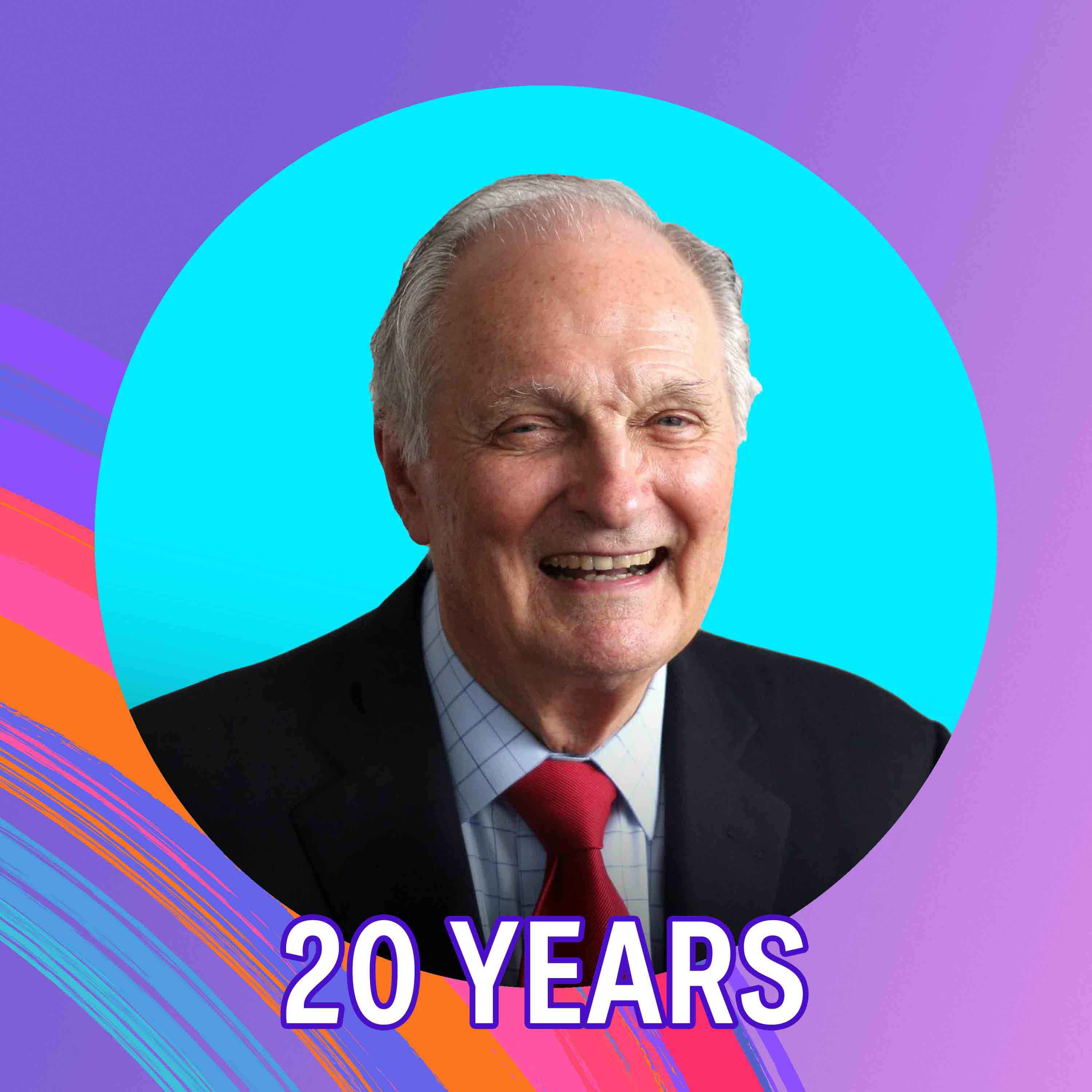
20th Anniversary Collection: Alan Alda on bringing science to acting
Hollywood actor Alan Alda has devoted his life to science, by taking his acting and communication skills off the screen and into the laboratory. Alan grew up in a show business family and spent his childhood touring with a burlesque show run by his parents.He eventually made a name for himself in showbiz, becoming well-known and much-loved for his performances in M.A.S.H. and The West Wing, as well as his roles in many Hollywood films.Alan is also famous for his love of science.He wrote Dear Albert for the stage, based on the love letters of Albert Einstein, which reveal Einstein as a beautifully passionate man.Alan has used his acting for the good of science by teaching communication skills to scientists so they might make their work better known and better understood.Further informationThis interview was first broadcast in December 2016.2025 update: Alan has been diagnosed with Parkinson’s disease, but he says he’s managing it well. Alan is still working occasionally, most recently in the TV remake of his 1981 film ‘The Four Seasons’.You can read all about the Conversations origin story on the ABC News website.This episode of Conversations explores science, science communication, MASH, television, Hollywood, silver screen, acting, show biz families, family business, Vietnam, origin stories, memoir.To binge even more great episodes of the Conversations podcast with Richard Fidler and Sarah Kanowski go the ABC listen app (Australia) or wherever you get your podcasts. There you’ll find hundreds of the best thought-provoking interviews with authors, writers, artists, politicians, psychologists, musicians, and celebrities.
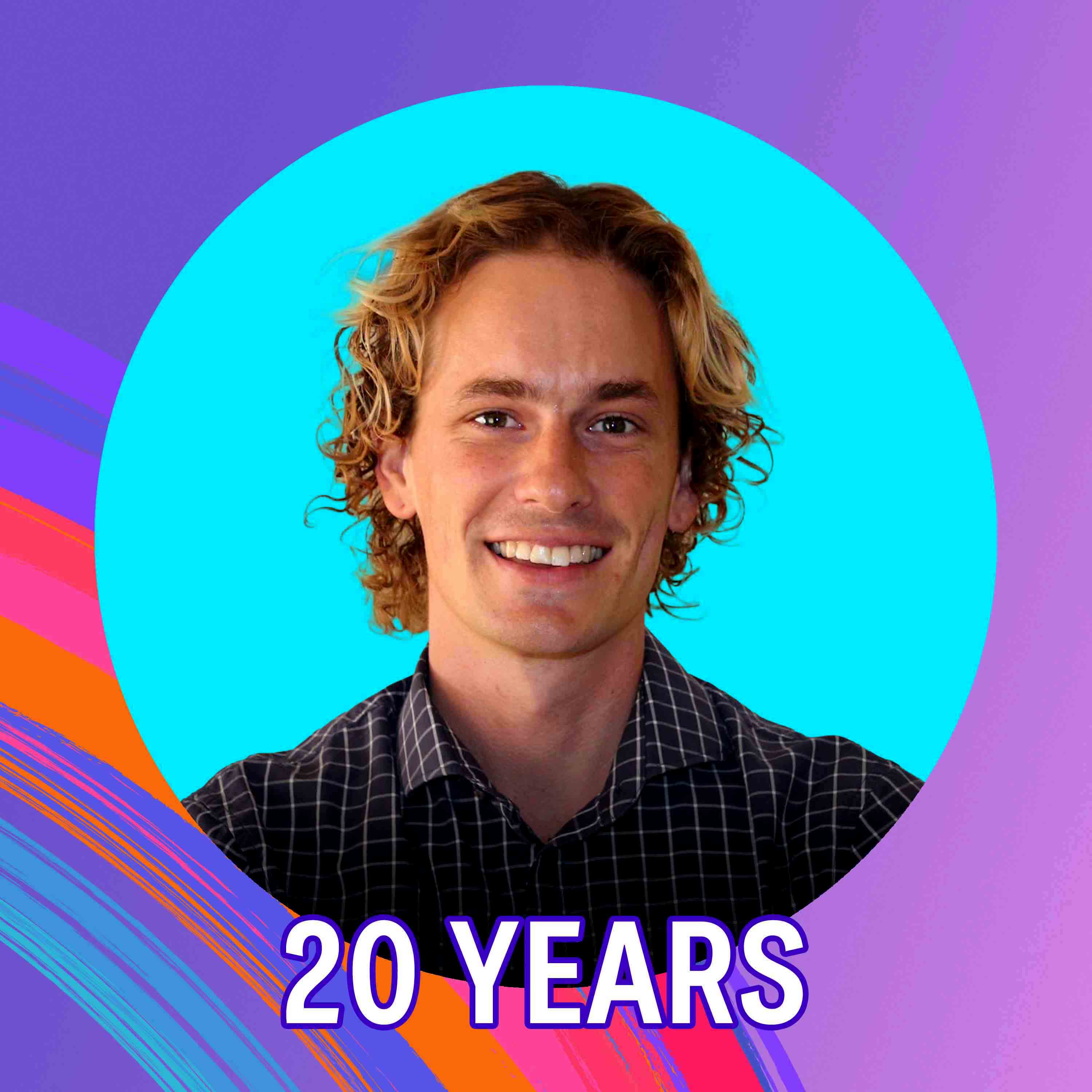
20th Anniversary Collection: The male midwife working in Arnhem Land
Growing up south of Sydney as one of six boys, midwifery wasn't the occupation Christian Wright expected for himself. At the age of nine, he experienced a vision that gave him a sense of his future in a life of service.As a qualified midwife, Christian spent time in the tiny town of Nhulunbuy, right on the tip of the Northern Territory.He worked with Yolŋu women of remote Arnhem Land to help them birth their babies.Further informationThis interview was first broadcast in March 2021.2025 update: Several years ago, Christian married his beloved, Caroline in Gove.On the first day of their honeymoon, as they were driving up the track, their troop carrier rolled.Christian's spine was broken, and he was airlifted to Royal Adelaide Hospital, where the doctors feared that he might not walk again.Christian went back to work within six months of the accident and has since worked in the NT and Papua New Guinea.He and Caroline now have a baby boy.Discover more about Christian's research on pregnancy and childbirth.Discover the Djakamirr program, training doulas to help Yolŋu women give birth on their own country.Christian also recommends the book Why Warriors Lie Down and Die by Richard Trudgen as a valuable resource on Indigenous Australia.You can hear Richard's full conversation with Nigel Newton on the ABC Listen App or wherever you get your podcasts.https://www.abc.net.au/listen/programs/conversations/publisher-nigel-newton-on-harnessing-the-harry-potter-effect/7788834You can read all about the Conversations origin story on the ABC News website.https://www.abc.net.au/news/2025-08-03/richard-fidler-reflects-on-20-years-of-conversations/105495784
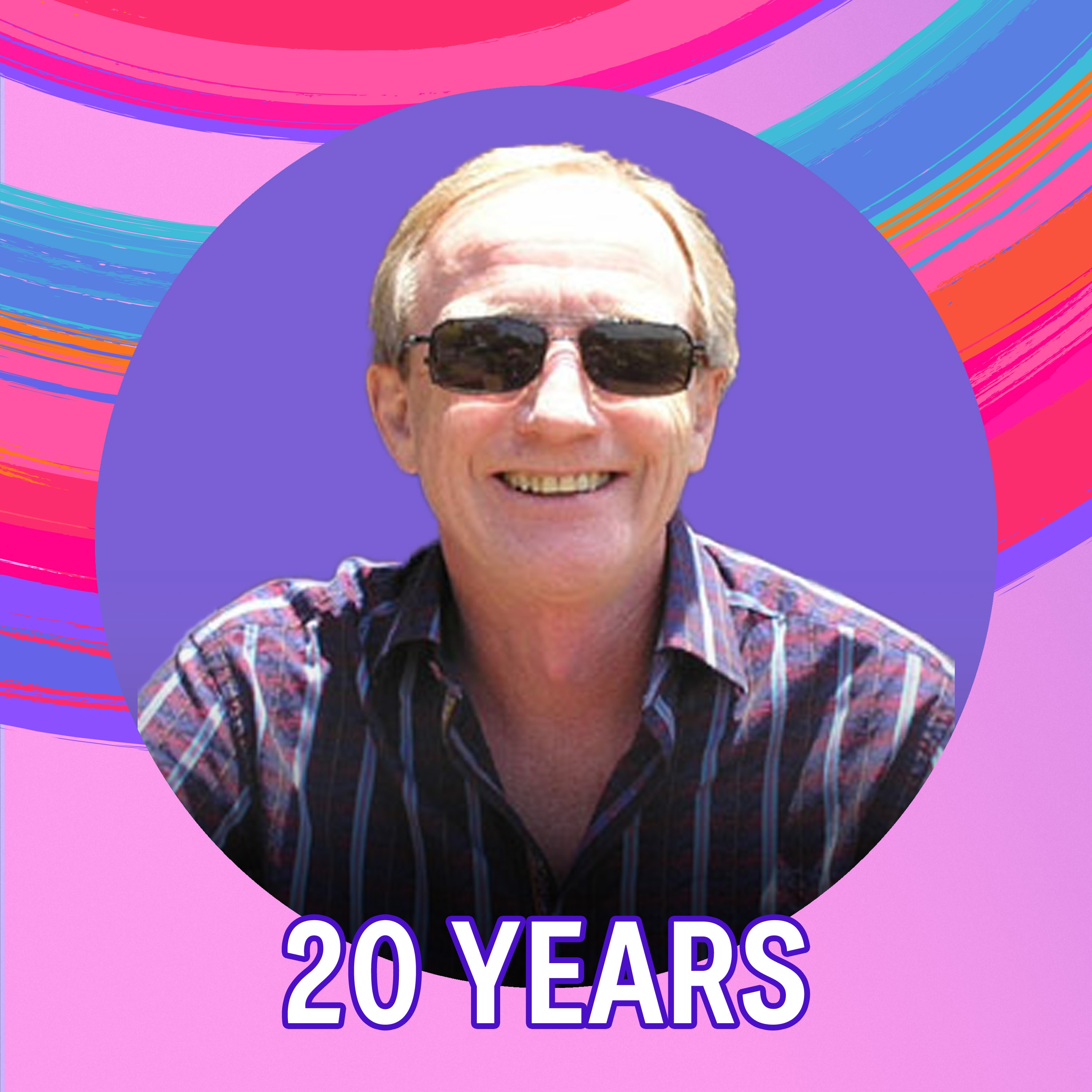
20th Anniversary Collection: Writing hit songs for Blondie, Tina Turner and Suzi Quatro
Music was always in Mike Chapman’s blood. As a boy, he collected bottles at the Brisbane showgrounds and traded them for money, which he saved to buy his first guitar. In his career he has penned electrifying numbers for The Sweet, The Knack and Pat Benatar.In the history of '70s and '80s rock music, he is one of the least known, but most influential people.As a young man, he moved to the UK, hoping to become a rock and roll star.In the US, Mike produced Blondie's classic album, Parallel Lines, which sold more than 20 million copies.Mike continues to write and produce music all over the world.Further information2025 update: a documentary about Mike is in production, called ‘Simply the Best: The Mike Chapman Story’.This episode was originally broadcast in July 2011.Songs edited for podcast.Sunday Girl performed by BlondieHanging on the Telephone performed by BlondieBallroom Blitz performed by The SweetStumblin' In performed by Suzi Quatro and Chris NormanMy Sharona performed by The KnackStandout story – Brenda BlethynHear Richard’s conversation with Brenda Blethyn.https://www.abc.net.au/listen/programs/conversations/stage-and-screen-actor-brenda-blethyn/7823938We have many people to thank for their work and support over the years, including our colleagues at ABC Local Radio, Radio National, and Radio Australia.Huge thanks to James O’Loughlin, Steve Cannane, Ann Jones, Ellen Fanning, David Bush, Cathy Van Extel, Scott Stephens, Steve Austin, Hamish Macdonald, Patrick Abboud, Wesley Enoch, Charlie King, Lisa Leong, Sally Sara, Sana Qadar, Rudi Bremer, Tom Hall, Paul Penton, Robert Apolloni, Steve Fieldhouse, David White, Peter Scott, David Le May, Steven Tilley, Timothy Nicastri, Roi Huberman, Ellis Fitzpatrick, Emrys Cronin, Craig Tilmouth, Matt Hiley, Geoff Cavanagh, Michael Mason, Warwick Tiernan, James O’Brien, Judith Whelan, Jen Brennan, Cath Dwyer, Ben Latimer, Jess Radburn, Anthony Frangi, Justine Kelly, Monique Bowley, Eric George, Brigit Berger, Alison Barclay, Mateuse Pingol, Lilly Cooper, Jade Tully, Anna Priestland, Michaela Perske, Rebecca Levingston, Georgia Bateman, Renee Krosch, Joey Watson, Michael Dulaney, Jenna Koda, Cate Carrigan, Rebecca Armstrong, Rosa Ellen, Stef Collett, Nick King, Lisa Pellegrino, Sajarn Stow, Sinead Lee, Kim Lester, Evan Williams, Katie O’Neill, Eliza Kirsch, Tamar Cranswick, Rebecca McLaren, Michael Hartt, Fiona Purcell, Jen Leake, Michelle Ransom-Hughes, Alice Moldovan, Meggie Morris, Nicola Harrison, Kellie Riordan, Pam O’Brien and Carmel Rooney. You can read all about the Conversations origin story on the ABC News website.https://www.abc.net.au/news/2025-08-03/richard-fidler-reflects-on-20-years-of-conversations/105495784This episode of Conversations touches on music, songwriting, simply the best, rock 'n' roll, albums, music producer, Nambour, Sunshine Coast, recording studios, Debbie Harry and top ten hit songs.To binge even more great episodes of the Conversations podcast with Richard Fidler and Sarah Kanowski go the ABC listen app (Australia) or wherever you get your podcasts. There you’ll find hundreds of the best thought-provoking interviews with authors, writers, artists, politicians, psychologists, musicians, and celebrities.
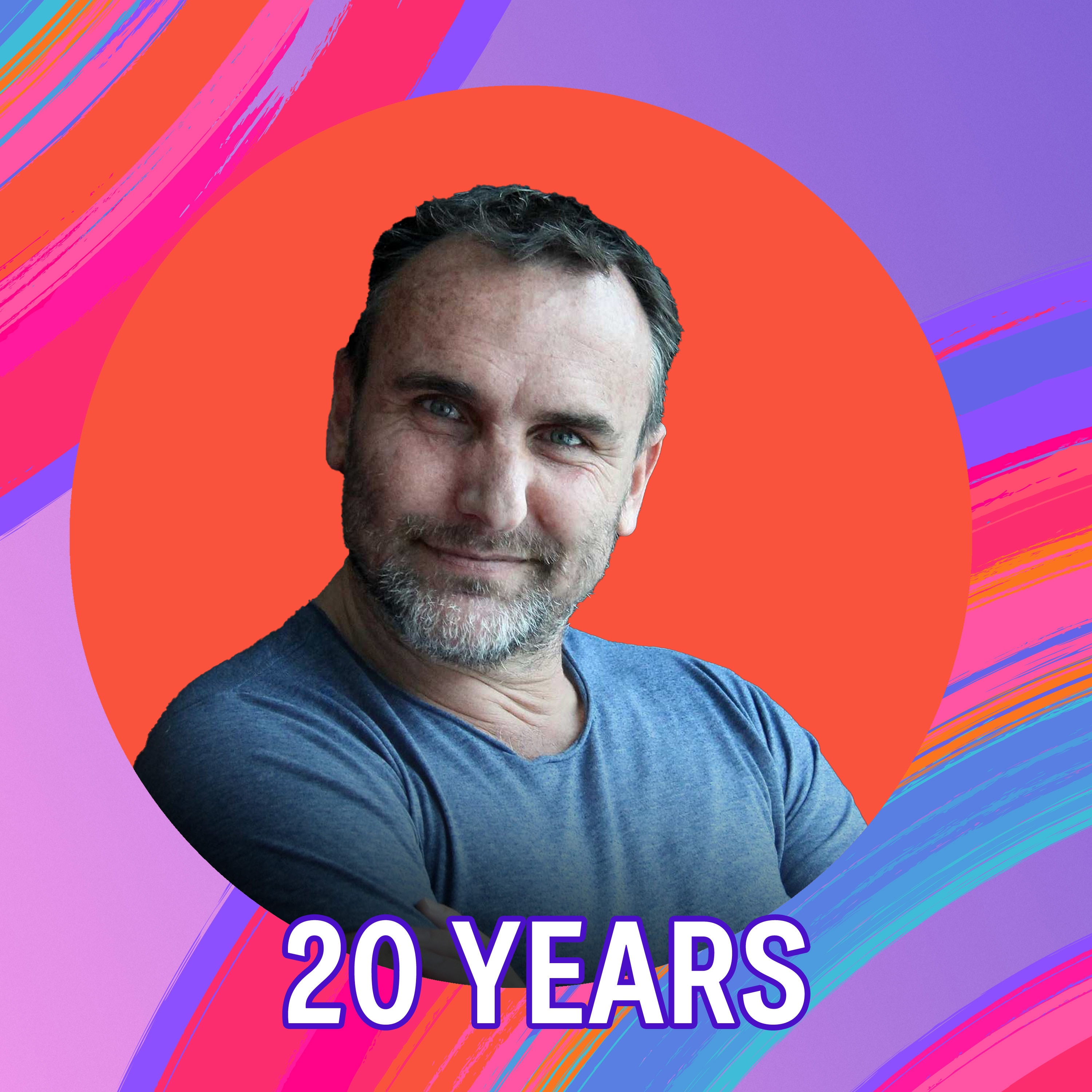
20th Anniversary Collection: Surviving PTSD as an Iraq War correspondent
Michael Ware witnessed some of the most violent battles in Baghdad; and was kidnapped three times.He was one of the few Western journalists to live full-time in Iraq during the war, embedded with U.S. forces, insurgents, and terrorists. Leaving the war zone and resettling in Brisbane, Michael has had to 'consciously attempt to reclaim his life'.Further informationOriginally broadcast July 2012.Content warning: This interview contains distressing content. Please listen with care.Michael released a film in 2015, Only The Dead, based on more than 250 hours of his personal footage from the front lines. If you need help, you can call Open Arms, 24-hour crisis support for Veterans and their families on 1800 011 046https://www.openarms.gov.au/Or you can call Lifeline on 13 11 14.https://www.lifeline.org.au/This episode was produced by Michelle Ransom-Hughes. The Executive Producer was Pam O'Brien. Carmel Rooney is the Executive Producer of the 20th Anniversary Collection.You can read all about the Conversations origin story on the ABC News website.https://www.abc.net.au/news/2025-08-03/richard-fidler-reflects-on-20-years-of-conversations/105495784This episode of Conversations touches on Saddam Hussein, ISIS, IS, Islamic State, embedding, Australian Defence Force, ADF, Baghdad bad boys and Al-Qaida.To binge even more great episodes of the Conversations podcast with Richard Fidler and Sarah Kanowski go the ABC listen app (Australia) or wherever you get your podcasts. There you’ll find hundreds of the best thought-provoking interviews with authors, writers, artists, politicians, psychologists, musicians, and celebrities.
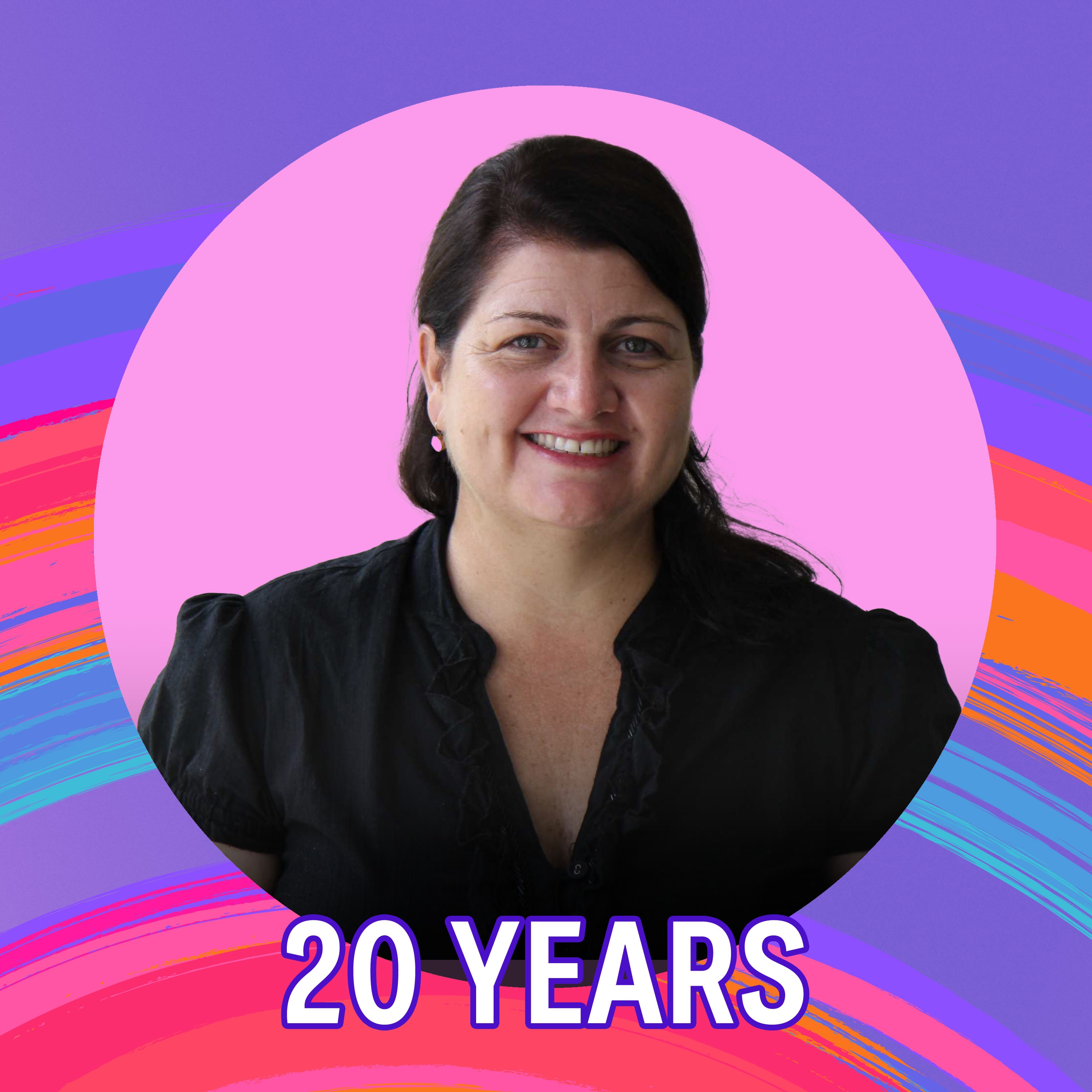
20th Anniversary Collection: A Tanzanian love story
After a dream job as a nanny in Notting Hill, a young Donna Duggan was first lured to Africa by the charms of Zanzibar. She soon fell deeply in love with a local man, Nas, though she could never have predicted the direction their life would take. Nas and Donna set up a safari company, on the premise they would give back to the country and community as their business prospered.They had two children and built a life for their family and their wide network of Tanzanian employees.Nas was making a short journey for work in 2017 when Donna received word his plane was no longer visible on radar.Further informationFirst broadcast April 2019.Read more about Donna's company Maasai Wanderings.https://maasaiwanderings.comThis episode was produced by Michelle Ransom-Hughes. The Executive Producer was Carmel Rooney.You can read all about the Conversations origin story on the ABC News website.https://www.abc.net.au/news/2025-08-03/richard-fidler-reflects-on-20-years-of-conversations/105495784This episode of Conversations touches on safari, widowhood, widow, two year UK working visa, gap year, death of a spouse, owning a business, running a business, husband and wife team, nurse volunteer, nursing, Brisbane and a plane crash.To binge even more great episodes of the Conversations podcast with Richard Fidler and Sarah Kanowski go the ABC listen app (Australia) or wherever you get your podcasts. There you’ll find hundreds of the best thought-provoking interviews with authors, writers, artists, politicians, psychologists, musicians, and celebrities.
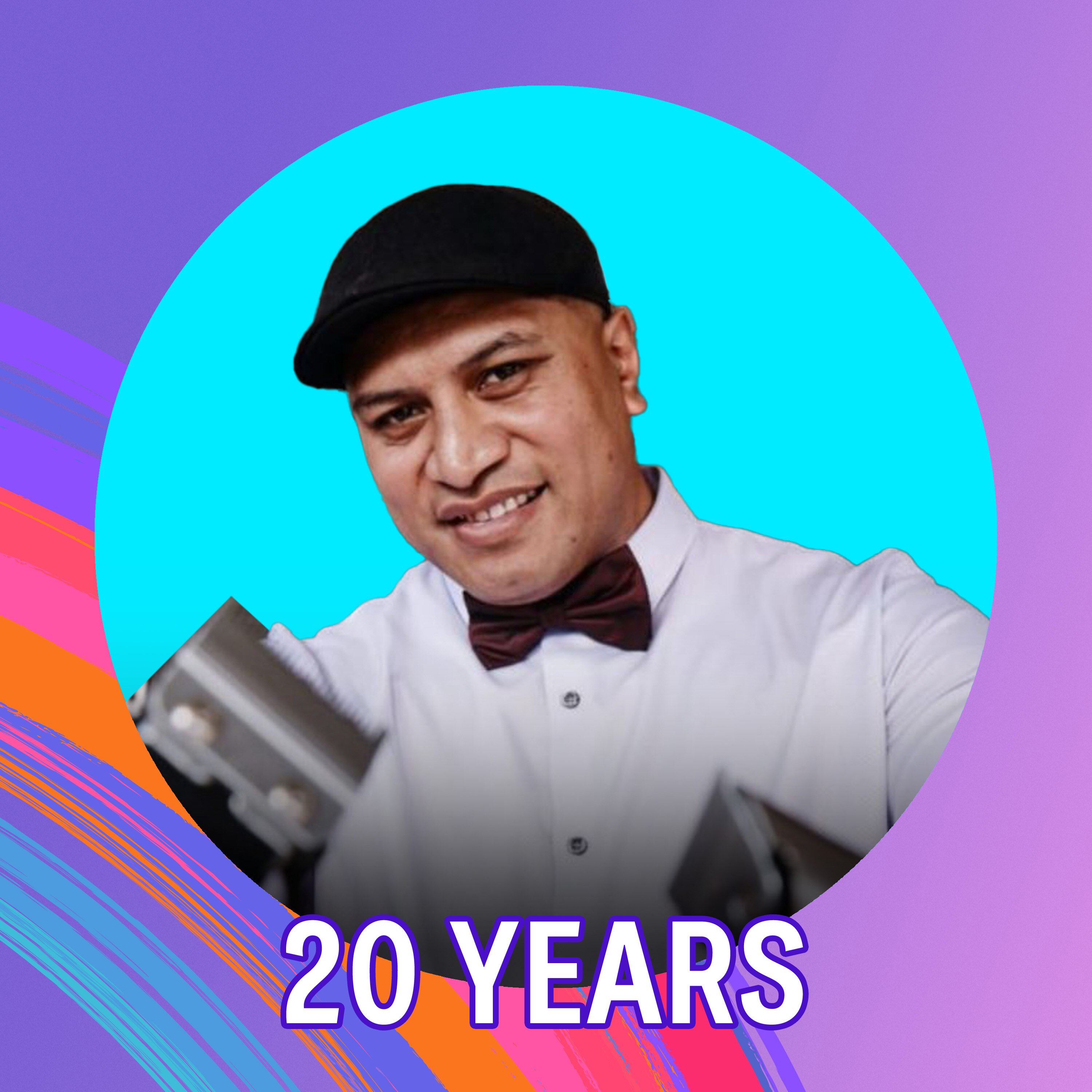
20th Anniversary Collection: The barber who helps boys become good men
Charles Lomu's gentle and religious life in Tonga with his grandparents showed him the meaning of love. He was on track to being a young, in-demand Rugby League player when grief shook his family, and Charles turned down a dark path.He ended up in periodic detention in jail.Today, the power of barbering is a tool the youth worker uses to steer young men away from the dangerous path he experienced, and to teach them to be men.Further informationOriginally broadcast July 2022.This episode was produced by Alice Moldovan. The executive producer was Carmel Rooney.Standout Story – Colin HayHear Sarah’s conversation with Colin Hay:https://www.abc.net.au/listen/programs/conversations/colin-hay-rpt/10573618You can read all about the Conversations origin story on the ABC News website.https://www.abc.net.au/news/2025-08-03/richard-fidler-reflects-on-20-years-of-conversations/105495784This episode of Conversations touches on pusiaki, barbering, jail, prison, youth detention, Tonga, grandparents, grandparenting, footy, youth work, familial care, periodic detention, barber and hairstyling.To binge even more great episodes of the Conversations podcast with Richard Fidler and Sarah Kanowski go the ABC listen app (Australia) or wherever you get your podcasts. There you’ll find hundreds of the best thought-provoking interviews with authors, writers, artists, politicians, psychologists, musicians, and celebrities.
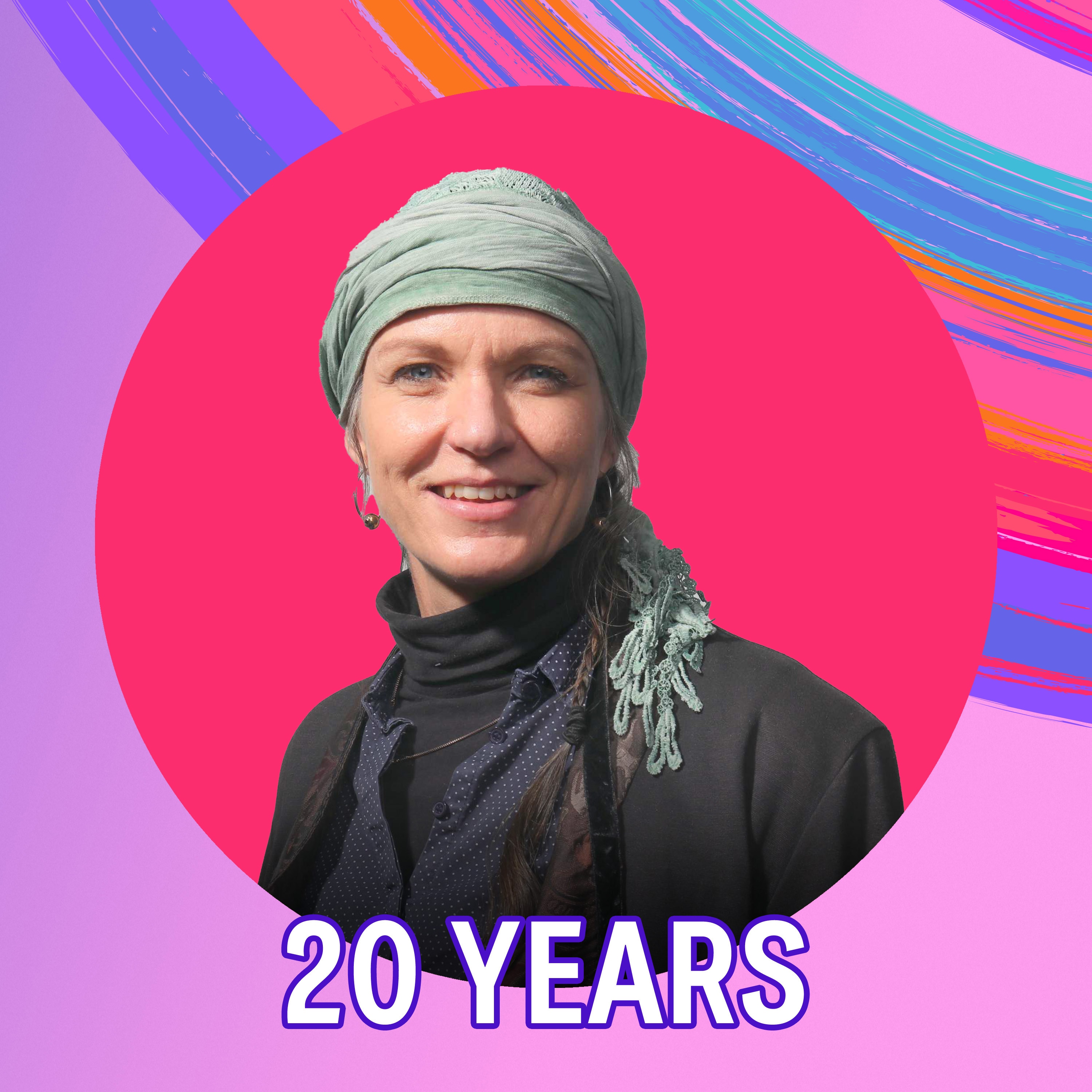
20th Anniversary Collection: The seaweed scientist who survived being scalped
Marine ecologist, Pia Winberg learned how useful seaweed could be for gut health and wound healing. One day she was conducting research by herself in her lab when she had a terrible accident.Pia was four-years-old when she moved from her native Sweden to Australia.She always loved the beach and the coastline. As an adult, Pia became fascinated with the scientific properties of seaweed after visiting a Sri Lankan prawn farm using seaweed to bolster the health of the surrounding environment.She became a marine ecologist in Wollongong south of Sydney, looking at the unique ways seaweed could help clean the ocean and help people with various ailments.In 2015 Pia set up her own seaweed farm, on the edge of an alcohol distillery in the town of Nowra.One day she was emptying seaweed extract from a tank when a large section of her scalp was torn away from her head by a machine.The accident could've killed her if she'd fainted. Instead Pia walked 200 metres from the factory to her office, to tell her staff what had happened.Further information2025 update: Pia has now had six reconstruction surgeries, and seaweed gels have played a huge part in her healing. Pia explains: using Phyaluronic formulations, which we coined to describe seaweed gels that mimic human tissue, has been transformative in my recovery… I am now 90% reconstructed on top.Originally broadcast July 2019.Learn more about Pia's work with seaweed.More information about Australia's unique seaweed species.This episode was produced by Nicola Harrison. The executive producer was Carmel Rooney.This episode of Conversations touches on seaweed, sustainable farming, emergency services, near-fatal accidents, epic life story, origin story, oceans and marine research.Standout story – Bill BaileyHear Richard’s conversation with Bill Bailey:https://www.abc.net.au/listen/programs/conversations/conversations-bill-bailey/8032120You can read all about the Conversations origin story on the ABC News website.https://www.abc.net.au/news/2025-08-03/richard-fidler-reflects-on-20-years-of-conversations/105495784To binge even more great episodes of the Conversations podcast with Richard Fidler and Sarah Kanowski go the ABC listen app (Australia) or wherever you get your podcasts. There you’ll find hundreds of the best thought-provoking interviews with authors, writers, artists, politicians, psychologists, musicians, and celebrities.
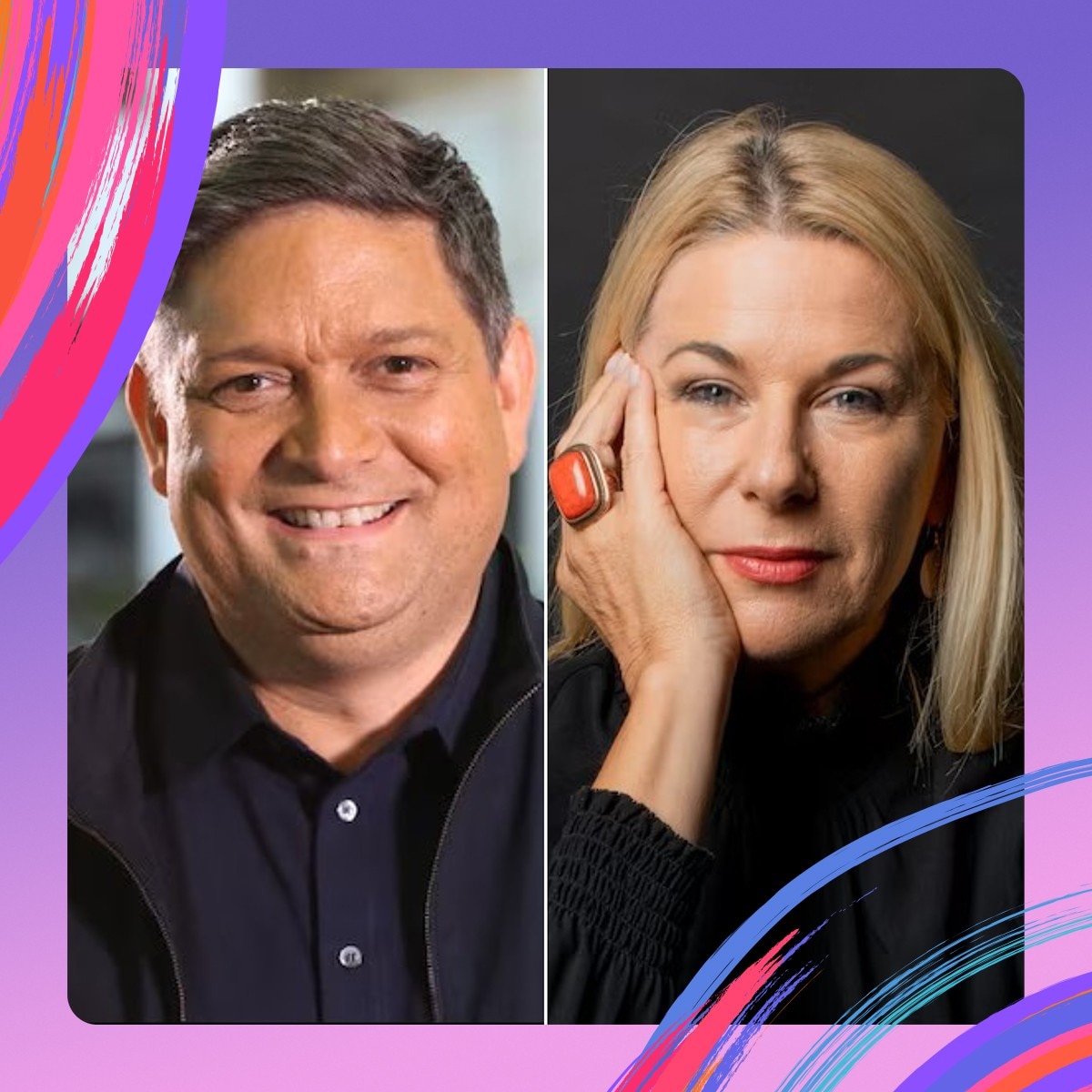
Conversations Live podcast extra: Mandy Nolan and Wesley Enoch
Sarah and Richard give you a sneak peek behind the scenes of the Conversations Live Tour, Brisbane edition.Writer and comedian, Mandy Nolan and Chair of Creative Australia, Quandamooka man Wesley Enoch were two of the special guests who appeared on stage to share some photos close to their heart, and the stories attached to them.Further informationTo see Mandy and Wesley's photos for yourself, head to the ABC Conversations Facebook page.https://www.facebook.com/abcconvos/To binge even more great episodes of the Conversations podcast with Richard Fidler and Sarah Kanowski go the ABC listen app (Australia) or wherever you get your podcasts. There you’ll find hundreds of the best thought-provoking interviews with authors, writers, artists, politicians, psychologists, musicians, and celebrities.
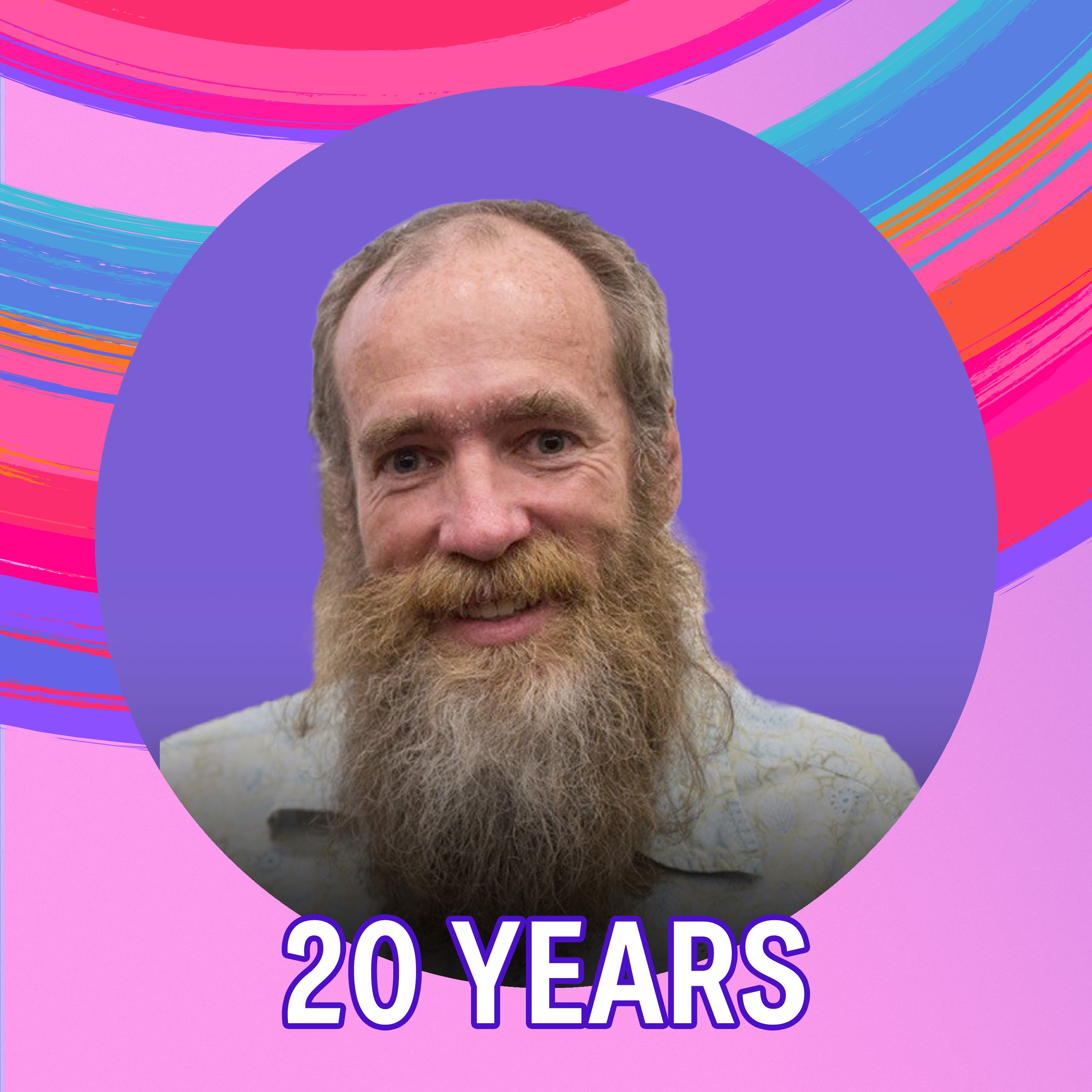
20th Anniversary Collection: Mic's way out of the woods
Deeply ashamed of something he had done, Mic Whitty retreated into the Welsh wilderness until an unexpected goal pulled him out of homelessness and back into the world.Mic had entered the workforce at the tender age of 15, joining the RAAF as an apprentice, before taking on a series of highly paid jobs in Saudi Arabia and New Zealand. But feeling stressed out and burnt out, Mic decided to take a simpler job at a youth hostel in the United Kingdom.Mic, however, couldn't financially acclimatise to a simpler way of life. He began gambling on the stock market and then stealing money from his employer to make up for his smaller pay-cheque.Month after month went by, and no one discovered Mic's transgressions, until finally they did.Deeply ashamed, Mic paid off his debts before deciding to go off grid, going from town to town in Wales, sleeping rough.With some help from the local Salvos and then re-discovering a family heirloom, Mic started thinking about re-entering the world again, and he came up with an extraordinary project. Content warning: this episode of Conversations contains discussion about depression and suicidal ideation. Please take care when listening.If you or anyone you know needs help:Suicide Call Back Service on 1300 659 467Lifeline on 13 11 14Kids Helpline on 1800 55 1800Beyond Blue on 1300 224 636Headspace on 1800 650 890ReachOut at au.reachout.comMensLine Australia on 1300 789 978Further informationFirst broadcast in March, 2024.2025 update: Mic has now cycled another 12,600 kilometres, visiting more than 350 cemeteries where WW1 or WW2 casualties are buried along the way.You can read more about Mic Whitty's extraordinary project, and keep up to date with his progress at his website.Standout story – Jimmy WebbYou can hear Sarah’s full conversation with Jimmy Webb on the ABC Listen App or wherever you get your podcasts.You can also read all about the Conversations origin story on the ABC News website.This episode of Conversations explores homelessness, rough sleeping, unemployment, shame, making amends, gambling, journalling, diary, mental health, men's mental health, World War One, World War Two, family history, veterans, the military, post-war life, family history, military history, travel, cycling, illegal camping, Wales, Salvation Army.To binge even more great episodes of the Conversations podcast with Richard Fidler and Sarah Kanowski go the ABC listen app (Australia) or wherever you get your podcasts. There you’ll find hundreds of the best thought-provoking interviews with authors, writers, artists, politicians, psychologists, musicians, and celebrities.
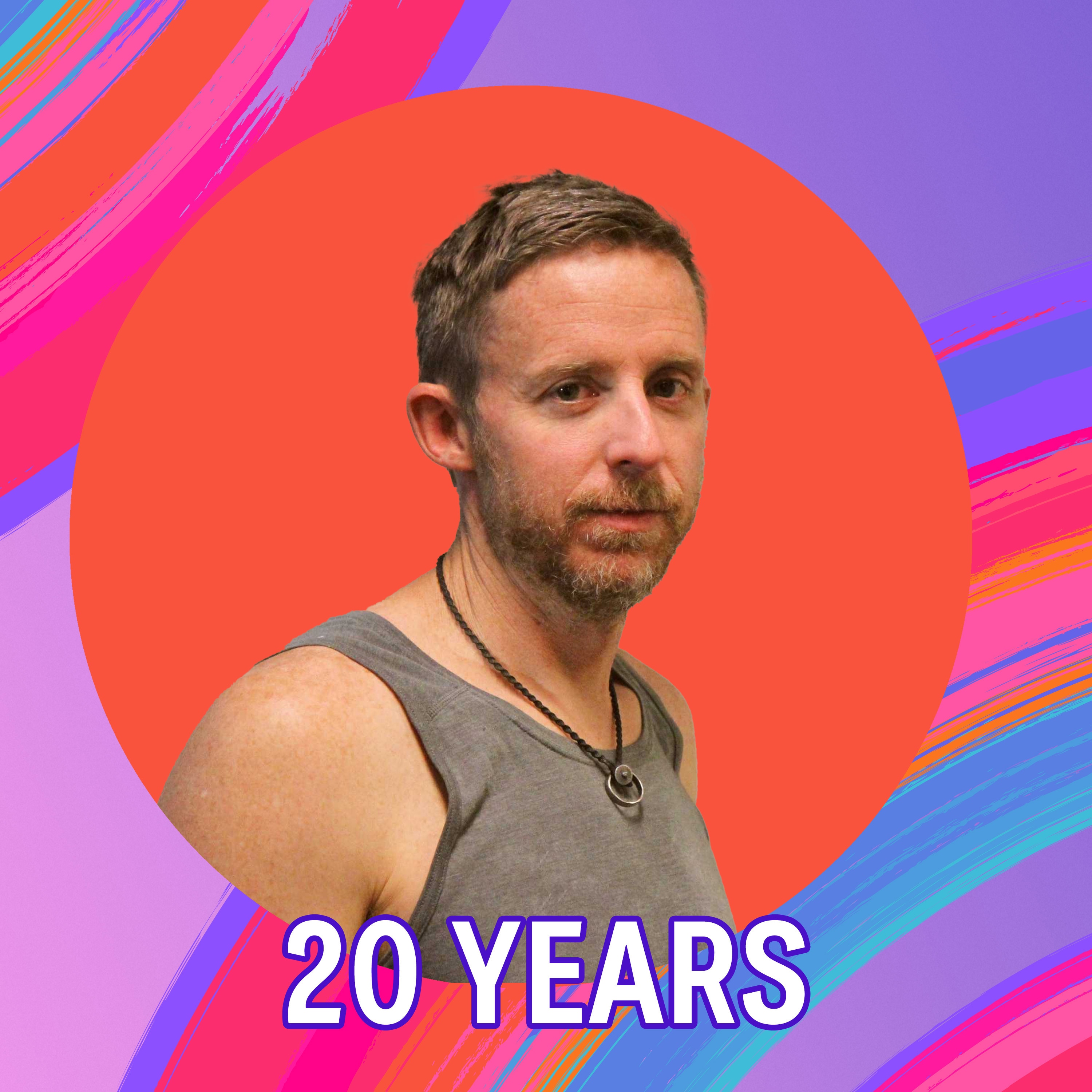
20th Anniversary Collection: Tommy Caldwell — born to climb The Dawn Wall
Tommy Caldwell grew up exploring Yosemite, looking up at El Capitan's punishing 3000ft sheer rock face. After years of training, he was ready to climb it. Tommy is regarded as the world’s best big wall climber.He spent 15 years ascending various routes on El Capitan, the Yosemite National Park mecca for big wall climbers, until he was finally ready to attempt a route christened 'The Dawn Wall'.The Dawn Wall is a 3000-foot ascent up sheer rock on the southeast face of El Capitan.It took Tommy and his partner Kevin Jorgeson 19 days, but in 2015 they became the first to successfully free climb The Dawn Wall.The accomplishment was the culmination of years of endurance, just only on the wall, but also on the ground. As a younger man, Tommy was kidnapped in Kyrgyzstan and he later lost a finger in an accident, which is a particularly devastating loss for a climber. Through it all, Tommy says climbing is what kept him sane.Further informationFirst broadcast in August, 2019.A documentary about Tommy and Kevin's climb, The Dawn Wall, is available on Netflix.2025 update: Tommy has published a best-selling memoir, ‘The Push’.You can read all about the Conversations origin story on the ABC News website.This episode of Conversations explores rock climbing, bouldering, California, National Parks, outdoor pursuits, free climbing, sports injuries, documentary, adrenaline sports.To binge even more great episodes of the Conversations podcast with Richard Fidler and Sarah Kanowski go the ABC listen app (Australia) or wherever you get your podcasts. There you’ll find hundreds of the best thought-provoking interviews with authors, writers, artists, politicians, psychologists, musicians, and celebrities.
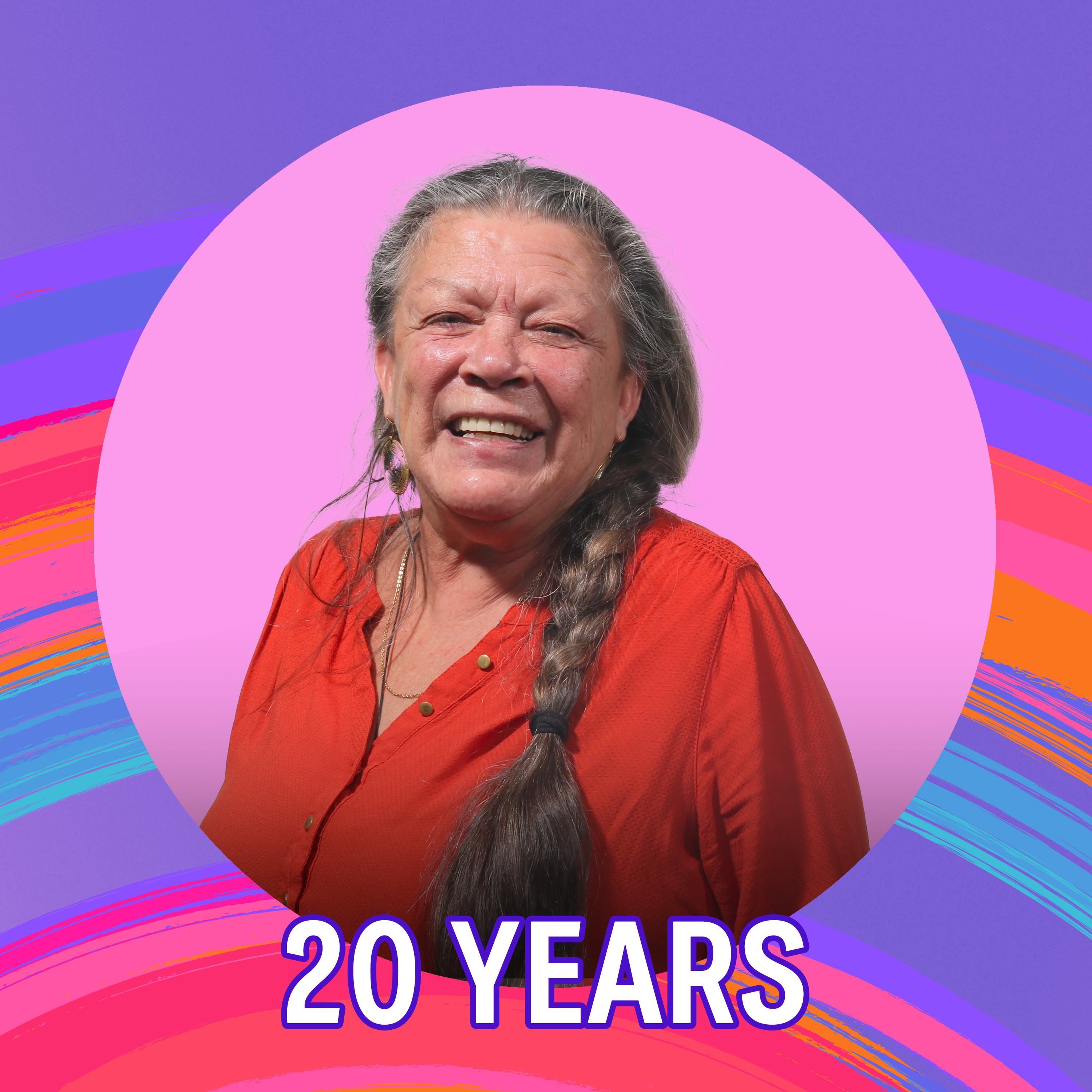
20th Anniversary Collection: Vickie Roach's turbulent life in and out of strife
Vickie's police record began when she was just 2 years old, and followed her throughout her life. But as an adult she pushed back, challenging a federal law for the rights of prisoners.When Vickie was given a police record as a toddler, it enabled authorities to place her into the custody of a family she didn't know.She grew up in western Sydney, under the strict religious rule of her adoptive mother, with whom she clashed time and again.Vickie left school at 13., and in the same year she met her birth mother for the first time and discovered she was Aboriginal.Decades of trouble followed, including numerous prison terms.But Vickie has also known periods of stability, like winning back her son after a long-running custody dispute.In 2007, Vickie was awarded her master's degree while serving her final prison sentence at the Dame Phyllis Frost Centre in Victoria.She was also the plaintiff in a ground-breaking legal challenge to the High Court, which returned to prisoners serving less than three years' the right to vote.Vickie now works as an advocate for the rights of women in prison.Content warning: this episode contains mentions of violence, suicide and drug use.Further informationFirst broadcast in May, 2019.Vickie appears in ABC TV's You Cant Ask That - Domestic Violence (survivors) episodeVickie was joint winner of the 2017 Tim McCoy Human Rights AwardAdoption resources and supportFind and Connect - support for former residents of children's homes, orphanages and institutions;Benevolent Society Australia - post-adoption support;For forced adoption support you can visit the Government support services website or contact the Forced Adoption Support Service in your state or territory on 1800 21 03 13.For immediate support, you can call Lifeline on 13 11 14 or Beyond Blue on 1300 46 36.You can read all about the Conversations origin story on the ABC News website.This episode of Conversations explores the Stolen Generations, DOCS, child protection, forced adoption, family separation, cultural identity, justice system, Aboriginal incarceration rate, deaths in custody, mental health, origin stories, family dynamics, motherhood, Yuin.To binge even more great episodes of the Conversations podcast with Richard Fidler and Sarah Kanowski go the ABC listen app (Australia) or wherever you get your podcasts. There you’ll find hundreds of the best thought-provoking interviews with authors, writers, artists, politicians, psychologists, musicians, and celebrities.
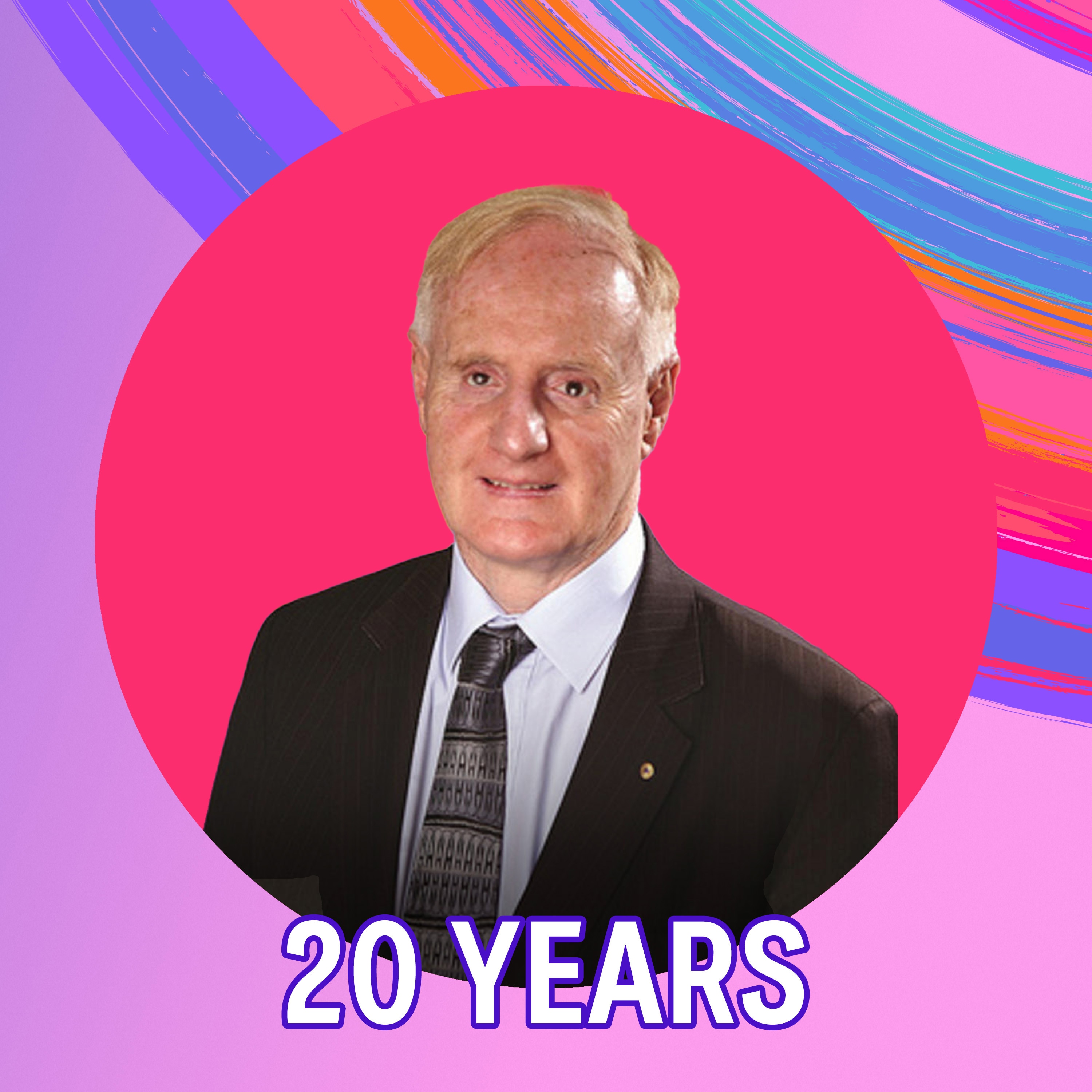
20th Anniversary Collection: Born blind at the right time
Law Professor Ron McCallum was a premature baby in the 1940s. He completed his studies by recording people reading his textbooks aloud onto cassettes. Then an early version of text to speech opened up new possibilities for him.When Ron was born, prospects for blind people to have careers outside sheltered workshops were few.In the late 1970s enormous change swept into Ron’s life. He fell in love with fellow lawyer, Mary Crock, and they began a family. Ron became the first totally blind professor of any discipline in Australia with a role at the University of Sydney Law School.He was also chair of the United Nations Committee on the Rights of Persons with Disabilities, and 2011 Senior Australian of the Year.Further informationFirst broadcast July 2019.You can read all about the Conversations origin story on the ABC News website.The researcher on this episode of Conversations was Michelle Ransom-Hughes. The Executive Producer is Carmel Rooney.This episode touches on disability, a career in law, uni, life story, epic life story, premature babies, history and autobiography.To binge even more great episodes of the Conversations podcast with Richard Fidler and Sarah Kanowski go the ABC listen app (Australia) or wherever you get your podcasts. There you’ll find hundreds of the best thought-provoking interviews with authors, writers, artists, politicians, psychologists, musicians, and celebrities.
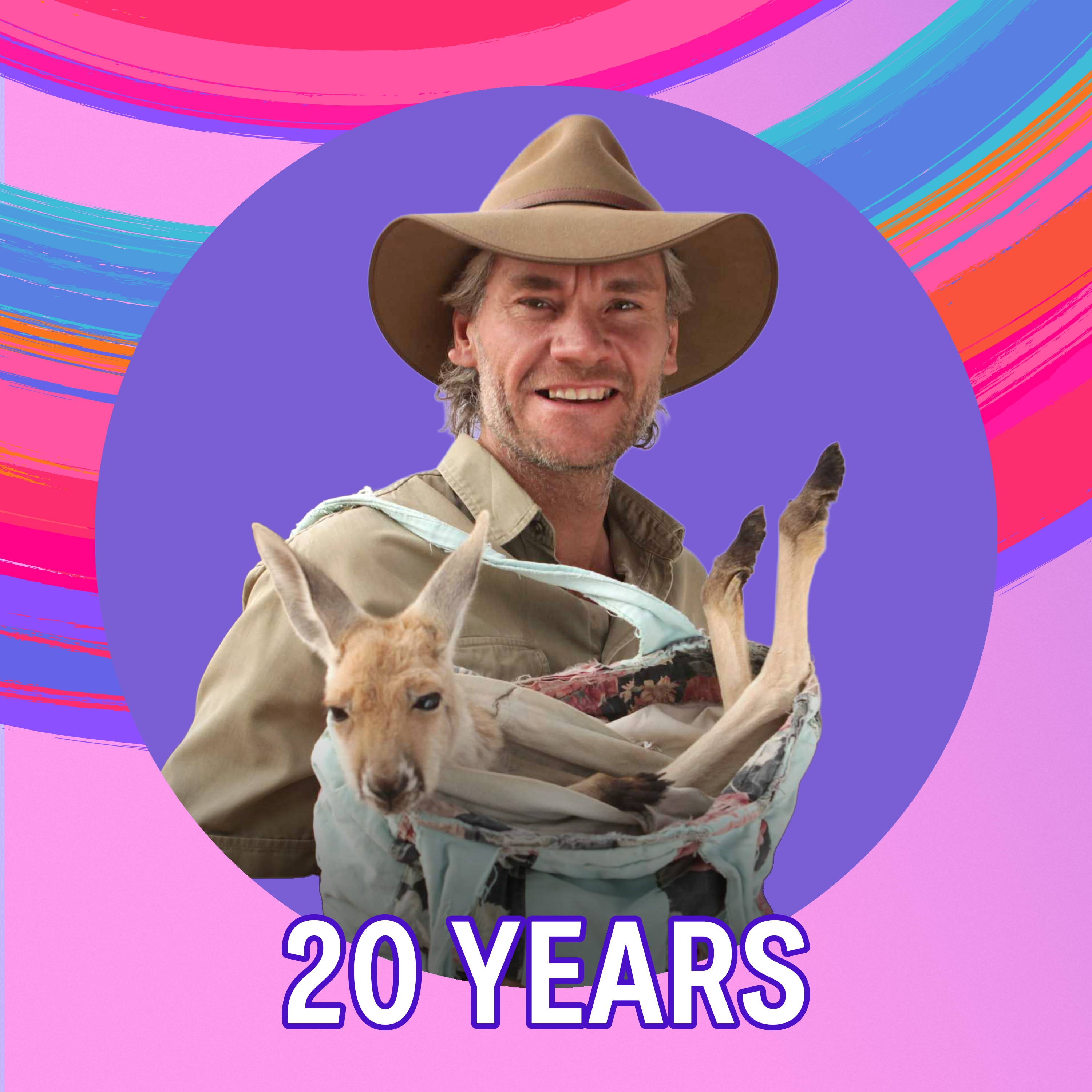
20th Anniversary Collection: Brolga the 'kangaroo mum'
Aged 17, Chris 'Brolga' Barns was meant to be the 'bird guy' at a new zoo in Broome. A cough in his keeper's house alerted him to a kangaroo joey called Josie, who needed four-hourly feeds and help with the toilet. From then on he was hooked.Brolga knew early on he wanted to make a living working with animals.After meeting Josie he began to rescue other joeys left alive in their mothers' pouches after the large animals had been hit by cars.Word spread about his passion for orphaned joeys, and he started an education centre in an old double-decker bus.In 2013 the BBC made a documentary about Brolga, Kangaroo Dundee, which became a worldwide hit.Brolga and his wife Tahnee now run a hospital and rescue centre outside Alice Springs.Further informationOriginally broadcast October 2018.Read more about Brolga's Kangaroo Sanctuary.2025 update: since Sarah’s original conversation with Brolga, the mighty Roger has passed away, at the age of 12.A new Australian movie, Kangaroo, based on Brolga’s life and the sanctuary, is due for release in September.Standout story – Belinda TerryHear Belinda Terry, ‘Nocka' Peoples, Cheryl Thompson, Elizabeth 'Thumper' Clark in a special night of storytelling from Muttaburra.https://www.abc.net.au/listen/programs/conversations/muttaburra-stories-conversations-in-the-shearing-shed/7788918You can read all about the Conversations origin story on the ABC News website.https://www.abc.net.au/news/2025-08-03/richard-fidler-reflects-on-20-years-of-conversations/105495784This episode was produced by Nicola Harrison. The Executive Producer was Pam O'Brien.This episode of Conversations touches on kangaroos, wildlife care, Alice Springs, orphaned joeys, kangaroo joeys, epic life stories, origin stories, zoos, roadkill, outback Australia and the outback.To binge even more great episodes of the Conversations podcast with Richard Fidler and Sarah Kanowski go the ABC listen app (Australia) or wherever you get your podcasts. There you’ll find hundreds of the best thought-provoking interviews with authors, writers, artists, politicians, psychologists, musicians, and celebrities.
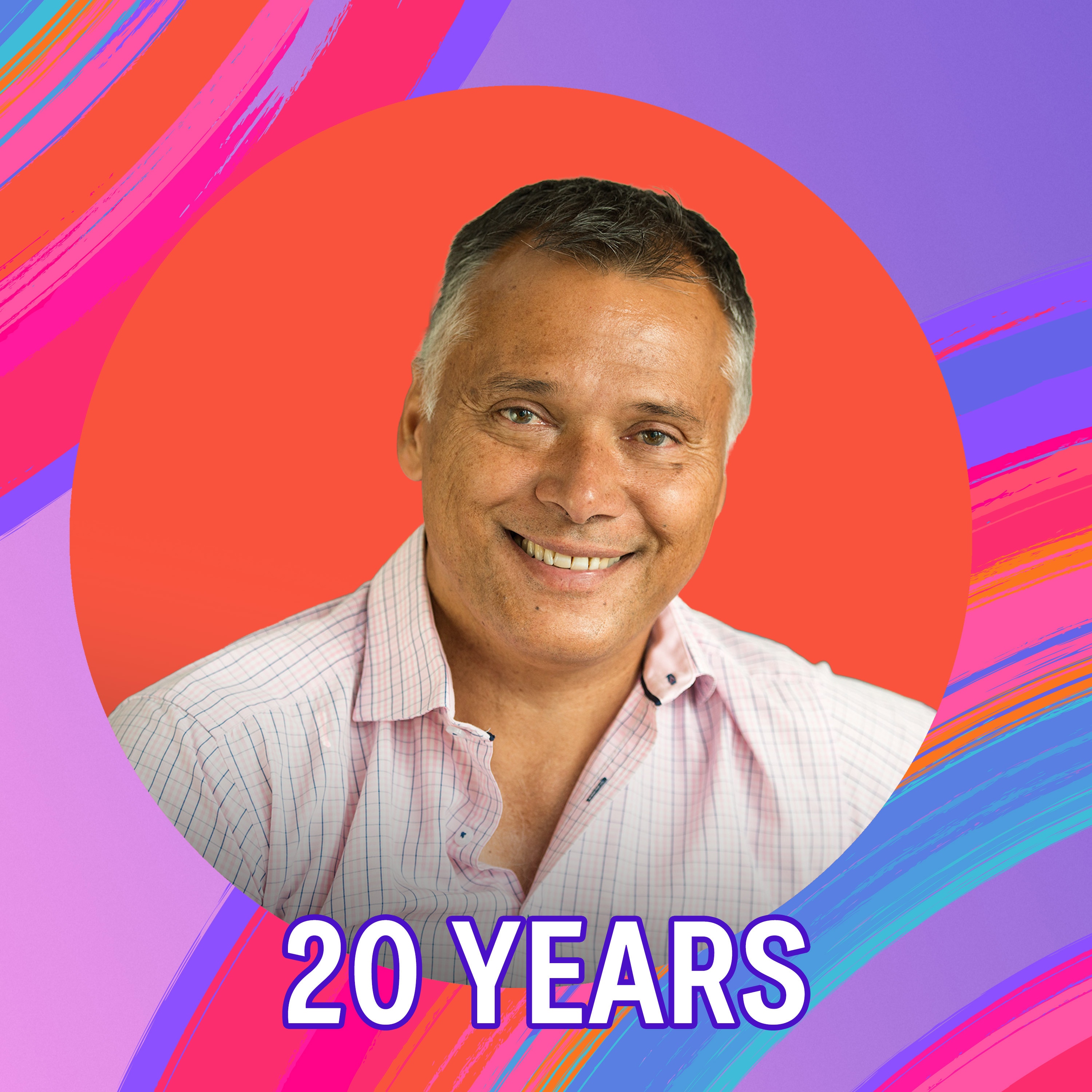
20th Anniversary Collection: Stan Grant on what his father taught him
The veteran Wiradjuri journalist spent his first year living in the wreck of a Model T Ford on a NSW mission. He has reported from China and North Korea, covered Nelson Mandela’s release, the death of Princess Diana, the Troubles in Northern Ireland, and reported from outside Osama bin Laden’s house after he was killed.His father was a hard man and an itinerant sawmiller who taught Stan the lessons he would need to survive and thrive as he grew older.On the surface, Stan seemed disinterested in his studies, but he memorised everything he learned and gathered his knowledge for the future.The family moved to Canberra when Stan was a teenager and suddenly the world opened up for him.Further informationOriginally broadcast May 2013.This episode was produced by Michelle Ransom-Hughes and the Executive Producer is Carmel Rooney.You can read all about the Conversations origin story on the ABC News website.https://www.abc.net.au/news/2025-08-03/richard-fidler-reflects-on-20-years-of-conversations/105495784This episode of Conversations touches on Indigenous family, Wiradjuri country, tabloid TV, racism, fatherhood, fathers, origin stories, personal stories, epic life stories, family dynamics, First Nations, news reporting and international news and journalism.To binge even more great episodes of the Conversations podcast with Richard Fidler and Sarah Kanowski go the ABC listen app (Australia) or wherever you get your podcasts. There you’ll find hundreds of the best thought-provoking interviews with authors, writers, artists, politicians, psychologists, musicians, and celebrities.
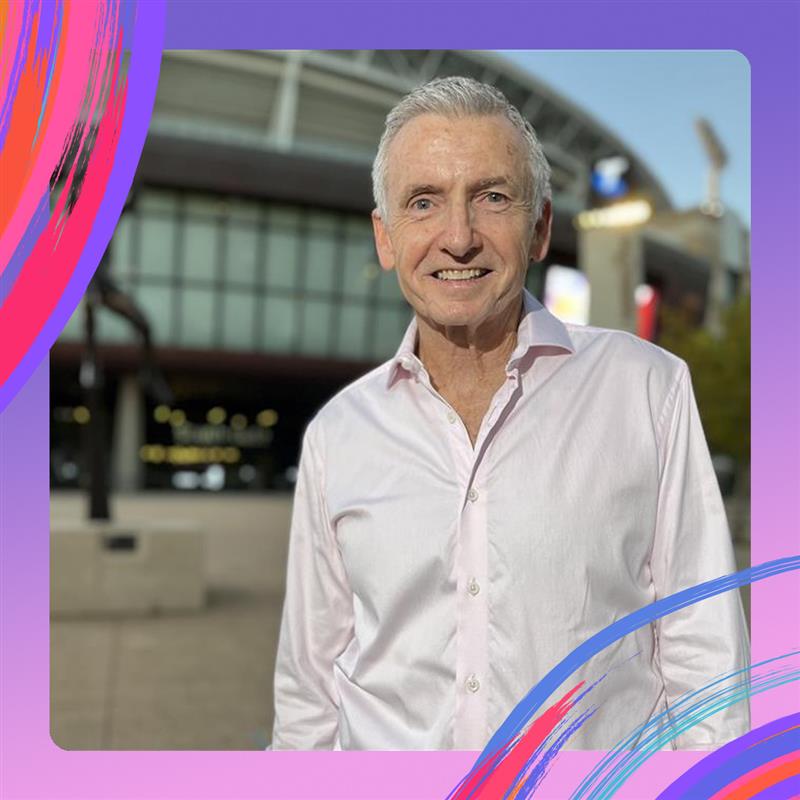
Conversations Live podcast extra: Bruce McAvaney
Sarah and Richard give you a sneak peek behind the scenes of the Conversations Live Tour, Adelaide edition.Legendary sports broadcaster, Bruce McAvaney was one of the special guests who appeared on stage to share some photos close to his heart, and the stories attached to them.Further informationTo see Bruce's photos for yourself, head to the ABC Conversations Facebook page.https://www.facebook.com/abcconvos/To binge even more great episodes of the Conversations podcast with Richard Fidler and Sarah Kanowski go the ABC listen app (Australia) or wherever you get your podcasts. There you’ll find hundreds of the best thought-provoking interviews with authors, writers, artists, politicians, psychologists, musicians, and celebrities.
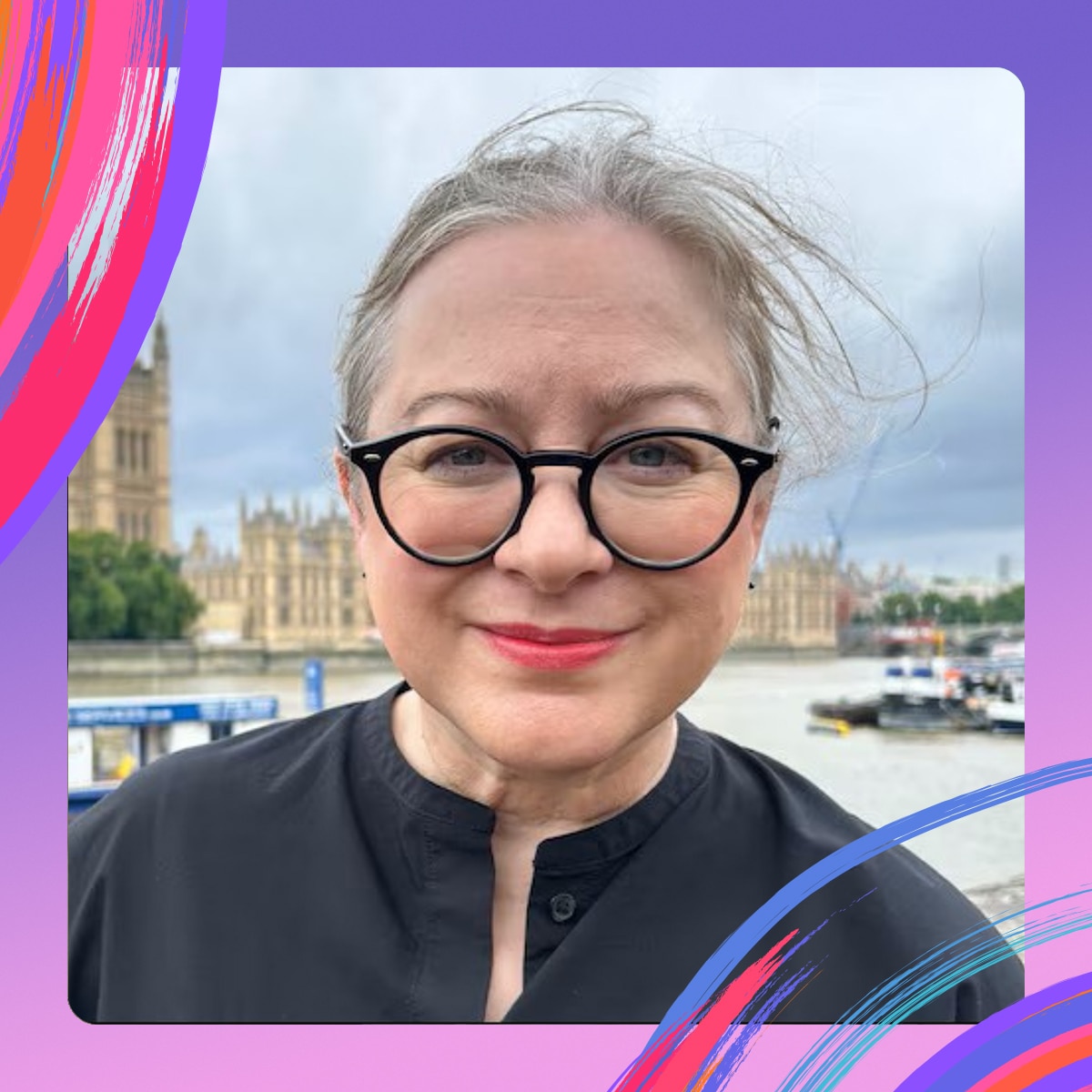
Conversations Live podcast extra: Gill Hicks
Sarah and Richard give you a sneak peek behind the scenes of the Conversations Live Tour, Adelaide edition.London Bombing survivor, Gill Hicks was one of the special guests who appeared on stage to share some photos close to her heart, and the stories attached to them.Further informationTo see Gill's photos for yourself, head to the ABC Conversations Facebook page.https://www.facebook.com/abcconvos/To binge even more great episodes of the Conversations podcast with Richard Fidler and Sarah Kanowski go the ABC listen app (Australia) or wherever you get your podcasts. There you’ll find hundreds of the best thought-provoking interviews with authors, writers, artists, politicians, psychologists, musicians, and celebrities.
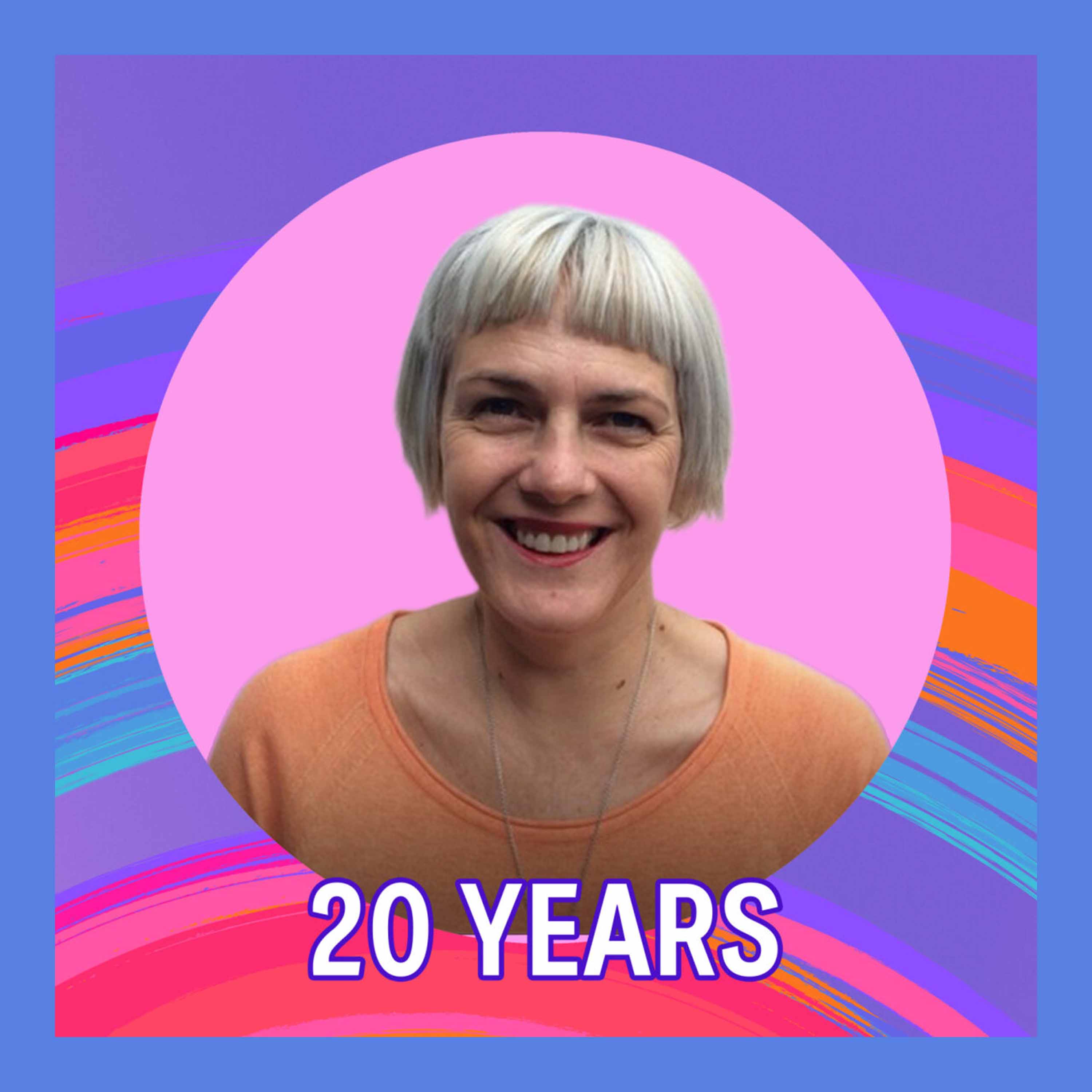
20th Anniversary Collection: Surviving my dad's arrest and learning to thrive
Longtime TV casting agent, Kirsty de Vallance was 16 when Police searched the house and arrested her father on serious drugs charges. Throughout her teen years she had to navigate the complexity of having a parent in prison. The family went into freefall and a short time later Kirsty's mother died.Her two older sisters raised Kirsty and she stayed in touch with her father until his release from prison.The effects on the family were far-reaching and devastating and as a result, Kirsty volunteers with children who find themselves in a situation like hers — with parents in jail.For many years Kirsty ran a successful casting agency with her husband and together they found contestants for TV shows including Masterchef and Project Runway.Further informationFirst broadcast June 2015.2025 update: Kirsty continued working in TV casting up until recently, but now she and her husband focus on the wellbeing side of production. Their company ‘Strength on Set’ looks after the health and wellbeing of cast and crew on shows like ‘Farmer Wants a Wife’ and ‘The Bachelor’.Kirsty has also returned to studying, and is completing a Diploma in Counselling.Standout story – Nicholas HammondYou can hear Richard's full conversation with Nicholas Hammond on the ABC Listen app or wherever you get your podcasts.https://www.abc.net.au/listen/programs/conversations/nicholas-hammond-the-sound-of-music-cinderella-julie-andrews/14069188You can read all about the Conversations origin story on the ABC News website.https://www.abc.net.au/news/2025-08-03/richard-fidler-reflects-on-20-years-of-conversations/105495784The Executive Producer of this episode of Conversations was Pam O'Brien.This episode of Conversations explores parents in prison, kids with a parent in prison, drugs charges, heroin, early death, mentoring, prison, jail, Ireland, TV casting agent, Farmer Wants a Wife, Masterchef and Project Runway.To binge even more great episodes of the Conversations podcast with Richard Fidler and Sarah Kanowski go the ABC listen app (Australia) or wherever you get your podcasts. There you’ll find hundreds of the best thought-provoking interviews with authors, writers, artists, politicians, psychologists, musicians, and celebrities.
20th Anniversary Collection: The comic genius of Jennifer Saunders
The co-creator of Absolutely Fabulous says her remarkable career as one of the world's funniest women is all down to a series of happy accidents. When she and her great pal Dawn French were making their first series, French & Saunders, they were given complete freedom by the BBC, including the freedom to fail.Despite a few mishaps along the way and a battle with breast cancer, Jennifer now says that early freedom, risk-taking and random opportunities were the best things that could possibly have happened to them.Further informationFirst broadcast in April, 2014.Standout story – Timothy SpallYou can hear Sarah's full conversation with Timothy Spall on the ABC Listen App, or wherever you get your podcasts.You can also read all about the Conversations origin story on the ABC News website.This episode of Conversations explores memoir, books, writing, TV comedy, Ab Fab, celebrity memoir, battling cancer, survival stories, breast cancer, British humour, dark humour, Black Books, the Comic Strip, Friends, Roseanne, Adrian Edmondson, Edina Monsoon, Joanna Lumley, Patsy Stone, Muppets, Spice Girls, Top Gear.
20th Anniversary Collection: Judy Sharp and the remarkable rise of Laser Beak Man
When Judy Sharp was told by doctors that her son would never communicate or learn to love, she refused to believe it and set about to secure a brilliant life for her neurodivergent son, Tim.Judy's eldest son, Tim, was diagnosed with autism when he was 3 years old.When Judy was told Tim would never communicate or be able to love she refused to accept those limitations.As a mother, Judy took many risks to secure a good life for both of her sons, including escaping an abusive marriage.Her risks paid off.As a grown man, Tim became a renowned artist and his popularity continues to grow.Laser Beak Man, Tim's cheeky cartoon super-hero, has taken Tim and Judy as far as Broadway, where he was the central figure of a musical.Further informationFirst broadcast in February, 2016.2025 update: Tim and his artwork have been included in the book celebrating 50 years of the Sydney Opera House, about 50 famous Australian artists.Judy is now a sought-after speaker and spends much of her time speaking at conferences. A film based on Judy's memoir is in development, hopefully starting production in 2026. You can read all about the Conversations origin story on the ABC News website.This episode of Conversations explores parenting children with autism, ADHD, neurodivergence, communication, Asperger's, mothers of sons, spousal abuse, brothers, ASD, Autism Spectrum Disorder, Austin.
20th Anniversary Collection: How power and fear play out in the dentist's chair
Sharonne Zaks is not your average dentist. After treating a patient named Anna, Sharonne saw the power relationship with her patients differently. She developed a new branch of dentistry to help care for survivors of sexual assault.Sharonne grew up in a family of dentists, and when she too became a dentist, she developed an empathetic relationship with her patients, never judging them even if they'd avoided the dentist for years.A patient named Anna profoundly changed Sharonne's understanding of a patient's experience in the dentist's chair.Sharonne realised that for those who have been through a sexual assault or trauma, the extreme powerlessness of being treated at the dentist can be highly triggering.Sharonne undertook study into the area, and began a new regime to treat survivors in her own practice.She then began explaining what she'd found about the power dynamic between dentist and patient, to her own colleagues.Further information2025 update: Sharonne regularly presents on trauma-informed care to groups across the dental profession and beyond, including lawyers, nurses, doctors and carers.Trauma-informed dental knowledge and skills have recently been made core competencies for all newly qualified dentists by the Australian Dental Council.You can read all about the Conversations origin story on the ABC News website.This episode of Conversations explores dentistry, Maxillofacial surgery, fear of the dentist, overcoming fear of the dentist, sexual trauma, power dynamics, tooth pain, tooth ache, root canal, medical industry, helping patients, fear of medicine, oral hygiene, avoiding the dentist, dental appointment, finding a dentist who cares, empathetic dentist, pain free dentist.
20th Anniversary Collection: A lion named Christian, and the men who loved him
In the swinging '60s, Anthony 'Ace' Bourke and John Rendall bought a lion cub from a luxury department store. They eventually released him to his natural habitat in Africa. Footage of their emotional reunion in the wilds of Africa nearly broke the internet, decades later.In 1969, Anthony 'Ace' Bourke and John Rendall bought a lion cub for just under £300 from Harrods Department Store.They named the cub Christian, and lived with him as a pet in their Chelsea flat, above a furniture shop.Eventually, Ace and John met the renowned conservationist George Adamson, who agreed to introduce Christian to his natural habitat in Africa as he was quickly outgrowing their inner city pad.Several years later John and Ace went to visit Christian in the wilds of Kenya.The fully grown lion remarkably remembered the men, and was filmed leaping up to embrace them.Some 40 years after that event, footage of their reunion was uploaded to YouTube, and brought the story to a whole new audience.Further informationFirst broadcast April, 2009.John Rendall continued to actively support the The George Adamson & Tony Fitzjohn Wildlife Trust until his death in 2022. Ace Bourke has been a committee member of Australian-based charity, Working for Animals for many years and is writing a memoir. Standout story – Ken WyattYou can hear Richard's full conversation with Ken Wyatt on the ABC Listen App or wherever you get your podcasts. You can also read all about the Conversations origin story on the ABC News website.This episode of Conversations explores viral videos, conservation, charismatic animals, safari, wildlife trade, 1960s, Kora National Park, Kenya, East Africa, travel, animal welfare, epic story, unbelievable story, memoir, books, writing.
20th Anniversary Collection: Bryan Brown’s ticket from Bankstown to Palm Beach
Bryan Brown has played more than 80 roles on stage and screen. Raised in working-class Sydney, his talent, hard work, and unmistakable presence have been his ticket to the world.Now in his late 70s, Bryan has had more film and television acting roles than he’s had birthdays, and is an instantly recognisable figure on screens around the world.From Breaker Morant and Newsfront to Two Hands and Sweet Country, a huge number of classic Australian films feature Bryan, a testament to his talent, popularity and work ethic. Bryan also spent a period working in America, starring most notably in Cocktail and Gorillas In The Mist, before ultimately choosing Sydney over Hollywood.In the 1980s, working on the American-made series The Thorn Birds utterly changed Bryan’s life. He and British co-star Rachel Ward fell in love and married soon after.Their creative partnership has been enduring and they worked on one of Bryan's most recent films, Palm Beach, together - with Rachel directing and co-writing, and Bryan also co-producing.Palm Beach was inspired by a reunion of friends in later life, and a health scare that rocked Bryan’s confidence for several years. Further InformationOriginally broadcast August, 2019.Standout story – Hank HarlowYou can hear Richard's full conversation with Hank Harlow on the ABC Listen App or wherever you get your podcasts.You can also read all about the Conversations origin story on the ABC News website.This episode of Conversations explores acting, Australian cinema, classic movies, Australiana, Australian kitsch, film history, fatherhood, love, rags to riches, Hollywood,, anxiety, mental health, amateur theatre, theater, Red Dog, men's mental health.
20th Anniversary Collection: the story of the unwitting woman behind cell research and 'immortality'
Henrietta Lacks was the first human being that we know of to get close enough to 'immortality' to touch it. She died more than 50 years ago but her cells live on.'HeLa' cells were the first human cells to be grown for research, and have been vital in medical advances since the 1950s.But what fascinated science major Rebecca Skloot the most about these cells, was how little was known about the woman behind the name.So she set out to discover who Henrietta Lacks really was.Further informationFirst broadcast in July, 2010.The Immortal Life of Henrietta Lacks is published by Picador.Rebecca's book was turned into a film starring Oprah Winfrey.You can learn more about Henrietta online.Standout story – Helen MacDonaldYou can also hear Richard's full conversation with Helen Macdonald on the ABC Listen App or wherever you get your podcasts. You can also read all about the Conversations origin story on the ABC News website.This episode of Conversations explores science, science communication, weird science, female scientists, modern history, medicine, medical history, medical research, cells, cancer, curing disease.