Conflict Zone
65 episodes — Page 2 of 2
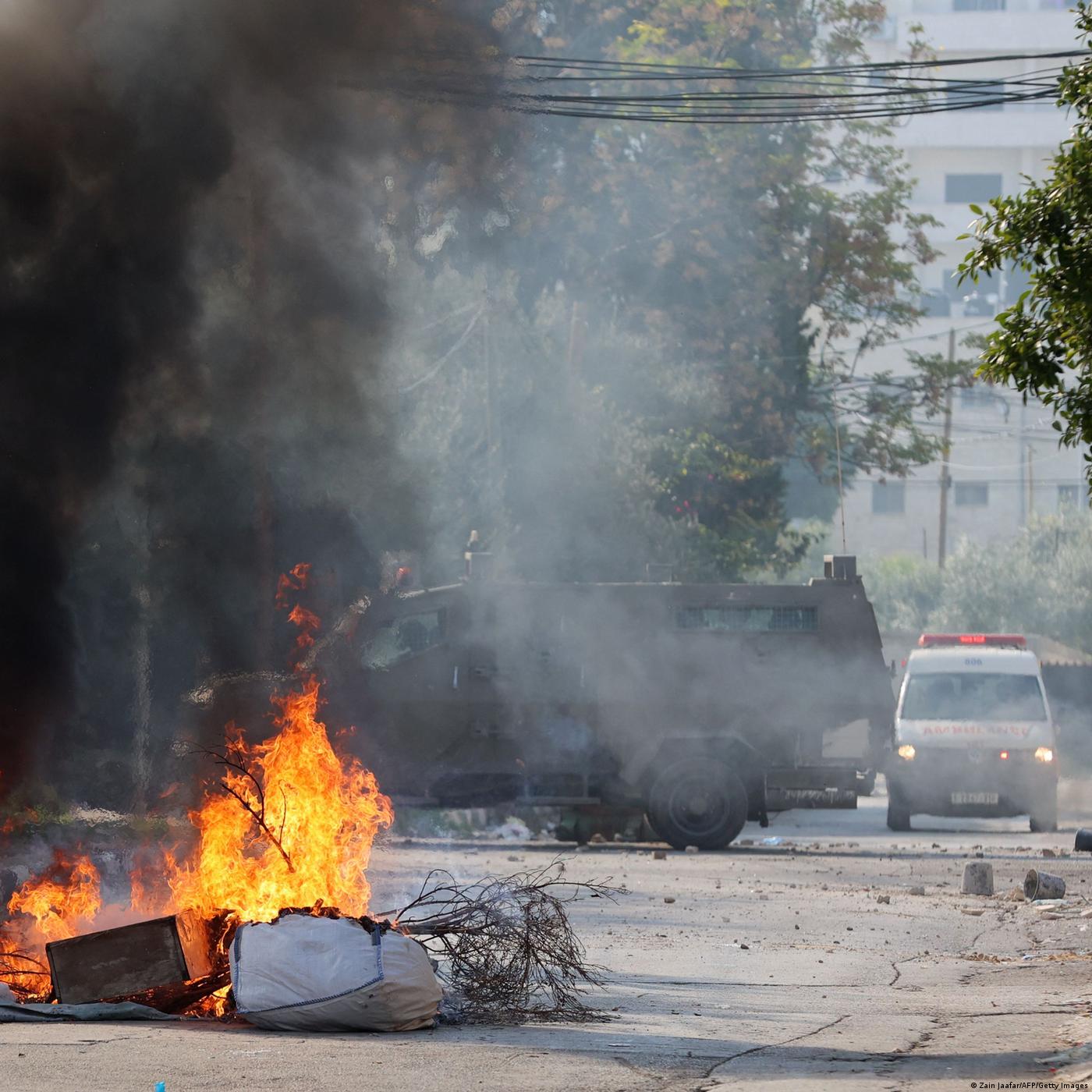
Israeli-Palestinian conflict: Where is the violence leading?
Amid some of the worst violence in years between Israelis and Palestinians, the US secretary of state has said the only way to end the conflict is a two-state solution — but is that still possible? DW asks the head of the Palestinian mission to the UK, Husam Zomlot.
Will NATO crack over every weapons shipment to Ukraine?
"Consensus is not a liability," the US envoy to NATO says, referring to the recent debate over delivering Western tanks to Ukraine. Julianne Smith says each NATO member comes with its own perspective but that the alliance is united in its purpose. She also told DW it was up to Kyiv to determine when it was ready to negotiate with Russia.
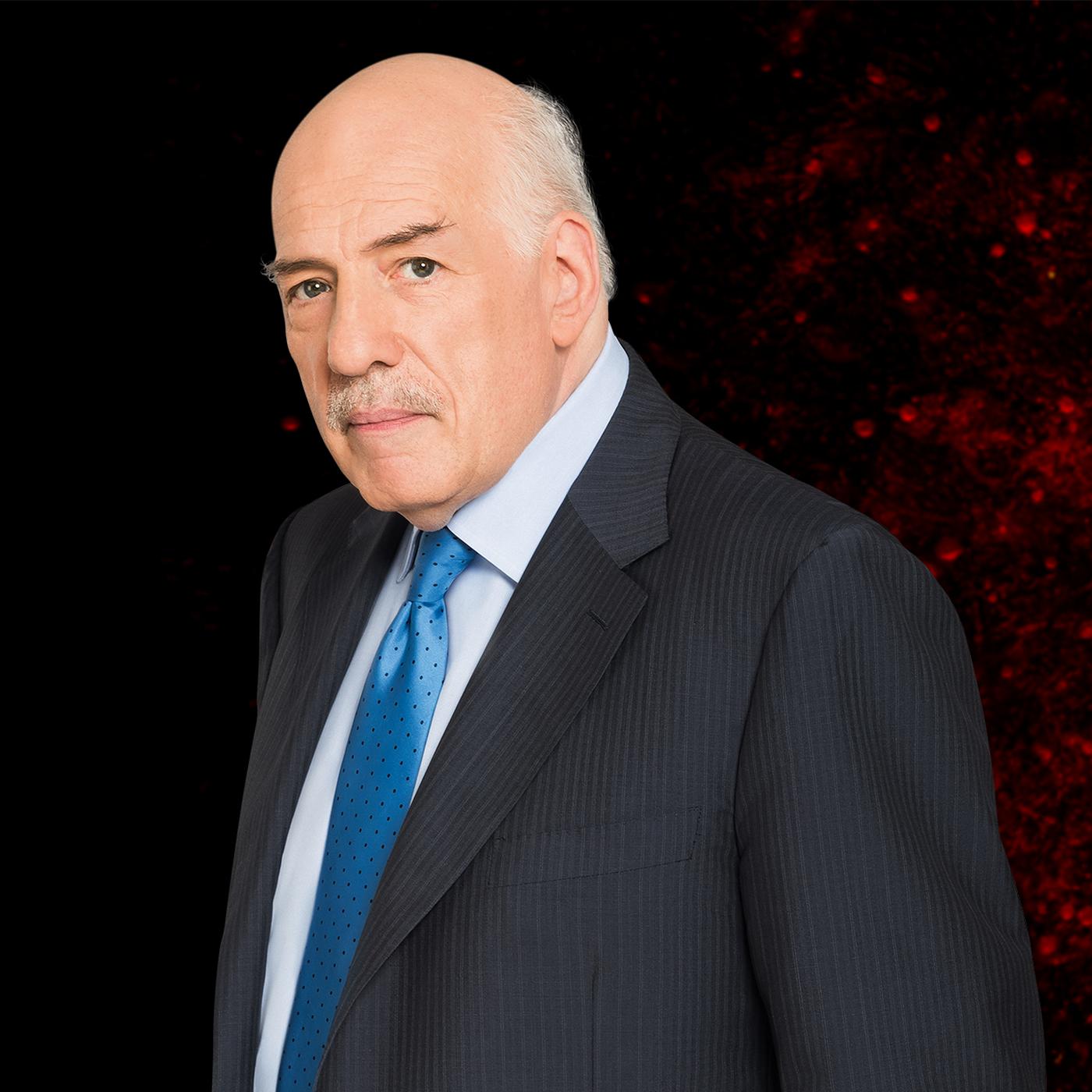
Russian ex-officer: We’re in a proxy war with the US
Vladimir Putin’s nuclear threats should be taken seriously, Russian foreign & defense policy expert tells DW. Dmitri Trenin who served in Russian military intelligence says the Kremlin sees the war in Ukraine as an "existential" fight.
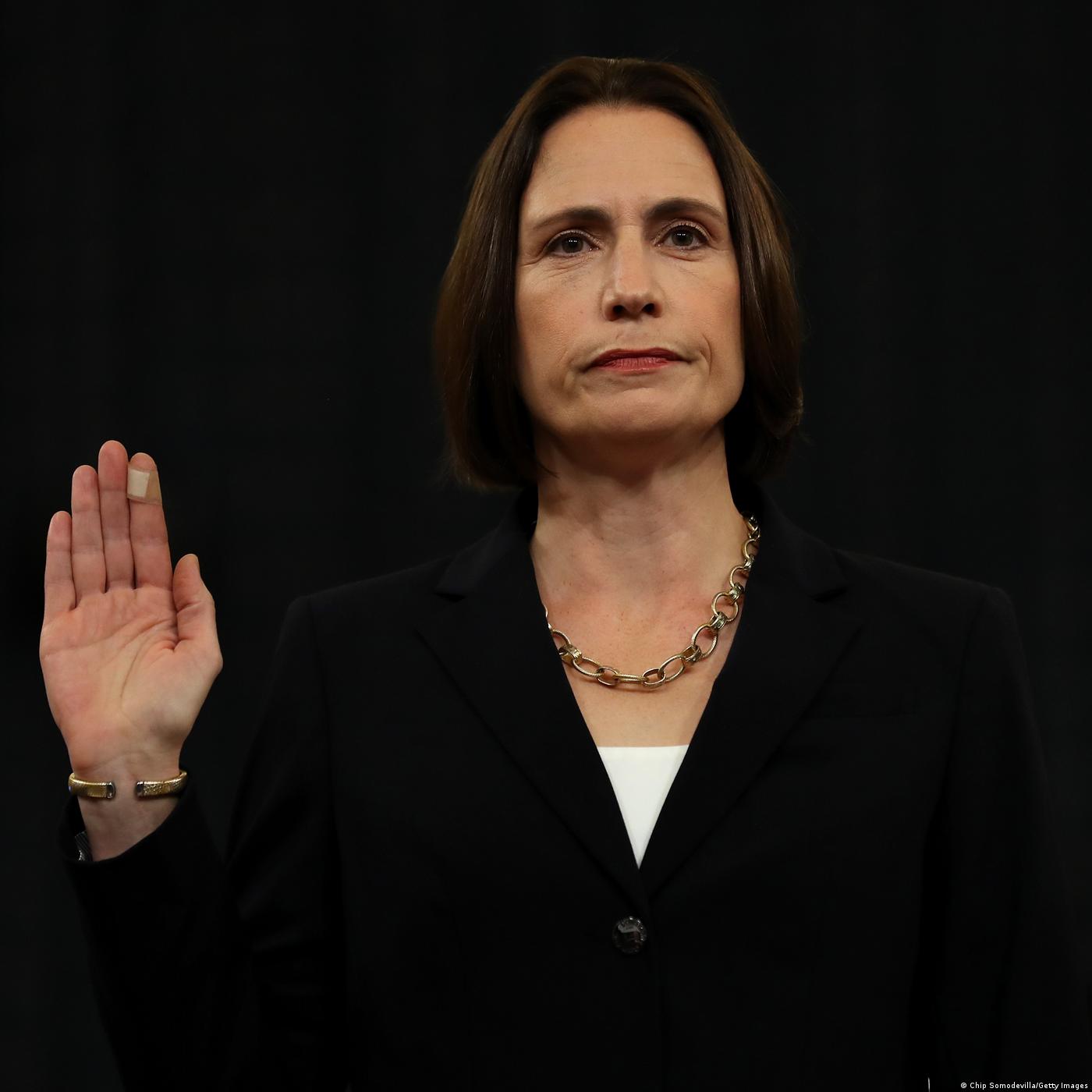
Fiona Hill: Putin is focused on Ukraine's capitulation
Former Trump Russia advisor Fiona Hill tells DW that Vladimir Putin "still has his sights set on the capitulation of Ukraine."
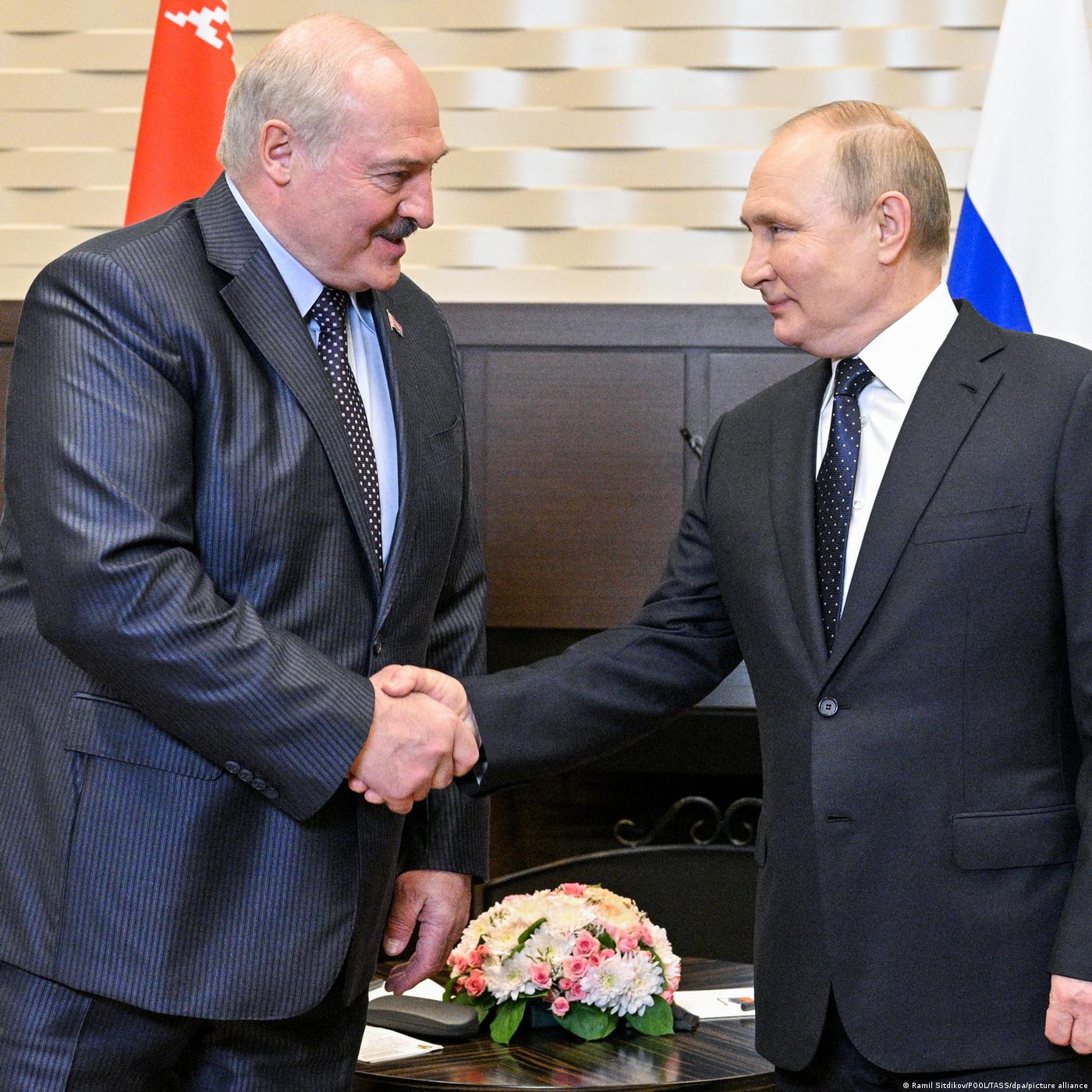
Belarus has been taken 'hostage' by Russia
Putin is trying to create a "puppet regime" in Minsk, the spokesman for Belarus' democratic opposition tells DW.
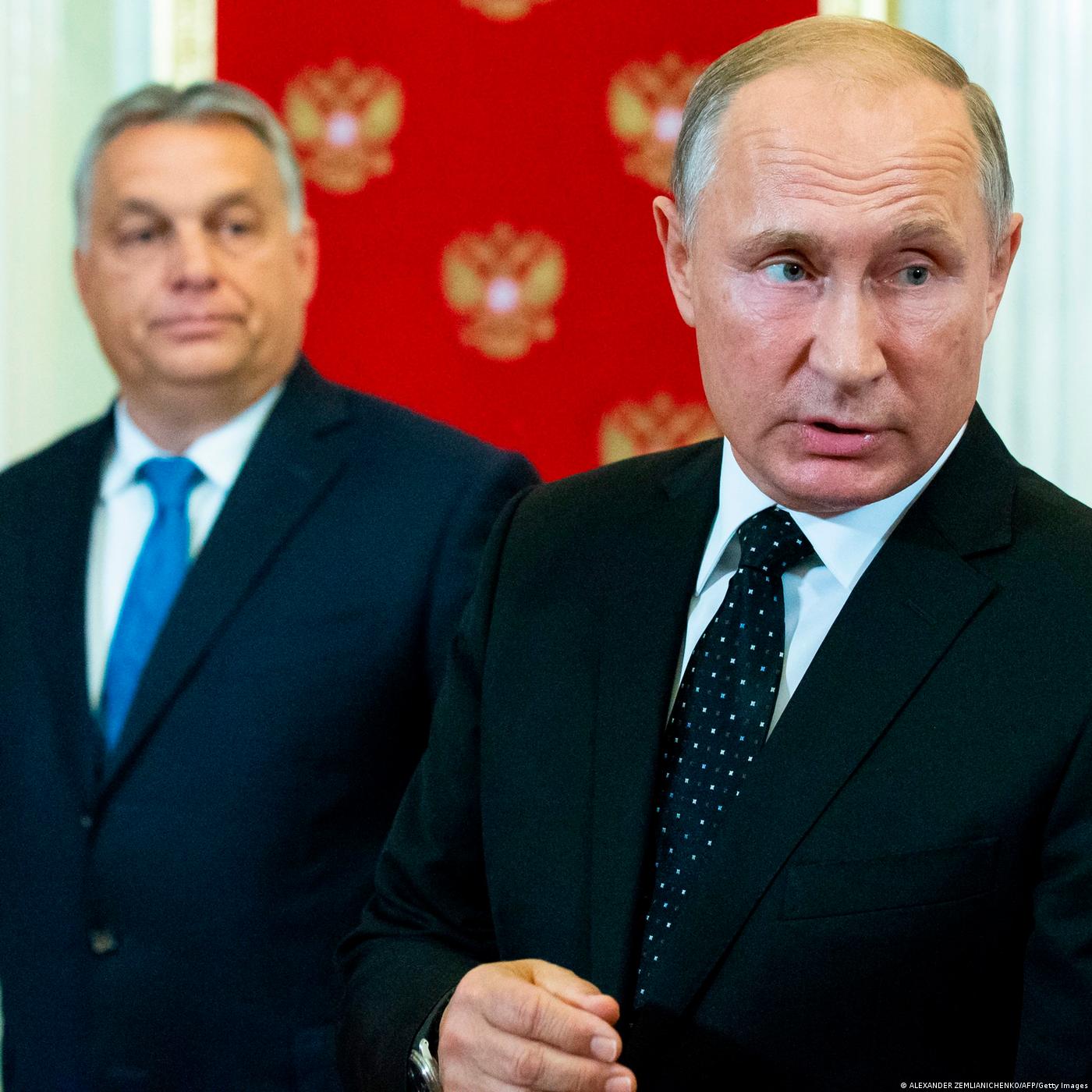
Is Hungary Russia's Trojan horse inside NATO?
DW's Conflict Zone asks why Budapest has been at odds with EU members over Ukraine and made decisions that could please the Kremlin.
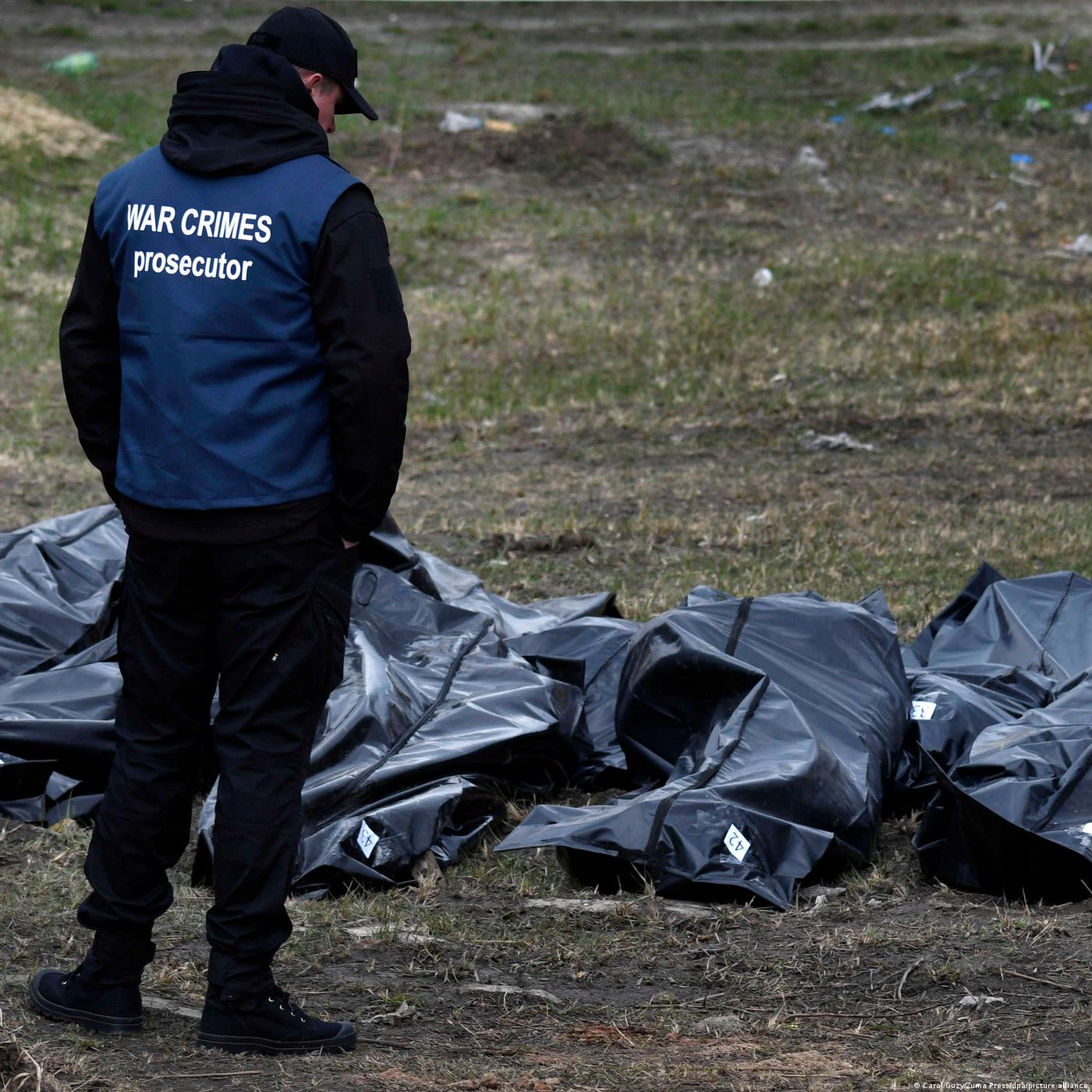
Eliot Higgins on Conflict Zone
Eliot Higgins, founder of the open-source research nonprofit Bellingcat, explains how the group pieces together information to document Russian war crimes in Ukraine. This is the "best hope" of bringing accountability, Higgins told DW.
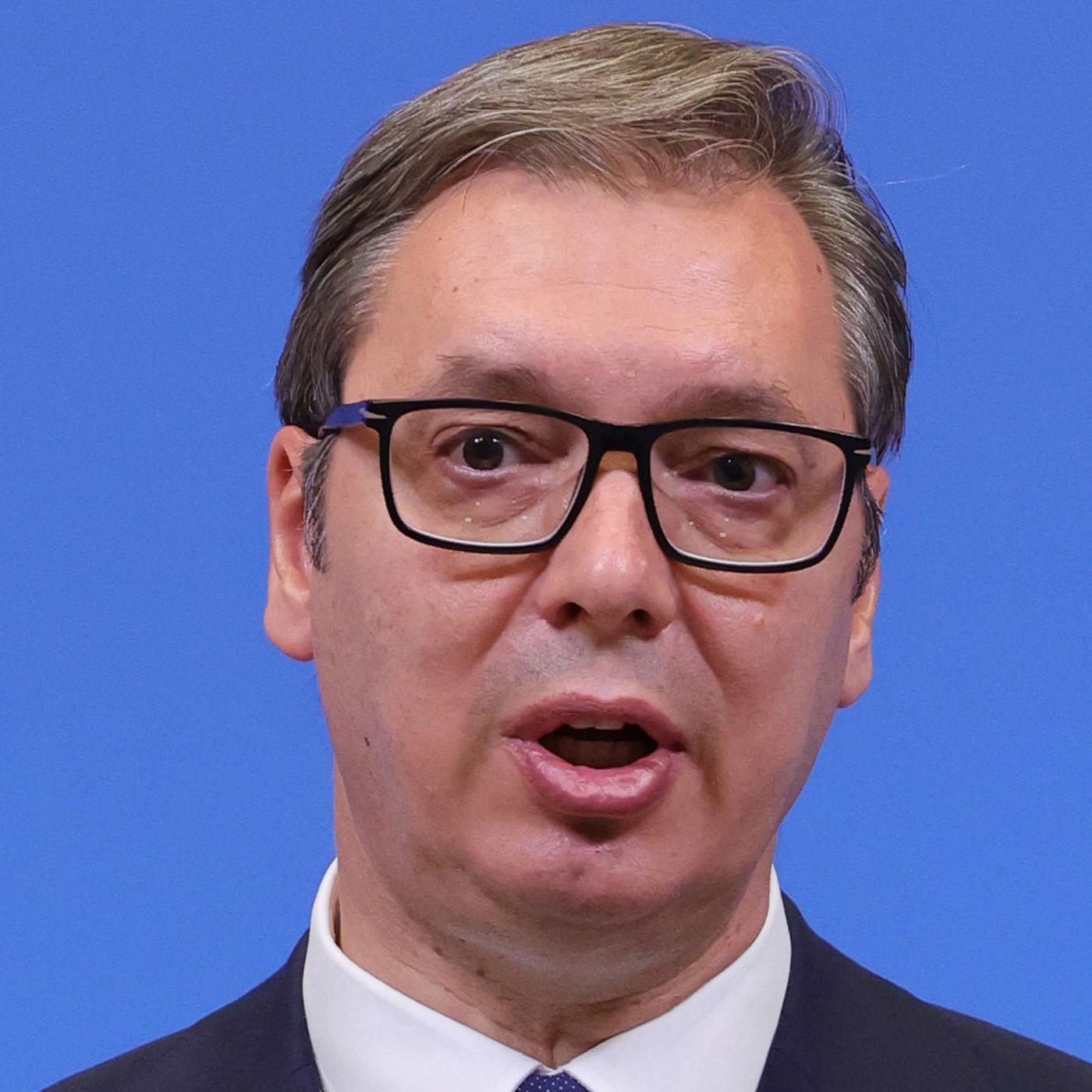
Albin Kurti on Conflict Zone
Belgrade is destabilizing the Balkans through illegal structures and its failure to acknowledge crimes of the past, Kosovo Prime Minister Albin Kurti told Conflict Zone's Tim Sebastian. Kurti said Serbia's relationship with Moscow includes military and economic ties.
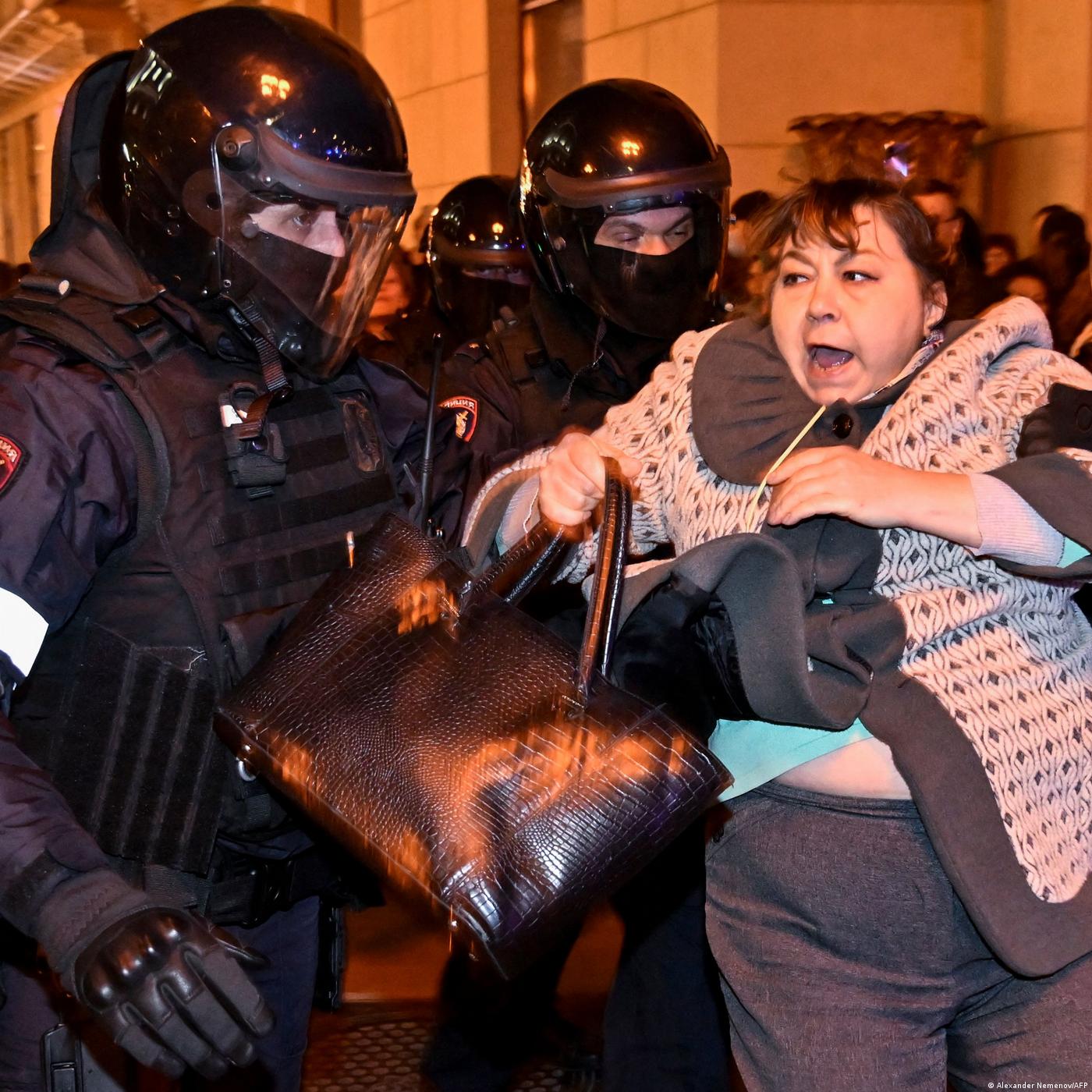
Vladimir Ashurkov on Conflict Zone
Confronting the regime "is a duty of any reasonable person," says one Russian opposition activist and associate of Putin's best-known — and now jailed — critic, Alexei Navalny. But can they justify the risks they are asking people to take?
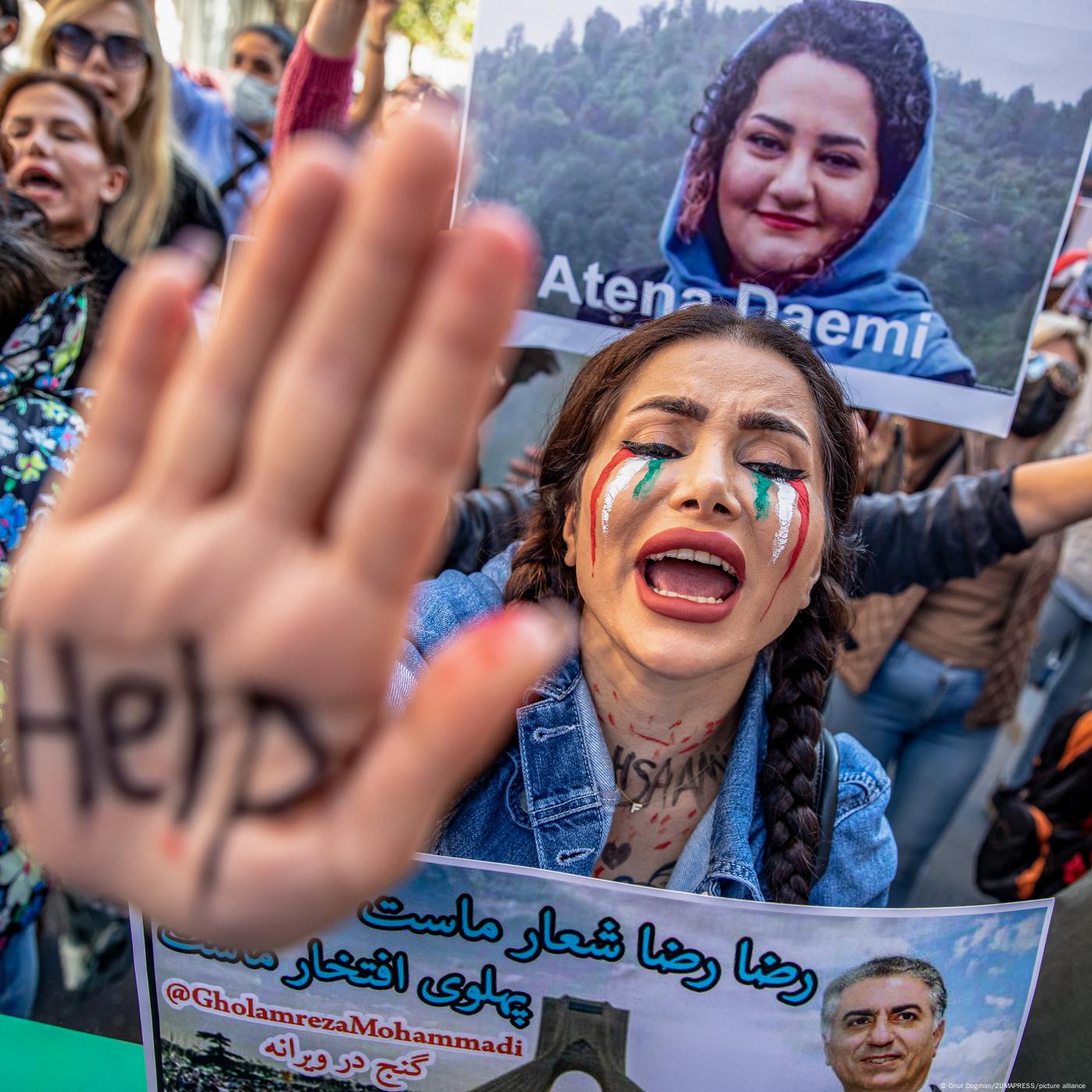
Mohammad Marandi on Conflict Zone
Iran has been gripped by demonstrations and violent crackdowns sparked by the death of 22-year-old Iranian-Kurdish woman Jina Mahsa Amini. But is Iran’s government listening? DW's Conflict Zone spoke to Mohammad Marandi, professor at Tehran University.
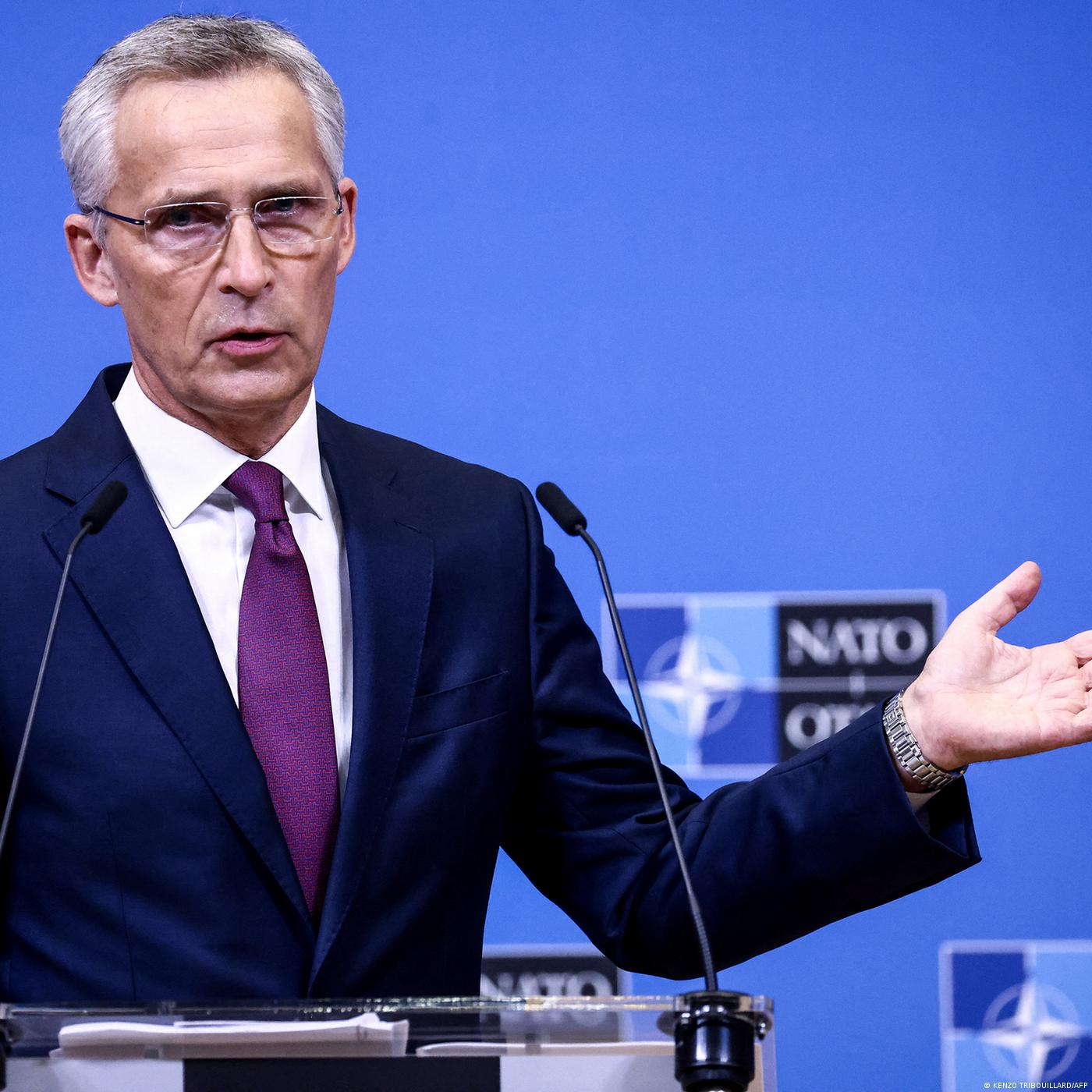
Jens Stoltenberg on Conflict Zone
"The risk of letting President Putin win is much higher than to continue to support Ukraine," said NATO Secretary General Jens Stoltenberg. He spoke with Conflict Zone host Sarah Kelly in a special live interview from the Berlin Foreign Policy Forum.
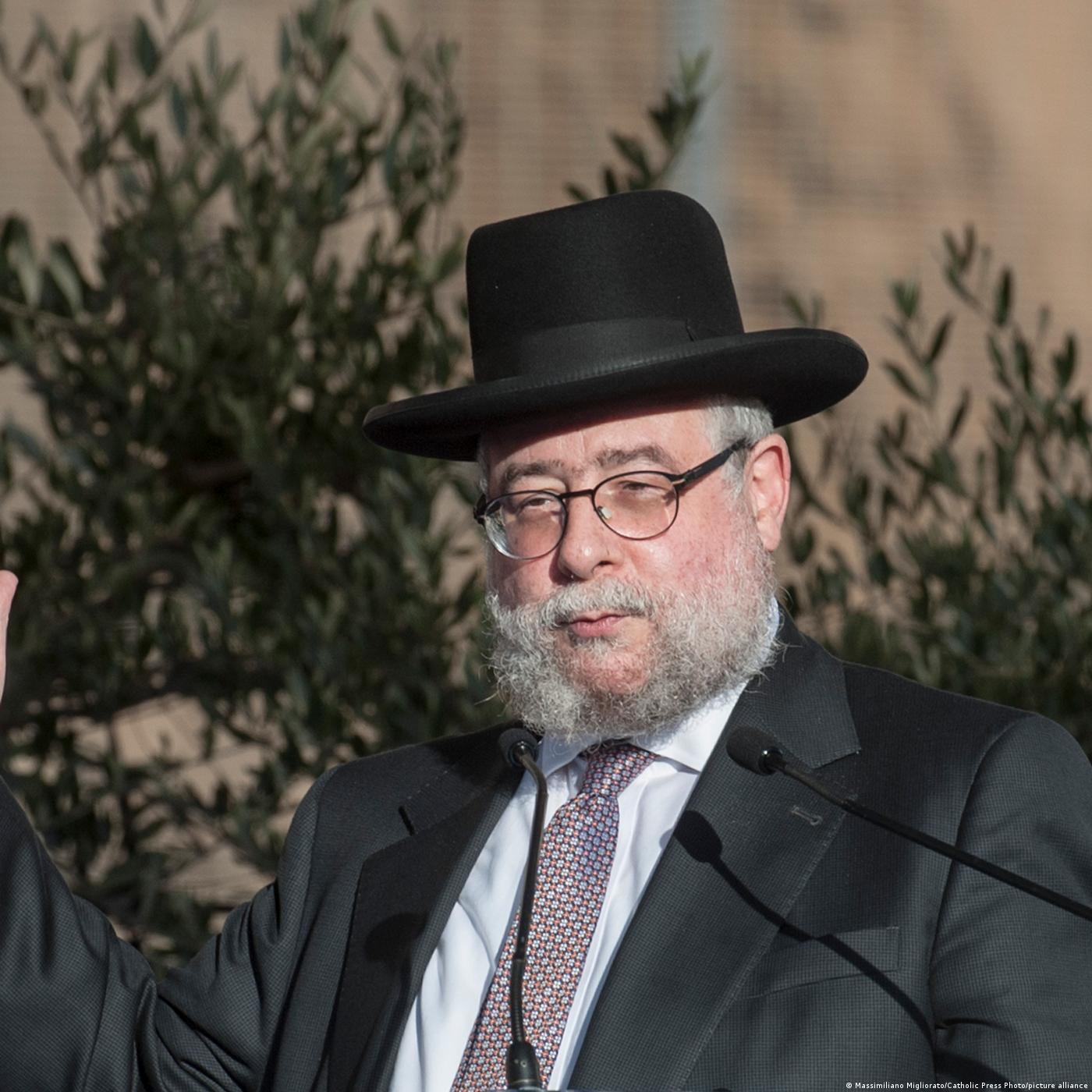
Pinchas Goldschmidt on Conflict Zone
Moscow's former chief rabbi tells DW that those who can, should leave Russia. Pinchas Goldschmidt, who spent the last 30 years building Jewish life in the shadow of the Kremlin, says the rise in antisemitism is alarming.
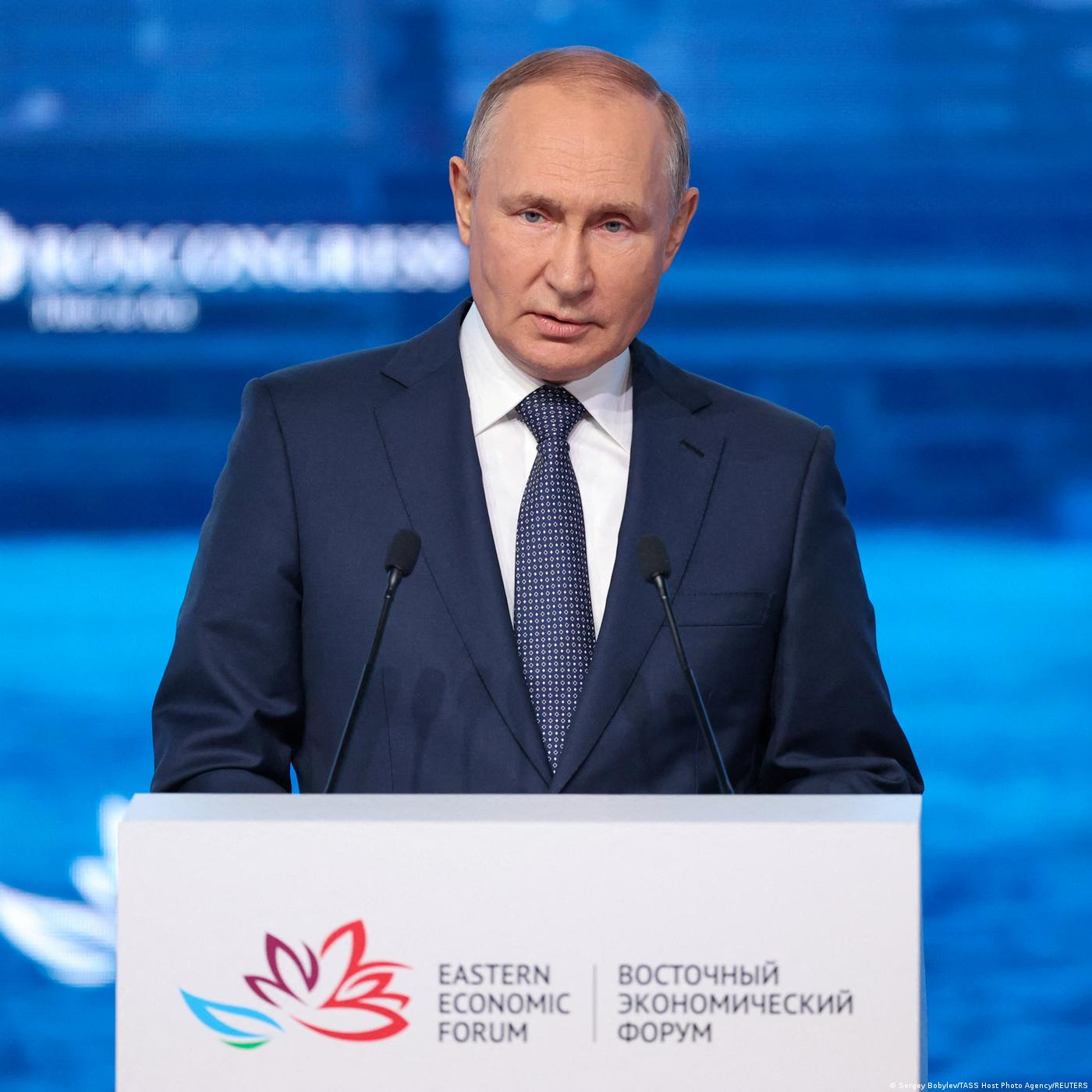
Andrei Kolesnikov on Conflict Zone
Will Vladimir Putin pose more of a threat to the West if he wins - or if he loses? DW's Conflict Zone asked Andrei Kolesnikov, a senior fellow at the Carnegie Endowment for International Peace, in Moscow.
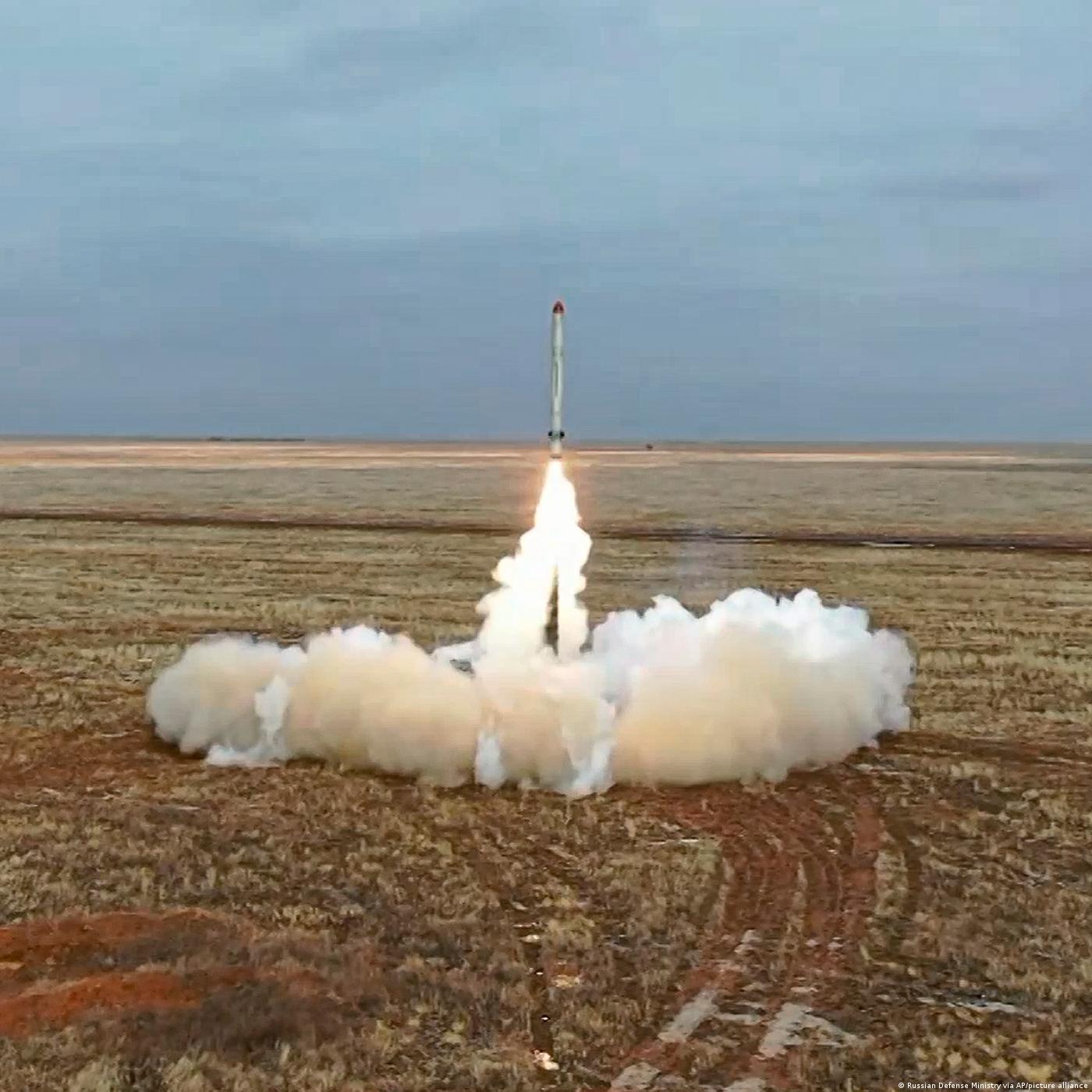
Ihor Zhovkva on Conflict Zone
A senior advisor to Ukraine's President Volodymyr Zelenskyy has rejected the Kremlin's call for negotiations, saying talks will only take place on the battlefield right now. Ihor Zhovkva told DW that while Vladimir Putin's nuclear threats needed to be taken seriously, but his call for negotiations wasn't credible.
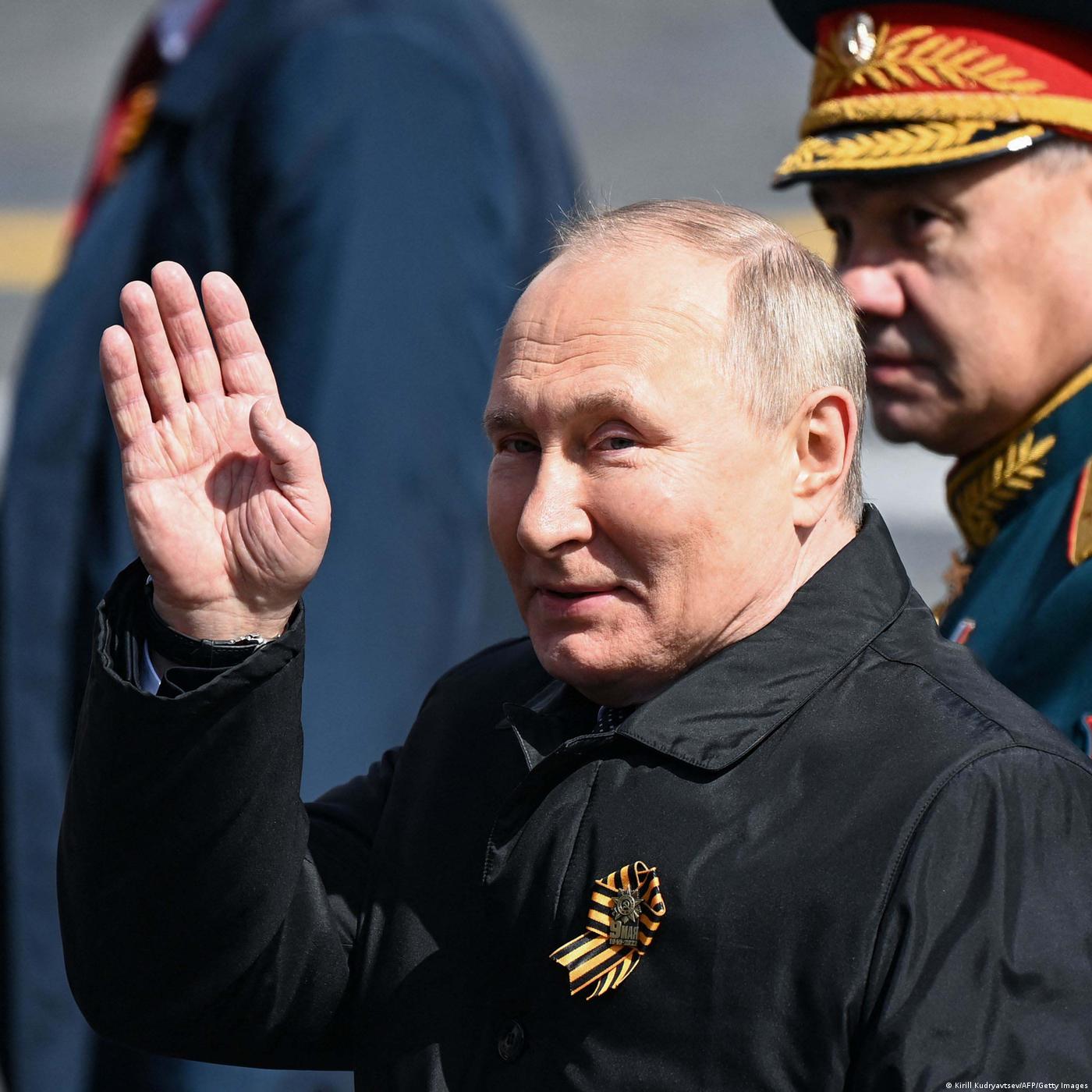
Boris Bondarev on Conflict Zone
Veteran Russian diplomat Boris Bondarev, who resigned in protest of the war and spoke to DW from an undisclosed location, says Vladimir Putin has created a situation from which he has no good exit.