Show overview
Common Law has been publishing since 2019, and across the 5 years since has built a catalogue of 64 episodes. That works out to roughly 35 hours of audio in total. Releases follow a monthly cadence.
Episodes typically run twenty to thirty-five minutes — most land between 29 min and 36 min — and the run-time is fairly consistent across the catalogue. None of the episodes are flagged explicit by the publisher. It is catalogued as a EN-language Education show.
The catalogue appears to be on hiatus or wound down — the most recent episode landed 2.3 years ago, with no new episodes in over a year. The busiest year was 2022, with 18 episodes published.
From the publisher
Though much divides us these days, there are still some things we all share in common. One of them is law. From the kind of health care we receive to the laws that determine what’s a ticket and what’s a court date, law is everywhere. “Common Law” gives insight into the laws around us and what’s next. This season, Dean Risa Goluboff hosts with “Co-Counsel” Danielle Citron, John Harrison, Cathy Hwang and Greg Mitchell, who are also UVA Law professors. Transcripts are posted at commonlawpodcast.com.
Latest Episodes
View all 64 episodes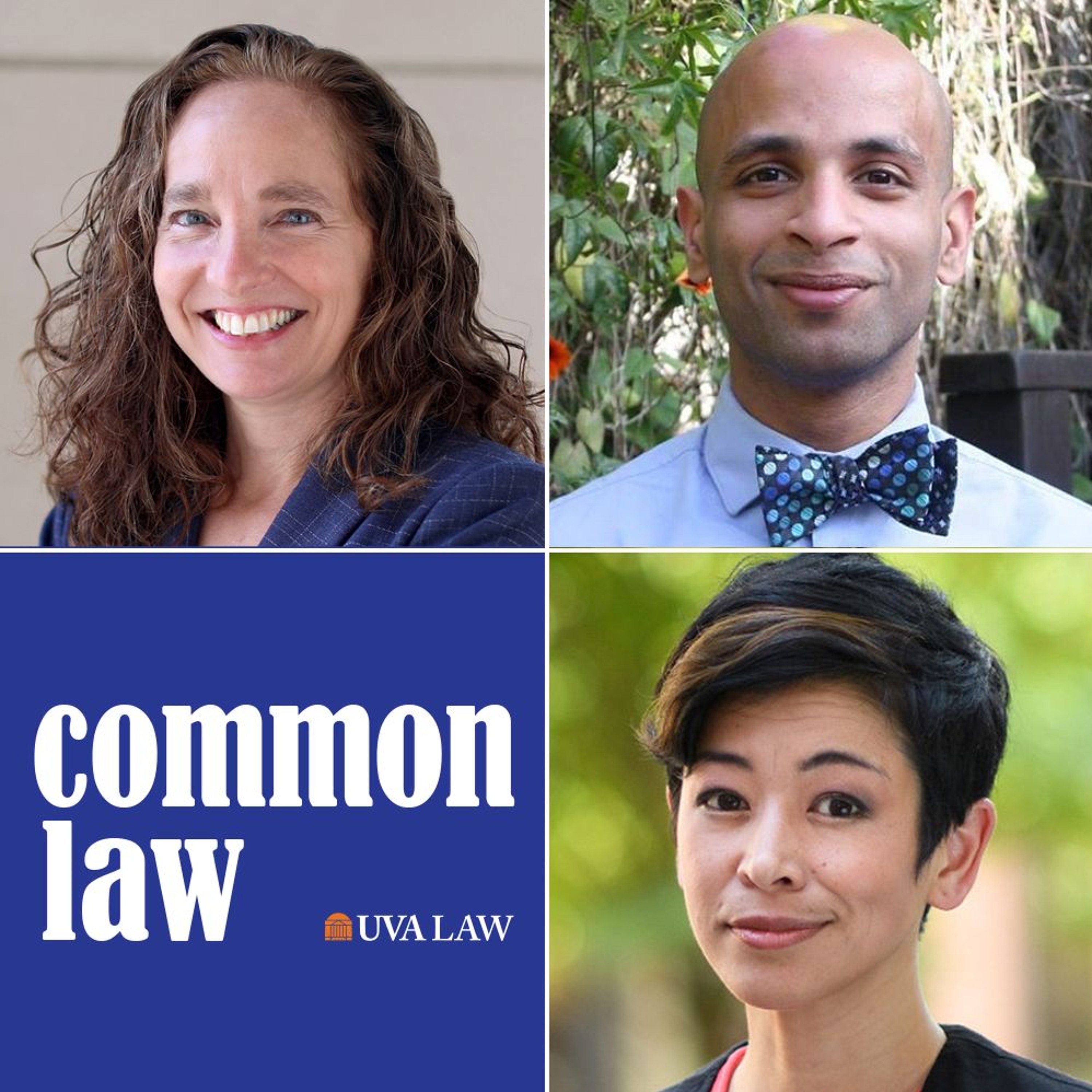
S6 E7: Medicalizing Civil Rights
Experts increasingly use the language of medicine and disability to address social issues like poverty and racial discrimination. Professors Craig Konnoth of UVA Law and Karen M. Tani of Penn Law discuss how we got here.

S6 E6 Throwback: A Future With Autonomous Vehicles
“Common Law” looks back on a season 1 episode about liability issues connected to autonomous vehicles, featuring UVA Law professor Kenneth S. Abraham and alum Mike Raschid ’86. Has the future finally arrived?
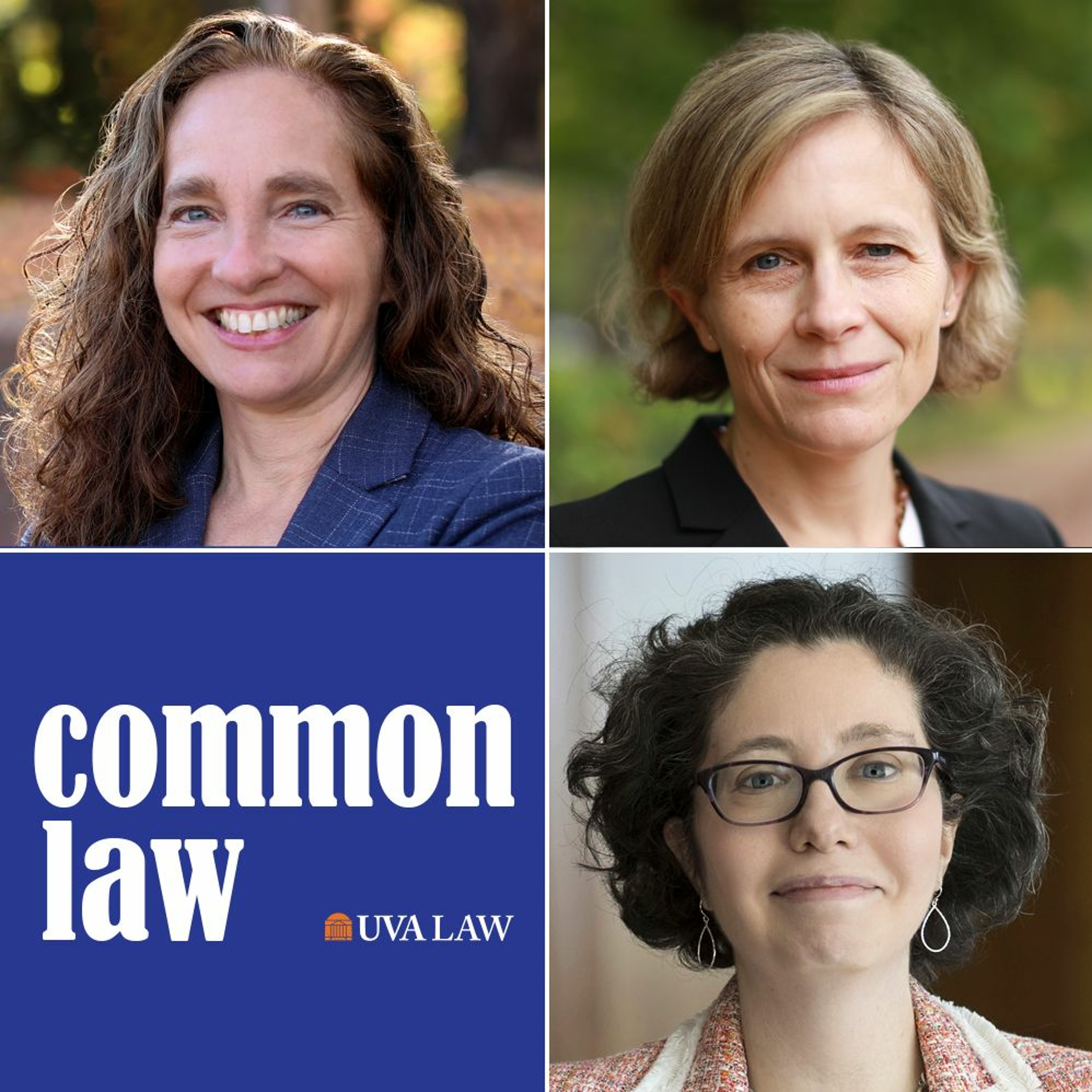
S6 E5: Digging Into Our Forgotten Legal History
UVA Law professors Cynthia Nicoletti and Joy Milligan join host Risa Goluboff for a discussion on how divergent approaches to digging into the past can reveal some surprising truths about law and history.
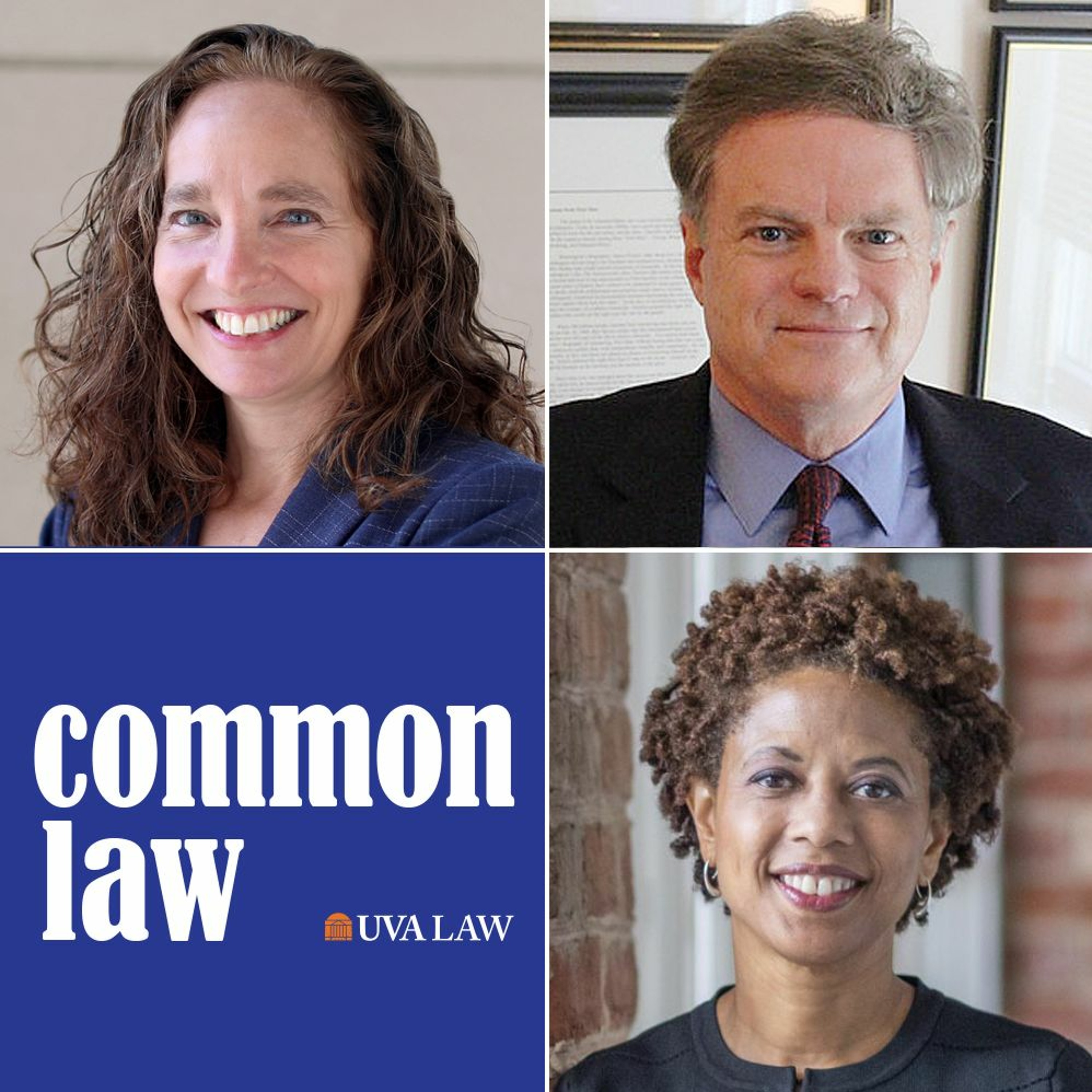
S6 E4: A Prescription for Saving Democracy
Two former White House officials on different sides of the political aisle, Melody Barnes and John Bridgeland ’87, talk about ways to strengthen democracy and work across differences.
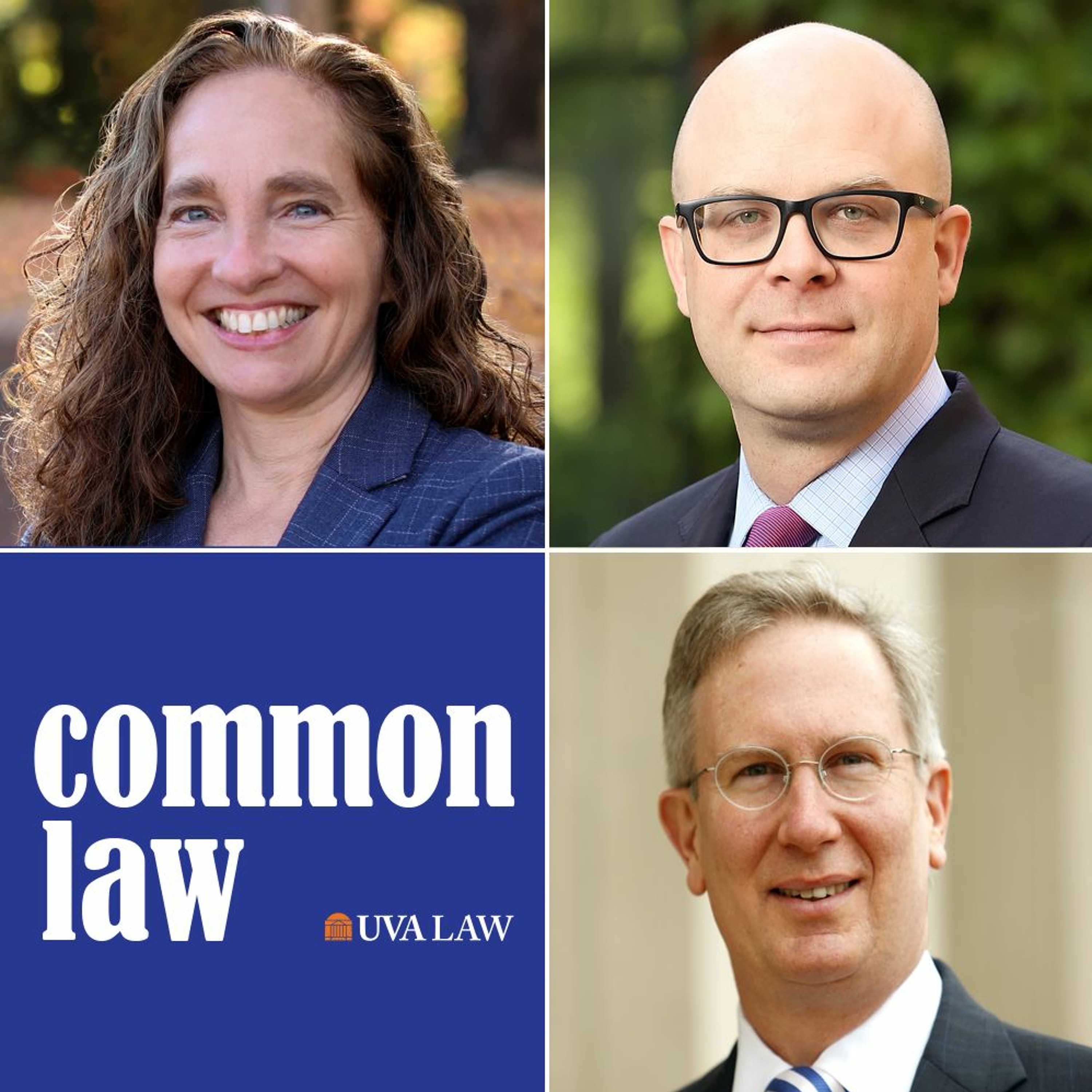
S6 E3: Why ESG Investing Is at a Turning Point
The practice of investing in funds and companies that pay attention to environmental, social and corporate governance issues could be at a turning point, say UVA Law professors Quinn Curtis and Paul G. Mahoney.
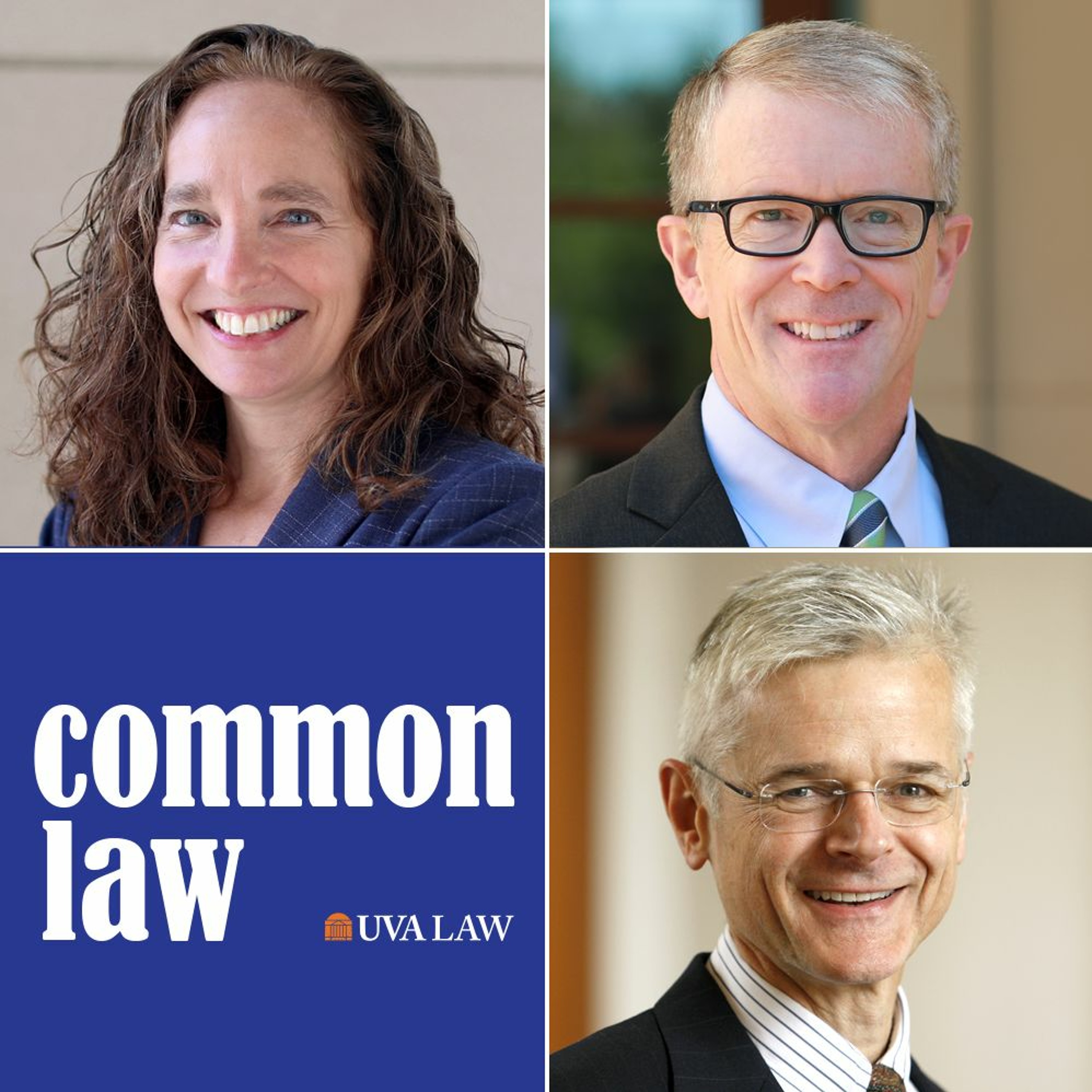
S6 E2: Was Chevron Wrongly Decided?
UVA Law professors John Duffy and Dan Ortiz discuss whether the Supreme Court will or should overturn one of its most famous decisions, Chevron, which gave administrative agencies deference in interpreting statutes.
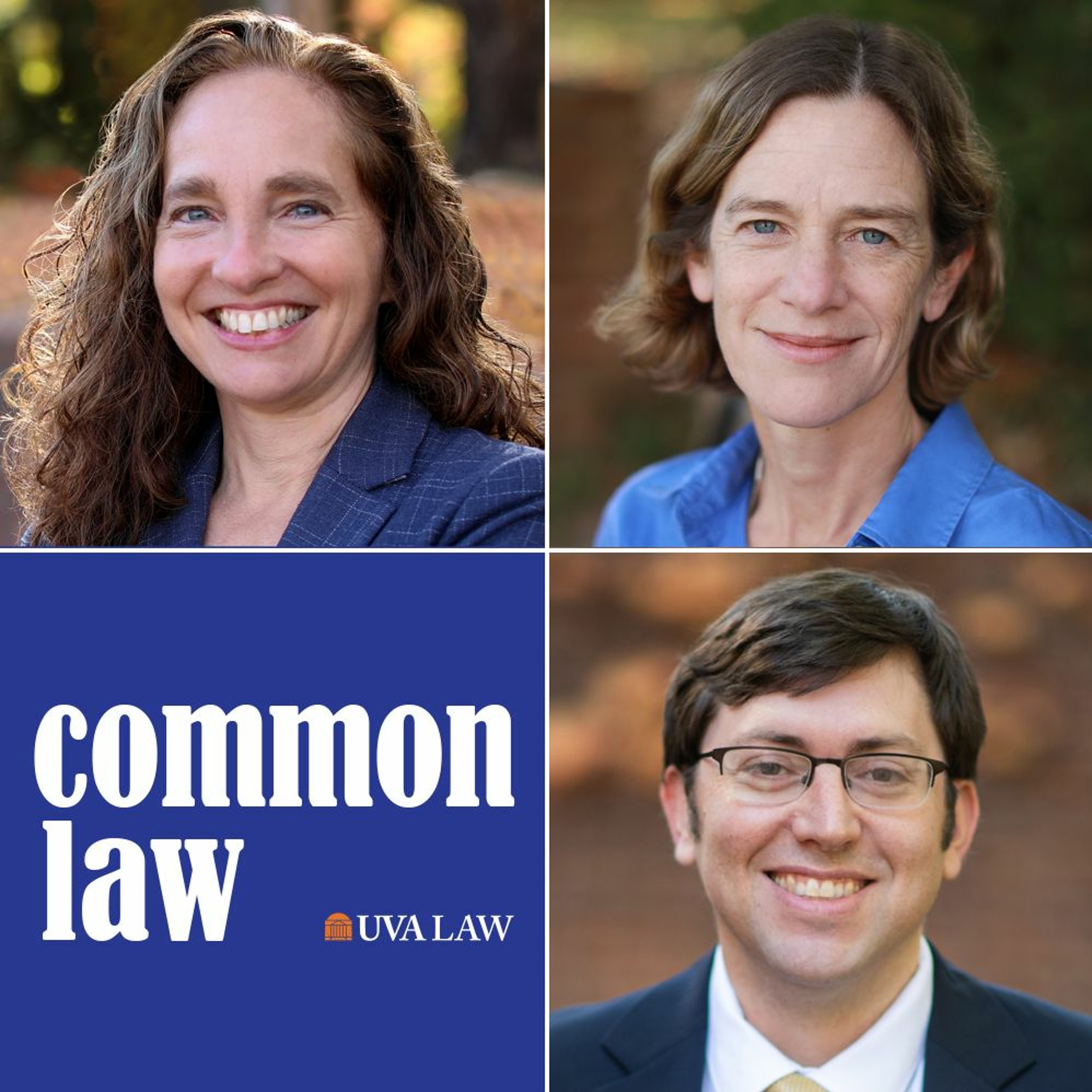
S6 E1: Ethics at the Supreme Court
Does the U.S. Supreme Court need more oversight in light of recent ethics concerns? UVA Law professors Amanda Frost and Richard M. Re join host Dean Risa Goluboff to discuss whether more rules are needed.
Season 6 Preview: Free Exchange
Season 6 features the kind of robust discussions and debates that go on behind the scenes among faculty at the University of Virginia School of Law. Dean Risa Goluboff returns to host.
S5 E8: Why Your Face Should Be a Trade Secret
Facial recognition technology is used for everything from unlocking your phone to locking up criminals. UVA Law professor Elizabeth Rowe makes the case that biometric data like your face and fingerprints should have trade secret-level protections.
S5 E7: Playing by the Rules in Our Everyday Lives
What makes people and organizations obey — or resist — the law? Social scientist Susan S. Silbey, a professor at the Massachusetts Institute of Technology, discusses her life’s work on the subject.
S5 E6: The Politics of Pipelines
The federal process for reviewing proposed interstate natural gas pipelines was highly contentious several decades ago and is now more of a rubber stamp. UVA Law professor Alison Gocke looks at what changed.
S5 E5: The State of the Supreme Court’s Legitimacy
Political scientist James L. Gibson discusses his survey data suggesting the U.S. Supreme Court lost some legitimacy in the eyes of the public after overturning Roe v. Wade.
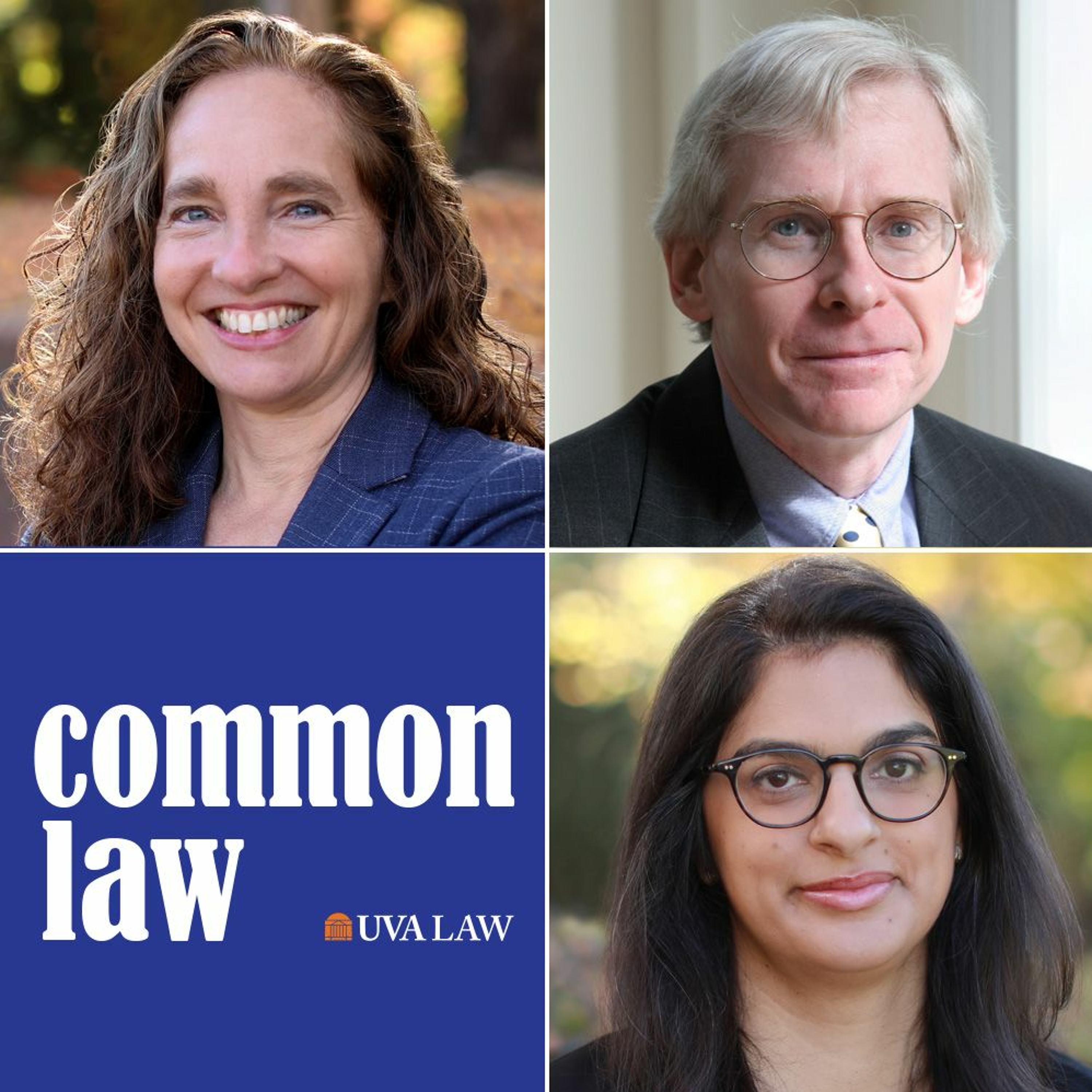
Avoiding the Separation-of-Powers Question
Congressional conflicts with the executive branch often set off legal battles in the courts, and cases can drag on until the point is moot. UVA Law professor Payvand Ahdout digs into why this is happening and what impact it has on the balance of power.
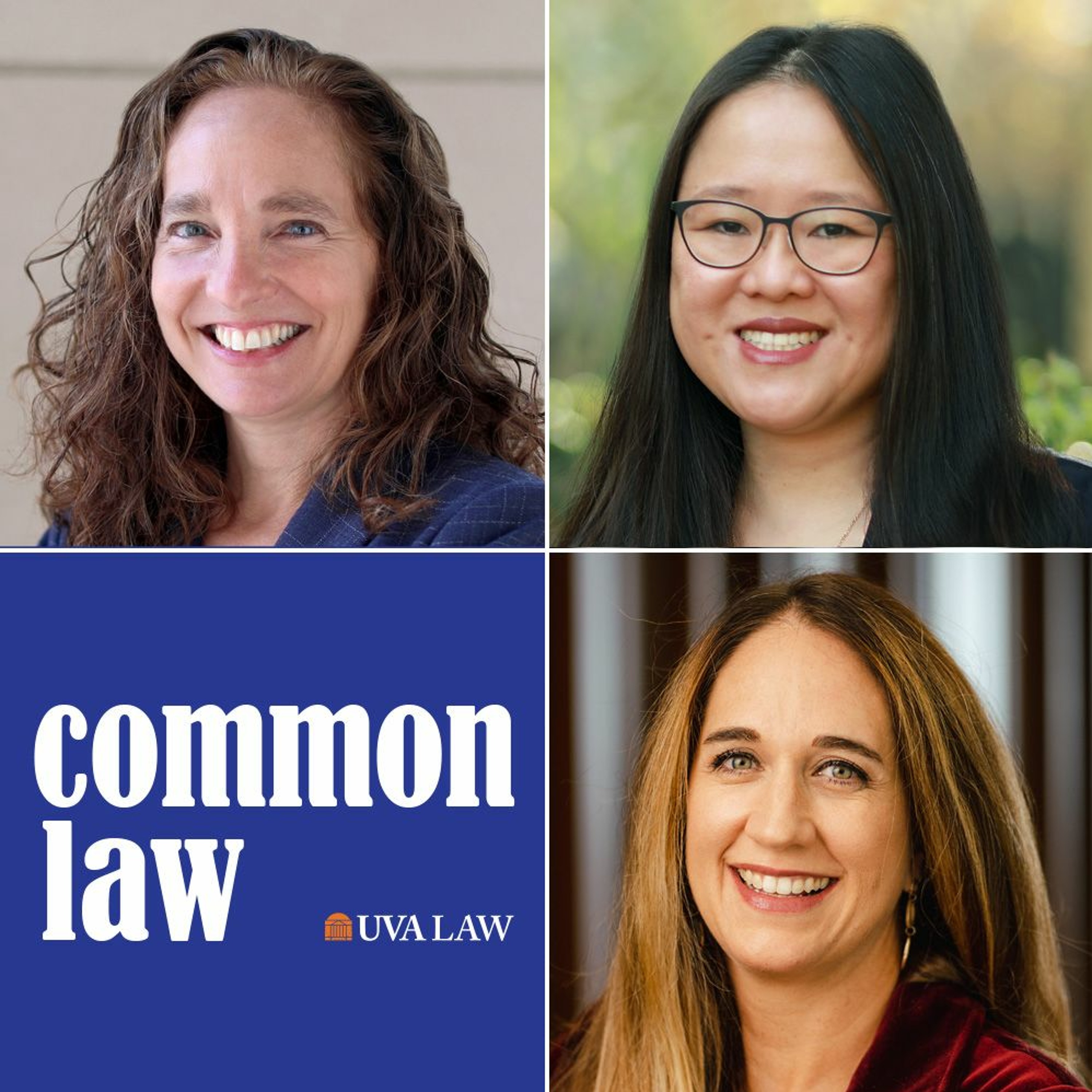
S5 E3: ‘Bad Habits’ and Character Evidence
The rules on character evidence are difficult to apply and riddled with exceptions and problems, according to Teneille Brown, a University of Utah law professor who argues they need to be updated.
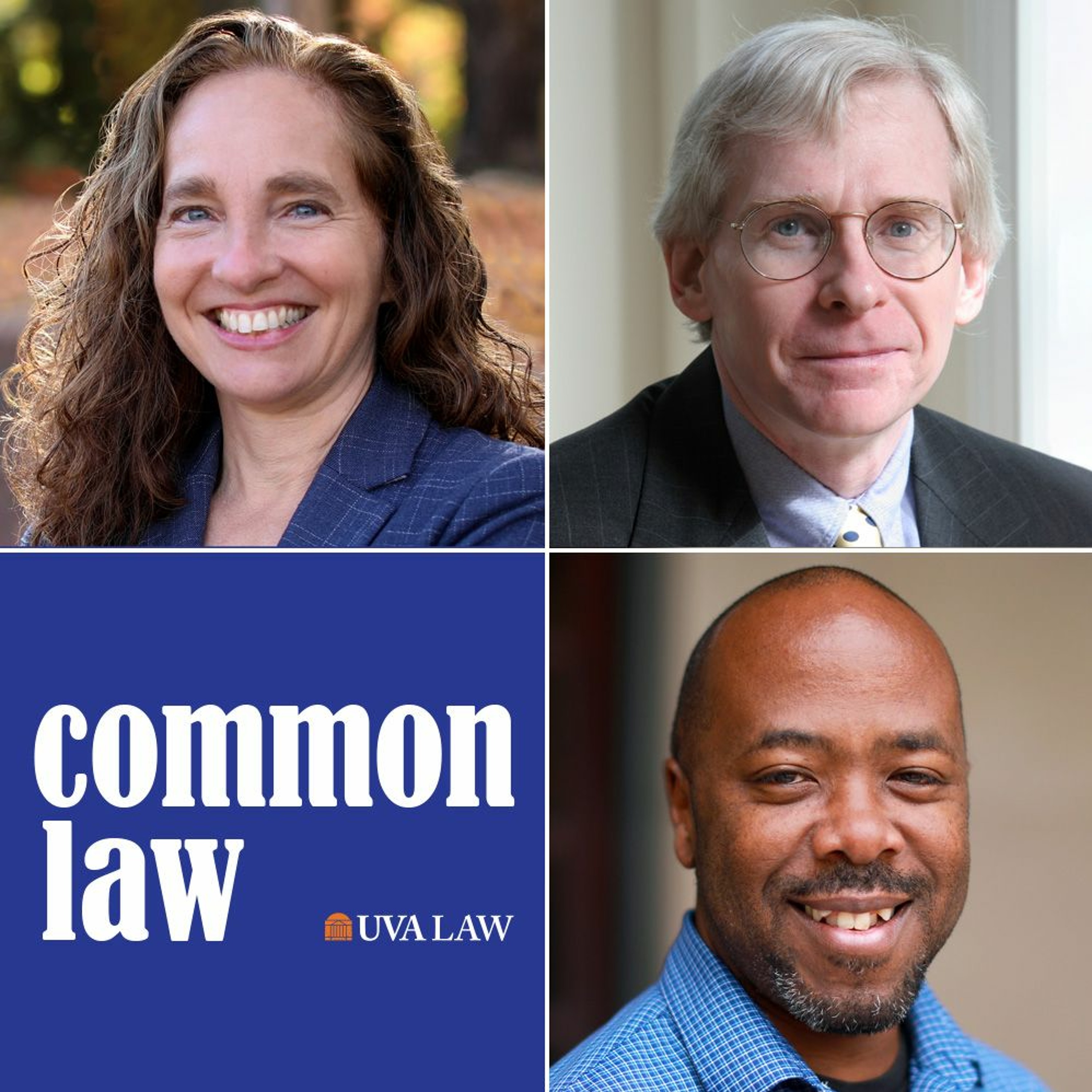
S5 E2: The Supreme Court Case That Could Rewrite Democracy
The U.S. Supreme Court case Moore v. Harper tests the independent state legislature doctrine and could radically change electoral districting maps and the states’ role in federal elections, says University of Virginia law professor Bertrall Ross.
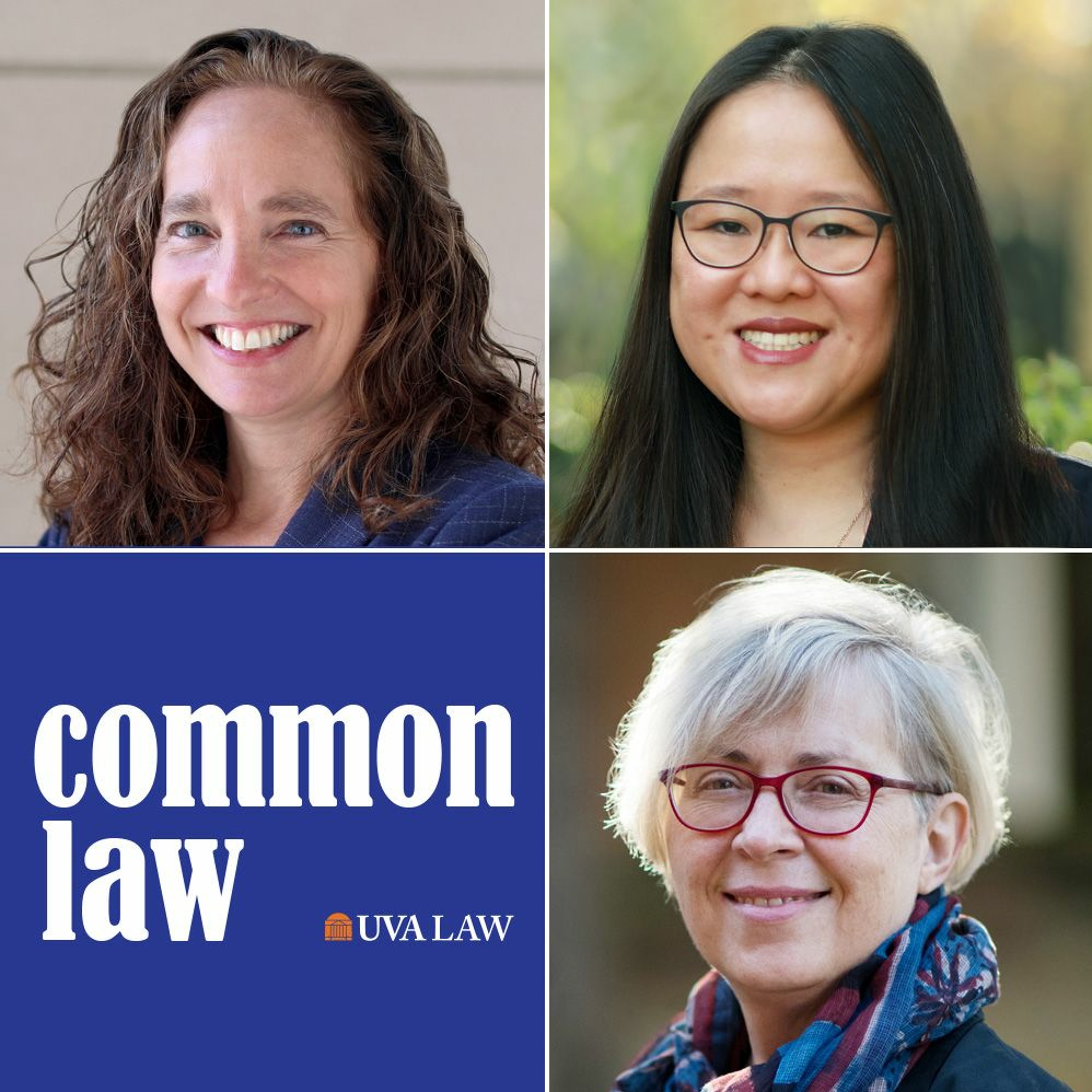
S5 E1: Taboo Trades
University of Virginia School of Law professor Kim Krawiec discusses her work on taboo transactions, such as commercial surrogacy, egg and sperm markets, organ donation and sex work. Risa Goluboff and Cathy Hwang host the episode.
S4 E14: A Bloody Revolution and an Odious Debt
University of Virginia law professor Mitu Gulati looks at the tragic history of Haiti’s 19th-century “odious debt” to France after islanders won their freedom from slavery, and discusses whether Haiti could recoup what it lost.
S4 E13: Fighting Racial Discrimination in Our Digital Lives
University of Pennsylvania law professor Anita L. Allen discusses her framework for stopping surveillance, fraud and exclusion targeting Black Americans online.
S4 E12: Predicting Violence
UVA Law professor John Monahan discusses how predicting violence became a concern for courtrooms and mental health practices nationwide, and developed alongside his own career.
S4 E11: Why Privacy Matters
Don’t care about information privacy because you have nothing to hide? Neil Richards, a law professor at the Washington University in St. Louis and a UVA Law alumnus, explains the extent to which companies mine data and seek to influence you, and why you should care.