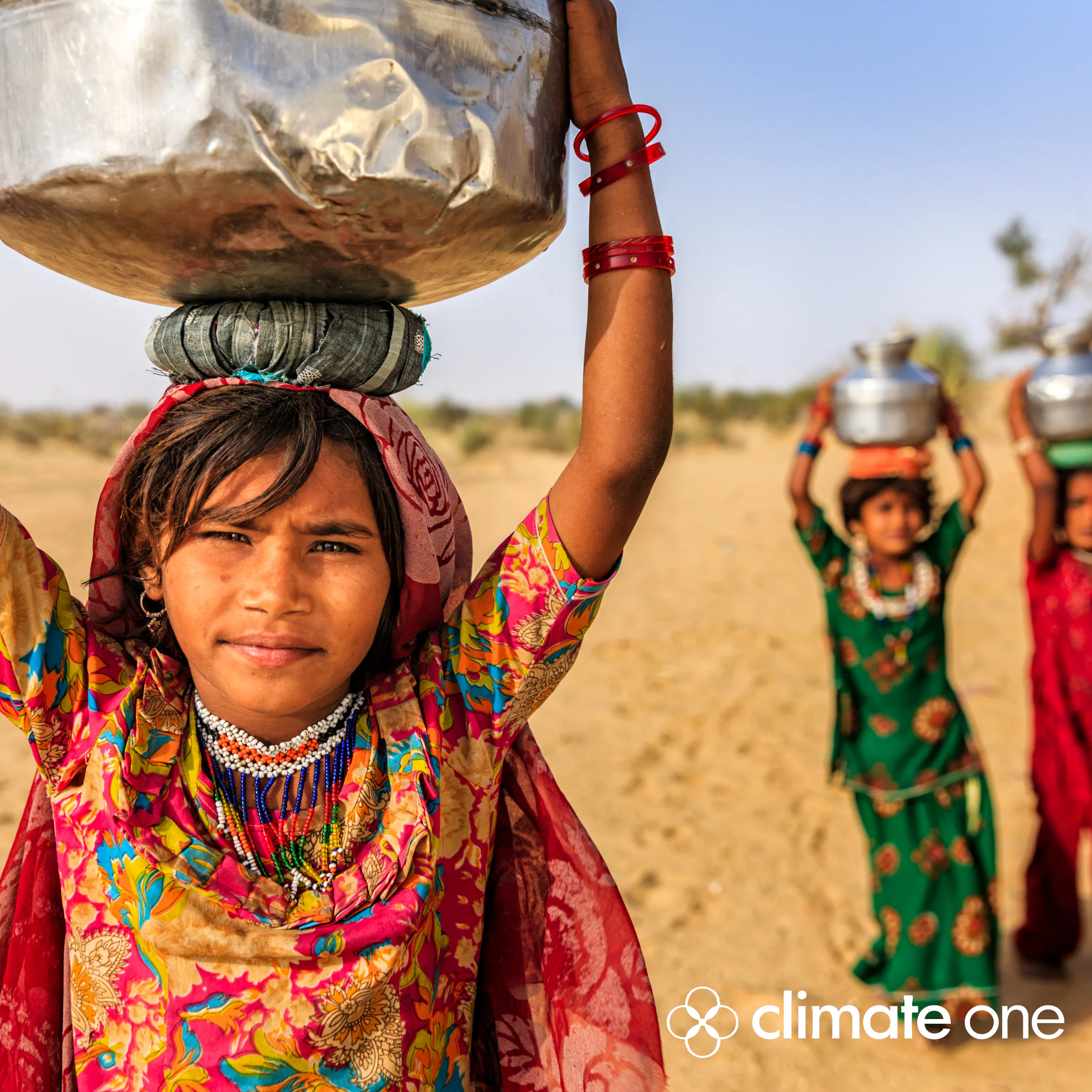
Killer Heat: Confronting Disproportionate Impacts on Women and Girls
Extreme heat is a silent killer. And in many places, women and girls are particularly vulnerable. Rising temperatures caused by burning fossil fuels also present non-lethal health and job risks. From Freetown to Athens, cities around the world are incorporating ancient methods into modern design to mitigate heat.
Climate One · Climate One from The Commonwealth Club
Audio is streamed directly from the publisher (podtrac.com) as published in their RSS feed. Play Podcasts does not host this file. Rights-holders can request removal through the copyright & takedown page.
Show Notes
Extreme heat kills more people per year than any other climate disaster. It preys on the poor, exacerbates racial inequalities, and there is a growing body of evidence that shows women and girls are increasingly susceptible to heat-health effects. Globally, women and girls represent 80% of climate refugees. They are more likely to be displaced, suffer violence and die in natural disasters. As temperatures rise, children’s test scores decrease, gender violence increases, and miscarriage rates go up. But preventing heat deaths is possible. From Europe to Africa, Chief Heat Officers throughout the world are implementing projects to make cities more climate-adaptive.
Guests:
Kathy Baughman McLeod, Director, Adrienne Arsht-Rockefeller Foundation Resilience Center; Senior VP, Atlantic Council
Eleni Myrivili, Global Chief Heat Officer, UN Habitat
Eugenia Kargbo, Chief Heat Officer, Freetown, Sierra Leone
Freelance piece from Hellen Kabahukya on mud wattle construction in Uganda
For show notes and related links, visit our website.
Learn more about your ad choices. Visit megaphone.fm/adchoices