Blue Carbon: Sinking It in the Sea
When most of us think about using nature to remove carbon dioxide from the air, we think of trees. Yet blue carbon, a new name for CO2 stored in coastal and marine ecosystems, may have even greater sequestration potential. How can ocean-based solutions benefit both the planet and the people who depend on coastal ecosystems?
Climate One · Climate One from The Commonwealth Club
Audio is streamed directly from the publisher (podtrac.com) as published in their RSS feed. Play Podcasts does not host this file. Rights-holders can request removal through the copyright & takedown page.
Show Notes
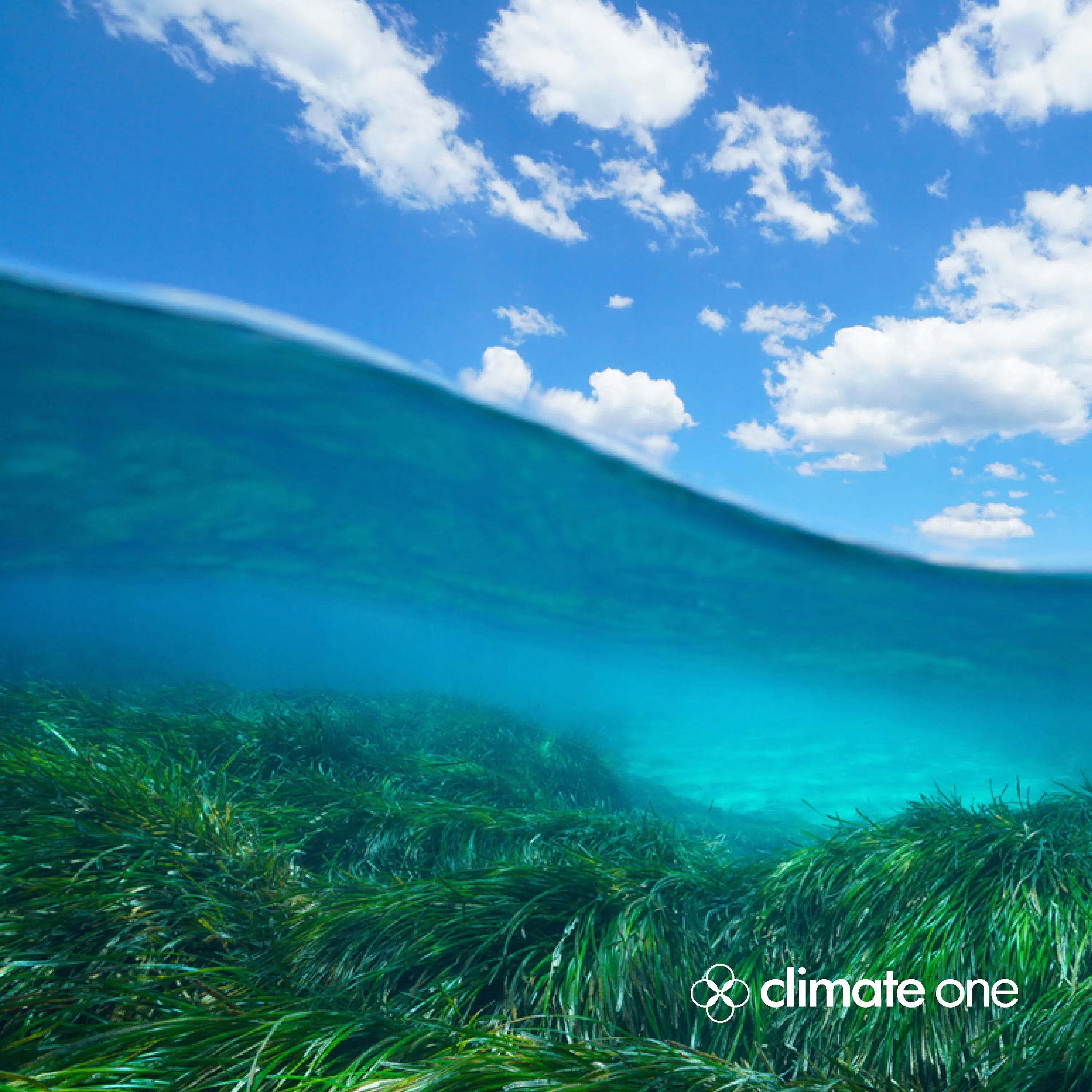
When most of us think about using nature to remove carbon dioxide from the air, we think of trees. Yet blue carbon, a new name for storing carbon dioxide in coastal and marine ecosystems where it can no longer trap heat in our atmosphere, may have even greater potential. Salt marshes and mangroves have carbon-capturing capacity that may surpass that of terrestrial forests. Seagrasses, for example, currently cover less than 0.2% of the ocean floor, but store about 10% of the carbon buried in the oceans each year.
How can natural, ocean-based solutions benefit both the planet and the people who live in and depend on coastal ecosystems?
Guests:
Ralph Chami, Assistant Director, Western Hemisphere Division, Institute for Capacity Development, IMF
Emily Pidgeon, Vice President, Ocean Science And Innovation, Conservation International
Irina Fedorenko-Aula, Founder, Co-CEO, Vlinder
Isabella Masinde, CEO, Umita
For show notes and related links, visit our website.
Learn more about your ad choices. Visit megaphone.fm/adchoices