
Click Here
381 episodes — Page 7 of 8
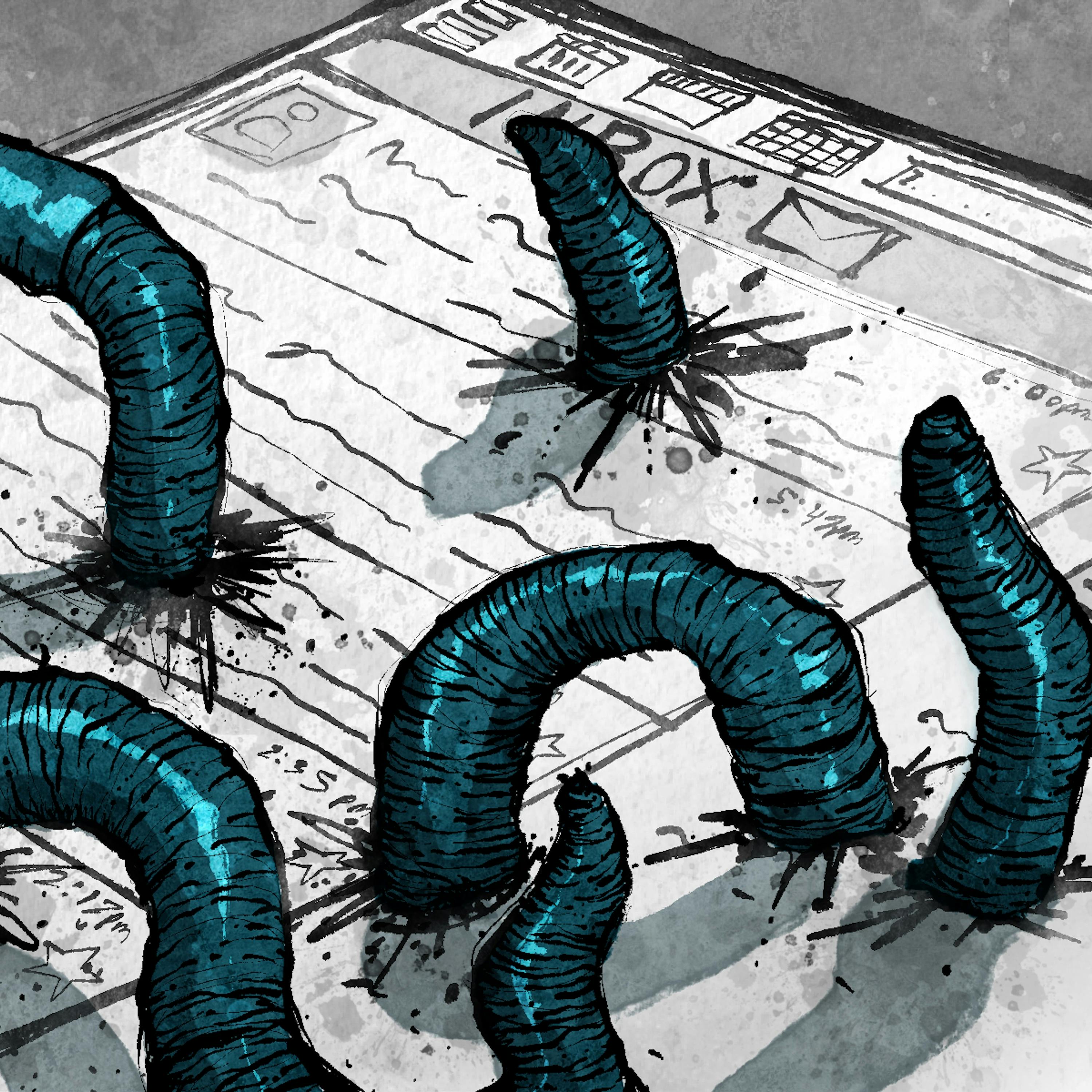
80. Meet ChatGPT’s evil twin
Wave “goodbye” to those pesky emails from Nigerian princes and say “hello” to the latest generation of AI enabled email scamming. It’s smarter, faster and, by the way, looks like it’s coming from your boss. The only thing that might stop them? AI itself. Learn about your ad choices: dovetail.prx.org/ad-choices

79. One woman’s Orwellian experience with disinformation
We look at an American disinformation campaign that makes clear online abuse directed at women goes far beyond a couple of mean tweets. And, an update on a Syrian activist who was on the receiving end of a misinformation crisis of her own. Learn about your ad choices: dovetail.prx.org/ad-choices
78. Trouble in the cloud
Putting your data in the cloud used to be seen as the gold standard of information security. Why have your small IT team protect your data when the experts at Microsoft or Google or AWS can do it instead? And then in May, Chinese hackers broke into the Microsoft cloud, exposing not just a flaw in the code, but a glitch in company’s business model as well. Learn about your ad choices: dovetail.prx.org/ad-choices
77. SPECIAL FEATURE: ‘The internet is at the bottom of the sea’ from Things That Go Boom
This week, we share an episode from PRX and Inkstick Media’s “Things that Go Boom” podcast about the thousands of miles of fiber optic cable lying at the bottom of the sea. Some 95 percent of the world’s electronic data is traveling through them and cables are taking centerstage in the high-stakes competition between the U.S. and China. Learn about your ad choices: dovetail.prx.org/ad-choices
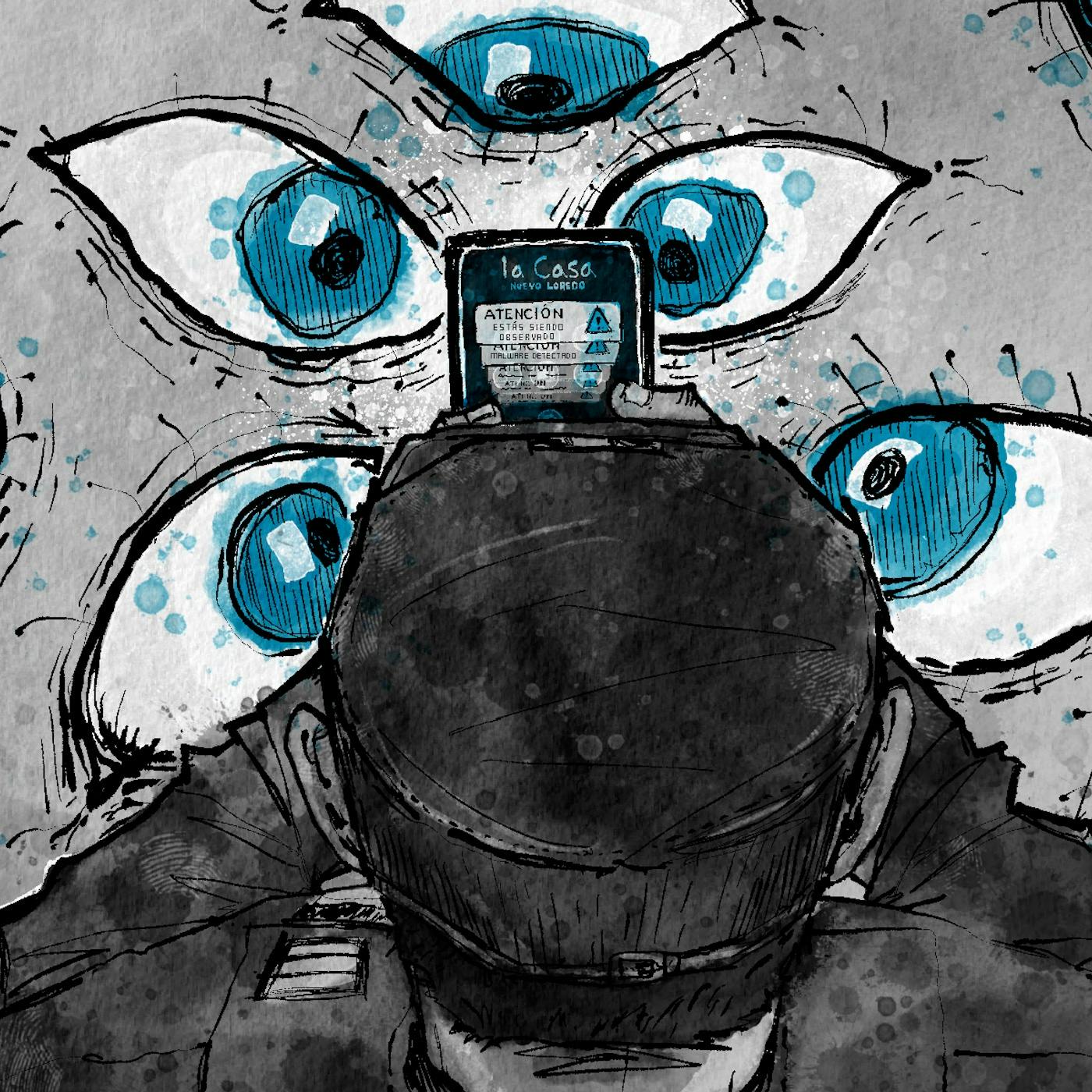
76. The Mexican army’s love affair with spyware
Since our story on spyware in Mexico aired back in March, researchers have discovered a roster of Pegasus spyware infections on the phones of local journalists, activists, and even officials within the Mexican president’s inner circle. This week, we return to our deep dive on the use of spyware in Mexico and the revelation that the army created a secret military intelligence unit dedicated to its use. Learn about your ad choices: dovetail.prx.org/ad-choices
75. SPECIAL FEATURE: 'Life, death and AI' from Endless Thread
From WBUR's “Endless Thread" podcast, a story on a growing segment of artificial intelligence: immortalizing the dead through predictive AI text and how bots can help us understand grief. Learn about your ad choices: dovetail.prx.org/ad-choices
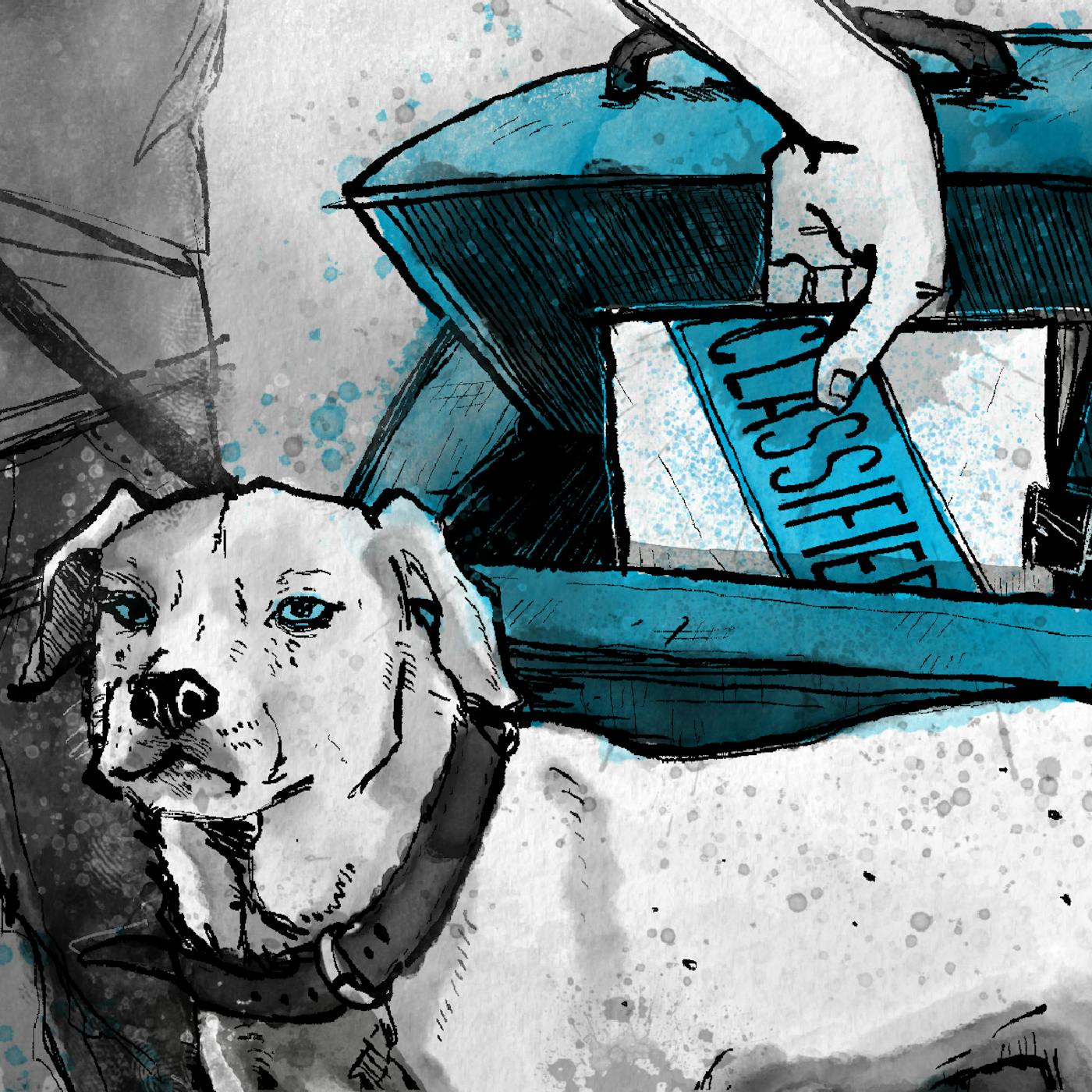
74. Reality Winner and the handling of secret documents
We revisit a sit-down interview we had with NSA contractor Reality Winner shortly after she spent 4 years in prison for passing a single classified document to a reporter. Given all the focus on classified documents and the way they’ve been handled in recent weeks, it seemed a good time to take another look at what happened to Reality. Learn about your ad choices: dovetail.prx.org/ad-choices

73. Can satellite surveillance save Sudan from itself?
Two decades after Arab militias first torched villages and killed hundreds of thousands of people in West Darfur, violence has returned to the region. We tell the story of one group of researchers who use open source intelligence, algorithms and satellite imagery in a bid to quell the violence in Sudan. Learn about your ad choices: dovetail.prx.org/ad-choices

72. Exclusive: Inside an American Hunt Forward Operation in Ukraine
We go behind the scenes of U.S. Cyber Command’s Hunt Forward Operation in Ukraine. We interviewed half a dozen American cyber warriors who were on the ground in Kyiv, and they provide new details about the effort to defend Ukrainian networks against Russian cyber attacks in the weeks before the war. Learn about your ad choices: dovetail.prx.org/ad-choices

71. A return to model drone pilots and Ukraine’s spring offensive
As Ukraine’s long-awaited counteroffensive begins, we revisit a story we did last winter about some unusual Ukrainian women training to become part of the nation’s Army of Drones. Learn about your ad choices: dovetail.prx.org/ad-choices

70. An unlikely teacher: What Wagner Group learned from ISIS
The Russian private army known as the Wagner Group is trying to persuade young men to join the fight in Ukraine. Their online recruitment efforts don’t just hint at the future of modern warfare: they’re a callback to an earlier time, when a group called ISIS lured young men to fight in Syria. Learn about your ad choices: dovetail.prx.org/ad-choices
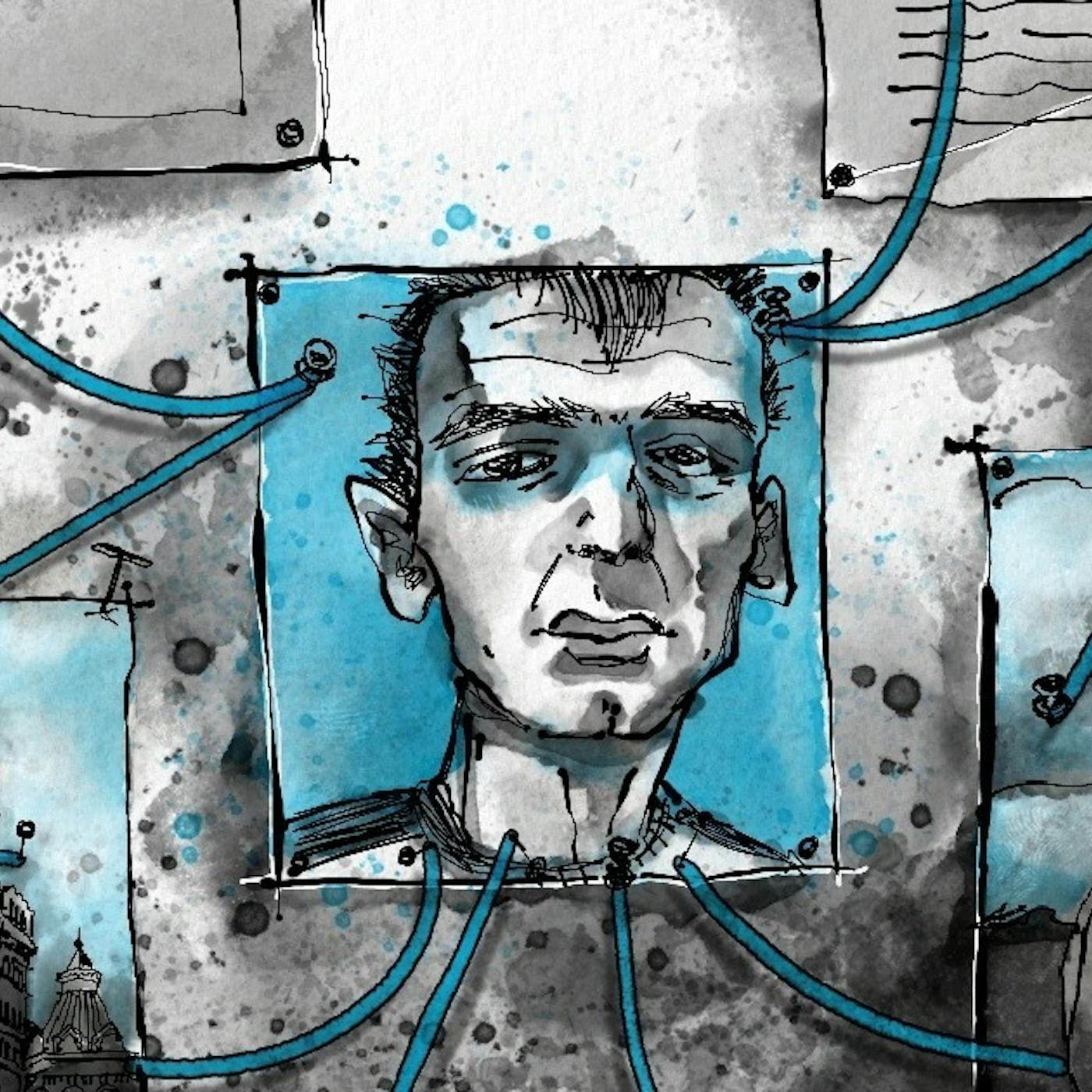
69. Wazawaka: ‘Most Wanted’ and, he says, undeterred
This month, the FBI added Mikhail Pavlovich Matveev to their Most Wanted hacker list for his alleged role in a number of ransomware attacks against U.S. targets. In a rare interview shortly after the FBI announcement, he talked about the new designation and what he wants to do next. Learn about your ad choices: dovetail.prx.org/ad-choices

68. SPECIAL FEATURE: 'The Slave Armies Powering a New Kind of Golden Triangle Cybercrime' from The Underworld Podcast
From “The Underworld” podcast, a conversation about casino towns, gangster owners, and a new twist on scamming operations. Nathan Paul Southern and Lindsey Kennedy took a trip along the Mekong River and revealed new details about southeast Asia’s latest scourge: cyber slaves.ADDITIONAL READING: https://www.scmp.com/magazines/post-magazine/long-reads/article/3195932/laos-criminal-casino-empire-chinese-gangsters Learn about your ad choices: dovetail.prx.org/ad-choices

67. Hive’s WeWork experiment — and what went wrong
When the FBI and Justice Department took down a collective of cybercriminals known as Hive earlier this year, it targeted a group that made a name for itself, in part, by holding hospital and healthcare systems for ransom during the pandemic. What made the group so effective was its own twist on WeWork-style collaboratives… and it led to their demise. Learn about your ad choices: dovetail.prx.org/ad-choices

66. ‘Operation Cookie Monster' and the Genesis takedown
The Department of Justice says last month’s effort to bring down the Genesis Marketplace represents a departure from traditional law enforcement actions. ‘Operation Cookie Monster' wasn’t about nabbing masterminds. It was about making it harder for JV hackers to enter the world of cybercrime. Learn about your ad choices: dovetail.prx.org/ad-choices
65. Morality in Iraq: You should worry because there’s an app for that
The Iraqi government has unveiled an app that helps ordinary citizens report “indecent” content online. Since its introduction, the Ballegh app has received some 144,000 reports. And the Iraqi app isn’t the only one: A roster of similar morality apps have popped up across the region, raising new questions about the future of free speech in the Middle East. Learn about your ad choices: dovetail.prx.org/ad-choices

64. Portrait of Bassterlord as a young man
What makes a hacker tick? That’s what we wanted to find out when we reached out to Bassterlord, a 27-year-old hacker in Ukraine who joined some of the most infamous hacking crews of our time. Researcher Jon DiMaggio of Analyst1 has released a report about him, and he gave Click Here an exclusive first look. Then, we spoke to Bassterlord ourselves. Learn about your ad choices: dovetail.prx.org/ad-choices
63. Tracers on the stage: Andy Greenberg, Michael Gronager and Tigran Gambaryan talk cryptocurrency tracking
We go behind the scenes of the new book by WIRED’s Andy Greenberg, "Tracers in the Dark." It explains how a handful of entrepreneurs and investigators demystified cryptocurrency tracking. Recently, we spoke with Andy and some crypto tracers onstage at the Links 2023 conference in New York City. Plus, North Korea’s ingenious effort to launder its stolen crypto. Learn about your ad choices: dovetail.prx.org/ad-choices
62. How a mathematician and an entrepreneur helped law enforcement take a bite out of crypto crime
When cryptocurrency burst on the scene in 2008, it was touted as anonymous — a boon to cyber criminals all over the world. Then a few mathematicians and some federal agents proved otherwise, in a way so big it birthed an industry. With a tip of the hat to Andy Greenberg’s new book “Tracers in the Dark,” we talk to them about how they did it. Learn about your ad choices: dovetail.prx.org/ad-choices
61. Snowmen in the park and Iran’s quiet viral dissent
Six months after demonstrators took to the streets of Iran hoping to end its draconian hijab laws and push for a change in the leadership, the protests have moved online — into a quiet civil disobedience campaign that leadership is finding hard to control. Learn about your ad choices: dovetail.prx.org/ad-choices
60. Clear the runway: Ukraine's model pilots
Drones of all shapes and sizes are part of the war effort in the skies above Ukraine. Some are helping kill the enemy; others spy on formations and guide bombs to their targets. We take you inside a school meant to boost that effort by training women to fly them. Plus, a leading dark web hacking forum meets its demise. Learn about your ad choices: dovetail.prx.org/ad-choices
59. What the cyber war in Ukraine is teaching us
In a recent conversation on WAMU’s nationally syndicated show 1A, we talked about lessons learned one year into the world’s first truly hybrid war. The conversation happened amid a report from Microsoft’s Threat Intelligence Center that found new worrying signs on the Russia-Ukraine cyber front. They believe Sandworm, a cyber military unit of Russia’s intelligence service, has been launching new phishing campaigns, cyber espionage operations, and is stepping up coordination with hacktivists groups. Learn about your ad choices: dovetail.prx.org/ad-choices
58. Enemy of the State (Part 2) : ¿Quién es Guacamaya? (Who is Guacamaya?)
We follow up last week’s episode on spyware and the Mexican military with a look at Guacamaya, the hacktivist collective that helped provide key documents that showed the army purchased Pegasus spyware used on human rights advocates and local journalists. Guacamaya isn’t just targeting Mexico, though. The group has been hacking into military servers all over Latin America, and its efforts have people asking: ¿Quién es Guacamaya? (Who is Guacamaya?) Learn about your ad choices: dovetail.prx.org/ad-choices
57. Enemy of the State (Part 1): Mexico, spyware, and a secret military intelligence unit
A new report has published classified documents and internal memos that make clear the Mexican Army bought Pegasus spyware and systematically deployed it against journalists and activists in Mexico. R3D, a Mexican digital rights group, and University of Toronto’s Citizen Lab, also found evidence of a formerly unknown military intelligence unit whose sole focus appears to be secret surveillance and deployment of spyware. Some of the sensitive material published in the report came from a massive hack into the Ministry of Defense by the hacktivist group Guacamaya last year. Click Here was part of a small group of journalists given early access to their findings. Learn about your ad choices: dovetail.prx.org/ad-choices
56. Ukraine’s drone whisperers: What the weapons are telling us
Russia has deployed the Iranian-built Shahed drone to wreak havoc on Ukraine’s infrastructure. We speak to a man who is a kind of drone whisperer. After years of taking these Shahed drones apart, he says if you listen, they have amazing stories to tell. Learn about your ad choices: dovetail.prx.org/ad-choices
55. Oyez, Oyez, Oyez: Twenty-six words get their day in the High Court
The U.S. Supreme Court heard oral arguments this week in a case that will consider a 1995 law that shields social media companies from liability. Gonzalez v. Google could allow people to sue tech companies that use algorithms to sort through their content. Plus, we check in with Alexander Martin, The Record's UK editor, about his takeaways from the Munich Security Conference. Learn about your ad choices: dovetail.prx.org/ad-choices
54. Miss Lonelyhearts and the money mules
In a special Valentine’s Day episode, we look at the evolution of romance scams. They aren’t just about bilking lonely people out of their life savings anymore – scammers have diversified, and they’re making victims accomplices in a roster of cyber crimes from email scams and check fraud to money laundering. Learn about your ad choices: dovetail.prx.org/ad-choices
53. Xi's brave new world
At a time when an errant spy balloon has raised new questions about President Xi Jinping’s absolute control over all things Chinese, we take a look at how his regime quelled last year’s Covid protests and how an arsenal of digital weapons helped tighten his grip on power. Plus, facial recognition’s latest nemesis: knitwear. Learn about your ad choices: dovetail.prx.org/ad-choices
52. SPECIAL FEATURE: Shoot the Messenger: Espionage, Murder & Pegasus Spyware
“Shoot The Messenger” from Exile Content Studio and PRX looks at what happened to the murdered Washington Post journalist Jamal Khashoggi. The first weapon used against him was digital - a sophisticated spyware called Pegasus. Learn about your ad choices: dovetail.prx.org/ad-choices
51. Exclusive: Axon still wants to put Taser drones in your kid’s school
This week, Axon, the company that developed the Taser, is hosting a conference in Las Vegas called TaserCon. The event is billed as an opportunity to talk about law enforcement and public safety. Axon is expected to use the occasion to reintroduce a controversial plan: to put the company’s gun-equipped drones in police departments and schools to prevent mass shootings. And, cybercriminals’ new best friend: ChatGPT. Learn about your ad choices: dovetail.prx.org/ad-choices
50. LockBit Diaries: A researcher's year undercover with the world’s most dangerous ransomware gang
After spending more than a year undercover with the notorious ransomware gang LockBit, one researcher explains how the group revolutionized the business of ransomware. Learn about your ad choices: dovetail.prx.org/ad-choices
49. Genshin Impact: trying to balance mass appeal with Beijing's blessing
Genshin Impact put the Chinese video gaming industry on the map. While the game has delighted players, it begs the question: Can China’s Communist Party and a massively popular video game peacefully co-exist? Learn about your ad choices: dovetail.prx.org/ad-choices
48. Call me crypto curious
We take a deep dive into a corner of the cryptocurrency economy that hasn’t (completely) tanked yet: Bitcoin mining. It is part cryptography, part math, and part luck. Learn about your ad choices: dovetail.prx.org/ad-choices
47. SPECIAL FEATURE: ‘Summer in Caputh’ from Exile
An episode from “Exile” from the Leo Baeck Institute and Antica Productions. At the height of his fame, a shirtless, barefooted Albert Einstein escapes the bustle of Berlin for a simpler life. The best thinkers of the time gather at his beloved summer house in Caputh to laze by the water, swap ideas, and gossip. There, he can escape the pressures of global fame, but his summer haven can’t keep him safe from the growing Nazi threat rising in Germany. Learn about your ad choices: dovetail.prx.org/ad-choices
46. The musicians who came in from the cold
At a time when Vladimir Putin is attempting to redraw the Iron Curtain, we revisit an earlier episode in which we take a trip back to the Soviet Union circa 1985 when four American musicians smuggled messages in and out of the Soviet Union — with music. Learn about your ad choices: dovetail.prx.org/ad-choices
45. SPECIAL FEATURE: ‘Saving Ukrainian Cultural History Online’ from The Last Archive
Sharing a special episode of another podcast, The Last Archive, a show about the history of truth -- or the lack thereof. Harvard historian Jill Lepore uncovers the secrets of the past the way a detective might. In this episode, Jill chats with Anna Kijas, a co-organizer of SUCHO: Saving Ukrainian Cultural History Online. Lepore and Kijas talk about her effort to preserve online resources that are at risk of disappearing because of the war in Ukraine.You can hear more episodes of The Last Archive at https://link.chtbl.com/clickherearchive Learn about your ad choices: dovetail.prx.org/ad-choices
44. Throwing bricks for $$$: violence-as-a-service comes of age
We go back to an episode we did earlier this year about a gang of SIM swappers who are behind something called violence-as-a-service. Doxing or defacing websites, they told us, just doesn’t send enough of a message. So, they are throwing molotov cocktails or slashing tires of their rivals instead. Trouble is – it is getting more popular and commonplace and is bound to affect the rest of us. Learn about your ad choices: dovetail.prx.org/ad-choices
43. SPECIAL FEATURE: ‘The Most Dangerous Game’ from Big Brother: North Korea's Forgotten Prince
“Big Brother: North Korea's Forgotten Prince” from School of Humans and iHeartPodcasts introduce you to the person who should have been North Korea’s leader – had he not been on the receiving end of what may be the 21st century’s most bizarre assassination plot. Learn about your ad choices: dovetail.prx.org/ad-choices
42. North Korea's monster fake out
North Korea has launched an unprecedented number of missiles this month. So we bring you an encore episode about a team of researchers using open-source intelligence to track the hermit kingdom's nuclear ambitions. Plus, the Yanluowang ransomware group finds itself the victim of a leak. Learn about your ad choices: dovetail.prx.org/ad-choices
41. Rounding up a cyber posse for Ukraine
Washington and the tech world have been talking about public private partnerships in cyberspace for decades. The NSA and Cyber Command have intelligence about attacks; cybersecurity companies have the means to block them. It looks like they are finally working together — not in the U.S, but in Ukraine. Learn about your ad choices: dovetail.prx.org/ad-choices
40. Selling Vice Society: old exploits, easy targets, and the illusion of greatness
Vice Society burst on the ransomware scene in early 2021, attacking a roster of government offices, hospitals and, notoriously, schools. But cybersecurity experts say the group isn't your typical ransomware operation: they're some of cyber crime's biggest posers, using old exploits on easy targets to give the illusion of greatness. Learn about your ad choices: dovetail.prx.org/ad-choices
39. Is open-source software the solution to our election woes?
Ben Adida is the executive director of a voting technology non-profit that provides software and operational support to states during elections. He’s embarked on an almost impossible missile: to restore faith in our election system. The way he proposes to do that? With open-source software that everyone can see. Learn about your ad choices: dovetail.prx.org/ad-choices
38. The Supreme Court case that could change the internet
Nohemi Gonzalez was killed in the 2015 ISIS attacks in Paris and now is at the heart of a Supreme Court case that will reconsider a 1995 law that shields social media companies from liability. Gonzalez v. Google could allow people to sue tech companies that use algorithms to sort through their content. Learn about your ad choices: dovetail.prx.org/ad-choices
37. ‘Presence Matters’: Nakasone and Easterly on Ukraine, collaboration and midterm elections
The head of NSA and Cybercom Gen. Paul Nakasone and CISA director Jen Easterly came to the Council on Foreign Relations last week for a rare sit-down interview. They talked about hunt teams in Ukraine, public-private partnerships and threats ahead of the midterms, with Click Here host Dina Temple-Raston presiding over the session. Plus, one researcher bests Charming Kitten. Learn about your ad choices: dovetail.prx.org/ad-choices
36. The hijab will never be the same
The death of 22-year-old Mahsa Amini in Iran has ignited the most powerful protests the country has seen in years. In addition to violence, authorities have responded with a host of new tools to throttle mobile phone connections, block social media sites, and make it harder for people to organize. Plus, Iran's diplomatic kerfuffle over a cyber attack in Albania. Learn about your ad choices: dovetail.prx.org/ad-choices
35. Reality Winner and the handling of secret documents
As the wrangling continues over classified documents former President Trump took to his Florida home, we take a second look at the case of Reality Winner, the NSA contractor who served time in prison for passing a classified document to a reporter. We had a rare interview with her in February. Learn about your ad choices: dovetail.prx.org/ad-choices
34. Ukraine’s mass graves have stories to tell
The town whose name has become synonymous with Russian atrocities in Ukraine is rushing to digitize information about the dead --- not just to identify them and give families closure --- but to hold Russians accountable for the wanton brutality in Bucha. Plus, scandal in the elite chess world. Learn about your ad choices: dovetail.prx.org/ad-choices
33. Throwing bricks for $$$: violence-as-a-service comes of age
Young people who have been making millions hacking mobile phones — known as SIM swappers — have found a new way to intimidate and harass their rivals. They call it “violence-as-a-service” or “IRL jobs,” and it includes a Telegram channel where they can order brickings, firebombings, and even shootings in the real world. Learn about your ad choices: dovetail.prx.org/ad-choices
32. The great tractor jailbreak
The talk of DEF CON 2022 was the handiwork of a white hat hacker named Sick Codes. On stage, he demonstrated how he broke the digital locks of a John Deere tractor. He did it with such ease, it made people start to wonder: just how hack-able is the world’s agriculture sector? Learn about your ad choices: dovetail.prx.org/ad-choices
31. Seagulls in the park
Hydra was a darknet superstore. It started out as an online illegal drug site and morphed into a billion-dollar business with codes of conduct, customer support, and legal and medical services. It had started offering money laundering services when German authorities finally shut it down in April. Now people are asking: who or what will replace it? Learn about your ad choices: dovetail.prx.org/ad-choices