
Click Here
381 episodes — Page 2 of 8
Defying gravity
Reverse engineering us
Every breath you fake

The Village that built the internet
To live in the modern world, you have to be online. But in many places, that connection still doesn’t exist. So people aren’t waiting. They’re building their own internet—creating and running their own providers from the ground up. And in the process, redefining who gets to connect… and who gets to decide. Learn about your ad choices: dovetail.prx.org/ad-choices
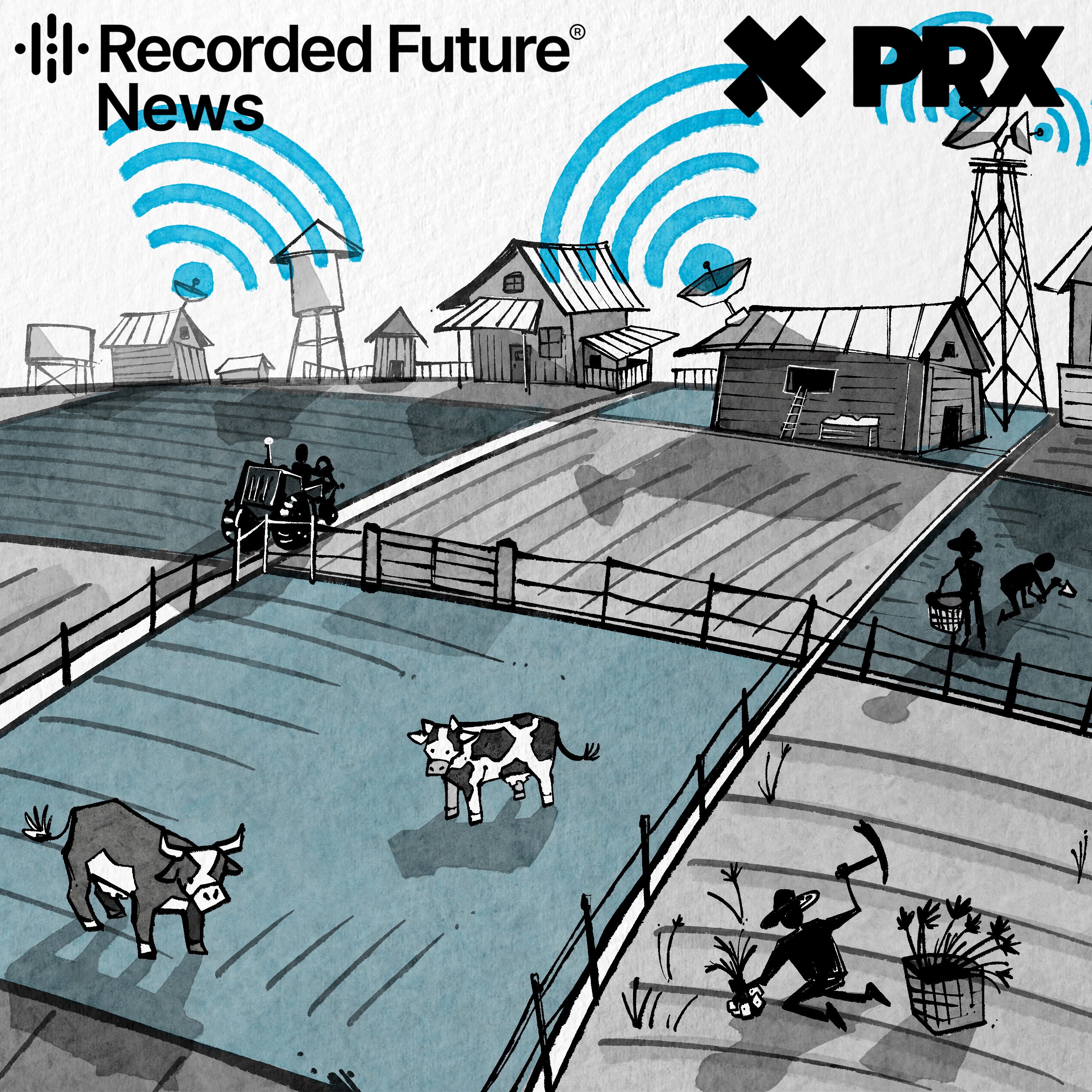
Almost heaven, no reception
What does it take to get everyone online? More than wires and satellites. We return to a story about a Mississippi farmer searching for a reliable connection—and end up uncovering a problem that stretches back nearly a century. What’s at stake isn’t just internet access, but who gets to be part of what comes next. Learn about your ad choices: dovetail.prx.org/ad-choices

Internet at the speed of light
We usually think of getting online as something that requires cables—strung under oceans or buried beneath our feet. Mahesh Krishnaswamy of Taara thinks the future may lie in beams of light pointed at the sky. Learn about your ad choices: dovetail.prx.org/ad-choices
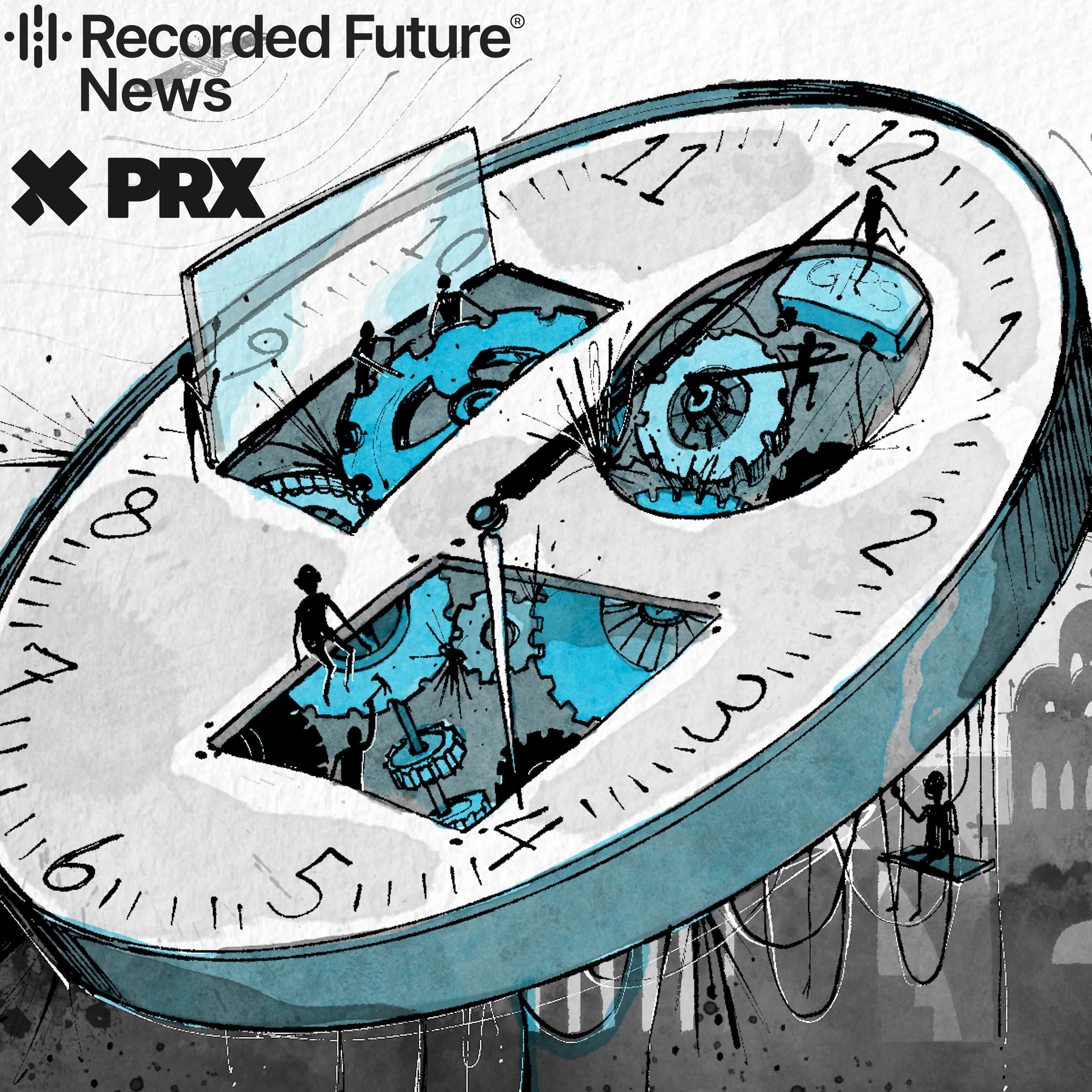
A wrinkle in time: GPS jamming in Ukraine
In this CyberMonday crossover with WAMU’s 1A, we hear from listener and return to an episode on how satellites, electronic warfare, and a team of American techies MacGyver-ed a way to keep the power flowing in Ukraine. Learn about your ad choices: dovetail.prx.org/ad-choices
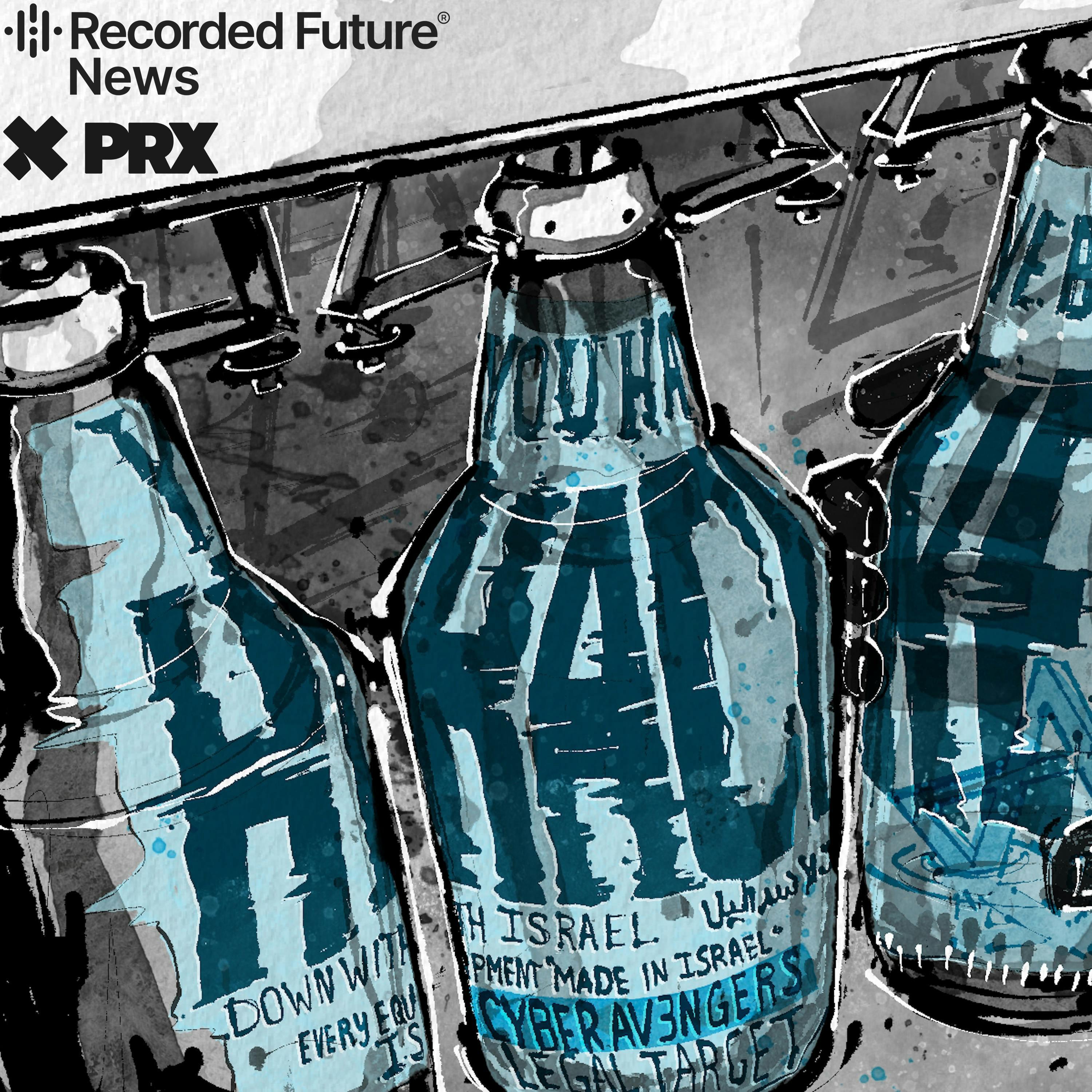
The other battlefield
A cyberattack on a U.S. medical device company didn’t ask for money—it tried to wipe systems clean. It may be the start of a wave of Iran-linked hacks as tensions rise in the Middle East. So this week, we revisit a story about how Iranian hackers wage war from the shadows. Learn about your ad choices: dovetail.prx.org/ad-choices
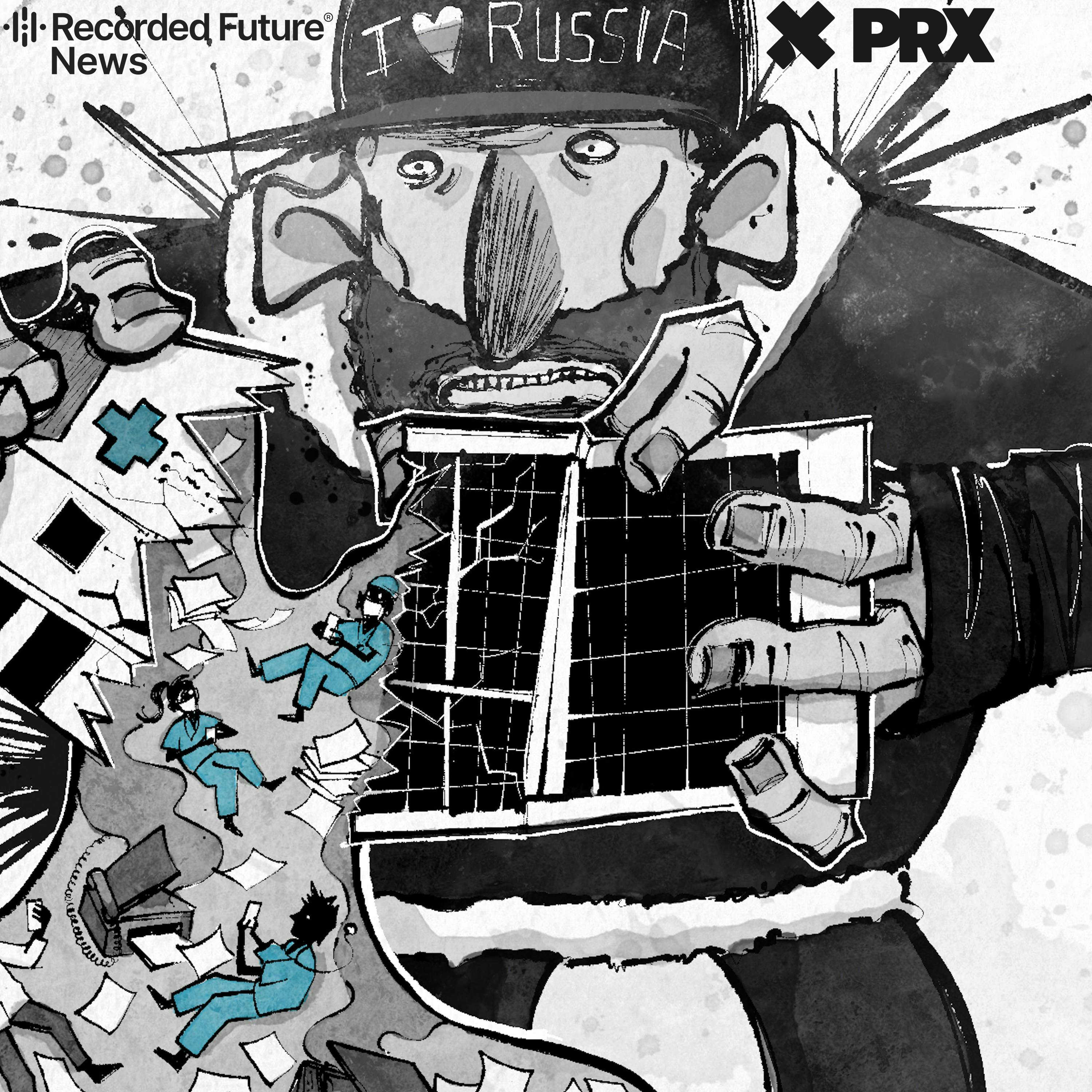
Return to code red: hacking the halls of medicine
Sky Lakes Medical Center in south-central Oregon never imagined it could become the target of a cyberattack. Then, one day, its computer systems went dark. Learn about your ad choices: dovetail.prx.org/ad-choices

The rise of high-tech despotism
Noura Al-Jizawi thought she’d left the repression of the Assad regime behind when she left Syria with her sister. Instead she became the target of an online subversion campaign. Learn about your ad choices: dovetail.prx.org/ad-choices
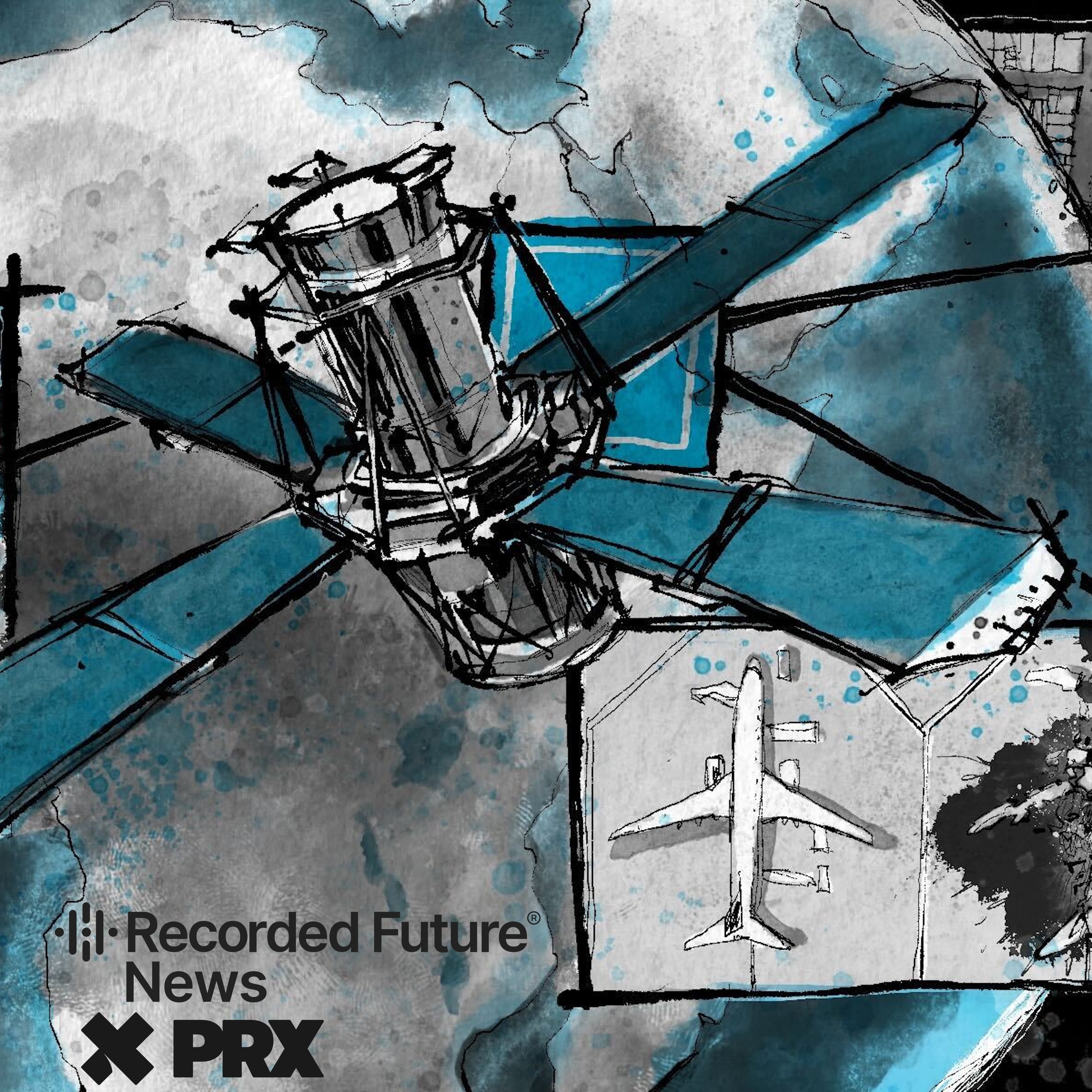
Smuggling signals out of Iran
After Tehran throttled the internet during nationwide protests in 2022, Iranians started preparing a workaround: Starlink. Smugglers brought thousands of satellite terminals into the country. So when war began, and the regime tried to cut its people off from the rest of the world, they still found a signal. Learn about your ad choices: dovetail.prx.org/ad-choices

When morality meets the machine
When a new tool starts appearing in places where humans once wrestled with right and wrong, it’s worth asking not just what the technology can do — but what it may be doing to us. Shannon Vallor, a philosopher at the University of Edinburgh, examines the hidden costs of offloading our moral judgment to machines. Learn about your ad choices: dovetail.prx.org/ad-choices
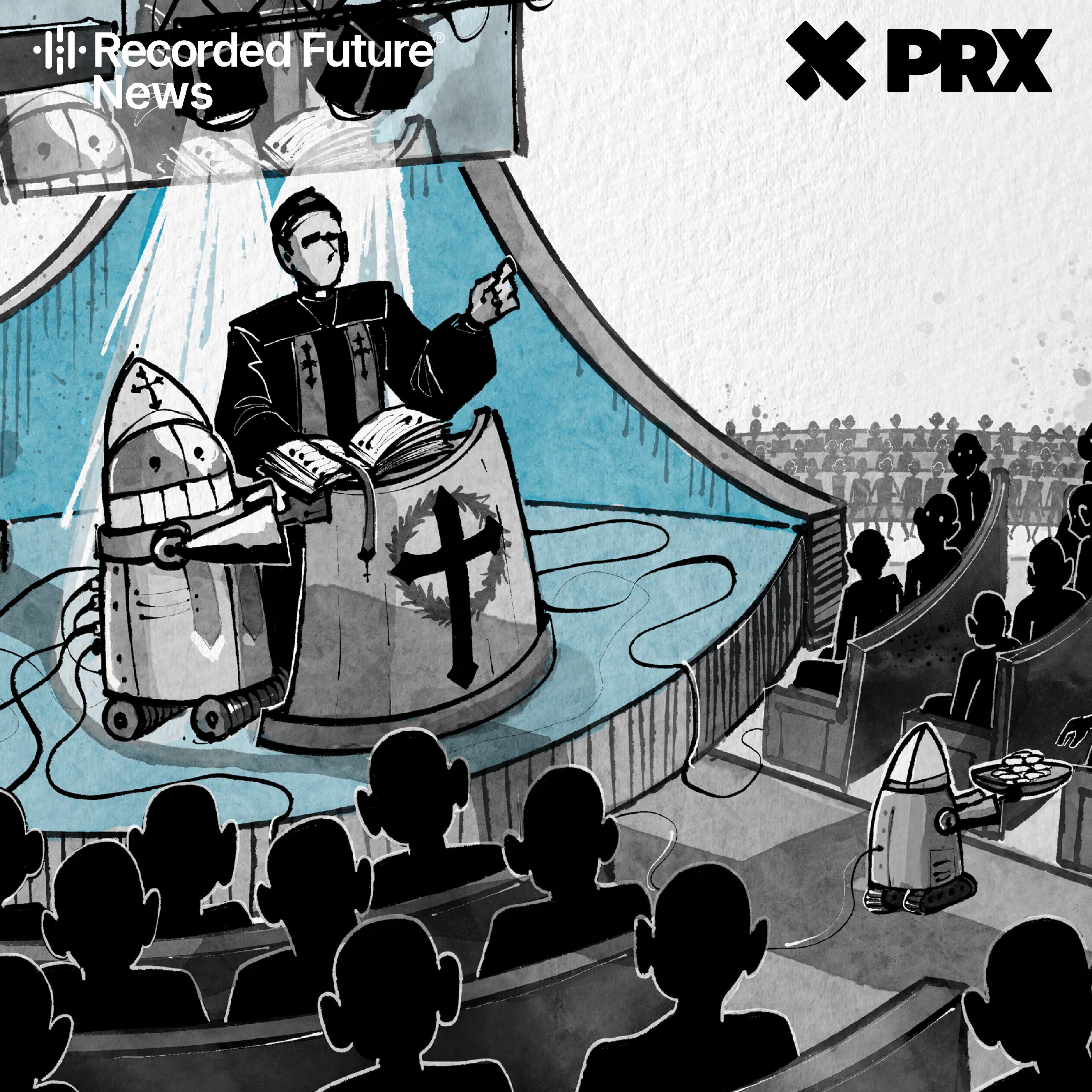
AI’s divine intervention
Churches are turning to AI to write sermons and reach new congregants. But when faith is filtered through an algorithm, does it change what – or who – we’re actually listening to? Learn about your ad choices: dovetail.prx.org/ad-choices
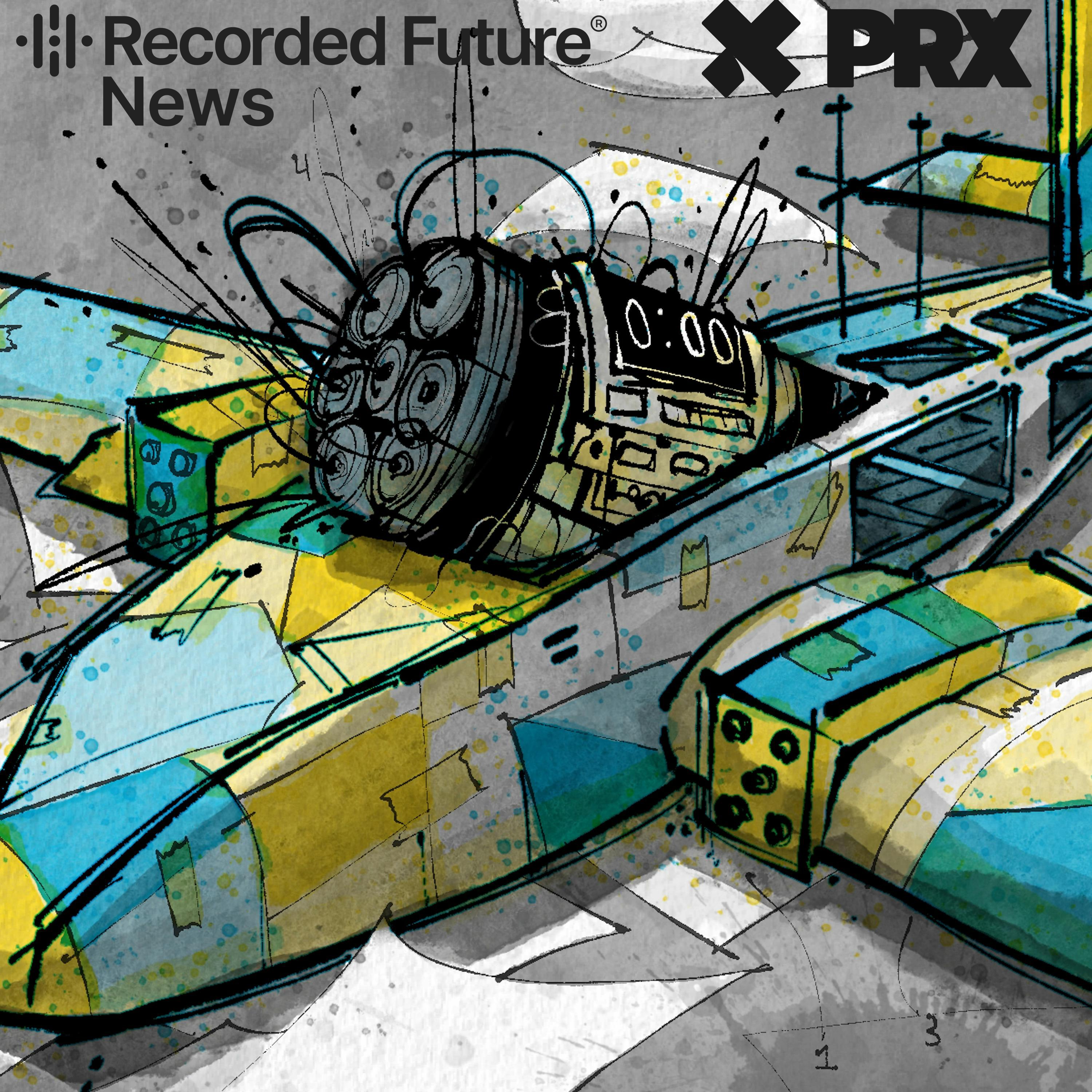
Dispatches from the Ukrainian front
Four years into Russia’s full-scale invasion of Ukraine, an air-defense officer named Zhan describes a battlefield dominated by drones and connectivity — and we return to a story about the tech detectives who trace the component parts that keep those weapons flying. Learn about your ad choices: dovetail.prx.org/ad-choices
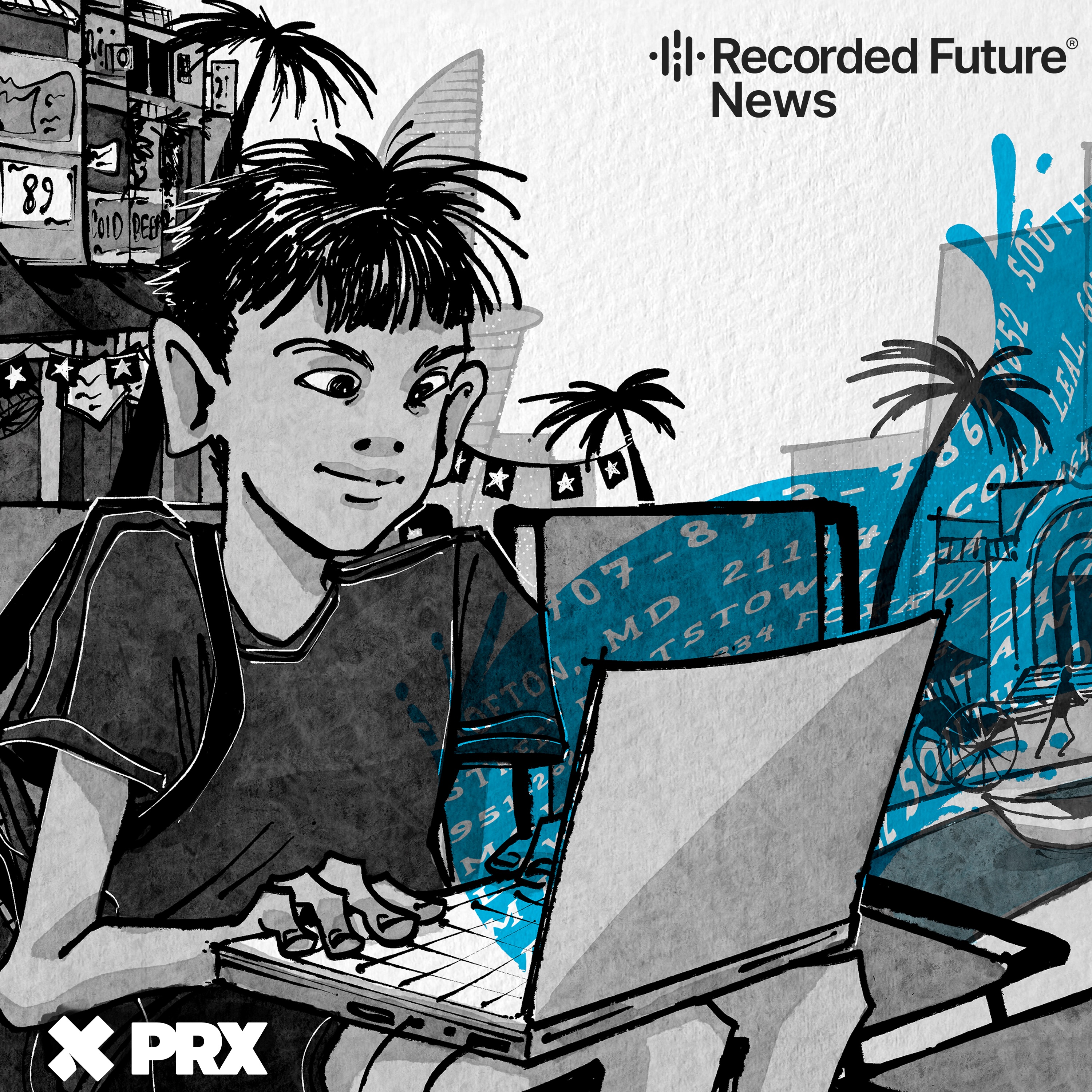
Your data, commodified
You’ve likely received a scam call or text at some point. Some of these messages come from elaborate compounds found mostly in Southeast Asia. These compounds look like call centers but operate more like prisons. In this CyberMonday crossover with WAMU’s 1A, we return to an episode and hear from listeners — on how these centers cropped up and what’s being done to stop them. Learn about your ad choices: dovetail.prx.org/ad-choices
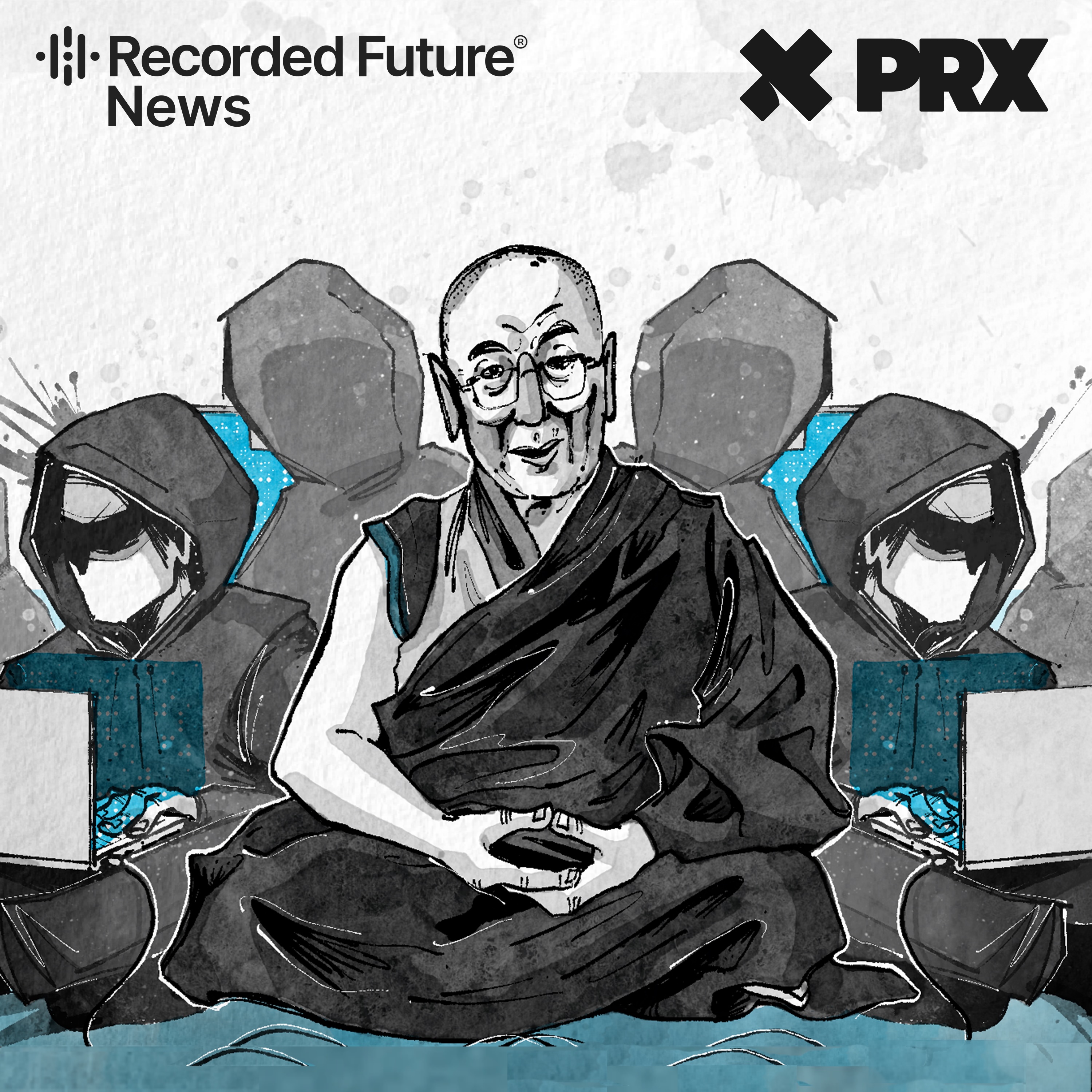
Chasing shadows with The Citizen Lab
The early Internet was ushered in with this widespread hope about its utopian possibilities. But the founder of The Citizen Lab, Ron Deibert, suspected there was a dark underbelly of government surveillance and censorship lying beneath and he was determined to unmask it. Learn about your ad choices: dovetail.prx.org/ad-choices

Reading North Korea
As reports grow that Kim Jong-un’s teenage daughter could soon be formally designated as his successor — extending the family’s rule to a fourth generation — we’re revisiting a story about the outsiders who watch North Korea when almost no one else can. In a country closed to inspectors and journalists, open-source “tech detectives” comb through satellite images, videos, and propaganda for tiny clues, trying to piece together what the regime is actually doing — and what it wants the world to believe — as it prepares for what could be a historic handoff of power. Learn about your ad choices: dovetail.prx.org/ad-choices

Miss Lonelyhearts and the money mules
We return to a special Valentine’s Day episode, and look at the evolution of romance scams. They aren’t just about bilking lonely people out of their life savings anymore – scammers have diversified, and they’re making victims accomplices in a roster of cyber crimes from email scams and check fraud to money laundering. Learn about your ad choices: dovetail.prx.org/ad-choices
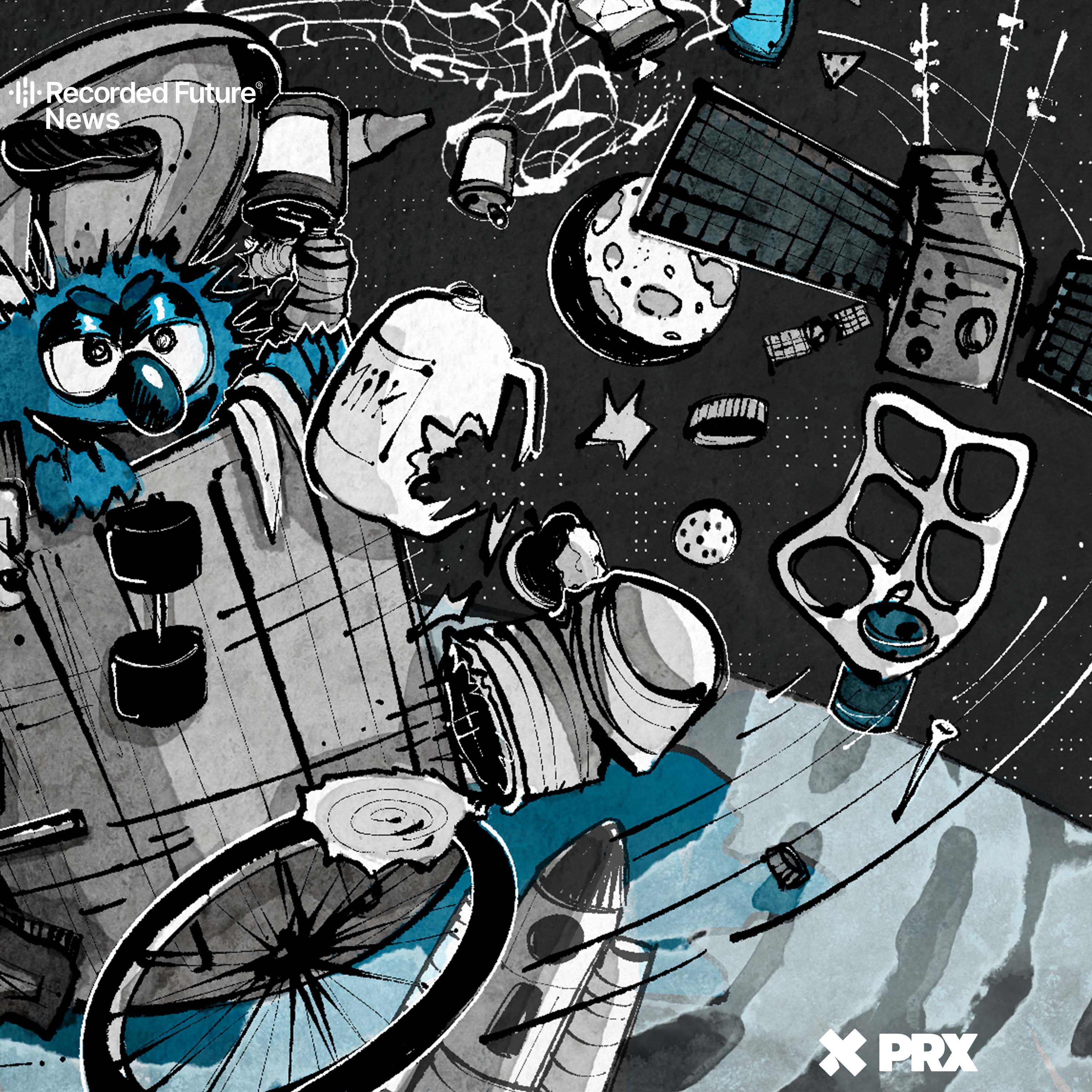
Defying Gravity
Former astronaut Ed Lu once worried about asteroids. Now he’s turning his attention to space debris —and a new question it raises: could adversaries turn it into a weapon? Some officials are beginning to worry the answer may be yes. Learn about your ad choices: dovetail.prx.org/ad-choices

Coded music
A Cold War story about musicians, dissidents, and the quiet ways people push back when a system decides who gets to exist — and who doesn’t. Learn about your ad choices: dovetail.prx.org/ad-choices
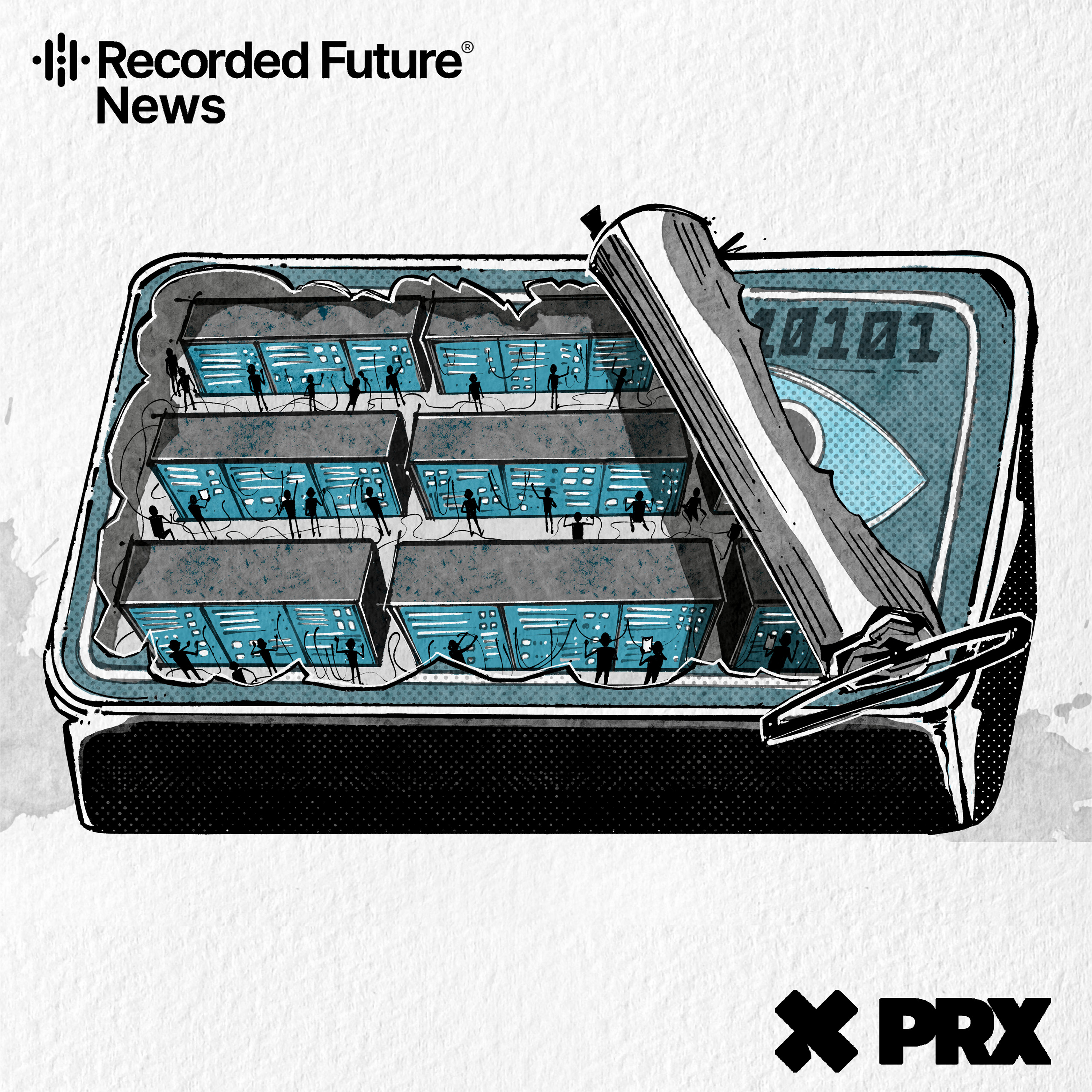
The people vs. the cloud
When Big Tech brought plans for a giant data center to St. Charles, Missouri, one college student decided to fight back. And it raises a question that small towns all over the US are asking: What happens when the cloud touches ground? Learn about your ad choices: dovetail.prx.org/ad-choices

Gone in 60 hacks
Car theft has gone digital. We talk to a white-hat hacker about how cars became computers on wheels—and why, in the race for smarter tech, safety is still trying to catch up. Learn about your ad choices: dovetail.prx.org/ad-choices
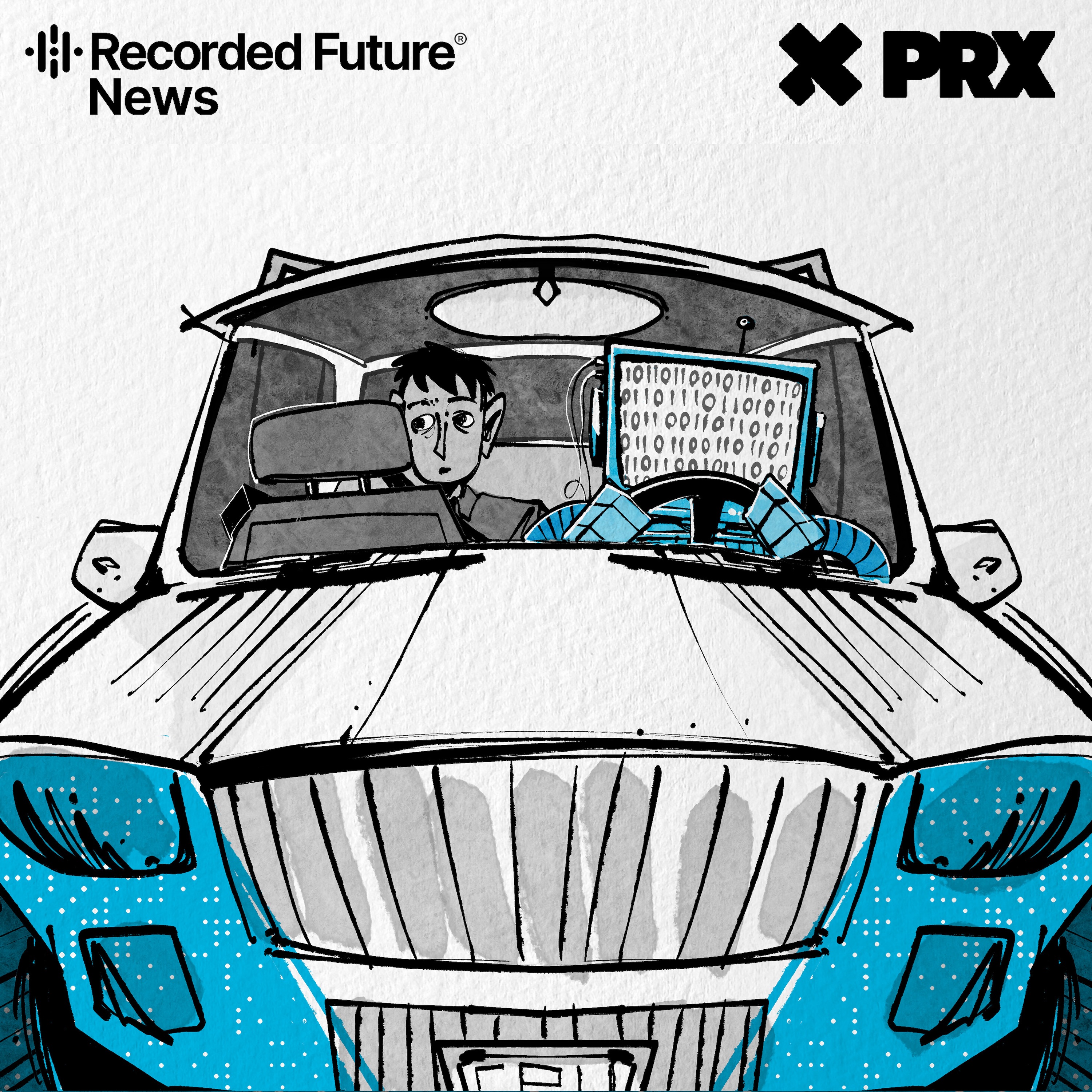
Move fast and brake things
Volvo built its reputation on safety. Then a software update nearly sent one driver off a cliff. We look at what happens when car companies start acting like tech companies — and discover the danger of “move fast and break things” on the open road. Learn about your ad choices: dovetail.prx.org/ad-choices

The neighborhood patrol
As the Trump administration pressures Apple and Google to remove apps that track ICE activity from their stores, locals are going old-school. Francisco Chavo Romero, an LA-based activist, explains how it works. Learn about your ad choices: dovetail.prx.org/ad-choices
Watching the watchers
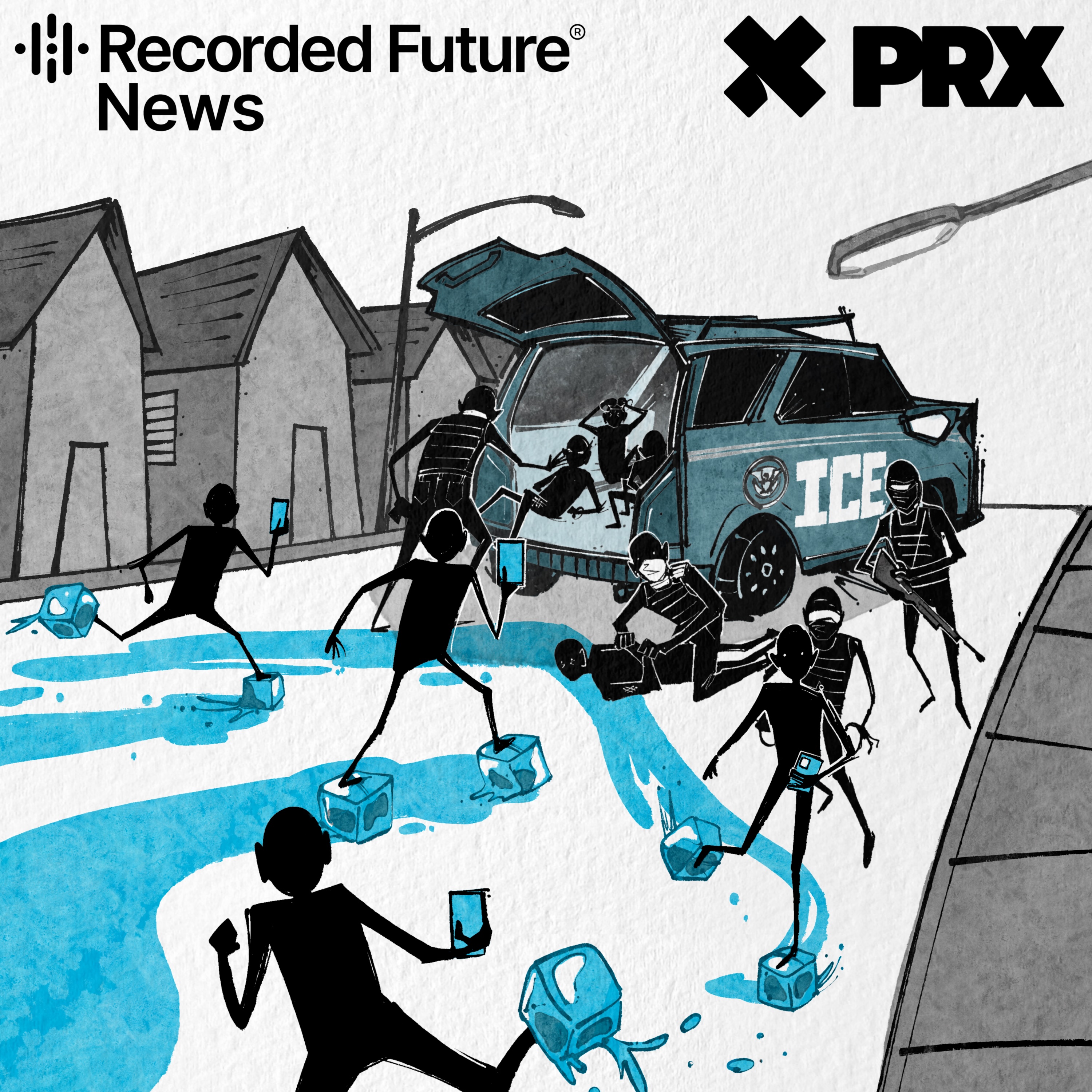
When the Trump administration began rounding up immigrants, a new kind of resistance took shape — digital, crowdsourced, and built for the smartphone era. Activists used apps and social media to keep watch on the government. But before long, the government started watching back. Learn about your ad choices: dovetail.prx.org/ad-choices

Can AI fix its own energy problem?
The A.I. boom is reshaping our world—and quietly guzzling power. This week, sustainable code advocate Stuart Clark explains how the race to build smarter machines is heating up our planet—and how we can code our way to a cleaner future. Learn about your ad choices: dovetail.prx.org/ad-choices
AI and the secret lives of whales
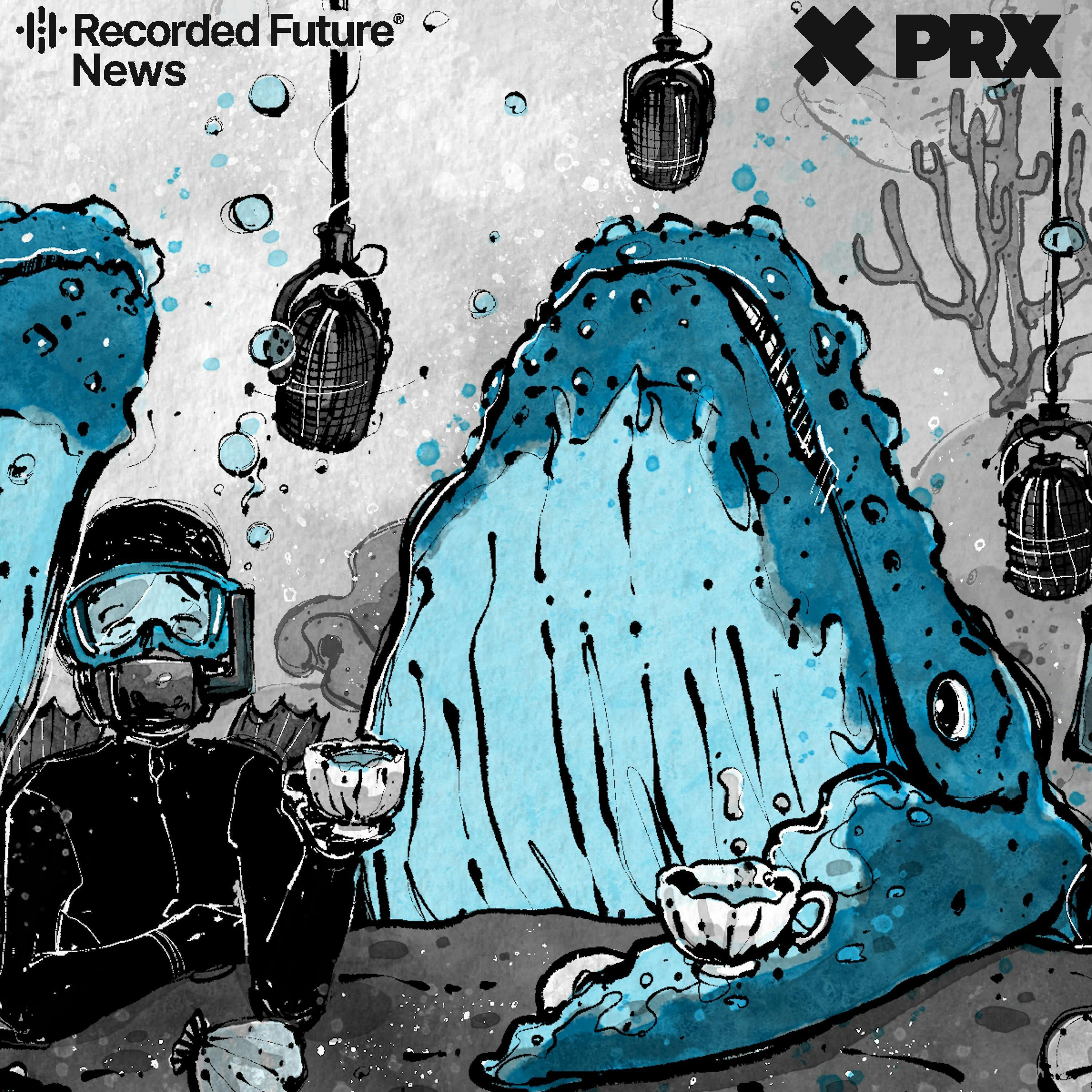
What happens when you cross a marine biologist with a machine-learning engineer? You get someone who thinks humpback whales might be saying something meaningful—and that artificial intelligence could help us finally understand it. Learn about your ad choices: dovetail.prx.org/ad-choices

Blockchain buzzkill — one miner’s lament.
We return to a story about bitcoin mining in Kentucky. When Richard Hunter heard about the state's generous crypto incentives, he packed up his bitcoin machines and pointed them south. He imagined a booming business, jobs for locals, and maybe — just maybe — a shot at redemption. But what he got … was a buzzkill. Learn about your ad choices: dovetail.prx.org/ad-choices
Crypto in Kentucky: The next extraction
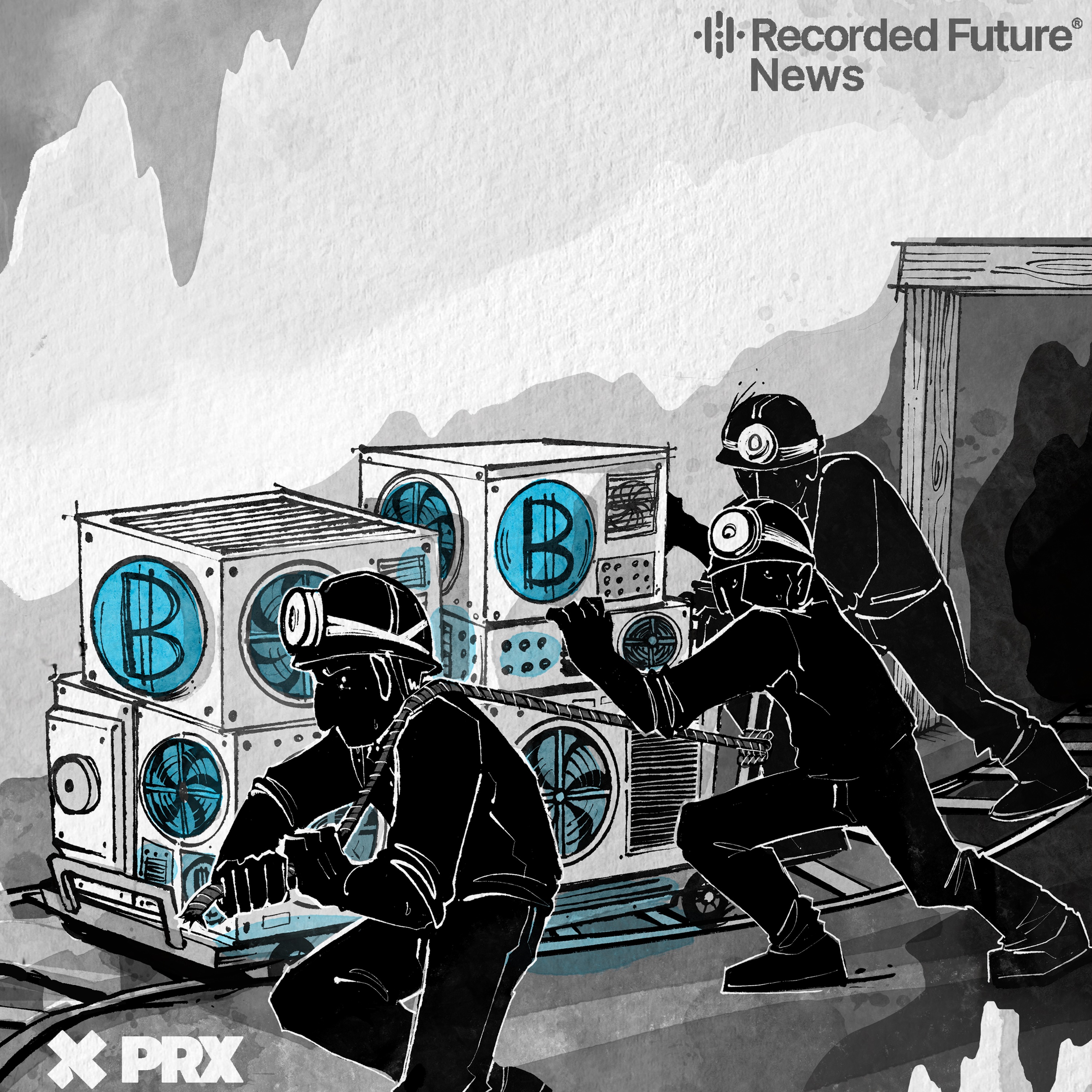
Since the collapse of coal, Eastern Kentucky has lived through a procession of supposed revivals. Each new idea was treated as something close to salvation. But things like cryptocurrency and AI data centers may not offer a break with history – just a continuation of it. We return to a story we did last year about Kentucky's crypto mining industry. Learn about your ad choices: dovetail.prx.org/ad-choices

Cloudy with a chance of Algorithms
Tech giants say artificial intelligence can outsmart the storm, predicting tomorrow’s weather faster than ever. We return to a conversation we had with Paris Perdikaris of the University of Pennsylvania. He tells us about a new tension: forecasts are only as good as the public data that fuels them – and now even that is in doubt. Learn about your ad choices: dovetail.prx.org/ad-choices
AI and the weather forecast
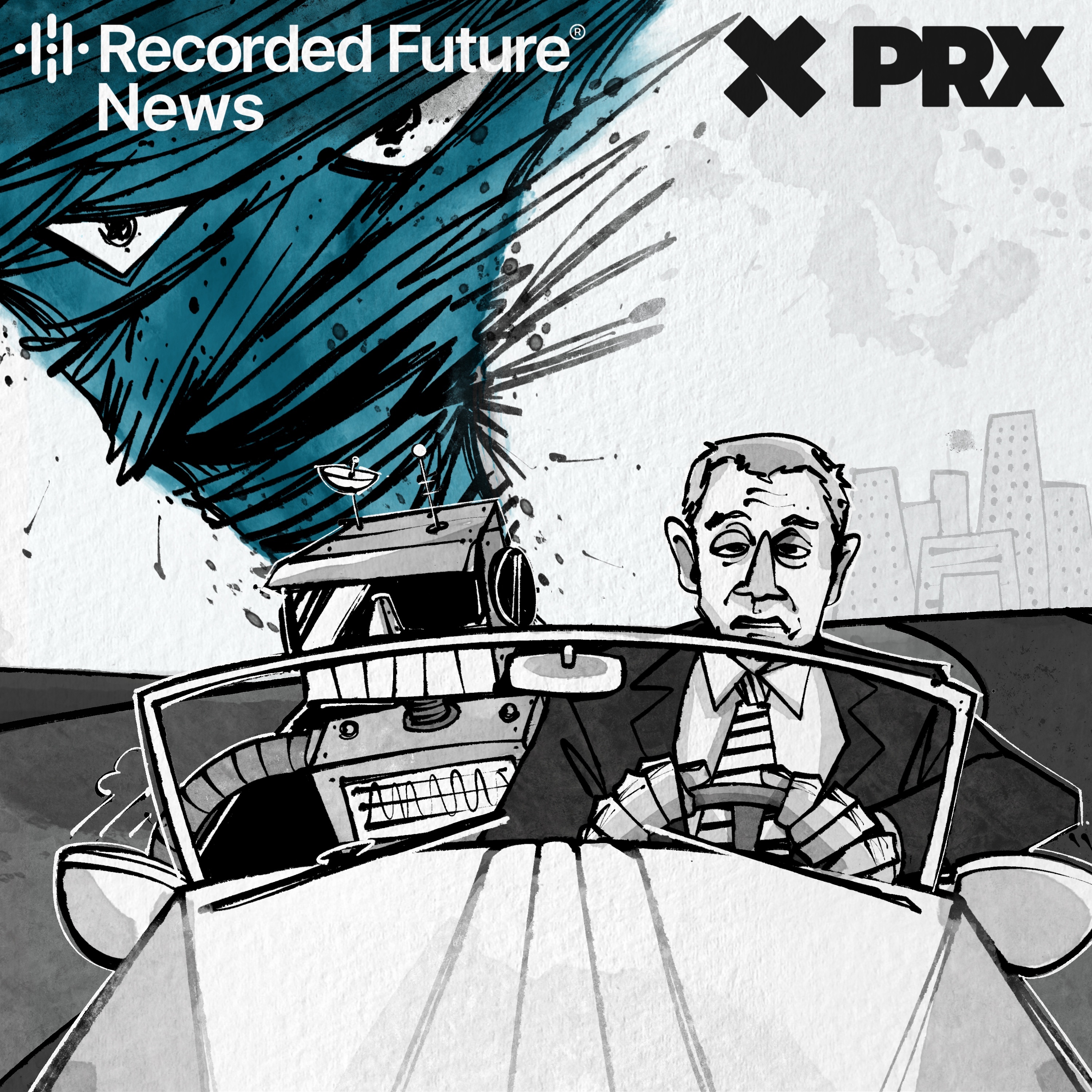
Artificial intelligence is rewriting the rules of weather forecasting — spotting storms sooner, warning us faster, and increasing the potential to save lives. But cuts to NOAA and the National Weather Service threaten the very data that makes it possible. In this CyberMonday crossover with WAMU’s 1A, we hear from listeners as we return to an episode that takes us inside the green screens and satellite feeds to show what’s at stake. Learn about your ad choices: dovetail.prx.org/ad-choices
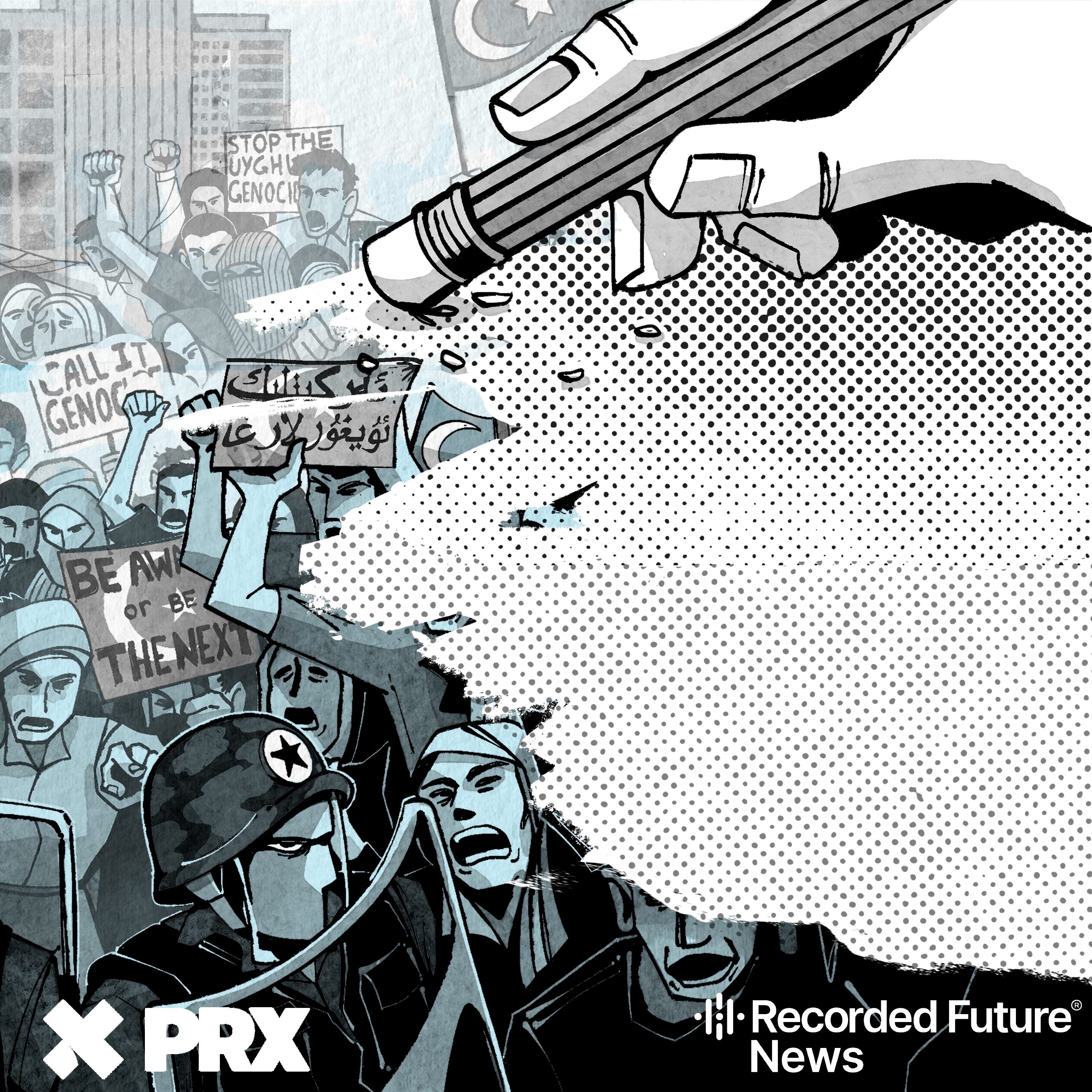
Erased: The curious case of UyghurEdit++
China’s surveillance of Uyghurs has leapt from the physical world to the digital one. No longer just QR codes on doorways, it’s now hidden in cloud services and software updates. This week on Click Here’s Mic Drop, we return to a story on how digital tools meant to protect identity are being used to erase it.ERASED is a four-part investigation into how China is wiping Uyghur culture from existence — one law, one app, one person, one website at a time. From shuttered schools to vanishing websites, ERASED uncovers an authoritarian regime’s campaign to delete a culture — and the unlikely rebels racing to stop it. Learn about your ad choices: dovetail.prx.org/ad-choices

Erased: Silencing a kindergarten
In a small classroom in western China, children once learned to sing and count in the language of their ancestors — Uyghur. Then the doors were locked, and founder Abduweli Ayup went from teacher to enemy of the state. We return to the first episode in our series, ERASED.ERASED is a four-part investigation into how China is wiping Uyghur culture from existence — one law, one app, one person, one website at a time. From shuttered schools to vanishing websites, ERASED uncovers an authoritarian regime’s campaign to delete a culture — and the unlikely rebels racing to stop it. Learn about your ad choices: dovetail.prx.org/ad-choices

The ego exploit
Zoom was built for speed. But in its rush to connect us, it may have left a few doors open. We return to a conversation with Dan Guido, the CEO of the cybersecurity firm Trail of Bits. He walks us through how one of Zoom's most mundane features became a hacker's best friend — and why the weakest link in crypto isn't the blockchain … it's the person who thinks they're too smart to get scammed. Learn about your ad choices: dovetail.prx.org/ad-choices

Introducing kill switch
An episode from kill switch:On October 20, an Amazon Web Services outage knocked out big swaths of the internet — from Snapchat and Reddit to smart beds and government services. On the series kill switch, host Dexter Thomas talks with Dr. Corinne Cath, a cultural anthropologist and tech researcher, about how three companies — Amazon, Microsoft, and Google — came to dominate the cloud, why that’s risky for democracy, and what we can do about it. Learn about your ad choices: dovetail.prx.org/ad-choices

The algorithm will see you now - AI and psychiatry
We return to a conversation we had with Dr. Stephen Xenakis, a psychiatrist and retired Army brigadier general. He's has always had an open mind when it comes to cutting-edge technology. Now he’s looking at AI to see if it can help doctors treat veterans struggling with mental health. Learn about your ad choices: dovetail.prx.org/ad-choices
Introducing The Homework Machine
An episode from The Homework Machine:Three years after ChatGPT landed in classrooms, schools are still sorting out what comes next. What counts as cheating when AI can do your homework? How should teachers use it, or not? And how do students feel about learning alongside a machine? The Homework Machine explores the promises and pitfalls of AI in education through the people living it – teachers, students, and the communities caught in-between. Learn about your ad choices: dovetail.prx.org/ad-choices

A former North Korean hacker speaks out
For years, North Korea has quietly dispatched an army of IT workers overseas—not to innovate, but to infiltrate. Disguised as freelancers, they apply for jobs, breach systems, and wire stolen funds back to Pyongyang. We return to a rare conversation with one of them—a defector—about the regime’s digital underworld, and the personal toll of escaping it. Learn about your ad choices: dovetail.prx.org/ad-choices
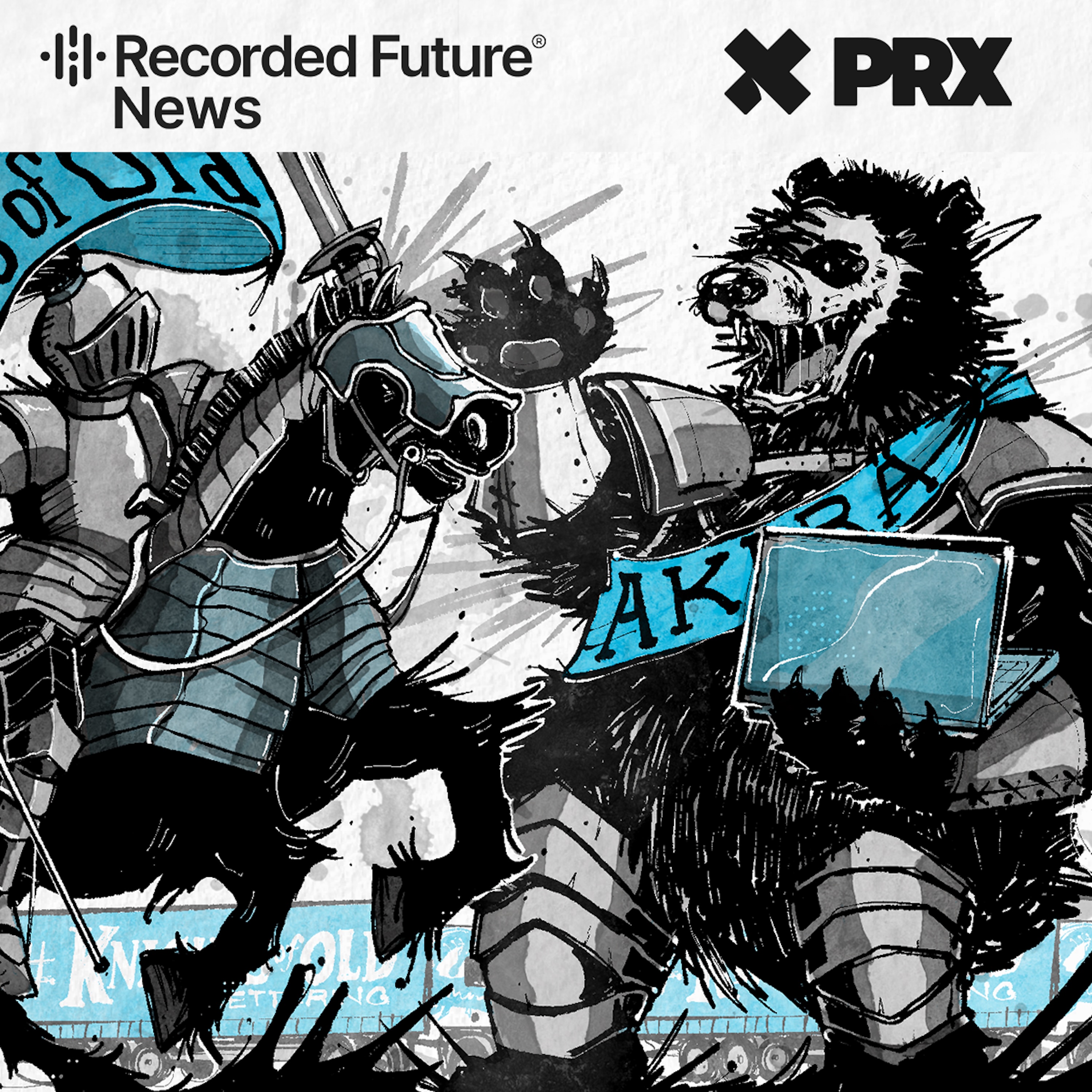
Knights of Old and a ransomware joust
We return to a story on the Akira ransomware group. For 150 years Knights of Old, a U.K. logistics company, survived everything from two world wars to Brexit. Then Akira stormed the company's networks. In just a blink of an eye, everything changed. Learn about your ad choices: dovetail.prx.org/ad-choices

Former Deputy DNI Sue Gordon: ‘it is conceivable that the world order has already been broken’
Washington is trimming budgets… and bleeding digital expertise. So what happens when national security is run by agencies living in the past? Sue Gordon, former Principal Deputy Director of National Intelligence, helps us break it down. Learn about your ad choices: dovetail.prx.org/ad-choices
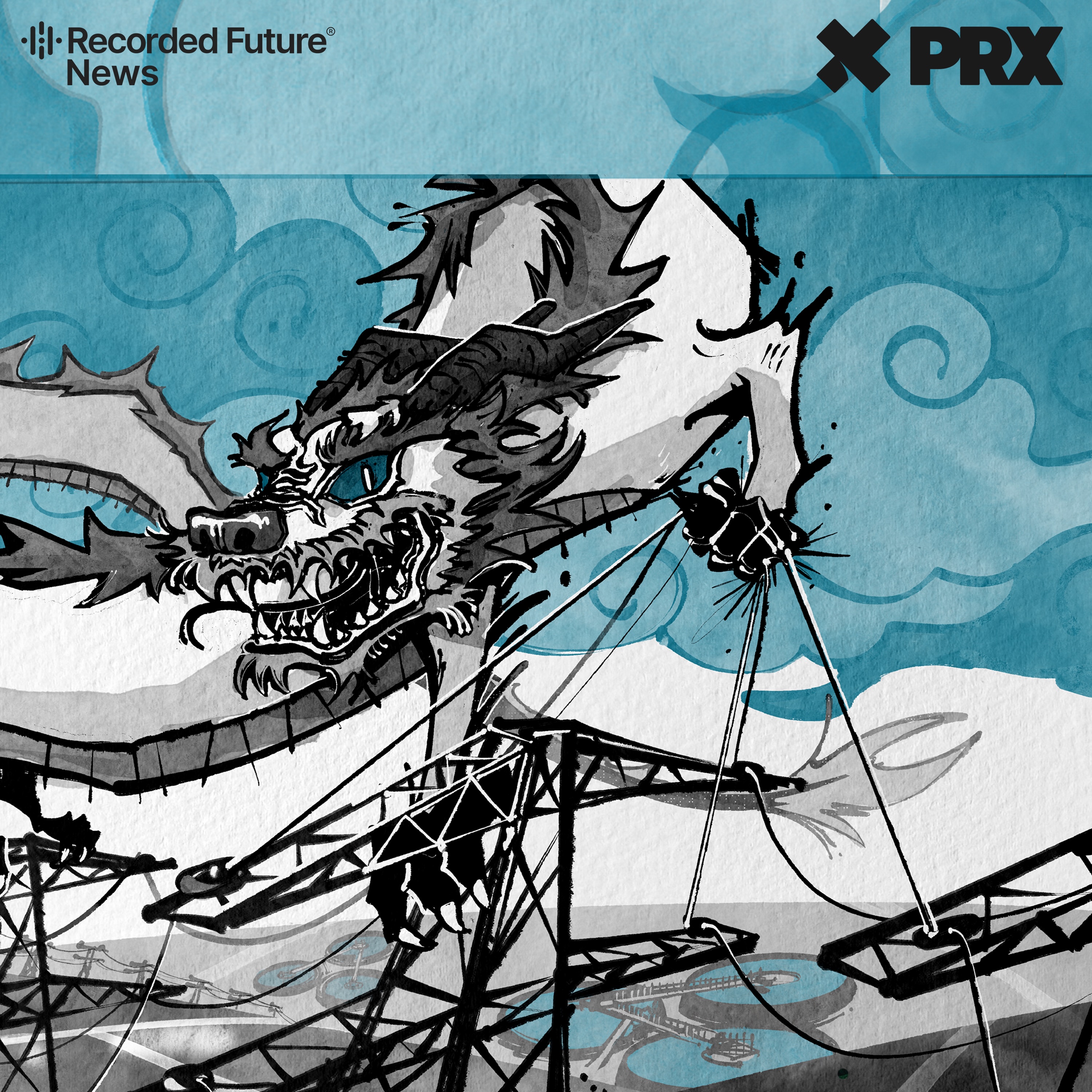
When big cyberattacks hit small towns
We tend to picture cyberattacks as distant battles—state hackers, big targets, glowing maps of global chaos. But often, the frontlines are more local: a water plant, a 911 system, the power lines outside your window. In this CyberMonday crossover with WAMU’s 1A, we examine a small-town breach, the fragility of our digital infrastructure—and what it means for all of us. Learn about your ad choices: dovetail.prx.org/ad-choices

A new playbook for online extremism
Milo Comerford has been studying online extremism for more than a decade. He’s watched ideologies rise and fall, platforms shift, and tactics mutate. Now, as kids fall into violent online communities with no ideology at all, Milo says we’re overdue for a new playbook. Today: the solutions he thinks might actually work. Learn about your ad choices: dovetail.prx.org/ad-choices
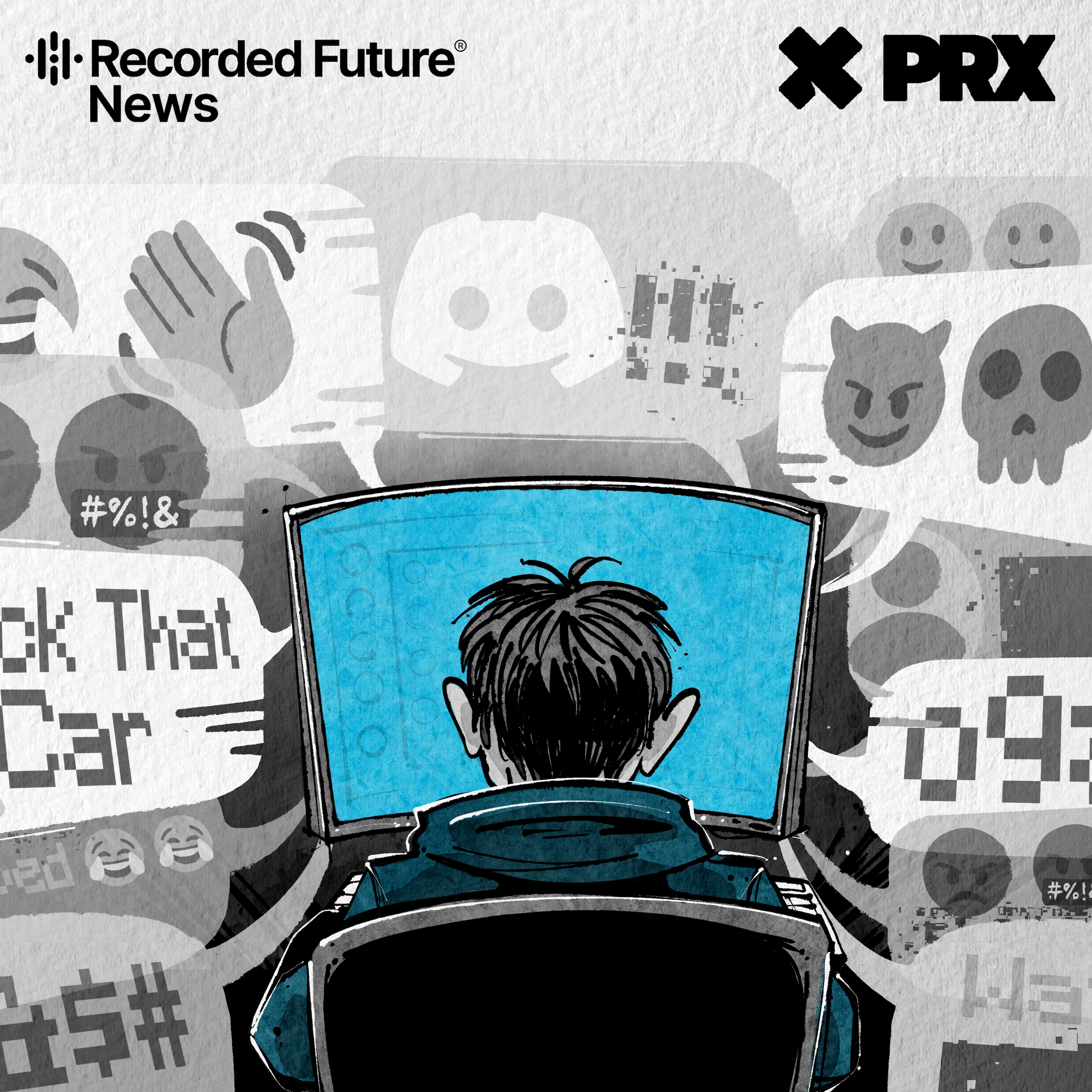
Violence for the sake of violence
Across the internet, groups like 764 are redefining extremism: less about beliefs, more about chaos. We look at how the movement works, who it attracts, and why stopping it is so challenging. Learn about your ad choices: dovetail.prx.org/ad-choices

Gone in 60 hacks
Car theft has gone digital. We talk to a white-hat hacker about how cars became computers on wheels—and why, in the race for smarter tech, safety is still trying to catch up. Learn about your ad choices: dovetail.prx.org/ad-choices
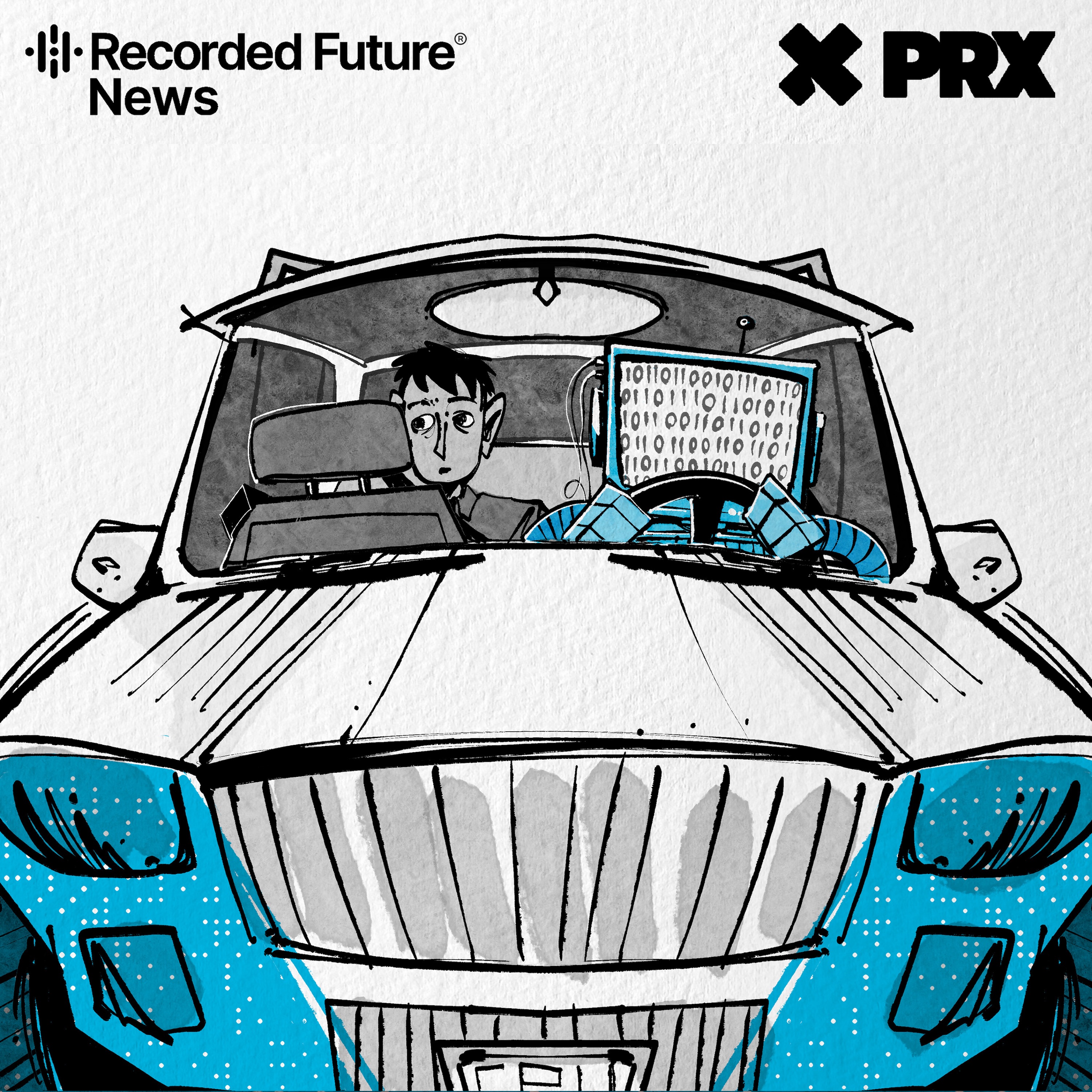
Move fast and brake things
Volvo built its reputation on safety. Then a software update nearly sent one driver off a cliff. We look at what happens when car companies start acting like tech companies — and discover the danger of “move fast and break things” on the open road. Learn about your ad choices: dovetail.prx.org/ad-choices

The law that couldn’t keep a secret
The Espionage Act was written more than a century ago to stop spies and saboteurs. But over time, its reach has quietly expanded — from enemy agents to insiders, and now, possibly, to the press itself. Georgetown Law’s Stephen Vladeck explains how a law built for wartime secrecy could become one of the most powerful tools in Washington’s arsenal. Learn about your ad choices: dovetail.prx.org/ad-choices
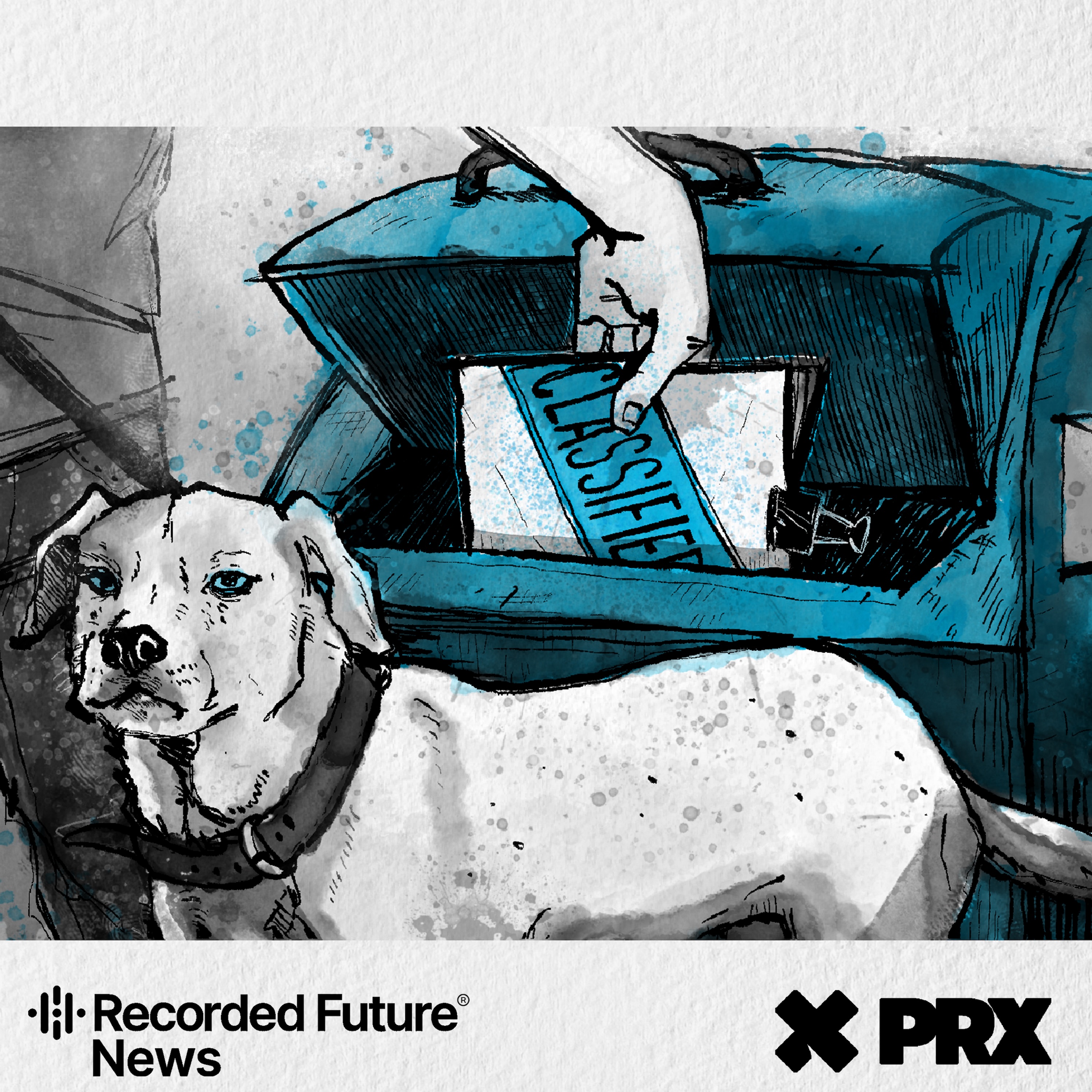
Reality Winner writes the next chapter
In 2017, NSA contractor Reality Winner mailed a five-page classified document to “The Intercept.” What happened next – a botched verification, an FBI knock at her door, and a prison sentence under the Espionage Act – raised big questions about how journalists handle secrets and how the government punishes those who share them. We talk to Reality about all that and her new memoir. Learn about your ad choices: dovetail.prx.org/ad-choices

A peek inside a data center
Big Tech’s data centers are changing the landscape of small-town America, bringing new kinds of jobs and economic opportunity. This week, we hear from Shannon Wait, a data technician in South Carolina whose experience led to a rare labor settlement — offering a window into what life inside these facilities is really like. Learn about your ad choices: dovetail.prx.org/ad-choices
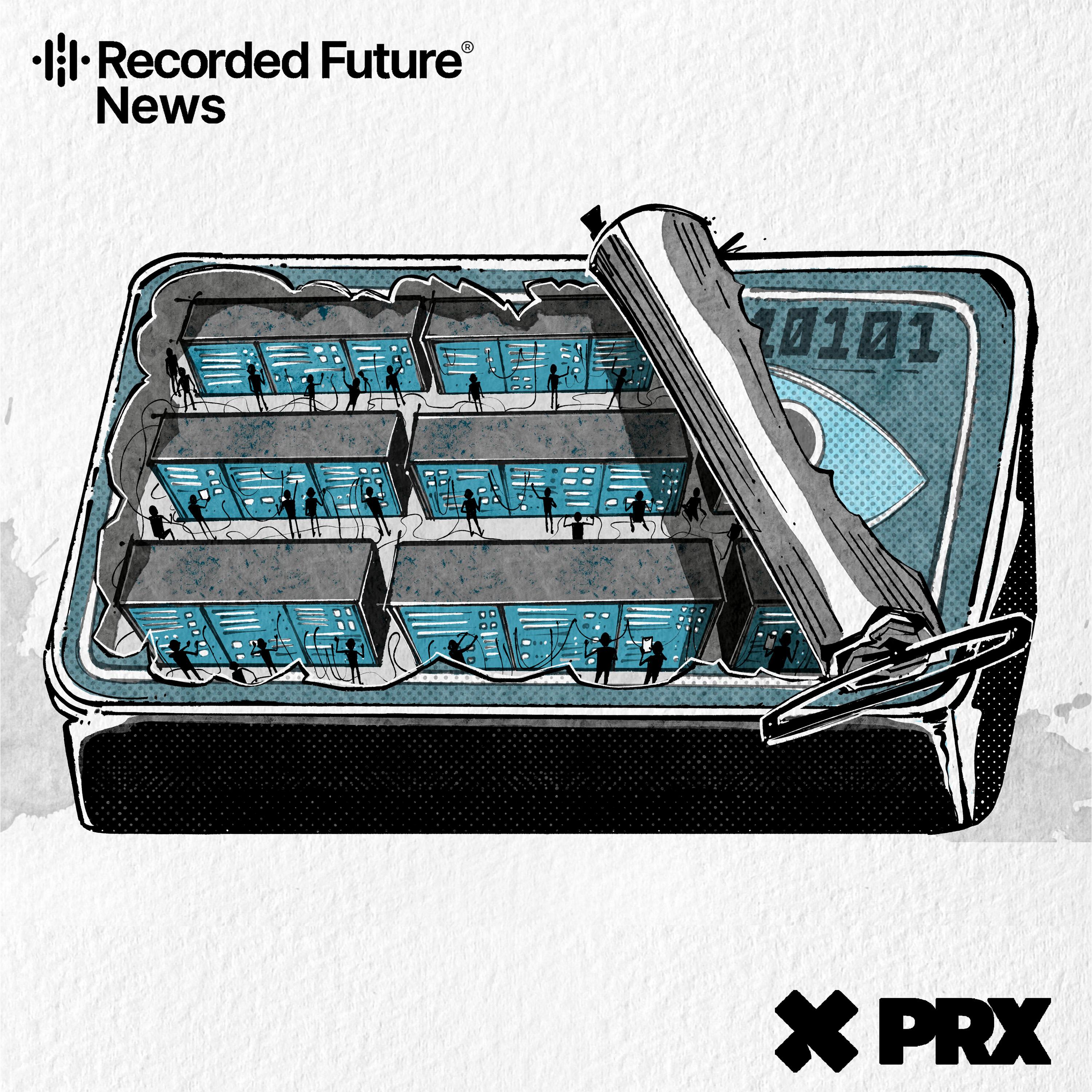
The people vs. the cloud
When Big Tech brought plans for a giant data center to St. Charles, Missouri, one college student decided to fight back. And it raises a question small towns all over the US are asking: what happens when the cloud touches ground? Learn about your ad choices: dovetail.prx.org/ad-choices

The neighborhood patrol
As the Trump administration pressures Apple and Google to remove apps that track ICE activity from their stores, locals are going old-school. Francisco Chavo Romero, an LA-based activist, explains how it works. Learn about your ad choices: dovetail.prx.org/ad-choices