Classroom Narratives: Healing in Education
100 episodes — Page 2 of 2
S3 Ep 11A Two-Part Conversation With Dr. Matthew Arau: Joy, Trust, and the Inner Upbeat (Pt I: The Inner-Work)
Episodic SynopsisIn Part One, Dr. Matthew Arau shares how educators can find joy and trust even in the midst of burnout. He unpacks the six human needs, the difference between joy and happiness, and why the inner work of mindset sets the tone for our classrooms.🔗 Featured Links & ResourcesPower of GET Discover Dr. Arau’s signature mindset shift — moving from “have to” to “get to” — with resources, stories, and tools to help you bring gratitude, enthusiasm, and treasure into your daily practice.Power of GET – Leadership Quiz Take a free 4-question quiz to uncover your GET leadership style (Grower, Energizer, or Trailblazer) and receive tailored strategies for elevating your leadership.Upbeat Global Home of Dr. Arau’s Upbeat philosophy — connecting mindset, mindfulness, and leadership practices to reenergize teachers, transform classrooms, and build positive cultures worldwide.GIA Music – Upbeat Book Collection Order Matthew Arau’s books and resources, including Upbeat!, The Upbeat Daily Journal, Upbeat Daily Planner, and The Upbeat Leadership Workbook — with bundle pricing options.Upbeat Leaders Facebook Group Join thousands of educators and leaders in an uplifting community where members share authentic stories, resources, and encouragement for sustaining positivity in education.Lawrence University Faculty Profile Read about Dr. Arau’s role as Associate Professor of Music Education and Associate Director of Bands at Lawrence University.About Matthew Arau – Upbeat Global Learn more about Matthew’s journey, mission, and the development of his Upbeat leadership philosophy.VanderCook College of Music Profile View Dr. Arau’s faculty profile as part of the VanderCook College of Music, where he contributes to leadership and teacher development.Matthew Arau on LinkedIn Connect with Dr. Arau professionally and follow his updates on leadership, education, and speaking engagements.Upbeat! on Amazon Purchase Dr. Arau’s bestselling book, Upbeat: Mindset, Mindfulness, and Leadership in Music Education and Beyond.
S3 Ep 10Beyond Bias: Building Inclusive Classrooms and Counseling with Dr. Alex Fields
📖 Episodic SynopsisIn this episode of Classroom Narratives: Healing in Education, Dr. Joey Weisler speaks with Dr. Alexander Fields—Assistant Professor of counselor education at Florida Atlantic University, licensed professional counselor, and nationally certified counselor. Together, they explore Dr. Fields' groundbreaking work in suicide prevention among young adults with intellectual and developmental disabilities (IDDs), his BEAM curriculum (Bias Exploration and Awareness in Mental health diagnosis), and why systemic change is urgently needed in both education and mental health care.Listeners will hear practical strategies for trauma-informed classrooms, stories that reveal the hidden signs students use when they can’t verbalize distress, and insights on how to challenge professional and personal bias in order to provide truly person-centered care. Whether you are a teacher, counselor-in-training, or community advocate, this conversation offers hope, actionable tools, and the reminder that care begins when we choose not to look away.📝 Show NotesAbout Dr. Alex Fields – Assistant professor at FAU whose research focuses on integrated behavioral health, disability justice, counselor preparation, and systems-level reform.Elevated Suicide Risk in IDD Populations – A landmark study co-authored by Dr. Fields uncovers the heightened risks faced by young adults with IDDs, challenging misdiagnosis, systemic silence, and exclusion.The BEAM Curriculum – Bias Exploration and Awareness in Mental health diagnosis helps counselors recognize their blind spots, challenge assumptions, and ground clinical reasoning in cultural humility.Practical Strategies for Educators – From daily “temperature checks” to reframing behavioral concerns as possible cries for help, Dr. Fields offers trauma-informed tools educators can use immediately in classrooms.Community and Connection – Why no educator or counselor should “work on an island,” and how collaboration, consultation, and empathy-building activities can transform school culture.COVID’s Lingering Impact – Understanding how disrupted early schooling continues to affect today’s learners, especially students with disabilities.Language That Heals – How simplifying clinical language, validating students’ lived experiences, and asking direct but compassionate questions can save lives.Key Takeaway – “It’s okay not to know something, but it’s not okay not to care.” Education and compassion are lifelong commitments that bridge the gap between systems and humanity.Resource LinksFeature: Advancing Integrated Mental Health Research Florida Atlantic University – First-Year Faculty Story on Dr. Alex Fields https://www.fau.edu/education/newsevents/documents/alex-fields-web-story-5.23.25.pdfDr. Alexander Fields — LinkedIn Profile https://www.linkedin.com/in/alexander-fields-5b286bb9/Article: Suicide Risk Elevated Among Young Adults with Disabilities FAU News Desk – Research on Suicidality in IDD Populations https://www.fau.edu/newsdesk/articles/suicide-risk-young-adults-disabilities
S3 Ep 9Rewriting the Stars – Music, Mental Health, and Youth Empowerment with Emma G
Episodic SynopsisIn this powerful episode of Classroom Narratives: Healing in Education, Dr. Joey Weisler sits down with award-winning musician, author, and youth empowerment coach Emma G. From surviving ten brain surgeries to transforming classrooms through songwriting, Emma shares how music can help students process emotions, confront trauma, and reclaim their voice. Drawing from her Māori heritage, teaching background, and her Youth Empowerment Through Songwriting program, Emma offers educators practical ways to move beyond compliance-driven teaching toward safe, creative, and student-centered learning. This conversation blends artistry, resilience, and practical strategy for anyone passionate about reimagining education.Show NotesKey Ideas & HighlightsFrom Survival to Songwriting: Emma G’s journey from living with hydrocephalus and undergoing ten brain surgeries to becoming an international performer and youth coach.The Healing Power of Music: How songwriting acts as both a therapeutic process and a tool for self-discovery, especially for teens navigating identity, trauma, and anxiety.Teaching the Student, Not the Curriculum: Emma’s philosophy of adapting teaching methods to meet individual needs—embracing creativity, autonomy, and non-conformist approaches.Trauma-Informed Creativity: Practical strategies for making emotional breakthroughs safe rather than overwhelming, including “naming” emotions and using music as a bridge to healing.Cultural Frameworks in Education: Incorporating Māori values (Aguwa principles) to create safe, non-judgmental, and reciprocal learning spaces.Music as a Classroom Anchor: Using intentional soundscapes and songs to set the tone, signal activities, and build an emotional rhythm for the day.Empowering Educators & Students Alike: Viewing the classroom as a mutual exchange where both teacher and student learn from each other, fostering respect and engagement.Breaking the Compliance Cycle: Why rigid standardization in teaching limits critical thinking and how educators can reframe standards without sacrificing creativity.A Toolkit for Emotional Engagement: Three essentials:Create a safe, judgment-free spaceShow up 110% and invite students to do the sameShare authority to build authentic relationshipsEmma G’s Call to Action: Be a disruptor in education—break boundaries, challenge norms, and give students the tools to become their “best baddest selves.”VISIT EMMA G's WEBSITE HERE
S3 Ep 8From Teacher to Attorney: Frances Shefter on Advocacy, Equity, and the Stress-Free IEP
📘 **Episode Synopsis (for podcast directories):In this powerful episode, Dr. Joey Weisler welcomes Frances Shefter—former special education teacher turned education attorney—for a heartfelt conversation on what it means to advocate for students within (and often against) the system. As the founder of Shefter Law PA and the visionary behind the “Stress-Free IEP” method, Frances opens up about her journey from the classroom to the courtroom, shares the hard truths about bureaucratic barriers, and reminds educators and parents alike of the simple, radical idea: focus on the child. Whether you’re a teacher quietly trying to do what’s right, a parent learning to navigate IEPs and 504 plans, or a leader in search of human-centered solutions, this conversation will move you, challenge you, and equip you.📎 Show Notes & Links:Learn more about Frances Shefter and access free advocacy tools at 👉 https://shefterlaw.comWatch Frances’s weekly show Stress-Free IEP on YouTube: YouTube @shefterlawpaDownload her free parent resources and advocacy guides: https://shefterlaw.comConnect with Frances on Facebook: @ShefterLawPARecommended takeaway: Write a one-pager for your child’s teacher summarizing key emotional and behavioral supports before the school year begins.
S3 Ep 7A Reckoning with School Safety: Chad Chaney on Courage, Accountability, and Prevention
📘 Episodic Synopsis (for episode notes):What does school safety look like beyond metal detectors and fire drills? In this gripping and deeply personal episode, Dr. Joey Weisler sits down with Chad Chaney—Marine Corps veteran, retired law enforcement sergeant, and current school safety manager for Florida Virtual School—to explore what it truly means to keep students safe. After walking through the preserved crime scene at Marjory Stoneman Douglas High School, Chad experienced a personal reckoning that redefined his mission: not just to prevent violence, but to hold systems accountable. From digital risk to trauma-informed strategy, this conversation calls on educators, parents, and leaders alike to notice the signs, act early, and rebuild trust.📚 Show Notes:🔹 Guest: Chad Chaney, School Safety Manager at Florida Virtual School🔹 Website: Triple C Security Consulting🔹 LinkedIn: Chad Chaney🔹 Article: "What I Saw in Parkland, and Why it Still Drives Me"🔹 Featured Tools and Resources:Interpreting Emojis Guide (Safer Schools Together)Raising Digitally Responsible Youth 2025 ToolkitKey Highlights:Chad’s emotional walkthrough of Building 12 at MSD—and how it transformed his leadership.How educators can detect early behavioral threat indicators.Why “that’s just Johnny being Johnny” is never a sufficient excuse.Navigating institutional silence and escalating when your concerns are dismissed.Safety in virtual schools: unseen risks and new opportunities.Peer accountability, classroom culture, and building a village of care.Why digital boundaries at home are not optional—and what parents need to know.The essential role of multidisciplinary threat assessment teams.The importance of identifying “leakage” and red flags before it’s too late.A call to all adults: If something doesn’t feel right, it probably isn’t.
S3 Ep 6From Surviving to Teaching: Eleni Webster on Building Safer Classrooms Through Voice, Vulnerability, and Vision
📖 Episodic Synopsis In this episode of Classroom Narratives: Healing and Education, Dr. Joey Weisler sits down with Eleni Webster—survivor of the Marjory Stoneman Douglas tragedy, Master's student, and Graduate Teaching Assistant for Public Speaking courses at Florida Atlantic University. Together, they explore how trauma shapes pedagogy, why culturally and emotionally informed teaching matters, and how classrooms can become spaces for both safety and transformation. From socratic circles in the classroom to bringing student voice into class conversation, Eleni shares how her past informs her present, and how every student deserves to be seen, heard, and valued.📌 Show NotesPersonal: eleniwebster.wixsite.com/eleniLinkedIn: linkedin.com/in/eleni-webster-10296a17b#DoItForThe17 Blog: doitforthe17.wixsite.com
S3 Ep 5From Grief to Growth: The Power of Perspective with Stephanie Kunkel
⚠️ Content Warning: This episode contains discussions of depression, suicidal ideation, and trauma, which may be distressing to some listeners.Disclaimer: The views expressed are not a substitute for professional mental health advice. Listener discretion is advised.📘 Episode SynopsisIn this powerful episode, Dr. Joey Weisler sits down with Stephanie Kunkel—leadership development expert, trauma-informed coach, and author of Perspectives Through Broken Glass—to explore the deep intersections of grief, resilience, and leadership. Stephanie shares her journey through suicidal ideation, motherhood, and healing, offering transformative insights into how we process trauma, reframe guilt, and rediscover our purpose. Educators, leaders, and anyone navigating burnout or personal loss will find encouragement in Stephanie’s candid reflections and the work she continues through Perspective Shifting LLC.📝 Show Notes and Resources~Joey Weisler's "The Throne in the Classroom" series trailer~Stephanie Kunkel's personal website with resources~Perspective Shifter's Website~Perspectives Through Broken Glass (Stephanie’s memoir on Amazon)~Stephanie's Newsletter~Stephanie's Youtube Channel~Stephanie's Rebel Dream Lab~Sue Klebold’s TED Talk, "My son was a Columbine shooter. This is my story."~Applied Suicide Intervention Skills (ASIST) training
S3 Ep 4“Lead with Love, Err on the Side of Kindness”: Art as a Lifeline with Traci Molloy
✏️ Episodic SynopsisBrooklyn-based artist and educator Traci Molloy has spent over two decades creating collaborative art projects with youth impacted by trauma—from 9/11 to poverty, gun violence, and systemic injustice. In this deeply moving conversation, Traci reflects on her years as artist-in-residence at America’s Camp, her school-based healing initiatives post-COVID, and why collective artmaking is a sacred act of both mourning and joy. Through her mantra—“If you’re complacent, you’re complicit”—Traci reminds us that art is not a bonus in education; it’s essential.📚 Show NotesGet in touch with Traci and learn about her work:*Traci Molloy: Artist, Collaborator, Education Activist (Personal website)*Traci Molloy ~ Trauma informed pedagogy, workshops, and trainings (Cultivating Empathy platform)*EMAIL: [email protected]*Facebook Profile*Instagram: @tracimolloy📚 References and Resources*Through Their Eyes: Therapeutic Art for Grieving Children(View the full program here)*Tom DeMaria's segment on the Classroom Narratives podcast*Learn about AMERICA'S CAMP here and herePHOTOS OF THE PHOENIXAll photo credits and provisions: courtesy of Traci MolloyProvided two images--image 1 and image 2Title - The Feathers of the PhoenixDate - 2006Dimensions - 15'x20'x8'Materials - Wooden frame with chicken wire and paper mâché, acrylic paint, collaged drawings, glue, and glow in the dark paint. The piece is part of the Permanent Collection at the National September 11th Memorial and Museum. It will be on display for the first time at the NS11MM starting in September of 2026. Image 1 is a picture of the underbelly of the phoenix with all the campers' art pieces attached as feathers.Image 2 was taken at America's Camp, the night The Phoenix was first shared with the America's Camp community, with Traci Molloy featured in the foreground.
S3 Ep 3When Stories Are Sacred: Teaching With Story, Safety, and Soul With Maria Bryan
📘 Episodic SynopsisWhat does it mean to treat a story as sacred? In this powerful conversation, trauma-informed storyteller and strategist Maria Bryan joins Dr. Joey Weisler to reframe how educators, nonprofits, and changemakers gather and share stories—without causing harm. From concepts like story readiness and agency to classroom-based tools for nervous system regulation, this episode offers an honest, compassionate look at how to create storytelling spaces rooted in consent, care, and connection. Whether you're a teacher, nonprofit leader, or advocate, Maria’s words will challenge and ground your role as a listener and facilitator of lived experiences.📋 Show Notes and Resources~Learn about the BUTTERFLY TAPPING method here.~Check out Maria's WEBSITE here.~Learn about Maria's SPEAKING ENGAGEMENTS AND SERVICES here
S3 Ep 2Beyond Behavior: Recognizing the Wounds We Can’t See with Jheri South
📘 Episodic Synopsis (for episode notes)When her son’s suicide attempt became the breaking point, Jheri South did what any mother would—she stepped in, learned everything she could about ADHD, and became the coach he needed to survive. In this gripping and compassionate conversation, Jheri opens up about raising seven neurodivergent children, confronting rejection sensitivity dysphoria (RSD), and the powerful overlap between trauma and ADHD. If you've ever wondered whether your classroom reactions are helping or harming, this episode will shift the way you see—and support—your students.📋 Show Resources~Visit Jheri South's Website here~Learn about Jheri's online ADHD Simplified Program ~Schedule a call with Jheri here~Learn about Dr. William Dodson here~Instagram:: @@msjherisouth~Jheri South Facebook
S3 Ep 1Beautifully Organized Chaos: Resigning for Safety, Rebuilding for Hope
~SENSITIVE CONTENT WARNING~📘 Episodic Synopsis:When a fourth-grade student brought a weapon into her classroom, Amber—a dedicated teacher of 14 years—faced a decision no educator should ever have to make. Rather than "sweep it under the rug," she chose to speak up, advocate for her students, and walk away from a toxic system. In this deeply vulnerable episode, Amber (@beautifullyorganizedchaos) shares her harrowing experience, the emotional fallout that followed, and her powerful journey through post-traumatic growth. Now a graduate student in clinical mental health counseling, Amber is turning her pain into purpose—creating resources for educators, parents, and students across all 50 states.This episode is a must-listen for anyone seeking clarity, courage, and connection at the intersection of education, trauma, and healing.Amber’s LinkTreeSocial Media Handle: @beautifullyorganizedchaos
S2 Ep 27Making Moments Matter: Weisler Alumni (Pt. I) — Mandy Lanier & Ryan Romero on Student Voice, Creativity, and Authentic Classrooms
🎧 Episode Synopsis: In this special roundtable episode—the first in a new, ongoing Weisler Alumni series—Dr. Joey Weisler reconnects with two of his former eighth-grade students: Mandy Lanier, a dance and neuroscience major at the University of Florida, and Ryan Romero (aka DJ Romi), a communications major and campus DJ at Nova Southeastern University.Together, they reflect on what it means to be a student within—and beyond—a school system shaped by testing, trauma, and transformation. Mandy and Ryan offer honest insights about what helped, what hurt, and what stuck with them, speaking candidly about the long-term impact of educational choices, teacher authenticity, and classroom memories.Part of a sporadic sequence of alumni conversations, this “Weisler Alumni” roundtable series offers former students a space to tell their truths, acknowledge the past, and help shape a better, more human-centered system for those still inside it.To learn about Mandy Lanier: Follow hereTo learn about Ryan "DJ Romi" Romero: Youtube channel and IG Handle @_djromi
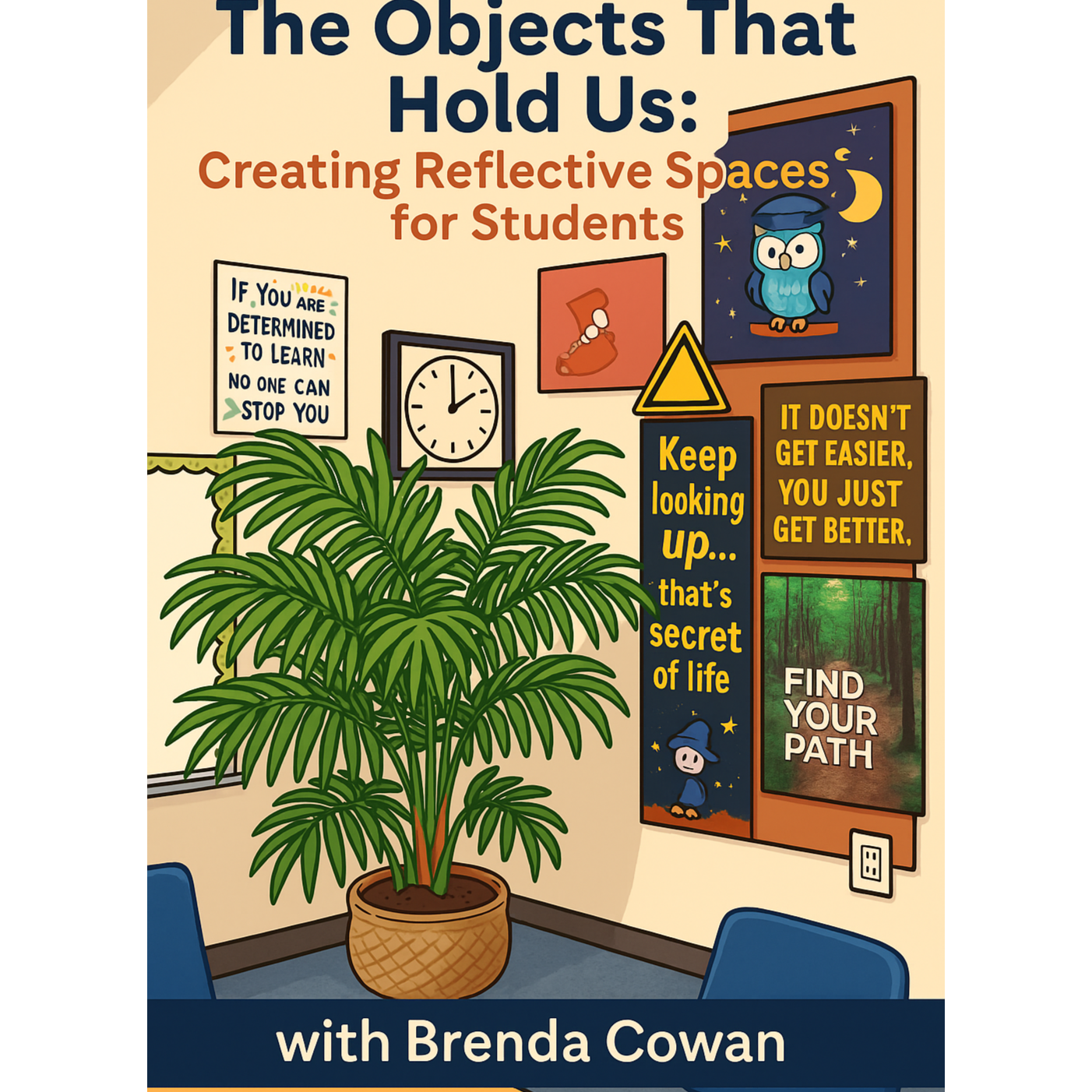
S2 Ep 26The Objects That Hold Us: Creating Reflective Spaces for Students with Brenda Cowan
📘 Episodic Synopsis:In this deeply reflective episode, Dr. Joey Weisler is joined by Professor Brenda Cowan—author, theorist, and educator at the Fashion Institute of Technology in New York city—to explore how everyday objects in classrooms, museums, and memory-laden spaces carry the power to heal. Through her groundbreaking framework Psychotherapeutic Object Dynamics, Cowan breaks down the seven ways people interact with objects in times of joy, trauma, and recovery—from associating and synergizing to releasing and composing. Together, they unpack how educators can build intentional, emotionally resonant environments that support both student and teacher well-being. Whether you're decorating your classroom or curating a moment of pause, this episode reminds us that objects can tell stories—and sometimes, they remember for us.🔗 Featured Links and Resources🔹 Brenda Cowan's FIT Faculty Profile https://www.fitnyc.edu/creative-nexus/faculty/directory/cowan-brenda.php📘 Recent Book: Museum Objects, Health and Healing: The Relationship Between Exhibitions and Wellness Available on Amazon🧠 Current Research: Psychotherapeutic Object Dynamics – A theory exploring the seven healing interactions we have with objects, including associating, giving, composing, and releasing.🌍 Fulbright Project: Stories from Syria Exhibition – An emotionally resonant exhibition exploring refugee narratives and healing through storytelling and design.🌳 Photo Reference: The Tree in Joey’s Classroom Click to View Image💼 Connect with Brenda Cowan on LinkedIn https://www.linkedin.com/in/brenda-cowan-b29010a/🧵 Topics Covered in This EpisodeHow classroom design influences well-being and memorySeven psychotherapeutic dynamics of healing through objectsCreating Zen zones and memory walls in educational spacesHow educators can borrow lessons from museumsBuilding trust and emotional safety through student-centered designWhat it means to invite vulnerability through classroom keepsakes
S2 Ep 25Open-Eared and Open-Hearted: Using Music as a Bridge for Student Well-Being
📘 Episode SynopsisIn this powerful and resonant episode of Classroom Narratives: Healing in Education, Dr. Joey Weisler sits down with Dr. Guiliana Conti—music educator, researcher, and Director of Professional Development at Music Workshop—to explore how music transcends curriculum and becomes a lifeline for student connection, regulation, and identity. Through personal stories and practical insight, Dr. Conti reveals the neurological and emotional impact of music on trauma-affected learners and how even non-music educators can use sound to anchor safety and spark belonging in their classrooms. This episode is a must for anyone looking to deepen the emotional tone of their teaching practice—whether or not they can carry a tune.🎓 Resources for ListenersMusic Workshop: Free Curriculum A culturally responsive, standards-aligned library of free music curriculum for grades K–8 👉 Explore NowFree Professional Development Courses Including the highly recommended Music for Social Well-Being PD for both music and general educators 👉 Get CertifiedThe PERMA Model of Well-Being Learn how this five-part framework underpins Music Workshop’s trauma-informed strategies 👉 What is PERMA?Music Workshop Main Website Discover the mission, partners, and additional resources supporting music-centered education. 👉 Visit MusicWorkshopEDU.org
S2 Ep 24The Pooped-Out Teacher in Loco Parentis: Dr. Dre on Presence, Consistency & Care
📄 Episodic SynopsisIn this powerful episode of Classroom Narratives: Healing in Education, Dr. Joey Weisler sits down with Dr. Andrea Mata (aka Dr. Dre), a clinical child psychologist and founder of Bright Spot Families. From her transition out of academia to launching a high-impact private practice, Dr. Dre shares how presence, consistency, and adaptability are foundational for both parenting and teaching. Whether you're managing a classroom or raising kids, this episode is packed with straight talk and actionable advice to help you connect, guide, and grow with young minds. Plus, hear about the poop-inspired parenting book that’s making waves in family psychology.📝 Show NotesGuest: Dr. Andrea Mata, Clinical Child Psychologist & Founder of Bright Spot Families Topic: Parenting tips, trauma-informed education, emotional regulation, and the psychology of consistency in schools and homes.Key Highlights:Dr. Dre’s journey from tenured professor to full-time psychologist.The inspiration behind The No. 2 Parenting Book: Practical Tips for the Pooped-Out Parent—readable in the time it takes to poop!Why presence and consistency are the top strategies for parenting and classroom management.How trauma-informed education sometimes misinterprets emotional needs.The importance of teaching kids emotional regulation using the psychology triangle (thoughts, behaviors, feelings).Classroom techniques that foster belonging, safety, and engagement (e.g., relationship banking model inspired by Goffman).Why adaptability is the “secret sauce” for thriving in education.Practical classroom examples, like icebreakers and student-led discussions, that help educators build trust and community.Resources Mentioned:Bright Spot Families – Book a SessionConnect with Dr. Dre on LinkedInFollow her on Instagram @drdremataPhil Januszewski’s Positive Growth Lounge (PGL) – Where this conversation first took root
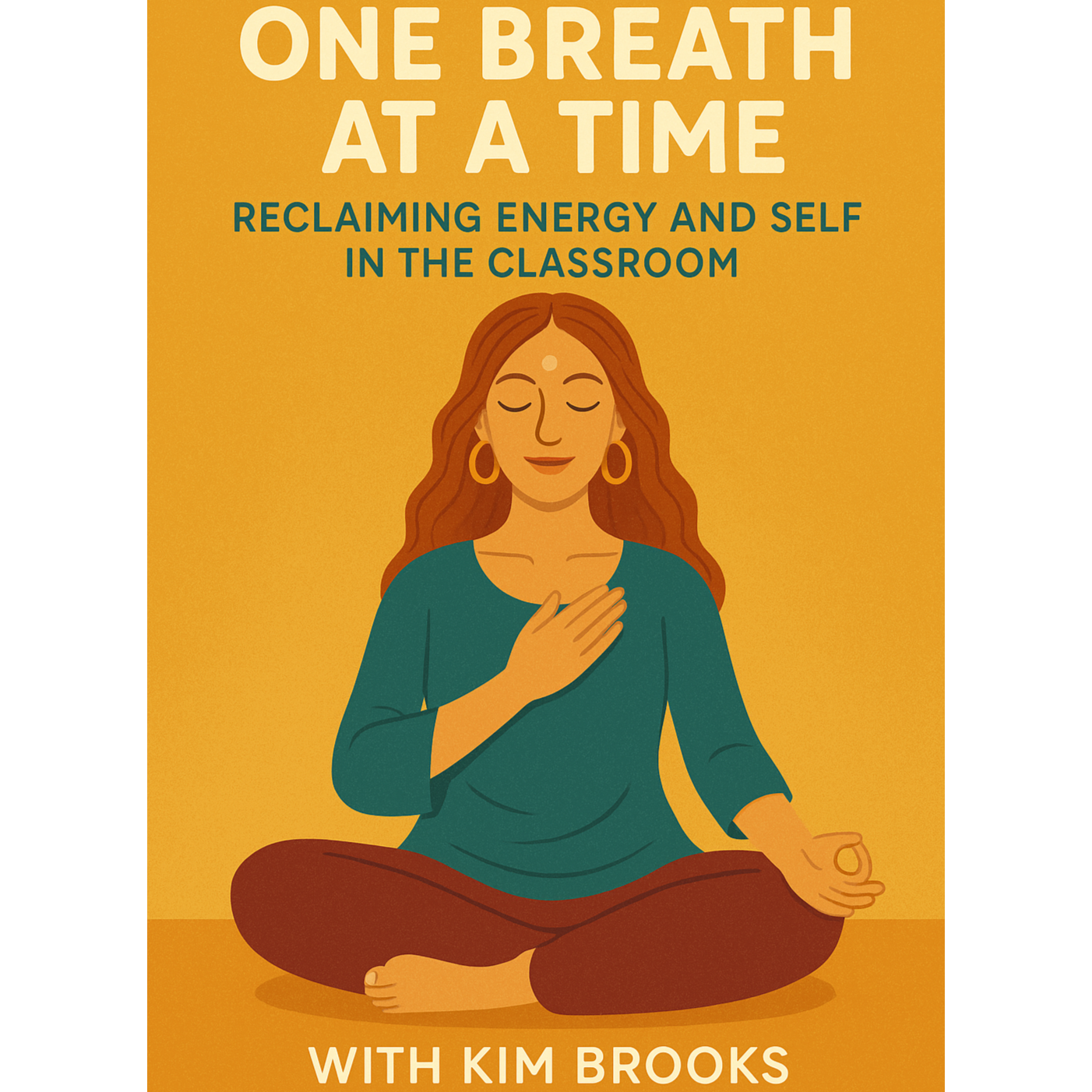
S2 Ep 23One Breath at a Time: Reclaiming Energy and Self in the Classroom with Kim Brooks
📘 Episodic Synopsis:In this deeply reflective and empowering episode, Joey sits down with former educator and wellness guide Kim Brooks to unpack the reality of teacher burnout—and how educators can reclaim their energy without guilt. Drawing from nearly two decades in the classroom and her journey into breathwork, yoga, and healing, Kim shares practical tools and heartfelt wisdom to help educators slow down, set boundaries, and reconnect with themselves. Whether you’re in your first year or a seasoned teacher contemplating change, this conversation is your permission slip to pause and breathe.🔗 Resources & Links from This Episode🧘♀️ Kim Brooks – Guest Profile & Offerings • Connect with Kim on LinkedIn • The Energy Reset Program – Kim’s signature coaching framework for educators seeking renewal through breathwork, meditation, and mindful practices.🎧 Referenced Podcast Episodes • The Happier Teacher: Building Resilience Through SEL and Self-Care with Erin Shook 👉 Listen on RSS• Trauma-Informed Classrooms: Insights from a Caregiver and Therapist with Pamela Rosenblum 👉 Listen on RSS🫁 Mindfulness Tool Mentioned • Square Breathing Technique – A simple but powerful breathwork practice to regulate your nervous system.📚 For New Educators • Phases of a First-Year Teacher – Ellen Moir Framework – Understand the emotional arc of a teacher’s first year and how to navigate it with support.
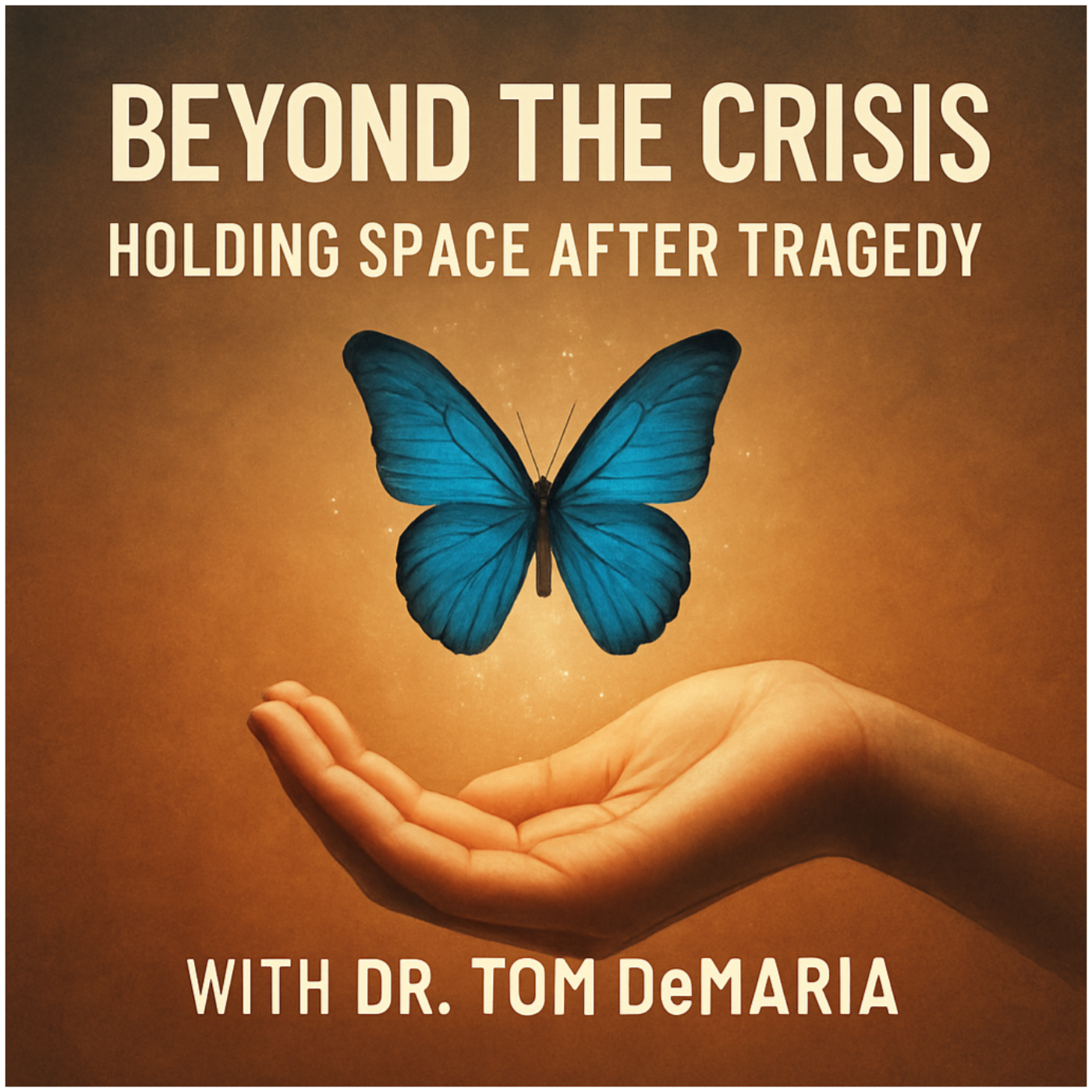
S2 Ep 22Beyond the Crisis: Holding Space After Tragedy with Dr. Tom DeMaria
📘 Episodic SynopsisIn this episode, Dr. Joey Weisler is joined by nationally recognized trauma expert Dr. Tom DeMaria to explore what it really means to support students and educators through loss. Drawing on decades of experience responding to crises like 9/11, Sandy Hook, and Parkland, Dr. DeMaria offers powerful insight into how grief shows up in schools—and how we can meet it with compassion, clarity, and care. As a senior consultant with the National Center for School Crisis and Bereavement (NCSCB), Dr. DeMaria shares proven strategies for creating emotionally safe spaces and helping school communities heal. Together, they unpack the difference between trauma and grief, the emotional ripple effects of tragedy, and what it takes to build communities that don't just survive crisis—but grow through it.Free tools for educators:National Center for School Crisis and BereavementCoalition to Support Grieving Students
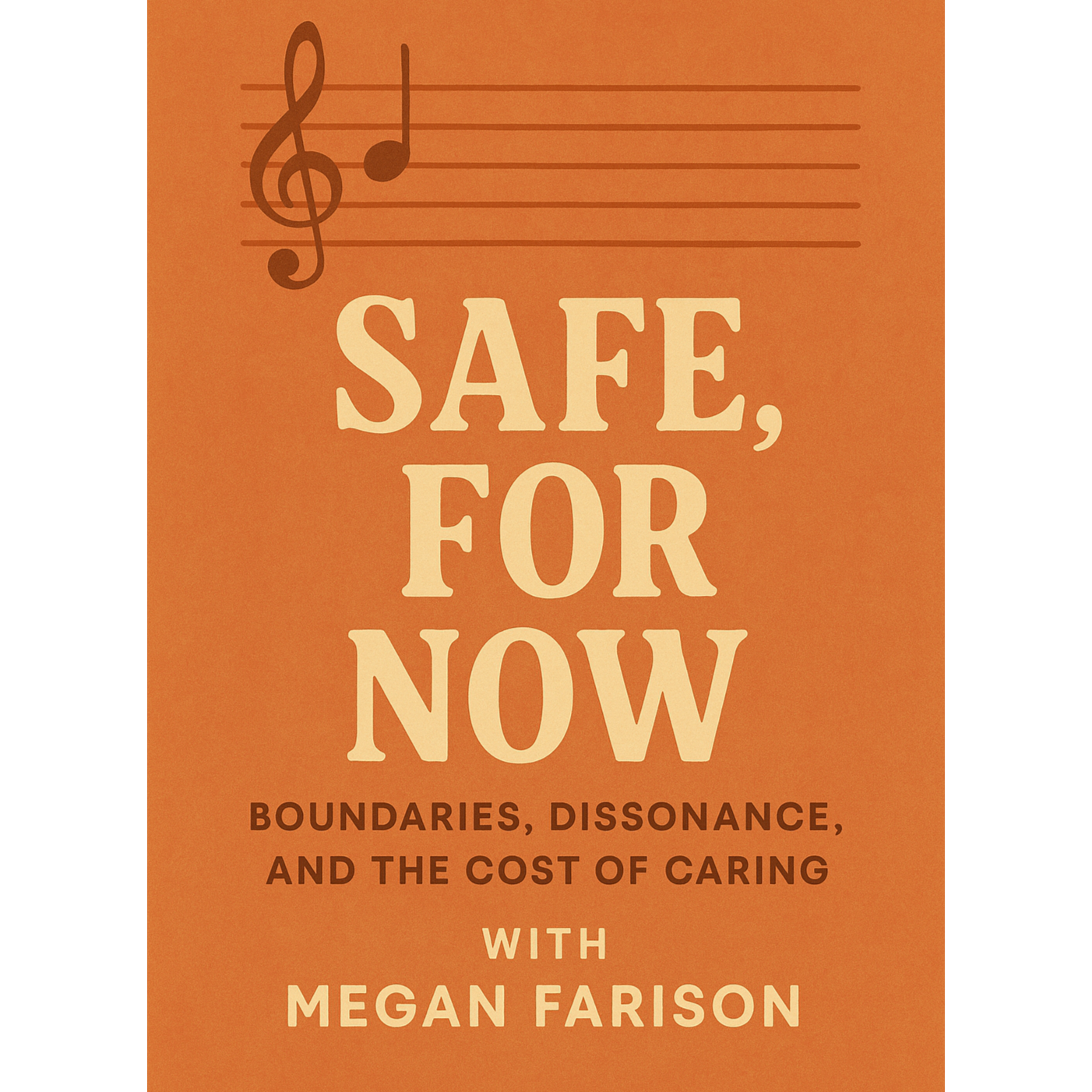
S2 Ep 21Safe, for Now: Boundaries, Dissonance, and the Cost of Caring with Megan Farison
📖 Episodic Synopsis What does it mean to keep students safe—and what happens when it costs you everything? In this episode, I sit down with Megan Farison, author of Dissonance and a passionate music educator, to unpack the delicate intersections of trauma, boundaries, and educator resilience. Together, we explore what it looks like to build trust in the classroom while navigating the invisible scars of your own past. From micro-moments of connection to the macro-systems that fail our youth, this is a raw and necessary conversation for anyone who’s ever tried to do the right thing in an imperfect world.📚 Referenced Resources:📖 Dissonance: A Memoir by Megan Farison → https://a.co/d/e4pTeGj🎙 Nathan Wray on Classroom Narratives Podcast with Joey Weisler → https://rss.com/podcasts/teachertestimony/2006242/🎧 Megan Farison & Leslie on Band Director Bootcamp Podcast with Lesley Moffat→ https://rss.com/podcasts/mpowerededucator/1994566/🧠 Teen Mental Health First Aid (ASIST Training) → https://cce.upmc.com/asist#group-tabs-node-course-default1🐘 Elephant Alliance: Preventing Educator Sexual Misconduct → https://www.theelephantalliance.com/about🎵 Sing, Coach, Conduct Podcast, hosted by Megan Farison → https://podcasts.apple.com/us/podcast/sing-coach-conduct/id1572166132
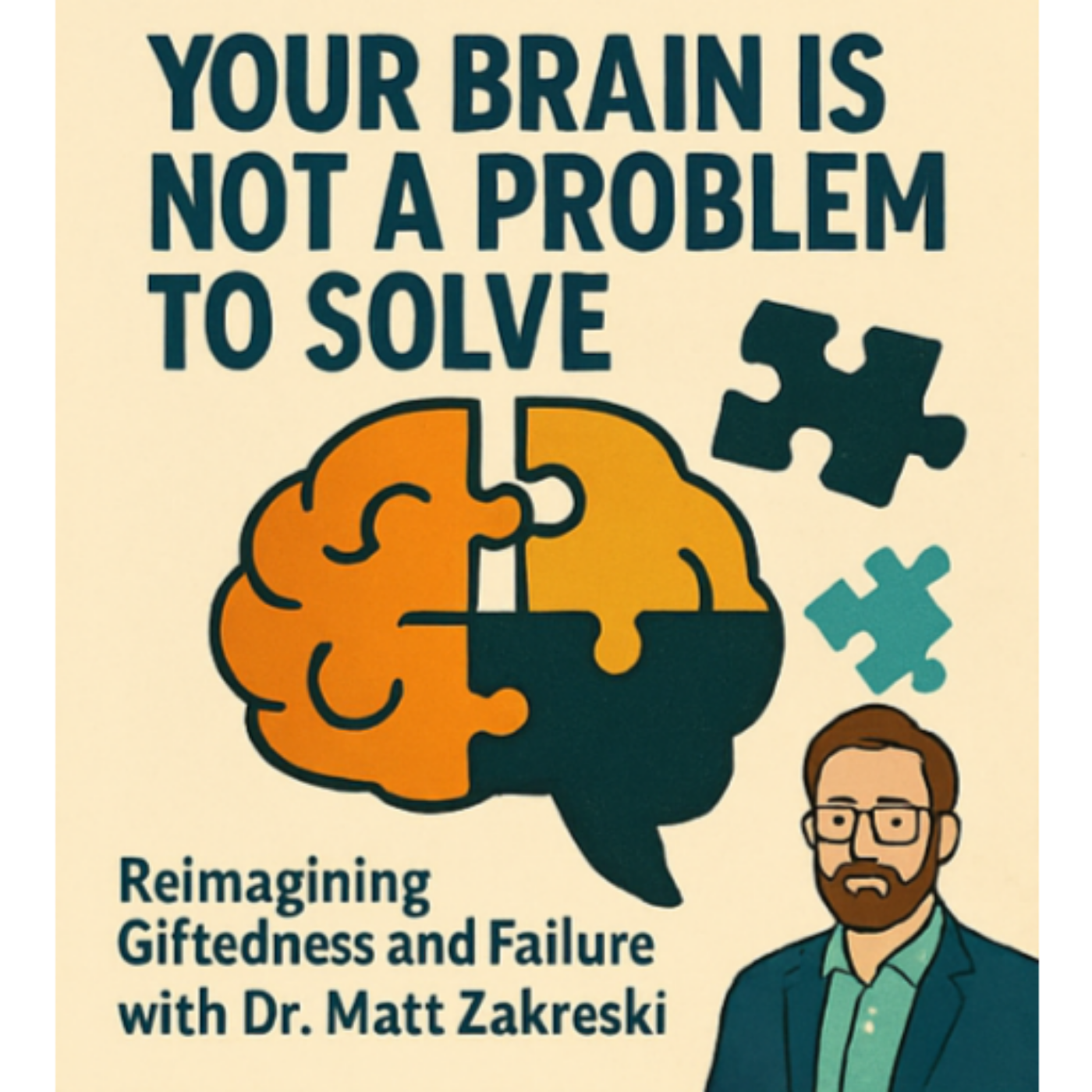
S2 Ep 20Your Brain is Not a Problem to Solve: Reimagining Giftedness and Failure with Dr. Matt Zakreski
📘 Episode SynopsisIn this powerful and honest episode, Dr. Joey Weisler sits down with clinical psychologist and neurodiversity advocate Dr. Matt Zakreski for a transformative conversation about what it really means to teach and support gifted and neurodivergent students. Together, they unpack failure, challenge superhero narratives in education, and explore how flexible pedagogy can create spaces where all kinds of minds are seen, supported, and celebrated. With stories from the classroom and the clinic, this episode is a candid reflection on how to change the narrative—not just for our students, but for ourselves.📝 Show NotesGuest: Dr. Matt ZakreskiHost: Dr. Joey WeislerPodcast: Classroom Narratives: Healing in Education🎧 Listen to Related Conversations:Jen Rafferty with Dr. Joey Weisler: Teacher TestimonyJen Rafferty with Dr. Matt Zakreski: Unlock Your Teaching Potential🔍 Key Ideas from This Episode:Why “your brain is not a problem to solve—it’s a story to understand”The danger of the “gifted kid = superhero” mythUsing flexible pedagogy to honor different learning stylesA fresh take on failure: from shame to strategyInterest-Based Learning (IBL) as a tool for engagement and healingWhy rigid systems lead to burnout—for both students and educatorsCreating learning environments that invite student agencyEducator honesty and vulnerability as acts of transformationRethinking assessment: choice as a form of equityReimagining what success looks like in modern education🌐 Resources and Links Mentioned:Dr. Matt’s Website: drmattzakreski.comDr. Matt’s Book: The Neurodiversity PlaybookDr. Matt’s Podcast: Nerding Out on NeurodiversityNeurodiversity Collective (NDC): neurodiversitycollective.com
S2 Ep 19From Trauma to Trust: Global Lessons in Humanizing Education with Supriya Budhiraja
📝 Episode Synopsis What does trauma-informed education really look like on the front lines? In this eye-opening episode, Dr. Joey Weisler speaks with Supriya Budhiraja, an educational leader and former Teach For India fellow, who shares raw stories from her classrooms in India—stories of resilience, systemic challenge, and radical compassion. From navigating classrooms filled with 60+ students to witnessing the emotional aftermath of poverty and abuse, Supriya reveals the universal truths that connect educators across continents. This episode bridges global perspectives on student safety, empathy, and how educators everywhere can be that “one champion” every child needs.📚 Show NotesGuest: Supriya Budhiraja Topic: Trauma-Informed Education & SEL in Indian ClassroomsKey Themes & Highlights:Parallels between Teach For America and Teach For IndiaClassroom safety as a non-negotiable foundation for learningHow poverty intersects with school attendance and traumaThe powerful role of learning circles in student healingProject-based learning and equity through competency rubricsThe emotional toll on educators: teaching by choice vs. by chanceCultural and systemic barriers to implementing trauma-informed practicesTeachers as changemakers—even when the system pushes backUnderstanding educator trauma and burnoutCommunity-led solutions and parent engagement strategiesAdditional Resources:🎧 Listen to Monica Langer (NYC School Counselor) on Season 1: https://rss.com/podcasts/teachertestimony/1685025/🔗 Connect with Supriya on LinkedIn: https://www.linkedin.com/in/supriya-budhiraja-1789bab4/
S2 Ep 18Realigning Education for Those Who Still Care: With Rob Macleod
📝 Episodic Synopsis In this powerful conversation, Rob McLeod—educator, podcaster, and author of the forthcoming book Schools That Give a F—joins Joey to unpack the hidden forces that shape educational systems. From his international teaching experience to his deep dives into school culture and leadership, Rob explores how misalignment in values can lead to burnout, and how understanding the "types" of schools—Expert, Coach, Counselor, and Facilitator—can help educators reclaim purpose and direction. Whether you’re a first-year teacher or a veteran leader, this episode offers an actionable roadmap to find meaning and sustainability in your educational journey.📚 Show Notes / HighlightsRob's journey: From rural Canada to international schools in Germany and Belgium.The origin story of his podcast and book, Schools That Give a F.Breakdown of the 4 school archetypes: Expert, Coach, Counselor, and the emerging Facilitator.How educators can use these archetypes to identify the environments where they thrive.The concept of alignment vs. misalignment in school culture and why it’s central to burnout and disengagement.Rob’s “Four Dimensions of a School”: Organizational, Relational, Actionable, and Personal.A helpful metaphor: The Blind Men and the Elephant Poem PDFThe educator’s arc: from passion to disillusionment—and the possibility of renewal.Why passionate educators are afraid of schools that "don’t give an F"—and what to do about it.How systems thinking, integral theory, and school leadership intersect to create (or destroy) meaningful educational spaces.Bonus resources: Check out Reinventing Education Podcast episode #124 for a deeper dive.🎧 Listen to more from Rob:Episode 124: Unpacking the 3 Types of SchoolsFull Reinventing Education Podcast 📖 Preorder or support the book: Schools That Give a F on Kickstarter
S2 Ep 17Beyond the Blame Game: Rebuilding Lives and Systems That Care--With Nathan Wray
📘 Episode SynopsisWhat happens when a student who’s expelled just weeks before graduation becomes a national voice for youth mental health and suicide prevention? In this powerful episode, Nathan Wray shares his deeply personal story of addiction, adversity, and transformation. From hitting rock bottom to winning the Tennessee Governor’s Award for Suicide Prevention, Nathan now leads with vulnerability and purpose. Whether you're a teacher, student, or advocate, this conversation is a guide to healing through empathy, second chances, and systems that care.📝 Show NotesGuest: Nathan Wray — Motivational speaker, teen mental health first aid instructor, and prevention coordinator.In this episode:Nathan’s journey from expulsion and addiction to national mental health advocateHow micro-moments and one caring teacher made all the differenceReal-life struggles parenting a child with mental health needs — and what schools missWhy we must shift from punitive to restorative school policiesHow to build trauma-informed schools without burning out as an educatorThe importance of systems-level collaboration and “Handle With Care” protocolsWhy removing the stigma around mental health education is urgentWhat it means to be seen, heard, and valued in today’s schoolsKey Takeaways for Educators:You don’t need to be a therapist to help — but you do need to careStructure and consistency save lives — both in homes and classroomsInvest in micro-moments of connection; they can redirect a child’s lifeCollaborate across school, family, and community sectors to prevent future trauma🔗 Resources and Mentions from the Episode:🌐 Nathan Wray Official Website🎤 Nathan Wray – Youth Motivational Speaker Page📸 Follow Nathan on Instagram💼 Connect with Nathan on LinkedIn🧠 QPR Institute – Suicide Prevention Training✅ The 5 P’s: Proper Preparation Prevents Poor Performance🛡️ Handle With Care Program – New Jersey Example📚 Reaching and Teaching Children Exposed to Trauma by Barbara Sorrels (Amazon)
S2 Ep 16Coaching the Whole Educator: With Hannah Judson
📘 Episodic SynopsisIn this heartfelt and empowering episode, Dr. Joey Weisler welcomes Hannah Judson, ACC, an executive coach and head of coaching at CLICC, to explore how coaching transforms burnout into balance. With deep roots in art, education, and leadership, Hannah shares her unique journey and philosophy around coaching the "whole person"—not just their job title. Together, they discuss mental wellness, leadership clarity, and what educators can do to reclaim purpose during uncertain times.📝 Show Notes Meet Hannah Judson, ACC: Executive coach, educator, artist, and head of coaching at CLICC.Coaching vs. Training: A powerful breakdown of how coaching empowers internal clarity while training aims at procedural compliance.Burnout Recovery: Why burnout isn’t a permanent state and how coaching conversations spark transformation.The Whole-Self Approach: “Bring your whole self to coaching” — the core of Hannah’s method.e-Learning and Access: Her advocacy for accessible education and how online spaces provide voice for the unheard.Mental Health Coaching: New shifts in healthcare that validate coaching as part of a wellness journey.Coaching Musicians & Leaders: Unique coaching for those in the arts and executive roles alike.Building Clarity: Coaching as a tool to “comb through” complexity and access joy.Advice to Stuck Educators: Encouragement for educators feeling lost — “you are not a solid,” things can shift.About CLICC: Coaching. Leadership. Innovation. Culture. Change — a dynamic hub supporting individual and group transformation.📝 Links and Contact infoHannah Judson's LinkedIn: https://www.linkedin.com/in/hannahjudson/ Hannah Judson's website: http://www.hannahjudson.com/CLICC: https://www.cliccgroup.com/about-clicc.html#/Segment with SNHU instructors Bonnie Fox and Inna Rae Guy: https://rss.com/podcasts/teachertestimony/1932554/Segment with Sarah Lerner: https://rss.com/podcasts/teachertestimony/1736296/
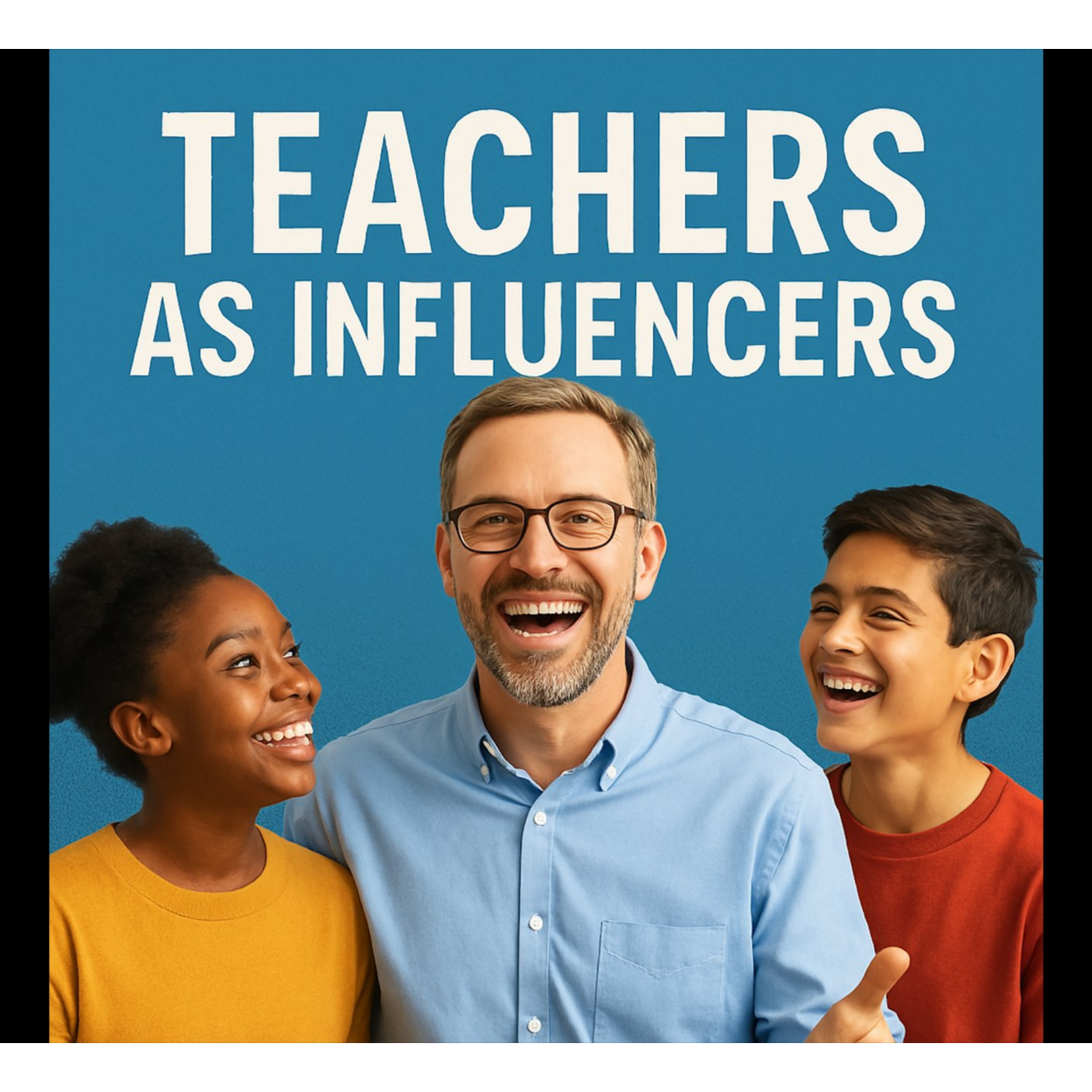
S2 Ep 15Learning How to Learn: The teacher as an Influencer, as Explained by Rob Durant
📘 Episode Synopsis:What if being a great teacher means being a great salesperson—not in the traditional sense, but in how we influence, inspire, and connect? In this episode, Rob Durant, author of The Social Enablement Blueprint: Stop Pitching, Start Selling, joins Dr. Joey Weisler to explore how the roles of educator, mentor, and salesperson intersect in powerful and surprising ways. From his start at Disney to teaching math and leading in sales education, Rob shares how communication, authenticity, and adaptability shape the modern classroom—and why treating others the way they want to be treated is the key to lasting impact.📝 Show Notes: Key Themes & HighlightsSales is Influence, Not Pitching: Rob reframes sales as everyday influence—especially in classrooms where teachers are constantly persuading, motivating, and inspiring students.Teachers Have Three Audiences: Students, parents, and administrators—all of whom require tailored communication and connection.Golden Rule vs. Platinum Rule: Why treating others the way they want to be treated transforms relationships, classroom management, and school leadership.The “Circle of Influence” in Education: A dynamic breakdown of how students, parents, faculty, and the public shape each other’s experiences.Authenticity on Social Media: From LinkedIn networking to community-building online, Rob explains how educators can broaden their reach without "selling out."Creating the “Break Glass If Needed” Toolkit: Dr. Weisler reflects on trauma-informed education and why preparing students with emotional resilience matters more than content alone.Why Showing Up Matters: Rob reminds listeners that consistency, generosity, and presence are more powerful than strategy when it comes to leadership and connection.📝 Links to Resources🔗 Rob Durant on LinkedIn📘 The Social Enablement Blueprint by Rob Durant (Amazon)📖 To Sell is Human by Daniel Pink (Official Site)
S2 Ep 14The Happier Teacher: Building Resilience Through SEL and Self-Care With Erin Shook
Episode Summary:In this powerful episode of Classroom Narratives: Healing and Education, Dr. Joey Weisler sits down with Erin Shook, a high school AP Psychology teacher and advocate for Social and Emotional Learning (SEL), to explore the real work of sustaining joy and connection in the classroom. From flexible lesson planning to yoga cards and Patrick Mahomes check-ins, Erin shares how she's reshaped her approach to prioritize human connection over rigid content delivery.Erin dives into the importance of teacher self-care, establishing boundaries, and modeling emotional intelligence for students. Whether you're a first-year teacher or a veteran educator, this conversation is a must-listen for anyone seeking resilience, inspiration, and permission to put themselves first.Key Topics Covered:What SEL really looks like in a high school classroomPreventing burnout through boundaries and flexibilityHow post-pandemic education has shifted student communication needsPositive psychology and what it teaches us about becoming—not being—happierWhy modeling self-care is one of the most powerful tools a teacher can offer🔗 Resources Mentioned in This Episode📌 First to Five Check-Ins A daily SEL tool for quick emotional check-ins with students. 👉 First to Five – Ed Tomorrow📚 The Anxious Generation by Jonathan Haidt A powerful look at how the digital age is impacting childhood and mental health. 👉 Buy on Amazon📌 Learn more about Erin and get in touch here! https://www.linkedin.com/in/erin-shook-69bbb0b5/
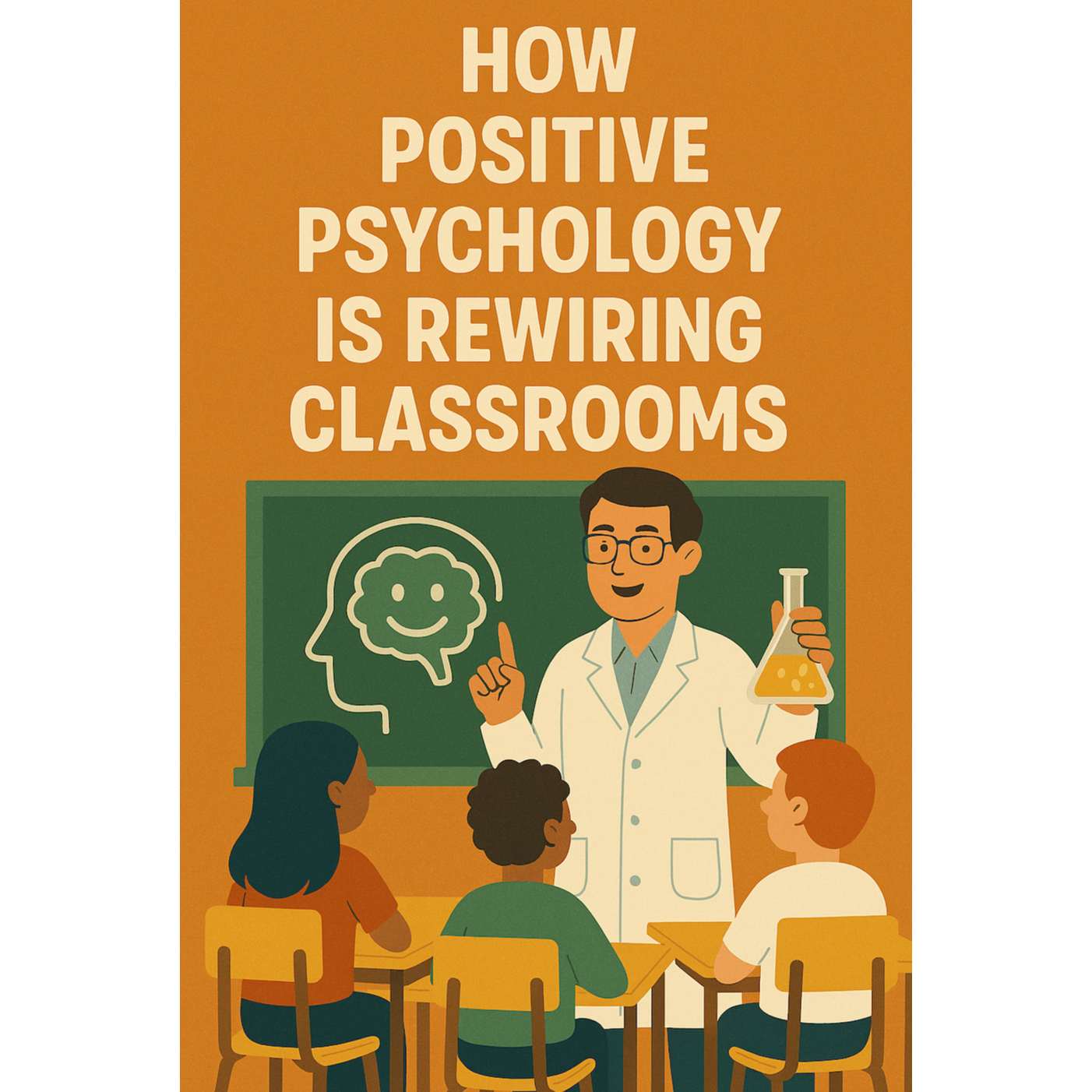
S2 Ep 13From Burnout to Breakthrough: How Positive Psychology is Rewiring Classrooms with Phil Januszewski
📘 Episodic Synopsis In this episode of Classroom Narratives: Healing and Education, Dr. Joey Weisler sits down with high-energy science teacher and motivational speaker Phil Januszewski. Known for his tattooed arms and contagious positivity, Phil shares how he blends chemistry instruction with principles of positive psychology to create a classroom culture rooted in connection, resilience, and gratitude. From burnout prevention to brain-based learning hacks, this is a must-listen for any aspiring educator—especially those wondering how to bring humanity into even the densest academic subjects.📝 Show Notes (Key Highlights & Takeaways)Meet Phil Januszewski: A 20-year veteran chemistry teacher and founder of the Positive Growth Lounge.Science Meets Soul: How positive psychology and gratitude practices are embedded into STEM education.The Gratitude Quiz Experiment: Phil’s simple intervention that improved test performance and classroom morale.Combatting Burnout: Why teachers must schedule joy into their routines and know their personal "-ers" (e.g. baker, father, reader).Teaching from Love, Not Martyrdom: How accountability and empathy can coexist in the classroom.Quiz Rewrites That Actually Work: Phil’s unique grading system that rewards progress, not perfection.Positive Growth Lounge: A virtual educator space to recharge and reconnect with purpose.Message to New Teachers: You can thrive in this field, but only if you take care of yourself first.Real Talk from Joey: A personal story of connection with his own chemistry teacher, and what it means to be seen.✅ Referenced Resources:📘 Shawn Achor – Big Potential https://www.amazon.com/Big-Potential-Transforming-Achievement-Happiness/dp/1524761532🎤 Rita Pierson – Every Kid Needs a Champion (TED Talk) https://www.ted.com/talks/rita_pierson_every_kid_needs_a_champion🔗 Connect with Phil Januszewski on LinkedIn https://www.linkedin.com/in/philjanuszewski/🌐 Official Website https://philjanuszewski.com/🧠 Positive Growth Lounge – Educator Membership Info https://philjanuszewski.com/educator-membership
S2 Ep 12Helping Students Find Their Voice: The Educator as a Caregiver, As Told By Bonnie Fox and InnaRae Guy
📘 **Episodic SynopsisIn this emotional and deeply reflective episode, Joey sits down with Southern New Hampshire University English educators Bonnie Fox and InnaRae Guy to explore the profound responsibility teachers carry—often stepping into the role of caregiver, counselor, and listener. From supporting English language learners to navigating the emotional toll of student loss and burnout, this panel unpacks what it truly means to be trauma-informed in both online and in-person classrooms. Together, they redefine the "superhero teacher" narrative and offer a more human, compassionate alternative: the educator as caregiver.📝 Show Notes:Key Themes:Educators as caregivers, not superheroesTrauma-informed writing practices in diverse classroomsSupporting EFL and returning adult learnersCompassion fatigue, boundaries, and the platinum ruleSuicide prevention and emotional safety in affluent districtsHow online teachers create presence, safety, and empathyDecolonizing “good writing” and honoring diverse student voicesThe power of story: writing as a tool for resilience and healingImposter syndrome and sustaining passion as an educatorBuilding classroom communities where both students and teachers growLinks to studies:👉 Glas et al. - Trauma, Resilience, and Teaching (PDF)Keep in touch!👉 https://innarae.com/ (InnaRae Guy)👉 Download your FREE trauma-informed teaching handout here (by Dr. Joey Weisler)**Special note: This podcast segment is not affiliated with Southern New Hampshire University, and all views are representative of the speaker, not their institution,

S2 Ep 11Navigating Burnout and Building Resilience As a Student in Higher Education: A Conversation with Mario Cornejo
Episodic Synopsis:In this episode of Classroom Narratives: Healing in Education, Dr. Joey Weisler sits down with Mario Cornejo, Assistant Director of Academic Achievement at St. John’s University in Queens, NYC.A first-generation Salvadorian-American professional, Mario shares his personal and professional journey through nonprofit work, youth coaching, and higher education. He opens up about the challenges of navigating burnout, the importance of mental health awareness, and how educators and students alike can build networks of support. Through candid reflections, Mario provides actionable insights on resilience, self-advocacy, and the transformative power of fostering inclusive academic spaces.🔗 Mario Cornejo's "Men Can Talk" YouTube Channel: Men Can Talk – YouTube🔗 Mario Cornejo's LinkedIn Profile: Mario Cornejo – LinkedIn

S2 Ep 10Beyond the Text: Creating Safe Spaces for Emotional Learning with Dr. Adam Wolfsdorf
📖 Episode Synopsis:In this episode of Classroom Narratives: Healing in Education, Dr. Joey Weisler sits down with Dr. Adam Wolfsdorf, lead author of Navigating Trauma in the English Classroom and a founding educator at Bayridge Prep in Brooklyn. With an extensive background in education, the humanities, and the performing arts, Adam shares how trauma-informed teaching fosters emotional intelligence, resilience, and deeper learning for students.Together, they explore how literature gives language to trauma, the role of relational teaching, and how educators can navigate emotionally charged discussions in the classroom—without overstepping into the role of therapist. This conversation is a must-listen for teachers, education leaders, and anyone passionate about transforming education into a healing space.📌 Show Notes (Key Takeaways):✔ Trauma-Informed Teaching – Why understanding trauma makes educators more effective and responsive.✔ The Power of Literature – How novels, plays, and poetry help students process emotions and build empathy. ✔ Relational Teaching – Moving from “What’s wrong with you?” to “How can I help you?” in student interactions.✔ The Role of Emotional Intelligence – Why schools must teach the whole child, not just the brain. ✔ The Line Between Teaching & Therapy – Creating a classroom that’s therapeutic without becoming therapy.✔ Engaging Every Student – Strategies to reach both vocal and silent learners. ✔ The Need for Emotional Learning in Schools – How to bring emotional intelligence into curriculum design.✔ The Stigma Around Trauma Studies – How educators can shift the narrative to make these discussions more accepted. ✔ Active Listening & Classroom Presence – How to create a space where students feel heard and valued.✔ Healing Through Stories – Why reading and discussing trauma in literature can be life-changing.🔗 Referenced Books & Resources: 📖 Navigating Trauma in the English Classroom by Adam Wolfsdorf (Available via NCTE, Amazon, Target) 📖 The Body Keeps the Score by Bessel van der Kolk 📖 Trauma and Recovery by Judith Herman 📖 The Element by Ken Robinson 🎥 Ken Robinson’s TED Talk: "Do Schools Kill Creativity?"🔗 Learn More About Dr. Adam Wolfsdorf: Bay Ridge Prep Staff Page🔗 Get the Book: Navigating Trauma in the English Classroom (NCTE)
S2 Ep 9Preparing Future Educators with Dr. Michael Dieter: Beyond Discipline and Toward Meaningful Teaching
Episodic Synopsis:In this episode of Classroom Narratives: Healing and Education, Dr. Joey Weisler sits down with Dr. Michael Dieter, an assistant professor of education at Trinity Christian College and a former high school social studies teacher in Chicago. Together, they explore the realities of modern teaching, from the long-standing impact of zero-tolerance policies to the myths surrounding the "super-teacher" image in pop culture portrayals.Dr. Dieter provides invaluable insight into how pre-service teachers can prepare for the emotional and practical demands of the classroom. He discusses strategies for shifting from punitive discipline to trauma-informed practices, building meaningful student relationships, and balancing passion with professional boundaries. Whether you are a new teacher, a veteran educator, or simply interested in education reform, this episode offers a powerful discussion on how to create sustainable, compassionate classrooms that foster both student and teacher well-being.Learn about Michael Dieter here: https://www.trnty.edu/faculty/michael-dieter/
S2 Ep 8Christine Hunschofsky – Leading with Compassion in Times of Crisis
Episodic SynopsisIn this powerful episode of Classroom Narratives: Healing in Education, Dr. Joey Weisler sits down with Florida State Representative and former Parkland Mayor Christine Hunschofsky. Christine led her community through the aftermath of the tragic 2018 Marjory Stoneman Douglas High School shooting, offering unwavering support, advocacy, and a commitment to mental health awareness.Together, they discuss the importance of leadership in crisis, trauma-informed education, and how communities can come together to heal. Christine shares her personal journey, including how she navigated her own grief while serving others and the policies she continues to champion for mental health and school safety.This conversation is a must-listen for educators, community leaders, and anyone seeking insight into resilience, leadership, and the power of collective healing.Show Notes (Key Takeaways & Discussion Highlights)Introduction to Christine Hunschofsky – Her journey from local leadership to state representation and why public service is her calling.Leading Parkland Through Tragedy – How she supported her community as mayor in the aftermath of the 2018 shooting.Mental Health Advocacy – Why prioritizing mental health support is crucial for students, teachers, and the broader community.Trauma-Informed Leadership – How leaders can support their communities while maintaining their own well-being.Breaking the Stigma Around Therapy – Christine’s personal experience seeking trauma therapy and why vulnerability is a strength in leadership.Division & Healing in a Community – Understanding different trauma responses and fostering unity after tragedy.Eagles Haven & Community Resources – The role of local wellness centers in providing ongoing support and recovery.Psychological First Aid for Leaders – The power of showing up, listening, and offering support during crises.Christine’s Legislative Work – Current mental health and school safety initiatives she is championing at the state level.Advice for Students, Educators, and Leaders – Encouragement for young people, teachers, and community members on mental health and resilience.Resources & Helpful LinksFor those looking to learn more or take action in mental health advocacy, school safety, and trauma-informed care, here are some essential resources:🔹 Stand With Parkland – A national organization advocating for school safety, mental health awareness, and responsible gun ownership.🔹 Eagles Haven – A free wellness center offering community support, therapy programs, and healing resources.🔹 Columbia Suicide Severity Rating Scale (CSSRS) – A research-backed tool for identifying individuals at risk of suicide.🔹 LivingWorks ASIST – A leading suicide prevention training program for individuals and communities.
S2 Ep 7Preventing Tragedy: School Safety, Youth Suicide, and Mental Health with Dr. Scott Poland
Episode Synopsis (for podcast platforms):In this powerful episode of Classroom Narratives: Healing in Education, Dr. Joey Weisler sits down with Dr. Scott Poland, an internationally recognized expert in school safety, crisis intervention, and youth suicide prevention. Dr. Poland shares firsthand insights from his work with school communities after tragedies like the Parkland school shooting, offering critical strategies for educators, parents, and leaders to foster resilience and prevent future violence. He also discusses warning signs of youth suicide, the role of schools in mental health, and how communities can break the silence around these crucial issues. Tune in for an essential conversation on supporting students, building safer schools, and making a difference before crisis strikes.DISCLAIMER: Dr. Scott Poland’s views are his own and not directly affiliated with Nova Southeastern University. Resource Links & Explanations🔹 Dr. Scott Poland’s Faculty Bio Dr. Poland is a professor at Nova Southeastern University and a leading expert in school safety, crisis response, and suicide prevention.🔹 Fortify Florida – Anonymous Reporting System A confidential, anonymous reporting system designed to help students, parents, and school staff report potential threats of violence, bullying, or self-harm.🔹 The School Shooting Epidemic: School Safety & Prevention Strategies – Dr. Scott Poland This book by Dr. Scott Poland provides essential insights into the growing crisis of school violence, outlining evidence-based prevention strategies and real-world lessons from past school shootings.🔹 Eagle's Haven Wellness Center A free wellness center in Parkland, FL, providing mental health support, trauma recovery programs, and self-care resources for the community after the Marjory Stoneman Douglas shooting.🔹 Frank DeAngelis The former principal of Columbine High School, DeAngelis is a speaker and advocate for school safety, trauma recovery, and leadership after tragedy.🔹 March For Our Lives A youth-led movement advocating for gun violence prevention and stronger school safety policies, founded by survivors of the 2018 Parkland shooting.🔹 988 Suicide & Crisis Lifeline A 24/7, free, and confidential crisis helpline providing immediate support for those experiencing mental health distress or suicidal thoughts—just dial 988.🔹 Scott Poland’s Newest Book – School Crisis Intervention A comprehensive guide for educators and mental health professionals on effectively responding to school crises, from suicide prevention to trauma recovery.

S2 Ep 6Marjory’s Garden: Healing, Education, and Sustainability with Kyle Jeter
In this episode of Classroom Narratives: Healing in Education, Dr. Joey Weisler sits down with astronomy teacher and environmental advocate Mr. Kyle Jeter from Marjory Stoneman Douglas High School. As the visionary behind Marjory’s Garden, a thriving outdoor learning space dedicated to sustainability and healing, Mr. Jeter shares how a simple idea blossomed into a powerful symbol of resilience and education.Join us as we explore how this green space (developed in 2016) has helped students and educators heal, integrate STEM and arts education, and foster a renewed sense of community after the tragic events of 2018. This conversation is a testament to the power of nature, education, and human connection in rebuilding and moving forward.Learn more about Marjory's Garden through the Marjory Stoneman Douglas Eagle Eye newspaper: https://eagleeye.news/25315/feature/msds-marjorys-garden-is-an-inviting-environment-and-full-of-activities/ Key AcknowledgementsKyle acknowledges the following faculty members at Marjory Stoneman Douglas High School for also being visionary members of Marjory's Garden: Sean Simpson, Eric Garner, Cornell Mark Anders, Branden Davis, and Chris Walsh. Kyle also wishes to acknowledge so many others who participate on a regular basis to bring the garden to life!A special thanks to Mrs. Ronit Reoven, the visionary behind "Project Grow Love" https://eagleeye.news/9670/news/msd-senior-and-teacher-join-forces-to-create-memorial-garden/# Check out the social media for Marjory's Garden at Marjory's Garden (facebook) and @marjorys_garden (instragram)How to Get InvolvedVolunteer on Sunday mornings (9:00 - 10:30 AM).Follow Marjory’s Garden on Facebook.Text @MSDGarden to 810-10 for updates and opportunities.

S2 Ep 5Voices of Archived Legacies: Reflecting on Leadership and the State of Education in the Mid-20th Century With Francine Langer-Weisler
In this special archived conversation, host Dr. Joey Weisler honors the remarkable legacy of his grandmother, Francine Langer-Weisler, an educator whose career spanned over 40 years in New York City schools.Recorded in March 2022, this episode takes us back in time to explore education in the 20th century, from classrooms during the Great Depression to progressive teaching methods in post-war America. Francine shares her earliest inspirations, the challenges of being a young teacher, and the evolution of the education system throughout her career.Francine shares her early inspirations, the struggles of being a young teacher, and her transition to school leadership. She reflects on how education has changed, from strict discipline and parental cooperation to the complexities of modern schooling. She also discusses the need for social-emotional support, the importance of cultural exposure for students, and why teaching was always a calling, not just a job.Join us as we laugh, reflect, and pay tribute to a beloved educator, whose experiences continue to shape how we understand teaching, leadership, and resilience in schools today.Show Notes (Key Highlights & Takeaways)✅ Growing Up During the Great Depression – What schools were like when no one had much, but gratitude was abundant. ✅ Becoming an Educator – Inspired by a 4th-grade teacher’s travels, Francine set out on a journey to teach and lead. ✅ The Early Years of Teaching – Starting at 19 in a tough classroom and learning hard but valuable lessons✅ From Teacher to Principal – Her philosophy: “Do not mistake kindness for weakness.” ✅ Parental Involvement & Changing Schools – Then vs. now: Why schools had stronger parental support in the past. ✅ Social-Emotional Learning & Student Support – The rise of external challenges in schools and why we need more social workers. ✅ Humor in Education – A hilarious gym class moment that captures the innocence of childhood. ✅ Retirement & Mentorship – How Francine continued influencing students and new teachers even after leaving the classroom. ✅ Final Reflections – “Teaching was never just a job—it was a calling.”🔗 Connect & Share If this episode resonated with you, leave a review and share it with an educator in your life! Join the conversation on Instagram & Facebook at @ClassroomNarratives.
S2 Ep 4The Educulture Revolution: Lessons in Leadership from Mike Earnshaw
Episodic SynopsisIn this episode of Classroom Narratives: Healing in Education, we sit down with Mike Earnshaw, a visionary school principal, author of The Educulture Cookbook, and co-host of the Punk Rock Classrooms Podcast. Mike shares his journey of intertwining the ethos of punk rock—authenticity, passion, and collaboration—with educational leadership. Discover actionable "recipes" for fostering empathy, relationships, and student voice in the classroom while avoiding burnout. Whether you're a new teacher, a veteran educator, or simply curious about blending culture and pedagogy, this episode offers a fresh perspective on transforming schools into thriving communities.Key Ideas and PointsThe importance of authenticity and vulnerability in education.Relationship-building as the foundation for a positive school culture.Practical activities from The Educulture Cookbook to engage staff and students.How punk rock principles can revolutionize classroom dynamics.Tips for avoiding burnout while maintaining passion and innovation.SourcesPunk Rock Classrooms Podcast: https://www.punkrockclassrooms.com/podcast The Educulture Cookbook: https://a.co/d/iEaZ3Ny

S2 Ep 3The i'Mpossible Journey: Suicide Prevention and Mental Health Advocacy with Josh Rivedal
Episodic SynopsisIn this compelling episode of Classroom Narratives: Healing in Education, we sit down with mental health advocate, author, and founder of the i'Mpossible Project, Josh Rivedal. Josh shares his personal journey through grief, resilience, and advocacy, discussing how storytelling and community-building can change the way we address mental health and suicide prevention in education. From actionable strategies for educators to the importance of safe language, this episode is a deep dive into fostering compassionate, trauma-informed learning environments. Whether you're an educator, student, or mental health ally, this conversation offers vital insights and hope.Show NotesKey Topics Discussed:Josh's Journey: Overcoming personal loss and finding purpose through advocacy.The i'Mpossible Project: Its mission and how it creates safe spaces for mental health dialogue.Storytelling as Healing: Using creativity to build resilience and break stigma.Trauma-Informed Education: Steps schools can take to support students and staff.Safe Language: Why words matter when discussing mental health and suicide prevention.Advice for School Leaders: Addressing resistance to mental health initiatives in educational settings.Student Support: Tips for college students navigating mental health challenges.The Role of Educators: Building proactive, compassionate classrooms.Resources:Visit Josh Rivedal’s website: joshuarivedal.comLearn more about the i'Mpossible Project: I'mPossible ProjectExplore "How to Live Mentally Well and Crush It in College" by Josh Rivedal.
S2 Ep 2Leaning Into the Storm: Grief, Healing, and Resilience with Maria Belanic
Episodic Synopsis:In this heart-opening episode of Classroom Narratives: Healing in Education, Dr. Joey Weisler sits down with Maria Belanic, a certified grief educator who has turned profound personal loss into a calling to help others navigate grief and emotional exhaustion. Maria shares her journey through loss, her transformation into a grief educator, and actionable insights on resilience and compassion in the face of adversity. This conversation serves as a powerful reminder of the importance of addressing grief in educational and professional spaces, offering tools to foster connection and healing.SHOW NOTES:Bessel van der Kolk - BiographyMaria Belanic's WebsiteMaria Belanic's FacebookMaria Belanic's LinkedIn
S2 Ep 1Resilience and Reflection: Launching Season 2 with Stories That Heal (with composition thought leader Dr. Joey Weisler)
In the Season 2 premiere of the Classroom Narratives: Healing in Education podcast, Dr. Joey Weisler, podcast host and thought-leader in the field of English and writing, reflects on the transformative journey of the past season of guests, while setting the stage for a powerful new season.This episode celebrates the impactful voices featured in previous episodes, such as educators, students, and trauma scholars, and dives into personal milestones, including Joey's successful dissertation defense, along with the debut of a short film from his personal biopic works, titled, "The Throne in the Classroom". Listeners are invited to explore themes of resilience, systemic change, and the healing potential of storytelling in education, even when it means leaning into the discomfort. Joey additionally prepares his listeners with anticipation for the variety of voices to be showcased this season, from principals, politicians, community liasons, life coaches, suicide scholars, expert professors in education and English, and those in positions of working directly with students.Joey's personal website (featuring publications and screen works): https://josephweisler.wordpress.com/Direct link to "Sanctuary of the Outsiders" (a short film excerpted from Joey's biopic, "The Throne in the Classroom", produced through Weisler Works LLC) https://youtu.be/C0urJDnyVPg
S1 Ep 12From Silence to Strength: Breaking the Sound Barrier of Trauma Through Literature (a university student panel)
In this season finale of The Classroom Narratives Podcast, we’re joined by students from St. John’s University’s Honors Global Literature class for a profound discussion on the intersection of trauma, storytelling, and resilience. These bright minds share their reflections on the literary works explored this semester—ranging from Speak to Maus—and discuss the critical role stories play in processing trauma. Through thoughtful dialogue, the students explore trauma-informed education and the “speaking wound” as a transformative concept for creating safe, healing spaces in classrooms. Join us as we unpack these lessons and consider how educators and students alike can foster communities of compassion and empowerment.
S1 Ep 11Empowering Educators: Breaking Free from the Superhero Narrative with Jen Rafferty
Episodic Synopsis:In this episode of Classroom Narratives: Healing in Education, Joey Weisler sits down with Jen Rafferty, founder of Empowered Educator and certified emotional intelligence practitioner. Together, they unpack the myths of the "superhero teacher" narrative and explore actionable strategies for overcoming burnout. Jen shares her journey from a music teacher to a leading advocate for teacher well-being, emphasizing the critical role emotional intelligence plays in fostering healthier school communities. Listen in for empowering insights that will help you prioritize your well-being and create lasting change in education. Show Notes:Introduction: Welcoming Jen Rafferty, a teacher-turned-author and emotional intelligence expert, to discuss teacher well-being.Key Highlights:The origin and mission of Empowered Educator.How the pandemic amplified teacher burnout and why emotional intelligence is key to recovery.Dispelling the superhero narrative and its impact on teacher identity.Practical tips for self-regulation and establishing boundaries in the classroom.The ripple effects of teacher well-being on students and school communities.Resources Mentioned:Website: EmpoweredEducator.com – Explore free resources, workshops, and tools to support teacher well-being.TEDx Talk: Generational Change Begins with Empowered Teachers – Watch Jen Rafferty’s inspiring TEDx talk about transforming education through teacher empowerment.Podcast: Take Notes with Jen Rafferty – Listen to Jen’s podcast for insights on resilience and personal empowerment (available on Apple Podcasts and Spotify).Book: A Place in the Staff: Finding Your Way as a Music Teacher – Discover Jen Rafferty’s guide for educators seeking inspiration and practical tools for teaching.Book: Laziness Does Not Exist by Dr. Devon Price – Learn how to challenge the productivity culture and prioritize self-care.
S1 Ep 10Breaking Free of Imposter Syndrome: Embracing Authenticity and Confidence with Caren Cooper
Show NotesIntroduction to Caren Cooper: Caren Cooper joins Classroom Narratives to discuss her work as a trauma-informed mindset coach. With a mission to empower women, Caren uses a unique blend of neuroscience, somatic work, and trauma-informed practices to help individuals overcome self-doubt and imposter syndrome.Defining Imposter Syndrome: Caren breaks down the concept of imposter syndrome and how it often manifests in educators, creating self-doubt and limiting beliefs that hold many back from embracing their authentic selves.Mind-Body Connection and Somatic Practices: Caren explains her methods, including breathwork, movement, and other somatic practices, to release trauma and build self-awareness. These techniques empower educators to manage stress and prevent burnout.Caren’s Journey to Mindset Coaching: Leaving a corporate career, Caren transitioned into mindset coaching after experiencing her own challenges with imposter syndrome. Inspired by her mentor Tracy Litt, she became certified in trauma-informed protocols and now teaches these practices to others.Practical Self-Care Tips for Educators: Caren provides actionable advice for educators, emphasizing the importance of setting boundaries, creating a balanced routine, and using “hourly breathing alarms” to reconnect with one’s body throughout the day.Embracing Authenticity and Self-Worth: Through stories and practical insights, Caren and Joey discuss the importance of showing up authentically in both professional and personal spheres, even when faced with standardized expectations in education.Resources and Recommended Influencers: Caren shares resources and names influential voices who have shaped her journey:Jen Rafferty: Educator and founder of The Empowered Educator.Mel Robbins: Renowned author and speaker on confidence and personal growth.Tracy Litt: Caren’s mentor, focused on inner transformation and mindset work.Jesse Itzler and Sarah Blakely: Entrepreneurs known for their motivational insights on resilience and success.Key Influences: Caren mentions Jenn Rafferty at The Empowered Educator, Mel Robbins, Tracy Litt, Jesse Itzler, and Sara Blakely, who inspire her work.Caren’s Program - "Unscrew Yourself": For those seeking further guidance, Caren offers her program, Unscrew Yourself, designed to help individuals break free from limiting beliefs and reclaim their power. Learn more here.Connect with Caren: Follow Caren on Instagram, and LinkedIn.
S1 Ep 9Literature as a Lifeline: Building Resilience and Healing Through Trauma-Informed Teaching with Colleen Crisan
LISTENER'S NOTE: THIS EPISODE INCLUDES EXPLICIT CONTENT Show NotesIntroduction Joey introduces Colleen Crisan, a trauma-informed educator with nearly 20 years of experience, who taught near Marjory Stoneman Douglas High School during the Parkland tragedy.Early Teaching Experiences Colleen shares insights from her early teaching days, emphasizing the importance of adapting literature choices to connect with students from diverse backgrounds.Trauma-Informed Practices Colleen discusses using literature like A Long Walk to Water by Linda Sue Park to help students empathize and understand new perspectives, especially following events like the Parkland tragedy.Mental Health and Resilience in Schools Joey and Colleen highlight the shift toward resilience training in schools, which now includes meditation, stress management, and well-being clubs for students and teachers alike.Literature for Healing Books like A Long Walk to Water and Of Mice and Men by John Steinbeck play a key role in helping students process emotions, relate to characters, and engage in meaningful classroom discussions.Advice for Educators Colleen encourages teachers to use data and research to support trauma-informed practices and to focus on the “whole child” for a balanced education.Community Initiatives Colleen discusses "Read On with Mrs. Crisan," her literacy project aimed at providing families with books on resilience and healing:Read On with Mrs. Crisan on FacebookRead On with Mrs. Crisan on Instagram She also partners with Deliver the Dream to support families facing crises:Deliver the Dream WebsiteFinal Takeaway Colleen’s advice: know your students, enjoy them, and always keep a sense of humor.
S1 Ep 8Voices of Resilience: Paula Reed on Healing Through Education After Columbine
LISTENER'S NOTE: THIS EPISODE INCLUDES EXPLICIT CONTENT Episodic SynopsisIn this poignant episode of Classroom Narratives: Healing in Education, Joey Weisler interviews Paula Reed, a veteran educator from Columbine High School. Paula shares her experiences from over 32 years in teaching, especially navigating the challenges post-tragedy. Delving into her journey of resilience and advocacy for trauma-informed education, Paula reflects on the literature she uses to facilitate healing in the classroom, like The Catcher in the Rye, The Scarlet Letter, and Speak by Laurie Halse Anderson. They also discuss impactful texts like The Hate U Give, The Giver, Push, and Maus, highlighting how stories can guide students through trauma. Together, Joey and Paula explore how educators can create spaces that allow students to confront and process their emotions. Paula’s insights provide hope and inspiration for educators committed to fostering resilience in their classrooms.Show NotesKey Points Covered:Introduction of Paula Reed – Acknowledging her experience as a Columbine High School educator and her journey in trauma-informed education.Pre-Columbine Littleton – Paula describes the culture of safety in Littleton, CO, before the 1999 tragedy.Columbine and Beyond – Insights into her work with at-risk youth and the changes post-tragedy.Grief and Trauma in Education – Paula’s approach to helping students process grief and create supportive spaces in classrooms.The Role of Literature in Healing:The Catcher in the Rye – Exploring shared experiences through Holden Caulfield.The Scarlet Letter – Lessons on public shaming and its relevance in modern social media.Speak – Understanding trauma’s impact on finding one’s voice.Building a Trauma Toolkit – Discussing the importance of selectively carrying burdens and setting boundaries to manage trauma effectively.Navigating Post-Trauma Identity – Paula’s advice on allowing students space for vulnerability and empathy.Final Reflection – Paula’s ongoing role in activism, supporting other communities in similar struggles, and her commitment to healing through storytelling.
S1 Ep 7Voices of Resilience: Sarah Lerner on Healing, Advocacy, and Parkland Speaks
LISTENER'S NOTE: THIS EPISODE INCLUDES EXPLICIT CONTENT Episodic SynopsisIn this powerful episode, we sit down with Sarah Lerner, a Marjory Stoneman Douglas High School teacher and editor of the anthology Parkland Speaks, which captures the voices of students and educators in the aftermath of the Parkland tragedy. Through reflections and stories, Sarah shares the journey of creating this work to help others process trauma and find hope. We discuss the lasting impact of Parkland Speaks, the importance of trauma-informed education, and Sarah's advocacy through Teachers Unified to End Gun Violence. Join us as we explore the profound themes of resilience, advocacy, and the ongoing struggle for change.Show Notes (Key Points and Ideas)Introduction to Parkland Speaks: Sarah Lerner discusses her role as editor of Parkland Speaks, an anthology that captures the raw emotions of students and educators after the Parkland shooting. Link to Parkland SpeaksInspiration Behind the Anthology: A look into how and why Sarah created Parkland Speaks with contributors, including students, faculty, and survivors.Connection with Other Advocates: Sarah reflects on her friendships with other survivor teachers, including Abby Clements from Sandy Hook and Amy Stevens from Oxford High School, underscoring the shared narratives across different tragedies.Unique Contributions: From Stacey Lippel's congressional testimony, Nothing Bad Ever Happens in Parkland (Link) to Emma Gonzales’ "We Call BS" speech, Sarah highlights pivotal works within the anthology.Importance of Trauma-Informed Education: Sarah advocates for a trauma-informed approach in schools, emphasizing the need for proper support systems and mental health resources.Advocacy Through Teachers Unified to End Gun Violence: Sarah shares the mission behind this organization, co-founded with Abby Clements and Sari Beth Rosenberg, giving teachers a voice in the fight against gun violence.Final Reflections on Resilience and Hope: Sarah underscores the need for trauma-informed practices and self-care for educators, as well as the power of advocacy in creating safer learning environments.Teachers Unify to End Gun ViolenceTeachers Unify to End Gun Violence is a grassroots organization co-founded by educators, including Sarah Lerner, Abby Clements, and Sari Beth Rosenberg. This organization aims to amplify teachers' voices in the gun control debate, particularly because educators are frequently the first responders during school shootings. Teachers Unify advocates for meaningful policy changes to prevent gun violence in schools and supports teachers navigating the trauma and challenges that come from experiencing such violence firsthand.Teachers Unify Podcasthttps://teachersunify.transistor.fm/episodesThe Teachers Unify Podcast is a platform that gives educators a space to discuss the impact of gun violence on schools and the mental health and safety of teachers and students. Hosted by Sarah Lerner and other co-founders of Teachers Unify to End Gun Violence, the podcast features conversations on the realities of school shootings, the importance of trauma-informed practices in education, and the ongoing fight for safe learning environments.
S1 Ep 6Empathy in Action: Transforming Students' Lives Through Literature with Enma Leyva
Episodic SynopsisIn this episode of Classroom Narratives: Healing in Education, Joey Weisler interviews Enma Leyva, a veteran high school English teacher from Broward County, Florida, with over 17 years of experience. Enma shares her innovative approach to literacy, focusing on the power of empathy in storytelling and how it can transform students' lives. Together, they discuss how literature, like Ayn Rand’s Anthem and Lois Lowry’s The Giver, helps students navigate personal struggles and foster resilience. Enma’s emphasis on building strong relationships through journaling and creative projects, such as the Broward County Literary Fair, provides practical insights for educators seeking to inspire and engage their students in meaningful ways.Show NotesIntroduction to Enma Leyva (00:00:00) - Joey introduces his guest, Enma Leyva, and highlights her 17 years of teaching experience, specializing in English literacy.Literary Empathy and Character Development (00:01:24) - Discussion on Tim Gillespie’s ideas on how empathy and emotional connection in literature impact student success, as well as Enma’s personal philosophy on the stories that resonate most with her students.Relating Literature to Real-Life Struggles (00:03:07) - Enma shares how stories of struggle, like The Outsiders (S. E. Hinton) and Anthem, (Ayn Rand) reflect her students' personal battles, making literature a mirror for their growth.Building Grace in the Classroom (00:05:06) - Conversation on the importance of teaching students to offer grace to themselves and others through storytelling. Reference made to Patrick Zwosta's episode (segment #2) on the "Classroom Narratives: Healing in Education" podcast.Engaging Students with Anthem and The Giver (00:06:13) - Joey and Enma explore how these texts provoke deep emotional reactions, encouraging students to confront societal norms and personal identity.The Role of Data and Relationships in Education (00:07:58) - Enma speaks about balancing data-driven education with meaningful relationship-building, advocating for an applied approach to knowledge in the classroom.Student Engagement Through Creative Projects (00:09:55) - Highlighting Enma's approach to motivating students with the Broward County Literary Fair and how winning these competitions boosts their confidence.Combatting Burnout Through Journaling (00:11:01) - Enma shares her use of journaling as a tool for self-care and emotional expression, both for students and herself as a teacher.Character Education and Empathy in Literature (00:12:58) - Discussion about infusing character traits into lessons, focusing on empathy, fairness, and responsibility.Final Thoughts on Educational Healing (00:14:32) - Enma shares a final takeaway on the importance of communication, empathy, and resilience in creating a brighter future for education.
S1 Ep 5Trauma-Informed Classrooms: Insights from a Caregiver and Therapist, Pamela Rosenblum
In this episode of Classroom Narratives Healing in Education, host Joey Weisler sits down with Pamela Rosenblum, a trauma therapist with over 38 years of experience. Pamela opens up about her experience as a caregiver for her late husband, who battled Lewy Body Dementia, and shares her insights on trauma’s impact in educational settings. Together, they explore how educators can implement trauma-informed practices to support both students and teachers. Pamela also offers practical techniques to help manage stress and prevent burnout. Whether you're an educator, caregiver, or mental health advocate, this episode provides valuable guidance on fostering resilience in the face of trauma.Show Notes:Guest: Pamela Rosenblum – Trauma therapist, psychoanalyst, and advocate for Lewy Body Dementia awareness.Key Topics Discussed:Pamela’s caregiving experience and its connection to her trauma workWhat Lewy Body Dementia is and how it affects individuals differently from Alzheimer’sThe impact of trauma on students and teachers, and how trauma lives in the nervous systemSimple grounding and breathing techniques for educators to use in the classroomStrategies for preventing secondary trauma and burnout in teachersThe relevance of Bessel van der Kolk’s The Body Keeps the Score in trauma-informed educationResources Mentioned:Bessel van der Kolk’s “The Body Keeps the Score” – A foundational text on how trauma affects the brain and body.Lewy Body Dementia Resource Center: https://lewybodyresourcecenter.org/YouTube Workshop - Lewy Body Dementia Resource Center’s “Self Care For Caregivers”: Watch here: https://www.youtube.com/watch?v=zrUFg_u7zmYDocumentary: "Facing the Wind" - A film about caregiving and resilience: https://facingthewindfilm.com/Connect with Us:Instagram & Facebook: @ClassroomNarrativesPodcasthttps://lewybodyresourcecenter.org/about-us/who-we-are/ (Lewy Body resource Center board members)Don’t forget to leave a comment or review wherever you listen to podcasts!
S1 Ep 4From 9/11 to the Classroom: Resilience and Healing with Charlene and Richie Schwarzkopf
In this deeply moving episode of Classroom Narratives: Healing and Education, host Joey Weisler is joined by Charlene and Richie Schwarzkopf, who recount their experiences surrounding the tragic events of September 11, 2001. Richie provides a firsthand account of being at One Liberty Plaza, across from the World Trade Center, while Charlene shares how her home video, The Days After 9/11 (find link in show notes), served as a tool for both personal healing and collective memory.This episode explores the complexities of trauma, memory, and healing, drawing on key theoretical frameworks from trauma scholars Shoshana Felman and Dori Laub, as well as Holocaust survivor and author Elie Wiesel. Felman and Laub’s theories emphasize the importance of bearing witness to trauma—both as a survivor and as someone who listens to and records those stories. Wiesel’s work further highlights how narratives from traumatic events can transform readers and viewers into “witnesses to the witness,” offering a unique perspective on how individuals process and share pain.SHOW NOTES:The Days After 9/11 by Charlene Schwarzkopf Watch hereNight by Elie WieselTestimony: Crises of Witnessing in Literature, Psychoanalysis, and History by Shoshana Felman and Dori LaubNarrative Medicine in the classroomThe World Trade Center (WTC) Health Program, administered by the CDC, provides medical monitoring and treatment for health conditions related to the 9/11 attacks. This program is available to responders, survivors, and workers who were exposed to the harmful effects of the attacks, offering care for physical and mental health conditions, including respiratory diseases and PTSD. It supports affected individuals across the U.S. through a network of healthcare providers and focuses on ensuring comprehensive, lifelong care.For more information, visit WTC Health Program
S1 Ep 3Rebuilding and Supporting Mental Health in Schools with Monica Langer
In this powerful episode, we sit down with Monica Langer, a licensed mental health counselor from New York City, to explore the critical need for trauma-informed practices in schools. Monica shares her personal journey, reflecting on her own challenges as a student and now as a counselor. She reveals the profound impact that the COVID-19 pandemic has had on students’ mental health, the increase in anxiety disorders, and the coping mechanisms that can make a difference in post-pandemic education. Tune in to learn about essential strategies for supporting students emotionally, fostering resilience, and collaborating effectively with teachers to address mental health in the classroom.Key Points and Takeaways:Monica’s Journey – Monica discusses her background, from her struggles as a student in school to becoming a licensed mental health counselor. She highlights how her own experiences with mental health inspired her work today.The Impact of COVID-19 on Students' Mental Health – Monica emphasizes the rise in anxiety disorders, particularly health and social anxiety among students, following the pandemic. She explores how these anxieties manifest in the classroom.Coping Strategies for Students – Discussion on effective techniques Monica uses with her students, including grounding techniques like the 5-4-3-2-1 method, breathing exercises, and the butterfly hug.The Role of School Mental Health Providers – Monica elaborates on the importance of having mental health professionals in schools and the collaborative relationship between counselors and teachers to address students’ social and emotional needs.Overcoming Social Anxiety in Classrooms – Practical strategies for helping students who avoid social situations, including advocating with teachers and promoting assertiveness skills among students.Barriers to Accessing Mental Health Services – Monica highlights the challenges counselors face in reaching every student due to time constraints and the limitations set by academic performance metrics.Transition to a Clinical Setting – Monica shares her decision to move from working in schools to becoming a pediatric clinician, emphasizing her passion for direct counseling work.Message to Educators and Administrators – Monica calls for schools to prioritize mental health resources, advocating for more support from administration, better spaces for confidential counseling, and increased recognition of the counselor’s role.**TO CONTACT MONICA LANGER:**[email protected] https://www.linkedin.com/in/monica-langer-lmhc-0b6324b0/#MentalHealthInSchools #TraumaInformedEducation #ChildCounseling #CopingStrategiesForKids #PostPandemicEducation #SocialAnxiety #SchoolCounselors #StudentMentalHealth #ResilienceInEducation #TraumaRecovery
S1 Ep 2Narratives of Healing: Exploring Trauma and Mental Health Through Film and Writing~Featuring Patrick Zwosta, PhD
In this compelling episode, Dr. Patrick Zwosta, a scholar of English and film studies, joins Joey to explore the intersection of trauma, narrative healing, and education. Drawing from his research on 1980s action films and themes like nuclear threat and consumerism, Patrick shares how pop culture and literature offer unique tools to foster resilience and emotional growth in the classroom. Discover how teachers can embrace trauma-informed practices and use storytelling to create meaningful change. Don’t miss this powerful discussion on burnout, healing, and the transformative power of film and writing.SHOW NOTES: #TheMetamorphosis: Kafka’s The Metamorphosis symbolizes isolation, alienation, and transformation. Patrick and Joey discuss Gregor Samsa’s transformation into an insect as a metaphor for the emotional and mental changes trauma survivors face. They explore how difficult it is to reconnect with society after these fundamental changes.#WizardOfOz: The Wizard of Oz parallels the human experience of loneliness and the search for belonging while pursuing dreams. Dorothy’s journey from isolation in Kansas to finding community in Oz serves as a metaphor for trauma survivors seeking reconnection and fulfilling their goals.#BackToTheFuture: Joey and Patrick reinterpret Back to the Future as a narrative about family trauma and the desire to heal generational wounds. Marty McFly’s efforts to change the past mirror the challenges trauma survivors face in trying to repair broken relationships and heal old scars. The episode emphasizes the long-term impact of trauma across generations.#Terminator: In Terminator, the future is both a dystopia and a call for healing in the present. Patrick highlights how the film reflects fears about technology isolating humanity, and the emotional weight trauma survivors often carry. The film offers a cautionary tale but also hope, illustrating the possibility of healing and changing the future.Carole Deletiner’s Research: The episode references Carole Deletiner’s work on trauma and isolation. She emphasizes how trauma can separate individuals from their communities and sense of self, but narrative medicine offers a way to heal and reconnect through storytelling.#Isolation, #Loneliness, #Reconnection: These three themes run through the stories and real-life experiences of trauma survivors. Patrick and Joey discuss how film and writing provide a path for rediscovering lost parts of oneself and how storytelling bridges the gap between isolation and community.#RaeganEra Influence: The 1980s political and social climate, particularly during the Reagan era, fostered the rise of dystopian films like Terminator, reflecting societal trauma and uncertainty about the future. Patrick notes how these films function as a response to trauma, urging viewers to confront difficult truths.#CautionaryTales: Films like The Wizard of Oz, Back to the Future, and The Terminator serve as cautionary tales, warning audiences about the consequences of ignoring trauma, whether personal, familial, or societal. Joey and Patrick discuss the importance of addressing trauma before it becomes too overwhelming.
S1 Ep 1 Stepping into the classroom – An introduction to the "Classroom Narratives: Healing in Education" podcast journey with host Joey Weisler
In this first episode of Classroom Narratives: Healing in Education, host Joey Weisler introduces himself and shares his personal journey as a teacher navigating the modern educational landscape. Joey reflects on the anticipation and excitement of becoming an educator, alongside the realities of burnout, school trauma, and the healing that comes through informed and compassionate teaching.This solo episode sets the stage for future conversations, with Joey exploring what it means to be a teacher in today’s complex world, and how educators can use narrative, vulnerability, and trauma-informed practices to not only survive but thrive in the classroom.Key Takeaways:The personal motivations behind starting Classroom Narratives: Healing in EducationJoey’s own experiences with teacher burnout and how he overcame itIntroduction to trauma-informed education and why it's essential for both educators and studentsReflections on the power of storytelling as a healing tool in educationWhat to Expect in Future Episodes: This episode kicks off a series of conversations with educators, mental health professionals, and students on the frontlines of educational transformation. Stay tuned for interviews with special guests and real-world stories that highlight the critical changes needed in classrooms today.Join the Conversation: We’d love to hear from you! Share your own stories of resilience, challenges, or reflections on teaching by connecting with us on social media or leaving a review. Your voice matters in this community of educators.REFERENCES: Marjory Stoneman Douglas High School, Parkland FL, mass violence, suicide, burnout, trauma-informed education, Applied Suicide Intervention Skills Training (ASIST), Kathryn Stockett's "The Help", Edgar Allen Poe's "El Dorado", Dr. Seuss's "I Had Trouble in Finding my Way To Solla Sollew", Lisa Tyler "Narratives of Pain" (1999 article)Follow Us:Instagram: @classroomnarrativespodcastFacebook: Classroom Narratives Podcast