
Classical Breakdown
The fascinating and entertaining stories behind classical music
WETA Classical · Classical Breakdown
Show overview
Classical Breakdown has been publishing since 2019, and across the 7 years since has built a catalogue of 170 episodes, alongside 6 trailers or bonus episodes. That works out to roughly 120 hours of audio in total. Releases follow a fortnightly cadence, with the show now in its 7th season.
Episodes typically run thirty-five to sixty minutes — most land between 33 min and 51 min — though episode length varies meaningfully from one episode to the next. None of the episodes are flagged explicit by the publisher. It is catalogued as a EN-US-language Music show.
The show is actively publishing — the most recent episode landed 1 weeks ago, with 22 episodes already out so far this year.
From the publisher
<p>John Banther takes classical music fans behind the scenes with interviews, deep dives, and analysis. Episodes released bi-weekly on Tuesdays. Produced by WETA Classical in Washington, D.C.</p>
Latest Episodes
View all 170 episodesWilliam Schuman: The composer that shaped Juilliard, the Lincoln Center, and American music
What is a Harp with Nadia Pessoa: Ancient origins to modern innovations!
Bonus! A performance of Handel's Water Music
Handel's Water Music; a Kings bid to lift his reputation and one smelly river
Season 7 Recommended Summer Listening!
Tosca! Puccini's tragic opera on love, lust, and brutality
The Montgomery Variations: A Piece of American History by Margaret Bonds
Haydn's Trumpet Concerto: Revolutionary in ways you didn't know!
Leos Janacek: an original composer who found success late
Bonus! John and James discuss Eine Kleine Nachtmusik and gigs
Also Sprach Zarathustra: Where Music and Philosophy Reach New Heights
Bonus! 2 Opera preludes by Richard Wagner
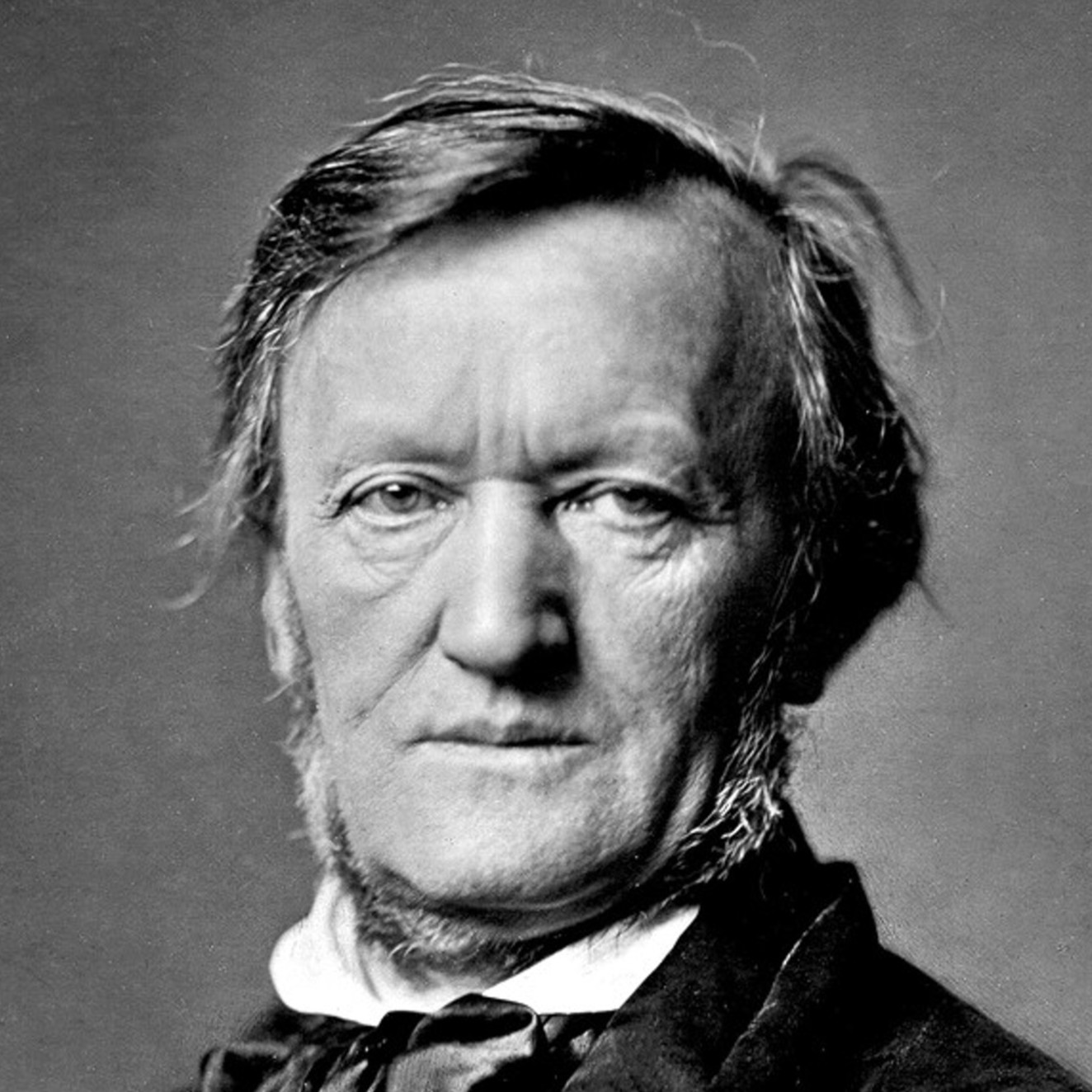
Richard Wagner: The flawed man who changed opera
This composer's life was tumultuous and sometimes straight out of a soap opera. John Banther and Evan Keely explore what led him to opera, his initial success and failures, his bigoted "Judaism in Music" essay, and how his Ring Cycle changed everything.

Bonus! 3 Preludes and Fugues from the Well-Tampered Clavier Book 1 by Sam Post
Listen to Ralitza Patcheva and Sam Post in their latest recording, featuring a rhythmic reimaging of JS Bach. If you missed last week's episode, listen afterwards to learn all about this project from beginning to end. Music provided by (c) Acis Productions LLC. All rights reserved
The Well-TAMPERED Clavier: A rhythmic reimagining of JS Bach by Sam Post
JS Bach was experimental, and that spirit has carried on into the 21st century with composers and pianists like Sam Post and Ralitza Patcheva. While Bach was experimenting with using all 12 major and minor keys at a single keyboard, Sam Post's rhythmic reimagining brings together elements that didn't exist in Bach's time.

Brahms Symphony No. 3: Perfection in Orchestration and Form
The first symphonies came from a place of insecurity, but his 3rd exudes confidence from the first note to the last. John Banther and Evan Keely show you what to listen for in Brahms' orchestration, how he uses compositional tools to create new melodies, sonata form basics, and the rivalry that took place the night of the premiere.

3 Composers lost to Tyranny
A hallmark of tyranny is its desire to control and stifle creative expression. In this episode, in memory of Lubna Alyaan, John Banther and Evan Keely explore three 20th-century composers, what happened to them, and select works that demand your attention.

Meet Grammy-Winning Composer Jessie Montgomery!
Jessie Montgomery and John Banther discuss her popular works, her time writing for the Chicago Symphony Orchestra, the Blacknificent 7 composer group, and her early artistic influences.

A performance of Carnival of the Animals featuring Argerich and Freire!
bonusEnjoy this performance after listening to the previous episode all about Carnival of the Animals by Saint-Saens. (Elephant image: By Muhammad Mahdi Karim)

Carnival of the Animals, a work of genius kept hidden (plus animal facts!)
One of the most endearing works in music was also hidden for years because the composer worried about his reputation. John Banther and Evan Keely explore the world of animals, how Saint-Saëns brings them to life, and why you have to play bad to sound good!