PLAY PODCASTS
China’s Economic Statecraft in the Developing World with Dr. Matt Ferchen
Episode 10

China’s Economic Statecraft in the Developing World with Dr. Matt Ferchen

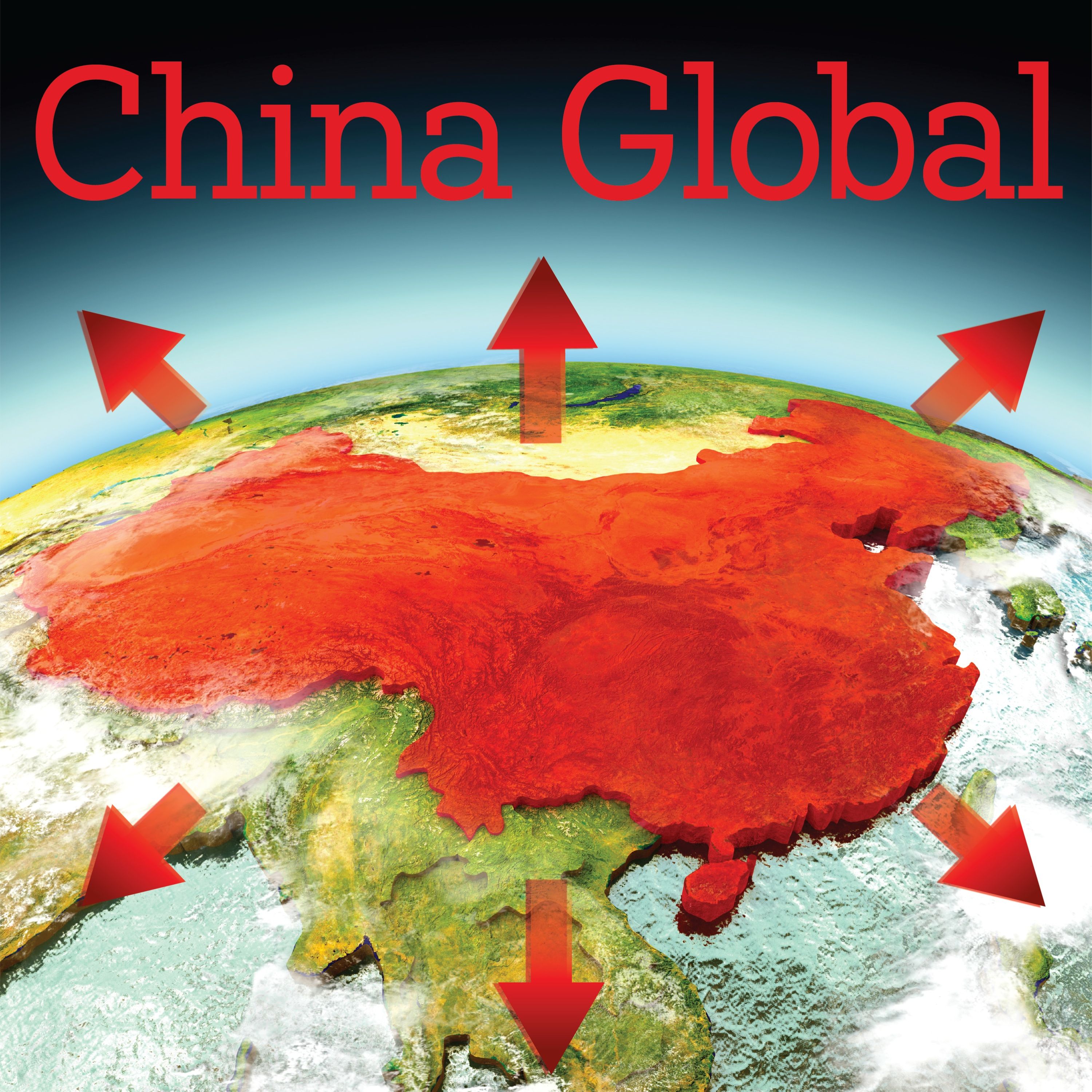
Eight years since the introduction of the Belt and Road Initiative, President Xi Jinping’s hallmark foreign policy has gone global, making significant inroads into the developing world. Of the 140 bilateral BRI MoU’s signed between the People’s Republic of China and its partners, 85 of them have been with countries in Latin America, the Caribbean, Sub-Saharan Africa, South and Southeast Asia, and the Pacific. In some ways, the BRI formalizes the PRC’s pre-existing trade and investment practices in these regions. However, the initiative also reflects a more ambitious phase in Beijing's economic strategy in the developing world. And to date, the United States and its allies are still in search of an effective multilateral response. Can alternative economic initiatives like the Blue Dot Initiative and the G7’s recently introduced Build Back Better World (B3W) compete with the BRI in developing nations? Bonnie Glaser talks with Matt Ferchen about China’s economic strategy in the developing world. Dr. Matt Ferchen is the Head of Global China Research at the Mercator Institute for China Studies in Berlin. His research interests include Chinese economic statecraft, the Belt and Road Initiative in developing nations, and U.S.-China relations.

China Global · Bonnie Glaser, Matt Ferchen

September 28, 202127m 11s

Audio is streamed directly from the publisher (cdn.simplecast.com) as published in their RSS feed. Play Podcasts does not host this file. Rights-holders can request removal through the copyright & takedown page.

Show Notes

Eight years since the introduction of the Belt and Road Initiative, President Xi Jinping’s hallmark foreign policy has gone global, making significant inroads into the developing world. Of the 140 bilateral BRI MoU’s signed between the People’s Republic of China and its partners, 85 of them have been with countries in Latin America, the Caribbean, Sub-Saharan Africa, South and Southeast Asia, and the Pacific. In some ways, the BRI formalizes the PRC’s pre-existing trade and investment practices in these regions. However, the initiative also reflects a more ambitious phase in Beijing's economic strategy in the developing world. And to date, the United States and its allies are still in search of an effective multilateral response. Can alternative economic initiatives like the Blue Dot Initiative and the G7’s recently introduced Build Back Better World (B3W) compete with the BRI in developing nations? Bonnie Glaser talks with Matt Ferchen about China’s economic strategy in the developing world. Dr. Matt Ferchen is the Head of Global China Research at the Mercator Institute for China Studies in Berlin. His research interests include Chinese economic statecraft, the Belt and Road Initiative in developing nations, and U.S.-China relations.

Topics

usbelt and roadeuropeunited statesxixi jinpingdeveloping worldcaribbeanand the pacificchinasub-saharan africajinpingsouth and southeast asiaprcbrilatin americachina’s economic strategyusaamericaafricaeu