Cato Event Podcast
2,248 episodes — Page 1 of 45
A History of Repeated Injuries
Free Expression Under Fire from the FCC
Felony Review: Tales of True Crime and Corruption in Chicago
Compulsion in Speech: Blasphemy Laws in Pakistan and Beyond
Last Branch Standing: A Potentially Surprising, Occasionally Witty Journey Inside Today’s Supreme Court
Trump v. Barbara: Birthright Citizenship at the Supreme Court
Should the United States Withdraw Troops from Germany?
Summer of Our Discontent: The Age of Certainty and the Demise of Discourse
Has the Time Come for Dollarization in the Americas?
The Freedom to Give: Philanthropy, Civil Society, and the Limits of State Power
How America Can Unleash the Next Energy Revolution A Fireside Chat with Secretary Chris Wright
Social Security in the Red: Implications for Federal Debt
Proclaiming Liberty: John Adams, Thomas Jefferson, and the Declaration of Independence
Felony Review: Tales of True Crime and Corruption in Chicago
The Future of Free Speech: Reversing the Global Decline of Democracy’s Most Essential Freedom
Reforms for a New Era at the Federal Reserve: A Conversation with Eleanor Mueller
Hosted on Acast. See acast.com/privacy for more information.
Congress, the Balance of Payments, and Tariff Reform
In the wake of the February 2026 Supreme Court ruling on the legality of the International Emergency Economic Powers Act (IEEPA) tariffs, the Trump administration has used alternative authorities to reimpose tariffs, including a 10 percent global tariff under Section 122 of the Trade Act of 1974.As written, Section 122 allows the president to impose a temporary import tariff of up to 15 percent to: (1) deal with large and serious US balance of payments deficits, (2) prevent an imminent and significant depreciation of the dollar in foreign exchange markets, or (3) cooperate with other countries in correcting an international balance-of-payment disequilibrium. Many experts have questioned, however, whether any of these conditions apply today and thus whether the administration’s new tariffs are, like the IEEPA levies, unlawful.This policy forum will feature a fireside chat with Representative Jimmy Panetta (D‑CA) and the Cato Institute’s Clark Packard on Section 122 and congressional tariff authorities, followed by an expert panel discussion on the legality of Section 122, whether its conditions exist today, and the role of Congress in reforming executive branch tariff authority. Hosted on Acast. See acast.com/privacy for more information.
The Mattering Instinct: How Our Deepest Longing Drives Us and Divides Us
The universal human drive to matter—to feel our lives hold genuine significance—fuels both our greatest achievements and our deepest divisions. It inspires innovation, care, and cooperation while giving rise to ideological extremism, tribalism, and zero-sum conflicts that can challenge individual liberty and peaceful coexistence.MacArthur Fellow and National Humanities Medalist Rebecca Newberger Goldstein joins us to discuss her latest book, The Mattering Instinct: How Our Deepest Longing Drives Us and Divides Us. Through real-life stories of individuals pursuing meaning—from artists and thinkers to everyday heroes and reformed extremists—Goldstein illustrates how the uniquely human need for meaning inspires “mattering projects” that drive both progress and polarization.Cato research fellow and psychologist Adam Omary will moderate the discussion and offer commentary on the book’s implications for addressing the contemporary crisis of meaning, defending civil liberties, and advancing human progress. Hosted on Acast. See acast.com/privacy for more information.
Basel III and Bank Capital Rules: A Conversation with Vice Chair for Supervision Michelle W. Bowman
In June 2025, when stepping into the Federal Reserve Board’s role of vice chair for supervision, Michelle W. Bowman announced a comprehensive review of the bank capital framework. Since that time, she has introduced changes to two of the framework’s four pillars, the supplementary leverage ratio and the stress-testing regime. As a next step in the comprehensive review, the Federal Reserve, together with the other federal bank regulatory agencies, will introduce proposed changes to the risk-based bank capital requirements.Join Vice Chair for Supervision Bowman at the Cato Institute as she details her comprehensive review and what is next for bank capital requirements and Basel III. Hosted on Acast. See acast.com/privacy for more information.
Trump’s Iran Gamble
President Trump has launched a war with Iran, leaving the American public with more questions than answers. Great uncertainty remains around the war’s strategic objectives, the duration of the campaign, and its long-term impacts on the United States, Iran, and the Middle East. Join us for a conversation with leading experts who will examine the possible trajectories of Operation Epic Fury and its broader consequences for the region and beyond. Hosted on Acast. See acast.com/privacy for more information.
Unsung Heroines of the American Revolution: A Collaboration Between Sphere and the Prohuman Foundation
As we celebrate the 250th anniversary of the Declaration of Independence, many of us think about the heroic figures who formed the foundation of our democracy. The Prohuman Foundation and Sphere Education Initiatives are excited to support you in thinking about these brave Americans by highlighting five unsung heroines who greatly influenced America’s Founding: Elizabeth Freeman, Anna Smith Strong, Nanyehi (Nancy Ward), Deborah Sampson, and Esther de Berdt Reed. During this webinar, we will dive deep into five lessons that encourage students to discover character strengths such as curiosity, courage, humanity, grit, and compassion while developing key skills in literacy and civil discourse. You will hear from the Prohuman Foundation and Sphere about the various ways to engage with these women’s stories in helping your students learn to recognize their own capacities for developing character strengths in their own lives.The webinar will consist of two parts. The first part will include a conversation between the Prohuman Foundation and Sphere to set the stage for understanding the unique opportunities presented by this collaborative effort. The second part will include deeper dives into the lessons themselves and the practical, tangible tools that can be applied in secondary classrooms. Educators will be empowered to use these resources to help their students develop a growth mindset, cultivate positive connections, engage in civil discourse, and respect viewpoint diversity. Hosted on Acast. See acast.com/privacy for more information.
Virtual Fireside Chat with Senator Ron Wyden (D‑OR)
Thirty years ago, as part of the 1996 Telecommunications Act, Section 230 became law. The law was the result of a bipartisan effort that saw the potential of the internet and sought to encourage innovation and opportunities for online speech. Thirty years later, the law remains crucial to users and innovators of all sizes; however, it has been criticized by both the left and the right.Join us for a day featuring panels on the history of Section 230, the current impact, debates, and legal challenges around the law, and how it might interact with future content moderation strategies including decentralization and technologies such as artificial intelligence. The event will also feature a live virtual conversation with one of Section 230’s co-authors, Senator Ron Wyden (D‑OR). Hosted on Acast. See acast.com/privacy for more information.
Panel 1: Past: Section 230’s origins and early interpretations
Thirty years ago, as part of the 1996 Telecommunications Act, Section 230 became law. The law was the result of a bipartisan effort that saw the potential of the internet and sought to encourage innovation and opportunities for online speech. Thirty years later, the law remains crucial to users and innovators of all sizes; however, it has been criticized by both the left and the right.Join us for a day featuring panels on the history of Section 230, the current impact, debates, and legal challenges around the law, and how it might interact with future content moderation strategies including decentralization and technologies such as artificial intelligence. The event will also feature a live virtual conversation with one of Section 230’s co-authors, Senator Ron Wyden (D‑OR). Hosted on Acast. See acast.com/privacy for more information.
Panel 3: Future: Section 230 and emerging content moderation strategies and AI
Thirty years ago, as part of the 1996 Telecommunications Act, Section 230 became law. The law was the result of a bipartisan effort that saw the potential of the internet and sought to encourage innovation and opportunities for online speech. Thirty years later, the law remains crucial to users and innovators of all sizes; however, it has been criticized by both the left and the right.Join us for a day featuring panels on the history of Section 230, the current impact, debates, and legal challenges around the law, and how it might interact with future content moderation strategies including decentralization and technologies such as artificial intelligence. The event will also feature a live virtual conversation with one of Section 230’s co-authors, Senator Ron Wyden (D‑OR). Hosted on Acast. See acast.com/privacy for more information.
Panel 2: Present: Current Debates and Challenges Regarding Section 230
Thirty years ago, as part of the 1996 Telecommunications Act, Section 230 became law. The law was the result of a bipartisan effort that saw the potential of the internet and sought to encourage innovation and opportunities for online speech. Thirty years later, the law remains crucial to users and innovators of all sizes; however, it has been criticized by both the left and the right.Join us for a day featuring panels on the history of Section 230, the current impact, debates, and legal challenges around the law, and how it might interact with future content moderation strategies including decentralization and technologies such as artificial intelligence. The event will also feature a live virtual conversation with one of Section 230’s co-authors, Senator Ron Wyden (D‑OR). Hosted on Acast. See acast.com/privacy for more information.
Retrench, Defend, Compete: Securing America’s Future Against a Rising China
The debate about US policy toward China hinges on rarely stated judgments about the nature of the challenge. Is China mainly a revisionist or a status quo state? Should the United States keep all its international commitments amid China’s rise? What military posture can best defend those commitments? In his latest book, Retrench, Defend, Compete, Charles Glaser assesses these first-order questions and promotes an alternative US strategy toward China that would retrench from some US commitments in Asia and bolster others. Please join us as Glaser and Patricia Kim discuss the book and grapple with the range of US choices, from grand strategic judgments to specific foreign and military policies. Hosted on Acast. See acast.com/privacy for more information.
No Compulsion in Religion—No Exceptions: Islamic Arguments for Religious Freedom
The Qur’an famously declares, “There is no compulsion in religion.” Yet, various forms of religious compulsion persist today in parts of the Muslim world, including death penalties for apostates and blasphemers, legal inequalities that disadvantage women and non-Muslims, and “morality police” who enforce strict norms on society.In this new book from the Cato Institute, Mustafa Akyol has assembled a team of Islamic scholars and intellectuals to articulate arguments against oppressive interpretations of Islam. Drawing on scriptural insights and contemporary realities, they contend that the Qur’anic principle of “no compulsion in religion” should be embraced fully, without exceptions.At this forum, Akyol will summarize key arguments from the book. Mirwais Balkhi will offer his commentary on the book’s significance for Afghanistan and the broader Muslim world. Hosted on Acast. See acast.com/privacy for more information.
Liberty, Literature, and Civil Discourse in the Classroom
As we approach the 250th anniversary of the Declaration of Independence, we recall the key principles that form America’s foundation. Of these, the “certain unalienable rights” the Founders declared are “life, liberty, and the pursuit of happiness.” Yet, the Founders saw “liberty” not as the freedom to do whatever one wants—but rather the freedom to act and live in ways that promote virtue. How does this understanding of liberty apply to our classrooms? How does civil discourse and viewpoint diversity create space for students to be free to act in ways that promote virtue? In this webinar, we’ll explore how the Founding concept of liberty, combined with principles of civil discourse, can guide discussions of challenging topics. Topics that will be covered include the problem of self‐censorship and the challenges of teaching content that some might find controversial, such as Mark Twain’s The Adventures of Huckleberry Finn. We’ll examine ways that educators can create spaces for students to courageously discuss the challenging ideas they encounter in a variety of texts (both historical and literary) while embodying the true spirit of liberty that the Founders envisioned. This webinar will consist of three parts. The first part will be a 30‐minute discussion between Kobi Nelson and three exemplary Sphere alumni: Nancy Wickham, Shannon Edwards, and Megan Thompson. The second part will include a Q&A with participants, and the third part will dive into resources that teachers can use to facilitate healthy conversation habits that honor the principles of liberty, civil discourse, and viewpoint diversity. All who attend will leave with practical, tangible tools that can be applied in classrooms, and educators will be empowered to create democratic spaces that honor free speech in their classrooms and schools. Hosted on Acast. See acast.com/privacy for more information.
Combatting Overcriminalization: From the Shark House to the White House
For centuries, the greatest protection against unjust convictions and punishments was the institution of jury independence, including so-called “jury nullification.” The prosecutions of John Moore and Tanner Mansell illustrate a scenario in which jurors—apprised of their historic injustice-preventing powers—would have rendered a not guilty verdict. But because John and Tanner’s jurors, who appeared desperate for a way to acquit, weren’t informed of their historic prerogative to acquit against the evidence to prevent injustice, they had no option but to convict.When the Cato Institute’s Project on Criminal Justice learned of John’s and Tanner’s plights, we took their case to the highest levels of government—ultimately resulting in presidential pardons for each of them. Please join us as we hear first-hand accounts, discuss what went wrong, explore how Cato got involved, and consider solutions to the pathology of unjust prosecutions and convictions. Hosted on Acast. See acast.com/privacy for more information.
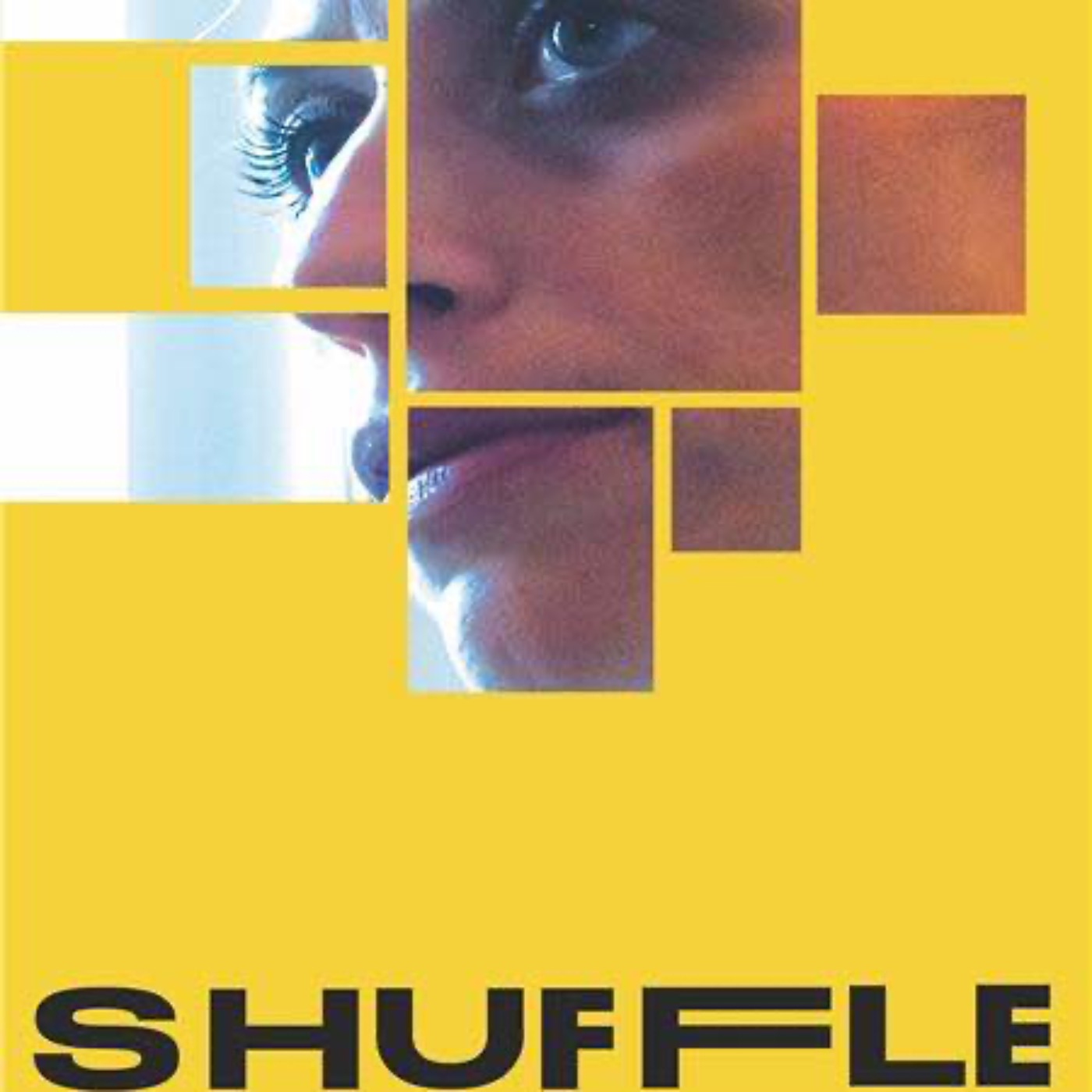
SHUFFLE Directed by Benjamin Flaherty
Winner of the Grand Prize for Documentary at the 2025 South by Southwest Film Festival, Shuffle is filmmaker Benjamin Flaherty’s powerful exposé of unintended consequences in American health policy. Through intimate portraits of people seeking recovery from opioid addiction, Flaherty reveals how federal mandates—particularly within the Affordable Care Act and Medicaid—have unintentionally enabled predatory rehab operators to turn human suffering into revenue streams. The federal mandates are likely even increasing and subsidizing suffering, rather than reducing it.Join us for a screening of Shuffle in the Cato Institute’s F. A. Hayek Auditorium, followed by a discussion of what the film uncovers about the incentives that are shaping America’s addiction-treatment system and how policymakers, clinicians, and advocates can work toward more effective solutions. Hosted on Acast. See acast.com/privacy for more information.

Violent Saviors: The West’s Conquest of the Rest
In the name of material progress, the West has sought to develop and frequently exploit the less-developed “rest.” William Easterly will draw from 400 years of history—ranging from the conquest of the Americas and the Atlantic slave trade to colonization in Asia and Africa and the invention of the Third World—to show how the West has justified different forms of intervention in the societies it has purportedly intended to improve. Easterly will explain why development based on consent, choice, and human agency is superior to an approach that neglects dignity, focuses narrowly on material improvements, and too often justifies various degrees of coercion. Deirdre McCloskey will comment on the fundamental role of freedom in development. Hosted on Acast. See acast.com/privacy for more information.
Fiscal Democracy in America: How a Balanced Budget Amendment Can Restore Sound Governance
As America’s debt climbs and the danger of a fiscal crisis grows, is it time to add a constitutional guardrail? In Fiscal Democracy in America, Kurt Couchman proposes a principles-based balanced budget amendment (BBA) to address the persistent deficits in Washington in a flexible and politically feasible manner. Marc Goldwein draws on his experience in fiscal commissions and provides a challenge to the BBA as a silver-bullet solution to America’s fiscal crisis.How could a principles-based BBA work, and how would it handle entitlement programs, recessions, and crises? Why did previous attempts at a BBA fail, and what makes a principles-based BBA different? Is a BBA just a distraction from adopting specific policy reforms? And if an amendment were adopted, do other reforms need to occur to complement its implementation? Join us for a discussion with Kurt Couchman and Marc Goldwein, moderated by Romina Boccia. Hosted on Acast. See acast.com/privacy for more information.
Fighting for the Freedom to Learn: Examining America’s Centuries-Old School Choice Movement
The school choice movement is often seen as a modern, partisan undermining of a cherished institution: public education. Fighting for the Freedom to Learn shows that the struggle for educational freedom is not new but an enduring part of US history. It is rooted in traditions of parents and communities shaping how children learn and perpetual struggles for people without political power to get the education they believe they need.Join us to discuss this important new book! Hosted on Acast. See acast.com/privacy for more information.
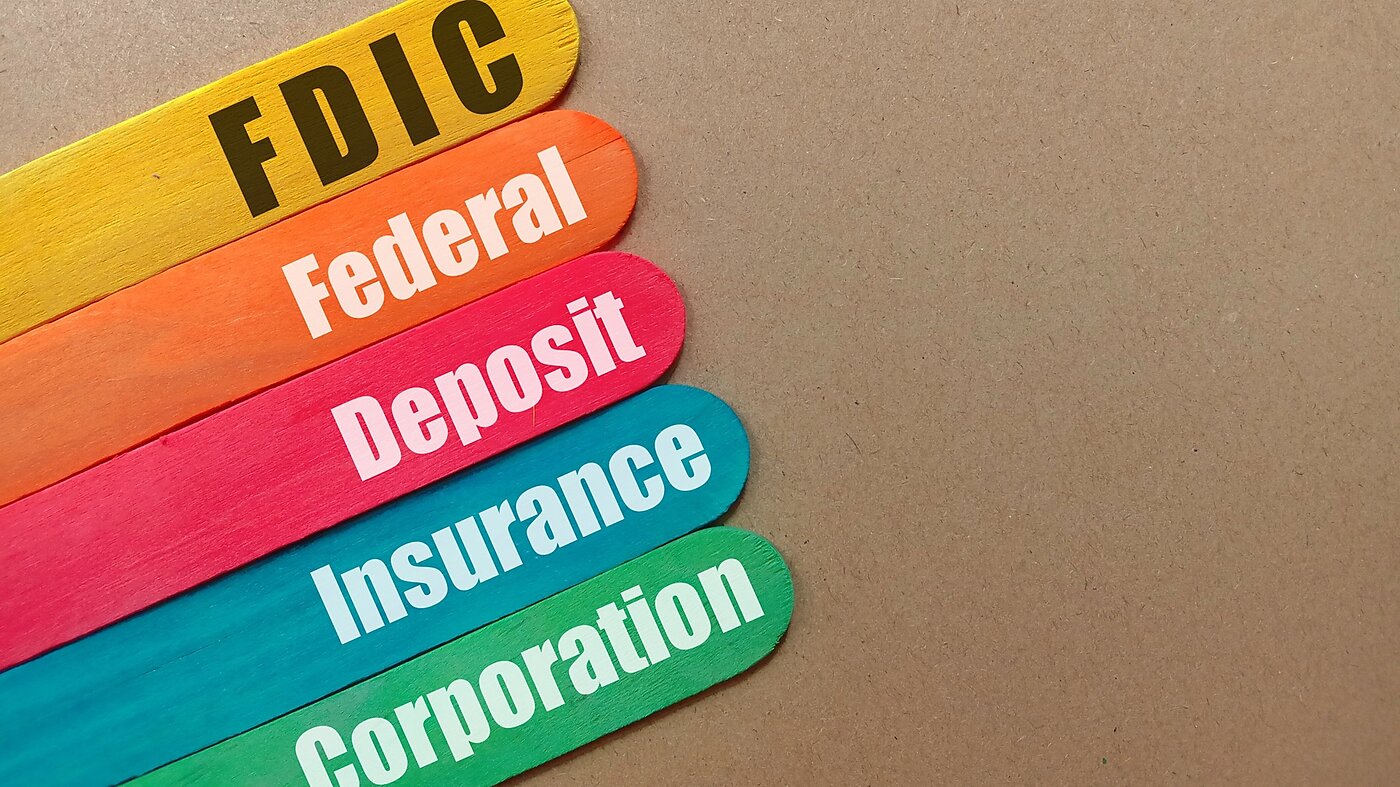
The Risks of Expanding FDIC Deposit Insurance
Since the 1930s, the federal government has used the Federal Deposit Insurance Corporation’s (FDIC) deposit insurance to justify its increased involvement in banking. Now, in the name of supporting community banks, some policymakers have proposed raising the FDIC insurance cap from $250,000 to $10 million. They claim that in the wake of the bank failures of 2023, depositors fled from small banks and moved their money to “too big to fail” institutions that enjoy implicit government backing. Increasing the FDIC insurance cap, these policymakers argue, will encourage depositors to stay with community banks.Yet for nearly a century, Congress and the FDIC have continued to expand and increase federal involvement in banking, creating a complex web of regulation, increasing costs for consumers, and burdening American taxpayers. Despite these changes being implemented in the name of safety, a select few institutions still clamor for special protection.The proposed expansion will magnify all these problems, making the system more fragile and less resilient, and forcing millions of Americans to bear its cost. Sadly, this latest expansion would come at a time when an incredibly small share of depositors even need additional coverage.Join leading policy experts for a discussion on why expanding FDIC insurance is not only unnecessary but could also ultimately harm both the economy and the community banks it was designed to protect. Hosted on Acast. See acast.com/privacy for more information.
China’s Economy and How It Matters for US Policy
How does China’s economy affect US policy? US policymakers have responded to perceived dangers from China by using industrial policy, export controls, and attempting to reduce supply chain vulnerabilities. Some analysts have concluded that China is developing a sizable technological capacity that poses a challenge to the US economy, and potentially constrains US foreign policy. How much leverage has the Chinese economy purchased for policymakers in Beijing? What does the ceasefire in the US-China trade war tell us about the future of US-China competition? Finally, what do these questions about China’s economy tell us about the security threat China potentially poses?Getting the answers to these questions right is essential for crafting an effective US grand strategy. This policy forum brings together two leading experts on Chinese political economy to discuss what China’s economy really looks like and what the implications are for US grand strategy. Hosted on Acast. See acast.com/privacy for more information.
A Conversation with George White
George White, CEO of The C.M. Paula Company—an Ohio-based holding company with businesses across several industries—recently joined Scott Lincicome to discuss the impact of the Trump administration’s tariffs on several of C.M. Paula’s affiliated companies. White discussed the intricacies of managing firms with a global network of suppliers, the costs the tariffs have imposed on the companies’ operations, and the adjustments that he and his teams have made to operate amid an uncertain business environment. Hosted on Acast. See acast.com/privacy for more information.
Cato Institute Policy Perspectives 2025 - Luncheon Conversation featuring Dan Henninger
Hosted on Acast. See acast.com/privacy for more information.
Cato Institute Policy Perspectives 2025 - Restoring Viewpoint Diversity in the Classroom and Civil Society
Hosted on Acast. See acast.com/privacy for more information.
Cato Institute Policy Perspectives 2025 - COGE (Cato’s Office of Government Elimination): Road Map for Reform
Hosted on Acast. See acast.com/privacy for more information.
Cato Institute Policy Perspectives 2025 - Keynote Address: Pat Toomey, former US Pennsylvania Senator
Hosted on Acast. See acast.com/privacy for more information.
Cato Institute Policy Perspectives 2025 - Welcoming Remarks and Cato’s Vision for Liberty
Hosted on Acast. See acast.com/privacy for more information.
Buckley: The Life and the Revolution That Changed America
Few people exerted as profound an influence on the postwar conservative movement and the “fusionist” project of attempting to align libertarians with traditional conservatives on issues of shared interest as William F. Buckley Jr. The founder and longtime editor of National Review, Buckley hosted the weekly PBS program Firing Line, wrote a syndicated column, and authored roughly 50 books. He also found time to run for mayor of New York City in 1965. He had no real intention of winning but rather hoped to influence the terms of the debate over how the city was governed.Buckley commissioned Sam Tanenhaus to write his biography. The result is the comprehensive Buckley: The Life and the Revolution That Changed America. Please join us on Monday, November 17, a week before what would have been Buckley’s 100th birthday, for an online discussion of the book and a man who helped shape public discussion for more than five decades. Hosted on Acast. See acast.com/privacy for more information.
Contributions and Contradictions: Fostering Civil Discourse on America’s Founders
How should we grapple with the legacies of complex historical figures? Join Sphere Education Initiatives and Civic Spirit for this unique virtual professional learning opportunity. The webinar will take a deep dive into building civil discourse around the Founders, who embody both profound achievements and troubling flaws. We’ll explore the challenges of avoiding oversimplification, whether by elevating figures to untouchable pedestals or by dismissing them as wholly illegitimate.In discussion, we’ll consider the role of historical context in shaping our understanding: Does it help us balance empathy with accountability, or does it risk excusing harmful actions under the guise of “different times”? We’ll discuss strategies for teaching students to recognize human fallibility in ways that develop their critical thinking and compassion while still holding fast to their values.The event will connect these questions to the present day, sharing resources and strategies to help educators engage their students. We’ll demonstrate how to establish an open discourse with students to explore how they perceive and judge contemporary leaders, debates around monuments and institutions, as well as other social, political, and economic challenges. All this will be done with an eye toward helping students search for a meaningful line between human imperfection and actions that demand condemnation.The conversation will equip educators with tools to navigate the complexities of history and its enduring influence on our culture, values, and public memory. Hosted on Acast. See acast.com/privacy for more information.
Education Reimagined: A Conversation with Kerry McDonald on Joyful Learning
Are you wondering how to spark more joy and curiosity in your child’s learning—or how to make education work better for your students? In her new book, Joyful Learning, Kerry McDonald shares inspiring stories of families and educators who are reimagining education through microschools, pods, and other creative approaches. In this one-on-one conversation, McDonald will answer your questions and share practical ideas to bring more freedom and happiness to learning. Prepare to explore fresh possibilities for both parents and teachers. Hosted on Acast. See acast.com/privacy for more information.
The Military Balance in the Indo-Pacific, with and Without Taiwan
The prospect of a Chinese invasion and conquest of Taiwan is a major focus of US–China security competition. Apart from its political, economic, and moral consequences, some US experts argue that Chinese control of Taiwan would compromise the US military position in Asia, bolstering the case that the United States should commit its military to defend Taiwan’s autonomy. Jonathan Caverley and Evan Montgomery will discuss the stakes of the US commitment to Taiwan, whether preserving Taiwan’s autonomy justifies risking conflict with China, and the relationship between Taiwan and the broader military balance in the Indo-Pacific. Hosted on Acast. See acast.com/privacy for more information.
Panel 1: Transitioning to a Flat-Benefit System
Join us for the official launch of Reimagining Social Security: Global Lessons for Retirement Policy Changes by Romina Boccia and Ivane Nachkebia, a timely and urgent new book in which the authors rethink how America can safeguard retirement security for current and future generations. As the Social Security program nears a fiscal tipping point, the authors bring together expert insights, international case studies, and actionable policy solutions to show how the United States can reform its retirement system without burdening younger generations with unsustainable debt and taxes.Now marking its 90th year, Social Security faces a critical moment: By 2033, the program’s trust fund depletion could trigger automatic benefit cuts of 23 percent unless Congress acts. Reimagining Social Security dives into the root causes of this crisis and explores how reforms adopted in countries including Canada, Germany, Sweden, and New Zealand can offer valuable guidance for the United States. Through original interviews and novel analysis, the authors present a compelling case for bold reforms that take a meaningful step toward fiscal sustainability while safeguarding a vital source of income for many retirees and protecting workers from undue tax burdens that reduce their choices and opportunities for a better life.The event will feature presentations and panel discussions with leading experts in retirement and fiscal policy. Join us for a timely discussion on principled, evidence-based reforms to restore Social Security’s fiscal sustainability and to protect future generations from mounting debt and economic decline—before it’s too late. Hosted on Acast. See acast.com/privacy for more information.
Panel 2: Slowing the Growth of Social Security
Join us for the official launch of Reimagining Social Security: Global Lessons for Retirement Policy Changes by Romina Boccia and Ivane Nachkebia, a timely and urgent new book in which the authors rethink how America can safeguard retirement security for current and future generations. As the Social Security program nears a fiscal tipping point, the authors bring together expert insights, international case studies, and actionable policy solutions to show how the United States can reform its retirement system without burdening younger generations with unsustainable debt and taxes.Now marking its 90th year, Social Security faces a critical moment: By 2033, the program’s trust fund depletion could trigger automatic benefit cuts of 23 percent unless Congress acts. Reimagining Social Security dives into the root causes of this crisis and explores how reforms adopted in countries including Canada, Germany, Sweden, and New Zealand can offer valuable guidance for the United States. Through original interviews and novel analysis, the authors present a compelling case for bold reforms that take a meaningful step toward fiscal sustainability while safeguarding a vital source of income for many retirees and protecting workers from undue tax burdens that reduce their choices and opportunities for a better life.The event will feature presentations and panel discussions with leading experts in retirement and fiscal policy. Join us for a timely discussion on principled, evidence-based reforms to restore Social Security’s fiscal sustainability and to protect future generations from mounting debt and economic decline—before it’s too late. Hosted on Acast. See acast.com/privacy for more information.
Panel 3: Enhancing Private Retirement Savings
Join us for the official launch of Reimagining Social Security: Global Lessons for Retirement Policy Changes by Romina Boccia and Ivane Nachkebia, a timely and urgent new book in which the authors rethink how America can safeguard retirement security for current and future generations. As the Social Security program nears a fiscal tipping point, the authors bring together expert insights, international case studies, and actionable policy solutions to show how the United States can reform its retirement system without burdening younger generations with unsustainable debt and taxes.Now marking its 90th year, Social Security faces a critical moment: By 2033, the program’s trust fund depletion could trigger automatic benefit cuts of 23 percent unless Congress acts. Reimagining Social Security dives into the root causes of this crisis and explores how reforms adopted in countries including Canada, Germany, Sweden, and New Zealand can offer valuable guidance for the United States. Through original interviews and novel analysis, the authors present a compelling case for bold reforms that take a meaningful step toward fiscal sustainability while safeguarding a vital source of income for many retirees and protecting workers from undue tax burdens that reduce their choices and opportunities for a better life.The event will feature presentations and panel discussions with leading experts in retirement and fiscal policy. Join us for a timely discussion on principled, evidence-based reforms to restore Social Security’s fiscal sustainability and to protect future generations from mounting debt and economic decline—before it’s too late. Hosted on Acast. See acast.com/privacy for more information.
Closing: Cato Social Security Model Presentation
Join us for the official launch of Reimagining Social Security: Global Lessons for Retirement Policy Changes by Romina Boccia and Ivane Nachkebia, a timely and urgent new book in which the authors rethink how America can safeguard retirement security for current and future generations. As the Social Security program nears a fiscal tipping point, the authors bring together expert insights, international case studies, and actionable policy solutions to show how the United States can reform its retirement system without burdening younger generations with unsustainable debt and taxes.Now marking its 90th year, Social Security faces a critical moment: By 2033, the program’s trust fund depletion could trigger automatic benefit cuts of 23 percent unless Congress acts. Reimagining Social Security dives into the root causes of this crisis and explores how reforms adopted in countries including Canada, Germany, Sweden, and New Zealand can offer valuable guidance for the United States. Through original interviews and novel analysis, the authors present a compelling case for bold reforms that take a meaningful step toward fiscal sustainability while safeguarding a vital source of income for many retirees and protecting workers from undue tax burdens that reduce their choices and opportunities for a better life.The event will feature presentations and panel discussions with leading experts in retirement and fiscal policy. Join us for a timely discussion on principled, evidence-based reforms to restore Social Security’s fiscal sustainability and to protect future generations from mounting debt and economic decline—before it’s too late. Hosted on Acast. See acast.com/privacy for more information.
Competencies in Civil Discourse: Episode 9
Hosted on Acast. See acast.com/privacy for more information.