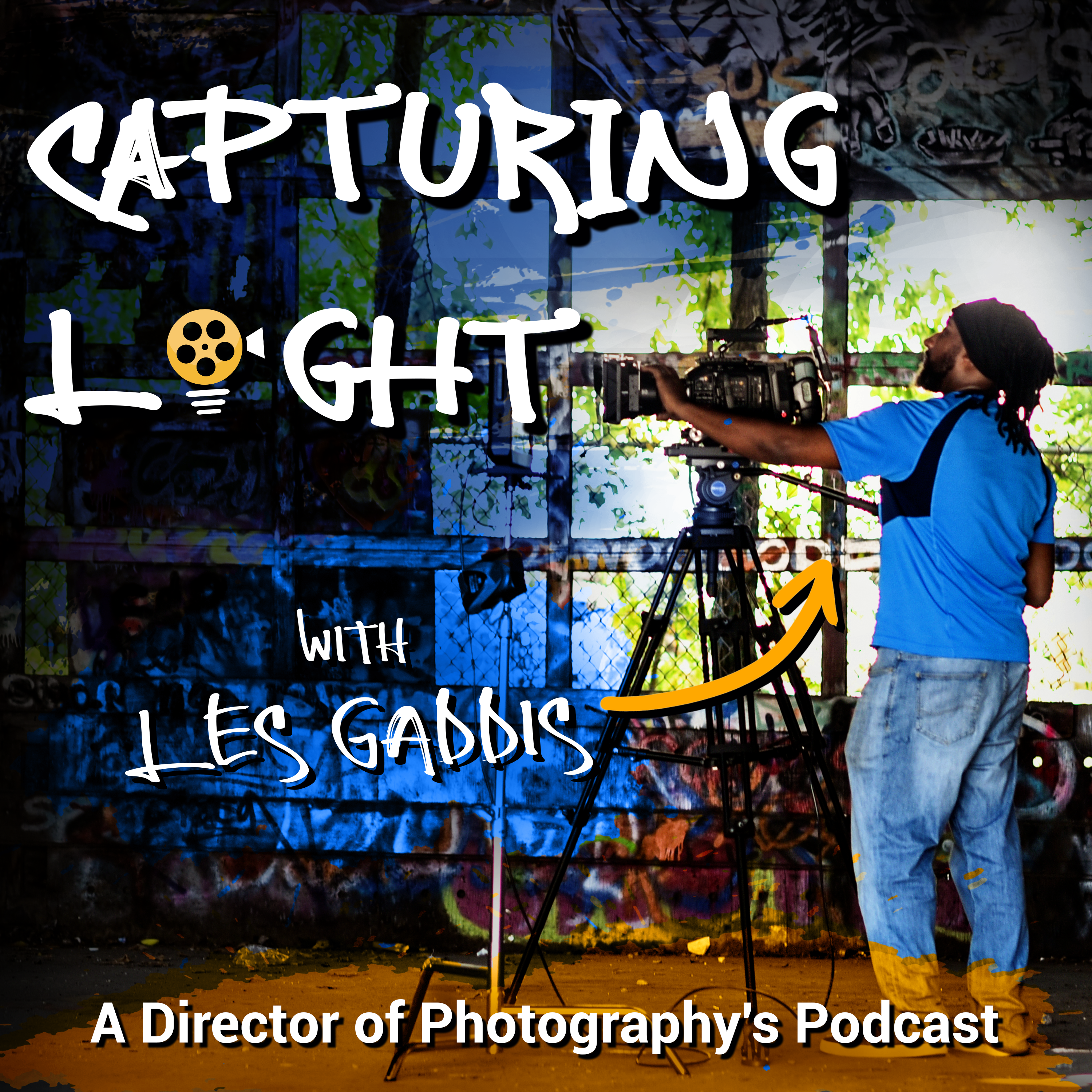
Capturing Light – Episode 141 Les Gaddis
Capturing Light - A Director of Photography's Podcast
September 22, 202333m 39s
Audio is streamed directly from the publisher (traffic.libsyn.com) as published in their RSS feed. Play Podcasts does not host this file. Rights-holders can request removal through the copyright & takedown page.
Show Notes
In this episode, we talk about:
- My thoughts about cinematographer.
- Highlighting topics in cinematography.
- Going out there and shooting film.
- Here are some key concepts and tips to get you started:
- Understanding the Camera:
- Know your camera inside out. Whether you’re using a DSLR, mirrorless camera, cinema camera, or even a smartphone, understanding your equipment is fundamental.
- Composition:
- Learn the basics of composition, such as the rule of thirds, framing, leading lines, and the use of symmetry.
- Experiment with different angles (high angle, low angle, eye level) to create different emotional effects.
- Lighting:
- Lighting is one of the most critical aspects of cinematography. Understand natural light, artificial lighting, and how to shape light to achieve the desired mood.
- Learn about three-point lighting (key light, fill light, and backlight) and how to use it effectively.
- Camera Movement:
- Different camera movements (e.g., panning, tilting, tracking, dolly shots, crane shots) can convey different emotions and perspectives. Mastering camera movement is essential.
- Framing and Shot Types:
- Familiarize yourself with various shot types like wide shots, medium shots, close-ups, and extreme close-ups. Each serves a specific purpose in storytelling.
- Understand framing techniques like long shots, two-shots, and over-the-shoulder shots.
- Lenses and Focal Lengths:
- Different lenses and focal lengths have a significant impact on the image. Wide-angle lenses create a sense of space, while telephoto lenses compress the image.
- Experiment with prime and zoom lenses to understand their strengths and weaknesses.
- Depth of Field:
- Learn how to control depth of field using aperture settings. A shallow depth of field can isolate subjects and create a cinematic look.
- Color and White Balance:
- Understand color theory and how color can be used to evoke emotions.
- Set your camera’s white balance correctly to ensure accurate colors in your footage.
- Exposure:
- Master exposure settings, including shutter speed, aperture, and ISO, to achieve the desired look.
- Use ND filters to control exposure in bright conditions.
- Storytelling:
- Cinematography is storytelling through visuals. Collaborate with the director and other crew members to understand the story’s tone and message.
- Use visual cues and symbolism to enhance the narrative.
- Post-Production:
- Familiarize yourself with video editing software like Adobe Premiere Pro, Final Cut Pro, or DaVinci Resolve to refine your footage in post-production.
- Continual Learning:
- Cinematography is a constantly evolving field. Keep learning by watching films, reading books, attending workshops, and experimenting with new techniques.
- Practice:
- Practice is key to improving your cinematography skills. Start with simple projects and gradually work your way up to more complex ones.
- Understanding the Camera:
Director of Photography: Les Gaddis
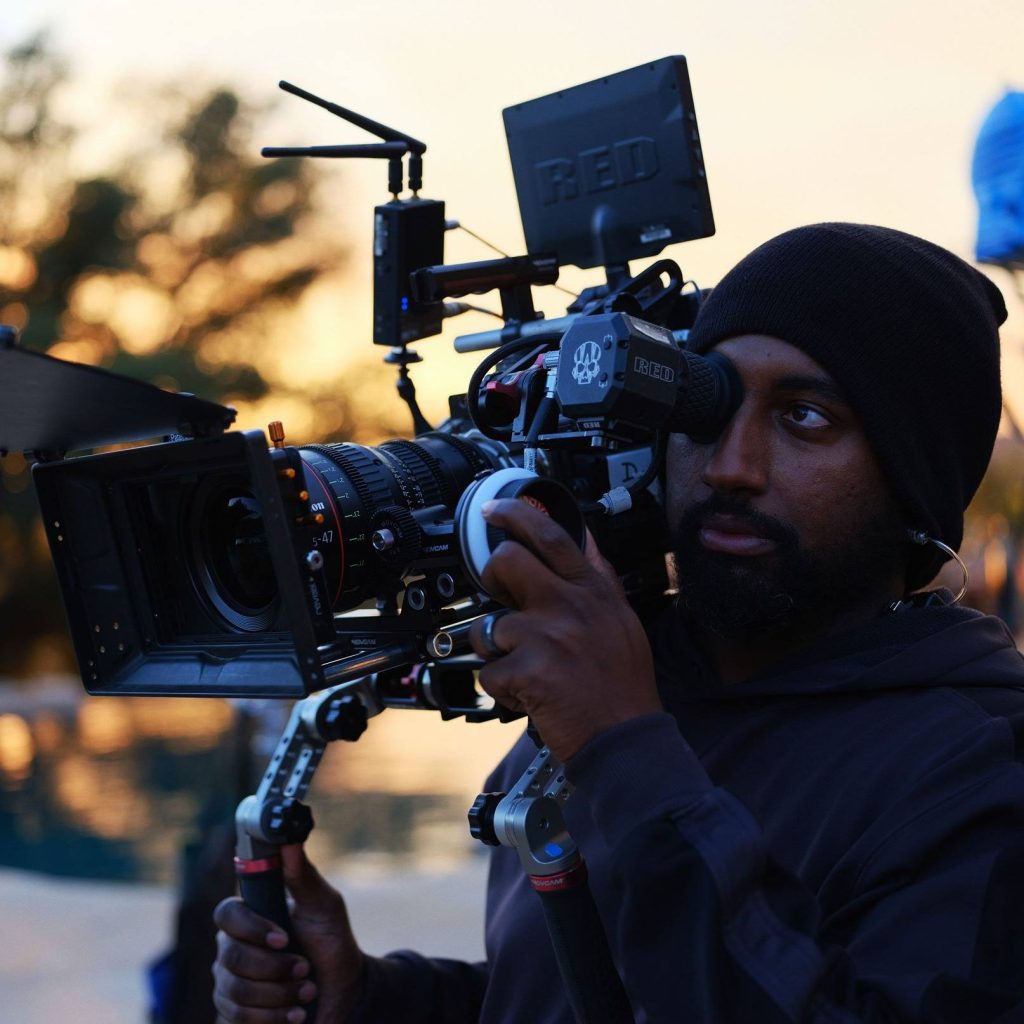
https://www.imdb.com/name/nm4781966/?ref_=nv_sr_srsg_0
Check out my Demo Reel –
https://www.youtube.com/watch?v=CWkL2qdZXcY Thank you for listening: Please let me know what you learned or thought of the show today. Subscribe to the podcast.