Breaking Into Startups
124 episodes — Page 3 of 3
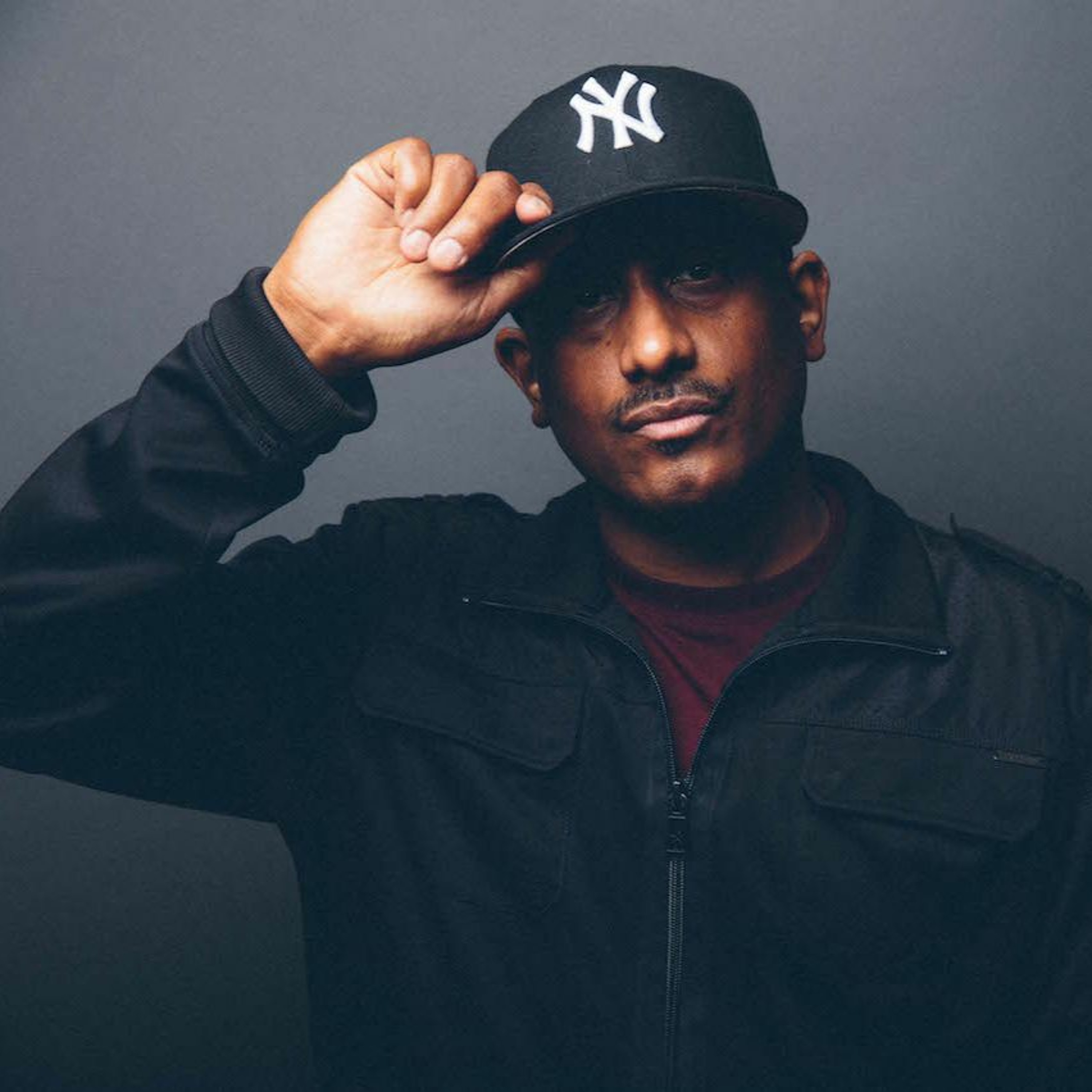
#24: Divine - The journey from going in and out of prison to Breaking Into Tech
A Newport-native, Divine started dealing drugs at 13, got incarcerated at 18, and found himself not only locked up physically in federal prison, but also, in a psychological cycle of recidivism. Always knowing he was bound to be more than that, Divine tapped into his spirituality, fortitude, and his quick grasp of knowledge and turned his 7-year sentence into a self-development workshop. Along with some help from his mentor, Divine was finally able to break out of his destructive pattern going from incarceration to innovation. From crack to rap to tech, Divine currently provides financial literacy and entrepreneurship education to people through his new startup BLAK Fintech (where BLAK stands for Building Leverage Acquiring Knowledge).

#22: Idalin Bobe - Community Organizer who broke into Tech and became a Tech Activist
Growing up in one of the poorest zip codes in the U.S., Idalin wanted to bring change and put social justice in the forefront. From North Philly to Cali, Idalin wanted to break into tech so she could bring resources back to her neighborhood. Today, Idalin works as a Senior IT consultant at ThoughtWorks, which is known for having the toughest screening and interview process out of all tech companies. She is also part of ThoughtWork’s social justice team working as a tech activist where she is bringing computer education to the folks on the front lines fighting for justice and organize community-driven leaders around the world in efforts addressing the needs of black and brown people. Idalin has partnered with different organizations such as Black Girls Code, Qeyno Labs, and #YesWeCode in her aim of making an impact on the world through computer and security education.

#23: Rita Henderson - Who broke into startups as a Teen Mom
Growing up in one of the poorest areas in Philadelphia, Rita Henderson broke a ton of barriers as a single mom proving to the society that she was more than just a statistic. Moving from North Philly to DC, Rita finally drove all the way to San Francisco in the hope of making things work for her family and carrying with her that burning passion of bringing change into the community. Rita is currently involved in the recruiting department at a startup company called Honor, an in-home senior care provider. Rita is the sister of Idalin Bobe who also came here on the show recently.
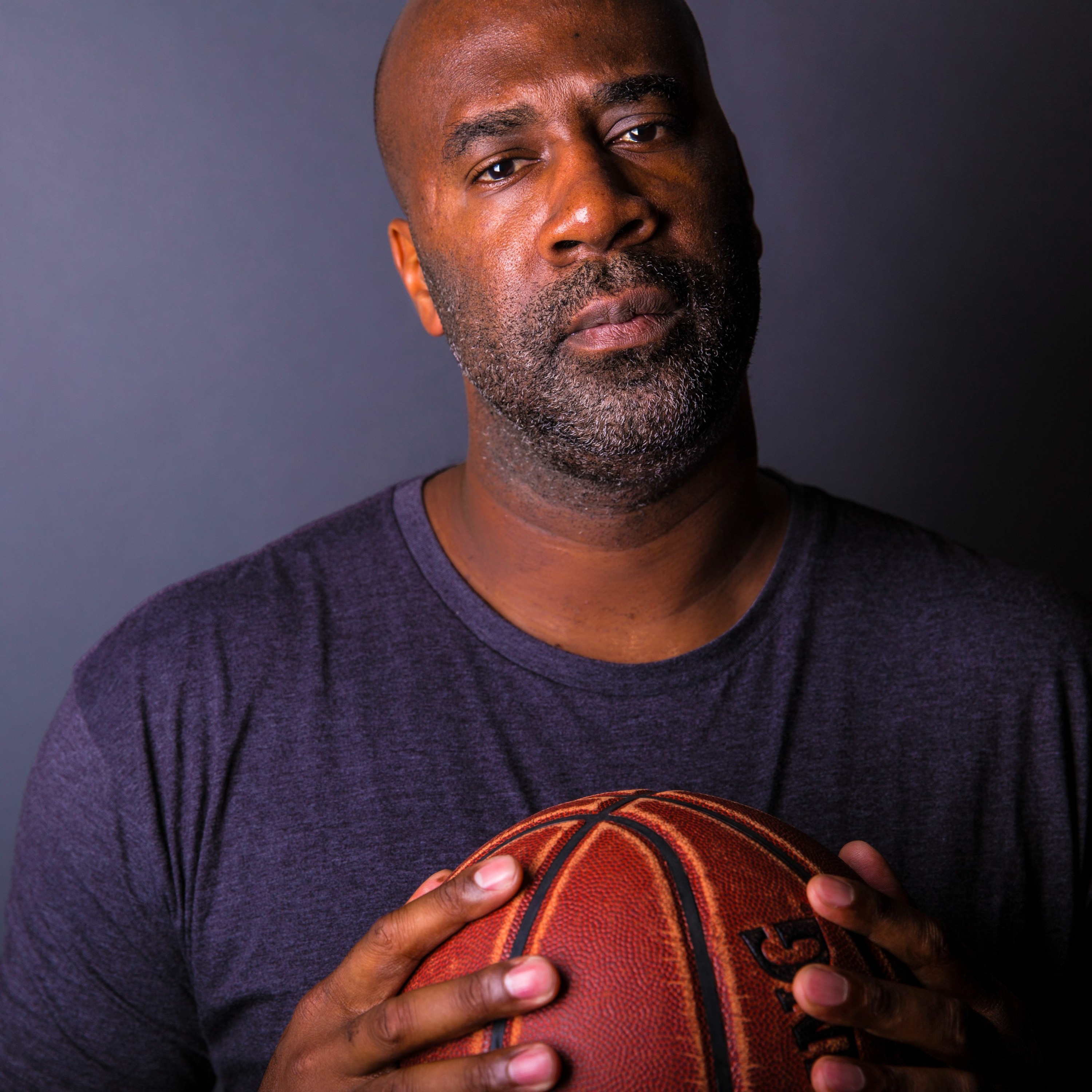
#21: Mo Woods - Ball is Life: Pro Basketball Player (6' 10" in) who became a Designer
Maurice is a 6'10" Richmond, California-native, legendary designer, and former professional basketball player who worked at several tech companies including Microsoft and Yahoo. He is the Founder of Inneract Project that helps youth and communities learn how to design. It was in getting involved with startup projects that really got him into the tech space because he was able to make mistakes, learn from them, correct them, and get even way better. (Shout out to Maurice’s mom for ushering him through his design journey.)

#20: Nick DeWilde - Program Director at Tradecraft which teaches Biz dev, Product Design and Growth
A San Francisco-native, Nick deWilde was so certain he wanted to make movies but he ended up taking on a different path that impacts people’s lives. Nick is now the Program Director at Tradecraft, an immersive program that helps people break into tech into business development, designer, or growth roles. His journey wasn’t easy. He took the plunge, worked as a waiter, went back to live at his parents house, and did customer support at a bank until he finally found his voice in the tech space. Nick is a rockstar who continues to help people pursue their real passion and craft their stories so they too can become rockstars in whichever field they choose.
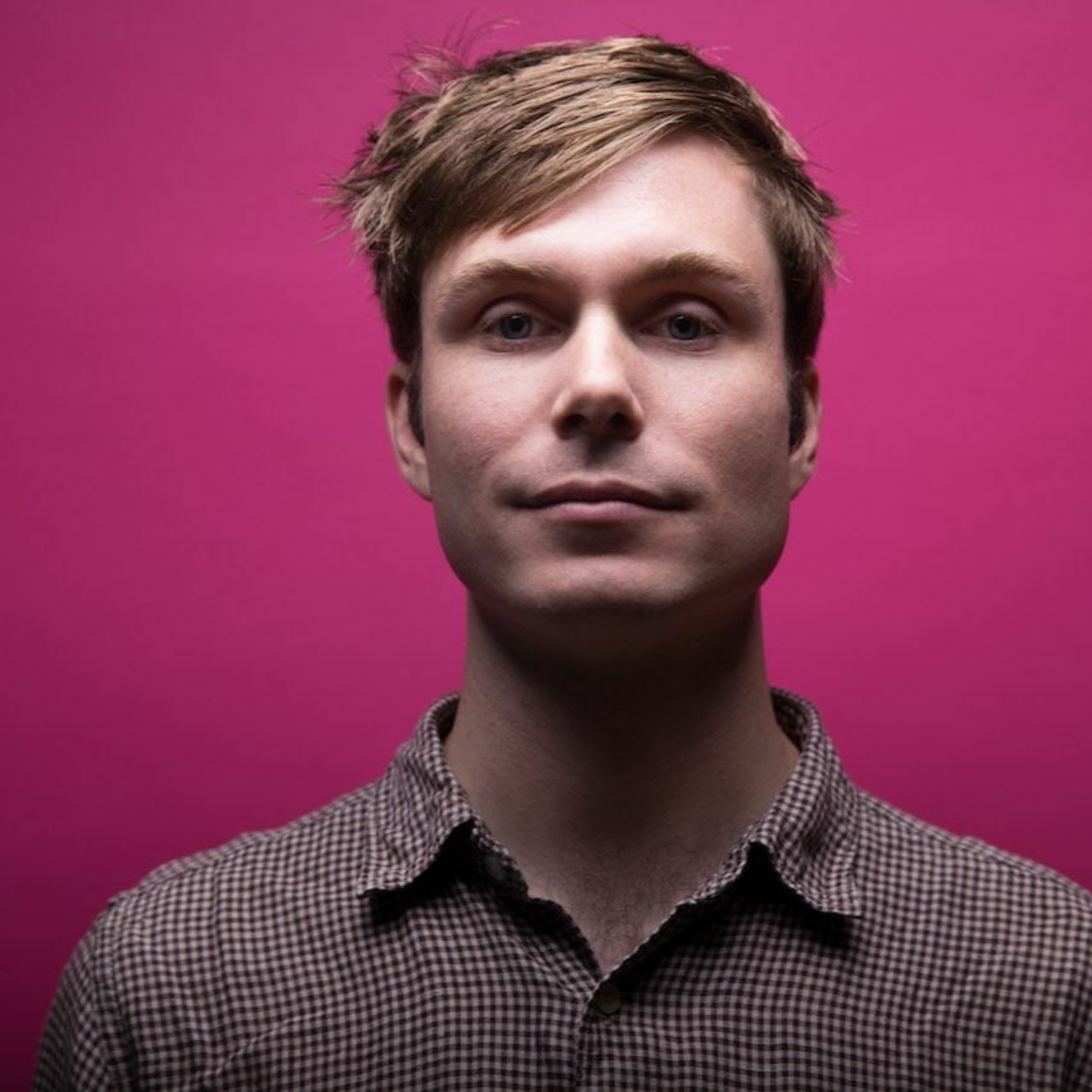
#19: Matthew Dean Brooks - An Artist who became a Software Engineer
Transitioning from arts to engineering was not a smooth ride for Matt Brooks, but he never allowed obstacles to get in the way because he was willing to embrace failures. Matt started out as a fine arts major and was doing woodwork until one day, something grabbed his attention to engineering and gave it a try. He started to learn coding, initially gave up, went back to try it another time, and got rejected at the bootcamp the first time. His job search experience wasn’t an easy one either. But persistence was the key theme for Matt. He kept going and going and sought the guidance of a mentor until he finally found his place working as a software engineer at OpenTable.

#18: Preethi Kasireddy - How Investment Banker & a VC quit her job to became a Software Engineer
After excelling at Goldman Sachs and top venture capital firm Andreessen Horowitz, Preethi Kasireddy decided she wanted to leave “the best job in the world” to become a software engineer. In her blog post called Why I Left the Best Job in the World, she talks about why she left VC to join Hack Reactor in order to learn how to code. In this episode Preethi shares what motivated her to leave finance for tech, her incredible work ethic, her 5 am workout schedule, and the lessons she learned on her journey to becoming a software engineer.

#17: Ina Herlihy - How a young journalist hustled her way into Growth Marketing
Ina Herlihy is a San Francisco local who knows what’s it like to hustle your way to get the thing that you want right at a very early age. She is passionate about journalism and was an editor-in-chief of her high school newspaper. She got to cover the 2008 Presidential Campaign and was the only high school student in the country to get a press pass for President Obama’s Inauguration. Leaving a would-be promising career in finance to break into tech, Herlihy attended Tradecraft and soon landed a job as a Growth Analyst at Zumper. Her prolific writing in Medium, called How I Hustled to Get the Perfect Job: From Tradecraft to Zumper got a lot of attention that it became one of the most popular blog posts on Medium in 2015.
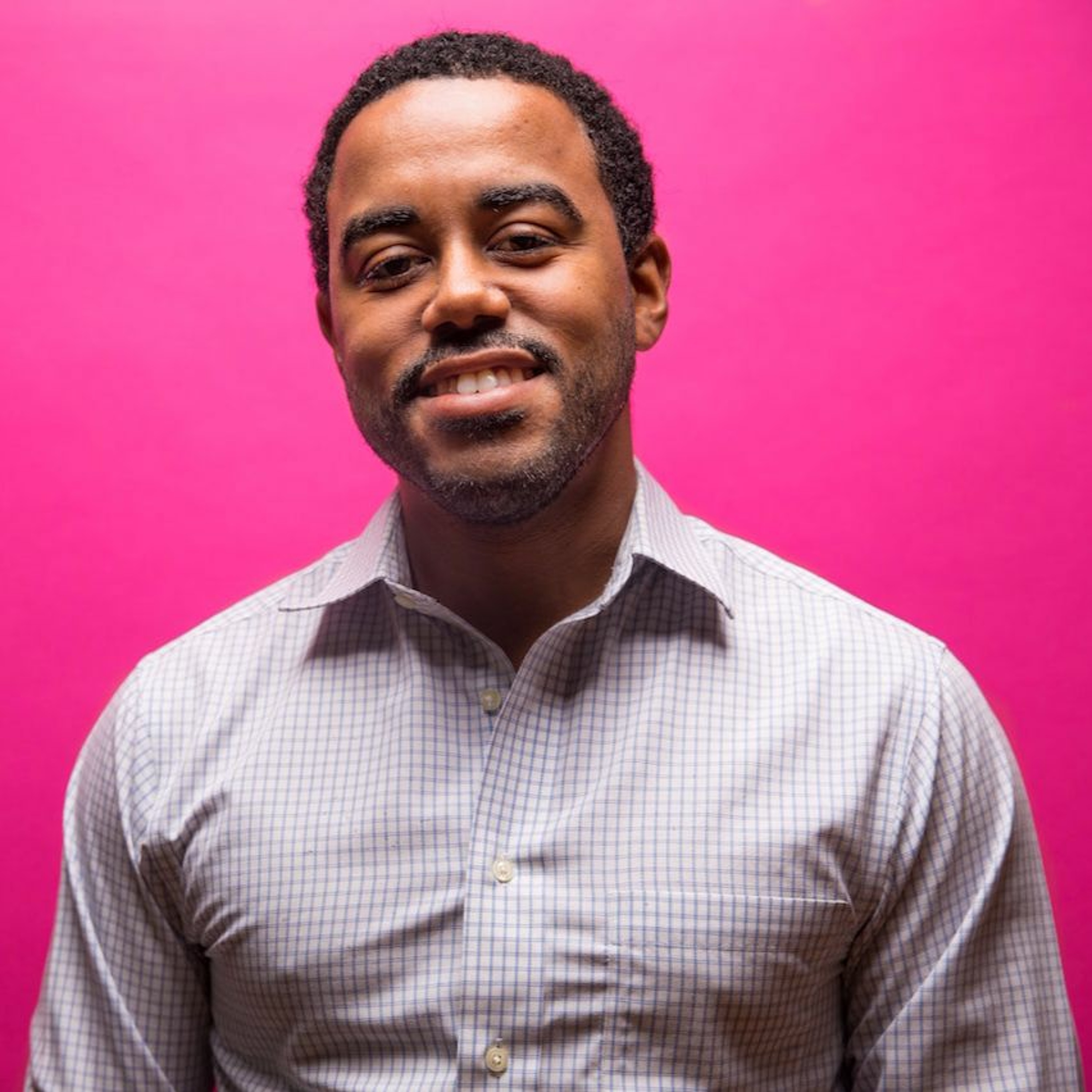
#16: Edgar Pabon - Army Captain who became an Engineer at Amazon Music
Edgar Pabon is a New York-native who, prior to his current position as a software engineer at Amazon Music, was a rapper, a communications degree graduate, and an active duty military. He knew that being a software engineer is what he has always wanted to be doing that even during his military years he never stopped learning about the tech industry. Edgar’s journey was not an easy one, having experienced police brutality, undergoing rigorous military training, dealing with the impostor syndrome, and overcoming rejections. Yet through it all, his passion for tech was what has always kept his fire burning.

#15: Kush Patel - Founder of App Academy
Kush Patel is the Founder of App Academy, which is considered to be the MIT of coding bootcamps. Prior to breaking into startup, Kush previously worked at hedge funds until he finally decided to pursue his passion for learning how to code through and joined the first coding class of Dev Bootcamp. Seeing the huge gap between the amount of software engineers produced each year and the amount of software engineers needed in Silicon Valley and through the US, Kush, alongside co-founder Ned Ruggeri, saw great opportunity in the bootcamp space, thus the birth of App Academy.

#14: Chia Lin - From a Pastry Chef at a Michelin Star Restaurant to a Product Designer at a Startup
Born and raised in Taiwan, Chia Lin has traveled far and wide. She came to Tennessee when she was 11, moved to California in high school and college, and lived in Tokyo for a year. Her love of food and travel has landed her a job as a flight attendant and a chef at a Michelin star kitchen, until she finally discovered her true passion for design. She believes that knowing who you are and being able to tell your story well will get you places. In fact, Chia wrote a blog post called 5 Things I Learned About Design in a Michelin Star Kitchen that got people coming to her and opened new doors for her.
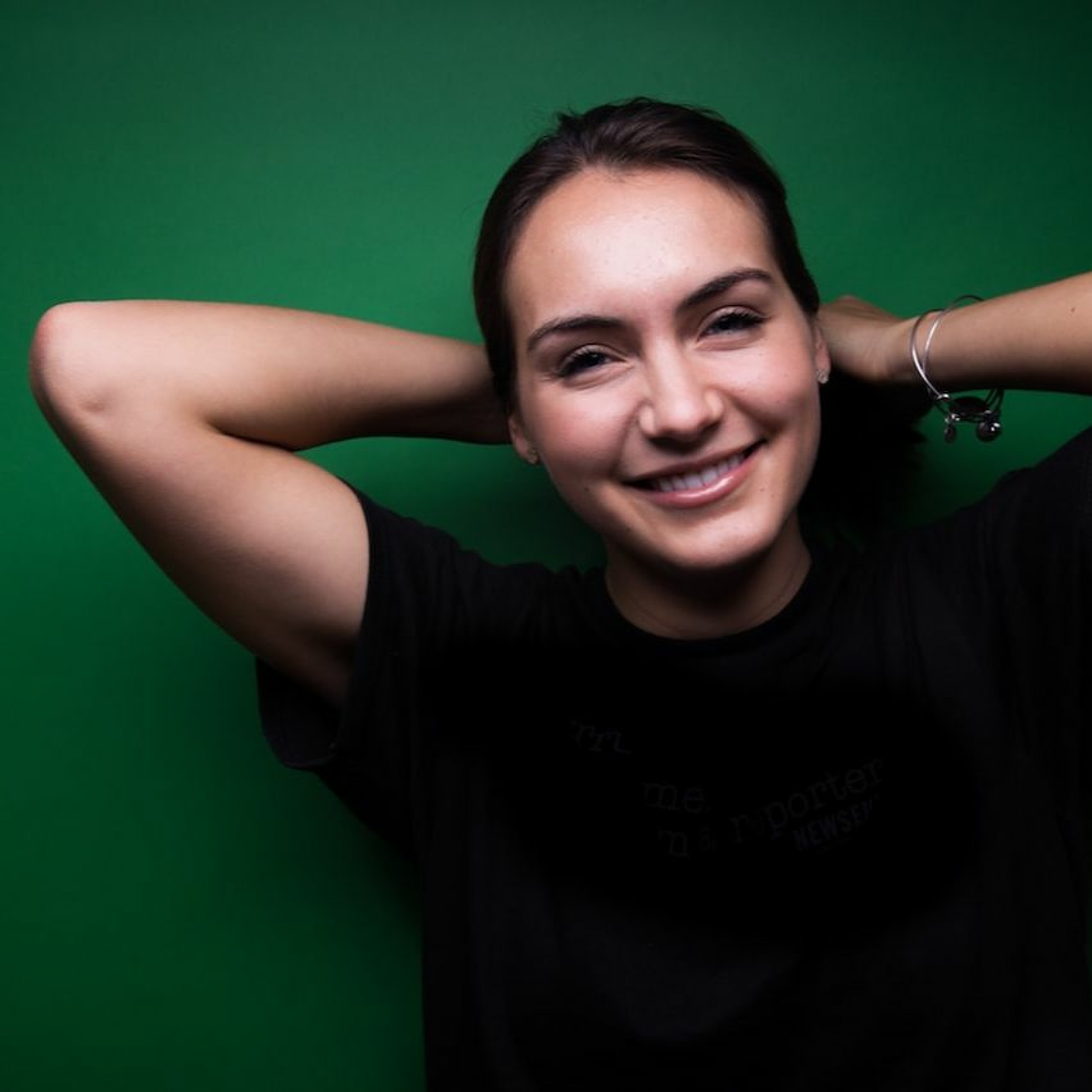
#13: Elaina Koros - Content Strategist who hustled her way into Facebook
With a huge appreciation for writing and journalism, Elaina Koros majored in Government and English Studies while attending Georgetown University. Today, Elaina works as a Content Strategist at Facebook. During this chat, Elaina discusses the importance of building relationships and having mentors which helped her tremendously in getting an internship that eventually led to a full-time offer.

#12: Shawn Drost - Founder of Hack Reactor
Shawn Drost is the Co-Founder of Hack Reactor, a coding bootcamp founded in 2012 along with his college friends Tony Phillips, Marcus Phillips, and Douglas Calhoun with the primary motive to set people up for success as software engineers. They envision themselves transforming higher education to be more transparent, accessible and outcomes-driven. Hack Reactor’s community involvement is remarkable as they continue to offer curriculum, volunteer support and training to their nonprofit partners in their conscious effort to bridge the gap between underserved communities and the tech industry.

#11: Richard Purcell - Sales Director who worked his way up from an entry level role
An East Coast native, Richard Purcell travelled cross country and courageously took the risk of taking an entry level job even though he was overqualified because it meant a chance to break into tech. Through persistence and overcoming objections, he landed his first tech sales job in Palo Alto at Medallia Inc. Currently, he serves as the Sales Director at Performance Horizon. Having a multi ethnic background gives Richard an interesting perspective on race and privilege. He firmly believes that talent is universal and opportunity is not. That’s why he co-founded Medallia Medley to help give access to opportunity to underrepresented talent.
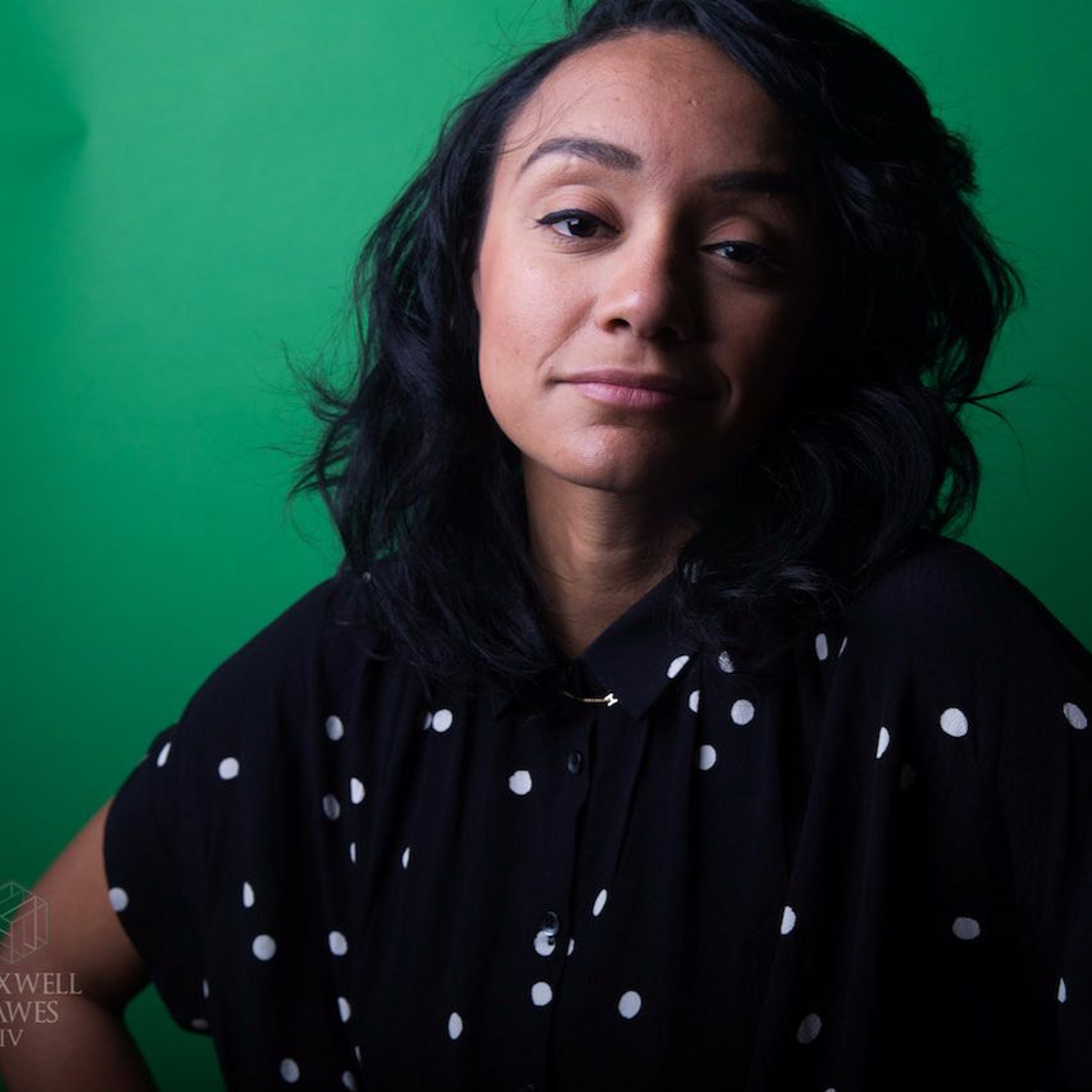
#10: Melanie Araujo - Designer and Founder of Front & Center that helps people break into tech
A Boston-native and freelance designer, Melanie Araujo is the Founder of Front & Center, a company that helps underprivileged people break into tech through design. Prior to design, Melanie has a professional background in neuroscience, which she leveraged to position herself as a unique designer. Investing a few thousands to learn design at General Assembly, what she got in return was 10x as she is now making six figures. Melanie believes that if you have your heart and mind set on something, there is absolutely nothing that will get in your way to get into your goal.

#9: Ben Creasy - Alaskan Government Official turned Software Engineer
An Alaskan-native, Ben Creasy wanted to pursue engineering since a young age but due to health issues, he ended up getting a degree in Economics and Philosophy in Oregon. At 24, Ben held elected office in Alaska but his passion for coding never faltered so he ultimately joined Hack Reactor. Currently, he works as a Software Engineer at BrightIdea. Ben is also an editor at Wikipedia, something he has been doing for 9 years now. He has also co-created the Bay Area WikiSalon where Wiki enthusiasts gather around to mingle and learn about new projects and ideas.
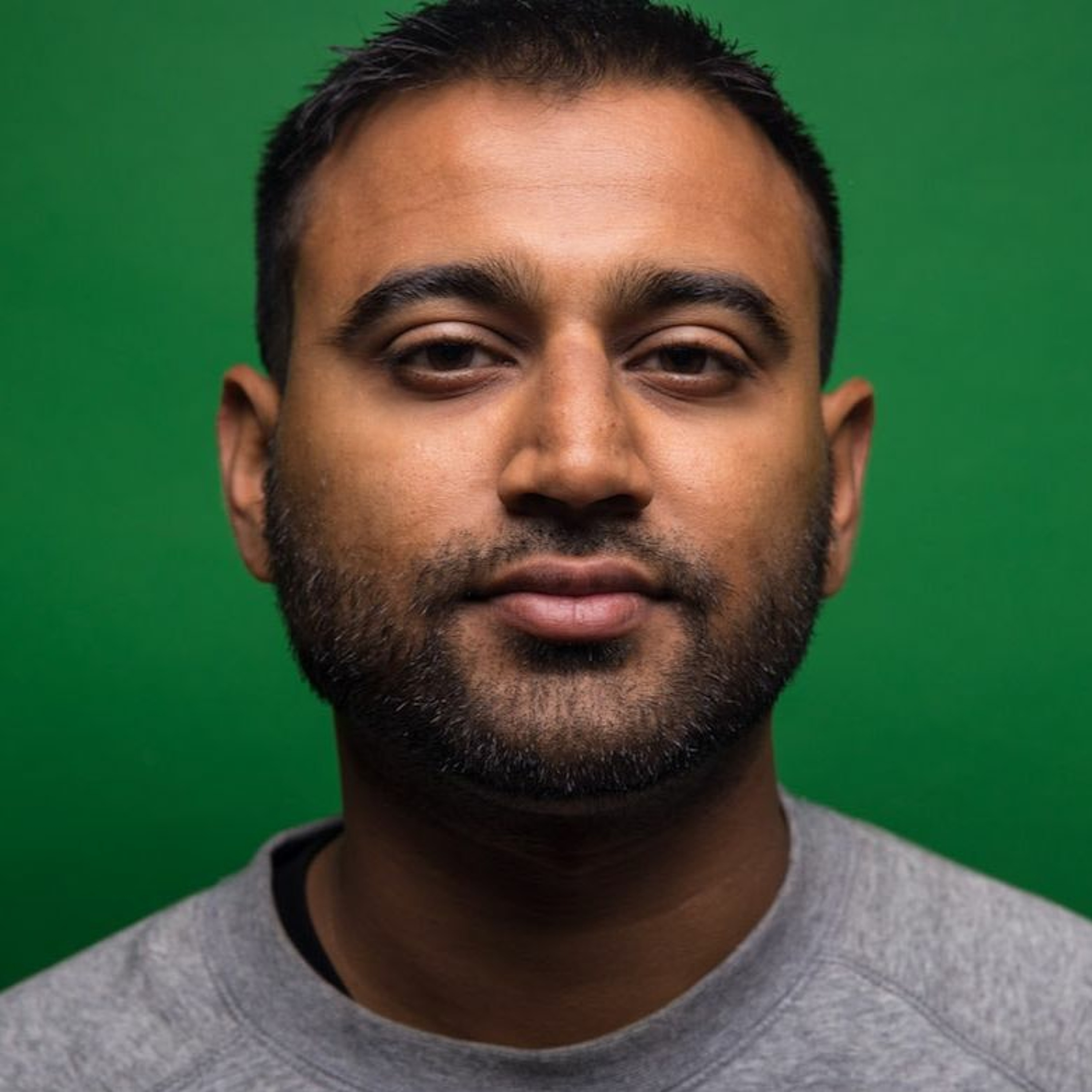
#8: Neil Shah - Quit his Finance job to help Homeless folks get Jobs
A South Californian native, Neil Shah would never have thought that a walking tour of Tenderloin with Del Seymour could practically change his life forever as well as the many lives of homeless people around the Tenderloin neighborhood. Neil basically never stopped hustling, jumping from med school to law school to business school, getting an MBA at UC Irvine, and getting locked up in prison for his third DUI. But it was his passion for helping people that got him volunteering at different non profit projects and organizations. Neil is now the Head of Business Development and Partnerships at Code Tenderloin where they have partnered with a whole bunch of startups and organizations in order to relentlessly help homeless people break into tech, basically disrupting the career pathway and transforming people’s lives.
#7: Max Rencoret - Deep dive into Growth Marketing and building a product
Max Rencoret grew up in Chile where he first got exposed to its education system, startup culture, economic climate, government and other things that led him to a career in Growth Marketing, where he felt like he could make the most impact in his life. One of Max's teachers explained the scale of technology, focusing on people, and led Max to start a company (similar to Snapchat) that he grew to 80,000 daily active users targeting Latin America. After Snapchat took over their market and realizing his interest in growth, Max finished his degree and moved to San Francisco to do a 3-month immersive program at Tradecraft. On this episode, Max talks about what it takes to be successful as a Growth Marketer, why learning to code is important, and how the Chilean community supported him here in San Francisco in his work as a Growth Marketing Manager at Samsara.

#6: Nico Roberts - Consultant who became Head of Customer Success
Nico Roberts is the Head of Customer Success at <a href="https://onboardiq.com/">OnboardIQ</a>. Customer success is a highly important in any startup. It not only ensures client satisfaction and handling customer complaints, but it also bridges the gap between different teams in the organization, ensuring its able to achieve a unified goal. Prior to OnboardIQ, Nico served as a consultant at <a href="http://www.deloitte.com/">Deloitte</a>. A native from South Africa, Nico hustled his way through the United States with the goal of living the American dream and becoming a famous Hollywood director. Instead, he decided to finish his Bachelor’s degree, landed a job working as a consultant at Deloitte and found himself breaking into the startup world which he currently enjoys.

#5: Meghan Schofield - How she became a UX designer coming from a traditional background in art
Meghan Schofield is an Ohio-native who has an impressive knack for creative problem solving. Prior to her current role as a UX/Product Designer at infrastructure startup, CoreOS, Meghan worked in the field of museum exhibit design for 15 years and she also ventured into project management at some point. Meghan is passionate about creating a positive impact in people’s lives and she firmly believes that you need to have a deep understanding of your medium to become great at whatever you do in whichever field you’re in. Key Points: 1. As a designer, you’re solving a problem. You’re not just creating something beautiful for the sake of it, but there’s always an element involved. There are parameters, goals, and rules to consider and always a consumer on one side of it. Think really deeply about what your goal is. 2. As a designer, you’re communicating all the time. Designers being visual, you need to be able to create a well-designed, well-thought of resume that stands out from the pile. 3. Curiosity, attention to detail, and knowing what people expect are three essential elements that make up a good candidate for a design role. Enthusiasm is key during the interview process. Don’t pretend you know something or can make something up on the spot. Instead, ask them about their pain points or the problems they’re solving. 4. If you want to be a great designer, get to know the medium you’re in. You have to understand how certain pieces and parts come together. Also, having basic knowledge of HTML or CSS can come handy especially when you’re working with engineers. SHOW NOTES (FOCUS ON THE STEPPING STONES): [03:00] Her transition from illustration to design [05:13] Her journey to museum exhibit design [08:01] Day-to-day job of a museum exhibit designer [09:07] The art of creative problem solving [10:23] Whetting her creative appetite [12:27] Applying for tech jobs in DC was another struggle for her [13:38] Learning HTML and CSS [15:35] Her crushing job search experience [17:53] Meghan’s first break into tech [20:02] How she learned the specific skill sets required [23:14] Some curve balls she encountered at the tech company [26:11] Another job transition [28:19] What a design interview looks like at a tech startup [31:33] How to deal with the hard interview questions [34:44] The characteristics of a good candidate [39:16] Meghan’s future plans [40:49] The Lightning Round 1. Imagine that you get dropped in a brand new city. You don’t know anyone. You’re trying to start again and you only have $100. What would you do and how would you spend the $100 to get back on your feet? Meghan would research a company that she really wanted to work for and reach out to somebody there that she could take out for dinner. 2. When you were in some of those frustrating moments when you couldn’t find a museum job or you couldn’t find a tech job, did you listen to any music or a movie or interact with any art piece that helped you brave through this situation? Meghan spent a lot of time going to art museums to try to stay inspired. 3. Knowing what you know now, having gone through this amazing career of starting out in design then switching jobs, switching industries, ending up in tech, what is the one piece of advice that you have for our listeners who are contemplating starting on this journey? It’s really important to have at least done some things in HTML and CSS. As a designer, you need to understand the limitations of what you’re going to be creating. You don’t have to be doing it constantly but at least have an understanding of your medium.
#4: Haseeb Qureshi - Professional Poker Player turned Software Engineer
Haseeb Qureshi is a Texas-native who dominated the poker world and decided to pursue his dream of becoming a software engineer. He started playing poker at 16 years old and was able to turn $50 to $100,000. He eventually became one of the world’s best no-limit hold-em poker players at 19 but he was not fulfilled. So, Haseeb left the poker world and decided to start over from scratch by giving all of his money away. After hearing about coding bootcamps from a friend, he decided to break into tech and join App Academy. Haseeb learned quickly, became an instructor after two months, and eventually became the Head of Product. He really wanted to work as a software engineer and his recruiting process was tough. On this interview he shares how he got his position at Airbnb by applying lessons from poker and proving that with confidence, deliberate practice, negotiating skills, and an altruistic heart, you can always rise above any challenges you meet along the way. Key Points: 1. When you’re trying to learn something,you need to give yourself feedback when you make a mistake. This is the idea of deliberate practice. Try to find the smallest possible thing that could be critiqued and then get feedback on it and then try to iterate on it. 2. The biggest difference between boot camps is not the curriculum, the teachers, or the network. The biggest difference is your peers and the rate of intensity with which you’re going to be learning around them. 3. When facing rejections, remember that you have no control over things no matter how good you are. Also, pain is transient. You might feel awful today but you will feel better the next day and the next, until you can barely even remember. Besides, people can’t say no forever. Consider plugging into your network for job search referrals throughinformational interviewing. Reach out to anyone in your network, sit down with them, ask them about their company and experience, and get referrals. 4. A large part about negotiation is power. Be mindful of it, where it comes from, and how to maintain it. Have leverage in your negotiations by having the ability to not accept it because you have another offer. Interviewers can’t read your mind. It’s not a zero-sum game. SHOW NOTES (FOCUS ON THE STEPPING STONES): [1:33] Growing up in Dallas, Texas [2:47] Starting to play poker at the age of 16 with $50 [11:51] Advice on picking a bootcamp – The biggest difference between great bootcamps and a not-so-great bootcamps: Peers + Rate & Intensity level (with which you’re going to be learning around them) [19:12] Deliberate Practice – Haseeb’s secret sauce for being world-class in poker and his boot camp journey (Feedback mechanism is key!) – Working on Codewars, massive practice, going back over and over to fix mistakes, and understanding the pattern [27:42] Dealing with self-doubt: Haseeb doubted his vision of the world and this picture of himself being somebody who could just walk into an interview and nail it and have all these offers [28:31] How to deal with rejections: You have absolutely no control. No matter how great you are, no matter if you’re the best player in the world, there’s always a chance that you’ll lose. Any pain is transient. What you feel today will be softer the next morning and the next. Keep going. People can’t say no forever. [35:05] Haseeb’s approach to the negotiation process [37:57] Overcoming recruiter tactics that take away your leverage during negotiation: [39:41] Exploding Offers – What are they? How do you deal with these? [45:56] How to prepare for interviews
#3: Kevin Lee - Founder of Product Manager HQ where he teaches people how to become PMs.
Kevin Lee is dedicated to teaching people the fundamentals of product management through Product Manager HQ and also currently works in Venture Capital at FundersClub. Before becoming a Founder, he previously worked in Product at AltSchool and as a Senior Product Manager at Kabam, where he worked on products through all lifecycles in San Francisco, Vancouver, and Beijing to help grow one of the company’s products to become the third largest revenue generating products in the company portfolio. Key Points: Align your career with your personality type. Especially, when you find yourself questioning the role you’re currently doing, try to take a step back. Figure out your personality type and align it with your career. There are many ways to break into any industry. Talk to the influencers. Get to know more about this industry. Network. Make yourself the product. Figure out your users’ needs and make sure you bring value to the table. Once you’ve figured out a pain point within your industry, write about it and start blogging. Then make sure you create a community so people can still talk to each other right after reading your content. SHOW NOTES (FOCUS ON THE STEPPING STONES): [1:11] Kevin’s background [1:52] His passion for education [3:04] Kevin shares the story of “the river of drowning babies” [6:14] Kevin’s big turning point [7:07] Where to start looking for resources about Product Management: Quora (a Q&A website answered by some high profile people) as his primary source Books: Cracking the PM Interview, The Mom Test [10:22] Getting his first job as a product manager: Kevin landed a PM job at Kabam, a mobile gaming company. [11:19] Strategies to break into an industry you’re interested in [12:45] What is Product Management? [13:28] How product management in gaming differs from that of other industries [17:39] Dealing with frustrations as a PM [18:52] Why Product Management HQ was created [20:21] Building the Community [27:37] Do your Due Diligence – How to position yourself for an associate product management role at a startup [32:12] Transitioning into a PM role within your organization [33:26] The Lightning Round 1. Imagine if you were dropped in a new city, you had to start all over again and you only had $100, what would you do and what would be the first steps you would take to get yourself back to the point you’re at? Kevin: Go to coworking spaces, hang out, use that $100 to buy a seat, and milk that for a month. 2. When you were dealing with any frustrations on your first projects, did you listen to any music or videos or something that inspired you to overcome whatever situations? Kevin takes inspiration from his parents who were immigrants from Taiwan and coming to America with literally nothing and couldn’t speak English but worked so hard to provide for their family; so if they have done it, so could he. Never forget your roots. Never forget your family. 3. What is one piece of advice you would want someone to know who’s about to start on this journey? Figure out your personality type (Take tests like the Myers-Briggs test or the Enneagram test) and be able to align that with your career. 4. What is one thing that you fundamentally believed in before that you changed your mind on after this process? Kevin: Make yourself a product. These days, having that piece of paper from the university is no longer as relevant as what it used to be. It’s really important that you start to brand yourself. Make yourself a product because that’s what’s going to last forever. 5. What are you planning on doing next? What are you trying to do for the future? It’s in Kevin’s blood to want to be helping entrepreneurs, helping founders, helping people. So he is going to try his hand at venture capital and work with great founders and support them in any way possible.

#2: Emily Racioppi - Sales Account Executive compares sales in startups vs. corporate
Emily Racioppi is an artist at heart. After talking to her dad, she realized that in order to be a successful artist you need to be your own brand so she followed his footsteps to become an Account Representative in the Sales Department at Cisco WebEx. Prior to that she was a representative at an infrastructure startup called Instart Logic. On this episode she talks about the different roles in sales, the interview process, salaries, the importance of on target earnings, metrics, and more! Key Points: 1. When you’re in sales, you’ve got to be confident and competitive. Startups are pickier in terms of hiring people so there is no room for slacking. 2. In sales, you have to be a team player. There are times when you close deals on your own but there may also be other times that you need to work with different people such as engineers to get those deals done. 3. If you’re considering breaking into a sales role at a startup, do enough research about the company, their product, and their competitors. Ask questions about your role and how quickly that role progresses within the company. 4. As an inside sales representative, you have to be a closer. Take all the knowledge you have with you as a sales development rep, learn how to manage your time, and be able to qualify your deals. SHOW NOTES (FOCUS ON THE STEPPING STONES): [1:05] Growing up in Santa Cruz, California, Emily knew she wanted to come in the Bay Area due to its proximity to her family. She also draws major inspiration from her dad. [2:04] Being more artistic most of her life growing up and her dream of becoming a curator in The Louvre in France. [2:51] The power of asking questions [4:13] Emily shared her struggles of doing door-to-door sales and what she learned from them. [6:19] Factors for choosing the jobs she applied for: Location + Opportunities [6:48] How to handle interview questions [7:48] Qualities of a good candidate [9:04] Emily’s advice on how to break in [9:42] Getting promoted from a sales development rep to an inside sales role [11:37] What motivated Emily to switch over to a smaller company [13:55] How Emily prepared for her interview process at the startup company [15:37] How Emily dealt with frustrations and turning them into best practices [17:34] Crafting your pitch [19:36] Tonality is key [22:45] How to handle the interview process at a startup [24:25] Resources to help you get ready for these types of interviews [25:01] Knowledge is Power [26:28] How the salary/commission scheme works at a startup versus a corporate environment (On Target Earnings of $40-$60k for beginning sales role) [30:47] Key questions to ask as you try to break into a sales role [32:17] What metrics are you evaluated on [33:37] The next steps as you get promoted from a sales development rep (SDR) to an inside sales rep: Knowledge application, time management, qualifying deals, asking for help [35:10] Emily’s plans for the future [39:14] The Lightning Round 1. Imagine if you had to start over again and you had a $100. You get dropped in a completely new city, what would you do and where would you start? 2. Was there any music or movies or blogs that you read or someone that you talked to that you inspired to get through that frustration? 3. What is the one advice that you would give our listeners? 4. What is one thing that you fundamentally believed in that you changed your mind on after this process? 5. But is there any books that you’d be like, this is the best sales book I’ve ever read?

#1: Albrey Brown - Self-taught Engineer who founded Telegraph Academy to teach people how to code.
Albrey Brown, is a Berkeley native who does not take ‘No’ for an answer. He was rejected on his first attempt to becoming a Hack Reactor graduate and went on to become a founder of Telegraph Academy. Most importantly, he found a love for teaching and is an educator that has completely changed the career trajectories for hundreds of students. Although he never graduated from college, he always knew that he was going to be a teacher. He grew up in a single family home where his mom raised him to become the man who he is today. Key Points: 1. When you’re learning a new skill, it’s good to have resources (see below), but try to find someone to double check if you’re doing the steps “correctly” 2. Bootcamps need to be more accessible and there are resources like Telegraph Prep and Climb that are working to democratize this form of education 3. You’re always going to find another bug (another hill to climb, a new thing to conquer) so don’t be afraid of that. Take risks. 4. Mentorship comes through various channels. If someone invests time into helping you, the best thing that you can do is succeed. SHOW NOTES (FOCUS ON THE STEPPING STONES): [1:12] – Albrey grew up in Berkeley, CA in a single family home with his mother and his aunt. He had no idea of what a startup was. [3:15] Albrey’s mother got diagnosed with Cancer during his sophomore year and he took a couple of years off after he graduated high school (never graduated college) [5:32] Beginner Resources – What resources did you use to learn how to code? First, a mentor. Then, he started with The Odin Project and Learn Ruby the Hard Way [6:35] What was your motivation to learning how to code? [10:47] What led you to choose Hack Reactor instead of all the other bootcamps? [11:52] How did you do with Hack Reactor’s Interview Process? [15:10] Don’t let money stop you from acquiring a new skill – How did you pay for your tuition ($18,000)? When he passed his interview and got accepted into Hack Reactor he needed to figure out how to pay tuition. He had no more money and used a crowdfunding platform called GoFundMe to raise $18,000 in 30 days [18:19] Tell us more about the Bootcamp Model as a new model for education [19:06] What makes Telegraph Academy different from all of the other Bootcamps? [21:40] Take a Bootcamp Preparation Program if you are starting from scratch and need someone to guide you [22:22] What financing packages are available at Telegraph Academy? [24:58] What are some of the outcomes for Telegraph Academy? [26:17] What do the demographics look like at Telegraph Academy? [29:00] How did you put this all together? He is a big advocate of taking the road less traveled. [30:40] What do you have planned for the future? Thoughts on education in general? [33:37] The Lightning Round 1. How would you get back to this point in your career if you were dropped into a new city with only $100? (assuming your food and shelter is taken care of) Albrey: Become a Lyft or Uber Driver to get a car (here’s the Uber option), make money, learn about your city, and meet people 2. When you ran into roadblocks or struggles, was there any piece of music or a movie that you watched that helped you get over that situation? Albrey: Always Be Closing by Glengarry Glen Ross 3. Looking back, what is one piece of advice that you would give to someone now that you’ve been through this journey? Albrey: The best resource that you can have is a mentor 4. Have you been able to speak with anyone that Sponsored your GoFundMe now that you have executed on your promise to start a school? Yes; His cousin Brian Tippens, who never told him what he did when he originally contributed. Now that Albrey reconnected with him after the launch of Telegraph Academy, he just realized Brian is the Head of Diversity