
Booknotes+
289 episodes — Page 5 of 6

Ep. 86 Vivek Ramaswamy, "Nation of Victims"
At age 37, Vivek Ramaswamy has already built and sold several companies. Before he began his career as an entrepreneur, he managed to serve as the valedictorian of his 2003 senior class at St. Xavier High School in Cincinnati, Ohio, and was a nationally ranked junior tennis player. Then there was a Harvard biology degree and graduation from Yale Law School. Ramaswamy has written two books. His latest is "Nation of Victims: Identity Politics, the Death of Merit, and the Path Back to Excellence." Learn more about your ad choices. Visit megaphone.fm/adchoices

Ep. 85 Nell Wulfhart, "The Great Stewardess Rebellion"
"The Great Stewardess Rebellion" is about the women who changed the working conditions for stewardesses in the late 1960s and early 1970s. The author, Nell Wulfhart wrote the New York Times "Carry-On" column from 2016 to 2019. In the introduction to her book, Ms. Wulfhart writes that: "It wouldn't be much of an exaggeration to say that in the 1960s the airplane cabin was the most sexist workplace in America." Since then, she adds, the "flight attendants' achievements are, even from today's perspective, remarkable: they forced the airlines to promote them alongside men, to pay them fairly, to treat them as legitimate workers." Learn more about your ad choices. Visit megaphone.fm/adchoices
Ep. 84 Brad Snyder, "Democratic Justice"
Brad Snyder offers a full and fascinating portrait of the life and legacy of Felix Frankfurter. This is the biography of an Austrian Jewish immigrant who arrived in the United States at age eleven speaking, not a word of English, who by age twenty-six befriended former president Theodore Roosevelt, and who by age fifty was one of Franklin Roosevelt’s most trusted advisers. It is the story of a man devoted to democratic ideals, a natural orator and often overbearing justice, whose passion allowed him to amass highly influential friends and helped create the liberal establishment. Learn more about your ad choices. Visit megaphone.fm/adchoices
Ep. 83 Charles Kupchan on Russian Propaganda and the War in Ukraine
Charles Kupchan is a professor of international affairs at Georgetown University. He has served on the National Security Council for both the Clinton and Obama White Houses. Prof. Kupchan has a doctorate and a master's degree from Oxford and an undergraduate degree from Harvard. He is the author of 10 books. His latest is titled "Isolationism: A History of America's Efforts to Shield Itself from the World." We asked Prof. Kupchan to appear on the podcast to give his perspective on Vladimir Putin and his use of propaganda during the current war in Ukraine. Learn more about your ad choices. Visit megaphone.fm/adchoices
Ep. 82 Greg Steinmetz, "American Rascal"
Jay Gould revolutionized the world of finance in the 19th century. In “American Rascal,” Greg Steinmetz tells his story. Jay Gould was a brilliant strategist in any scrap over money. For a good example of Mr. Gould’s cunning, consider how he outgeneraled his fellow robber baron Cornelius Vanderbilt in what might be called the Bovine War. The former reporter for the Wall Street Journal and current partner at a money management firm in New York City sheds light on the life of Gould and his abilities with finances. Learn more about your ad choices. Visit megaphone.fm/adchoices
Ep. 81 Troy Senik, "A Man of Iron"
Author Troy Senik says in his new book, "A Man of Iron," that Grover Cleveland was the self-made, scrupulously honest man Americans often say they want as their president. President Cleveland served two nonconsecutive terms as commander and chief, a term as Governor of New York, and even as sheriff in western New York's Erie County. In this episode, Mr. Senik, a former speechwriter for George W. Bush, discusses Cleveland's political career. According to Mr. Senik President Cleveland became the most successful Democratic politician of his era, though he has become a minor icon for modern-day libertarians. Learn more about your ad choices. Visit megaphone.fm/adchoices

Ep. 80 Judy Shelton on the Federal Reserve
Judy Shelton has been appearing on C-SPAN since 1989 and in this edition of the Booknotes+ podcast, she talks about the role of the Federal Reserve in our economy. . Her first visit was on Booknotes to discuss her book titled "The Coming Soviet Crash." During the past 33 years since her first appearance on C-SPAN, Judy Shelton has been in and out of politics. She worked for a time with three presidential candidates, including Bob Dole, Ben Carson, and Donald Trump. It was President Trump who nominated her to serve on the board of the Federal Reserve. Her selection to the Fed was controversial, and eventually, President Joe Biden's administration withdrew her nomination in February of 2021. Learn more about your ad choices. Visit megaphone.fm/adchoices

Ep. 79 Claire Arcenas, "America's Philosopher"
John Locke was born on August 29, 1632, in Sommerset, England. He lived for 72 years. University of Montana professor Claire Arcenas, in her new book, calls him "America's Philosopher." She writes in the preface: "Though he never set foot on America soil and died long before the creation of the United States, John Locke stands and has always stood at the center of American intellectual life." Prof. Arcenas focuses on how Locke has captivated our attention for three centuries and has had an unparalleled influence on the development of American thought and culture. Learn more about your ad choices. Visit megaphone.fm/adchoices
Ep. 78 Alanna Nash, "The Colonel"
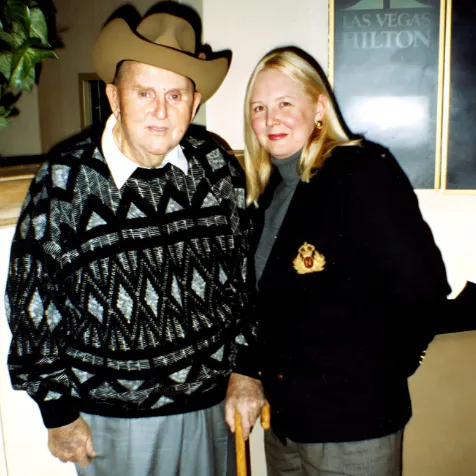
On August 16, 1977, 45 years ago, Elvis Presley died at age 42. The autopsy found eight different drugs in his body. Just seven years earlier, Presley was with Richard Nixon in the Oval Office to offer his assistance in fighting the war on drugs. He asked for a special agent badge from the Bureau of Narcotics and Dangerous Drugs. A copy of the photo of President Nixon and Elvis on that occasion is the most requested from the National Archives. Our guest, cultural journalist Alanna Nash, has spent a lot of her professional life telling the story of Elvis and his well-known manager, Colonel Tom Parker. She reveals in her book "The Colonel" that Parker was not an American and wasn’t originally named Tom Parker. Learn more about your ad choices. Visit megaphone.fm/adchoices

C-SPAN in the Classroom Trailer: Season 2
Hey all you teachers and all you parents, and all you professors and all you students: Season #2 of the C-SPAN in the Classroom podcast drops this fall! Whether you're mowing the yard, on a peaceful weekend drive, or just relaxing on the couch with your favorite blanket, make sure to tune in to the first episode of Season #2 of C-SPAN in the Classroom on September 10th, available at c-span.org, on the free C-SPAN Now app, or wherever you listen to podcasts. Make sure to like, subscribe, and share, and visit us at www.c-span.org/classroom. Learn more about your ad choices. Visit megaphone.fm/adchoices
Ep. 77 Ron Liebman & Tim Baker on the Prosecution of Vice President Spiro Agnew
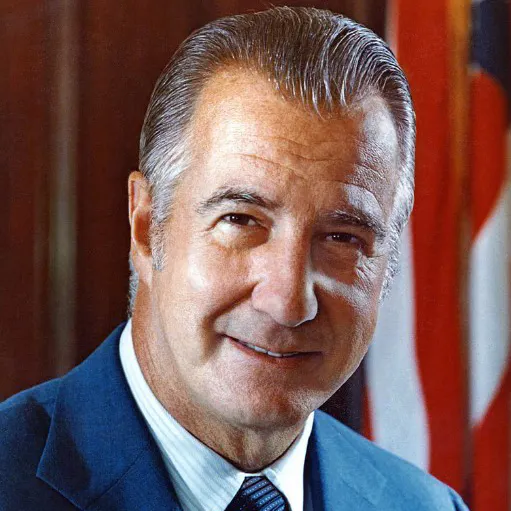
Ron Liebman and Tim Baker are former assistant U.S. attorneys who were part of the prosecution team that brought down Vice President Spiro Agnew on October 10, 1973. On that day, Mr. Agnew appeared before the federal court in Baltimore and pleaded "no contest" to one felony charge for tax evasion in 1967. Messrs. Liebman and Baker talked about their role as the case unfolded. Agnew was fined $10,000 and placed on three years of unsupervised probation. This conversation was originally recorded in 2019. Learn more about your ad choices. Visit megaphone.fm/adchoices
Ep. 76 Terrence Smith, "Four Wars, Five Presidents"
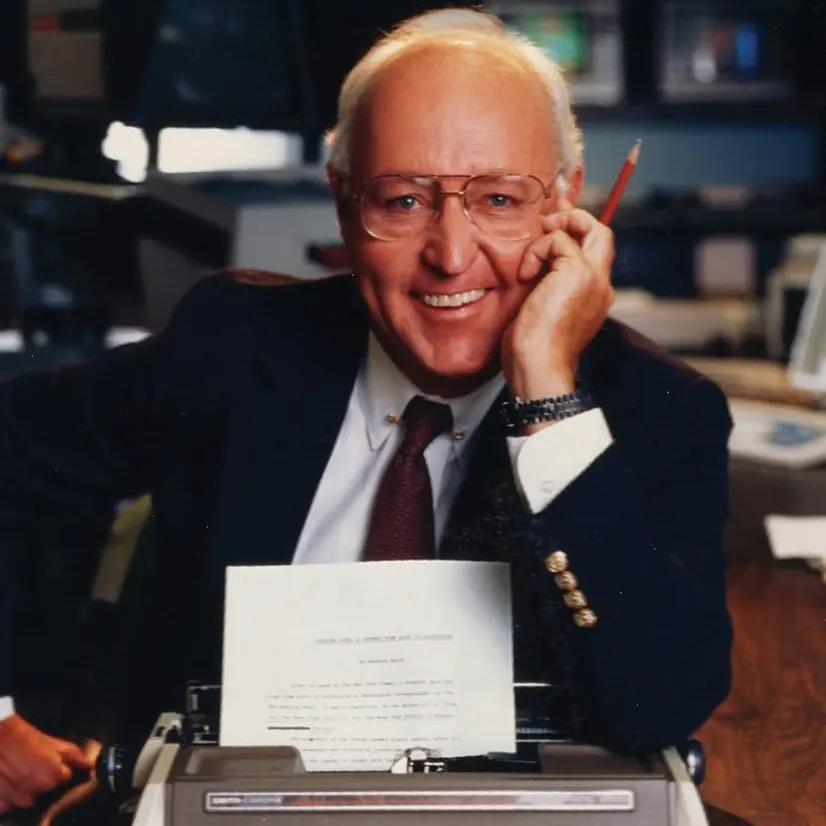
Terence Smith's media career went from the Stamford Advocate the New York Times, then to CBS News, and finally the PBS Newshour. In his short memoir of his working life, titled "Four Wars, Five Presidents," Terrence Smith writes: "There is a great deal of hand-wringing these days about the news business. Young people don’t read, don’t know anything beyond what they see on their screen, and don’t see the value of independent knowledge as long as they have Google and can look it up. The sky, we are told, is falling." Learn more about your ad choices. Visit megaphone.fm/adchoices
Ep. 75 David Kertzer, "The Pope at War"
David Kertzer has studied and written about Italy, the Catholic Church, Nazism, communism, and fascism for over 40 years. His latest of 13 books is about the secret history of Pope Pius XII, Mussolini, and Hitler. It's titled "The Pope at War." In 2020, Pius XII's archives were finally open in the Vatican. Brown University professor Kertzer, according to Random House, his publisher, "paints a new, dramatic portrait of what the pope did and did not do as war enveloped the continent and as the Nazis began their systematic mass murder of Europe’s Jews." Learn more about your ad choices. Visit megaphone.fm/adchoices

Ep. 74 Aram Saroyan, author of "Last Rites," on His Father William Saroyan
In the history of Pulitzer Prizes and the Oscars, very few winners have turned down these awards. One of those who did was a famous Armenian-American, a writer from the 1930s, 40s, and 50s. His name was William Saroyan. He turned down the Pulitzer for the drama called "The Time of Your Life" in 1940. Saroyan said he was opposed in principle to awards in the arts and was quoted as saying "such arts awards vitiate and embarrass art at its very source." His son Aram, a well-known poet in his own right, has written a lot about his father and his relationship with him. We asked him to talk about his book "Last Rites: The Death of William Saroyan." Learn more about your ad choices. Visit megaphone.fm/adchoices
Ep. 73 Carl Foster, Director of the Little Blue House
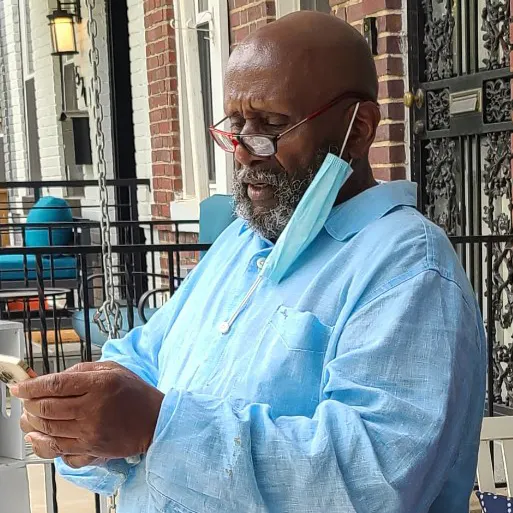
In the heart of Washington, DC, is a unique place for kids. It's called the Little Blue House. For 31 years, it's been the first love of its director, a man named Carl Foster. On the website of the Little Blue House, it says that there is a single core mission: "to foster the development of vulnerable and at-risk children and youth in the District in a safe, stable, and healthy environment." Carl Foster, a Vietnam War veteran, says that for over 30 years, the Little Blue House "has provided whatever service was needed by our kids to give them a chance to become self-sufficient adults." Learn more about your ad choices. Visit megaphone.fm/adchoices
Ep. 72 Stephen Eide, "Homelessness in America"
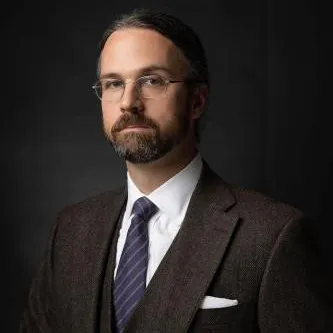
"Americans react to homeless with a mix of anger, compassion, perplexity, and frustration. Little progress ever seems to be made." Those are the thoughts of Stephen Eide, from his book "Homelessness in America." Mr. Eide is a senior fellow at the Manhattan Institute with a PhD in political philosophy from Boston College. He focuses a good deal of the 151-page book on the housing issue. In Chapter 11 he suggests: "When housing is all that anyone debates, nothing winds up getting done about public disorder, drug addiction, and untreated mental illness." Learn more about your ad choices. Visit megaphone.fm/adchoices
Ep. 71 David Gelles, "The Man Who Broke Capitalism"
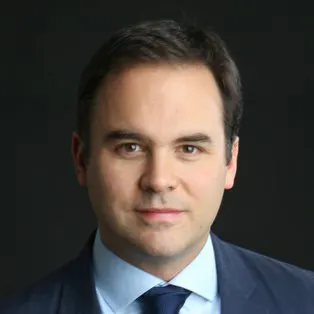
New York Times reporter David Gelles claims in his latest book that legendary General Electric CEO Jack Welch is the root of all that's wrong with capitalism today. The title of his book is "The Man Who Broke Capitalism: How Jack Welch Gutted the Heartland and Crushed the Soul of Corporate America – And How to Undo His Legacy." Mr. Gelles says while Welch made G.E. the most valuable company on Earth, his strategies ultimately destroyed what he loved so dearly. Learn more about your ad choices. Visit megaphone.fm/adchoices

Ep. 70 Author & Essayist Lance Morrow
Lance Morrow is an author, writer, and essayist. He joined Time magazine in 1965. During his time there, Morrow covered the Detroit riots, the Vietnam War, the Nixon administration, and the Watergate scandal. In 1976 he became a regular writer of essays for Time magazine and wrote more "Man of the Year" cover articles than any other reporter. From 1996 to 2006, he was a professor at Boston University. His several books include "Evil: An Investigation," "God and Mammon," and his latest, "The Noise of Typewriters," to be issued in January of 2023. Learn more about your ad choices. Visit megaphone.fm/adchoices

Ep. 69 Beverley Eddy, "Ritchie Boy Secrets"
According to Beverley Driver Eddy, little has been written about Camp Ritchie, Maryland. Dickinson College retired professor Eddy says in her book "Ritchie Boy Secrets" that on June 19, 1942, the U.S. Army opened a secret military intelligence training center. Over the next four years, it produced some 20,000 graduates, intelligence and language specialists, for service in World War Two. Some of the famous names of men who were Ritchie Boys include J.D. Salinger, former senators John Chafee and Frank Church, David Rockefeller, and Reverend William Sloan Coffin. Learn more about your ad choices. Visit megaphone.fm/adchoices
Presidential Recordings Trailer: Season 2 President Richard Nixon
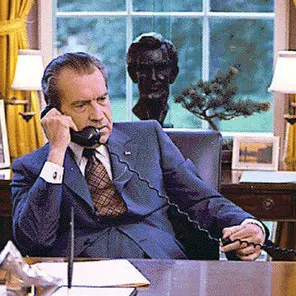
At least 6 U.S. Presidents recorded conversations while in office. Hear those conversations on this C-SPAN podcast. Season 2 focuses on President Richard Nixon's secretly-recorded private telephone conversations. Through eight episodes, hear Richard Nixon talk with key aides about Watergate strategy, potential Supreme Court Nominees, and hear his reaction to the leaked publication of the Pentagon Papers. Learn more about your ad choices. Visit megaphone.fm/adchoices

Ep. 68 Thomas Kidd, "Thomas Jefferson"
Historian Thomas Kidd, a professor at Midwestern Baptist Theological Seminary in St. Louis, opens his newest book, "Thomas Jefferson: A Biography of Spirit and Flesh," this way: "This is a biography of a brilliant but troubled person. Thomas Jefferson would seem to need no introduction, yet among the Founding Fathers he is the greatest enigma – and the greatest source of controversy." Professor Kidd also writes that "Jefferson left a massive collection of carefully curated papers, but he seems virtually unknowable as a man." Mr. Jefferson was our third president and the principal author of the Declaration of Independence. Learn more about your ad choices. Visit megaphone.fm/adchoices
Ep. 67 David S. Brown, "The First Populist"
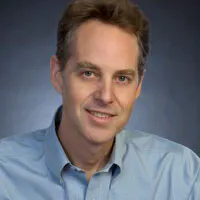
Elizabethtown College professor David S. Brown is the author of a new book on former president Andrew Jackson. Professor Brown writes that Jackson was the first president to be born in a log cabin, to live beyond the Appalachians, and to rule, so he swore, in the name of the people. The title of the book is "The First Populist: The Defiant Life of Andrew Jackson." He was president for two terms, eight years, from 1829-1837. Jackson, in his lifetime, was a jurist, a general, a congressman, a senator, and America's seventh president. Learn more about your ad choices. Visit megaphone.fm/adchoices
Ep. 66 Bruce Oudes, "From: The President-Richard Nixon's Secret Files"
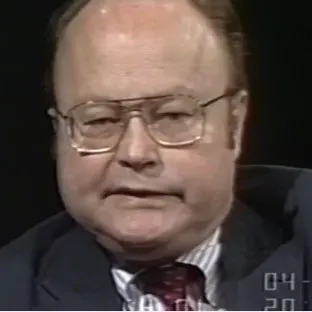
Booknotes the television program started in April of 1989. Our third guest was journalist Bruce Oudes. His book was titled "From: The President-Richard Nixon's Secret Files." Because the 50th anniversary of the Watergate break-in is on June 17th, Booknotes+ is revisiting Mr. Oudes' book, which contains over 600 pages of previously unreleased memoranda from Richard Nixon and aides during the six years of his presidency. Bruce Oudes took a deep dive into over 3.5 million pages of material that were housed at a government warehouse in Alexandria, Virginia. Learn more about your ad choices. Visit megaphone.fm/adchoices

Ep. 65 Author and Historian Harold Holzer on Abraham Lincoln
Any follower of C-SPAN knows the name Harold Holzer, a lifelong aficionado and chronicler of Abraham Lincoln. He has either written or edited fifty-four books on America's 16th president. President Lincoln has been Mr. Holzer's avocation over these many years while he maintained full-time work and responsibilities for twenty-three of those years as senior vice president for public affairs at the Metropolitan Museum of Art in New York City. He currently serves as director of Hunter College's Roosevelt House Public Policy Institute. Recently, he talked about his favorite pastime, Mr. Lincoln, before an audience at Purdue University. Students were able to ask many questions about Abraham Lincoln and how the media has treated some of the other forty-five presidents in our country's history. Learn more about your ad choices. Visit megaphone.fm/adchoices

Ep. 64 Andrew Kaufman on Russian Writer Leo Tolstoy
Not a day goes by that Russia is not in the news, especially since the February 24th invasion of Ukraine. In the history of Russia, one of the most familiar figures, especially in the world of writing and writers, is Leo Tolstoy. He's best known for two novels, "War & Peace" (1869) and "Anna Karenina" (1878). He lived for 82 years, had 13 children, was married for 48 years, and left his wife just before he died in 1910. We asked University of Virginia professor Andrew Kaufman, author of two books on Tolstoy, to give us his take on Russia and Tolstoy's attitude toward war. Learn more about your ad choices. Visit megaphone.fm/adchoices

Ep. 63 Olivier Zunz, "The Man Who Understood Democracy"
Professor Olivier Zunz has been a professor of history at the University of Virginia since 1979. He was born and raised in France and received his Ph.D. from Pantheon Sorbonne University in Paris in 1977. Alexis de Tocqueville (TOKE-vihl) was also a Frenchman. At 25, Tocqueville traveled throughout the United States for nine months and recorded his experiences in the well-known 1835 book "Democracy in America." Professor Zunz has just published the newest book on Tocqueville titled "The Man Who Understood Democracy." Learn more about your ad choices. Visit megaphone.fm/adchoices

Ep. 62 Joe Madison, "Radio Active"
Joe Madison has hosted a radio talk show for over 40 years. He's known to his audience as the "Black Eagle" and can be heard daily on SiriusXM radio. A native of Dayton, Ohio, and a graduate of Washington University in St. Louis, Mr. Madison started his professional life as an activist. One of his first jobs was working for the NAACP as political director under the leadership of Ben Hooks. Joe Madison angered both his allies and adversaries when he organized a boycott against Dearborn, Michigan, when that city prohibited nonresidents, including African-Americans in Detroit, from visiting its public parks. This story and many other are included in his memoir titled, "Radio Active." Learn more about your ad choices. Visit megaphone.fm/adchoices

Ep. 61 Megan McArdle, Washington Post Columnist
Megan McArdle has been a columnist for the Washington Post since 2018. She has described herself as a right-leaning libertarian. At the same time, she says she's actually a social liberal. Megan McArdle graduated from the University of Pennsylvania with a degree in English literature in 1994 and worked for several start-ups before getting an MBA from the University of Chicago. She started her professional writing career as a blogger in November 2001. Since then, Ms. McArdle has written for the Economist, the Atlantic, Newsweek, and Bloomberg View. In a recent column in the Washington Post, writing about today's journalism, she said: "We are not trusted because we are not entirely trustworthy." Learn more about your ad choices. Visit megaphone.fm/adchoices

Ep. 60 Deborah Cohen, "Last Call at the Hotel Imperial"
The book is called "Last Call at the Hotel Imperial: The Reporters Who Took on a World at War." The author is Deborah Cohen, a professor at Northwestern University. Prof. Cohen primarily focuses on four American journalists who traveled the world in the 1920s, 30s, and 40s: H.R. Knickerbocker, Vincent "Jimmy" Sheean, Dorothy Thompson, and John Gunther. These reporters landed exclusive interviews with Hitler, Mussolini, Nehru and Gandhi and helped shape what Americans at the time knew about the world. Learn more about your ad choices. Visit megaphone.fm/adchoices

Ep. 59 Dr. Thomas Fisher, "The Emergency"
For the past twenty years, Dr. Thomas Fisher has worked in the emergency department at the University of Chicago Medical Center, serving the same South Side community in which he was raised. During the past two years of COVID-19, he decided to write about his experience in a large urban hospital emergency room. He says that at the end of a shift he was haunted by the confusion in the eyes of his patients. He asks a couple of questions that they probably are thinking: Who is this man treating them from behind a mask? Why do they have to wait so many hours to be treated? Dr. Fisher attempts to answer these and many other questions in his book "The Emergency: A Year of Healing and Heartbreak in a Chicago ER." Learn more about your ad choices. Visit megaphone.fm/adchoices

Ep. 58 Jeffrey Frank, "The Trials of Harry S. Truman"
In Jeffrey Frank's recent book titled "The Trials of Harry S. Truman," he reports that at his low point in his time as president, Truman's popularity rating was at 16 percent. However, seventy years later, according to the latest C-SPAN survey, he was ranked sixth most effective of 44 U.S. presidents. Jeffrey Frank, whose career includes professional years at the Washington Post and the New Yorker magazine, has written the first full account of the Truman presidency in nearly 30 years. The book's subtitle reflects the theme of the biography: "The Extraordinary Presidency of an Ordinary Man, 1945-1953." Learn more about your ad choices. Visit megaphone.fm/adchoices

Ep. 57 Christopher Leonard, "The Lords of Easy Money"
The book is titled "The Lords of Easy Money: How the Federal Reserve Broke the American Economy." The author is Christopher Leonard, the current director of the Watchdog Writers Group at the University of Missouri School of Journalism. On the dust jacket of the book it says: "If you ask most people what forces led to today's income inequality and financial crashes, no one would say the Federal Reserve." Christopher Leonard explains why so few people understand the language or inner workings of how American money is managed by a seven-member board in Washington, DC. Learn more about your ad choices. Visit megaphone.fm/adchoices

Ep. 56 University of Virginia Student Emma Camp on Self-Censorship at College
Emma Camp is a 22-year-old senior at the University of Virginia in Charlottesville, home of Thomas Jefferson. She calls herself a liberal and has written opinion pieces for the school newspaper, The Cavalier Daily. Back in October of 2020, Ms. Camp had some strong things to say about the First Amendment. She wrote that: "The first amendment does not exist to protect reasonable opinions — it exists to protect the unreasonable, the offensive, and the unpopular." In March of 2022, she moved her opinions to a national platform, the New York Times op-ed page. We asked her to tell us what is behind her statement: "I went to college to learn from my professors and peers. I welcomed an environment that champions intellectual diversity and rigorous disagreement. Instead, my college experience has been defined by strict ideological conformity." Learn more about your ad choices. Visit megaphone.fm/adchoices

Ep. 55 Jeffrey Hooke, "The Myth of Private Equity"
The list is long and, to a lot of people, confusing. We're talking about the language of money. How would you do if you had to define the following: stocks, bonds, private equity, index funds, leveraged buyouts, venture capital, hedge funds and sovereign wealth funds, just to name a few. We asked Jeffrey Hooke, author of "The Myth of Private Equity," to give us some help in understanding the world of investment and finance. Mr. Hooke is a senior lecturer at Johns Hopkins Business School and has spent all of his adult life in and around money. Learn more about your ad choices. Visit megaphone.fm/adchoices

Ep. 54 John Mearsheimer on Ukraine, International Relations, and the Military
During his 40 years in the political science department at the University of Chicago, John Mearsheimer has not avoided controversy. His article and subsequent book about the Israel lobby, for example, written with Harvard University's Stephen Walt, caused a stir in 2006 and 2007. More recently, at the beginning of March 2022, the New Yorker ran a headline that read: "Why John Mearsheimer Blames the U.S. for the Crisis in Ukraine." We asked Prof. Mearsheimer to explain that and talked to him about being a realist, his military service, and his time in academia. Learn more about your ad choices. Visit megaphone.fm/adchoices
Ep. 53 Mark Vonnegut, "The Heart of Caring"
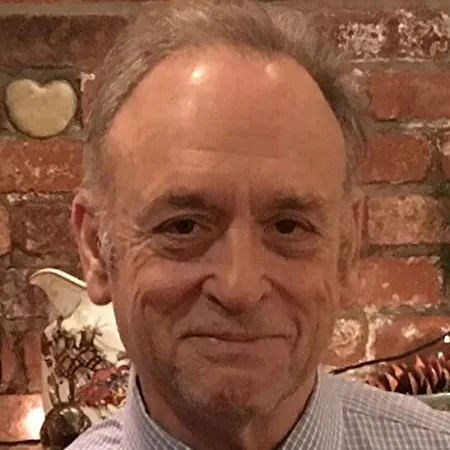
In the dedication of his book, "The Heart of Caring," Dr. Mark Vonnegut tells his patients, teachers, and parents everywhere, "Thank you for letting me have such a good time when I go to work." Dr. Vonnegut is a pediatrician who graduated from Harvard Medical School in 1979. This was after he had been diagnosed, at age 25, with severe schizophrenia. He's had four psychotic breakdowns in his life, but has managed to successfully practice pediatrics for close to forty years. Mark Vonnegut, in his newest book, writes about patients, parents, insurance companies, and his late father, the novelist Kurt Vonnegut. Learn more about your ad choices. Visit megaphone.fm/adchoices
Ep. 52 Willard Sterne Randall, "The Founders' Fortunes"
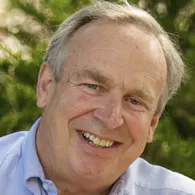
What is the financial history of the Founding Fathers? How did their personal finances affect the Constitution and the new United States? Historian and Champlain College professor emeritus Willard Sterne Randall puts the focus on how money shaped the birth of America in his book "The Founders' Fortunes." Prof. Randall has written books about Benjamin Franklin, Benedict Arnold, Thomas Jefferson, George Washington, Alexander Hamilton and Ethan Allen. He has now turned his attention on these and other Founders and how they made and lost their money. Learn more about your ad choices. Visit megaphone.fm/adchoices
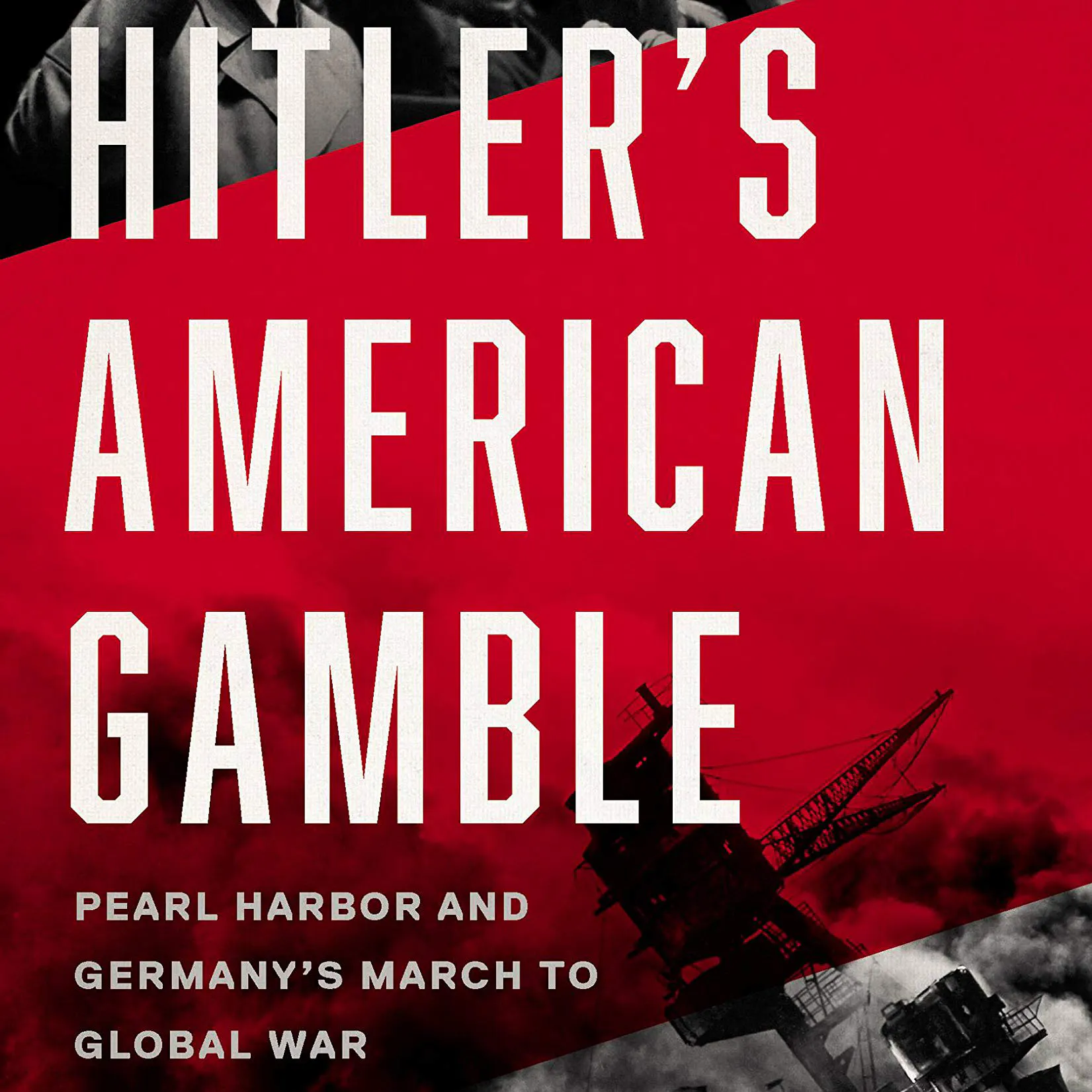
Ep. 51 Brendan Simms & Charlie Laderman, "Hitler's American Gamble"
The book "Hitler's American Gamble" recounts the five days in 1941 that upended everything. Starting with Japan's attack on Pearl Harbor on December 7th and ending with Hitler's declaration of war on the United States on December 11th, British historians Brendan Simms and Charlie Laderman trace the developments during the five days in real-time and reveal how America's engagement in World War Two was far from inevitable. Learn more about your ad choices. Visit megaphone.fm/adchoices

Ep. 50 Clarence Lusane on the 1967 Detroit Race Riot, His Life & Work
July 23rd of this year will mark the 55th anniversary of the Detroit Race Riot. Forty-three people died and more than 1000 were injured during that chaotic week in 1967. Our guest, Professor Clarence Lusane was there. His mother and sister were shot. We talked to him about that experience and about his academic career and activism, which has taken him around the world. Clarence Lusane is currently a professor of political science at Howard University in Washington, DC. Learn more about your ad choices. Visit megaphone.fm/adchoices

Ep. 49 Dwight Chapin, "The President's Man"
"I knew Richard Nixon well." At age 81, Dwight Chapin has decided, for the first time, to write about his years in politics and the Nixon White House. His book is called "The President's Man: The Memoirs of Nixon's Trusted Aide." In the first chapter, he writes: "I started working for him as an organizational field man during his 1962 California gubernatorial campaign….I became an advance man at the beginning of the 1966 off-year election cycle and then his personal aide in 1967. In the White House, as his appointments secretary, I had the office next to his." Unfortunately for Chapin, as he explains later, his time working for Richard Nixon didn't end well. Learn more about your ad choices. Visit megaphone.fm/adchoices
Ep. 48 Andrew Roberts, "The Last King of America"
British historian Andrew Roberts, in the introduction of his latest book called "The Last King of America," about King George III, says the following: "This portrait of a heartless, absolute sovereign is repeated almost every single day in America's print and online media. Even two centuries after his death, hardly a day passes in the United States without some reference to George III where he is still held up as an…archetypal bogeyman, attacked in the same measure by Democrats and Republicans alike." Andrew Roberts, who says the Revolutionary War-era English king was misunderstood, has also written major histories about Napoleon, Churchill, and World War Two. Learn more about your ad choices. Visit megaphone.fm/adchoices

Ep. 47 Bethany McLean on Elizabeth Holmes & Theranos
In early 2001, Bethany McLean, at the time a reporter for Fortune magazine, asked the question in an article: "How does Enron make its money?" McLean's reporting, and the reporting of others, led to inquiries that were put to the Enron management. Within a few months, the company was bankrupt. Bethany McLean's subsequent book, "The Smartest Guys in the Room," became a bestseller and a successful documentary. In January 2022, she wrote about her reaction to the Theranos saga. In an essay about the trial of Theranos founder Elizabeth Holmes, she wrote, "For those who believe she was guilty of a great crime, it's a disappointing verdict." She joined us to talk about it. Learn more about your ad choices. Visit megaphone.fm/adchoices
Ep. 46 Debby Applegate, "Madam"
On the dust jacket of Debby Applegate's book "Madam," it says "Simply put: Everybody came to Polly's." Polly being Polly Adler, the madam of some of the most popular brothels in New York City during the 1920s. It was a hangout for politicians, entertainers, writers, and members of the city's underworld. According to Debby Applegate, Polly's pals included FDR, Frank Sinatra, Desi Arnaz, and Duke Ellington, among many others. She joined us to talk about Polly Adler and the power Adler wielded in New York City during the Jazz Age. Learn more about your ad choices. Visit megaphone.fm/adchoices
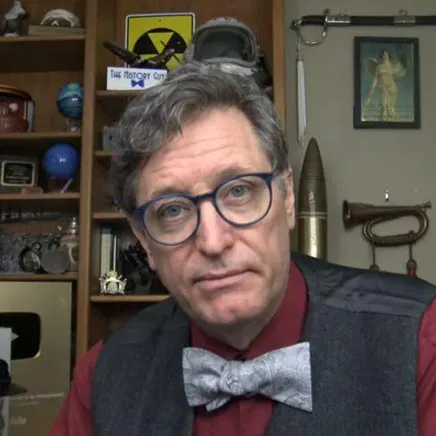
Ep. 45 Lance Geiger, The History Guy
In March of 2017, Lance Geiger, from the basement of his house in O'Fallon, Illinois, created a new business, a YouTube show that is now regularly seen by hundreds of thousands of people. Since that day in 2017, Geiger has been known as "The History Guy." He has produced hundreds of short documentaries on history. In his home studio, "The History Guy" is surrounded by artifacts, including military hats and ship models, and he's always dressed in his trademark dark suit, dark-rimmed glasses, and bow tie. Lance Geiger joined us to talk about the genesis of the "The History Guy" program, the work involved in putting out three episodes a week, and the success the show has attained over the past five years. Learn more about your ad choices. Visit megaphone.fm/adchoices
Ep. 44 John Berresford, The Hiss-Chambers Espionage Case
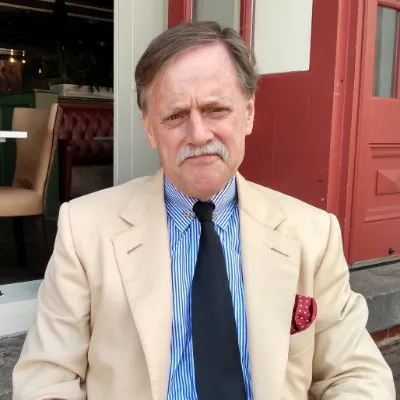
The first ever televised congressional hearing was on August 3, 1948. The first witness was a man who said he didn't want to be there. He had been subpoenaed to testify before the House Committee on Un-American Activities (HUAC). His name was Whittaker Chambers, an American who had been a Communist spy for the Soviet Union in the 1930s. We spoke to DC-based attorney John Berresford, who has spent years studying Chambers and the story and trial of the man Chambers accused of also being a Communist spy, Alger Hiss. Mr. Berresford has presented the story of the Hiss-Chambers espionage case in a series of 38 lectures on YouTube. Learn more about your ad choices. Visit megaphone.fm/adchoices

Ep. 43 James Golden, "Rush on the Radio"
"What's your question or comment for Rush?" That is how James Golden – aka Bo Snerdley – would greet callers to Rush Limbaugh's daily, 3-hour radio program. Mr. Golden has written a book about his time as call screener, official show observer, and producer of the most popular talk radio show in America during the past three decades. Rush Limbaugh died on February 17, 2021. In his book "Rush on the Radio," which Mr. Golden says is a tribute to his former boss and friend, he writes about his love of radio and how the Limbaugh program came together behind the scenes. Learn more about your ad choices. Visit megaphone.fm/adchoices

Ep. 42 Isabel Wilkerson, "The Warmth of Other Suns"
Between 1915 and 1970, six million African Americans moved from the rural South to cities in the North in search of a better life. Author Isabel Wilkerson captured the history of that mass movement, known as the Great Migration, in her Pulitzer Prize-winning book "The Warmth of Other Suns." She sat down with us in 2010 to talk about the book and the approach she took to tell the story. Learn more about your ad choices. Visit megaphone.fm/adchoices

Ep. 41 Jay Cost, "James Madison"
In 1787, between May and September, James Madison gave 167 speeches, made 72 motions, and served on four committees at the Constitutional Convention in Philadelphia. Jay Cost writes that "most importantly, Madison authored the Virginia Plan, a bold call for a total redesign of the national government that set the agenda for the convention and established the foundation upon which the Constitution would be built." At that time, James Madison was 36 years old. Jay Cost, a senior fellow at the American Enterprise Institute, and author of "James Madison: America's First Politician," joined us to talk about the influential Founding Father. Learn more about your ad choices. Visit megaphone.fm/adchoices
Ep. 40 Roosevelt Montás, "Rescuing Socrates"
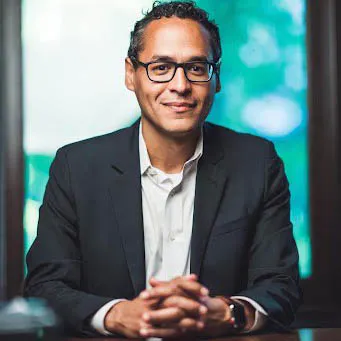
Roosevelt Montás came to the United States from the Dominican Republic in 1985 at the age of twelve. He couldn't speak a word of English. He eventually went on get a Ph.D. in English and Comparative Literature from Columbia University, where he currently teaches. Prof. Montás joined us to talk about his latest book, "Rescuing Socrates," in which he chronicles his journey and explains how books by St. Augustine, Socrates, Freud and Gandhi changed his life. Learn more about your ad choices. Visit megaphone.fm/adchoices
Ep. 39 Ty Seidule, "Robert E. Lee and Me"
"Many people don't want to believe that the citizens of the Southern states were willing to fight and die to preserve the morally repugnant institution of slavery. There has to be another reason, we are told. Well, there isn't." Those are the words of retired Southern-born Army general Ty Seidule, who taught at West Point for two decades. Gen. Seidule, author of "Robert E. Lee and Me," grew up revering Confederate general Robert E. Lee and believing in the Lost Cause, but eventually grew to view Confederate soldiers, including Lee, as "traitors for slavery." He joined us to talk about his transformation and the reaction he received when he made his views public. Learn more about your ad choices. Visit megaphone.fm/adchoices