Shooting an Elephant: An Engaging Audio Summary of Orwell's Powerful Essay
1 What's Shooting an Elephant In "Shooting an Elephant," George Orwell explores the themes of imperialism, colonialism, and the moral dilemmas faced by individuals in positions of power. Set in colonial Burma, the narrative follows Orwell, a British...
March 19, 20254m 4s
Audio is streamed directly from the publisher (api.spreaker.com) as published in their RSS feed. Play Podcasts does not host this file. Rights-holders can request removal through the copyright & takedown page.
Show Notes
1 What's Shooting an Elephant
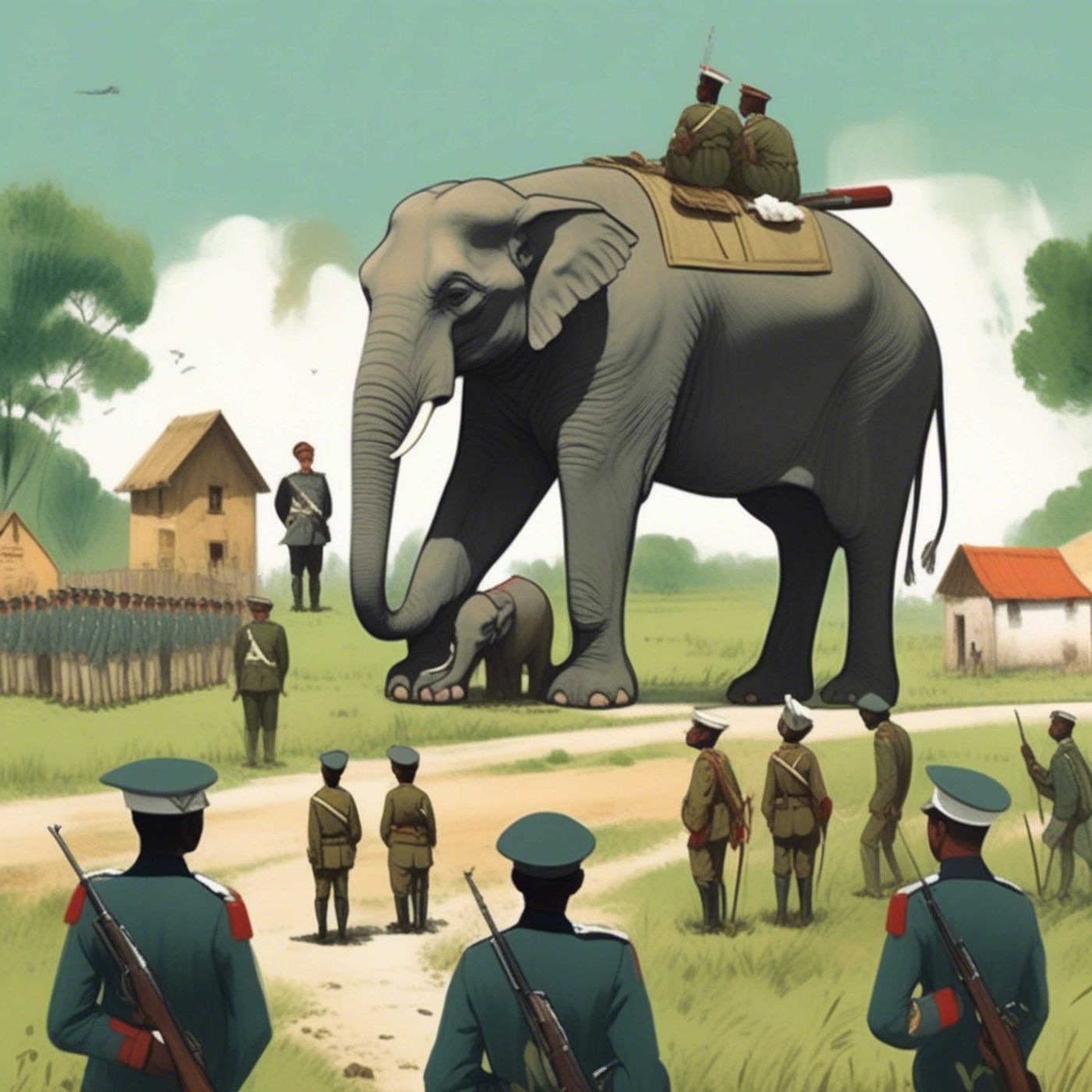
In "Shooting an Elephant," George Orwell explores the themes of imperialism, colonialism, and the moral dilemmas faced by individuals in positions of power. Set in colonial Burma, the narrative follows Orwell, a British police officer, who grapples with his role in enforcing imperial authority while feeling alienated from the local population. When called to deal with an elephant that has caused chaos, he faces immense pressure from the local Burmese crowd to act decisively, ultimately leading him to shoot the elephant despite his personal moral objections. The story underscores the conflicting nature of colonial power, the burden of expectations, and the complexities of personal choice within a repressive system.
2 Key Concepts of Shooting an Elephant
In Chapter 1 of "Shooting an Elephant," George Orwell introduces the theme of colonialism and the moral dilemma faced by the colonial officer. This theme is further explored in Chapters 2 and 3, where Orwell discusses the expectations and pressures of imperial power, along with the internal conflict he experiences regarding his role in the oppressive system. The climax in Chapter 4, where he eventually shoots the elephant, encapsulates the theme of the burdens of colonial authority and the loss of personal integrity in the face of societal expectations.
3 In-Depth Chapter Analysis of Shooting an Elephant by George Orwell
In George Orwell's "Shooting an Elephant," the narrative is structured as a reflective essay rather than traditional chapters; however, it can still be analyzed in sections that highlight pivotal moments connected to its overarching themes. The initial setting establishes the tension between imperial authority and the local populace in colonial Burma. The narrator, representing British colonial officers, grapples with the expectations placed upon him by the locals, who anticipate a display of power when an elephant causes chaos. This anticipatory conflict showcases the theme of imperialism's moral complexities, as Orwell reveals the internal struggle between personal ethics and the necessitated role of an oppressor.
Moving towards the climax, the narrator's decision to shoot the elephant delineates the profound loss of individuality in the face of societal and imperial expectations. Despite his reluctance and awareness of the elephant's pain, he succumbs to the pressure of the crowd, thus highlighting the theme of control—both over oneself and over the colonized. The act of killing the elephant serves as a metaphor for the destructive nature of colonialism, both on the colonizers and the colonized, as the narrator realizes he is a prisoner of his own reputation. This critical moment encapsulates Orwell's commentary on the dehumanizing effects of imperialism, illustrating how power dynamics distort ethical judgment.
1.Listen Shooting an Elephant Audiobook summary at Bookey
2.Buy Shooting an Elephant at Amazon
3.Buy Shooting an Elephant at Kobo
4.Search Shooting an Elephant at worldcat
In "Shooting an Elephant," George Orwell explores the themes of imperialism, colonialism, and the moral dilemmas faced by individuals in positions of power. Set in colonial Burma, the narrative follows Orwell, a British police officer, who grapples with his role in enforcing imperial authority while feeling alienated from the local population. When called to deal with an elephant that has caused chaos, he faces immense pressure from the local Burmese crowd to act decisively, ultimately leading him to shoot the elephant despite his personal moral objections. The story underscores the conflicting nature of colonial power, the burden of expectations, and the complexities of personal choice within a repressive system.
2 Key Concepts of Shooting an Elephant
In Chapter 1 of "Shooting an Elephant," George Orwell introduces the theme of colonialism and the moral dilemma faced by the colonial officer. This theme is further explored in Chapters 2 and 3, where Orwell discusses the expectations and pressures of imperial power, along with the internal conflict he experiences regarding his role in the oppressive system. The climax in Chapter 4, where he eventually shoots the elephant, encapsulates the theme of the burdens of colonial authority and the loss of personal integrity in the face of societal expectations.
3 In-Depth Chapter Analysis of Shooting an Elephant by George Orwell
In George Orwell's "Shooting an Elephant," the narrative is structured as a reflective essay rather than traditional chapters; however, it can still be analyzed in sections that highlight pivotal moments connected to its overarching themes. The initial setting establishes the tension between imperial authority and the local populace in colonial Burma. The narrator, representing British colonial officers, grapples with the expectations placed upon him by the locals, who anticipate a display of power when an elephant causes chaos. This anticipatory conflict showcases the theme of imperialism's moral complexities, as Orwell reveals the internal struggle between personal ethics and the necessitated role of an oppressor.
Moving towards the climax, the narrator's decision to shoot the elephant delineates the profound loss of individuality in the face of societal and imperial expectations. Despite his reluctance and awareness of the elephant's pain, he succumbs to the pressure of the crowd, thus highlighting the theme of control—both over oneself and over the colonized. The act of killing the elephant serves as a metaphor for the destructive nature of colonialism, both on the colonizers and the colonized, as the narrator realizes he is a prisoner of his own reputation. This critical moment encapsulates Orwell's commentary on the dehumanizing effects of imperialism, illustrating how power dynamics distort ethical judgment.
1.Listen Shooting an Elephant Audiobook summary at Bookey
2.Buy Shooting an Elephant at Amazon
3.Buy Shooting an Elephant at Kobo
4.Search Shooting an Elephant at worldcat
Topics
classicsessayshistorynonfictionpoliticsschoolshortstories