
Bookey Best Book Summary App
100 episodes — Page 1 of 2

Ep 913About My Mother: Insights and Reflections on Family
Chapter 1 What's About My Mother "About My Mother" by Peggy Rowe is a heartfelt memoir that reflects on the author's relationship with her mother, highlighting the complexities of familial bonds, love, and personal identity. Through a series of poignant anecdotes, Rowe explores her mother's influence on her life, revealing the lessons learned and the enduring legacy of their shared experiences. The book captures the warmth and wisdom of motherhood, while also addressing the challenges and nuances that come with it, ultimately celebrating the profound impact a mother can have on her child. Chapter 2 The Background of About My Mother "About My Mother" by Peggy Rowe is a poignant memoir that explores the author's relationship with her mother against the backdrop of American family dynamics and cultural shifts of the mid-20th century. Rowe's writing reflects the complexities of maternal bonds, navigating themes of love, sacrifice, and resilience during a time when traditional gender roles and family structures were evolving. The author's intention is to capture the essence of her mother's character and the life lessons imparted through their experiences, inviting readers to connect with the universal struggles and joys of motherhood and family life. Through her heartfelt storytelling, Rowe not only honors her mother's legacy but also encourages reflection on the impact of familial relationships in shaping personal identity. Chapter 3 Quotes of About My Mother About My Mother quotes as follows: "About My Mother" by Peggy Rowe is a heartfelt memoir that reflects on her relationship with her mother and the life lessons she's learned. Here are ten notable quotes from the book: "My mother taught me that love is an action, not just a feeling." "In her eyes, every challenge was an opportunity to grow." "She had a way of making the mundane feel extraordinary." "Laughter was her favorite language, and she spoke it fluently." "To her, kindness was the most important virtue, and she lived by that rule." "My mother showed me that strength comes in many forms, often disguised as gentleness." "Every recipe she passed down came with a side of wisdom and a pinch of humor." "She embraced life with open arms, reminding me to do the same." "Her stories were the threads that wove our family tapestry together." "Even in her silence, she taught me the power of presence and understanding." These quotes capture the essence of the relationship described in the memoir, highlighting themes of love, strength, humor, and the lasting impact of a mother's influence. Book Summary Audio Bookey https://www.bookey.app/audiobook/about-my-mother Quotes https://www.bookey.app/book/about-my-mother/quote YouTube https://www.youtube.com/watch?v=4sgKooDP6K8 Amazon https://www.amazon.com/About-My-Mother-Horse-Crazy-Baseball-Obsessed/dp/1948677164 Goodreads https://www.goodreads.com/book/show/40695536-about-my-mother

Ep 912A Word So Fitly Spoken: Insights and Overview
Chapter 1 What's A Word So Fitly Spoken "A Word So Fitly Spoken" is a short essay by T.E. Lawrence that reflects on the power of words and their ability to connect, inspire, and influence people. Lawrence emphasizes the importance of language, noting that carefully chosen words can resonate deeply with listeners and convey profound truths. He suggests that effective communication requires not only skill but also an understanding of the human experience, as the right words can bridge gaps and foster understanding among individuals. Ultimately, the piece celebrates the art of eloquence and the transformative potential of well-expressed thoughts. Chapter 2 The Background of A Word So Fitly Spoken "A Word So Fitly Spoken" is a collection of essays and writings by T.A. Lawrence, also known as Lawrence of Arabia, who was an influential figure during the early 20th century. Written during a time when British imperialism was prominent, particularly in the Middle East, Lawrence's work reflects his deep engagement with the complexities of identity, culture, and the political landscape of the region. Originally intended to articulate the nuances of communication and the importance of language in diplomacy and warfare, Lawrence's essays reveal his concern for the consequences of imperialism and his appreciation for the linguistic and cultural richness of the peoples he encountered. His insights remain relevant as they explore the intersections of power, ethics, and personal reflection in a rapidly changing world. Chapter 3 Quotes of A Word So Fitly Spoken A Word So Fitly Spoken quotes as follows: Here are ten notable quotes from T.E. Lawrence, also known as Lawrence of Arabia, reflecting his thoughts and insights: "All men dream, but not equally. Those who dream by night in the dusty recesses of their minds, wake in the day to find that it was vanity: but the dreamers of the day are dangerous men, for they may act on their dreams with open eyes, to make them possible." "To have a grievance is to have a purpose." "There is nothing noble in being superior to your fellow man; true nobility is being superior to your former self." "The trick, William Potter, is not minding that it hurts." "A soldier is a man who puts himself in harm's way without the hope of reward. A soldier is also one who accepts that he may die without the chance to defend himself." "The very best way to make your dreams come true is to wake up." "If you spare your brush, you will spoil your painting." "The hardest thing in the world is to persuade a man to think for himself." "Better the most simple act of truth than the most elaborate lie." "It is only those who do nothing that make no mistakes." These quotes encapsulate T.E. Lawrence's complex thoughts on ambition, truth, and the human condition. Book Summary Audio Bookey https://www.bookey.app/audiobook/a-word-so-fitly-spoken Quotes https://www.bookey.app/book/a-word-so-fitly-spoken/quote YouTube https://www.youtube.com/watch?v=QWS4bu4UNFA Amazon https://www.amazon.com/Word-Fitly-Spoken-Severed-Realms/dp/1737424355 Goodreads https://www.goodreads.com/book/show/62688179-a-word-so-fitly-spoken

Ep 911A Rebel in Auschwitz: A Tale of Resistance and Hope
Chapter 1 What's A Rebel in Auschwitz "A Rebel in Auschwitz" by Jack Fairweather tells the gripping true story of Witold Pilecki, a courageous Polish resistance fighter who intentionally imprisoned himself in Auschwitz to gather intelligence and organize resistance against the Nazis. Through his journal entries, Pilecki chronicles the brutal realities of life in the camp while rallying fellow prisoners to resist their oppressors. Fairweather's narrative not only highlights Pilecki's bravery and resourcefulness but also sheds light on the harrowing conditions of the Holocaust, ultimately portraying the profound human spirit in the face of unimaginable evil. Chapter 2 The Background of A Rebel in Auschwitz "A Rebel in Auschwitz" by Jack Fairweather examines the harrowing experiences within the infamous Nazi concentration camp during World War II, focusing on the life of Witold Pilecki, a Polish resistance fighter who voluntarily went to Auschwitz to gather intelligence and organize an uprising against the oppressors. The book is set against a backdrop of widespread brutality and dehumanization, highlighting the courage and resilience of those who resisted the totalitarian regime. Fairweather's intention in writing this narrative was to shed light on a largely overlooked story of heroism, emphasizing the moral complexities and choices faced by individuals in the fight against tyranny, ultimately contributing to a broader understanding of the Holocaust and the varied forms of resistance that emerged during this dark chapter in history. Chapter 3 Quotes of A Rebel in Auschwitz A Rebel in Auschwitz quotes as follows: Here are some notable quotes from "A Rebel in Auschwitz" by Jack Fairweather that encapsulate the themes of resistance, survival, and the human spirit during the Holocaust: "In the face of unimaginable horror, the human spirit can still rise, and courage can take many forms." "Each act of defiance, no matter how small, was a testament to the resilience of the human soul." "Auschwitz was designed to strip away dignity, yet within its walls, a flicker of rebellion ignited hope." "The struggle against oppression is not merely physical; it’s an affirmation of existence." "Survival often means not just enduring suffering, but also finding ways to resist it." "Heroes can be found in the most unexpected places, in the hearts of those who dare to stand against evil." "In the darkest of times, a single courageous act can inspire a thousand others." "The legacy of those who fought back in Auschwitz is a powerful reminder of the importance of standing up against tyranny." "Memory is a form of resistance; to remember is to honor those who suffered and to commit to a better future." "Even in the depths of despair, solidarity could forge connections that transcended the barriers set by the oppressors." These quotes reflect the essence of Fairweather's narrative, focusing on the importance of resistance and the enduring strength of the human spirit amidst horrific circumstances. Book Summary Audio Bookey https://www.bookey.app/audiobook/a-rebel-in-auschwitz YouTube https://www.youtube.com/watch?v=kCRMYYPFmjo Amazon https://www.amazon.com/Rebel-Auschwitz-Resistance-Fought-Scholastic/dp/1338686933 Goodreads https://www.goodreads.com/book/show/55977903-a-rebel-in-auschwitz

Ep 910A Long Time Coming: Summary of Elkins' Historical Mystery
Chapter 1 What's A Long Time Coming "A Long Time Coming" by Aaron Elkins is a mystery novel featuring forensic anthropologist Gideon Oliver. In this installment, Oliver is drawn into a complex investigation when a body is discovered at an archaeological site in Washington State. As he delves into the past and uncovers long-buried secrets, he faces challenges that test his expertise and intuition. The narrative combines elements of suspense, historical intrigue, and a deep exploration of human relationships, all while highlighting the intricate connections between archaeology and modern crime-solving. Chapter 2 The Background of A Long Time Coming "A Long Time Coming" is a mystery novel by Aaron Elkins set against the backdrop of the evolving social context of the late 20th century, particularly reflecting on themes of identity, race, and the complexities of personal history. Elkins, who is known for his expertise in forensic anthropology, likely intended to weave a narrative that not only entertains but also explores deeper social issues through the lens of a gripping investigation. The book's plot intertwines elements of history and personal discovery, showcasing the impact of past events on contemporary lives. Elkins’ background in forensics informs the attention to detail and authenticity in the character's struggles with their heritage and the societal implications of their findings. Chapter 3 Quotes of A Long Time Coming A Long Time Coming quotes as follows: Here are ten memorable quotes from "A Long Time Coming" by Aaron Elkins: "Every mystery has a story that’s waiting to be told, just beneath the surface." "Sometimes, the past doesn't just follow you—it haunts you." "Truth is often buried under layers of deception." "The threads of history are woven tightly; pull one, and the whole tapestry may unravel." "To find justice, one sometimes has to walk through darkness." "The human heart is a labyrinth of secrets, each twist revealing a new shadow." "In the end, it’s not the answers that matter, but the questions we dare to ask." "Memory is a tricky thing; sometimes it reveals what we want to forget." "Courage isn’t the absence of fear; it’s the resolve to face it." "Every answer leads to another question, forming an endless cycle of discovery." Book Summary Audio Bookey https://www.bookey.app/audiobook/a-long-time-coming YouTube https://www.youtube.com/watch?v=CsaScBcF7kw Amazon https://www.amazon.com/Long-Time-Coming-Meghan-Quinn-ebook/dp/B0BDW9C3JY Goodreads https://www.goodreads.com/book/show/62626163-a-long-time-coming

Ep 909Anxiously Attached: Understanding Relationships and Emotional Connections
Chapter 1 What's Anxiously Attached "Anxiously Attached" by Jessica Baum is a book that explores the dynamics of anxious attachment styles in relationships. It delves into how individuals with anxious attachment often experience fear of abandonment and seek constant reassurance from their partners. Baum offers insights into understanding these attachment behaviors, presents strategies for personal growth, and provides tools for fostering healthier relationships. Through a blend of personal anecdotes, psychology, and practical advice, the book aims to help readers cultivate emotional security and develop more fulfilling connections. Chapter 2 The Background of Anxiously Attached "Anxiously Attached" by Jessica Baum addresses the complexities of attachment styles in the context of modern relationships, particularly as they relate to the growing awareness of mental health and emotional well-being in contemporary society. Baum, a licensed mental health counselor and relationship expert, wrote the book to provide insight into how insecure attachment can affect personal connections and to offer practical strategies for overcoming these challenges. The rise of self-help literature and the increasing focus on emotional intelligence highlight the social context where individuals seek deeper understanding and healing in their relationships, reflecting a broader cultural movement towards awareness of psychological well-being and relational dynamics. Chapter 3 Quotes of Anxiously Attached Anxiously Attached quotes as follows: Here are ten insightful quotes from Jessica Baum that resonate with the themes of anxious attachment, relationships, and personal growth: “Anxiously attached individuals often find themselves trapped in a cycle of seeking reassurance that never truly satisfies their longing.” “Your worth is not defined by someone else’s attention. Embrace your own value first.” “Understanding the root of your anxious attachment can lead to profound healing and healthier relationships.” “Communication is the bridge between anxiety and security in relationships; learn to express your needs without fear.” “Attachment styles are not fixed; with awareness and effort, we can shift toward healthier patterns of connection.” “The journey to self-love begins with recognizing the patterns that keep us in cycles of anxiety and misunderstanding.” “When we understand our attachment style, we empower ourselves to choose partners who align with our emotional needs.” “Vulnerability is not a weakness; it’s a strength that allows for deeper connections when approached mindfully.” “Healing from anxious attachment requires compassion for ourselves and patience with the process of growth.” “As we learn to anchor ourselves in self-worth, we create a secure foundation that transforms our relationships.” These quotes encapsulate the challenges and opportunities for growth faced by those with anxious attachment styles, highlighting the importance of self-awareness and healthy communication in relationships. Book Summary Audio Bookey https://www.bookey.app/audiobook/anxiously-attached Quotes https://www.bookey.app/book/anxiously-attached/quote YouTube https://www.youtube.com/watch?v=KxA5wg1CASQ Amazon https://www.amazon.com/Anxiously-Attached-Becoming-More-Secure/dp/0593331060 Goodreads https://www.goodreads.com/book/show/59900665

Ep 908Assata: A Summary of Assata Shakur's Powerful Autobiography
Chapter 1 What's Assata "Assata: An Autobiography" is the life story of Assata Shakur, a former member of the Black Panther Party and the Black Liberation Army, who became a prominent figure in the struggle for racial justice and black empowerment in the United States. The book details her experiences growing up in New York City, her involvement in civil rights activism, her subsequent arrest and trial for murder, and her escape from prison to Cuba, where she sought asylum. Through her narrative, Shakur explores themes of systemic racism, social justice, and resilience, offering a powerful reflection on her life as an activist and the systemic oppression faced by Black individuals in America. Chapter 2 The Background of Assata "Assata: An Autobiography," published in 1987, is a powerful account of Assata Shakur's life, detailing her experiences as an African American activist during the civil rights movement and the Black liberation struggle of the 1960s and 1970s. This period was marked by significant social upheaval, characterized by widespread protests against racial injustice, police brutality, and systemic oppression. Shakur, a former member of the Black Panther Party and the Black Liberation Army, used her autobiography to highlight the struggles faced by Black Americans and to advocate for revolutionary change. Her intention was not only to document her personal journey—including her experiences of incarceration, exile, and the criminal justice system—but also to inspire activism and raise awareness about the ongoing issues of racial and social inequality. Her narrative serves as a testament to resilience in the face of a punitive state and a call for solidarity among marginalized communities. Chapter 3 Quotes of Assata Assata quotes as follows: Assata Shakur, a prominent figure in the Black liberation movement, is known for her powerful words on justice, freedom, and resistance. Here are ten notable quotes attributed to her: "It is our duty to fight for our freedom. It is our duty to win." "I am not a 'good' black woman, I am a revolutionary!" "The only way to stop racism is to stop it. It’s that simple." "I don't believe in the concept of the nonviolent movement." "We must fight back, and we must do so with a sense of human dignity." "They say that I am a criminal, but a criminal is only a criminal because the law says they are." "The only way to deal with a system that is designed to make you suffer is to struggle against it." "We must be the ones who determine our future." "I can’t imagine a day without struggle." "Nobody’s free until everybody’s free." These quotes reflect her views on activism, freedom, and the struggle against oppression. Book Summary Audio Bookey https://www.bookey.app/audiobook/assata Quotes https://www.bookey.app/book/assata/quote YouTube https://www.youtube.com/watch?v=sWmKavsU8qg Amazon https://www.amazon.com/Assata-Autobiography-Shakur/dp/1556520743 Goodreads https://www.goodreads.com/author/show/57925.Assata_Shakur

Ep 907A Game of Fate: Unraveling Destiny and Desire
Chapter 1 What's A Game of Fate "A Game of Fate" by Scarlett St. Clair is a romantic fantasy novel that intertwines mythology with contemporary themes, focusing on the story of Hades and Persephone. The narrative explores their complex relationship, filled with passion and power struggles, as Persephone navigates her blossoming identity and destiny within the underworld. Scarlett St. Clair's storytelling weaves together elements of romance, suspense, and the rich tapestry of Greek mythology, creating a captivating tale that delves into themes of love, desire, and the weight of fate. Chapter 2 The Background of A Game of Fate "A Game of Fate" by Scarlett St. Clair is set in a contemporary reimagining of ancient mythology, specifically drawing from Greek mythology and its pantheon of gods, particularly Hades and Persephone. The novel is part of the "Hades & Persephone" series, which explores themes of love, power, and the complexities of relationships in a world where the divine intersects with the mortal. St. Clair's original intention was to offer a fresh perspective on these timeless myths, emphasizing agency and desire in her characters, particularly focusing on the vulnerability and strength of women. The book taps into modern social dynamics, including themes of consent and personal empowerment, resonating with readers seeking narratives that challenge traditional archetypes. Chapter 3 Quotes of A Game of Fate A Game of Fate quotes as follows: Here are ten notable quotes from "A Game of Fate" by Scarlett St. Clair: "Fate is a game, and we are all players, trying to outsmart each other." "Love is a weapon, and in the right hands, it can be deadly." "In a world ruled by gods, mortals must learn to navigate their whims." "Every choice we make leads us closer to our destiny." "Sometimes, the lines between love and obsession blur." "Courage isn't the absence of fear; it's the determination to move forward despite it." "Power can be intoxicating, but it comes with a price." "The heart wants what it wants, even if it defies reason." "Trust is a fragile thing, easily shattered by doubt." "In the end, we all must face the consequences of our desires." These quotes encapsulate some of the themes of fate, love, power, and choice that are explored in the book. Book Summary Audio Bookey https://www.bookey.app/audiobook/a-game-of-fate Quotes https://www.bookey.app/book/a-game-of-fate/quote YouTube https://www.youtube.com/watch?v=7s5orByExJg Amazon https://www.amazon.com/Game-Fate-Hades-Saga/dp/1735771937 Goodreads https://www.goodreads.com/book/show/54626426-a-game-of-fate

Ep 906An Ember in the Ashes: A Gripping Summary Explained
Chapter 1 What's An Ember in the Ashes "An Ember in the Ashes" by Sabaa Tahir is a captivating fantasy novel set in a brutal, Roman-inspired world where a totalitarian regime oppresses the populace. The story follows two main characters: Laia, a scholar girl whose family is murdered by the Martial Empire, and Elias, a soldier struggling with his loyalty to the Empire that has raised him. As Laia infiltrates a military academy to rescue her brother from execution, she becomes entangled in Elias’s conflict between duty and desire for freedom. The narrative explores themes of resistance, sacrifice, and the moral complexities of war, all while weaving a rich tapestry of love and betrayal. Chapter 2 The Background of An Ember in the Ashes "An Ember in the Ashes," a novel by Sabaa Tahir, is set in a brutal, Rome-inspired fantasy world characterized by oppression and social hierarchy. The story draws parallels to various historical periods, including ancient Rome and various colonial regimes, reflecting themes of resistance, sacrifice, and the struggle for freedom against authoritarian rule. Tahir, inspired by her own experiences as a Pakistani-American, aimed to explore issues of identity, belonging, and the impact of systemic injustice through her characters’ journeys. Her intention was to create a narrative that highlights the complexities of humanity, particularly in times of war and oppression, while appealing to both young adult and adult readers. Chapter 3 Quotes of An Ember in the Ashes An Ember in the Ashes quotes as follows: Here are ten memorable quotes from "An Ember in the Ashes" by Sabaa Tahir: "There is no fire like the one that burns in the heart of a warrior." "You were my home, Elias. I have never been home anywhere but in you." "The world is not a wish-granting factory." "Fear is only your enemy if you allow it to be." "A life without hope is a life without meaning." "You are more than your past. You are more than what has been done to you." "Sometimes the hardest choices require the strongest wills." "It is not enough to be strong. You must be smart." "The night is dark and full of terrors, but it is also full of stars." "We are made wise not by the recollection of our past, but by the responsibility for our future." These quotes capture key themes of resilience, hope, and the struggle between oppression and freedom found throughout the novel. Book Summary Audio Bookey https://www.bookey.app/audiobook/an-ember-in-the-ashes Quotes https://www.bookey.app/book/an-ember-in-the-ashes/quote YouTube https://www.youtube.com/shorts/ETM6yPiKxr0 Amazon https://www.amazon.com/Ember-Ashes-Sabaa-Tahir/dp/1595148043 Goodreads https://www.goodreads.com/book/show/213075476-an-ember-in-the-ashes

Ep 905A Book of Dreams: A Journey Through Loss and Hope
Chapter 1 What's A Book Of Dreams "A Book of Dreams" by Peter Reich is a poignant narrative that explores the life and dreams of the author’s father, an avant-garde inventor and genius, through a mixture of memories, mythology, and psychological inquiry. The book reflects on themes of loss, creativity, and the complex relationship between father and son, as Peter delves into his father's visionary ideas and his own struggles to understand them. Combining elements of autobiography and surrealism, Reich crafts a haunting exploration of how dreams can bridge the gap between reality and imagination. Chapter 2 The Background of A Book Of Dreams "A Book of Dreams" by Peter Reich, published in 1973, reflects the turbulent social and cultural climate of the late 1960s and early 1970s, a time marked by countercultural movements, civil rights struggles, and a growing disillusionment with traditional social structures. This period saw a rise in personal exploration and a desire for spiritual awakening, which influenced Reich's introspective writing. The book is a deeply personal account of the author's relationship with his father, the renowned psychoanalyst Wilhelm Reich, and serves as both a memorial and an exploration of the concepts of love, loss, and the nature of reality. Through the lens of his dreams, Reich delves into profound themes of existence, drawing from his father's controversial ideas about energy, sexuality, and human potential amid an era increasingly questioning the status quo. Chapter 3 Quotes of A Book Of Dreams A Book Of Dreams quotes as follows: "A Book of Dreams" by Peter Reich is a poignant and reflective memoir that explores themes of loss, love, and the relationship with his father, as well as the impact of dreams on his life. Here are some quotes from the book that capture its essence: "Dreams are the whispers of the soul, urging us to listen and find our way." "In the stillness of the night, my father’s voice lingers, guiding me through the shadows of my mind." "Every dream I have is a conversation with my past, a doorway that leads me back to moments that shaped who I am." "Through the lens of dreams, the boundaries of reality blur, allowing memory to dance freely." "Loss is not an ending; it is a transformation, a deepening of love that transcends time." "The landscape of dreams is a canvas painted with the colors of our hopes and fears." "In the embrace of night, I find solace in the dreams that remind me I am never truly alone." "To dream is to remember; to remember is to honor those we have lost." "Each dream carries a message, a piece of the larger puzzle of our lives." "In the realm of dreams, we can rewrite our stories, finding healing in the places we once felt pain." These quotes encapsulate the emotional depth and thematic richness found in Peter Reich's reflective writing. Book Summary Audio Bookey https://www.bookey.app/audiobook/a-book-of-dreams YouTube https://www.youtube.com/watch?v=0MnOF2cXjeI Amazon https://www.amazon.com/Book-Dreams-Inspired-Bushs-Cloudbusting/dp/1784182702 Goodreads https://www.goodreads.com/book/show/218775.A_Book_of_Dreams

Ep 904America Is In The Heart: A Summary of Resilience
Chapter 1 What's America Is In The Heart "America Is In The Heart" is a poignant autobiography by Carlos Bulosan, detailing his experiences as a Filipino immigrant in the United States during the early to mid-20th century. The narrative captures Bulosan's struggles against racism, economic hardship, and social injustice, while also celebrating the resilience and spirit of the immigrant experience. Through a blend of personal anecdotes and broader reflections on identity, belonging, and the idea of the American Dream, Bulosan articulates both the pain and hope associated with seeking a better life in America. His work remains a powerful testament to the complexities of immigrant life and the pursuit of equality. Chapter 2 The Background of America Is In The Heart "America Is in the Heart" is a semi-autobiographical novel by Carlos Bulosan, first published in 1943. The book provides a powerful account of the Filipino immigrant experience in the United States during the early 20th century, particularly in the context of the Great Depression and World War II. Bulosan's intention was to illuminate the struggles and injustices faced by Filipino workers, highlighting themes of racism, identity, and the search for belonging in a society marked by inequality. His narrative reflects the broader social issues of the time, including labor exploitation and the fight for civil rights, and serves as a testament to resilience and hope amidst adversity. Chapter 3 Quotes of America Is In The Heart America Is In The Heart quotes as follows: "America Is in the Heart" by Carlos Bulosan is a seminal work that captures the immigrant experience and the struggle for identity and belonging in mid-20th century America. Below are ten notable quotes from the book that reflect its themes of hope, resilience, and the pursuit of the American Dream: "I am not very much of a person, but I do exist." "I have learned that I cannot live without my people, no matter how far away I am." "America is in the heart, and the heart is the place where one can find freedom." "In the midst of despair, I found hope." "We are all part of the great circle of life." "The dreams of the past are the seeds of the future." "I want to be a part of America, not just a spectator." "To be free is to be alive in the struggle for a better life." "The shadows of my past are my strength in the present." "Love is not just a word; it is the force that drives us to seek justice." These quotes encapsulate the struggles and triumphs of Bulosan’s experiences as an immigrant and his reflections on love, identity, and the essence of being American. Book Summary Audio Bookey https://www.bookey.app/audiobook/america-is-in-the-heart-by-alquizola Quotes https://www.bookey.app/book/america-is-in-the-heart/quote YouTube https://www.youtube.com/watch?v=ZQBTDxm8X4k Amazon https://www.amazon.com/America-Heart-Personal-Classics-Literature/dp/0295993537 Goodreads https://www.goodreads.com/book/show/2743610-america-is-in-the-heart
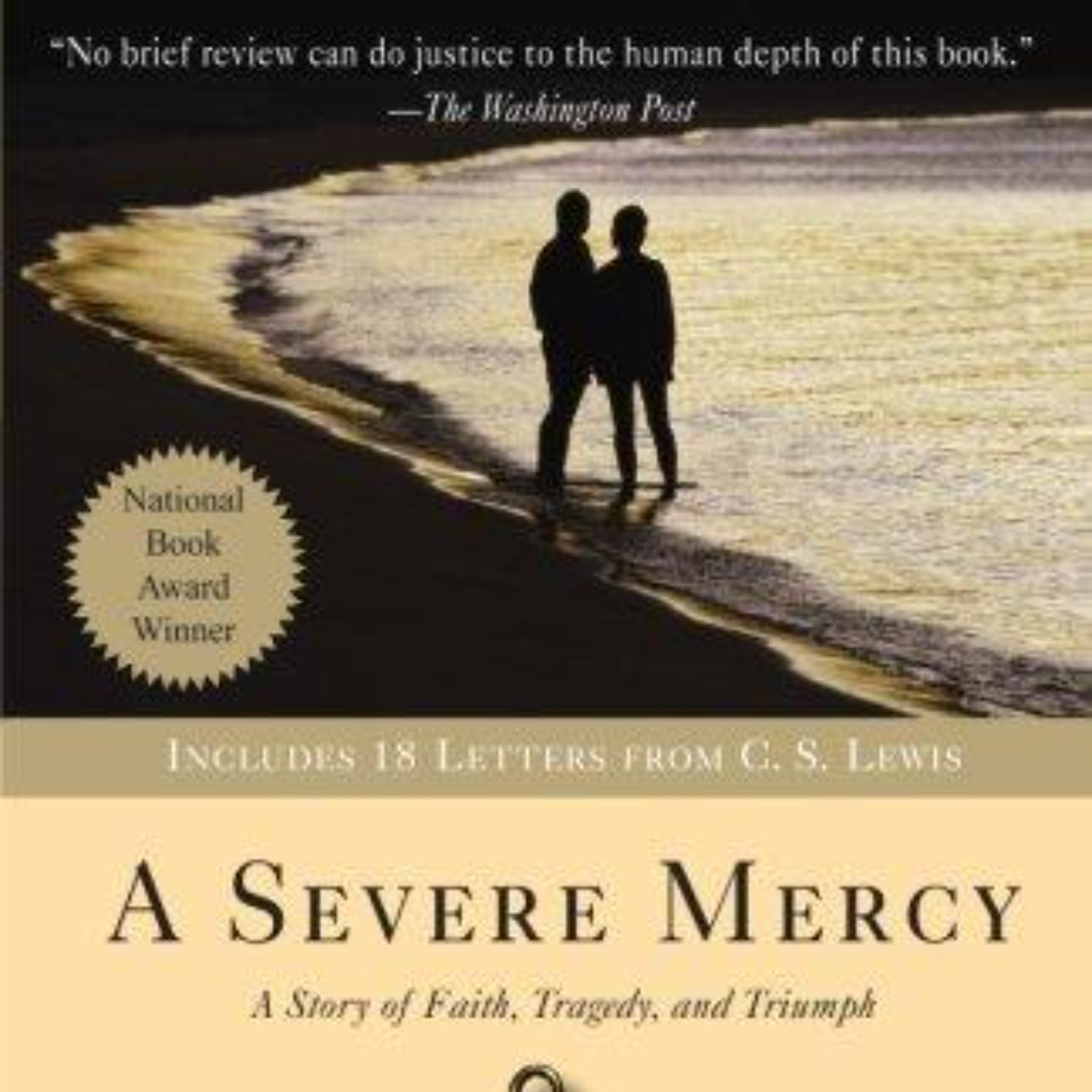
Ep 903A Severe Mercy: A Touching Journey of Love and Loss
Chapter 1 What's A Severe Mercy "A Severe Mercy" is a memoir by Sheldon Vanauken that chronicles his deep and transformative love for his wife, Davy, and their shared journey of faith. The book explores themes of love, loss, and the intersection of joy and sorrow, particularly in the context of their devout Christian beliefs. Following Davy's tragic death, Vanauken reflects on the complexity of their relationship and the profound impact of their experiences, ultimately emphasizing the idea that true love often involves both beauty and suffering, a concept he refers to as "severe mercy." The narrative is not only a personal account but also serves as a philosophical exploration of love and faith. Chapter 2 The Background of A Severe Mercy "A Severe Mercy," published in 1977, is a memoir by Sheldon Vanauken that recounts his deep romantic relationship with his wife, Davy, and their shared spiritual journey amid the changing cultural landscape of the mid-20th century. The book is set against the backdrop of post-World War II America, a time marked by a search for meaning and connection in a rapidly modernizing world. Vanauken's original intention was to explore the profound love they shared, which was intertwined with their quest for faith and the challenge of grappling with loss, particularly after Davy's untimely death. The memoir reflects themes of love, grief, and the intersections of faith and reason, illustrating how personal experiences can lead to deeper philosophical and spiritual contemplation. Chapter 3 Quotes of A Severe Mercy A Severe Mercy quotes as follows: Here are ten notable quotes from "A Severe Mercy" by Sheldon Vanauken: "We cannot love a god we cannot know." "To love is to be vulnerable." "The great and most exclusive thing in the world is love." "There is no greater joy than to love, and there is no greater pain than to lose." "Love is the greatest adventure of all." "A relationship is not a possession; it is a gift we give to each other." "Grief can be a severe mercy; it can purify and clarify our hearts." "In the depths of sorrow, we often find our greatest revelations." "We are not the authors of our own love stories; that role belongs to God." "Life's most challenging moments can lead us to the most profound truths." These quotes reflect the themes of love, loss, and faith that are central to Vanauken's work. Book Summary Audio Bookey https://www.bookey.app/audiobook/a-severe-mercy Quotes https://www.bookey.app/book/a-severe-mercy/quote YouTube https://www.youtube.com/watch?v=C86OWIIgotY Amazon https://www.amazon.com/Severe-Mercy-Sheldon-Vanauken/dp/0060688246 Goodreads https://www.goodreads.com/book/show/56594.A_Severe_Mercy

Ep 902Ancient Faith Orthodox Study Bible: A Comprehensive Overview
Chapter 1 What's Ancient Faith Orthodox Study Bible The Ancient Faith Orthodox Study Bible, edited by J.N. Sparks, is a unique edition that combines traditional biblical texts with insights and commentaries rooted in Orthodox Christian theology and tradition. It seeks to provide readers with a deeper understanding of scripture while reflecting the profound teachings of the Orthodox Church. This study Bible is designed to be an accessible resource for both personal devotion and academic study, offering historical context, doctrinal explanations, and liturgical references to help illuminate the faith and practice of Orthodox Christianity. Chapter 2 The Background of Ancient Faith Orthodox Study Bible The "Ancient Faith Orthodox Study Bible," edited by J.N. Sparks, was published in the early 21st century, during a time when there was a resurgence of interest in Orthodox Christianity, particularly in a Western context that had been historically influenced by Protestantism and Catholicism. Sparks' intention was to bridge the rich theological and spiritual heritage of the Eastern Orthodox Church with contemporary readers, providing them with insightful commentary and context that highlights the continuity of faith from the early Church to modern times. The study Bible aims to deepen the understanding of Scripture through the lens of Orthodox traditions, teachings of the Church Fathers, and liturgical practices, fostering a more profound engagement with both the text and its historical background. Chapter 3 Quotes of Ancient Faith Orthodox Study Bible Ancient Faith Orthodox Study Bible quotes as follows: Here are ten insightful quotes inspired by the themes and teachings often found in the Ancient Faith Orthodox Study Bible by J.N. Sparks. These quotes reflect key concepts in Orthodox Christianity, though they may not be direct excerpts from the text itself: "In the embrace of the Orthodox faith, we encounter the divine mystery that surpasses all human understanding, inviting us to a deeper relationship with God." "The sacraments are not mere rituals; they are the life-giving channels through which we experience the grace and love of Christ in our daily lives." "Prayer is the lifeblood of our spiritual journey, drawing us closer to God and transforming our hearts in the process." "The lives of the saints remind us that holiness is not an unattainable ideal but a path marked by faith, repentance, and the willingness to embrace God's will." "The Church is not just a place of worship; it is the living body of Christ that encompasses all believers, transcending time and space." "Forgiveness is the key that unlocks the door to true peace, both within our hearts and in our relationships with others." "Through the Scriptures, we find the timeless wisdom of God, guiding us through the complexities of life with clarity and purpose." "Each liturgical season offers a unique opportunity for spiritual renewal, inviting us to reflect, repent, and rejoice in the mystery of salvation." "Orthodoxy teaches us that suffering can lead to spiritual growth, transforming trials into a testimony of faith and perseverance." "In every act of love and service, we manifest the presence of Christ to the world, fulfilling our calling as His disciples." These quotes encapsulate the essence of Orthodox spirituality and the teachings likely emphasized in the Ancient Faith Orthodox Study Bible. Book Summary Audio Bookey https://www.bookey.app/audiobook/ancient-faith-orthodox-study-bible YouTube https://www.youtube.com/watch?v=OE7afLIVS-o Amazon https://www.amazon.com/Virtue-Unseen-Warfare-Jack-Sparks/dp/0962271381 Goodreads https://www.goodreads.com/book/show/2223353.The_Orthodox_Study_Bible

Ep 900A Hope More Powerful Than the Sea: A Summary
Chapter 1 What's A Hope More Powerful Than the Sea "A Hope More Powerful Than the Sea" by Melissa Fleming is a poignant narrative that follows the harrowing journey of Syrian refugee Doaa Al Zamel as she flees her war-torn homeland in search of safety and a better life for her family. The book recounts her perilous voyage across the Mediterranean, the hardships faced along the way, and her unwavering hope amidst despair. Through Doaa's story, Fleming sheds light on the broader refugee crisis, emphasizing themes of resilience, courage, and the human spirit's capacity to endure in the face of unimaginable challenges. Chapter 2 The Background of A Hope More Powerful Than the Sea "A Hope More Powerful Than the Sea" by Melissa Fleming recounts the harrowing journey of Syrian refugee Doaa Al Zamel, who escapes the devastation of the Syrian civil war in search of safety and a better life. The book reflects the broader context of the global refugee crisis, particularly the plight of Syrians displaced by years of conflict and turmoil since 2011. Fleming, who serves as the Chief Spokesperson for the United Nations High Commissioner for Refugees (UNHCR), aims to humanize the statistics surrounding refugees by sharing Doaa's personal story, illustrating not only the physical dangers faced during migration but also the resilience and hope that persist amid despair. Through this narrative, Fleming seeks to foster empathy and understanding, shedding light on the complexities of forced migration and the urgent need for compassion in addressing humanitarian crises. Chapter 3 Quotes of A Hope More Powerful Than the Sea A Hope More Powerful Than the Sea quotes as follows: Here are some meaningful quotes from "A Hope More Powerful Than the Sea" by Melissa Fleming that capture its themes of resilience, survival, and the human spirit: "In the face of unimaginable challenges, hope can be the strongest lifeline." "Stories of survival remind us that courage is often born in the most desperate circumstances." "Even in the darkest moments, the human heart can find the strength to endure." "The journey of one can illuminate the struggles of many, connecting us across borders." "Hope is not just a feeling; it’s a conviction that something better awaits." "Every refugee's story is a testament to the resilience of the human spirit." "When faced with the unknown, the desire for a better life fuels the journey." "The sea is both a barrier and a bridge, representing both fear and hope." "In the struggle for survival, love and family remain our most powerful motivators." "Through each adversity, we discover our capacity for hope and the will to carry on." These quotes encapsulate the essence of hope amidst adversity, a core theme throughout the book. Book Summary Audio Bookey https://www.bookey.app/audiobook/a-hope-more-powerful-than-the-sea Quotes https://www.bookey.app/book/a-hope-more-powerful-than-the-sea/quote YouTube https://www.youtube.com/watch?v=6k6SEkVPaHQ Amazon https://www.amazon.com/Hope-More-Powerful-Than-Sea/dp/1250105994 Goodreads https://www.goodreads.com/book/show/30078650-a-hope-more-powerful-than-the-sea

Ep 901Annihilation: A Journey Through the Mysterious Area X
Chapter 1 What's Annihilation "Annihilation" is a science fiction novel by Jeff VanderMeer, the first book in the Southern Reach Trilogy. It follows a team of four women—a biologist, an anthropologist, a surveyor, and a psychologist—as they embark on a mysterious expedition into Area X, a strange, isolated region that has been sealed off from the outside world for decades. The narrative unfolds through the biologist’s perspective and explores themes of ecology, transformation, and the unknown, as the team encounters bizarre landscapes and unsettling phenomena, revealing the fragility of human perception and the complexities of the natural world. The novel is noted for its atmospheric writing and deep psychological depth, raising questions about identity and humanity in the face of the incomprehensible. Chapter 2 The Background of Annihilation "Annihilation," published in 2014, is part of Jeff VanderMeer's Southern Reach Trilogy, set against a backdrop of environmental transformation and ecological disaster. The narrative unfolds in a mysterious area known as Area X, which has been cut off from the rest of the world and exhibits strange phenomena, reflecting contemporary themes of alienation, nature's unpredictability, and humanity's complicated relationship with the environment. VanderMeer's intention was to explore the psychological and existential ramifications of encountering the unknown, particularly in an era marked by increasing environmental concerns and scientific exploration, ultimately challenging readers to reconsider their perceptions of nature and identity. The book resonates with the anxieties of a society grappling with the consequences of ecological neglect and the limits of human understanding in the face of nature's complexity. Chapter 3 Quotes of Annihilation Annihilation quotes as follows: Here are 10 notable quotes from "Annihilation" by Jeff VanderMeer: "The only thing that was there was the silence, full of the weight of unsaid things." "The border of the area was alive with a kind of energy, but I didn’t know what it meant." "We were all the same, trapped in this place, yet unique in our own histories and emotions." "The colors were too vibrant, too pure, and that was disturbing." "It’s not that I don’t want to understand; I want to understand too much." "The feeling of being watched was pervasive, as if the land itself was alive and aware." "We were explorers in an alien land, but the real journey was internal." "The real danger was not outside, but within us and our responses to the unknown." "In the end, it was the mysteries that left the deepest marks." "Time felt different here, as if it flowed like water, unpredictable and ever-changing." These quotes capture the eerie, mysterious atmosphere of the book as well as its themes of exploration, perception, and the unknown. Book Summary Audio Bookey https://www.bookey.app/audiobook/annihilation Quotes https://www.bookey.app/book/annihilation/quote YouTube https://www.youtube.com/watch?v=dfeeSftdAMo Amazon https://www.amazon.com/Annihilation-Novel-Southern-Reach-Trilogy/dp/0374104093 Goodreads https://www.goodreads.com/book/show/17934530-annihilation

Ep 898Antifragile: Embracing Chaos for Strength and Growth Insights
Chapter 1 What's Antifragile "Antifragile: Things That Gain from Disorder" by Nassim Nicholas Taleb explores the concept of systems and entities that benefit from volatility, uncertainty, and chaos, rather than merely surviving them. Taleb categorizes systems into three types: fragile, robust, and antifragile, with the latter thriving on stressors and challenges. He argues that many aspects of life, including economics, health, and personal decision-making, can be improved by embracing risk and uncertainty, ultimately leading to greater resilience and adaptability. Through a mix of philosophical insight and practical advice, the book encourages readers to rethink their approach to life's unpredictable nature. Chapter 2 The Background of Antifragile "Antifragile," published in 2012 by Nassim Nicholas Taleb, emerges from a socio-economic context characterized by increasing uncertainty and complexity, particularly in the aftermath of the 2008 financial crisis. Taleb's work critiques prevailing economic theories and practices, emphasizing the importance of resilience and adaptability in a world where traditional models often fail to account for unpredictable events, or "black swans." His intention is to advocate for systems and individuals that not only withstand stressors but thrive in the face of them, encapsulated in the term "antifragility." This concept challenges conventional notions of stability, pushing readers to rethink how they approach risk, uncertainty, and growth in their personal and professional lives. Chapter 3 Quotes of Antifragile Antifragile quotes as follows: Here are ten notable quotes from "Antifragile: Things That Gain from Disorder" by Nassim Nicholas Taleb: "Antifragility is beyond resilience or robustness. The resilient resists shocks and stays the same; the antifragile gets better." "The three stages of growth: what destroys you makes you stronger." "You want to be the surface of the water, not the rock that sinks." "Fragility is the inability to handle volatility." "Some things benefit from shocks; they thrive and grow when exposed to volatility, randomness, disorder, and stressors." "The antifragile loves randomness and uncertainty, while the fragile fears them." "In order to be antifragile, one must be exposed to variability." "A fragile system loses from disorder; an antifragile system gains from it." "The more complex the system, the more opportunities for antifragility." "Do not forget that only the antifragile can survive in an uncertain world." These quotes capture the essence of Taleb's exploration of systems, uncertainty, and how certain entities can thrive in chaos. Book Summary Audio Bookey https://www.bookey.app/audiobook/antifragile Quotes https://www.bookey.app/book/antifragile/quote YouTube https://www.youtube.com/watch?v=6kVgIfMMeWM Amazon https://www.amazon.com/Antifragile-Things-That-Disorder-Incerto/dp/0812979680 Goodreads https://www.goodreads.com/book/show/13530973-antifragile

Ep 899A Mercy: A Powerful Summary of Toni Morrison's Novel
Chapter 1 What's A Mercy "A Mercy" by Toni Morrison explores themes of motherhood, slavery, and the complexities of human relationships in 17th-century America. The novel is told through the perspectives of various characters, including a young enslaved girl named Florens, who is sold by her mother in a desperate bid for her daughter's freedom and well-being. As Florens navigates her identity and seeks love and acceptance, the narrative delves into the painful legacies of colonialism and the pervasive impact of systemic oppression on personal and communal bonds. Through lyrical prose and rich symbolism, Morrison illuminates the struggles and resilience of women, revealing how their choices are shaped by historical forces beyond their control. Chapter 2 The Background of A Mercy "A Mercy" by Toni Morrison is set in the late 17th century, primarily in the American colonies, a period marked by the early complexities of slavery and colonialism. This time was characterized by a burgeoning slave economy, gender inequities, and the early formation of racial identities. Through the interwoven lives of its characters, Morrison explores themes of motherhood, survival, and the intersections of race, class, and gender within a society still grappling with its moral foundations. The author's intention was to delve into the prehistory of racial constructs in America, focusing on the deeply personal and communal aspects of human relationships amidst the systemic injustices of the time, thus highlighting the nuanced struggles and resilience of marginalized individuals. Chapter 3 Quotes of A Mercy A Mercy quotes as follows: Here are ten memorable quotes from "A Mercy" by Toni Morrison: "I am a common place, a room, a place to be, a place a person could go." “She was all of them, and none of them.” "You don’t know how to be free if you don’t know how to be a part of a story." "It is never too late to give up your prejudices." “In the end, it is the silence that thunders.” "What you don’t know can’t hurt you unless you know it." "You can’t be free if you don’t know who you are." “Each of us is a sacrifice we make for our past.” "The heart’s desire is to be free, to expand, to experience." “Hope is a thing with feathers that perches in the soul.” These quotes encapsulate some of the themes of identity, freedom, and the complexity of human relationships in the novel. Book Summary Audio Bookey https://www.bookey.app/audiobook/a-mercy Quotes https://www.bookey.app/book/a-mercy/quote YouTube https://www.youtube.com/watch?v=7IZvMhQ2LIU Amazon https://www.amazon.com/Mercy-Toni-Morrison/dp/0307276767 Goodreads https://www.goodreads.com/book/show/3009435-a-mercy

Ep 897All About Love: A Comprehensive Summary of Bell Hooks
Chapter 1 What's All about Love "All About Love" by bell hooks is a transformative exploration of the concept of love, advocating for a deeper understanding of its many facets beyond romantic attachment. Hooks argues that love is often misunderstood and commodified in modern society, leading to confusion and disconnection. She emphasizes the importance of love as an ethical and spiritual practice that requires honesty, vulnerability, and a commitment to personal growth. By addressing societal norms around love, gender, and relationships, hooks encourages readers to embrace love as an active force for social change and healing, urging individuals to cultivate an environment where love can flourish. Chapter 2 The Background of All about Love "All About Love," published in 2000 by bell hooks, emerges from a period marked by a growing feminist discourse and a critical examination of love in the context of contemporary society. Hooks, a prominent cultural critic, feminist theorist, and activist, intended the book to challenge dominant narratives about love that are often rooted in individualism and patriarchal values. She sought to redefine love as an active, transformative force that requires mutual respect, care, and responsibility, emphasizing its potential to heal personal and societal wounds. By blending personal anecdotes, cultural critique, and theoretical insights, hooks invites readers to reconsider the nature of love beyond romantic ideals, advocating for love as a radical practice within both interpersonal relationships and broader social contexts. Chapter 3 Quotes of All about Love All about Love quotes as follows: "All About Love" by bell hooks is a profound exploration of the nature of love and its significance in our lives. Here are ten notable quotes from the book that capture its essence: "Love is a combination of care, commitment, knowledge, responsibility, respect, and trust." "The absence of love is the most common form of violence." "To know love is to be in a community of people who are committed to loving." "When we choose to love, we choose to love the world." "Love is a powerful force that can bring people together and help them overcome challenges." "Loving means listening to the needs of others." "The practice of love is the most powerful antidote to the violence that we see all around us." "We must begin with the understanding that love is a choice we make." "Love is not just a noun; it is a verb." "Love is a journey, not a destination." These quotes reflect hooks’ insights on love as an active, intentional practice that fosters connection and healing in individuals and communities. Book Summary Audio Bookey https://www.bookey.app/audiobook/all-about-love Quotes https://www.bookey.app/book/all-about-love/quote YouTube https://www.youtube.com/watch?v=WfZIBibRD_0 Amazon https://www.amazon.com/All-About-Love-New-Visions/dp/0060959479 Goodreads https://www.goodreads.com/book/show/17607.All_About_Love

Ep 896A Rose for Emily: A Gripping Tale of Isolation
Chapter 1 What's A Rose for Emily "A Rose for Emily" is a short story by William Faulkner that explores themes of isolation, tradition, and the passage of time through the life of Emily Grierson, a reclusive Southern woman. Set in a small town, the narrative unfolds non-linearly, revealing Emily's struggles with her controlling father, her tragic love for Homer Barron, and her eventual descent into madness. The story culminates in a shocking revelation about Emily’s final act of love and possession, challenging societal norms and leaving readers to reflect on the complexities of human relationships and the effects of isolation. Chapter 2 The Background of A Rose for Emily "A Rose for Emily," written by William Faulkner and published in 1930, is set in the fictional town of Jefferson, Mississippi, during a time of significant social change in the post-Civil War South. This period was marked by the legacy of slavery, the decline of the Southern aristocracy, and the tensions between tradition and modernity. Faulkner's story explores themes of isolation, decay, and the struggle to maintain identity in a changing world, reflecting his intention to critically examine the South's complex history and societal norms. By delving into the life of Emily Grierson, a reclusive figure trapped by her past and societal expectations, Faulkner highlights the consequences of rigid adherence to tradition and the impact of time on personal and communal identity. Chapter 3 Quotes of A Rose for Emily A Rose for Emily quotes as follows: Here are ten notable quotes from "A Rose for Emily" by William Faulkner, which capture the themes, tone, and essence of the story: "When Miss Emily Grierson died, our whole town went to her funeral." "She had been to the ladies' school in Pike County, and she had to keep up appearances." "The house was left to her by her father, who had been a well-to-do man, but now it was an eyesore." "They were just a little too old to be as young as they were." "The officials had come to see her about a tax notice that had been mailed to her." "She told them that her father had left no money." "The next generation, with its more modern ideas, was not accepting the old ways." "Miss Emily, a tradition, a monument, was gone." "After the death of her father, she became a recluse, living in her past." "I want to tell them all that I love them and that I miss them, and that I think of them every day." These quotes reflect on themes of tradition, isolation, and the complexities of time and memory in the story. Keep in mind that some quotes may be paraphrased for clarity. Reading the full text will provide a deeper understanding of Faulkner's style and the rich layers of meaning in the story. Book Summary Audio Bookey https://www.bookey.app/audiobook/a-rose-for-emily Quotes https://www.bookey.app/book/a-rose-for-emily/quote YouTube https://www.youtube.com/watch?v=UI_25Pxzwc4 Amazon https://www.amazon.com/Rose-Emily-William-Faulkner/dp/B09GJG6JMF Goodreads https://www.goodreads.com/book/show/2984286-a-rose-for-emily

Ep 895Ascendance of A Bookworm: A Captivating Literary Journey
Chapter 1 What's Ascendance of A Bookworm "Ascendance of a Bookworm" is a light novel series by Miya Kazuki that follows the journey of a young girl named Urano Motosu, who is reincarnated in a medieval world where books are scarce and literacy is a privilege of the wealthy. Determined to fulfill her passion for reading, Urano, now known as Myne, finds innovative ways to create and acquire books while navigating the challenges of her new, challenging life as a poor girl in a society that undervalues knowledge. The series explores themes of ambition, perseverance, and the transformative power of literature. Chapter 2 The Background of Ascendance of A Bookworm "Ascendance of a Bookworm" by Miya Kazuki is set in a fantasy world reminiscent of medieval Europe, where access to books and literacy is limited primarily to the elite. The narrative centers around a book-loving girl who is reborn into a world where books are scarce and precious, reflecting themes of the importance of knowledge and education in society. The author’s original intention seems to emphasize the transformative power of literature and the struggles faced by those who seek knowledge in an oppressive environment, portraying an inspiring journey of resilience against societal constraints. Through the protagonist's determination to spread the joy of reading, the story highlights the value of literacy and the personal growth that comes from it, resonating with readers who appreciate the written word in any context. Chapter 3 Quotes of Ascendance of A Bookworm Ascendance of A Bookworm quotes as follows: "Ascendance of a Bookworm" by Miya Kazuki is filled with insightful and inspiring quotes that reflect the journey of the protagonist, Myne, as she pursues her love of books in a world where they are scarce. Here are ten quotes that capture the essence of the series: "Just because I’m a little girl doesn’t mean I can’t be a librarian." "Books are my treasure, and I will do anything to protect them." "Knowledge is power, and I will do everything I can to acquire it." "In a world without books, I’ll create my own." "As long as I have my memories, I can find a way to make my dreams come true." "With every new book I read, I take a step closer to my goals." "I may be small, but my determination is immense." "The world may be harsh, but it can't take away my love for stories." "Every challenge is just another chapter in my life." "Even in a world of magic, there’s no greater power than knowledge." These quotes reflect Myne’s resolve and passion for literature, as well as her journey of self-discovery and growth throughout the series. Book Summary Audio Bookey https://www.bookey.app/audiobook/ascendance-of-a-bookworm Quotes https://www.bookey.app/book/ascendance-of-a-bookworm/quote YouTube https://www.youtube.com/watch?v=j4-wmVo9Ipo Amazon https://www.amazon.com/Ascendance-Bookworm-Part-light-novel/dp/1718356005 Goodreads https://www.goodreads.com/book/show/44643642-ascendance-of-a-bookworm-light-novel-part-1-volume-1

Ep 894Anything But Typical: A Journey Through Autism and Identity
Chapter 1 What's Anything But Typical "Anything But Typical" by Nora Raleigh Baskin is a young adult novel that tells the story of Jason Blake, a thirteen-year-old boy with autism who navigates the complexities of adolescence, friendships, and his passion for writing. The narrative unfolds through Jason's perspective, allowing readers to gain insight into his unique experiences and challenges, particularly as he interacts with peers and grapples with feelings of isolation and belonging. As Jason prepares for a writing contest, he not only seeks to express himself but also to understand his own identity and the world around him, ultimately highlighting themes of acceptance, self-discovery, and the importance of connection. Chapter 2 The Background of Anything But Typical "Anything But Typical" by Nora Raleigh Baskin was published in 2009, during a time when there was a growing awareness and acceptance of neurodiversity and mental health issues. The book is significant for its exploration of the complexities of being on the autism spectrum, particularly through the eyes of its protagonist, Jason, who navigates the challenges of communication, friendships, and self-identity. Baskin's intention was to provide an authentic and nuanced portrayal of a young person with autism, countering stereotypes often found in literature and promoting empathy and understanding in readers, particularly among peers. This context reflects a broader societal shift towards inclusivity and a deeper understanding of the diverse experiences of individuals with disabilities. Chapter 3 Quotes of Anything But Typical Anything But Typical quotes as follows: Here are ten quotes from "Anything But Typical" by Nora Raleigh Baskin. These quotes capture the essence of the book's themes surrounding autism, identity, and the complexity of social interactions: "I have a story to tell, but I can’t seem to get it out." "It’s hard to find your voice when the world is so loud." "Sometimes, the things that make me different are the things that make me special." "I wish people could see beyond their first impressions." "Being different doesn't mean you don’t belong." "It’s okay to feel lost; it’s part of finding where you fit." "Understanding is a bridge that connects hearts." "In a world that expects you to be typical, being anything but typical is a triumph." "Friendship is complicated, but it’s worth the effort." "Every person has a story, and every story deserves to be heard." These quotes reflect the protagonist's experiences and the insights the book offers about navigating a world that often misunderstands neurodiversity. Book Summary Audio Bookey https://www.bookey.app/audiobook/anything-but-typical Quotes https://www.bookey.app/book/anything-but-typical/quote YouTube https://www.youtube.com/watch?v=J_pV0447TmA Amazon https://www.amazon.com/Anything-Typical-Nora-Raleigh-Baskin/dp/1416995005 Goodreads https://www.goodreads.com/book/show/5168689-anything-but-typical

Ep 893All Summer in A Day: A Heartfelt Summary
Chapter 1 What's All Summer in A Day "All Summer in a Day" by Ray Bradbury is a poignant short story set on a perpetually rainy Venus, where the sun shines only once every seven years. The narrative follows Margot, a sensitive girl who remembers the warmth of the sun from her childhood on Earth, contrasting sharply with her classmates who have never experienced it. When the long-anticipated moment of sunlight arrives, Margot's peers, driven by jealousy and bullying, lock her in a closet, depriving her of the joy of seeing the sun. The story explores themes of isolation, the cruelty of childhood, and the deep human longing for warmth and connection, ultimately culminating in a heartbreaking realization when the children witness the sun but recognize the cost of their actions. Chapter 2 The Background of All Summer in A Day "All Summer in a Day," written by Ray Bradbury in 1954, is set in a dystopian future on Venus, where constant rainfall creates a bleak and oppressive environment. This backdrop serves as a metaphor for the emotional struggles of its characters, particularly Margot, a young girl who longs for the sun and the warmth it represents. The story reflects themes of isolation, bullying, and the loss of hope, often seen in post-war literature as society grappled with the consequences of conflict and the quest for human connection. Bradbury, influenced by his own experiences and the anxieties of the time, intended to highlight the importance of empathy and the devastating effects of conformity and cruelty among peers. Chapter 3 Quotes of All Summer in A Day All Summer in A Day quotes as follows: Here are ten notable quotes from Ray Bradbury's short story "All Summer in a Day": “The rain, the rain, the rain. It was always about the rain.” “They were standing in the hall that led to the classroom.” “It was a day like any other day, except that it was the day they were waiting for.” “In the closet was a red, yellow, and blue set of clothes.” “The children were all thinking the same thing: it had been seven years.” “The sun was a big yellow ball, and it was going to come out at least once in the lives of those kids.” “Margot stood alone in the corner.” “The adventure of seeing the sun was about to happen.” “They had experienced one day of sun in their lives, but Margot remembered.” “And then, when the sun came, they stood still, hands at their sides.” These quotes capture the essence of the story, highlighting themes of isolation, longing, and the fleeting nature of joy. Book Summary Audio Bookey https://www.bookey.app/audiobook/all-summer-in-a-day YouTube https://www.youtube.com/watch?v=qmm1TAy55B4 Amazon https://www.amazon.com/All-Summer-Day-Short-Story-ebook/dp/B0BF5C7DXL Goodreads https://www.goodreads.com/book/show/45306054-all-summer-in-a-day

Ep 892All Your Perfects: A Heartfelt Tale of Love and Loss
Chapter 1 What's All Your Perfects "All Your Perfects" by Colleen Hoover is a poignant novel that explores the complexities of love and marriage through the story of Quinn and Graham, a couple grappling with infertility and the strain it places on their relationship. As they navigate the challenges of unmet expectations and deep emotional scars, the narrative oscillates between their past and present, revealing how their love was once filled with hope and joy but has since become burdened by heartache. Hoover masterfully delves into themes of communication, vulnerability, and the importance of support in overcoming life's obstacles, ultimately portraying a powerful message about the resilience of love in the face of adversity. Chapter 2 The Background of All Your Perfects "All Your Perfects" by Colleen Hoover, published in 2018, delves into the complexities of love, marriage, and the impact of infertility on relationships. Hoover, known for her compelling emotional narratives, often draws on her own experiences and observations of modern romance and the pressures society places on couples. In this novel, she explores themes of vulnerability, the struggles of maintaining a connection amid personal tragedies, and the importance of honesty in relationships. Set against a backdrop where societal expectations often dictate what a successful relationship looks like, Hoover aims to highlight the importance of communication and resilience in overcoming life's challenges. Chapter 3 Quotes of All Your Perfects All Your Perfects quotes as follows: Here are ten memorable quotes from "All Your Perfects" by Colleen Hoover, which capture the themes of love, struggle, and the complexities of relationships: "Love is not always enough." "You don’t get to decide who you’re supposed to love." "Sometimes it’s easier to hold on to love than to let go of all the hurt." "We can’t keep pretending everything is perfect." "Every love story is beautiful, but ours is my favorite." "The only thing worse than being alone is being with someone who makes you feel alone." "We can’t change the past, but we can change how we handle it." "Life is so unpredictable, and so are people." "It's not the love that makes you stay. It's the pain of letting go." "All that matters in the end is the love we give and receive." These quotes highlight the emotional depth and complexity of relationships that Hoover explores in the novel. Book Summary Audio Bookey https://www.bookey.app/audiobook/all-your-perfects Quotes https://www.bookey.app/book/all-your-perfects/quote YouTube https://www.youtube.com/watch?v=BbeJ1WDUv7Y Amazon https://www.amazon.com/All-Your-Perfects-Colleen-Hoover/dp/1501193325 Goodreads https://www.goodreads.com/book/show/38926487-all-your-perfects

Ep 891American Psycho: A Dark Dive into 1980s Consumerism
Chapter 1 What's American Psycho "American Psycho" is a satirical novel by Bret Easton Ellis, published in 1991, that explores the life of Patrick Bateman, a wealthy and superficial investment banker in Manhattan during the 1980s. The novel delves into themes of consumerism, identity, and the emptiness of a morally bankrupt society, as Bateman grapples with his dual existence of high-status professional life and a secret life as a serial killer. Through its graphic depictions of violence and dark humor, "American Psycho" critiques the excesses of yuppie culture and the disconnect between appearance and reality, igniting both controversy and critical acclaim. Chapter 2 The Background of American Psycho "American Psycho," published in 1991, is set against the backdrop of the 1980s and early 1990s in Manhattan, a time characterized by excess, materialism, and a burgeoning Yuppie culture. Bret Easton Ellis intended the novel to serve as a satirical critique of consumerism, superficiality, and the moral vacuity of a society fixated on wealth and status. Through the chilling portrayal of its protagonist, Patrick Bateman, a wealthy investment banker with a hidden life as a serial killer, Ellis explores themes of identity, alienation, and the disconnection between appearance and reality in a culture obsessed with brand names and social hierarchies. The novel's graphic violence and disturbing content sparked significant controversy, inviting extensive debate about the boundaries of art and the societal issues it reflects. Chapter 3 Quotes of American Psycho American Psycho quotes as follows: Here are ten notable quotes from "American Psycho" by Bret Easton Ellis: "I feel like I’m not really here." "I have all the characteristics of a human being: blood, flesh, skin, hair; but not a single clear identifiable emotion, except for greed and disgust." "I simply am not there." "I want to be able to see how I die." "I think it’s a bad idea to be an individual." "I would rather be dead than in a room with Hudson Hawk." "I’m just a piece of furniture in this world." "There's a moment where you realize you’re never going to be the same." "You can’t know what it’s like to be me." "In the end, it’s all just about the money." These quotes capture the novel's themes of identity, materialism, and existential angst. Book Summary Audio Bookey https://www.bookey.app/audiobook/american-psycho Quotes https://www.bookey.app/book/american-psycho/quote YouTube https://www.youtube.com/watch?v=j0Ev5ClG7c4 Amazon https://www.amazon.com/American-Psycho-Bret-Easton-Ellis/dp/0679735771 Goodreads https://www.goodreads.com/book/show/28676.American_Psycho

Ep 890Wait for It: A Captivating Summary of Love and Patience
Chapter 1 What's Wait for It "Wait for It" by Mariana Zapata is a contemporary romance novel that follows the slow-burn relationship between Diana Casillas, a dedicated school teacher, and the charming but enigmatic former football player, Dallas Reyes. As they navigate personal challenges and the complexities of their pasts, their connection deepens through shared experiences and mutual support. The story blends romance with themes of friendship, family, and self-discovery, ultimately emphasizing the idea that love is worth waiting for, even when it takes time to unfold. Chapter 2 The Background of Wait for It "Wait for It" by Mariana Zapata is a contemporary romance novel, set against the backdrop of modern-day life, focusing on themes of personal growth, resilience, and the complexities of relationships. The story centers around a strong, independent female protagonist navigating the challenges of work and family while slowly developing a deep connection with a reserved and rugged man. Zapata's intention was to craft a slow-burn romance that emphasizes emotional depth and character development over typical romantic tropes, allowing readers to engage with authentic representations of love, patience, and the importance of self-discovery in a society that often prioritizes instant gratification. Through her writing, Zapata aims to showcase relatable experiences and the power of love that grows over time, appealing to readers who appreciate well-developed narratives and realistic relationship dynamics. Chapter 3 Quotes of Wait for It Wait for It quotes as follows: "Wait for It" by Mariana Zapata is a popular romance novel known for its character development and slow-burn romance. Here are ten quotes that capture the essence of the story: "Sometimes the hardest thing and the right thing are the same." "I was willing to wait for what I wanted." "You don’t find love; you build it." "Patience isn't just about waiting; it's about how you behave while you're waiting." "Love is not always about fireworks; sometimes, it's found in the little things." "He was worth the wait, and I would prove it to myself." "The best things in life are worth holding out for." "Every moment spent with him was a moment well-earned." "You have to trust that the universe has a plan for you." "In a world full of rush, sometimes waiting is the bravest choice." These quotes reflect the themes of patience, love, and self-discovery that are central to the narrative. Book Summary Audio Bookey https://www.bookey.app/audiobook/wait-for-it Quotes https://www.bookey.app/book/wait-for-it/quote YouTube https://www.youtube.com/watch?v=Dd4H7WBatt4 Amazon https://www.amazon.com/Wait-Mariana-Zapata-ebook/dp/B01N2RJFW1 Goodreads https://www.goodreads.com/book/show/33288638-wait-for-it

Ep 889Why Nations Fail: Insights into Economic Disparities and Institutions
Chapter 1 What's Why Nations Fail "Why Nations Fail," authored by Daron Acemoglu and James A. Robinson, is a pivotal work that explores the role of political and economic institutions in shaping the prosperity of nations. The authors argue that inclusive institutions—those that distribute political power and economic opportunities broadly—foster innovation and economic growth, whereas extractive institutions, which concentrate power and wealth in the hands of a few, lead to economic stagnation and failure. Through historical examples and a compelling analytical framework, Acemoglu and Robinson highlight how the interplay between political structures and economic incentives ultimately determines a nation's success or failure. Chapter 2 The Background of Why Nations Fail "Why Nations Fail," co-authored by Daron Acemoglu and James A. Robinson, was published in 2012 against a backdrop of global economic inequality and political unrest, particularly following the 2008 financial crisis. The authors aimed to explore the deep-rooted causes of economic disparity across nations, emphasizing the role of political and economic institutions in shaping prosperity. Acemoglu and Robinson argue that inclusive institutions foster innovation and economic growth, while extractive institutions perpetuate poverty and inequality. Their work emerged in an era of increasing interest in the interplay between economic policies and political power, seeking to provide a framework for understanding why some nations thrive while others struggle. Chapter 3 Quotes of Why Nations Fail Why Nations Fail quotes as follows: Here are ten notable quotes from "Why Nations Fail" by Daron Acemoglu and James A. Robinson that capture the essence of the book's arguments about the causes of economic and political disparities among nations: “Inclusive economic institutions are those that allow and encourage participation by the great mass of people in economic activities.” “Political institutions shape the incentives of political actors and the rules of the game.” “Extractive institutions, by contrast, are structured to extract resources from the many by the few.” “Nations fail when they are captured by elites who impose extractive institutions and limit the opportunities for the rest of society.” “Economic success does not come from wealth or natural resources, but from the protection of property rights, a fair judicial system, and a level playing field.” “The key to understanding why nations fail lies in the political and economic institutions that they create.” “When a society permits a small group to control its resources, the rest of the population suffers and becomes impoverished.” “The experience of nations shows that inclusive institutions foster economic growth, which in turn leads to more inclusive political institutions.” “Changes in institutions are often followed by changes in economic performance.” “We must also recognize that understanding the connections between political power and economic outcomes is essential for promoting prosperity.” These quotes reflect the book’s central thesis regarding the importance of inclusive institutions in fostering economic and political stability, while also critiquing extractive practices that hinder development. Book Summary Audio Bookey https://www.bookey.app/audiobook/why-nations-fail Quotes https://www.bookey.app/book/why-nations-fail/quote YouTube https://www.youtube.com/watch?v=A4eVoOlIuis Amazon https://www.amazon.com/Why-Nations-Fail-Origins-Prosperity/dp/0307719227 Goodreads https://www.goodreads.com/book/show/12158480-why-nations-fail

Ep 888Unsouled: A Gripping Dive into Identity and Survival
Chapter 1 What's Unsouled "Unsouled" is the third installment in Neal Shusterman's dystopian series, "Unwind," which explores a future where unwanted teens can be "unwound," or harvested for their organs. The story continues to follow the intertwined lives of protagonists Connor, Risa, and Lev as they navigate a society that devalues human life and autonomy. Facing new challenges and moral dilemmas, they confront the consequences of their choices and the overarching system that seeks to control and define them. Themes of identity, humanity, and rebellion are central to the narrative as the characters strive to find their place in a world that views them as disposable. Chapter 2 The Background of Unsouled "Unsouled" is the third book in Neal Shusterman's "Unwind" dystopian series, which explores a future where society legally sanctifies the harvesting of organs from adolescents deemed "unwanted." The series addresses complex themes such as the value of human life, autonomy, and the ethics of medical practices. Written during a time of increasing societal debates around cloning, organ donation, and the rights of individuals, Shusterman intended to provoke thought regarding the consequences of commodifying human life. His work reflects concerns about the loss of individuality, the moral implications of technological advancement, and the struggles of youth navigating a world that often overlooks their humanity. The context of rising social inequalities and ethical dilemmas surrounding medical advancements further frames this narrative, inviting readers to engage with its challenging themes. Chapter 3 Quotes of Unsouled Unsouled quotes as follows: Here are ten notable quotes from "Unsouled," the third book in Neal Shusterman's Unwind Dystology series: "You have to find a way to survive, even in a world that wants to destroy you." "Freedom isn’t just about breaking chains; it’s about knowing what to do with that freedom." "Sometimes the hardest battles we face are the ones that rage within us." "In a world that too often reduces human life to mere transactions, we must remember our shared humanity." "They say you can't choose your family, but the ones we love become our true companions." "To be unwound is to be made into a collection of parts; to fight for your existence is to reclaim your wholeness." "Hope is a fragile thing, often found in unexpected places." "Life is about connections, about the paths we choose and the ones we don’t." "Courage isn’t the absence of fear; it’s the determination to move forward despite it." "Every choice we make defines us, and every choice we regret shapes our future." Book Summary Audio Bookey https://www.bookey.app/audiobook/unsouled-by-neal-shusterman Quotes https://www.bookey.app/book/unsouled-by-neal-shusterman/quote YouTube https://www.youtube.com/watch?v=Wa75bZVNsbk Amazon https://www.amazon.com/UnSouled-Unwind-Dystology-Neal-Shusterman/dp/1442423692 Goodreads https://www.goodreads.com/book/show/12792658-unsouled

Ep 887Waiting for the Barbarians: A Summary of Coetzee's Novel
Chapter 1 What's Waiting For The Barbarians "Waiting for the Barbarians" is a novel by J.M. Coetzee that explores the complex themes of colonialism, power, and moral responsibility through the narrative of an unnamed magistrate in a remote outpost of a colonial empire. As tensions rise between the empire and the indigenous people, the magistrate grapples with his own complicity in the oppressive systems of power, ultimately questioning the morality of civilization itself. The story delves into the psychological and ethical dilemmas faced by individuals in positions of authority, as well as the consequences of denying humanity in favor of dominance, offering a profound reflection on the nature of justice and the human condition. Chapter 2 The Background of Waiting For The Barbarians "Waiting for the Barbarians," published in 1980 by South African author J.M. Coetzee, is set against the backdrop of apartheid-era South Africa, a time marked by racial segregation, oppression, and political turmoil. Coetzee's work often explores themes of power, colonialism, and moral ambiguity, using the narrative of a magistrate grappling with his complicity in an imperialist regime to highlight the dehumanizing effects of colonial violence and the moral dilemmas faced by those in power. Through this allegorical tale, Coetzee critiques the abuses of authority and examines the complexities of oppression and resistance, reflecting the broader social and ethical questions of his time. The novel serves as both a commentary on colonialism and a meditation on the nature of humanity itself. Chapter 3 Quotes of Waiting For The Barbarians Waiting For The Barbarians quotes as follows: Here are ten notable quotes from "Waiting for the Barbarians" by J.M. Coetzee: "The magistrate was a man of peace, a man of reason." "What is it to be human? To be torn between reason and the sensibilities of the heart." "I have no idea what kind of man he is, but I have an inkling that he is more than he appears." "The empire's strength lies in its ability to make us complicit in its evil." "To take a position is to be in a position of power—and power is a dangerous thing." "In a world where the lines between civilization and barbarism are blurred, what is our true nature?" "It is only through suffering that we can understand the nature of our own existence." "I realize that sympathy can be as imprisoning as hatred." "The past is a foreign country. It is something we can never return to." "Facing the Other is to confront the deepest truths of our own humanity." These quotes reflect the themes of power, oppression, and the complexities of human nature that are prevalent throughout the novel. Book Summary Audio Bookey https://www.bookey.app/audiobook/waiting-for-the-barbarians Quotes https://www.bookey.app/book/waiting-for-the-barbarians/quote YouTube https://www.youtube.com/watch?v=u9beP3sgV2E Amazon https://www.amazon.com/Waiting-Barbarians-Novel-J-M-Coetzee/dp/014006110X Goodreads https://www.goodreads.com/book/show/6194.Waiting_for_the_Barbarians

Ep 886Words On Fire: A Gripping Tale of Resistance and Courage
Chapter 1 What's Words On Fire "Words on Fire" by Jennifer A. Nielsen is a historical fiction novel set in 19th-century Lithuania during a time of conflict and oppression under the Russian Empire. The story follows a young girl named Audra, whose life is turned upside down when her family becomes involved in a rebellion for their country's freedom. When danger arises, Audra is forced to become a messenger for the underground movement, risking everything to protect her family's legacy and help others fight for their right to speak their own language and express their identity. Through themes of courage, sacrifice, and the power of words, Nielsen weaves a gripping tale that highlights the resilience of the human spirit in the face of tyranny. Chapter 2 The Background of Words On Fire "Words on Fire" by Jennifer A. Nielsen is set during the tumultuous period of the late 19th century when Lithuania was under the oppressive rule of the Russian Empire, which sought to suppress Lithuanian culture and the use of the Lithuanian language. The story reflects the broader themes of resistance, identity, and the power of words in the face of tyranny. Nielsen's original intention was to convey the importance of language and literature as tools of empowerment and resistance against oppression, illustrating how the preservation of identity can be a courageous act in the face of authoritarianism. Through her narrative, she emphasizes the strength found in community and the enduring human spirit in the fight for freedom. Chapter 3 Quotes of Words On Fire Words On Fire quotes as follows: "Words on Fire" by Jennifer A. Nielsen is a historical fiction novel set in the 19th century in a fictional world inspired by the struggles of Lithuania under Russian oppression. Here are ten impactful quotes from the book: "Sometimes the hardest choices are the ones that demand the greatest courage." "Hope is a powerful weapon, one that can ignite even the darkest of nights." "Words have the power to change the world; they can inspire, uplift, and inform." "In times of fear, it is love that makes us brave." "Freedom is worth fighting for, even if the battle seems impossible." "Every secret we keep is a piece of our soul that we lose." "Courage isn't the absence of fear; it's the resolve to face it." "Stories are the lifeblood of a culture; to lose them is to lose ourselves." "In the face of oppression, hope can become a revolutionary act." "It's in the fires of adversity that we forge our true selves." These quotes reflect the themes of courage, hope, and the power of words that are central to the novel. Book Summary Audio Bookey https://www.bookey.app/audiobook/words-on-fire Quotes https://www.bookey.app/book/words-on-fire/quote YouTube https://www.youtube.com/watch?v=fR9pRmffw0E Amazon https://www.amazon.com/Words-Fire-Jennifer-Nielsen/dp/133827547X Goodreads https://www.goodreads.com/book/show/43319615-words-on-fire

Ep 885Verbal Advantage: Unlocking Linguistic Mastery through Vocabulary Enhancement
Chapter 1 What's Verbal Advantage "Verbal Advantage" by Charles Harrington Elster is a vocabulary-building program designed to enhance language skills through a structured approach to learning. The book provides a series of vocabulary lessons that include definitions, usage examples, and exercises aimed at reinforcing knowledge. Elster emphasizes the importance of not just memorizing words but understanding their meanings and contexts to improve both spoken and written communication. The program is ideal for anyone looking to expand their vocabulary, whether for personal enrichment or professional advancement. Chapter 2 The Background of Verbal Advantage "Verbal Advantage," written by Charles Harrington Elster, was first published in the early 1990s during a time when there was a growing emphasis on effective communication skills in both personal and professional contexts. The book emerged in an era marked by rapid advancements in technology and information exchange, leading to increased competition in the job market. Elster's intention was to enhance readers' vocabulary and word usage, thereby empowering them to communicate more effectively and confidently. He aimed to cultivate not just a more sophisticated lexicon, but also a deeper appreciation for the nuances of language, reflecting the era's societal push towards education, self-improvement, and professional development. Chapter 3 Quotes of Verbal Advantage Verbal Advantage quotes as follows: "Verbal Advantage" by Charles Harrington Elster is a comprehensive guide to improving vocabulary and language skills. Here are ten notable quotes that capture the essence of the book and its approach to enhancing verbal intelligence: "Words are the building blocks of thought, and a strong vocabulary is essential for clear and effective communication." "A rich vocabulary empowers you to express subtle shades of meaning." "To understand and appreciate the nuances of language is to unlock the door to a deeper understanding of the world." "Learning new words is not merely an academic exercise; it's a means of enriching the mind and enhancing one's ability to engage with others." "The more words you know, the more ideas you can express, and the more connections you can make." "A precise vocabulary allows for more specific and impactful expression of your thoughts." "Words have the power to persuade, to inspire, and to create change." "A well-developed vocabulary is a key asset in both personal and professional realms." "Investing in your vocabulary is investing in your future; it opens doors and creates opportunities." "Language is a living entity, and mastering it requires both dedication and passion." These quotes reflect the book's emphasis on the importance of vocabulary in effective communication and personal development. Keep in mind that these are paraphrased and inspired by the themes of the book. Book Summary Audio Bookey https://www.bookey.app/audiobook/verbal-advantage YouTube https://www.youtube.com/watch?v=XdNbDt-GLIk Amazon https://www.amazon.com/Verbal-Advantage-Steps-Powerful-Vocabulary/dp/0375709320 Goodreads https://www.goodreads.com/book/show/89531.Verbal_Advantage

Ep 884We Dream of Space: A Journey of Hope and Friendship
Chapter 1 What's We Dream of Space "We Dream of Space" by Erin Entrada Kelly is a middle-grade novel set in 1986, revolving around three siblings—Gig, Newt, and Cash—who each grapple with their own challenges while navigating their family's dynamics in the lead-up to the launch of the Space Shuttle Challenger. As they experience personal struggles such as feeling overshadowed, the pressure of expectations, and the longing for connection, their individual stories intertwine against the backdrop of a significant historical event, ultimately highlighting themes of hope, resilience, and the power of dreams. Through their journeys, Kelly captures the complexity of familial relationships and the yearning for a brighter future. Chapter 2 The Background of We Dream of Space "We Dream of Space" by Erin Entrada Kelly is set in the summer of 1986, a period marked by significant cultural and technological shifts, notably the excitement surrounding the space race and the launch of the Space Shuttle Challenger. This era also witnessed complex familial dynamics and socio-economic challenges that resonate with the characters' struggles. Kelly, inspired by her own experiences growing up in the 1980s and her fascination with space exploration, aims to explore themes of resilience, family, and the pursuit of dreams through the intertwined lives of three siblings navigating their adolescent challenges against the backdrop of this momentous time in American history. Chapter 3 Quotes of We Dream of Space We Dream of Space quotes as follows: "We Dream of Space" by Erin Entrada Kelly is a poignant middle-grade novel that explores themes of family, dreams, and resilience through the stories of three siblings. Here are ten quotes that reflect its themes and characters: "Dreams are like stars; you may never touch them, but if you follow them, they will lead you to your destiny." "Sometimes, the world feels heavy, but you have to remember that you have the strength to carry it." "We all have our own constellations, our own paths to follow." "Love doesn’t just happen; it’s something you have to work at every day." "Every moment is a chance to define who you are." "The universe is vast, but so is our potential when we believe in ourselves." "Through the darkness, we find the light that guides us home." "Family is not just about being related by blood; it’s about the bonds we create together." "You don't have to be perfect to pursue your dreams; you just have to be brave." "Sometimes, space is not about what’s out there, but rather what’s inside you." These quotes capture the essence of the novel's exploration of dreams, relationships, and the journey toward self-discovery. Book Summary Audio Bookey https://www.bookey.app/audiobook/we-dream-of-space Quotes https://www.bookey.app/book/we-dream-of-space/quote YouTube https://www.youtube.com/watch?v=-d5aFnJ_Dmo Amazon https://www.amazon.com/Dream-Space-Erin-Entrada-Kelly/dp/0062747304 Goodreads https://www.goodreads.com/book/show/52515165-we-dream-of-space

Ep 883Valley of the Dolls: A Tale of Ambition and Despair
Chapter 1 What's Valley of the Dolls "Valley of the Dolls," written by Jacqueline Susann and published in 1966, is a novel that explores the lives of three women—Anne, Neely, and Jennifer—who navigate the highs and lows of fame, fortune, and personal struggles in mid-20th century America. The story delves into themes of ambition, addiction, and the pursuit of happiness, highlighting how the characters grapple with the societal pressures and emotional turmoil that accompany their desires for success in the entertainment industry. The title refers to the prescription drugs that play a significant role in their lives, symbolizing the escape and coping mechanisms they seek amidst their challenges. Chapter 2 The Background of Valley of the Dolls "Valley of the Dolls," published in 1966 by Jacqueline Susann, reflects the cultural landscape of post-World War II America, particularly the shifting roles and aspirations of women in society. The novel explores themes of ambition, fame, and the pursuit of happiness through the lives of its female protagonists who struggle with personal and societal pressures, as well as the seductions of fame and substance abuse. Susann’s intention was to provide an unflinching portrayal of the darker side of the entertainment industry and the emotional toll it takes on women, drawing from her own experiences in Hollywood. The novel was groundbreaking for its candid discussion of mental health and addiction, resonating with readers at a time when traditional gender roles were being challenged and the definition of success was evolving. Chapter 3 Quotes of Valley of the Dolls Valley of the Dolls quotes as follows: "Valley of the Dolls" by Jacqueline Susann is filled with memorable quotes that capture the struggles, ambitions, and emotional turmoil of its characters. Here are ten notable quotes from the book: “It’s not what you have, it’s what you do with what you have that counts.” “The best thing you can possibly do with your life is to tackle the motherfing sht out of it.” “Success is a noun, but it’s the adjective that counts.” “You’re not going to get anywhere expecting the best from other people.” “There is a difference between being alive and living.” “I just want to be happy. For once, I want to be happy.” “We all have our ups and downs, but the key is to keep moving forward.” “There are many ways to be broken, but we all have the power to heal ourselves.” “You have to be strong enough to stand alone.” “Behind every great woman, there is a man with a great deal of money.” These quotes reflect the themes of ambition, heartbreak, and the quest for happiness that permeate the novel. Book Summary Audio Bookey https://www.bookey.app/audiobook/valley-of-the-dolls Quotes https://www.bookey.app/book/valley-of-the-dolls/quote YouTube https://www.youtube.com/watch?v=dejC_A-Cp3w' Amazon https://www.amazon.com/Valley-Dolls-Jacqueline-Susann/dp/0802135196 Goodreads https://www.goodreads.com/book/show/581811.Valley_of_the_Dolls

Ep 881Verbal Judo: Mastering Communication for Conflict Resolution Success
Chapter 1 What's Verbal Judo "Verbal Judo" by George J. Thompson is a communication technique that emphasizes the importance of using language and tactical communication to diffuse conflict and de-escalate potentially volatile situations. Thompson, a former police officer and martial arts expert, advocates for "gentle words" that redirect aggression and promote understanding rather than confrontation. The book outlines strategies for effectively navigating interpersonal interactions, particularly in high-stress environments, by focusing on empathy, active listening, and the strategic use of language to achieve positive outcomes. Chapter 2 The Background of Verbal Judo "Verbal Judo," authored by George J. Thompson, was first published in 1993, during a time when law enforcement and public interactions were increasingly scrutinized, particularly regarding communication and conflict resolution. Thompson, a former police officer and professor, aimed to equip officers and individuals with skills to de-escalate potentially volatile situations through effective verbal communication. His emphasis on empathy, active listening, and tactical communication reflected a growing recognition of the importance of soft skills in professions traditionally dominated by authority and physical presence. The book emerged as a resource not only for law enforcement but also for educators, mental health professionals, and anyone involved in high-stress interactions, seeking to improve relationships and reduce unnecessary confrontations. Chapter 3 Quotes of Verbal Judo Verbal Judo quotes as follows: Here are ten notable quotes from "Verbal Judo: The Gentle Art of Persuasion" by George J. Thompson: "The best way to approach any difficult situation is to ask yourself, 'What is it I really want to achieve?'" "Words are a powerful tool. If used properly, they can resolve conflicts and create understanding." "You don't have to be right to be effective. It is more important to listen and to seek common ground." "The goal of verbal judo is to turn a conflict into cooperation." "When you speak, your goal should be to connect, not just to communicate." "People do not care how much you know until they know how much you care." "Use tactical empathy; put yourself in the other person's shoes to understand their perspective." "A good communicator can transform an adversary into an ally with the right words." "De-escalation is about using the right language and tone to diffuse tension." "Remember, the person in front of you is not just an adversary; they have their own story and motivations." These insights from George J. Thompson's "Verbal Judo" emphasize the importance of communication skills, empathy, and the art of persuasion in conflict resolution. Book Summary Audio Bookey https://www.bookey.app/audiobook/verbal-judo Quotes https://www.bookey.app/book/verbal-judo/quote YouTube https://www.youtube.com/watch?v=wctHSKxHJrI Amazon https://www.amazon.com/Verbal-Judo-Gentle-Persuasion-Updated/dp/0062107704 Goodreads https://www.goodreads.com/book/show/865508.Verbal_Judo

Ep 882Whistling Vivaldi: Understanding Identity and Stereotype Threat Effects
Chapter 1 What's Whistling Vivaldi "Whistling Vivaldi: How Stereotypes Affect Us and What We Can Do" by Claude M. Steele explores the concept of stereotype threat, which refers to the risk of conforming to negative stereotypes about one’s social group. Through a combination of personal anecdotes, research findings, and psychological insights, Steele illustrates how these threats can undermine performance and confidence in various settings, particularly in education and professional environments. He also discusses strategies to mitigate the effects of stereotype threat, emphasizing the power of identity, belonging, and the importance of fostering an inclusive culture. Chapter 2 The Background of Whistling Vivaldi "Whistling Vivaldi," written by social psychologist Claude M. Steele, addresses the complexities of identity and the impact of stereotypes, particularly in the context of race. Published in 2010, the book explores how societal expectations and stereotypes can affect individuals' performance and sense of self. Steele draws on his research into stereotype threat, a phenomenon where individuals underperform in situations where they fear confirming negative stereotypes about their social group. The book aims to highlight the intricate interplay between social identities and academic or professional outcomes, ultimately advocating for a deeper understanding of diversity and inclusion in contemporary society. Chapter 3 Quotes of Whistling Vivaldi Whistling Vivaldi quotes as follows: "Whistling Vivaldi: How Stereotypes Affect Us and What We Can Do" by Claude M. Steele explores the impact of stereotypes on individual performance and identity. Here are ten quotes that encapsulate key themes and ideas from the book: "The threat of being stereotyped affects how we think about ourselves and can ultimately alter our performance." "Stereotypes can act as invisible burdens that affect how we engage with the world." "When we are aware of a stereotype related to our identity, the pressure of that stereotype can diminish our ability to perform." "The idea of belonging in a particular domain can significantly influence whether we succeed or fail." "Whistling Vivaldi is about being aware of the ways stereotypes can shape our lives and finding ways to resist their negative effects." "Interactions in a diverse setting can help dismantle the assumptions that come from stereotypes." "Performance pressure is enhanced by a negative stereotype, which creates a heightened state of anxiety and affects outcomes." "It’s not just about possessing intelligence or talent; it’s also about the environment that allows those traits to flourish." "Creating a sense of belonging can empower individuals to transcend the limitations imposed by stereotypes." "We must work towards a society where individuals are judged by their abilities and not by the stereotypes attached to their identities." These quotes reflect Steele's examination of the complex interplay between identity, performance, stereotypes, and belonging. Book Summary Audio Bookey https://www.bookey.app/audiobook/whistling-vivaldi Quotes https://www.bookey.app/book/whistling-vivaldi/quote YouTube https://www.youtube.com/watch?v=-YbE3ljT3t4 Amazon https://www.amazon.com/Whistling-Vivaldi-Stereotypes-Affect-Issues/dp/0393339726 Goodreads https://www.goodreads.com/book/show/6649312-whistling-vivaldi

Ep 880Woman at Point Zero: A Summary of Resilience
Chapter 1 What's Woman at Point Zero "Woman at Point Zero" by Nawal El Saadawi is a powerful novella that tells the story of Firdaus, an Egyptian woman who recounts her life experiences from her oppressive childhood to her struggles against a patriarchal society. Through her narrative, Firdaus faces systemic abuse, gender inequality, and personal betrayal, ultimately leading her to a breaking point. The novel explores themes of female oppression, resilience, and the quest for autonomy, serving as a poignant critique of the societal norms that confine women. As Firdaus confronts her circumstances, her journey towards empowerment culminates in a radical choice that challenges the constraints imposed upon her. Chapter 2 The Background of Woman at Point Zero "Woman at Point Zero," authored by Nawal El Saadawi and published in 1975, is set against the backdrop of 20th-century Egypt, a period marked by social upheaval, political repression, and gender inequality. The novel is based on El Saadawi's encounter with Firdaus, a woman on death row, and serves as a critique of the patriarchy and oppressive societal structures that confine women. El Saadawi, a feminist writer and activist, aimed to shed light on the intersection of gender, class, and power, advocating for women's rights and articulating the struggles faced by women in a male-dominated society. Through Firdaus' tragic story, she underscores the dire consequences of societal neglect and the urgent need for female empowerment. Chapter 3 Quotes of Woman at Point Zero Woman at Point Zero quotes as follows: "Women at Point Zero" by Nawal El Saadawi is a powerful narrative that explores issues of gender, oppression, and resilience through the story of Firdaus, a woman imprisoned for murder. Here are ten impactful quotes from the book: "I had always been a woman who lived in the shadow of fear." - This highlights the pervasive sense of fear that many women face due to societal norms and expectations. "I learned that I was not a human being like men." - This reflects the deep-seated inequality and the perception of women as lesser beings in a patriarchal society. "The world is a prison, and there is no escape." - A poignant statement on the broader societal constraints that women endure. "The only way I could escape was through my will to kill." - This signifies Firdaus's understanding of her power in a world that seeks to control her, even if it means resorting to violence. "A woman can only be free when she chooses to be." - This emphasizes the importance of agency and personal choice in the pursuit of freedom. "I had to confront my reality; I could not live in a dream." - A call to face the harsh truths of life rather than retreat into fantasy. "In this world, a man is allowed to tread unceremoniously on the dreams of women." - A commentary on the societal privileges men often hold at the expense of women’s aspirations. "I felt my body had been turned into a commodity." - Reflecting on the objectification of women and how their bodies are often seen as things to be bought or sold. "I was stripped of every joy, every desire." - This illustrates the emotional and psychological toll of oppression. "To kill was the only way for me to survive." - A stark indication of the lengths to which Firdaus goes to assert her existence and reclaim her power. These quotes encapsulate the core themes of the novel, shedding light on the struggles faced by women and the quest for self-identity and autonomy. Book Summary Audio Bookey https://www.bookey.app/audiobook/woman-at-point-zero Quotes https://www.bookey.app/book/woman-at-point-zero/quote YouTube https://study.com/academy/lesson/video/woman-at-point-zero-summary-analysis-quotes.html Amazon https://www.amazon.com/Woman-Point-Zero-Nawal-Saadawi/dp/1842778730 Goodreads https://www.goodreads.com/book/show/159604.Woman_at_Point_Zero

Ep 879Trade Your Way To Financial Freedom: Key Insights Summarized
Chapter 1 What's Trade Your Way To Financial Freedom "Trade Your Way to Financial Freedom" by Van K. Tharp is a comprehensive guide that emphasizes the importance of developing a personalized trading system tailored to an individual's unique personality and financial goals. Tharp advocates for a holistic approach to trading that combines psychological insights, risk management, and strategic planning. The book covers essential concepts such as position sizing, trading psychology, and the significance of a trading plan, ultimately empowering readers to cultivate a disciplined mindset and a robust trading framework that can lead to long-term financial success. Chapter 2 The Background of Trade Your Way To Financial Freedom "Trade Your Way to Financial Freedom," published by Van K. Tharp in 2006, emerges from the early 21st century's evolving landscape of personal finance and investing, marked by the rise of online trading and a growing emphasis on self-directed investment strategies. Tharp, a psychologist and trading coach, aimed to equip individual investors with the psychological tools and systematic approaches necessary for successful trading, advocating for a mindset shift from traditional investment paradigms to more dynamic, strategy-driven methods. His intention was to demystify the trading process, highlighting the importance of self-awareness, risk management, and developing a personalized trading plan, thus empowering readers to take control of their financial futures amid a rapidly changing economic environment. Chapter 3 Quotes of Trade Your Way To Financial Freedom Trade Your Way To Financial Freedom quotes as follows: Here are ten notable quotes from "Trade Your Way to Financial Freedom" by Van K. Tharp that capture the essence of his teachings on trading and financial success: "The market is a mirror that reflects your beliefs and behaviors." "The most important component of successful trading is a trader's mindset." "You need a trading plan that will guide you through both good and bad times." "Losses are a part of trading; it’s how you manage those losses that counts." "Successful traders follow their systems and stick to their rules." "Your goal should be to continually better yourself as a trader." "Risk management is key; never risk more than you can afford to lose." "The more you work on yourself, the more successful you will be in trading." "Trading is not just about making money; it's about finding the right opportunities." "To achieve financial freedom, you need to understand both the mechanics and psychology of trading." These quotes encapsulate Tharp's philosophy about the importance of mindset, planning, and risk management in trading. Book Summary Audio Bookey https://www.bookey.app/audiobook/trade-your-way-to-financial-freedom Quotes https://www.bookey.app/book/trade-your-way-to-financial-freedom/quote YouTube https://www.youtube.com/watch?v=IORi_awGYpQ Amazon https://www.amazon.com/Trade-Your-Way-Financial-Freedom/dp/007147871X Goodreads https://www.goodreads.com/book/show/161791.Trade_Your_Way_to_Financial_Freedom
Ep 878Turtles All The Way Down: A Summary of Insightful Themes
Chapter 1 What's Turtles All The Way Down "Turtles All The Way Down" is a thought-provoking novel by John Green that explores themes of mental illness, friendship, and the complexity of life through the story of Aza Holmes, a teenage girl grappling with obsessive-compulsive disorder. As Aza navigates her struggles, she reconnects with her childhood friend Davis Pickett, whose wealthy father has gone missing. The narrative delves into Aza's internal battles while highlighting the impact of love, loss, and the intricacies of human relationships, ultimately offering a poignant reflection on the challenges of living with anxiety and the search for connection in an uncertain world. Chapter 2 The Background of Turtles All The Way Down "Turtles All the Way Down" is a contemporary young adult novel by John Green, published in 2017. The book is set against the backdrop of modern society, where mental health issues, particularly anxiety and obsessive-compulsive disorder, are increasingly recognized and discussed. Green's intention was to portray the complexities of navigating life's challenges, especially through the lens of mental illness, emphasizing the importance of love, friendship, and hope. The narrative reflects the struggles of adolescents in today's world, grappling with personal and existential crises while seeking connection and understanding in a rapidly changing social landscape. Chapter 3 Quotes of Turtles All The Way Down Turtles All The Way Down quotes as follows: "Turtles All the Way Down" is a novel by John Green, which tells the story of Aza Holmes, a young woman dealing with mental illness while trying to solve the mystery of a missing billionaire. Since you're referring to quotes from "Turtles All the Way Down," here are a few notable lines from the book that capture its themes: On Mental Health: "The thing about a spiral is, if you follow it inward, it never actually ends. It just keeps going deeper and deeper." On Love and Connection: "You can't ever know what it's like to be someone else. You can't ever know what it's like to love someone." On Identity: "Your identity is like a deconstruction of a book. Each word is part of a larger story, but you have to put it all together." On Life's Complexity: "It's turtles all the way down." On Clarity and Understanding: "We don't see the world as it is; we see it as we are." These quotes highlight key aspects of the novel, such as mental health struggles, the nature of love, and the complexity of life. Book Summary Audio Bookey https://www.bookey.app/audiobook/turtles-all-the-way-down Quotes https://www.bookey.app/book/turtles-all-the-way-down/quote YouTube https://www.youtube.com/watch?v=t9yN4LBXDTM Amazon https://www.amazon.com/Turtles-All-Way-Down-Vaccine/dp/B0D8K36TVC Goodreads https://www.goodreads.com/author/show/22712468.Mary_Holland_J_D_

Ep 877Too Much and Never Enough: A Family's Revealing Portrait
Chapter 1 What's Too Much and Never Enough "Too Much and Never Enough: How My Family Created the World's Most Dangerous Man" by Mary L. Trump offers an intimate and critical analysis of her uncle, Donald Trump, and the toxic family dynamics that shaped him. As a clinical psychologist, she delves into the psychological impact of her family's dysfunction, particularly the influence of her grandfather, Fred Trump Sr., and the legacy of emotional neglect and abuse. Mary Trump's insights illuminate how these factors contributed to her uncle's personality traits and behaviors, framing him as a product of an environment that valued power and success over empathy and connection. Through personal anecdotes and psychological perspectives, the book provides a compelling exploration of how familial relationships can profoundly influence individual identity and behavior. Chapter 2 The Background of Too Much and Never Enough "Too Much and Never Enough: How My Family Created the World's Most Dangerous Man" by Mary L. Trump, published in July 2020, emerged in a highly charged political and social context marked by intense polarization in the United States, particularly during the Trump presidency. The book delves into the psychological and familial dynamics that shaped former President Donald Trump, drawing from Mary Trump's perspective as his niece and a clinical psychologist. Her intention was to provide insight into the dysfunctional family environment that contributed to Trump's behavior and worldview, raising concerns about his impact on American society and governance. This memoir echoed broader feelings of discontent and urgency among many Americans during an era characterized by political turmoil, public health crises, and social justice movements. Chapter 3 Quotes of Too Much and Never Enough Too Much and Never Enough quotes as follows: Here are ten notable quotes from "Too Much and Never Enough: How My Family Created the World’s Most Dangerous Man" by Mary L. Trump. These quotes reflect the themes and insights discussed in the book: "I have no doubt that my uncle is a deeply flawed person. I believe his pending presidency is a danger to our country and the world." "Donald learned that he could get almost anything he wanted through intimidation and manipulation." "My grandfather’s parenting style was rooted in a culture of fear and control." "The denial of my father’s warmth and affection had serious consequences for all of us, especially for Donald." "It’s not simply that Donald has no respect for rules or laws; he doesn’t even understand them." "In my family, love was conditional and tied to performance." "The children were all trapped in my grandfather’s orbit, learning to behave according to his will or suffer the consequences." "The inability to empathize is born of a lifetime of fear, a lifetime of being devalued." "Donald is not just a product of our family; he is, in many ways, our family’s culmination." "The need for approval, combined with a lack of empathy, created a man who cannot say sorry without feeling diminished." These quotes capture Mary Trump’s perspective on the dynamics of her family and how they have shaped Donald Trump. Book Summary Audio Bookey https://www.bookey.app/audiobook/too-much-and-never-enough Quotes https://www.bookey.app/book/too-much-and-never-enough/quote YouTube https://www.youtube.com/watch?v=A9xZt5QnKo4 Amazon https://www.amazon.com/Too-Much-Never-Enough-Dangerous/dp/1982141468 Goodreads https://www.goodreads.com/book/54081499-too-much-and-never-enough/questions

Ep 876The Goal: A Summary of Elle Kennedy’s Compelling Narrative
Chapter 1 What's The Goal "The Goal" by Elle Kennedy is the fourth book in the off-campus series, focusing on the romantic journey of Summer Heatherly and NFL prospect, John Tucker. Set against the backdrop of college life, the story explores themes of personal growth, love, and the complexities of relationships as Summer, a determined and ambitious student, grapples with her feelings for the charming yet complicated Tucker. As their lives intertwine, the characters navigate their aspirations, confront their pasts, and ultimately discover the importance of vulnerability and connection in pursuing their dreams. Chapter 2 The Background of The Goal "The Goal" by Elle Kennedy is part of the Off-Campus series, which explores themes of romance, personal growth, and the complexities of young adulthood in a contemporary college setting. Set against the backdrop of a fictional university, the novel reflects the pressures and aspirations of the millennial generation, particularly in relation to relationships and career ambitions. Kennedy's intention was to craft relatable characters facing realistic challenges, emphasizing emotional authenticity and the journey toward self-discovery, while also illustrating the intertwining of love and personal goals in a defined social landscape. The book, published in 2016, resonates with readers who appreciate stories that combine humor, passion, and the intricacies of life transitions. Chapter 3 Quotes of The Goal The Goal quotes as follows: Here are ten memorable quotes from "The Goal" by Elle Kennedy: “You can’t fall in love with someone who’s not real. That’s the beauty of books; they can’t hurt you.” “Sometimes life makes you go through a few wrong turns. But maybe those wrong turns are exactly what you need to guide you back on track.” “Love is not about being perfect. It's about being perfect for each other.” “You don’t have to have it all figured out to move forward. Just take the next step.” “Passion can make you do crazy things, but when it’s right, it feels like magic.” “Everyone has a story. The important part is how you choose to write it.” “Real relationships take work, but they also take trust and understanding.” “The heart wants what it wants, and sometimes it doesn’t care about the consequences.” “Vulnerability is strength, not weakness. It’s what connects us.” “Life’s too short to sit on the sidelines. You need to take risks if you want to find happiness.” Book Summary Audio Bookey https://www.bookey.app/audiobook/the-goal Quotes https://www.bookey.app/book/the-goal/quote YouTube https://www.youtube.com/watch?v=yWhbsvP5NmM Amazon https://www.amazon.com/Goal-Off-Campus-Book-4-ebook/dp/B01FTC8I84 Goodreads https://www.goodreads.com/book/show/32315591-the-goal

Ep 875The Penelopiad: A Contemporary Retelling of Penelope's Story
Chapter 1 What's The Penelopiad "The Penelopiad" by Margaret Atwood is a retelling of Homer's "The Odyssey" from the perspective of Penelope, the wife of Odysseus. In this novella, Penelope shares her side of the story, offering a voice to the traditionally silent female characters and exploring themes of loyalty, gender roles, and the struggles faced by women in a patriarchal society. Through a blend of humor and poignancy, Atwood delves into Penelope's thoughts on her marriage, the trials of waiting for Odysseus's return, and the complexities of her relationships with her maids and suitors, ultimately highlighting the strength and resilience of women. Chapter 2 The Background of The Penelopiad "The Penelopiad," published in 2005, is a retelling of Homer's "The Odyssey" from the perspective of Penelope, the wife of Odysseus. Set against the backdrop of ancient Greece, where women were often relegated to subordinate roles, Atwood's work reflects contemporary themes of female agency, fidelity, and the complexity of female identity in a patriarchal society. By positioning Penelope’s voice front and center, Atwood aims to challenge traditional narratives and highlight women's overlooked stories and contributions, exploring power dynamics and societal expectations that resonate with modern readers. This feminist reinterpretation underscores the enduring relevance of ancient myths while critiquing historical and ongoing gender inequalities. Chapter 3 Quotes of The Penelopiad The Penelopiad quotes as follows: "Now that we are dead, we know everything." "The hangings were a way of getting back at the suitors, who had taken our lives away." "We were just a footnote to the male narrative." "What does it mean to be a good wife?" "I was just a piece of property to be won." "In our world, the truth is seldom spoken." "We must make our own stories." "You can’t be too careful with words; they can change the world." "I wanted to be many things, but mostly I wanted to be free." "It is the stories we tell that shape us." These quotes reflect themes of gender, power, and storytelling in Atwood's reinterpretation of the classic tale. Book Summary Audio Bookey https://www.bookey.app/audiobook/the-penelopiad Quotes https://www.bookey.app/book/the-penelopiad/quote YouTube https://www.youtube.com/watch?v=mBaEbpAmwrs Amazon https://www.amazon.com/Penelopiad-Canongate-Myths-Margaret-Atwood/dp/1841957984 Goodreads https://www.goodreads.com/book/show/17645.The_Penelopiad

Ep 874The Seat of the Soul: A Transformative Spiritual Journey
Chapter 1 What's The Seat of the Soul "The Seat of the Soul" by Gary Zukav explores the concept of spiritual evolution and the significance of aligning one's personality with their soul. Zukav emphasizes the importance of emotional awareness, authentic power, and the transformation of human consciousness through intentional choices and deeper interpersonal connections. He discusses how individuals can achieve a greater understanding of their purpose and relationships by transcending the ego and embracing a more profound spiritual truth, encouraging readers to recognize and nurture their inner selves as they navigate life's complexities. Chapter 2 The Background of The Seat of the Soul "The Seat of the Soul," published in 1989, emerged during a period marked by a growing interest in spirituality, self-help, and alternative healing practices in the context of the late 20th century. This era saw an increasing disillusionment with materialism and traditional religious structures, prompting many to explore deeper existential questions about consciousness, purpose, and interconnectedness. Gary Zukav, originally trained as a physicist, intended to bridge the gap between science and spirituality, emphasizing the importance of emotional awareness and the power of intentions in shaping life experiences. His work encourages readers to pursue personal growth and a deeper understanding of their souls, advocating for a shift from a "three-dimensional" existence focused on external achievements to a "multi-dimensional" life enriched by inner awareness and connection to others. Chapter 3 Quotes of The Seat of the Soul The Seat of the Soul quotes as follows: Here are ten insightful quotes from "The Seat of the Soul" by Gary Zukav: "Your soul is your essence; it is the part of you that is eternal and unchanging." "When you become aware of your own soul, you become aware of the souls of others." "The seat of the soul is the center of your being, where your thoughts and feelings converge." "The purpose of life is to remember who you are and to understand the feelings that guide your journey." "One of the greatest gifts you can give to another person is the gift of your own self." "True power is the ability to define your life." "Emotional awareness is the key to spiritual growth." "The journey of the soul is one of learning, growth, and evolution." "As you become more aware of your soul, you also increase your ability to live in harmony with others." "Love is the most powerful force in the universe, capable of transforming both individuals and relationships." These quotes encapsulate the essence of Zukav's exploration of spirituality, soul, and personal growth in the book. Book Summary Audio Bookey https://www.bookey.app/audiobook/the-seat-of-the-soul Quotes https://www.bookey.app/book/the-seat-of-the-soul/quote YouTube https://www.youtube.com/watch?v=kh06IcYcnE8 Amazon https://www.amazon.com/Seat-Soul-Anniversary-Study-Guide/dp/147675540X Goodreads https://www.goodreads.com/book/show/119760.The_Seat_of_the_Soul

Ep 873The Unplugged Alpha: A Summary of Key Insights
Chapter 1 What's The Unplugged Alpha "The Unplugged Alpha" by Richard Cooper is a self-help book aimed at men seeking to improve their lives, particularly in the areas of relationships, masculinity, and personal development. Cooper advocates for a no-nonsense approach to understanding male-female dynamics, emphasizing the importance of self-improvement, confidence, and assertiveness. He challenges conventional norms and encourages readers to embrace a more authentic and liberated lifestyle, devoid of societal pressures and expectations. The book blends personal anecdotes with practical advice to help men navigate modern challenges in dating and life. Chapter 2 The Background of The Unplugged Alpha "The Unplugged Alpha" by Richard Cooper emerges from a contemporary social context characterized by shifting norms in relationships, masculinity, and dating dynamics. Published during a time when traditional gender roles are increasingly questioned and renegotiated, Cooper's work targets men seeking guidance in navigating modern romantic landscapes. The author, a prominent figure within the "manosphere," aims to empower men by advocating for self-improvement and personal responsibility, often challenging conventional views on dating and relationships. His intention is to provide a pragmatic framework for men to reclaim agency in their lives, encouraging them to detach from societal expectations and focus on developing their own identities and goals. Chapter 3 Quotes of The Unplugged Alpha The Unplugged Alpha quotes as follows: Here are ten thought-provoking quotes inspired by the themes and ideas often associated with "The Unplugged Alpha" by Richard Cooper: "True strength comes from within; it's about self-awareness, not just physical dominance." "The quality of your life is determined by the quality of your relationships; choose wisely." "Emotional control is the key to navigating the complexities of life and relationships." "You cannot unlock your full potential by living in the shadows of others' expectations." "Focus on self-improvement over seeking validation from others; that’s where the real power lies." "Life rewards those who take risks; complacency is the enemy of progress." "Understand your value, and don’t be afraid to set boundaries that protect it." "Success is not a destination; it's a journey of constant growth and learning." "The opinions of others are just that—opinions. Your life is yours to define." "Being unplugged means reconnecting with your true self, free from societal noise and distractions." These quotes reflect the foundational ideas and empower readers to focus on self-improvement, personal strength, and relationships. If you need specific quotes from the book, I recommend checking it directly as that information is not available to me. Book Summary Audio Bookey https://www.bookey.app/audiobook/the-unplugged-alpha Quotes https://www.bookey.app/book/the-unplugged-alpha/quote YouTube https://www.youtube.com/watch?v=EGIIFT2RKEY Amazon https://www.amazon.com/Unplugged-Alpha-Richard-Cooper/dp/1777473306 Goodreads https://www.goodreads.com/book/show/56048522-the-unplugged-alpha

Ep 872The Actor And The Target: A Comprehensive Summary Review
Chapter 1 What's The Actor And The Target "The Actor and the Target" by Declan Donnellan is a comprehensive exploration of acting that emphasizes the importance of the relationship between the actor and their audience, as well as the interplay between character and intention. Donnellan challenges conventional approaches to performance, arguing that true acting arises from a deep understanding of human interaction and the dynamics of storytelling. He employs practical exercises and insights drawn from his extensive experience in theater to inspire actors to abandon self-consciousness and connect authentically with their roles and fellow performers, ultimately shifting the focus from self to the shared experience of the narrative. Chapter 2 The Background of The Actor And The Target "The Actor and the Target" by Declan Donnellan, published in 2002, emerges from a rich context of theatrical practice focused on the actor's role within performance. Donnellan, a prominent director and co-founder of the Cheek by Jowl theatre company, writes against the backdrop of a late 20th-century shift toward more introspective and character-driven acting, drawing on his experiences in European theater and collaboration with diverse playwrights. His intention is to demystify the acting process, emphasizing the connection between the actor, their objective (the "target"), and the audience. By advocating for a more instinctual and less intellectual approach to acting, Donnellan seeks to empower actors to embrace authenticity, spontaneity, and personal truth in their craft, responding to contemporary demands for more visceral and engaging performances. Chapter 3 Quotes of The Actor And The Target The Actor And The Target quotes as follows: Here are ten notable quotes from "The Actor and the Target" by Declan Donnellan, reflecting his insights on acting and the craft: "Acting is about the relationship between the actor and the target of their actions." "The actor's role is to connect deeply to their character's intentions and the world they inhabit." "In every performance, the actor must find a way to communicate a deep truth." "To act is to be aware of the audience while simultaneously losing oneself in the moment." "The target is not just an object; it is the crux of the actor's purpose and drive." "Every line of text is an invitation to explore and discover the physical, emotional, and psychological depths of a character." "True creativity in acting is about embracing vulnerability and embracing the unknown." "Success in acting comes not from perfection but from authenticity and genuine connection." "The most important tool an actor can have is a rich imagination and a willingness to explore it." "Acting is a collaborative art, requiring a balance of individual expression and collective harmony." These quotes encapsulate Donnellan's views on the essence of acting, focusing on connection, authenticity, and the journey of exploration. Book Summary Audio Bookey https://www.bookey.app/audiobook/the-actor-and-the-target YouTube https://www.youtube.com/watch?v=nWxdShPsMXU Amazon https://www.amazon.com/Actor-Target-New-Declan-Donnellan/dp/1559362855 Goodreads https://www.goodreads.com/book/show/611466.The_Actor_and_the_Target

Ep 871The Vampire Diaries: A Dark Journey of Love and Betrayal
Chapter 1 What's The Vampire Diaries "The Vampire Diaries" is a popular supernatural romance series by L.J. Smith, originally published in the 1990s. The story revolves around the lives of Elena Gilbert, a high school girl, and her tumultuous love affairs with two vampire brothers, Stefan and Damon Salvatore, in the fictional town of Mystic Falls, Virginia. As Elena navigates the complexities of her relationships and the supernatural events surrounding her, the series delves into themes of love, friendship, and the battle between good and evil. The books gained renewed popularity with the television adaptation that aired from 2009 to 2017, expanding the series' fanbase significantly. Chapter 2 The Background of The Vampire Diaries "The Vampire Diaries" by L.J. Smith, originally published in the late 1990s, emerged during a time when young adult literature began to explore darker themes and supernatural elements, appealing to a generation grappling with issues of identity and belonging. The rise of interest in vampire mythology, sparked in part by the popularity of works like Anne Rice's "The Vampire Chronicles," allowed Smith to blend romance, horror, and teen angst. Smith's intention was to create a compelling narrative that combined fantasy with relatable teenage struggles, focusing on themes of love, friendship, and the battle between good and evil, making it a cornerstone of the paranormal romance genre that would influence later works. Chapter 3 Quotes of The Vampire Diaries The Vampire Diaries quotes as follows: “It's like there's a black hole in my chest where my heart used to be.” “I know what it feels like to freeze in place while the world moves on without you.” “Love is the most powerful force in the universe, but it can also be the most destructive.” “Your heart is so full of love that it can’t possibly fit inside your chest.” “Sometimes the worst things in life lead to the best things.” “To love is to lose, and to lose is to learn.” “You can't have a happy ending without a few scars.” “The darkness is not something to be feared; it is the light that can blind you.” “We all have our demons; it’s how we deal with them that defines us.” “In every ending, there’s a new beginning waiting to happen.” These quotes encapsulate the themes of love, loss, and the supernatural elements that are central to the series. Book Summary Audio Bookey https://www.bookey.app/audiobook/the-vampire-diaries Quotes https://www.bookey.app/book/the-vampire-diaries/quote YouTube https://www.youtube.com/watch?v=t3b7ExB_5dE Amazon https://www.amazon.com/Vampire-Complete-Collection-Awakening-Salvation/dp/9124003557 Goodreads https://www.goodreads.com/series/42314-the-vampire-diaries

Ep 870The Isis Papers: Analyzing Welsing's Insights on Race Dynamics
Chapter 1 What's The Isis Papers "The Isis Papers: The Keys to the Colors" by Frances Cress Welsing is a seminal work that explores the psychological effects of racism and white supremacy on people of color, particularly within the Black community. Welsing presents a detailed analysis of the historical, social, and psychological dimensions of racial dynamics, arguing that deep-rooted fears of genetic annihilation drive white supremacy. Through her examination of cultural symbols, historical events, and psychological constructs, she advocates for understanding these issues as central to the Black identity and experience, thus encouraging a reevaluation of self-worth and empowerment among Black individuals. Chapter 2 The Background of The Isis Papers "The Isis Papers: The Keys to the Colors" by Dr. Frances Cress Welsing, published in 1991, emerged during a period marked by heightened racial tensions and discussions around identity, particularly in the United States. Welsing, an African-American psychiatrist, aimed to explore the psychological and sociopolitical dimensions of race, particularly the impact of white supremacy on the behavior and psyche of both Black individuals and society at large. Her work sought to offer a radical reinterpretation of race relations and promote understanding of the systemic nature of racism, arguing that cultural and historical factors deeply influence the perceptions and experiences of individuals. Through her analysis, Welsing intended not only to illuminate the psychological trauma wrought by racism but also to empower Black individuals with knowledge of their history and identity. Chapter 3 Quotes of The Isis Papers The Isis Papers quotes as follows: "The Isis Papers: The Keys to the Colors" by Frances Cress Welsing is a significant work that explores themes of race, identity, and psychology. Here are 10 notable quotes from the book that capture its essence: "The most powerful weapon in the hands of the oppressor is the mind of the oppressed." "The white supremacist system creates a fear of blackness." "Racism is a system of power that oppresses and subjugates non-white people." "The need for the reassurance of white supremacy results in a constant state of anxiety for white people." "To understand the dynamics of the color complex is to begin to heal the wounds of racism." "The image of the black male has been distorted to fit the stereotype of criminality." "Black children must learn to value their own identity in the face of a society that devalues them." "The reaction to black skin is often rooted in a fear of the unknown." "Awareness of the psychological damage caused by racism is essential for healing and empowerment." "The struggle for liberation is not just a political fight, but a psychological one as well." These quotes reflect Welsing's examination of systemic racism and the psychological implications it has on both individuals and society as a whole. Book Summary Audio Bookey https://www.bookey.app/audiobook/the-isis-papers The Isis Papers https://www.bookey.app/book/the-isis-papers YouTube https://www.youtube.com/watch?v=UVvAG08bt5A Amazon https://www.amazon.com/Isis-Papers-Keys-Colors/dp/0976531704 Goodreads https://www.goodreads.com/book/show/696980.The_Isis_Papers

Ep 869The Devil in Winter: A Romantic Redemption Journey
Chapter 1 What's The Devil in Winter "The Devil in Winter" by Lisa Kleypas is a historical romance novel set in the Victorian era, centering around the shy and stuttering heiress, Amelia, who is desperate to escape a seemingly doomed future arranged by her family. She seeks the help of the infamous and brooding Viscount St. Vincent, known for his reckless behavior and tumultuous past. As they embark on a marriage of convenience, their relationship evolves from reluctant partnership to an intense and passionate romance, challenging both characters to confront their fears and desires while navigating societal expectations and personal traumas. The novel explores themes of love, redemption, and the transformative power of vulnerability. Chapter 2 The Background of The Devil in Winter "The Devil in Winter," published in 2006 by Lisa Kleypas, is set in the early 19th century Regency era in England, a time characterized by strict social hierarchies, rigid gender roles, and the importance of marriage for women. This period was marked by significant societal norms that dictated the behavior and expectations of different classes, especially concerning courtship and familial obligations. Kleypas’s intention was to blend romance with a touch of historical accuracy, exploring themes of personal agency and emotional resilience within the constraints of the era. Through the characters’ struggles, she highlights the desire for love and autonomy against the backdrop of societal expectations, appealing to contemporary readers who often seek empowerment in historical narratives. Chapter 3 Quotes of The Devil in Winter The Devil in Winter quotes as follows: Here are ten memorable quotes from "The Devil in Winter" by Lisa Kleypas, which capture the essence of the characters and the romantic tension throughout the novel: “You should not have to be a person you’re not. Just be yourself.” “It’s not enough to simply survive. We must live.” “You are my greatest temptation.” “I’ve been waiting for you my whole life.” "I have always thought of you, even when I was far away." “In your eyes, I see my future.” "Love is not a decision; it’s a feeling.” “Your heart is safe with me." “There’s strength in vulnerability.” “You and I are meant to be together.” These quotes reflect the themes of love, vulnerability, and self-discovery that are central to the story. Book Summary Audio Bookey https://www.bookey.app/audiobook/the-devil-in-winter Quotes https://www.bookey.app/book/the-devil-in-winter/quote YouTube https://www.youtube.com/watch?v=VvOlhw0wRzM Amazon https://www.amazon.com/Devil-Winter-Wallflowers-Book/dp/006056251X Goodreads https://www.goodreads.com/book/show/114166.Devil_in_Winter

Ep 868Tryst Six Venom: An Engaging Audio Summary of Love and Betrayal
1 What's Tryst Six Venom "Tryst Six Venom" by Penelope Douglas centers around a forbidden romance entwined with themes of revenge, betrayal, and the complexities of teenage relationships. The story follows the protagonist, a girl navigating her feelings for a charismatic yet troubled boy, amid a backdrop of a close-knit group of friends whose secrets and loyalties are continually tested. As tensions rise and past traumas resurface, the characters grapple with their desire for love while confronting the darker aspects of their bonds, ultimately exploring the intersections of trust, desire, and the quest for identity. 2 Key Concepts of Tryst Six Venom In "Tryst Six Venom" by Penelope Douglas, the theme introduced in Chapter 1 revolves around desire, vulnerability, and the complexities of relationships. This theme is further explored in subsequent chapters, particularly in Chapter 3, where the dynamics between the characters intensify, revealing their hidden emotions and the struggles they face in expressing their true feelings. Additionally, Chapter 5 delves deeper into the consequences of their desires and the impact on their relationships, highlighting the ongoing tension between attraction and the fear of emotional exposure. Overall, these chapters collectively illustrate the evolving interplay of desire and vulnerability throughout the narrative. 3 In-Depth Chapter Analysis of Tryst Six Venom by Penelope Douglas In "Tryst Six Venom" by Penelope Douglas, the chapters intricately weave themes of secrecy, betrayal, and the complexity of desire through the evolving relationships among the characters. For instance, in the early chapters, the protagonist, whose unnamed feelings toward her friend’s older brother evoke both longing and trepidation, highlights the theme of forbidden love. The tension between their interactions is palpable, revealing how past grievances and hidden truths shape their dynamic. The tumult in these early relationships not only sets the stage for emotional turmoil but also introduces the readers to the intricacies of their shared history—where secrets threaten to unravel the fragile bonds they possess. As the narrative progresses, particularly in later chapters, the theme of self-discovery emerges alongside the exploration of loyalty and revenge. Instances of betrayal come to light, most notably through character choices that reveal their darker motives, leading to a climax filled with emotional confrontation. For example, in the penultimate chapters, the protagonist is forced to navigate her feelings amid revelations that challenge her sense of trust and identity. The characters' connections, fraught with tension and desire, culminate in a moment of reckoning that underscores the necessity of confronting the past to forge a path forward, illustrating Douglas’s deft handling of emotional complexity in adolescent relationships. Ultimately, the intertwining of these themes across the chapters highlights the nuanced interplay between love, loyalty, and the quest for personal truth. Book Summary Audio Bookey https://www.bookey.app/audiobook/tryst-six-venom Quotes https://www.bookey.app/book/tryst-six-venom/quote Youtube https://www.youtube.com/watch?v=wNnfgC7q8XM Amazon https://www.amazon.com/Tryst-Six-Venom-Penelope-Douglas-ebook/dp/B09418JQMK Goodreads https://www.goodreads.com/book/show/54661258-tryst-six-venom

Ep 867The Writer's Journey: Engaging Audio Summary of Christopher Vogler’s Timeless Insights
1 What's The Writers Journey "The Writer's Journey" by Christopher Vogler explores the structure of storytelling through the lens of mythology and archetypal characters, drawing heavily on Joseph Campbell's "The Hero with a Thousand Faces." The book outlines the Hero's Journey framework, detailing stages such as the Call to Adventure, the Ordeals, and the Return, which are common in many narratives across cultures. Vogler emphasizes the importance of character archetypes, such as the Hero, Mentor, and Shadow, and how they contribute to a cohesive and engaging story. Overall, the book serves as a practical guide for writers, encouraging them to tap into universal themes and emotional truths that resonate with audiences. 2 Key Concepts of The Writers Journey In "The Writer's Journey," Christopher Vogler discusses fundamental themes of myth and storytelling throughout the book, particularly in relation to the Hero's Journey framework. Chapter 1 introduces the concept of the Hero's Journey and the transformative experiences of the protagonist. Subsequent chapters, such as Chapter 2 ("The Hero"), Chapter 3 ("The Call to Adventure"), and Chapter 5 ("The Mentor"), further develop this theme by exploring the stages of the journey, the challenges faced, and the guidance received along the way. These chapters collectively reflect on the evolution of the hero and the universal patterns that underpin compelling narratives. 3 In-Depth Chapter Analysis of The Writers Journey by Christopher Vogler In "The Writer's Journey: Mythic Structure for Writers," Christopher Vogler presents a comprehensive framework for storytelling based on Joseph Campbell’s concept of the Hero's Journey. One of the pivotal chapters is "The Call to Adventure," which signifies the moment when the hero is thrust into a new, challenging situation that disrupts their ordinary world. This chapter highlights the theme of transformation, as it initiates the hero’s path toward growth and self-discovery. For example, in the iconic story of "The Lion King," Simba receives his call to adventure through the death of his father, prompting him to confront his past and reclaim his rightful place as king. Another key chapter is "The Road of Trials," which underscores the theme of resilience and the necessity of facing challenges in pursuit of goals. It details the hero's encounters with obstacles that test their resolve and character. Taking “The Lord of the Rings” as an example, Frodo Baggins encounters numerous trials, from facing the temptations of the One Ring to battling formidable foes. Each trial not only builds Frodo’s character but also reinforces the overarching narrative of friendship, sacrifice, and the struggle between good and evil. Together, these chapters illustrate how pivotal moments and trials contribute to the hero's journey and the universal themes that resonate with audiences. Book Summary Audio Bookey https://www.bookey.app/audiobook/the-writers-journey Quotes https://www.bookey.app/book/the-writers-journey/quote Youtube https://www.youtube.com/watch?v=Ab6z57N6evA Amazon https://www.amazon.com/Writers-Journey-Mythic-Structure-3rd/dp/193290736X Goodreads https://www.goodreads.com/book/show/173302.The_Writers_Journey

Ep 866The Third Gilmore Girl: A Captivating Audio Summary You Won’t Want to Miss
1 What's The Third Gilmore Girl "The Third Gilmore Girl" by Kelly Bishop explores the intricate dynamics of family, friendship, and the passage of time through the lens of the beloved characters from the "Gilmore Girls" series. As the narrative unfolds, it delves into the relationships between Lorelai, Rory, and Emily Gilmore, highlighting their personal growth, the challenges they face, and the enduring bonds that connect them. The story captures the humor and warmth of their interactions, reflecting on themes of generational differences, ambition, and the importance of community, all while maintaining the show's signature blend of wit and heartfelt emotion. 2 Key Concepts of The Third Gilmore Girl In "The Third Gilmore Girl" by Kelly Bishop, the theme introduced in Chapter 1 revolves around the complexities of relationships and personal growth. Chapters that deeply explore this theme include Chapters 3 and 5, where the dynamics between the characters evolve as they confront their past and present choices, fostering a deeper understanding of themselves and each other. These chapters illustrate the intricacies of familial ties and friendships, which resonate with the initial thematic exploration, emphasizing the struggles and triumphs inherent in navigating life's relationships. 3 In-Depth Chapter Analysis of The Third Gilmore Girl by Kelly Bishop "The Third Gilmore Girl" by Kelly Bishop explores themes of family, identity, and the complexities of female relationships. One significant chapter highlights the bond between the three generations of Gilmore women—Lorelai, Rory, and Emily—particularly in how their individual struggles and aspirations reflect their interconnectedness. For example, a pivotal moment occurs when Rory grapples with her career choices, prompting a heart-to-heart with Lorelai, who reveals her own sacrifices and dreams. This exchange not only reinforces the theme of generational influence but also illustrates the struggles women face in balancing personal ambitions with familial expectations. Another notable chapter delves into Emily's past, providing deeper insights into her character and illustrating the theme of resilience and evolution in women's roles. Through flashbacks, readers learn about Emily’s experiences and how they shaped her relationship with Lorelai and Rory. The juxtaposition of her traditional values against Lorelai's modern approach to motherhood creates a rich tapestry of conflict and understanding. This chapter emphasizes the idea that while time may alter perspectives, the deep-rooted connections among the Gilmore women remain a cornerstone of their identities, ultimately reflecting the enduring bonds of family amidst change. Book Summary Audio Bookey https://www.bookey.app/audiobook/the-third-gilmore-girl Quotes https://www.bookey.app/book/the-third-gilmore-girl/quote Youtube https://www.youtube.com/watch?v=FY2HVMNIu54&pp=0gcJCfwAo7VqN5tD Amazon https://www.amazon.com/Third-Gilmore-Girl-Memoir/dp/1668023776 Goodreads https://www.goodreads.com/book/show/207298106-the-third-gilmore-girl

Ep 865The Satanic Bible: An Engaging Audio Summary of LaVey's Provocative Philosophy
1 What's The Satanic Bible "The Satanic Bible," written by Anton Szandor LaVey and published in 1969, serves as the foundational text for the Church of Satan and outlines its philosophy and beliefs. The overall theme centers around individualism, self-empowerment, and the rejection of conventional religious morals, promoting a worldview that embraces indulgence, personal responsibility, and skepticism toward traditional spirituality. LaVey articulates a set of rituals, symbols, and ethical guidelines that emphasize human desires and the pursuit of personal happiness, positioning Satan not as an entity to be worshipped but as a symbol of freedom and rebellion against societal norms. 2 Key Concepts of The Satanic Bible In Chapter 1 of The Satanic Bible, Anton LaVey discusses the theme of individualism and self-empowerment. This theme resonates throughout various chapters in the book, particularly in Chapter 2 ("The Book of Lucifer"), where LaVey emphasizes the importance of personal freedom and self-identity. Additionally, Chapter 3 ("The Book of Belial") reinforces the idea of embracing one's desires and instincts as a means of asserting individual power, while Chapter 4 ("The Book of Leviathan") explores the concept of personal responsibility and the pursuit of one's own happiness, further aligning with the ideas presented in the opening chapter. 3 In-Depth Chapter Analysis of The Satanic Bible by Anton Szandor LaVey "The Satanic Bible," authored by Anton Szandor LaVey, is structured into several key chapters, each reflecting the core theme of individualism and self-empowerment. The introductory chapter, "The Book of Satan," emphasizes LaVey's rejection of conventional religious morality. It outlines principles that advocate for indulgence in earthly desires rather than abstinence, asserting that humanity should embrace its primal instincts. For instance, the chapter critiques traditional religious constraints and argues that embracing one's desires leads to a more authentic life, a theme that resonates throughout the text. Another pivotal section, "The Book of Lucifer," delves into the philosophy surrounding the concept of enlightenment and self-reliance. This chapter promotes the idea of personal responsibility and the pursuit of knowledge, showcasing how individuals can transcend societal limitations. LaVey famously posits that "knowledge is the ultimate power," urging readers to seek wisdom through experience rather than dogma. Such themes reinforce the inherent message of The Satanic Bible—that self-empowerment and the rejection of imposed moralities are crucial for personal growth and fulfillment. Together, these chapters encapsulate LaVey's vision of a world where individual will and expression are paramount. Book Summary Audio Bookey https://www.bookey.app/audiobook/the-satanic-bible Quotes https://www.bookey.app/book/the-satanic-bible/quote Youtube https://www.youtube.com/watch?v=JPzK1HLC8GU&pp=0gcJCfwAo7VqN5tD Amazon https://www.amazon.com/Satanic-Bible-Anton-Szandor-Lavey/dp/0380015390 Goodreads https://www.goodreads.com/book/show/82333.The_Satanic_Bible

Ep 864Salvage the Bones: An Engaging Audio Summary of Jesmyn Ward's Masterpiece
1 What's Salvage the Bones "Salvage the Bones" by Jesmyn Ward explores the themes of family, resilience, and survival in the face of hardship, set against the backdrop of Hurricane Katrina. The novel follows a poor African American family in rural Mississippi, particularly focusing on 15-year-old Esch, who navigates adolescence, love, and loss while grappling with the impending storm. The narrative highlights the struggles of poverty, the bonds of family, and the strength found in community, as the characters confront both personal and environmental challenges. Through vivid storytelling and rich imagery, Ward illustrates the emotional and physical landscapes that shape their lives and the deep connections that help them endure. 2 Key Concepts of Salvage the Bones In "Salvage the Bones," the theme of survival amidst adversity, introduced in Chapter 1, resonates throughout the entire novel, particularly in Chapters 2, 4, and 7. In Chapter 2, the realities of life in a rural Mississippi community are explored as the Batiste family grapples with poverty and the impending threat of Hurricane Katrina. Chapter 4 further emphasizes the family's struggle for resilience as they confront the challenges of both nature and their personal circumstances. By Chapter 7, the narrative culminates in a powerful depiction of how the characters must unify and utilize their limited resources to confront the storm, showcasing their determination to survive against overwhelming odds. Each of these chapters reinforces the central theme of enduring hardship while clinging to hope and family. 3 In-Depth Chapter Analysis of Salvage the Bones by Jesmyn Ward In "Salvage the Bones," Jesmyn Ward intricately weaves the theme of survival amid adversity through the narrative structure of the chapters, which unfold over a twelve-day period leading up to Hurricane Katrina. In the early chapters, such as the second chapter, the protagonist, Esch, grapples with her complex family dynamics and her deepening awareness of her own adolescent body, particularly through her interactions with her brothers and her reflections on pregnancy. This chapter highlights the theme of motherhood and the continuous cycle of life amidst hardship, emphasizing the resilience required to navigate both family struggles and the impending natural disaster. The palpable tension of the approaching hurricane foreshadows the challenges the family will face, serving as a metaphor for their internal and external conflicts. As the narrative progresses to later chapters, particularly during and after the hurricane’s landfall, the theme of loss becomes increasingly prominent. In the climactic moments when the storm devastates their home, the family’s desperate fight for survival encapsulates the fragility of their existence. Chapters like the one detailing their attempt to rescue the family dog, China, mirror the deeper connections between survival, sacrifice, and love within the family unit. These instances reflect how their relationships are tested by external pressures but ultimately reveal the depth of their bonds. By the final chapters, the raw emotional landscape showcases how resilience manifests not only in the will to survive but also in the capacity to grieve and rebuild, framing the narrative’s exploration of the human spirit against overwhelming odds. Book Summary Audio Bookey https://www.bookey.app/audiobook/salvage-the-bones Quotes https://www.bookey.app/book/salvage-the-bones/quote Youtube https://www.youtube.com/watch?v=307ftoh6JAM Amazon https://www.amazon.com/Salvage-Bones-Novel-Jesmyn-Ward/dp/1608196267 Goodreads https://www.goodreads.com/book/show/10846336-salvage-the-bones