
Bookey App 30 mins Book Summaries Knowledge Notes and More
1,000 episodes — Page 11 of 20

The Non-Designer's Guide : Unlocking the Art of Design
Chapter 1 What's The Non-Designer's Design Book Book by Robin P. WilliamsThe "Non-Designer's Design Book" is a book written by Robin P. Williams. It is a guide that aims to teach principles and practical techniques of graphic design to people who are not professional designers. The book covers topics such as typography, layout, color, and contrast, providing readers with the essential knowledge and skills to improve the visual appeal and effectiveness of their designs. It is a widely popular resource for individuals who want to enhance their design abilities without a formal background in graphic design.Chapter 2 Is The Non-Designer's Design Book Book A Good Book"The Non-Designer's Design Book" by Robin P. Williams is generally well-regarded and highly recommended for those interested in learning the basics of graphic design. The book covers fundamental design principles, typography, color, layout, and other essential concepts. It is often praised for its clear and concise explanations, practical examples, and user-friendly approach. However, keep in mind that design preferences can vary between individuals, so it's a good idea to explore a book's contents and reviews to determine if it aligns with your specific needs and learning style.Chapter 3 The Non-Designer's Design Book Book by Robin P. Williams SummaryThe Non-Designer's Design Book by Robin P. Williams is a book aimed at those who want to learn the basic principles of graphic design but do not consider themselves artists or designers. It provides a guide to understanding and applying design principles to create visually appealing and effective designs.In the book, Williams introduces the four basic principles of design: contrast, repetition, alignment, and proximity. She explains these principles in a simple and accessible way, using examples and illustrations to demonstrate their importance in creating visually pleasing designs. Williams also emphasizes the importance of using fonts appropriately, understanding color theory, and designing effective layouts.The Non-Designer's Design Book covers a variety of design elements and techniques, including typefaces, hierarchy, grids, and color schemes. It provides tips and guidelines for creating professional-looking designs for documents, presentations, websites, and more. Williams includes numerous before-and-after examples to illustrate how applying design principles can transform a mediocre design into a visually appealing one.Throughout the book, Williams emphasizes the importance of simplicity and clarity in design. She advises readers to avoid using too many fonts or colors, and to focus on organizing information in a logical and visually pleasing way. The book also addresses common design mistakes and provides suggestions for avoiding them.Overall, The Non-Designer's Design Book is a comprehensive and user-friendly guide for anyone interested in improving their design skills. It provides practical tips and principles that can be applied to a wide range of design projects, helping readers create more visually appealing and effective designs. Chapter 4 The Non-Designer's Design Book Book AuthorRobin P. Williams is the author of "The Non-Designer's Design Book," a popular guide to the basic principles of graphic design. However, it is important to note that there might be confusion regarding the author's name. There is another author with a similar name, Robin Williams (without the middle initial), who has written numerous books on computer graphics and design, including "The Non-Designer's Presentation Book" and...

The Essential Drucker Book: Maximizing Success through Timeless Principles
Chapter 1 What's The Essential Drucker Book by Peter Drucker"The Essential Drucker: The Best of Sixty Years of Peter Drucker's Essential Writings on Management" is a book by Peter Drucker, published in 2001. It is a compilation of Drucker's most influential and insightful writings on management, covering topics such as leadership, innovation, entrepreneurship, strategy, and organizational effectiveness. The book serves as a comprehensive overview of Drucker's key ideas and principles, making it an essential resource for anyone interested in management and business.Chapter 2 Is The Essential Drucker Book A Good BookYes, "The Essential Drucker" by Peter Drucker is widely regarded as a good book. Drucker is considered one of the most influential management thinkers, and this book compiles his key writings on various topics such as management, leadership, innovation, and entrepreneurship. It offers valuable insights and practical advice for managers, executives, and anyone interested in business and organizational management.Chapter 3 The Essential Drucker Book by Peter Drucker Summary"The Essential Drucker" is a book written by renowned management consultant Peter Drucker. It is a compilation of his most important and influential writings, offering insights into effective management and leadership.The book is divided into six sections, each addressing a different aspect of management. The first section, "The Manager," explains the roles and responsibilities of a manager. Drucker emphasizes the importance of setting clear objectives, making informed decisions, and taking responsibility for outcomes.The second section, "The Individual," focuses on self-management. Drucker believes that individuals should understand their strengths and weaknesses and develop their unique skills to contribute effectively to the organization. He also emphasizes the need for continuous learning and personal growth."The Executive" section delves into the challenges faced by top-level executives. Drucker discusses the importance of strategic thinking, managing change, and creating a culture of innovation within the organization.In the fourth section, "Management as a Social Function," Drucker explores the relationship between management and society. He emphasizes the need for businesses to be socially responsible and to consider the impact of their decisions on stakeholders and the wider community."The Spirit of Performance" section delves into the concept of performance measurement and improvement. Drucker emphasizes the importance of setting clear performance goals, measuring results, and continuously striving for improvement.Finally, the book ends with "The Practice of Management," in which Drucker offers practical advice on how to implement his ideas in the real world. He discusses the importance of effective communication, teamwork, and creating a culture of performance in organizations.Overall, "The Essential Drucker" offers timeless principles and insights into effective management and leadership. It provides practical advice for managers at all levels and is a valuable resource for anyone interested in understanding the principles of effective management. Chapter 4 The Essential Drucker Book AuthorPeter Drucker, born on November 19, 1909, and passed away on November 11, 2005, was an influential management thinker, educator, and author. He was commonly known as the "founder of modern management." Drucker wrote numerous books throughout his career, and "The Essential Drucker: In One Volume the Best of Sixty Years of Peter Drucker's...

The Education of a Value Investor: A Comprehensive Review
Chapter 1 What's The Education of a Value Investor Book by Guy Spier"The Education of a Value Investor" is a book written by Guy Spier, a renowned investor and fund manager. In the book, Spier narrates his personal journey and shares his experiences in the investment world, focusing on value investing principles influenced by Warren Buffett.Spier documents his transformation from a Wall Street wheeler-dealer to a contemplative value investor, emphasizing the importance of developing a holistic approach to investing. He discusses his early career mistakes, the lessons he learned, and how he rebuilt his investment approach from scratch.Through a series of anecdotes and reflections, Spier explores various aspects of value investing, such as the importance of patience, independent thinking, and aligning investments with personal values. He highlights the significance of deep research, understanding businesses, and cultivating a long-term mindset."The Education of a Value Investor" offers insights into the mindset and strategies of a successful value investor, aiming to educate and inspire readers to adopt a similar approach to investing.Chapter 2 Is The Education of a Value Investor Book A Good BookThe Education of a Value Investor by Guy Spier is generally considered a good book. It provides valuable insights into the world of value investing and combines personal anecdotes with practical investment advice. Spier shares his experiences, including lessons learned from his interactions with renowned investor Warren Buffett. This book can be a helpful guide for investors interested in value investing and seeking to improve their investment approach. However, as with any book, individual opinions may vary, so it is recommended to read a sample or reviews to see if the book aligns with your interests and goals.Chapter 3 The Education of a Value Investor Book by Guy Spier Summary"The Education of a Value Investor" is a book written by Guy Spier, an investor and partner at Aquamarine Capital Management. It chronicles Spier's journey from a young, ambitious investment banker to a value-focused investor influenced by the teachings of Warren Buffett.The book begins with Spier's early years, his struggles to find his path, and his eventual decision to study at Harvard Business School. At HBS, Spier becomes disillusioned with the investment banking industry and becomes determined to pursue a career in value investing.Spier is profoundly influenced by Buffett and his investment philosophy, which emphasizes buying undervalued stocks of high-quality companies and holding them for the long term. Inspired by this approach, Spier sets out to transform his own investment strategy by incorporating Buffett's principles into his decision-making process.The book provides insight into Spier's experiences and the lessons he learns along the way. He emphasizes the importance of integrity and staying true to one's values, even in the high-pressure world of investing. Spier also shares his experiences building strong relationships with like-minded investors and the value of learning from others.Throughout the book, Spier offers practical advice on conducting thorough research, valuing investments, and constructing a successful investment portfolio. He discusses his own successes and failures, sharing valuable insights and lessons that he believes can help aspiring value investors."The Education of a Value Investor" is not only a personal memoir, but also a guide for investors looking to adopt a disciplined, long-term approach to value investing. Spier's story illustrates the transformative power of embracing a value-based investment philosophy and the potential for growth and success

On Immunity Book: An Eye-Opening Exploration of Vaccination
Chapter 1 What's On Immunity Book by Eula Biss"On Immunity: An Inoculation" is a book written by Eula Biss. In this book, Biss explores the topic of vaccinations and the concept of immunity in our society. She delves into the history, ethics, and science surrounding vaccinations, and examines the fears and controversies that surround them. Biss draws on personal anecdotes, scientific research, and cultural analysis to provide a thought-provoking examination of our collective responsibility for public health. The book raises questions about trust, fear, misinformation, and the social dynamics of immunity.Chapter 2 Is On Immunity Book A Good BookThe book "On Immunity" by Eula Biss has generally received positive reviews and is highly regarded by many readers. It is a well-researched and thought-provoking exploration of the topic of vaccination and the broader concepts of immunity and society. Biss uses a personal and literary approach to examine the history, science, and cultural attitudes surrounding vaccinations. Overall, if you are interested in the subject matter, it is likely to be a good book for you to read.Chapter 3 On Immunity Book by Eula Biss Summary"On Immunity: An Inoculation" by Eula Biss is a critically acclaimed non-fiction book that explores the subject of vaccines and the controversy surrounding them. In this book, Biss combines personal anecdotes, historical research, and scientific information to present a comprehensive and nuanced discussion on the topic of vaccination.The book begins with Biss’s own experience as a new mother and her decision to vaccinate her child. She delves into the history of vaccines and provides an account of their effectiveness in preventing diseases such as smallpox and polio. Biss also explores the fears and misconceptions surrounding vaccines, including the concern that they may cause autism.Biss examines the anti-vaccine movement and explains some of the reasons why people are skeptical of vaccinations. She discusses the role of fear and misinformation in fueling vaccine hesitancy and its impact on public health. Biss also addresses the concept of herd immunity and explains how it is crucial in protecting vulnerable populations who cannot receive vaccines.Alongside her exploration of vaccines, Biss explores themes of motherhood, immunity, and the societal responsibility to protect one another. She weaves in references to mythology, literature, and history to illustrate the complex relationship between our bodies and our communities.Overall, "On Immunity" provides a thought-provoking and well-researched examination of the benefits and risks of vaccination. It challenges the reader to consider the importance of protecting not only ourselves but also those around us, in order to maintain public health and safeguard the vulnerable members of society. Chapter 4 On Immunity Book AuthorEula Biss is an American author and essayist recognized for her works on social issues, health, and identity. She was born on February 14, 1977, in Ames, Iowa, United States.Biss released her book "On Immunity: An Inoculation" in 2014. In this book, she explores the topic of vaccination, examining its history, cultural perceptions, and concerns surrounding it. "On Immunity" received critical acclaim for its insightful and thought-provoking analysis.Apart from "On Immunity," Eula Biss has also authored the following books:1. "The Balloonists" (2002): This is Biss's debut book, a collection of poems inspired by various subjects and themes.2. "Notes from No Man's Land: American Essays" (2009): This...

The Vanishing Innocence: Summary of 'The Disappearance of Childhood'
Chapter 1 What's The disappearance of childhood Book by Neil Postman"The Disappearance of Childhood" is a nonfiction book written by Neil Postman. In this book, Postman explores the concept of childhood and how it has changed over time. He argues that technology and media have significantly altered the way children experience and perceive the world.Postman starts by examining the historical development of childhood as a separate and protected stage of life. He highlights how this concept evolved alongside the rise of literacy and the printing press. However, he suggests that with the advent of television and other forms of electronic media, the boundaries between childhood and adulthood have blurred or even disappeared.Postman argues that television, advertising, and other media sources have undermined the innocence and separation traditionally associated with childhood. He claims that children are now exposed to adult themes, images, and information at an earlier age, which he believes can lead to premature maturity and a loss of innocence.Furthermore, Postman discusses how the education system has changed due to technology. He criticizes the emphasis on standardized testing and the use of computers in classrooms, arguing that these developments contribute to the disappearance of childhood by placing children in adult-like educational environments.Overall, "The Disappearance of Childhood" provides a critical analysis of the societal factors contributing to the fading boundaries between childhood and adulthood. It raises questions about the impact of technology and media on the development and experiences of children.Chapter 2 Is The disappearance of childhood Book A Good BookOpinions on books can vary, but generally, "The Disappearance of Childhood" by Neil Postman is considered a thought-provoking and influential work. In this book, Postman explores the idea that childhood as a distinct and protected stage of life is disappearing in modern society due to various social, cultural, and technological factors. He argues that children are being exposed to adult information and experiences at an earlier age, leading to a blurring of the line between childhood and adulthood. The book delves into the impact of media, education, and societal changes on the concept of childhood. Overall, if you are interested in exploring these topics and challenging your understanding of childhood, this book may be worth reading.Chapter 3 The disappearance of childhood Book by Neil Postman Summary"The Disappearance of Childhood" by Neil Postman is a book that explores the changing nature of childhood in modern society. Postman argues that childhood as a distinct phase of life is disappearing as a result of technological advancements and changes in the way information is transmitted.The book begins by examining the historical concept of childhood and how it has evolved over time. Postman suggests that childhood as we know it today is a relatively recent development, emerging in the 18th century with the rise of industrial society. He explores the cultural factors that contributed to the creation of childhood, such as the invention of the printing press and the spread of literacy.Postman then turns his attention to the impact of television on childhood. He argues that television has played a significant role in eroding the boundaries between childhood and adulthood. With the arrival of the television, children gained access to adult-oriented content that was previously restricted to adults. This, according to Postman, contributes to the blurring of childhood and adulthood.The author also delves into the effects of advertising on childhood. As advertising becomes more pervasive and...

Everything is Negotiable Book: A Concise Summary of Kennedy's Insights
Chapter 1 What's Everything is Negotiable Book by Gavin Kennedy"Everything is Negotiable" is a book written by Gavin Kennedy. It is a guide to negotiating in different aspects of life, including business, personal relationships, career, and everyday interactions. The book provides strategies, tactics, and insights on how to effectively negotiate and achieve desirable outcomes. It emphasizes the importance of understanding human behavior, communication, and persuasion techniques in order to become a successful negotiator. The book also delves into the psychology behind negotiations and offers practical advice on handling different negotiation scenarios. Overall, "Everything is Negotiable" aims to empower readers with negotiation skills that can be applied to various situations to achieve mutually beneficial outcomes.Chapter 2 Is Everything is Negotiable Book A Good Book"Everything is Negotiable" by Gavin Kennedy is generally well-regarded and has received positive reviews from readers. The book provides practical advice and strategies for negotiation in various contexts. It covers topics such as effective communication, understanding different negotiation styles, and achieving mutually beneficial outcomes. If you are interested in improving your negotiation skills, this book could be a valuable resource.Chapter 3 Everything is Negotiable Book by Gavin Kennedy Summary"Everything is Negotiable" by Gavin Kennedy is a self-help book that provides readers with valuable insights and practical techniques for successful negotiations. The book explores the fundamental principles and strategies of negotiation, emphasizing the importance of preparation, understanding the other party's perspective, and maintaining a win-win attitude. Kennedy highlights the power of effective communication and provides tips on active listening, questioning, and managing emotions during a negotiation process. Throughout the book, numerous real-life examples and case studies are used to demonstrate the application of negotiation techniques in various scenarios. Kennedy also addresses common negotiation pitfalls and offers advice on overcoming them. Readers will learn how to recognize and utilize negotiating tactics and leverage their own strengths to achieve desired outcomes. "Everything is Negotiable" is a comprehensive guide that equips readers with the necessary skills and mindset to navigate negotiations successfully in both personal and professional contexts. Chapter 4 Everything is Negotiable Book AuthorGavin Kennedy is an author and Emeritus Professor at Edinburgh Business School, Heriot-Watt University, Scotland. He has written several books on negotiation and persuasion, including "Everything is Negotiable: How to Get the Best Deal Every Time" which was first published in 2008.In addition to "Everything is Negotiable," Gavin Kennedy has also written the following books:1. "The Oxford Guide to Effective Negotiating" (2000)2. "The Essential Negotiator" (2004)3. "The New Negotiating Edge: The Behavioral Approach for Results and Relationships" (2005)4. "Negotiation: Tactics, Techniques, and Strategies for Success" (2011)5. "Rethinking Negotiation: The Art of Listenology" (2015)The best edition of these books in terms of popularity and reviews may vary depending on individual preferences. However, "Everything is Negotiable" has been widely praised for its practical approach to negotiation and is often considered one of the best books on the subject.Chapter 5 Everything is Negotiable Book Meaning &...

Unlocking the Grace and Grandeur of 'Natasha's Dance'
Chapter 1 What's Natasha's Dance Book by Orlando Figes"Natasha's Dance: A Cultural History of Russia" is a book written by Orlando Figes, a British historian and author. It was published in 2002 and explores the rich cultural history of Russia through the lens of the arts, particularly focusing on Russian literature, music, ballet, theater, and visual arts. The title "Natasha's Dance" refers to a scene from Leo Tolstoy's novel "War and Peace" in which Natasha, a young Russian woman, is enraptured by a folk dance. In the book, Figes examines how these various forms of artistic expression have shaped and reflected the Russian national identity throughout history. The book is known for its in-depth research, engaging narrative, and broad scope, providing readers with a comprehensive understanding of the cultural development of Russia.Chapter 2 Is Natasha's Dance Book A Good Book"Natasha's Dance: A Cultural History of Russia" is a highly acclaimed non-fiction book that explores Russian history, culture, and identity through the lens of music, art, and literature. It covers a wide range of topics including the vibrant artistic expressions in Russia, the social and political changes over centuries, and the country's complex relationship with the West.Orlando Figes, the author, is a renowned historian and scholar of Russian history. He is known for his extensive research and engaging writing style. "Natasha's Dance" has received positive reviews for its depth, comprehensiveness, and the way it presents Russian culture and history in a captivating manner. However, like any book, its suitability for you would depend on your personal interests and preferences.If you are interested in Russian history, culture, or arts, "Natasha's Dance" is generally considered a worthwhile read and a valuable resource.Chapter 3 Natasha's Dance Book by Orlando Figes Summary"Natasha's Dance: A Cultural History of Russia" by Orlando Figes is a book that explores the rich cultural history of Russia. The book takes its title from a scene in Leo Tolstoy's novel "War and Peace," where the character Natasha Rostova experiences the transformative power of music and dance. Figes begins by delving into the roots of Russian culture, tracing its origins from the pagan rituals and folk traditions of ancient Slavic tribes. He explores how these traditions evolved over time and were influenced by the arrival of Christianity and the Mongol invasions. Figes examines the unique blending of Eastern and Western influences in Russian culture, and how Russia's geographical location at the crossroads of Europe and Asia shaped its identity.The book also focuses on the development of Russian literature, with detailed discussions of renowned writers like Pushkin, Dostoevsky, and Tolstoy. Figes highlights the significance of literature in Russian society, as it provided a means for Russians to explore their national identity and express their thoughts and emotions during periods of political and social repression.Another important aspect of Russian culture that Figes explores is the role of art, particularly painting and architecture. He discusses the emergence of the icon painting tradition in the Orthodox Church, the influence of Western European art on Russian painters, and the architectural grandeur of Moscow and St. Petersburg.Figes also delves into the world of Russian music, from the folk tunes and choral music of the Russian Orthodox Church to the classical compositions of Tchaikovsky and Stravinsky. He explores the connection between music and nationalism in Russian culture, as well as the impact of political events on the development of Russian music.Throughout the book, Figes demonstrates how Russian culture has been...

Uncovering Authenticity: A Synopsis of Working Identity Book
Chapter 1 What's Working Identity Book by Herminia Ibarra"Working Identity: Unconventional Strategies for Reinventing Your Career" is a book written by Herminia Ibarra, a professor of organizational behavior. In this book, Ibarra explores the process of career reinvention and provides unconventional strategies to help individuals navigate and redefine their career paths.The book focuses on the challenges individuals face when they want to make a significant career change but feel trapped by their existing professional identity. Ibarra argues that people often struggle to reinvent themselves because they are hesitant to let go of their old identity and embark on a new, unfamiliar path.To overcome this challenge, Ibarra presents different exercises and practical advice to encourage readers to experiment and explore new possibilities. She explores the concept of "identity play," suggesting that individuals should actively engage in a range of new activities and roles to gain insights and gradually build a new professional identity.Ibarra also emphasizes the importance of networking and seeking out diverse connections to broaden one's perspectives and explore potential career paths. She encourages readers to actively seek out opportunities for learning, such as attending industry events or pursuing relevant courses or certifications.Overall, "Working Identity" offers a fresh perspective on career reinvention, challenging conventional wisdom and offering practical strategies for individuals seeking to navigate a career change. The book has received positive reviews for its insights and practicality, making it a valuable resource for anyone looking to reinvent their professional life.Chapter 2 Is Working Identity Book A Good Book"Working Identity: Unconventional Strategies for Reinventing Your Career" by Herminia Ibarra is generally well-regarded in the field of career development and leadership. It offers insights, strategies, and practical advice for individuals looking to navigate career transitions and reinvent themselves professionally. It draws on extensive research and case studies to provide guidance on how to explore new career paths and experiment with different identities, while also addressing the challenges and psychological barriers that can arise during the process. Whether the book is "good" or not ultimately depends on your specific needs, interests, and expectations as a reader.Chapter 3 Working Identity Book by Herminia Ibarra Summary"Working Identity: Unconventional Strategies for Reinventing Your Career" is a book written by Herminia Ibarra, a professor and organizational behavior expert. The book explores the process of career reinvention and offers unconventional strategies to navigate career transitions.In the book, Ibarra challenges traditional notions of career planning and suggests that individuals should actively experiment and explore new career paths instead of trying to find a perfect fit right away. She argues that the process of career reinvention is not a linear or predictable one, and individuals should be open to trying out different roles and activities to gain new insights and develop their identity in a new profession.Ibarra proposes that identity evolves through a process of experimenting with different roles, networks, and activities, and that this experimentation is crucial for successful career reinvention. She emphasizes the importance of taking action, even if it means engaging in small, low-risk activities or side projects, to learn more about oneself and discover new career possibilities.The book also discusses the challenges individuals may face during the process of career reinvention, such as resistance from others, self-doubt, and...

Embrace Imperfection: A Summary of How to Be an Imperfectionist Book
"How to Think Straight About Psychology" is a thought-provoking guide that provides a critical analysis of the field of psychology. Written by renowned psychologist Keith E. Stanovich, this book challenges readers to think critically and skeptically about various psychological concepts and theories. With a focus on debunking myths and misconceptions surrounding psychology, Stanovich equips readers with the necessary tools to analyze and evaluate psychological research, theories, and claims. The book explores topics such as cognitive biases, research methods, and the importance of empirical evidence. Through its engaging and accessible style, "How to Think Straight About Psychology" encourages readers to develop a more discerning mindset, enhancing their understanding of the complexities of the human mind and behavior.

Decoding the Mind: A Brief Summary of How to Think Straight about Psychology
Chapter 1 What's How to Think Straight about Psychology Book by Keith E. Stanovich"How to Think Straight about Psychology" is a book written by Keith E. Stanovich. The book provides readers with a critical thinking approach to understanding psychology and evaluating psychological claims. It explores various topics related to psychological research methods, statistics, and various biases that can affect our thinking when dealing with psychological claims. The aim of the book is to equip readers with the necessary tools to think critically about psychological information, distinguish between good and bad science, and make informed judgments about psychological theories and findings. Overall, the book aims to foster a better understanding of psychology and encourages readers to think more rigorously and critically about the field.Chapter 2 Is How to Think Straight about Psychology Book A Good BookOpinions on whether "How to Think Straight about Psychology" by Keith E. Stanovich is a good book may vary. However, it is generally regarded as a highly recommended and valuable resource for anyone interested in understanding and critically evaluating psychological concepts and research. Stanovich provides readers with valuable insights into common pitfalls, biases, and misconceptions in psychology, helping them develop a more scientific and objective mindset. Many readers appreciate his clear writing style, engaging examples, and practical tips for thinking critically about psychological claims. Ultimately, it is advisable to read reviews and decide if the book aligns with your interests and learning goals.Chapter 3 How to Think Straight about Psychology Book by Keith E. Stanovich SummaryThe book "How to Think Straight about Psychology" by Keith E. Stanovich is a guide that helps readers understand and critically evaluate psychological research and claims. In the book, Stanovich addresses several key issues in psychology, starting with the importance of critical thinking. He emphasizes the need to approach psychology with skepticism and critical analysis, as many claims are often based on flawed research methods, small sample sizes, or biased interpretations.The book covers various topics, such as the scientific method, causality, correlation, and the interpretation of statistical findings. Stanovich provides clear explanations and examples to illustrate how to evaluate psychological research and separate scientifically valid claims from pseudoscience or unfounded assertions.One important theme in the book is the distinction between correlation and causation. Stanovich explains that just because two variables are correlated does not mean that one causes the other. He encourages readers to look for alternative explanations and consider the possibility of third variables that may be responsible for the observed relationship.Stanovich also highlights the importance of distinguishing between anecdotal evidence and scientific evidence. He emphasizes that personal experiences and stories may be compelling but are not always representative or reliable. Scientific evidence, on the other hand, relies on systematic observation, controlled experiments, and objective measurements.Throughout the book, Stanovich provides practical tips and guidelines for evaluating research claims and understanding key concepts in psychology. He encourages readers to be critical consumers of information and to develop their own informed opinions based on scientific evidence.Overall, "How to Think Straight about Psychology" is a valuable resource for anyone interested in psychology or seeking to understand and critically evaluate psychological research. It helps readers build their critical...

Understanding the Emotional Life of Your Brain: A Summary
Chapter 1 What's The Emotional Life of Your Brain Book by Richard J. Davidson"The Emotional Life of Your Brain: How Its Unique Patterns Affect the Way You Think, Feel, and Live--and How You Can Change Them" is a book written by Richard J. Davidson, a renowned neuroscientist and expert in the field of emotion and the brain. In this book, Davidson explores the relationship between emotions and the brain, delving into the science behind how our brain shapes our emotional experiences. He explains that our emotional styles are not fixed traits but can be changed through various practices and techniques.Davidson provides insights into his research on the six dimensions of emotional style - resilience, outlook, social intuition, self-awareness, sensitivity to context, and attention - and how they are reflected in our brain activity. He also discusses how emotional styles can influence our overall well-being, relationships, and mental health.Moreover, the book emphasizes the importance of understanding and developing emotional intelligence as a key aspect of personal growth and offers practical strategies and exercises to help individuals enhance their emotional well-being. Davidson shares stories of individuals who have transformed their emotional lives through his research-based approaches."The Emotional Life of Your Brain" aims to empower readers by providing them with the knowledge and tools to harness the power of their emotions and cultivate a healthier and more balanced emotional life.Chapter 2 Is The Emotional Life of Your Brain Book A Good BookThis question is subjective and depends on individual preferences and interests. However, "The Emotional Life of Your Brain" by Richard J. Davidson is generally well-regarded and has received positive reviews from readers. The book explores the science behind emotions and offers insights on how to cultivate emotional well-being and resilience. If you are interested in psychology, neuroscience, or personal development, this book could be a good choice for you.Chapter 3 The Emotional Life of Your Brain Book by Richard J. Davidson Summary"The Emotional Life of Your Brain" by Richard J. Davidson is a book that explores the connection between emotions and the workings of the brain. Davidson, a neuroscientist and psychologist, presents his research findings and personal experiences to provide readers with a deeper understanding of the emotional aspects of our mental lives.The book begins by introducing the concept of emotional styles, which are patterns of emotional reactions that vary between individuals. According to Davidson, these emotional styles are stable and can be measured by brain activity patterns. He explains that emotional styles are influenced by genetics, life experiences, and learned behaviors.Moving on, Davidson explores the six dimensions of emotional style: resilience, outlook, social intuition, self-awareness, sensitivity to context, and attention. He delves into each dimension, providing scientific evidence and real-life examples to illustrate how they manifest in different individuals. Davidson emphasizes that emotional styles are not fixed and can be changed through various methods, such as meditation and cognitive training.Next, the book delves into the impact of emotional styles on mental and physical health. Davidson discusses how emotional styles can affect the development of mental disorders, such as depression and anxiety, as well as physical health issues. He argues that understanding and altering emotional styles can lead to better overall well-being and improved quality of life.Throughout the book, Davidson highlights the importance of cultivating emotional well-being and resilience.

Unleashing the Power of Effective Communication: Conversationally Speaking Book
Chapter 1 What's Conversationally Speaking Book by Alan GarnerThere seems to be a mix-up here. The book "Conversationally Speaking" is actually written by Alan Garner, not Alan Garner. It is a widely popular self-help book written by Alan Garner, a speech pathologist. This book provides practical techniques and strategies to improve interpersonal communication skills, including conversational skills, active listening, and building rapport. It is often recommended for individuals who want to enhance their communication abilities in personal and professional settings.Chapter 2 Is Conversationally Speaking Book A Good BookThe book "Conversationally Speaking" by Alan Garner is generally considered a good book for improving conversation skills. Many readers find the book to be informative, practical, and easy to understand. It provides valuable techniques and tips for better communication, including active listening, asking engaging questions, and resolving conflicts. However, personal opinions may vary, so it is always recommended to read reviews and sample some content before deciding if it is the right book for you.Chapter 3 Conversationally Speaking Book by Alan Garner Summary"Conversationally Speaking: Tested New Ways to Increase Your Personal and Social Effectiveness" by Alan Garner is a self-help book that offers practical strategies and techniques to improve communication skills and enhance personal relationships.The book starts by emphasizing the importance of effective communication in building successful relationships both personally and professionally. It highlights the impact of good conversation skills on one's self-esteem, social interactions, and overall happiness.Garner introduces a step-by-step approach to becoming a better conversationalist, starting with understanding the different types of communication styles and identifying one's own style. He emphasizes the need for active listening and provides techniques to improve listening skills, such as maintaining eye contact, and showing genuine interest in the speaker.The book also covers strategies to initiate and maintain engaging conversations. Garner provides tips for effectively starting conversations with new people, maintaining a good flow of conversation, and transitioning between different topics. He also tackles the challenges of dealing with difficult conversations, conflict resolution, and managing emotions during discussions.Additionally, Garner offers guidance on non-verbal communication, including body language, facial expressions, and gestures. He explains how these non-verbal cues impact the message being conveyed and provides techniques to improve one's non-verbal communication skills.Throughout the book, Garner emphasizes the importance of empathy and understanding in building strong relationships. He provides insights into how to connect with others on a deeper level, show empathy, and cultivate a supportive and positive atmosphere in conversations.The final section of the book focuses on improving conversational skills in specific contexts, such as professional settings, social gatherings, and romantic relationships. Garner provides guidance on networking, making a good impression, and building rapport with others.Overall, "Conversationally Speaking" by Alan Garner aims to empower readers with practical techniques to improve their communication skills and enhance their personal and social effectiveness. It serves as a comprehensive guide for developing meaningful connections and strong relationships through effective conversations. Chapter 4 Conversationally Speaking Book AuthorSome of <a...

The Neurotic Personality of Our Time: A Captivating Analysis
Chapter 1 What's The Neurotic Personality of Our Time Book by Karen Horney"The Neurotic Personality of Our Time" is a book written by Karen Horney, a prominent psychoanalyst and feminist theorist. Published in 1937, the book explores the concept of neurosis and its underlying causes in contemporary society. According to Horney, neurosis arises from various conflicts and disturbances in one's personality, such as an excessive need for approval, an overwhelming desire for power, or an intense fear of abandonment. Horney discusses the impact of societal factors, cultural influences, and childhood experiences on the development of neurotic behaviors and patterns. By examining different neurotic styles, such as the aggressive or compliant type, Horney aims to shed light on the complexities of human personality and how it interacts with societal pressures.Chapter 2 Is The Neurotic Personality of Our Time Book A Good BookOpinions about books can vary greatly, so it is subjective whether "The Neurotic Personality of Our Time" by Karen Horney is a good book. However, the book is widely regarded as a classic in the field of psychology and has been highly influential for understanding and treating neuroticism. If you are interested in psychoanalytic theory and the study of personality, it could be a valuable read.Chapter 3 The Neurotic Personality of Our Time Book by Karen Horney Summary"The Neurotic Personality of Our Time" is a book written by Karen Horney, a prominent psychoanalyst, in 1937. In this book, Horney examines neurosis, a condition characterized by chronic psychological distress, and its underlying causes.Horney argues that neurotic individuals are profoundly affected by their deep-seated anxieties and insecurities. She suggests that these anxieties stem from early experiences of rejection or neglect in childhood, which leads to feelings of helplessness and a desperate need for love and approval. According to Horney, neurotics develop maladaptive defense mechanisms, such as aggression or withdrawal, in order to cope with these feelings.Horney also discusses how societal pressures and cultural norms contribute to the development of neurotic personalities. She explores the impact of competitive, individualistic societies on individuals' self-esteem and the resulting fear of failure or rejection.Furthermore, Horney introduces the concept of the "idealized self-image," which neurotics construct as a means to compensate for their underlying feelings of inadequacy. They strive for perfection and constantly compare themselves to others, leading to a perpetual cycle of dissatisfaction and self-criticism.In the later chapters of the book, Horney discusses various neurotic personality types, including the obsessive-compulsive, hysterical, and narcissistic personalities. She provides detailed case studies and analytical insights to illustrate her theoretical framework.Overall, "The Neurotic Personality of Our Time" offers a comprehensive analysis of neurosis and its psychological origins. Horney challenges conventional psychoanalytic theories of her time and offers a more humanistic approach to understanding neurotic individuals. The book remains highly influential in the field of psychology and continues to contribute to the understanding and treatment of neurotic behaviors. Chapter 4 The Neurotic Personality of Our Time Book AuthorKaren Horney was a German psychoanalyst and author, known for her contributions to the field of psychoanalysis and her unique perspective on personality development. She was born on...

The Read Aloud Handbook Book: Unlocking the Power of Reading
Chapter 1 What's The Read Aloud Handbook Book by Jim TreleaseThe Read Aloud Handbook is a book by Jim Trelease that provides guidance and valuable information on the importance of reading aloud to children. It offers advice on how to choose appropriate books, establish a reading routine, and create a nurturing reading environment at home or in the classroom. The book also addresses the benefits of reading aloud, including promoting language development, building vocabulary, fostering a love for reading, and enhancing family bonds. Additionally, it contains a comprehensive list of recommended read-aloud books for children of different age groups.Chapter 2 Is The Read Aloud Handbook Book A Good BookYes, The Read-Aloud Handbook by Jim Trelease is widely regarded as a good book. It has received positive reviews from parents, educators, and reading enthusiasts for its practical advice on the importance of reading aloud, the benefits it brings to children's language development and literacy skills, and its extensive list of recommended books for different age groups. Many readers have found it to be a valuable resource for promoting a love of reading and fostering family bonding through shared reading experiences.Chapter 3 The Read Aloud Handbook Book by Jim Trelease SummaryThe Read Aloud Handbook by Jim Trelease is a comprehensive guide for parents and educators on the importance of reading aloud to children. Trelease explains the benefits of reading aloud, such as building vocabulary, fostering imagination, and enhancing listening skills. He also provides valuable tips and techniques for selecting age-appropriate books and creating a positive reading environment.In the book, Trelease emphasizes the significance of reading aloud as a way to encourage a love for reading and learning. He advocates for parents to read aloud to their children from a young age and continue the practice as they grow older, even into their teenage years. Trelease supports his arguments with research and studies that prove the long-lasting effects of reading aloud on academic success.The book also includes recommended reading lists for different age groups, offering a wide range of genres and themes to appeal to different interests. Trelease encourages parents and educators to expose children to a variety of reading materials, including fiction, non-fiction, poetry, and biographies.In addition to discussing the benefits of reading aloud, the book addresses common concerns and challenges that parents and educators may face, such as reluctant readers or finding time to read aloud. Trelease provides practical suggestions for overcoming these obstacles and offers strategies for making reading aloud an enjoyable experience for both children and adults.Overall, The Read Aloud Handbook serves as a valuable resource for anyone interested in promoting literacy and instilling a love for reading in children. Trelease's passionate and informative writing style makes the book accessible and engaging, making it a must-read for parents, educators, and anyone who wants to make a positive impact on a child's reading journey. Chapter 4 The Read Aloud Handbook Book AuthorJim Trelease, an American author and speaker, is best known for his book "The Read-Aloud Handbook," a guide for parents and teachers on the benefits and techniques of reading aloud to children. The first edition of the book was released in 1979. Since then, it has been revised several times, with the latest edition published in 2019.Apart from "The Read-Aloud Handbook," Jim Trelease has written a few...

The Ultimate Guide to Mastering Sales: The Sales Bible Book Summary
Chapter 1 What's The Sales Bible Book by Jeffrey GitomerThe Sales Bible is a book written by Jeffrey Gitomer, a well-known sales expert. This book is a comprehensive guide to sales, covering various strategies, techniques, and principles that can help individuals become successful salespeople. It provides practical advice on prospecting, presenting, closing deals, handling objections, building relationships, and more. The Sales Bible is considered a classic in the field of sales and is often recommended for anyone looking to improve their sales skills.Chapter 2 Is The Sales Bible Book A Good BookThe Sales Bible by Jeffrey Gitomer is widely regarded as a valuable resource for individuals in the sales profession. It provides practical advice, techniques, and strategies for improving sales skills and achieving success in the field. As with any book, its effectiveness may vary depending on the reader's specific needs and preferences. However, it has received positive reviews and has been praised for its comprehensive content, actionable insights, and engaging writing style. It is often recommended as a go-to guide for sales professionals, making it a potentially good book for those interested in enhancing their sales abilities.Chapter 3 The Sales Bible Book by Jeffrey Gitomer SummaryThe Sales Bible Book by Jeffrey Gitomer is a comprehensive guide to sales success. In this book, Gitomer offers practical advice, techniques, and strategies for all aspects of the sales process.The book begins by emphasizing the importance of a positive attitude and personal motivation in sales. Gitomer explains that having a belief in yourself and your product is essential for success. He also highlights the significance of building trust and strong relationships with customers.Gitomer provides tips on prospecting and generating leads, such as using social media, cold calling, and referrals. He then delves into the art of making effective sales presentations and overcoming objections.Throughout the book, Gitomer stresses the importance of fully understanding the needs and desires of customers. He encourages salespeople to ask probing questions and actively listen to their customers in order to provide personalized solutions.In addition, Gitomer offers advice on negotiating and closing deals. He provides specific techniques for dealing with difficult customers and objections, and emphasizes the importance of creating win-win situations.The Sales Bible also covers topics such as managing time effectively, setting goals, and maximizing productivity. Gitomer provides practical strategies for organizing sales activities and staying focused on achieving sales targets.Overall, The Sales Bible by Jeffrey Gitomer is a comprehensive resource for anyone involved in sales, from beginners to experienced professionals. It offers practical advice, techniques, and strategies for all aspects of the sales process, and emphasizes the importance of a positive attitude, strong relationships with customers, and a deep understanding of their needs. Chapter 4 The Sales Bible Book AuthorJeffrey Gitomer is a well-known sales expert, speaker, and author. He released his book "The Sales Bible: The Ultimate Sales Resource" in 1994. The book is considered a comprehensive and practical guide for sales professionals and has gained widespread popularity in the sales industry.Apart from "The Sales Bible," Jeffrey Gitomer has written several other books on sales, leadership, and personal development. Some of his notable works include:1. "The Little Red Book of...
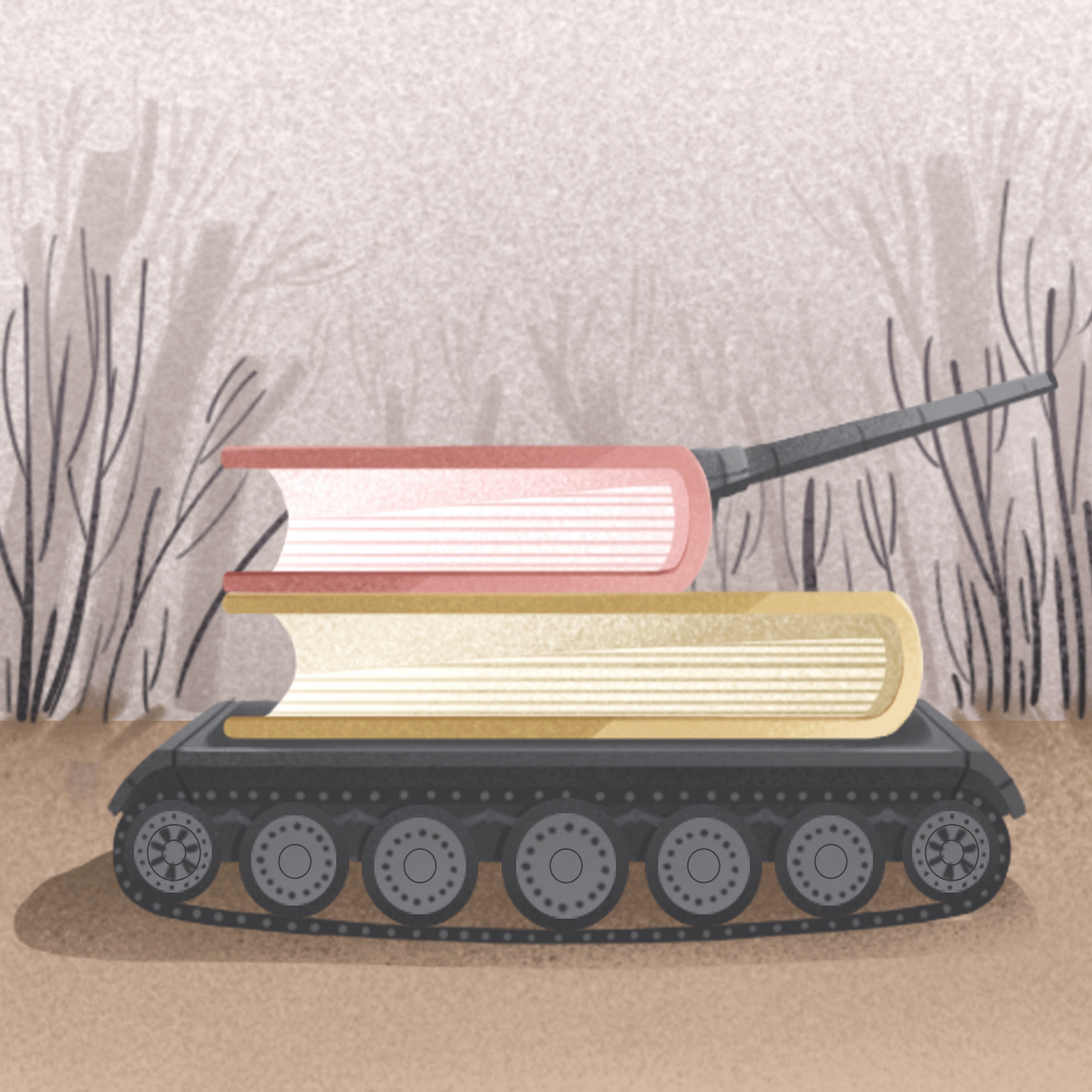
When Books Went to War: A Literary Revolution
Chapter 1 What's When Books Went to War Book by Molly Guptill Manning"When Books Went to War: The Stories that Helped Us Win World War II" is a non-fiction book written by Molly Guptill Manning. Published in 2014, the book explores the impact of books on American soldiers during World War II. It delves into the efforts made by the U.S. government and various organizations to provide books to soldiers as a means of boosting morale, providing education, and offering escape from the harsh realities of war. The book also highlights the important role played by librarians and soldiers in establishing and maintaining portable libraries on the front lines. Overall, "When Books Went to War" explores the power of literature in providing solace, hope, and knowledge in the midst of war.Chapter 2 Is When Books Went to War Book A Good BookIt is subjective to say whether a book is good or not as it depends on personal preferences. However, "When Books Went to War" by Molly Guptill Manning has received positive reviews from readers and critics alike. The book tells the story of how books became an important tool for American soldiers during World War II, providing them with comfort, escape, and education. It sheds light on the power of literature and its impact on soldiers' morale during a challenging time. If you have an interest in history, the military, or books, you may find this book enjoyable and informative.Chapter 3 When Books Went to War Book by Molly Guptill Manning Summary"When Books Went to War" by Molly Guptill Manning tells the story of the role that books played in boosting morale for American soldiers during World War II. The book begins by highlighting the significance of reading during this time period, emphasizing the cultural importance of books and the widespread love for reading among Americans. However, with the outbreak of war, the availability of books became limited due to paper shortages and printing restrictions. This led to the creation of the Armed Services Editions, small paperbacks that were specifically designed for soldiers and easily fit into their pockets.The author goes on to describe the process of creating and distributing these books. Publishers and librarians worked together to curate a collection of books that would appeal to a wide range of soldiers, taking into account their various interests and backgrounds. These books covered a range of genres, including classic literature, self-help books, poetry, and field guides, providing soldiers with both entertainment and educational reading material.Manning also explores the impact these books had on soldiers. Not only did they provide an escape from the horrors of war, but they also served as a connection to home and an opportunity for soldiers to expand their horizons. Many soldiers discovered a love for reading or found solace in books during challenging times.The book also delves into the experiences of individual soldiers and how they were personally affected by the Armed Services Editions. Manning shares stories of soldiers who found comfort in books while in foxholes, soldiers who formed book clubs in the midst of the battlefield, and soldiers who used books as a way to connect with their fellow comrades.Additionally, Manning highlights the role of librarians and volunteers who played a crucial part in distributing books. The author discusses the challenges faced by these individuals, including censorship and logistical difficulties, but ultimately emphasizes their dedication and the positive impact they had on the soldiers.Overall, "When Books Went to War" celebrates the power of literature and its ability to provide comfort and inspiration during times of hardship. The book sheds light on a...

A Way of Being Book: Exploring Rogers' Humanistic Philosophy
Chapter 1 What's A Way of Being Book by Carl R. Rogers"A Way of Being" is a book written by Carl R. Rogers, a prominent American psychologist and one of the founders of humanistic psychology. Published in 1980, the book reflects Rogers' mature thoughts and ideas about personal growth, therapeutic relationships, and the overall conditions necessary for individuals to reach their full potential.In "A Way of Being," Rogers explores the fundamental concepts and principles of his client-centered therapy approach, emphasizing the importance of empathy, unconditional positive regard, and congruence in creating a nurturing environment for personal growth. The book also delves into Rogers' thoughts on education, relationships, and social issues, presenting his vision for a more compassionate and understanding society.Overall, "A Way of Being" offers readers a deeper understanding of Rogers' influential work and provides valuable insights into his humanistic philosophy of self-actualization and authentic living.Chapter 2 Is A Way of Being Book A Good BookCarl R. Rogers is a highly respected psychologist known for his contributions to the field of humanistic psychology and client-centered therapy. "A Way of Being" is one of his most influential books, in which he discusses the importance of authenticity, empathy, and non-judgmental understanding in human relationships and personal growth. Many readers have found the book to be insightful and thought-provoking. Ultimately, whether a book is considered "good" or not depends on individual preferences and what you are looking to gain from it. It is recommended to read reviews or excerpts from the book to help you decide if it aligns with your interests and goals.Chapter 3 A Way of Being Book by Carl R. Rogers Summary"A Way of Being" is a book written by Carl R. Rogers, an influential American psychologist and pioneer of humanistic psychology. In this book, Rogers explores topics such as personal growth, human relationships, and the nature of being.The book emphasizes the importance of authenticity and self-acceptance in living a fulfilling life. Rogers argues that individuals have an innate drive towards self-actualization and self-understanding. He encourages readers to embrace their true selves, free from social expectations and external pressures.Rogers also discusses the concept of empathy and its role in fostering healthy relationships. He believes that empathetic understanding is crucial in creating positive connections with others and promoting personal growth.Throughout the book, Rogers provides numerous examples and anecdotes from his own life and therapeutic practice to illustrate his ideas. He shares his insights on the process of therapy, emphasizing the significance of a supportive and non-judgmental environment in facilitating clients' self-exploration and personal growth."A Way of Being" also touches on broader social and cultural issues. Rogers reflects on the state of society and emphasizes the need for empathy, respect, and tolerance in creating a more compassionate and understanding world.Overall, the book offers a profound exploration of the human experience and provides valuable lessons and guidance for individuals seeking personal growth, meaningful relationships, and a deeper understanding of themselves and others. Chapter 4 A Way of Being Book AuthorCarl R. Rogers was an American psychologist and one of the most influential figures in the field of humanistic psychology. He was born on January 8, 1902, in Oak Park, Illinois, and passed away on February 4,...

The Startup Owners Manual Book: A Comprehensive Entrepreneur's Guide
Chapter 1 What's The Startup Owners Manual Book by Steve BlankThe Startup Owner's Manual is a comprehensive guidebook written by Steve Blank and Bob Dorf. It provides step-by-step instructions and advice for building successful startups. The book offers practical insights and tools for every stage of the startup process, from idea development to customer acquisition and scaling.Steve Blank, a renowned entrepreneur and educator, is known for developing the Lean Startup methodology, which focuses on building and iterating quickly using customer feedback. The Startup Owner's Manual incorporates this methodology and features numerous case studies, templates, and checklists to help entrepreneurs reduce the risk and uncertainty associated with starting a new business.The book is divided into two parts: "The Startup Owner's Manual Strategy Guide" and "The Startup Owner's Manual Tactical Guide." The Strategy Guide focuses on developing a customer-centric business model and verifying it through customer discovery and validation. The Tactical Guide provides guidance on executing the business model, including customer creation, channel building, and hiring.Whether you are a first-time entrepreneur or an experienced startup founder, The Startup Owner's Manual serves as a comprehensive resource to guide you through the startup journey.Chapter 2 Is The Startup Owners Manual Book A Good BookThe Startup Owner's Manual by Steve Blank is widely regarded as a valuable resource for entrepreneurs. It is considered a good book because it provides practical guidance and insights on starting and scaling a startup. The book covers various topics such as customer development, business model canvas, and lean startup methodologies. It also includes real-world examples and case studies to illustrate key concepts. Many entrepreneurs and experts in the startup ecosystem recommend this book for its comprehensive approach to building a successful startup.Chapter 3 The Startup Owners Manual Book by Steve Blank Summary"The Startup Owner's Manual" by Steve Blank is a comprehensive guide for entrepreneurs looking to start and grow a successful startup. The book provides practical advice and actionable steps to help entrepreneurs understand their customers, validate their ideas, and build a scalable business.The main premise of the book is the concept of "customer development," which emphasizes the importance of understanding customers' needs and feedback throughout the startup journey. Blank introduces the Customer Development process, which consists of four steps: customer discovery, customer validation, customer creation, and company building.In the first step, customer discovery, entrepreneurs aim to identify their target customer segment and gain deep insights into their problems, preferences, and behaviors. The book emphasizes the importance of talking to potential customers early and frequently to validate assumptions and iterate on ideas.Once entrepreneurs gain a clear understanding of their customers and their needs, they move to the second step, customer validation. This involves testing and validating the business hypothesis by getting customers to commit to purchase or use the product or service. Blank emphasizes the importance of building minimum viable products (MVPs) and conducting experiments to gather data and feedback that can inform product development decisions.In the third step, customer creation, entrepreneurs focus on scaling and acquiring customers. Blank introduces various marketing and sales strategies to help startups effectively reach and convert their target customers. The book also discusses the importance of building a minimum viable channel, which involves finding the
Unlocking Education and Success: Thirty Million Words Book Overview
Chapter 1 What's Thirty Million Words Book by Dana SuskindThe "Thirty Million Words: Building a Child's Brain" book by Dana Suskind is a comprehensive guide that explores the importance of early language exposure and its impact on a child's development. Dana Suskind, a pediatric surgeon and hearing specialist, emphasizes the significance of parent-child communication in shaping a child's brain architecture and their future success.The book delves into the research conducted at the Thirty Million Words Initiative, which Dr. Suskind founded. The initiative aims to bridge the "word gap" between children from low-income backgrounds and their more affluent peers. It provides parents with practical strategies and techniques to enhance their child's language development from birth to age five.Through engaging anecdotes, scientific evidence, and real-life experiences, Dr. Suskind highlights the critical period of early childhood for language acquisition. She emphasizes the power of the parent's voice, highlighting the importance of using rich language, engaging in meaningful conversations, and providing a nurturing environment for language learning."Thirty Million Words" goes beyond language development and also explores the impact of socioeconomic factors on a child's language skills, educational outcomes, and long-term success. Dr. Suskind offers insights into how communities, policymakers, educators, and healthcare professionals can work together to address the word gap and improve early childhood language exposure for all children.Overall, the book offers a compelling argument for the importance of early language exposure and provides practical advice and resources to help parents foster their child's language development. The aim is to empower parents with the tools they need to help their children thrive in school and beyond.Chapter 2 Is Thirty Million Words Book A Good Book"Thirty Million Words" is a non-fiction book written by Dana Suskind, a pediatric cochlear implant surgeon. The book explores the profound impact that early language exposure has on a child's brain development and future success. Suskind emphasizes the importance of parents and caregivers actively engaging with their children from birth in order to enhance their language development.The book introduces the Thirty Million Words Initiative; a research-based program designed to improve the quantity and quality of language spoken to young children. Suskind shares numerous success stories and practical advice for parents to optimize their child's language learning potential.Overall, the book has received positive reviews for its compelling research, practical strategies, and its contribution to the understanding of the importance of early language exposure. However, it is always advisable to read multiple reviews or sample the book to determine if it aligns with your personal interests and goals.Chapter 3 Thirty Million Words Book by Dana Suskind Summary"The Thirty Million Words Book" by Dana Suskind is a guide for parents on how to promote early language development in their children. The book is based on Suskind's experiences as a pediatric cochlear implant surgeon and her research on the importance of language exposure in the early years.The book highlights the critical period of brain development in children between the ages of zero to three and emphasizes the role of parents in providing a stimulating language environment. Suskind introduces the concept of the "word gap," which refers to the disparity in vocabulary between children from lower-income households and their more privileged counterparts.Suskind explains that children from disadvantaged backgrounds often hear fewer words, have...

What a Fish Knows Book: An Engaging Aquatic Revelation
Chapter 1 What's What a Fish Knows Book by Jonathan Balcombe"What a Fish Knows: The Inner Lives of Our Underwater Cousins" is a book written by Jonathan Balcombe. In this book, Balcombe explores the fascinating world of fish and sheds light on their cognitive abilities, emotions, and complex social behaviors. He challenges the common perception that fish are simple creatures without much awareness or consciousness. Through scientific research and anecdotal evidence, Balcombe reveals the rich and diverse lives of fish, highlighting their intelligence, communication skills, problem-solving abilities, and remarkable memory. Overall, "What a Fish Knows" offers a thought-provoking exploration of the underwater world and encourages readers to reconsider their understanding and treatment of these often misunderstood creatures.Chapter 2 Is What a Fish Knows Book A Good BookYes, "What a Fish Knows: The Inner Lives of Our Underwater Cousins" by Jonathan Balcombe is generally considered a good book. It is highly praised for its accessible and engaging style, as well as its exploration of the fascinating world of fish behavior and intelligence. Balcombe, a renowned animal behaviorist, presents scientific research and personal anecdotes to challenge the commonly held perception that fish are simple and unintelligent creatures, opening up a new understanding of their rich inner lives.Chapter 3 What a Fish Knows Book by Jonathan Balcombe Summary"What a Fish Knows" is a book written by Jonathan Balcombe that explores the fascinating and complex lives of fish. Balcombe draws on scientific research and his own experiences to challenge common misconceptions about fish intelligence and emotions.The book begins by examining the sensory and cognitive abilities of fish, highlighting their remarkable visual and auditory systems, as well as their ability to learn and remember. Balcombe reveals that fish are not the simple, mindless creatures they are often perceived to be, but rather highly adaptable and sentient beings.He also discusses the emotional lives of fish, arguing that they can experience pain, fear, and even joy. Balcombe shares stories of fish exhibiting cooperation, empathy, and social bonds, refuting the popular belief that fish lack complex emotions.Balcombe also delves into the remarkable diversity of fish species and their unique adaptations to various aquatic environments. He explores their complex social behaviors, such as mating rituals, hierarchies, and parental care.Additionally, the book addresses the ethical implications of our treatment of fish and the impact of overfishing and habitat destruction. Balcombe advocates for a more compassionate and sustainable approach to fishing and highlights the importance of protecting fish populations and their habitats.Overall, "What a Fish Knows" offers readers a captivating and thought-provoking exploration of the underwater world of fish, challenging our preconceived notions and inspiring us to reconsider our relationship with these fascinating creatures. Chapter 4 What a Fish Knows Book AuthorJonathan Balcombe is a biologist, ethologist, and a leading expert on the behavioral and sensory capacities of animals. He is also a passionate advocate for animal rights. Jonathan Balcombe released his highly acclaimed book, "What a Fish Knows: The Inner Lives of Our Underwater Cousins," in 2016. Apart from "What a Fish Knows," Jonathan Balcombe has authored several other books, including:1. "Pleasurable Kingdom: Animals and the Nature of Feeling Good" (2006): In this book, Balcombe

The Subtle Art of Not Giving a F*ck: A Brief Overview
Chapter 1 What's The Subtle Art of Not Giving a F*ck Book by Mark Manson"The Subtle Art of Not Giving a F*ck" is a self-help book written by Mark Manson. It was published in 2016 and quickly became a bestseller. The book focuses on the author's unconventional approach to personal development and finding happiness.Mark Manson challenges the traditional self-help genre by advocating for the importance of embracing our flaws and accepting the limitations of our lives. He argues that instead of constantly seeking happiness and trying to please everyone, people should be more selective about the things that truly matter to them, and learn to prioritize those.Using anecdotes, humor, and philosophical insights, Manson discusses how to let go of negative thoughts, take responsibility for one's actions, and build healthier relationships. He emphasizes the importance of setting boundaries, embracing uncertainty, and focusing on personal growth.Overall, "The Subtle Art of Not Giving a F*ck" offers a fresh perspective on living a fulfilling life, encouraging readers to redefine their values and choose where to invest their time and energy.Chapter 2 Is The Subtle Art of Not Giving a F*ck Book A Good BookOpinions on books are subjective, as what may be considered a "good" book can vary from person to person. However, "The Subtle Art of Not Giving a F*ck" by Mark Manson has been widely praised for its unique perspective on self-help and personal growth. The book focuses on embracing responsibility for one's own life and making positive changes. It uses humor and straightforward language to deliver its message, making it relatable to many readers. Ultimately, whether it is a good book for you will depend on your personal tastes and whether the themes and writing style resonate with you.Chapter 3 The Subtle Art of Not Giving a F*ck Book by Mark Manson Summary"The Subtle Art of Not Giving a F*ck" is a self-help book written by Mark Manson. The main premise of the book is to encourage readers to reevaluate their values and priorities in order to live a more fulfilling and authentic life.Manson challenges the popular belief that happiness and success can be achieved through constant positivity and self-esteem. He argues that life is inherently difficult and that focusing on the negatives can actually lead to greater happiness and success. Manson believes that embracing and accepting our struggles, rather than trying to avoid or eliminate them, is the key to a more meaningful life.One of the main concepts in the book is the "subtle art" of not caring about everything. Manson suggests that we have limited time and energy, and that it is important to be selective about the things and people we invest ourselves in. He advises readers to identify their true values and prioritize them over external expectations or societal norms.Manson also emphasizes the importance of personal responsibility. He argues that taking responsibility for our own actions and emotions allows us to take control of our lives and create positive change. By accepting responsibility for our choices and reactions, we gain the power to shape our own narrative and find deeper meaning in life.Throughout the book, Manson uses a combination of personal anecdotes, humorous anecdotes, and psychological research to convey his message. He encourages readers to embrace discomfort, confront their fears, and be honest with themselves."The Subtle Art of Not Giving a F*ck" provides a fresh and unconventional approach to self-help, challenging conventional wisdom and offering a realistic perspective on life. It encourages readers to let go of expectations, focus on what truly matters to them, and find their own...

In Praise of Love: A Profound Exploration of Passion
Chapter 1 What's In Praise of Love Book by Alain BadiouIn Praise of Love is a book by French philosopher Alain Badiou, originally published in 2009. The book explores the concept of love and its significance in contemporary society. Badiou argues that love is an important and transformative force that can challenge the prevailing cynicism and individualism of our modern world.Badiou criticizes the modern notion of love as a consumerist transaction or a fleeting emotion, proposing an alternative understanding rooted in commitment and fidelity. He argues for the revival of a profound and authentic love that is not reliant on personal gain or immediate satisfaction.The book examines the relationship between love and politics, asserting that love has the potential to create social and political transformations. Badiou believes that love can inspire individuals to overcome their self-interest and engage in collective action for the betterment of society.In Praise of Love is both a philosophical inquiry into the nature of love and a political manifesto advocating for the reinvigoration of love as a transformative force. It calls for a rejection of the prevailing cynicism and a return to a more genuine and meaningful conception of love.Chapter 2 Is In Praise of Love Book A Good BookOpinions on the book "In Praise of Love" by Alain Badiou can vary depending on individual preferences and interests. However, it is generally considered a thought-provoking and insightful book on the concept of love in contemporary society. Badiou explores the limitations and challenges of modern romantic relationships, critiquing the prevailing notions of love based on consumerism and individualism. He presents an alternative perspective that emphasizes the importance of collective love, commitment, and fidelity. Whether or not the book is considered good will depend on one's personal interest in philosophical reflections on love and relationships.Chapter 3 In Praise of Love Book by Alain Badiou Summary"In Praise of Love" is a book written by French philosopher Alain Badiou. The book explores the concept of love and its place in modern society. Badiou argues that love has been gradually marginalized and commercialized, becoming a mere commodity rather than a profound and transformative experience.Badiou starts by discussing the historical evolution of love, from its classical understanding as a passionate and all-encompassing force, to its modern portrayal as a fleeting and superficial emotion. He criticizes the current cultural and consumeristic understanding of love, where relationships are based on desire and personal satisfaction rather than genuine commitment and connection.According to Badiou, true love requires a radical transformation of the self and a dedication to the other person. Love is not about personal happiness or fulfillment but about creating something new and meaningful together. It is a commitment that goes beyond individual desires and needs, requiring loyalty, trust, and the willingness to support and care for each other.Badiou also criticizes the prevalent fear of commitment in contemporary society, arguing that love cannot be reduced to a temporary passion or the pursuit of personal pleasure. He stresses the importance of taking risks and embracing vulnerability in love, as this is where the potential for growth and change lies.Moreover, Badiou explores the connection between love and politics, suggesting that love can be a powerful force for social transformation. He argues that love can transcend the boundaries of individual relationships and extend to communities and humanity as a whole. Love is a collective act that can challenge oppressive systems and advocate for...

Diving into the Wisdom: How Children Learn Book Overview
Chapter 1 What's How Children Learn Book by John C. Holt"How Children Learn" is a book written by John C. Holt, an American author and educator. First published in 1967, the book explores different aspects of child development and learning. Holt challenges traditional educational methods and encourages a more child-centered approach to learning. He believes that children are natural learners and that traditional schooling often stifles their curiosity and creativity. The book discusses the importance of autonomy, play, and self-directed learning in a child's education. "How Children Learn" has been influential in the field of progressive education and has had a significant impact on educational reform.Chapter 2 Is How Children Learn Book A Good BookThe book "How Children Learn" by John C. Holt is generally considered a good book by many parents, teachers, and educators. Holt explores educational theories and practices, emphasizing the importance of children's natural curiosity and the role of play in learning. He challenges traditional education systems and discusses the potential detrimental effects of standardized testing and rote memorization. The book offers valuable insights and alternative perspectives on how children can best learn and thrive. However, personal opinions about the book may vary based on individual preferences and beliefs about education.Chapter 3 How Children Learn Book by John C. Holt Summary"How Children Learn" is a book written by John C. Holt, a prominent educational theorist and advocate for homeschooling. Published in 1967, the book examines the conventional education system and suggests alternative methods for helping children learn more effectively.In the book, Holt challenges traditional views on education and argues that children are naturally curious and have an innate desire to learn. He emphasizes the importance of nurturing and encouraging this natural curiosity rather than forcing children into a rigid educational framework.Holt believes that children learn best when they are actively engaged in their environment and can explore and experiment with the world around them. He criticizes the conventional school system for its focus on rote memorization and standardized testing, arguing that this stifles creativity and does not allow children to develop a genuine understanding of the subject matter.The book touches on various aspects of learning, including the role of play, the importance of individualized learning, and the benefits of learning through real-life experiences. Holt suggests that children learn best when they are able to pursue their interests and take responsibility for their own education.Throughout the book, Holt also reflects on his own experiences as a teacher and observer of children, sharing anecdotes and insights that support his arguments. He raises important questions about the purpose of education and the potential harm that can be caused by a one-size-fits-all approach.In summary, "How Children Learn" is a thought-provoking book that challenges traditional notions of education and offers alternative perspectives on how children learn best. It highlights the importance of nurturing children's natural curiosity and encouraging hands-on, experiential learning. Overall, it provides valuable insights for parents, educators, and anyone interested in reimagining the way we educate children. Chapter 4 How Children Learn Book AuthorJohn C. Holt was an American author and educator who wrote the influential book "How Children Learn." It was first published in 1967. Holt was known...

Discover the Power of Playful Parenting: A Book Summary
Chapter 1 What's Playful Parenting Book by Lawrence J. CohenPlayful Parenting is a book written by Lawrence J. Cohen. It was published in 2001 and provides a guide for parents on how to engage in playful interactions with their children in order to strengthen their relationship, promote emotional well-being, and resolve conflicts. The book emphasizes the importance of laughter and playfulness in parenting, and provides practical tips and strategies for incorporating play into everyday activities.Chapter 2 Is Playful Parenting Book A Good BookPlayful Parenting by Lawrence J. Cohen is generally well-regarded and has received positive reviews from many readers. It offers insights and practical advice on using play to build deeper connections and improve communication with your children. The book focuses on encouraging playfulness, empathy, and active listening to strengthen the parent-child relationship. However, personal preferences may vary, so it's worth reading reviews, checking its summary, and considering your own parenting style and goals before deciding if it suits your needs.Chapter 3 Playful Parenting Book by Lawrence J. Cohen SummaryPlayful Parenting is a book by Lawrence J. Cohen that emphasizes the importance of incorporating play into parenting for effective communication and building healthy relationships with children. The book provides various strategies and techniques to help parents create a playful atmosphere at home, where children feel understood, validated, and loved.The main theme of the book is that playing with our children is not just about having fun, but also a powerful tool for building connection, resolving conflicts, and teaching important life skills. Cohen argues that play allows children to feel safe, express their emotions, and develop social and problem-solving skills. By engaging in various forms of play, parents can effectively communicate with their children, build trust, and foster a positive parent-child relationship.The book introduces different types of play, including physical play, imaginative play, and emotional play, and provides practical advice on how to incorporate them into daily routines. Cohen suggests that parents should actively listen to their child's emotions during play and use it as an opportunity to empathize and validate their feelings. By actively participating in their child's play, parents can also balance their authority and create a sense of equality within the parent-child dynamic.Additionally, Playful Parenting addresses common parenting challenges such as tantrums, power struggles, and discipline issues. Cohen offers playful alternatives to conventional discipline methods, encouraging parents to approach these situations with empathy, creativity, and a sense of humor. Through playful interventions, parents can guide their children towards positive behaviors and problem-solving techniques, rather than resorting to punitive measures.Overall, Playful Parenting emphasizes the importance of play in parenting and provides practical guidance for parents to create a more playful and connected relationship with their children. It encourages parents to view play as a valuable tool for communication, problem-solving, and emotional development, allowing both parents and children to enjoy a more joyful and fulfilling parenting experience. Chapter 4 Playful Parenting Book AuthorLawrence J. Cohen is a clinical psychologist and author specializing in children's play and parenting. He is best known for his book "Playful Parenting," which provides techniques and ideas to help parents use playfulness to connect with their children and resolve conflicts. The book was first published in 2001.In...

Embracing Defeat: Unveiling Japan's Journey After World War II
Chapter 1 What's Embracing Defeat Book by John W. Dower"Embracing Defeat: Japan in the Wake of World War II" is a book written by John W. Dower, an American historian and professor emeritus of history at the Massachusetts Institute of Technology. Published in 1999, the book explores the social, cultural, and political impact of World War II on Japan and its people, focusing particularly on the immediate post-war years from 1945 to 1952.Dower examines various aspects of Japan's reconstruction and transformation during this period, delving into topics such as the Allied Occupation, the demilitarization of Japanese society, the rebuilding of the economy, the war crimes trials, the democratization process, and the cultural changes that took place. By drawing on a wide range of sources, including official documents, personal testimonies, diaries, and popular media, Dower provides a nuanced understanding of how the Japanese society coped with the aftermath of defeat.The book received critical acclaim for its comprehensive and insightful analysis of the complexities and contradictions that Japan faced during its transition from a militaristic empire to a pacifist democracy. It explores the hopes, frustrations, and struggles of both Japanese citizens and occupying American forces, shedding light on the dilemmas and challenges of post-war reconstruction."Embracing Defeat" won several prestigious awards, including the 2000 Pulitzer Prize for General Non-Fiction and the 1999 National Book Award for Nonfiction. It remains a significant work in the field of Japanese history and the impact of war on society and culture.Chapter 2 Is Embracing Defeat Book A Good BookYes, "Embracing Defeat" by John W. Dower is widely regarded as an excellent book. It won the Pulitzer Prize for General Non-Fiction in 2000 and provides a comprehensive and insightful account of Japan's experience during the post-World War II period. Dower analyzes various aspects of Japan's reconstruction, political transformation, and cultural shifts with depth and nuance. Many readers appreciate his ability to blend historical analysis with personal accounts, making the book accessible and engaging. However, it is ultimately a matter of personal preference, so it is recommended to read reviews and summaries to determine if the book aligns with your specific interests and preferences.Chapter 3 Embracing Defeat Book by John W. Dower Summary"Embracing Defeat: Japan in the Wake of World War II" is a book by John W. Dower that explores the social, political, and cultural transformation of Japan following its defeat in World War II. The book examines the Allied Occupation of Japan from 1945 to 1952 and analyzes its impact on various aspects of Japanese society.Dower begins by providing a historical background to Japan's militaristic expansionism leading up to its defeat in 1945. He then delves into the immediate aftermath of the war, the devastation Japan faced, and the challenges it encountered as it attempted to rebuild and redefine itself.One recurring theme in the book is the duality of Japan's experience during the Occupation. On one hand, there was a sense of humiliation and defeat as the country had to surrender its imperial ambitions and accept the presence of foreign forces. On the other hand, the Occupation also brought about significant changes and opportunities for reform in Japanese politics, society, and culture.Dower explores the administration of General Douglas MacArthur and the policies implemented during the Occupation. He examines the democratization and liberalization efforts, including the promotion of civil liberties, women's rights, and labor rights. Dower also discusses the dismantling of Japan's military...

Decoding the Enigma: A Summary of Consciousness and the Brain
Chapter 1 What's Consciousness and the Brain Book by Stanislas Dehaene"Consciousness and the Brain: Deciphering How the Brain Codes Our Thoughts" is a book written by Stanislas Dehaene, a renowned cognitive neuroscientist. Published in 2014, the book explores the relationship between consciousness and the workings of the brain. Dehaene delves into the fascinating field of neurobiology, discussing how the brain generates different states of awareness and determines our thoughts and perceptions. He explores various experiments, observations, and theories, providing insights into the neural mechanisms that underlie consciousness. Dehaene's book aims to bridge the gap between the field of neuroscience and the concept of consciousness, offering a comprehensive understanding of how our brains give rise to our conscious experiences.Chapter 2 Is Consciousness and the Brain Book A Good BookYes, "Consciousness and the Brain" by Stanislas Dehaene is generally considered a good book. It is highly regarded among scientists and scholars in the field of neuroscience and consciousness studies. Dehaene presents a comprehensive and accessible exploration into the relationship between consciousness and the brain, drawing on both scientific research and philosophical insights. The book offers valuable insights and theories related to the nature of consciousness and how it arises from neural processes. However, as with any book, opinions may vary, so it is a good idea to read reviews and sample some of the content before determining if it aligns with your specific interests and preferences.Chapter 3 Consciousness and the Brain Book by Stanislas Dehaene Summary"Consciousness and the Brain: Deciphering How the Brain Codes Our Thoughts" is a book written by Stanislas Dehaene, a renowned cognitive neuroscientist. In this book, Dehaene explores the relationship between consciousness and the brain, aiming to unravel the mechanisms that underlie our thoughts.The book begins with an introduction to the concept of consciousness and the historical debates surrounding it. Dehaene acknowledges that consciousness is a complex phenomenon that has been difficult to understand and define. He then proposes a fresh perspective on consciousness, suggesting that it should be viewed as a representational system in the brain.Dehaene delves into the research and discoveries in the field of neurobiology to support his theories. He introduces the concept of neuronal workspace, which refers to a global workspace in the brain where information from different cognitive functions is integrated. This concept helps explain how we become aware of certain thoughts and disregard others.The book explores various aspects of consciousness, including perception, attention, and decision-making. Dehaene discusses experiments and studies that have shed light on these processes, emphasizing the role of the brain in shaping our conscious experiences.Moreover, Dehaene investigates altered states of consciousness, such as those induced by anesthesia or coma. He examines the patterns of brain activity observed in these states and tries to understand the underlying mechanisms that lead to a loss of consciousness.Throughout the book, Dehaene skillfully combines scientific evidence with philosophical reflections. He addresses questions such as the nature of free will and the relationship between the brain and the mind. Dehaene draws on his extensive research and expertise to offer compelling arguments and theories that challenge traditional views.In conclusion, "Consciousness and the Brain" by Stanislas Dehaene is a thought-provoking exploration of the profound relationship between our conscious experiences and the workings of the brain....

Savage Continent: Unraveling Europe's Brutal Post-WWII Reconstruction and Redemption
Chapter 1 What's Savage Continent Book by Keith LoweSavage Continent is a book written by Keith Lowe and published in 2012. The book offers a comprehensive account of Europe in the aftermath of World War II. It focuses on the period from 1944 to 1949, exploring the physical, political, and psychological ruins left behind by the war. Lowe examines the deep divisions, violence, and chaos that plagued the continent during this time, as countries and communities struggled to rebuild while dealing with the aftermath of Nazi occupation, mass displacements, ethnic cleansing, and vengeful violence. Savage Continent sheds light on lesser-known aspects of the post-war era and offers a poignant analysis of the long-lasting effects of war on societies and individuals.Chapter 2 Is Savage Continent Book A Good BookOpinions on whether a book is good can vary greatly depending on individual tastes and interests. However, "Savage Continent: Europe in the Aftermath of World War II" by Keith Lowe is generally well-regarded by both critics and readers. The book offers a comprehensive and in-depth exploration of the immediate aftermath of World War II in Europe, focusing on the social, political, and cultural consequences of the conflict. It delves into the widespread violence, displacement, and chaos experienced by the continent during this period. Many readers appreciate Lowe's thorough research, engaging writing style, and ability to unveil lesser-known stories and perspectives.However, it is important to note that the book's content can be quite graphic and disturbing, as it deals with the atrocities committed during the war and its aftermath. If you have a particular interest in this historical period and can handle graphic descriptions, "Savage Continent" is likely to be an informative and thought-provoking read.Chapter 3 Savage Continent Book by Keith Lowe Summary"Savage Continent: Europe in the Aftermath of World War II" is a book by Keith Lowe that examines the continent's tumultuous period between 1944 and 1950, immediately following the end of World War II. The book offers a comprehensive and often shocking account of the destruction, violence, and chaos that characterized the post-war era in Europe.Lowe begins by highlighting the immense devastation caused by the war, from the physical destruction of cities and infrastructure to the loss of life and displacement of millions. He explores the psychological and emotional trauma suffered by not only soldiers but also civilians who had endured years of occupation, bombings, and forced labor.The book delves into topics such as the mass rape and sexual violence inflicted upon women, the vengeful acts committed by both victorious and defeated nations, and the revenge taken against collaborators and perceived enemies. Lowe also examines the displacement and forced migration of millions of people, the challenge of rebuilding shattered economies and societies, and the rise of political extremism and nationalist movements.While Savage Continent paints a bleak picture of post-war Europe, it also highlights acts of compassion, solidarity, and resilience in the face of immense hardship. Lowe explores how individuals and communities rebuilt their lives, the efforts made to establish new systems of governance, and the beginning of the process of reconciliation between former enemies.Overall, "Savage Continent" offers a detailed and often disturbing account of the harsh reality faced by Europeans in the aftermath of World War II. It challenges many commonly held beliefs about the immediate post-war years and provides a deeper understanding of this complex period in European history. Chapter 4 Savage Continent Book...

The Synopsis of "How an Economy Grows And Why It Crashes
Chapter 1 What's How An Economy Grows And Why It Crashes Book by Peter D. Schiff"How an Economy Grows and Why It Crashes" is a book written by Peter D. Schiff in 2010. The book aims to explain the fundamental principles behind economic growth and decline in a way that is accessible to the average reader. Schiff uses an allegorical story set on a fictional island to illustrate the basic concepts of economics. He introduces characters who engage in basic economic activities such as fishing, farming, and building, to explain how these activities contribute to the growth of the island's economy. Through this story, Schiff explores the importance of saving, investing, and productive activity in an economy.The book also delves into the various factors that can lead to economic crises and crashes. Schiff discusses the role of government intervention, inflation, and excessive debt in the economic downturns. He argues for limited government intervention and advocates for sound money policies to prevent economic instability.Overall, "How an Economy Grows and Why It Crashes" serves as an introduction to economic principles and highlights the potential pitfalls and dangers that can lead to economic crises. The book aims to provide readers with a better understanding of the workings of the economy and how to avoid common pitfalls in personal financial decisions.Chapter 2 Is How An Economy Grows And Why It Crashes Book A Good Book"How an Economy Grows and Why It Crashes" by Peter D. Schiff is generally well-regarded among readers interested in economics and finance. However, opinions on the goodness of a book can vary depending on individual preferences and goals.The book offers a simplified and accessible explanation of complex economic concepts, making it suitable for readers who want a basic understanding of how economies work. It utilizes a storytelling format to explain the fundamentals of economic growth, government intervention, and the causes of economic crises.Readers appreciate Peter Schiff's ability to communicate economic principles in an engaging and easy-to-understand manner. Additionally, the book provides a unique perspective on the functioning of free markets and the potential dangers of excessive government intervention, which can be insightful for certain readers.However, it's important to note that Peter Schiff has been criticized by some economists for his extreme views and incorrect predictions regarding the 2008 financial crisis. Therefore, readers should approach the book critically and consider alternative viewpoints.Overall, "How an Economy Grows and Why It Crashes" can be a good book for readers looking for a simplified introduction to economics and those interested in exploring different perspectives on economic theory.Chapter 3 How An Economy Grows And Why It Crashes Book by Peter D. Schiff Summary"How an Economy Grows and Why It Crashes" is a book written by Peter D. Schiff, an American economist and financial broker. The book, published in 2010, provides an easy-to-understand explanation of how the economy works and the reasons behind its crashes.The main premise of the book is that economies grow through savings, investment, and production. Schiff presents this concept through an allegorical story set on an island, which simplifies complex economic concepts for the reader.In the story, the island starts with only three inhabitants who engage in simple barter transactions. As the population increases, they realize the benefits of using a medium of exchange, i.e., money, to facilitate trade. Schiff uses this illustration to explain how money functions as a facilitator of exchange and promotes economic growth.The...

What a Plant Knows: Unveiling Nature's Green Secrets
Chapter 1 What's What a Plant Knows Book by Daniel Chamovitz"What a Plant Knows: A Field Guide to the Senses" is a book written by Daniel Chamovitz, a plant biologist. In this book, Chamovitz explores the sensory and communication abilities of plants, revealing their surprising and complex lives. The author examines various aspects of plant behavior, such as their ability to see, feel, smell, and hear, through scientific research and experiments. The book aims to make readers rethink their perception of plants and understand their unique cognitive abilities.Chapter 2 Is What a Plant Knows Book A Good BookOpinions on books can vary greatly depending on individual preferences and interests. "What a Plant Knows" by Daniel Chamovitz is generally well-regarded among readers interested in plant biology and the science of how plants perceive and respond to their environment. The book explores the capabilities of plants such as sensing light, feeling gravity, and responding to touch. If you have an interest in plants and want to learn more about their fascinating world, this book is likely to be a good choice for you. However, if you are not particularly interested in this topic, you may find the book less engaging. It is always a good idea to read reviews or excerpts from the book to see if it aligns with your interests before making a decision.Chapter 3 What a Plant Knows Book by Daniel Chamovitz Summary"What a Plant Knows: A Field Guide to the Senses" is a book written by Daniel Chamovitz, a biologist and plant researcher. The book explores the fascinating world of plants and their sensory capabilities. The book begins by challenging the common belief that plants are static and unresponsive organisms. Chamovitz argues that plants are not just passive entities, but are aware of their environment and have the ability to perceive and respond to it. Chamovitz delves into the various senses that plants possess, including touch, sight, smell, taste, and even the ability to sense gravity. He explains how plants use these senses to navigate their surroundings, interact with other organisms, and make important life decisions, such as when to flower or when to defend against predators. Throughout the book, Chamovitz draws on scientific research and experiments to support his claims. He explains how scientists have used techniques such as genetic modification and imaging technology to uncover the hidden sensory world of plants. The author also explores the evolutionary significance of plant senses, showcasing how certain plant traits have developed to enhance their survival and reproduction. He highlights the intricate relationship between plants and their environment, emphasizing the crucial role that sensory perception plays in their ability to adapt and thrive. In addition to the scientific aspects, Chamovitz also touches on the philosophical implications of understanding plant senses. He poses thought-provoking questions about the nature of consciousness and what it means to truly perceive the world. Ultimately, "What a Plant Knows" provides a comprehensive and enlightening look into the world of plants and their amazing sensory capabilities. It challenges our preconceived notions about these organisms and invites readers to view them as complex, sentient beings. Chapter 4 What a Plant Knows Book AuthorDaniel Chamovitz is a scientist and the author of the book "What a Plant Knows: A Field Guide to the Senses," which explores the sensory and cognitive abilities of plants. The book was first published on May 15, 2012. As

Decoding the Art of Compelling Narratives: Insights from Wired for Story Book
Chapter 1 What's Wired for Story Book by Lisa Cron"Wired for Story" is a book written by Lisa Cron, published in 2012. It explores the principles and techniques of storytelling from a cognitive science perspective. Cron delves into the neural mechanisms that make storytelling effective and engages readers in understanding how to grab and hold the attention of their audience. The book provides practical insights and strategies for crafting more compelling and impactful stories, whether in writing, marketing, or any form of communication. Overall, "Wired for Story" aims to help writers and storytellers tap into the power of narrative to captivate readers or listeners.Chapter 2 Is Wired for Story Book A Good BookOpinions on whether Wired for Story by Lisa Cron is a good book may vary. However, overall, it tends to receive positive reviews and is highly recommended for writers and storytellers. Many readers find it informative, insightful, and helpful in understanding the science behind storytelling and crafting engaging narratives. The book provides practical advice, examples, and exercises to improve storytelling skills and create more compelling stories. Ultimately, it would be best to read reviews and gather more information to determine if it aligns with your specific interests and needs.Chapter 3 Wired for Story Book by Lisa Cron SummaryWired for Story: The Writer's Guide to Using Brain Science to Hook Readers from the Very First Sentence is a book written by Lisa Cron. In this book, Cron explores the connection between storytelling and the human brain, providing insights and techniques for writers to create compelling and engaging narratives.Cron argues that humans are wired to respond to stories, as our brains are constantly seeking patterns and meaning. She highlights the importance of understanding how the brain processes stories in order to captivate readers from the very beginning.The book covers various aspects of storytelling, including character development, plot structure, and the use of conflict and tension. Cron emphasizes the significance of creating characters that readers can emotionally connect with, as well as the importance of a strong and purposeful plot.Throughout the book, Cron also delves into the concept of the "story gap," which refers to the discrepancy between what the protagonist wants and what they actually need. She explains how this internal conflict drives the narrative and keeps readers engaged.Wired for Story combines scientific research with practical writing exercises, providing readers with a comprehensive guide to crafting effective stories. Cron's insights are not only valuable for writers but also for anyone interested in understanding the power and impact of storytelling. Chapter 4 Wired for Story Book AuthorLisa Cron is an author, speaker, and story coach, best known for her book "Wired for Story: The Writer's Guide to Using Brain Science to Hook Readers from the Very First Sentence." The book was released on August 9, 2012.Apart from "Wired for Story," Lisa Cron has also written another book titled "Story Genius: How to Use Brain Science to Go Beyond Outlining and Write a Riveting Novel." It was published on August 9, 2016, expanding on the concepts introduced in her first book.As for the best edition, it is subjective and depends on individual preferences. Both the original edition and subsequent editions of "Wired for Story" have received positive reviews and have been appreciated by aspiring writers and storytellers looking to understand the science behind compelling...

Unleashing the Powerhouse: A Summary of Amazon Unbound Book
Chapter 1 What's Amazon Unbound Book by Brad Stone"Amazon Unbound: Jeff Bezos and the Invention of a Global Empire" is a non-fiction book written by Brad Stone. It serves as a sequel to Stone's earlier work, "The Everything Store," which explored the rise of Amazon and its founder Jeff Bezos. In "Amazon Unbound," Stone delves into the more recent developments and challenges faced by Amazon, covering the period from approximately 2014 to 2021. The book provides insights into how Amazon expanded its influence into new areas, such as artificial intelligence, voice assistants, and streaming services. It also explores the controversies surrounding the company, including issues with workplace conditions, labor practices, and antitrust scrutiny.Through extensive research and interviews with key individuals, Stone aims to shed light on the leadership and strategies employed by Bezos as he strove to maintain Amazon's dominance in an evolving retail landscape. The book offers a behind-the-scenes look at the inner workings of the company and the impact it has had on industries and societies worldwide.Ultimately, "Amazon Unbound" seeks to provide readers with a comprehensive and updated understanding of Amazon's growth and influence and its implications for the future of commerce, technology, and society.Chapter 2 Is Amazon Unbound Book A Good BookAs an AI language model, I don't have personal opinions or experiences. However, I can provide you with some information about the book "Amazon Unbound" by Brad Stone and how it has been received by others."Amazon Unbound: Jeff Bezos and the Invention of a Global Empire" is a non-fiction book that provides an in-depth look into the rise and expansion of Amazon and its founder, Jeff Bezos. It explores the strategies and practices that contributed to the company's immense success, as well as its impact on various industries and society as a whole. Overall, "Amazon Unbound" has received positive reviews from readers and critics. It offers a comprehensive and engaging narrative that provides insights into the inner workings of Amazon, including its growth, innovations, controversies, and challenges. Many readers have found the book to be well-researched, informative, and thought-provoking.However, it's worth noting that opinions on books can be subjective, and individual preferences may vary. If you are interested in the topic of Amazon, entrepreneurship, or technology, you might find "Amazon Unbound" to be a good book. It's always recommended to read reviews, book summaries, or sample chapters before deciding if a book aligns with your interests and reading preferences.Chapter 3 Amazon Unbound Book by Brad Stone Summary"Amazon Unbound: Jeff Bezos and the Invention of a Global Empire" is a book written by journalist Brad Stone. It provides a detailed account of the rise and expansion of Amazon, focusing on the role of its founder Jeff Bezos. Here is a summary of the book:1. Origins of Amazon: The book explores Amazon's humble beginnings as an online bookstore in Jeff Bezos's garage and traces its early growth and success. It also looks at Bezos's background and entrepreneurial drive.2. The Amazon Revolution: Stone delves into the revolutionary aspects of Amazon's business model, such as its customer-centric approach, relentless focus on innovation, and disruptive impact on the retail industry.3. Expansion into New Markets: The book follows Amazon's expansion beyond books into various other product categories, including electronics, toys, and clothing. It also covers the development of Amazon Prime, Amazon's subscription service offering fast shipping and other benefits.4. The Ecosystem: Stone explores how Amazon has built an...

Unveiling the Depths of Self: The Horney Self-Analysis
Chapter 1 What's Self-Analysis Book by Karen HorneySelf-Analysis is a book written by Karen Horney, a prominent psychoanalyst and feminist thinker. Published in 1942, the book explores the process of self-analysis as a means to gain self-awareness and personal growth.Horney argues that self-analysis is a vital tool in understanding oneself and overcoming various psychological conflicts and distress. She emphasizes that individuals have a responsibility to examine their own thoughts, motivations, and behaviors to strive for personal fulfillment and a fulfilling life.In the book, Horney outlines several concepts and techniques to facilitate self-analysis. She explores the influence of childhood experiences, particularly in relation to relationships with parents and other influential figures. Horney also delves into the impact of cultural and societal pressures on individual development and people's aspirations.One of the central ideas in Self-Analysis is the concept of neurosis. Horney suggests that neurosis arises from various psychological conflicts, such as the clash between an individual's genuine self and the idealized self-image created by societal expectations. She emphasizes that self-analysis can help individuals identify and overcome these conflicts, leading to a more authentic and fulfilling existence.Moreover, Horney expands on the importance of self-expression and creativity in self-analysis. She argues that expressing oneself authentically and engaging in creative activities facilitate personal growth and a deeper understanding of oneself.Overall, Self-Analysis by Karen Horney provides a comprehensive exploration of the process of self-analysis, offering valuable insights and practical techniques for individuals seeking to gain self-awareness, overcome psychological conflicts, and ultimately achieve personal fulfillment.Chapter 2 Is Self-Analysis Book A Good Book"Self-Analysis" is a well-known book written by Karen Horney, a renowned psychoanalyst and one of the most influential figures in the field of psychology. The book was published in 1942, and it presents a self-help approach to self-analysis and personal growth.In the book, Horney outlines various techniques for self-reflection and self-understanding. She emphasizes the importance of examining one's own thoughts, emotions, and behaviors to gain insight into one's personal conflicts and create positive change.While the book is not as widely read or recognized as some other works in the field of psychology, it is still regarded as a valuable resource for self-reflection and personal development. Horney's approach combines psychoanalytic theory with a focus on interpersonal relationships, making it applicable to a wide range of readers.However, like any book, its utility and impact may vary depending on the reader's interests, preferences, and needs. If you are interested in exploring the topics of self-analysis and personal growth from a psychoanalytic perspective, "Self-Analysis" by Karen Horney could be worth considering.Chapter 3 Self-Analysis Book by Karen Horney SummaryKaren Horney was a psychoanalyst and feminist theorist who challenged the traditional Freudian view of psychoanalysis. In her book "Self-Analysis," Horney explores the concept of self-analysis and its potential for self-improvement and personal growth.The book begins with an introduction to the process of self-analysis and its importance in understanding one's own thoughts, emotions, and behavior. Horney emphasizes that self-analysis requires honesty, self-reflection, and a willingness to confront one's own fears and insecurities.Horney then delves into various aspects of self-analysis, including understanding one's...
The Minto Pyramid Principle Book: A Powerful Summary
Chapter 1 What's The Minto Pyramid Principle Book by Barbara MintoThe Minto Pyramid Principle is a book written by Barbara Minto. The book provides a structured approach to clear and effective communication, particularly in business settings. It introduces the "Pyramid Principle," which emphasizes the importance of organizing thoughts and information in a logical and hierarchical structure.The book outlines a step-by-step methodology for creating compelling and persuasive presentations or written documents. Minto emphasizes that starting with a top-down approach, beginning with the main point or conclusion, is crucial for clarity and impact. The Pyramid Principle helps readers organize their ideas into groups and subgroups, ensuring a coherent flow of information.The Minto Pyramid Principle has gained widespread recognition and is widely used by management consultants, business professionals, and anyone seeking to enhance their communication skills. It provides practical techniques and examples for structuring presentations, written reports, and even everyday conversations.Overall, the book serves as a guide for improving communication by presenting ideas in a structured and convincing manner, making it a valuable resource for individuals in various professional fields.Chapter 2 Is The Minto Pyramid Principle Book A Good BookYes, "The Minto Pyramid Principle" by Barbara Minto is highly regarded as a good book. It is considered a classic in the field of business communication and is widely recommended for its practical approach to structuring and presenting ideas. Many professionals find it useful for improving their writing and presentation skills, as well as enhancing their ability to think logically and communicate effectively.Chapter 3 The Minto Pyramid Principle Book by Barbara Minto SummaryThe Minto Pyramid Principle book by Barbara Minto is a guide on how to effectively communicate and present ideas in a structured and impactful way. Minto introduces a method called the Pyramid Principle, which emphasizes clear thinking and logical organization of ideas.The book begins by discussing the importance of clear communication, stating that ideas need to be presented in a way that is easy for the audience to understand and follow. Minto explains that the key to achieving this is to start with a big idea - the main point or conclusion - and then provide supporting arguments and evidence in a logical and organized manner.The Pyramid Principle method is introduced as a way to structure ideas and arguments in a pyramid-like format. The main point is at the top of the pyramid, followed by sub-points, sub-sub-points, and so on. Each level of the pyramid should be based on the level above it, providing a clear hierarchy of ideas.Minto then delves into the specifics of the Pyramid Principle, explaining how to structure each level of the pyramid and how to effectively connect ideas using linking phrases. She provides numerous examples and templates to help readers understand and apply the concept.Throughout the book, Minto emphasizes the importance of clarity and simplicity in communication. She encourages readers to remove unnecessary details and to focus on the most important points. Minto also provides tips on how to analyze and organize information effectively, as well as how to create compelling visuals to support presentations.In conclusion, The Minto Pyramid Principle book by Barbara Minto offers a practical method for improving communication and presentation skills. By applying the Pyramid Principle, readers can learn to structure their ideas in a logical and compelling way, making their communication more impactful and...

Counselling For Toads Book: A Path to Personal Transformation
Chapter 1 What's Counselling For Toads Book by Robert De Board"Counselling for Toads: A Psychological Adventure" is a book written by British psychotherapist Robert De Board. It is a unique and creative work that uses fictional characters, specifically the well-known children's character Toad from "The Wind in the Willows," to explore important psychological concepts and offer insights into human emotions and relationships.The book presents a therapeutic journey undertaken by Toad, who is shown struggling with various psychological issues such as anxiety, depression, and relationship difficulties. Toad seeks the help of a wise therapist called Heron, who employs different therapeutic approaches to guide Toad towards self-discovery, personal growth, and improved mental well-being.Through their sessions together, Heron helps Toad explore his thoughts, feelings, and behaviors, providing valuable guidance and teaching him valuable coping strategies and psychological concepts. The book sheds light on the importance of self-awareness, empathy, and effective communication in building healthier and more fulfilling relationships.While the book uses anthropomorphic animal characters and a fictional setting, it effectively communicates deep psychological concepts and principles in an accessible and engaging way. De Board draws on his experience as a psychotherapist to provide readers with a practical and insightful exploration of various psychological themes, including the impact of past experiences on our present emotions and behaviors, the importance of reflection and self-understanding, and the ability to develop resilience and overcome challenges.Overall, "Counselling for Toads" is a thought-provoking book that combines psychology with storytelling to offer readers a unique perspective on how we navigate through our own emotional struggles and find ways to heal and grow.Chapter 2 Is Counselling For Toads Book A Good Book"Counselling For Toads" by Robert De Board is generally well-regarded by readers. The book uses an allegorical approach, drawing on the characters from Kenneth Grahame's "The Wind in the Willows," to explore the therapeutic process and the challenges of personal growth and self-awareness. Many people have found the book insightful and helpful in understanding their own emotional struggles and relationships. It is worth noting that the book's style may not be suitable for everyone, as it uses anthropomorphized animal characters to represent human psychology. It is recommended to read a sample chapter or reviews to determine if it aligns with your personal interests and preferences.Chapter 3 Counselling For Toads Book by Robert De Board Summary"Counselling for Toads: A Psychological Adventure" is a book written by Robert De Board, first published in 1978. The book takes a unique approach to counseling by using a fictional character, Toad, from Kenneth Grahame's "The Wind in the Willows" as the main protagonist.In the story, Toad visits a therapist named Heron to seek help for his many problems, including his impulsive behavior, addiction to fast cars, and constant need for attention and validation. Heron employs various therapeutic techniques to help Toad explore the root causes of his issues and work towards a more balanced and fulfilling life.Throughout the book, Heron introduces Toad to different therapeutic concepts and approaches, such as psychodynamic theory, cognitive-behavioral therapy, and transactional analysis. Heron helps Toad gain insight into his past experiences, childhood traumas, and his relationships with other characters from "The Wind in the Willows." By examining these aspects, Toad starts to understand the underlying emotional issues that drive...

Breaking Down the Art of Storytelling: A Storycraft Book Summary
Chapter 1 What's Storycraft Book by Jack HartStorycraft: A Guide to the Art of Narrative Nonfiction is a book written by Jack Hart. It serves as a comprehensive guide for aspiring writers who want to master the craft of narrative nonfiction writing. The book delves into various aspects of storytelling, including developing characters, creating compelling narratives, conducting research, and organizing information effectively.Hart, a former newspaper editor and writing coach, draws upon his vast experience in the field of journalism to provide practical advice and insights. He offers numerous examples from renowned nonfiction writers to illustrate his points and showcases the power of storytelling in capturing readers' attention.Storycraft Book aims to help writers better understand the art of storytelling and apply its principles to their work, regardless of the genre they specialize in. It provides a framework for structuring stories, emphasizes the importance of thorough research, and emphasizes the need to engage readers emotionally.Overall, Storycraft Book by Jack Hart is a valuable resource for anyone interested in enhancing their narrative nonfiction writing skills and learning from a seasoned professional in the field.Chapter 2 Is Storycraft Book A Good BookI'm sorry, I cannot provide personal opinions as I am an artificial intelligence. However, you can check out reviews from readers or professional critics to make an informed decision about whether the book "Storycraft: A Guide to the Art of Narrative Nonfiction" by Jack Hart is considered good or not.Chapter 3 Storycraft Book by Jack Hart SummaryThe Storycraft Book by Jack Hart is a comprehensive guide that teaches aspiring writers how to craft compelling and engaging stories. The book is divided into three parts, each focusing on a different aspect of storytelling.Part one delves into the fundamentals of storytelling, covering topics such as finding inspiration, developing characters, and creating a plot. Hart emphasizes the importance of understanding conflict and tension in order to create a story that captivates readers. He also provides practical advice on how to conduct research and organize ideas.Part two explores the art of structure and organization in storytelling. Hart discusses various techniques for outlining and planning a story, including using story beats and creating a story arc. He also delves into the different narrative structures that writers can use to create tension and suspense in their stories.Part three delves into the revision and editing process, providing valuable insights on how to refine and polish a story. Hart explains the importance of revision in strengthening plot, character development, and overall storytelling. He also offers tips on how to approach the editing process and make critical decisions to improve the narrative.Throughout the book, Hart includes examples and analysis of various storytelling techniques used in popular works of fiction. He also shares personal anecdotes and advice from his own experience as a journalist and writing coach. The Storycraft Book is a valuable resource for both aspiring and experienced writers, providing guidance on how to create compelling and memorable stories. Chapter 4 Storycraft Book AuthorJack Hart is an experienced journalist and author known for his book "Storycraft: A Guide to the Art of Narrative Nonfiction." He released the book in 2011. Apart from "Storycraft," Jack Hart has not written any other books. However, he has an extensive career in journalism, having worked as a...

The Diet Myth Book: Debunking Common Health Misconceptions
Chapter 1 What's The Diet Myth Book by Tim SpectorThe Diet Myth: The Real Science Behind What We Eat is a book written by Tim Spector, a professor of genetic epidemiology at King's College London. In this book, Spector challenges common misconceptions and myths about diet and nutrition. He explores how our individual biology interacts with the food we eat, debunking popular diets and shedding light on the complex relationship between our gut bacteria, genes, and lifestyle factors. Spector emphasizes the importance of a diverse and personalized approach to nutrition while providing evidence-based insights into the science of eating.Chapter 2 Is The Diet Myth Book A Good BookThe Diet Myth: The Real Science Behind What We Eat by Tim Spector is generally considered a good book. Spector, a professor of genetic epidemiology, draws on his own research and various scientific studies to challenge common food and diet myths. He explores the complex relationship between food, gut microbiota, and overall health. The book provides a balanced approach to understanding nutrition and is well-researched. However, opinions about the book may still vary, as this is subjective. It is recommended to read reviews and summaries to determine if it aligns with your interests and goals.Chapter 3 The Diet Myth Book by Tim Spector SummaryThe Diet Myth by Tim Spector is a book that explores popular beliefs and misconceptions about diets and nutrition. Spector, a professor of genetic epidemiology, uses scientific research and personal anecdotes to debunk common diet myths and provide evidence-based recommendations for healthy eating.One of the main arguments in the book is that there is no one-size-fits-all diet. Spector argues that each person's gut microbiome, which consists of trillions of bacteria in the digestive tract, is unique and plays a significant role in how the body processes food. Therefore, what works for one person may not work for another.Spector also challenges the notion that calorie counting is an effective way to lose weight. He argues that the quality of the food we eat has a greater impact on our health than the quantity. He emphasizes the importance of eating a diverse range of whole foods and avoiding processed and artificial ingredients.In addition to diet, Spector explores other factors that contribute to weight gain and overall health, such as sleep, exercise, stress, and genetics. He emphasizes the importance of a holistic approach to health and the need to focus on overall well-being rather than solely on weight loss.The book also delves into the role of genetics in determining our response to different foods. Spector explains that certain genetic variations can make individuals more or less susceptible to certain dietary factors, such as saturated fat or carbohydrates. However, he highlights that genetics is not the sole determinant of health and that lifestyle factors also play a significant role.Overall, The Diet Myth challenges the conventional wisdom surrounding diets and offers a more nuanced and personalized approach to nutrition. Spector emphasizes the need to listen to our bodies, eat a diverse range of foods, and prioritize overall well-being over weight loss. He encourages readers to make informed decisions about their diets based on science and individual needs. Chapter 4 The Diet Myth Book AuthorTim Spector is a British physician, geneticist, and researcher. He is a Professor of Genetic Epidemiology at King's College London and the director of the TwinsUK Registry. Spector released his book "The Diet Myth: The Real...

How to Fail at Almost Everything and Still Win Big Book Summary
Chapter 1 What's How to Fail at Almost Everything and Still Win Big Book by Scott Adams"How to Fail at Almost Everything and Still Win Big" is a book written by Scott Adams, the creator of the popular comic strip Dilbert. In this book, Adams shares his personal experiences and insights on success, offering a unique and contrarian perspective on how to navigate through life and achieve one's goals.The book discusses the concept of "systems" instead of goals, emphasizing the importance of developing a set of habits and practices that increase the probability of success rather than focusing solely on specific end outcomes. Adams believes that by building a solid foundation of skills and consistently applying them, success becomes more likely even in the face of failures and setbacks.Adams also delves into various cognitive biases and how they can influence our decision-making processes. He introduces concepts like the "Moist Robot Hypothesis," which suggests that humans are not fully rational beings and are often driven by emotion and instincts. Understanding these biases can help us identify and overcome them, improving our overall decision-making abilities.Throughout the book, Adams incorporates humor and anecdotes from his own life to engage the reader and provide practical advice on career, health, relationships, and more. He encourages readers to embrace failure as a stepping stone towards success and to constantly learn and adapt in order to increase their chances of achieving their goals.Overall, "How to Fail at Almost Everything and Still Win Big" combines elements of self-help, personal memoir, and business advice to present a unique perspective on success and happiness. It offers practical tips, thought-provoking ideas, and a humorous approach to navigating life's challenges.Chapter 2 Is How to Fail at Almost Everything and Still Win Big Book A Good BookYes, "How to Fail at Almost Everything and Still Win Big" by Scott Adams is generally considered a good book. It provides a personal and humorous perspective on success and offers valuable insights on navigating through failures and leveraging them for eventual success. Scott Adams, the creator of the popular comic strip "Dilbert," shares his own experiences and provides practical advice on various aspects of life and career. However, individual opinions on the book may vary, so it is recommended to read some reviews or summaries before deciding if it aligns with your interests and preferences.Chapter 3 How to Fail at Almost Everything and Still Win Big Book by Scott Adams Summary"How to Fail at Almost Everything and Still Win Big" by Scott Adams is a self-help book that explores the concept of combining various skills and strategies to increase the odds of success.The book starts with Adams sharing his own failures and successes throughout his career as a cartoonist and entrepreneur. He emphasizes the importance of building a personal system rather than relying solely on goals. Adams believes that having a system, or a set of habits and routines, is more effective in achieving success than setting specific goals, as goals can be limiting and dependent on external factors.Adams introduces the concept of "talent stacking," which involves combining multiple skills that are individually mediocre but, when combined, create a unique advantage. He argues that becoming good, not excellent, at multiple skills will make one more valuable and increase the chances of success.The author also stresses the significance of taking care of one's physical well-being. Adams advocates for a good diet, exercise, and adequate sleep to maximize productivity and increase the probability of...

How Children Fail: A Profound Examination of Educational Challenges
Chapter 1 What's How Children Fail Book by John C. HoltHow Children Fail is a book written by John C. Holt, first published in 1964. John Holt was an American educator and author known for his alternative theories on education, which focused on children's natural learning ability and the flaws of traditional schooling methods. In this book, Holt recounts his experiences as a teacher and explains his observations on how children fail to learn in conventional classrooms. He argues that the structural and cultural aspects of the education system can hinder a child's natural curiosity and drive to learn. Holt questions the effectiveness of lectures, tests, grades, and other methods commonly used in schools, suggesting that they often lead to boredom, anxiety, and a lack of genuine understanding.Through anecdotes and insights, Holt reflects on the individuality of children's learning styles and the importance of fostering their innate love of learning. He emphasizes the need for educators to respect and support children's autonomy, creativity, and natural inclination to explore.How Children Fail is considered a seminal work in the field of education and has had a significant influence on the development of alternative educational approaches. It continues to be widely read and discussed by educators, parents, and researchers interested in improving the learning experiences of children.Chapter 2 Is How Children Fail Book A Good Book"How Children Fail" by John C. Holt is generally regarded as a highly influential book in the field of education. It provides insights into the failures of traditional education systems and offers alternative perspectives on how children learn. Many educators and parents have found value in Holt's observations and recommendations. Nonetheless, it's always a good idea to read reviews, summaries, or excerpts from the book to see if it aligns with your specific interests and needs.Chapter 3 How Children Fail Book by John C. Holt Summary"How Children Fail" by John C. Holt is a book that explores the failure of the education system in regards to children's learning and development. Holt argues that traditional schooling methods, which focus on memorization, testing, and conformity, actually hinder children's natural learning abilities and curiosity.The book is divided into three parts. In the first part, Holt describes his experiences as an elementary school teacher and the struggles he observed in his students. He discusses how children who were once eager and curious often become unmotivated and disengaged from learning due to the rigid expectations and pressures of the school system. Holt believes that this failure is not due to the children themselves, but rather the flaws in the educational system.In the second part, Holt delves into the reasons behind children's failures in traditional schooling. He argues that children naturally learn through play, exploration, and experimentation, but the school system restricts these abilities. Holt asserts that children need the freedom to learn at their own pace and in their own way, but academic pressure and standardized testing force them into a one-size-fits-all approach that does not suit their individual needs.In the final part, Holt proposes alternative solutions to the problems he identifies. He suggests that children should be given more autonomy in their learning, with less emphasis on grades and more focus on individual interests and passions. He also encourages parents and teachers to trust children's innate ability to learn and allow them the freedom to make mistakes and take risks.Overall, "How Children Fail" is a critique of the traditional education system and a call for a more child-centered...

The Attention Merchants Book: A Captivating Study of Persuasion
Chapter 1 What's The Attention Merchants Book by Tim Wu"The Attention Merchants: The Epic Scramble to Get Inside Our Heads" is a book written by Tim Wu. In this book, Wu explores the history and impact of attention-grabbing industries, starting from the advent of newspapers and radio to the modern-day internet and social media platforms. He delves into how these industries have developed strategies to capture and monetize our attention, shaping our behavior, and influencing our thoughts. Wu raises concerns about the potential consequences for individual autonomy, democracy, and the human experience in the age of attention commodification.Chapter 2 Is The Attention Merchants Book A Good Book"The Attention Merchants" by Tim Wu is generally well-regarded and considered a good book. It explores the history and impact of attention-grabbing industries and the monetization of human attention. Wu delves into how advertising, media, and technology have evolved to capture and exploit our attention for profit. The book provides thought-provoking insights into the attention economy and has been praised for its depth and engaging writing style. Whether it is a good book for you ultimately depends on your personal interests and preferences.Chapter 3 The Attention Merchants Book by Tim Wu Summary"The Attention Merchants: The Epic Scramble to Get Inside Our Heads" is a book written by Tim Wu. It explores the history and tactics used by advertisers, media companies, and tech giants to capture and control people's attention.Wu begins by tracing the origins of the attention industry back to the late 19th century, when newspapers and magazines first started selling advertising space. He explains how the commodification of attention began with the creation of attention-grabbing content like sensational news stories and catchy advertisements.The book then delves into the rise of radio, television, and the internet, detailing how each medium revolutionized the attention industry. Wu discusses how broadcasters and advertisers realized the value of capturing audiences' attention and how they developed strategies to do so.He also explores the concept of "attention harvesting," where companies extract users' attention and monetize it through targeted advertising and data collection. He describes the techniques used by social media platforms and tech companies to keep users engaged and constantly craving more content.Wu goes on to raise concerns about the implications of this attention economy on society and democracy. He argues that the constant bombardment of information and advertisements can lead to a fragmented attention span, making it difficult for individuals to focus on important issues. He also highlights the risks of manipulative advertising and the erosion of privacy.In the final section of the book, Wu proposes potential solutions to the attention economy problem, such as increased user control over personal data and regulation of online advertising practices. He emphasizes the importance of creating a balance between commercial interests and individual autonomy.Overall, "The Attention Merchants" provides a comprehensive examination of the history, tactics, and impact of the attention industry. Wu warns against the dangers of being constantly bombarded with stimuli and advocates for a more conscious and mindful approach to consuming media. Chapter 4 The Attention Merchants Book AuthorTim Wu is an American author, lawyer, and professor known for his work on media and communication. He published the book "The Attention Merchants: The Epic...

Way of the Turtle Book:Unleashing Profitable Trading Strategies
Chapter 1 What's Way of the Turtle Book by Curtis Faith"Way of the Turtle: The Secret Methods that Turned Ordinary People into Legendary Traders" is a book written by Curtis Faith. In this book, Faith shares his personal experience as one of the famed "Turtle Traders" who were taught a unique trading system by the renowned trader Richard Dennis. Faith outlines the rules and strategies that were taught to him and his fellow Turtle Traders, and provides insights into their successful trading techniques. The book delves into the psychology of trading, risk management, and the importance of discipline in becoming a profitable trader.Chapter 2 Is Way of the Turtle Book A Good BookThe Way of the Turtle by Curtis Faith is generally regarded as a good book among traders and investors. The book tells the story of how a group of traders, known as the Turtles, were taught a specific system and trading strategies by renowned trader Richard Dennis. The book covers various aspects of trading, including risk management, money management, and psychological aspects.Many readers find the book informative and insightful, as it provides a detailed account of how a successful trading system was developed and implemented. Curtis Faith shares his personal experiences as one of the Turtles, giving readers both a theoretical and practical understanding of the trading concepts discussed.However, it is important to note that the book was published in 2007, and since then, markets and trading techniques have evolved. Some traders feel that the strategies discussed in the book may be outdated or need to be adapted to current market conditions. It is always advisable to complement your learning with up-to-date resources and adapt the concepts to your individual trading style.Overall, if you are interested in learning about the development of a successful trading system and the psychology behind trading, The Way of the Turtle is considered a valuable read.Chapter 3 Way of the Turtle Book by Curtis Faith SummaryThe book "Way of the Turtle" is written by Curtis Faith and is a memoir that outlines his experience as one of the original Turtle Traders. The Turtle Traders were a group of novice traders who were recruited by famous commodity trader Richard Dennis and trained in his proprietary trading system.In the book, Faith describes how he was selected to be part of the Turtle program and the intensive training that he underwent. He explains the underlying principles of the trading strategy, which mainly focused on following trends and using technical analysis to make trading decisions.Faith goes on to discuss the various markets he traded, such as commodities, currencies, and stocks, and shares his ups and downs in the unpredictable world of trading. He explains the key lessons he learned along the way, including the importance of risk management and discipline in trading.Throughout the book, Faith emphasizes the importance of having a systematic approach to trading and sticking to the rules of the trading system. He provides examples of successful trades he made using the Turtle strategy and also shares some of his mistakes and losses.In addition to sharing his personal journey as a Turtle Trader, Faith also delves into the history of the Turtle program and its impact on the trading industry. He explores the controversy surrounding the program and discusses its validity as a profitable trading system.Overall, "Way of the Turtle" provides a comprehensive overview of the Turtle trading program, offering insights into the mindset and techniques of successful traders. It serves as a guide for aspiring traders who are looking to develop their own trading strategies and learn from the experiences of those...

Act Like a Leader, Think Like a Leader Book: A Summary
Chapter 1 What's Act Like a Leader Think Like a Leader Book by Herminia Ibarra"Act Like a Leader, Think Like a Leader" is a book written by Herminia Ibarra, a professor of organizational behavior and leadership at London Business School. Published in 2015, this book explores the challenges faced by professionals transitioning into leadership roles and provides practical advice on how to develop one's own leadership style.Ibarra argues that many aspiring leaders fall into the trap of overthinking and analysis, which prevents them from taking action and developing their leadership skills. She emphasizes the importance of learning through experience and experimentation, encouraging readers to take on stretch assignments, expand their networks, and engage in conversations with diverse stakeholders to broaden their perspectives.The book offers insights and guidance on various aspects of leadership, including how to build credibility, manage others effectively, navigate organizational politics, and cultivate a leadership mindset. Ibarra draws on extensive research, real-life case studies, and personal anecdotes to illustrate her ideas and recommendations.Overall, "Act Like a Leader, Think Like a Leader" provides a fresh perspective on leadership development, urging readers to embrace change, take risks, and step outside their comfort zones to become more effective leaders.Chapter 2 Is Act Like a Leader Think Like a Leader Book A Good Book"Act Like a Leader Think Like a Leader" by Herminia Ibarra has received generally positive reviews from readers. The book focuses on developing leadership skills through action, experimentation, and building networks. Many readers have found the book to be insightful and helpful in their leadership development journey. Ultimately, whether a book is considered good or not depends on an individual's personal preferences and needs. It's recommended to read reviews, summaries, or sample chapters to determine if it aligns with your interests and goals.Chapter 3 Act Like a Leader Think Like a Leader Book by Herminia Ibarra Summary"Act Like a Leader, Think Like a Leader" is a book written by Herminia Ibarra, a professor of organizational behavior and leadership at INSEAD. The book aims to help individuals step into leadership roles and develop their leadership skills.Summary:Ibarra begins by challenging the conventional wisdom that one must think like a leader before they can act like one. Instead, she argues that by taking action first, individuals can develop their leadership skills and identity. She emphasizes the importance of experimenting with different leadership behaviors and exploring new roles and experiences.The book presents three key mindset shifts that individuals should make in order to act like a leader:1. From planning to learning through action: Ibarra encourages readers to abandon excessive planning and instead focus on taking small, practical steps to learn about themselves and their leadership style. By experimenting with different leadership actions, individuals can discover what works best for them and develop their own unique leadership approach.2. From playing to win to playing to learn: Ibarra advises readers to shift their focus from achieving predetermined outcomes to seeking learning opportunities. Rather than striving for immediate success, individuals should seek experiences that challenge them and provide opportunities for growth and development.3. From expert to learner: Ibarra suggests that individuals should let go of the need to be an expert in their field and instead adopt a learner mindset. By letting go of their expertise and embracing a learning mindset, leaders can become more...

A Woman Makes a Plan: Summary of Musk's Book
Chapter 1 What's A woman makes a plan Book by Maye Musk"A Woman Makes a Plan: Advice for a Lifetime of Adventure, Beauty, and Success" is a book written by Maye Musk. In this book, Maye Musk, who is a successful model and nutritionist, shares her life experiences and offers advice on various topics, including career, relationships, health, and personal growth. She discusses her journey through different phases of her life, both personal and professional, and shares her strategies for achieving success and maintaining a fulfilling lifestyle. The book aims to inspire and empower women to pursue their dreams, find their own path to success, and make the most out of every opportunity.Chapter 2 Is A woman makes a plan Book A Good Book"A Woman Makes a Plan" by Maye Musk has generally received positive reviews from readers. The book is an autobiography and motivational guide that chronicles Maye Musk's remarkable life journey and provides advice on how to achieve success and overcome obstacles. It is considered an inspiring read, particularly for women looking for guidance and motivation in various aspects of their lives. Ultimately, whether or not it is a good book depends on your personal interests and preferences.Chapter 3 A woman makes a plan Book by Maye Musk Summary" A Woman Makes a Plan: Advice for a Lifetime of Adventure, Beauty, and Success" by Maye Musk is a self-help book written by Maye Musk, an accomplished model, businesswoman, and mother of Tesla CEO, Elon Musk. The book provides advice and insights on how to navigate various aspects of life such as career, relationships, health, and personal growth.Maye Musk shares her own journey from a young girl growing up in South Africa to becoming an internationally recognized model, offering valuable lessons she learned along the way. She emphasizes the importance of setting goals and creating a plan to achieve them, advocating for the power of perseverance and determination.Throughout the book, Maye Musk provides practical tips and strategies for success, drawing from her experiences as a model and a nutritionist. She offers advice on maintaining a healthy lifestyle, managing time effectively, and overcoming obstacles. Maye Musk stresses the significance of self-care and self-confidence, encouraging readers to embrace their individuality and love themselves.In addition, Maye Musk shares personal anecdotes and stories of overcoming challenges, highlighting the importance of resilience and adaptability in the face of adversity. She also includes anecdotes from her life as a mother, offering insights and advice on raising successful children.The book is filled with inspirational quotes and exercises, allowing readers to reflect and apply the lessons to their own lives. Maye Musk's warm and conversational writing style makes the book relatable and engaging.Overall, "A Woman Makes a Plan" is a motivational and empowering guide for women looking to create a fulfilling and successful life. Maye Musk's wisdom and personal experiences serve as a source of inspiration and encouragement, reminding readers that they too can make a plan for their own journey towards beauty, adventure, and success. Chapter 4 A woman makes a plan Book AuthorMaye Musk is a renowned Canadian-South African model and dietitian. She is also the mother of entrepreneur Elon Musk, SpaceX and Tesla CEO. Maye Musk released her book titled "A Woman Makes a Plan: Advice for a Lifetime of Adventure, Beauty, and Success" in December 2019. The book serves as a memoir and self-help guide, focusing on her experiences and...

The Happiness Curve Book: Discovering the Upswing of Life
Chapter 1 What's The Happiness Curve Book by Jonathan Rauch"The Happiness Curve: Why Life Gets Better After 50" is a book written by Jonathan Rauch. The book explores the concept of the U-shaped happiness curve, which suggests that people experience a dip in happiness during their middle age but tend to become happier as they grow older. Rauch draws upon various research studies and interviews to offer insights into why this curve exists and how individuals can navigate through their own happiness curve. He also discusses the societal implications of the happiness curve and provides strategies for individuals to improve their well-being during different stages of life. Overall, the book offers a unique perspective on happiness and aging.Chapter 2 Is The Happiness Curve Book A Good BookThe Happiness Curve: Why Life Gets Better After 50 is generally well-received and widely regarded as a good book. It explores the science of happiness, particularly in midlife and beyond, and provides research-backed insights into the U-curve of happiness that many experience. Jonathan Rauch draws on personal narratives, interviews, and scientific findings to explain why happiness tends to dip in midlife but tends to increase as we grow older. Many readers have found the book to be informative, comforting, and thought-provoking, providing them with a new perspective on happiness and aging. However, as with any book, personal preferences may vary, so it is always helpful to read reviews or a summary before deciding if it aligns with one's interests and needs.Chapter 3 The Happiness Curve Book by Jonathan Rauch Summary"The Happiness Curve: Why Life Gets Better After 50" by Jonathan Rauch explores the phenomenon of the U-shaped curve of happiness, which suggests that people tend to experience a decrease in happiness during midlife before finding an increase in happiness as they age. The book delves into scientific research, personal anecdotes, and cultural narratives to uncover the reasons behind this curve and to provide guidance for navigating the challenges of midlife.Rauch begins by sharing his own journey through midlife, which was marked by dissatisfaction and a sense of stagnation. He then delves into research from various fields, including psychology, neuroscience, sociology, and economics, to explain the causes behind this midlife unhappiness. He highlights the role of biological factors such as declining hormones, as well as socio-cultural factors such as societal pressures and expectations.The book also explores the cultural narratives surrounding midlife, such as the so-called "midlife crisis," and challenges the notion that midlife is a period of inevitable unhappiness. Rauch presents evidence that the U-shaped happiness curve is a universal phenomenon and not limited to a particular culture or time period, suggesting that there may be underlying biological and psychological mechanisms at play.Rauch then offers insights from his research and personal experiences on how to navigate the challenges of midlife. He suggests that accepting and embracing the changes that come with this stage of life, as well as cultivating social connections and pursuing meaningful goals, can contribute to a greater sense of happiness and fulfillment.Overall, "The Happiness Curve" provides a nuanced exploration of the midlife happiness dip and offers practical advice for finding joy and contentment during this stage of life. It challenges cultural assumptions and provides hope for those struggling with midlife dissatisfaction, suggesting that there is indeed light at the end of the tunnel. Chapter 4 The Happiness Curve Book Author<a...

Chimpanzee Politics Book: Unveiling Intrigue and Power Dynamics
Chapter 1 What's Chimpanzee Politics Book by Frans de Waal"Chimpanzee Politics: Power and Sex among Apes" is a book written by Frans de Waal. It was first published in 1982 and explores the social and political behavior of chimpanzees, drawing parallels with human politics and society. De Waal, a primatologist and ethologist, uses his in-depth research and observations of chimpanzee communities to shed light on concepts such as power dynamics, alliances, social manipulation, conflict resolution, and sexual behavior. The book offers insights into the complex social lives of chimpanzees and raises questions about the evolutionary origins of human behavior and society.Chapter 2 Is Chimpanzee Politics Book A Good BookYes, "Chimpanzee Politics" by Frans de Waal is widely regarded as a very good book. It provides an insightful look into the social behavior and political dynamics within chimpanzee communities, drawing parallels to human politics and society. De Waal's research and observations are highly regarded in the field of primatology and anthropology, and this book offers a fascinating and accessible exploration of chimpanzee behavior.Chapter 3 Chimpanzee Politics Book by Frans de Waal Summary"Chimpanzee Politics" by Frans de Waal is a groundbreaking book that explores the social and political behavior of chimpanzees, drawing parallels between their society and human society. The book begins by introducing the reader to the main characters of a chimpanzee society at the Arnhem Zoo in the Netherlands. De Waal provides a detailed account of their complex social structures, alliances, and power dynamics. He explores the different ranks within the society, analyzing how individuals climb the social ladder and maintain their positions.De Waal delves into the fascinating world of chimpanzee politics, discussing topics such as power struggles, cooperation, aggression, reconciliation, and manipulation. He examines how alliances are formed and broken, how conflicts are resolved, and how chimpanzees use social grooming as a form of currency to strengthen their social bonds.The author also delves into the concept of morality in chimpanzee society. He explores instances of fairness, empathy, and altruism observed among these primates. De Waal argues that chimpanzees display a similar moral framework to humans, challenging the notion that morality is exclusive to our species.Throughout the book, de Waal presents compelling anecdotes and studies from his research, as well as from other prominent primatologists. He utilizes evolutionary biology and psychology to contextualize the behavior of chimpanzees within the broader scope of human evolution."Chimpanzee Politics" offers a thought-provoking analysis of chimpanzee society, highlighting the intricate social dynamics that govern their interactions. De Waal's book serves to remind readers of our shared evolutionary history with these primates and the complex nature of our own human societies. Chapter 4 Chimpanzee Politics Book AuthorFrans de Waal is a Dutch biologist and ethologist, known for his research on the behavior and social intelligence of primates, particularly chimpanzees. He was born on October 29, 1948, in 's-Hertogenbosch, Netherlands.The book "Chimpanzee Politics: Power and Sex Among Apes" was written by Frans de Waal based on his years of studying a captive group of chimpanzees at the Arnhem Zoo in the Netherlands. It was first published in 1982 and has since become a classic in the field of primatology.Apart from "Chimpanzee Politics," Frans de Waal has written...

A Troublesome Inheritance Book: A Thought-Provoking Exploration Unveiled
Chapter 1 What's A Troublesome Inheritance Book by Nicholas Wade"A Troublesome Inheritance: Genes, Race, and Human History" is a controversial book written by Nicholas Wade, a science journalist. In this book, Wade presents his arguments on how genetic variations among different populations have influenced human history, including societal attitudes, behavior, and culture. He explores the concept of race, touching on topics such as intelligence, social behavior, agriculture, and civilization.Wade's book has been criticized for promoting pseudoscience and using outdated or flawed research to support his claims. Many scientists and researchers have identified problems in his methodology and handling of complex genetic concepts, arguing that his conclusions oversimplify the genetic basis of human behavior and disregard the influence of social and environmental factors.Furthermore, Wade's ideas have been labeled as racially deterministic and potentially promoting discrimination or biased views about different groups. The controversy surrounding the book has sparked discussions on the ethical responsibility of authors and journalists when tackling sensitive topics like race and genetics.Chapter 2 Is A Troublesome Inheritance Book A Good BookOpinions on whether a book is good or not can vary greatly among individuals. Some people may find "A Troublesome Inheritance" by Nicholas Wade to be thought-provoking and informative, while others may disagree with its arguments or find issues with the author's methodology. It is always recommended to read reviews and gather different perspectives before making a decision about reading a book.Chapter 3 A Troublesome Inheritance Book by Nicholas Wade Summary"A Troublesome Inheritance: Genes, Race and Human History" is a book written by Nicholas Wade, a science journalist and former science editor for The New York Times. In this book, Wade explores the relationship between human genetics, race, and the social construct of race.Wade argues that human evolution and genetic differences between populations have contributed to the development of different cultures and societies throughout history. He asserts that human populations have evolved independently in different regions of the world, resulting in genetic differences that can influence behavior, social structures, and cultural norms.Wade discusses various genetic adaptations in different populations, such as lactose tolerance, which he suggests could have impacted the development of pastoral societies. He also explores the genetics of human skin color, arguing that it is not solely determined by environment but also shaped by evolutionary pressures in different geographic regions.The author delves into the controversial topic of race, acknowledging that while the concept of race as a biological category is flawed, genetic differences between populations can be statistically identified. He posits that these genetic differences have contributed to the formation of distinct regional cultures and can influence various aspects of social behavior.Wade argues against the prevailing narrative in social sciences, which claims that genetic differences between populations have little to no impact on human behavior and societal differences. He suggests that ignoring these genetic differences may hinder our understanding of the historical and cultural diversity of human societies.Overall, "A Troublesome Inheritance" presents a controversial perspective on the role of genetics in shaping human history and social structures. It invites readers to...

No Future Without Forgiveness: A Book of Redemption
Chapter 1 What's No Future Without Forgiveness Book by Desmond Tutu"No Future Without Forgiveness" is a book written by Desmond Tutu, a renowned South African Anglican bishop and social rights activist. The book was published in 1999 and is a reflection on the process of post-apartheid reconciliation in South Africa.In this book, Tutu discusses the work of the Truth and Reconciliation Commission (TRC), which was established in South Africa to address human rights violations and promote reconciliation following the fall of apartheid. Tutu chaired the TRC and shares his experiences and insights from the process.Tutu explores the importance of forgiveness in healing societal wounds and fostering a peaceful coexistence. He delves into the individual and collective responsibility involved in forgiveness, as well as its long-term social and psychological implications.Through personal anecdotes and stories shared during the TRC hearings, Tutu illustrates the profound impact that forgiveness can have on both victims and perpetrators of violence. He emphasizes the power of forgiveness in breaking the cycle of revenge and promoting societal transformation."No Future Without Forgiveness" is a deeply insightful and thought-provoking book that tackles complex and sensitive issues related to justice, forgiveness, and reconciliation. It serves as a testament to the power of forgiveness in healing divided societies and building a future free from the burdens of the past.Chapter 2 Is No Future Without Forgiveness Book A Good BookMany people would argue that "No Future Without Forgiveness" by Desmond Tutu is a good book. It provides valuable insights into South Africa's Truth and Reconciliation Commission (TRC) and the role of forgiveness in post-apartheid society. Tutu, as the chairman of the TRC, shares his personal experiences and reflections on the process of forgiving and reconciling in a divided society. The book is praised for its depth and emotional impact, offering a compelling argument for the healing power of forgiveness. Overall, if you are interested in topics such as forgiveness, reconciliation, and post-conflict justice, this book is highly recommended.Chapter 3 No Future Without Forgiveness Book by Desmond Tutu Summary"No Future Without Forgiveness" is a book written by Desmond Tutu, a South African Anglican bishop and social justice activist. The book explores Tutu's experiences as the chairman of the Truth and Reconciliation Commission (TRC) in post-apartheid South Africa and his belief in the power of forgiveness as a means of healing and reconciliation after a period of conflict or injustice.Tutu begins the book by examining the history of apartheid in South Africa and the lasting trauma it inflicted on the country's black majority population. He provides a detailed account of the TRC's establishment and its purpose in bringing together perpetrators and victims of apartheid-era human rights abuses in a process of truth-telling, forgiveness, and healing.The book delves into the key principles and methods adopted by the TRC in carrying out its work. Tutu emphasizes the importance of truth-telling and the revelation of past atrocities in order to acknowledge the suffering of victims and confront the truth of the country's history.Tutu also explores the concept of forgiveness and its transformative power in overcoming pain and anger. He argues that forgiveness is not equivalent to forgetting or condoning the wrongs committed but rather an essential step towards reconciliation and the building of a more just and peaceful society.Throughout the book, Tutu shares numerous personal stories from those involved in the TRC process, highlighting the immense...

Exploring Global Connections in Vermeer's Hat: A Summary
Chapter 1 What's Vermeer's Hat Book by Timothy Brook"Vermeer's Hat: The Seventeenth Century and the Dawn of the Global World" is a book written by Timothy Brook. It was first published in 2008. The book explores the global connections and influences on the world during the 17th century through the examination of various objects depicted in the paintings of the Dutch artist Johannes Vermeer. The objects, such as a hat, a porcelain bowl, a map, and a silver coin, serve as a starting point to delve into the interconnectedness of cultures and economies in this era of expanding trade and colonialism. The book provides insights into how these objects reveal the global networks and flows of goods, ideas, and people during the 17th century.Chapter 2 Is Vermeer's Hat Book A Good BookThe book "Vermeer's Hat: The Seventeenth Century and the Dawn of the Global World" by Timothy Brook is generally well-received and considered a good book. It offers a unique perspective on the 17th century and the impact of globalization through the analysis of five objects depicted in paintings by the Dutch artist Vermeer. The book combines art history, global history, and cultural analysis to provide insights into the connections between different parts of the world during this period. Many readers appreciate the interdisciplinary approach and find the book informative, engaging, and thought-provoking. However, personal reading preferences may vary, so it is recommended to read reviews or sample the book before making a final judgment.Chapter 3 Vermeer's Hat Book by Timothy Brook Summary"Vermeer's Hat: The Seventeenth Century and the Dawn of the Global World" is a book by Timothy Brook that explores the global connections and cultural exchanges that took place during the 17th century, as seen through the artworks of Dutch painter Johannes Vermeer. The book focuses on a series of paintings by Vermeer and uses them as a starting point to examine the interconnectedness of the world during this period.The title of the book refers to one of Vermeer's most famous paintings, "Girl with a Pearl Earring," in which the subject is wearing a turban coiled with a blue and white drape. This hat, according to the author, symbolizes the global trade and cultural exchange that was taking place during Vermeer's time.Throughout the book, Brook takes readers on a journey across the globe, exploring the different regions and cultures that were involved in these global exchanges. From the ports of China to the mines of Bolivia, the author uncovers the complex network of trade routes that spanned the continents during the 17th century.Brook also delves into the ways in which these global connections influenced art, science, and trade. He discusses how the commodities, such as spices, textiles, and ceramics, that were exchanged during this period had a significant impact on the material culture of the time. Moreover, he explores how the exchange of ideas and knowledge across borders shaped the way people thought about the world.Through his analysis of Vermeer's paintings, Brook showcases how the global connections of the 17th century can be traced back to even the smallest details of everyday life. For example, he examines the presence of Chinese porcelain in Vermeer's paintings as a representation of the East Indies trade and European fascination with exotic goods.Overall, "Vermeer's Hat" provides a captivating exploration of the global connections and cultural exchanges that shaped the 17th century. Through Vermeer's artworks, the book illuminates the interconnectedness of the world during this period and highlights the lasting impact of these exchanges on art, trade, and society. Chapter 4 Vermeer's Hat Book...

Decoding the Animal Kingdom: A Summary of Zoobiquity
Chapter 1 What's Zoobiquity Book by Barbara Natterson-HorowitzZoobiquity is a book written by cardiologist Dr. Barbara Natterson-Horowitz and science writer Kathryn Bowers. The book explores the concept of comparative medicine, which is the study of animal and human health in order to improve the understanding of diseases and their treatments. Through various case studies and examples, the authors highlight how many diseases and medical conditions that affect humans also exist in other animal species. The book aims to bridge the gap between veterinary medicine and human medicine and encourages a more collaborative approach to healthcare. Zoobiquity was published in 2012 and has received praise for its unique perspective and insights into the interconnectedness of animal and human health.Chapter 2 Is Zoobiquity Book A Good Book"Zoobiquity: What Animals Can Teach Us About Health and the Science of Healing" by Barbara Natterson-Horowitz and Kathryn Bowers has generally received positive reviews. The book explores the intersection of human and animal health, using fascinating case studies to draw parallels between humans and animals in terms of medical diagnoses, treatments, and even behavioral aspects. It aims to provide insights into various health conditions we share with animals and how studying them can improve medical research and treatments for both humans and animals. If you have an interest in both human and animal biology and medicine, the book may be worth considering.Chapter 3 Zoobiquity Book by Barbara Natterson-Horowitz Summary"Zoobiquity: The Astonishing Connection Between Human and Animal Health" is a book written by Dr. Barbara Natterson-Horowitz and Kathryn Bowers. The book explores the concept of the interconnectedness between human and animal health, and how studying diseases and conditions that affect both humans and animals can lead to a better understanding and treatment for both.Dr. Natterson-Horowitz, a cardiologist, and Kathryn Bowers, a science journalist, came up with the term "zoobiquity" to describe this approach. They delve into several medical case studies that highlight the similarities between human and animal diseases, such as heart disease, cancer, psychiatric disorders, obesity, and substance abuse.The authors argue that by studying and comparing how these diseases affect both humans and animals, medical professionals can gain valuable insights into potential treatment options and preventive measures. They suggest that the traditional divide between human and veterinary medicine should be narrowed and that collaboration between the two fields can benefit both.Throughout the book, the authors provide compelling examples of how studying animals can lead to breakthroughs in human medicine. They discuss how veterinarians have successfully used chemotherapy to treat cancer in pets, which has led to similar treatments being developed for human cancer patients. They also explore how the study of animal behavior can help shed light on human psychiatric disorders.Furthermore, the book explores the concept of "One Health," which emphasizes the interconnectedness between human, animal, and environmental health. The authors argue that by taking a holistic approach to medicine and considering the health of the entire ecosystem, a more comprehensive and effective approach to healthcare can be achieved.Overall, "Zoobiquity" is a thought-provoking book that sheds light on the similarities between human and animal health. It encourages collaboration between the medical fields of human and veterinary medicine and highlights the potential benefits that can be derived from studying animals to improve human health. Chapter 4 Zoobiquity Book...

The Lost Art of Listening Book: Unlocking Communication
Chapter 1 What's The Lost Art of Listening Book by Michael P. Nichols"The Lost Art of Listening: How Learning to Listen Can Improve Relationships" is a book written by Michael P. Nichols. It explores the importance of listening and how it can greatly enhance communication and relationships. The author provides insights, techniques, and strategies to help readers become better listeners, focusing on building strong connections with others through the power of attentive listening. Additionally, the book discusses common barriers to effective listening and offers practical advice on how to overcome them.Chapter 2 Is The Lost Art of Listening Book A Good Book"The Lost Art of Listening" by Michael P. Nichols is generally well-regarded and highly recommended by readers. It provides insightful advice and practical techniques to improve interpersonal communication skills, making it a valuable resource for anyone looking to enhance their listening abilities.Chapter 3 The Lost Art of Listening Book by Michael P. Nichols Summary"The Lost Art of Listening: How Learning to Listen Can Improve Relationships" is a book written by Michael P. Nichols, a renowned psychologist and family therapist. The book explores the importance of effective listening in our personal and professional relationships and provides practical strategies to improve our communication skills.Nichols argues that we live in a culture where listening has become a rare skill. With the rise of technology and constant distractions, people have become more focused on speaking and expressing themselves rather than listening attentively to others. This lack of listening contributes to misunderstandings, conflicts, and strained relationships.Throughout the book, Nichols emphasizes that effective listening requires genuine interest in the other person's perspective and a willingness to understand their emotions and experiences. He introduces the concept of "listening with the third ear," which involves listening not only to the words being spoken but also to the underlying emotions and intentions behind them. By developing this skill, we can make others feel heard, validated, and respected.Nichols also addresses common barriers to effective listening, such as preconceived notions, biases, and our own desire to be heard. He provides practical exercises and techniques to overcome these barriers and improve our listening abilities. These techniques include active listening, paraphrasing, and empathic responding.Furthermore, "The Lost Art of Listening" delves into various types of listening, such as empathic, critical, and appreciative listening, and how each type can be beneficial in different situations. Nichols argues that listening is not about being a passive recipient of information but an active participant in the conversation. By actively listening and engaging with others, we can create stronger connections and foster harmonious relationships.Overall, "The Lost Art of Listening" is a guide on how to cultivate effective listening skills to enhance our relationships. Nichols emphasizes that listening is an art that requires practice, empathy, and a genuine desire to understand others. By becoming better listeners, we can improve our personal and professional lives and foster more fulfilling connections with others. Chapter 4 The Lost Art of Listening Book AuthorMichael P. Nichols is the author of the book "The Lost Art of Listening: How Learning to Listen Can Improve Relationships." He is a renowned psychologist and family therapist. The book was initially...

The Art of Dramatic Writing: A Summary in Brief
Chapter 1 What's The Art of Dramatic Writing Book by Lajos EgriThe Art of Dramatic Writing is a book written by Lajos Egri, a Hungarian playwright and writing teacher. Published in 1942, the book is a guide to understanding and creating effective dramatic works, including plays, screenplays, and novels. In the book, Egri explores the various elements of storytelling, such as character development, plot structure, and conflict. He emphasizes the importance of understanding the motivations and desires of characters, as well as the significance of a well-defined premise for a story. Egri also delves into the concept of dramatic tension and how it can be effectively used to engage an audience.Egri's approach to dramatic writing focuses on the creation of well-rounded and believable characters, arguing that their psychological makeup and motivations are the driving forces behind a successful narrative. He also provides practical exercises and examples to help writers apply his theories in their own work.The Art of Dramatic Writing has become a highly regarded resource for aspiring playwrights, screenwriters, and fiction writers, and continues to be influential in the field of dramatic storytelling.Chapter 2 Is The Art of Dramatic Writing Book A Good Book"The Art of Dramatic Writing" by Lajos Egri is generally considered a classic and influential book in the field of playwriting and screenwriting. It provides insights and techniques for constructing dramatic stories, developing compelling characters, and creating effective dialogue. Many writers and educators have found it helpful in understanding the principles of dramatic storytelling. Ultimately, whether it is a "good" book for you depends on your personal preferences and what specific aspects of dramatic writing you are looking to study.Chapter 3 The Art of Dramatic Writing Book by Lajos Egri Summary"The Art of Dramatic Writing" by Lajos Egri is a renowned book that delves into the principles and techniques of crafting compelling plays and stories.The book begins by emphasizing the importance of premise, a concise statement that encapsulates the essence of a story. Egri argues that a solid premise is the foundation for a successful play, as it provides direction and purpose to the narrative.Egri then proceeds to explore the fundamental elements of a play, including characters, conflict, and plot. He emphasizes the significance of well-developed characters with clear motivations and desires, as they drive the story forward. Furthermore, he introduces the concept of "characterization through conflict," stating that characters are defined through the choices they make in challenging situations.The author also discusses the importance of a strong and cohesive plot, emphasizing the need for conflict and tension to create engaging stories. He explains different types of conflict, such as internal, interpersonal, and external, and provides guidance on how to effectively incorporate them into a narrative.Additionally, Egri delves into the concept of unity, highlighting the need for all elements of a play to work harmoniously to deliver a cohesive and impactful story. He emphasizes the importance of staying true to the premise and ensuring that every scene and action serves a purpose within the overall narrative structure.Throughout the book, Egri explores various dramatic techniques, including the use of suspense, pacing, foreshadowing, and symbolism. He provides numerous examples from well-known plays and stories to illustrate his points and offers practical exercises for writers to apply the concepts discussed."The Art of Dramatic Writing" is an informative and authoritative guide that provides valuable...