
Bobby and Jens
210 episodes — Page 4 of 5

James Hayden
EBobby Julich and Jens Voigt sit down with bikepacking legend James Hayden. Find out what he overcame to seal victory at the Transcontinental Race and how he used his cycling knowledge to lose robbers on horseback in Kyrgyzstan! This episode was a Velonews production in association with Shocked Giraffe. This episode was produced by Mark Payne and edited by Kirk Warner.

Magnus Bäckstedt
EBobby and Jens catch up with their old pal Maggy as they chat about everything from winning Paris-Roubaix, to commentating on cycling's best prospects. The indomitable trio share their thoughts on the UCI's littering laws and share their thoughts on the future of the women's peloton as Magnus follows the careers of his daughters Elynor and Zoë. You won't want to miss this one! Bobby and Jens is a Velonews production in association with Shocked Giraffe. It was produced by Mark Payne and edited by Kirk Warner. To take advantage of our activepass discount remember to head to velonews.com/activepass and enter bobbyjens25!

Tom Pidcock
EBobby Julich and Jens Voigt catch up with cycling's Swiss army knife Tom Pidcock. Hear what Tom thinks his best discipline is, what he learned from his first senior road World Championships, what he has planned for the year ahead and why he's not intimidated by his rivals. This episode is a Velonews production in association with Shocked Giraffe, it was produced by Mark Payne and edited by Kirk Warner.

Gravel with Scotty Olmsted
EBobby and Jens chat with the man behind some of America's best loved gravel events - Roll Massif co-founder Scott Olmsted. Plus the boys open up the mailbag and answer your questions and select the #shutuplegs rider of the week This episode is a Velonews production in association with Shocked Giraffe, it was produced by Mark Payne and edited by Kirk Warner.
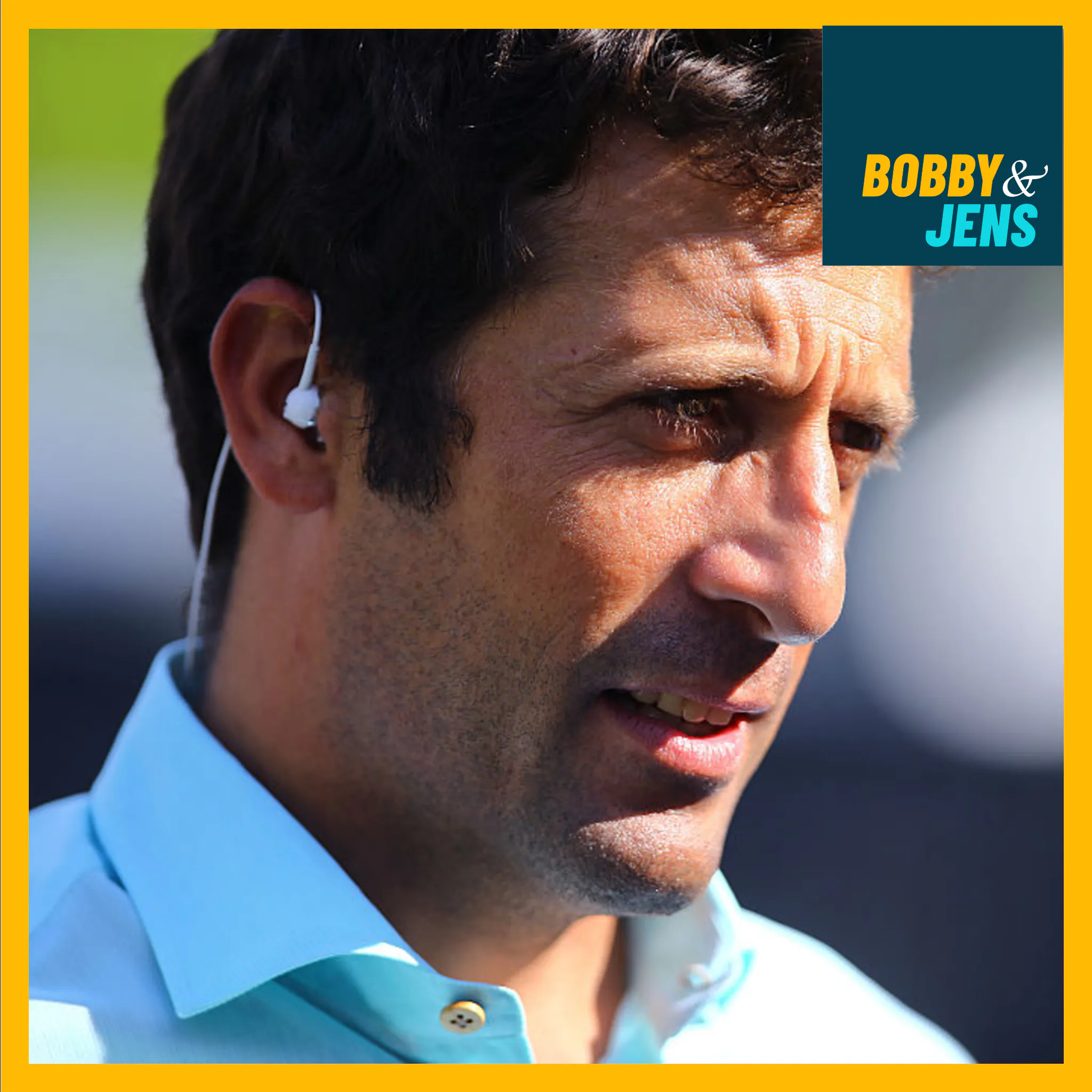
Juan Antonio Flecha
Bobby and Jens rumble over the cobbles with classics legend Juan Antonio Flecha covering his life from his early years in Argentina to surfing his way through retirement via his incredible career. Strap in and learn how Juan Antonio inadvertently won Paris-Nice for Bobby and why Jens was left out of his perfect breakaway! This episode is a Velonews production in association with Shocked Giraffe it was produced by Mark Payne and edited by Kirk Warner. To get your activepass discount visit velonews.com/activepass and enter the code bobbyjens25

Mari Holden
Bobby Julich and Jens Voigt's cycling companion this week is Olympic silver medalist and 2000 TT world champion Mari Holden. Mari opens up to Bobby and Jens about dealing with disappointment, building an online cycling community, gravel riding and why her Olympic medal isn't in a frame. This podcast is a Velonews production in association with Shocked Giraffe, the episode was produced by Mark Payne and edited by Kirk Warner. To gain access to our Activepass offer head to velonews.com/activepass and enter the code bobbyjens25
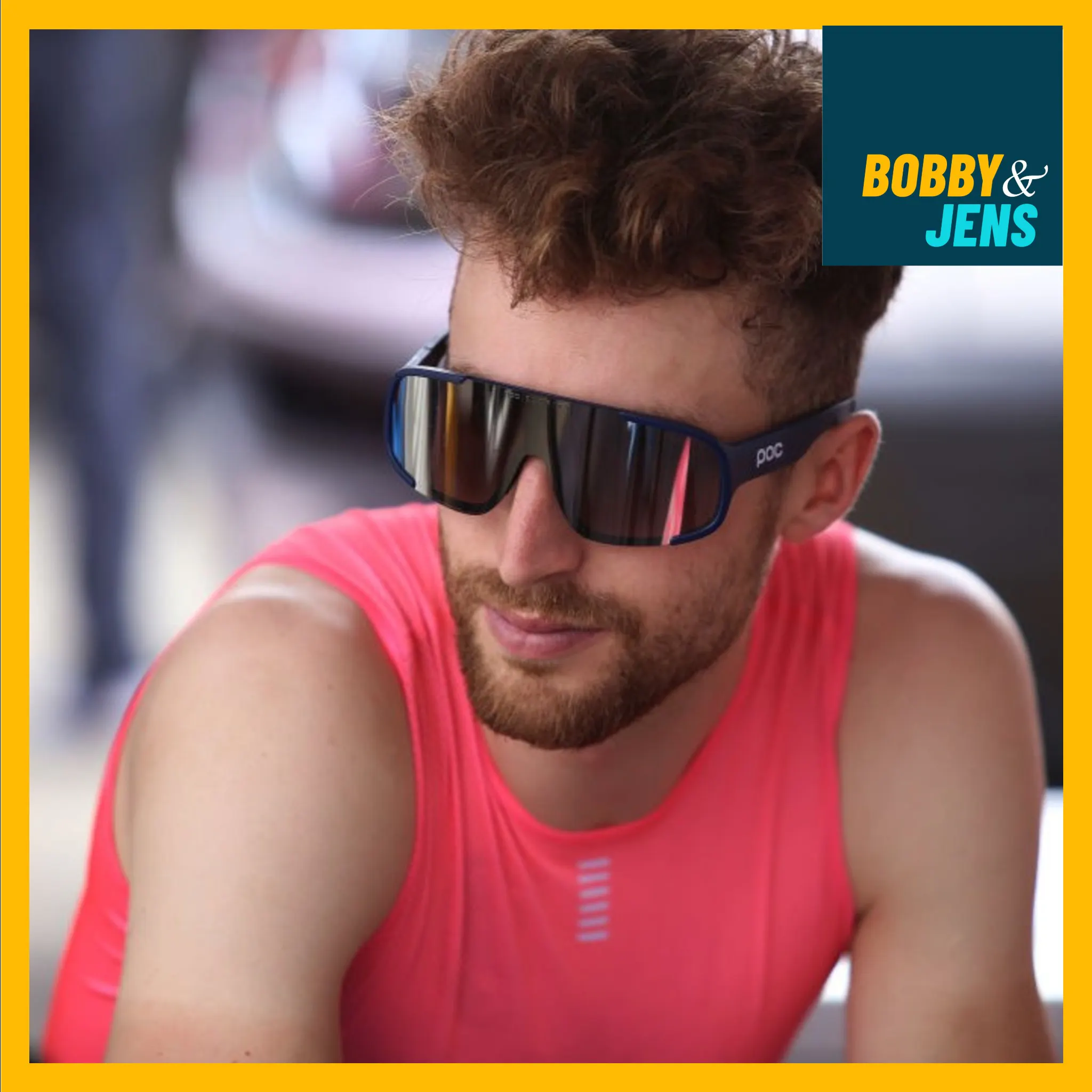
Taylor Phinney
This week Bobby Julich and Jens Voigt catch up with Taylor Phinney. As the son of two Olympic medal-winning cyclists, Taylor always faced more expectation than most. In this revealing and honest chat with Bobby and Jens, he tells his story from his childhood in Boulder and Italy; his own pursuit of Olympic hardware and his professional career on the road. They also catch up with what Taylor has been up to since retiring including how he keeps himself entertained - plus there are a few cameos from Taylor's girlfriend and fellow pro, Kasia Niewiadoma! Plus find out which rider has absolutely buried themselves for the cause as Bobby and Jens dish out their #shutuplegs rider of the week! Don't forget to nominate yours for next week by using the hashtag #shutuplegs on Twitter or Instagram. Bobby and Jens is a VeloNews production in association with Shocked Giraffe. This episode was produced by Mark Payne and edited by Kirk Warner. Remember you can take advantage of our special discount code by entering bobbyjens25 at checkout at velonews.com/activepass
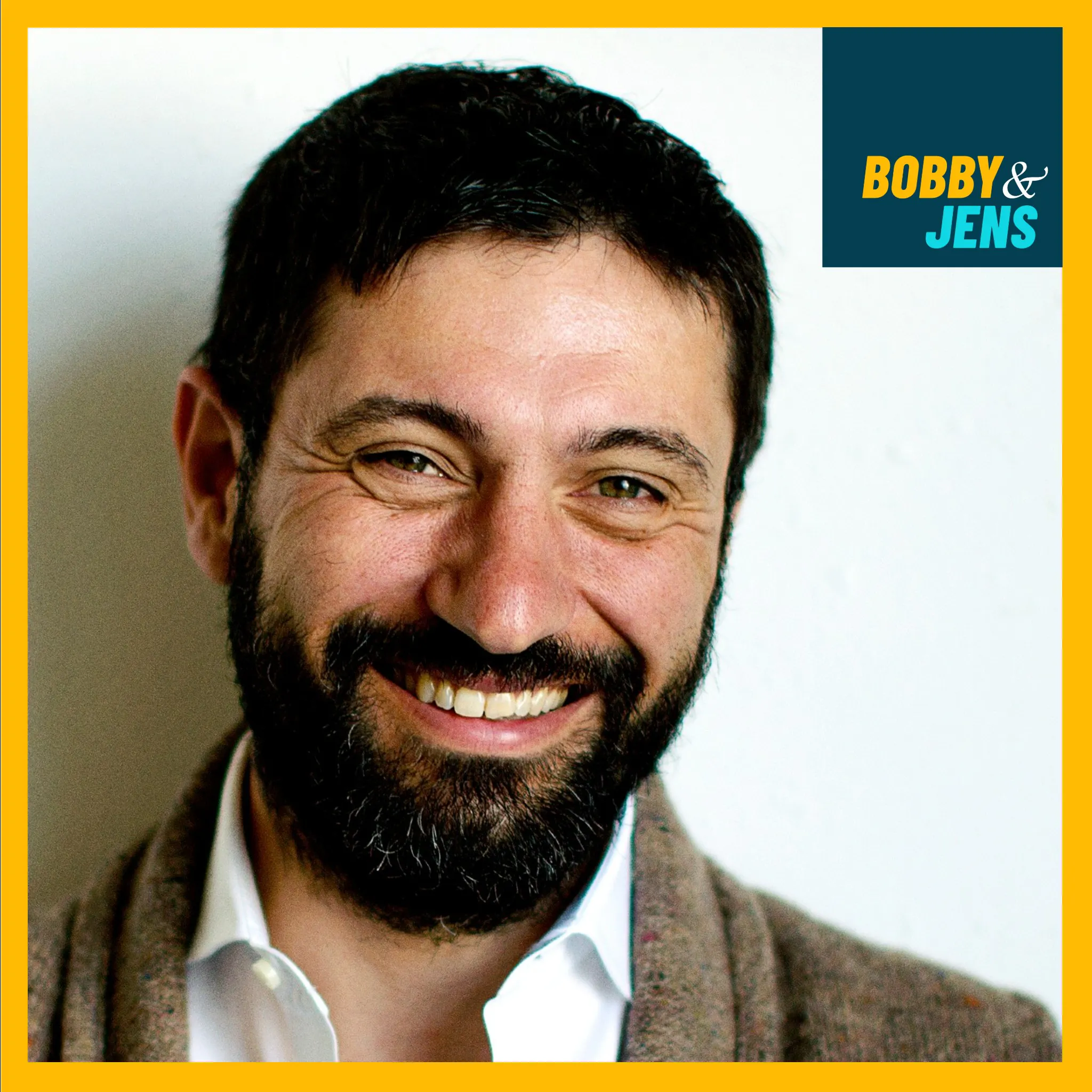
João Correia
Bobby Julich and Jens Voigt sit down with former pro and cycling super agent João Correia. He's the man behind Corso, the rider agency that has launched the careers of young riders like Tao Geoghegan Hart, Joao Almeida, Mads Pederson, Ruben Guerreiro, Michael Valgren and many, many more. João talks about crashing into ambulances, supporting equality and upsetting Marc Madiot! Plus find out which rider has absolutely buried themselves for the cause as Bobby and Jens dish out their #shutuplegs rider of the week! Don't forget to nominate yours for next week by using the hashtag #shutuplegs on Twitter or Instagram. Bobby and Jens is a VeloNews production in association with Shocked Giraffe. This episode was produced by Mark Payne and edited by Kirk Warner.
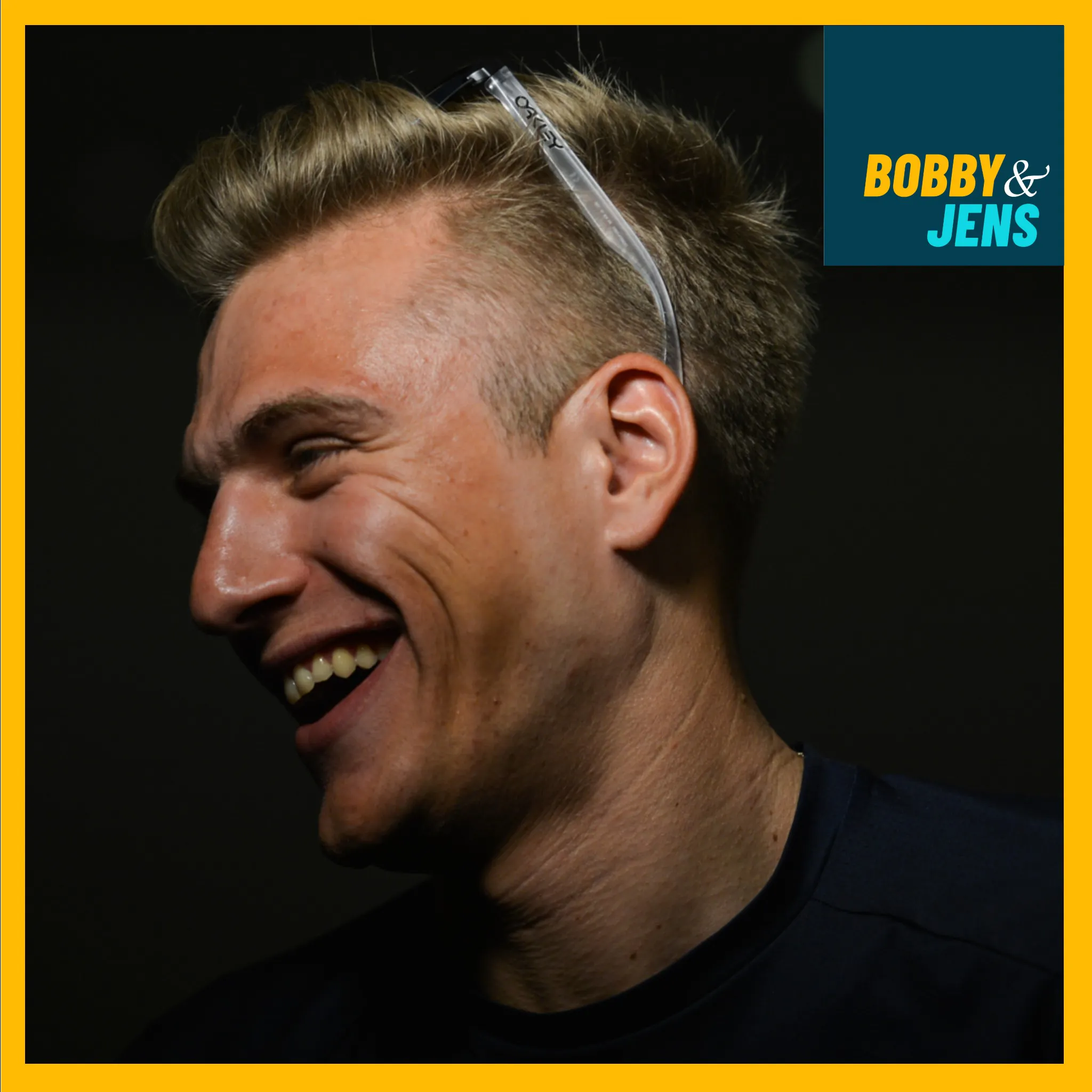
Marcel Kittel
Bobby Julich and Jens Voigt sit down with sprinting sensation Marcel Kittel for his first English language interview in two years. Sit down for an enlightening conversation as Marcel talks about earning the rainbow bands as a time trialist in the junior ranks, dominating sprints in a time trialist, surviving the mammoth mountains of the Grand Tours and finding peace in retirement - amongst many other things! Plus find out which rider has absolutely buried themselves for the cause as Bobby and Jens dish out their #shutuplegs rider of the week! Don't forget to nominate yours for next week by using the hashtag #shutuplegs on Twitter or Instagram Bobby and Jens is a VeloNews production in association with Shocked Giraffe. This episode was produced by Mark Payne and edited by Kirk Warner. To advertise on the podcast email [email protected]
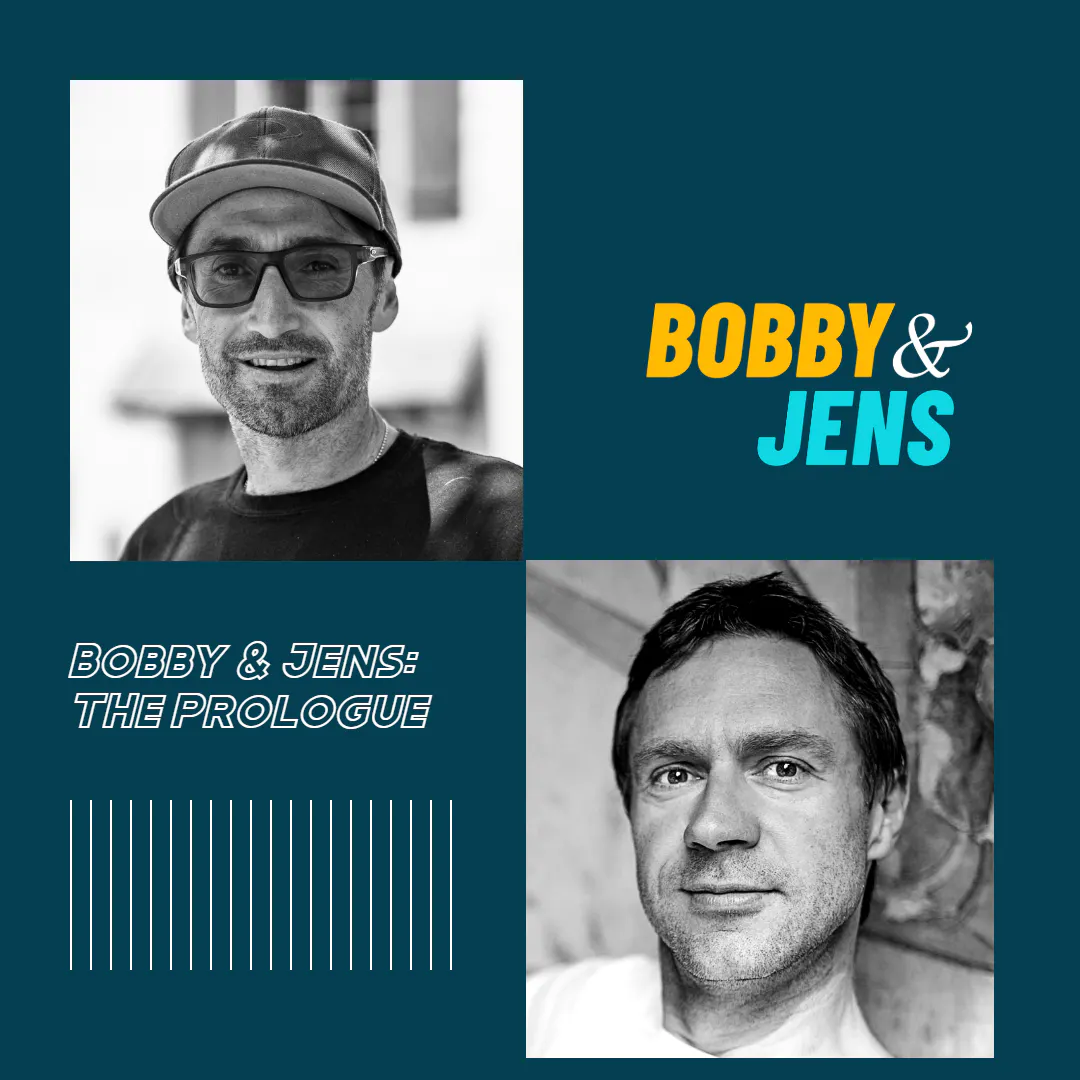
The Prologue
Bobby Julich and Jens Voigt roll down the ramp for this prologue episode! While the boys will be spending the rest of the season talking to cycling's stars, this time it'll just be Bobby and Jens chatting about the sport they love and their relationship. In the roadbook for this episode - banning the super tuck, disc brakes and why Jens is never on time for breakfast! Remember to subscribe to never miss an episode! This episode was edited by Kirk Warner. The producer was Mark Payne on behalf of VeloNews and Shocked Giraffe.
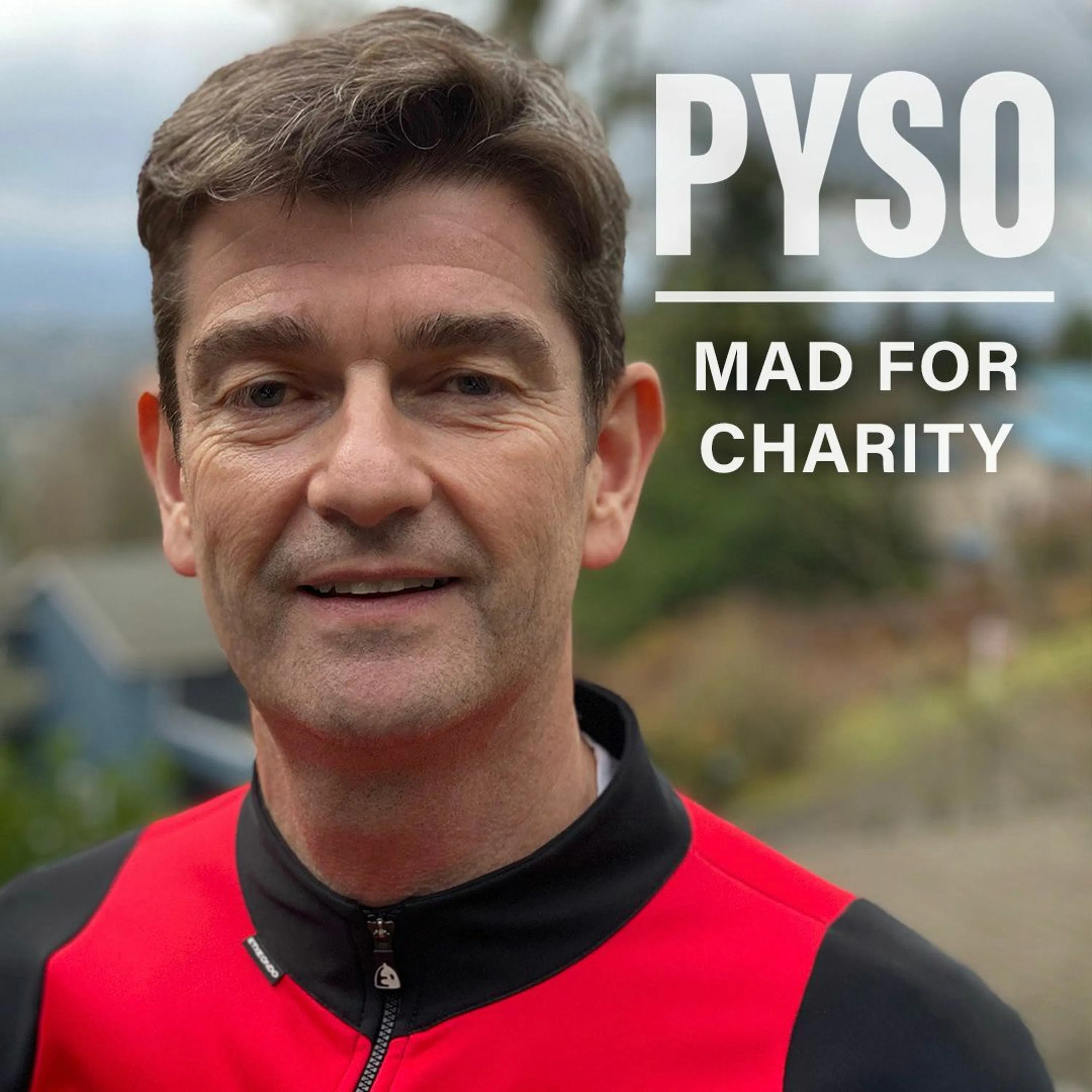
PYSO, ep. 83: Nike's Kieran Ronan on riding all day inside for World Bicycle Relief
One day. Five hundred kilometers — inside. And one cause - World Bicycle Relief. On this special episode of Put Your Socks On, Bobby and Gus check in with Kieran Ronan, a longtime Nike executive and cyclist who is preparing to ride 500km — 310 miles — on December 30 as a fundraiser for World Bicycle Relief. There are the numbers, and then there are the reasons behind the ride. PYSO digs into both. "It's just really an interesting way how somebody of my age has had to adapt, and how the virtual world on social media can actually do good," Ronan says. "And that's that's the big takeaway that I've had in a sense of community with a love of cycling, that can be transported across the globe and bring more people along." If you are interested in supporting or even joining Ronan for part or all of his Zwift ride, you can read more here:https://www.velonews.com/culture/the-grind-up-for-a-challenge-try-500km-on-december-30/
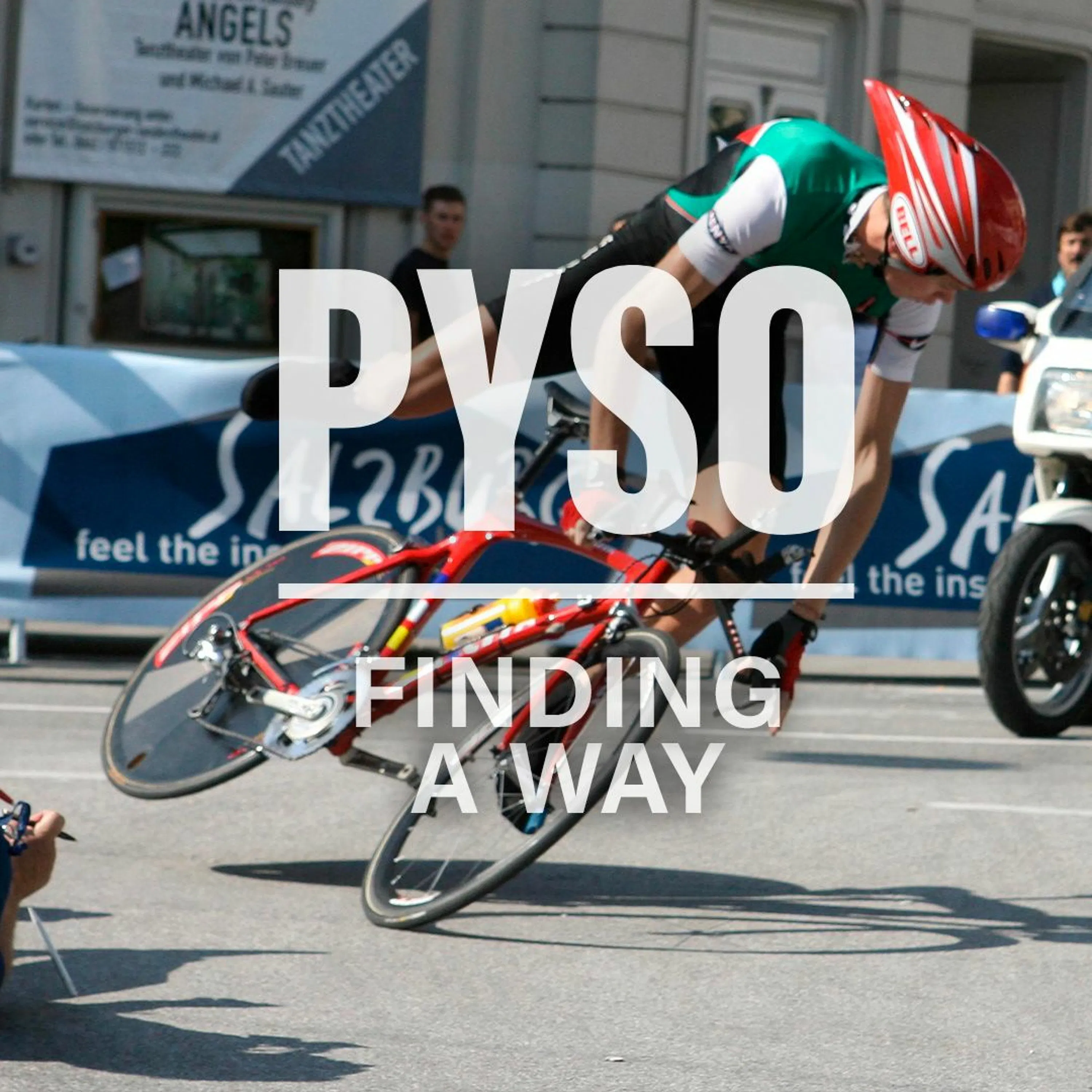
PYSO, ep. 82: Chris Froome on his unusual path to the top of cycling
At the 2006 UCI world championships in Austria, a young Chris Froome walked into the manager's briefing meeting, sopping wet in his cycling kit. He was told he wasn't welcome - the meeting was for managers only. He said he was the manager, and he plopped himself down. And in fact he was. He was Kenya's sole representative in Austria. Earlier that year, Froome had impersonated the Kenya cycling federation president in email to enter himself into the races. There was no one else to support him. He had flown, alone with his time trial and road bikes, to Europe for the first time. He was figuring it out. Two days later, he started the U23 time trial and, just as he was getting underway, collided with a race official on course. Fast forward to today, and Froome of course has won seven grand tours and multiple Olympic and world championship medals. The young man from Kenya found a way. On this episode of Put Your Socks On, Froome checks in from California, where he is training four day a week at the Red Bull Performance Center. Froome talks about what is was like growing up in Africa, the obstacles he faced in breaking into a European sport, and his love for racing.
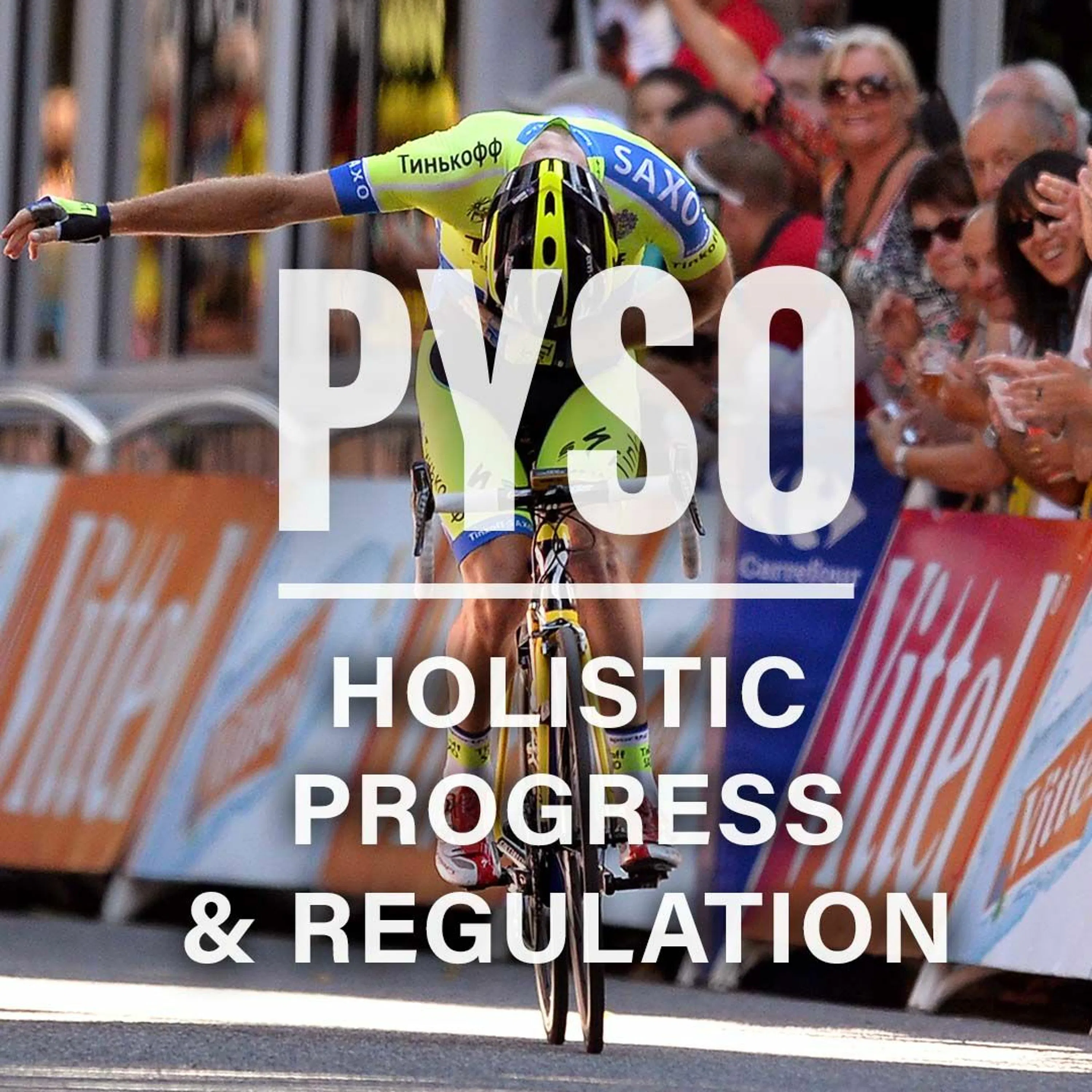
PYSO, ep. 81: UCI innovation manager Michael Rogers on progress and regulation
The Lugano Charter, constructed in 1996, formed the UCI's basis for regulation of bike technology with a noble ideal: the rider, not his or her access to technology, should determine who wins a bike race. The devil, as always, is in the details. Now, Michael "Mick" Rogers, a three-time world time trial champion, is tasked with guiding the regulation of bicycle equipment and clothing as innovation manager at the UCI. Rogers got his start in big-time racing with Mapei in 2000. He proceeded to have a successful career with Quick-Step, T-Mobile, Team Sky and Saxo-Tinkoff before retiring in 2016. In addition to having world-class physiology, Rogers was also fascinated with the physics and mathematics at play in bike racing, whether that was in the mechanics of a long sprint leadout train, or in the interconnected variables of a fast time trial position. At T-Mobile, which became HTC, Rogers said "we were one of the the teams to really master the leadout train. If we go back into the mid ’90s with [Marco] Cipollini and Saeco, they revolutionized the leadout train. At HTC, we took that that one step further, we started to understand some of the mathematics. We started to understand that when we were riding on the front, with two or three kilometers to go, we're at 60 plus K an hour — the amount of energy that the riders behind us would would need to come up beside Mark Cavendish was going to have a massive effect on the actual sprint." Rogers' real-world studying later included time racing at Team Sky, a team famous for its analysis and methodical racing tactics. Rogers talks about how the team could be so effective when riding in coordination. "It just kind of came down to, we knew what we were good at as riders," Rogers said of being able to reel in breakaways and attacking riders with confidence. "Simple math — when we were riding at our threshold, the power values and very high power to weight ratios. We knew that anyone riding out over that threshold, to be able to open up a large enough gap, the amount of energy required to put in is almost for most people unbearable. When you're attacking on some of these climbs, you might have to ride at 600 650 watts for for 30 to 40 seconds. And there's only a handful of guys that can withstand that kind of intensity for anything longer than a minute. So it's simple math, they're going to come back." Now at the UCI, Rogers and his coworkers are tasked with keeping up to speed with a sport that is changing rapidly. "We are aware that cycling must progress. There must be evolution," Rogers said. How that looks, and how a level playing field can be enforces among teams and nations with varying levels of financial ability, will be an ongoing challenge. Tune in to this episode of Put Your Socks On to hear Rogers' thoughts on the challenges and the excitement of regulating bike racing heading into a new world of cycling.
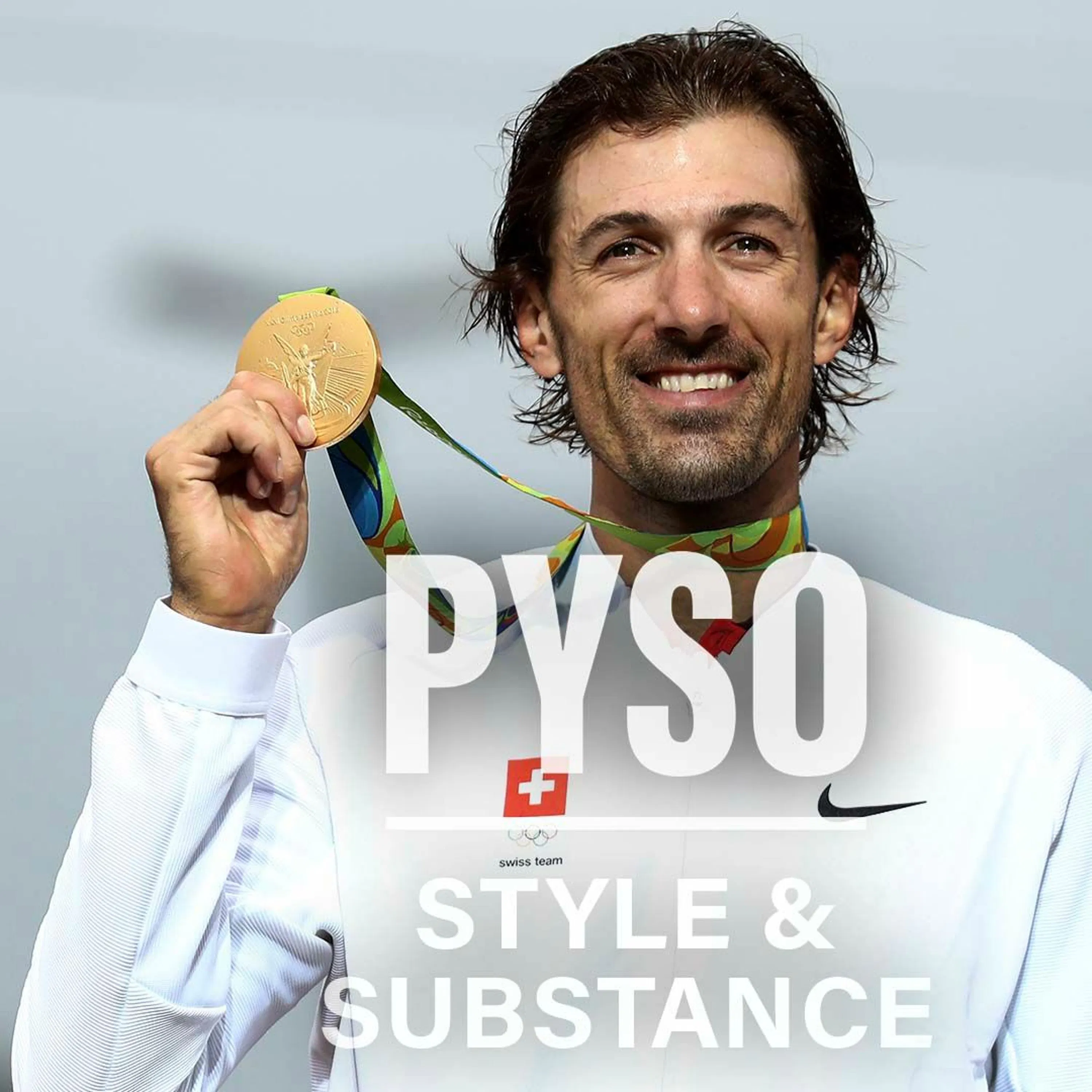
PYSO, ep. 80: Fabian Cancellara on a champion's mentality and the work that goes into it
In this episode of Put Your Socks On, the legendary Fabian Cancellara weighs on on the socks. "Socks — they need to be short," says the four-time world time trial champion. "Rapha always comes up and says the socks need to be high. No! That look is not stylish. That look it's just a no-go. So I want to have my socks short. And then it's stylish." The two-time Olympic time trial champion also points out that high socks are now aero equipment. "They think socks can give an advantage of one to five watts," he says. "There is a lot of discussion, but you know what is good? I'm out of the game. I just don't want the tan lines for when I am at the beach." Cancellara chats with Bobby Julich and Gus Morton about his long and storied career, which included three wins at both Paris-Roubaix and the Tour of Flanders. The Swiss racer also holds the record for most days in the Tour de France yellow jersey — 29 — for a rider who never won the overall. Cancellara wrapped up his career in high style right after the 2016 Olympic Games — "a better ending of a career was not possible" - but he says that his Flanders win in 2013 sticks out as a career highlight because of how hard he had to fight back after a challenging 2012. hard 2012. "2006 to ’16, I had a lot of success, but also a lot of hard times," he says, from crashes to cheating allegations. "I mean, in three weeks I gained 10 kilos. Ten days after the Olympics, I went from hero to zero. I had to learn to grow a thick skin." "To be in the spotlight, it's not easy. But if you want to win bike races, it's part of the game that when the spotlight comes you need to adapt to it and you need to be able to handle it," he says. "I worked with a life coach. I didn't only work on cycling skills, I worked on my own to have this responsibility in my daily life."

PYSO, ep. 79: Skylar Schneider on pivoting from Boels-Dolmans to L39ION of Los Angeles
Skylar Schneider started riding bikes at age 4, and by age 18 she moved to Holland to race professionally. Now with three years at the powerhouse squad Boels-Dolmans under her belt, the American is returning to race domestically for 2021 with L39GION of Los Angeles, the expanding team run by Justin and Cory Williams. On this episode of Put Your Socks On, Schneider talks about learning her way in Holland as a teenager with the help of other racers — she now has Dutch residency — and how the opportunity with L39GION of LA came about. "I've admired what Justin and Cory are doing with Legion for a while," she said. "And this summer, Justin and I just got on the phone, and he had some good advice. At that time, Legion didn't really have a women's program. So he really liked the idea. And then we put together a budget. And from there, it moved pretty quickly. And I'm really excited about this opportunity to have a new adventure, but also come back to the U.S." In addition to her own racing, Schneider said L39ION represents a broader opportunity in the sport for others. "With 39ION, there was this new opportunity to do something really special within the sport. Their mission is to increase diversity and inclusivity. There's plenty of little girls that need a role model as well," she said. "Right now it's really small and just kind of starting, but I think it can grow into something really big. And that's ultimately why I was really excited to join." At the junior world championships in 2016, Schneider took silver in the road race and fourth in the time trial. Looking ahead, a win at the world championships remains a goal.
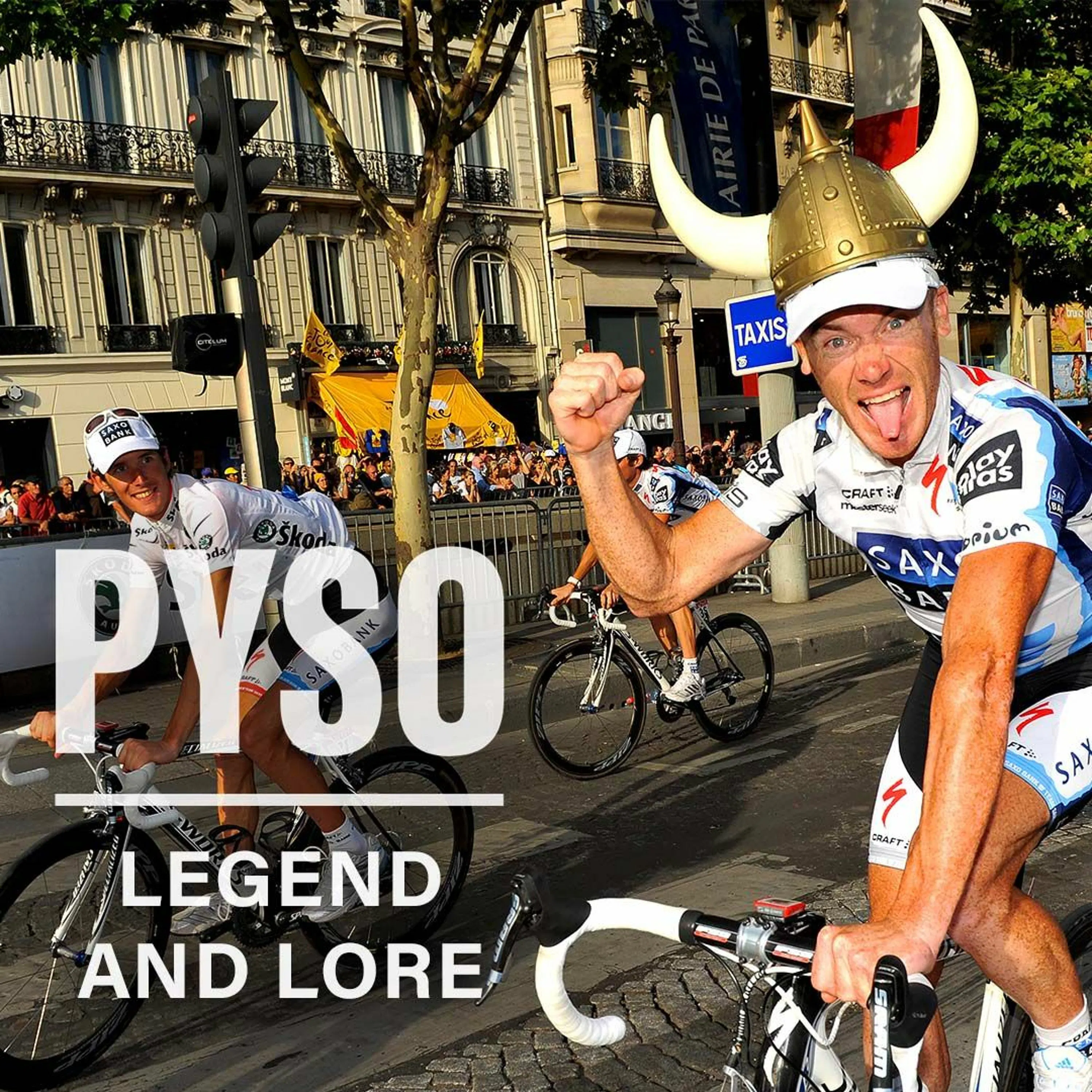
PSYO, ep. 78: The storied racer Stuart O'Grady transitions to race director
Stuart O'Grady has done more on the bike than most pro riders. The Australian's 19-year pro career began on the track in the ’90s, where he racked up Olympic medals in the 1992 and 1996 Games. He then moved to the road where he wore the Tour de France yellow jersey and won Paris-Roubaix in the course of a long career. And now retired from racing, O'Grady has taken the helm at the Tour Down Under, the Australian stage race and traditional season opener. Put Your Socks On caught up with O'Grady to talk about his career, his aims with the Tour Down Under, and how the Australian race is coping with the various complications related to the coronavirus pandemic. PYSO co-host Bobby Julich raced with O'Grady twice in their careers, and he recalls how O'Grady had to leave the Tour twice, including once in a helicopter and once after riding the last 70km of a stage with a broken collarbone. The helicopter ride came in 2007 helicopter as O'Grady was doing 90kph down the Cornet de Roseland. "I went over the top in the front group," O'Grady recalls. "I went back to get bottles for [CSC teammate] Carlos [Sastre]. While coming back, [a rider] swerved to miss a hole as I was coming by, and took out my front wheel. I hit a pole, and that exploded everything. I had no feeling in my legs, and spent two weeks in the ICU." O'Grady also talks about some of his favorite moments from racing. "My lifelong ambition was the Olympics," he said, admitting that the Tour de France wasn't even on his radar early on. "I competed in six Olympics, which i think is a record for anyone who's not riding a horse. And riding solo into the Roubaix velodrome was pretty cool as well." As for the current state of racing, O'Grady says he is glad he is retired. "There's no real control [in the peloton]. You know, back in the day, there was a lot of respect for the kind of elder riders, especially in the classics," he said, alluding to a patron who would tell the riders when to ease off, or when it was okay to race. "These days is just it's like the gloves are off. You know, it's like a UFC cage fight. There's no rules. They attack at random moments. You see a group attacking and I'm like, what the hell are they doing that for? Next minute they got six minutes and they win the race." Now O'Grady is the race director for Tour Down Under, which was held with great success at the beginning of this year, but has already been postponed for 2021. "Being a part of the race from day one, the last couple of years of my career, I guess I started thinking, you know, I'd like to take on the reins of this, I think I can make a pretty cool race, because we haven't actually raced down a lot of the roads," he said. O'Grady and the TDU team looked into holding the race at its normal time in 201 with heavy quarantine protocols. But the logistics of that — plus the act that the UCI announced that the race next year would not be mandatory for WorldTour teams — meant that they decided to ultimately just postpone the race.
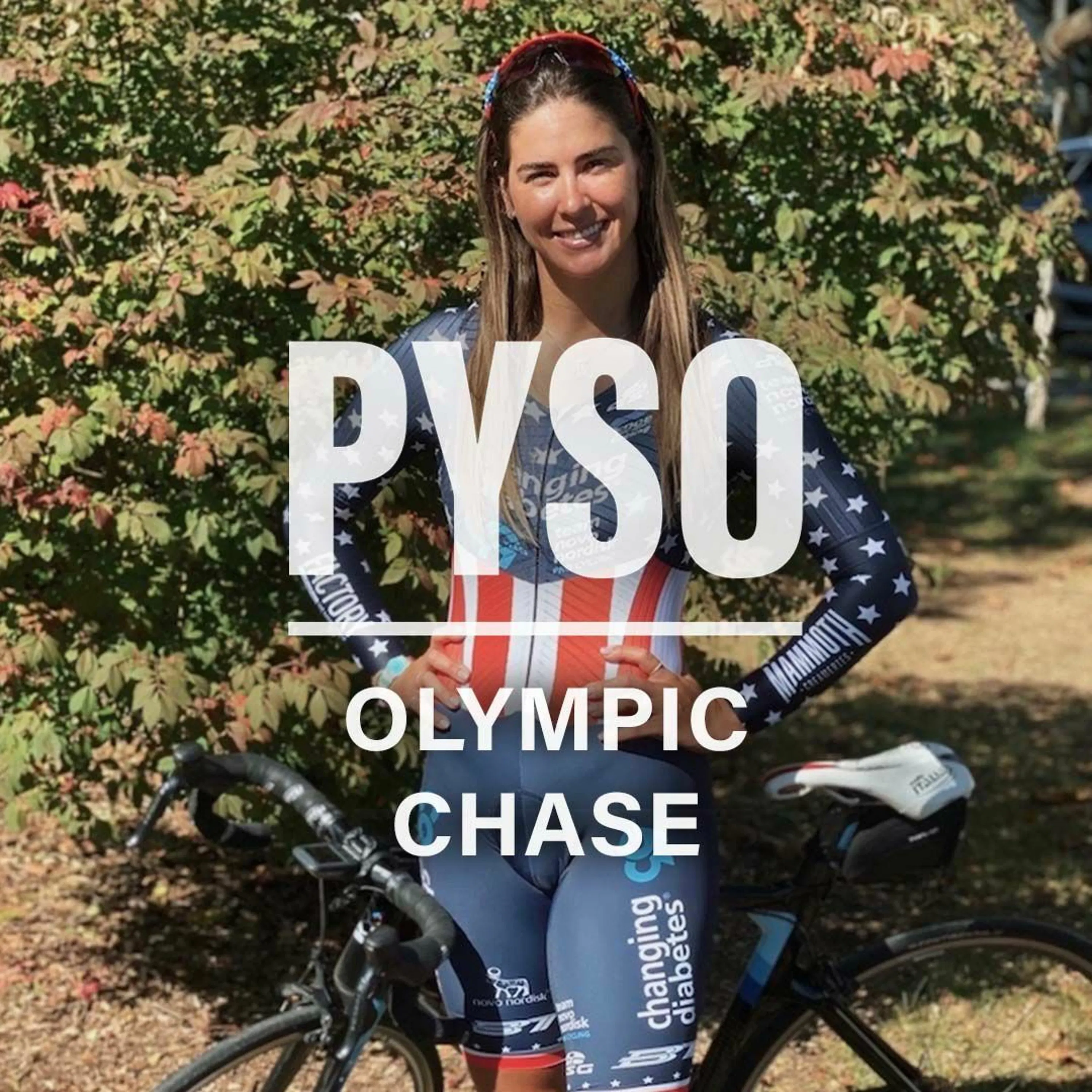
PYSO, ep. 77: Olympic long team member Mandy Marquardt has 18 national titles — and diabetes
Next year, 2021 should be the year of the postponed Olympics Games, and certainly will be the 100th anniversary of the discovery of insulin. American diabetic Mandy Marquardt is on the long team for track, hopes to be in Tokyo racing in the stars and stripes. Marquardt has been racing at a high level since she was 10 years old, and has 18 national titles to her name. But she was a little concerned that she might be aging out of her prime shape. Then she placed ninth overall in the World Cup standings last season, then set a national kilo record, and was named to the US Olympic long team. "Representing my country next year at the Olympic Games would definitely be the pinnacle of my athletic career. And 2021 is the hundredth year of the discovery of insulin. In ways I'm like, are the stars aligning?" Marquardt is now 29, and certainly not past her prime. PYSO host Bobby Julich shared his own story of missing out on the Olympics as he got older. "I missed the Olympics in 1992. I missed the Olympics in 1996. I missed the Olympics in 2000. And then finally, at the age of 32, I made the Olympics in 2004," said Julich, who earned a medal in the time trial. "And so just... just never say never." In this episode of PYSO, Marquardt tells her story of being diagnosed with diabetes at age 16 and being told that she would never compete at a high level again. She talks about setting the U.S. kilo record, beating the time set by her friend and former national team roommate, the late Kelly Caitlin. She talks about the long and sometimes lonely road of a track sprinter, but how she is proud of having raced clean her entire career. And she talks about having a continuous glucose monitor is like "an SRM for my body." November is National Diabetes Awareness Month. Tune in to Put Your Socks on.
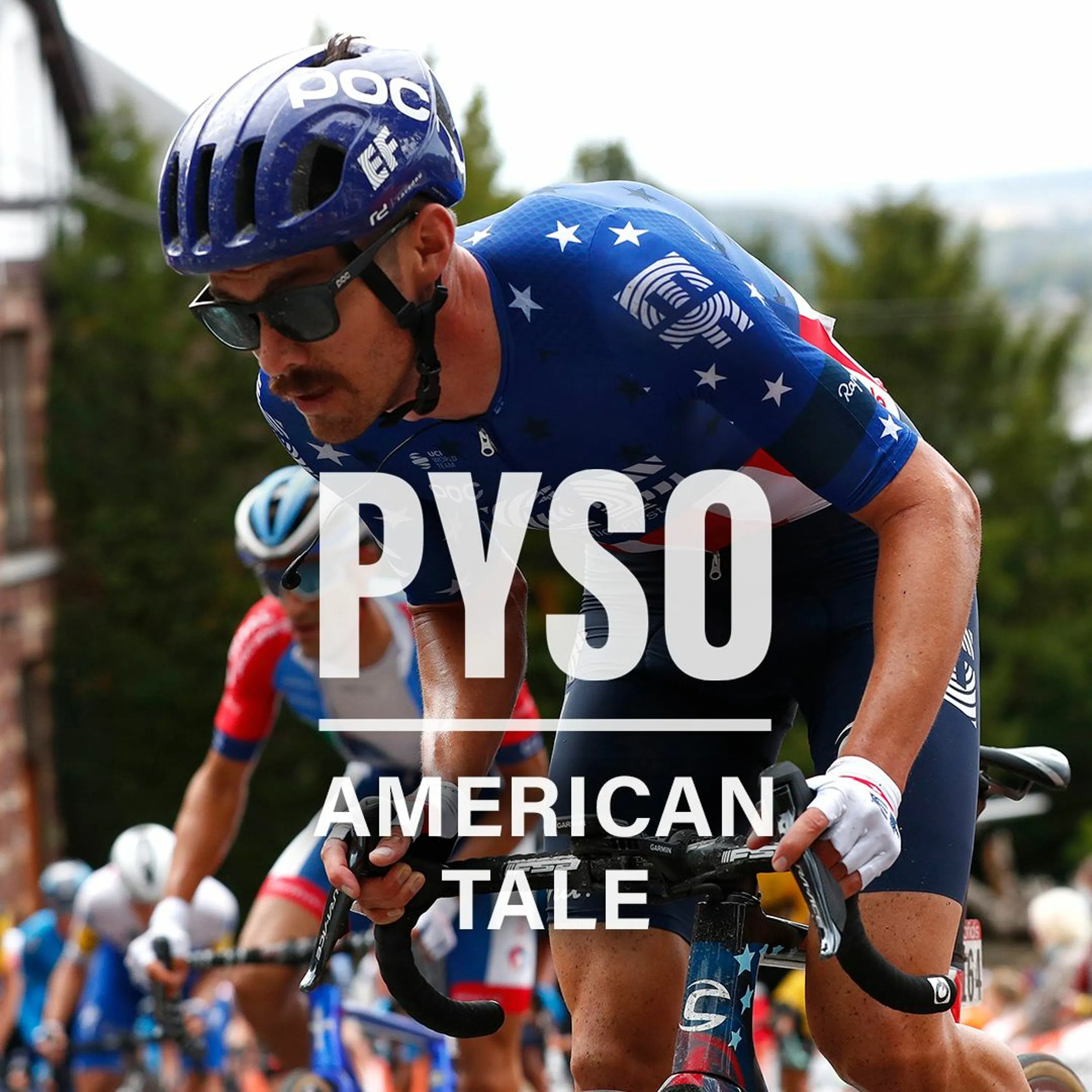
PYSO, ep. 76: Alex Howes on spending his entire career on one team
It's been a strange year for Alex Howes, as it has been for everyone. The U.S. national champion hardly got to race in the jersey he won last year — but since nationals was canceled, he gets to wear it again until the 2021 nationals. Howes also flew to South Africa to race Cape Epic as part of EF Pro Cycling's alternate program that puts its pro roadies in adventure races. But... that race never happened. The soon-to-be father recently got back to racing. On this episode of Put Your Socks On, Howes talks about his long road with Jonathan Vaughters' team — the only pro squad he has raced for. Even before turning pro, Howes races on Vaughters' junior development team, TIAA-CREF. Also on this episode, Bobby picks Howes' brain at length for gravel gear tips...

PYSO, ep. 75: Ryder Hesjedal on his rollercoaster Giro d’Italia win
The Giro d’Italia is in full swing, and what a race it’s been. The unpredictable nature of the Italian grand tour this year reminds Bobby and Gus of another remarkable year, where Ryder Hesjedal took and lost and took the pink jersey, finally winning the overall in a nail biter of a final time trial. So we rang up Ryder to hear about that year at the the Giro, and to get some insight into his interesting career in professional cycling. Ryder got his start in bike racing with mountain biking in his native Canada in the ’90s. By the time he was 15, he was racing the MTB world championships. A stint with the Rabobank development road team led to a contract with U.S. Postal Service — which he used in part as training for mountain biking en route to the Olympics. After some trial and error, Ryder found his sweet spot with Jonathan Vaughters’ Slipstream team, where he enjoyed being a driving force in the scrappy upstart squad. An excellent 2011 year saw him finish seventh overall in the UCI rankings, and with the team’s directive to focus on the Giro for 2012. Here is the story of how he did exactly that. It’s time to Put Your Socks On.
PYSO, ep. 74: Richie Porte reflects on his long road to the top of the sport
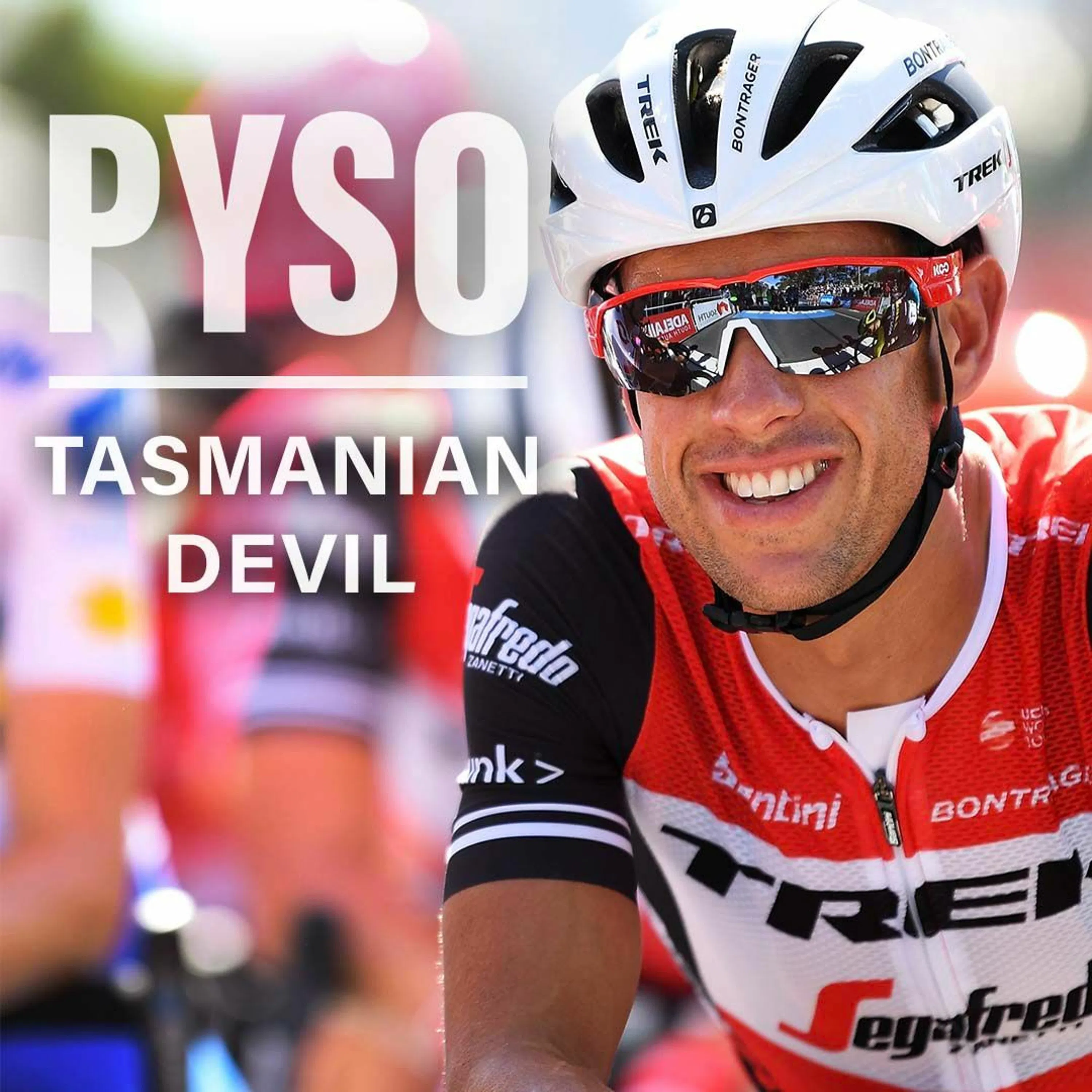
Richie Porte has been a successful stage racer for a decade, winning the overall at the likes of Paris-Nice, the Tour Down Under, and the Tour de Romandie. And while he has raced the Tour de France 10 times, it wasn't until this year that he stood on the final podium in Paris as third overall. Although Porte has raced for many of the top WorldTour teams, he started out at the bottom, finishing dead last in his first stage race. But slowly he worked his way up from a Tasmanian team to small Italian teams to the top of the sport. Richie and Bobby first worked together at Saxo Bank, where Richie came on as a neo-pro and rode his way into the leader's jersey at the Giro d'talia in his first attempt at the Italian tour. In this episode, Bobby and Gus catch up with the typically media-shy star on his remarkable career that began on the roads of Tasmania.
PYSO, ep. 73: Kasia Niewiadoma on racing in a world of uncertainty
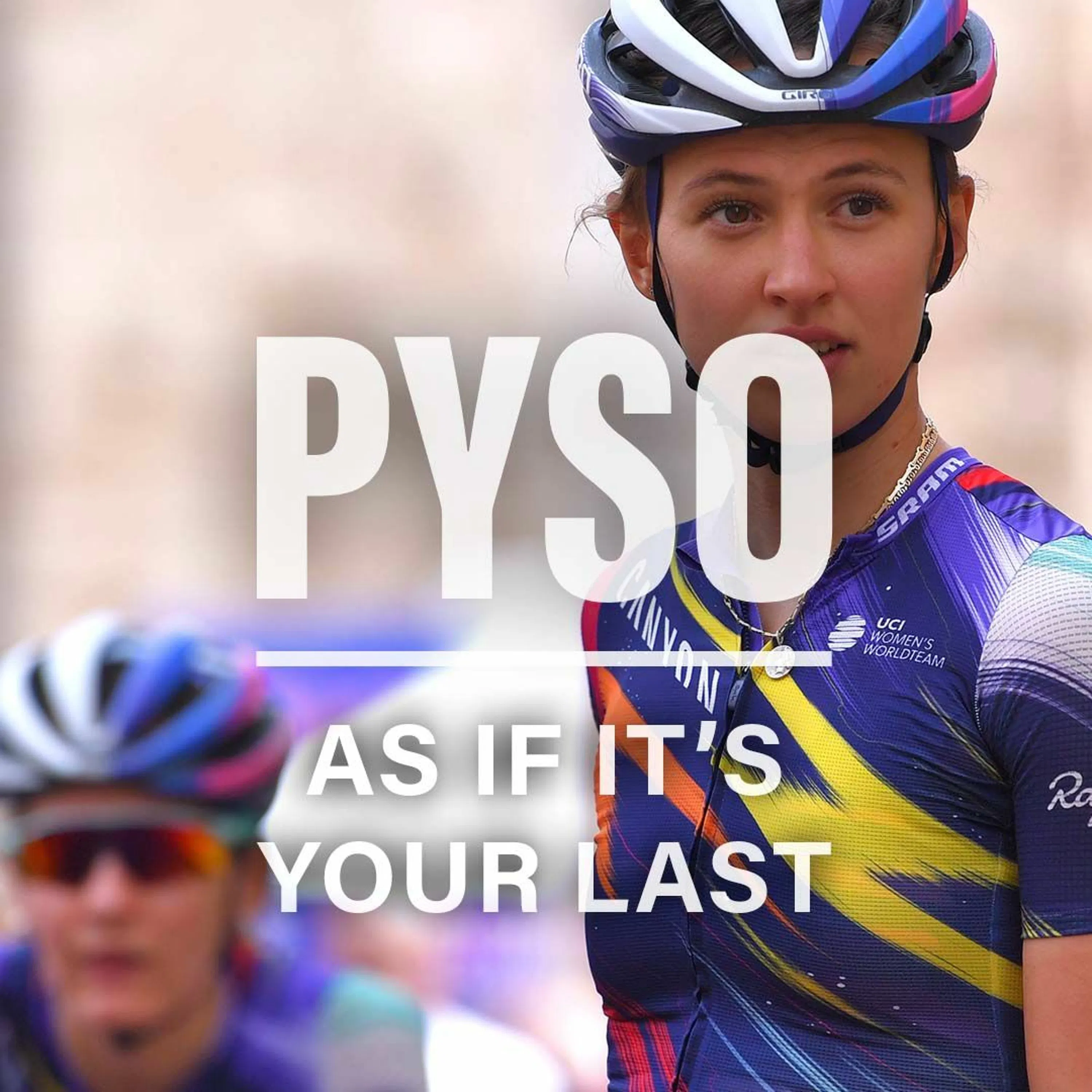
Race every race like it's your last. We've all heard that kind of a cliche in one form or another during our lives. However, for the women's peloton in 2020, no sentiment could ring more true. Today, we sit down with Kasia Niewiadoma from Canyon//SRAM to hear from her just what it's like to be approaching each race day as if it's your last.
PYSO, ep. 72: Winning Tour de France director Allan Peiper on taking the long view
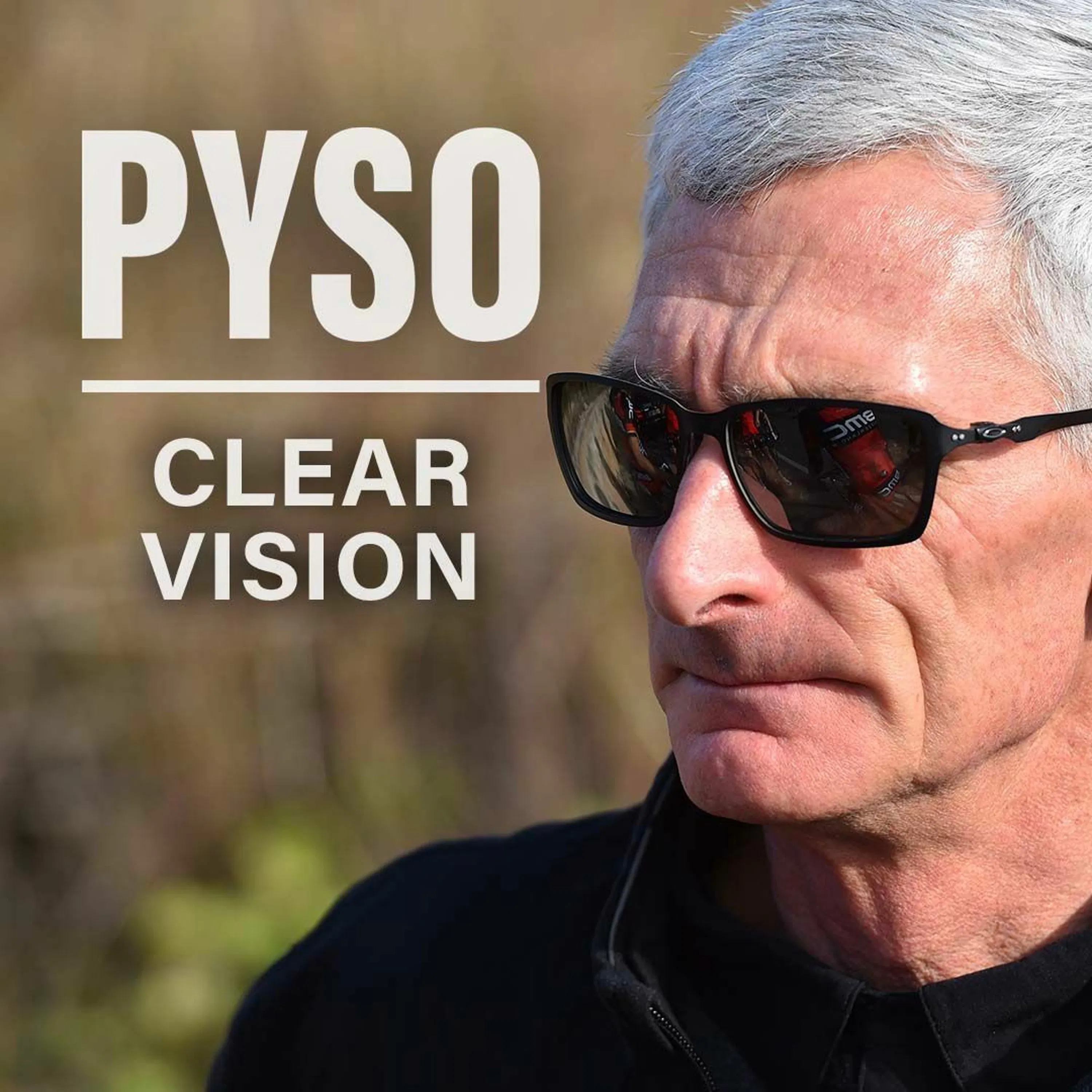
When Tadej Pogacar won the 2020 Tour de France, it was a come-from-behind success story for the whole UAE Team Emirates squad, including veteran director Allan Peiper. But it was by no means the first come-from-behind success for Peiper, who has twice battled cancer. Peiper got his start in the sport decades ago as an athlete before going on to serve as a sports director and sporting manager at elite teams. After his parents split up due to job loss and alcoholism while he was a teenager, Peiper dropped out of school and found himself heading to Belgium to race at age 17. Tune in to this episode of Put Your Socks On to hear Peiper’s tale of struggle and success.
PYSO, EP. 71: What the Tour de France means now for cycling
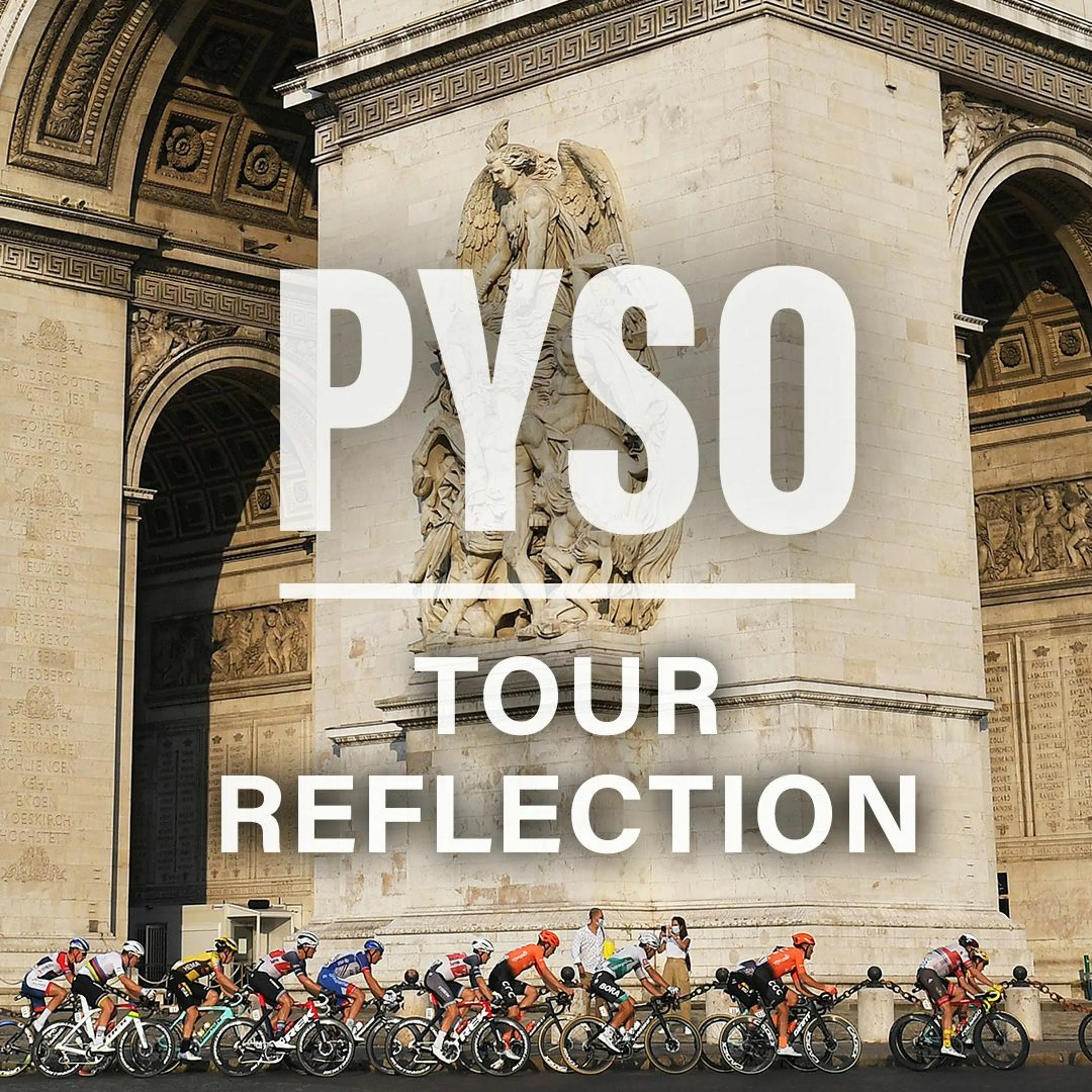
Hindsight is 20/20 — and that's exactly what PYSO is bringing to this special episode reflecting on the 2020 Tour de France. Co-hosts Bobby Julich, himself a podium finisher at the Tour, and retired racer Gus Morton look back at the highlights, the lowlights, and the surprises of this year's race. In the plus column, for starters, there was a Tour de France — and it made it all the way to Paris. In the year of Covid, just the existence of the race was a success. But then the race turned out to be filled with drama all the way until the end of the Stage 20 time trial. Bobby and Gus break down their favorite stages and performances, explain how the green jersey competition played into the overall race like never before, and analyze what Jumbo-Visma did right and did wrong. Bobby also speculates on what all this means for former Tour winners Chris Froome and Geraint Thomas, both of whom sat out this edition. "It's going to be difficult for both of them," Bobby says. "And they're probably two of my favorite riders ever. I have the ultimate respect for them. But this new generation of such young riders being kind of steered in the correct way of doing things, I think it's gonna be really hard, just from a recovery standpoint, because when you're racing against guys that are 12 to 14 years younger than you, I mean, logic says they're going to be able to recover a little bit better." Tune in for a 20/20 take on the 2020 Tour de France.
PYSO, ep. 70: Commentator Matt Keenan on the thrill of calling races
This year has posed unique challenges for everyone in pro racing, and TV commentators have not been immune. In this episode of Put Your Socks On, retired pro Matt Keenan talks about his preparation process for calling the Tour de France. In short, a lot of homework is involved. This year, instead of commentating for ASO in France at the Tour, Keenan is calling the daily action for SBS from his native Australia. “Commentating remotely, you lose a couple key things about the feel for it,” Keenan says, adding that he misses being able to drive the end of each day’s course and being able to talk with journalists of other nationalities to get the latest news and gossip. “I like to be able to inform people when I’m commentating about stuff that they can’t find from Dr. Google,” Keenan says. “The upside of commentating from home is I get to see my family each day. Normally I spend maybe five months or so in a hotel bed. So that’s been one of the positives.” This year Keenan has also been training during the Tour, thanks to the legend Graeme Brown coaching him. “Graeme said, ‘you’re going to be at home, why don’t let me coach you through the Tour and see if I can get you fitter at the end than what you are at the start?'” Keenan says. And Keenan breaks down his method of preparation on each of the riders at the Tour. “I have two start lists,” he says. “I have a start list with a really brief set of stats on every single rider: their age, where they’re from, their height, their weight, couple of key results, how many times they’ve ridden the Tour. So if they appear in the breakaway, I’ve got a really quick reference point on them. And then I’ve got another I list, an extensive database [with all the notes on their background].” “Then each day during the Tour, I spend about an hour and a half or so going through the book that tells us the details about the churches and all that sort of stuff. And you’ve got no idea how much feedback we get on that. We get more feedback on that than we do on the race.” Tune into Put Your Socks On to listen to one of the key voices of the Tour de France.
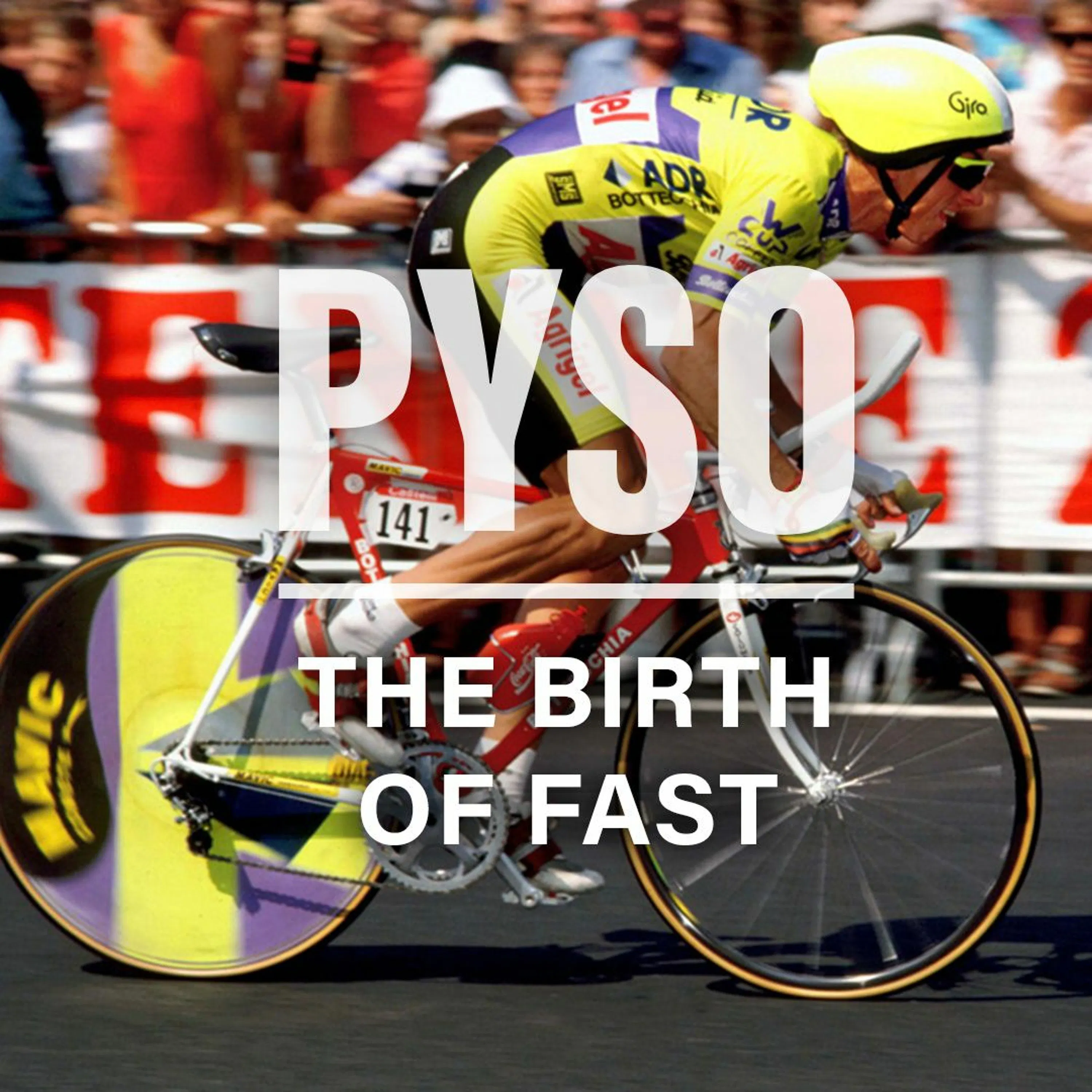
PYSO, ep. 69: Geoffrey LeMond on growing up around innovation
Most Tour de France fans know the story of Greg LeMond well. But what was it like growing up in that world? This week, Bobby and Gus sit down with Geoffrey LeMond, son of Greg and the kid made famous for his appearance alongside his father on the top step of the Tour de France podium in 1989. Now 35, Geoffrey reflects on the racing, the characters, and the innovation that went on during his father's career, such as Giro aero helmets and Scott aero bars. Geoffrey talks about how his love of inventing has led him back to the cycling world with the development of new carbon technology, as well as the upcoming relaunch of the fabled LeMond bicycle brand.
PYSO, ep. 68: Mark Cavendish, winner of 30 Tour stages, reflects on the biggest race in the world
Mark Cavendish has won 30 stages of the Tour de France. This places his second in the all-time record behind Eddy Merckx — or first in the all-time record if you are only counting mass-start stages and not time trials as well. Cavendish is not racing the Tour de France this year, and the veteran sprinter reflects with Bobby and Gus about the special dynamics of the Tour — “I owe the Tour de France everything in my life” — the struggles he’s faced both on and off the bike, and the special people he considers friends like Bernie Eisel and George Hincapie. Cavendish talks about how track racing prepared him to sprint at the Tour, in terms of leg speed and tactics. Cavendish says his top end power is relatively low for a Tour sprinter, but he can sustain it for a long time. “It’s rare I’ll get over 1,400 watts, you know, but I can average over 1,200 for 15 seconds, whereas guys like [Andre] Greipel would go 2,000 and then quickly drop down to 1,000 or 900,” he says. Cavendish talks about the special dynamics of sprinting at the Tour de France compared to other races, where most teams are balancing interests in the general classification along with other goals. And Cavendish defends the complexity and excitement of bunch sprints against the armchair commentators who say flat stages are boring. “Anybody who says a bunch sprint is boring is not intelligent enough to understand what’s going on in a bunch sprint,” he says. “For me, bunch sprinting is the only part of cycling left that uses pure tactics. You know, even a mountain stage is literally a time trial where everyone starts together. It’s a physical thing. You can do it or you can’t, it’s as simple as that. You know what power you can pull out and you do that, and whoever can hold the highest threshold wins. And sprinting is a lot more dynamic.” Tune in for a special Tour de France edition of Put Your Socks On with Mark Cavendish.
PYSO, ep. 67: Bahrain-McLaren's Rod Ellingworth on preparing for the Tour de France
Bobby Julich calls him Sir Rod. Bahrain-McLaren racers call him boss. You probably know Rod Ellingworth from his early coaching connection to Mark Cavendish. However you know him, the general manager of the WorldTour squad Bahrain-McLaren comes on the show today to talk about preparing for the Tour de France. Getting an international team ready for the Tour is organized chaos in the best of times, with people, vehicles, and materials scattered around various countries in the weeks and days leading up to the Grand Depart. And this year of course is special, with coronavirus precautions adding layer upon layer of complexity. "We had all the challenges, we didn't just have the COVID challenge," Ellingworth said. "Our partners were in trouble from a financial point of view, and that was potentially the biggest challenge that we had." Bahrain-McLaren recently announced that McLaren will not be returning as a sponsor next year. Selecting which eight riders make the Tour de France team is critical point for any team. Ellingworth explains how his background with the British Olympic program helps inform his selection criteria. Providing transparency and clarity into the selection process is key, he says. "The sports directors give us the demands of the event, which then tells you how many climbers do you take, how many flat riders do you take, and so forth. So you've got the outline," he said. "And then you say to each of those groups, this is what's expected of you. This is the level that we're expecting. This is the level of teamwork we're expecting. So it's all clearly written out in black and white for the whole team to see from very early." You can see Bahrain-McLaren's Tour de France team here: https://www.velonews.com/tour-de-france/tdf-teams-2020/bahrain-mclaren/
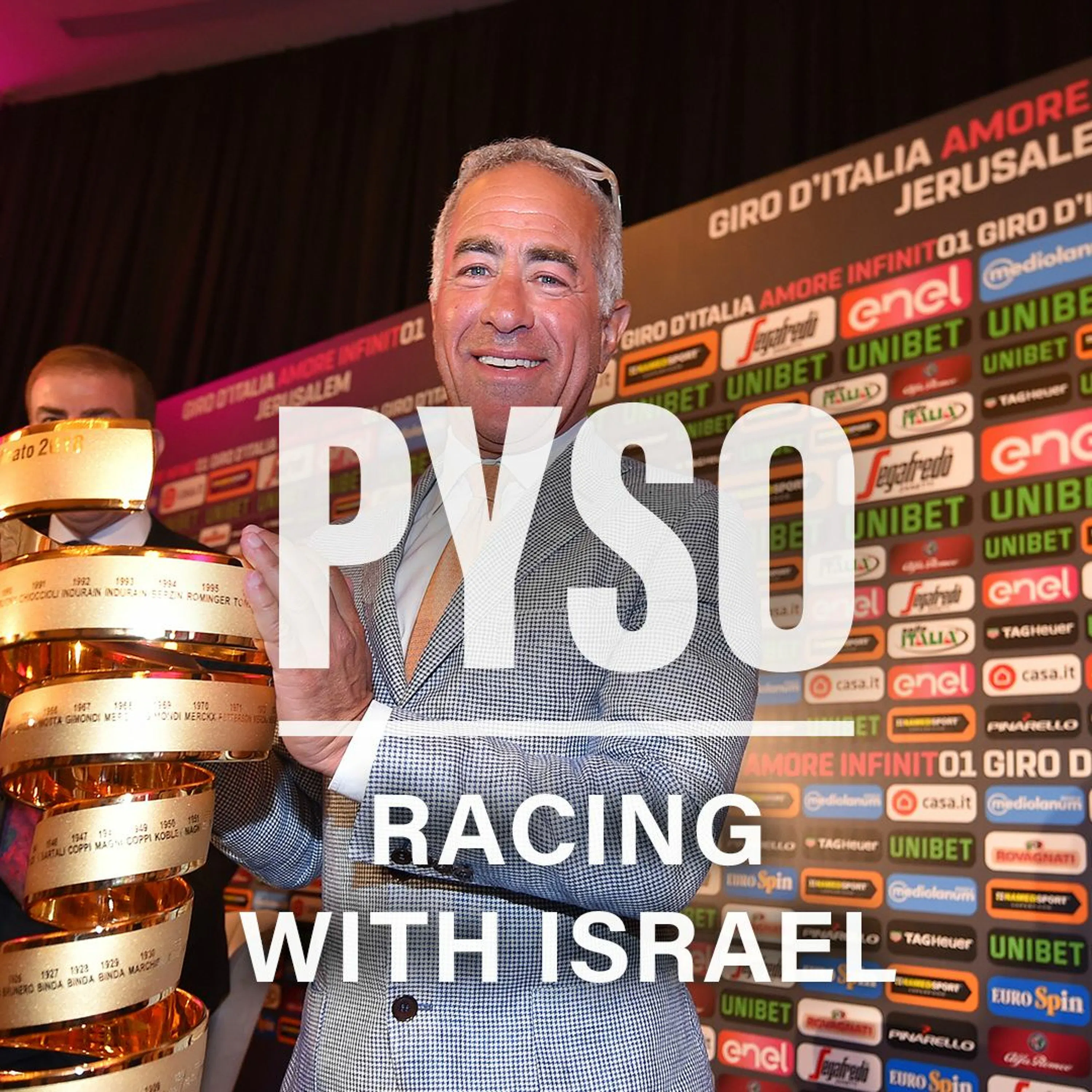
PYSO, ep. 66: ISN benefactor Sylvan Adams on launching Israel into the WorldTour
Sylvan Adams is an enthusiastic masters racer — with one heck of a philanthropist twist. He fell in love with the sport late, and quickly found his way to national and world masters championship titles. But then…. the successful Canadian businessman and philanthropist went all in on supporting the sport of cycling in general and the Israeli cycling scene in particular, bringing the Giro d’Italia to Israel and launching Israel Start-Up Nation into the World Tour. Tune in for a special episode of Put Your Socks On, as Bobby, Gus, and Sylvan talk about how Sylvan got into cycling, and where he wants to see it go.

PYSO, ep. 65: American football coach Eric Studesville talks cycling
NFL veteran Eric Studesville has coached for 23 years, including with the Denver Broncos when they won the Super Bowl in 2015. On this episode of PYSO, Eric chats with Bobby and Gus about how football player roles compare to cyclists' roles on a team. Eric got into cycling growing up in Madison, Wisconsin. First, the bike was transportation. Then, it was for workouts. And soon — and now — it is for the love of riding. Now the running back coach for the Miami Dolphins, Eric explains how he lures NFL players into cycling, and what their biggest hesitation is about getting on a bike. Looking at cycling and football, it's not too dissimilar in terms of everyone having distinct roles, Eric says. "Everybody's got a role and function," Eric says. "Running back, you know, you may be a third-down back, you may be a short-yardage or a goal-line back. Are you the two-minute guy? Are you a special teams contributor? I see that on a cycling team; they have a role and a function. You have the GC guy and you have your sprinters and your climbers, but everyone on a team has a role in a function, and everyone has to perform their role and function to the maximum for the team and for the GC rider to have the greatest chance to be successful." "I see the domestique people as the offensive linemen; you may not know who they are, but they're they got to be out there grinding those Ks every day for the team to succeed," he says. On this episode of PYSO, your role is to be the listener, so sit back and enjoy.
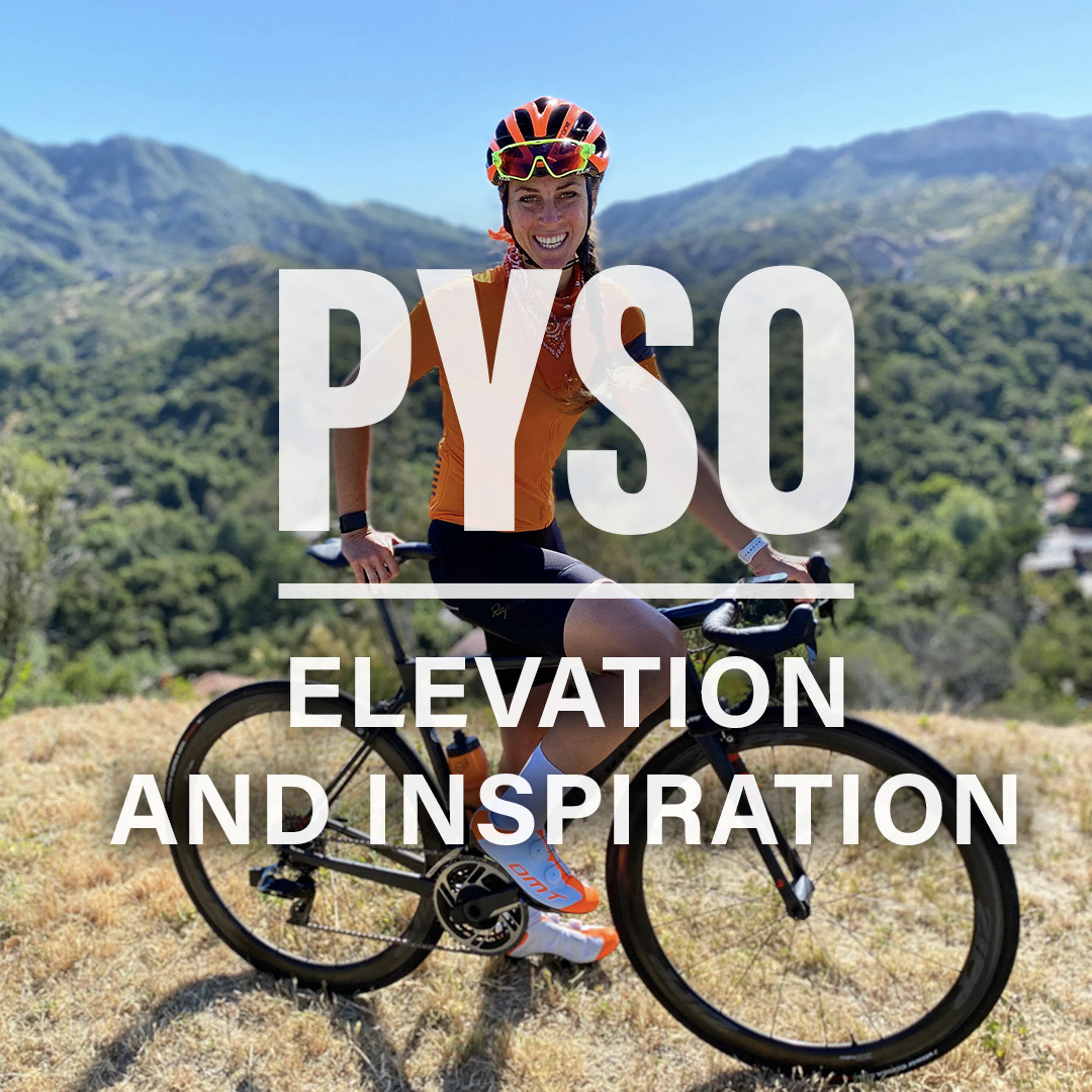
PYSO, ep. 64 Isabel King on cycling's intrinsic motivations and inspirations
A wild road brought Isabel King to cycling: Division One soccer at Columbia led to a UCLA MBA that led to Wall Street and then triathlon? Not the usual route, but today Izzy is racking up QoMs on Strava left and right in California. Tune in for a rolling ride on PYSO with Bobby Julich, Gus Morton, and Isabel King.
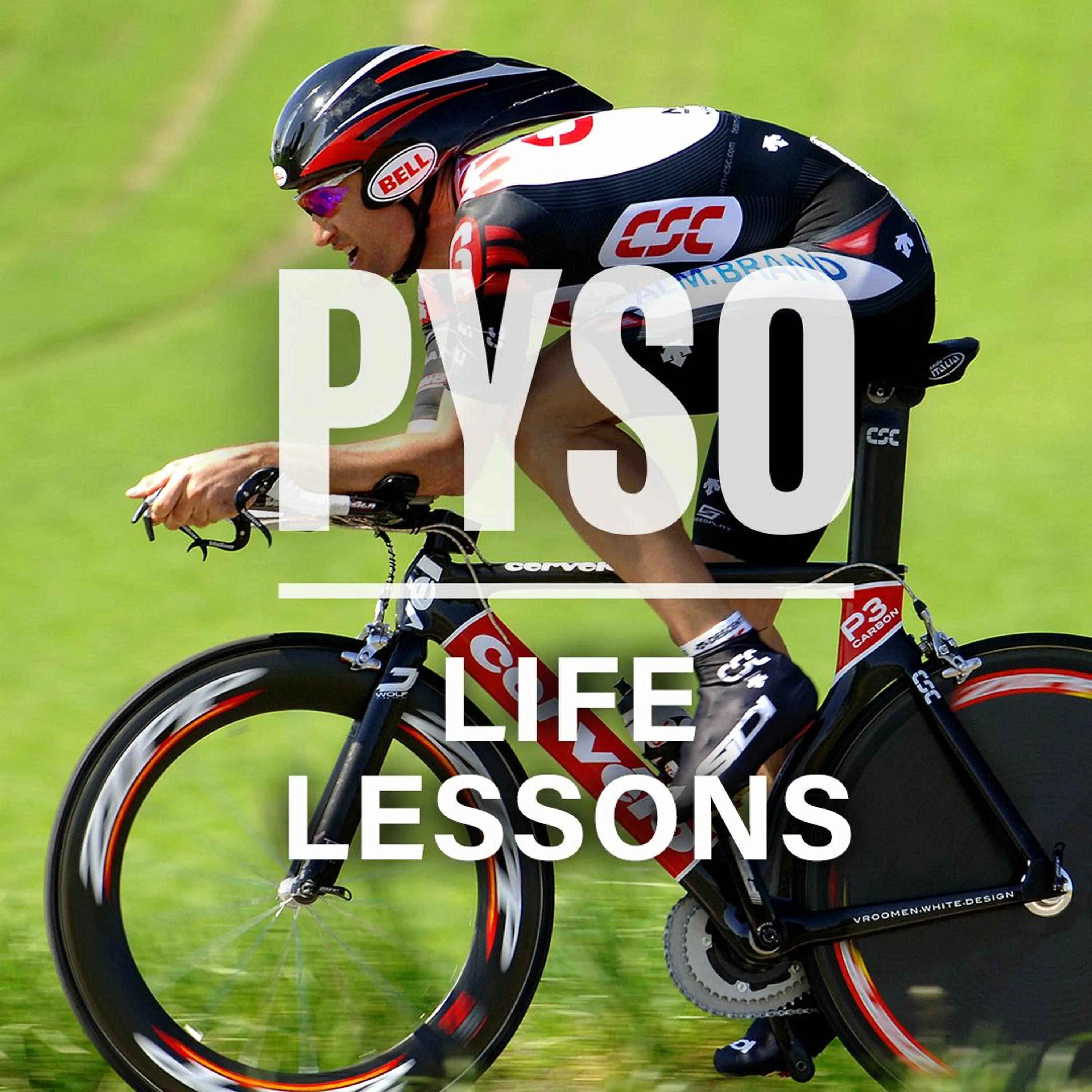
PYSO, ep. 63: Julich reflects on mistakes, successes, and helping others
In this special episode, co-host Bobby Julich becomes the hot-seat guest as Tejay van Garderen and Gus Morton pepper the Olympic medalist and Tour de France podium finisher about not only his career, but the decisions behind his actions, his regrets, and his most cherished moments. After watching ESPN’s two-part LANCE documentary, van Garderen has questions for Julich about how the sport and society treated riders who doped, citing the depression and drug-related deaths of Marco Pantani and Frank Vandenbroucke. Julich talks about his own involvement in doping, his now-wife’s prescient words about it decades ago, and his decisions to not only opt to race clean years ago, but to come clean to Team Sky years after, knowing that it would cost him his job. Van Garderen and Morton are empathetic but probing in their frank conversation. Van Garderen raced under Julich’s guidance at BMC and still considers him a mentor. The younger American says he regrets racing too cautiously in the past, and seeing success as a zero-sum game, and asks Julich if he feels the same about his career. Julich also talks about his rare moments of zen on the bike, including one special instance during his Olympic time trial ride in Athens that netted him a silver medal. And, at Morton’s prompting, Julich closes the episode by reading two diary entries from his 1998 journal before and during the Tour de France, where he ultimately finished third behind Pantani and Jan Ullrich.

PYSO, ep. 62: Cam Wurf on using WorldTour racing as training
How many athletes can you name that use one sport as cross-training for another? Probably a few, right? But can you name any athletes that participate in the very highest levels of professional competition in one sport as preparation for another sport? That is exactly what Ineos-Grenadier rider Cam Wurf is doing, using WorldTour racing as training for the Ironman world championships, which were recently postponed until February. In this episode of Put Your Socks On, Cam catches up with Bobby and Gus after the hosts catch you up with the final two stages of the Virtual Tour de France on Zwift. Oh, and if you're impressed with Cam's two-for-one professional sports plan, you should also know that he has been to the Olympics — in rowing!
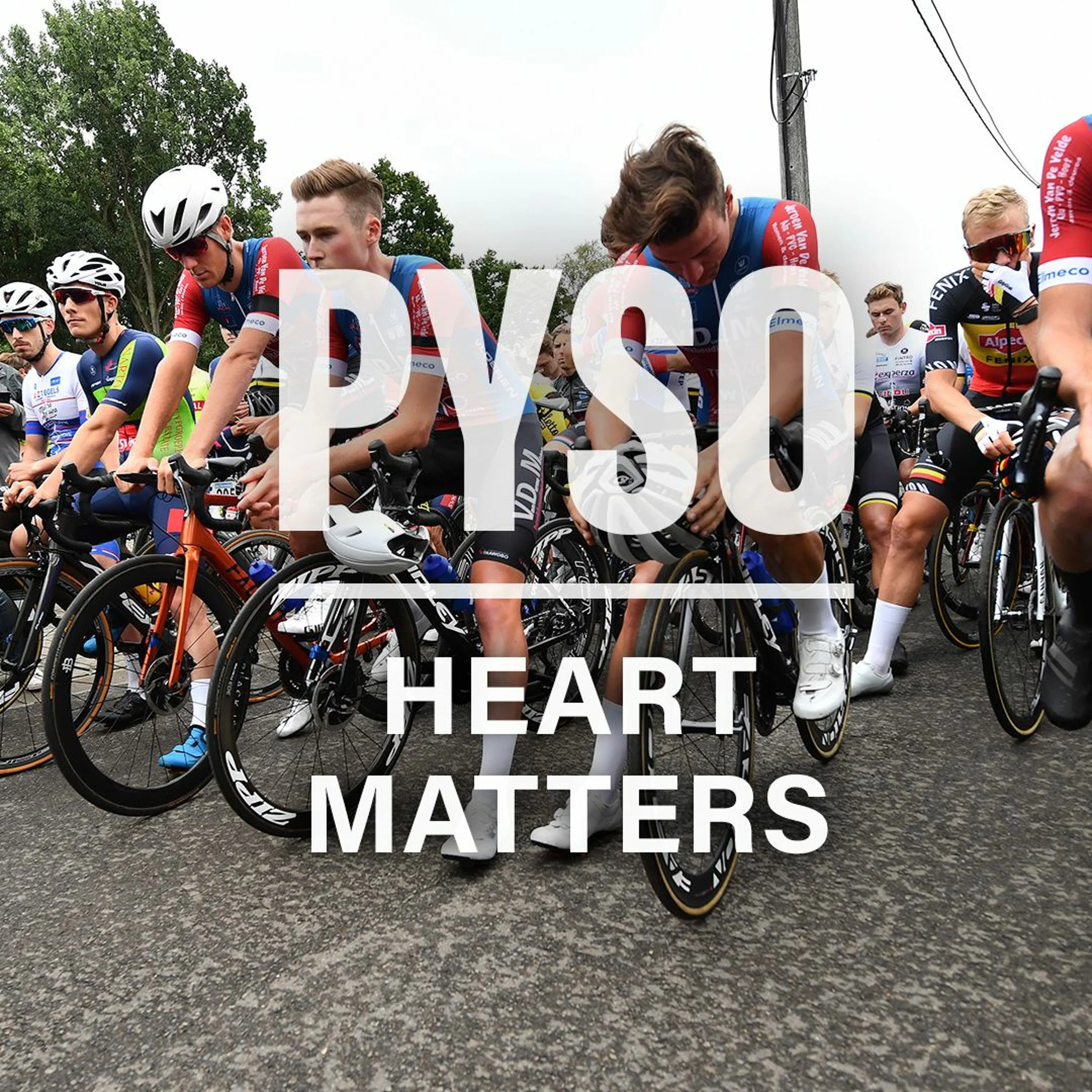
PYSO, ep. 61: Heart-health expert Mike Lepp on cycling's impacts
In 1996, Bobby Julich thought his career was over - as it was just beginning to take off - because of a heart arrhythmia. Instead, George Hincapie introduced him to cardiologist Mike Lepp, he had a heart ablation procedure, and went on to have a very successful career. In the wake of the untimely death of young Belgian rider Niels De Vriendt (VDM), Mike joins Bobby and Gus Morton to talk about various personal instances of how cycling can exacerbate heart issues, and what can be done about it. Mike Lepp is currently the senior athletic advisor to Joe Gibbs Racing in NASCAR, but his involvement in sports physiology and heart health goes back decades to his time as director of a cardiology clinic for many years in the 1980s.
PYSO, ep. 60: Zwift co-founder and CEO Eric Min
Zwift has redefined indoor cycling. What started in 2014 with a 5km virtual track and a handful of users is now a global phenomenon. Just this weekend, for instance, Zwift had nearly 90,000 people sign up to ride one of the company's Virtual Tour de France social rides. On this episode of Put Your Socks On, Bobby and Gus speak with Zwift co-founder and CEO Eric Min about where they company came from, and where it's going. Some of the hurdles are technological: How do you ensure power-measurement accuracy and consistency with riders around the world using different equipment? And some of the hurdles are sociological or psychological: It took six years for the Zwift community to accept the idea of a burrito Power Up that makes them un-draftable for a few seconds. "So we've taken baby steps [in adding game enhancements], but now I think if you took away all the gamification in the game, it would just be boring," Min said. "We even went to ASO to ask professionals, 'do you want these events to have have power ups or not?' They overwhelmingly said yes, we want power ups because why wouldn't you want to have a gift of an arrow power up? You know, ahead of a sprint. It's a freebie."
PYSO, ep. 59: The Cyclists' Alliance founder Iris Slappendel on creating change
After being elected by her racing peers to serve on the athlete's commission for the UCI in 2015, Iris Slappendel quickly realized that there was no overarching structure of support for female riders. So, she created one. The Cyclists' Alliance was founded in 2017 to support female racers during and after their careers. The Cyclists' Alliance is a union funded by donations and subscriptions. Approximately one third of the women's peloton are paying members, Slappendel says. As a veteran former racer, Slappendel talks with PYSO hosts and former racers Bobby Julich and Gus Morton about the discrepancies between women's and men's unions for riders, and how they all interact with the UCI. "It took me 10 years, but I realized there's no one holding teams or anyone accountable for how the riders are treated," Slappendel said of her thought process behind starting The Cyclists' Alliance. "And I think that was the spark that started me thinking about a union or at least having a better representation of the riders and the stakeholders." Slappendel says that while the sport has made strides forward since 2004 when she began racing — "there are more top riders, more riders who are able to live from the sport, more good races" — that the sport still has a long way to go. "It's becoming a professional sport, but it's not there yet," she said. Listen in for a fascinating conversation on the dynamics of life as a female professional rider.
PYSO, ep. 58: Keeping cool with Trek-Segafredo's Steven de Jongh
As racing returns to the real world with the Slovenian national championship, Bobby and Gus cover all the happenings in the Zwift community. Also, Gus's brother Lachlan Morton is an absolute madman! Gus gives his perspective on Lachlan Everesting not once but twice in one week to set the world record. Hear all about these stories and listen to an exclusive interview with director Steven de Jongh of Trek-Segafredo. We talk to Steven about his calm, cool demeanor, and how his recovery from a scary cycling accident has added more perspective to his approach to directing and life. It's time to Put Your Socks On.

PYSO, ep. 57: Tyler Farrar on his old life as a ProTour sprinter and his new life as a firefighter
Which is harder: racing for the win in the grand tours, or working as a firefighter? Listen to former top pro Tyler Farrar, who has done both. This week on Put Your Socks On, coach Bobby Julich is joined by special guest host Christian Vande Velde, who raced with Farrar on Slipstream-Garmin, a team that redefined American racing at the highest levels. Christian and Bobby talk with Tyler about his early career – from racing as a junior and pro domestically to going to Cofidis and then Slipstream – how he dealt with the loss of his close friend and training partner Wouter Weylandt, his recovery from COVID-19 and much more.
PYSO, ep. 56: Jolanda Neff on competition, overcoming injuries, and YouTubing
Road bikes, cyclocross bikes, mountain bikes, and motorbikes — Neff loves riding them all. On this episode, the multi-time world champ talks about the special Swiss cycling programs that helped propel her to the top. Bobby and Gus speak with Neff about overcoming injuries, and her new series JolandaLand on YouTube. After getting stuck in the U.S. for 2.5 months because of travel restrictions, Neff is back in Switzerland now for a national training camp, where eight of the nine riders have world junior titles to their names. How does Switzerland create such successful riders? Part of it, Neff believes, is the unique race formats for young kids that prioritize handling skills and not just pedaling. Like many Olympic-bound athletes, the coronavirus pandemic has changed Neff’s life and timing, but after the Swiss star suffered a terrible crash in December, the extra preparation time is probably a blessing. Neff, a veteran of the Rio Olympics where she placed eighth in the road race and sixth in the cross-country mountain bike race, talks with Bobby, an Olympic medalist himself, about lessons she wants to take into the Tokyo Olympics. Forefront among them, is advocating to have trusted female staff with her. “I need to have the people around me in those days before the Olympics and during the Olympics that I’ve been working with for years,” she says. “In Rio, we did not have one single female person on staff. I get along great with men, that’s no problem. But at the competition, you need a certain balance and especially for me, my physio that I’ve been working with for years, she is a girl. She was not selected to go to the Olympics. So I’ve been working on that very much.” At the coming Olympics, Neff will be unable to race both road and mountain because the two competitions are on the same day. Outside of the Olympics, Neff recently launched a YouTube channel. “I want to show people cycling is social. It’s fun. It’s great. It keeps you fit. I don’t want to show like, ‘ah, it’s so hard to train and everyone who’s at that level has to put in work and has to train hard,'” she says. “For me, what got me into mountain biking and what I want to inspire other people to get into mountain biking is the fun, the social aspect.”
PYSO #55 REGGIE MILLER Final
Basketball Hall of Famer, Olympic gold medalist, and all-around legendary player Reggie Miller is now a huge cyclist. He joins Bobby Julich and Gus Morton to talk about the impact of sports on culture, and the impact of culture on sports, in both broad terms and in this specific moment in time. On this episode of Put Your Socks On, the Hall of Famer encourages us all, especially white people, to "put your ears on" and listen to hard conversations. Miller talks about the positive role sports can play in society, and how the coronavirus has put that on hold in many ways. "I think sports in general and especially the NBA has always had a huge platform in terms of healing. But I think a lot of people are frustrated right now because covid and the coronavirus has stopped everything. So there's no outlet for people," Miller says. "Sports used to be the great equalizer in healing form. You know, after 9/11 it was baseball. You remember George Bush going to Yankee Stadium and throwing out the first ball, you know, 'We won't be defeated.'" Miller, Julich, and Morton talk about the similarities between Michael Jordan and Lance Armstrong, and about how Miller first got into cycling. They talk about Miller's first bikes (a Giant, then a custom Moots, then a Santa Cruz), and Miller's charitable work. Miller also talks about the importance of having uncomfortable conversations. "When you see a murder on TV of George Floyd, and this has been going on forever, and people are frustrated, they're tired, they're hurt," he says. "And you keep telling people to turn the other cheek and do have peaceful protests, and change never comes about. They are tired. So what? You know, we saw Colin Kaepernick taking a knee a peaceful protest to what has been going on, and he gets blackballed from the NFL format. And I see all these images now of police and other people kneeling. It's funny how things have come full circle because the murder of George Floyd and this officer kneeling on him forcibly for over eight minutes, lynching this man on national TV for the world to see and you got Colin Kaepernick has been telling you guys this has been going on forever." "Sports and its brightest stars can help heal the pain hopefully, but it starts from within. People need to start listening and when I say people, white people need to start listening to the pain of black and brown people in this country and in the world because it's been going on way too long," Miller says. "A young man goes out for a jog — for a jog! — and gets murdered for that, you know, we got to stop. Sometimes you've got to take an aggressive approach to create change, they want change, and it starts with people getting out there and getting to the polls and voting. You don't like a prosecutor? You don't like a president? You don't like an attorney general? You don't like a judge, vote them out. Go vote, people, get them out." Miller says people people don't want to have these conversations because they don't want to believe that racism in 2020 exist. "This goes back 400 years. I mean, I don't want to go in a history lesson here because this is a basketball and cycling show. But as long as people are willing to have a conversation and admit that racism is alive and well in America in what can we do black and brown people and white people, how can we help one another, get past this, if they're willing to have that conversation, that's the only way the healing is going to start," Miller says. "But if you're going to sit in your nice house, and turn the channel and think if we're not going to go anywhere, is nothing, no change will ever evolve from that. So if you're willing to listen, and open up and say, 'You know what, you're right.' God gave us two ears, and one mouth. Listen, put your listening ears on." And with that, give this episode of Put Your Socks on a listen.
PYSO, ep. 54: Tejay van Garderen on risk assessment and not taking the joy of racing for granted
American Tejay van Garderen, twice a fifth place finisher overall and winner of the white jersey at the Tour de France, wishes he had taken more time to appreciate the good times during his career. Whether it was winning the Tour of California, or just having fun rooming with riders like George Hincapie or Taylor Phinney, van Garderen says he took a lot of things for granted. “I wish I would have savored the moment a little bit more and appreciated it,” he said. “ I always just thought, ‘Okay, I'm here now and I'm gonna go there and that's a stepping stone. That's kind of the story of cycling in a nutshell. You never stop to just say, ‘Hey, what I did was pretty cool.’ I wish I had done that a little bit more.” Van Garderen talks at length on this episode of Put Your Socks On about trying to keep perspective heading into the strange 2020 season. In 2016, van Garderen skipped the Olympics because of another virus. At the time, his wife Jessica was six months pregnant, and he didn’t want to risk contracting the Zika virus. Van Garderen also talks about the people who helped get him to where he is today, including a framebuilder in Bozeman, Montana: Carl Strong. “Without him I wouldn't have been a bike racer,” van Garderen said. “I just I wouldn't been wouldn't have been able to afford it.” Listen now to Put Your Socks On.
PYSO, ep. 53: World TT champ Chloe Dygert, Twenty20 boss Nicola Cranmer on pursuing greatness
Some riders are superstitious, believing that they need everything just so in order to perform. They need just the right lucky clothing, or just the right type of coffee. World time trial champion Chloe Dygert is not such a rider. She doesn't even drink coffee. She just thrives off viewing the best riders in the world as benchmarks, and then getting to work on surpassing them. In this episode of Put Your Socks On, Dygert and her Team Twenty20 boss Nicola Cranmer discuss the pursuit of greatness. In Cranmer's case, that means finding and nurturing talented riders in challenging times as well as good times. For Dygert, that means a relentless work ethic and a refusal to settle — even for her current status as one of the absolute best riders in the world. "I'm definitely the kind of person that if you tell me, I can't do something, I'm going to do it, and I'm going to do it better than you would ever think," Dygert says. "I have role models, but I don't look at them and say I want to be like them. I look at them and say, 'you are a benchmark to what I want to be. I'm going to surpass you, I'm going to be better than you.' I want to be the best at anything and everything I do, and I thrive off of pain. I thrive off of other people's doubt, and I think that's also a huge benefactor into who I am today." As the world of cycling contemplates a cautious return to racing, Cranmer floats the idea of racing time trials exclusively for a little while. What does the reigning world TT champ think of this? "I would not be opposed," Dygert says.
PYSO, ep. 52: Bjarne Riis on leadership, cohesion, and creativity in team strategy
After an absence from the sport, longtime team director Bjarne Riis is back in the WorldTour at the helm of NTT Pro Cycling. Riis is well known for many things — winning the 1996 Tour de France as a rider, and leading many riders to victory as the boss of Team CSC / Saxo Bank / Saxo Bank-Tinkoff. As a team leader, Riis has long been a proponent of team building, often taking teams on military-like exercises in the early months of the year to build cohesion. With NTT, Riis has been working with team management and riders to develop that cohesion remotely, through Zwift racing and regular communication, and other strategies that he isn't yet ready to talk about beyond saying he has established 'six pillars' of training. But he is confident that NTT will come out of the pandemic lockdown ready to race. "I guarantee you NTT Pro Cycling is going to be a weapon when we come out racing again," Riis said. "Because that was what I explained [to the riders]: I want you to be a weapon in what you do." In his recent years away from directing a WorldTour team, Riis said he missed "fighting in a creative way." While Ineos has the the biggest budget and can hire many of the best riders, other teams have to be creative and organized in their tactics, he said. "What's important to me is being a team, not just saying we are a team but showing it," he said. "You know, the way we race the race together in the peloton, the way we move together, everything we do as a team," he said. "And that's the culture you build." Listen in for a conversation with Gus Morton and Bobby Julich, who for a time raced for Riis at CSC.

PYSO, ep. 51: NTT Pro Cycling's Michael Valgren reflects on the positives of being locked down
A novelty at first, six weeks of lockdown has taken its toll on all athletes. With the easing of restrictions now beginning, we check in with NTT Pro Cycling's Michael Valgren to see how he’s been holding up after months of uncertainty and how he’s planning on moving forward with the new UCI calendar just announced. A quick primer on Valgren, for those of you who don't know him: After turning pro at the tender age of 21, the Danish rider quickly won consecutive U23 Liège–Bastogne–Liège editions, establishing himself as a rider to watch in the future. Fast forward to 2018, and Valgren came of age, winning Omloop Het Nieuwsblad and the monument Amstel Gold Race as well as finishing fourth at the Tour of Flanders. Following that break-out year, where he moved from a strongman to team leader, Valgren transferred to his current team, NTT (formerly Dimension Data), in one of the most anticipated moves for the season. Plagued by bad form and a series of setbacks, 2019 was a winless one. With 2020 a chance to redeem an “un-Valgren-esque” 2019, it seems the COVID-19 situation has delayed his chances of getting even in his favorite classics.
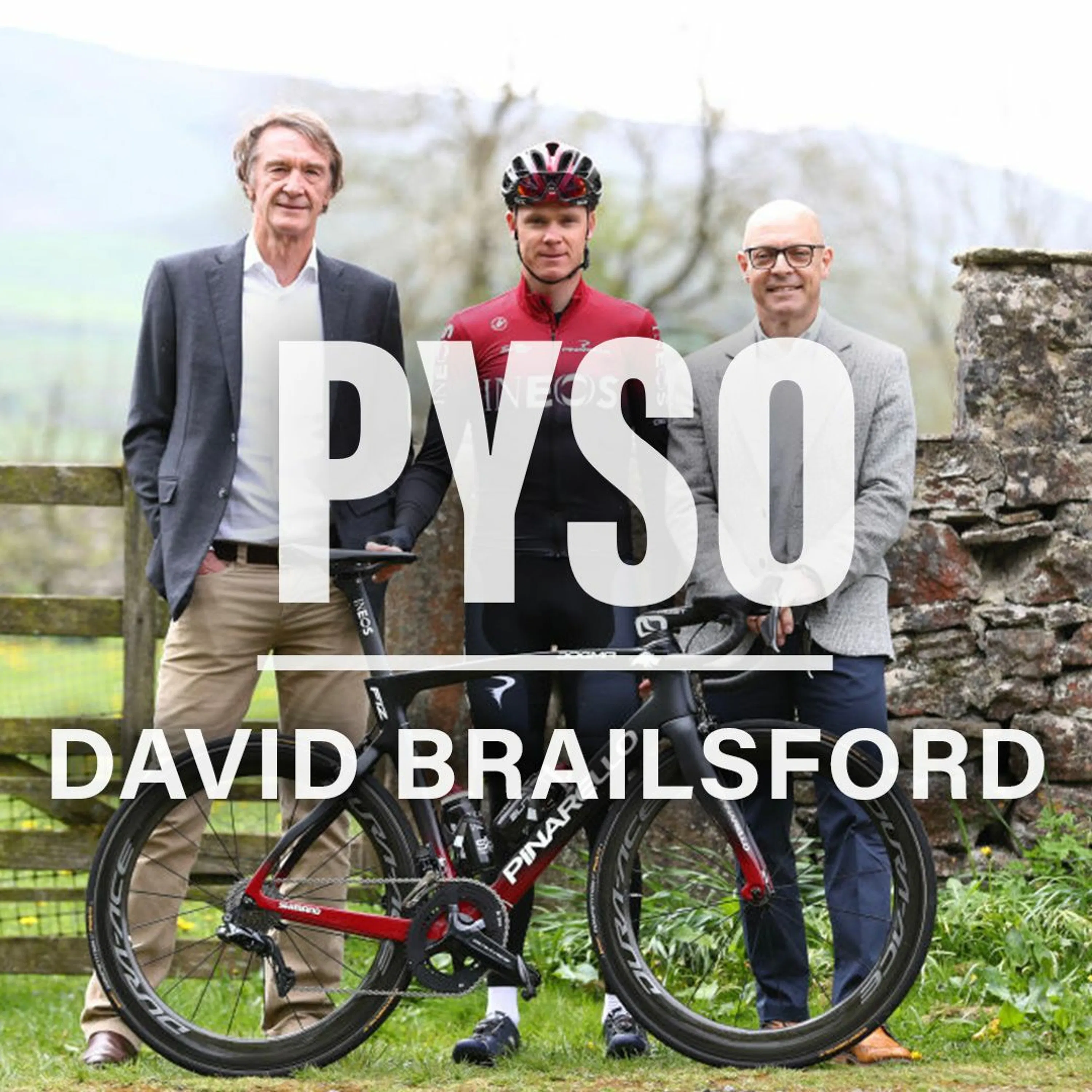
PYSO, ep. 50: Ineos boss David Brailsford
How is the biggest team in the world dealing with the global coronavirus lockdown? Well, they've been doing a few things - including pivoting to help distribute hand sanitizer to hospitals in conjunction with their sponsor Ineos. Ineos team boss David Brailsford comes on the show to talk about how the riders, the coaches, and the support staff have been collaborating, training, and racing over the internet — and helping create value in new ways. Ineos owner and chairman Jim Ratcliffe told Brailsford that he wanted to produce a million bottles of hand sanitizer a month and supply that to the frontline workers in hospitals, using the well-oiled logistics of the cycling team to handle some of the distribution. "Everybody has been involved, and they've done a brilliant job and it's quite a satisfying thing to be involved in," Brailsford said.
PYSO, ep. 49: Former Giro boss on cycling's past, present, and future
Michele Acquarone ran the Giro d'Italia and RCS' other races for years, and pushed for revolutionary change such as teams sharing in TV revenue and all races having men's and women's events. On this episode of Put Your Socks On, Michele talks with Bobby and Gus about where the sport of cycling should be headed. Michele argues that all pro races should include women's and men's events. "It's so easy to do combined events, that it's crazy that all the pro cycling movement is not doing that," he says. "It should be a must if you want to have a first level race. You have the TV production, you have the operations already in place. For the organizer, it's easy. You have the streets closed, you have the helicopters and the airplanes in the sky. Everything is in place. You just need to invest a little extra money to have a great show with the two races at the same time." And what about esports in cycling? "Esports are not the future but the present of the sport, and you cannot ignore it," Michele says. Before talking with Michele, Bobby shares some indoor training tricks from TrainingPeaks' guru Tim Cusick, such as the importance of investing in a quality trainer with a flywheel for mimicking inertia, using your own power meter if you have one instead of the power from the trainer, and cooling your environment as best you can. "At the end of these indoor rides, you often end up looking like a salt lick," Bobby says.
PYSO, ep. 48: The Business of Cycling Now
Steve Maxwell and Spencer Martin of The Outer Line join the show to talk about what the sport of cycling could like in a post-coronavirus world from a business perspective. Will there be fewer teams and fewer events? Possibly. Along with the rest of the world, the cycling industry is now scrambling to figure out what it can do to stay afloat and what the waters will look like once the storm subsides. “Clearly we can’t really imagine at this point in time, what the overall impact of COVID is going to be on the sport, just just like we can’t really imagine what the impact is going to be on society in general, when we come out of the other side of this whole thing,” Maxwell says. “But I think there are a few things that are starting to be apparent. We’re not going back to the same old normal. Some things will probably change permanently as a result of this whole calamity.” In this special VeloNews collaboration of PYSO and The Outer Line, the gents on the pod dig into a laundry list of possible effects of the coronavirus shutdown: How does it affect the teams, the managers, the events, the regulators, and the UCI? “Each one of these stakeholders is going to come out of this thing on the other side a little bit different than the way we went in,” Maxwell says.
PYSO episode 9: 2019 Tour de France, Stage Nine
STAGE 9 BASTILLE DAY St Etienne - Brioude 170.5km The cast talks nutrition on today’s stage: team chefs, soggy baguettes, and heaps of Nutella. Special shout out to ROAD ID employee of the month, Becky. You go, Becky. Turns out, Gus knows more about Zombies than anyone expected. And, we have our sprinter predictions for Stage 10 from Saint-Flour to Albi on the fastest growing sports podcast in the world, PYSO! Bonus: Coach Bobby J promises to take the whole crew to Sizzler after the Tour! We’ve put our socks on. Have you?
PYSO episode 7: 2019 Tour de France, Stage Seven
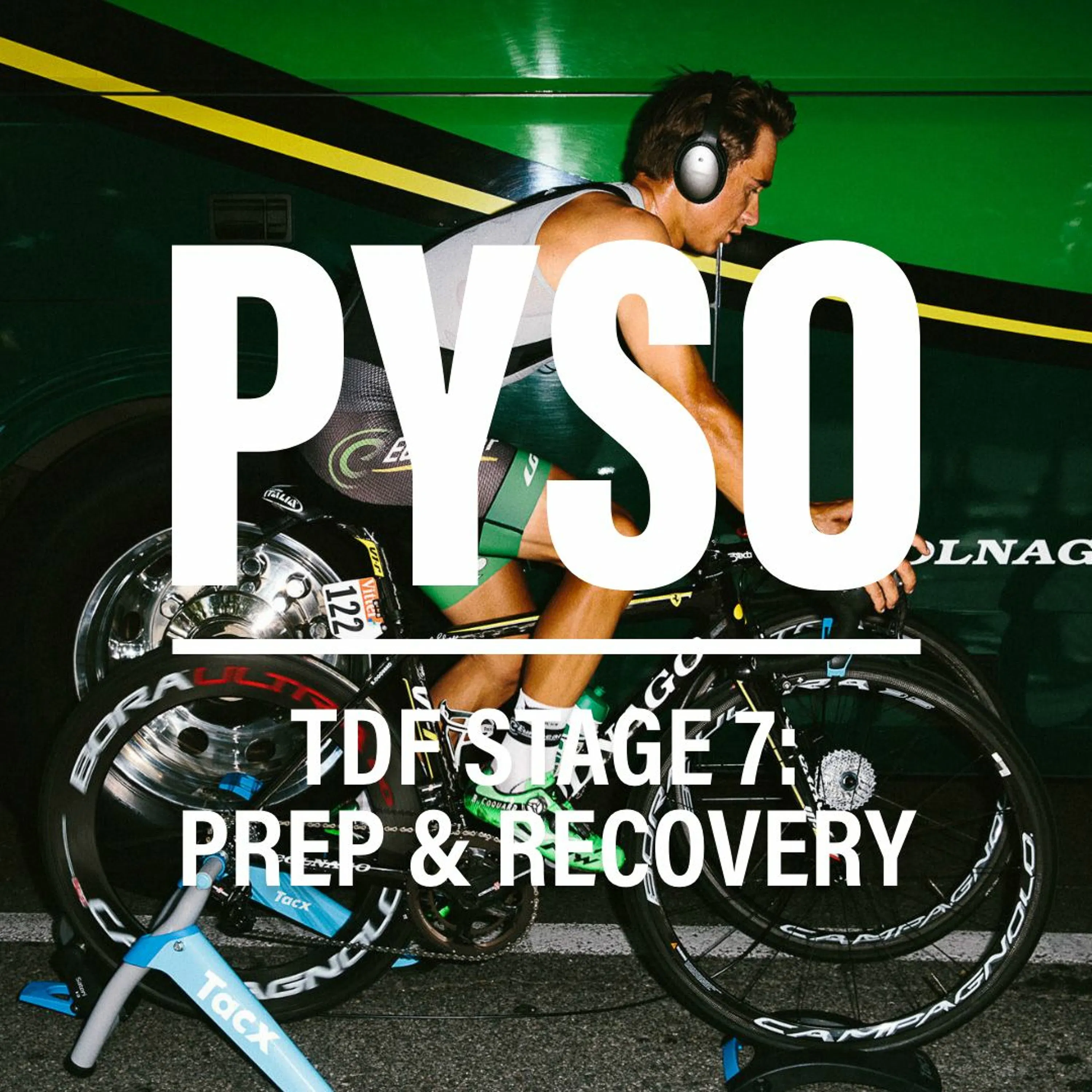
Today on PYSO Gus and Bobby examine the science around preparation and recovery. Skratch Labs founder Dr. Allen Lim joins the fun to address everything you want to know about cycling, from nutrition to new technology. Does Lim talk about Cryotanks? Yes. What about ice vests? You bet. It's all here. We even bring back Spinaci bar extensions, because we think they are cool. Be prepared: this is PYSO.
PYSO episode 5: 2019 Tour de France, Stage Five
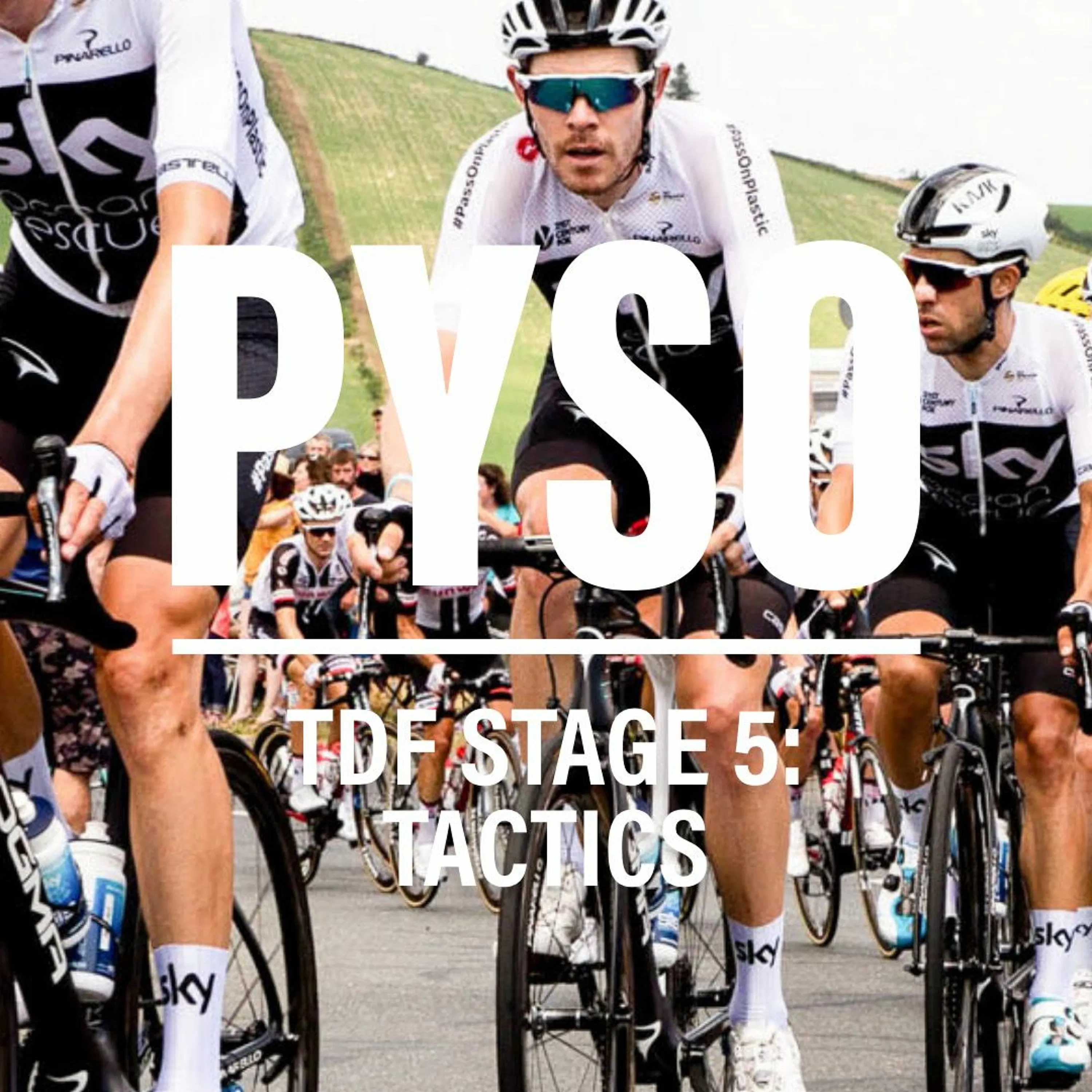
Toms! Toms! Toms! Bobby goes down memory lane but doesn't like it much. Superfan suggests that Sagan’s interview “form” is also back! Phillipe Gilbert shares some very interesting insights into today’s theme: Tactics. Are cartoons really better than Rosetta Stone, does 75% of tactical riding come down to nature or nurture, why did Gus’s coach tell him to climb into a ditch and take his shoes off, and which annual event in Belgium is guaranteed to get you a Pro Contract? Find out all this and more!

PYSO episode 4: 2019 Tour de France, Stage Four
Stage 4 was sleepy in spots but PYSO is not! On today’s show, Bobby Julich and Gus Morton discuss failed nature-break ploys, getting jiggy with it, France vs. Italy on the subject of “legal usage” of champagne, high-speed praying mantes and more. Plus, EF Education First assistant sports director Tom Southam calls in to share some thoughts about being a director and the importance of analog technology.