Big Take Asia
160 episodes — Page 3 of 4
Is the US-China Trade War Over?
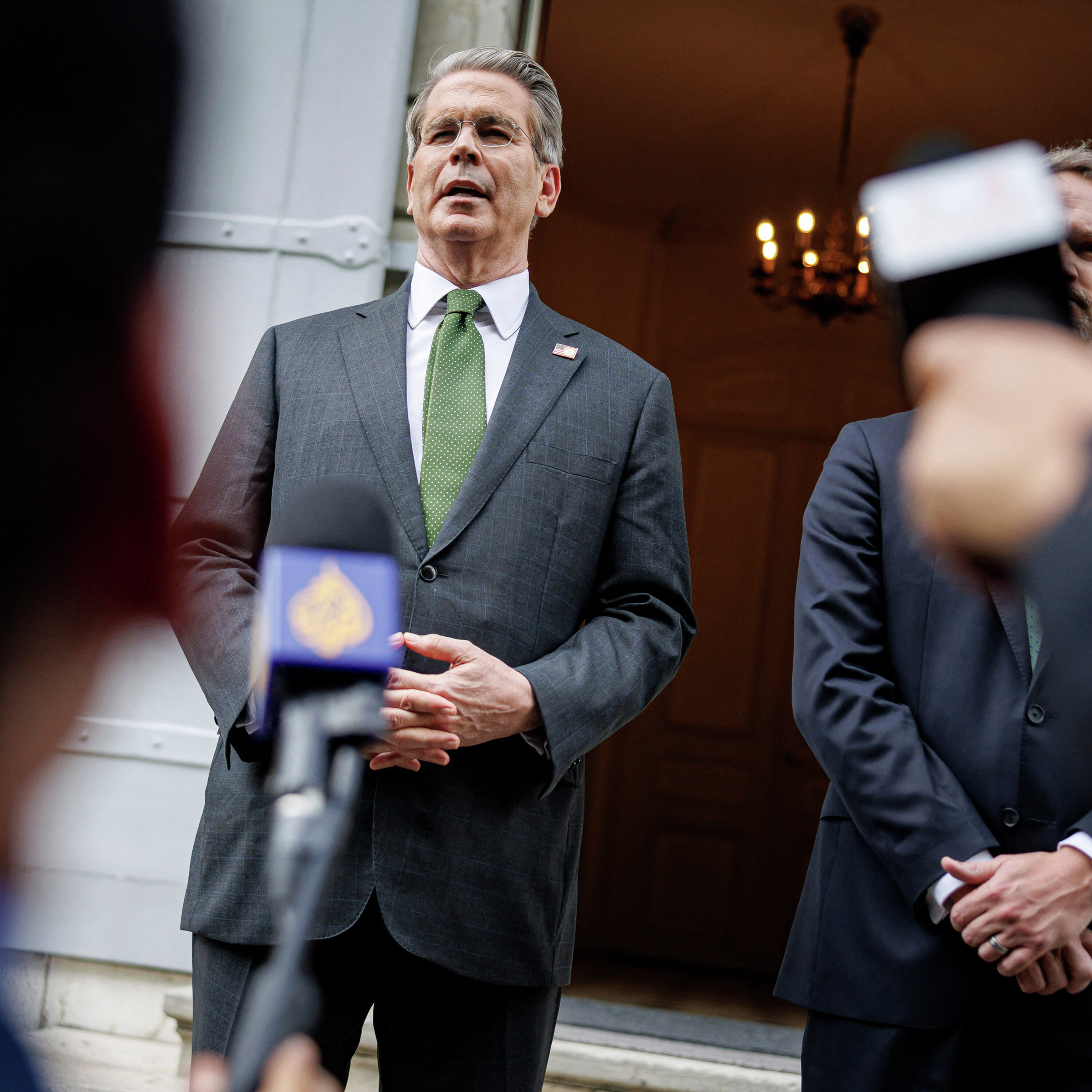
In a stunning turn of events, the US and China announced a dramatic reduction in tariffs, which President Trump portrayed as a “total reset” with China. Stocks rose following the news, but what lies ahead once the 90-day reprieve expires remains uncertain. On today’s Big Take podcast, Bloomberg Treasury reporter Dan Flatley joins host David Gura to discuss the major takeaways from these latest negotiations and what they could mean for the world’s two largest economies. Read more: ‘Buy America’ Sweeps Across Global Markets After Trade Talks China Tariff Relief Spurs Shipping Rush, U-Turn on Price Hikes Nasdaq 100 Enters Bull Market After US-China Truce: Markets Wrap See omnystudio.com/listener for privacy information.

How India and Pakistan Averted War
Last week, India and Pakistan saw the worst fighting in half a century — and came close to an all-out war. But the conflict came to an uneasy and sudden halt after Donald Trump declared the two countries reached a ceasefire. On today’s Big Take Asia Podcast, Rebecca Choong Wilkins talks to Bloomberg’s Dan Strumpf about how the deadly clashes and ceasefire unfolded and the implications of US mediation in the decades-old conflict. Read more: Trump Truce Leaves India Furious, Pakistan Elated as Risks LoomFurther listening: The Rise of Modi, Part 1: Why India’s Leader Is So Popular – and Polarizing The Rise of Modi, Part 2: How India’s Leader Came Back From the BrinkSee omnystudio.com/listener for privacy information.

How a CEO’s Faked Results Led to a $300 Million Wipeout
In late 2018, five years after launching fish-feeding company eFishery, Gibran Huzaifah found himself all out of cash. To save his business, the CEO started plugging fake numbers into financial reports. The brighter picture drew hundreds of millions of investor dollars. But his house of cards was doomed to collapse. On today's Big Take Asia Podcast, host K. Oanh Ha talks to Bloomberg's David Ramli about the fall of eFishery and what it says about the risks of venture capital investing. Read more: CEO Explains How He Faked Results in $300 Million MeltdownSee omnystudio.com/listener for privacy information.
The Human Egg Trade: Episode 3 - The Journey
A new series from the Big Take podcast investigates the booming market for human eggs. In this episode, host Sarah Holder and Bloomberg’s Jessica Brice focus on the Kemptons, an Australian couple who needed donor eggs to get pregnant. They wanted access to a market they felt offered transparency. They especially wanted information about potential donors. What followed was an around-the-world quest to create a family — filled with promise, gutting losses and extreme cost. Read more: The Egg Listen to the rest of the series: The Human Egg Trade: Episode 1 - The LieThe Human Egg Trade: Episode 2 - The TheftSee omnystudio.com/listener for privacy information.
The Human Egg Trade: Episode 2 - The Theft
A new series from the Big Take podcast investigates the booming market for human eggs. It’s a global and opaque market where demand is so great, that even where regulations are in place, there are powerful incentives to evade them. In this episode, host Sarah Holder and Bloomberg’s Vernon Silver focus on one fertility clinic in Greece that police say stole the eggs of as many as 75 women. It’s a story that shows how the actions of one clinic can have ripple effects around the world and reveals the unique ways that the fertility industry runs not only on capital, but on trust. Read more: The EggListen to the rest of the series: The Human Egg Trade: Episode 1 - The LieThe Human Egg Trade: Episode 3 - The JourneySee omnystudio.com/listener for privacy information.
The Human Egg Trade: Episode 1 - The Lie
A series from the Big Take podcast investigates the booming market for human eggs. It’s a global and opaque market where demand is so great, that even where regulations are in place, there are powerful incentives to evade them. In this episode, host Sarah Holder is joined by Bloomberg’s Natalie Obiko Pearson to unpack an investigation in India that revealed how far some people will go to get a cut of this trade, even if it means exploiting a child. Read more: The EggListen to the rest of the series:The Human Egg Trade: Episode 2 - The Theft The Human Egg Trade: Episode 3 - The JourneySee omnystudio.com/listener for privacy information.

How a Chinese Toy Company Is Defying the Trade War
Chinese toy company Pop Mart is one of the hottest stocks this year thanks to the wild popularity of its Labubu dolls and other blind box toys. On today’s Big Take Asia podcast, host K. Oanh Ha talks to Bloomberg Opinion’s Shuli Ren about how the company’s business model could help it ride out the trade-war storm. Read more: China’s ‘Blind Box’ Magic Breeds Millions of Peter PansFurther listening: How China’s BYD Became King of the Affordable EVSee omnystudio.com/listener for privacy information.
Who Will Blink First in the US-China Trade War?
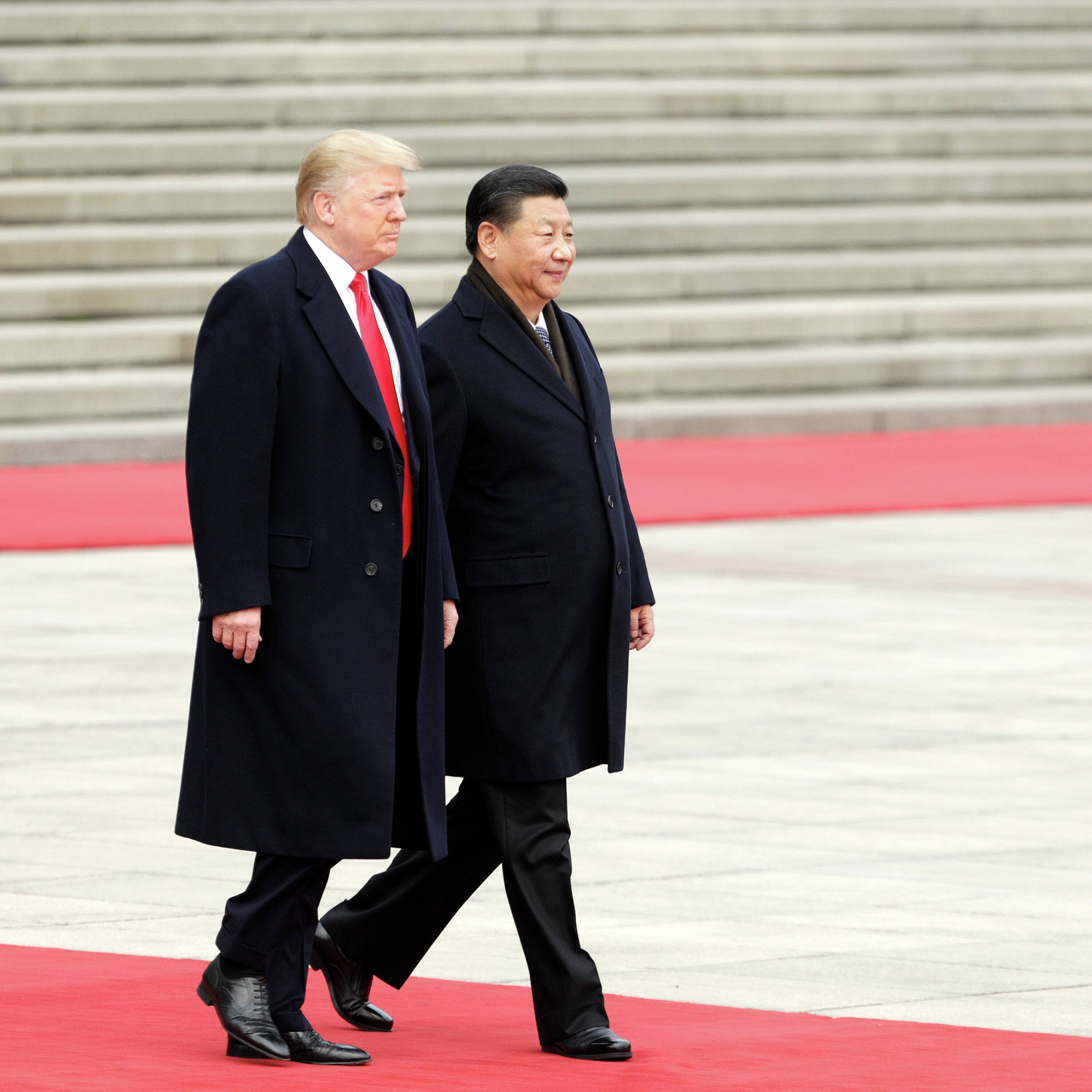
As the trade war between Donald Trump and Xi Jinping continues to escalate, economists around the world are asking who will blink first. On this episode of the Big Take podcast, Bloomberg’s John Liu and Jennifer Welch join host David Gura to discuss what it will take for both presidents to come to the negotiating table, how the current state of China’s economy impacts its positioning in the trade war and why hardball tactics are unlikely to work this time around.See omnystudio.com/listener for privacy information.

Inside the Explosive Feud That Rocked Singapore’s Richest Family
For decades, Singapore’s Kwek family, owners of one of the city’s biggest developers, looked to be the model of a successful family-run business. But that image was shattered when the family patriarch filed a lawsuit against his son. On today's Big Take Asia Podcast, host K. Oanh Ha sits down with Bloomberg’s Sheryl Lee and Dexter Low to examine what happened behind the boardroom doors of City Developments and how investors are navigating its fallout. Further listening: A New Breed of Scammer Is Targeting Asia's Ultra-Rich See omnystudio.com/listener for privacy information.
Why Asia Was Hit Hardest by Trump’s Tariff Onslaught
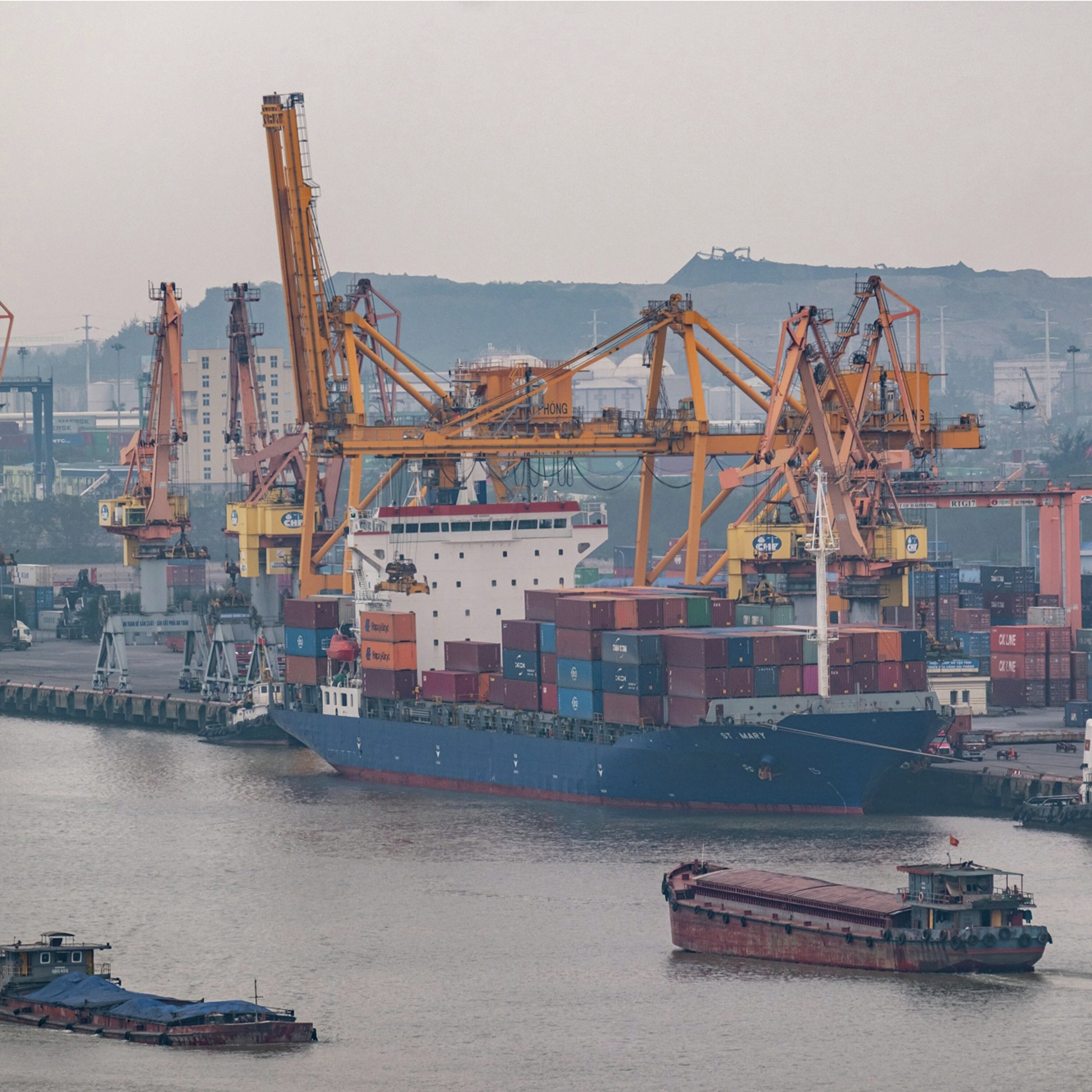
US President Donald Trump shocked the world -- and global markets -- with tariffs that exceeded expectations last week. But there was one region that was hit harder than most: Asia. Exporting powerhouses like China and Vietnam were slapped with some of the highest levies of any country, with China now facing an additional 50% tariff, bringing the total rate of its levies to more than 100%. On today's Big Take Asia Podcast, host K. Oanh Ha sits down with Bloomberg's John Liu in Beijing and John Boudreau in Ho Chi Minh City to discuss the reactions from Asian economies and how the tariff onslaught may upend the trading world order. Read more: Trump’s Tariffs and China Collide to Shock the $115 Trillion Global Economy Tariffs Rip Through Southeast Asia Stocks, Sink Vietnam’s MarketFurther listening: The Trump Trade War’s First Casualty? The Bull Market Trump Announces Sweeping New Tariffs. What’s NextSee omnystudio.com/listener for privacy information.

As India’s Stock Market Surged, So Did Investment Scams
India’s historic stock market surge sparked a retail-investing frenzy that minted millionaires. But the boom also became a breeding ground for financial scams. On today’s Big Take Asia Podcast, host K. Oanh Ha talks to Bloomberg’s Alex Gabriel Simon about the retail investors that have been cheated out of their life savings, and how this influx of scams could undermine Prime Minister Narendra Modi’s efforts to promote his nation’s stock market to global money managers.Read more: Scamsters Trick India's Retail Investors Out of Millions in Life SavingsFurther listening: Inside Southeast Asia’s Most Notorious Crime HubWatch, from Originals: Is India's Stock Market a Bubble About to Burst?See omnystudio.com/listener for privacy information.

The World Is Paying for Trump’s China Tariffs
Trump's tariffs on China are causing a lot of pain around the world. Products that would've gone to the US are now pouring into other countries, leading to factory closures and layoffs. And this is likely to increase after April 2, when President Trump has promised to put in place a new set of tariffs. On today’s episode of the Big Take, Katia Dmitrieva joins David Gura to talk about the collateral damage from Trump’s trade war with China. Read more: A New ‘China Shock’ Is Destroying Jobs Around the WorldSee omnystudio.com/listener for privacy information.

US-China Rivalry in the Trump Era: A Discussion
If US-China relations could be compared to a dish, what would it be? Sichuan hotpot? Sweet and sour pork? In a special episode of the Big Take Asia podcast, a panel of Bloomberg experts examines how the world's superpowers have been slugging it out since Donald Trump started his second stint as US president. Join host K. Oanh Ha as she sits down with Bloomberg’s John Liu and Nancy Cook, and Opinion’s Shuli Ren and Timothy O’Brien for a discussion recorded live in Singapore. Further listening: Xi’s Big Challenge Is Getting People to Spend, Spend, SpendChina’s New Game Plan for Dealing With Trump Tariffs Watch, from Originals: What Trump's Tariffs Mean for the World EconomySee omnystudio.com/listener for privacy information.

Can’t Get Enough Of Matcha? Too Bad – Japan Is Running Low
Japan has a matcha shortage despite record levels of production. Shops are selling out of the green tea powder as soon as they hit the shelves. On today's Big Take Asia Podcast, host K. Oanh Ha talks to Bloomberg's Mia Glass about the world’s obsession with matcha – and why producers can’t keep up with the rising demand. Read more: The Global Matcha Boom Is Driving a Shortage in JapanFurther listening: Japan’s Small Businesses Have a Problem. They Don’t Know How to Raise PricesSee omnystudio.com/listener for privacy information.

China’s Power Play In the Indian Ocean
Mauritius and neighboring islands in the Indian Ocean are at the center of a great-power chess match involving the US, China and India. All want to use them as bases to protect shipping lanes and project military might in the region. On today’s Big Take Asia Podcast, host K. Oanh Ha is joined by Bloomberg correspondent Peter Martin to discuss the power struggle, and the implications of China’s growing clout in the region. Further listening: The Shadowy Fleet of Tankers Moving Iranian Oil to China Watch, from Originals: China’s Power Play In the Indian OceanSee omnystudio.com/listener for privacy information.
Xi’s Big Challenge Is Getting People to Spend, Spend, Spend
A crippling property crisis, mounting debt, weak consumer spending… and now a trade war. Despite the headwinds, China has set an ambitious economic growth goal of about 5% this year. On today’s Big Take Asia podcast, host K. Oanh Ha speaks to Bloomberg’s John Liu about how Xi Jinping intends to meet the target, and how Trump’s tariff war might sabotage his plans. Read more: Trump’s Tariffs Push Xi to Overhaul China’s Ailing Growth Model Further listening: China’s New Game Plan For Dealing With Trump TariffsXi Has Embraced China’s Tech Titans Once Again. Will It Last? Watch, from Originals: Can China Avoid Japan’s Lost Decades?See omnystudio.com/listener for privacy information.
Xi Has Embraced China’s Tech Titans Once Again. Will It Last?
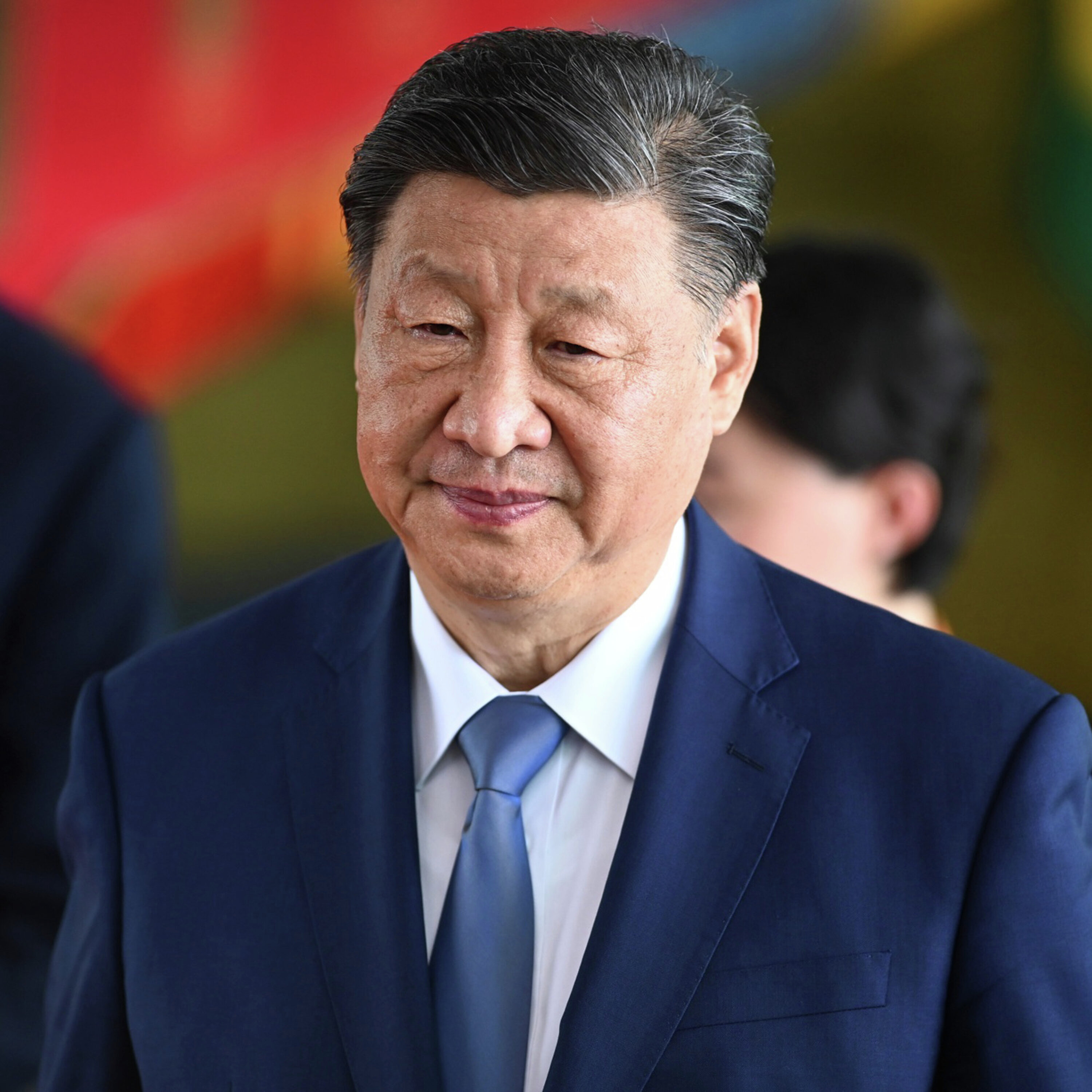
Four years after launching a regulatory crackdown that plunged the tech sector into turmoil, China’s President Xi Jinping sat down publicly with Alibaba Group’s co-founder Jack Ma, whose firm bore the brunt of that campaign, and a number of other tech titans. On today's Big Take Asia Podcast, host K. Oanh Ha talks to Bloomberg’s Lucille Liu and Opinion columnist Catherine Thorbecke about Xi’s shifting stance and where the tech industry goes from here. Read more: Xi’s Embrace of China Tech CEOs Spurs Hope of Big Economic Shift - Bloomberg Further listening: China’s New Game Plan For Dealing with Trump Tariffs See omnystudio.com/listener for privacy information.

How Amazon Rival Temu Got Sucked Into Trump’s Trade War
Since its US launch in 2022, Chinese marketplace Temu has rapidly risen to become America’s biggest e-commerce platform after Amazon, thanks to ultra-low prices on almost every product imaginable. On today’s Big Take Asia Podcast, host K. Oanh Ha speaks to Bloomberg’s Spencer Soper and Rachel Chang about Donald Trump’s order to close a tariff loophole and what it means for American shoppers and the giants supplying them with goods direct from China. Further listening: The Tariff Wars Are Here — And They’re MessySee omnystudio.com/listener for privacy information.

What Thailand's Same-Sex Marriage Victory Means for the Economy
Thailand became the first country in Southeast Asia to recognize same-sex marriage last month. And to mark the occasion, nearly 2,000 couples tied the knot on the first day the law came into effect. In this bonus episode of the Big Take Asia podcast, host K. Oanh Ha speaks to a lesbian couple who were among the first in the country to get married that day and to Bloomberg reporter Patpicha Tanakasempipat on what the landmark law change means for equality in the country and the nation’s economic growth. Read more: Same-Sex Marriage Win Opens Up ‘Rainbow Tourism’ in Thailand Listen and follow The Big Take Asia on Apple Podcasts, Spotify or wherever you get your podcastsSee omnystudio.com/listener for privacy information.
China’s New Game Plan for Dealing With Trump Tariffs
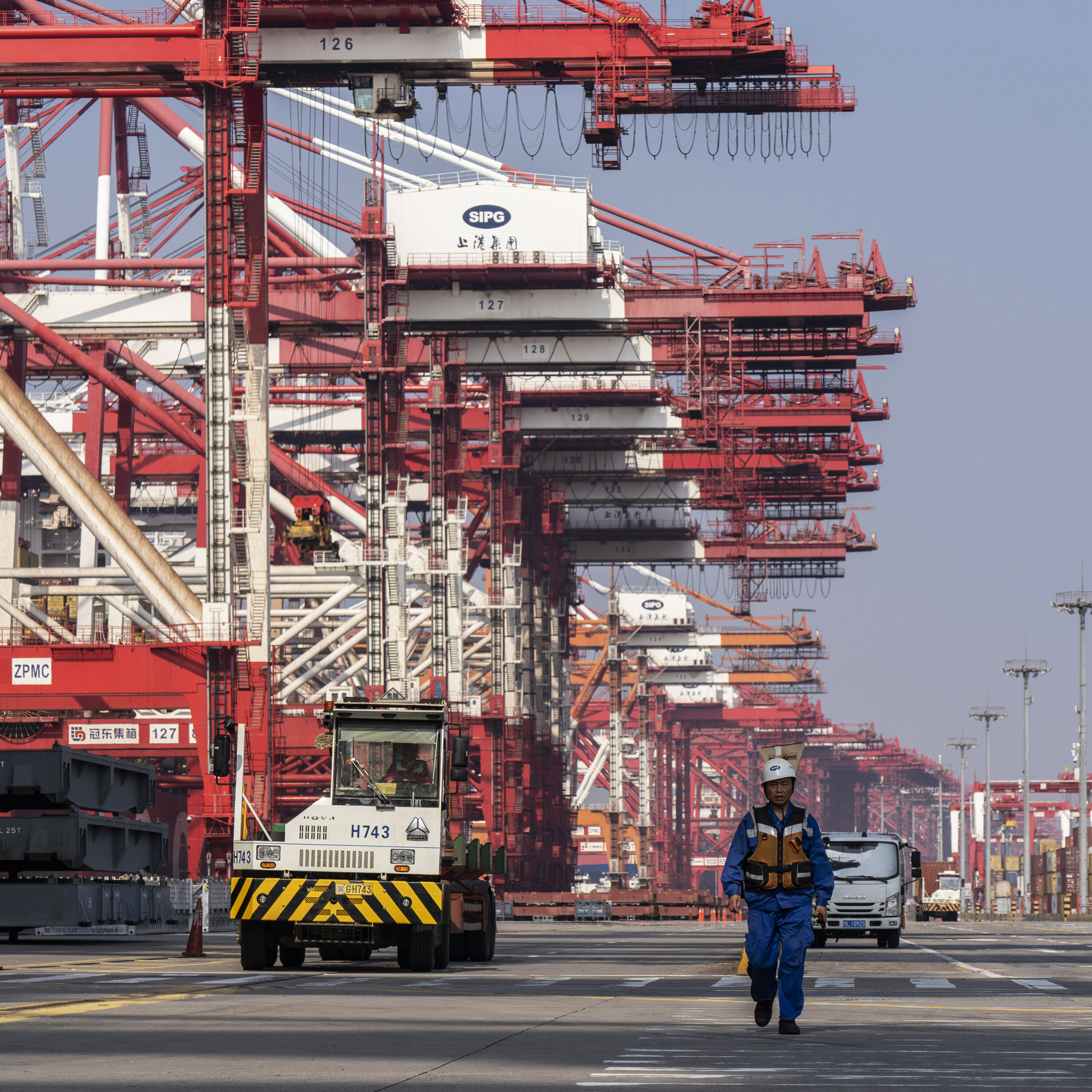
As US President Donald Trump imposes new tariffs on China, Xi Jinping's government has had a far more muted response than it did during the trade war in Trump’s first term. On today’s Big Take Asia Podcast, host K. Oanh Ha is joined by Bloomberg editor Jenni Marsh and Bloomberg Opinion columnist Shuli Ren to unpack China’s response to Trump’s barrage of tariffs and discuss what’s at risk for both countries if they find themselves in another trade war. Read more: China’s Mr. Big Won’t Cave In to Trump for NothingFurther listening: The Tariff Wars Are Here — And They’re MessySee omnystudio.com/listener for privacy information.

Why Are Chinese Consumers So Keen on Gold?
Shuibei, in southern China, is home to one of the world's biggest retail markets for gold. Over the past year, it's seen a boom in demand for the jewelry, sold by thousands of stallholders, as the Chinese property crisis and slowing economy spurred a flight into gold. So much so that Chinese consumers helped propel the global gold price to record highs in 2024. On today's Big Take Asia podcast, K. Oanh Ha talks to Bloomberg's Chongjing Li about the enduring appeal of the precious metal in China, and what lies ahead. Read more: The Epicenter of China’s Gold Craze Is a Former Fishing VillageWatch, from Bloomberg Originals: What Gold’s Crazy Run Says About ChinaSee omnystudio.com/listener for privacy information.

Americans Flocked to RedNote as the TikTok Ban Loomed. Will the Party Last?
The US ban on TikTok saw millions of users – predominantly Americans – flock to another Chinese social media platform: Xiaohongshu, also known as RedNote. So far, the vibe between Chinese and American users has been convivial. But can the good times last? On today’s Big Take Asia Podcast, host K. Oanh Ha is joined by a TikTok user from Mississippi who recently joined RedNote and by Bloomberg reporter Gao Yuan to discuss what this sudden influx means for the app, its users and China’s censorship machine. Read more: TikTok Refugees in US Test Xi’s Firewall While Embracing ChineseFurther listening: Inside Microsoft’s Censorship of Bing in ChinaSee omnystudio.com/listener for privacy information.

South Korea Has Plenty of Botox But Not Enough Doctors
A record 600,000 people traveled to South Korea for medical procedures in 2023, with roughly half of those visiting dermatology and plastic surgery clinics. On today's Big Take Asia Podcast, host Rebecca Choong Wilkins talks to Bloomberg's Oanh Ha about the rise of the medical tourism industry, and how it’s colliding with a shrinking supply of doctors and a struggling medical system. Further listening: Netflix’s Big Bet On ‘Squid Game’See omnystudio.com/listener for privacy information.
Why Millions of Young Chinese Are Refusing to Make Pension Payments
China’s pension system is in danger of running out of cash within a decade due to severe underfunding. Now it faces a new threat: Tens of millions of mostly young workers are refusing to pay into it. On today’s Big Take Asia Podcast, host K. Oanh Ha talks to Bloomberg’s Qianwei Zhang about why workers are boycotting the system and what’s at stake for the struggling economy and the Communist Party. Further listening: China’s Crackdowns Are Crushing the Dreams of a GenerationWatch, from Bloomberg Originals: Why Are China’s Youth Boycotting Pensions? See omnystudio.com/listener for privacy information.
The Coffee Shop That's Been Eating Starbucks' Lunch in China
China’s Luckin Coffee is the nation’s top coffee retailer, overtaking even Starbucks. That would be notable itself, but less than four years ago the company filed for bankruptcy, making its comeback even more unlikely. The turnaround is in part thanks to the chain’s automated stores, cut-price deals and innovative drinks that appeal to local tastes. Today on The Big Take Asia, host K. Oanh Ha speaks with Bloomberg’s Rachel Chang on how Luckin managed to turn around its failing business to overtake Starbucks, and asks whether it can hold on to its success as coffee takes off in China, and more rivals emerge. Read more: China’s Luckin Coffee Is Back From the Brink and Beating Starbucks Further listening: What Does China’s Economic Slowdown Mean For the Communist Party? See omnystudio.com/listener for privacy information.
Netflix’s Big Bet On ‘Squid Game’
The gory, dystopian South Korean thriller Squid Game is the most popular series Netflix has ever released. This week, it drops season two — in the midst of the company’s efforts to grow the show beyond the screen. On today’s Big Take Asia Podcast, host Rebecca Choong Wilkins talks to Bloomberg’s Sohee Kim and Lucas Shaw about the new season, the story of how the show was nearly never made and all the ways Netflix is trying to expand Squid Game into a global franchise — from reality TV and video games to in-person fan experiences. Read more: ‘Squid Game’ Returns in Test of Netflix Global Marketing MuscleFurther listening: K-Pop’s Big Bet on Becoming Less Korean See omnystudio.com/listener for privacy information.
China Had a Plan to Rescue Its Housing Market. It’s Not Working
China’s property crisis has become a massive headache for the world’s second-largest economy. Tens of millions of newly built apartments lie vacant, home prices have tumbled and cash-strapped developers are struggling to finish construction. On today’s Big Take Asia Podcast, host K. Oanh Ha talks to Bloomberg’s Lulu Chen about what China is doing to try and solve its housing crisis. We go to Zhengzhou, home to the world’s biggest iPhone factory and the city where the housing market first imploded. It's now become a testing ground for government efforts to revive the ailing property sector. We look at whether they’re working, and what it will mean for China’s economy if the big push fails. Read more: China’s Housing Rescue Falls Short in City That Signaled the Crisis Further listening: What Comes Next in China’s Property CrisisSee omnystudio.com/listener for privacy information.
The Most Powerful Families in South Korea Brace for the Next Revolt
South Korea’s family-run conglomerates – or chaebols – have been big drivers of economic growth, and because of that they’ve largely been seen as untouchable. Until now. The chaebols are being challenged, at a time when the stakes have potentially never been higher, with the country mired in political turmoil. On today’s Big Take Asia Podcast, Rebecca Choong Wilkins talks to Bloomberg reporter Youkyung Lee about how a surprise takeover bid for one of the world’s biggest refined metal producers, Korea Zinc, is sending a chill through the chaebol world. Read more: Powerful Families Who Dominate South Korea Face an Investor Revolt Further listening: The Six Hours of Martial Law That Stunned South KoreaSee omnystudio.com/listener for privacy information.
The Six Hours of Martial Law That Stunned South Korea
In an address broadcast live on Tuesday night, South Korean President Yoon Suk Yeol declared martial law in a move that shocked the nation – and the world. But within hours, after lawmakers unanimously rejected the move and protesters converged on parliament, Yoon went on live television again and backed down, promising to lift the emergency measure. On today's Big Take Asia Podcast, host K. Oanh Ha sits down with Bloomberg’s Sam Kim in Seoul to break down the stunning turn of events. They talk about what happened on the ground during the brief period of martial law, and what the political chaos means for an emerging democracy that remains a key military ally and trading partner of the US. See omnystudio.com/listener for privacy information.
The $250 Million Bribery Charges Rocking the Adani Empire – and India
India’s Gautam Adani, one of the world’s richest men, was charged last week by US prosecutors over his alleged involvement in a $250 million bribery scheme. The indictment sent the stocks and bonds of Adani’s vast conglomerate tumbling and is the second governance crisis to hit the group in two years. On today’s Big Take Asia Podcast, host K. Oanh Ha and Bloomberg’s Menaka Doshi discuss what the charges mean for Adani’s empire and corporate India, and the implications for US-India relations. Read more: Gautam Adani Bribery Charges Impact His Net Worth, Markets Beyond IndiaFurther listening: $200 Billion, Four Heirs And One Mighty EmpireSee omnystudio.com/listener for privacy information.
The Shadowy Fleet of Tankers Moving Iranian Oil to China
Every year, billions of dollars of sanctioned Iranian oil finds its way to China, even though on paper the country hasn’t imported a single drop in more than two years. How? On today’s Big Take Asia podcast, host K. Oanh Ha speaks to Bloomberg’s Serene Cheong on her team’s investigation into a clandestine shipping hub off the coast of Malaysia that funnels Iranian crude to China. Read more: The Clandestine Oil Shipping Hub Funneling Iranian Crude to ChinaSee omnystudio.com/listener for privacy information.
Another Trump Term Is Coming. Is Asia Ready?
Higher tariffs. Geopolitical flare-ups. Inflammatory comments. All across Asia, countries are bracing for the return of Donald Trump. On today’s Big Take Asia Podcast, we unpack what a second Trump term means for China, India and other Asian economies – who are the potential winners and losers and what’s ahead. Host K. Oanh Ha is joined by Daniel Ten Kate, Bloomberg’s executive editor for Asia economy and government, Chan Heng Chee, the ambassador-at-large with the Singapore Foreign Ministry, and Erin Murphy, deputy director of Chair on India and Emerging Asia Economics at the Center for Strategic and International Studies. Read more: Trump Is Set to Elevate China Hawks, Deepening Beijing RiftFurther listening: The Economic Impact of Trump’s Promises Become a Bloomberg.com subscriber using our special intro offer at bloomberg.com/podcastoffer. You’ll get episodes of this podcast ad-free and unlock access to deep reporting, data and analysis from reporters around the world.See omnystudio.com/listener for privacy information.
Pakistan Is Getting Too Expensive For Its Middle Class – So They’re Leaving
A record number of Pakistanis are leaving at a rapid speed. Among them are some of the country’s top talent including doctors, engineers, accountants and managers. Over the last three years, one million skilled workers like them have left Pakistan. On today’s Big Take Asia Podcast, host Rebecca Choong Wilkins talks to Bloomberg’s Pakistan Bureau Chief Faseeh Mangi about what’s behind the severe brain drain in one of the world’s most populous nations, where the immigrants are going, and what it means for the country’s already fragile economy that depends on loans from the International Monetary Fund. Read more: Pakistan’s Top Talent Is Leaving the Country in Record Numbers Watch, from Bloomberg Originals:What’s Driving Pakistan’s Middle Class Brain Drain? See omnystudio.com/listener for privacy information.
The US Pledged to Contain China’s Tech Ambitions. It’s Not Working
China is making steady progress in its quest to dominate key industries of the future, despite years of US tariffs, export controls and sanctions. On today's Big Take Asia Podcast, host K. Oanh Ha talks to Bloomberg’s Rebecca Choong Wilkins about how the US is struggling to curb Beijing’s technological advances, and whether the upcoming election could change the dynamic. Read more: US Efforts to Contain Xi’s Push for Tech Supremacy Are Faltering Further listening: How China’s BYD Became King of the Affordable EV On Thursday, Odd Lots will dig into Bloomberg’s research on the Made in China plan, and why it largely succeeded in spite of US efforts. Subscribe here. See omnystudio.com/listener for privacy information.
How China’s BYD Became King of the Affordable EV
Started as a battery company in the 1990s in Shenzhen, BYD is now one of the best-selling EV brands in the world. Once mocked by Elon Musk, the company’s startling growth made it a global player and has sparked tariffs in the US and EU. On today’s Big Take Asia Podcast, host K. Oanh Ha talks to Bloomberg’s Gabrielle Coppola and Danny Lee about the company’s aggressive expansion and what it means for the global auto market. Read more: BYD Is Winning the Global Race to Make Cheaper EVsSee omnystudio.com/listener for privacy information.
How an Infamous Vietnamese Businesswoman Engineered a $12 Billion Fraud
Vietnamese real estate tycoon Truong My Lan was convicted in April of orchestrating a $12.3 billion fraud. She was sentenced to death by lethal injection, which she is appealing. And this week, the court is expected to hand down another verdict on additional charges. On today’s Big Take Asia podcast, host K. Oanh Ha speaks to Bloomberg’s John Boudreau about how Lan was able to embezzle so much money for so long, how she went from riches to death row and what her multibillion fraud case means for one of the fastest growing economies in Asia.See omnystudio.com/listener for privacy information.
Inside the Succession Drama at a Hong Kong Property Dynasty
Adrian Cheng, the third-generation scion of property dynasty New World Development, seemed poised to take over his family’s $20 billion empire. But last month, in a surprising twist, he was replaced as CEO by someone outside of his family. On today’s Big Take Asia Podcast, host K. Oanh Ha talks to Bloomberg’s Shawna Kwan about the succession drama at New World, the possible ripple effects on other family dynasties in the region, and what it all could mean for the future of one of Hong Kong’s major property developers. Read more: New World Scion’s Fall Upends Succession at $23 Billion DynastyFurther listening: $200 Billion, Four Heirs and One Might Indian EmpireSee omnystudio.com/listener for privacy information.
Tim Walz’s Deep China Ties Could Spell Trouble for Democrats
With relations between Washington and Beijing at a critical point, US Democratic Vice Presidential candidate Tim Walz’s time in China has come under scrutiny from Republicans. Walz first went to China as a teacher in 1989 after the Tiananmen Square military crackdown. Over the years, he continued to return to China, even spending his honeymoon there. On today’s Big Take Asia Podcast, host K. Oanh Ha talks to Bloomberg’s Daniel Ten Kate and Professor Li Cheng from the University of Hong Kong about what Walz’s track record on China could mean should the Democrats win the election – and whether Walz’s ties with the country would be an asset or liability. Update: During the vice presidential debate on October 1st, Democratic candidate Tim Walz said he misspoke about being in Hong Kong on June 4, 1989. That’s when the Tiananmen Square protests turned deadly. He didn’t clarify his whereabouts at the time and said that he was in Hong Kong and China in the summer of that year. Walz has also said he’s traveled to China about 30 times. A Harris-Walz campaign spokesperson said the number of trips Walz took to China is “likely closer to 15.” We’ve updated the episode to reflect these updates. See omnystudio.com/listener for privacy information.
Could the Chinese Yuan Ever Replace the US Dollar?
Talk of de-dollarization has been gaining momentum among China, India, Brazil, Russia and South Africa in the wake of significant US led sanctions on Russia. Former US President and candidate Donald Trump has said the currency is under attack — and that any country that shuns it would face new tariffs on imports if he is elected. On today's Big Take Asia Podcast, host K. Oanh Ha talks to Bloomberg’s Saleha Mohsin about the unique role the dollar plays in the world economy — and what, if anything, could replace it. Read more: The Dollar’s Dominance, ExplainedFurther listening: Odd Lots Podcast – How the US Dollar Became an International Weapon of WarSee omnystudio.com/listener for privacy information.
China’s Crackdowns Are Crushing the Dreams of a Generation
China’s drive to upgrade its struggling economy has left millions of people facing job losses or pay cuts, fueling an existential crisis among some of its best and brightest workers. On today's Big Take Asia Podcast, host K. Oanh Ha talks to Bloomberg's Lulu Chen about the impact Xi Jinping’s push is having on professionals, from banking to tech, and what this anxiety could mean for the outlook of the world’s second-largest economy. Read more: China’s CICC Demotes Senior Bankers, Cuts Pay to Slash CostsFurther listening: Why China’s Investment Bankers Are Breaking Up With Capitalism What Does China’s Economic Slowdown Mean For the Communist Party?See omnystudio.com/listener for privacy information.
Indonesia Is Building a New Capital. It’s Not Going Well
Indonesia has embarked on an ambitious project to build a new capital city from scratch because Jakarta is overcrowded, polluted and sinking, fast. But the multibillion dollar new city, Nusantara, was plagued with problems from the very start. On today’s Big Take Asia Podcast, host K. Oanh Ha talks to Bloomberg’s Faris Mokhtar about what went wrong, and what’s at stake for Southeast Asia’s largest economy if it fails.See omnystudio.com/listener for privacy information.
Carry Trades, Explained
They caused global markets to seize up – and raised serious questions about just how much money was at stake. No, we’re not talking about Nvidia’s earnings. Or the US jobs report. We’re talking about carry trades – an obscure part of international markets that’s suddenly less obscure. On today’s Big Take Asia podcast, the Bloomberg Explains series continues with Bloomberg Opinion columnist Shuli Ren. She tells hosts K. Oanh Ha and David Gura about how the yen carry trade became so popular with big banks to small-time investors, what went wrong during the August markets rout and how soup dumplings are key to understanding why carry trades shouldn’t work … but do. Read more: How Big Is the Yen Carry Trade, Really?Further listening: Odd Lots Podcast - BloombergWatch, from Bloomberg Originals: Why Japan’s Yen is So VolatileSee omnystudio.com/listener for privacy information.
Humans and AI Bots Blur in the World's Call Center Capital
Call centers in the Philippines, the world’s second-biggest outsourcing center after India, are embracing artificial intelligence - and it’s radically changing what it looks and sounds like to work there. On today's Big Take Asia Podcast, host Rebecca Choong Wilkins demos the Sanas AI app and talks to Bloomberg's Saritha Rai about the industry's rapid transition and what it might mean for workers around the world. Read more: The World's Call Center Capital Is Gripped by AI Fever — and FearSee omnystudio.com/listener for privacy information.
Inside Southeast Asia’s Most Notorious Crime Hub
A Chinese businessman persuaded officials to establish a special economic zone in a remote part of Laos. The gamblers arrived first. Then came the drug runners, human traffickers and scammers.On today’s Big Take Asia podcast, host K. Oanh Ha speaks with Bloomberg Businessweek editor Matt Campbell about his investigation into the Golden Triangle Special Economic Zone and how it became a criminal’s paradise. Read more: Dodge CityWatch, from Bloomberg Originals: How One Man Rules in Asia's Golden TriangleSee omnystudio.com/listener for privacy information.
After a Deadly Student Uprising, Bangladesh Starts Over, Again
After weeks of protests and a brutal crackdown that led to several hundred deaths, Bangladesh’s Prime Minister Sheikh Hasina was forced to step down and flee the country, putting an abrupt end to her more than 15 years in power. Stepping into the leadership vacuum is Nobel Prize-winning economist Muhammad Yunus, who we spoke to last month -- when he was facing charges that his supporters said were trumped up by Hasina. Today on The Big Take Asia, host K. Oanh Ha speaks to Bloomberg’s Kai Schultz about what drove the student-led uprising and Hasina’s downfall, Yunus’s surprising turn to politics, and what’s at stake for one of Asia’s most promising economies. Read more: Yunus Cleared in Graft Case After Becoming Bangladesh Leader Further listening: Why This Nobel Prize Winner Faces Life Imprisonment in BangladeshSee omnystudio.com/listener for privacy information.
$200 Billion, Four Heirs And One Mighty Indian Empire
Gautam Adani, the controversial Indian billionaire, gathered his two sons and two nephews for a family lunch one day and asked them a bombshell question: Did they want to carve up the Adani Group’s sprawling businesses between themselves and part ways? Or did they want to stick together? He gave them three months to decide. Today on The Big Take Asia, host K. Oanh Ha talks to Bloomberg editor Anto Antony about the Adanis’ ambitious succession plan, in the wake of regulatory probes and a daring short-seller attack. We also hear from the Adanis themselves on their vision of an Adani Group without Gautam at the helm, how they’ll make decisions to manage an empire – which spans everything from airports to solar farms – and what's at stake for India’s $3.5 trillion economy.Read more: Adani Unveils $213 Billion Succession Plan as Scrutiny PersistsFurther listening: The Rise of Modi: Why India’s Leader Is So Popular – and PolarizingSee omnystudio.com/listener for privacy information.
Japan’s Small Businesses Have a Problem. They Don’t Know How to Raise Prices
Costs are rising in Japan and small businesses risk being squeezed into oblivion if they don’t figure out how to raise their prices. After decades of deflation, many small Japanese companies are out of practice on exactly how to do it. Today on The Big Take Asia, host Rebecca Choong Wilkins talks to Bloomberg senior editor Reed Stevenson about a class he visited where people are relearning the long-lost skill of negotiation, and what a failure to raise prices at these small businesses – which make up 90% of the economy – could mean for Japan’s future.See omnystudio.com/listener for privacy information.
K-Pop's Big Bet on Becoming Less Korean
Is K-pop even K-pop without the K? A Bloomberg analysis of song lyrics shows that for the first time, almost half of K-pop songs released this year have majority English lyrics. On today’s podcast, host Sarah Holder speaks with Bloomberg reporter Sohee Kim about the genre’s identity shift and why industry efforts to grow its global audience might mean fewer Korean band members.See omnystudio.com/listener for privacy information.
Why This Nobel Prize Winner Faces Life Imprisonment in Bangladesh
Nobel Peace Prize-winning economist Muhammad Yunus pioneered micro loans as a tool to fight poverty. Now prosecutors in Bangladesh have linked him and his colleagues to a dizzying number of crimes, including embezzlement and laundering millions of dollars. Today on The Big Take Asia, host K. Oanh Ha speaks to Bloomberg’s Kai Schultz about the complicated saga and what implications Yunus’s case has for Bangladesh, one of the fastest growing economies. We also hear from Yunus himself, who talks about the rift between him and Prime Minister Sheikh Hasina, and the personal impact of the legal drama. Read more: Why the Nobel-Laureate Pioneer of Microfinance Risks Life in Jail Big Money Backs Tiny Loans That Lead to Debt, Despair and Even SuicideSee omnystudio.com/listener for privacy information.
The Chinese Coffee Chain Beating Starbucks
China’s Luckin Coffee is the nation’s top coffee retailer, overtaking even Starbucks. That would be notable itself, but less than 4 years ago the company filed for bankruptcy, making its comeback even more unlikely. The turnaround is in part thanks to the chain’s automated stores, cut-price deals and innovative drinks that appeal to local tastes. Today on The Big Take Asia, host K. Oanh Ha speaks with Bloomberg’s Rachel Chang on how Luckin managed to turn around its failing business to overtake Starbucks, and asks whether it can hold on to its success as coffee takes off in China, and more rivals emerge. Read more: China’s Luckin Coffee Is Back From the Brink and Beating Starbucks Further listening: What Does China’s Economic Slowdown Mean For the Communist Party? See omnystudio.com/listener for privacy information.