Big Ideas
363 episodes — Page 5 of 8

Why we need to cancel cancel culture — with defamation barrister Sue Chrysanthou
When people say or do the wrong thing, we have laws and a legal system that should be able to deliver consequences and, hopefully justice. But in this digital age, the human instinct to inflict punishment in the court of public opinion has reached fever pitch. So do we want to live by mob rule, or the rule of law?The 2025 James Merralls Fellowship in Law Lecture, hosted by the University of Melbourne Law School and the Victorian Bar, was recorded on 4 September 2025.SpeakersSue Chrysanthou Defamation barristerJames Waters (host) Commercial law barrister

Out of this world — with Booker Prize winning author Samantha Harvey
For all of human history, space has been a place of mystery, awe and fascination. But unless you're an astronaut, a billionaire, or a pop star, most of us will never have the opportunity to travel there — except in our minds. This conversation features two writers who've used the perspective of space to explore our humanity, Earth's place in the universe, and the meaning of it all.The conversation, Out of this World was recorded live at the 2025 Sydney Writers' Festival.SpeakersSamantha Harvey Author, Orbital (2024 Booker Prize winner) and many moreCeridwen Dovey Writer of fiction, creative non-fiction and science, filmmaker, author of Only the Astronauts and many moreAshley Hay (host) Writer, editor, facilitator, mentor, author of A Hundred Small Lessons, and many more
What Artists See? Critic Quentin Sprague helps you get to the messy human heart of art
Have you ever visited an art gallery full of wonder, ready to be inspired, only to leave feeling like it was all a bit over your head? You're about to meet one writer whose new book of essays rejects the over-complication and gets to the messy, human heart of art.What Artists See is a collection of essays from award-winning arts writer and critic Quentin Sprague, canvassing twelve contemporary Australian artists whose works span sculpture, painting and architecture, and the stories are just as diverse as the mediums.This talk was recorded at the ANU Drill Hall Gallery on 27 August 2025.SpeakersQuentin SpragueArts writer and critic, author of What Artists See, Ken Whisson: Painting and Drawing and The Stranger Artist: Life at the Edge of Kimberley Painting (2021 Prime Minister's Literary Award for non-fiction)Mark McKennaProfessor of history, University of Sydney, author, The Shortest History of Australia, Return to Uluru, From the Edge: Australia's Lost Histories, Looking for Blackfellas' Point and An Eye for Eternity: The Life of Manning Clark, (winner, Prime Minister's Literary Award for non-fiction)

Matrescence — on the metamorphosis of motherhood
When a child is born, so too is a mother. This idea, known as "matrescence", was first conceived in the 1970s by American medical anthropologist Dana Raphael. Parenting in 2025 looks very different in many ways, the scientific evidence now supports the theory that women undergo radical physiological, psychological and social changes during pregnancy, childbirth, and motherhood.This conversation was presented by the Sydney Opera House at the 2025 All About Women Festival.SpeakersLucy Jones Science journalist and author, Matrescence: On the Metamorphosis of Pregnancy, Childbirth, and MotherhoodGina Rushton (host) ABC journalist and author, The Parenthood Dilemma, Procreation in an Age of Uncertainty
Alexander the Great — A genius? A tyrant? A visionary? A killer? A maniac?
He was undefeated in battle and established one of the largest empires in history. But his legacy goes beyond his military conquests. He increased trade between East and West, spread the Greek civilisation and founded cultural centres that still thrive today. Learn more about Alexander the Great's life, personality and impact with a fresh perspective on his reign, including the vital roles that other figures played in historical events and new insights into how and why historical interpretations have changed.This talk is provided by the York Festival of Ideas. The Festival is led by the University of York, UK.SpeakerDr Stephen HarrisonLecturer in Ancient History, Swansea University, Author of Alexander the Great: Lives and Legacies
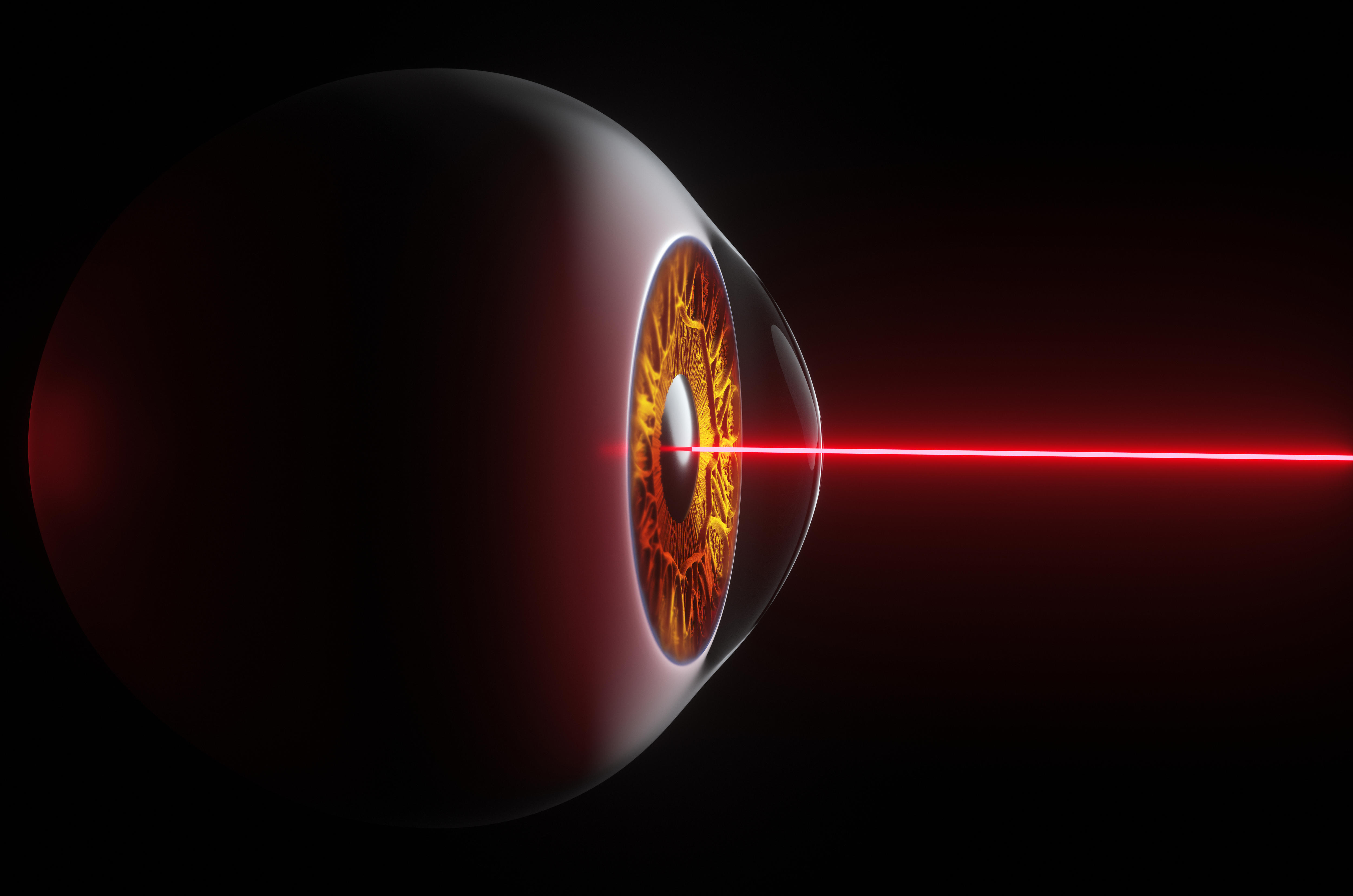
Nobel laureate Donna Strickland on her life in lasers
She became the third ever woman to win a Nobel Prize in Physics in 2018, and the first in 50 years. This is the story of how Donna Strickland became a "Laser Jock", and why she's now on a mission to restore trust in science.This event was recorded at the Centre for Ideas at the University of New South Wales.SpeakersDonna StricklandProfessor in the Department of Physics and Astronomy at the University of Waterloo, Canada2018 winner of the Nobel Prize in Physics (with Gérard Mourou)Tegan Taylor (host) Presenter, Life Matters and What's that Rash? ABC Radio NationalFurther information:About Donna Strickland, 2018 Nobel Prize in Physics
Ziggy Ramo’s latest project asks what makes us human?
Ziggy Ramo is an award-winning musician and author whose latest book titled Human?: A lie that has been killing us since 1788 weaves song, visual art and personal history to present a new way of looking at this country’s past. Led by Mparntwe and Alice Springs-based poet Laurie May, Ziggy reflects on the project and where it took him at the Byron Writers Festival.Each chapter of Human? is a multi-media journey, the richness of the art forms matches the depth of the topics covered – both personal and political to Ziggy. SpeakersZiggy Ramo Wik and Solomon Islander artist and author of Human?: A lie that has been killing us since 1788Laurie May Mparntwe and Alice Springs-based poet and spoken word performer
New legislation to protect you against invasion of your privacy
2025 is a landmark year for Australian privacy law. The new statutory tort for serious invasions of privacy came into effect in June this year. This could be a breakthrough providing you with a better way to protect your privacy interests through the court system. Big Ideas digs deep into its origins, its inspirations, and its potential future.Presented at the Queensland University of Technology.SpeakersEmeritus Professor Barbara McDonaldProfessor of Law, University of Sydney Law School; led the 2014 Australian Law Reform Commission Inquiry on Serious Invasions of Privacy in the Digital Era.The Hon Justice Peter Applegarth AM KCFormer barrister and Judge of the Supreme Court of QueenslandMark Burdon (host)Professor of Law, Queensland University of Technology, QUT's Digital Media Research CentreFurther informationNew statutory tort for serious invasions of privacy
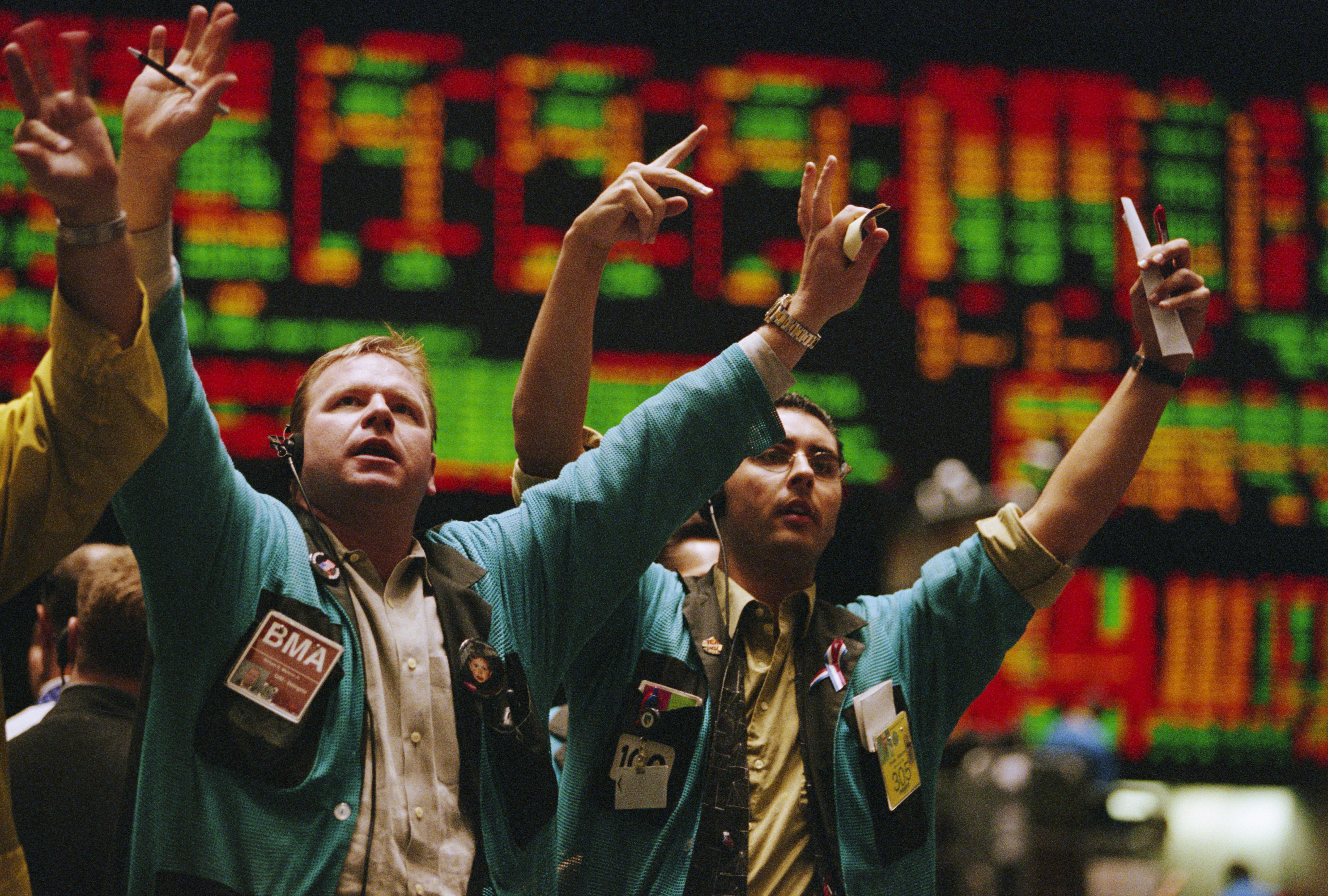
How to build a stock exchange — the past, present and future of finance
This rollicking history traces the evolution of the London stock exchange, from the Transatlantic slave trade to modern day missions to Mars, arguing that the financial markets wield the power to bring down governments, and shape our societies, for better and for worse.This lecture was recorded at the Australian National University.SpeakersPhilip Roscoe Author, How to Build a Stock Exchange: The Past, Present and Future of FinanceProfessor of Management, University of St Andrews, Scotland
Is Jane Austen the greatest English novelist of all time?
She's on a bank note (British 10 pounds), and a bath soap (Suds and Sensibility), and she also wrote some of the most beloved novels in English literature. Why has Jane Austen become such an enduring cultural force, and what makes us return to her works time and time again?This event, celebrating 250 years since Jane Austen's birth, was recorded at the National Library of Australia on 20 August 2025.SpeakerSusannah Fullerton President of the Jane Austen Society of Australia, guide, ASA Cultural Tours
We’re F**ed! It’s too late to avoid civilisational collapse. 2025 Beaker Street Festival Great Debate
Is the end of the world nigh, or just the end of the world as we know it? Are we set to doom-scroll our way to apocalypse? Or is this the moment we wake up to ourselves, change course, and save the planet? Don't miss this hilarious battle of brains and bravado when two teams join Big Ideas' host and science journalist Natasha Mitchell at Hobart City Hall for the annual Beaker Street Festival Great Debate. Have our multi-crises of climate change, over-consumption, over-reliance on vulnerable technologies, and [insert your favourite impending disaster here] finally brought us to the brink? Or do we just love a good challenge, the hairier and scarier the better!? You decide the winner. Your life could depend on it.TEAM AFFIRMATIVE - The Three Horsewomen of the ApocalypseDr Esmé Louise James (Team Captain)Sex historian and TikTok star Host of the Kinky History podcast and Sextistic showsAuthor of Kinky History: A Rollicking Journey Through Our Sexual Past, Present, and Future (2024)Kitana MansellProud Palawa womanBusiness Development Manager of Tasmania's first Aboriginal native food business Palawa KipliDr Kate BoothHuman geographer and Associate Professor in Urban & Regional PlanningLeader of the Critical Collapse Studies research program.University of Tasmania TEAM NEGATIVE - The TransformersHannah Moloney (Team Captain)Tasmanian host of Gardening Australia on ABC TVCreator of Good Life PermacultureAuthor of Good Life Growing: How to Grow Fruit and Veg Anywhere in Australia (2023) and The Good Life: How To Grow A Better World (2025)Toby WalshScientia Professor of Artificial IntelligenceChief Scientist, UNSW.AI Institute, University of NSWAuthor of The Shortest History of AI (2025), Machines Behaving Badly: The Morality of AI (2022), Faking It: Artificial Intelligence in a Human World (2023)Gretta PeclProfessor of marine ecology, Institute for Marine and Antarctic Studies (IMAS), University of TasmaniaDirector of the Centre of Marine SocioecologyA lead author for the Intergovernmental Panel on Climate Change (IPCC) reportsThanks to Dr Margo Adler, Executive Director of the Beaker St Festival: a week long celebration of science and art in Nipaluna/Hobart each August.Thanks to the house band Stevie and the Bunsen Burners and the whole festival team.
Who killed the liberal international order (and what comes next)?
Conflict and great power rivalries are on the rise, democracy is in retreat, and multilateral institutions created to maintain global cooperation appear increasingly toothless. So is the world as we've known it coming to an end? And if so, what will replace it?This speech was recorded at the University of Queensland on 17 September 2025.SpeakerAndrew PhillipsProfessor of international relations and strategy with the University of QueenslandAuthor, War, religion and empire: The transformation of international orders, Outsourcing empire: how company-states made the modern world and more
Can the Democrats save democracy in the US?
The Democratic Party in America is in an identity crisis. It's shifting priorities to claw back grounds from the Republicans. But is it too little, too late? How can the Democrats respond to a radicalising and increasingly authoritarian-minded Republican Party? The Future of America's Democratic Party presented by the American Academy in BerlinSpeakersJacob S. HackerStanely B. Resor Professor of Political Science, Co-Director of the Ludwig Program in Public Sector Leadership at Yale Law SchoolPaul PiersonJohn Cross Distinguished Professor of Political Science, University of California at BerkeleyDaniel Benjamin (host)President of the American Academy in Berlin
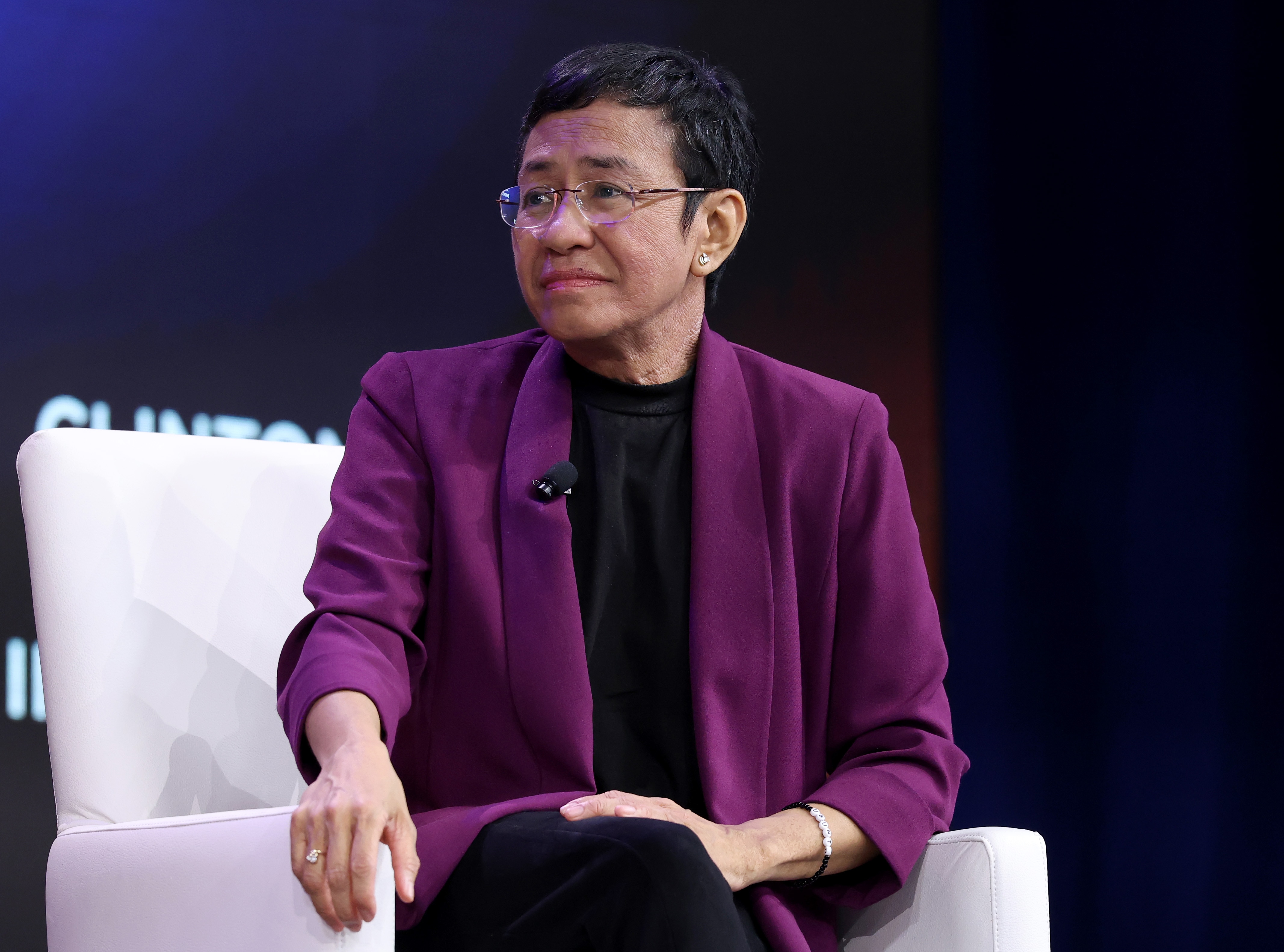
Maria Ressa on what Donald Trump learnt from Rodrigo Duterte and other strongman rulers
From Rodrigo Duterte, to Narendra Modi, to Donald Trump, strongman leaders around the world are harnessing big tech to consolidate their power. Social media is also being used to energise and organise resistance movements, but is the bad increasingly outweighing the good?The 2025 Southeast Asia Oration Media Freedom and Democracy in Southeast Asia was held at the University of Melbourne, in partnership with Asialink, the Asia Institute, and the ASEAN Australia Centre.SpeakersMaria Ressa Filippino journalist, co-founder and CEO of online news site Rappler, 2021 Nobel Peace Prize laureate, author, How to Stand Up to a DictatorLaura Tingle Global Affairs Editor, ABCNicholas Coppel Former Australian Ambassador Myanmar, author, Myanmar's Digital Coup, President of the Australia Myanmar InstituteDr Ken Setiawan Senior Lecturer in Indonesian Studies at the Asia Institute, University of MelbourneProfessor Michael Wesley (host) Deputy Vice Chancellor (Global, Culture and Engagement), University of Melbourne
Prove It! Elizabeth Finkel's Scientific Guide for the Post-Truth Era
If a stiff dose of medical misinformation is what you're after, look no further than the White House right now. And, on social media and in online forums, countless conspiracy theories reign supreme. In this "post-truth" era, has science lost its authority, or have we lost sight of what scientific proof actually involves? From debates over the origins of our species to conspiracies surrounding the origins of COVID19, Dr Elizabeth Finkel goes where others fear to tread to lift the lid on how science works. Join her with Big Ideas' host Natasha Mitchell at this event hosted by the Royal Society of Victoria and Black Inc Books.SpeakerDr Elizabeth FinkelScience journalist, biologist, author, former editor of popular science magazine CosmosAuthor of Prove it: A scientific guide to the post-truth era (Black Inc Books, 2025), The Genome Generation (2011), Stem Cells: Controversy at the Frontier of Science (2005).
John Lennon and Paul McCartney — a partnership that changed cultural history
The Beatles shook the world to its core in the 1960's and, to this day, new generations continue to fall in love with their songs and their story. At the heart of this phenomenon lies the dynamic between John Lennon and Paul McCartney. Few other musical partnerships have been rooted in such a deep, intense and complicated personal relationship. Ian Leslie uses the songs they wrote to trace the shared journey of these two compelling men before, during, and after The Beatles.This talk is provided by the York Festival of Ideas. The Festival is led by the University of York, UKSpeakerIan LeslieAuthor of John and Paul: A love story in songs (Faber, 2025)John Robinson (host)Emeritus Professor in the School of Physics, Engineering and Technology, University of York
'Militarism gone mad' — Labor firebrand hits out at party’s support of AUKUS
The world feels more dangerous and unpredictable, but with Australia wedged between our traditional ally, America, and our biggest trading partner, China, does our most expensive ever defence project make us more secure, or less?The 2025 Laurie Carmichael Lecture, Australian Sovereignty and the Path to Peace, was recorded on Wednesday 10 September 2025, with thanks to the Australia Institute's Carmichael Centre for Future Work and RMIT University.SpeakersDoug Cameron ALP Senator for New South Wales, 2007 to 2019, trade unionist
Genocides are everyone's business, not no-one's business — Gareth Evans, Yassmin Khadra, Daniel Abot's urgent plea for peace
A frank and impassioned plea for peace by Gareth Evans. As Australia's former Foreign Minister and former president of the International Crisis Group, he's spent most of his career forging real paths to peace globally. From Sudan to Gaza, Myanmar to Ukraine - who can we rely on to stop "forever" wars and genocides? Does Australia have a unique role to play? And what about the UN in its 80th year? It was created after the horror of World War 2 to keep the peace. Has it lost its way? The 2025 Brisbane Peace Lecture is presented by the United Nations Association of Australia, Brisbane - and includes responses by two key leaders from the Sudanese and Palestinian communities.SpeakersProfessor the Hon Gareth EvansHonorary Professor at the Australian National University; Australia's former minister of Foreign Affairs and cabinet minister in the Hawke and Keating Labor Governments.Dr Yassmin KhadraBrisbane-based physician, Doctors for Palestine, and Palestinian human rights advocateBishop Daniel AbotSouth Sudanese Anglican bishop
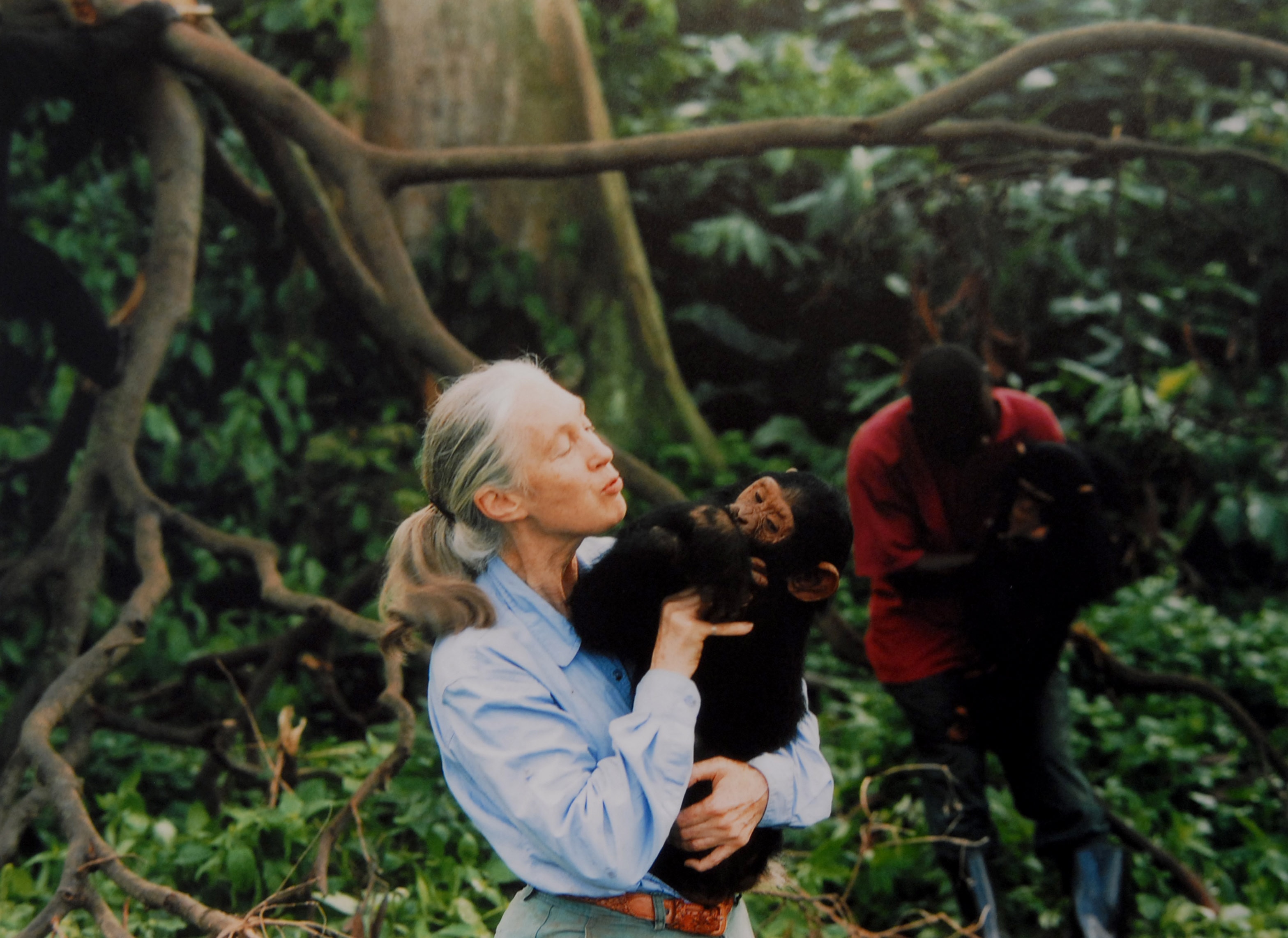
Vale Dr Jane Goodall — why the renowned primatologist and environmentalist held onto hope
Primatologist Jane Goodall once said: "It actually doesn't take much to be a difficult woman. That's why there are so many of us." She spoke up. For all the species who go unheard, or unnoticed by humans. She was a giant in the global environmental movement. She first walked into the wild forests of Tanzania as a young woman with no science training and embarked on what is now the longest-running study of chimpanzees in their natural habitat. Her trailblazing fieldwork changed our understanding of other primates and the threat we pose to their continuing existence. It changed her. And it changed the world. At 91, she was still travelling the world right up until her last breath, to help give all other species theirs. She was deeply compassionate, and her campaigns deeply connected with people. Dr Jane Goodall joined Big Ideas host Natasha Mitchell to discuss hope in action the 2022 WOMADelaide Festival. This conversation was originally broadcast on ABC Radio National's Science Friction in May 2022.GuestDr Jane GoodallPrimatologist, environmentalist, naturalistFounder, Jane Goodall InstituteFurther info:The Book of Hope: A survival guide for an endangered planetJane Goodall and Douglas Abrams (Penguin, 2021)Jane Goodall Institute AustraliaRoots and Shoots AustraliaThe Jane Goodall HopecastThanks to the 2022 WOMADelaide Festival.
Is AI the new coloniser? How to create more life-centred AI before it's too late
AI is an incredible tool, but is AI also a new coloniser? Is there actually anything new or artificial about artificial intelligence? Join Natasha Mitchell at the 2025 Now or Never Festival to meet two big thinkers building a bridge between First Nations and Western knowledge to disrupt and reimagine the who, what, and why of AI?This conversation was recorded on 26 August 2025, in partnership with The Wheeler Centre and Now or Never Festival. Discover more talks and bold conversations by following The Wheeler Centre wherever you get your podcasts or at wheelercentre.comSpeakersJessica Russ-SmithWiradyuri Wambuul womanAssociate Professor of Social Work in the School of Allied Health, Australian Catholic University.Michelle LazarusProfessor and Director, Centre for Human Anatomy EducationDeputy Director, Centre for Scholarship in Health Education Monash University.Coauthors of the open-access book THE AI (R)EVOLUTION: Valuing Country, Culture and Community in a World of Algorithms (Monash University Publishing, 2024).Get the book here:https://publishing.monash.edu/product/ai-revolution/
Condoleezza Rice on how to fix the break-up of global cooperation
Former US secretary of state Condoleezza Rice assesses the break-up of globalisation and the world order. The way in which countries such as the United States or Germany focus on sovereign goals is part of the problem. And that's likely not to stop any time soon. But she also comes up with practical ideas for creating a common economic and security future to address the issues that are too big for any single nation to tackle alone.What Comes Next? Imagining a New Economic and Security Commons was presented by the American Academy in BerlinSpeakersCondoleezza Rice66th Secretary of State of the United States (2005-09)Tad and Dianne Taube Director of the Hoover Institution and the Thomas and Barbara Stephenson Senior Fellow on Public PolicyPhilip ZelikowBotha-Chan Senior Fellow, Hoover Institution; 2009 Fellow, American Academy in BerlinDaniel Benjamin (host)President American Academy in Berlin

The rise of Spotify and the costs of the perfect playlist — with music journalist Liz Pelly
American music journalist Liz Pelly interrogates the ways Spotify and other streaming giants are reshaping music, not just for listeners, but also for the people who make it.This conversation was recorded on 28 August 2025 in partnership with The Wheeler Centre and Now or Never Festival. Discover more talks and bold conversations by following The Wheeler Centre wherever you get your podcasts or at wheelercentre.com.SpeakersLiz Pelly Music critic, author, Mood machine: The rise of Spotify and the costs of the perfect playlistLauren Taylor Senior programs and podcasts manager at The Wheeler Centre, and host of Breaking and Entering on community radio Triple R
Yolngu power — art, culture, country, law — with Marcia Langton and Clare Wright
Australian Indigenous art is celebrated around the world – but how much is understood about its pivotal role in Indigenous culture, country, politics and law? For the Yolngu people of north-east Arnhem Land, art is more than just aesthetic, it is a means of cultural diplomacy, and a respectful assertion of power in its diverse forms, from sovereignty to influence, authority and control, to energy, strength and pride.This episode brings together two significant exhibitions of Indigenous art on now, Yolngu Power: the art of Yirrkala, and 65,000 Years: A Short History of Australian Art.This conversation was recorded at the Art Gallery of New South Wales on 30 July 2025. SpeakersMarcia Langton Co-curator (with Judith Ryan) of the exhibition 65,000 Years: A Short History of Australian Art, Potter Museum of Art, University of Melbourne (until 22 November 2025) Foundation Chair of Australian Indigenous Studies, Associate Provost and Distinguished Professor, University of Melbourne Clare Wright Author, Naku Dharuk The Bark Petitions: How the People of Yirrkala Changed the Course of Australian Democracy and more Professor of History and Professor of Public Engagement at La Trobe University Anna Clark (host) Author, Making Australian History, Private Lives, Public History, the History Wars Professor of history, Australian Centre for Public History, University of Technology Sydney Further information:Yolngu power: the art of Yirrkala Art Gallery of New South Wales (until 6 October 2025)65,000 Years: A Short History of Australian Art Potter Museum of Art, University of Melbourne (until 22 November 2025)
Nobel scientist Jennifer Doudna with Natasha Mitchell — the gene editing revolution, radical ethics, and what's next? [Archive episode]
Join a full house at the Sydney Opera House with Nobel winning scientist Jennifer Doudna and Big Ideas' presenter Natasha Mitchell to discuss the huge social, ethical, and scientific implications of the CRISPR gene editing revolution her groundbreaking discovery with Emmanuelle Charpentier and colleagues kicked off. From curative therapies to gene edited babies - will we use it to hack our own evolution - are we already? This event was presented in 2024 by the Sydney Opera House, Big Questions Institute (BQI), Sydney Writers’ Festival, UNSW Sydney.Original publication: 24 July 2024Speaker:Professor Jennifer Doudna2020 Nobel Prize for Chemistry co-winner Li Ka Shing Chancellor’s ChairProfessor, Departments of Chemistry and of Molecular and Cell BiologyFounder, Innovative Genomics InstituteUniversity of California, BerkeleyInvestigator, Howard Hughes Medical InstituteSenior investigator, Gladstone InstitutesFurther information and listens:Doudna LabJennifer Doudna in conversation with Natasha Mitchell at an event in 2018World's first CRISPR gene edited babies born - are we ready?(2018 Science Friction episode with Natasha Mitchell)The CRISPR gene-edited babies and the doctor who made them - what really happened? (2019 Science Friction episode with Natasha Mitchell)Out of jail, is the CRISPR-baby scandal scientist at it again? (2023 Science Friction episode with Natasha Mitchell)Feral science or solution? Unleashing gene drives (Science Friction episode with Natasha Mitchell)Making happier animals? Gene editing in the farmyard (Science Friction episode with Natasha Mitchell)Hear Natasha Mitchell learn how to do CRISPR gene editing in 2016 (as part of a 4-part Earshot series The Hidden History of Eugenics, Part 1, Part 2, Part 3, Part 4)The science and ethics of genome editing with Jennifer Doudna and Kevin Esvelt (video of event hosted by Natasha Mitchell in 2018)Natasha Mitchell's review of Siddhartha Mukherjee's The Gene: An Intimate History
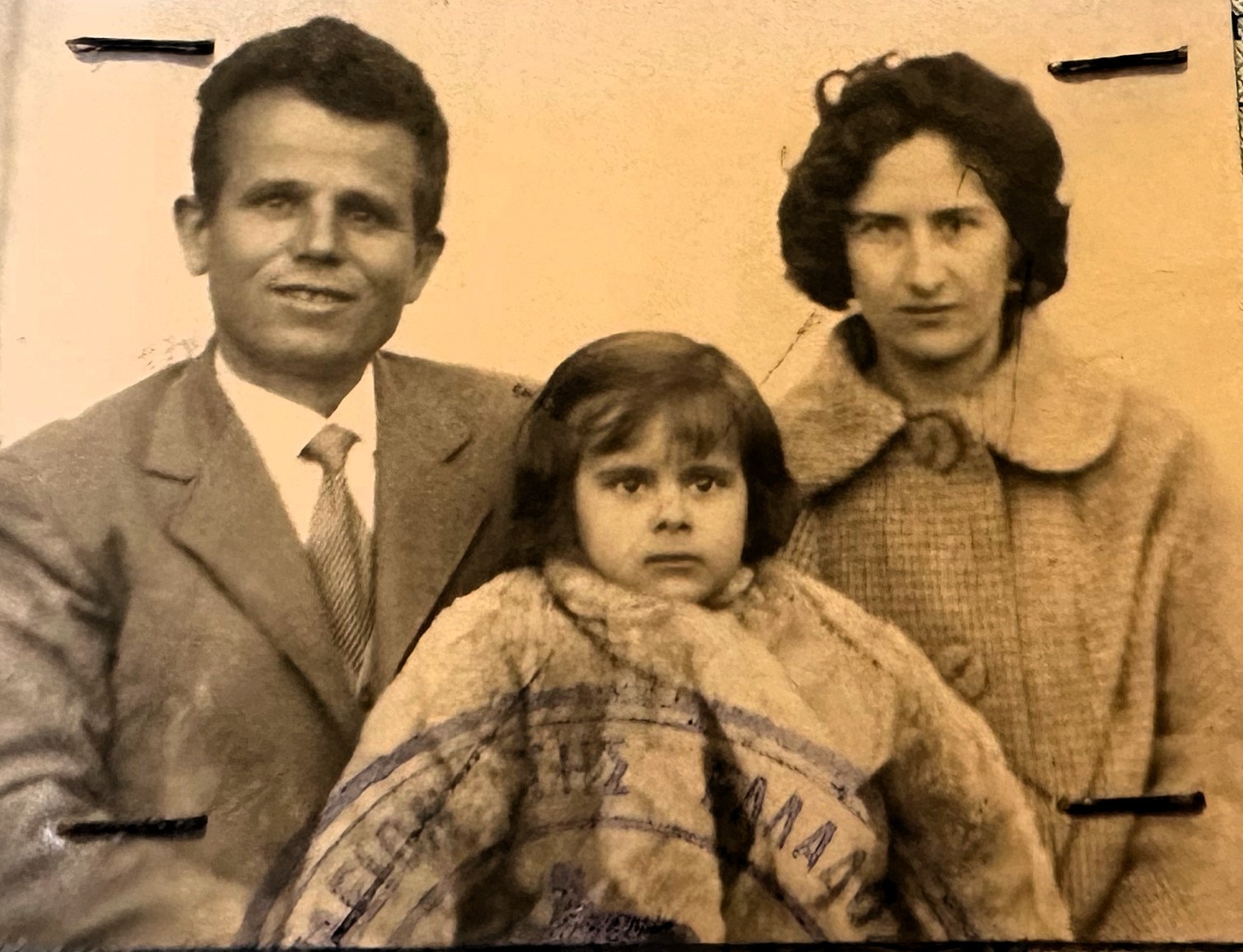
Helen Vatsikopoulos — when the stories of migrants in Australia are silenced it's bad for all of us
Stories help us to understand what is happening in the world and how it impacts us. Stories help us to relate to the experience of 'the Other' and their suffering building an emotional understanding. Journalist and academic Helen Vatiskopoulos describes the power of stories to share information to the masses and the problems that arise when the narrative is distorted. What is the responsibility of the media? How does media and social media impact on whose stories are being told and whose are being left out?What's the Story? Migration, Memories and the Importance of Controlling the Narrative, the Inaugural Oration for the 50th anniversary of the Multicultural Council of South AustraliaSpeakerDr. Helen VatsikopoulosWalkley Award-Winning Journalist; Industry Professional Fellow at the University of Technology Sydney
The power of essays — with David Marr, Esther Anatolitis, Brooke Boland and Ashleigh Wilson
For 85 years, Meanjin has published the essays of Australian writers. The magazine's founding editor, Clem Christesen, wanted Meanjin's writers 'to reveal and clarify our life by showing it to us though a vision different from ours and deeper." In the wake of the news the magazine is closing, Big Ideas explores and celebrates the essay in all its forms.This conversation was recorded at the Words on the Waves Festival on 28 May 2025.SpeakersDavid Marr Presenter, Late Night Live, ABC Radio National, author, My Country: Stories, essays and speeches and moreEsther Anatolitis Out-going editor, Meanjin, editor, Essays that Changed Australia, Meanjin 1940 to Today, and author, When Australia Became a Republic, (out in October through Monash University Publishing's In the National Interest series)Brooke Boland Author, Gulp SwallowAshleigh Wilson (host) Author, Brett Whiteley: Art, Life and the Other Thing, A Year with Wendy Whiteley, and Transcendence: 50 Years of Unforgettable Moments at the Sydney Opera House
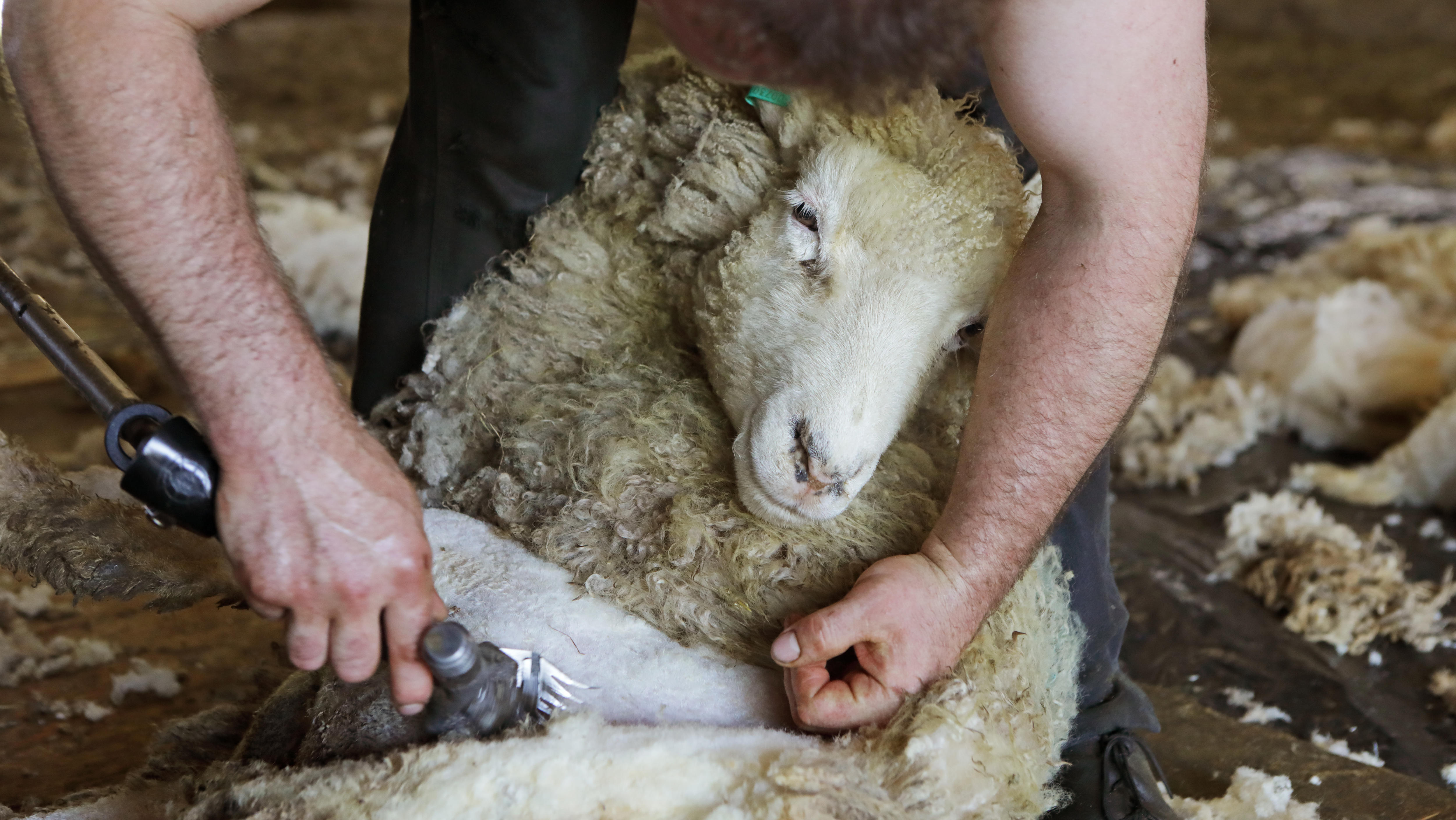
Fleeced — unravelling the history of wool and war
It's water and fireproof, versatile, warm and tough wearing. Wool not only expanded the British Empire, and created prosperity in the colonies, it also changed the nature of war and warfare. But wool's fortunes didn't last forever. This is the story of the rise and fall of wool.This conversation was recorded at the National Library of Australia on 31 July 2025.SpeakersTrish Fitzsimons Documentary film maker, exhibition curator, adjunct professor with Griffith Film School (Griffith University)Co-author of Fleeced: Unraveling the History of Wool and WarMadelyn Shaw Exhibition curator and co-author of Fleeced: Unraveling the History of Wool and WarAnnabelle Quince (host) Host, Rear Vision, ABC Radio National
What's up with dieting Doc? Rethinking the obesity obsession in healthcare
Has your doctor ever told you to go on a diet? Does that conversation put you off going to them in the first place, even if you need treatment for something not related to your weight? Has being in a larger body ever meant you can't access surgery or IVF? Some are pushing for a weight-inclusive approach to healthcare, which de-centres obesity, and focuses on 'health-at-every-size'. But what does that really mean, and why does it matter?This event was held at the 11th Annual Weight Stigma Conference at Griffith University.SpeakersAna Ximena Torres, clinical psychologist and founder of the practice, Elemental Collective.Dr Fiona WillerDietitian, bioethicist, President of Dietitians AustraliaLecturer in Nutrition and Dietetics at Queensland University of TechnologyFounder, Health, Not Diets consultancyHost, Unpacking Weight Science podcast.Tracy Taylor-BeckManager, Strategy and Health Promotion (interim CEO at the time of this event)Women's Health in the North, a women's health promotion and advocacy organisation in Melbourne's North.Thanks to Dr Lily O'Hara from Griffith University, convenor of the conference.
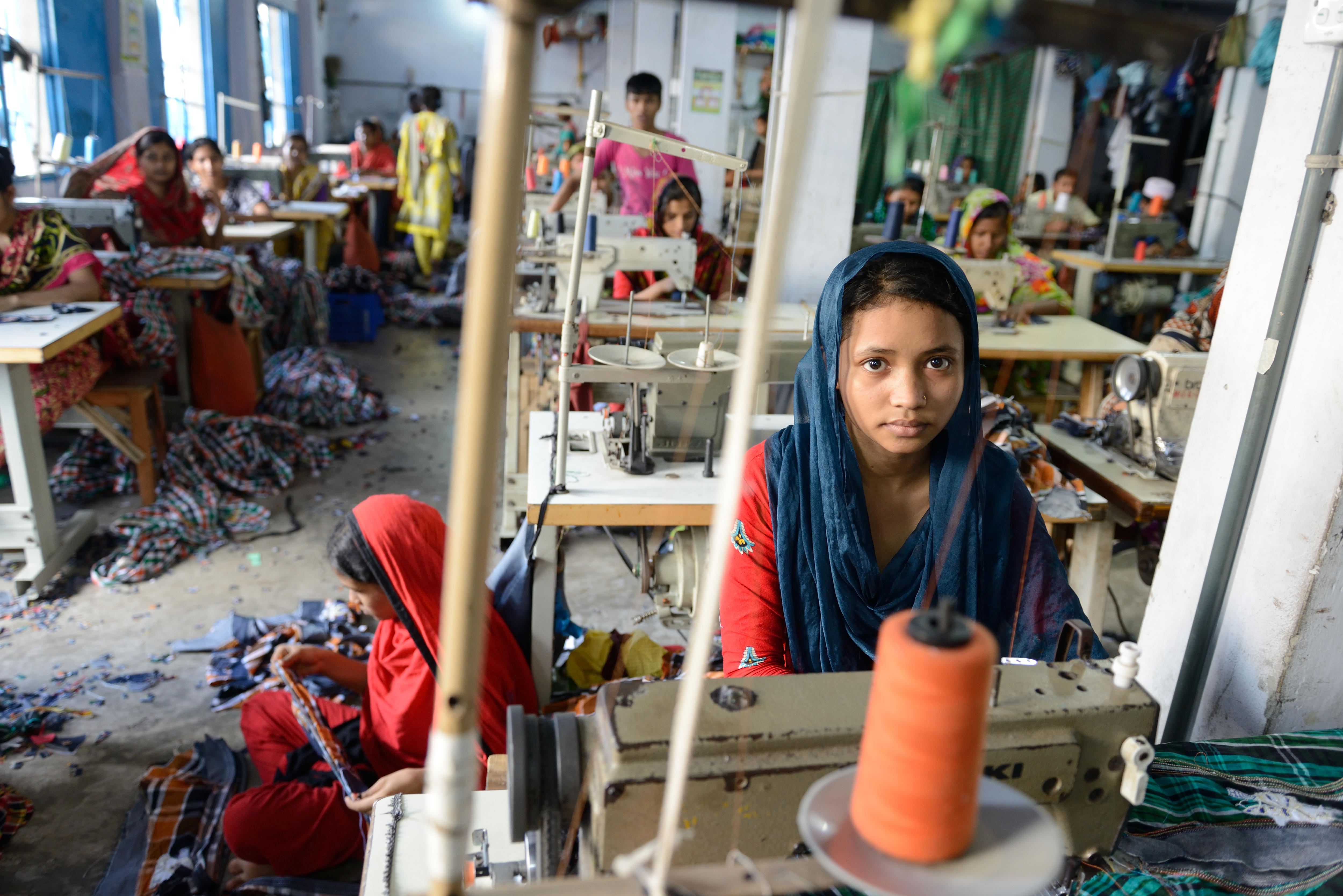
Doing business ethically in turbulent times — with Helen Clark
In a world where rules are increasingly being broken, what role should business play in upholding human rights, international and domestic law, and environmental protection? And what are the rules and responsibilities of business to ensure supply chains, hiring practices, workplace safety, environment and social governance practices abide by global human rights standards?This event was recorded at the inaugural UN Business and Human Rights Regional Forum: Australia and New Zealand on 26 August 2025.SpeakersRobert McCorquodale Professor of International Law and Human Rights, UN working group on business and human rightsHelen Clark Head of the UN Development Programme, Co-Chair of the WHO Independent Panel for Pandemic Preparedness and Response, former Prime Minister of New ZealandSharan Burrow Former general secretary of the International Trade Union Confederation, former president of the Australian Council of Trade Unions, fellow with the London School of EconomicsLinda Kromjong President, amforiPeggy O'Neal Vice Chancellor RMIT University, former president Richmond Football Club
Jimmy Barnes – tells it all
Rock star and maverick Jimmy Barnes celebrates heritage, family, friends, music and the adventure of a grand life on stage. Get up close to the lead singer of Cold Chisel, author of Working Class Man and Working Class Boy. Learn how terrible experiences of family violence, but also a close bond to his brother shaped him into the performer he is now. Get a look behind the scenes of his music world, with wild characters and the occasional tall tale.This conversation was recorded live at the 2025 Melbourne Writers Festival.Listen to Big Ideas – Writers who rockSpeakersJimmy BarnesAustralian rock singer, solo performer and lead vocalist with Cold ChiselAuthor of Highways and Byways, Working Class Boy, Working Class ManBrian Nankervis (host)Co-host of the music quiz show RocKwiz, Saturday Breakfast on ABC Radio MelbourneWriter, actor and comedian

Hanna Rosin on what’s happened to the end of men in Trump’s America
Thirteen years ago, US political journalist Hanna Roisin wrote a book called The End of Men: and the Rise of Women. Since then, there's been President Donald Trump x 2, the manosphere, the broligarchy, and more. So what happened?This event was recorded at the 2025 Women in Media Conference on 15 August 2025.SpeakersHanna Rosin — Senior Editor, The Atlantic, host Radio Atlantic, author, The End of Men: and the Rise of WomenEdwina Bartholomew — Host, Sunrise, Channel 7
Nuked or not? The politics and power play over nuclear energy as a climate fix
Nuclear power is banned in Australia, and has been for decades, whilst some countries tilt towards nuclear energy again. Should or could Australia? The politics and power play over nuclear in the Sunburnt country, why the Coalition failed with the nuclear card at the last federal election, and what next? Join Big Ideas host and science journalist Natasha Mitchell and guests Simon Holmes à Court, Geoff Cousins, and Royce Kurmelovs at the Byron Writers Festival. Guess the nuclear nerd in this discussion. You might be surprised. SpeakersSimon Holmes à CourtEnergy analyst, clean tech investor, climate philanthropist, and founder of Climate200Geoff CousinsBusinessman, board member, environmentalist, former president of the Australian Conservation Foundation, former consultant to former prime minister John Howard.Royce KurmelovsJournalist and author of Slick: Australia's Toxic Relationship with Big OilThank you to Festival artistic director Jessica Alice and team at the Byron Writers Festival.
Heart-to-heart with John Wamsley and David Lindenmayer — why these trailblazing environmentalists won't back off
Meet two men on a lifelong mission. They've ruffled a lot of feathers along the way. Some revere them, others revile them. John Wamsley set up Australia's first wildlife sanctuary, but he's perhaps best known as the "cat-hat-man" (sorry, cat lovers!). World renowned forest ecologist David Lindenmeyer has copped heat from Australia's forestry industry for his science. But these two trailblazing environmentalists aren't afraid of their critics - to them it's a case of life-or-death for Australia's extraordinary species. Join them with oral historian Greg Borschmann as part of his Heartlands Conversations series presented at the Blue Mountains Music Festival.SpeakersJohn WamsleyEnvironmentalistDavid LindenmayerDistinguished Professor of Ecology and Conservation Biology, Australian National UniversityAuthor of The Forest Wars: The ugly truth about what's happening in our tall forestsGregg Borschmann (host)Writer, radio producer and oral historian for the National Library of Australia
Are the reading wars really over?
It's estimated that one third of Australian school children can't read proficiently, and debates about the best way to teach reading have raged for years. Now, for the first time, explicit instruction is official policy in all states and territories - so can it turn things around?This speech was recorded at the Advancing Effective Education Summit hosted by Multilit on 30 May 2025. SpeakersJenny Donovan CEO, Australian Education Research Organisation

Is our university system broken?
Students are dropping out, academics are burning out, so is enough being done to save higher education? It's a multibillion-dollar sector, employing and educating millions, with expectations it can deliver the solutions and the workers Australia needs. But Emeritus Professor Graeme Turner says universities are in serious trouble.This conversation was recorded at Readings Books on 15 July 2025.SpeakersGraeme Turner Emeritus Professor of Cultural Studies at the University of QueenslandAuthor of 30 books including Broken: Universities, politics and the public good (From Monash University Publishing's In the National Interest series)Dr Ben Eltham (host) Lecturer in the School of Media, Film and Journalism at Monash UniversityNTEU delegate, journalist and commentatorFrom the Big Ideas archive:Higher education for everyone in Australia — is it doable? - Big Ideas, ABC Radio National, 18 June 2024
The radicalisation of boys — Jess Hill, George Megalogenis, Thomas Mayo with Natasha Mitchell at Byron Writers Festival
Some boys are being radicalised by misogynist online subcultures like the 'Manosphere' and the 'incel' (involuntarily celibate) scene. Parents are anxious and boys are confused. What's happening, why, and what can be done? Join Big Ideas host Natasha Mitchell and guests at the 2025 Byron Writers Festival for an insightful exploration with three influential Australians.SpeakersJess Hill, investigative journalist specialising in gendered violence, author of See What You Made Me Do, and the Quarterly Essay Losing it: Can We Stop Violence Against Women and Children?Thomas Mayo, Indigenous rights activist, maritime union leader, author of Always Was, Always Will Be, editor of Dear Son: Letters and Reflections from First Nations Fathers and Sons.George Megalogenis, journalist, political and social commentator, and author of the Quarterly Essay Minority Report: the New Shape of Australian Politics.Thanks to Byron Writers Festival artistic director Jessica Alice and team.
The AI Con — unpacking the artificial intelligence hype machine
Is the world really in the midst of an AI revolution, or is it all just clever marketing, powered by immense amounts of money, capital and hype? This episode arms you to spot AI hype in all its guises, expose the exploitation and power-grabs it aims to hide, and push back against it at work and daily life.The conversation with Emily M Bender was recorded at RMIT University in partnership with Readings books on 1 July 2025.The panel discussion Reboot the Narrative was recorded at the Rose Scott Women Writers Festival on 27 June.SpeakersEmily M Bender — Professor of Linguistics and Adjunct Professor in the School of Computer Science and the Information School at the University of WashingtonCo-author (with Alex Hanna), The AI Con: How to Fight Big Tech's Hype and Create the Future We WantCo-host, Mystery AI Hype Theater 3000 podcastKobi Leins (host) — Digital ethics and human rights lawyerAuthor, New War Technologies and International Law: The Legal Limits to Weaponising NanomaterialsTracey Spicer — Journalist and broadcaster, author of Man-Made: How the bias of the past is being built into the futurePaula Bray — Chief Digital officer at the State Library of VictoriaLucy Hayward — Chief Executive Officer of the Australian Society of AuthorsAlly Burnham (host) — Screen writer and novelist, author, Swallow
Barry Jones and Kerry O'Brien — on complexity, politics and love
Barry Jones and Kerry O'Brien - Two titans of Australian political and social commentary share insights into how to think well, how to act well and how to make sense of politics, history, the fragility of civilisation, science and love.Presented at the Byron Writers FestivalSpeakersBarry JonesFormer science minister, Labor member of the Victorian and Commonwealth parliaments, authorKerry O'Brien (host)Award-winning journalist and broadcaster
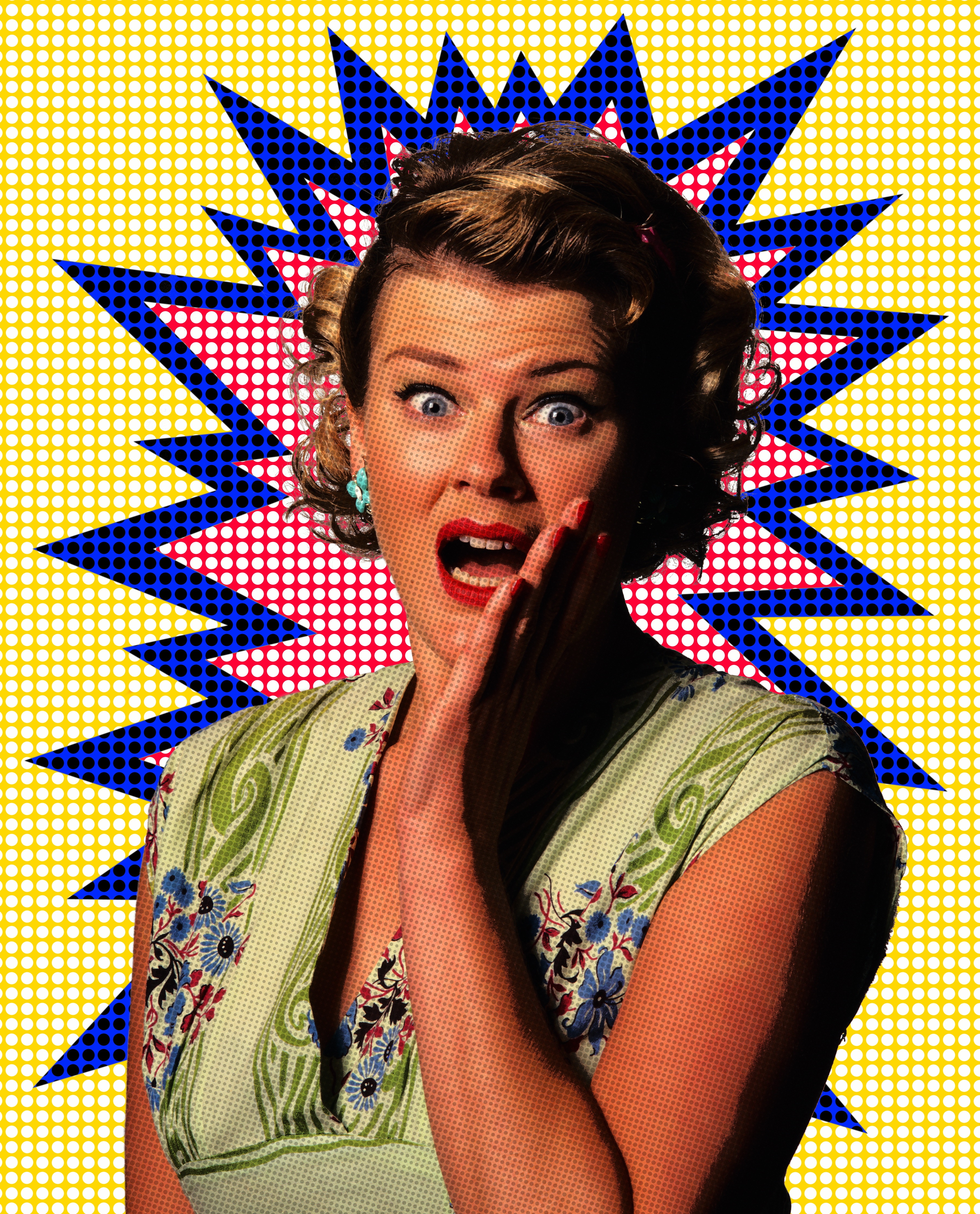
Tradwives — cosy cottage core fantasy, or something more sinister? With Megan Agnew, Rosie Waterland, Beverley Wang and Nakkiah Lui
They cook, make babies, and look impossibly perfect while doing it.Tradwives are using social media to redefine femininity and womanhood… or are they just setting it waaaayyy back?The Tradwives Club was presented by the Sydney Opera House at the 2025 All About Women Festival.SpeakersMegan Agnew — Senior Features Writer (New York), The Times of LondonRosie Waterland — Comedian, author of Broken Brains (with Jamila Rizvi), The Anti-Cool Girl and Every Lie I've Ever Told, host of podcasts Mum Says My Memoir is a Lie and Just the GistBeverley Wang — National Culture Correspondent, ABC and host of Stop Everything! and Life Matters ABC Radio NationalNakkiah Lui (host) — Writer, actor, director, producer, Black Comedy, Kiki & Kitty, Preppers, Total Control and moreFurther information:Meet the queen of the 'trad wives' (and her eight children) — article by Megan Agnew, The Times
My Sister and Other Lovers — Esther Freud with Natasha Mitchell at Byron Writers Festival
Esther Freud’s first semi-autobiographical novel Hideous Kinky became a film starring Kate Winslet and told the wild story of two little girls living in Morocco with their bohemian mother. More than 30 years on, those girls are back and growing up fast in her sequel, My Sister and Other Lovers. Esther joins Big Ideas host Natasha Mitchell at the Byron Writers Festival to explore the ties that bind, that tether, and that can traumatise in complicated families. Esther’s great-grandfather was the psychologist Sigmund Freud, her late father was the artist Lucian Freud, and her sister is the fashion designer Bella Freud. How has fiction helped her make sense of her own family? And what is it about sisterly love that can sustain through it all? SpeakerEsther FreudNovelist and playwrightAuthor, My Sister and Other Lovers (2025) Thanks to festival director Jessica Alice and team.The Byron Writers Festival has a series of author events throughout the year. See their website for details.Thanks to festival director Jessica Alice and team.
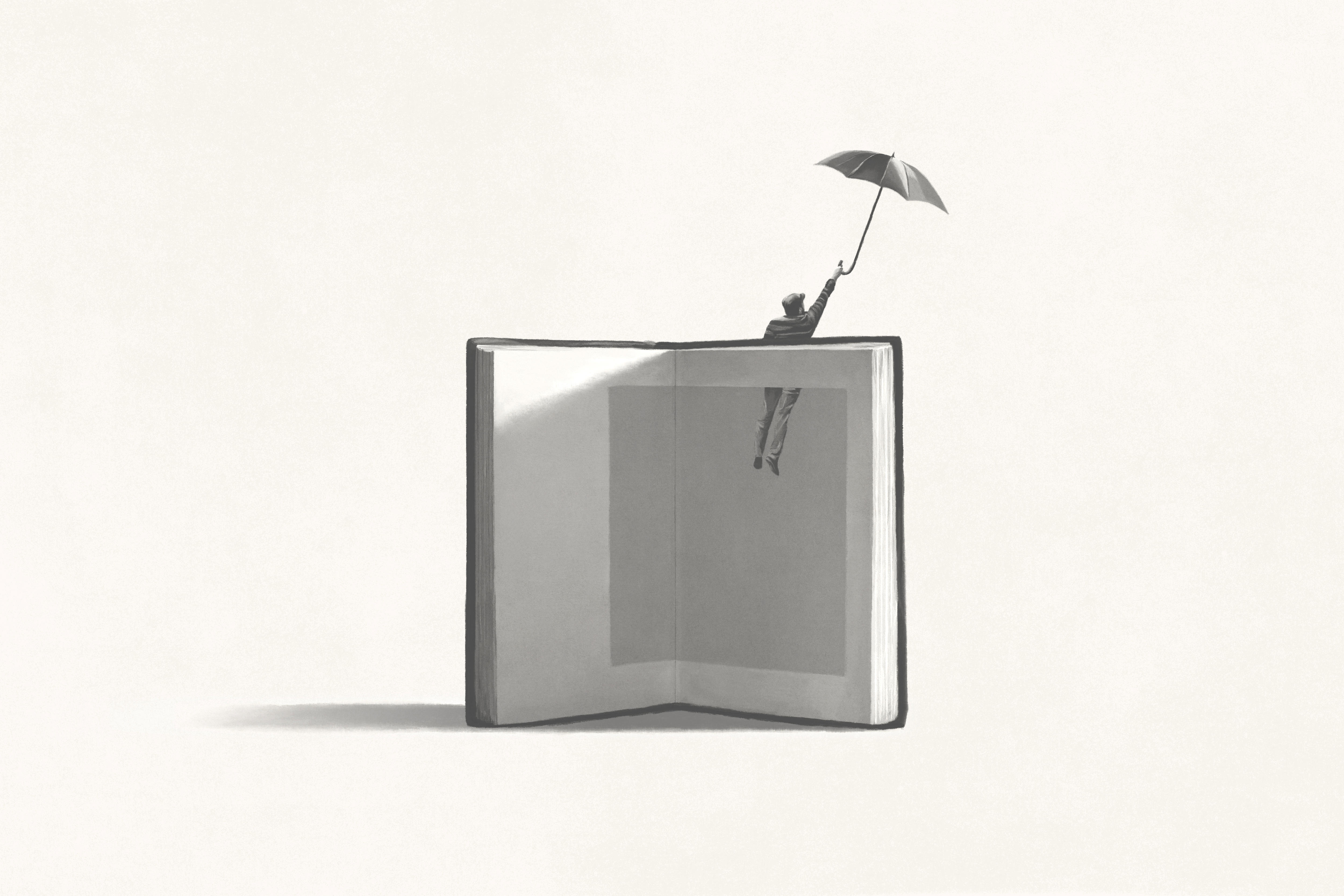
When dreams speak truth — exploring the relationship between our realities and the subconscious
What happens when the harsh realities of our daily lives — death, war, illness, hardship — invade that most private of realms — our sleep? Four poets and writers explore how things show up in dreams that otherwise can't be expressed, and how they've used the subconscious to inspire their creative work.This conversation was recorded at the Addi Road Writers Festival on 17 May 2025.SpeakersMireille Juchau - Essayist, novelist, critic, author of The World Without Us and morePeter Boyle - Poet and translator, author of nine poetry collections including Companions, Ancestors, Inscriptions (shortlisted, 2025 Prime Minister's Literary Awards)Šime Knežević Poet and playwright, author of the poetry collection In Your DreamsFelicity Plunkett (host) Critic, editor and poet, author of Vanishing Point and moreFurther information:How Dreams Change Under Authoritarianism — New Yorker magazine, 7 November 2019Red Room Poetry Month 2025The neuroscience of sleep and its disorders - Big Ideas, Monday 9 May 2022
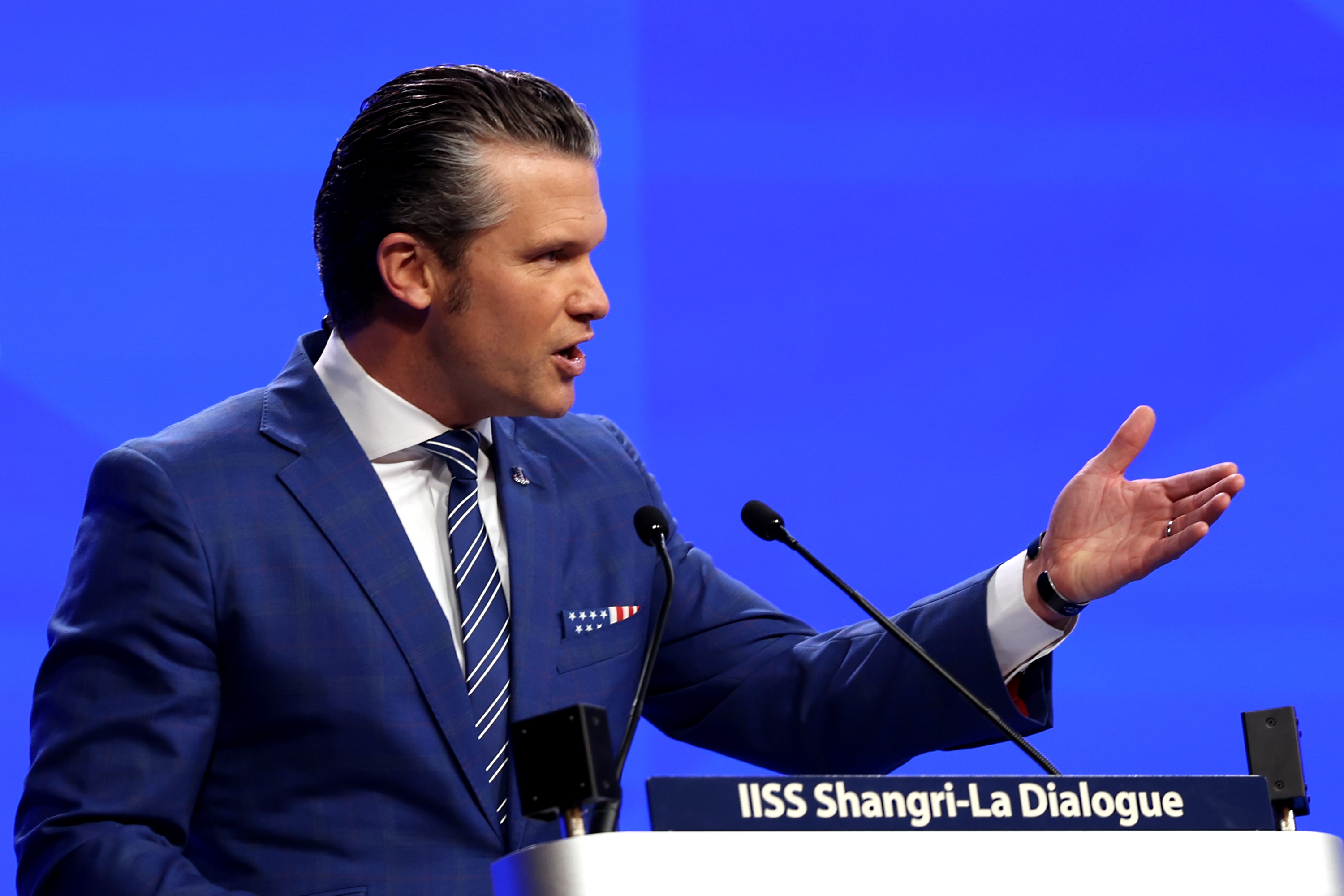
The US was meant to pivot to Asia — has Donald Trump changed course?
With Donald Trump mediating conflicts in Europe and the Middle East, what has become of the United States' strategy in the Asia Pacific region?The event Asia Disrupted: Trump's First Six Months was recorded at La Trobe Asia on 1 August 2025.SpeakersDaniel Flitton — Managing Editor, The Interpreter The Lowy InstituteDr Lupita Wijaya — Research fellow, La Trobe AsiaAmbika Vishwanath — Principal Research Fellow, La Trobe AsiaProfessor Nick Bisley — Dean of the School of Humanities and Social Sciences, La Trobe UniversityProfessor Bec Strating (host) — Director, La Trobe Asia
Alison Lester and Jane Godwin on how children’s books change lives
Even years later, children's books can hold a special place in our hearts, and they also teach, comfort, inspire, and grow young minds, and set kids up for life. Two of Australia's best loved children's authors explore the importance of storytelling for children, and reflect on the books that have changed their lives.This talk was recorded at the Sorrento Writers Festival on 24 April 2025.SpeakersAlison Lester - Author, Magic Beach, Imagine, Noni the Pony, Kissed by the Moon and many more, Inaugural Children's Laureate 2012-13, Ambassador, Indigenous Literacy FoundationJane Godwin - Gogo and the Silver Shoes, Today we have no plans, Red House, Blue House, Green House, Treehouse, Say Hello and many moreFrancesca Carter (host) Sorrento Writers FestivalFrom the archives:Which subjects are taboo in children's books?Big Ideas, ABC Radio National, 11 September 2019
From devil horns to deep listening — Maxine Beneba Clark, Debra Dank, Damon Young on the power of communication
From finding the right language to connect to Country, making the world a more poetic place for kids, to a Vulcan salute between two lovers — communication makes the world go round. Three brilliantly creative communicators join Big Ideas host Natasha Mitchell at the 2025 Byron Writers Festival to consider ways we communicate and how we can do it better. With great communication comes deep connection, understanding, meaning and that wonderful feeling of being understood and understanding another. With bad communication comes deep misunderstanding, disconnection, confusion, and conflict.SpeakersDr Debra DankGudanji, Wakaja, Kalkadoon womanEnterprise Fellow, University of South AustraliaAuthor of Terraglossia (2025) and We Come With This Place (2022)Winner of four New South Wales Premier's Literary Awards in 2023, including Book of the Year.Maxine Beneba ClarkWriter, poet, author and children's author of Afro-Caribbean descentMulti-award winning author of more than fifteen books including The Hate Race (2018), Foreign Soil (2017), Carrying the World, Stuff I'm Not Sorry For: 99 poems for young people (2025) and forthcoming in 2025 is Beautiful Changelings.Inaugural Poet in Residence at the University of MelbourneWinner of the Victorian Premier's Literary Award for PoetryDr Damon YoungAward-winning philosopher, author and children's authorAuthor of thirteen books including On Getting Off: Sex and Philosophy (2020), The Art of Reading (2016), Philosophy in the Garden (2012), and Immortal Gestures: Journeys Into the Unspoken (2025)Our thanks to the 2025 Byron Writers Festival director Jessica Alice and team.
How a picnic started the fall of the Iron Curtain
A brass band, goulash cooking in giant pots over open flames, people dancing around a bonfire — a pan-European picnic at the border between Hungary and Austria in 1989 was the beginning of the end of the Cold War. Suddenly hundreds of East Germans stormed the border into the West and freedom. It's a moment in history where the power of ordinary people changed the world.An Escape to Freedom and the Collapse of the Iron Curtain was presented at the Adelaide Writers' WeekSpeakersMatthew LongoAuthor of The Picnic: A Dream of Freedom and the Collapse of the Iron CurtainAssistant Professor of Political Science at Leiden UniversityAnnabelle Quince (host)ABC broadcaster and presenter of ABC Radio National's Rear Vision

Anna Funder — Bears out there, writing in the age of bots and broligarchs
Without permission, or payment, artificial intelligence has stolen the published words of thousands of Australian writers, and it seems that they have little power to stop it. What does this mean for the future of human creativity?Anna Funder's speech was recorded live at the 2025 Sydney Writers Festival.The panel discussion, Can Australian literature survive in the age of streamers & AI? was recorded at Readings bookshop in Hawthorn.SpeakersAnna Funder - Author, Wifedom, Stasiland, All that I AmSophie Cunningham - Writer, artist, teacher, speaker and advocate, Chair of the Board of the Australian Society of Authors, non- executive director of the Copyright AgencyEmily Bitto - Author, The Strays (2015 Stella Prize winner), Wild AbandonJenny Darling - Literary agent, Jenny Darling & AssociatesBen Eltham (host) - Arts, media and cultural critic, commentator and journalist
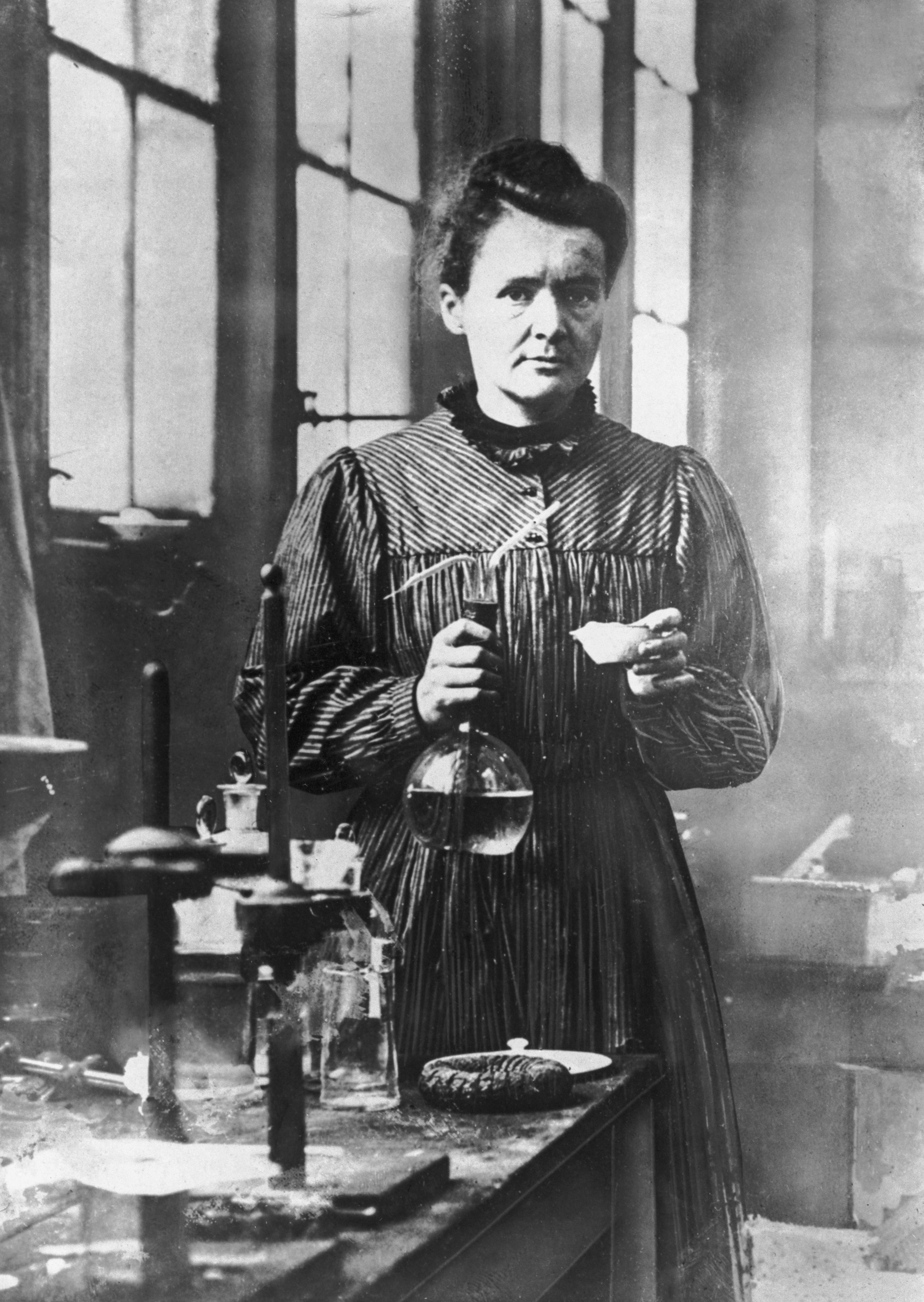
The remarkable life of Marie Curie and the women scientists she inspired — with Dava Sobel
Marie Curie is arguably the most famous scientist in history, for her breakthroughs in the field of radioactivity. But Curie also redefined what was possible for women in science, inspiring generations to follow her.Dava Sobel's 2025 For Future Reference Lecture A woman's word (about science) was recorded at the State Library of Victoria.SpeakersDava SobelAuthor, The Elements of Marie Curie: How the Glow of Radium Lit a Path for Women in Science and many moreBelinda Smith (host)Award-winning science journalist, Host, Labnotes, ABC Radio National
Wellness influencers will outlive us all! The Science Smackdown Debate at World Science Festival Brisbane
It's Team Wellness Warriors versus Team Medical Miracles. Hear the arguments and you decide! The wellness industry is booming. It's worth billions and its influencers are all over social media spruiking miracle pills and mystery remedies, crystal healing and cancer cures. Some are even steaming their vaginas (hellooooo Gywneth Paltrow!). Have they done the research that mainstream medicine refuses to? Is your doctor really the best person to help you be the healthiest you can be? Or ... are many wellness influencers shysters and swindlers, selling hoax cures, making unproven claims, and putting your bank balance and your health at serious risk? Join Big Ideas host Natasha Mitchell from the stage of the 2025 World Science Festival Brisbane for an hilarious hour of science and comedy. Laughing is good for your health, that's for sure.SpeakersTEAM WELLNESS WARRIORSDr Joel Gilmore Clean energy expert, physicist, and science communicatorAssociate professor, Griffith UniversityDr Lily BentleyMarine biologistUniversity of QueenslandTing LimStand-up comic and star of ABC TV's FiskTEAM MEDICAL MIRACLESStacey Thomson aka TV's Ranger StaceyHost of the former long-running TV show Totally WildDr Mike TodorovichMedical educator and host of the Dr Matt and Dr Mike Youtube channelAssociate Professor of Medicine, Bond UniversitySteven OliverComedian, poet, playwright, cabaret performer, and star of ABC TV's Black ComedyThanks to event producers Jane O'Hara, Dr Rob Bell, and the whole World Science Festival Brisbane team.
How to live an experimental life
The American essayist, philosopher and poet Ralph Waldo Emerson famously said that all life is an experiment, and the more experiments you make, the better. So can experimenting with your career, your health, where you live or who you love, improve your life, by helping you to make better decisions?This event Test and learn: living an experimental life was recorded at the University of Sydney's Raising the Bar night.SpeakersMay Samali - Founder and CEO of the Human Leadership Lab
Dugongs — up close and personal
Their closest relative is the elephant; they eat about 60 kg of sea grass per day; and there are only three dugongs in captivity in the world. One in the Sea Life Sydney Aquarium. Big Ideas deep dives into the mysterious world of dugongs — with fascinating stories and surprising insights.Presented at the World Science Festival Brisbane in the Queensland Museum.Big Ideas — Turning a third of our oceans into marine parks. A good idea?SpeakersDr Janet LanyonWorld authority on dugongs, Senior Lecturer in the School of Biological Sciences at The University of QueenslandDr Merrick EkinsCollection Manager of Sessile Marine Invertebrates at the Queensland MuseumBrooke WitherbySea World Marine Education OfficerMichael Balk (host)Actor, and television & radio presenterFurther InformationSea World Dugong Population ResearchThe Sea World Rescue Team: call on 07 5588 2222 (9:00am to 5:00pm) or 07 5588 2177 (After Hours)Dugong Pig at Sea Life Sydney Aquarium