
B&H Photography Podcast
471 episodes — Page 8 of 10

Beef, Chicken, or Fish—A Wedding Photography Smorgasbord
The two-day Depth of Field Conference, hosted by B&H, was an impressive gathering of wedding and portrait photographers, each sharing their unique talents, styles, and techniques with a receptive crowd. We had our microphones ready to speak with some of the photographers before and after their presentations, and offer here our conversations with four exceptional photographers. We chose these four not only because their work is impeccable, but because they possess distinct views on the aesthetics and business of wedding photography. We start with Andy Marcus, of Fred Marcus Studios, one of the preëminent wedding-photography studios in New York, whose clientele includes celebrities, CEOs—and even Presidents and their daughters. With Marcus, we discuss keeping a family business running across three generations, how to work huge weddings, keeping A-list clients satisfied, and the importance of consistency. Next, we are joined by Sara France, of France Photographers, who has taken her business from a "girl with a camera" to a full-service studio with branches in California, Texas, and Hawaii. We speak about how to expand your business across states, the advantages of a woman-run enterprise, and how to best utilize the "blue hour." France is Sony's most recent "Artisan of Imagery," so we also speak about her use of the Sony Alpha series cameras and continuous lighting. After a break, we are joined by Laurent Martin of Helena & Laurent Photography, a Bay Area-based husband-and-wife team who create straight-up gorgeous wedding photos. With Laurent, we discuss presets, using natural light, the joys of the wedding day, and how to embrace the chaos that comes with those joys. The success of this duo is seen in their ability to work together seamlessly, find the magical in small moments, and the lushness of their final product. Finally, we speak with Sal Cincotta, a St. Louis-based photographer whose list of accomplishments as a wedding photographer would take a second page to list. He and his team work throughout the country, and he is also an in-demand author and educator and expert on all forms of lighting. He speaks with us about the importance of constantly improving your craft and finding the time to do so. Despite the varied approaches to wedding photography offered by each of our guests, one theme reoccurred in each of the conversations: the need to use your photography to tell the story of each wedding. Guests: Andy Marcus, Sara France, Laurent Martin, Sal Cincotta Photograph ©Fred Marcus Studio
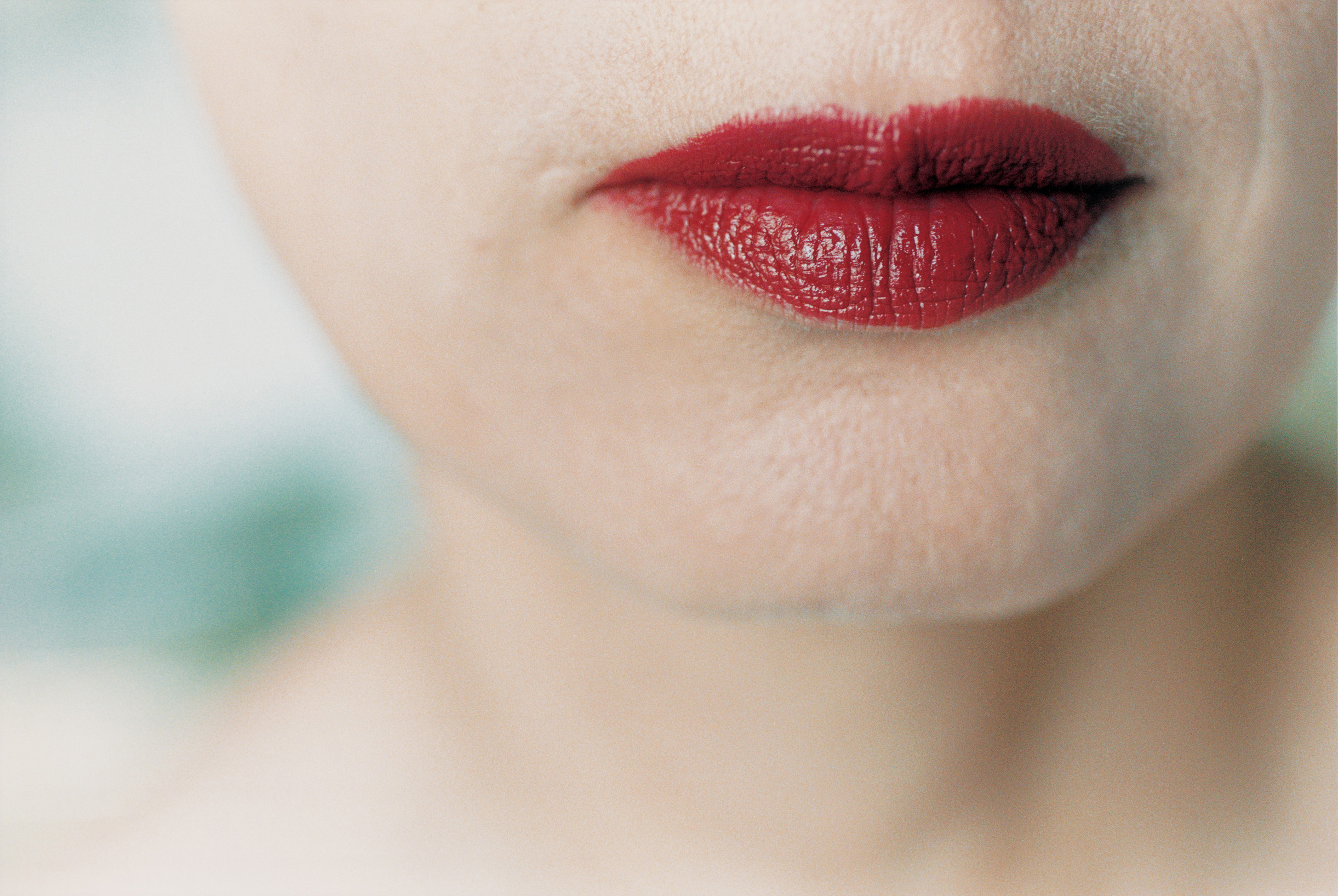
Elinor Carucci—A Hurricane in Its Perfect Power
Appropriately, this is our Mother's Day episode, and our title borrows Maya Angelou's description of her mother from "I Know Why the Caged Bird Sings." Photographer Elinor Carucci struck us with some of her own perfect power during this week's recording of the B&H Photography Podcast. I doubt much stands in her way, but there's a calm too—born of family support, nurtured by maturity, and assured with the confidence that comes from presenting yourself to the world, warts and all—in other words, from "putting yourself out there." Our talk today is about her photography, particularly her fine art work as represented in her books, Closer, from 2002, and Mother, from 2013. Both works are an exploration of motherhood and family, the first centered on her own mother and, the later book, on herself as a mother, and her children. We do speak about her photographic style and technique, we talk about editing decisions, camera settings, lighting, macro lenses, and how to recreate "spontaneous" moments, but the heart of our conversation is motherhood and family and how an artist portrays family and self, particularly in a manner as personal and intimate as Carucci's. If you know her work, there should be little surprise that, in conversation, she is candid and open about her process, her talents and her flaws. We talk about burning negatives, authorship, influences that come from strange corners, and just how difficult it is to make a good photo. If you are looking for a "Hallmark moment," this may not be the episode for you, but if you enjoy an engaged, introspective and, at times, hilarious conversation about art, family, and culture, then settle in for this Mother's Day present, wrapped for photographers everywhere. Products mentioned: Canon EOS 5DS DSLR Camera Canon EF 28mm f/1.8 USM Lens Profoto ProHead Plus Flash Head with Zoom Reflector Guest: Elinor Carucci Photograph ©Elinor Carucci, Courtesy Edwynn Houk Gallery

Deep in Gear at Depth of Field
B&H Photo recently hosted the two-day Depth of Field Portrait, Wedding, and Event Photography Conference, in New York City, and invited many talented, experienced photographers to speak and show work. The conference also included representatives from most of the major camera, lens, and lighting companies. We set up our mics close to the main stage, grabbed vendors as they passed by and spoke with them about their latest and greatest offerings for photographers and videographers. For this week's episode of the B&H Photography Podcast, we have edited together a sampling of our conversations with the following manufacturers: Nikon, Pentax/Ricoh, Westcott, Sony, Sigma, Luxli, Canon, LG, TogTees, Godox, Leica, and Adobe. It's a long one, but we have blended a bit of elucidation with some humor and, hopefully, created an informative and enjoyable show. Join us, por favor. Guests: Lindsay Silverman, Nikon (01:16) Ken Curry, Ricoh/Pentax (03:15) David Piazza, Westcott (08:16) Lavonne Hall, Adobe (16:35) Jason Mantell, Sony (22:20) Marc Farb, Sigma (36:24) Casey Krugman, Luxli (45:06) Rudy Winston, Canon (53:04) Gregg Lee, LG (01:00:54) Pano Kalogeropoulos, TogTees (01:10:14) Stephen Gomez, Godox (01:18:32) John Kreidler, Leica (01:25:49)

Street Portraiture -- Intention and Interaction with Ruddy Roye and Amy Touchette
The simple theme for today's episode of the B&H Photography Podcast was to be "how to speak to people in the street when you'd like to take their photo." For this conversation, we invited two of the best street portraitists in New York—Amy Touchette and FUJIFILM X-Photographer Ruddy Roye, both incredibly talented photographers (and writers!) whose work has appeared in the New York Times, New Yorker, Time, Esquire, and many other publications. They are both also very active on Instagram, with work that seems ideally suited for the best that medium has to offer. However, as good conversations often do, ours takes a winding road. We discuss personal and family histories, gentrification, race, and a range of subjects, all along tying these ideas to the fundamental aspects of engaging with people, often strangers, to produce passionate and compassionate street photography. We ask our guests how they approach people, how they describe their work when asking for a photograph, and about the importance of body language and eye contact to convey your intention and develop trust. We also examine the differences in approach when photographing people from cultural and economic backgrounds different than your own, when shooting groups of people and, finally, we discuss how to handle pushback, requests for money, outright rejections, and even upsetting encounters. For the gearheads, we touch on working with formats from medium format to cellphone, and how that effects your approach and the interaction with your subjects. Join us for this inspiring conversation. Guests: Amy Touchette and Ruddy Roye Photograph © Amy Touchette Host: Allan Weitz Senior Creative Producer: John Harris Producer: Jason Tables

Frankencameras
We took our mics to a basement laboratory on East 30 Street, in Manhattan, where legend tells of a scientist and his cohort who perform ungodly experiments, attempting to bring life to subjects long considered dead. What we found rattled the nerves of even our steely host Allan Weitz, and brought us to a new consideration of what can be done when modern Prometheans fuse technologies from diverse eras to create extraordinary tools for their photographic purposes. On this week's episode of the B&H Photography Podcast, we speak with Geoffrey Berliner, Executive Director of the Penumbra Foundation, and Frank Rubio, the Camera Doctor, about the many "frankencameras" they have created together. In fact, they displayed six examples of their work for us. We talk about each one, most being antique view cameras modified with brass portrait lenses, modern flash systems, or for digital capture. We explain the provenance of the cameras and lenses, the process of "repurposing" them, and the practical applications for these modifications. Each of these cameras is put into regular use at Penumbra, primarily in their tintype studio, and we discuss Scovill, Graflex, and stereo carte de visite cameras; Cooke, Fox, and Hermagis lenses, and even Sony a7 cameras and Canon Selphy printers. For images of the cameras and lenses, go to our landing page. We also speak with Berliner about his impressive lens collection, with Rubio about learning camera repair in the Army, and about their motivations and collaboration. Rubio, having worked in some of the best camera houses in New York, has established a reputation as a skilled and meticulous craftsman, trusted by artists, pros, and collectors alike, and Berliner is a walking encyclopedia of camera and photography history. Join us for this insightful conversation, which leaves only one question unanswered—which of the two is the true Dr. Frankencamera? Guests: Frank Rubio and Geoffrey Berliner Host: Allan Weitz Senior Creative Producer: John Harris Producer: Jason Tables

Time Vector--Day to Night with Stephen and Bette Wilkes
The "Day to Night" series that Stephen Wilkes has been working on for several years has received much deserved attention and has grown from its New York roots to encompass locations in Europe, the Middle East, Asia, and Africa. These photographs, which capture a full 24-hour cycle in one frame are awe-inspiring when viewed as a whole; fascinating when analyzed in detail, and monumental when considered as a production. On today's episode of the B&H Photography Podcast, we speak with Stephen Wilkes and Bette Wilkes, his wife, business manager, and the behind-the-scenes producer of these incredible photographs. Our conversation is easy-going and bounces back and forth between Mr. and Ms. Wilkes, accentuating their intertwined working relationship. With Mr. Wilkes, we speak of the genesis of the project and the influences he finds in the paintings of the Dutch Masters and the Hudson River School. We also discuss his process, which is both physically and technically demanding. He tells of assembling a "realtime puzzle", a desire to "get lost" in the moment, and ultimately how his images are "a representation of his memory" from the day and place. With Ms. Wilkes, we take up the knotty and time-consuming process of arranging a shoot that will last more than twenty-four continuous hours in some of the world's busiest and most desolate locations. We discuss many photographs, but concentrate on two images from the "Day to Night" series to highlight their complicated productions—the first is a photograph of New York City's Flatiron Building and, in the second half of the show, we visit a watering hole in the Serengeti Plain. To see these images, please visit our website, and, if you are in Washington D.C. prior to April 29, 2018, check out the "Day to Night" exhibit at the National Geographic Museum, and keep your eye out for the upcoming book to be published by Taschen. Guests: Stephen Wilkes and Bette Wilkes Photograph ©Stephen Wilkes Host: Allan Weitz Senior Creative Producer: John Harris Producer: Jason Tables
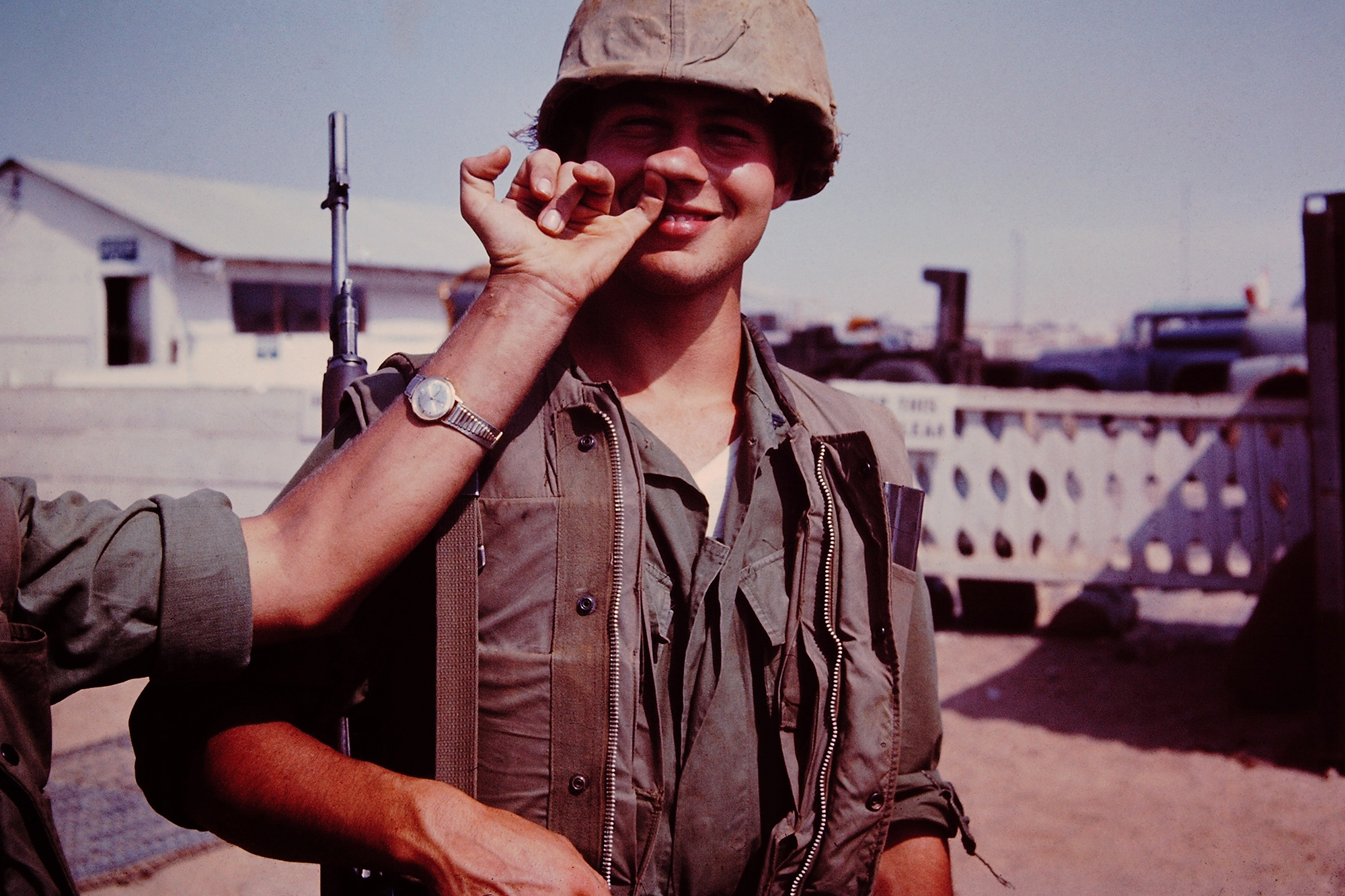
GI Diary and The Vietnam Slide Project
March 29 is now the official National Vietnam War Veterans Day, set aside to "observe with appropriate programs, ceremonies, and activities" the commemoration of the war. More important than commemorating a war is to commemorate the service, in some cases the ultimate service, that soldiers gave their nation. For our part, we commemorate with what we know—photography—and on today's episode of the B&H Photography Podcast, we talk about photography created by U.S. servicemen during their time in Vietnam. We begin with David Parks who, in 1968, published a book about his experience in Vietnam, titled GI Diary. The book includes excerpts of the diary he kept and personal photos he took while in the army. Mr. Parks, who is the son of famed photographer Gordon Parks, dropped out of college knowing that he was likely to be drafted. He saw front-line combat and documented his experiences, in text and image, from the viewpoint of an African-American "grunt." We speak with Mr. Parks about his ability to photograph in such a challenging situation, about the gear he used, how he processed film, if he considered his work photojournalism, and how his diaries came to be one of the first books ever published about the Vietnam War. On the second half of our program, we welcome Kendra Rennick, of The Vietnam Slide Project. When a friend employed her help to organize a collection of photos taken by her late father, a project was born. That project took on a life, and Ms. Rennick started an archive of "slides" taken only by soldiers who served in Vietnam. Many of these images reflect the more mundane aspects of army life, but are a rare glimpse into the lives and concerns of soldiers, some on their very first trip out of the States. We speak with Ms. Rennick about the organization of her project, its future, and the relationships she has developed with the veterans and families who donate their imagery. Guests: David Parks and Kendra Rennick Photograph ©C.R. Foster, courtesy The Vietnam Slide Project Host: Allan Weitz Senior Creative Producer: John Harris Producer: Jason Tables

KODAKOne and Blockchain for Photographers
If you follow photography industry news, two words that may have caught your attention recently are "Kodak" and "cryptocurrency," and the fact that they were in the same sentence might just have caused you to sit up and click. There was an outburst of opinion filling the blogosphere after the January announcement that KODAK and WENN Digital had entered into a brand-licensing agreement to launch KODAKOne, an image rights management platform, and KODAKCoin, a photo-centric cryptocurrency. The worlds of cryptocurrency and blockchain, the distributed ledger technology supporting many virtual currencies, are arcane, but merging one of the most recognized brands in photography with these new platforms and adding into the mix a potential fix for the image licensing business brought not only a lot of opinion, but a good deal of confusion. On this episode of the B&H Photography Podcast, we hope to shed light on the situation and to do so we sit with the principals behind KODAKOne and experts on both blockchain technology and image-rights licensing. We welcome Jan Denecke, the CEO of KODAKOne, and Volker Brendel, their CTO, to this discussion. We are also joined by attorney Andrew Hinkes, a professor at New York University and author of more than twenty articles on blockchain technologies and virtual currency, and Maria Kessler, the former president of Digital Media Licensing Association and an expert in stock photography and digital-image licensing. Join us for this rousing conversation in which we get firsthand information on KODAKOne's business plans, insight on how the blockchain will affect photographer's interests, and a general sense of what we can buy with a KODAKCoin. Guests: Jan Denecke, Volker Brendel, Andrew Hinkes, and Maria Kessler Host: Allan Weitz Senior Creative Producer: John Harris Producer: Jason Tables

Aerial Photography with Jeffrey Milstein
As Allan Weitz says in the introduction, when you see a Jeffrey Milstein photo, you know it. He has a distinctive style, which is not an easy accomplishment for an aerial photographer. But, of course, not all his images are taken from high above—he also has an incredible series shot from underneath airplanes. All kidding aside, Milstein's work—aerial or otherwise—is infused with the complexity of observation and with the fascination of how similar forms repeat themselves in distinctive ways. On this episode of the B&H Photography Podcast, we speak with Jeff Milstein about his photography, with an emphasis on his aerial photography and the process, gear, and technique he uses to capture these stunning images. We discuss his previous career as an architect and the influence that carries into his work, the medium format and 35mm format digital camera he prefers, and his lens choices. Along with Weitz, who also has much aerial photography experience, we discuss using a gyro stabilizer and the advancements made in in-camera stabilization systems. We also chat about communication with pilots and how to plan a helicopter aerial shoot. Milstein also discusses the post-production techniques used to create his geometric compositions and the large format prints he makes, many of which are currently on exhibit at the Benrubi Gallery, in New York. Check this link to see more of his images and a list of the gear we discussed on this episode. Guest: Jeffrey Milstein Photograph © Jeffrey Milstein Host: Allan Weitz Senior Creative Producer: John Harris Producer: Jason Tables

Grunge! British Fashion Photography of the 1990s
Are the 1990s history? Well, for today's episode of the B&H Photography Podcast, we look back to that decade when a new aesthetic in fashion photography was born in England, and later spread to the United States and the world; a transformative style whose influence is apparent almost thirty years after its birth. First appearing in small but influential magazines such as The Face, i-D, and Blitz, and growing from a reactionary youth culture, this raw style reflected a new aesthetic, one that rejected the glam, the supermodel, and the highly stylized photos of the 1980s in favor of eclectic clothing, waifish models, a low-tech, "straight-up" photo style, and a lot of "frickin' attitude." For this episode, we welcome fashion photographer Michael Sanders, who is a regular contributor to Italian Elle and who shot for many of the '90s "style bibles" mentioned above. Sanders came of age in this era and discusses the social and economic factors that lead to this new aesthetic, the cyclical nature of fashion, and the overly simplistic idea of heroin-chic. He also provides a sense of the technologies that made this movement a reality, the gear most commonly used, and the assignment process and shooting-styles embraced. Finally, Sanders offers firsthand insight into the community of photographers, stylists, and models who are associated with this movement, including David Sims, Corinne Day, Kate Moss, Melanie Ward, and the important photographer and bridge figure, Nick Knight. Join us for this interesting look back to the birth of a style and photographic movement that is still reverberating. Guest: Michael Sanders Photograph: ©Michael Sanders http://michaelsandersstudio.com www.michaelsandersgosees.com https://instagram.com/michaelsandersstudio/ https://www.youtube.com/c/MichaelSandersStudioGoSees https://www.facebook.com/MichaelSandersStudio/ Host: Allan Weitz Senior Creative Producer: John Harris Producer: Jason Tables

News and Gear from CES and WPPI 2018
On this week's episode of the B&H Photography Podcast, we're talking gear—specifically, the latest gear announced at the two most recent trade shows, the Consumer Electronics Show (CES), and Wedding and Portrait Photographers International (WPPI). In addition to a summary of some of the items announced at CES, like the Panasonic Lumix GH5S, we speak with B&H writers Shawn Steiner and Liz Groeschen, who are currently in attendance at WPPI. Steiner gives us the lowdown on some of the big-ticket items and mentions many of the new lenses announced at this important conference, and Groeschen offers her opinion on the latest cameras, discusses items of specific interest to wedding photographers, and gives us a sense of the activity around the B&H booths. Some of the cameras we discuss are the new Sony a7 III Mirrorless Digital Camera, the Fujifilm X-H1, the Panasonic Lumix DC-GX9, the Canon EOS M50 Mirrorless Camera, the Pentax K-1 Mark II DSLR and the Polaroid Originals OneStep2 Instant Film Camera. In terms of lenses, we mention the new set of Sigma Art lenses for Sony E mount cameras, the Tokina FiRIN 20mm f/2 FE AF lens, the Rokinon SP 50mm f/1.2 lens for Canon EF, the Zeiss Loxia 25mm f/2.4,and others. Two new flashes made our critic's picks: the new Canon Speedlite 470EX-AI with auto intelligent bounce head, and the Sony HVL-F60RM Wireless Radio Flash, as did a handful of paper and presentation material. Join us for this informative episode. Guests: Shawn Steiner and Liz Groeschen

Get Serious with Chris Buck
We are delighted, at the B&H Photography Podcast, to present our chat with acclaimed portrait photographer Chris Buck. Buck is an in-demand celebrity and advertising photographer, but he also maintains ongoing personal projects, such as his current series, "Gentleman's Club." We speak with him on a range of topics, from concept development, shooting technique, and gear, to editing decisions and self-publishing. With a flexible yet unmistakable style that blends insight, a touch of dry, almost absurdist humor, and a pinch of the darkness within, Buck has photographed a host of luminaries from the worlds of film, music, and politics, including four of our last five Presidents. His most recent book, Uneasy, is a 30-year compendium of incredible portraits; we discuss the making of this book and, of course, some of his most recognized images. We also speak with Buck about process: his "three tiers of ideas," thoughts on humor, his adjustment to digital photography, and DSLR versus medium format. In this wide-ranging conversation, Buck opines on his relationship with subjects, the nature of portraiture, his influences from pop culture and photography, and how "being relaxed and having fun are the enemies of a good Chris Buck photo." Join us for this spirited conversation. Guest: Chris Buck Photographs © Chris Buck Senior Creative Producer: John Harris Producer: Jason Tables Host: Allan Weitz

3D Virtual Reality and the Vuze Camera
For the average photographer, many aspects of the technical side of virtual reality imaging are confusing, and when you add 360° and 3D to the equation, we can really be in over our heads. Fortunately, on this episode of the B&H Photography Podcast, we have a guest with more than his fair share of experience in these matters, who will make the going easy as we discuss virtual reality, 3D, and 360° imaging technologies. Jim Malcolm is the North American General Manager of Humaneyes, and an expert in VR and computer vision. As President and CMO of Ricoh, Malcolm helped bring the Theta spherical cameras to the market and has now joined the pioneering 3D company Humaneyes to launch the Vuze 4K 3D 360 Spherical VR Camera. He joins us to discuss the evolution of VR technology and gear and the current tools available for professionals and consumers. He also touches on aspects of the hardware and storytelling that still need to be developed to improve the experience. We consider how certain disciplines, such as medical imaging, are already effectively utilizing these tools and how "social VR" may be the breakthrough platform for this technology. Malcolm also explains the features of the Vuze cameras and how they are bringing 360° 3D imaging to a whole new set of users with a sturdy and compact build, easy to use controls, apps, and software. Join us for this very educational episode. Guest: Jim Malcolm https://vuze.camera/ https://www.bhphotovideo.com/explora/podcast https://www.facebook.com/reflection360/videos/1633223273423640/

Murray Fredericks--Reflect the Divine
Murray Fredericks considers his landscape photography series, "Vanity," as just one aspect of a larger body of work, a project for which he has spent fifteen years shooting in southern Australia's remote Lake Eyre-Kati Thanda. However, this part of the larger series has one aspect that the others do not—a large mirror placed in the lakebed reflecting other angles of the land and sky. This seemingly simple idea transforms not only the vista but our visual understanding of this singular place, and I think it's fair to say that there is nothing comparable to these large color photographs which attempt to represent the "overwhelming emptiness and powerful emotional resonance of remote land and sky." For this episode of the B&H Photography Podcast, we took our mics to the Robert Mann Gallery, in New York, to speak with Murray Fredericks and gallery owner Robert Mann on the opening day of Fredericks's first solo exhibit in the United States. We walked through the gallery, soaking up the sublimity of these images and discussing the challenges of the project, the gear, the prints, and all aspects of the collaboration between artist and gallery. Join us for this extraordinary conversation. Stay tuned toward the end of the show, when we chat with the two winners of our Canon 5D Mark IV Sweepstakes and hear their reactions to winning and how they will be using their new cameras. Guests: Murray Fredericks and Robert Mann Photograph: ©Murray Fredericks Courtesy Robert Mann Gallery

Embracing Technology in the "New" Landscape Photography
This week's episode of the B&H Photography Podcast posits the notion that we are in a "Golden Age" of landscape photography, and a fundamental attribute of this "new" landscape photography is its embracing of digital and mobile technologies. From soaring ISO capabilities and improved dynamic range to stacking and correction software to weather, mapping, and pre-production apps, the willing photographer can plan and execute landscape images that would have been impossible to create only a few short years ago. We also suggest that the Pacific Northwest, with its proximity to the cradle of the tech industry and a spectrum of natural wonders, is the hub of this progressive landscape photography movement. Veteran photographers have adopted new technologies and created a movement, and a younger generation is following suit, certain to take landscape photography into a future that includes drones, VR, and imaging technologies yet to be imagined. We also discuss the influence of photo-sharing platforms and new career models that enable photographers to distribute their work and travel to destinations that editorial assignments would never cover. We welcome to our conversation two preëminent landscape photographers, Erin Babnik and Sean Bagshaw, who discuss their work and the use of the high-tech gear and applications in the creation of their photography. In addition to the obligatory Q and A about camera and lens choices, we discuss location and weather apps, post-process plug-ins, and even the latest foul-weather gear, all of which enable them to create the stunning work for which they are known. Both photographers are members of Photo Cascadia, and have a wide following of supporters and students. Their workshops sell out months in advance. After hearing their insights and seeing their imagery, there will be no doubt as to why. Guests: Erin Babnik and Sean Bagshaw Photograph ©Erin Babnik
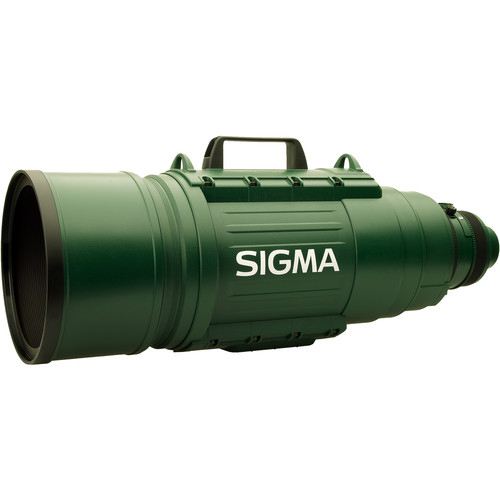
The Joys and Challenges of Super-Telephoto Lenses
We welcome back Chris Williams, of Lens Therapy Live, and photographer David Speiser, of lilibirds.com, to the B&H Photography Podcast for a discussion on the applications, techniques, and specific features of super-telephoto lenses. Super-telephotos lenses are most often used by sports and wildlife photographers—however, photojournalists, law-enforcement, and even landscape photographers are known to use them, as well. They offer the build quality to withstand tough conditions and the optical quality to capture distant subjects clearly. For this conversation, we define super-telephoto as a lens with a six-degree angle of view, which, on a full frame sensor, corresponds to a 400mm lens. On APS-C format DSLRs you can get an even longer reach with your super telephotos and, while Fujifilm, Olympus, and Panasonic offer a few super teles for their mirrorless cameras, the ultra-long lenses are still the domain of the professional DSLR. There are high-quality super-telephoto zooms from Sigma and Tamron, but our conversation concentrates on the fast-aperture, prime lenses made by Nikon and Canon. We discuss their unique features, image stabilization systems, filters, methods of support, and the techniques used to handle them effectively. Join us for this very informative episode and, while you are at it, subscribe to our show. Guests: David Speiser and Chris Williams

Norman Reedus--Art Is as Art Does
For some photographers, the phrase "run and gun" has a negative connotation, but when you're Norman Reedus, that description takes on a much cooler meaning, one that is accurate to his style and a compliment to his ability to "sense a moment." Reedus, most recognized for his acting work on the television series, "The Walking Dead" and "Ride with Norman Reedus," is first and always an artist: a sculptor, a director, and author of the photography book, "The Sun's Coming Up… Like a Big Bald Head" available at Big Bald Gallery. With the travel demands of film and television, Reedus's photography becomes a way to engage with his locations and document his adventures but, through the eyes of an artist, his work is more than just famous locales and behind the scenes fun. He brings a personal vision, humorous and dark, to images he captures and does so with an experimenter's touch, using a variety of cameras and styles. We talk with Reedus about his start in photography, his stylistic approaches, gear choices, and what he has learned from his time in front of a camera that helps with his work behind one. However, with a guest like Reedus—generous with his time and tales—you let the conversation flow, and we also discuss his series "Ride," the influence of Laurie Anderson, fan selfies, Roger Ballen, horror films, Oxfam, and even Pee Wee Herman. While recording this episode, the Tom Waits line, "I like beautiful melodies telling me terrible things," kept popping into my head. I'm not sure this line best reflects Reedus's work, but I am sure there is a Tom Waits line that does. This episode was a real treat for us at the B&H Photography Podcast, and we hope you feel the same in the listening. Guest: Norman Reedus Photograph: ©John Harris Host: Allan Weitz Senior Creative Producer: John Harris Producer: Jason Tables

Latest from Canon and the 5D Mark IV Sweepstakes
If you are a regular listener to the B&H Photography Podcast, you've probably heard us talk a lot recently about our milestone 100th episode and a camera sweepstakes that we were eventually going to announce. As the episode title should indicate, the sweepstake's grand prize is a Canon EOS 5D Mark IV DSLR camera, but that prize also includes a 50mm f/1.8 lens—and there is a second prize: the Canon EOS 80D DSLR with a 50mm f/1.8 lens. Each of these items was supplied to us by our friends at Canon USA and, with that in mind, we invited Canon Product Specialist Rudy Winston to our studio to discuss the gear Canon has announced over the past year. We also talk about the two "prize" cameras offered in our sweepstakes and we take some time to ask Winston his thoughts on what changes we can expect to see in cameras and lenses in the future. We talk about ISO range, image processors, memory card formats, lens technology, connectivity, and the fate of the point-and-shoot. More than just a promotion for our sweepstakes, this episode is an informative chat on the state of the camera gear industry. With much gratitude to our listeners—both newbies and long-timers—we present this sweepstakes, so stay tuned to the end of the show when we will explain how to enter. In the meantime, enjoy the conversation, tell your friends about the sweepstakes, SUBSCRIBE, and thank you so much for tuning in. Guest: Rudy Winston

Cig Harvey — Think, See, Make, Listen
What a start to the New Year for the B&H Photography Podcast. We are incredibly fortunate to kick off our year with photographer Cig Harvey and gallerist Caroline Wall, director of the Robert Mann Gallery. In conjunction with her new book, You an Orchestra, You a Bomb, Harvey is currently exhibiting at the Robert Mann Gallery, and we were able to speak with artist and gallerist to discuss the making of her latest portfolio and the collaborative process of exhibition. This is Cig Harvey's third monograph and, in addition to her photographic creativity, she is also very articulate when describing her artistic process and techniques. This is a true benefit to us at the podcast. Her description of the "gasp" moments that she seeks when working, whether they be gasps of fear or in the presence of beauty, was a wonderful moment in our interview. The titular mantra that describes part of her process is something that we will keep with us as we advance in our own photographic journey. Join us as we talk with Harvey and Wall about how an idea becomes a series, how editing can be a physical act, and the two distinct ways she approached imaging for this most recent series. We also discuss the role that a gallery—in this case through the eyes of a trusted collaborator—plays in the editing of a body of work and, ultimately, its exhibition and sale. The exhibit, Cig Harvey—You an Orchestra, You a Bomb, is on display at the Robert Mann Gallery through January 27, 2018 and, on that date, Ms. Harvey will be present for an artist's talk. Her book of the same name is available wherever you find fine books and, specifically, here. Guests: Cig Harvey and Caroline Wall Photograph ©Cig Harvey, Courtesy Robert Mann Gallery
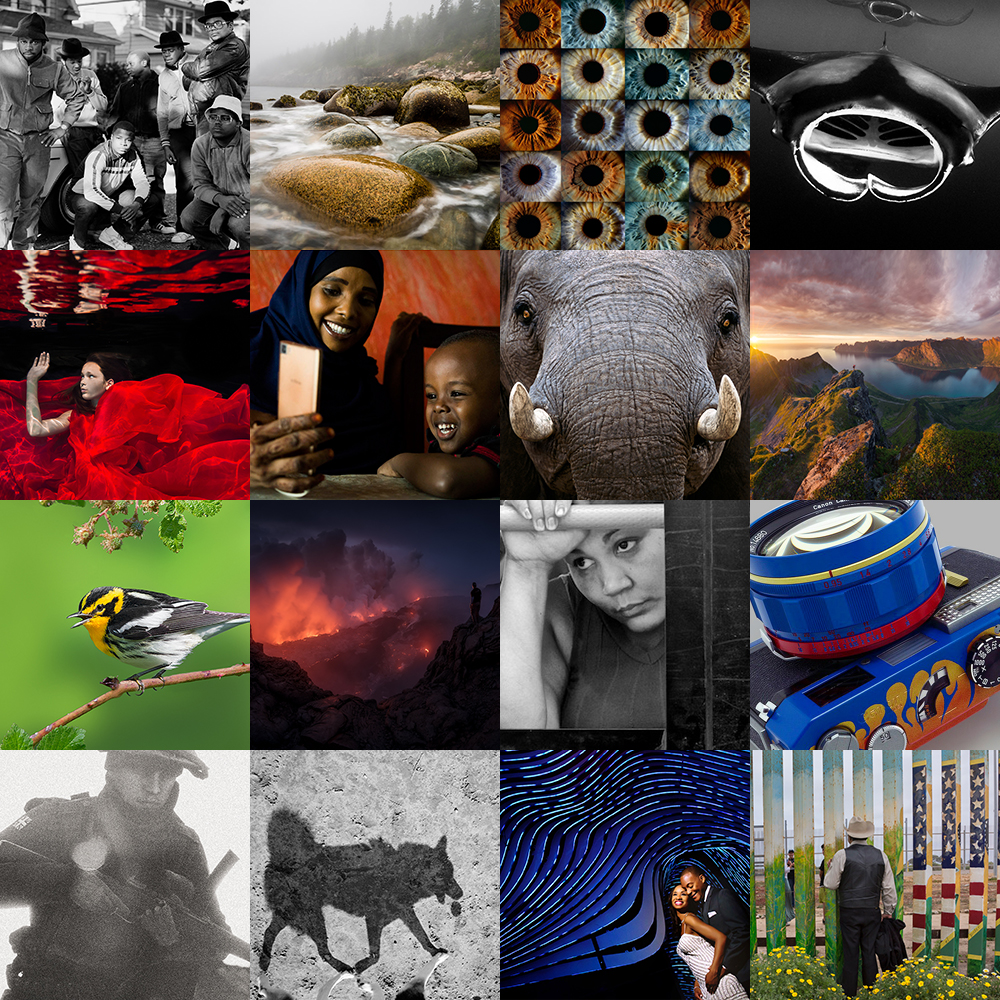
The Year-End Schmooze: Favorite B&H Podcast Episodes from 2017
For the B&H Photography Podcast, 2017 has been a wonderful year. We published our 100th episode, surpassed one million downloads, and reached #1 on the iTunes podcast chart in the Visual Arts category. Achievements aside, we are simply pleased with the remarkable guests we have hosted on our show, the variety of subjects we have covered, and the consistently entertaining and intelligent conversations we have published. And honestly, we are proud to have maintained our production output—week in week out—and to still really enjoy what we do. With this in mind and with gratitude to our listeners, guests, co-workers, and the management at B&H, we have cobbled together a 2017 year-in-review episode in which we discuss our favorite shows from 2017 and play a few clips of the most interesting moments from these episodes. The highlights were many and hard to narrow down, but Allan Weitz chose our episode with photographer Lynn Goldsmith as his favorite, with a close second being our talk with Bellamy Hunt, aka the Japan Camera Hunter. He also mentioned our talks with Richard Drew on his photograph, referred to as "Falling Man," and our episodes with photojournalists (and husband and wife) Ben Lowy and Marvi Lacar. As for Jason Tables, he pointed to History of Hip-Hop Photography and Night Photography—From Film into Digital, as his favorites. My list included a few of those mentioned above, as well as an episode on social documentary projects, but the clip I chose was from our serial segment, "Dispatch" with Adriane Ohanesian, in which she recounts the story of a fatal attack she endured while covering a story in Congo. We discuss several more episodes during this end-of-year extravaganza and hope that the clips pique your interest and inspire you to subscribe to our show and check out programs from our catalog, which now includes more than 100 episodes. Thank you and happy New Year from Allan, Jason, and John. Guests: Lynn Goldsmith, Bellamy Hunt, Richard Drew, Ben Lowy, Marvi Lacar, Danny Hastings, Eric Johnson, Janette Beckman, Vicky Tobak, Chris Nicholson, Lance Keimig, Adriane Ohanesian Photographs (l-r) © Janette Beckman, Robert Rodriguez Jr., Mark Maio, Christian Vizl, Jenna Martin, Adriane Ohanesian, Art Wolfe, Daniel Kordan, David Speiser, Ryan Dyar, Steve Simon, Bellamy Hunt, Leo Sang, Thomas Roma, Jide Alakija, Griselda San Martin

Food Photography and "Eating Delancey"
Photographing food is far from being a new facet of photography. Whether for commercial or artistic purposes—think William Henry Fox Talbot, Edward Weston, Irving Penn—it can be found throughout eras and styles, but it sure seems like we are currently witnessing a boom in food photography. With the foodie culture exploding and the profusion of #foodporn and #foodstagramming, there is no shortage of photographed meals flying around the Internet. Our guests on today's episode of the B&H Photography Podcast have a wealth of experience in this arena, having shot food photography for a combined total of... many years. Specifically, they join us to talk about their latest book, Eating Delancey: A Celebration of Jewish Food, but while at it, we discuss food photography in general, from gear and technique to workflow for editorial and commercial assignments, and even for cookbooks. We also discuss the change in food photography styles over the years and ask their opinions on the proliferation of "food selfies." Aaron Rezny has photographed major campaigns for Nestlé, Duncan Hines, Kellogg's, Russell Stover, Nabisco, and Applebee's, and his work has appeared in Bon Appétit, Food & Wine, New York Magazine, and other publications. Jordan Schaps is an author, Professor of Photography at the School of Visual Arts, and the former Director of Photography at New York Magazine. He has produced shoots for inStyle, GQ, Lincoln Motors, and many other commercial and editorial clients. Together, they have produced a wonderfully engaging book. Join us for this educational and, at times, hilarious episode. Guests: Jordan Schaps and Aaron Rezny
Celebrity News Photography
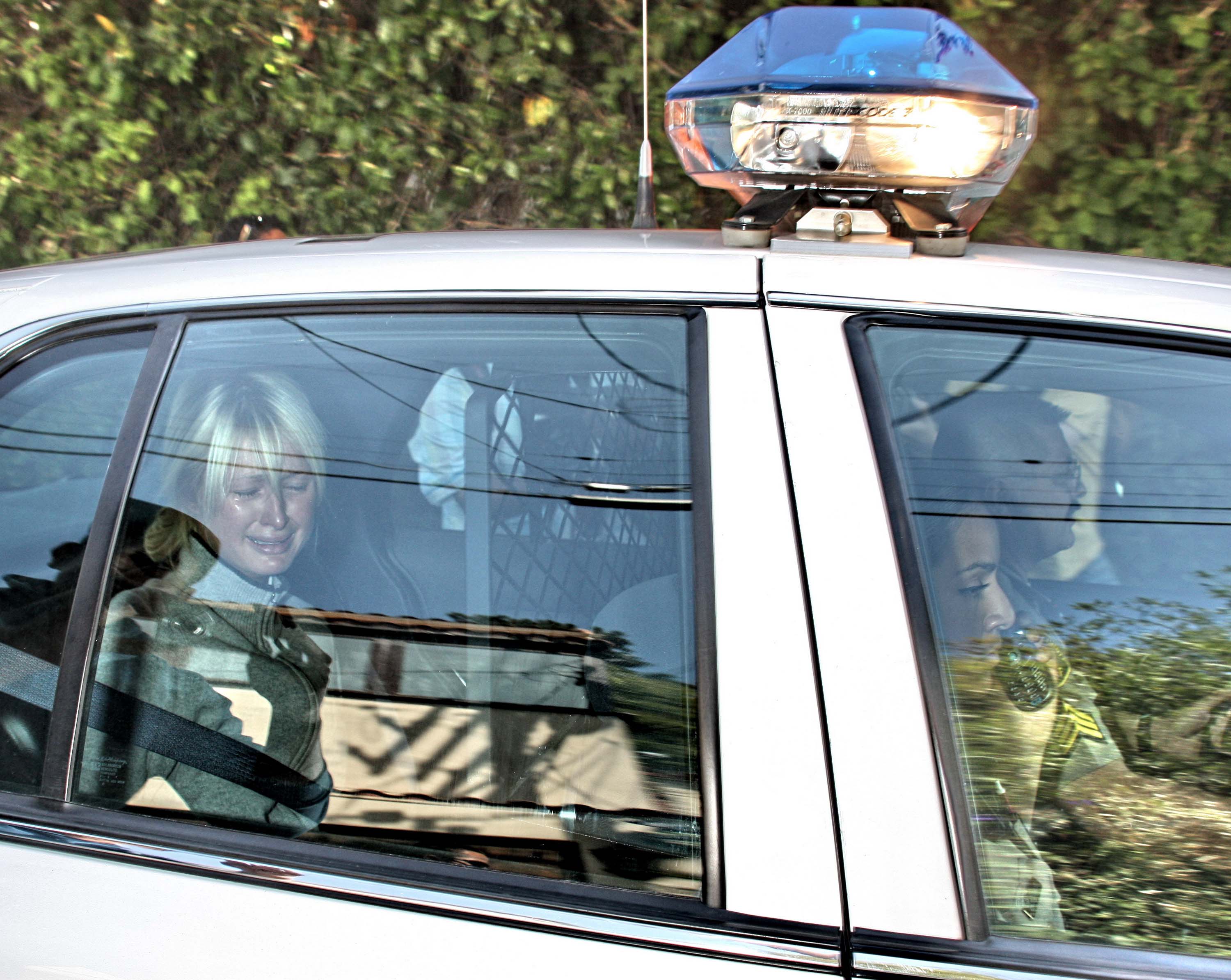
From where do all the celebrity photos in People, Us Weekly, Vanity Fair, and other magazines come? They come from hard-working professional photographers plying their trade, and the agencies that distribute and license these images, of course. On today's episode of the B&H Photography Podcast, we will discuss the nuts and bolts of working in the celebrity and fashion news business—from the point of view of the agency and of the photographer. There is no shortage of entertainment news photos, many of which are taken on the "red carpet" and through a collaborative network of celebrities, publicists, photographers, and agencies. Others, shot in less controlled settings, are a product of a photographer's instinct and dogged persistence. This type—for good or bad—we call paparazzi photos. Arranged portrait sessions, concerts, and press conferences can also fall into this category of celebrity "news" and our guests, having experience in all the above, will discuss the distinctions between these, as well as the ins and outs of making a living in this arena. We welcome Chris Doherty, founder and owner of Instar Images. With offices in New York, London, and Australia, Instar is one of the top independent agencies specializing in entertainment news and events. We also speak with photographer Jennifer Graylock of Graylock.com, recipient of the 2017 Top Red Carpet Photographer Award. In addition to her work for celebrity and corporate clients, her photos often grace the pages of People, TV Guide, InStyle, and Glamour magazines. We ask Doherty what agencies look for in a photographer and what makes a good celebrity image. We also discuss the varying clients he works with, Instar's website and archive, payment structures, and changes in the industry in the wake of smartphones and social media. Graylock brings the photographer's perspective and talks about gear choices, protocol within the "pen," protecting your copyright, and how to maintain relationships, get access, and stay "current." Join us for this very informative episode. Guests: Chris Doherty and Jennifer Graylock Photograph: © Karl Larsen/ Courtesy of Instar Images

Are Point-and-Shoot Cameras Still a Thing?
With the proliferation and improvement of cellphone cameras, even the idea of a stand-alone point-and-shoot camera is becoming obsolete. Or is it? Despite the inarguable decline in sales of the traditional point-and-shoot digital camera and its decreasing number on store shelves and in jacket pockets, there are still cameras defined as "point-and-shoot" that are solid sellers, and those that offer high-end features. As Allan Weitz points out on this episode, almost all cameras can be set to a "point-and-shoot" mode, but the compact digital cameras that made up the bulk of camera sales five years ago are now struggling to find a place in the market and the trend seems to be that they are diversifying their feature sets and finding niches in which to remain viable. For example, "tough" waterproof cameras and long zoom "bridge" cameras are selling well, and large sensor point-and-shoots like the Fujifilm X100F and the Sony RX100 series, are very popular. On today's podcast, we welcome B&H expert and host of Lens Therapy Live on Instagram, Chris Williams, to the studio to talk about point-and-shoot cameras. We discuss which models are still selling and why, which features are appearing and which disappearing and the photographers to whom these features appeal. In the second half of the show, we go over exemplary cameras from each of the point-and-shoot categories and speculate on the future of this once beloved camera type. Guest: Chris Williams

Industry Trends for 2018 and Episode 6 of "Dispatch"
In the previous episode of the B&H Photography Podcast, we talked about the best-selling, the most important, and our favorite new cameras from 2017. In this week's episode, we look ahead to 2018 with a discussion on "industry trends" and the new technology and photo gear we expect to see more of over the coming years. We welcome back Yaakov Adler and Levi Tenenbaum with their insight on the subject, and we discuss the improving technology of cellular phone cameras, new memory cards, wireless applications, electronic shutters, and even the "draw of analog," amongst other topics. We also mention the current cameras that are on the forefront of incorporating these technologies. On the second half of our show, we continue with our serial segment, "Dispatch" with Adriane Ohanesian. Based in Kenya and covering stories throughout Africa, Ohanesian is the 2016 Anja Niedringhaus Courage in Photojournalism Award winner and a World Press Photo award winner whose work appears regularly in the New York Times, Wall Street Journal, VICE, and other publications. After a deadly attack during a photo assignment in Congo and recovering from malaria, Ohanesian has returned to her "normal," which means extended assignments throughout the region covering conflict, resource and migration issues, and in this case, the last male Northern White Rhino in existence. Join us as we get an understanding of the working life and photographic process of a freelance photojournalist. Guests: Yaakov Adler and Levi Tenenbaum; Adriane Ohanesian

The 2017 Cameras of the Year and Best Sellers
We're offering our annual end-of-year listicle of a podcast a bit early, but it comes with a good deal more information than usual. We polled the writers and experts at B&H to put together a set of cameras that represent the best or most important cameras released in 2017 and we welcomed Levi Tenenbaum and Yaakov Adler, two of our most knowledgeable staffers, to talk about the pros and cons of these cameras. To anyone paying attention to the photo industry, it should be none too surprising that new cameras from Nikon and Sony are competing for top honors, but you might be surprised at the rest of the cameras in our top ten list and at which point-and-shoot and medium format cameras come into play. Additionally, in the second half of the show, we offer statistics from the B&H website regarding the best-selling and the top-rated cameras of the year. These are not necessarily cameras announced in 2017, but we provide the top scores for cameras in all categories, as well as for lenses and accessories. Also, be sure to tune in next week for our companion episode on "Industry Trends for 2018!" Any podcast with Levi and Yaakov as guests is bound to be informative and entertaining, and this is no exception. Enjoy. Guests: Yaakov Adler and Levi Tenenbaum

A History of Hip-Hop Photography
With great thanks to Vikki Tobak and the Contact High Project, we welcome three photographers to our studio who are responsible for some of the most iconic images from the history of hip-hop. Janette Beckman, Eric Johnson, and Danny Hastings join us to tell the stories behind their photos of Run-DMC, Wu Tang Clan, Lauryn Hill, and many others. We also speak about issues important to photographers, from on-set technique, to artistic collaboration and influence, to gear, to networking and, of course, licensing of images. For us, this was a highly anticipated recording and it did not disappoint. Whether you are a hip-hop fan interested in behind-the-scenes stories or a photographer looking for insight, join us for this incredible conversation. Janette Beckman began her career at the dawn of punk rock in the U.K., photographing The Clash, Sex Pistols, and Boy George, as well as three Police album covers. Moving to New York in 1982, she was drawn to the underground hip-hop scene and photographed pioneers such as Run DMC, Slick Rick, Salt'n'Pepa, Grandmaster Flash, and Big Daddy Kane. She has published four books and currently has an exhibition of silkscreen prints at 212 Arts in New York. Eric Johnson has created iconic hip-hop images of Notorious B.I.G, Lauryn Hill, Dipset, Li'l Wayne, and newer artists like G Herbo and Cakes da Killa. His work stretches across music genres to include Lady Gaga, Bruno Mars, and Maxwell and, for the past decade, he has helmed Upstairs at Eric's, a loft space in Manhattan that is equal parts studio, gallery, disco, lounge, and design studio. Danny Hastings has shot 150 album covers and directed more than 40 music videos. Listed in Complex Magazine as one of the rap photographers every rap fan should know, his most notable album covers include Enter the Wu-Tang (36 Chambers), Big Pun's Capital Punishment, Nas's IA, as well as album art for Raekwon, Eminem, and Jeru the Damaja. Hastings is now directing his second feature film. Vikki Tobak is a journalist, correspondent, and former CNN producer who currently writes and produces for Complex, Mass Appeal, and The FADER. She is the author of Contact High: Hip-Hop Photography + Visual Culture, an upcoming book from Penguin/Random House. More from the B&H Photography Podcast Guests: Janette Beckman, Eric Johnson, Danny Hastings, Vikki Tobak

A Walk through PhotoPlus Expo 2017
New York City affords a photographer many opportunities, including the annual gathering of photo professionals at the PDN PhotoPlus International Conference + Expo. Founded in 1983, it is the largest photography and imaging event in North America and features seminars, master classes, portfolio reviews, and a convention center filled with the latest cameras, lenses, and accessories from the major manufacturers and the not-so-major manufacturers. It is at the latter at whom we aimed our microphones as we wandered around the Expo floor. It's certainly beneficial to handle new cameras and test lenses, but at events like these, speaking with the functionaries from Canon, Nikon, Sony, etc. rarely elicits candid answers or information you can't already find on a press release, so we decided to skip the big booths and concentrate on the vendors from smaller manufacturers to find out what they are bringing to market. We spoke with representatives of long-established firms like Beseler, Fotodiox, Denny Manufacturing, and Platypod to hear what's new in their catalogs, and we also spoke with newer brands and services such as My Case Builder, Foto Op, COOPH and Film Toaster to better understand their new ideas and products. More from the B&H Photography Podcast Guests: Charlie Knecht, Steven Holand, Robert Maclay, Bohuš Blahut, Cecil Williams, Ulrich Grill, Colbert Colin, Larry Tiefenbrunn Photograph © John Harris

Bird Photography
Bird photography is a big deal around B&H, and we're not just talking about the lenses needed to get those wonderful close-ups of warblers, herons, gulls, and raptors. Bird photography is a passion that grabs pros and amateurs alike and seems to not let go; there are very few photographers as dedicated to their craft (and gear) as bird photographers. We are fortunate to have two photographers with us to discuss the gear, technique, and protocols necessary to capture pleasing images of our feathered friends. David Speiser is a member of the Board of Directors of New York City Audubon and has been an avid bird photographer for more than twenty years. He has an incredible body of work that includes birds of all varieties, and brings not only technical excellence to his photographs, but a birder's meticulousness to his archive. Klemens Gasser is a visual artist who became enthralled with birding several years ago and turned his fixation into an exhibit of bird photographs enlarged to 72 inches across. He brings an artist's spirit to his bird photography and humor to our discussion, and clearly loves the thrill of the chase. We speak with these two photographers about the gear and apps they use, their shooting styles, favorite locations, and how digital technology has transformed bird photography. Join us for some very practical advice and a fun conversation and for links to the gear mentioned in this article follow this link. Guests: David Speiser and Klemens Gasser Photograph © David Speiser

The Markers of Our Bliss—Lynn Goldsmith, KISS, and Rock 'n' Roll Photography
With her latest book, KISS: 1977-1980, just released, legendary rock 'n' roll photographer Lynn Goldsmith joins us to talk about her time with this extraordinary band and what drew her to photograph and befriend them. In addition to the stories behind some of her iconic photos of Frank Zappa, Bob Dylan, Patti Smith, and Prince, we also speak with Goldsmith about her other creative outlets. Did you know that she released an album under the name Will Powers, was co-manager of the band Grand Funk Railroad and photographed for the National Lampoon? Throughout her career, Goldsmith has demonstrated an ability to photograph musicians in a manner that embodies their music and, as is the case with her new book, with an understanding of what the band's fans want to see. We talk to her about creating the atmosphere for the shot you want, about changes in music publicity over the years and the varying approaches she takes when shooting in-studio, at a live concert, or with an artist in a more casual setting. We also chat about other aspects of her photographic work and what her music and celebrity portraiture shares with her documentary and fine art work. The magic of photography and the joy of creativity burn bright in Lynn Goldsmith, so join us for this enjoyable and insightful conversation. If you are in the Los Angeles area on November 3, 2017, join Lynn Goldsmith and Paul Stanley from KISS for a special presentation and book signing at the Barnes & Noble bookstore at The Grove. Guest: Lynn Goldsmith Photograph © Lynn Goldsmith B&H Photography Podcast

The Passionate Photographer and Episode 5 of "Dispatch"
Steve Simon is The Passionate Photographer, and in the short conversation we had with him at the 2017 OPTIC Conference, it became clear why. Not only does he exude a passion for photography (and for cameras) but his photographs are imbued with humanity, humor, a wonderful sense of composition, and his talent for capturing the decisive moment. Whether it is street photography, long-form documentary or his wonderful news coverage of presidential campaigns and conventions, his passion is on display. We talk with Simon about a range of subjects, including his first cameras, his popular workshops, and what motivates him to keep shooting. After a break, we return with the fifth installment of our series "Dispatch with Adriane Ohanesian." In this segment, she recounts her harrowing story of coming under attack while photographing a story on illegal gold mining in the Democratic Republic of Congo. Ohanesian is an award-winning photojournalist, based in Kenya, who covers humanitarian crisis and conflict in South Sudan and Somalia. On this assignment, she had hiked deep into the Okapi Wildlife Reserve with rangers returning to a gold mine that had been cleared of illegal mining, only to be attacked by militia members looking to reclaim their site. Her incredible story involves hiding overnight in a mine pit within earshot of her attackers, fleeing barefoot through the jungle, only to get lost and returned to the mine she had hoped to escape. Join us for this bracing episode, which demonstrates what passionate photographers will do to tell a story worth telling. ---- Gear mentioned in this episode: Nikon D500 DSLR Camera Nikon D5 DSLR Camera (Body Only, Dual CF Slots) Nikon D5 DSLR Camera (Body Only, Dual XQD Slots) Guests: Steve Simon and Adriane Ohanesian Photograph ©Steve Simon

"Learn Travel Photography, Best"
If inspiration is what you are looking for, the story of how Eric Kruszewski became a photographer should supply you with plenty of it. Of course, it all starts with a personal desire but, planning, networking, hard work, and even a simple Google search like the eponymic one above, all go into the recipe for success. Taking up photography as a hobby in your thirties seems a commonplace occurrence, but deciding to change careers and become a working photographer is another story altogether. Join us as we speak with travel, editorial, and documentary photographer Eric Kruszewski about his journey from newbie to National Geographic. We talk about the value of workshops, mentors, cold calls and persistence, and trace Eric's career from its inauspicious beginnings through long-term personal projects, one-off jobs, artistic setbacks, new skillsets and, ultimately, a satisfying career—paying the bills doing what he loves. Allan's "Gearhead Pick of the Week" is the TetherBLOCK QR Plus Quick Release Plate. Guest: Eric Kruszewski Photographs © Eric Kruszewski B&H Photography Podcast

Photoville 2017
This week we took our mics and questions to Photoville, the free nine-day photography festival held in in the shadow of the beautiful Brooklyn Bridge. With exhibitions held in re-purposed shipping containers and on fences throughout the DUMBO neighborhood of Brooklyn, not only does Photoville offer a variety of incredible photography series, but it integrates seamlessly into its urban home. In its sixth year, Photoville Brooklyn has grown to include evening programming, lectures, panels and workshops and, Photoville, founded and run by United Photo Industries, has expanded to seven cities with plans for three more in 2018. The wealth of visual storytelling at Photoville is impressive—in our afternoon visit we saw exhibitions from every corner of the world, touching on the important issues of our day, and passing through all photographic genres. While there, we spoke with several photographers and curators about their work, as well as Photoville co-founder Laura Roumanos. Join our conversations with Daniella Zalcman of Women Photograph on their exhibition "Insider/Outsider," with Sergeant John Martinez of the United States Marine Corps, about the series "Battles Won," and with the Director of Photography of The Player's Tribune, Nate Gordon. We also speak with Rachel Dennis of Talking Eyes Media, about their multimedia exhibit "Newest Americans," organized in coordination with the Center for Migration and the Global City at Rutgers University, Newark, and the VII Photo Agency. Photography festivals and workshops are a gift to photographers and non-photographers alike. Join us as we find inspiration and motivation from the incredible image-makers found at Photoville and, if you are in New York, check out all the exhibitions and activities yourself, from September 21-24, 2017. Guests: Laura Roumanos, Daniella Zalcman, Nate Gordon, Sgt. John Martinez, and Rachel Dennis Please see our home page for more information and photos from Photoville https://www.bhphotovideo.com/explora/podcast https://itunes.apple.com/us/podcast/b-h-photography-podcast/id1052860428?mt=2

Tilt-Shift Lenses
Canon has recently announced the addition of three new tilt-shift lenses to its lineup, a relatively big deal for a type of lens often considered merely a tool for architecture photography. The truth is that tilt-shift lenses are used in many photographic applications, from landscape to portraiture, and their creative possibilities are limitless. Also, with this release, Canon has expanded the format to include a TS-E 135mm lens, pushing the boundaries of what can be achieved with perspective-control optics. Using this news as the keystone, we have built an episode of the B&H Photography Podcast around tilt-shift and perspective-control lenses. We discuss the history and general principles of these types of lenses, as well as their common (and not so common) applications. We explain the difference between tilt and shift and address the fact that perspective corrections can now be made in post-production and, despite that, the value that in-camera control offers. We wrap up with an inventory of the many tilt-shift lenses available from B&H, including those from Nikon, Canon, Schneider and Rokinon, as well as those available in the used market and those for medium format cameras. Join us for this informative discussion and let us know about your most valued tilt-shift lens and what you photograph with it. Guest: Todd Vorenkamp

BONUS CONTENT - Richard Drew
On this week's episode of the B&H Photography Podcast we spoke with AP photojournalist Richard Drew about his powerful and haunting photograph, "The Falling Man", taken during the attacks at the World Trade Center on September 11, 2001. However, during our conversation, we also touched upon other aspects of his career including the night of June 5, 1968, at the Ambassador Hotel in Los Angeles, when Robert Kennedy was assassinated. We felt this material, while not fitting with our "Falling Man" conversation, was worth a listen and have created a short "bonus" episode for those interested. In addition to his experience at the RFK assassination, Drew discusses his Pulitzer Prize-winning work during the 1992 presidential campaign, his early years as a reporter in Southern California and the changes in gear and methods of image transmission that he has seen in his fifty years of photojournalism. Join us for this educational conversation. Guest: Richard Drew Image: AP Photo/Richard Drew

Accept the Witness—Richard Drew and "The Falling Man"
"The Falling Man" is the name that has been given to the photograph of a man falling from the north tower of the World Trade Center during the attacks of September 11, 2001. The image depicts a lone figure falling headfirst against the backdrop of the vertical lines of the twin towers. As an image, it is a striking composition and the casual position of the man's body bisecting the two towers, has even been described as graceful. These visual elements mask the horror of its immediate context and perhaps add to the upsetting response that often accompanies this image. Unlike other photographs from that day, this image does not explicitly depict carnage and destruction, but it is this image that has been often singled-out as too disturbing to view, too galling to publish. In fact, the image was published by many newspapers on the day following the attacks and was received with such recoil that editors were called to apologize for its inclusion and almost immediately, it fell under a shroud of obscurity, which in the sixteen years since 9/11, has been slowly lifted. On today's episode of the B&H Photography Podcast, we welcome veteran Associated Press photojournalist Richard Drew who took this now iconic photograph. We talk with Drew about his experiences on September 11, 2001, about media self-censorship and about how this photo, which is simultaneously peaceful and deeply painful, had been received, rejected and perhaps now, accepted as part of the whole story and a symbol of all that was lost that day.
Conflict and Compromise - Ben Lowy and Marvi Lacar
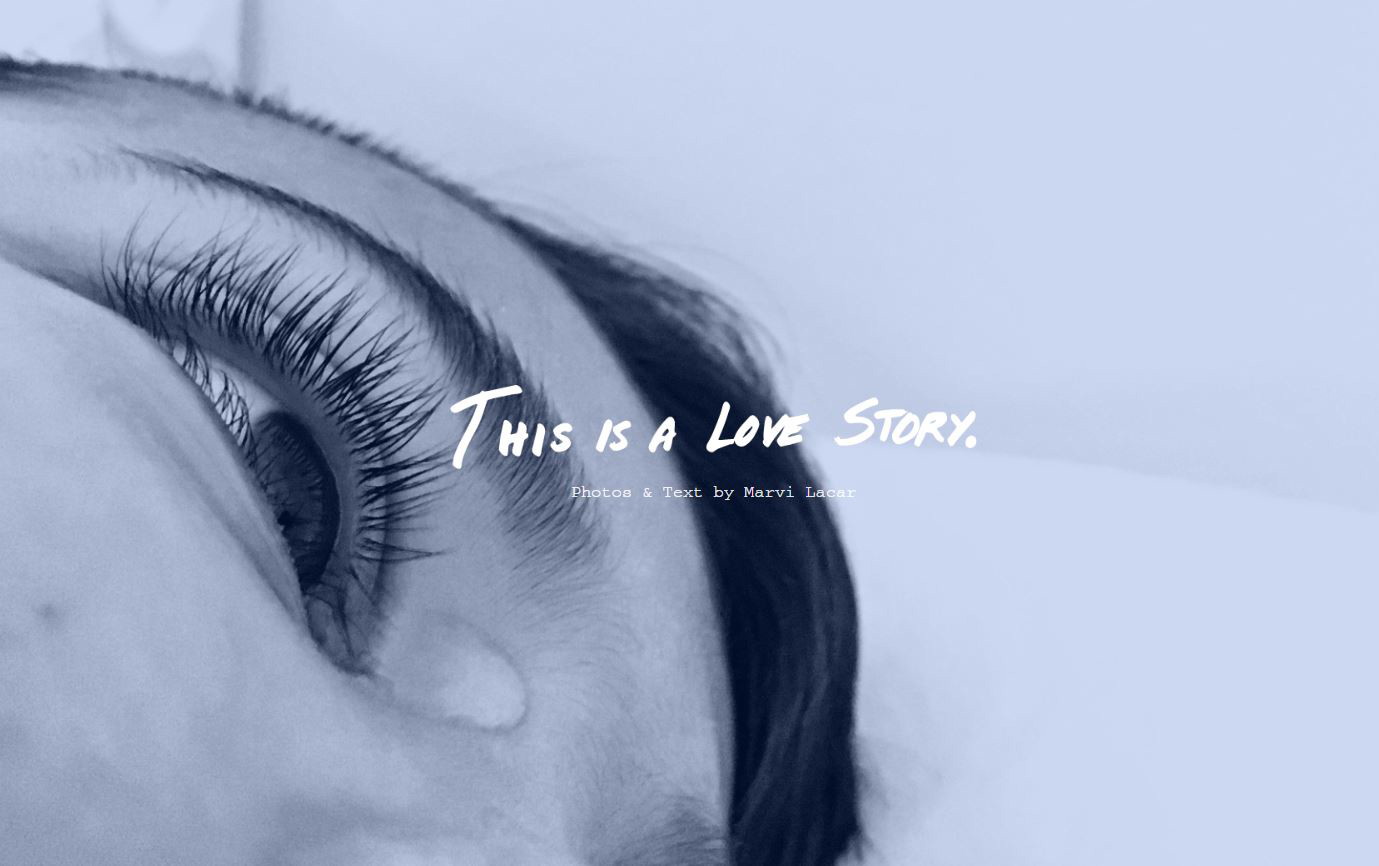
On today's episode of the B&H Photography Podcast, we continue our exploration of photographic collaboration with photojournalists Ben Lowy and Marvi Lacar. In addition to sharing a vocation, they also share two children and a life together. Photojournalism is a decidedly independent, at times dangerous, career, certainly not one known for a routine home life, but when domestic responsibilities and children enter the picture, how does a couple balance craft and career with the need to earn a living and the time needed to nurture relationships? More so, when both people are working in the same field, how does bolstering one career cross the line into debilitating the other and how does a creative couple find ways to support each other's efforts? Lowy and Lacar bring an animated humor and a willingness to talk about the difficult moments from their lives and careers and explain how they have come to recognize their best personal and professional attributes and bring those strengths into a working relationship that continues to evolve. -------------------- Gear discussed in this episode: Yongnuo YN686EX-RT Lithium TTL Speedlite for Canon Cameras Sony Alpha a9 Mirrorless Digital Camera Sony Alpha a7R II Mirrorless Digital Camera -------------------- Guests: Marvi Lacar and Ben Lowy Photograph: Marvi Lacar

The Japan Camera Hunter
I don't think I've ever seen Allan as happy as he was during our recording of this episode and, if you are into vintage cameras, lenses, and all things film photography, just sit back and enjoy our conversation with Bellamy Hunt, aka the Japan Camera Hunter. The palpable enthusiasm between these two camera lovers cannot be feigned, and they talked like old friends about Nikon SP, Canon rangefinders, Hasselblads, and anything with a red dot. We also learn how an Englishman arrived in Japan, worked for a camera company, became a camera hunter, and eventually developed a business that not only sources vintage and rare cameras, but sells film, custom-paints cameras, and writes and shares his love for photography on the "JCH" site. In addition to talking about cameras, we discuss the photography culture of Japan, camera shops of Tokyo, and the renaissance of film photography. Join us for this pleasurable conversation on the B&H Photography Podcast. --------- Some of the gear mentioned in this article: Artisan & Artist LMB-M3 Half Case for Leica Black Label Bag Half Case for Leica MegaGear Ever Ready Half-Bottom Leather Case for Sony Guest: Bellamy Hunt Image courtesy of Bellamy Hunt

Photographing and Viewing the 2017 Solar Eclipse *ENCORE PRESENTATION*
On August 21, 2017 there will be a total solar eclipse passing across the United States from the northwest to the southeast. While the path of totality will be in the center of the country, at least 60% obscuration will be seen throughout the U.S. and into Canada and Mexico. This is a historic event and millions of people will be viewing and photographing it. On today's episode, we will discuss the what, when, and where of the eclipse and concentrate on the best and safest ways to view and photograph it. Joining us for this discussion are Senior Staff Writer Christopher Witt, our in-house telescope and optics expert, and photographer and B&H Photography Podcast veteran Todd Vorenkamp, who will explore the best ways for novices as well as experts to view and photograph the eclipse. After a break, we welcome noted astronomer and night sky photographer Dr. Tyler Nordgren who will offer his thoughts on the eclipse and explain why it might be best to not photograph this eclipse. Finally, we will be joined by Dr. Laura Peticolas from the Space Sciences Laboratory at the University of California, Berkeley. Laura will discuss her plans for the eclipse, specifically discussing the Eclipse Megamovie project, a crowd-sourcing effort to collect and share images across the path of totality. Join us for a multi-faceted conversation about this once-in-a-lifetime event. Guests: Dr. Tyler Nordgren, Dr. Laura Peticolas, Christopher Witt, Todd Vorenkamp Photograph: Tyler Nordgren Dr. Tyler Nordgren- 38:50 Dr. Laura Peticolas (Eclipse Megamovie)-56:10
Seeing in Sixes with Brooks Jensen and Episode 4 of "Dispatch"
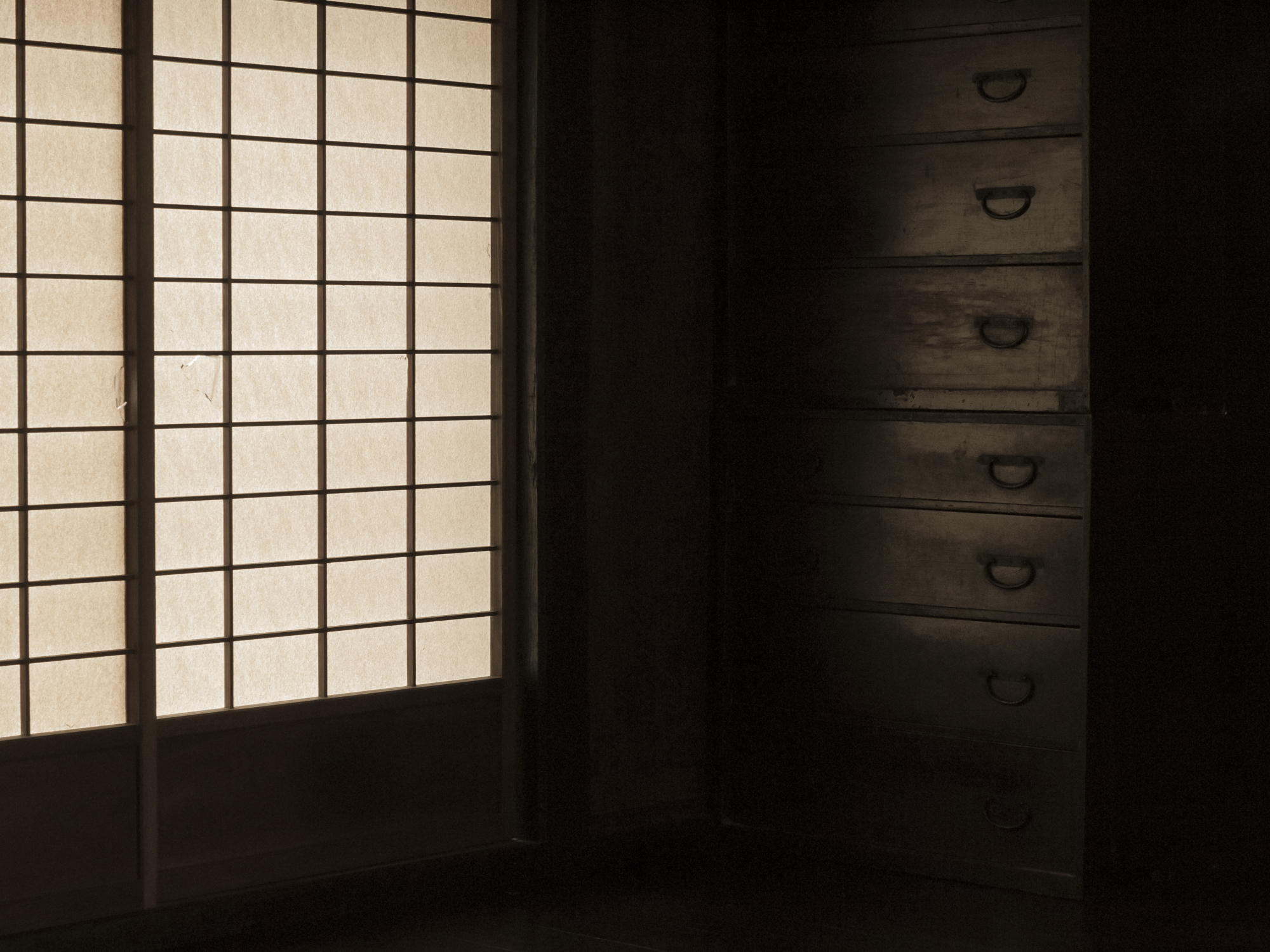
Structure and limitation is a key to the artistic process. This is the idea that opens our conversation with photographer and publisher Brooks Jensen. In addition to his work as a fine-art photographer, Jensen is well recognized as the publisher of LensWork, the beautiful print magazine (and website) about photographs (not cameras!). We speak with him about LensWork's "Seeing in Sixes" competition, in which photographers submit a series of just six images with the idea that this limited number forces efficiency and creativity. Our discussion glides to other topics, such as the purpose of art, digital versus analog preservation, and the simple joy of creating and sharing your work. On the second half of our show we return for Episode Four of "Dispatch," with Adriane Ohanesian. In this segment, Ohanesian talks about the cameras, lenses, and gear she uses in covering breaking and long-form news in Africa. She compares her newer Sony mirrorless to her Canon "tanks," and offers insight on working in some of the toughest conditions imaginable. Ohanesian also continues to detail her assignment work and, on this occasion, she is in the Democratic Republic of the Congo with rangers combating illegal poaching and mining in the Okapi Wildlife Reserve. She tells of the region and the struggle for resources, and of the dangers, both natural and human, which confront locals and visitors. Chronicling her time with the rangers and her miles-long hikes through thick jungle, she shares thoughts on interacting with subjects and developing photo narrative with understated humor, and prepares us for the next chapter to this story, which ultimately turns quite tragic. Guests: Brooks Jensen and Adriane Ohanesian Photograph: Brook Jensen from "Shoji - In Praise of Shadows"

Irving Penn - Many Versions of Perfect
We tried something a little different with this episode of the B&H Photography Podcast. We took three writers from our Explora blog along with us as we visited the Metropolitan Museum of Art to see the much praised photography retrospective, Irving Penn: Centennial. Upon our return we gathered to talk about the exhibit and the influential work of Irving Penn. If you love photography, the name Irving Penn should be familiar to you, but this retrospective places equal emphasis on work that falls outside the realm of his famed fashion and portraiture for Vogue Magazine and synthesizes his almost 70 years of photography, acquainting us with his still-life, documentary, nudes, and even street photography, as well as with his skills as a printer. Along with our guests Cory Rice, Jill Waterman, and Akeem Addy, we talk about the works on view in this retrospective-- what impressed us the most, what confused us, what surprised us, and what we learned about the cohesive strength of composition, light, and gesture in Penn's work and just how influential he has been on all of our photography, whether we realize it or not. ------------ Rollei Retro 400S Black and White Negative Film Rollei Ortho 25 Black and White Negative Film Rollei Black Magic Variable Contrast Liquid Emulsion Guests: Jill Waterman, Cory Rice, Akeem Addy Photograph: Pablo Picasso at La Californie, Cannes, 1957 by Irving Penn. Courtesy of The Metropolitan Museum of Art, New York, © The Irving Penn Foundation

Fast, Wide-angle Lenses
On this week's episode of the B&H Photography Podcast we take a look at wide-aperture, wide-angle lenses. With our guest, Neil Gershman, a lens expert from the B&H Superstore, we touch upon the history of wide-angle lenses, their design and general applications, and then we discuss some pros and cons of wide-angle lenses with maximum apertures wider than f/2. Given the market demand and the technical capability, lens manufacturers have been introducing wide-angle prime and even zoom lenses with maximum apertures designed for better performance in low light and greater control of depth of field. We will discuss many of these newest lenses from Sigma, Nikon, and Canon and provide a run-down of all the fast aperture wide-angle lenses available from B&H. Join us for this educational episode. -------------------------- Some of the gear discussed in this episode: Canon EF 35mm f/1.4L II USM Lens Sigma 24-35mm f/2 DG HSM Art Lens for Canon EF Guest: Neil Gershman

Night Photography—From Film into Digital
When you get a chance to speak with an expert, you take advantage. At this year's OPTIC 2017 Conference, when Lance Keimig and Chris Nicholson passed by our mobile studio, we did just that. Keimig is an author, instructor, and above all, a photographer who specializes in night photography. Well before digital technology made photographing the Milky Way an easy endeavor, Keimig was experimenting with film stock and developing processes to create long-exposure images in dark settings. He is currently an instructor at National Parks at Night and along with Nicholson, offers workshops at many US National Parks. On today's episode, we speak with Keimig and Nicholson about the differences between creating night photography with film and with digital cameras. There are obviously many modes and functions on a digital camera that make night photography simpler, but at the heart of the enterprise, is the process the same? We ask this question and discuss techniques used with film and the advantages that accompany digital cameras. We also ask "What is night photography?" and "What are the charms that keep these two photographers interested in this specific discipline?" Listen as Keimig provides insight into the history of night photography and Nicholson discusses his shooting methods and ideas on composition that he applies while working in national parks. For those interested in night photography, this episode is a must-listen. -------- Gear mentioned in this episode: Nikon D750 DSLR Camera Nikon AF-S NIKKOR 14-24mm f/2.8G ED Lens Canon EOS 5D Mark IV DSLR Camera Guests: Lance Keimig and Chris Nicholson Photograph by Lance Keimig
Why Do It Twice? - Visual Engineering with Steve Giralt
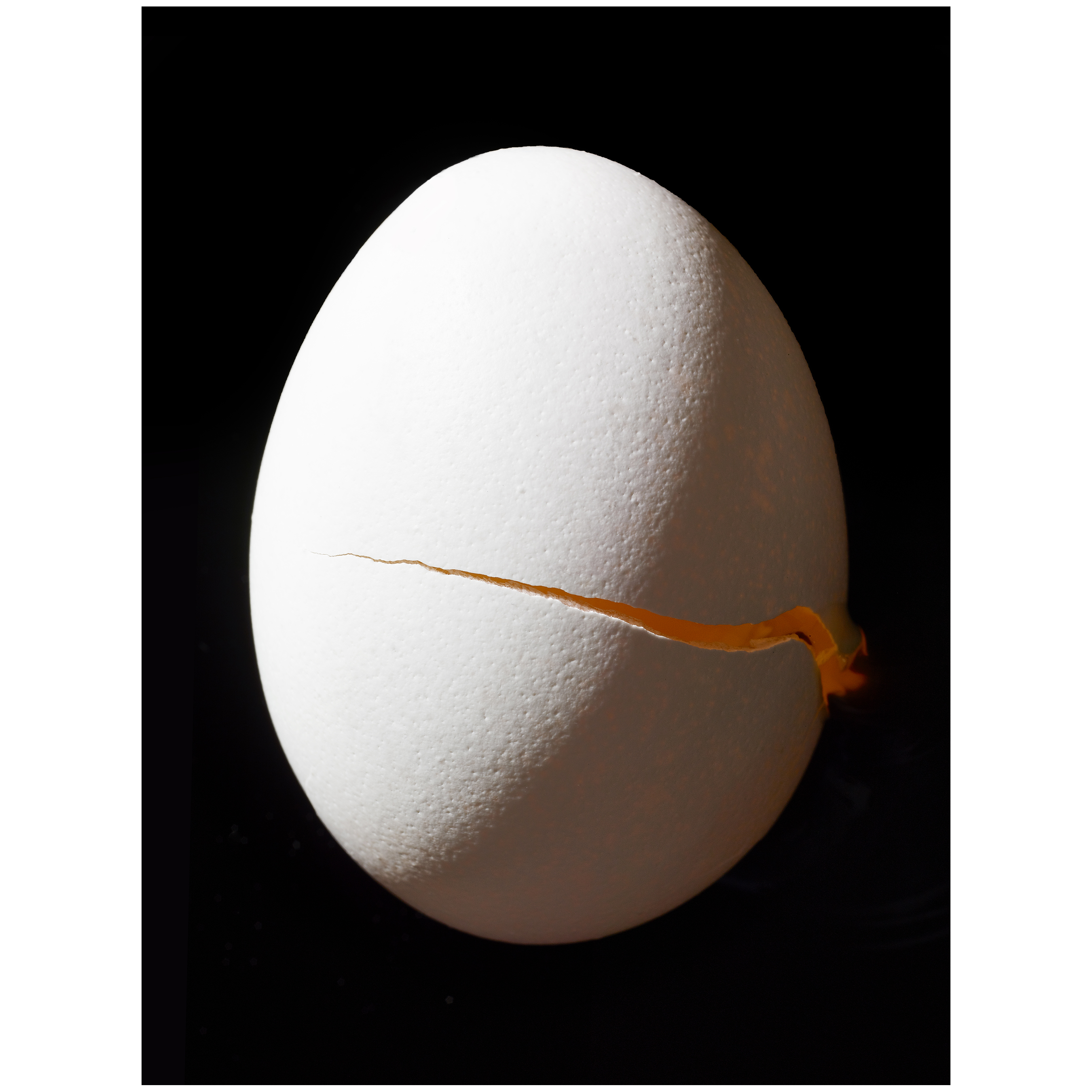
Steve Giralt is an accomplished still life, food, and product photographer and director with a list of advertising clients that includes Harman Kardon, Godiva, BBDO, Starbucks, PepsiCo, Petrossian, and Verizon. With a deep background in digital tech and engineering, and a long list of awards for his still photography, he began to include motion capture in his repertoire and is now on the cutting edge of what he has dubbed, "visual engineering." That term is an attempt to describe what he does, but more so, to describe a new way of shooting in which photography, video, and modern imaging technologies are integrated—integrated within the creation process, as well as in the final product he offers to clients. To complete assignments with this level of integration and with the highest quality of reproduction, Giralt has had to invent new methods for image capture, as well as the tools needed to do so. On today's episode, we visit Giralt in his Manhattan studio and talk about his theory and process for shooting stills and video simultaneously, and the lighting systems and mechanisms he has developed for these tasks. Of course, we ask him about his cameras and lenses, but we also discuss 3D printers, Arduino controllers, LED panels, robotic arms, and an array of old and new tech that he combines to create stunning explosions, slo-mo splashes, and cascading hamburgers! Join us on this forward-thinking discussion to see how much thought and work goes into "visual engineering" before and after the shutter button is pressed. Guest: Steve Giralt

Road-trippin' for Fun and Profit and Episode 3 of "Dispatch"
We return to OPTIC 2017 this week for two wonderful conversations with photographers who ply their trade on the road. First, we speak with Jonathan Irish, who, along with his partner, Stefanie Payne, spent 2016 crisscrossing the country in an Airstream trailer on an epic quest to photograph all 59 U.S. National Parks. They succeeded, and have branded their adventure The Greatest American Roadtrip. Irish discusses the planning it took to reach all of the parks, the sponsorship they received, and the photographic aspect of the journey, trying to capture the legendary landmarks, as well as the off-the-beaten-path locales of each park. Jillian Mann and Kyla Trethewey are Our Wild Abandon and they, too, cruise the country in a trailer, but their journey started four years ago and has no end point—yet. Like most great road trips, theirs started with a need to just get away (from their native Vancouver) and, as often goes, they suffered early setbacks, including a roll-over accident and visa complications. They persisted and not only have documented their experiences, but have developed successful photo careers along the way. Their journey was not initially a photographic exercise, but we speak with them about how their Instagram feed grew and became a method to raise funds, eventually including branded content, and how they made the transition to commissioned assignments and agency representation, while maintaining their photographic vision of life on the road. After a break, we continue with our serial, "Dispatch," with Adriane Ohanesian. Ohanesian discusses her attempt to return to South Sudan, long-term stories that surpass "most horrific image competitions," assignments in Nairobi and Congo, and an update on the plight of four-year-old Mohamed, who is stuck in Kenya, trying to reunite with his mother in the United States. Guests: Jonathan Irish, Jillian Mann, Kyla Trethewey and Adriane Ohanesian Photograph: Our Wild Abandon

Can A Photograph(er) Make a Difference?
Many photographers begin their careers wanting to "make a difference" with their photography, to bring some good to the world, or at least to the people they photograph. It's one of the greatest aspects of the craft and its adherents, but can a photo really bring about long-term change? This is an increasingly relevant question, and one that dogs even the most experienced and socially conscious photographers. Despite this dilemma, many photographers forge ahead, shining a light on horrors and glories with the hope that their images have a positive influence and perhaps, because of this dilemma, some photographers have found ways to use their art, labor, contacts, experiences, and insight to raise money specifically for organizations that are "making a difference." Salem Krieger is an experienced editorial and portrait photographer who had a seemingly simple realization in 2015: he could sell prints of his work and give a portion of the revenue to a non-profit organization of his choice. From this grew Art is Helping, his system for putting artists and art buyers together and letting the buyers determine how much they spend and which organization they support. In a short time, the roster of artists has grown, as has the varied list of non-profits that benefit from the transactions. Alison Wright is an accomplished documentary photographer and author whose work has taken her to every corner of the world. Her latest book is Human Tribe. In 2000, a tragic, near-death accident on a jungle road in Laos and a remarkable story of heroism and recovery brought a heightened perspective to the strength and spirit that pushes people to help one another—even to risk their lives to help complete strangers. With a resolve and empathy born from suffering, Wright rebuilt her life and career and founded Faces of Hope, a fund that provides medical care and education, especially to women and children in crisis around the world. The first act of Faces of Hope was to return to the village in Laos—and the people who saved her life—with five doctors and $10,000 worth of medical supplies. We speak with these two photographers about their work, the power of images, and about the mechanisms they have created to bring assistance to those who need it, while continuing to do the photography they love. Guests: Guests: Salem Krieger - 04:20 Alison Wright - 27:00 Photograph: Alison Wright
The State of the Industry and New Gear at OPTIC 2017
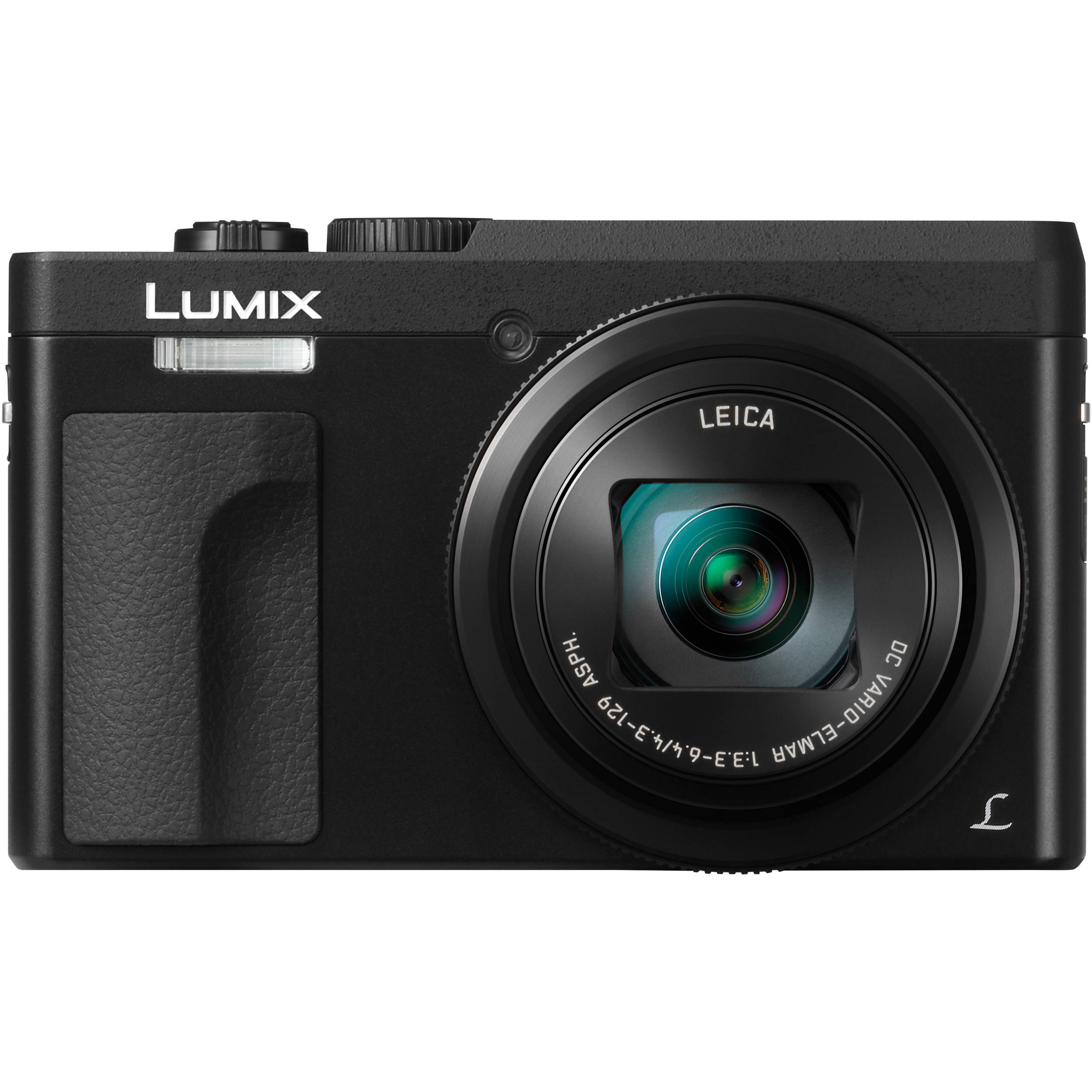
At this year's OPTIC Photography Conference, we sat down with representatives from camera and gear manufacturers to talk about their latest products, and question them on their company philosophies and the general state of the camera industry. We present here a compilation of conversations with four of our guests: Rudy Winston from Canon, Marc Farb from Sigma, Thomas Curley from Panasonic and Rod Clark, founder and CEO of Wine Country Camera. Within this informative episode, we speak about Canon's response to the rise of the smartphone, the success of entry-level DSLRs, possible mirrorless offerings and this year's new releases. With Sigma, we discuss the latest Art series lenses and just who is buying the Foveon-sensor cameras and, with Panasonic, there is much talk about the GH5, but also about new lenses and the company's Lumix point-and-shoots. Finally, we chat with Wine Country, which is producing beautiful filter systems for high-end users, and how this small company is making a go of it in the tricky business of camera and lens accessories. Guests: Rudy Winston, Marc Farb, Thomas Curley, Rod Clark Canon: 02:05 Sigma: 34:40 Panasonic: 47:15 Wine Country Camera: 58:30

Take the Plunge—Underwater Wedding, Portrait and Art Photography
Underwater photography does not have to include sharks, whales, or seals and, for that matter, does not even have to utilize scuba equipment or be near the ocean. Our second episode on underwater photography profiles two photographers who have found their niche shooting wedding, portrait, fine art, and dance themes beneath the surface. Jenna Martin walked away from a career in psychiatry, built her own underwater housing and began using friends and models local to her home in Billings, Montana, to shoot portrait and fine art images. Surprisingly, Martin doesn't use scuba gear or a wetsuit when shooting in pools, lakes, and oceans—she often utilizes props and, most notably, the texture and flow of fabric to create her sensuous and imaginative photos. Adolfo Maciocco started as a dive instructor and eventually turned to underwater photography while working in the Red Sea and Thailand. Upon his return to his native Sardinia, Italy, he began to combine wedding photography with his passion for the water, and now specializes in underwater wedding photography. He has also collaborated with ballet dancers and free divers in a series of images shot undersea, then flipped upside down to create a wonderful, disorienting effect. We speak with these two photographers about their technique and gear, and focus on their DIY approach, as well as on issues regarding safety, working with non-professional divers, and the differences between shooting in a pool and in open water. Guests: Jenna Martin and Adolfo Maciocco Photograph: Jenna Martin

Spring Cleaning and Episode 2 of "Dispatch," with Adriane Ohanesian
It's a short week here at the B&H Photography Podcast, so we thought we'd take care of some cleaning that we have put off all winter. Unless one is a full-time pro or serious enthusiast, most of one's photography is done in the fairer months of spring and summer, whether that be on family vacations, at sporting events, weekend picnics, or just working out that macro lens in the garden. So, it's time to pull the camera bag from the closet and give our gear a quick once-over to make sure everything is in working order. In this episode, we discuss little ways to maintain cameras and lenses, and things to do to prepare them for the shooting season. From firmware upgrades to mode settings to dust and grease removal, there is a lot you can do in a short time to better understand your camera and to keep it functioning smoothly. In the second half of the show, we continue our serial "Dispatch," with Adriane Ohanesian. This ongoing segment takes an inside look at the life and work of a freelance photojournalist working in East Africa. In this episode, Ohanesian updates us on her coverage of the conflict in Somalia as she spends time embedded with African Union troops and travels north, to photograph the effects of the ongoing drought in Puntland. She discusses being contracted by the International Rescue Committee to document the refugees "flowing" from war-torn South Sudan to settlement camps in Uganda and, finally, analyzes the risks and expenses freelance photographers take on while working in conflict zones—and the often adverse objectives of news organizations and NGOs. Guests: Todd Vorenkamp and Adriane Ohanesian Photograph: Adriane Ohanesian

Black and White and Blue—Underwater Fine Art Photography
Today we welcome two photographers from two distant parts of the globe, but both share a sense of a serene underwater world that they envision mostly in black-and-white. Perhaps, surprisingly, Hengki Koentjoro and Christian Vizl claim Ansel Adams as a prime influence on their work, and we talk with them about not only about their artistic influences but about their choice of gear, shooting styles, post-process techniques and safety concerns. We start our episode with Hengki Koentjoro, who is based in Indonesia, and whose work on land and sea is simply stunning. His black-and-white compositions of sea creatures and the interplay between sun and water are more still life than wildlife, as they explore the textures, lines, and shapes found in the waters of his native archipelago. Koentjoro speaks with us about the simple set of tools with which he captures his images and his uncomplicated approach to exploring the waters he knows so well. Christian Vizl brings a similar perspective to his relationship with the sea, although the creatures he normally photographs tend to be much bigger and faster-moving, and the waters he explores extend across the planet. A life-long diver, Vizl has recently received well-deserved attention for his black-and-white images of rays, sharks, and whales, including a 2017 Sony World Photography Award. His approach places experience before image and his respect for the sea and its animals is evident in all he does and says. Stay tuned to the end of this show, when we announce a limited promo code for a 10% discount on all Ikelite camera housings, and, specifically for this episode, we encourage you to visit our podcast landing page to see examples of the images created by these two supremely talented photographers. Guests: Hengki Koentjoro and Christian Vizl

Macro Lenses and Advancing Your Photography with Marc Silber
It has been "Macro Week" at B&H Explora, and this week's episode will put a nice bow on all the articles and photos we have published on the subject, with an overview of what type of macro photography lenses and systems are available. We begin this podcast talking with photographer Marc Silber about his new book Advancing Your Photography: A Handbook for Creating Photos You'll Love, in which he provides a complete guide to get you from concept to completion. He stresses visualizing your image, gathering the correct gear to accomplish that, and walks the reader through all the steps of production, post-production, and exhibition. The tools he provides are apt for beginners. Enthusiasts—and even pros—will pick up a few tricks. After a short break, we continue the macro photography theme with a listing of the latest macro lenses available at B&H, and a practical conversation on what defines macro, techniques for improving your macro photography, and alternative methods for creating close-up and macro images. Guest: Marc Silber Photo: Allan Weitz https://www.bhphotovideo.com/explora/podcast