Beyond the Present Podcast
202 episodes — Page 2 of 5
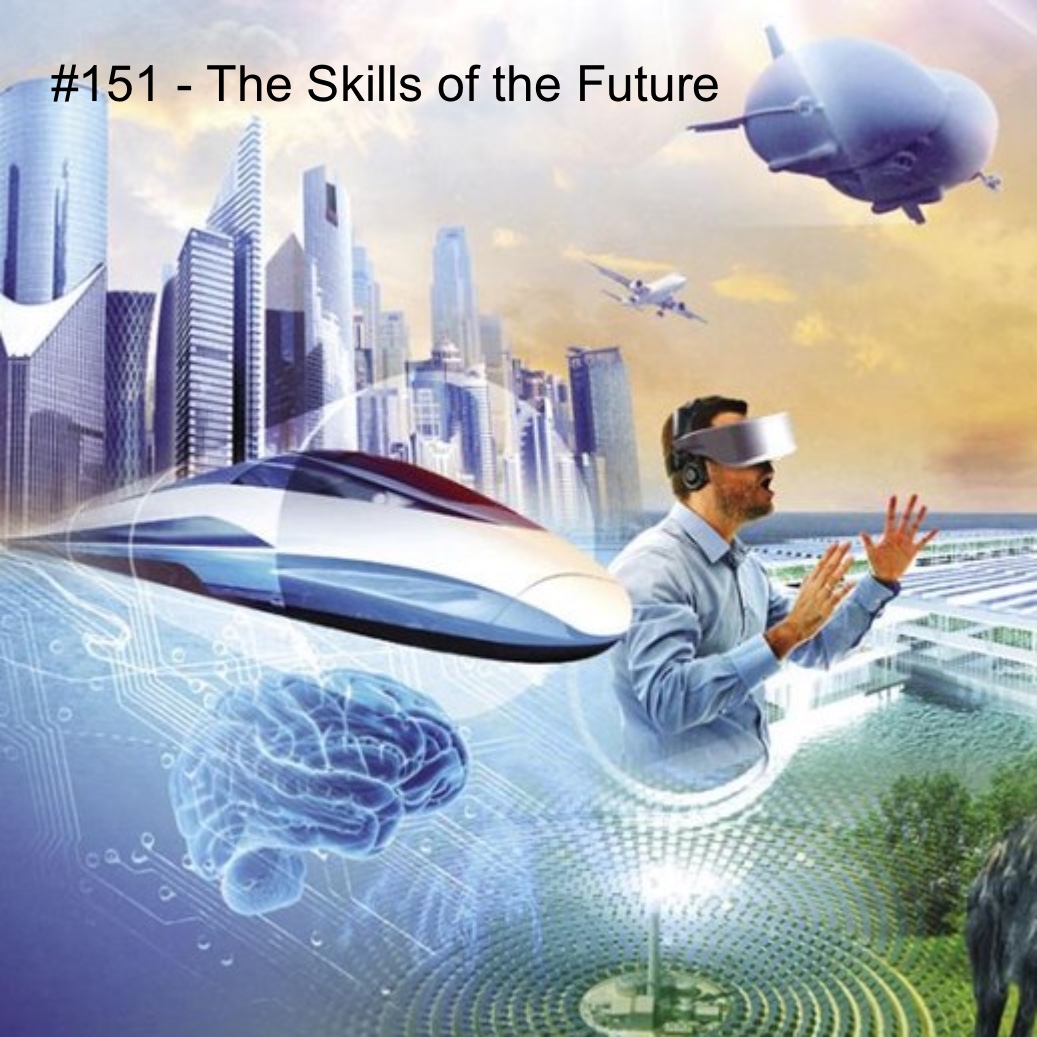
Ep 158#151 - The Skills of the Future
The world is changing rapidly and with it so should we which is why in this episode Daniel discuses the three most important skills that prove essential to prepare us for the world of tomorrow!
Ep 157#150 -The WIERDest people in the world
In this episode Daniel will offer a brief breakdown of the book the WIERDest people in the world that stands for Western, Industrialized, Educated, Rich, and Democratic and uses his international experience to contrast eastern and western cultures.
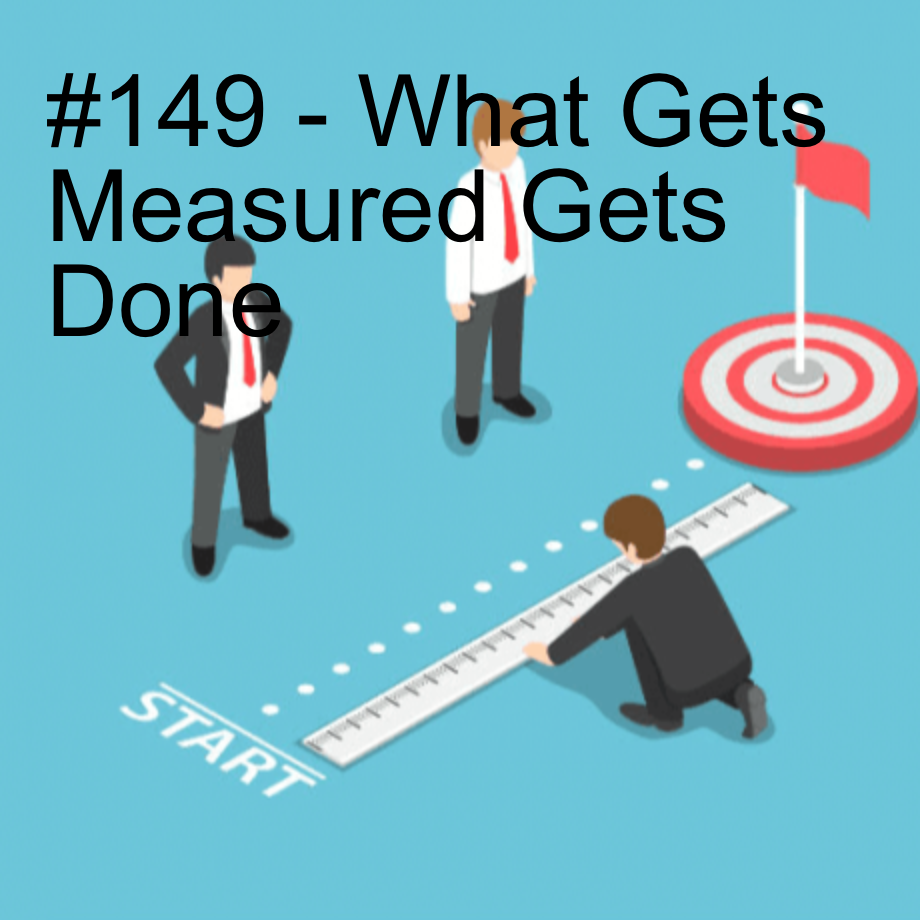
Ep 156#149 - What Gets Measured Gets Done
One of the best tools in the arsenal of success is your ability to regularly check the progress you are making towards your goals and in this episode you will learn why what gets measured gets done.
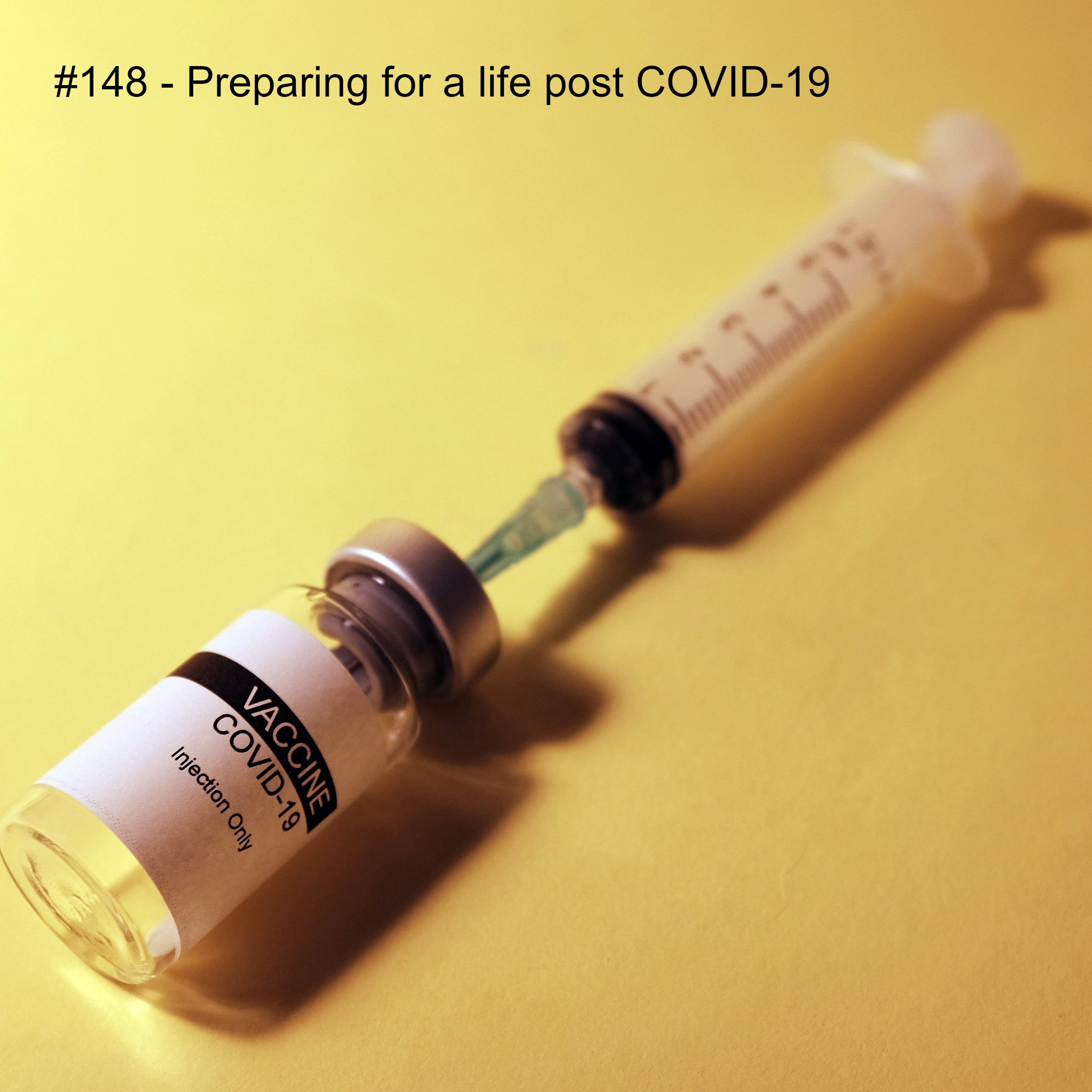
Ep 155#148 - Preparing for a life post COVID-19
As we get closer to the end of the pandemic many of us are wondering how will our lives change after the pandemic and whether we will experience some permanent changes once life goes back to normal. In this episode, we will discuss this very issue and offer our prognosis for the situation. Daniel's Social: Instagram: https://www.instagram.com/danmolgan/ Twitter: https://twitter.com/Danmolgan LinkedIn: https://www.linkedin.com/in/daniel-molgan-41812352/ Pouya's Social: Instagram: https://www.instagram.com/pouyalj/ Twitter: https://twitter.com/pouyalj LinkedIn: https://www.linkedin.com/in/pouyalajevardi/ Episode Transcript...----more---- SUMMARY KEYWORDS pandemic, life, emission, crisis, problem, people, vaccines, literally, world, technology, months, future, article, ready, managed, major, earthquake, living, fact, hope SPEAKERS Pouya LJ, Dan Pouya LJ 00:09 Hello, and welcome back to yet another episode of The BTP podcast joined with Daniel Mulligan as always, how's it going, buddy? Dan 00:17 What a man, buddy, glad to be here with you. Life is great. We're hearing a lot of good news from around the world. I mean, England was the first country to reopen up the first western country to open up, basically, and we're hearing some pretty good news. And based on what we've heard so far of global travel, as we restore, and the level of optimism going up all across the building, so the place that you know, that were hit the hardest, including Europe, which now there's a lot of, you know, sign of hope, basically. And the US, obviously, will be out of this mess. And in a couple, perhaps, three, four months. So that'll be a great news generally couldn't be happier and more excited about the future, the summer is coming. Last one, not the best summer of all, but this one probably going to be a lot better. So the hope is rising. And we are extremely hopeful for the future, basically. And I couldn't be any more grateful about how we have managed to, you know, come along so far. And hopefully things are getting much better, haven't you, man, I heard some stuff about Canada, you guys are probably hopefully going forward a little bit slower than many other development development societies. But still, you guys are making progress too, I guess. Right. Pouya LJ 01:24 Yeah, it's a it's a bit of a problem with having vaccines in hand to be able to vaccinate people. It's not it's not a it's getting better. But it has been slow. So that's the that's the major hurdle, I suppose. Here in Canada. But yeah, it's it's coming along. Slowly. But surely. Now. Yeah. So I was talking about on this subject we were going to talk about for today's topic, we're going to talk about what are the things we should be doing to prepare because it's going to be a different life the same, the same way we have developed ourselves to adapt to the news situation of dealing with the pandemic, we're going towards the world towards a world, which it's not necessarily the same as before, but it's going to have elements as before, and maybe some argument and an upgrade at once. So what are the things that an individual should do, that may not be even thinking about that should prepare themselves help prepare themselves for a future post pandemic? Hopefully, that is prosperous. And Dan 02:29 exactly, man, that's exactly what we're hoping for. And I guess right now, we have somehow gotten used to form that new norm is not something that can be strong, especially when it comes to social kind. However, the pandemic did have a lot of positive sides too. I mean, like, we've seen some terms of remote work, which has traffic and emission. Ever honest with you, I was recently finishing my vehicle pulled up put a review soon on social media called you know, how to prevent another plane Oh, and other climate crisis. And in reality speaking, I was really surprised, I thought, I feel like you know, this pandemic really helped the environments and reduce the emission, but base the first that I found in the book, at the impact of the pandemic, on the environment, it was minimal, it was less than 3% emission that was reduced overall, which showed that the majority of the emission in the world has not that much to do with moving around and a you know, complete lockdown can't necessarily reduce the emission that much was for me, I feel like you know, what, there was this conspiracy theory, these guys as well stop moving around, so we can reduce the the emission but in reality, the pandemic itself did reduce the entire global emission by less than 3%, which wasn't even you know that much. So this was not one of them. However, the pandemic definitely did teach us a lot of great lessons. Well, mainly, remote work is indeed possible. And many employees could be as efficient working at home, as opposed to just you know, going to the office, and I'm pretty sure that this is gonna be one of those hybrid things where we'll be having a future where companies are going to offer more suc
Ep 154#147 - Financial Literacy
Financial literacy is the main difference between those who have to constantly worry about money and those who don’t. In this episode you will learn how financially literate people think about money differently than the rest of us.
Ep 153#146 - All Things in Moderation
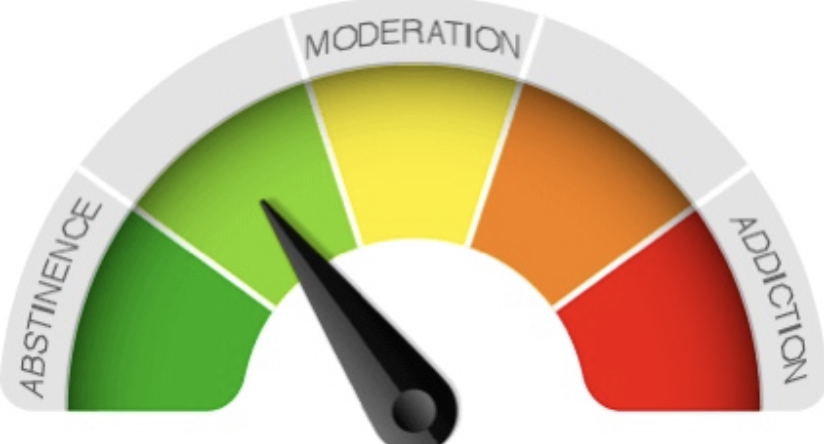
It is said all things in moderation and moderation in all things and in this episode Daniel discusses why it is important to avoid an extreme path and stick to a moderate one in all personal and professional areas of life.
Ep 152#145 - Let's Talk: Biden's Policies, Foreign & Domestic
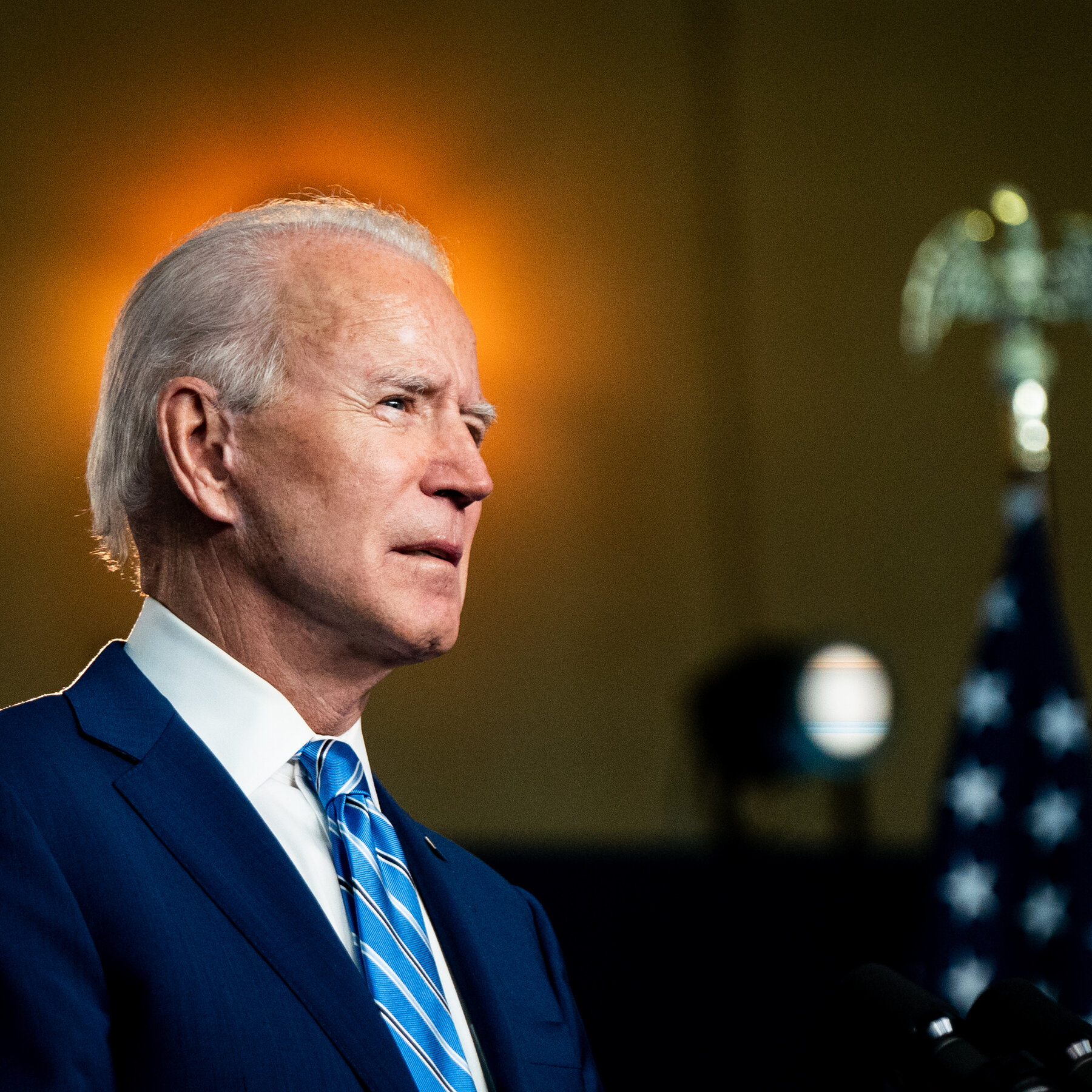
Following the 2020 election which marked the dawn of Biden's presidency, the world saw a turning point in history as the nationalist policies of the previous administration were replaced by a globalist one. In this episode of the Beyond the Present podcast Daniel and Pouya discuss what the Biden presidency means not only for the US but also for the rest of the world Daniel's Social: Instagram: https://www.instagram.com/danmolgan/ Twitter: https://twitter.com/Danmolgan LinkedIn: https://www.linkedin.com/in/daniel-molgan-41812352/ Pouya's Social: Instagram: https://www.instagram.com/pouyalj/ Twitter: https://twitter.com/pouyalj LinkedIn: https://www.linkedin.com/in/pouyalajevardi/ Episode Transcript... ----more---- SUMMARY KEYWORDS trump, president biden, biden, world, vaccines, administration, russia, approach, earthquake, president biden's, pandemic, run, nations, policies, ministration, major, talking, vaccinated, obama, highly SPEAKERS Pouya LJ, Dan Pouya LJ 00:10 Hello, ladies and gentlemen, welcome back to yet another episode of The BGP podcast. I'm here, as always with Danny Mulligan, how's it going, buddy? Dan 00:18 What's the man buddy, glad to be here with you pretty happy and excited to be here for you to another let's talk edition of Beyond the present podcast, life is great we are gradually approaching this summer, which as many know is thought to be our first get away from all of this madness called the COVID pandemic. So pretty happy and excited, because as you probably know, I am the kind of person who is pretty much always on the move. And having seen our lifestyles change over the past year or so has obviously made me even more hopeful about what's about to occur in the near future. So life is pretty good. on all fronts, we're happy about the pace at which most of the world is being vaccinated. Although quite frankly, I'm a little bit disappointed by the European Union, things are much better. I mean, the US started off his way back. But after President Biden took, took the office, fortunately, things have gotten a lot better. And now we are hearing that, hopefully, by July, the US will be pretty much fully vaccinated. The stories are also pretty good in many other countries, let's say and, for example, in Russia, I heard they're gonna open up pretty soon, because as you're filming, I was pretty active there. Middle East is doing pretty well so far, apart from a few countries. And the only problem that I have right now is the pace, the slow pace of which Europe is actually moving forward. And it's quite ironic, because I remember Germany was thought to be one of the best countries in the world in terms of the way they handled the pandemic. And that was one of the least efficient, I have no idea why and how it all changed. But generally speaking, you're probably going to be a little bit behind. But for now, the world as a whole is moving forward. I don't know about how things are in Canada, by the way. So you're telling me how things are? And when you guys yeah, that predict things to go back to normal? Pouya LJ 02:02 Yeah, no, unfortunately, it's not going that well here either. Maybe similar to European Union, I'm not too sure how they are doing but maybe even worse, because the problem is Canada does not have production of vaccines within its country. So it has to get all others. And given what it is it's been proving difficult. And also not not just politically difficult, but also very transportation, apparently, of this vaccine is very, very difficult because of this, especially, Dan 02:27 you know, the western vaccines. Yes, sir. Pouya LJ 02:31 Yes. Yeah. Exactly. My maternal Yeah. Dan 02:33 Now, what is the current statistics in Canada, by the way, in terms of those who've been already vaccinated? The numbers? I mean, is it actually going down? Or is it still going up? Pouya LJ 02:45 Like numbers, Dan 02:46 so it's infectious? Yes, of course, yes. Oh, no, infections Pouya LJ 02:49 are good, it they're not that bad. They're the combination of social distancing, some restrictions, and the vaccines are helping a bit so that the infections, at least within Ontario, are not really that bad. They're like, less than 1000 per day, for your lifestyle, generally, because Dan 03:06 now gradually, we're seeing, you know, places getting opened, and people are gradually going back to your regular life, are you guys still under a lockdown or life is kind of back to normal. Pouya LJ 03:17 So it's not a lockdown right now in Toronto, or wrestle Ontario. But there, they have created this tearing system that depending on the statistics, they're gonna put it in different color coded. So, quote, unquote, so what does that mean is that if numbers go higher, they have certain sort of, like 20% capacity 50% capacity indoors outdoors, like these kinds of restrictions vary depending on the numbers I have, across population. So about but generally speaking, for me personally, it didn't create a huge difference.
Ep 151#144 - Tyler Martin: Mathematical modeling and COVID-19 Vaccinations Strategies
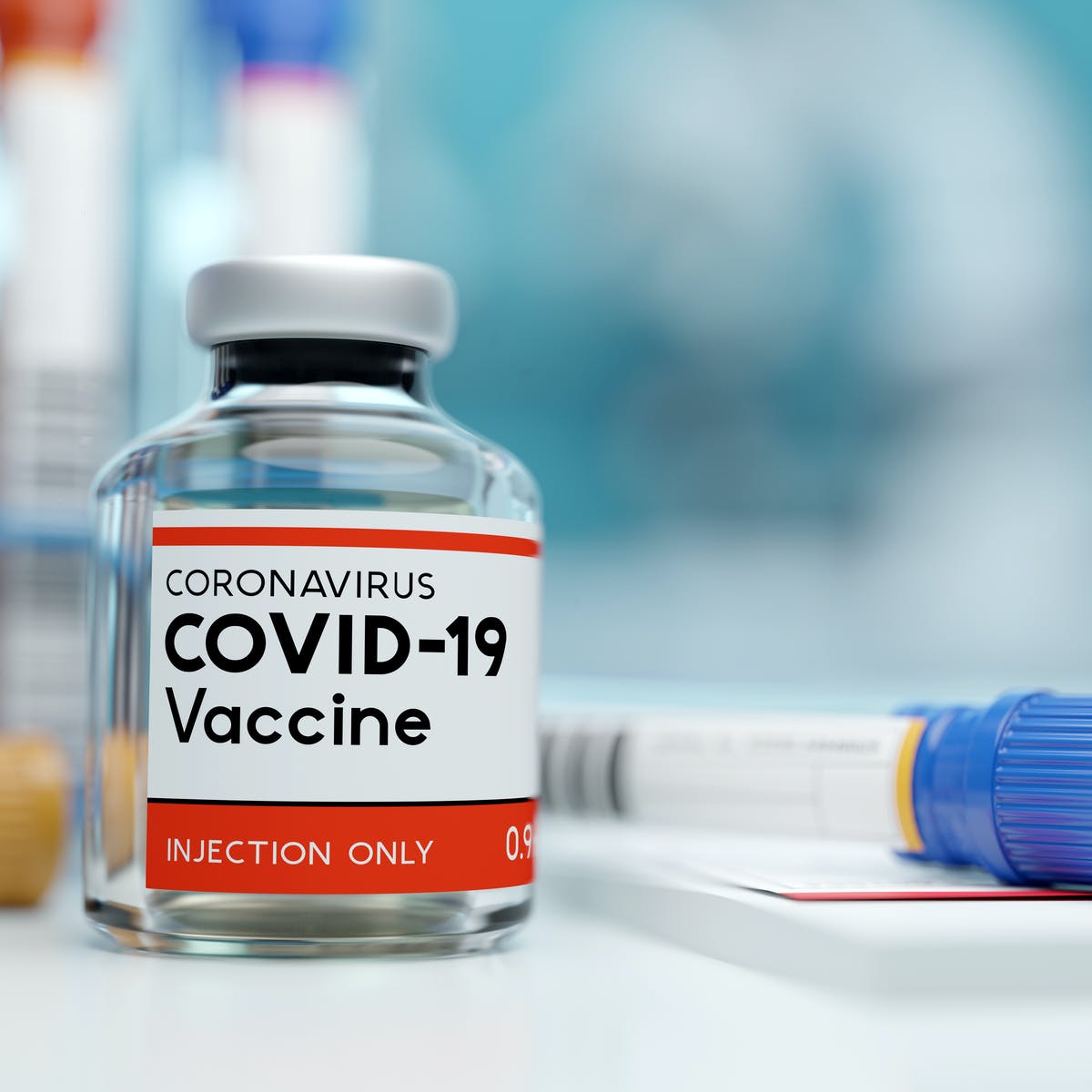
Today Pouya is speaking with Tyler Martin, Physical and Mathematical Specialist with extensive research into Mathematical modeling of COVID-19 data and String Theory. Tyler's Social: Instagram: https://www.instagram.com/tylerjamartin/ Pouya's Social: Instagram: https://www.instagram.com/pouyalj/ Twitter: https://twitter.com/pouyalj LinkedIn: https://www.linkedin.com/in/pouyalajevardi/ The article discussed in the talk: NYT article on modelling paths to herd immunity in the USA Episode Transcript... ----more---- SUMMARY KEYWORDS herd immunity, people, models, vaccination, assumptions, lockdowns, mathematical modeling, vaccinate, talking, deterministic, masks, number, means, mathematical models, strategies, politicians, frontline workers, account, restrictions, predict SPEAKERS Pouya LJ, Tyler Martin Tyler Martin 00:16 Hello, ladies and gentlemen, welcome back to yet another episode of The BGP podcast. I'm here joined today by my good friend and colleague, Tyler Martin. He is okay. Why don't I hand him I'll hand it over to him to tell. Tell him tell you guys about himself. Hey, Tyler, how are you? Hey, I'm good. How are you? Pouya LJ 00:36 Very good. 00:36 Thank you for having me on podcast. I've always heard your podcast. So. Tyler Martin 00:43 Thank you for being here. It's a pleasure. to to to be talking to you. Now. Okay, so why don't you tell us a little bit about yourself? What do you do? What are you? What are your likes and dislikes in this? crazy world? Okay, um, a little bit about me. I'm doing physical mathematical specialist utsc with, with you, we're in a lot of the same classes. And so my dislikes COVID right now is a big dislike. Yeah, yeah. But I love physics and math. That's my go to. Yeah. No, it's great stuff. I do agree with you in that. In that sense, we share Pouya LJ 01:26 the love of physics and math. I so I don't know if you remember, Mr. He was on the podcast A while back. Now, now we got you. And hopefully bunch of other people join in the cohort. But yeah, today, actually, we're going to talk about something very relatively timely to all the COVID stuff. And so you have done some research and studies on, you know, mathematical modeling, modeling, which I think it's I guess people are getting tired of hearing it. That is surprising, because now politicians are talking about it, right? Like, oh, yeah, these are the numbers and mathematical models based on these, we're making these decisions. Never, you could you could never get politicians to pay so much attention to science, I suppose. As we do now. So now, all of that is about the spread, mostly, that's what they were talking about. But all of that also applies to vaccination strategies, which is probably the most timely because those are the decisions that politicians and then the world leaders around the world are making decisions on, right, all of these numbers that are jumped out. So now, for the audience, we are trying today, with the help of Tyler to make sense of all of this. What are these? You know, modeling that they talk about? What What is it behind the scenes, and to simplify it to a degree basically. So why don't you Why don't you go ahead and like started us start us off with? What was the what was the starting point of your research early on? And what were your, you know, thoughts going into it? And immediately after you started reading some papers and articles. Tyler Martin 03:10 Yeah, definitely. So first, like, you watch the news. And you see all these politicians, like you said, talking about mathematical modeling, and then you go, what is even mathematical modeling in the first place. So then you have to do a little bit of research if when it first started. First off, we haven't even done a ton of research and mathematical modeling. It only started around, like going up around 40 years ago. And recently, there's two big definitions of mathematical modeling we can use today. One is the deterministic, and the stochastic, those are big fancy words. But they pretty much mean stochastic as in random randomness. So we can capture the randomness of humans, because no one can actually predict human behavior or human psychology. deterministic is a little less complex. It just kind of puts humans as a person with no emotion, no thoughts of what they're gonna do. They're just there. And then we can judge how a disease reacts from these two different types of models. Pouya LJ 04:22 Right. Right. And do you know, so I mean, that's a natural, we're gonna delve into what they are in a second, maybe in further depth. But do you know, what are the when people talk about these models? Is it is it mainly stochastic or deterministic? Or sometimes just sometimes that are a combination of both? What are they usually talking about? Or what are the most effective Tyler Martin 04:46 perhaps I don't know, the most effective from my point of view from what I found is stochastic modeling is most effective, although it's more complex, mean

Ep 150#143 - Making the Impossible Possible
The story of the human race is the story of masses selling themselves short. Do you know why you assume many of the goals you would like to achieve to be impossible? The answer lies in the emotional state you habitually find yourself in. In this brief program you will learn how to set yourself up to do what you thought was impossible and end up making it possible!

Ep 149#142 - Let's Talk: Depression & Suicide During The Pandemic
One of the biggest drawbacks of the coronavirus pandemic has been the psychological toll of dealing with the uncertainties of this health hazard along with all the social and financial limitations that it could bring about. As a results we are seeing an increase in the number of depressions and suicides during this tough period. On this program Daniel and Pouya discuss the issue of depression and suicide during the pandemic and offer solutions on how to effectively prevent or manage both. The advices given here are not meant to replace the those of mental health professionals and if you are suffering from symptoms of depression or suicidal thoughts make sure to seek professional help as soon as possible. Photo by Jonathan Rados on Unsplash Daniel's Social: Instagram: https://www.instagram.com/danmolgan/ Twitter: https://twitter.com/Danmolgan LinkedIn: https://www.linkedin.com/in/daniel-molgan-41812352/ Pouya's Social: Instagram: https://www.instagram.com/pouyalj/ Twitter: https://twitter.com/pouyalj LinkedIn: https://www.linkedin.com/in/pouyalajevardi/ Episode Transcript... ----more---- SUMMARY KEYWORDS pandemic, people, depression, extroverted, nations, introverted, extroverts, seminar, pressure, harder, problems, psychological toll, active, suicide, airbnb, world, challenge, life, literally, social SPEAKERS Pouya LJ, Dan Pouya LJ 00:09 Hello, and welcome back ladies and gentlemen to yet another episode of the b2b podcast joined as always with Daniel Mulligan, how's it going, buddy? Dan 00:16 What's up, buddy? How's it going good to be here with you for yet another awesome podcast. Let's talk addition beyond the present here with you man life is great. Fortunately, we're hitting a lot of great news worldwide regarding the progress towards the basically the coronavirus pandemic right now worldwide, particularly with respect to the you know, vaccination because the fact that Pfizer and basically vaccine and a few others were somehow kind of slow to move into to transfer to different countries because of you know, the all the temperature requirements. Now, just today, it was announced that the Sputnik V, the Russian vaccine actually is more than 91% effective. And as you probably know, that was basically made with the older technologies, which means it doesn't require any specific equipment to be transferred, it can just be moved around by a simple refrigerator anywhere around the world. And that is going to make it much faster and supply vaccine to more developing nations or poor nations around the world to accelerate the process of getting out of this goddamn pandemic. So that was a very good news overall, of course, in the same country, we're getting some other bad news about the politics, but then again, politics is rarely a happy place for most people, right. So generally, life is great in terms of business, gradually, the world is somehow coming to terms with the pandemic, we're gradually seeing improvements in terms of employment numbers all around the world, or at least in those nations that I'm currently active in. So overall, it's been great. And the hope that this pandemic is soon going to at least be alleviated and eventually conquered hopefully, by the end of the year, is just probably the best news we've gotten so far and couldn't be any happier. Pouya LJ 01:51 No, absolutely. That's true. It's it's been it's been devastating here. And it's continues to be and that's great news to hear that there there are being things are being facilitated towards vaccination in a variety of countries, not just to developing the developed countries, but also the developing countries. However, in the meantime, we are still in the midst of the pandemic and to talk which brings us to today's topic, which has people dealing with depression and suicide during this pandemic, because a variety of Yeah, from variety of reasons, from the lack of activity, perhaps to not being able to contact with others, loss of jobs and economic hardships, caused people to retreat mentally, perhaps, to a degree, depressed, and the worst case is, unfortunately, commit suicide. Now, what are your thoughts very broadly on this topic, during this pandemic? Dan 02:50 First of all, what a great topic you pick Pooja x for this show, I agree with you completely. And the reasons are multitude when it comes to the reasons why we are seeing higher numbers of depression and extremely higher numbers of suicide, which is just unprecedented, basically. But then again, as you put it out yourself, it definitely does make sense. I mean, you would definitely expect such things to happen in this current situation, given the fact that the pandemic has pretty much made it impossible to be human. I mean, what makes us human, I was watching a speech by Chancellor Merkel. And despite the fact that she has been quite harsh, basically, with the restrictions, which I think she made the right decision, because Germany was getting out of control. And she made a lot

Ep 142#141 - Let's Talk: The AI Revolution and the Future Jobs
When confronted with the inevitable disruption awaiting the future market places by Artificial Intelligence many compare the AI revolution with that of the industrial revolution, however, analyzing the scale at which the new technology has already affected our lives and the pace at which both AI and robotics are being developed proves that the level of disruption will not be comparable with anything we have seen before! In this Let’s Talk edition of Beyond the Present Podcast Daniel and Pouya discuss what we can expect in our near and distant future and more importantly what we can do to make it harder to be replaced by technology via choosing the right niche and mastering our craft. Daniel's Social: Instagram: https://www.instagram.com/danmolgan/ Twitter: https://twitter.com/Danmolgan LinkedIn: https://www.linkedin.com/in/daniel-molgan-41812352/ Pouya's Social: Instagram: https://www.instagram.com/pouyalj/ Twitter: https://twitter.com/pouyalj LinkedIn: https://www.linkedin.com/in/pouyalajevardi/ Episode Transcript... ----more---- SUMMARY KEYWORDS ai, people, obsolete, field, human, business, mastering, job, means, world, degree, vacuum cleaner, skills, problem, life, subject, talk, difficult, pretty, historically SPEAKERS Pouya LJ, Dan Pouya LJ 00:09 Hello, ladies and gentlemen, welcome back to yet another let's talk addition. It's been a while we had one of these, but now here we are. And we're talking about the future. First of all, Hey there, Dan. Dan 00:22 And man, buddy, how's it going? How are you? It's been a while, I'm glad to actually talk to you right now, for a while we've been super busy and the COVID has changed all of our plans, that has certainly changed a lot of my plans, in terms of my travels that have been canceled and the exhibitions that have been canceled and so on. But ultimately, it's been a great, you know, couple of months, because despite the fact that we've had dealt with a lot of issues that are Unfortunately, most of them, of course, were unforeseen. Fortunately, we've managed to get over a lot of these challenges. And I feel like even though in the first four or five months of the pandemic, we are not making good practices, we're just adapting and into the new situation. Now that we've all fully adapted the situation, I guess, we're learning to actually make more progress. Basically, in our work in our businesses, and life is great. And I'm very glad things are fine, haven't you? vuzix? How's life in Canada, where you have to these days? What How do you keep yourself busy? And how are things in Canada? Pouya LJ 01:17 things are going good. I mean, as you mentioned, life has changed a lot. There are a lot of things that we were used to doing that are either done differently or not done at all. You know, socializing is different. And work is different studies, different Dan 01:31 studies are super nice, even socially, they let you literally take it to heart this whole social listening, probably I think now, half the population in probably Canada are suicidal, the other half are depressed, I'm guessing. Pouya LJ 01:42 Well, I mean, I don't know specifically. But obviously, it should have a mental toll on people, you know, how things are going, but I guess everybody is doing their best to cope. One way or another to the witness situation? Dan 01:58 Is jealousy? And so yourself? How do you spend your time basically these days? And cuz I know you're engaged with your studies. And of course, you have your work in business. So because I don't know about that place, because unfortunately, it's probably no. Now, in the US things are very, very divided. So there's on the one hand, those who don't don't ever wear masks, they don't take any of these things seriously. And they just had a you know, life as if nothing has happened. On the other hand, we have those who are very cautious than you know, all over the world. Now we're seeing very different lifestyle. So I have friends in Europe, who are now in complete state of disarray, because especially with some of my friends right now in Italy, and France are just suffering so much. Whereas I have friends in Russia, where they're just quite relaxed, like no man, there's no guarantee here life is great. So it really depends on where you are right now. China is based if you're in China, right, and you're probably the happiest in the world, because there's pretty much nothing they've already beaten the virus A long time ago. So I think this pandemic has made me think a lot more about, you know, how different countries are handling it, basically. So for Canada, because you guys are somewhere in between Europe and America. I mean, you're neither fully all American crazy and nor fully European. So like, I was wondering, like, how are things now there? And people just keep to themselves all the time? Do you have any social events and gatherings or to clubs and bars and restaurants open? Or that kind of stuff? Pouya LJ 03:17 Yeah, so obviously, it's

Ep 148#140 - The Five Minute Rule
When was the last time you knew what you had to do but could not get yourself to do it? You probably felt bad about continuing to postpone the task not knowing how on earth you could ever get it done! In this short program you will learn how to put an end to that feeling once and for all using the five minute rule! Daniel's Social: Instagram: https://www.instagram.com/danmolgan/ Twitter: https://twitter.com/Danmolgan LinkedIn: https://www.linkedin.com/in/daniel-molgan-41812352/ Pouya's Social: Instagram: https://www.instagram.com/pouyalj/ Twitter: https://twitter.com/pouyalj LinkedIn: https://www.linkedin.com/in/pouyalajevardi/ Episode Transcript... ----more---- SUMMARY KEYWORDS minutes, task, feel, inertia, push, momentum, flashcards, rule, truck, stop, harder, started, heavy, physical, car, moving, goddamn, podcast, prepare, simply SPEAKERS Dan Dan 00:10 Hi, guys, this is Margaret, and welcome to yet another episode of beyond the present podcast. As always, with you, Daniel Morgan here, and I would like to ask you to discuss a very important subject in a few minutes, one of those short podcasts that we have, and that is what I call the five minute rule. We see guys, a lot of the times in life, we know what we should be doing. But we just don't feel like it. Like I know I should right now be going to the gym and doing some, you know, perhaps yoga or do this or do that. We kind of feel like we know what we want to do. But we just can't get ourselves to do it. There's no motivation, there's no desire, like, come on, man. How, how in the world? Am I supposed to right now start? I don't know, doing my German flashcards, for example, or how in the world should I just right now prepare that contract with a client or I just don't feel like getting off the couch, man, I just want to sit here and watch TV, not to go for a jog. So for those situations, when you kind of don't feel like you want to do something, and you have no motivation at all, I use the five minute rule. And that, of course, can help you to do those things very easily. So what is the five minute rule, whether it is a very arduous, difficult task that takes hours to complete or just something you know, takes basically a short while, the five minute rule says whenever you don't feel like doing something important, just tell yourself, I will do it for only five minutes, that's it, I'll just get started. Do it for five minutes. And then I will stop if I want it to stop. And I will simply not continue that, you know, kind of makes you feel pretty good. Because you are doing something number one, and number two, you can just have the freedom to simply stop doing it after five minutes. So let's say I'm gonna do my I don't know term paper or my taxes, or do the emails or prepare tomorrow's presentations, or, as I mentioned, just grab, you know, some Mandarin Chinese flashcards to go for their studies, whatever it is, you feel like, you know what, I'm not gonna get started right now, but five minutes not going to kill anybody, right? It's not gonna be that difficult. So let's get started right now with five minutes, because the truth of matter is doing anything for five minutes as possible, whether it is to wait, you know, in a line or whether it is to, I don't know, clean the place, whatever it is, doing something for five minutes for the absolute majority of the world population is not a very big investment of time. And it's not basically that difficult to do. Even if you hate, you could do anything that you hate for five minutes. Just think of all the things you hate the most, whatever they are, you can do them for five minutes, no matter how much you hate something, you can still do it for five minutes. So next time, whenever you do something, you say, all right, right now, I'm just going to do this for five minutes. Because you can literally do what I do, which is using a timer. I am not kidding, you literally use a timer. And you say, I'm going to be doing this task for only five minutes. And if after five minutes, I felt like I don't want to continue, I will stop it. And I will try it again tomorrow. Very simple. Let's say you have a very important task it right. Based on your deadline, you say I'm going to right now do this for only five minutes. And then I can stop after five minutes if I felt like I can't do it any longer. And here's the truth. Once you start doing a task for only five minutes, in the absolute majority of cases, you can easily continue doing it. You know why? Because you have already conquered the biggest challenge on the way to doing things that are hard to do. And that's the initial gain and momentum. Because when you don't feel like something, it's so much harder to do it because it's kind of like you know, trying to move a very heavy car, or like, for example a train. So if you wanted to move for example, a very heavy object, let's say a very, you know, heavy car. The initial push that takes you to push that car is oftentimes

Ep 147#139 - Let's Talk: Is Future of Work Remote?
Remote work is here to stay long after the masks are gone along with the pandemic associated with it. In this episode Daniel and Pouya discuss the pros and cons of remote work as a permanent option for both employees and employers and offer their thoughts on how the process could be streamlined and made more productive. Daniel's Social: Instagram: https://www.instagram.com/danmolgan/ Twitter: https://twitter.com/Danmolgan LinkedIn: https://www.linkedin.com/in/daniel-molgan-41812352/ Pouya's Social: Instagram: https://www.instagram.com/pouyalj/ Twitter: https://twitter.com/pouyalj LinkedIn: https://www.linkedin.com/in/pouyalajevardi/ Episode Transcript... ----more---- SUMMARY KEYWORDS remote, home, industry, environment, employers, work, employees, literally, upper body, pandemic, online, office, hear, lead, certain industries, necessarily, mentioned, throughput, point, programmer SPEAKERS Pouya LJ, Dan Pouya LJ 00:08 Hello, ladies and gentlemen, welcome back to yet another episode of BTP podcast joined as always with Daniel Mulligan, how's it going, buddy? And my buddy Dan 00:15 has one, how are you guess what it is the last day of the holiday for everyone, including those living in basically predominantly orthodox regions like Eastern Europe, Ukraine, Russia, Kazakhstan, and so many other countries, although I'm not sure if those those guys are Christians to ultimately, it's the end of all holidays. So if right now, you are not planning for some you know, going to work, chances are you're unemployed, because the pandemic, and therefore I'm really, really sorry to hear that. Pouya LJ 00:43 That's true. That is a sad, sad reality of their current situation. And speaking of work, that's actually what we're going to talk about, but not just work, the future of work, which is, is the remote the future of work? Is that that's the main question. We were trying to ask him broadly, like, do you want to give your broad opinion? And then we delve into details after that? Dan 01:03 Awesome very well, well, first of all, I do believe that the future of work is indeed remote. And the answer is very simple, because now we are already doing it at much lower costs. And then you have the governments who are going to incentivize this whole thing to protect the environment. So if you're an employer, you say, Well, I don't have to pay for the office buildings, or I can pay less, I can, I can hire fewer people. So I can actually pay for a smaller office hire fewer on site, and at the same time, the government is going to incentivize me to pay less in taxes. So why the heck not, let's try to do that actually, unless go for remote work. For that reason, I do believe that, ultimately, remote work is the future of the work, because it will be financially, basically practical. And at the same time, it is also going to lead to a better, you know, in revenue protection, which is definitely going to be important for most governments. So if the government's are going to lead people towards that direction, obviously, that will be the direction because nowadays, it's quite acceptable. I mean, if you remember, 510 20 years ago, this whole thing didn't even make sense, right? You you prove you did work, when you read the office, or you're the client, or if you wanted to set up a meeting on Skype or call, it oftentimes was a preparatory kind of meeting. So they actually set the real meeting later on meet the client in person, because it was kind of like, like a low value kind of behavior, if you did not want to show up like what there's something wrong with you want to steal my money or something or use like something cheating. So for that reason, the fact that this is now a complete norm, we are going to see a major increase in remote work, because now almost all companies around the world have tried it, they have gotten results out of it. And it's now officially a part of the culture, I guess. And for that reason, I believe it is going to be indeed the future of basically work for most of us. Pouya LJ 02:53 No, it doesn't make a lot of sense. And I think there was a taboo prior to the pandemic about this remote work from all sides, not just employers with employees to thinking that you know what, it's not it's, I'm going to lose productivity. And that might have been true without prior proper preparation. And maybe in the beginning, people were thinking, yeah, this is not working, I'm working from a bit bed, and this is not. And then after they saw that, okay, they have to figure something out, set up the proper, you know, proper environment for themselves to work, maybe, I don't know, if a person who has kids now, that's annoying, because maybe that, you know, schools are closed, and you have to keep the kids to yourself, but if the environment is viable, I think personally, I experienced in many fields, it actually works out pretty great. Now I do teaching too. Now, that is not the best environment for online teaching. There's a there's,

Ep 146#138 - Let's Talk: Set the tone for the year ahead
As we enter the year 2021 we do so with many lessons learned during the pandemic. In this episode Daniel and Pouya discuss what they learned from the year that went so that we could set the right tone for the year ahead. Daniel's Social: Instagram: https://www.instagram.com/danmolgan/ Twitter: https://twitter.com/Danmolgan LinkedIn: https://www.linkedin.com/in/daniel-molgan-41812352/ Pouya's Social: Instagram: https://www.instagram.com/pouyalj/ Twitter: https://twitter.com/pouyalj LinkedIn: https://www.linkedin.com/in/pouyalajevardi/ Episode Transcript... ----more---- SUMMARY KEYWORDS pandemic, people, life, year, personally, importantly, realize, situation, day, terms, pretty, eye opener, social, attention, panic, travel, colonoscopy, bit, pay, world SPEAKERS Pouya LJ, Dan Pouya LJ 00:09 Hello, and welcome back ladies and gentlemen to yet another edition of PTV podcast in the year 2021. Join as always with Daniel Mulligan, how's it going, buddy? Dan 00:19 And man, buddy, how's it going? Happy New Year, it's great to talk to you. Now, of course, we just celebrated the new year, a couple of days ago. And it was super wonderful because personally for me, the new year is a big deal, because it's the probably the most important year when it comes to goal setting. As you probably know, I'm crazy about goal setting. So it's been a great year, despite all the limitations, the pandemic, which has made traveling or Party, which both of which I love a lot, a lot harder, unfortunately, still, we have to go through this. And fortunately, I managed to enjoy the you know, the New Year celebration, although on a much smaller scale, basically, to somehow make sure that I follow the health guidelines and do not end up you know, perhaps spreading the virus or something like this. But generally speaking, despite all the challenges, pretty happy to be here with you for the you know, our first less competition of the year 2021. So couldn't be more excited. Life is great, man. How about you? How is how's life basically, on your end? Pouya LJ 01:18 Yeah, things are concerning everything things are going well, I think we have turned a new leaf by turning the page turning the chapter on to a new year, obviously, we still are having the struggles of COVID, whether directly or indirectly, ahead of us. I mean, not just me, everybody, really, but I think I think at least mentally, in terms of mindset, at least we're turning into a new year. So why not change our mindsets to? Would you? Would you agree with that? Dan 01:49 Pretty good, pretty good? 01:50 Yeah, of course, Dan 01:51 it's pretty good. And I don't know about the atmosphere, of course. But generally, in this situation, we gotta somehow change ourselves a little bit, although I'm not a fan of like, complete, like reprogramming our entire brain because it's not going to last forever, man. But we could change our way of thinking the way that we can take advantage the situation and not panic and wait it out until the storm passes. Pouya LJ 02:13 know precisely that. And that is basically what I was trying to get at. Because the past year, I mean, in 2020, basically, everybody suffered a lot. And we experienced a lot of uncertainties on top of other, you know, stuff that were really annoying, and perhaps often for many people, outright upsetting, losing loved ones or whatever. So. So in that sense, I feel like coming to a new year, personally, I want to take a little bit of a more of a positive approach. Of course, it's not done with but as you mentioned, it will be at some point. And maybe for the better part of this year, we'll still deal with it, to some extent, all of us, but, you know, in terms of our mindset, I personally want to take a more, you know, assertive, proactive and positive approach to this year versus reactive, as the circumstances required, perhaps in 2020, which I was much reacting to the news or situation or the new guidelines and whatnot. So this time, this time around I this is this is at least my perspective, personally, I don't know about you, how are you dealing with the new year? Dan 03:25 Well, first of all, I generally, as you mentioned yourself, being reactive is never a good thing, whether it is a bad situation or a good one. So as you pointed out, the best approach is to get ourselves out of that reactive mode. I mean, I personally don't think that panicking, or being concerned about all the latest things that are especially portrayed in the media is a good thing. Because the media thrives on these things, they would love to make things look so dangerous. And the worst thing is going to happen, because that's going to you know, make your eyes fixated on what they're, you know, showing that to people. So for that reason, generally speaking, I'm not a fan of even following you so much, except perhaps from very reliable sources. For example, Dr. Fauci is one of those. But in terms of the media and what they said, I was not necessarily paying so much

Ep 145#137 - Starting 2021 with zest
We begin the year 2021 with hopes for a better future and BTP podcast is here to accompany you throughout this year. If you have not subscribed to Beyond the Present podcast then head to iTunes, Podbean, or Stitcher and press the subscribe so that you will be among the first to get instant access to all upcoming programs. Daniel's Social: Instagram: https://www.instagram.com/danmolgan/ Twitter: https://twitter.com/Danmolgan LinkedIn: https://www.linkedin.com/in/daniel-molgan-41812352/ Pouya's Social: Instagram: https://www.instagram.com/pouyalj/ Twitter: https://twitter.com/pouyalj LinkedIn: https://www.linkedin.com/in/pouyalajevardi/ Episode Transcript... ----more---- SUMMARY KEYWORDS pandemic, year, life, stay, work, building, simply, social, podcast, great, understand, friends, social distancing, taught, zest, conquered, wonderful, energy, bright, whole new level SPEAKERS Dan Dan 00:00 Hi, everybody, this is Val Margaret, and welcome to yet another great episode of beyond the present podcast, this one's going to be a very short one, because we have just started. The New Year, guys, the year is 2021. And we cannot wait to see all the challenges ahead. That'll be conquered, hopefully by our effort, and hard work. So guys, first of all, I want to thank you so much for being with us for one year, as we spent together discussing all the details of how to take your life to the next level and how to build a great future. And guess what, we have a lot of plans for you. In the coming year basically and beyond the president podcast team will do its very best to hopefully offer more quality programs in the coming days, weeks and months to make sure that you guys will always have your own great chances, as well as opportunities to realize your true potential. So now let's get started with one simple truth. And that is setting your New Year's resolution you guys if you're right now listening to us, you have to understand that you need to set your New Year's resolution in order to know what this year is going to bring to you. The last year unfortunately was a bit difficult, very strange and odd in many ways. However, it still taught us a lot of great lessons. But even if the whole world comes to a halt, we can travel, we can go to work, we can even touch our or shake hands with our friends and family members, we still can have a productive year. And the same thing can happen here. If we simply try to focus on what we need. And that is to take our lives to a whole new level to tell me Are you ready to take your life to a whole new level, because 2021 is definitely not going to be like 2020, we will get out of this stupid pandemic. And I promise you that 2021 will be a far better year for all of us only and only if we commit ourselves to really doing our best to simply set goals, achieve them and learn from all of our failures. Now, what's the first step very simple. If you're right now listening to us, just try your very best to stay optimistic know that this year will bring you closer to all of your goals. Because once you believe that it makes it more possible. Other than that, what's the next step, the next step is to simply focus on one thing, and that is the pursuit of your excellence, you have to focus on developing yourself. Understand, guys, if you want to make more money, if you want to have a better lifestyle, you need to work on yourself and 2021 will give you that chance to work on yourself with energy, zest and enthusiasm. So right now have your back in there laying on your sofa or in your car or somewhere like oh man life is step it up man and start living your life with energy and zest. And I hope that this program will give you that energy and that motivation to get off your ass and start doing something because the pandemic has taught us stay home, just be passive and watch Netflix all the time. That is wrong. The same pandemic gave a lot of us the opportunity to pursue our dreams, build new businesses from the ground up and work on developing our abilities. So 2021 will be simply another chance to continue on the same way to start building yourself up for a better you that's right for a better use. 2021 will make you a better you in this regard. And of course, that'll give you a great chance to work on building your abilities. And start right here right now. Last but not least, try to stay busy with your social life. You see, this pandemic has unfortunately made us a lot less social. Because now you can go out you can talk to your friends, you should wear a mask all the time, stay away social distancing, let that thing out of your head. Yes, we should follow all the health guidelines to make sure the virus don't spread out basically around us. However, it doesn't mean your social life is over, you can still be in touch with your friends with your contacts online or other places so long as you follow the health guidelines because ultimately that will allow us to make sure that those around us that we l

Ep 144#136 - Entrepreneurial Edition: A New Approach to Staying Focused
Do you know the one trait that all unhappy and unproductive people have in common regardless of the reason behind their dismay? It is their inability to remain focused on what they do at the each and every moment! Your inability to remain focused won’t just erode your happiness, it also substantially reduces your productivity at work and in this program as part of the Entrepreneurial Edition of Beyond the Present podcast Daniel shares a new approach to staying focused that doesn’t require removing all the distractors in your environment, which is futile if not downright impossible, but rather promotes remaining focused in a proactive manner.
Ep 143#135 - The 2020 Election
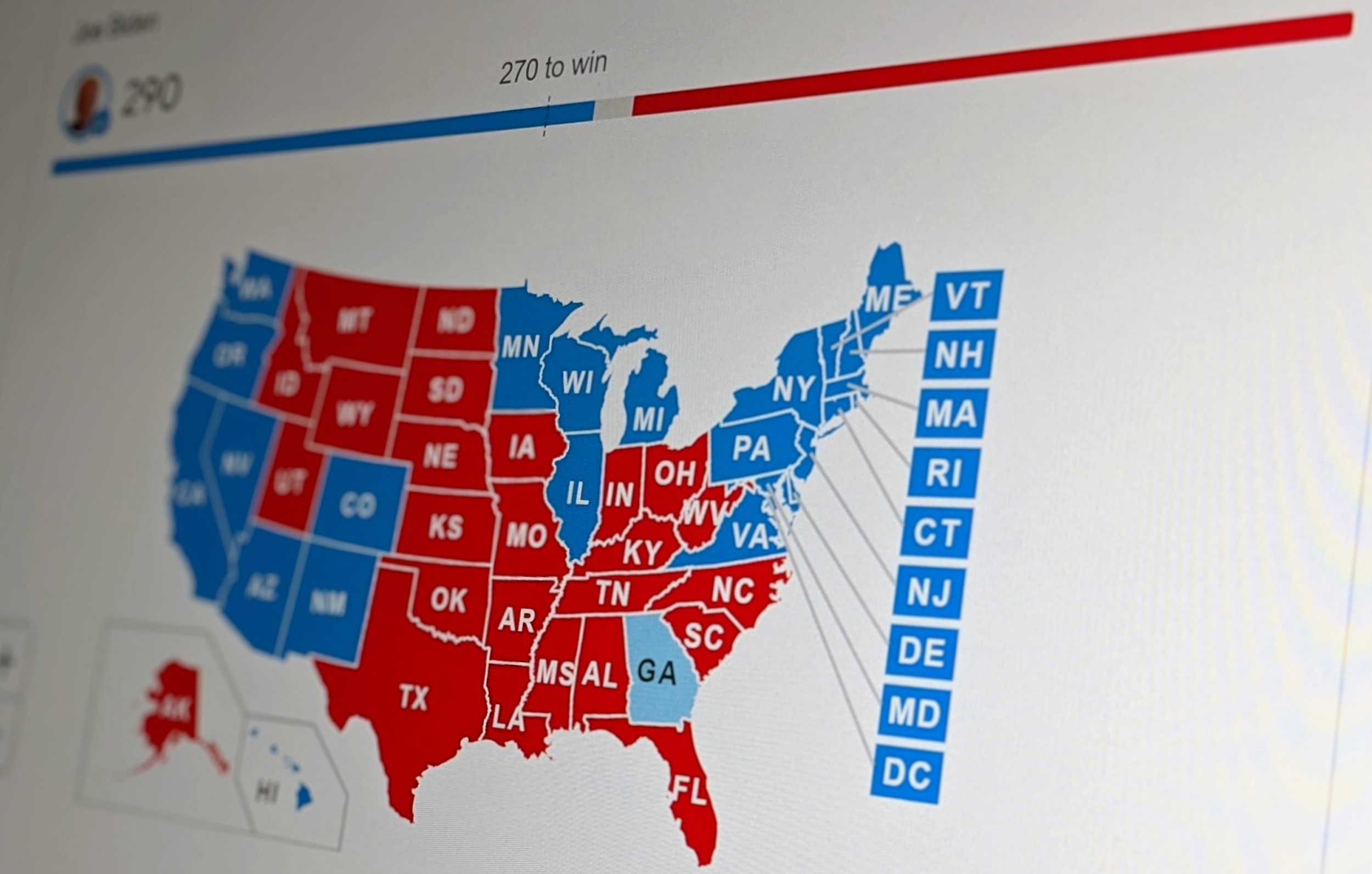
The 2020 election was simultaneously historic, controversial, unconventional, and consequential. In this episode of Beyond the Present podcast Daniel and Pouya discuss the events of the election, shed light on some of the biggest myths and rumors surrounding the election and discuss its consequences for the next 8 years not only in the United States but also all over the world. The material offered in this podcast solely represents the personal opinions of the attendants of the show and thus is not legally binding. Daniel's Social: Instagram: https://www.instagram.com/danmolgan/ Twitter: https://twitter.com/Danmolgan LinkedIn: https://www.linkedin.com/in/daniel-molgan-41812352/ Pouya's Social: Instagram: https://www.instagram.com/pouyalj/ Twitter: https://twitter.com/pouyalj LinkedIn: https://www.linkedin.com/in/pouyalajevardi/ Episode Transcript... ----more---- SUMMARY KEYWORDS trump, election, world, people, biden, america, president, joe biden, fact, vote, cycle, nations, pandemic, fortunately, years, donald trump, states, history, benefiting, terms SPEAKERS Pouya LJ, Dan Pouya LJ 00:09 Hello, and welcome back to yet another let's talk edition of the BTP podcast here with Daniel Mulligan. How's it going, Dan? Dan 00:16 What a man, buddy? How are you how's it going live could not have been any better. I mean, we're just post the election and Biden officially won the election today. As of now all the basically almost all the votes have been counted. So life is amazing and more important, I'm so glad to be here with you, after a while because we were super busy involved with the election and a few other things. And now we're back for another let's talk edition at this, you know, amazing moment right now. So I'm pretty happy and couldn't be, you know, happy to be here with you talking about all the cool things when I share hopefully with our listeners. Pouya LJ 00:49 Absolutely. I've been eagerly waiting to start recording this episode. And hopefully a couple of days after the recording, the audience will hear it. Maybe even sooner. But we we sit on this for a few few days, I think 11 days since the day of the election to to talk about it mainly because so first of all the few five for four or five few days, obviously nothing was clear. And there was a mayhem after that. So we're gonna talk about all of that, obviously. But now we got a chance. So yes, officially, Biden seems to be the president elect, although Donald Trump really doesn't like that and keeps coming up with excuses. So today, we're basically what the intention is to talk about one of the impacts of all of this around the world, and what are the impacts of Trump being Trump for, for democracy and the US political system as a whole? And who, who better than to talk about this with, then you? Okay, so what is your general take on all of this very broadly? Dan 01:51 First of all, I think this was one of the best elections the US ever experienced, probably the most historic election that we can think of, because there was a lot at stake at stake during this election, not only for America, but for the entire world, including what it really means to, you know, live in a democratic society. So I think that this election also was, in a way, very unique in that it took place during a pandemic. Now, of course, there are states that has experienced other tough elections during even civil wars. But this one really happened at a time where America was the most divided, and the kind of was the most hurt. And the pandemic had damaged, basically, the economy far, basically too much for it to actually be ignored by the voters. But then again, America was also facing with a lot of other issues, including a racial, basically a crisis, where we felt that despite all of our advancements in the modern technologies, and in other areas of life, culturally, and educationally, we're still seeing this racism running rampant. And that's where the Black Lives Matters movement actually got started this year, along with a focus on bringing into awareness what it really means to be a black man in America, and what it means for other minorities, including, let's say, for example, the Muslims, let's say, middle easterns, let's say those who come from minority backgrounds, people of color. So this was a, I think, a turning point during this election, where Americans decided that once and for all, they're not going to stand for a lot of the values that they escaped from, they or their parents or their grandparents, when they moved to the United States, after all the US was this nation made by immigrants, and people who went there. Basically, generations ago, they all wanted one thing to live in a free society, where they are not judged by the color of their skin. But ultimately, having seen what has happened so far in this election, and all the ups and downs really was probably one of those dramatic elections, even more so than what we had earlier with george bush and Al Gore, a

Ep 141#134 - Entrepreneurial: Surviving & Thriving in a Recession
Going through an economic recession can be a daunting experience for all of us but relying on instinct during tough times can only sabotage your financial well-being. In this episode and as part of the entrepreneurial edition of Beyond the Present podcast Daniel will share with you the essential survival techniques to bring your finances under control and also offers some ways you can even profit from recessions! Daniel's Social: Instagram: https://www.instagram.com/danmolgan/ Twitter: https://twitter.com/Danmolgan LinkedIn: https://www.linkedin.com/in/daniel-molgan-41812352/ Pouya's Social: Instagram: https://www.instagram.com/pouyalj/ Twitter: https://twitter.com/pouyalj LinkedIn: https://www.linkedin.com/in/pouyalajevardi/ Episode Transcript... ----more---- SUMMARY KEYWORDS recession, cash, economic recession, tough, property, tough situations, money, business, online, panic, pandemic, economic crisis, buy, situation, currency, investors, opportunist, call, lose, bad SPEAKERS Dan Dan 00:11 Hello, welcome to yet another episode of beyond the present podcast, the entrepreneurial edition. My name is Daniel Morgan. And today we're going to talk about how to go through a financial crisis without getting a lot of damages on your bills, as well as your bank accounts, as well as in your life. And above all, on your emotions. See, guys, once you are going through an economic recession, the entire rules of the game of financial change. And today, I want to actually prepare you with certain basically, techniques and somehow abilities and skills and knowledge that will allow you to resist going down in tough situations. So for today, we're right now obviously, if you're in the US, we are officially in a recession, obviously. And this same story applies in almost every country I'm currently working in or I have a company in so think about the European Union, it's official in a very bad stage of recession, think about, basically China is already going down heavily. The Middle East is not doing far better, although things are still quite good in places like Dubai, Emirates, but still Middle East as a whole is actually experiencing a lot of shrinkage in terms of their economic development. The same story, you know, applies to Eastern Europe, Russia is not doing any better. So pretty much anywhere I know things are really, really tough economically. And because of this, we have to prepare ourselves for what is about to occur, hopefully after the pandemic is over, and the recession will then gradually disappear. So whenever you find yourself in an economic recession, the biggest problem is what cash that's exactly what it is, however, not in the way you think you see, many of us will still keep our jobs, they will still go to work, many of us will actually even be able to generate more income and certain businesses, let's say if you're especially in e commerce, or if you're working online, you probably will do much better during a recession like this. But in the end, we all face with economic uncertainties. If we are an investor, you see things are going down in the stock market. You see the Dow Jones Industrial Average, s&p 500, all coming down. If you're an import and export, you see that oh my goodness, this thing really is increasing the cost of delivery and shipping because of all the logistics of becoming a lot more expensive, because of a pandemic. And of course, if you have already lost your job, if you're working as a waiter, if you're working as I don't know, perhaps a trainer at the gym, you might say that, oh my goodness, actually, I'm not going to work at all. So in these tough moments, the first reaction of most of us is to panic. It's all over. I'm gonna go broke, I got no money, man. I'm so poor now. And this panic, and this, you know, fear will actually turn into a vicious cycle where you feel worse and worse. And guess what, end up spending more money on your credit card. That's actually you know, pretty amazing. When you're making good money, you actually spend less, because you have less time to go out and start doing shopping. But ironically, the moment a lot of us we lose jobs, guess what's the first thing we most of us, we actually tend to do? Yeah, let's go shopping, I got some free time. Let's enjoy this right, you would do the exact opposite. The very first thing you want to do when you face with a major economic recession be the loss of the value of your currency. Right now one of my friends actually just called me from Moscow. And as of now ruble is suffering heavily. And one of my friends, basically in Turkey right now said the exact same thing as happened with lira the Turkish currency. And other one of my friends in Brazil said, our currency right now is one of the worst in the world. So if you are right now one of these countries where the currency is dropping, you might start panicking, like oh my gosh, I'm going to lose it all. But please do understand that most currency trends are tempor

Ep 139#133 - Education In The Age Of Covid
Kanwar Gill graduated with a Master of Teaching from the University of Teaching and is an OCT certified teacher. He has been teaching for 10+ years, including being a Computer Science Teaching Assistant at the University of Toronto and tutoring students one-on-one. He has several years of experience as a software developer before transitioning to teaching. In this episode, Pouya sits down with Kanwar to talk about the impact of Covid on education and the path forward to a better future for education. Kanwar's Social: Instagram: https://www.instagram.com/__kanwargill__/ Twitter: https://twitter.com/_KanwarG_ LinkedIn: https://www.linkedin.com/in/gillkanwar/ Pouya's Social: Instagram: https://www.instagram.com/pouyalj/ Twitter: https://twitter.com/pouyalj LinkedIn: https://www.linkedin.com/in/pouyalajevardi/ Episode Transcript:----more---- Photo by Deleece Cook on Unsplash Music: Never Falter Written By Kevin Austin Graham Performed By Kevin Graham Produced By Kevin Graham SUMMARY KEYWORDS students, parents, platform, teachers, learning, happen, education, school, kid, feel, online, big, home, uncertainty, impacted, situation, class, place, people, technology SPEAKERS Pouya LJ, Kanwar Pouya LJ 00:17 How's it going? Guys? How are you? Oh, pretty good. It's been a while we haven't had a podcast in I think a little over a year or about a year. I don't recall when it would leave. Kanwar 00:28 So yeah, I think I should call it has changed a lot. Pouya LJ 00:31 Yeah. And it feels long. Actually, I was thinking it's probably even less than a year. But you know, it feels much longer. Kanwar 00:38 Yeah. Yeah, a lot has happened a lot for sure. Pouya LJ 00:43 And, and a lot is going to happen, I reckon with the remainder of COVID with the US political, you know, weather election or whatnot. And who knows what else is 2020? Preparing for us? Kanwar 00:58 Yeah, no, no, it's, it's, it's a pickle. It's kind of like not knowing what's going to happen, but just people still need to, you know, like, economy still has to go up. And it's, it's, I think it at this point, it kind of hinges on the vaccine, which we know a lot of companies are getting close to, hopefully, something will be done. And I think the vaccine would bring in some sense of peace and security for people as I go about, you know, their day to day tasks. True. Pouya LJ 01:35 No, that's true, I think. I mean, until then, I don't I think that sense of uncertainty, as you put it is going to be, you know, having a lot of influence on on how people think and feel, and live decisions made politically by the officials. I mean, all of that are impacted by that sense of uncertainty. You're absolutely right. And with that, actually, that brings us to one of the fields that obviously, like everything was impacted by this phenomenon of COVID. But we're going to talk about today about education and how that's been impacted, because that's your wheelhouse. You've you work in that space, you read in that space, study, research, etc. So what I mean, obviously, a lot has changed. But if you were to, if you were to give us an intro to how education has changed, from your perspective, how would you describe it? Kanwar 02:34 Um, good question. In terms of education, I mean, the instant need off, this is learning, online learning has skyrocketed, which has led to big changes in the industry. So you would have teachers, for example, in the public school, who probably don't, you know, they don't go towards online learning. But now they have no other option. And they have to, they have to get on it. And so that's one thing. Let's give me a second. Sure. So that's one thing for sure. That has changed. So you'd have these teachers who have to now understand how the online platform works. Zoom, for instance, you know, the US we're using zoom right now, for this podcast. We know how much the need for zoom instantly increased throughout the world. Right? Yeah. And not just in education, industry, but also in other from you name, small businesses, big businesses. Everyone has been using it. And that's a, that's a feel quite the nature of having something like COVID, which is an immediate, you know, like danger in a sense. We know that the death toll has now increased more than a million. So a lot has happened. And people you know, the second wave, as was announced by the Premier of Ontario, which has started officially. So, again, a lot of insecurity has led to online learning. That has been the biggest shift, in my opinion. And that's what I've seen as well. If you look at any sort of any sort of job postings, any sort of in the education field, any sort of hiring happening, there's some aspect of what you're learning attached to it now. Pouya LJ 04:55 Oh, that's true. And I think a year ago, more than Have two people who are using the platform, let's say zoom currently haven't even heard of it. Yeah. And that shows you how much reliance it has. Because a lot of people who could work from
Ep 140#132 - Solo: Small Habits Big Results
How many times have you set a goal for yourself just to see nothing happened after a few months? The truth is that you cannot achieve your goals, you can only come up with a series of habits that once repeated often and long enough would lead to the achievement of your goals. In this episode Daniel will discuss system thinking as opposed to goal thinking so that our focus is shifted away from merely what we want and towards creating the systems that will lead to getting what we desire. Daniel's Social: Instagram: https://www.instagram.com/danmolgan/ Twitter: https://twitter.com/Danmolgan LinkedIn: https://www.linkedin.com/in/daniel-molgan-41812352/ Pouya's Social: Instagram: https://www.instagram.com/pouyalj/ Twitter: https://twitter.com/pouyalj LinkedIn: https://www.linkedin.com/in/pouyalajevardi/ Episode Transcript:----more---- Music: R Naught Written By Kevin Austin Graham Performed By Kevin Graham Produced By Kevin Graham SUMMARY KEYWORDS habits, goal, system, achieve, mandarin chinese, spend, pandemic, routines, social media, life, chinese, practice, income, morning, repeat, app, instagram, replacing, single, olympics SPEAKERS Dan Dan 00:13 Hello, and welcome to yet another episode of beyond the present podcast, this solo edition. My name is Daniel Molgan. And welcome to this program where today we're going to talk about the issue of goal setting by means of creating a system. As opposed to just having our goals in our heads. You see, guys, traditional goal setting tells us that if you want to achieve a goal, just set a goal, I want to do this, for example, I want to lose weight, I want to run my own business, I want to run for the office, I want to get married, so on and so forth, you can you know, set all these goals for yourself. And that's, of course, all great. We have taught this to all of our basically graduates of our programs again and again. But the fact of the matter is that Unfortunately, most cases, having a goal alone does not allow you to actually achieve it if you just have that goal in your head and are not creating the systems required to make them happen. So we're actually going to talk about the issue of what it really means to put places basically, in your schedule, where you have certain activities where you are doing them again and again and again, to achieve your goals. So what is the difference between a goal and a system? A goal is what you want to achieve in your life. For example, I want to lose weight, I want to learn to speak Mandarin Chinese, I want to find the love of my life. These are sending them simple examples of having a goal for yourself. Now, what is a system? A system is what you should be doing regularly and repeatedly to achieve those goals. So think of for example, those three goals I gave you earlier, for example, you want to learn Mandarin Chinese, that's a goal. Now how can you actually create a system to make that happen, you may say, I will download this specific app with a reminder every morning, that will tell me to practice some Mandarin Chinese for about 15 minutes every morning, pray go to work. That's exactly one of my routines that I've done for him for many years now. And this is now a system. A system is a habit, and a process that you engage in regularly to achieve your goals. Unfortunately, most of us were not so good at creating those systems, we think about the goals like listen, I want to do this, for example, I wants to find the love of my life, right? That's a simple goal that a lot of people have. But people rarely think about what kind of system do I need to put in place, or I will engage in certain types of behavior on a regular basis in order to achieve that goal. So for this goal, for example, you can say, I will start talking to an attractive member of the opposite gender, once every day for the next 30 days, until I find someone that actually matches basically my desire as well as my criteria for a good partner. And this now is a system. So anytime you leave the house, the brain says, alright, I have a task today, I must talk to one attractive lady today. And hopefully, one of them will be the kind of woman that I want as my wife as a mother of my children, and so on and so forth. Right. So now you have a system. So you don't even think about the goal. And that's the beauty of having a system. You see, if instead of thinking about just your goals, you create systems that will lead to the achievement of that goal, you don't even have to think about your goals. So the man who says I will practice Chinese 50 minutes, basically every day using this particular app before going to work, he doesn't have to think about his goal of becoming fluent Mandarin Chinese in 234, or five years. If he just repeats that system regularly, he will get there. The same thing applies to the man who wants to find a good wife, the guy who goes and talks an attractive lady once per day every day for I don't know, 30 days or two months or three months, he or

Ep 138#131 - Fuzzy Thinking: Escaping the Binary of Determinate
Fuzzy logic is an approach to computing based on "degrees of truth" rather than the usual "true or false" (1 or 0) Boolean logic on which the modern computer is based. It is a form of many-valued logic in which the truth values of variables may be any real number between 0 and 1 both inclusive. Govind's Social: Instagram: https://www.instagram.com/gov218/ LinkedIn: https://www.linkedin.com/in/govindmohan218/?originalSubdomain=ca Deep's Social: Instagram: https://www.instagram.com/neuronsrcool/ Twitter: https://twitter.com/Deepneuron LinkedIn: https://www.linkedin.com/in/deepprasad/ Pouya's Social: Instagram: https://www.instagram.com/pouyalj/ Twitter: https://twitter.com/pouyalj LinkedIn: https://www.linkedin.com/in/pouyalajevardi/ Music: Parliament's Crisis Written By Cody Kurtz Martin Performed By Cody Martin Produced By Cody Martin Episode Transcript:----more---- SUMMARY KEYWORDS reality, true, logic, people, thinking, idea, language, point, universe, objective reality, humans, thought, fuzzy, experiment, paradox, nature, question, probability, false, thoughts SPEAKERS Pouya LJ, Govind, Deep Pouya LJ 00:16 Hey guys, how's it going? Govind 00:19 Nice, amazing. Toronto. Good weather. 00:23 Yeah, no, it's surprisingly hot. Yeah. Pouya LJ 00:29 So it's been a while, since we talked. Let's see each of you. What's up with you. Let's start with you guff? Govind 00:39 Well, for those that don't know, I have a startup called Virtual systems that focuses on network security using information theory, principles, and networking, to have a flat internet that's not built on data centers where data privacy can be controlled by the user, as opposed to any corporate corporation that is controlling your data, which is the case these days. So that's a little bit of my background. I like a lot of things like mathematics, philosophy, computer science, and software development. Pouya LJ 01:11 Well, that's for philosophy. All right, I bet you the What's up? What's up with you? Deep 01:18 Um, yes. First of all, I just want to say that just sounds like the life of a polymath, so I can really appreciate that right on COVID. Yeah, so I similar to COVID. I also run my own startup, we do quantum computing. Instead, we are looking to use quantum computers to accelerate the materials discovery timeline. Right. So right now we do a lot of things that are mostly trial and error based plus some compute, for doing materials discovery, let's say you want to discover a new cathode or new electrode material, right? How are you going to do that? We want to automate that process and and speed it up by thousands if not millions. That's our goal. It's pretty ambitious, but that's what we do you everyday, or try to do. Uh huh. Yeah. So that's what I've been up to. Pouya LJ 02:11 Yeah. Thanks. That's amazing. Are you in Toronto? Deep 02:14 Yes. Good. Pouya LJ 02:15 Good. You're enjoying this weather? Deep 02:17 Totally. Yeah. So nice. weather wise will enjoy it. Well, us. Pouya LJ 02:21 Yeah. Well, that's true. That's going on soon. Probably next week. Still not that bad? Yeah, absolutely. Yeah. Okay. Anyways, so today, we are tackling a subject that I am very inept in? I have no idea. I mean, I know abstractly what it is, but I don't have any readings on it. I think you guys are more educated on this than me. But let's see how it goes. So we're talking about a bunch of different stuff. Actually, it's not one thing, but it's centered at logic propositions. And quantifiers. Do you want it? So this was the pathway was introduced to this conversation was introduced by golf? Do you want to start it off yourself? Govind 03:06 Sure. Um, so when we think about logic, what comes to mind? Generally, it's things like, debate, you know, things that logic is associated with, or things like debate, and truth and false, maybe people who are in software development or would think of code. You know, there there are so many of these, these these concepts that come to your mind when you think of the word logic. You know, what, maybe maybe you guys can chime in with like, premium fallacy. When I say the word logic, one of the one of the things you think about, Pouya LJ 03:35 no, I think I mean, I guess it depends on their perspective, as you were saying, but I think what you're saying it makes sense. I think, generally, people think about logic as reasoning, like step by step thinking. Thinking about, like, it depends, if you're asking a philosopher is a little bit different than a mathematician than a software, regular person going about their lives, not thinking about these things. But I think that just remains for most people. Govind 04:05 Sure, what am I? Deep 04:07 Yeah, when I think of logic, I think of two things, the more intuitive idea of logic, which is what I think every human has, right? We like to all believe that we're logical beings, right? What does that mean? We all know that mean something when I say it, but what does so I think, the intuitive idea
Ep 137#130 - Emaad Paracha: Physics, Currencies, UBI & The Quest For Decentralization
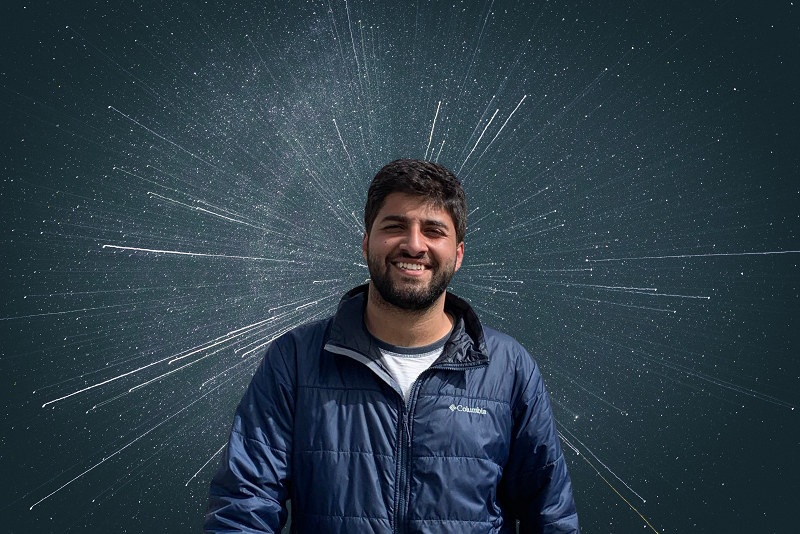
In this episode of the BTP podcast, Emaad joins Pouya in a free form conversation around topics such as Physics, world currencies, crypto currencies and a decentralized banking system and an idea of world UBI. Emaad is an Astrophysicist with a passion for technology Emaad's Social: Instagram: https://www.instagram.com/parachaexplores/ Twitter: https://twitter.com/parachuchutrain LinkedIn: https://www.linkedin.com/in/emaadparacha/ Pouya's Social: Instagram: https://www.instagram.com/pouyalj/ Twitter: https://twitter.com/pouyalj LinkedIn: https://www.linkedin.com/in/pouyalajevardi/ Episode Transcript:----more---- SUMMARY KEYWORDS currency, layover, canada, people, country, places, digital currencies, saskatchewan, money, picture, ubi, talking, notes, winnipeg, toronto, cryptocurrency, world, research, cryptocurrencies, thought SPEAKERS Pouya LJ, Emaad Pouya LJ 00:17 Hey, man, how's it going? Good, Emaad 00:19 man, how are you? Pouya LJ 00:20 Pretty good, pretty good. We're actually talking off off camera and not camera, but I'm recording about some stuff that is going on with you and your life. And I thought, you know what, it's actually quite interesting. Let's bring it in. Let's bring it in there according. Okay, so for sure. So let's, let's circle back to five minutes before our conversation go to. So you were telling me that you started a massive program? And you were telling the story of how that that happened? Emaad 00:46 Yeah, for sure. So well, I was in touch with one of my professors, ever since I gave my final for that course, which I, if you remember, I was with you. Yeah. I was taking it with you last year in like, April. And I spoke to the professor and he was interested. And he actually followed up on email as well. And he's like, oh, like, you know, would you be interested in doing research, or a few other courses on side, and I think I discussed that with you as well, last time. Yes. Because it's always a good idea to take some courses, take some courses even after you graduate, because they're gonna help you with, they're gonna help you with your graduate applications. If you have a gap here, you can take one or two courses, put them on your transcript, and that's going to be helpful for you. So I didn't take that route. But I spoke to the professor, I met with him a lot, I read on his research, etc. And eventually, around November, that's when the time came to apply. So I went ahead and applied got a bunch of references. And all I had to do was wait pretty much until March, when I got my when I got my admission. And when I got my, I guess offer from University of Toronto. So right now it's a master's in physics that I'm doing at the University of Toronto. And what I'll be researching on is with Professor Barth, Netherfield, who is a pretty well known Canadian astronomer. And what he does in his lab, and the cool thing is he actually has his own lab. So it's a whole building that's dedicated for him. It's not an office, it's not a room, it's not a lab space. It's a whole building at the University of Toronto, um, I think it's a two storey building, but his his, so at the ground floor is sort of a lab or a huge space lab space. And then there's, there's computers and stuff upstairs. And what he does is he creates telescopes that are as they're trying to be as effective as Hubble. But at a cheaper cost. That's his ultimate goal to create accessible telescopes, accessible space telescopes. And then what he does is he launches them to space on balloons. So he goes to Antarctica, Sudbury or Timmins, Ontario. There's also New Zealand, where he goes, and then he launches them into space. He's trying to be as close to the north and south poles as possible. And what he aims to do is he aims to do similar research that can be done with Hubble, but at a much lesser cost, because you're doing balloon based astronomy. So, you know, you don't have to pay for thousands and thousands of tons of jet fuel to get the telescope up, like Hubble and maintain it with the International Space Station. Pouya LJ 03:41 Yeah, well, that's, that's super interesting. And so what what got you? I mean, I know you wanted to do some sort of grad school program, but what got you to this specific program? What happened? I will Emaad 03:55 be honest, I will be 100% honest, I wasn't really planning. I never thought that it would that I would be doing this last year. Especially when we were finishing our undergrad degree. I Well, I was finishing my undergrad degree and you're about to finish. We were taking the courses then. Yeah. And when I finished my last final, I think it was my second last final with you. Pouya LJ 04:18 Yeah, sorry. My bad. Emaad 04:19 Yeah, I thought you know what this is it. Like, I'm never gonna touch physics ever again. If you remember correctly, that week was probably the toughest week of our lives. Pouya LJ 04:30 I I remember, Emaad 04:33 there was classical mechanics. At at, at what time it was I think
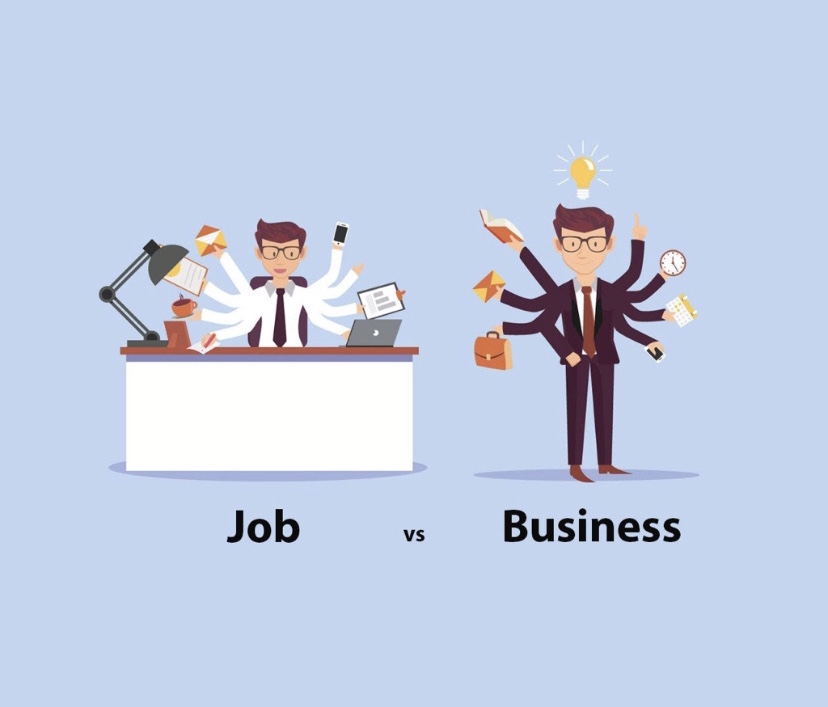
Ep 136#129 - Entrepreneurial Edition: Running Your Own Business vs Working For Someone
We kick off the newest addition to Beyond the Present podcast called the Entrepreneurial Edition with short talks from Daniel Molgan dedicated exclusively to business, entrepreneurship, real estate, stock market, Forex, and similar topics for those of our listeners who would like to improve their financial intelligence. In the first program as part of the Entrepreneurial Edition Dan delves deep into the issue of Entrepreneurship and compares what it feels like to run your own business as opposed to working for someone else. The truth is that some will always be happier and more successful working for someone else while others will be the most fulfilled when they run their own businesses. This short program can help you decide which one is right for you! Daniel's Social: Instagram: https://www.instagram.com/danmolgan/ Twitter: https://twitter.com/Danmolgan LinkedIn: https://www.linkedin.com/in/daniel-molgan-41812352/ Pouya's Social: Instagram: https://www.instagram.com/pouyalj/ Twitter: https://twitter.com/pouyalj LinkedIn: https://www.linkedin.com/in/pouyalajevardi/ Episode Transcript:----more---- SUMMARY KEYWORDS entrepreneur, business, entrepreneurship, people, work, run, clients, deal, life, prospective client, job, employee, wealth, solopreneur, edition, values, create, hours, decisions, certain types SPEAKERS Dan Dan 00:00 Hello, welcome to the first entrepreneurial edition of Beyond the present podcast. My name is Daniel Molgan. And in this edition of the beyond the present podcast we are going to talk about all things business investment, as well as finances so this particular edition is designed exclusively for the entrepreneurs or those who would like to improve their knowledge of entrepreneurship, business, finance and investment. So this of course, was way back there was a request by one of our basically listeners who requested such a program, of course and now here we are, we have this edition added to our basically podcast series and today we will start our first episode of the Evernote edition of Beyond the present podcast and today of course, this is our first episode of like actually sort of ride by the simple question of what is exactly entrepreneurship and whether or not you the listener should consider becoming one. So, as you probably already know, the word entrepreneurship nowadays is such Big deal. I mean, like it's become almost a global phenomenon, as well as a trend. And quite frankly, I think it's partially due to, you know, the new changes that we're seeing these days and social media and the way many entrepreneurs are using the platform to reach a wider audience, which has made the whole concept more popular. So basically, entrepreneurship is nothing more than you being able to offer your product or service at a profit to a specific customer or a group of customers. That's entrepreneurship, whether you are trying to let's say sell your musical for example, and knowledge as a let's say, a musician or as somebody who wants to sell the product that your company is making, whether you are offering your consulting, coaching services, whether you are set for example, selling you know, certain properties in real estate, all of these things. These are some examples of entrepreneurship that is the ability to run your own business and offer your product or service to a customer or groups of customers who are willing to To pay for that product or service. Now, that being said, isn't really all that simple. That is, knowing the difference is all that it takes to become a business owner? Of course not. So let's now talk about what it really takes to be a business owner and to run your own business. So first of all, there are two styles of entrepreneurship, we have one called solopreneur ship, as you probably know, about 40% of all entrepreneurs are actually solopreneurs. And almost 35% of all the companies registered in the US are run by one person. Now, personally speaking, solopreneur ship is one way to go about it, especially if you're you know, getting started with entrepreneurship because you don't have to pay for your staff. You don't have to hire anybody to have to get an office probably. And this allows you to work wherever you are. And this is of course, very popular among will be called a digital nomad entrepreneurs, that is bloggers, writers, programmers, and so on who they somehow use their own time, or when they want and of course, they get the profit that way. They're set Taiwan commercial force is what we call teamwork. That's when you begin and establish a team could be a team made of only two or three, for example, people or, let's say, individuals, or it could be perhaps made of, I don't know, hundreds or thousands of basically people. But usually most businesses start off with very few individuals involved in the process to run that business, and of course, to work towards improving its profitability. Now, it all depends on your circumstance. Well, Dan, first of all, I'm cu

Ep 135#128 - Let's Talk: Virtual vs. Face to Face Communication
It is said that words alone make up about 7% of our communication and the other 93% is made up of our tonality and especially body language. However, in the era of digital technology in general and a period ravaged by the coronavirus pandemic in particular we are seeing a dramatic increase in virtual forms of communication from text messages and stickers to audio and video calls. In this episode of Beyond the Present podcast Daniel and Pouya discuss the main differences between face to face communication and distant communication made readily available by the internet and offer suggestions on how to use the new technology in order to make our communication more effective. Daniel's Social: Instagram: https://www.instagram.com/danmolgan/ Twitter: https://twitter.com/Danmolgan LinkedIn: https://www.linkedin.com/in/daniel-molgan-41812352/ Pouya's Social: Instagram: https://www.instagram.com/pouyalj/ Twitter: https://twitter.com/pouyalj LinkedIn: https://www.linkedin.com/in/pouyalajevardi/ Episode Transcript: ----more---- SUMMARY KEYWORDS communication, text, virtual, texting, person, body language, face, people, talking, tonality, energy, meeting, friends, teleportation, arranging, childhood dream, phone call, important, urgent, means SPEAKERS Pouya LJ, Dan Pouya LJ 00:09 Hello ladies and gentlemen, welcome back to yet another episode of beyond the present Podcast. I am as always joined here with Daniel Mulligan How's it going, Dan? Dan 00:18 Hey, the man buddy glad to be here with you the one and only paychecks to have another let's talk addition another great episode to discuss things that matter and life is of course, great as usual. We are trying our best to go through this situation. Fortunately, things are getting a little bit better in some countries have it worse than some others. So now things are quite fine. I from my point of view in the Middle East, things are also quite fine in Russia. The US is gradually recovering. Unfortunately I heard some bad news about Germany because they had a basically a protest the other day about this all these limitations against the coronavirus pandemic. Some people are saying this whole is just a hoax and all that stuff. And as you probably know, I've moved the headquarters of my European company from Finland Gemini and this was a little bit problematic, because this year, Gemini is going through a lot of changes in terms of perhaps we're gonna have a new election and Merkel is going to leave and somebody else going to come and now there's a virus. So a little bit of problems in the European Union right now. But everywhere else things are quite fine. Zoo usual with all of our plans. Pouya LJ 01:18 Awesome. Good to hear that. Now, the progression of the Coronavirus is one thing but one thing that it did, it made a lot of real in person physical communication, move to a virtual space such as calls or a loop, right? Yeah. I'm here today we're sitting here to talk about that the difference between these two and the impacts it might have had or keeps having on our communications. So let's listen let's let's dig in. So what is the essence of a virtual virtual communication that is different than a physical communication and in person face to face communication, in your opinion? Dan 01:58 Very well. So if anybody here Among our listeners, just from NLP or neuro linguistic programming, one of the comments on this field of endeavor is that communication is basically only about three to 5% made of words. It's almost about let's say 25 to 35% in terms of vocal tonality and voice and so on, and the rest of it the majority is actually body language. So, if you look at the indication for you know, from, from these types of words, which is voice and tonality, which is yet small, but important, of course, then just words and then body language as the most important element of communication, you realize that virtual communication especially texting is probably the least effective means of communication. Now, obviously nowadays we have things like stickers. And I don't know emojis and all that. But even those things still not fully help us convey our emotions well in our communication. So, because of this, you can probably guess, as an extrovert that I am how I personally feel about, you know, verbal communication. So I use it just like anybody else. As part of my business communications, I rarely use virtual communication, to I don't know, just to have fun or pass my time because for me, that's just strictly business or to be in touch with friends and basically, in different parts of the world. So if I'm right now sitting in one city, let's just say that right now, I'm in Warsaw, Poland, and I are going to be texting my friends in Poland or in Warsaw, I will be texting my friends in other countries. But if I am in Warsaw, and I want to practice my polish, I am only going to be meeting my friends face to face because I believe that effective communication requires focus and physical pr

Ep 134#127 - Let's Talk: Choosing Your Leisure Activities
One of the common issues of the modern world is experiencing emotional and physical burnout due to excess work and stress combined with lack of sufficient sleep and physical activity, many are told to put long hours in their work and study and ignore leisure but the fact of the matter is that we need to treat our bodies as just that, bodies in need of rest and recreation. In this episode of Beyond the Present Podcast Dan and Poujix discuss the importance of having leisure activities and offer guidelines on how to pick the best means of R&R that are also in alignment with our long term goals and plans. If you want to learn to have fun and feel good about having fun the next day when you wake up then this episode is right up your alley! Daniel's Social: Instagram: https://www.instagram.com/danmolgan/ Twitter: https://twitter.com/Danmolgan LinkedIn: https://www.linkedin.com/in/daniel-molgan-41812352/ Pouya's Social: Instagram: https://www.instagram.com/pouyalj/ Twitter: https://twitter.com/pouyalj LinkedIn: https://www.linkedin.com/in/pouyalajevardi/ Episode Transcript:----more---- SUMMARY KEYWORDS leisure activities, leisure, people, life, activities, day, languages, pandemic, work, subtitles, fun, body, run, goals, enjoy, talking, reason, occasionally, burnout, recreation SPEAKERS Pouya LJ, Dan Pouya LJ 00:09 Hello, ladies and gentlemen, welcome back to yet another episode of beyond the present podcast. Let's talk addition as always joined with Daniel Morgan. How's it going, dan? Dan 00:19 Hey, man, buddy. Glad to be here with one and only Cujo likes to discuss a lot of great topics. So life is great. And fortunately, gradually the borders are getting reopen. Of course, again, I was very disheartened a couple days ago when I heard the news that Bali which was supposed to open its borders to all tourists around the world, on September 11, actually canceled the entire plan. And they mentioned that they will open you know, for tourists only in early 2021. And as you probably know, if Bali was going to open the borders, probably many other countries would follow because that's like a place for tourists. So people don't really have to wear masks winter on volume and let's say islands and that you're having some fun over there. So that was a sign Perhaps the world is ready to get back to normal. But the very fact that the government of Bali somehow did not agree with this and they postpone the plan to 2021 implies that we still have to wait for the vaccine, basically. And I also read an article by Bill Gates that mentioned if 30 to 60% of population in the US get the vaccine, the pandemic is essentially over. So we'll see how it goes. And so there are some good news, generally, although there was one disheartening, basically piece of news that I heard earlier from wh o world health organization that said, even a vaccine might not end the pandemic, but then again, I'm guessing that's more like politics, because as you probably are aware, Donald Trump announced that the US will no longer funds w h o from next year so I'm guessing that they will you should feel like they're left behind that Oh, by the way, you will never have a really from the virus if you want us to just start you know, refund this so maybe we'll find a way. I don't know. Perhaps it seems like you know, dirty politics because I don't think the world Right now needs bad news from especially who to tell them that even a vaccine will not end the pandemic, because that's from my point of view is very counterintuitive, because it is proven proven that it can actually end if a certain, you know, minority population actually do get vaccinated. So overall, things are fine. And we are hoping to hopefully see how things will change. I'm literally preparing all of my plans. Now, we are just waiting for the pandemic to be over. And as soon as you know, hopefully, life gets back to normal in 2021. I'm plan to actually initiate a lot of our projects in Europe. So I focused a lot in China and Russia in the past four years. So most of our focus for the next four to five years will be in the European Union. So France, Germany, Sweden, and a few countries like that. We're going to focus on these countries for a while. So we are preparing our plans, basically so that we can actually initiate a full fledged European campaign from next year. We'll see things things are really fine and we're doing our best to stay afloat. Pouya LJ 03:00 That's, that's amazing. So you're on the slightly more. We call it optimistic camp regarding this whole pandemic situation Dan 03:09 I have to be if you're an entrepreneur, as you already had this assertion earlier, if you're an entrepreneur, you have to be an optimist. Pouya LJ 03:14 Fair enough. No, that makes sense. That makes sense. All right. I hope you're right. We're all really free, by the way. Dan 03:21 perspective, are you on the pessimistic spectrum? Pouya LJ 03:23 No, I'm not on the pessimistic spectrum. But I'm a little bit.

Ep 133#126 - Solo: A Revised Look at Working Hard & Working Smart
Working hard has been known as the main pillar of success but is working hard truly all you need to be successful? A quick glance at professions that demand intense effort and long hours such as construction workers and busboys shows that there is no direct relationship between hard work and success. In other words almost all successful people are hardworking but not all hardworking individuals are successful. In this solo edition of Beyond the Present podcast Daniel will shed light on the other equally as important pillar of smart work that allows you to do better things, do them in a better way, and do them with better people! If you want to work both hard and smart in whatever you do to obtain the best results and improve them over time then this program is for you! Daniel's Social: Instagram: https://www.instagram.com/danmolgan/ Twitter: https://twitter.com/Danmolgan LinkedIn: https://www.linkedin.com/in/daniel-molgan-41812352/ Pouya's Social: Instagram: https://www.instagram.com/pouyalj/ Twitter: https://twitter.com/pouyalj LinkedIn: https://www.linkedin.com/in/pouyalajevardi/ Episode Transcript: ----more---- SUMMARY KEYWORDS work, customer, construction worker, hard, hours, day, income, increase, money, people, smart, bad apples, life, arrive, simply, business, success, thinking, higher, job SPEAKERS Dan Dan 00:14 Hello, and welcome to yet another episode of beyond the present podcast, the solo edition. My name is Daniel Molgan. And welcome to this show where we're going to talk about the paradigm of smart work versus hard work. You see, guys, unfortunately, a lot of the times when we talk about success, people are asking me So Dan, I want to be successful. So the only way of course is to work harder. And guess what, I completely agree. I believe that hard work is the essence of success in all areas of life and anybody you look around who are truly achieved and accomplished individuals, you kind of realize that they are real hard workers. But here's the truth are all people who are successful, hard working, I mean, does being hard working itself lead to success or those who aren't are successful, they tend to be hard because that's very, you know, different. For example, think about construction workers think about busboys, think about, I don't know, those who tend to work day and night, basically very little. And they're always working, let's say farmers or working on the field, let's say I know, as I mentioned earlier, like construction workers, so these individuals are hardworking, but they're not rich. So this clearly shows that a relationship between working hard and acquiring major success in life, while that's very, very important, but there's no direct relationship here. Because if we thought that big, you know, somehow being hard working makes you successful, then perhaps the only option you would have is to simply work harder at whatever you did. But the fact of the matter is that that is not the way to acquire you know, major wealth or success. So today we're gonna talk about the other elements of basically success which are not necessarily just about working hard, but rather It's about creating a lifestyle where you somehow tend to get higher and higher on the scale of income as well as profitability. While Of course, from any hard work individual. You see, whenever it comes to any area of life, whether it is I don't know, learning a new language, whether it is to lose weight and gain muscle, whether it is to start your own business, ultimately, there is always going to be an element of what we call sweat equity. That is you have to work hard at it. And that is always there. But the question is this, you can work hard at a task that is inferior, or you can work hard a task that is superior. And it's quite obvious that once you work hard at a superior task, this will yield higher results. So let me give an example here. Let's say you're a construction worker, and you work very hard to work 12 hours per day, at the end of the day, you're going to get your minimum wage, which is about let's say 15 bucks an hour, right? So after having worked all day long and have only slept, let's say I don't know, six hours. So you have have spent a tremendous amount of time working almost 18 hours. I mean, like, that's a lot, right? And at the end of the day, what you end up with is not a lot of money, right? However, what if you know you were a, let's say, Elan Musk, he also sometimes puts very long hours at work. But despite the fact that he might spend sometimes what I don't know 16 hours a day working 18 hours per day working, does that mean that he necessarily makes this amount of money as somebody who was a construction worker? Of course not? And the answer is because Ilan musk works on higher value tasks that will then allow him to yield better results. So in whatever you do, you should ask yourself, first of all, what is exactly my major, basically, path in life? What is exactly my major goal in lif

Ep 132#125 - Let's Talk: Subliminal Learning & Influence
Your conscious mind is capable of processing no more than seven bits of information at a time but your subconscious mind knows no such boundaries as it is receiving input 24/7 from all of your senses and as thus is influencing you in the process. That is where subliminal learning and influence comes into play as a tool to educate, influence, or even manipulate. In this episode of Beyond the Present Podcast Dan and Poujix discuss how we could come to learn languages, master musical tones, discern color patterns, develop a sense of connection or familiarity with a product, or even downright be indoctrinated through subliminal influence. You subconscious mind is learning and altering your mood and behavior all the time without stop, this episode will remind you of the importance of preparing yourself for the right types of subliminal learning and influence while avoiding the wrong ones. Episode Transcript:----more---- SUMMARY KEYWORDS learning, subliminal, influence, background, language, people, consciously, form, coca cola, learn, matter, listen, commercials, trump, advertisement, impact, pay, billboards, behavior, audio SPEAKERS Pouya LJ, Dan Pouya LJ 00:09 Hello, ladies and gentlemen, welcome back to yet another episode of BTP podcast. Let's talk edition. As always, I'm joined with Dan How's it going? Dan 00:18 What am I man buddy? How are you? Good seeing you. It's so glad to be I'm really so happy to be here right now and just to see your face. You've gone full nerd mode right now I love the background like literally you are now a total real physicist 100%. And I love you know, the background is pretty cool. So just can't wait to get started to share ideas with our great listeners. Pouya LJ 00:39 Oh, that's awesome. Yeah, likewise, thank you first of all for the compliment. Yeah, so it's been going on for a while. Dan 00:46 So one good question, by the way, Blue Jays. So now you've basically officially graduated, right? Pouya LJ 00:51 Yeah, well, one more semester but yes. Dan 00:53 Oh, almost there, buddy. Don't push, keep pushing. Otherwise, outward actions can be very, very disappointing people Pouya LJ 01:01 Yeah, that's true. All right. Okay, so today's episode is about one of one of one of our audiences ask the question on Instagram from you and that was so as a response to our previous episode, which was about influence of audio on our lives day to day. He his question was the effect of subliminal learning and generally speaking effects on us. So for example, it can be used, as you mentioned in your response by Tony Robbins and your self education, but it's also used perhaps a little less known in advertisement often. Now, we want to address this subliminal learning. First of all, can you define what it is? Dan 01:48 You see subliminal learning or any type of influence a similar nature is pretty much about you trying to influence people at a subconscious level and indirectly rather than directly and consciously. And ironically, it's a slower form of learning, because you're not actively engaged with that process. And also, it takes a long time to change someone's behavior if you want to use that as a form of influence. But ultimately, as you probably know, the subconscious mind is awake 24 seven, and it is far more powerful than the conscious mind ever will. And because of this, simple learning actually has been used throughout basically, you know, not only the modern world, but even in the past, to instruct people and to change their behaviors. And of course, it's a great tool for education. But as you already pointed out, it also could be used to alter people's behavior or preferences, the advertising and commercials. Pouya LJ 02:40 Okay, so let's let's branch out into these two, kind of separate segments. And first, let's start with education. So how can one use it for their students or for themselves to educate themselves better? Dan 02:52 Well, as you probably know, I'm a linguist. So we can learn a lot of for example, languages subliminally and you probably know there's a A lot of courses out of garlic, learn French wild sleeping or something. And, of course, I personally tend to stay away from those courses as much as possible, because in most cases, they're just pure branding and marketing, and there's no real value in them. But basically, anytime there's a form of audio or sound or music in the background, or there are certain types of visual basically pulses in the background, but let's say you're watching for example, something and then at a millisecond, there are certain basically images being shown. Now your conscious mind will never recognize that little thing. But your subconscious is actually reading on that and actually is changing and affecting your behavior. This is also used in a lot of research in labs as well as psychological tests. So it's a great way to influence basically now from my point of view, the most effective forms of subliminal learning when it comes to audio for
Ep 131#124 - You are what you listen to
Having control over our sensory input insures choice over the outcomes that we achieve in life and while many of us are quite picky about what we eat or even see, a great deal of us are thoughtless about what we listen to! In this episode of Beyond the Present Podcast Dan and Poujix discuss the importance of being more selective about what we listen to from sound and music to podcasts and audiobooks. You are what you listen to thus if you want to change the quality of your life you need to change the quality of your auditory input and this short program will remind you to do just that. Episode Transcript:----more---- SUMMARY KEYWORDS book, listen, audio, podcasts, audiobooks, audio inputs, choosing, life, author, input, applicable, important, poker, impact, influenced, emotional state, music, importance, title, topic SPEAKERS Pouya LJ, Dan Pouya LJ 00:09 Hello, and welcome back to yet another episode of beyond the present podcast. Let's talk addition as always with Daniel Mulligan How's it going Dan? Dan 00:16 it, man, buddy. How are you? Good to be here with you for yet another great episode of The let's talk edition, and couldn't be excited about this matter anymore because it's just so great to hear your voice after a while. And life is great. I mean the coronavirus pandemic is obviously not over at all, but we are still seeing some, you know, even spikes, basically that are going up in some cases now. Now California is ahead. But overall life is good. And life is somehow getting back to normal in some countries. And of course, generally, we're not complaining Life is good and we're going forward. Pouya LJ 00:51 Let's pretty good. Good to hear that. Dan 00:54 Now. Pouya LJ 00:55 So today's topic, thankfully we're not talking about anything Coronavirus related for change And we are talking about. So this is a topic you introduce and you will you sort of use you mentioned, you are what you listen to. And it was a very interesting scenario. And I think we share similar thoughts on the matter. So we thought, you know what, let's go go ahead and give it a go to try about this topic. And so first of all, can you can you explain what you meant? When you said, You are what you listen to? What do you mean by say Dan 01:26 was, it said that you are what you eat is like pretty common. But the fact of the matter is that a lot of us we pay up a lot more attention to what we eat. But we don't care so much about the other inputs, as we know we have, you know, five major inputs. Basically, one is of course, visual one is kinesthetic, the things that we touch or do physically. And one is of course, what we taste. One is what we basically hear. And unfortunately, that's what unfortunately gets ignored and neglected a lot. Because of this. I believe that we need to take care That aspect of basically our lives as well, if you want to, you know, take full control of our lives, because if you are not in control of what auditory input you have in your head on a daily basis, then of course, you will have some problems and your life will not go the way you want. And for this reason, I believe that the quality of your life really is determined by what you listen to. Pouya LJ 02:23 Yeah, that makes a lot of sense, though. I want to also mention Yes, it's one of the things that the one of the downsides is that you can't really turn it off easily, like you can't shut your ear and not the best you can do is pluck your ear. There. There's a question how much the worst actually doesn't work that much does it? No, not really. It makes it dim, but still you can hear but there is a there is a there's a degree that you can also think of it as upside. And that is you can listen to stuff passively meaning web while doing other stuff. For example, you're listening to podcasts, perhaps if you're in the gym or commuting, driving. Whatever. So now, I want to talk about that. I want you to talk about that a little bit. And so what are so we met, you mentioned the downside, and there's an upside. What are the ways you can we can do to optimize the upside, but on the other hand, minimize the negative part. Do you have a Dan 03:18 very good question. You see, when it comes to understanding the way the environment affects you, you have to understand that what you listen to has a direct impact on you. A lot of times people ask like, Dan, what do you get all this energy to be active all the time? And the answer is because I'm very much aware of what input I have throughout the day, not just basically auditorily there are many other ways to control it. But for me, audio is very, very important. Of course, I grew up as an auditory learner for the most part. So for me, that was always a thing which actually led to me becoming a polyglot. But the fact of the matter is that once you have control over what you listen to, it changes the way you think you change the way you feel the world around you. And because of this, I've always believed in the importance

Ep 130#123 - Solo: The Art of Dreaming Big
One of the best lessons that I learned from Tony Robbins is that the people who lack motivation don’t really lack motivation at all, rather they simply lack goals that are motivational enough! The first biggest mistake in goal setting is failing to set them in the first place and the second biggest mistake is setting goals that are too small and thus demotivating! In this short talk Daniel introduces the concept of blue sky thinking and the importance of dreaming with no limits and then balancing it out with realistic and rational planning and execution. The truth of the matter is that your potential can only be revealed to you if you set goals that seem beyond your current ability so that they force you to grow and in this program you will learn how to do just that! Episode Transcript:----more---- SUMMARY KEYWORDS dream, goals, planning, life, achieve, realistically, realistic, steps, set, pandemic, reality, people, business, true, motivation, execution, limits, potential, corona virus, details SPEAKERS Dan Dan 00:12 Hello, and welcome to yet another episode of beyond the present podcast, the solo edition. My name is Daniel Morgan and today we're going to talk about the importance of setting the right amount of goals to give you the right level of motivation to say guys, we just finished a wonderful workshop and we were discussing the issue of goal setting, visualization, and even fantasizing and daydreaming about your goals. And it was just a very, very constructive workshop. And I really enjoyed this and I want to just, you know, share a few of the tips that we discussed during the seminar and what will you guys hopefully be able to use and apply to your own lives. First and foremost, we actually talked about what it really means to set goals and to have dreams because I am a firm believer in the fact that if you do not have a dream to aim for, then your life will be Filled with repetitive, meaningless moments of brainless entertainment, as well as, you know, disengagement life that you simply cannot get rid of, and you will never truly experienced a real joy of life. And what is the real joy of life, the real joy of life is about, basically, you know, there's a great statement about this already learned a while back and it says, happiness is the progressive realisation of a worthy ideal. And this was by Mr. Nightingale. And in reality speaking, I think this is what we need right now. a happy life, a life of basically contentment, a life of joy. And satisfaction is a life where you are taking progressive steps, small but progressive, towards all of your goals and ambitions and dreams. Now, the good part is, you don't actually have to arrive at your destination, to feel happy to feel basically satisfied. What really makes us all happy is that Chase is that pursuit is that effort that you're making every single day trying to get closer and closer to realizing that dream and I think that's really what we need to focus on and in the in the in the workshop we discussed what are our dreams and I think every listener that is currently listening to our podcast should understand that we only the dreams now your dreams might be very silly like I don't know, just I want to win five hands back in you know back to back or your dreams could be very, you know, difficult to attain perhaps world peace, perhaps equality, you know, fighting global warming. What it really is a dream is nothing more than a wish or a hope and something you really want to aim for in life. And while I'm a huge fan of basically making plans that are more realistic, and rational, when it comes to dreaming, I believe that we need the exact opposite because If you want to implement logic and rationality, in dreaming, you will fail and dreaming may explain why. You see, when it comes to making plans, you're saying well, I should first say what are the requirements? What are the steps that should be taken? And what should we do right here. So you think very logically, very linearly, and very realistically, because you have to make a plan. However, when you make the exact same basically approach and you apply it to dreaming, you will fail because dreaming is supposed to be and I'm certainly realistic. It is supposed to be irrational because it's supposed to excite your imagination. And Albert Einstein said that imagination is the most important thing of all, because he believed that imagination is what leads to creating new potentials. So the problem with realistic dreaming is that if you dream realistically, you are defeating the purpose of a dream which is that non basically Ending and continuous surge of energy and motivation to realize, you see, if you look at people around you who are highly energetic and highly motivated, and they're always going at it day in and day not. I've seen a lot of these people. I mean, I just talked to a wonderful athlete. And this guy is crazy about basketball, like, he just wakes up early in the morning. And he tries

Ep 129#122 - Let's Talk: Diplomacy
The word diplomacy brings into mind images of politicians discussing comprehensive deals among nations but the truth of the matter is that diplomacy is not something that happens only in politics, rather, it is an essential component of every human relationship that includes peace, cooperation, mutual respect, and understanding among in a group of individuals as small as a newly wed couple and as large the United Nations with all its member countries. In this episode of Beyond the Present podcast Dan and Poujix discuss the issue of diplomacy as it applies to our personal and professional lives and offer ways to avoid diplomacy being replaced by fights and arguments. Episode Transcript:----more---- SUMMARY KEYWORDS diplomacy, diplomatic, relationships, practicing, emotions, fails, act, punching, deal, feel, influence, books, people, business, grabbing, talk, means, long term, traveling, life SPEAKERS Pouya LJ, Dan Pouya LJ 00:09 Hello, ladies and gentlemen, welcome back to yet another episode of beyond the present podcast, joined with me as always, Dan Molgan, how's it going, man? Dan 00:17 Hey, man, buddy, how are you glad to be here with you life is wonderful. And of course, we're back on track, working very hard and trying to make sure that things remain upbeat. Despite all the challenges of your hand. Of course, I'm very happy to know that there are some improvements. Now in terms of traveling around the world, some boards are getting actually opened. And of course, it's not going to be as I really wanted. I think that the true summer will be experienced, hopefully, next year, but it's better than nothing. And let's see what happens. But for now, life is great. And I'm waiting to see hopefully how, for the rest of the summer we will see some changes in terms of traveling in terms of the orders in the European Union in Asia and the Middle East, and hopefully things will get better. We'll see. We'll see. Pouya LJ 01:00 That's good. So they were talking about some topic regarding how to what is the art of being a diplomat. So first of all, the first thing comes to anybody's mind when you're talking about the word diplomat or diplomatic is the, you know, international relationships, which is very true. Of course, that's part of the whole part of the whole deal. But I wouldn't really put a stop to the definition of the word there because you can apply diplomatic behavior and being being diplomatic, as an art form in your life and your business and your personal life. So how do you how do you see it? Do you see it that is contained within the EU between countries when they're negotiating, for example, trade deals or whatever? Or do you think it applies to personal individual lives as well? Dan 01:42 Absolutely, very well put out and such a smart statement. Diplomacy exists, whether someone wants to buy a candy as a five year old, or whether somebody wants to negotiate I don't know, for example, a major trade deal between three or four countries to see when, for example, a five year old goes to, for example, His mom and starts looking in his eyes and says things like, Oh, Mom, Hey, Mom, what's up? Do you see that candy over there? Well, this little five year old is actually engaging in diplomacy. Now depends on how he does it. If he says, Mom, either you buy me the candy, or I am not going to talk with you anymore. We call this emotional blackmailing. That's one of the strategies of, you know, diplomacy. If, on the other hand, he tries to get the candy by being very nice and kind with the mom and trying to, you know, be very attractive. We call this enticing, which is a very democratic approach to towards diplomacy. But diplomacy Simply put, is about reaching agreements, and avoiding conflict, especially when it comes to physical conflicts. Diplomacy basically is what prevents wars from happening and where we see worse across nations, or fights would be verbal fights or even physical fights. That's it. happens when diplomacy fails because diplomacy is that glue that holds the societies peace and stability together. And without diplomacy, there's nothing left but arguments. So imagine that child who did not get the you know, candy starts smashing things around anyhow basically and starts punching, for example with his, you know, his little hands punching the man, I want the candy. That's when diplomacy fails. So whenever we hear verbal fights, people start using strong language Oh, you this and this such and such a person. That's when diplomacy fails. When we see physical fights. That's, you know, when diplomacy when you suddenly see somebody grabs, I don't know, I don't know, some brick and or some stuff, start pushing somebody or punching somebody. That's when diplomacy fails. And of course, when you see troops landed, and boots on the ground, that's also when diplomacy fails. And obviously, as we know that, you know, in the modern world, we want our societies to the modern, in the very sense of modernity with

Ep 126#121 - Solo: The Crisis of Masculinity
As we celebrated Father’s Day the issue of masculinity has been brought back to spotlight. If you are a man then answer these questions: 1-Are you in a relationship with a woman who is in control of the relationship? 2- Do you feel like other people don’t understand you or don’t appreciate you? 3- Do you prefer yoga and massage over weightlifting and aerobic? 4- Do you lack self confidence, dominance, and assertiveness? 5- Do you feel like you lack goal orientation, focus, and persistence? 6- Have you experienced serious depression caused by an emotionally triggering event that lasted for a very long time and didn’t go away naturally or with the help of mental health professionals? 7- Do you prefer crying about a problem instead of channeling your aggression to solve the problem? If you answered yes to any of these questions then the chances are you are involved with masculinity crisis that has alas gone rampant in the modern world. Young men in these days spend most of their primitive years until the age of 12 with their mothers and their female teachers at elementary schools as often their fathers are out working and later in life they also spend most of their time at home with their girlfriends or wives and at some point they look back at their lives and wonder why they lack masculinity! In this solo edition of Beyond the Present podcast Daniel explains the reason behind the spread of masculinity crisis among men and offers the guidelines on how any man can deal with this crisis and reclaim his manhood. Episode Transcript:----more---- SUMMARY KEYWORDS men, spend, male role models, young man, masculine, masculinity, father, crisis, women, problem, oftentimes, mom, world, means, lack, issue, people, modern, school teachers, male SPEAKERS Dan Dan 00:11 Hello, welcome to yet another episode of beyond the present podcast, this solo edition. My name is Daniel Morgan, and welcome to this episode dedicated to the Father's Day and of course, the issue of masculinity in general. So first of all, I'd like to congratulate this wonderful day to all the fathers around the world, because obviously, it's you know, their day and I would like to somehow congratulate all of them, and to thank them for the effort that you make to raise the families and to contribute to their families. And today, of course, the major topic of our short discussion today is not so much so that, you know, the Father's Day itself, but the issue of masculinity and the fact that we are unfortunately, in a world right now where masculinity is under attack, and let me just explain that a little bit what that means. You see I have a lot of students friends, contacts, Basically, and staff members who come to me and asked for certain questions regarding how they could be a good man. I mean, this is a serious problem like imagine young people, man after man, they come and ask you listen, Dan, I got a problem. I don't know what it means to be a man anymore. And I don't even know should I do it right now? What's the manly thing here to do? And this clearly shows a certain crisis that we have entered into in the modern world. And that is the masculinity crisis. Now, let me explain what that means. You see, unlike the ancient times, where perhaps a young boy was born into a tribe, and then he would immediately have male role models everywhere, so he would go hunting, he would go fishing, he would go, I don't know, perhaps work with the blacksmiths and the men would oftentimes spend a lot of time with other men. And this way young men would have been learned how to be a man by simply learning from their male role models from their peers that essentially A lot of time with, unfortunately, in the modern world, things have changed a little bit. So most young men in their basically, critical, early years, they tend to spend most of their time with their mothers and not their fathers. Why? Because the father is out working, and making, you know, making money and trying to support the family. So oftentimes, in early years, especially into the first 12 to 15 years of a boy's life, he tends to spend a lot more time with his mother than his father. And this is, of course, one of the side effects of modernity, which unfortunately, has had a negative impact on most basically young man's sense of masculinity and manhood. And that is why we need to address this issue, of course, in this program, like to talk a little bit about, you know, this issue and how it will impact the young generation of men and what we could do about it to somehow resolve the issue. So first of all, when a young man spends most of his time Either at home, I don't know behind computer or playing video games and then physically encountering and you know, in talking with basically his mother, then he will simply not learn to think like a man, he will simply not learn to be a man because he does not have what we call a male role model. You see, oftentimes what I mean, if you look at like role models
Ep 125#120 - Let's Talk: The Precautionary Principle
One of the common divisions in our modern global societies is whether a community is resistant towards change and innovation or accepting of it. What do genetically modified food, children adopted by LGBT families, and abandoning coal mining for renewable energy have in common? They are all progressive plans that require a society that is open to new things; however, is accepting all things new necessarily the key to progress and life satisfaction? In this episode of Beyond the Present podcast Dan and Poujix discuss this issue in depth and explain why the optimum approach is the moderate one that is open to new things but is still rooted in the tried and true methods of the recent past. Episode Transcript: ----more---- SUMMARY KEYWORDS nations, world, conservative, approach, religious, tend, generally, terms, risk, wealth, impose, life, ideas, trump, people, europe, point, principle, precaution, traditions SPEAKERS Pouya LJ, Dan Pouya LJ 00:09 Hello, ladies and gentlemen, welcome back to yet another episode of beyond the present Podcast. I am as always joined here with Daniel Mulligan. How's it going down? Dan 00:17 Edwin man, buddy, how are you going to be here with you for yet another great episode. And of course life is great. The world is gradually getting out of that crazy quarantine mood. And since you know, of course, we're now officially in summer. 00:31 So think Dan 00:33 about the second way but for now we can actually breathe a little bit, go outside, go to the parks and even have business meetings and stuff while maintaining Of course, social distancing. So life seems a lot better now than it was like a month ago but for now we have to force remain hopeful and see what happens. The other Front Of course, we had a major protests following the death of George Floyd and the world is now expressing and condemning this action And I'm very happy about this matter of fact that this voice being heard, and all minorities around the world will now have their voice heard. So they can actually understand there's no place for racism in our modern world. And most recently, I heard that Joe Biden actually exceeded Trump in terms of his popularity. So now, as of now he's about 30%, popular, much higher than what Obama actually had a while back while Trump's dropped to 43. So basically, on the political front, on the business front, and on the social front, things seem a lot better, more positive, hopeful. And of course, it couldn't be any better right now, because now I'm feeling great. And of course, being here with you right now is just a great testament to that feeling and expression. Pouya LJ 01:36 Appreciate that. Likewise, it's a it's a complimentary situation going on here. And yes, I think things are, again, if we don't jinx it right now, I'm not superstitious person, but you never know. So anywho. So, today's topic is not too distant from this conversation that we've been having until now. And that is about this thing called the precautionary principle. Which basically, I mean, in a nutshell, it means that if, you know you attack problems or or if you're unsure, you go with the most extreme precaution possible, and default to that status quo, essentially. And we're going to talk about the problems that can come up that actually there was a article motivating our conversation, which we're going to definitely put on the show notes people can read for themselves for their pleasure. However, we're gonna we're going to talk about that from our perspective. So what do you think about this, this principle and and what how do you look at this? Well, Dan 02:43 I think before we actually express you know this to our audience, I think they should first know because you and I both we know what it means, but maybe our audience don't know. So right now, go ahead. First, tell our listeners a basic definition so they know what we're talking about here. Pouya LJ 02:56 Of course, no, I definitely as I as I mentioned, so procrastinating is okay. I can actually I can bring a precise definition up here. Dan 03:06 That's right, of course. Pouya LJ 03:07 But in a nutshell, it means that you're, you're attacking problems from the point of view of being cautious. So okay, this is a this is the Google definition of it. The principal the distraction. Yes, the principle that the introduction of a new product or process could be also a legislature, whose ultimate effects are disputed or unknown, should be resistant. It has mainly been used to prohibit the importation of genetically modified organism and food. Well, that's not just the thing we're talking about, but Dan 03:40 just the GMOs as well. Yeah, absolutely. It's about being prepared, you know, having precautions for anything new and strange or not tested before try and but frankly, speaking, as you already you know, gave our listeners definition. As you probably know my attitude towards life, I believe in balance. So if you want to Create a lifestyle where you are resistin

Ep 124#119 - Solo: Beyond the Color of Skin
Enough is enough! Those are the words shared by the masses not only in the United States but also all over the world following the unfair and unjust death of George Floyd that once again reminded us of the presence of racism in the modern world despite all the progress that we have made in all other areas of life. In this short talk Daniel will discuss why it is important to take a hard look at the issue of racism and he goes on to offer two major solutions to gradually reduce and eventually eliminate racism once and for all! Episode Transcript: ----more---- SUMMARY KEYWORDS racism, minority, issue, world, education, people, empathy, friends, globalism, happen, indians, communities, mistreated, understand, black, awareness, ethnicity, traveling, violence, talk SPEAKERS Dan Dan 00:12 Hello, and welcome to yet another solo. There's no beyond the present podcast. My name is Daniel Morgan, and welcome to this episode dedicated entirely to the issue of racism. You see, unfortunately, I don't have to remind you about the damage that has been caused not only you know communities all across America but all over the world after the death of George Floyd and we are all sorry and we just can't believe the harsh reality that we are currently now dealing with. So today I would like to talk about racism from a different angle. I'm talking about how we can actually eradicate it once and for all I'm not gonna dive you know, deep into why we have racism why we have this issue, right? And because we all know, the reasons go back to our history. We all know that this is not just the first time that we've seen member of African American community has been mistreated by the police officers. And I don't know how long will this continue. But this is simply has gone on for far too long. And we are now at a point where we have to say that enough is enough. And from my point of view, what really are is currently happening right now all across the world is a new level of awareness. We are seeing that people around the world are now waking up to the harsh reality and the consequences of racism. And the death of George Floyd hopefully will teach us to look at this issue a bit differently, and more importantly, to take it very, very seriously. So as of today, we have seen people all across the world stand up to this issue, and they're expressing their anger to the governments around the world, to authorities and of course, to anyone who harbors such racist beliefs. And I believe that they are doing the right thing and I'm totally with them in this regard. But for now, for today, I would like to basically talk about a solution. I believe that we should focus less than 10% of our attention on the problem. And about 90% on the solutions. And that's what I learned from my mentors. And I would like you guys to have the same perspective. Yes, we can talk for days, for weeks and months about how horrific what happened, George Floyd was. And that's so true. And we are all very sorry to have lost another black person just because of the mistreatment of the near the police, basically, and law enforcement, but talking about the problem, will not solve it. And I'm seeing this right now all across the media, people are talking so much about why it happened, how it happened. What was what were the details of that situation, exactly. And who was to be blamed here, and we need to find justice. These are all important. And I'm pretty sure that hopefully justice will be served and the officer or the officers in charge of this situation will be punished. But the real problem, the real underlying cause. That's what nobody's talking about. Because Racism needs to be eliminated in the modern world. There is no place for racism and it is my best, deepest wish and hope that at some point we actually stop somehow paying so much attention to details and instead focus on the real underlying cause. Why is it that the world of the 20th century, we had a major, major war, the war, the Second World War, of course, caused because of a racist person who thought that Jews are out there to you know, get the world we've already seen the damage done to the world. We've already seen what that does. We've already seen what fascism and racism does to the whole world and we aren't somehow you know, turning a blind eye to other issue. There's now happening with the black people and understand this. Today's racism is not just about the black community. It is also about anyone who comes from a specific ethnicity there's thought to be inferior in some way or some force some reason it could be, you know, easy to refer to certain Jewish backgrounds could be referred to certain Muslim backgrounds, people of certain nationalities, Indians, and many other types of people who are now being harshly judged purely, because they happen to be born in a family with that specific ethnicity. And that's just, you know, beyond me. So, the horrors of the 20th century, I believe, should act as a re

Ep 123#118 - COVID-19 update: From economy to heath, how is the world coping or isn't
The latest development in the research done regarding the coronavirus has proven that the virus was not as deadly as initially thought and in the world of politics new allegations against the government of China have been made. In this short episode we bring for you the latest update on the COVID19 pandemic and how it might change the world in ways the we could initially imagine.

Ep 122#117 - Mandelbrot Set, Fractals & The Quest For A Deeper Reality
Image by Barbara A Lane from Pixabay In conversation with Deep & Govind entertaining thoughts on Fractals and the nature of reality. Deep is a quantum Computing and UFO researcher, avid participant of Reality and CEO of ReactiveQ, VP AI UAPx. Govind has interests in computation models of cognition, using fractals to model dynamic systems, logic programming and fractals in number theory. Projects he is working on: 1. SecureDLT 2. Rabbithole 3. Legal Hackers at UofT Law This episode was recorded in March and all mentions of COVID-19 are quite irrelevant to today. Episode Transcript and Show Notes: Download Show Notes ----more---- Episode Transcript: SUMMARY KEYWORDS fractals, mathematics, deep, reality, predict, mandelbrot set, emerges, measurement, physics, hilbert space, similar, model, universe, question, idea, talk, multiverse, super, stock market, measure SPEAKERS Pouya LJ, Govind, Deep Pouya LJ 00:17 Okay, now we're live guys. How are you? Good. How are you? Pretty good. Pretty good. Thanks for asking. Going. Ah, we're going to go one by one. So how's it How's it going? How's life going with you? COVID Govind 00:29 life's going good. I'm out in Washington, DC and it's been a while since we did some of these podcasts. So it's good to be back into this. Pouya LJ 00:37 Yeah. Awesome. So yeah, it's been a long while and you have some exciting stuff later on. And in few months to that is going to be out of maybe even sooner. We'll see. Well, we'll just keep it at that. It's gonna be a secret for now. How about you day deep. How's it going? Deep 00:52 I really good man. I'm enjoying the fact that the weather's getting better. I'm out in Toronto for the time being Yeah, I can just like the opportunity to reflect and stay indoors. Pouya LJ 01:07 Awesome. Yeah. Well, so it's a good idea to probably stay indoors. Although it's a very nice weather. It's a little bit cold but it's very sunny here in Toronto. country I don't know. How's the weather in there? Govan in Washington? Govind 01:21 Oh, well, it's it's better than Toronto to start, but it's also a warmer now and the trees are blooming again, because I used to thinking it's spring. So, you know, you know how weather is weather is fractal. Pouya LJ 01:37 Now, why don't you tell us why you mentioned fractals right now. Govind 01:41 Oh, well, because you told me Hey, let's talk about fractals in a podcast. No, I'm joking. Pouya LJ 01:46 Well, that's actually literally why this Govind 01:48 is what this is. But apart from that, well, weather itself is composed of many tiny micro processes that have an emergent macro phenomenon. Right, which is what weather is, the micro phenomenon is like how, how gases move with against each other. Like, like in the atmosphere and pressure differentials that happen due to various like micro conditions like, maybe something gets moved, you know, and then there's something that emerges out of it, which is which is what climate is. So that's kind of really the theme of what fractals are. fractals are something that have that are composed of many self similar pieces. So there's, there's like a large thing, like you're gonna think of it like a square like a square is self similar, because if you cut up a square into four tiny squares, you have each of those squares are just a quarter of the size of the actual square. But then you can you can extend that to something like a cube, which is like you can cut up a square a cube into like, four tinier cubes, each of which is an eighth of the size of the original cube, right? So you can also extend this to something like that. A weird funky curve, you know, like the coast of the coast of Britain, there is a factor by which you can reduce the, the size of the coast of England, and end up with some self similar replicas of the coast of England within the coast of England itself. And that's what's called the fractal dimension. Pouya LJ 03:21 Wow. That's very interesting. And I always have been fascinated by fractals, which you basically give a broad definition of what they are and we're going to talk about them, not just them, but we'll get to a little bit depth and details of these things. Right, so so I'm going to ask deep so what deep Where was the Do you remember the first time you came across these fractals? fractals like as like, as general? Yeah. As a concept. Yes. So I would say I was in either grade eight or grade nine. Okay, you were early bloomer. I was. It was a little Whatever the leader later for me, Deep 04:02 like, I understood the deepest mathematical aspects, but I knew what they were. I love them. So like a quick, like 10 second background, I was like a, I was a huge user of the internet, like from an early age. I'm sure both of you were to like, Haha, yeah. Yeah, that's what it seems like That's out of the question. So, um, so yeah, but I So, apart from playing a lot of runes game, I used to troll around on physics forums a lot like, around like grade seven, I got really o
Ep 121#116 - Behavior Reward & Punishment
Your behavior in a personal or professional relationship ought not to always remain the same and implementing a reward and punishment mechanism is the basis of relationship management at home and at work. In this episode of Beyond the Present podcast Dan and Poujix discuss this aspect of relationship management and describe in detail the three stages of polite confrontation, warning, and punishment in a relationship and offer all the options that should be exhausted before one has to end a personal or professional relationship. If you want to know when to reward and when to punish your staff, business partner, or significant other then this program is right up your alley!
Ep 120#115 - Solo: Stay Focused and Specialized
From Napoleon Hill to Robert Greene many mentors have recommended opting for focused pursuit of our skills in one or few areas that we are excellent at by calling them specialized knowledge and mastery respectively. Yet, taking the path of mastery seems quite old fashioned in the modern age when google can do almost anything for us. However, this could not be any further from the truth! Winning the future in any career or profession requires competing not only with other human players in that field but also with artificial intelligence and robotics that are being rapidly developed to put the majority of average performers in almost all fields out of job, from business and finance to medicine and healthcare and even in arts and humanities! However, committing to developing mastery level skills in your chosen field makes you immune against being outperformed by others or replaced by technologies. In this short talk Daniel will tell you why it is important to commit to excellence, how you can become a master in your field, and how you can make changes to your social circle so that mastery can be maintained and developed.

Ep 119#114 - Handling the COVID-19 crisis by world leaders
There is no denying the damage caused by the coronavirus pandemic and any single one of the deaths caused by this incident is one too many. However, just like the lives lost on September 11th 2001 led to the operation Iraqi Freedom and the formation of a new world order, Covid19 has been used by world leaders in a manner that has undermined liberalism, human rights, and privacy of people all over the world. In this episode of Beyond the Present podcast Daniel and Pouya discuss how world leaders have gained an upper edge over the people they are elected to serve by being given the right to lock down entire cities, enrich their facial recognition databases to recognize people even while wearing masks, monitor the movements of citizens, use smartphones to openly track their movements 24/7, and above all show complete disregard for free enterprise and entrepreneurship. Suddenly an overly exaggerated virus has made it seem normal or even legitimate for modern governments in the developed world to undermine liberty, a value that the entire modern civilized world is founded upon. Make sure not to miss out on this episode to find out how the pandemic could have been managed differently!
Ep 118Video: #113 - Managing Mental Health During COVID-19 with Professor Steve Joordens
Steve Joordens is a professor of psychology at University of Toronto and chief science officer at Cogneeto Inc. and the instructor of the free Coursera course titled "Mind Control: Managing Your Mental Health During COVID-19". His research interest includes but not limited to Consciousness, memory, attention. In this episode of BTP we bring to you our conversation with Professor Steve Joordens regarding mental health during COVID-19 pandemic, its implications as well as ways to manage it. This conversation does not, by any means, exhaust the material in the course and you are encouraged to take part in this free course on Coursera. Coursera course: https://www.coursera.org/learn/manage-health-covid-19 Website: https://stevejoordens.ca/ Twitter: https://www.twitter.com/stevejoordens Show Notes 00:21:00 - Leon Festinger: https://en.wikipedia.org/wiki/Leon_Festinger
Ep 117Audio: #113 - Managing Mental Health During COVID-19 with Professor Steve Joordens
Steve Joordens is a professor of psychology at University of Toronto and chief science officer at Cogneeto Inc. and the instructor of the free Coursera course titled "Mind Control: Managing Your Mental Health During COVID-19". His research interest includes but not limited to Consciousness, memory, attention. In this episode of BTP we bring to you our conversation with Professor Steve Joordens regarding mental health during COVID-19 pandemic, its implications as well as ways to manage it. This conversation does not, by any means, exhaust the material in the course and you are encouraged to take part in this free course on Coursera. Coursera course: https://www.coursera.org/learn/manage-health-covid-19 Website: https://stevejoordens.ca/ Twitter: https://www.twitter.com/stevejoordens Show Notes 00:21:00 - Leon Festinger: https://en.wikipedia.org/wiki/Leon_Festinger Episode Transcript: ----more---- SUMMARY KEYWORDS people, anxiety, learn, feel, extreme, fight, body, talk, virus, pandemic, day, mind, isolation, control, flee, understand, strategies, world, person, anxious SPEAKERS Pouya LJ, Prof. Joordens Pouya LJ 00:17 Hello, Professor Jordans. How are you? Prof. Joordens 00:19 Good, good. Nice to be with you. Pouya LJ 00:20 Thank you. You too. Thank you for taking your time and joining us here today. Prof. Joordens 00:24 Yeah, no, it's fun. I look forward to it. Pouya LJ 00:26 This will be good. Awesome. Now this whole COVID-19 is grand, taking everybody away from different aspects. Now obviously a lot of people are concerning about the physical aspect of the health. You know, getting dividers not getting the virus is quite definitely quite lethal for a lot of people, which is unfortunate. But I've been always quiet for a long time I've been thinking about this from the aspect of mental also health as well, which you're an expert here and yeah, I mean, it I this is my perspective, this is me thinking out loud, basically. But I always feel like, as unfortunate as this whole thing is, eventually we'll for a matter of months, whatever, eventually it will find its own equilibrium, whatever that is. But I'm worried that the mental aspect of this will outlast the pandemic itself. And, yeah, I can transcend that time. And also, you will have a potentially individual, obviously, but potentially societal, and, you know, maybe world impact, and later on how we are going to think about things. Prof. Joordens 01:32 Let me stick a hint of optimism in there. So So, you know, yes, I think that these are extremely challenging times. Psychologically, the the optimism, I'm all about silver linings these days where the optimism is, you know, if you're not anxious right now, you're not paying attention really. So mental health is no longer or mental unease, let's say is no longer just something certain people experience we are all very anxious. So the potential silver lining is that We actually take the time now we have the time to learn what this anxiety response is, and to learn some relatively simple coping strategies for dealing with it so that, you know, maybe that lingering effect is a bunch of people who have now a better ability to kind of take control of their mind and, and be driving their psychology a little bit. So that, you know, that's the hopeful side of that opportunity. Pouya LJ 02:26 Yeah, well, so the lines are great. I think they're great. We need the switch is we do. Alright, so let's get started with Okay, so why do you think from your perspective, that this COVID-19 has has been more disruptive than previous pandemics in our recent history? Prof. Joordens 02:43 Yeah, I mean, it really is amazing. And it honestly took me a while to kind of understand why so many leaders were willing to take such extreme steps at a time when it was, you know, admittedly a little ambiguous what the right thing to do was and so totally shut down. The economy seemed really extreme. However, you know, once we kind of understood at some point that this pandemic, unlike others had the ability to completely overwhelm healthcare services. And as many people say, that would have taken down the economy anyway. So if we had just sort of allowed it to go, but the funny thing is, psychologically, it's not funny. The odd thing is the the prescription that we all are being asked to take, you know, the isolation really goes against our primary coping strategy, which is, you know, when we suffer anxiety or stress or grief or anything like that we reach out to other human beings and emotionally connect with them. You know, the, the strongest version of that would be a hug, reaching out to hug someone. My dog is upset by some animal. 03:52 Welcome to the new world. So, you know, oh, it's a squirrel. Yes. Prof. Joordens 03:59 She's loving So yeah, that I'm completely confused now what was? Pouya LJ 04:06 Actually I lost the two. I think you were talking? Yeah, yeah. I think you were talking about the economy after that. Oh, yeah. Prof. Joordens

Ep 116#112 - Let's Talk: Economic Crisis & Fixing the Economy
The world has already headed towards a massive economic crisis fueled by the Coronavirus pandemic and people in all countries and continents are now concerned about the future of global markets. In this episode of Beyond the Present Podcast Dan and Poujix discuss the upcoming financial crisis, explain what caused it to happen in the first place, and offer solutions that can be implemented to survive through such tough fiscal times.

Ep 115#111 Thriving During Times of Plague
The Coronavirus crisis began as something that only the Chinese people had to deal with but now it has reached all parts of the world and with it has changed our lives. Canceled flights, closed borders, empty shelves, barred entrances to campuses and offices, and unemployed individuals placed under quarantine all seem like the new norm. This rapid change in our world can cast doom on your ambitions or could alternatively act as a once in a life time opportunity to set yourself up for success, get ahead of the competition, and the realize your dreams. In this program Dan and Poujix offer the latest statistics on the development of the Coronavirus pandemic and discuss how we can go through this crisis not as a victim but as a victor by minimizing our losses and maximizing our wins. You ought not to let this crisis put an end to your momentum and this episode will show you how to do just that! Related Podcasts: THE NEW FUTURE OF WORK Sam Harris, Ph.D.: COVID-19—Comprehending the crisis and managing our emotions Peter Hotez, M.D., Ph.D.: Continuing the conversation on COVID-19 Peter Hotez, M.D., Ph.D.: COVID-19: transmissibility, vaccines, risk reduction, and treatment EARLY THOUGHTS ON A PANDEMIC - Sam Harris A Conversation with Amesh Adalja HOW SHOULD WE RESPOND TO CORONAVIRUS? - Sam Harris A Conversation with Nicholas Christakis Joe Rogan With MICHAEL OSTERHOLM - Video Joe Rogan With MICHAEL OSTERHOLM - Audio

Ep 114#110 - Let's Talk_Ambition and Work Ethics
In our world today ambition can spread quite rapidly and given that there is no shortage of success this widespread ambition fulled by social media that can make it easy to share our greatest moments can actually be beneficial! However, if the ambition acquired by witnessing the achievements of others is not backed up by planning, discipline, and a strong work ethic then it can only lead to unhappiness and even jealousy! In this episode of Beyond the Present Podcast Dan and Poujix discuss what it means to be ambitious, how we can fake it till we make it, and why we need to take the steps necessary to realize our desires and ambitions.

Ep 113#109 - Let's Talk: Towards Entrepreneurship
One of the most common questions that occupy the minds of those who want to choose a new profession, particularly at a young age, is whether or not they should run their own business or get a job. Taking a leap of faith in the ocean of entrepreneurship is something that has become trendier in recent years and in this episode of Beyond the Present podcast Dan and Poujix answer the question posed by one of our young listeners regarding an early path to entrepreneurship. Is becoming an entrepreneur right for you or will you be better off seeking a professional career by working for someone else? Listen to this program to find out!
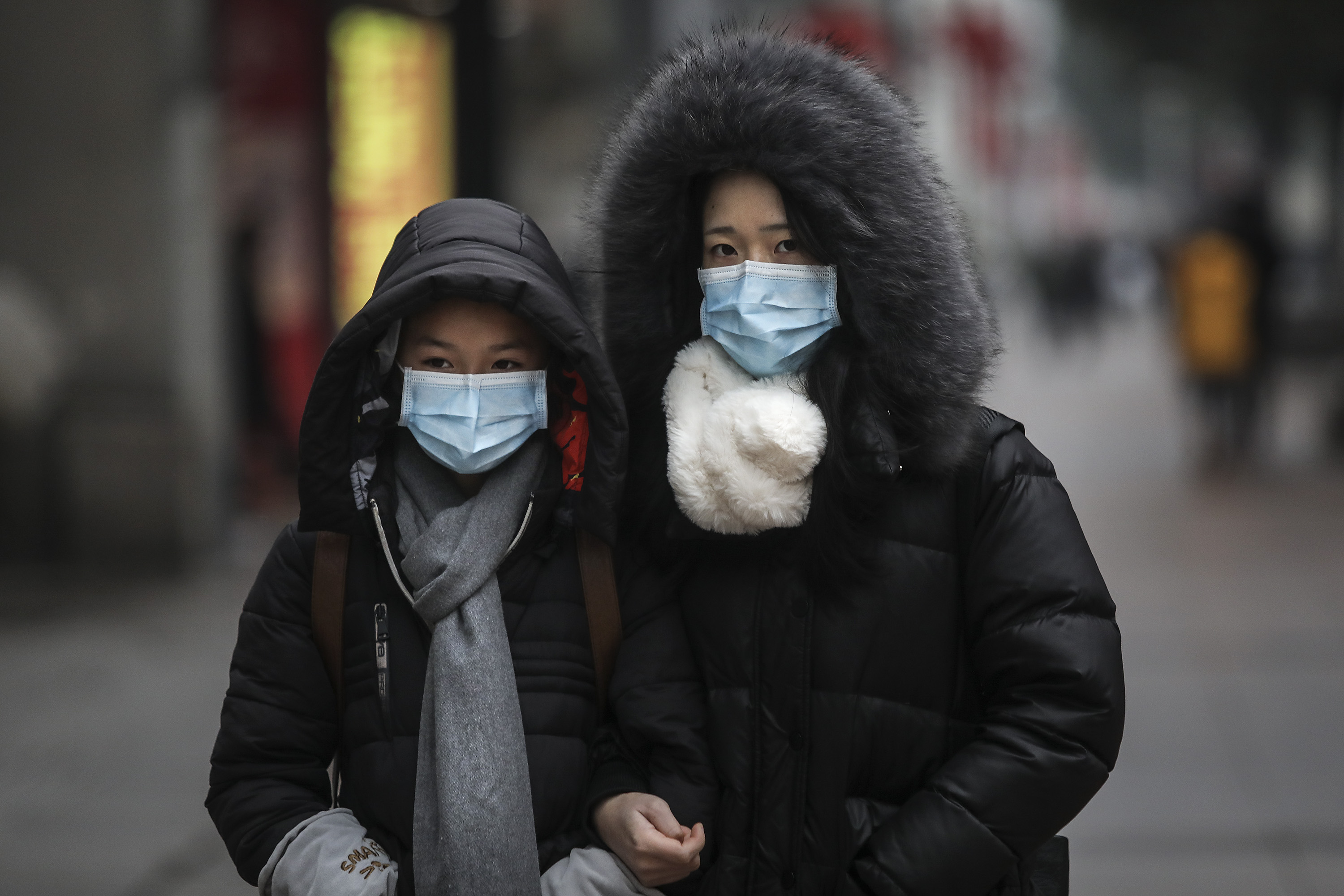
S1 Ep 112#108 - Let's Talk: Coronavirus & Contagious Ideas
If you are like most people then you have probably been bombarded by the latest news about the Coronavirus outbreak along with endless commentaries and speculations that have spread fear among masses. In this episode of Beyond the Present (BTP) podcast Dan and Poujix shed light on the various myths surrounding the Coronavirus outbreak as well as any other contagious idea that might spread like wildfire throughout communities and countries. https://www.worldometers.info/coronavirus/ Related Podcasts: THE NEW FUTURE OF WORK Sam Harris, Ph.D.: COVID-19—Comprehending the crisis and managing our emotions Peter Hotez, M.D., Ph.D.: Continuing the conversation on COVID-19 Peter Hotez, M.D., Ph.D.: COVID-19: transmissibility, vaccines, risk reduction, and treatment EARLY THOUGHTS ON A PANDEMIC - Sam Harris A Conversation with Amesh Adalja HOW SHOULD WE RESPOND TO CORONAVIRUS? - Sam Harris A Conversation with Nicholas Christakis Joe Rogan With MICHAEL OSTERHOLM - Video Joe Rogan With MICHAEL OSTERHOLM - Audio

S1 Ep 111#107 - Let's Talk: Valentine's Day
Valentine’s Day is a special occasion cherished by couples expressing their love for one another and knowing certain things about this day that are not discussed often can help you have a better experience overall. In this episode of Beyond the Present podcast Daniel and Pouya discuss Valentine’s Day, shed some myths on the subject, and offer a few tips on how to make the most of this romantic event!
S1 Ep 110#106 - Let's Talk: Self-presentation
It does not matter how good you are unless others know how good you are! Promotion and self-presentation is an art that is absolutely necessary not only in the world of business but also in every facet of life. From getting your dream job and obtaining a customer to winning fans and votes, you are at the mercy of how well you can present yourself and your ideas. In this episode of Beyond the Present (BTP) podcast Daniel and Pouya discuss why you need to learn the art of self-presentation and offer some tips to help you get started.
Ep 108#105 - Let's Talk: Micro Thinking vs Macro Thinking
One of the biggest distinguishing factors in our approach to thinking and strategizing is our mental focus which can be divided into micro thinking, or paying attention primarily to the details, and macro thinking which is all about looking at the big picture. In this episode of Beyond the Present podcast Dan and Poujix elaborate on both notions and offer tips on how to divide responsibilities in a team made of both micro and macro thinkers. A successful team needs both micro and macro thinkers and in this episode you will master this subject and insure the success of your team.

Ep 107#104 - Let's Talk: Luck
Successful individuals are often referred to as lucky and many ascribe their achievements and fortune to luck failing to take into consideration that luck, while quite important, is but one of the contributing factors to the results that we gain in life. In this episode of Beyond the Present Podcast Daniel and Pouya shed some myths on the issue of luck and describe the most common attitudes towards this concept. Do you want to know whether you can become luckier or not? If so then give this program a listen.

Ep 106#103 - Let's Talk: Depression
The World Health Organization has announced that more than 300 million people around the globe suffer from various forms of depression which happens to be the leading cause of disability worldwide! Despite the prevalence of this mental health hazard many individuals go about their lives not noticing that some of the closest people around them may suffer from depression. In this episode of Beyond the Present podcast Daniel and Pouya discuss this issue in depth and point out not only the common signs that someone near you might be depressed but also offer tips on how to help them recover from their affliction. Link to the previous related episode: https://btpp.podbean.com/e/the-missing-piece-social-media-modern-era-and-depression/