Beyond Barbarossa: The Eastern Front of World War 2
112 episodes — Page 2 of 3
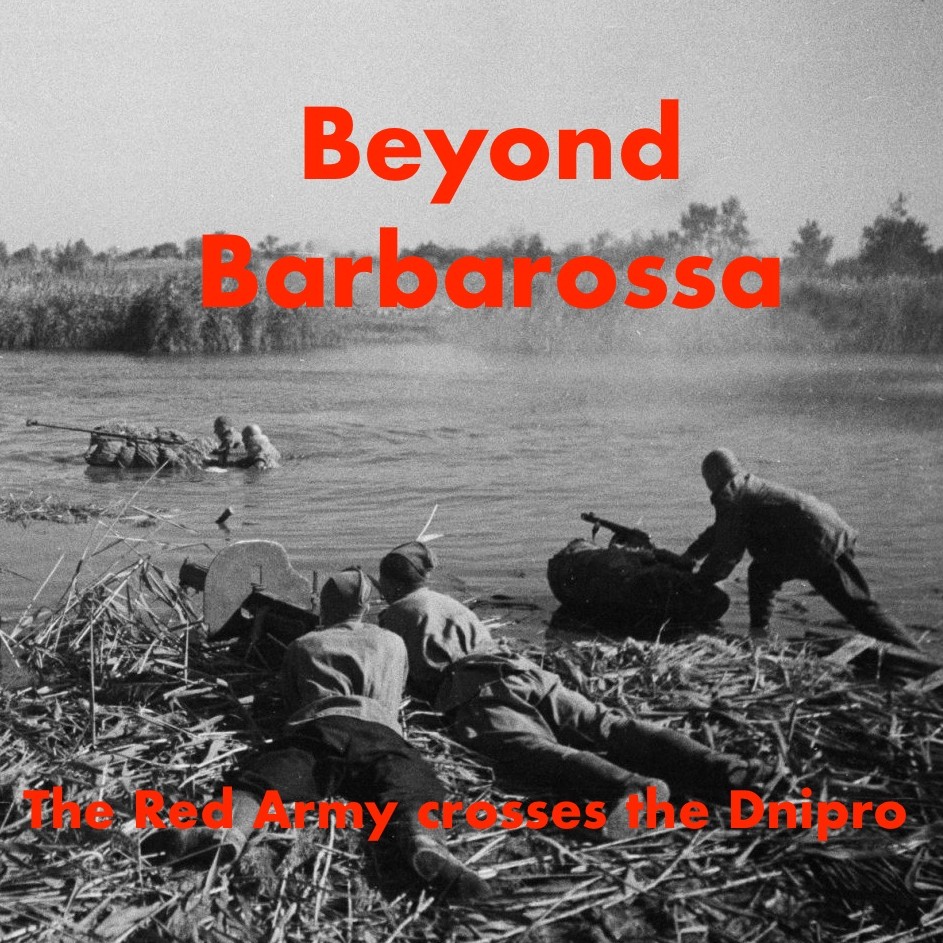
S3 Ep 60Crossing the Dnipro: Episode 60
It's hard to believe we've reached the 60th episode!This is a big one: the Red Army reaches, and crosses the German East Wall along the Dnipro River in Ukraine. At a cost, of course. Let me know what you think.Crossing the DniproMap 2: The Bukrin Bend Sources:Prit Buttar, Retribution: The Soviet Reconquest of Central Ukraine, 1943. Osford, UK: Osprey Publishing, 2020.Evan Mawdsley, Thunder in the East: The Nazi-Soviet War, 1941–1945. London: Bloomsbury Academic, 2016.Anthony Tucker-Jones, Slaughter on the Eastern Front: Hitler and Stalin’s War 1941–1945. Stroud, Gloucestershire, UK: The History Press, 2017 Hosted on Acast. See acast.com/privacy for more information.

S3 Ep 59The experience of occupation: Ukraine in the 1940s and 2020s—Episode 59
Dr. Lubomyr Luciuk of the Royal Military College of Canada and University of Toronto returns to describe the reality for eastern European people under occupation during the Second World, and draws the line from then to today. Latest book:Enemy Archives: Soviet Counterinsurgency Operations and the Ukrainian Nationalist Movement – Selections from the Secret Police Archives Montreal and Kingston: McGill-Queen's University Press, 2023.Available from Amazon and McGill-Queen's University Press Hosted on Acast. See acast.com/privacy for more information.

S3 Ep 58Ukraine occupied by nazis and communists: Episode 58—A conversation with Prof. Lubomyr Luciuk
Professor of political geography at the Royal Military College of Canada and Senior Research Fellow of the Chair of Ukrainian Studies at the University of Toronto, shares his knowledge and insight into the experience of Ukraine under occupation by nazi and Soviet forces during the Second World War. Map: Ukrainian lands during World War II Source: Ukraine: A Historical Atlas, by Paul Robert Magosci and Geoffrey Matthews Image 1: Dr. Luciuk's latest publication, Enemy Archives.With Volodymyr Viatrovych. Available from Amazon and McGill-Queen's University Press. Image 2: An UPA unit in the Carpathian Mountains collecting intelligence. Image 3: Galicia Division machine gun unit at the Battle of Brody Hosted on Acast. See acast.com/privacy for more information.
S3 Ep 57The second battle of Smolensk, 1943: Episode 57
Smolensk has a war history that is far more significant than its size would suggest. In September 1943, it was a key to Soviet Red Army strategy, and for the German defence.The best English-language podcast for staying up to date on the war in Ukraine is Ukraine: The Latest from the Daily Telegraph. Its creator and executive producer was David Knowles, who passed away unexpectedly in September. My condolences and sympathies to Mr. Knowles' family, friends, co-workers and colleagues.Map 1: Battle of Smolensk, 1943 Map 2: Operation Suvorov Map 2: Smolensk region This gives you an idea of where the smaller towns are in relation to Smolensk.Photo 1: Gen. Yeremenko (right) with Nikita Khrushchev (left) during the Battle of Stalingrad. Photo 2: Yeremenko in about 1970 Photo 3: Gen. Vasily Sokolovsky in 1946 Sources:Antony Beevor, The Second World War. London, UK: Little, Brown and Co., 2012. Robert Forczyk, Smolensk 1943: The Red Army's Relentless Advance. Oxford, UK: Osprey Publishing, 2019.Evan Mawdsley, Thunder in the East: The Nazi-Soviet War, 1941–1945. London: Bloomsbury Academic, 2016.Anthony Tucker-Jones, Slaughter on the Eastern Front: Hitler and Stalin’s War 1941–1945. Stroud, Gloucestershire, UK: The History Press, 2017Wikipedia: https://en.wikipedia.org/wiki/Smolensk_operation. Hosted on Acast. See acast.com/privacy for more information.
S3 Ep 56Taking half of Ukraine: Episode 56
After the Battle of Kursk, Stalin and the Stavka set their sights on recapturing Smolensk, and farther south, the wealth of the Donbas and eastern Ukraine.Map 1: The Chernihiv-Poltava OffensiveMap 2: The Red Army perspectiveI guess you have to be a Red Army officer to understand this one. Photos:Ivan Konev, Marshal of the Soviet Union in 1945 General Nikolai Vatutin, Commander of the Voronezh Front, 1943 Konstantin Rokossovsky, Marshal of the USSR. Hosted on Acast. See acast.com/privacy for more information.
S3 Ep 55The ghosts of three Russian generals: Operations Kutuzov, Rumyantsev and Suvorov
When Germany attacked Kursk in 1943, they found an enemy that had prepared a complex strategy, and assembled immense forces poised to act as soon as the German attacks stalled. This strategy began with three operations named for three Russian generals from history: Kutuzov, Rumyantsev, and Suvorov — the practice for Operation Bagration.Map 1: Operation Kutuzov and revenge for Kursk Map 2: Operation Rumyantsev and the Fourth Battle of Kursk Map 3: Operation Suvorov, the liberation of Smolensk Hosted on Acast. See acast.com/privacy for more information.
S3 Ep 54Prokhorovka: the impaling — Episode 54
This was armoured warfare at its most brutal, with tanks slugging it out at point-blank range. The tanks were as close as 10–15m. Once hit, many of the crews had little chance of bailing out and were splattered all over the insides of their tanks. Those who did try to escape their blazing tanks were mown down and their lifeless bodies left obscenely charred and shrivelled.Map 1: The Kursk Salient Map 2: The battle of Kursk — the southern sector Map 3: The northern sectorMap 4: Another look at the battle of Prokhorovka Sources:Ian Baxter, Kursk 1943: Last German Offensive in the East. Havertown, PA: Casemate Publihsers (US), 2019.Antony Beevor, The Second World War. London, UK: Little, Brown and Co., 2012. Robin Cross, Citadel: The Battle of Kursk. UK: Lume Books, 2018.Evan Mawdsley, Thunder in the East: The Nazi-Soviet War, 1941–1945. London: Bloomsbury Academic, 2016.Anthony Tucker-Jones, Slaughter on the Eastern Front: Hitler and Stalin’s War 1941–1945. Stroud, Gloucestershire, UK: The History Press, 2017Wikipedia: The Battle of Kursk.Katyusha sound effect by Sound Effect by kuiycb from PixabaySome tank sound effects by Dennis from Pixabay Hosted on Acast. See acast.com/privacy for more information.
S3 Ep 53The Battle of Kursk, Part 3: Episode 53
The iconic battle on the Kursk salient in July 1943 builds into the greatest confrontation between armoured forces ever — and a four-part series on Beyond Barbarossa.Map 1: The Kursk salient, 5 to 11 July 1943 Map 2: The northern sector Source: OnWar.comMap 3: The southern sector Sources:Ian Baxter, Kursk 1943: Last German Offensive in the East. Haverstown, PA, USA: Casemate Publishers (US), 2019.Antony Beevor, The Second World War. London, UK: Little, Brown and Co., 2012. Robin Cook, Citadel: The Battle of Kursk. London, UK: Lume Books, 2018.Evan Mawdsley, Thunder in the East: The Nazi-Soviet War, 1941–1945. London: Bloomsbury Academic, 2016.Anthony Tucker-Jones, Slaughter on the Eastern Front: Hitler and Stalin’s War 1941–1945. Stroud, Gloucestershire, UK: The History Press, 2017Wikipedia: The Battle of Kursk. Hosted on Acast. See acast.com/privacy for more information.
Ep 51Summer, 1943 plans: Season 3 opener, Episode 51
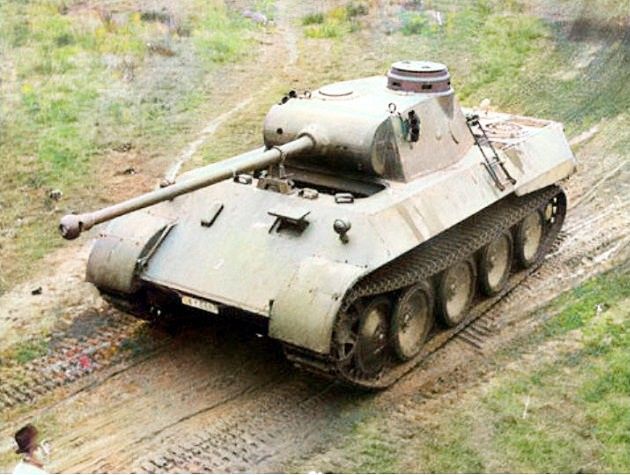
(Originally posted 22 June 2024)Three seasons! 51 episodes! This season begins with a catch-up on the Eastern Front, and the planning that led to the biggest battle in the history of warfare: Operation Zitadelle and the Battle of Kursk.Map: The Kursk salient, spring 1943 Source: Wikipedia Production and loss tablesTable 1: Comparative armaments production, January 1941 – December 1942 1941 1942 GermanyUSSRGermany USSRRifles1,359.0002,421,0001,370,0004,049,000Machine guns96,000149,000117,000356,000Artillery3,80041,00041,000128,000Tanks + self-propelled guns8,4006,6006,20024,700Combat aircraft 12,40011,60021,700 German and Soviet war production. 1942–1944 (thousands of units) 1942 1943 1944 GermanyUSSRGermanyUSSRGermanyUSSRRIfles + submachine guns1,6024,6192,5094,8013,0853,006Machine guns117356263458509439Artillery4112874130148122Tanks + self-propelled guns62411241829Combat aircraft122219303433 Soviet tank and self-propelled gun losses 19411942194319441945Tanks and self-propelled guns available28,20035,70047,90059,10048,900Losses Heavy tanks9001,2001,300900900Medium tanks2,3006,60014,70013,8007,500Light tanks17,3007,2006,4002,300300Self-propelled guns01001,1006,8005,000Source: Mawdsley, Thunder in the East, 2016Images: The German Tiger tank,Panzerkampfwagen VI Tiger Ausf. ETiger tank in Kharkiv, 1943The German Panther tank, Panzerkampfwagen V Panther Source: Wikipedia.Sources:Antony Beevor, The Second World War. London, UK: Little, Brown and Co., 2012. Evan Mawdsley, Thunder in the East: The Nazi-Soviet War, 1941–1945. London: Bloomsbury Academic, 2016.Anthony Tucker-Jones, Slaughter on the Eastern Front: Hitler and Stalin’s War 1941–1945. Stroud, Gloucestershire, UK: The History Press, 2017Wikipedia: The Battle of Kursk. Hosted on Acast. See acast.com/privacy for more information.
S2 Ep 50Looking back, taking stock: Episode 50
For this special episode, a special treat for listeners: new theme music by composer Nicolas Bury. At the mid-point of the fighting on the Eastern Front of World War II, it's a good time to take a look back at what's happened in the USSR and around the world. Map 1: Operation Barbarossa to Operation Typhoon Map 2: Operation Blue Hosted on Acast. See acast.com/privacy for more information.

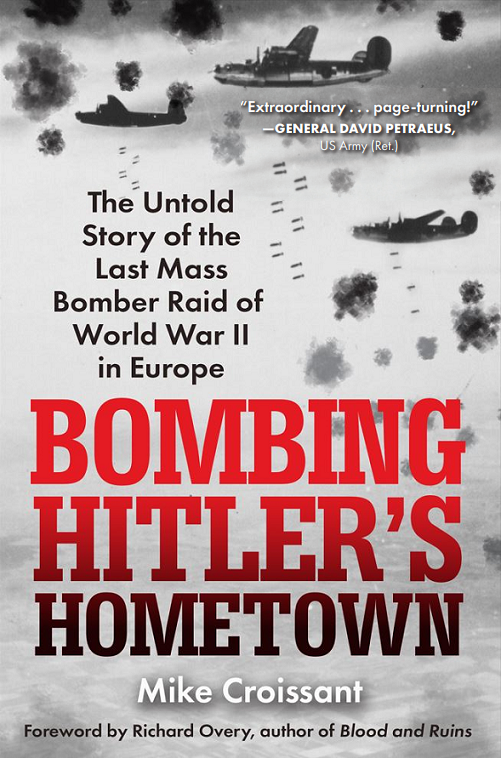
S2 Ep 48Bombing Hitler's Hometown: A conversation with author Mike Croissant
On 25 April 1945, 700 bombers and fighters of the U.S. 15th Air Force raided Linz, Germany, the town where Adolf Hitler grew up. Although neither the air crews nor the people of Linz could know it, it would be the last major Allied air raid of the Second World War. And one of the costliest in terms of U.S. casualties.Mike Croissant's uncle Ellsworth Croissant was one of the bombardiers on that air raid. That connection led the retired CIA analyst to write a book about it: Bombing Hitler's Hometown: The Untold Story of the Last Mass Bomber Raid of World War II in Europe.It's a very personal story that brings the reader onto the airplanes. Author Mike Croissant tells us about the raid, its aftermath, the people there, and how he came to write it.You can read my review of the book on my blog, https://writtenword.ca/2024/04/the-last-major-air-raid-of-world-war-ii/.You can get the book in electronic and hardcover formats from Kensington Books. Hosted on Acast. See acast.com/privacy for more information.
S2 Ep 47Meetings and agreements: Episode 47
Mussolini was not happy about being in the Axis by 1943. And Stalin refused to attend the Casablanca Conference with Churchill and Roosevelt. Meetings of the summit and other senior leaders of the Axis and Allied powers through the war show the evolution of each side's war aims between 1939 and 1945.Map: The Kursk salient, spring 1943 Image 1: Roosevelt and Churchill aboard the HMS Prince of Wales at the Argentia Conference, August 1941. Seated: President Franklin D. Roosevelt (left) and Prime Minister Winston Churchill. Standing directly behind them: Admiral Ernest J. King, USN; General George C. Marshall, U.S. Army; General Sir John Dill, British Army; Admiral Harold R. Stark, USN; and Admiral Sir Dudley Pound, RN. At rear: Harry Hopkins talking with W. Averell Harriman. Source: Wikimedia Commons.Image 2: The Second Moscow Conference, August 1942 Left to right: UK Prime Minister Winston Churchill, USSR Premier Josef Stalin, and W. Averrell Harriman, representing President Franklin D. Roosevelt. Office of War Information Photograph (Wikimedia Commons).Sources:Antony Beevor, The Second World War. London, UK: Little, Brown and Co., 2012.Evan Mawdsley, Thunder in the East: The Nazi-Soviet War 1941–1945. London: Bloomsbury Academic, 2016.Sean McMeekin, Stalin's War. New York: Basic Books, 2021.Anthony Tucker-Jones, Slaughter on the Eastern Front: Hitler and Stalin’s War 1941–1945. Stroud, Gloucestershire, UK: The History Press, 2017Wikipedia: various pages. Sound effects by Zapsplat. Hosted on Acast. See acast.com/privacy for more information.
S2 Ep 49Bombing Hitler's Hometown, part 2: Episode 49
Author Mike Croissant describes the family connection that inspired his research into the last mass bombing raid of the Second World War in Europe.His book, Bombing HItler's Hometown: The Untold Story of the Last Mass Bomber Raid of World War II in Europe, was published in March. It's available in better bookstores and through online e-tailers through Kensington Publishing. Hosted on Acast. See acast.com/privacy for more information.
S2 Ep 46Holocaust and Uprising: Episode 46
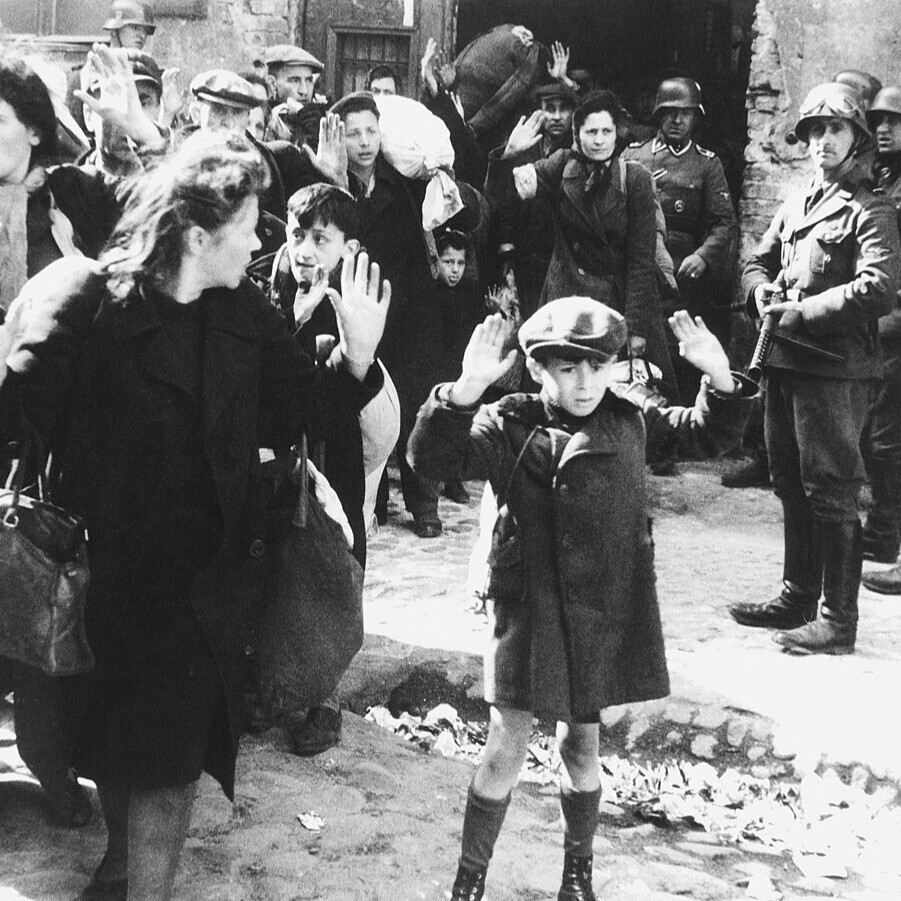
In April 1943, Jewish people forced into the grossly overcrowded ghetto in Warsaw rose up against the nazis, killing hundreds of SS soldiers. The Warsaw Ghetto Uprising failed, but its memory lives on. SS members force Jewish people out of shelters for deportation to death camps, spring, 1943. Source: Wikimedia Commons. A map of the Warsaw Ghetto, the area nazi oppressors forced Jewish people to remain in. SS-Brigadeführer Jürgen Stroop (center), commanded of the SS brigade that destroyed the Warsaw Ghetto. In April and May, the SS systematically destroyed every building in the Warsaw Ghetto. SS soldiers continuing to destroy the Warsaw Ghetto, May 1943. Image source: Wikimedia Commons. "Waves of stone, crushed bricks, a sea of brick. There isn’t a single wall intact — the beast’s anger was terrible." — Soviet journalist Vasily Grossman, Warsaw, 1945. Hosted on Acast. See acast.com/privacy for more information.
S2 Ep 45The Third Battle of Kharkiv: Episode 45
After their stunning, bloody defeat at Stalingrad, the Germans withdrew west to the Donets River in Ukraine, and the Red Army swept ahead as much as 800 km. But the Germans were still a potent force, and in March 1943, were ready to retake Kharkiv. Map 1: The counter-attack in the Donbas Map 2: The advances on Kharkiv Map 3: Withdrawal from the Rzhev salientMaps 4 and 5: The front in March 1943 Hosted on Acast. See acast.com/privacy for more information.
Ep 44Movement returns to the Eastern Front: Episode 44
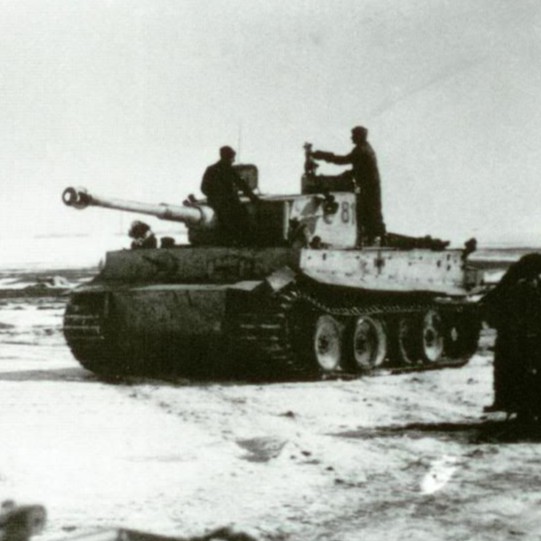
After the 6th Army's surrender at Stalingrad, rapid, far-ranging mobility returns to the war on the Eastern Front, as German and Soviet forces advance and retreat hundreds of kilometres.Map 1: The Kuban Bridgehead Map 2: Operation Star Map 3: Von Manstein's counter-offensive A Tiger tank near Kharkiv, 1943 Source: Pinterest. Hosted on Acast. See acast.com/privacy for more information.
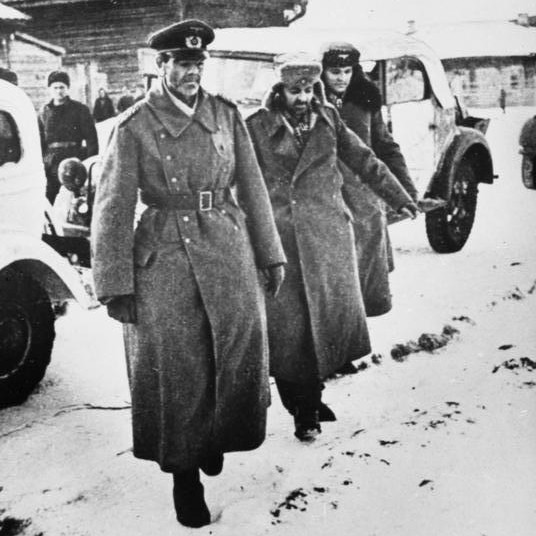
S2 Ep 43Two victories: Stalingrad and Leningrad, 1943 — Beyond Barbarossa, episode 43
The Red Army finally scores two major victories in January 1943 — in the two cities where it mattered most. The surrender of the Sixth Army: https://stalingrad.net/german-hq/surrender/surrender.htm Map 1: End of the battle of Stalingrad Map 2: Operation Iskra Source: WikipediaPhotos: The surrender at Stalingrad Left to right: Field Marshal F. Paulus, C-in-C, 6th Army; Gen. W. Schmidt, Chief of Staff; Col. Adam, Paulus' adjutant. General Konstantin Rokossovsky, commander of the Don Front that captured the 6th Army in Stalingrad. The aftermath in Stalingrad. Source: Wikimedia Commons. Hosted on Acast. See acast.com/privacy for more information.
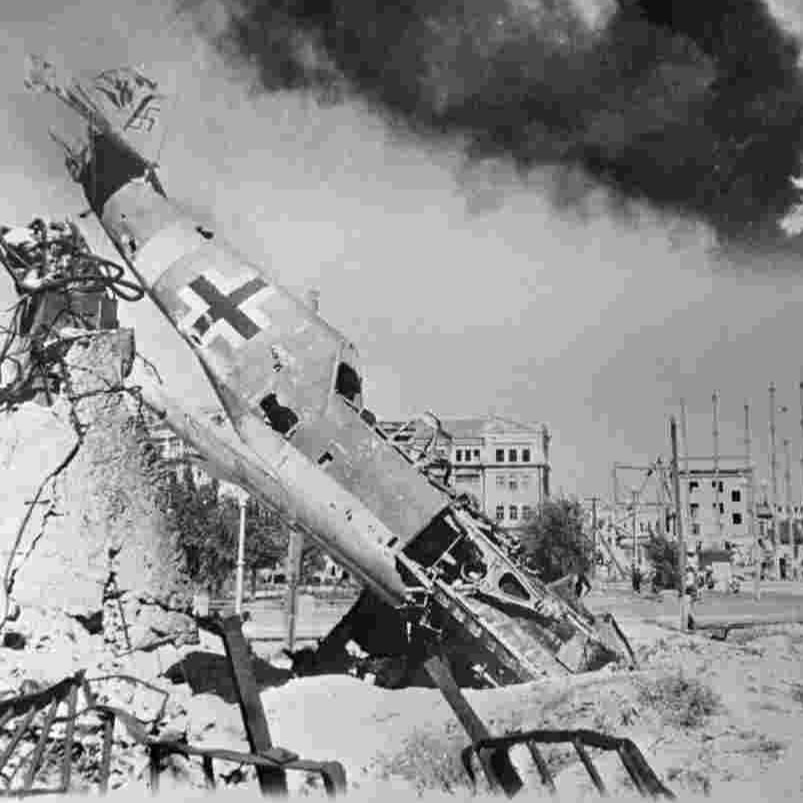
S2 Ep 42Stalingrad: Ultimatum and Fantasy
The Germans in the Stalingrad cauldron reject the Soviets' final offer of surrender. The Red Army responds by crushing the cauldron. Map 1: The end of the KesselSource: Military History Now The ultimatum to Stalingrad: https://www.stalingrad.net/russian-hq/the-russian-ultimatum/rusultimatum.html Images: 3-engine German transport plane lands at Pitomnik airfield. Red Army soldiers attack in the ruins of Stalingrad.Sources:Antony Beevor, Stalingrad: The Fateful Siege 1942–1943. Penguin Books, 1998.Antony Beevor, The Second World War. London, UK: Little, Brown and Co., 2012.William Craig, Enemy at the Gates: The Battle for Stalingrad. Old Saybrook, CT, USA: Konecky & Konecky, 1973.Anthony Tucker-Jones, Slaughter on the Eastern Front: Hitler and Stalin’s War 1941–1945. Stroud, Gloucestershire, UK: The History Press, 2017Sound effects by Zapsplat. Hosted on Acast. See acast.com/privacy for more information.
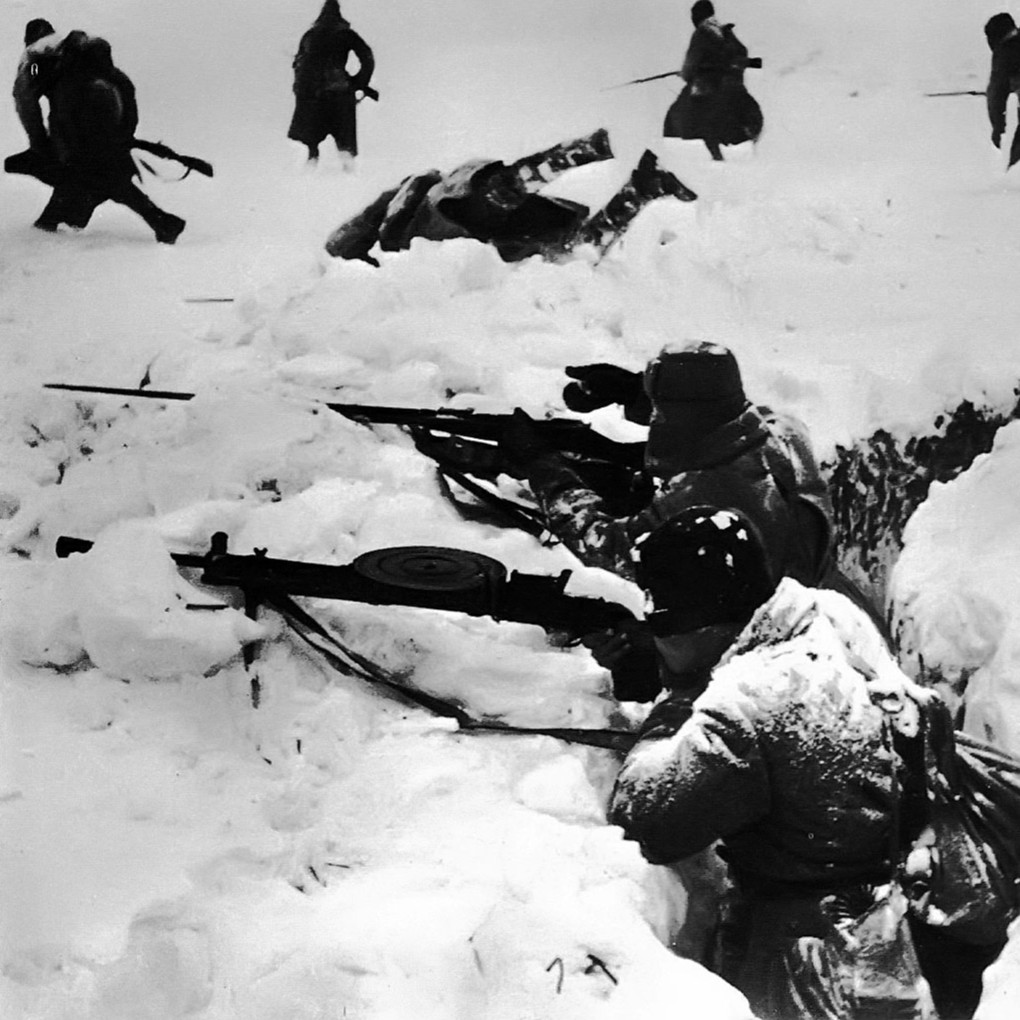
S2 Ep 41A Stalingrad Christmas: Beyond Barbarossa, Episode 41
For the Germans of the 6th Army, Christmas 1942 was a hungry Yule in the freezing Cauldron.Map 1: Operation Uranus, November and December 1942 Map 2: Operation Winter Storm: The German relief attempt Map 3: Operation Winter Storm stalled Failure: Luftwaffe supplies the trapped 6th Army in the Kessel Failure: Operation Winter Storm German soldiers in the Kessel/Cauldron Red Army soldier writes home, December 1942 By December, the Red Army soldiers' morale was very different from the Germans'. Hosted on Acast. See acast.com/privacy for more information.
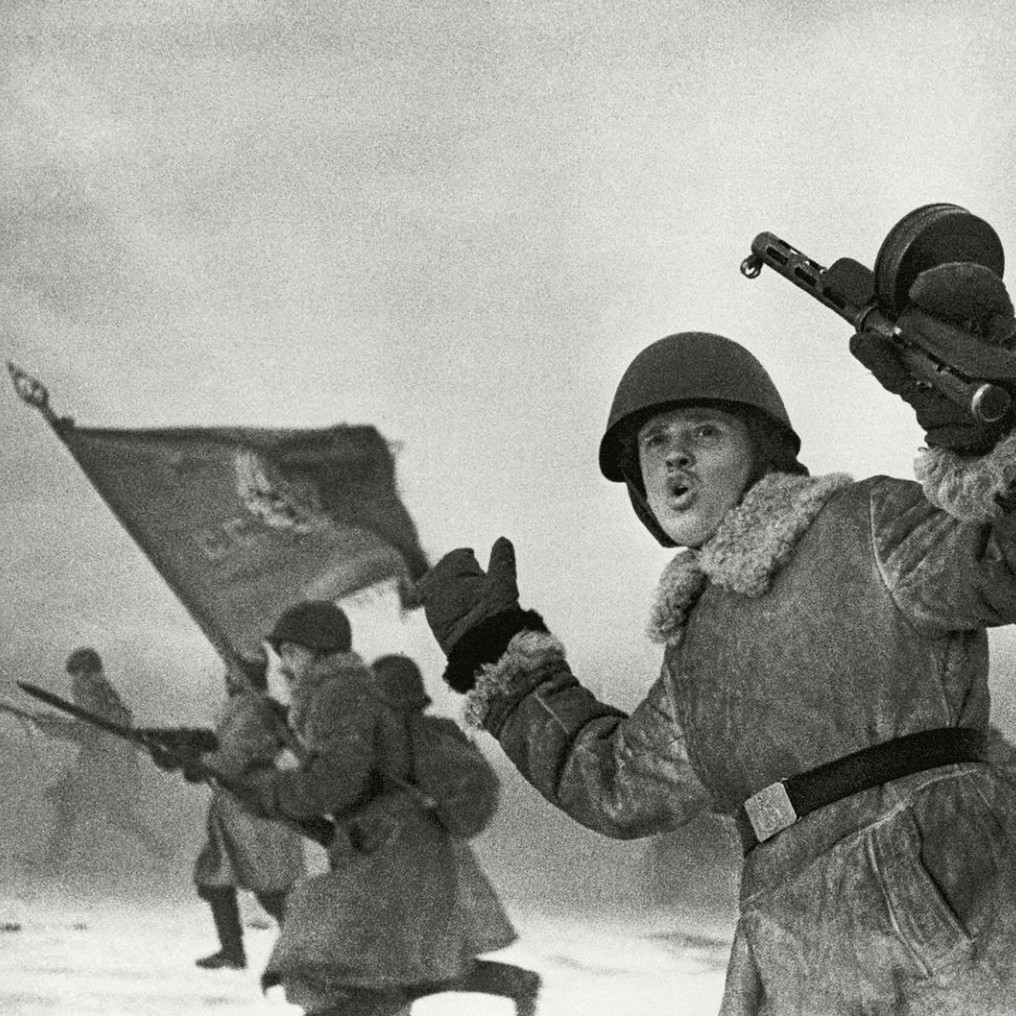
S2 Ep 40Winter Storm & Little Saturn: Beyond Barbarossa, episode 40
Warfare usually slows down in winter. Not so in Russia in 1942. The Germans launch another huge attack to relieve the 6th Army in Stalingrad. But the Red Army has its own ideas. Map 1: The long, long German lines to Stalingrad Map 2: Operation UranusSource: Awesome storiesMap 3a: Operation Winter StormSource: https://alchetron.com/cdn/operation-winter-storm-ee2a434c-cf0a-4ef4-a3c3-e87d2e84c08-resize-750.jpeg Map 3b: Operation Winter Storm failsSource: WWIIincolor.com Historical pictures A Panzer III on the steppe in southern Russia, December 1942 Source: Wikimedia Commons Soviet forces in southern Russia, winter 1942.Source: Wikimedia Commons Sources: Antony Beevor, Stalingrad: The Fateful Siege 1942–1943. Penguin Books, 1998.Antony Beevor, The Second World War. London, UK: Little, Brown and Co., 2012.Anthony Tucker-Jones, Slaughter on the Eastern Front: Hitler and Stalin’s War 1941–1945. Stroud, Gloucestershire, UK: The History Press, 2017Sound effects by Zapsplat. Hosted on Acast. See acast.com/privacy for more information.
S2 Ep 39Operation Mars: Beyond Barbarossa, episode 39
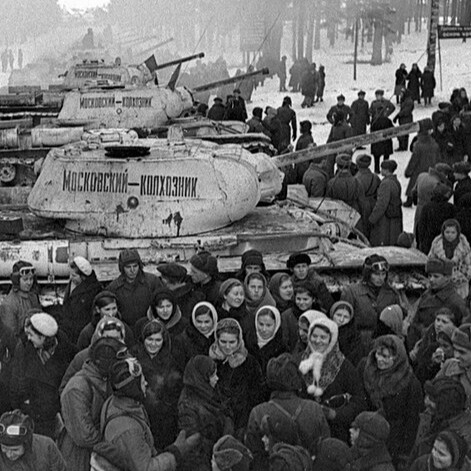
As three Red Army Fronts move on the German flanks west and south of Stalingrad, two more attack the Rzhev-Vyazma salient west of Moscow. Is it a diversion, or is Mars the twin of Uranus?Map 1: The Rzhev-Vyazma salientMap 2: Operation Mars Historical imagesWorkers from Moscow suburbs handing over new tanks to Soviet servicemen. Source: Commons:RIA NovostiSourcesAntony Beevor, Stalingrad: The Fateful Siege 1942–1943. Penguin Books, 1998.Antony Beevor, The Second World War. London, UK: Little, Brown and Co., 2012.Geoffrey Roberts, Stalin's General: The Life of Georgy Zhukov. London, UK: Icon Books, 2012.David Glantz, Zhukov's Greatest Defeat: The Red Army's Epic Disaster in Operation Mars, 1942. Lawrence, Kansas: University of Kansas Press, 1999.Anthony Tucker-Jones, Slaughter on the Eastern Front: Hitler and Stalin’s War 1941–1945. Stroud, Gloucestershire, UK: The History Press, 2017Sound effects by Zapsplat. Hosted on Acast. See acast.com/privacy for more information.
S2 Ep 38Operation Uranus: Beyond Barbarossa, episode 38
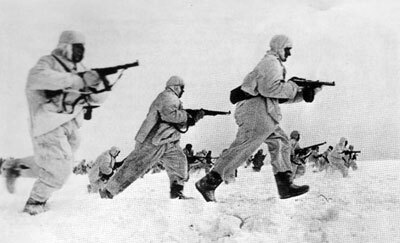
The Soviet high command's strategy to defeat the Germans at Stalingrad took the invaders by surprise. Map 1: The German flanks Map 2: Operation Uranus in action Red Army soldiers in winter camouflage charge across the steppe The T-34 in action in Uranus Northern and southern pincers meet Red Army commanders from the 5th Tank Army and the 4th Mechanized Corps meet on the steppe near Kalach, 23 November 1942. The end of the beginning. Hosted on Acast. See acast.com/privacy for more information.
S2 Ep 37Stalingrad part 3: Shocking casualties
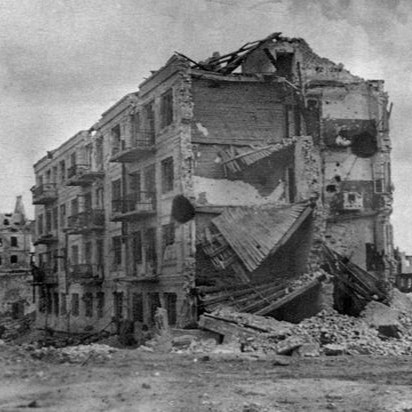
The third installment describing the biggest single battle in history: the siege of Stalingrad. By November 1942, the casualties for attackers and defenders was unsustainable for both sides. The Soviet high command, Stavka, makes a new plan. Pavlov's HouseMap 1: The city of StalingradMap 2: The plan for Operation UranusSourcesAntony Beevor, The Second World War.Antony Beevor, Stalingrad: the Fateful Siege 1942–1943. .William Craig, Enemy at the Gates.Anthony Tucker Jones, Slaughter on the Eastern Front: Hitler and Stalin’s War 1941–1945. Hosted on Acast. See acast.com/privacy for more information.
S2 Ep 36The hell of Stalingrad: Beyond Barbarossa episode 36
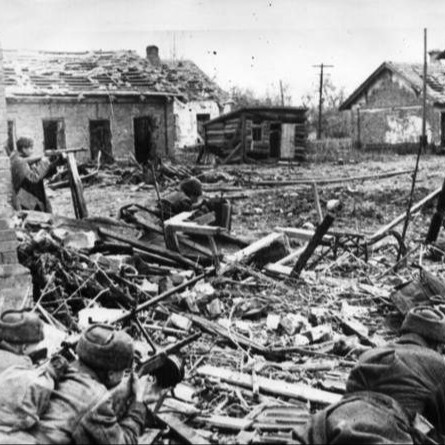
In the autumn of 1942, the German 6th Army with Romanian, Hungarian and Italian armies in support, ground into Stalingrad—a hell of their own making. Map: Stalingrad city layout Photos Red Army soldier prepare to defend Stalingrad suburb Stalingrad on fire after bombing, 2 October 1942 The Red October Factory's ruins became hiding places for Red Army defenders Loading a Katyusha rocket launcherKatyusha from military museumGeneral Friedrich Paulus Second from left, Gen. Vasily Chuikov in his headquarters in Stalingrad, 1942.SourcesAntony Beevor, Stalingrad: The Fateful Siege 1942–1943. Penguin Books, 1998.Antony Beevor, The Second World War. London, UK: Little, Brown and Co., 2012.William Craig, Enemy at the Gates: The Battle for Stalingrad. Old Saybrook, CT, USA: Konecky & Konecky, 1973.Anthony Tucker-Jones, Slaughter on the Eastern Front: Hitler and Stalin’s War 1941–1945. Stroud, Gloucestershire, UK: The History Press, 2017Sound effects by Zapsplat. Hosted on Acast. See acast.com/privacy for more information.
S2 Ep 35Ukraine then and now: Beyond Barbarossa episode 35
A conversation with Romeo Kokriatski and Anthony Bartaway of the Ukraine Without Hype podcast. We talked about the Second World War in Ukraine, and the current war in Ukraine. Ukraine Without Hype Apple Podcasts: https://podcasts.apple.com/us/podcast/ukraine-without-hype/id1537219548Google Podcasts: https://podcasts.google.com/feed/aHR0cHM6Ly9hbmNob3IuZm0vcy8zY2E5ZGNlYy9wb2RjYXN0L3Jzcw Spotify: https://podcasters.spotify.com/pod/show/ukraine-without-hype YouTube: https://www.youtube.com/channel/UCqAUk2oJ9jvb-QcoOoPaiIw Twitter: @HypeUkraine PlayerFM: https://player.fm/series/ukraine-without-hype-3319360 Hosted on Acast. See acast.com/privacy for more information.
S2 Ep 34Resistance, part 2: Episode 34
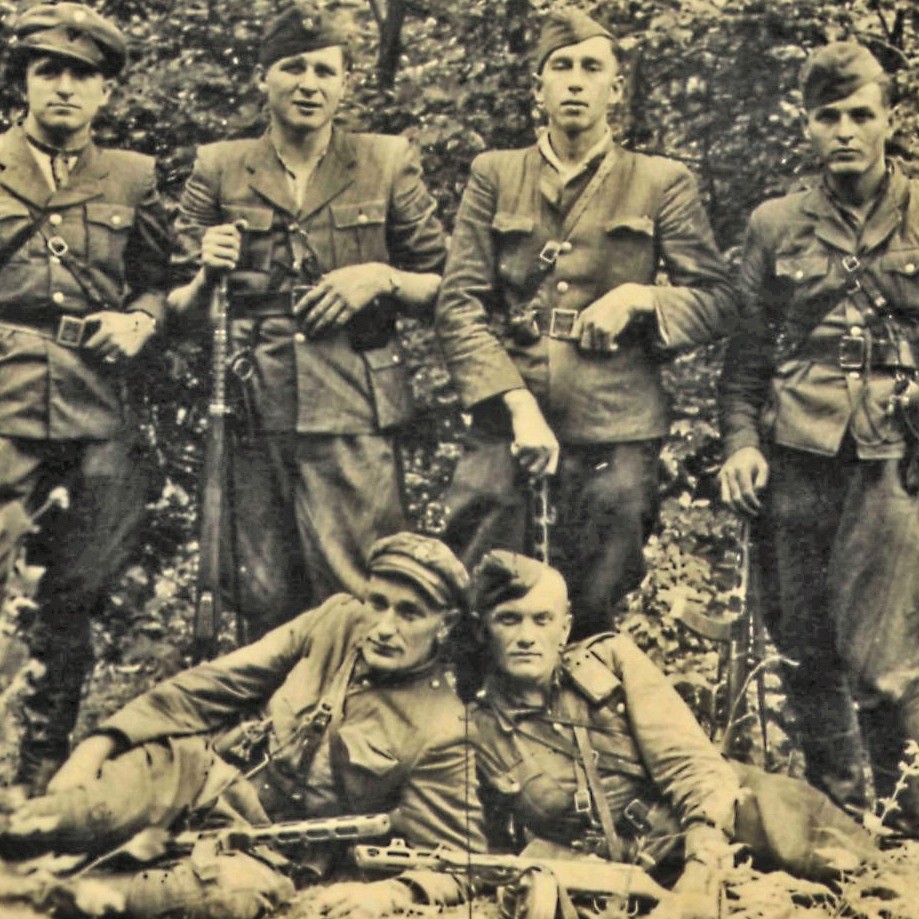
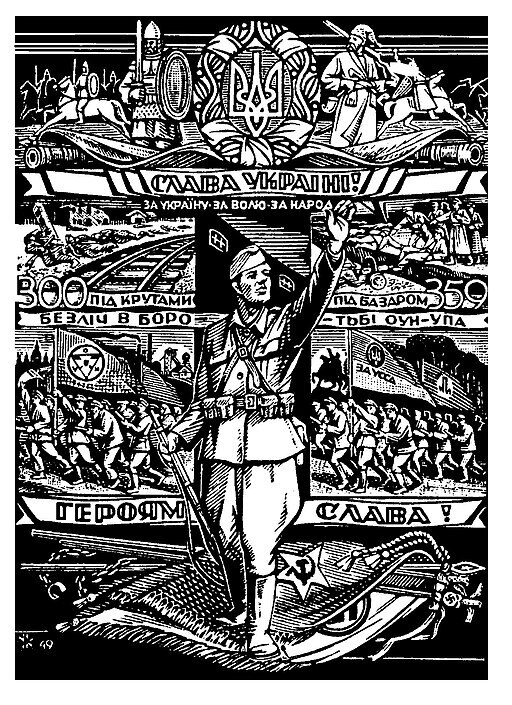
National resistance to German and Soviet occupation played a significant role in the war on the Eastern Front. This episode takes a closer look at the large, organized and powerful resistance armies in Poland and Ukraine. Map: Ukrainian border shifts between 1939 and 1945Source: Paul Robert Magosci and Geoffrey J. Matthews, cartographer: Ukraine: A Historical Atlas. Toronto: University of Toronto Press, 1985. Used with the gracious permission of the author. Photos "To Arms!" poster recruiting members to join the Warsaw Uprising in 1944. Poster by Mieczysław Jurgielewicz and Edmunt BurkeA unit portrait from the Polish Home Army. Source: U.S. Holocaust MuseumUPA propaganda poster showing a UPA soldier standing on the banners of the Soviet Union and Nazi Germany. The Cyrillic text is official greeting of the OUN/UPA: Glory to Ukraine! Glory to the heroes!. UPA soldiers in the forest, circa 1944. Source: Encyclopedia of Ukraine. Hosted on Acast. See acast.com/privacy for more information.
S2 Ep 33Resistance Part 1: Beyond Barbarossa, Season 2, Episode 33
From Ukraine to Poland to Estonia, across the Eastern Front, partisans and guerrillas fought for the independence of their nations—from both nazi Germany and the communist USSR. And yes, I call communists and nazis "con artists," "fools" and "dupes."Get your free books!Leave a rating and/or a review on your podcatcher of choice. Send the link to it to [email protected], and I will send you three e-books: Army of Worn Soles, Under the Nazi Heel and Walking Out of War. I will also enter your name in a draw for a signed paperback copy of The Eastern Front Trilogy, which includes all three books! Facebook: Beyond Barbarossa https://www.facebook.com/profile.php?id=100082862966326 Map: Operation Barbarossa, 22 June 1941You can see the Baltic States and key cities, including Tallinn, Narva, RIga, and Vilnius. Nazi Germany's war flagSourcesAntony Beevor, The Second World War. London: Little, Brown and Company, 2012.Robert Magosci, A History of Ukraine. Toronto: University of Toronto Press, 1996.Orest Subtelny, Ukraine: A History. Toronto: University of Toronto Press, 1988.Wikipedia:Polish resistance movement in World War IIBelarusian resistance during World War IIResistance in Lithuania during World War IIGerman occupation of Latvia during World War IIEstonian anti-German resistance movement 1941–1944Larysa Zariczniak, "The Ukrainian Trial of the Century: Bilas and Danylyshyn," Wandering the Edge podcast, 15 August 2023. https://www.wanderingtheedge.net/podcast/episode/4bd50314/the-ukrainian-trial-of-the-century-bilas-and-danylyshyn Hosted on Acast. See acast.com/privacy for more information.
S2 Ep 3Lend Lease: The USAs lifeline to the USSR
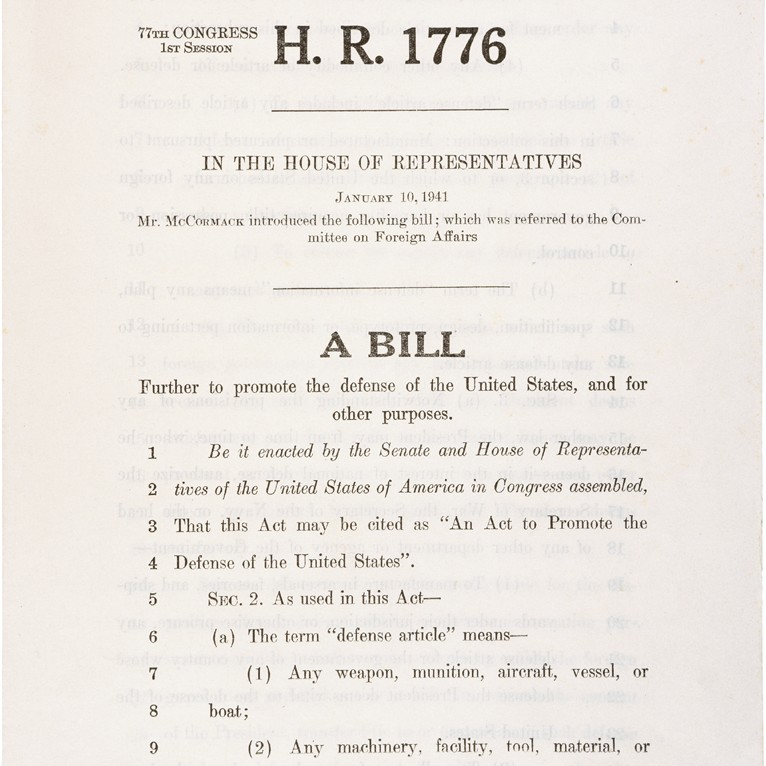
Lend-Lease sent 17 million tonnes of ammunition, food, fuel, weapons, tanks, airplanes and even railroad locomotives to the USSR during the Second World War—most of it from the USA. This episode describes how the icon of capitalism saved the workers' and peasants' paradise from fascism. Map1: Lend-Lease routesMap 2: Arctic convoy routeMap 3: Persian corridorMap 4: Pacific routeSources: Antony Beevor, The Second World War. London: Little, Brown and Company, 2012.Max Gethings, "Britain Alone — Rethinking One of the Second World War’s Enduring Myths". Military History Now, 18 May 2023 https://militaryhistorynow.com/2023/05/18/britain-alone-rethinking-one-of-the-second-world-wars-enduring-myths/Franklin D. Roosevelt, "Fireside Chat On the Arsenal of Democracy," December 29, 1940.https://en.wikipedia.org/wiki/File:Franklin_D._Roosevelt_-_December_29,_1940_-_On_the_%22Arsenal_of_Democracy%22.ogg Wikipedia: Lend-Lease https://en.wikipedia.org/wiki/Lend-Lease Hosted on Acast. See acast.com/privacy for more information.
S2 Ep 31Attack on Stalingrad: Beyond Barbarossa, episode 31, Season 2
The greatest siege in history begins as the German 6th Army and the Luftwaffe assault Stalingrad. Map 1: Fall Blau, Operation Blue. Note the positions of Voronezh, Stalingrad, the proximity of the great bends of the Don and Volga Rivers, and the Volga's route that leads from the Caspian Sea all the way to Moscow. Map 2: Stalingrad in 1942, showing the German advancePlacesThe Children's Khorovod in front of Railway Station No. 1, after the air raidsPeople Panzer General Friedrich Paulus, commander of the German 6th Army Colonel-General Wolfram von RIchtofen, commander of the Luftflotte (air fleet) 4, 1942Major-General Hans Hube, commander of the 16th Panzer Division People's Commissar Nikita Khrushchev (left) and General Andrey Yeremenko (far right), commander of the South-Eastern Front (later renamed the Stalingrad Front), December 1942 General Vasily Chuikov (second from left), commander of the 62nd Red Army, December 1942SourcesAntony Beevor, The Second World War. London: Little, Brown and Company, 2012.William Craig, Enemy at the Gates: The Battle for Stalingrad. Old Saybrook, CT, USA: KOnecky & Konecky, 1973. Anthony Tucker-Jones, Slaughter on the Eastern Front: Hitler and Stalin's War 1941–1945. Stroud, Gloucestershire, UK: The History Press, 2017. Wikipedia: Battle of Stalingrad https://en.wikipedia.org/wiki/Battle_of_Stalingrad— Case Blue https://en.wikipedia.org/wiki/Case_Blue Hosted on Acast. See acast.com/privacy for more information.
S2 Ep 1History doesn’t repeat, but it rhymes: Season 2, episode 1
Nazi Germany opens up its second summer of the war in the East with a campaign of eerie echoes with the previous summer, and the Soviets respond in the same way. History doesn't repeat, but it rhymes. Map 1: The Caucasus Map 2: The plan for Case BlueMap 3: Into the Caucasus Credit where credit is dueAnthony Beevor, The Second World War. London: Little, Brown and Company, 2012. William Craig, Enemy at the Gates: The Battle for Stalingrad. Old Saybrook, CT: Konecky & Konecky, 1972. Clayton Donnel, The Defense of Sevastopol, 1941–1942: The Soviet Perspective. Barnsley, UK: Pen & Sword Books Ltd., 2016.Anthony Tucker-Jones, Slaughter on the Eastern Front: Hitler and Stalin's War 1941–1945. Stroud, Gloucestershire, UK: The History Press, 2017. Wikipedia, Battle of the Caucasus. https://en.wikipedia.org/wiki/Battle_of_the_Caucasus Hosted on Acast. See acast.com/privacy for more information.
Season 2 is coming 17 July
What's coming up in Season 2.Thank you to all the Patreon supporters. https://www.patreon.com/BeyondBarbarossa Hosted on Acast. See acast.com/privacy for more information.
S1 Ep 29Beyond Barbarossa’s first anniversary talk with Kristaps Andrejsons of the Eastern Border
Episode 29 is the first anniversary! One year ago, on 22 June 2023, this podcast launched on the 81st anniversary of Operation Barbarossa. For this special episode, Kristaps Andrejsons joins to talk about podcasting, and the real-world impact of the Second World War on Latvian culture and society—impacts that people deal with to this day. Hosted on Acast. See acast.com/privacy for more information.
Ep 28The fall of Sevastopol, part 2: Beyond Barbarossa episode 28
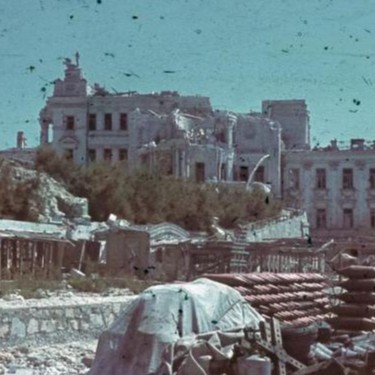
From 16 June, the Germans kept coming closer. Even the Red Army knew the end was coming. Map: the Battle of Sevastopol, June 1942 The ruins of the Palace of Pioneers, Sevastopol, 1942 Sources: Clayton Donnell, The Defence of Sevastopol, 1941–1942: The Soviet Perspective. Barnsley, South Yorkshire: Pen & Sword Books, 2016Antony Beevor, The Second World War. London, UK: Little, Brown and Co., 2012. Petr A. Morgunov, Heroic Sevastopol. Moscow: Nauka, 1979 (Cited in Donnell, The Defence of Sevastopol, 1941–1942.)Anthony Tucker-Jones, Slaughter on the Eastern Front: Hitler and Stalin’s War 1941–1945. Stroud, Gloucestershire, UK: The History Press, 2017Wikipedia: various pages. Hosted on Acast. See acast.com/privacy for more information.
Ep 27The Battle of Sevastopol, part 1: Beyond Barbarossa, episode 27
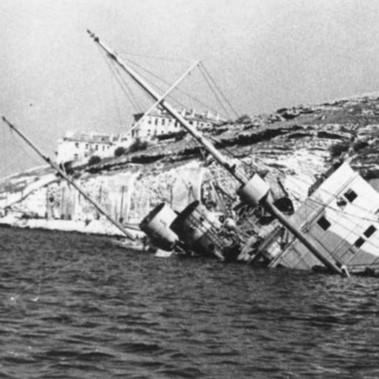
Crimea was a critical asset to hold for Germany's plans for its summer 1942 offensive. Especially its best harbour, and the base for the Soviet Black Sea Fleet: Sevastopol. Map: The Battle of Sevastopol, 1942 Figure 1: Western Crimea by satellite. Severnaya Bay is the long, narrow estuary going east from the Black Sea. Sevastopol is in the narrow bay that comes south from it. Figure 2: Sturmgeshutz III "StuG III" self-propelled assault gun Figure 3: Goliath disposable explosive vehicle Figure 4: Thor's brother, Karl-Geralt super-heavy mortarFigure 5: An unexploded 600-mm shell in Crimea, 1942Figure 6: Dora, the biggest gun ever made, firing 800 mm shells Figure 7: The sunken Abkhazia transport ship in Sevastopol Harbour, 1942 Hosted on Acast. See acast.com/privacy for more information.
S1 Ep 26The plan for 1942: Fall Blau
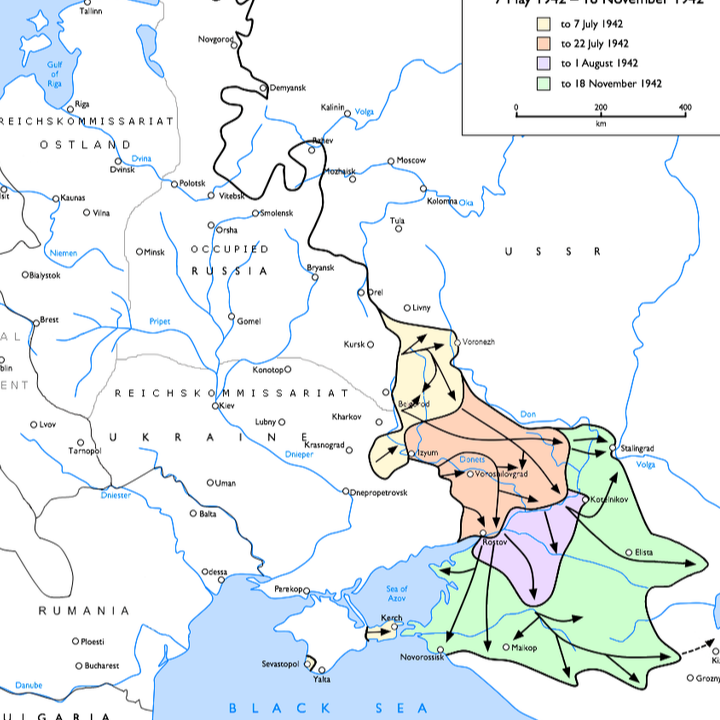
StAs the first anniversary of Operation Barbarossa approaches, the Soviet high command knows that the Germans are planning another major offensive. But the Germans have a way of surprising their enemies. Map 1: The Soviets push back the Germans, winter 1942Map 2: German Case Blue objectives, 1942Map 3: Leningrad front Sturmgeschutz III self-propelled assault gun Karl-Gestat super-heavy mortarSources:Clayton Donnell, The Defence of Sevastopol, 1941–1942: The Soviet Perspective. South Yorkshire, UK: Pen & Sword Military Books, 2016.Anthony Tucker-Jones, Slaughter on the Eastern Front: Hitler and Stalin's War 1941–1945. Stroud, Gloucestershire, UK: The History Press, 2017.Antony Beevor, The Second World War. London, UK: Little, Brown and Co., 2012. Wikipedia: Timeline of the Second World War, 1942— Karl-Gerat https://en.wikipedia.org/wiki/Karl-Gerat— Lend-Lease https://en.wikipedia.org/wiki/Lend-Lease Hosted on Acast. See acast.com/privacy for more information.
Ep 25Springtime for Hitler: Beyond Barbarossa, episode 25
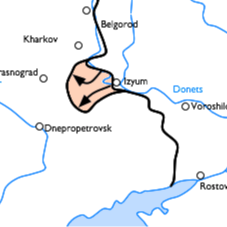
It's the spring of 1942. As the German Wehrmacht and Luftwaffe rebuild, the high command plans a new offensive in the east. Meanwhile, the Soviets strike back in Crimea and Kharkiv. Map 1: The Crimean peninsulaMap 2: Kerch peninsula Map 3: The Second Battle of KharkivSourcesAntony Beevor, The Second World War. London, UK: Little, Brown and Co., 2012. Ray Harris, The History of World War II podcast. https://worldwariipodcast.net David Glantz, Operation Barbarossa: Hitler's Invasion of Russia 1941. Stroud, Gloucestershire: The History Press, 2011David Stahel, Operation Typhoon: Hitler's March on Moscow, October 1941. Cambridge, UK: Cambridge University Press, 2013.David Stahel, Operation Barbarossa and Germany's Defeat in the East. Cambridge, UK: Cambridge University Press, 2009. Hosted on Acast. See acast.com/privacy for more information.
S1 Ep 24David Stahel: A clear perspective on the Eastern Front, part 2—Episode 24
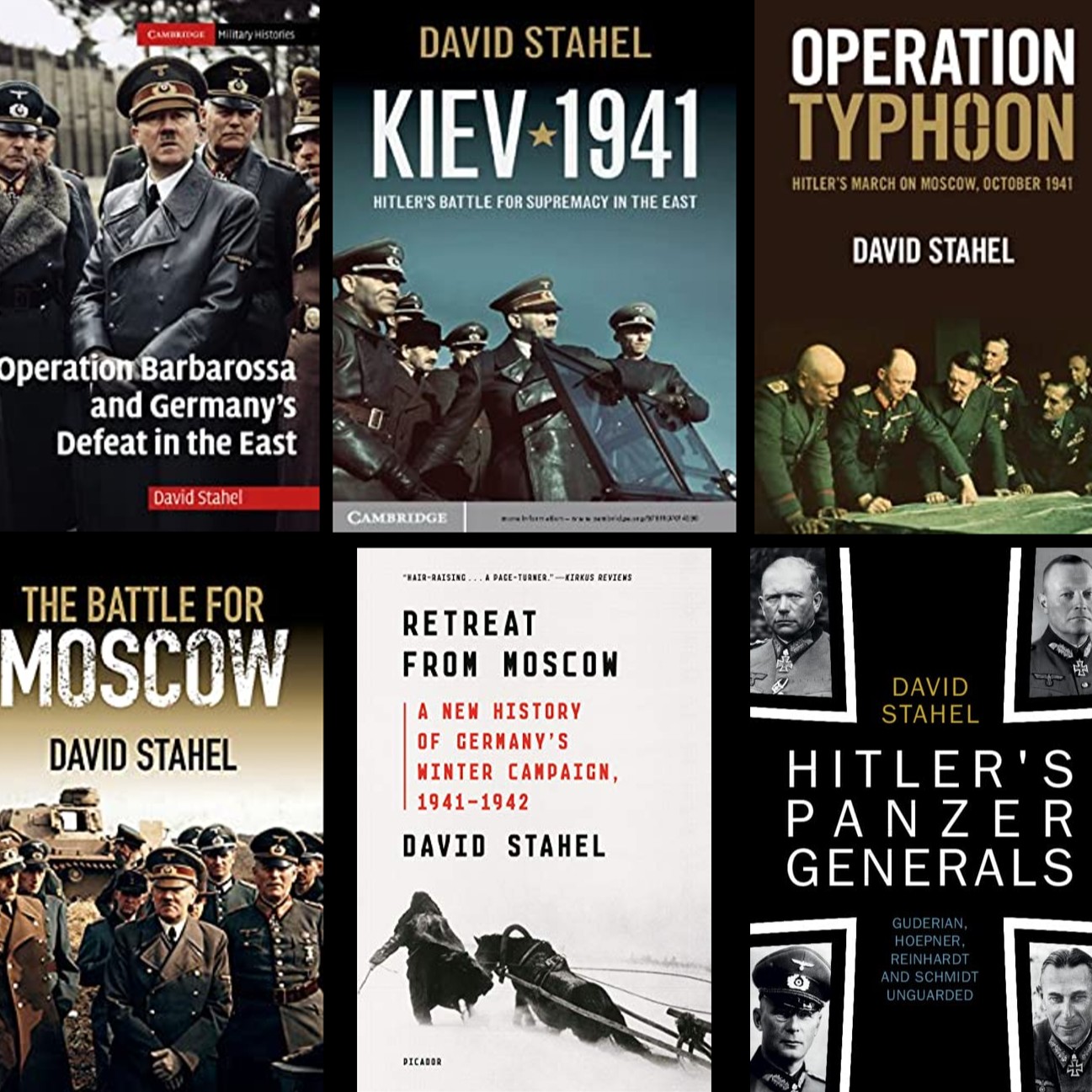
David Stahel reveals the real reason that Operation Barbarossa failed, a conclusion he reached after the deepest research into wehrmacht records. Author of Operation Barbarossa and Germany's Defeat in the East, as well as several other books on the Second World War in the east, he's a Senior Lecturer in European History at the University of New South Wales in Canberra, Australia. He joins Beyond Barbarossa for an eye-opening conversation. David Stahel's books:Operation Barbarossa and Germany's Defeat in the East. Cambridge, UK: Cambridge University Press, 2009. Kiev 1941: Hitler's Battle for Supremacy in the East. Cambridge, UK: Cambridge University Press, 2012. Operation Typhoon: Hitler's March on Moscow, October 1941. Cambridge, UK: Cambridge University Press, 2013. The Battle for Moscow. Cambridge, UK: Cambridge University Press, 2015. Retreat from Moscow: A new history of Germany's winter campaign, 1941–1942. New York: Picador, 2019.Hitler's Panzer Generals: Guderian, Hoepner, Reinhardt and Schmidt Unguarded. Cambridge, UK: Cambridge University Press, coming May 2023.As editor: With Alex J. Kay and Jeff Rutherford: Nazi Policy on the Eastern Front, 1941: Total War, Genocide, and Radicalization. University of Rochester Press, 2012. Joining Hitler's Crusade: European Nations and the Invasion of the Soviet Union, 1941. Cambridge, UK: Cambridge University Press, 2017. With Alex J. Kay: Mass Violence in Nazi-Occupied Europe. Bloomington, Indiana: Indiana University Press, 2018.With Craig W.H. Luther and R. L. DiNardo: Soldiers of Barbarossa: Combat, Genocide and Everyday Experiences on the Eastern Front, June–December 1941.Lanham, MD USA: Stackpole Books, 2020. Hosted on Acast. See acast.com/privacy for more information.

S1 Ep 23David Stahel: a conversation, part 1—Episode 23
David Stahel offers a fresh perspective on the Eastern Front, one that turns the common conception of the war upside-down. Author of The Battle for Moscow and several other books on the Second World War in the east, he's a Senior Lecturer in European History at the University of New South Wales in Canberra, Australia. He joins Beyond Barbarossa for an eye-opening conversation. David Stahel's books:Operation Barbarossa and Germany's Defeat in the East. Cambridge, UK: Cambridge University Press, 2009. Kiev 1941: Hitler's Battle for Supremacy in the East. Cambridge, UK: Cambridge University Press, 2012. Operation Typhoon: Hitler's March on Moscow, October 1941. Cambridge, UK: Cambridge University Press, 2013. The Battle for Moscow. Cambridge, UK: Cambridge University Press, 2015. Retreat from Moscow: A new history of Germany's winter campaign, 1941–1942. New York: Picador, 2019.Hitler's Panzer Generals: Guderian, Hoepner, Reinhardt and Schmidt Unguarded. Cambridge, UK: Cambridge University Press, coming May 2023.As editor: With Alex J. Kay and Jeff Rutherford: Nazi Policy on the Eastern Front, 1941: Total War, Genocide, and Radicalization. University of Rochester Press, 2012. Joining Hitler's Crusade: European Nations and the Invasion of the Soviet Union, 1941. Cambridge, UK: Cambridge University Press, 2017. With Alex J. Kay: Mass Violence in Nazi-Occupied Europe. Bloomington, Indiana: Indiana University Press, 2018.With Craig W.H. Luther and R. L. DiNardo: Soldiers of Barbarossa: Combat, Genocide and Everyday Experiences on the Eastern Front, June–December 1941. Lanham, MD USA: Stackpole Books, 2020. Books about the Nazi occupation of Norway mentioned in the episode: J.L. Oakley, The Jossing Affair. J.L. Oakley, publisher, 2016.— The Quisling Factor. J.L. Oakley, publisher, 2020. Hosted on Acast. See acast.com/privacy for more information.
S1 Ep 22The Soviet Winter Offensive, 1942: Beyond Barbarossa, episode 22
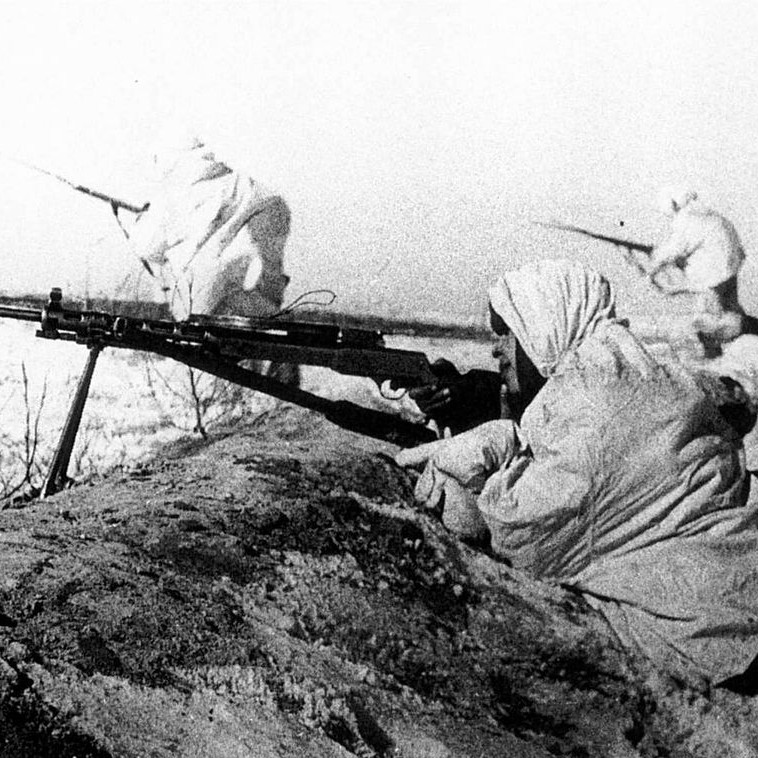
Stalin orders a general counter-offensive designed to drive the Germans back to Berlin by the end of 1942. Does it work?Map 1: The Soviet counter-offensive, Winter 1941–1942Map 2: The Rzhev salientMap 3: The Lozovoya-Toropets offensiveSources: David Glantz, Operation Barbarossa: Hitler's Invasion of Russia, 1941. Stroud, Gloucestershire, UK: The History Press, 2011. Walter Kerr, The Russian Army: Its Men, Its Leaders and Its Battles. New York: Alfred A. Knopf, 1944.David Stahel, Retreat from Moscow: A New History of Germany's Winter Campaign, 1941_1942. New York, USA: Picador, 2020.—, Operation Typhoon: Hitler's March on Moscow, October 1941. Cambridge, UK: Cambridge University Press, 2013. Anthony Tucker-Jones, Slaughter on the Eastern Front: Hitler and Stalin's War 1941–1945. Stroud, Gloucestershire, UK: The History Press, 2017.Maps: Wikipedia. Sound effects: Zapsplat. Hosted on Acast. See acast.com/privacy for more information.
S1 Ep 21The Soviet Winter Offensive 1942: Beyond Barbarossa, episode 20
After stopping Operation Barbarossa, at the opening of 1942, the Red Army launches a series of offensives to drive the Germans back to Berlin. A series of offensives that became a series of bloody failures. Map 1: The Soviet Winter Offensives, December 1941 – May 1942 Map 2: The Crimean Peninsula Map 3: The Kerch PeninsulaThe Red Army and Navy land on the eastern extremity of CrimeaMap 4: The Lyuban Offensive, or the Battle of Volkhov Map 5: The Demyansk Pocket Sources:Clayton Donnell, The Defence of Sevastopol, 1941–1942: The Soviet Perspective. Barnsley, South Yorkshire: Pen & Sword Books Ltd., 2016David Glantz, Operation Barbarossa: Hitler's Invasion of Russia 1941. Stroud, Gloucestershire, UK: The History Press, 2011David Stahel, Operation Typhoon: Hitler's March on Moscow, October 1941. Cambridge, UK: Cambridge University Press, 2013 David Stahel, Retreat from Moscow: A New History of Germany's Winter Campaign, 1941–1942. New York: Farrar, Straus and Giroux, 2019 Anthony Tucker-Jones, Slaughter on the Eastern Front: Hitler and Stalin's War 1941–1945. Stroud, Gloucestershire, UK: The History Press, 2017 Hosted on Acast. See acast.com/privacy for more information.
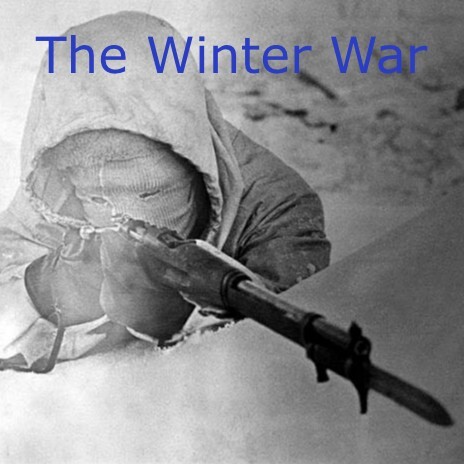
S1 Ep 20The Winter War: Bonus Episode 2, part 1
bonusA crucial prelude to Operation Barbarossa and the war on the Eastern Front of World War II: the Winter War between the USSR and Finland. Spoiler alert: The Soviet Union gets its ass kicked by a force less than half the size.This episode is the first part in a three-part series on the Winter War; parts 2 and 3 will be for supporters and members only. Map 1: The Mannerheim Line of Finnish defences across the Karelian Isthmus.Map 2: The USSR's four main attacks on Finland, 30 November 1939 Map 3: Soviet advances in the Karelian Isthmus, December 1939Map 4: Ladogo Karelia, north of Lake Ladoga Sources:Philip Jowett and Brent Snodgrass, Finland at War 1939–45. New York, NY: Osprey Publishing, 2006.Wikipedia: Timeline of World War II (1939)—: The Winter WarThe Winter War. Captivating History, 2020.Vesa Nenye, Peter Munter, Toni Wirtanen and Chris Birks, Finland at War: The Winter War, 1939–40. New York, NY: Osprey Publishing, 2018.Sound effects obtained from Zapsplat. Hosted on Acast. See acast.com/privacy for more information.

Ep 19The Eastern Front on Fire: A conversation with Daniele Bolelli—Beyond Barbarossa episode 19
A very special guest joins the podcast this week: the one and only Daniele Bolelli of the History on Fire podcast.Sources: The History on Fire podcasthttp://historyonfirepodcast.com/ Hosted on Acast. See acast.com/privacy for more information.
S1 Ep 18The death of Barbarossa: Episode 18
In December 1941, the German army meets its match: General Winter arrives. So do huge Soviet reinforcements, and the Wehrmacht's advance on Moscow halts and has to back up. Map 1: The Moscow Counter-Offensive, December 1941 Map 2: Tikhvin and Leningrad, Nobember 1941 Sources:David Glantz, Operation Barbarossa: Hitler's Invasion of Russia 1941. Stroud, Gloucestershire: The History Press, 2011David Stahel, Operation Typhoon: Hitler's March on Moscow, October 1941. Cambridge, UK: Cambridge University Press, 2013.David Stahel, Operation Barbarossa and Germany's Defeat in the East. Cambridge, UK: Cambridge University Press, 2009. Anthony Tucker-Jones, Slaughter on the Eastern Front: Hitler and Stalin's War 1941-1945. Stroud, Gloucestershire: The History Press, 2017.Wikipedia, Timeline of World War II (1941). https://en.wikipedia.org/wiki/Timeline_of_World_War_II_(1941) Hosted on Acast. See acast.com/privacy for more information.

S1 Ep 17Talking about Eastern Front with Ray Harris of the History of World War II podcast
Ray Harris, 'caster of the History of World War II Podcast, joins me to talk about the significance of the Eastern Front of the Second World War, and some of the surprises he found in his work.https://worldwariipodcast.net/all-podcasts/ Interested in World War II history? Check out Ray's podcast! Hosted on Acast. See acast.com/privacy for more information.
S1 Ep 16Life during wartime: The nazi occupation, episode 16
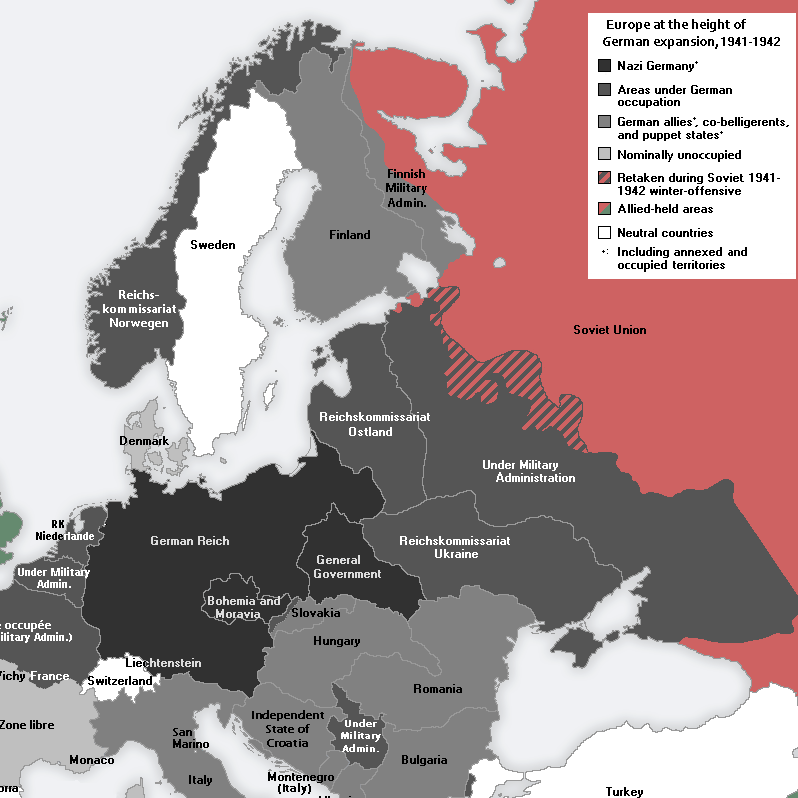
What was life like for the people living in the lands occupied by nazi German in the East? We take a close look. LinkRemembering the Holodomor: Ukraine Without Hype podcasthttps://podcasts.apple.com/us/podcast/episode-35-remembering-the-holodomor/id1537219548?i=1000587845635Sources: Paul Robert Magosci, A History of Ukraine. Toronto: University of Toronto Press, 1996. Shevchenko Scientific Society, Volodymyr Kubijovyc, editor, Ukraine: A Concise Encyclopedia. Toronto: University of Toronto Press, 1963.Orest Subtelny, Ukraine: A History. Toronto: University of Toronto Press, 2000. Wikipedia: The Eastern Front of World War II.- Generalgouvernement- Reichskommissariat Ostland- Reichskommissariat Ukraine Hosted on Acast. See acast.com/privacy for more information.
Ep 15A conversation with Sebastian Major of Our Fake History: Episode 15
One of my favourite podcasters, Sebastian Major of Our Fake History, joins me for a talk about historical myths about the Eastern Front of World War II. It's one of the best podcasts out there about history. Listen to it on your preferred podcasting app, and find it at OurFakeHistory.com. Hosted on Acast. See acast.com/privacy for more information.
S1 Ep 14The invasion of Crimea: Beyond Barbarossa, episode 14
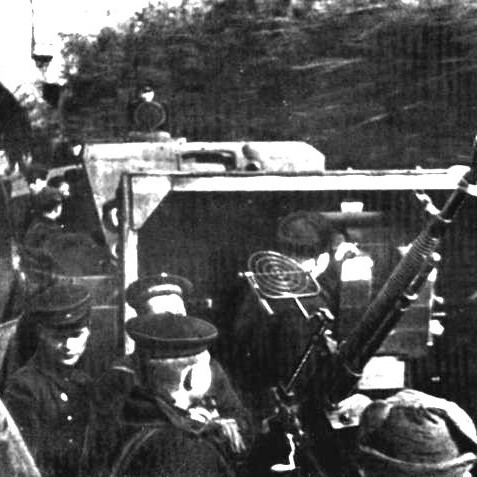
The battle for Crimea is almost a microcosm of the entire war on the Eastern Front of World War II. Satellite photo of southern Crimea: Severnaya Bay is the long, narrow bay curving upward into the land. Sevastopol is located on the smaller bay at right angles. This image was taken by the Nasa Expedition 20 crew. - NASA Earth Observatory. Source: Wikimedia Commons. Map source: Nations Online Project. https://www.nationsonline.org/oneworld/map/Crimea-map.htm Other sources:Clayton Donnell, The Defence of Sevastopol, 1941–1942: The Soviet Perspective. Barnsley, UK: Pen & Sword Books Ltd., 2016.David Glantz, Operation Barbarossa: Hitler's Invasion of Russia 1941. Stroud, Gloucestershire, UK: The History Press, 2011. David Stahel, Operation Barbarossa and Germany's Defeat in the East. Cambridge, UK: Cambridge University Press, 2010. Hosted on Acast. See acast.com/privacy for more information.

S1 Ep 13Ukraine 1941 and 2022:Episode 13
A conversation with Larysa Zariczniak, host and producer of the Wandering the Edge podcast on Ukrainian culture and history, with a spot of travel—when Ukraine isn't being invaded. We spoke about Ukrainian culture, history, parallels between 1941 and 2022, and what the experiences of those two periods can tell us about the Ukrainian cultural identity.Wandering the Edge is available on all podcasting platforms. Visit the website at WanderingTheEdge.net. Hosted on Acast. See acast.com/privacy for more information.
S1 Ep 12The Siege of Leningrad: Beyond Barbarossa, Episode 12
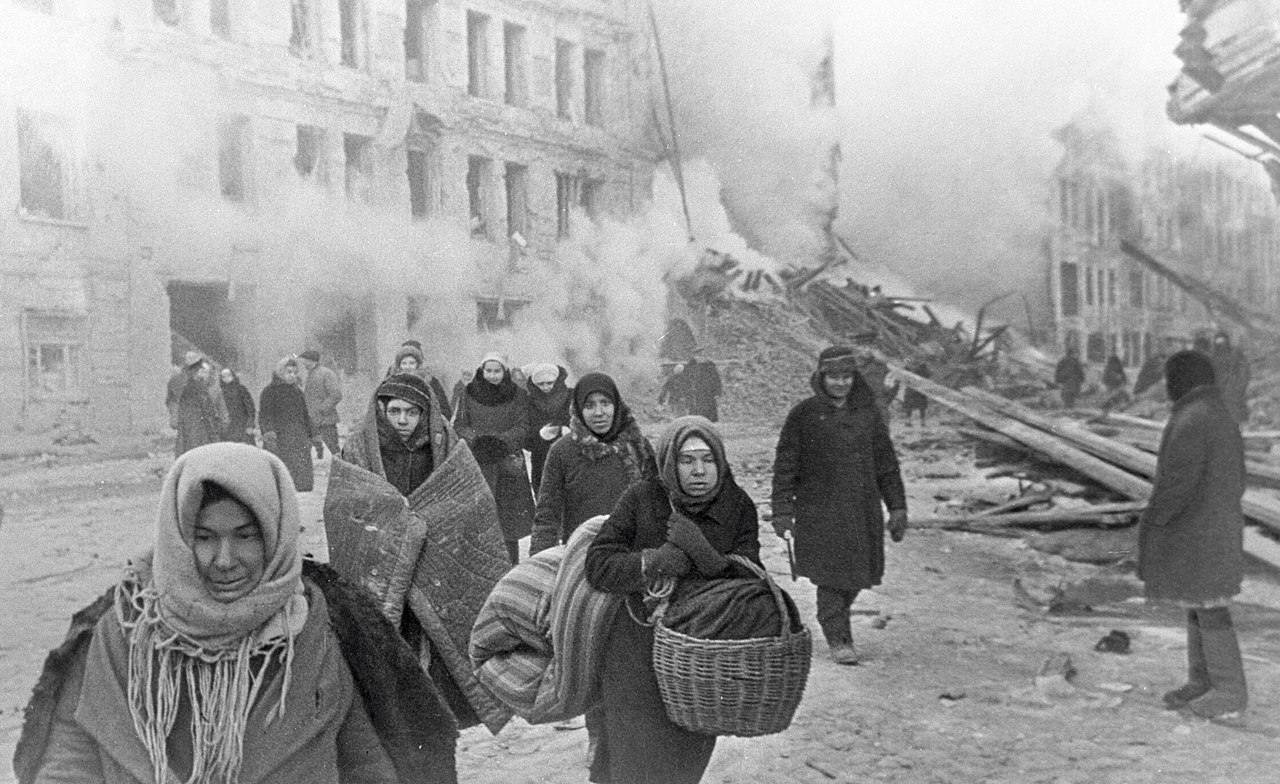
The 900 Days of Leningrad's siege saw the greatest destruction in modern history, and the larges loss of life in a modern city. It dwarfed urban campaigns elsewhere in the Second World War by a factor of magnitude. This episode links this immense struggle with the rest of the war in the East. Map 1: Finnish and Soviet forces on the eve of Barbarossa, 1941 Map 2: Finnish offensive operations in Karelia, summer and autumn, 1941 Map 3: The siege of Leningrad Hosted on Acast. See acast.com/privacy for more information.
S1 Ep 11Arctic Fox Hunt: Beyond Barbarossa, episode 11
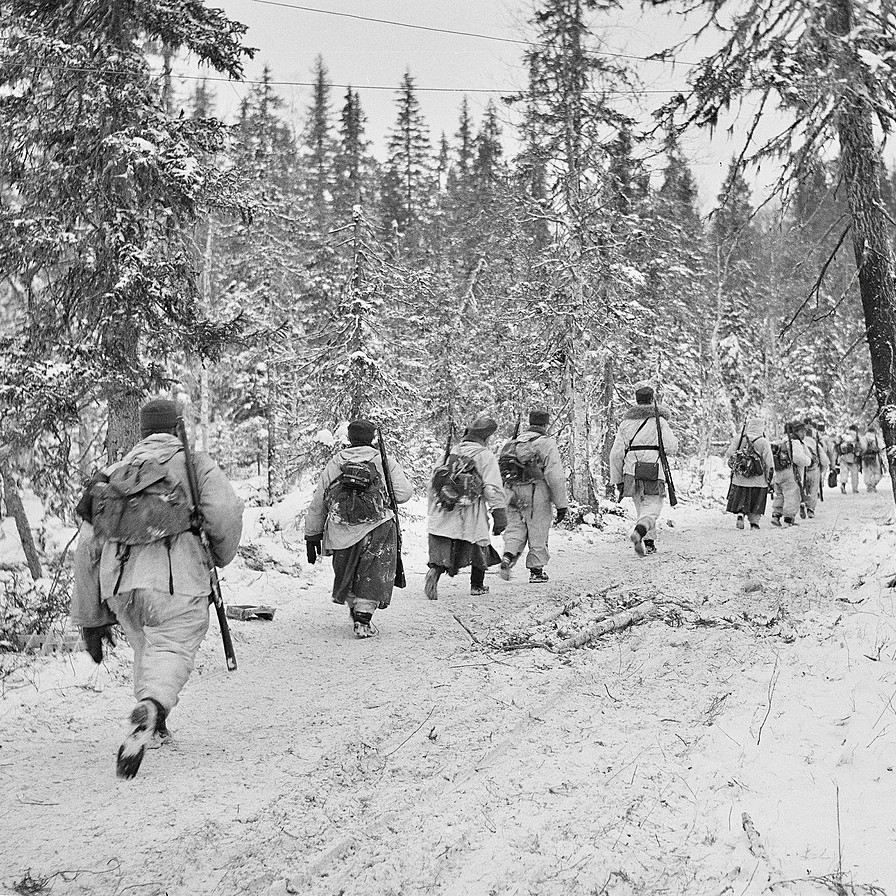
The German 36th Mountain Corps moves through Lapland to cut the vital Murmansk Railroad to Leningrad. But under the midnight sun, it meets a foe even more difficult than the Red Army.Map 1: Finland 1940-41The red area around Salla is the target for the 36th Mountain Corps. Figure 1: Finnish soldiers moving through the Arctic forest on their way to the Murmansk railroad Sources:David Glantz, Operation Barbarossa: Hitler's Invasion of Russia 1941. Stroud, Gloucestershire, UK: The History Press, 2011.David Stahel, Operation Barbarossa and Germany's Defeat in the East. Cambridge, UK: Cambridge University Press, 2009.Operation Silver Fox: The History of Nazi Germany's Arctic Invasion of the Soviet Union during World War II. Charles River Editors, 2016.Timeline of World War II (1941). Wikipedia. https://en.wikipedia.org/wiki/Timeline_of_World_War_II_(1941) Hosted on Acast. See acast.com/privacy for more information.