He Blamed ME For The Emotional Abuse – June’s Story
Betrayal Trauma Recovery · Anne Blythe, M.Ed.
Audio is streamed directly from the publisher (media.blubrry.com) as published in their RSS feed. Play Podcasts does not host this file. Rights-holders can request removal through the copyright & takedown page.
Show Notes
It’s common for victims of emotional abuse to say, “He blamed me for the emotional abuse.” If this has happened to you, here’s what you need to know.
To see if you’re experiencing any one of the 19 types of emotional abuse, take our free emotional abuse quiz.
If you need help, the safety strategies in The Betrayal Trauma Recovery Living Free Workshop can help you protect yourself from emotional abuse.
This episode follows Junes’s Story:
Part 1: He Blamed Me for the Emotional Abuse – June’s Story (THIS EPISODE)
Part 2: Divorcing A Narcissist – June Checks In One Year Later

Transcript:He Blamed ME For The Emotional Abuse
Anne: June and I did this interview years ago. At this time, my ex was abusing me and my kids on almost a daily basis under the guise of co-parenting messages that were emotionally and psychologically abusive. He was undermining my children’s medical care, their extracurricular activities, and their school work. I constantly had a pit in my stomach.
Although I was actively trying to figure out how to deliver myself and my children from the abuse, the answers hadn’t come yet. When I listened to this episode again, I could hear the anger and frustration in my voice. I was doing everything right, at least everything I’d learned up until that point. I did everything the typical therapist and clergy told me to do.
Everyone told me that I should get over it and move on. They couldn’t wrap their head around the fact that I was still being emotionally and psychologically abused and my children were being undermined. Yet I was being blamed by the court and guardian ad litem.
Thankfully after years of study and prayer, I discovered emotional safety strategies that in stages delivered us from the abuse when I implemented them. I didn’t even have to go to court.
My children and I no longer have to deal with my emotionally abusive ex, and I still use these strategies. I wanted to make sure that my experience wasn’t a fluke and that these strategies weren’t just specifically for me. I tested the strategies for years with other sheroes who confirmed that they worked for them too.
Being Blamed For The Emotional Abuse
Once we knew they would work for any woman in any situation, I created the Living Free Workshop. In our BTR Group Sessions, women ask questions about how to implement these strategies and find support there.
Make sure you check out the Group Session schedule. I’m still angry that women trying to get to emotional and psychological safety are thwarted and blamed at every turn. I think we should all be angry about that. In this interview, a member of the BTR Community, June shared her story.
June found out that her husband used pornography and had affairs with multiple partners. He continued to do it after they were separated and going through the divorce process. At the time, June’s four children were very young and all of them have special needs to varying degrees.
We’re going to start by talking about the challenge of having special needs children when your husband is emotionally and psychologically abusive. Then she shared her story of how she met her husband and how she discovered the truth. You guys are going to be really curious about June’s story. June, let’s start with you talking about your children.
The Challenges Of Parenting Special Needs Children When You’re Being Blamed For His Emotional Abuse
June: I have four children. They range from age nine to three, two boys and two girls, and they each have some level of special needs. My 9-year-old has autism spectrum disorder, sensory processing disorder, auditory processing disorder and also ADHD.
He’s probably been most impacted as far as special needs go and on the disability range. My other children have speech and language issues, and all of my children have been affected by trauma. Which is really important to note because the treatment for trauma impacted children as well as special needs children can overlap sometimes.
In my own home and in my own parenting, I do a lot of things to address that; things to help them feel safe, things to help them process that trauma and process those emotions. It really is no different, many times the work I do with my profoundly impacted child as opposed to the rest of my children that have suffered the trauma is the same.
Anne: Let’s talk about your nine-year-old son who is on the spectrum for a moment. Would you say that some of his behaviors have escalated due to the trauma in the home? Do you see that? They’re a little bit correlated.
Impact Of Emotional Abuse On Children”s Behavior
June: I see that my son who has autism can have a very hard time processing those things. He can have a more difficult time than the other kids processing the actual separation and divorce. He can tend to perseverate on that and ask why. Any answer that I give him won’t necessarily satisfy him.
Kids on the spectrum and kids with special needs in general, can all have sleep issues and insomnia and anxiety. I definitely have seen that increase in my son. Yes, to answer your question, some of the behaviors have escalated.
Anne: You’d mentioned sleep, when your son or all of your children are having sleep difficulties due to the trauma? How do you practice self-care in a situation that is extremely stressful and difficult?
June: I feel like it’s very important to teach my kids what emotions look like and how we process emotions. I would say, if I’m angry about something or if the kids are angry about something.
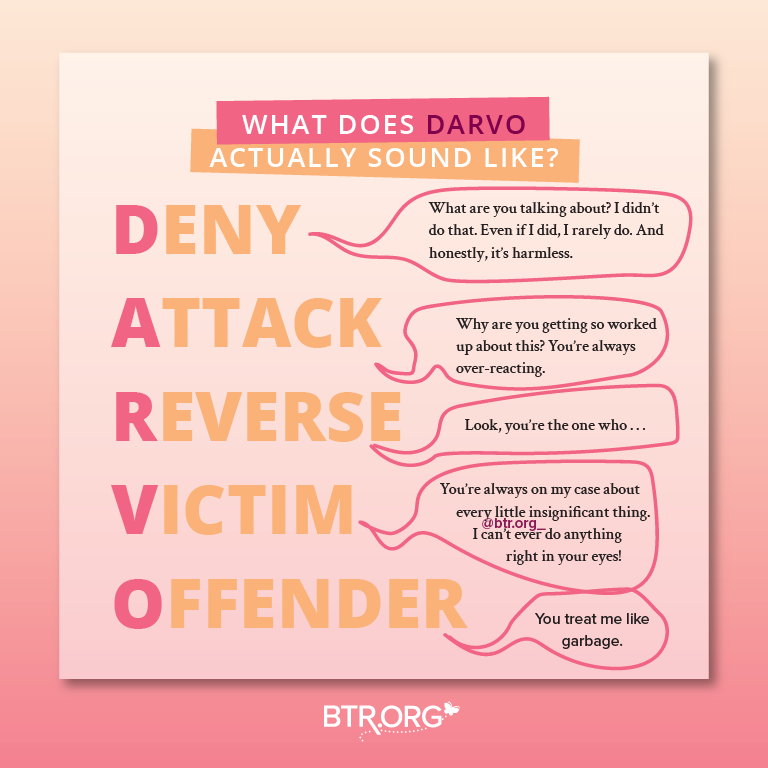
The Strategies I Used When He Blamed Me For Emotional Abuse
We will go outside and we will say, I’m angry and that is okay. Giving them those ways to process and handle those emotions is very healthy. It is very healthy for me to have that self-care time and that alone time should I need it. I do find ways and carve out little moments during my day that I can do that.
Self care is so important not only for anyone who’s going through a divorce due to abuse or separation or difficult time.It’s also just for a parent in general of a special needs child because oftentimes you never get a break.
It is important to take that upon yourself to learn how to get yourself some relief when you need it and be able to implement that in your daily routine. The things I do, I mean of course I love bubble baths, but when I’m out and about and dealing with a crisis situation with one of my kids, I can’t really go home and take a bubble bath and just stop everything.

I will practice mindfulness driving in the car like pulling over for five minutes to do some deep breathing.
I will do some grounding exercises and the most important thing is that I’ve taught my children how to do these things too.
They know little exercises there’s one that’s called Take Five where we go through the five senses, we pick out five things that we see. We pick out four things that we hear, three things that we touch, two things that we smell, one thing that we taste, and there’s definitely a neuroscience behind it.
The Legal Challenges Of Being Blamed
It switches your brain into getting out of the fight or flight symptoms and into a more grounded state. If any of my children are experiencing anxiety, we’ll do these simple exercises. We’ll do teddy bear breathing and all of these little cute names that we have for the things that we may do to help.
Anne: For women who are separated and or divorced, like June and I, do get a quote, “break” every other weekend when my kids go with my ex. June is in that same situation right now where her children go with her soon to be ex every other weekend. A lot of people think that divorce solves the problem. It does not. The abuse continues.
We still have to learn how to deal with it. In my case, the abuse is that he’s still lying about what happened. He’s still manipulating people. Also, there’s some physical things that are happening with my kids when they come home and they’ve felt physically unsafe with him. June is in that same situation.
There’s this dichotomy of really enjoying the break and having that be a time of self-care, but also really worrying about our children. When my children (who are neurotypical) come home their behaviors have escalated. It takes a while to get back to normal. They have trouble sleeping or they have trouble with school or trouble with getting up in the morning. It throws their whole schedule off.
There’s this dichotomy between I like the break but I want to protect my kids and it’s really hard. What to do with your emotions when the children are with an abusive dad?
Challenges Of Co-Parenting With An Emotionally Abusive Ex-Husband
June: Yes, and I do want to say that any child that is going through the divorce of their parents experiences trauma even in the best of circumstances. That is traumatic for a child and the impact of trauma, regardless of what it is, even if it’s a minor trauma, major trauma, it really depends on how the child perceives it and the impact is really the same.
Even though your children might be neurotypical, you can still do things to address the trauma that they may be facing, even if it is, like I said, in the best of circumstances. I really identify with what you’re saying. It’s so important to take that break when your children leave so that you can catch up on things that you need to do.
Cleaning for me is like self-care because so often I’m running day to day with the kids and we’re going to appointments and therapies and school and all sorts of things, and sometimes I don’t get a chance to clean something the way that I would need to.
I’ll do that on my weekends and I also take that time to be very reflective and to plan my week because I know I have a big week coming up. On my weekends, I will often look for chances to increase my own learning when it comes to my children with special needs. No one can be blamed if you just need to rest.
Continued Emotional Abuse Post-Divorce
I go to advocacy seminars, disability symposiums, trainings, and parenting classes. Many times in your own community, these things are completely free. You just have to know where to look.
Get involved in your community services board if your community has one, which most communities do. There are lots of organizations, nonprofit organizations in general that will offer these sort of things: National Alliance of Mental Illness and mental health organizations.
There are a lot of places that will give you free training for children who have special needs or just general children who have trauma or parenting neurotypical children with no trauma.
It breaks my heart to know that my children might be feeling unsafe. We have been in that situation before and if they have disclosed that they have felt unsafe or they’ve been uncomfortable with something when they’re not with me. I have really struggled on how to handle that, some things I will bring up to him and say, Hey, the kids have mentioned this. It very easily gets manipulated.
The next time that he sees them he will say, I never said that and you shouldn’t tell mom that, or something like that. In those situations, I’ve really just started to teach my kids what my husband’s gaslighting was without badmouthing him at all. That way I can’t be blamed for it.
I just let them know if someone tries to convince you that something didn’t happen that really did happen or that they didn’t say something that they really did and you know that to be real. That’s gaslighting and they appreciate learning that terminology.
Addressing Children’s Special Needs When Being Blamed For Emotional Abuse
They come to me and say, this person was gaslighting me today. I also try to give them and teach them the tools that they need to handle any situation that they might feel unsafe in.
If they are made to watch a movie that is inappropriate or scary, we will role play and I’ll say, what can you do in this situation? The answers that they come up with are great. They say, I can leave the room. I can say, I don’t want to watch this, I tell them I can be blamed for it not being allowed. You can go in your room and play Legos, or close your eyes and think happy thoughts.
Giving them the tools for handling those difficult situations that I have no control over is so important. I do the same thing for my autistic child that I do for the rest of my children, they can all use those tools and effectively implement them in the situations that they’re in.
Anne: Yeah,I have found that has really helped too. Teaching them about gaslighting, they come home and tell me there was a gaslighting situation or this is what happened, and it was really weird, Mom. We felt really uncomfortable. I am so grateful that they’re starting to see that and that they can tell me how they feel about it.
They have words now to describe what is happening to them. By the way, a lot of people ask when I tell them the situation, they’re like, what? He still can take the kids every other weekend even though he’s done this, this and you had a protective order and he was arrested?
When Legal Proceedings Blame The Victim
A lot of people don’t understand that in many ways the law protects abusers and it’s super traumatic when you start going through the divorce process thinking, oh, we’ll finally feel peace. You start realizing that maybe your attorney or the judge or other people don’t understand abuse. What they’re deciding is actually keeping your kids in a harmful situation.
A lot of people don’t realize that. Then there’s also the abuser’s family who is supportive of him and thinks he’s great. My ex hit my son in the face while playing a video game. My ex’s mother, he lives with his parents, used it as an opportunity to tell my ex (My son overheard.) that my son should be blamed because he must be an addict, which hurt him so much.
He said, I feel so unsafe around grandma. She doesn’t understand the situation. She didn’t even hear the whole truth of it, but immediately she threw me under the bus and supported her abusive son. He came home and told me that. In your case, it even came down to clergy and your faith community.
I just want to put out there that a child with autism or I have another friend who has a daughter who has Down syndrome, can have a Mom who is going through this with her abusive spouse. Many other women that I know have a disabled child while an abusive husband in the home is currently lying and manipulating. He’s currently angry.
What It Feels Like To Parent With An Emotional Abuser
He’s currently looking at online content and a lot of people see the disability and women feel free to talk about the disability, but they don’t want to talk about what’s happening with their spouse. Can you talk about in the past when you didn’t understand you were being abused and the situation in the context of having a child with special needs?
June: There was definitely this intersection where I was handling the situation with my children that have special needs and really trying to learn what I could and advocate for them in the school system and educationally. Also, I was very wrapped up in my marriage failing and why my husband was doing these things and what I could do to help that situation.
We went to marriage counseling and I went to counseling on my own. I learned all I could about problematic behaviors, affairs. I really delved into it all and took it upon myself to try to understand how I could possibly save our marriage and our family and help him.
The Impact of Emotional Abuse
I very much wanted him to succeed and to be a healthy person because I believe that abusive people can change and I believe that people can make mistakes and right those wrongs. I began to learn about abuse.
It was very clear that this situation I was in was taking away from my ability to be the best parent I could be for my own children.
I spent so much time in trauma over and over and over again, Trauma from daily verbal abuse and from emotional manipulation, coercion, spiritual abuse to awful degrees. It impacted my ability to advocate and look into the issues that were going on with my own children and to really be present for that.
Once I realized that was the case saw that this intersection was happening, it was a collision, I couldn’t do both. My son didn’t talk until he was about five years old. He used sign language up until that point. When he did start talking, he jumped right into speaking full sentences and parroting people and echoing what other people were saying.
My son heard the names my husband called me. When I realized that my son would repeat that very soon because he was talking. They were subjected to hearing it, was the point for me that this is not getting any better. In fact, it’s getting worse and this is normalized for my children. I would not be blamed for continuing to expose him to that.
Learning From A Childrens Therapist
How it was impacting my ability to also parent my children in a healthy way was the basis for preparing myself that I might have to be a single mom one day.
Anne: Have you seen your children’s behaviors improve since you started setting a boundary around your husband’s abusive behaviors?
June: Yes, I love talking about this because it is truly amazing when you receive the help that you need and you receive the care and the love and that you feel like you belong somewhere and you feel like people understand you. When I left my marriage, my children and I had all received services at a center for abused women and their children.
Part of this was I would go to a support group and the kids would go to children’s support group. It was led by child therapists and social workers, and I took advantage of their amazing training. I would meet with the child therapists alone on a different day to ask them, how can I help my children going through this very, very difficult and traumatic situation?
I was not to be blamed. The things that I learned from that and the things that my children learned just from going to a support group like that with other children who were experiencing similar things were amazing.
Encouragement For Women In Similar Emotionally Abusive Situations
One of the things we did was to implement a safe space in our home. We set up a little tent in the corner of one of our rooms. It has pillows and it has all sorts of sensory things, bean bags and smelly candles and Play-Doh. It’s like a designated space for working through those things that they feel.
We also use time-ins instead of time-outs, if one of my children is having some difficult behaviors or being very irritable or not getting along with the other children. Instead of putting them in timeout, their behavior is a call for help and their behavior is communication. The first thing about trauma-informed care is that all behavior is communication.
What my child is communicating with me at that time when they are acting out is that they need help processing what they’re feeling. Instead of being blamed they are being helped.
I take them aside and we do an emotional check-in or we’ll play a short game about what they felt that day. Tell me a time that you felt brave, or lonely, or happy today. Those times we do that and set aside for even just a five minute conversation, can help push the reset button on their behavior.
It really gets them back on track where they need to be. That is a coping mechanism that is teaching them emotional intelligence and how to process those feelings.
Anne: For other women who have a child with special needs, who find themselves in an abusive situation. They start realizing that these fights that they’re getting into with their spouse are actually verbal abuse. Their husband is lying or using without their knowledge. What advice would you give them?
Challenges In Being Blamed: Leaving An Emotionally Abusive Husband
June: I would definitely say to inform yourself and to educate yourself. The more empowered that you can be in your situation to identify what is going on, the better off you will be in handling whatever happens and whatever you decide and whatever comes your way. I also feel like it is essential to stress that I am a much better parent being out of that situation.
I can now focus on my children. It’s like this whole new world has opened up to me about kiddos that deal with trauma and special needs and how to best mentor them and help them through these things and advocate for them.
It takes advocacy on every level in the community, in schools, even in churches. You really have to educate other people and you as the parent are the expert on your child and being in an abusive relationship can hinder that. It can take away some of the ability that you have to really focus on the children that need it.
I cannot stress enough how much my parenting has changed. How much my life has really opened up. My eyes have opened up to a whole new world helping children with special needs or children with trauma or any child in the best and healthiest way.
Anne: As she shares her story, take deep breaths and remember that she is on her way to safety and will get there eventually, getting to safety is a journey. Also, before we start, I want to talk about how women start this journey. They don’t think their husbands are abusive. Being blamed is so painful. They think, okay, we’ve got this problem, he’s got an anger problem or he has an addiction problem, the trauma symptoms aren’t as bad.
Finding Harmful Content On Her Husband’s Computer
Trauma symptoms are lower because a woman thinks that the situation is manageable or that things can get better. Then as she learns more and realizes that it’s abuse and starts to try to confront the abuser and the abuse gets worse, then the trauma gets worse. When you set a boundary around the abuse and it doesn’t stop, but it escalates, then the trauma becomes even worse.
For listeners, I don’t want anyone to think, oh, things are getting worse. This is really bad, and so it’s the wrong thing to do. It’s the right thing to do and it’s the only way out. June, let’s talk about how you met your husband and when you first suspected that he was using exploitative content.
June: I met my husband when I was in college and everything seemed great. He was the man of my dreams. I was young, in my early twenties, when he came along.
I didn’t have too much of a problem with it because he came across so well, my family liked him. He checked all the boxes that I was raised to believe meant he was a safe and worthy person. We ended up getting married, and I remember I was sitting on the bed in our first year of marriage using his computer for something, and I happened to look in one of the files and I saw a bunch of photos from a topless beach.
Recognizing When He Blames YOU For The Emotional Abuse
I was shocked. It was very clear that these were homemade photos. It wasn’t like he downloaded these, this was like homemade photos taken of women on this topless beach. I had known that he had spent some time in a place that had a topless beach. He was in some of the pictures with a friend of his, so I confronted him about it and he gaslit that away and manipulated it and said, oh, he blamed his friend.
He just never deleted them from the device. Looking back, that was my first real D-Day. That was such a little thing compared to everything that has happened since, but that was definitely a huge red flag. If I could go back and speak to the former June in that time, I would teach her that that was a huge red flag and to pay a lot closer attention than she did.
Anne: Why do you think women in this situation dismiss those little experiences? They’re really big experiences, but why do we say they’re little? Not that they should be blamed.
June: I think that we want to believe in the good of people and someone doing something like that, that’s voyeuristic. I would say it’s also stalking, but it goes beyond that. We don’t want to believe that anyone is capable of that and that’s foreign. It’s foreign to me because I have no propensity to really do that, and so we want to believe the best in people.
The Extent Of Being Blamed For Emotional Abuse
These are men that we love. We want to save our families. We want everyone to be healthy and happy. It’s not hard for someone to come in and say, Hey, these weren’t my pictures. Here’s what happened, and give us an explanation. For us to just take them at their word and believe it. Definitely throughout our dating and throughout our marriage, there was abuse all along.
I had reached out to people. I’d reached out to my parents, to friends and other family members. I told them what was going on.
He called very, very horrific names. I remember one time even when we were dating. We had been in a fight about something and I went into the bathroom, shut the door and was sitting down on the floor with the lights off. He came in there and was just yelling over me, the B word over and over and over again. I was huddled in this corner, oh my gosh, what is he doing?
We had probably only been dating a few months by the time that situation had happened, and still he had said he was sorry afterwards. There was a point when he came into my apartment and decorated my whole room with rose petals. I look back, this is a textbook abusive cycle, the love bombing, the apologies.
Then the explosion and the honeymoon phase and then building up the tension and the explosion and the love bombing. It was just very much like that, but every time he would apologize. He just blamed something else for his behavior.
Being Stuck In The Abuse Cycle With Your Husband
I would stay because he’d said he would get better and then it would happen again. Then he would apologize and I would stay and every time that he apologized, things did get better until the next time..
You become invested in how the relationship is. In the first year of marriage, it was a lot of verbal abuse. I would tell people, and nobody else really picked up on it. They were like, marriage is hard.
Anne: He must be stressed.
June: And all this while, I found out later, he was calling friends and family members and gaining rapport with them. Saying that he’s concerned about June because she seems like she’s depressed and really gaslighting me to my family, really for the next 12 years he blamed me. He had done this as the abuse was on and off just like an abusive cycle would be.
All the while he was gaining this trust of my family and of my friends when things escalated to the point that I had to leave. That made it extremely difficult for me because I did not trust some of my family at that point.
Anne: Talk about when you actually started realizing that the behaviors that you were seeing were abusive as opposed to just thinking that he had an anger problem or that he was a addict. Talk about how you made that shift to realizing that these things were abusive.
Seeking Social Support During Divorce From An Emotionally Abusive Man
June: There were things all along the way that I look back on, these were all red flags and I missed them. He would chat online inappropriately with women and he would tell me about it. I don’t know why I didn’t have the capacity to understand what was going on, like I said, he would always apologize and I would always stay.
It was not until I had a friend that reached out to me and confided in me about her situation with her husband who has some very, very problematic behaviors, use and infidelity and things like that, voyeurism. She said, I just have a feeling that I need to be there for you and ask you if you’ve ever thought that your husband is like that. I don’t know what she picked up from my husband.
She didn’t really know him very well, and maybe it was things that she picked up on in me. There was definitely a change when I was going through some things privately that maybe she could pick up on. She just shared her story and that night I came home and I just asked my husband, is this an issue for you?
I started tying some of those situations together. There was a time that he had come home and I was 37 weeks pregnant. He said, this woman attacked me in my office, and I was like, oh my gosh, this sounds so dangerous. She was trying to come on to him he blamed her. Well, in reality, I found out that they had been conducting an affair on the hospital’s messaging system.
When You’re Blamed For Your Own Emotional Abuse
He had gone to her office, shut the door and locked it, and there was some kind of encounter, and I was 37 weeks pregnant. When I found that out, he shrugged it off. He had no idea what was going on, and he just blamed her. We are members of the Church of Jesus Christ of Latter-day Saints. We went to our ecclesiastical leader who is called the bishop in our church.
He has really no training to be able to identify abuse or handle infidelity or marital problems.
He is a volunteer. We are going to him, and now I look back and I’m thinking, this situation is just so prime for mishandling. Here we are, we’re talking to someone about this huge situation, and yet nobody really picked up on the gravity of it. We went to our bishop and learned some more things about the situation that I felt like I needed to know.
I think my bishop was kind of in shock. He didn’t really know what to say. My husband talked his way out of it. I was 37 weeks pregnant. This was my fourth child. I had three other children under the age of five at the time, one of whom had profound special needs.
Finding BTR.ORG & Feeling Relief From The Blame
There’s no way I believed him when he said it was not his fault. We had our baby and things kind of went back to normal and normal for us. Which was a lot of abuse. I just remember a few months after my baby was born, it was the summer and I had taken all of my kids to go see a movie in the park and to play.
My husband was at work and he had just been nasty to me and hanging up on me all day. I’m just thinking, what did I do? What is going on with him and how do I deal with this situation? The confusion was extremely difficult. After that, I started learning more about addiction, behaviors, use.
I found BTR, which was a beacon of light to me in this situation. I listened to all of the podcasts every single week, I would just wait for the next one to come out. For the first time I had a label of what I was feeling. I didn’t know what this was. When I learned about betrayal trauma, I could understand these symptoms.
This is trauma that happens to someone when they are in the situation of being betrayed by someone that they trust implicitly. When I would listen to the BTR episodes, I remember listening to your story and how horrific it was, but also at the same time, I didn’t place myself in that category. I still didn’t, but the more that I listened and the more that you would talk about covert abuse, the more that connected with me up to that point.
I Was Being Blamed: Escalation of Abuse
There was no outright physical abuse yet. The covert abuse that you would describe was very, very much the same of what I was experiencing. The manipulation and the lying and the psychological harm, even the spiritual abuse. That is one thing that I started connecting with and learning about, and that opened my eyes to seeing and really identifying that I was in a very bad abusive relationship.
Anne: You’re listening to me. I’m sharing my story. You’re thinking, whoa, I’m really relating to this. When did his behaviors escalate to actual physical violence?
June: His behaviors started escalating when I started finding out more and more about some of the extreme problems that he was having. I found out about several inappropriate relationships that he had had with people at his work. He was in a very powerful position. These were people who were under him, so it was an abuse of power. He always blamed the women.
He’s actually licensed also by the state. I knew that could be a very bad situation for him as far as that goes. When I started finding out about this, he would come to tell me and confess these things. It was almost as a way of him gaining my trust.
Anne: My ex did the same thing. He would tell me part of it. The way he would say it was manipulating it so I would view it in a certain way to help him rather than me. I realized later that this was dangerous. What was happening probably should have been reported to the police.
Realities Of Divorcing An Emotional Abuser
Anne: My ex did the same thing. He would tell me part of it. He would say it was manipulating it so I would view it in a certain way to help him rather than me. I realized later that this was dangerous. What was happening probably should have been reported to the police.
June: Exactly. So he would come and tell me these things and say, “ There’s an inappropriate encounter with someone at his work.”, or “This woman sent me these unsolicited pictures of her in a compromising position” or “wearing nothing”. He always blamed the women.These things all accumulated. My husband ended up moving out for two months or so.
He was in therapy with a therapist who claimed to treat addiction and problematic behaviors and everything. I had started therapy on my own and we had gone to therapy together with each of our therapists. They were at the same facility. We had met with them maybe once or twice. My therapist easily identified that I was in an abusive situation. His therapist did not.
Anne: Yeah, we’ve noticed that so much with so-called Addiction Experts. They do not identify the abuse and they’re not helping keep the wives of addicts safe at all. It’s really actually pretty scary and dangerous
June: We were really trying to work things out. He was going to SA meetings and he had shown a lot of humility and improvement. I remember thinking, if this is the man that could be with me all the time, that is who I want. He did move back in and we had a pretty good, I’d say six to eight months of progress.
Establishing Safety During Abuse & Blame
Then things started to slip again, and it was more verbal abuse that started creeping in. It was more psychological abuse. It was these things that would start to come back in and I would ask him, is anything going on with people at work? These abusive behaviors are a really, really big red flag for me.
I had tied it altogether at that point, I had tied the verbal abuse to the other problematic behaviors, and he just insisted, no, no, it wasn’t.
He just came to me one day out of the blue and said, I have actually been lying to you and there’s three women who I’ve had inappropriate relationships with off and on. I am using again, and it was like a D-Day all over again. I’ve given him my trust in thinking he’s a safe person. I’ve let him move back in.
I have overcome part of that betrayal trauma to be able to be intimate with him again and to be able to really want to work on our marriage.
When I found that out, it was a huge D date. You have been lying to me this whole time and you are not a safe person, and at that time, I asked him to move out again. He wouldn’t. He became very mean, very irate, very scary. I received a message from somebody anonymously about his reputation at his workplace and that he made people feel uncomfortable.
There was even one that described a certain situation where he assaulted a female in this closet at work. Once again he blamed her. He was sleeping downstairs, and I went downstairs and I asked him about this and he demanded to see my phone.
June Discovers Even More Abuse & Her Husband Blamed Her
I said, no, you can’t see my phone, and I went upstairs and he was running after me. At that point, I was very, very scared. I had just found out that this person was very unsafe.
Also had confirmation of this from someone who worked with him, and here he was running after me trying to get my phone. I ran upstairs, he pushed me into a wall. He tackled me. He got my phone. I scratched him. I’m five five and I weigh 140 pounds. He’s six six and he weighs 220, so I did whatever I could. I was very, very scared for my life because I had no phone.
I ran outside to a neighbor’s house and called the police. When the police came, they looked at him and they looked at me and he had a scratch mark. It was a male police officer and I was incoherent. I was in trauma, I couldn’t really describe anything of what had happened, I was just trying to process it myself. I had no visible bruising yet, or marks or anything that was bleeding. That did show up a few days later.
He went inside and my husband was just bawling and he blamed me for the whole thing. The police officer said, well, I have to take you away because he has these visible injuries, and so I was taken away that night. I was arrested and sat in the holding area for just a few hours and then they let me go back home. I didn’t have anyone that I could call to pick me up.
Support To Face Blame During Divorce
I have no family around. Nobody really knew what was going on in my situation in my marriage. I felt very much a sense of shame and I couldn’t call anyone and say, I’ve been arrested. Come and pick me up. There was just nobody that would understand that. My husband did call one of his friends who was actually from our church. Looking back, I see that he had set this up.
The more empowered I would become, he would say the more crazy I would get to this friend, and so I think he could see that I was becoming empowered and stronger and being able to identify abuse. At the same time, he was telling people that I was becoming more depressed or more and more angry.
I retained a lawyer and I had injuries of my own, which I had someone take pictures of, and that case was dismissed, but I knew I was in a very unsafe situation. At the library I did research on domestic violence and abuse. I learned that 40% of women who are in abusive relationships, had their partner blamed them and have them arrested for abuse for fighting back.
Suddenly in the shame of that situation, I was able to understand that this was no fault of my own. I also felt more empowered and safer to reach out to people and say, look, my husband did this to me and he had me arrested. He accused me of abuse, and I slowly started gaining support of a few people just in a very close knit circle that I could trust and could see what was going on.
I Was Blamed By My Clergy For His Abuse
It was just a few months after that things really started escalating. My husband started using my arrest as leverage. He said that if I ever left, he would get custody of our children have this history. He blamed me for the whole situation, he said I would be out on the street. I wouldn’t have anywhere to live. It was very much held over me. The abuse just escalated from that point. He got a free pass.
I did reach out to the bishop when I found out about more incidents and many other indiscretions, and my husband and I went to meet with the bishop at that point. After my arrest and after he had confessed a bunch of things to me. The bishop was meeting with my husband privately. They met for probably about 45 minutes before the door finally opened.
I went in and I said, I am really at my wit’s end. I’m thinking that this is not a safe situation and I need support. The bishop looked at me and he said, you need to be a better wife and mom and your husband has told me everything that has happened. You are angry. He called me a feminist.
Anne: Which is not a bad word, by the way. Great word. Thank you for the compliment, sir.
When Your Church Community Won’t Protect You From Abuse
June: It became clear that my husband had gone in there and just said all of these things. June wants to go back to school and I don’t feel like she needs to do that. The bishop said, you don’t need to go back and get your master’s degree. What are you even thinking? You need to just be a better wife and mom and your husband is dissatisfied, he blamed me for my husbands actions. You need to give him more.
Basically, I very clearly saw what was happening. I started just speaking my mind and I said, this is not okay. You cannot be saying this. This is not okay. My bishop started to ask me details of things that I had done when I was a teenager. He said, your husband said that you were not faithful. I said things I did as a teenager have no bearing on any of this.
First of all, I’m a married mother of four and I’m 34 years old. You do not need to be asking me these questions. I didn’t even have the wherewithal to understand what he was doing. I look back now and I see that shamed me for something that I had done a long time ago.
He was trying to shame me into stopping the complaints or pointing the finger about how abusive my husband was.
When The Blame Doesn’t Stop
Anne: He was trying to silence you, right, and say, look, you are the one that’s the problem. Stop causing all this hullabaloo and take your place as a wife and mother. He blamed you for the abuse.
June: The questioning continued. My bishop said that if I submitted myself to him that he could fix me and that he has a very special way with women. That he has insight into women and that he has a unique ability to fix them and fix their problems and help them. It was so far out that I could identify it as inappropriate.
I went there thinking that I would feel safe and protected and loved, and I knew that something was going terribly, terribly wrong. I didn’t have the language to say, this is harassment. It’s inappropriate questioning. It is verbal abuse. It is blaming, it’s rationalizing, it’s deflecting. It’s projecting. I can name exactly what was happening, but at that time I didn’t.
It was so confusing to me why he was asking me these things and why he was taking the position that he did.
I eventually tried to teach him a little bit about trauma, use, infidelity, and abuse and how it all ties in together. He stood up, his face got very red, he yelled at me.
Secondary Emotional Abuse, Being Blamed By Clergy
He said, I’m exhausted and I don’t know what else you want from me. I’m trying to take care of all of these people and you’re making my job difficult and you need to listen to me.
It was very scary, I came to him disclosing that I had experienced verbal abuse. That was very triggering for me. It was very, very traumatizing. I got up out of his office and I actually ran out of the church. It was probably 11 o’clock at night at that point. Nobody else was there.
I had immediately called a friend and I called my mom and explained what happened. From that point on, I had tried to take it up to the person above him. Which is the stake president, like a hierarchy, and ex