BELS Brief Chats podcast
Nigel Gaymond
Show overview
BELS Brief Chats podcast has been publishing since 2021, and across the 4 years since has built a catalogue of 17 episodes. That works out to roughly 10 hours of audio in total. Releases follow a roughly quarterly cadence.
Episodes typically run thirty-five to sixty minutes — most land between 33 min and 45 min — and the run-time is fairly consistent across the catalogue. None of the episodes are flagged explicit by the publisher. It is catalogued as a EN-US-language Science show.
The catalogue appears to be on hiatus or wound down — the most recent episode landed 1.2 years ago, with no new episodes in over a year. The busiest year was 2021, with 9 episodes published. Published by Nigel Gaymond.
From the publisher
BELS Brief Chats podcast features interviews with members of the BELS community (British Educated Life Scientists around the globe) and leaders from the UK health and life sciences arena, panel discussions on hot topics impacting the life sciences, and spotlights on cutting-edge organizations
Latest Episodes

Ep 17BELS Brief Chats Episode #17 – Dr David Ebsworth
The son of a military man, David Ebsworth was educated at Duke of York’s Royal Military School, where his A levels included German and Chemistry. At the University of Surrey, he earned a double honours degree covering both subjects, and then a PhD, looking at industrial relations in the German and UK chemical industries. Following an interesting, successful, diverse career in pharma and biotech, David currently manages a portfolio career focused on the UK and Europe. He chairs four of the five companies with which he is involved.  Two, ActiMed and Verona Pharma, are UK companies. Verona, a 10-year labor of love for David, took the well-trodden path to the US to raise $200 million for their Phase 3 trial of a COPD treatment now on the US market. This podcast recording predates Merck & Co’s decision in July 2025 to acquire Verona, one of the most successful biotechs in the UK, for $10 billion. The UK R&D tax credit scheme, unparalleled in any other country, is fantastic. The UK has certainly become a great venue for founding companies. We (the UK) probably do not celebrate our success as much as we should. I find the BELS Brief Clips digest incredibly useful for updating me on what is going on in the UK. I often forward on articles of interest from BELS to my companies.

Ep 15BELS Brief Chats #16 – Dr Karen Akinsanya.
Karen Akinsanya PhD is President of R&D, Therapeutics at Schrödinger. This followed leadership positions at Merck & Co and at Ferring Pharmaceuticals. Raised initially in Bristol and then in the suburbs of Surrey, in this episode of BELS Brief Chats, Karen shares her roots in our sector, undoubtedly stimulated by the healthcare and scientific backgrounds of her parents, especially her father bequeathing to her at a young age his wooden microscope. She received her BSc in biochemistry from Queen Mary University of London and her PhD in endocrine physiology from the Royal Postgraduate Medical School at Imperial College London. Her professional path has been forged by her ambition and an insatiable curiosity that leads her to constantly question things. This had led her to numerous career experiences including her current leadership position at a company sitting squarely at the nexus of technology convergence. Karen also has first-hand experience of the extensive British-educated talent working abroad. “Almost on a weekly basis I bump into someone who has a British accent in the US or even recently in Japan! Brits get around. There has to be a way of tapping into this global UK talent”. Karen also has a fundamental understanding of why BELS is so important.  “Partnerships and collaborations are really driven by relationships and networks”.
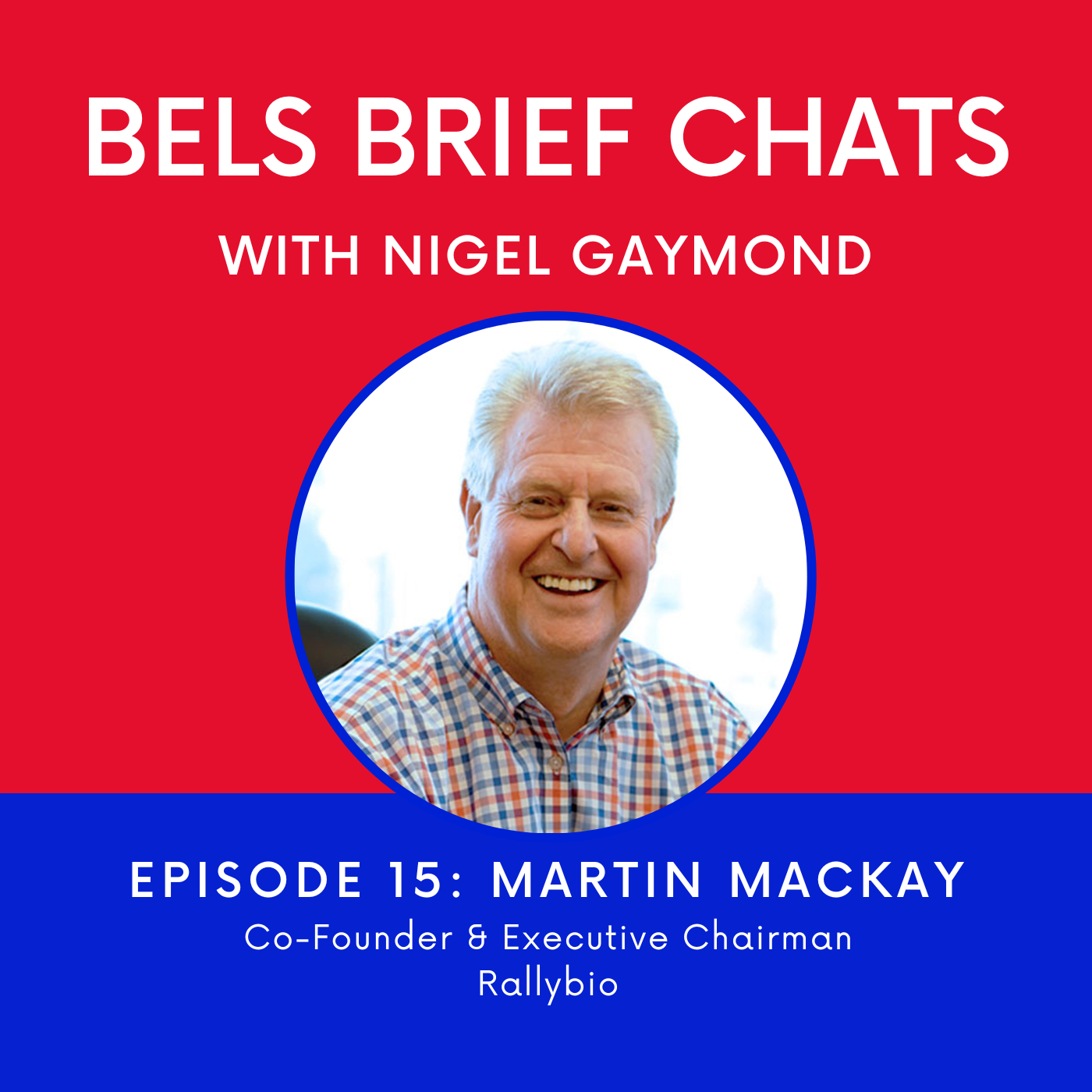
Ep 15BELS Brief Chats Episode #15 – Dr Martin Mackay.
From humble beginnings in Edinburgh, Martin Mackay PhD’s lifelong passion for football and his beloved Heart of Midlothian, allied to a total fascination with the ‘coolness’ of lab coats, were parlayed into a hugely impressive career, including major research leadership roles at industry titans such as Pfizer, AstraZeneca and Alexion. Now, “having a blast” in the world of biotech with Rallybio, he still also exerts his influence and experience on big corporates via board seats at Novo Nordisk and Charles River Labs. Martin points to his current experience of leading a biotech:  “At Rallybio, sitting here in Connecticut, our first five deals were consecutively in Norway, Sweden, the UK, France and Canada!  It points to our heritage that we are willing to look anywhere for great assets and programs.” When Martin considers the UK’s importance in the life science universe he asserts: “No question, the UK is a good place to do business and we will continue to go back there where it is appropriate to do so... I am confident that future UK governments will continue to be supportive towards life science institutions across the UK.  It is a great place to do science and to grow.”  
Ep 14BELS Brief Chats Episode #14 – Dr Gillian Cannon.
Dr Gillian Cannon currently serves on multiple boards and in an executive role at Roivant as Head of Commercial Innovation. Her 30-year career has included leadership roles in major pharma including Merck & Co, UCB and Otsuka Pharma. She hails from Newcastle, received her BSc from Edinburgh University and earned her PhD in Health Administration at Temple University. While Gillian resides in Princeton, New Jersey, she generously shares her expertise, experience, perspectives, and time with organizations and individuals in the UK, e.g., serving on the boards of Edinburgh Innovation and Our Future Health*, the UK’s largest ever health research programme, bringing 5 million people together to develop new ways to prevent, detect and treat diseases. As a result, Gillian’s perspectives on the UK life science scene are well informed and au courant. “We are all British-educated life scientists so we have stuff in common just by being that.” “The better the UK is seen for its innovation and its science, the better it is for all of us. We can publicize how great the UK is, but also get involved in making it greater.” “With BELS there is real opportunity to do something really productive to help the country and the companies we work for.”
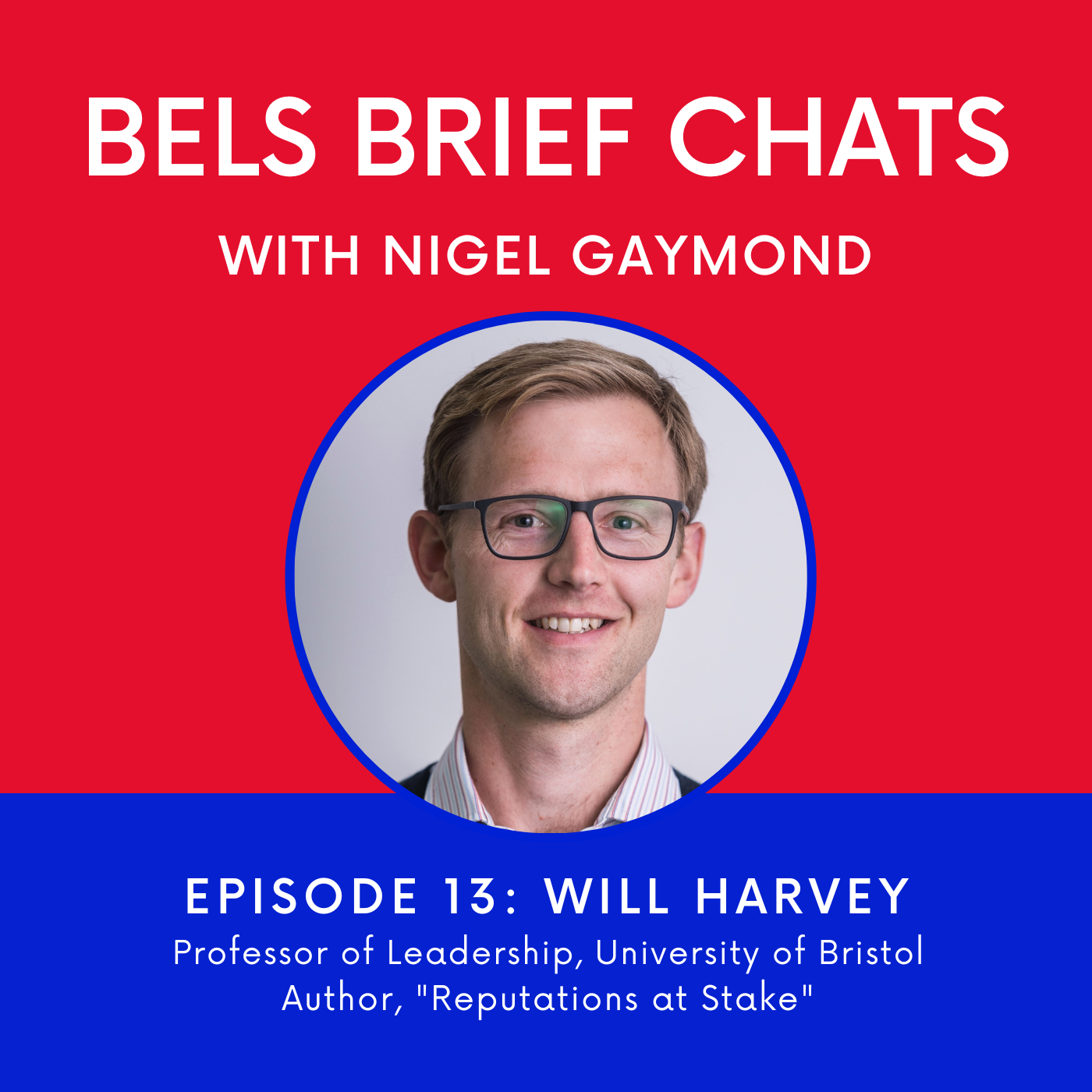
BELS Brief Chats #13 – Professor Will Harvey.
Will Harvey, MPhil, BA, PhD—When we recorded this episode of BELS Brief Chats, Will was a Professor of Leadership at the University of Bristol School of Management. He is presently Professor of Leadership at Melbourne University and Director of the Social Purpose Centre. Will conducts research, teaches and consults in the areas of reputation, leadership, talent management and migration. He is also an International Research Fellow at the Oxford University Centre for Corporate Reputation. He has worked with pharmaceutical, healthcare, energy, mining, management consulting, executive search, local and national government, supranational, aviation and food organisations. He has studied, taught and worked with multiple organisations in Africa, Asia, Europe, North America and Oceania. Will’s new book, Reputations at Stake, investigates how reputation requires careful management and explains the influence of reputations—from the big picture to the minutiae. Nigel and Will have a timely discussion about the UK’s reputation globally in the face of much negative reporting on the political and economic fronts. They consider the potential power of the BELS community of British-educated life scientists working abroad to enhance the UK’s fortunes in the sector. “Britain has so much talent that gets sent all over the world. But we’re not particularly good at leveraging that talent. It is an enormous opportunity.”
BELS Brief Chats #12 – Dr Fiona Marshall.
Fiona Marshall discovered a love for science at school. She eschewed medicine for biochemistry at the University of Bath and then chose neuroscience for her PhD at Cambridge, while also accumulating industry experience. She lived through the transformation of Glaxo to GSK, shifted to biotech at Millennium where she worked with the likes of Allan Marchington (BELS Advisory Council member). After a mid-career break, she re-entered industry with Heptares and today is stationed in the US leading research at MSD/Merck & Co. A return to the UK will come in due course. Meanwhile, Fiona carries positive feelings about the state of UK life sciences. “The UK is one of the front runners when it comes to science and research. We saw that during pandemic; we really were leading in terms of sequencing, understanding the virus and how it evolved.” About the role BELS can play in the UK life sciences ecosystem: “It’s two ways: informing people outside the UK about the great environment in the UK… but also encouraging UK companies to think globally. Success is about making connections, and I think that’s something the BELS community can really help with.”
Ep 11BELS Brief Chats Episode #11 – Dr Gillian Leng.
At the age of 10 she wanted to be a vet, at 17 a scientist, and at 21 she settled on medicine. Gillian Leng trained as a doctor at Leeds University, studied peripheral arterial disease in Edinburgh for several years, then worked as a consultant in public health in Bedfordshire. It’s no surprise that she considers joining NICE in 2001 to be her best career move, initially to set up the clinical guidelines program. Today some 400 guidelines are in place. During the COVID-19 pandemic, NICE rapidly created a suite of “living guidelines”. Now a shift toward such continuous updating is very much the direction of travel. Gillian succeeded Sir Andrew Dillon as only the second CEO of NICE, a process-driven organisation which strives to build trust with the public, the health system, and industry.  Regarding the latter, she discusses how NICE and the MHRA are looking to engage with industry much earlier to ensure a better “lit runway”.  She recently decided to retire from NICE after the untimely death last year of her husband, Paul; her initial intent is to finish his book.
S1 Ep 10BELS Brief Chats Episode #10 – Dr Calum Macrae
Born into a medical family on the Isle of Skye, Dr Calum Macrae’s path to Edinburgh University and London to study medicine and become a leading cardiologist, geneticist and developmental biologist is not a great surprise. His drive to “follow the science” took him to Boston where he trained with seminal thought leaders in human genetics and gained world-class clinical training in internal medicine and cardiology. Calum’s interests—in genomics, disease modeling, developmental biology, drug discovery and systematic approaches to discovering new phenotypes—are overarched by a fascination with the role that disruptive innovation can have in refashioning the clinical-translational interface. In late 2016, Calum and his team won the landmark One Brave Idea research award, focused on uncovering the causes of heart disease. Equally at home in the open spaces (as one would expect from a child of Skye) as he is with the attractions of living in great cities, Calum is increasingly involved with the UK and foresees spending more time there going forward.
BELS Brief Chats Episode #9 – Mike Grey
The conversation between Nigel Gaymond (in London amid rain of biblical proportions) and Mike Grey (in Utah amid smoke-filled air brought about by severe drought and forest fires) brought into sharp relief the weather extremes our planet is experiencing.  Brought up in the West Midlands, Mike studied Chemistry at Nottingham University with support from local company Boots.  His international journey through pharma and biotech ultimately led him to the fascinating world of company formation with Pappas Capital as a Venture Partner. He’s currently working on his 7th enterprise.
BELS Brief Chats #8 – Dr Annalisa Jenkins
Dr Annalisa Jenkins grew up in the south of England in a naval family.  Having discovered a passion medicine at an early age, she received offers from several medical schools and chose St. Bart’s – because it was in London (much to her parents’ chagrin).  While in med school, she gained essential financial support for her medical training by joining the British Royal Navy during the Gulf Conflict, and spent nine years in the service, seeing wartime action as the only woman in a squadron of 700 men.  Rising to the rank of Surgeon Lieutenant Commander and dodging silkworm missiles readied her for crisis management in business. After a spell in the NHS and research at the National Heart and Lung Institute, she shifted to the pharma industry and rose through the medical affairs ranks with Bristol Myers Squibb, working in multiple global locations before taking over the R&D reins at Merck Serono in Darmstadt.  After returning to the US and moving into the world of biotech, she became CEO of gene therapy and hemophilia play, Dimension Therapeutics and took on a number of board roles. When Dimension was acquired, she returned to the UK she has expanded and adjusted her portfolio of board positions and non-profit activity.  Annalisa is excited by the potential of the UK life sciences and sees an important role for BELS in this regard.
BELS Brief Chats #7 – Justin Gover
Justin Gover is the ex-CEO of GW Pharma—a great UK success story—known for treatments for epilepsy and the multiple sclerosis treatment product nabiximols which was the first natural cannabis plant derivative to gain market approval in any country. Justin shares his journey from studying politics at Bristol University to honing his skills at the global village that is INSEAD, the renowned graduate business school in Paris. He cut his teeth in life sciences by selling opiates in China. Back in the UK, he joined Ethical Holdings where he first met Geoffrey Guy and Brian Whittle, who envisioned creating a business for the medical use of cannabis. Thus GW Pharma was born. Justin was asked to join G(uy) and (W)hittle as CEO, and so began a 22-year journey. This visionary tale, helped along by the UK government, particularly the Home Office, culminated in 2021 with the acquisition of GW by Jazz Pharmaceuticals for $7.2B.  It is a great UK success story.  Justin notes the astonishing connections that exist in the life sciences between the UK and the US, exemplified in recent years as he relocated to run GW from San Diego which is awash with UK-educated talent. “BELS encompasses a powerful set of voices that can feed into the UK life sciences.”
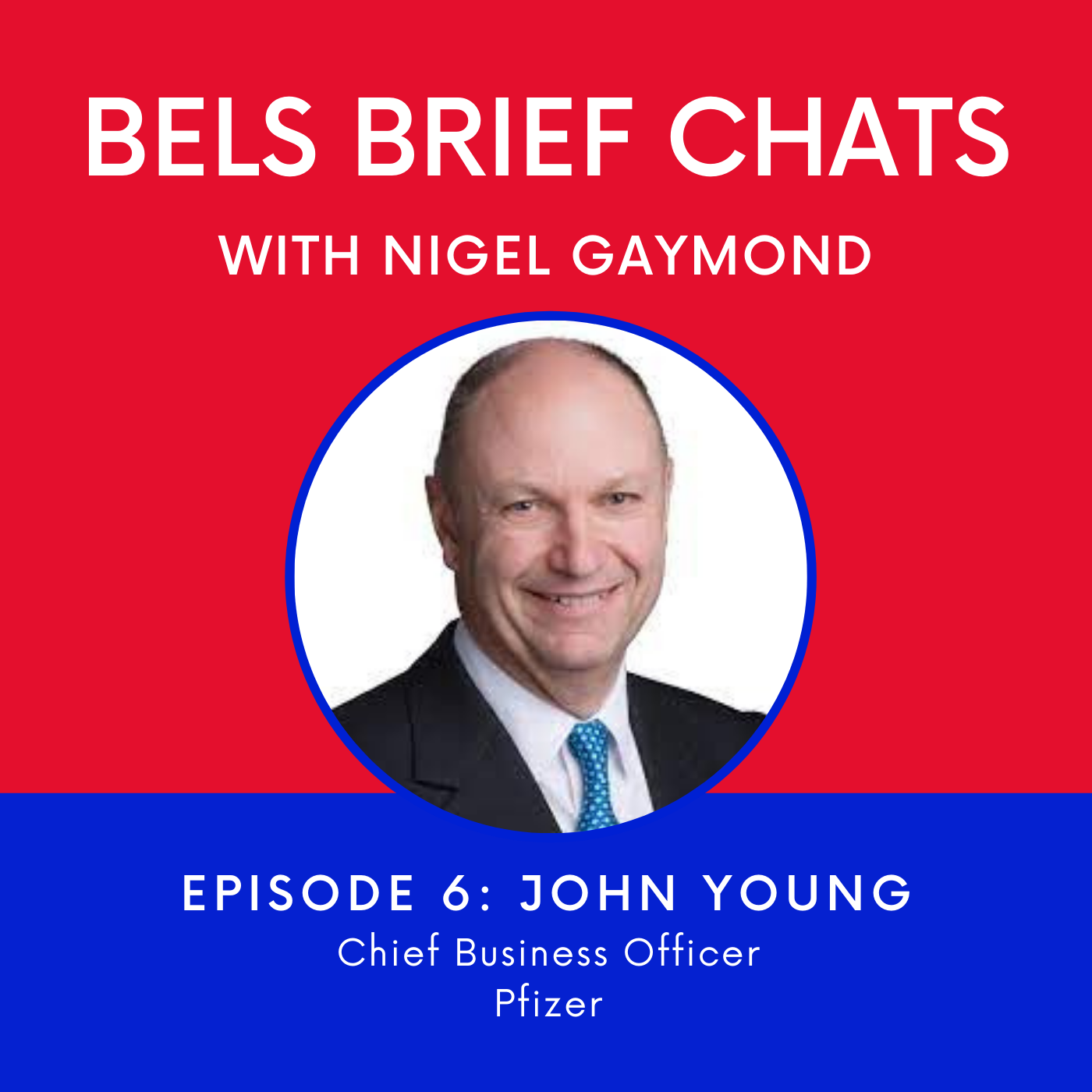
S1 Ep 6BELS Brief Chats #6 – John Young
John Young, Chief Business Officer at Pfizer, is that increasing rarity in today’s world, a one-company man who has never even interviewed elsewhere. John shares his journey from being raised in rural Dumfriesshire, Scotland, and schooled in Lockerbie, to studying biological sciences at Glasgow University, doing postgrad work at Strathclyde University, to deciding the lab was not going to be his domain and taking a job in sales with Pfizer, where he has grown and been challenged every since.  After an initial 15 years of increasing seniority in sales roles, he expanded to marketing and then to more general senior management roles.  His international career eventually took him to New York and his current position as CBO in the senior Pfizer management team where he played a pivotal role in the vaccine developed with BioNtech that was first cleared in the UK.  John sees an important role for BELS involving the themes of collaboration and relationships. “Science is highly democratic and we see the scientific ecosystem as being global. Pfizer is agnostic about where science comes from in terms of which country, company, university, or within our own walls. I’m a passionate advocate for the benefits of the NHS. The UK has many great ingredients. Its enormous positives include a strong academic system and the NHS which in terms of executing clinical studies has one of the most effective environments to deliver in a timely manner.  No one country has all the ingredients perfectly optimized.” 
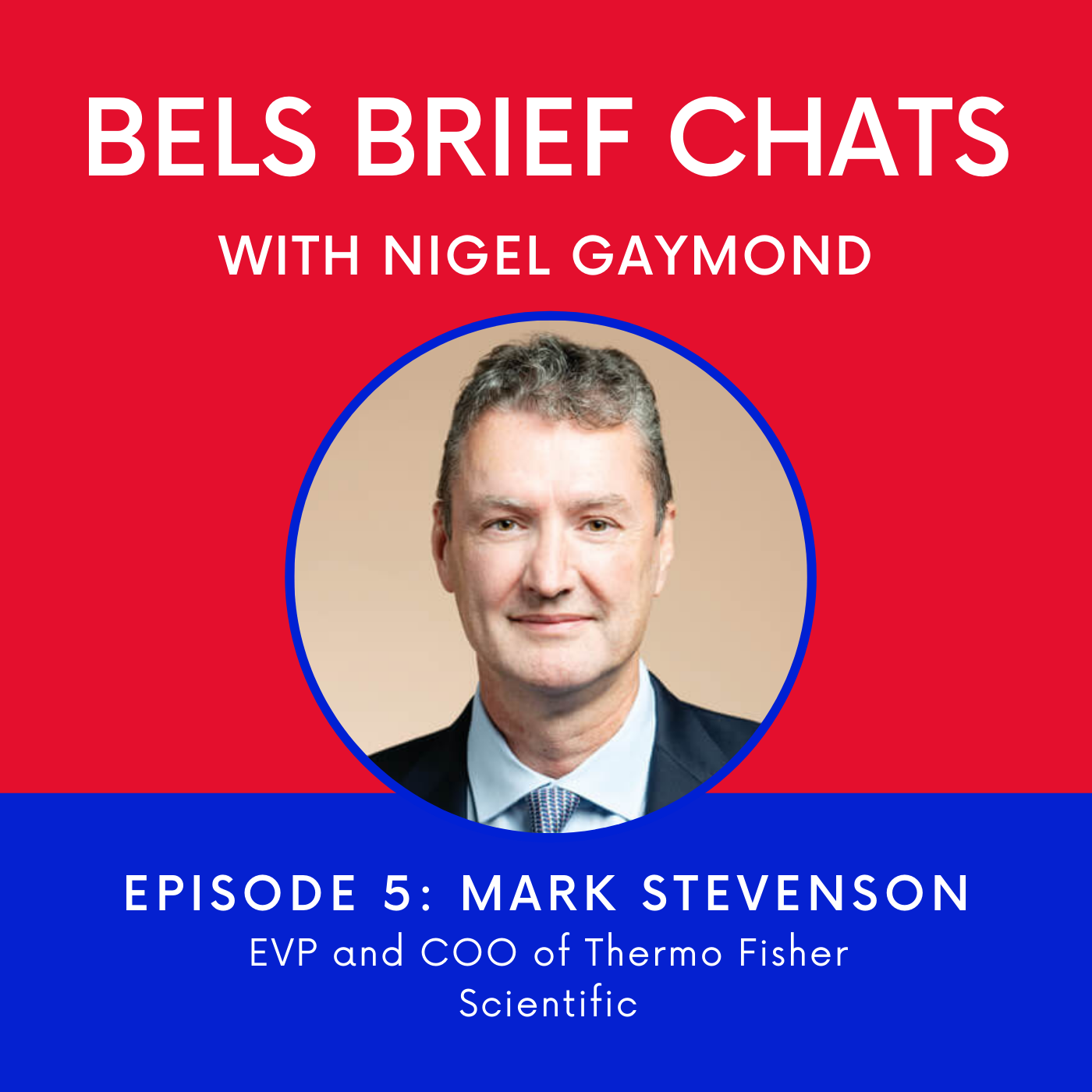
S1 Ep 5BELS Brief Chats #5 – Mark Stevenson
Mark Stevenson, Executive Vice President and Chief Operating Officer of Thermo Fisher Scientific, grew up in the West Country in Gloucestershire (though he sheepishly admits to having lost his burr). He attended Reading University, attracted by their programme of industrial placements. Mark shares his journey from studying science and business to a training program at Perkin Elmer to developing his keen passion for new techniques around discoveries involving PCR, cell technologies and sequencing the human genome to his leadership role at Thermo Fisher and its many important contributions to fighting the COVID pandemic in the UK and globally. “The BELS community is an incredibly important part of the UK ecosystem to enable connections to it. The role that BELS can play is in the domain knowledge of this UK sector–government’s strategy, strategic roads and pathways like the Cell & Gene Therapy Catapult and the Vaccines Manufacturing Innovation Centre.”
S1 Ep 4BELS Brief Chats #4 – Dr Rupert Vessey
Dr Rupert Vessey—Former President of Early Development and Research of Bristol MyersSquibb, now Chief Scientific Officer & Executive Partner at Flagship Pioneering—shares his journey from following the family tradition into medicine with Sir John Bell at Oxford University as his advisor while juggling a love and talent for rugby to then honing in on a career in research that led to his leadership role in R&D at Bristol Myers Squibb. “The UK is in a great spot right now. I think they need access to experience and expertise, and I think BELS is able to tap into people who have a real passion for what the UK is doing and what it can continue to do. They [members of the BELS community] can lend their expertise and insights. There really isn’t any other organization that can bring that network of people to bear. And I think that now, more than ever, BELS can have an impact.”
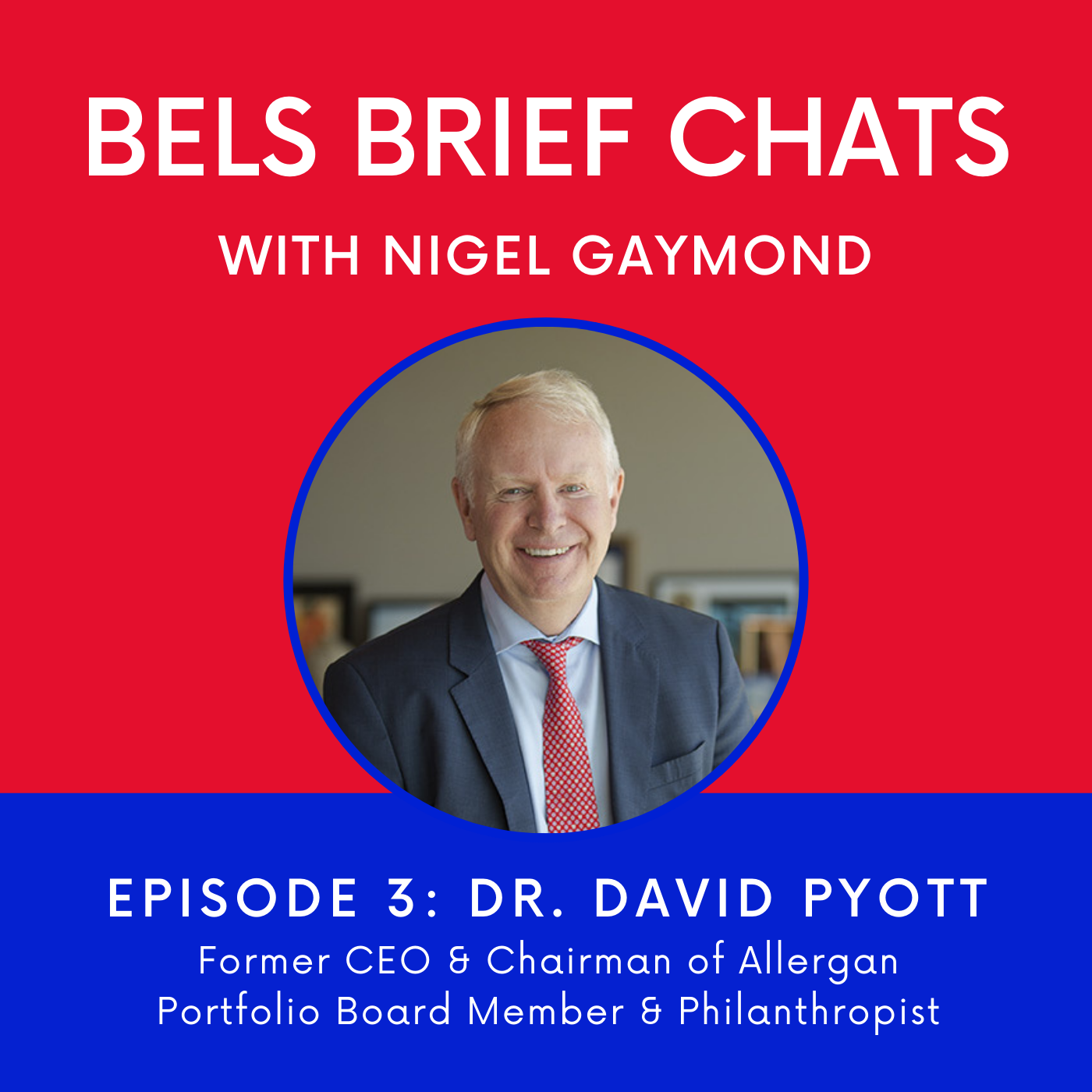
S1 Ep 3BELS Brief Chats #3 – Dr David Pyott
Dr David Pyott—portfolio board member, philanthropist, and former CEO & Chairman of Allergan—was destined for an international life which led to him live in 10 countries and work in 7. He shares his journey, from growing up in India and becoming fluent in Marathi, to attending Edinburgh University and London Business School, to becoming CEO of Sandoz Nutrition in Switzerland, to moving to California where he spent 17 years growing then-50-year-old Allergan as its third CEO. David and his board famously fought a “battle royale”, staving off a predatory acquirer before engineering a lucrative shareholder exit with Allergan’s $66 billion sale to Actavis. David now splits his time between sunny Orange County and skiing in the Colorado Rockies while tending to his blossoming portfolio of corporate boards and philanthropic efforts. He shares his admiration for the UK which he considers to be a wonderful place where large and small companies can pursue their scientific goals. “BELS really has something major to contribute. This is a really great forum that, for almost at no cost, is just lying at everybody’s feet to be used.”
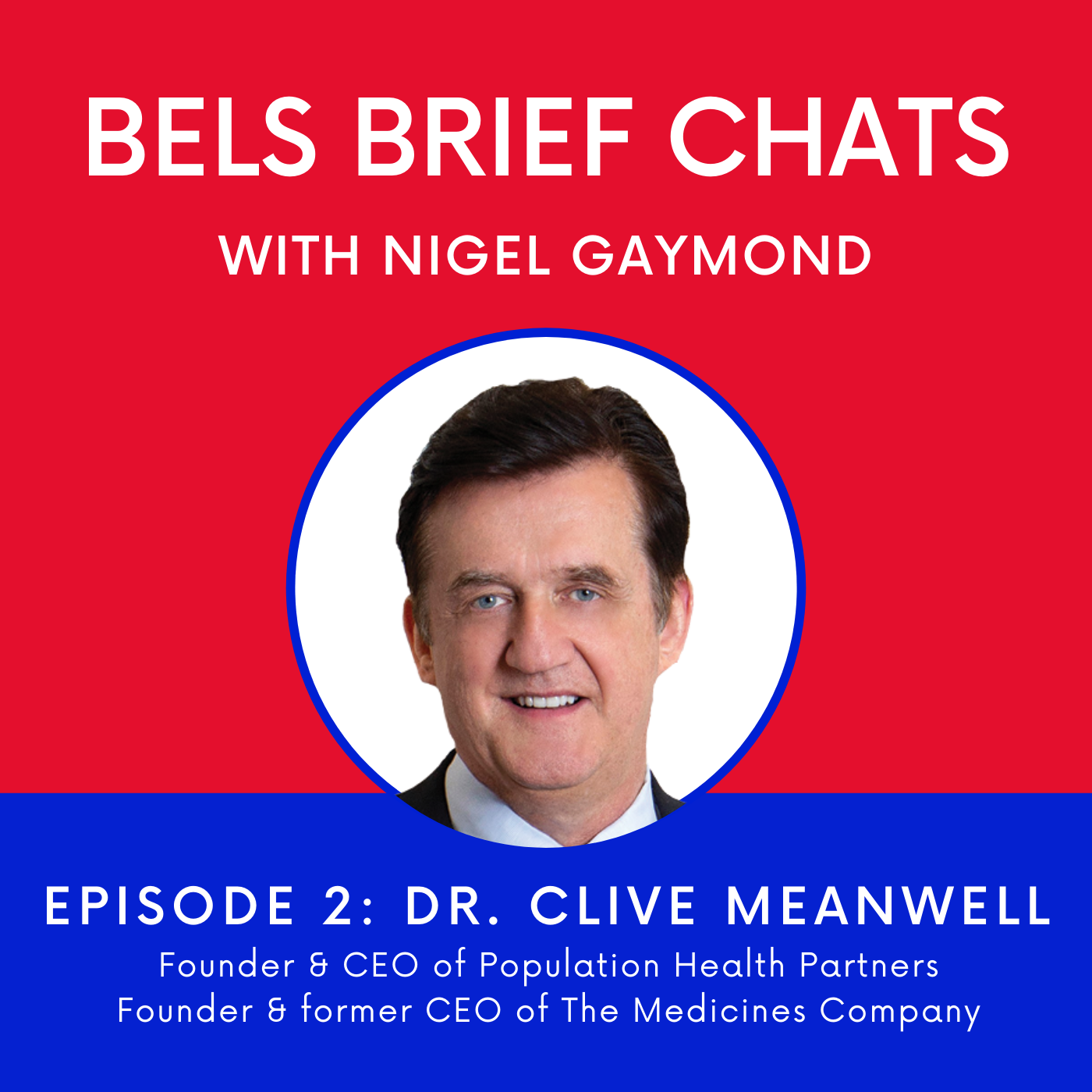
S1 Ep 2BELS Brief Chats #2 – Dr Clive Meanwell
Dr Clive Meanwell—founder & CEO of Population Health Partners; founder & former CEO of The Medicines Company—shares his journey emanating from a family of teachers in Birmingham to earning his medical degree at University of Birmingham and playing first class rugby to a corporate career that led to him founding and leading The Medicines Company (acquired by Novartis in 2020) to launching a SPAC focused on transforming population health outcomes. “Very few countries have as strategic a viewpoint on life sciences as the UK.”
BELS Brief Chats #1 – Nigel Gaymond
Nigel Gaymond, BELS Founder & Executive Chairman, provides a brief overview of BELS (British Educated Life Scientists) & the BELS Brief Chats podcast.