Banished
42 episodes
"Virtually No Institution of Higher Learning is Safe"
Are Diverse Democracies an Endangered Species?
We were delighted to have the chance to speak with political scientist Yascha Mounk earlier this month at the University of Wisconsin—Eau Claire. We had a wide-ranging conversation about the threats facing diverse democracies today—and, why, in spite of the many challenges, Yascha remains optimistic. Show Notes* Yascha is the founder of the publication Persuasion and has his own substack. We recommend his podcast, The Good Fight , as well. We made a joint appearance on the pod back in 2023 to discuss fighting illiberalism from the right and the left. * For a list of Yascha’s books , click here. This is a public episode. If you'd like to discuss this with other subscribers or get access to bonus episodes, visit banished.substack.com/subscribe
Are Too Many Professors Excellent Sheep?
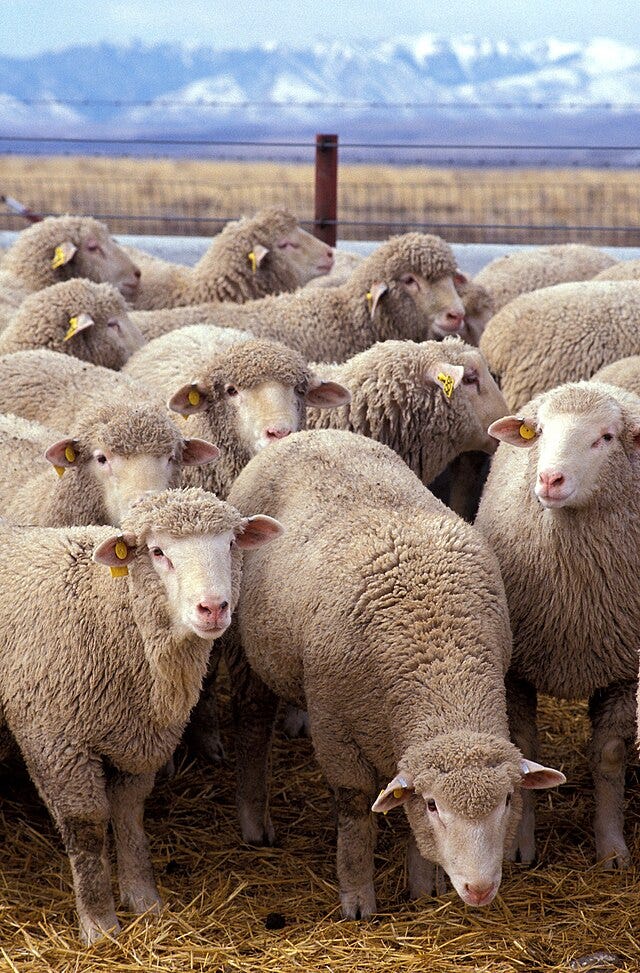
We have been dying to discuss an article called “Why Aren’t Professors Braver?” since it was first published in The Chronicle of Higher Education back in September. It’s by the psychologist Paul Bloom and it starts with an ode to the professoriate:We tend to be pretty smart. We are sometimes socially inept, but in a sweet way. We are genuinely excited about ideas…We are often generous... mentoring students in ways that don’t lead to any tangible rewards. And we are a peaceable lot. If you’re sitting at a bar, minding your own business, and some drunk takes a swing at you, the drunk is unlikely to be a professor.In spite of our many praiseworthy traits, Bloom says that professors aren’t particularly courageous. When controversial or sensitive topics arise, he claims that we tend to be “too censorious and too self-censoring.” “Why,” Bloom asks, “are even tenured professors, people with the most secure jobs on Earth, so unwilling to speak their minds?”We have posed this question many times since we both became faculty members--and we could think of no better person to hash it out with than our friend, UPenn professor Jonathan Zimmerman.Jon is a historian of education who has had a long and illustrious career, first at West Chester University, then at New York University and now at the University of Pennsylvania. He is the author of many books, including Whose America: Culture Wars in the Public Schools, Too Hot to Handle: A Global History of Sex Education, and The Amateur Hour: A History of College Teaching in America. We were thrilled to have him join us on Banished.Show Notes* Here is the article that inspired this episode: Paul Bloom, “Why Aren’t Professors Braver?”, Chronicle Review, September 24, 2025* The term “excellent sheep” comes from William Deresiewicz’s 2014 book, Excellent Sheep: The Miseducation of the American Elite and the Way to a Meaningful Life* See Jon Zimmerman’s official UPenn bio here* The *circling the wagons* article Jon references is available here This is a public episode. If you'd like to discuss this with other subscribers or get access to bonus episodes, visit banished.substack.com/subscribe
That Book Is Dangerous!
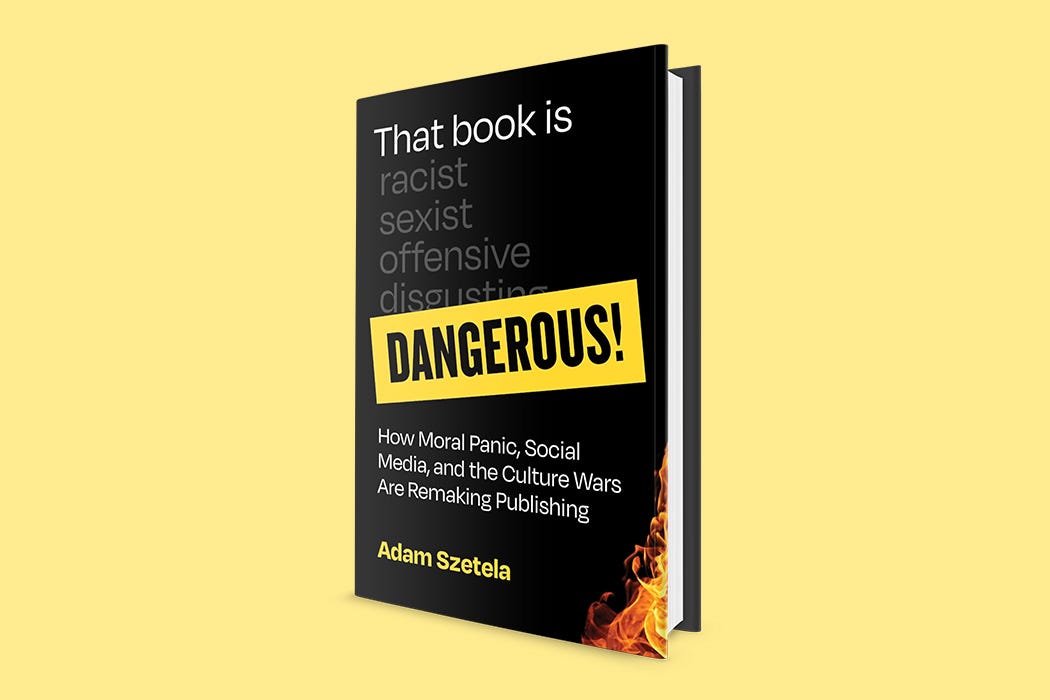
We were delighted to have the chance to speak with Adam Szetela about his new book, That Book Is Dangerous! How Moral Panic, Social Media, and the Culture Wars Are Remaking Publishing. Adam shares what he learned from authors, agents, and editors about the effects of cancel culture in the publishing industry. His behind-the-scenes account is fascinating and sobering in equal measure.Show Notes* For more info on Adam Szetela, check out his website * Here is the official MIT Press link to Adam’s book * The Chimamanda Ngozi Adichie audio clips come from her 2022 Reith Lecture on Free Speech (listen here; read the transcript here)* Matt Yglesias coined the term “The Great Awokening” in this 2019 Vox essay* “a rapid change in discourse and norms around social justice issues”: That’s a quote from Stony Brook sociologist Musa al-Gharbi, one of the nation’s foremost chroniclers of “The Great Awokening”* see Musa’s 2024 book We Have Never Been Woke: The Cultural Contradictions of a New Elite * here are two Banished episodes featuring Musa: You Can’t Be an Egalitarian Social Climber & Who Speaks the Language of Social Justice?* The Harper’s Letter* Michael Hobbes, “Don’t Fall for the ‘Cancel Culture Scam,’” HuffPo, July 10, 2020* This 2019 Zadie Smith essay from the New York Review of Books is the definitive rejoinder to the cultural critics who insist that we “should write only about people who are fundamentally ‘like us’: racially, sexually, genetically, nationally, politically, personally”* On the controversy surrounding Amélie Wen Zhao’s Blood Heir, see Alexandra Alter, “She Pulled Her Debut Book When Critics Found It Racist. Now She Plans to Publish,” New York Times, April 29, 2019* On the cancelation of Kosoko Jackson’s book, A Place for Wolves, see Jennifer Senior, “Teen Fiction and the Perils of Cancel Culture,” New York Times, March 8, 2019* On the cancelation of a romance novel based on “criticism from readers over dialogue that some found racist or that praised Elon Musk,” see Alexandra Alter, “A Publisher Pulled a Romance Novel After Criticism From Early Readers,” New York Times, March 5, 2025* On the demographics of the people who work in the publishing industry, with an emphasis on racial diversity, see this 2022 report from Pen America, “Reading Between the Lines”* For more on literature and the culture wars, see Deborah Appleman’s incisive 2022 book, Literature and the New Culture Wars: Triggers, Cancel Culture, and the Teacher’s Dilemma * On the perils of teaching literature from a narrow social justice lens, see “Poverty of the Imagination,” an essay we wrote a few years back in Arc Digital* On what we keep getting wrong about the cancel culture debate, see this September 26, 2025 Banished post This is a public episode. If you'd like to discuss this with other subscribers or get access to bonus episodes, visit banished.substack.com/subscribe
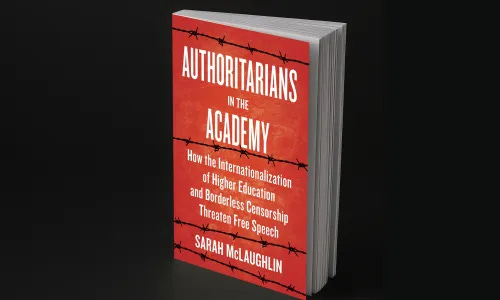
Authoritarians in the Academy
We were thrilled to have the opportunity to speak with Sarah McLaughlin about her new book, Authoritarians in the Academy: How the Internationalization of Higher Education and Borderless Censorship Threaten Free Speech. As a Senior Scholar at The Foundation for Individual Rights and Expression, Sarah is one of the leading experts on how global censorship intersects with free expression issues in the United States. In this episode of Banished, Sarah discusses her book’s key findings and offers her reflections on the nerve-wracking, topsy-turvy free speech climate in the United States today. Show Notes* Follow Sarah on twitter here, bluesky here* Here is the official Johns Hopkins Press link to Sarah’s book* On international student enrollment, see “International Students by the Numbers,” Inside Higher Ed * On Confucius Institutes, see Ethan Epstein, “How China Infiltrated U.S. Classrooms,” Politico Magazine, January 17, 2018* On the Olympics poster controversy at George Washington University, see:* Amna’s interview with Badiucao, the poster’s artist* Jeff’s article on the dust-up in the Chronicle of Higher Education* this extraordinary open letter from the George Washington University Chinese Students and Scholars Association. On the subject of “sensitivity exploitation,” GW’s CSSA drew quite shamelessly from social justice discourse: * On the challenges facing China scholars, see:* Perry Link, “China: The Anaconda in the Chandelier,” New York Review of Books, April 11, 2002* Sheena Chestnut Greitens and Rory Truex, “Repressive Experiences among China Scholars: New Evidence from Survey Data,” The China Quarterly, May 2019* On U.S. satellite campuses abroad, see Patrick Jack, “U.S. Universities Eye Branch Campuses as Way to ‘Survive Trump,’” Inside Higher Ed, May 16, 2025* Sarah describes Northwestern’s cancellation of an event featuring an openly gay musician on its Qatar campus in 2020 here* On calls to have students, faculty, and staff fired because of disparaging comments about Charlie Kirk after he was murdered, see:* Ellie Davis, Gavin Escott, and Claire Murphy, “Employees and Students at These Colleges Have Been Punished for Comments on Charlie Kirk’s Death,” Chronicle of Higher Education, September 17, 2025* Stephanie Saul, “The Firing of Educators Over Kirk Comments Follows a Familiar Playbook,” New York Times, September 22, 2025 This is a public episode. If you'd like to discuss this with other subscribers or get access to bonus episodes, visit banished.substack.com/subscribe

Supercharged since October 7
Ken Stern (Director of the Bard Center for the Study of Hate) joins Amna and Jeff to discuss these urgent questions: Are campuses hotbeds of antisemitism? How do we define antisemitism in the first place? Is there a difference between antisemitism and anti-Zionism? How have colleges handled the student protests around Gaza? Why are so many higher education institutions facing Title VI lawsuits? What counts as a “hostile” campus environment? How should we educate students about the Israel/Palestine conflict? Show Notes* International Holocaust Remembrance Alliance Working Definition of Antisemitism* Kenneth Marcus, director of the Brandeis Center for Human Rights Under Law, explains why universities and colleges should adopt the IHRA definition* Ken Stern, bio (Bard; Wikipedia); see also this New Yorker profile* Stern, The Conflict over the Conflict: The Israel/Palestine Campus Debate (University of Toronto Press, 2020)* Bard College Center for the Study of Hate* On quotas for Jewish students in higher education, see Jerome Karabel, The Chosen: The Hidden History of Admission and Exclusion at Harvard, Yale, and Princeton* Stern complements Wesleyan President Michael Roth for how he handled student protests—see Roth’s New York Times op-ed from the fall of 2024, “I’m a College President, and I Hope My Campus Is Even More Political This Year”* Here is the poll that Stern mentions about how Jewish and Muslim students understand the phrase “from the river to the sea”* full text of the 1964 Civil Rights Act, including Title VI* 2004 “Dear Colleague” Letter on Title VI and Title IX Religious Discrimination in Schools and Colleges from the Office of Civil Rights * On how the Office of Civil Rights currently defines a “hostile environment,” see this 2023 “Dear Colleague” Letter on Shared Ancestry * Donald J. Trump, Executive Order on Combating Anti-Semitism, December 11, 2019* Here is the op-ed where Jared Kushner declares that “Anti-Zionism is anti-Semitism”: “President Trump Is Defending Jewish Students,” New York Times, December 11, 2019* Donald J. Trump, Executive Order on Additional Measures to Combat Anti-Semitism, January 29, 2025. See also this White House “Fact Sheet” and Len Gutkin’s dispatch on the E.O. in the Chronicle of Higher Education* The U.S. Department of Education maintains a list of pending Title VI cases here* Crimson coverage of Harvard’s decision to adopt the IHRA definition available here and here* on publishing Mein Kampf in Germany in 2016 for the first time since World War II, see coverage in the Guardian here and here * On how Whitefish, Montana responded to a proposed march by white supremacists in 2016/17, see this New York Times article, “How a Small Town Silenced a Neo-Nazi Hate Campaign” * We have written several pieces on student activism and the War in Gaza—see:* “Colleges Are Cracking Down on Free Speech in the Name of ‘Inclusion’”* “Student Activism is Integral to the Mission of Academe” &* “Campus Protests Don’t Undermine the College Mission”* The Chronicle of Higher Education has had some great coverage of the debates surrounding the IHRA definition; see here, here and here * on “hate speech” laws, see Nadine Strossen’s superb 2018 book, HATE: Why We Should Resist it With Free Speech, Not Censorship* On the perils of confusing criticism of a government with attacks against a particular nationality, ethnicity or race, see this Chronicle Review piece about the censorship of a Chinese artist at George Washington University in 2022* For a data-driven analysis of the state of antisemitism in the U.S. on campuses and beyond, see this piece by Stony Brook University sociologist Musa al-Gharbi This is a public episode. If you'd like to discuss this with other subscribers or get access to bonus episodes, visit banished.substack.com/subscribe
Who Speaks the Language of Social Justice?
Our friend and colleague Stony Brook sociologist Musa al-Gharbi has a new book out. And it’s a tour-de-force. We Have Never Been Woke is essential reading for anyone who wants to understand the economic, political and cultural divides between the haves and the have-nots in the United States. We were delighted to host Musa for a book talk on the Carleton campus last month. He spoke with Amna in front a packed house. This is episode 2. Episode 1 is available here. Show Notes* On the limitations of diversity training, see this piece from Musa, “Diversity is Important. Diversity-Related Training is Terrible.” Also see this piece we wrote in Inside Higher Ed, “Don’t Mistake Training for Education.” And this short, animated explainer video we made, “Training is Performative. Education is Transformative”* Georgetown philosopher Olúfẹ́mi O. Táíwò wrote the book on elite capture; here’s a précis in the Boston Review. And this piece by Táíwò, published in The Philosopher, is also worth reading: “Being-In-The-Room Privilege: Elite Capture and Epistemic Deference”* Creating a Class: College Admissions and the Education of Elites by Mitchell Stevens is arguably the best book ever written on how the many advantages of the rich and well-off accumulate in the race to get into the most prestigious schools* On the incentives for students of color to highlight their trauma in college admissions essays, this NYT piece is excellent, “When I Applied to College, I Didn’t Want to ‘Sell My Pain.’” On “racial gamification” in college admissions, see Tyler Austin Harper, “I Teach at an Elite College. Here’s a Look Inside the Racial Gaming of Admissions”* College essays are more strongly correlated with social class than SAT scores. See this journal article by A.J. Alvero et al.* On the question of whether college admissions tests drive or reflect social inequalities, see this Banished episode (“Should More Colleges Drop the SAT and ACT?”) and this article in Inside Higher Ed (“Tests are not the source of inequities in American society”)* On the test-optional debate, see this article from the New York Times, this study from Dartmouth College and these comments from the MIT Dean of Admissions* Bertrand Cooper, “Who Actually Gets to Create Black Pop Culture?” (Current Affairs, May/June 2021)* Matt Taibbi discussed the controversy surrounding former Intercept journalist Lee Fang here This is a public episode. If you'd like to discuss this with other subscribers or get access to bonus episodes, visit banished.substack.com/subscribe
"You Can't Be an Egalitarian Social Climber"
Our friend and colleague Stony Brook sociologist Musa al-Gharbi has a new book out. And it’s a tour-de-force. We Have Never Been Woke is essential reading for anyone who wants to understand the economic, political and cultural divides between the haves and the have-nots in the United States. We were delighted to host Musa for a book talk on the Carleton campus last month. He spoke with Amna in front a packed house. Here are some of the highlights. More to come in our next episode in about a week’s time. Show Notes* Musa’s personal website * Follow Musa on twitter here, bluesky here* We Have Never Been Woke has attracted widespread attention and acclaim in the media; see, for example, these articles in The Atlantic, The Guardian, The New Yorker & The Washington Post This is a public episode. If you'd like to discuss this with other subscribers or get access to bonus episodes, visit banished.substack.com/subscribe
Trouble Ahead
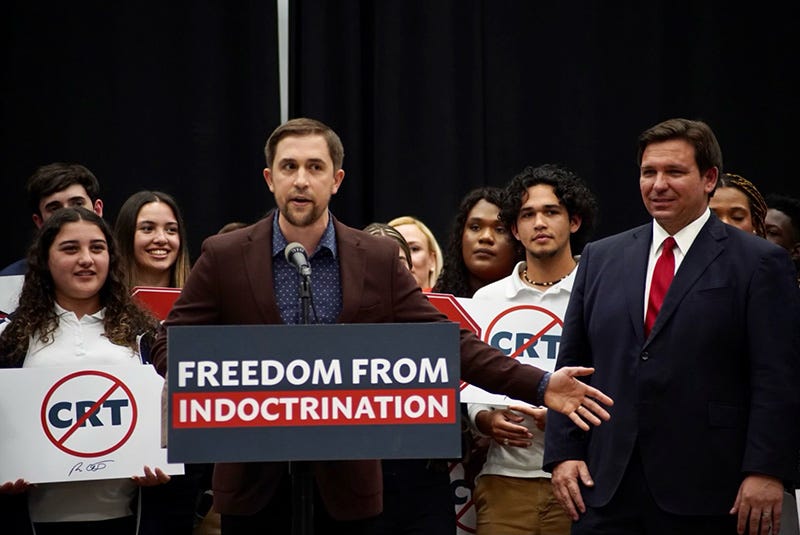
We were thrilled to have the opportunity to talk to PEN America’s Jeremy Young about what a second Trump administration holds in store for higher education. It was an informative—and sobering—conversation. Over the next four years, we should be prepared for a tsunami of ideologically-driven threats to academic freedom, campus free expression and the basic integrity of higher education. If you would rather read than listen, there is a transcript attached below. Show NotesPEN America’s *Educational Censorship* page is a terrific resourceOn Christopher Rufo, see Benjamin Wallace-Wells, “How a Conservative Activist Invented the Conflict Over Critical Race Theory,” New Yorker, June 18, 2021 and Michael Kruse, “DeSantis’ Culture Warrior: ‘We Are Now Over the Walls,’” Politico, March 24, 2023. For Rufo’s take on critical race theory, in his own words, see this YouTube video. Here is the full text of Executive Order 13950, which became the template for most of the anti-CRT (or “divisive concepts”) laws passed in red states. On the Stop WOKE Act, the marquee anti-CRT law signed into law by Florida Governor Ron DeSantis in 2022, check out these two Banished episodes:The Sunshine State Descends into Darkness (Again)Will Florida's "Stop WOKE Act" Hold Up in Court?Jeffrey Sachs and Jeremy Young predict the future: “For Federal Censorship of Higher Ed, Here’s What Could Happen in 2025” (PEN America, January 2, 2025)For more on the phenomenon of “jawboning,” see this page from FIRE and this page from the Knight First Amendment Institute On “anticipatory obedience,” see this excerpt from Timothy Snyder’s 2017 book, On Tyranny On legislative challenges to campus DEI, see the Chronicle of Higher Education DEI Legislation Tracker. (We are quite skeptical of many conventional DEI efforts but state bans are a cure that is far worse than the disease )For a deeper dive on accreditation, see Eric Kelderman, “Trump’s Vision for College Accreditation Could Shake Up the Sector” (Chronicle of Higher Education, November 26, 2024)On Title VI investigations by the Office of Civil Rights, see Zach Montague, “Campus Protest Investigations Hang Over Schools as New Academic Year Begins” (New York Times, October 5, 2024)Here is the International Holocaust Remembrance Alliance definition of antisemitism. Kenneth Stern, one of the definition’s main authors, explains why he is concerned it is being used to promote campus censorshipOn the prospect of a much heftier endowment tax for the country’s wealthiest institutions, see Phillip Levine, “How Trump Could Devastate Our Top Colleges’ Finances” (Chronicle of Higher Education, January 13, 2025). Levine addresses the normative question—should college endowments be taxed?—here. TranscriptJeff: So, we're looking forward to a second Trump administration.Jeremy: Are we looking forward to a second Trump administration?Amna: No…towards.Jeff: We are anticipating…I personally am dreading a second Trump administration.Amna: This is Banished and I'm Amna Khalid, along with my colleague Jeff Snyder. Jeff and I were delighted to have the chance to catch up with PEN America's Jeremy Young at the recent American Historical Association conference in New York City. He's one of the most informed and astute analysts of government driven censorship in higher education today. We started by asking him to tell us a little about PEN America.Jeremy: PEN America is a 102 year old organization that exists at the intersection of literature and human rights. It is one of 140 PEN centers around the world which are in a loose network of PEN Centers governed by PEN International. PEN America's mission is to celebrate literature and defend the freedoms that make it possible, of which two of the foremost are academic freedom and freedom of expression.Amna: And what's your specific role?Jeremy: I am the Director of State and Higher Education Policy at PEN America, which means that I oversee our Freedom to Learn program, which leads actions and responses to educational censorship legislation, largely from the state governments, but also from the federal government. Things like DEI bans, critical race theory restrictions, and various other types of restrictions on faculty governance and university autonomy.Amna: We're eager to hear your predictions on what the higher ed sector should be bracing for with the second Trump administration. But first, Jeremy, could you please remind us of the nature of the attacks against higher education during Trump 1.0?Jeremy: In the summer and fall of 2020, this really happened late in the first Trump administration, there was a national panic around critical race theory, and this was created by Chris Rufo and some others really as a response, a backlash, if you will, against the George Floyd protests, the Black Lives Matter movement, the popularity of the 1619 Project, and so on, this sort of moment of racial reckoning. And so Rufo and others (Rufo is a fellow at the Manhattan Institute) decided to u
What's at Stake at Columbia University (and beyond)?
We saw this clip of Columbia University History Professor Christopher Brown and wanted to share it far and wide. Dr. Brown delivered these remarks on Monday, April 20 at a faculty-led “Rally to Support our Students and Reclaim our University.” He was responding to two events: Columbia President Minouche Shafik’s Congressional Testimony on April 17 and the arrest of more than 100 Columbia students the next day. Professor Brown focuses on what is happening at Columbia but his words serve as a powerful rejoinder to any and all:* grandstanding politicians, who have no real understanding or appreciation of the mission of higher education* timid academic leaders, who lack the wherewithal to stand up for faculty and make a case for the transcendent values of academic freedom and open inquiry Here is a transcript of Professor Brown’s remarks:Good afternoon. I’m Christopher Brown, professor in the history department. This is the first time I’ve ever held a microphone at a protest of any kind. I’m not sure whether that’s something to take pride in or not but I say it because this is not typical for me.I’m here because I am so concerned about what has happened at this university. With where we are now and with where we are going.Thursday, April 18, 2024 will be remembered as a shameful day in Columbia’s history.The President’s decision to send riot police to pick up peaceful protesters on our campus was unprecedented, unjustified, disproportionate, divisive and dangerous. We are fortunate. We don’t know how fortunate we are. We are fortunate that no one was hurt.With that kind of show of force. With all those firearms, all it takes is one person to get nervous, a table to fall, a car or truck to backfire out on Amsterdam Avenue. Shots fired. The New York Police Department does not belong on this campus except in moments of extreme emergency.And that show of force was a sign of weakness. In trying to show that they meant business, what they showed was their incompetence.I want to say one other thing. And that’s about the congressional testimony on Wednesday. And this is about academic freedom. It’s also about Columbia.In three hours of testimony, the president of the university, to my mind, showed no pride in our institution. She said nothing meaningful about the virtues of this institution, of its people, of its faculty, of its staff, of its researchers--their dedication to excellence, their commitment to their students, the quality of the undergraduates and graduate students that we have here, the distinctive record of academic accomplishment and impact, the variety and rigor of the scholarship which is happening here today, the prospects for continued excellence. She didn’t say anything about any of those things.She allowed slander of our institution to stand without rebuke. Soviet style education, no response. Intolerant bigots, no response. I know these folks and you know them too. That’s not who we are and she should know that.There were members of Congress who wanted to decide who should be disciplined on this institution and how much, what should be taught, how it should be taught, who should teach, what academic department should exist and which should not, who should lose their leadership positions, who should be promoted, who should be fired.Those are academic questions. Those are not congressional questions.What is at stake? What is at stake is not just faculty governance. It’s institutional independence. It’s the sovereignty of Columbia University and every university like this one.The United States has the greatest colleges and universities in the world and that’s why people come from around the world to study here, to research here and to teach here. That’s our inheritance. The universities like this one. And we would be fools not to defend it in every corner from those who do not believe in the academic mission and the pursuit of academic excellence.So I have no confidence in her leadership. I’m speaking only for myself. I have no confidence in the president’s leadership. With what she has said and with what she has not said; and with what she has done and what she has not done, she has forfeited the privilege to lead this great university. This is a public episode. If you'd like to discuss this with other subscribers or get access to bonus episodes, visit banished.substack.com/subscribe
Diversity Is Great, DEI, Inc. Isn't.
We recently appeared on "How Do We Fix It?", a wonderful podcast in search of constructive and practical ideas to address the many problems that plague our age. We had a fantastic time talking to the hosts Richard Davies and Jim Meigs about free speech, academic freedom and campus politics. We discussed DEI, Inc.—what the term means and why we think it’s useful. And we argued that an ascendant discourse of harm is at the heart of today’s threats to campus free expression, from the chilling effects of many DEI initiatives to the even chillier effects of anti-CRT legislation like Florida’s Stop WOKE Act. Thank you to Richard and Jim for giving us their permission to post our discussion on Banished. This is a public episode. If you'd like to discuss this with other subscribers or get access to bonus episodes, visit banished.substack.com/subscribe
"Entitled to Judge"
Celebrated as the bedrock of democracy, freedom of expression is often seen as an American or western value. Yet the concept has a rich and global history. In the spring of 2023 I offered a course on the global history of free expression. The course tracks the long and turbulent history of freedom of expression from ancient Athens and medieval Islamic societies to the Enlightenment and the drive for censorship in totalitarian and colonial societies. For the final assignment I asked students to write a letter to a person of their choosing reflecting on how their learning in class made them rethink the parameters of speech and expression in their own contexts. For the next few episodes I’ll be featuring some of the student letters that deserve a wider audience.This episode features my former student, Aishwarya Varma, reading her letter to her friend Grace. Aishwarya graduated from Carleton College in 2023 and is now a software engineer at Target. This is a public episode. If you'd like to discuss this with other subscribers or get access to bonus episodes, visit banished.substack.com/subscribe
The Sunshine State Descends into Darkness (Again)
Worse than McCarthyism? In this episode of Banished, we explore the all-out assault on academic freedom in higher education in Florida. Turns out there’s a long history of campus witch-hunts in the state. We spoke with Robert Cassenello (history professor at University of Central Florida), Paul Ortiz (history professor at the University of Florida), James Grossman (executive director of the American Historical Association) and Ellen Schrecker (professor emerita at Yeshiva University). Episode transcript available here. References & Links:* Will Florida's "Stop WOKE Act" Hold Up in Court?, Banished podcast episode, November 1, 2022. * Stacy Braukman, Communists and Perverts Under the Palms: The Johns Committee in Florida, 1956-1965, University Press of Florida, 2012. * Daniel Golden, “‘It’s Making Us More Ignorant’: Governor Ron DeSantis’s anti-critical-race-theory legislation is already changing how professors in Florida teach,” Atlantic, January 3, 2023. * Karen L. Graves, And They Were Wonderful Teachers: Florida’s Purge of Gay and Lesbian Teachers, University of Illinois Press, 2009.* Josh Moody, “DeSantis Aims to Turn Public College Into ‘Hillsdale of the South,’” Inside Higher Ed, January 11, 2023.* Emma Pettit, “The Inquisition: State intrusion on higher ed is nothing new. Decades ago, Florida lawmakers tried to purge campus ‘immorality,’” Chronicle of Higher Education, October 11, 2022.* Pettit, “‘Private Little Hell’: A Florida committee once hunted for gay people on Florida’s campuses. Sixty years later, the effects linger,” Chronicle of Higher Education, November 28, 2022. * Pettit, “A Florida University Is Quickly Assembling a List of Courses on Diversity. Why? DeSantis Asked,” January 3, 2023.* Victor Ray, “Florida Man Calls the Thought Police,” The Nation, January 11, 2022. * Christopher Rufo, "The Conservative Counter-Revolution Begins in the Universities,” YouTube, January 12, 2023. * Ellen Schrecker, “Yes, These Bills Are the New McCarthyism,” Academe Blog, September 12, 2021. * Schrecker, No Ivory Tower: McCarthyism and the Universities, Oxford University Press, 1986. * Adam Steinbaugh, “Why Florida’s betrayal of the First Amendment to ‘Stop WOKE’ should concern everyone, including conservatives,” November 29, 2022.* Cathy Young, “Ron DeSantis, Chris Rufo, and the College Anti-Woke Makeover,” The Bulwark, January 16, 2023.* United Faculty of Florida website; UFF Collective Bargaining Agreement* “The Committee,” documentary film about the Florida Legislative Investigative Committee (or “Johns Committee”) * Florida HB 7 (aka the Stop WOKE Act)* Florida HB 233Related This is a public episode. If you'd like to discuss this with other subscribers or get access to bonus episodes, visit banished.substack.com/subscribe
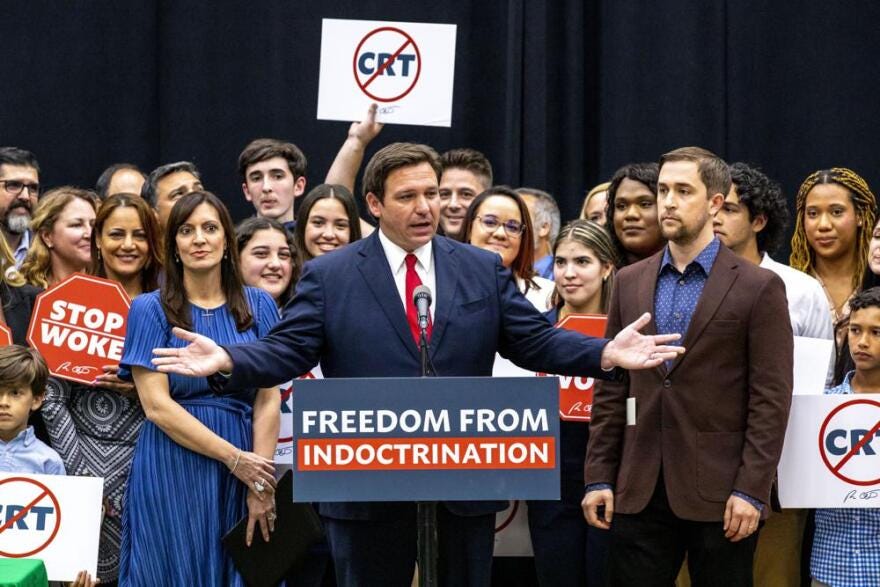
Will Florida's "Stop WOKE Act" Hold Up in Court?
Banished returns with a special episode on the status of a lawsuit challenging Florida’s “Stop WOKE Act.” To understand how this law threatens open inquiry and academic freedom, Amna talked to the two co-plaintiffs, University of South Florida history professor Adriana Novoa and University of South Florida senior Sam Rechek. For help with the legal arguments, Amna spoke with Adam Steinbaugh, attorney with the Foundation for Individual Rights and Expression. This is a public episode. If you'd like to discuss this with other subscribers or get access to bonus episodes, visit banished.substack.com/subscribe
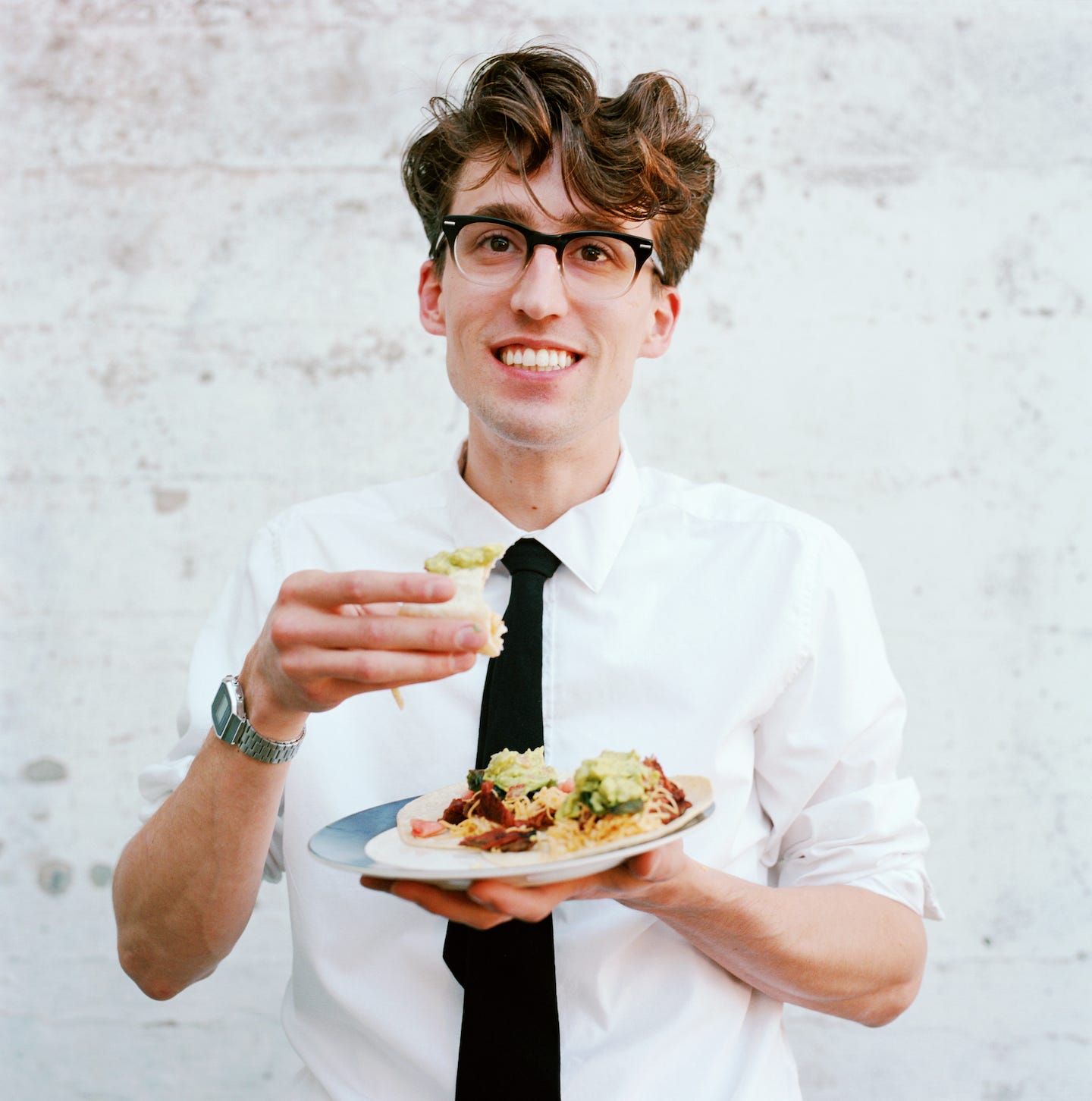
Whose Tacos?
Tucker Carlson claimed that tacos are American. Rick Bayless was attacked for appropriating Mexican cuisine. Jamie Oliver hired a team of cultural appropriation specialists to advise him when writing recipes, to make sure he didn’t run afoul of the new culinary orthodoxy.What’s going on in the restaurant world and at our dinner tables? Who exactly owns a cuisine, and why do we get so proprietary when it comes to food? On this week’s Banished, Amna Khalid talks with Constanza Ocampo-Raeder, professor of anthropology at Carleton College, about food, national cuisines and the politics of cultural appropriation.Note from Amna: Banished is taking a hiatus, but you can always continue to follow my thoughts on Twitter @AmnaUncensored, and my work at amnakhalid.com. Thank you for listening! This is a public episode. If you'd like to discuss this with other subscribers or get access to bonus episodes, visit banished.substack.com/subscribe
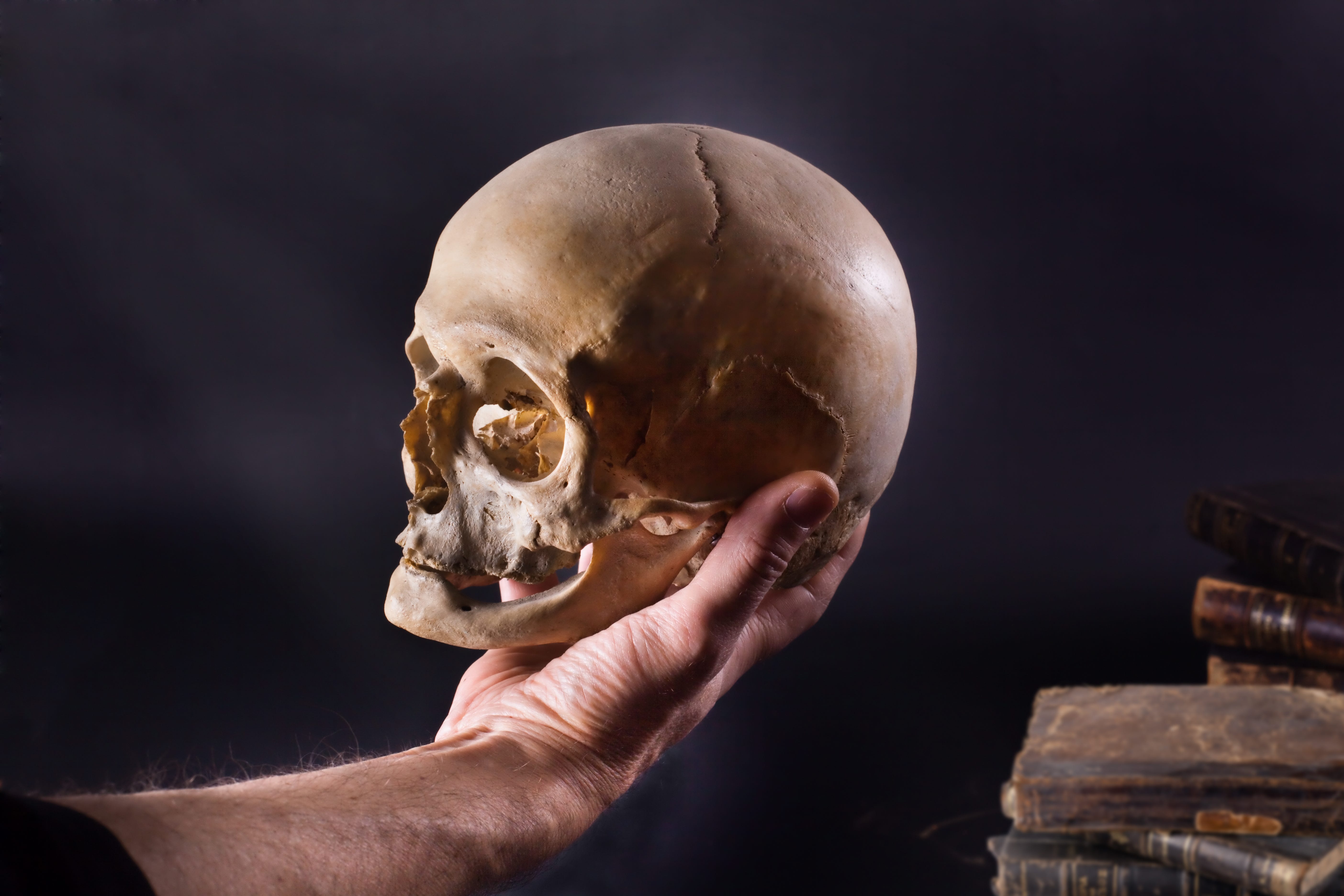
'Shakespeare, Thou Hast Been Cancelled'
Amna Khalid talks with Laura Bates, Professor of English at Indiana State University and founder of Shakespeare in Shackles — a prison program for those in solitary confinement — about the Bard’s decline in the modern curriculum. This is a public episode. If you'd like to discuss this with other subscribers or get access to bonus episodes, visit banished.substack.com/subscribe
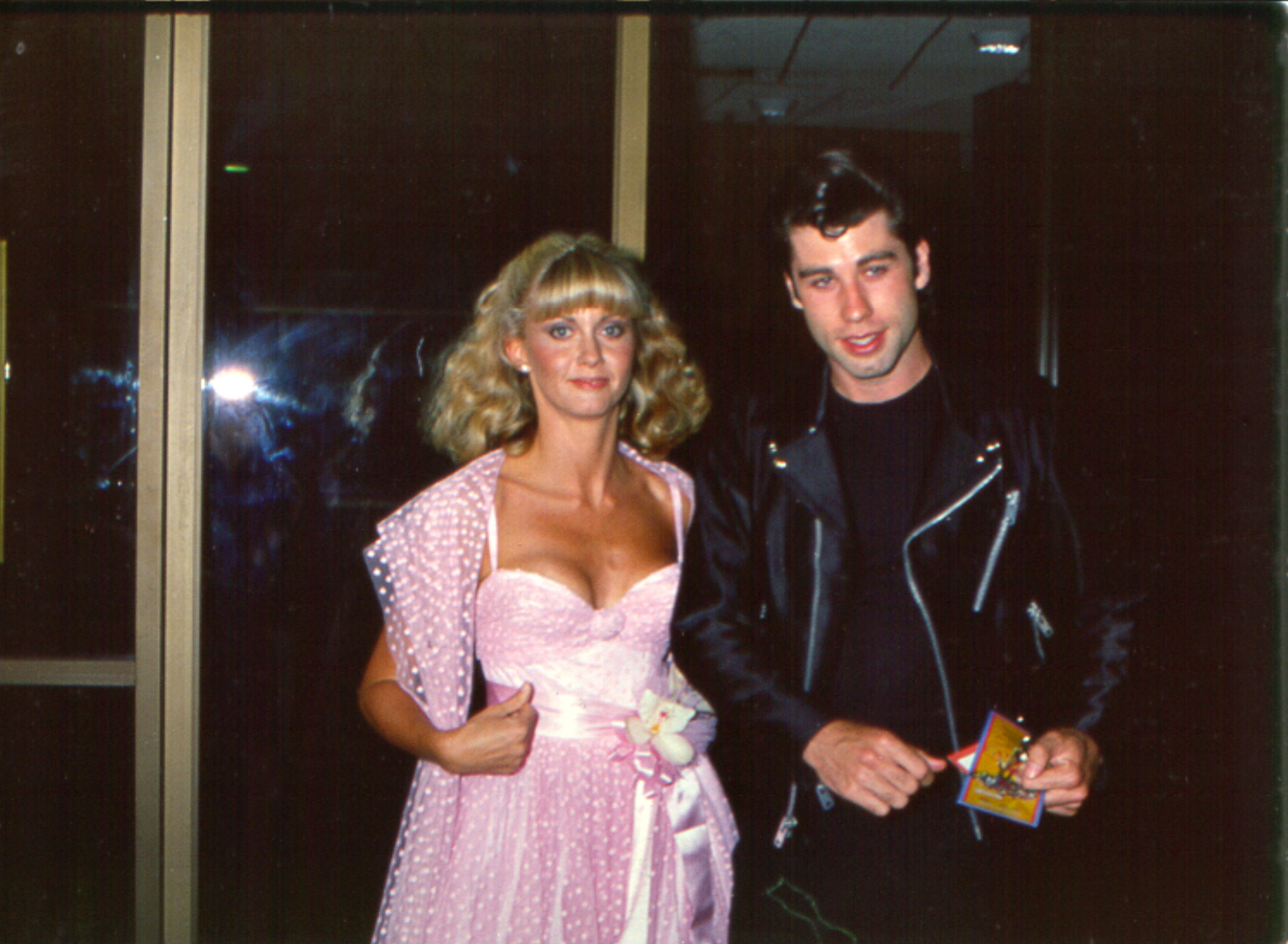
"Oh Danny, Is This the End?"
One of the most popular musicals of all time, Grease seems to have fallen from grace. Most recently, two schools in Australia were planning to stage a joint production of the musical this year, but shelved it when students complained that the content of the musical was “offensive.”Why has the musical come under fire? Is it time to retire it? On this week’s Banished, Amna Khalid speaks with Scott Miller, founder and artistic director of New Line Theater, an alternative musical theater company in St. Louis. This is a public episode. If you'd like to discuss this with other subscribers or get access to bonus episodes, visit banished.substack.com/subscribe
EXCLUSIVE INTERVIEW: St. Olaf College Punishes Professor for Inviting Peter Singer to Campus
Earlier this year, St. Olaf College’s Institute for Freedom and Community invited controversial bioethicist Peter Singer for a virtual conversation titled “The Point of View of the Universe.” This was an invitation in keeping with the mission of the institute, which is to explore “diverse ideas about politics, markets, and society” and “challenge presuppositions, question easy answers, and foster constructive dialogue.” Shortly after the event was announced, St. Olaf’s disability office sent out a campus-wide email, stating that it: “unequivocally reject[s] Peter Singer’s views on people with disabilities, which are harmful to our values, mission and ongoing efforts to provide an inclusive environment for our students, faculty and staff.”This week came news that the IFC’s director, Professor Edmund Santurri, would no longer helm the institute. His directorship had been rescinded. In today’s special episode, Amna Khalid speaks with Santurri about what exactly led to his termination. This is a public episode. If you'd like to discuss this with other subscribers or get access to bonus episodes, visit banished.substack.com/subscribe
In the Eye of the Storm
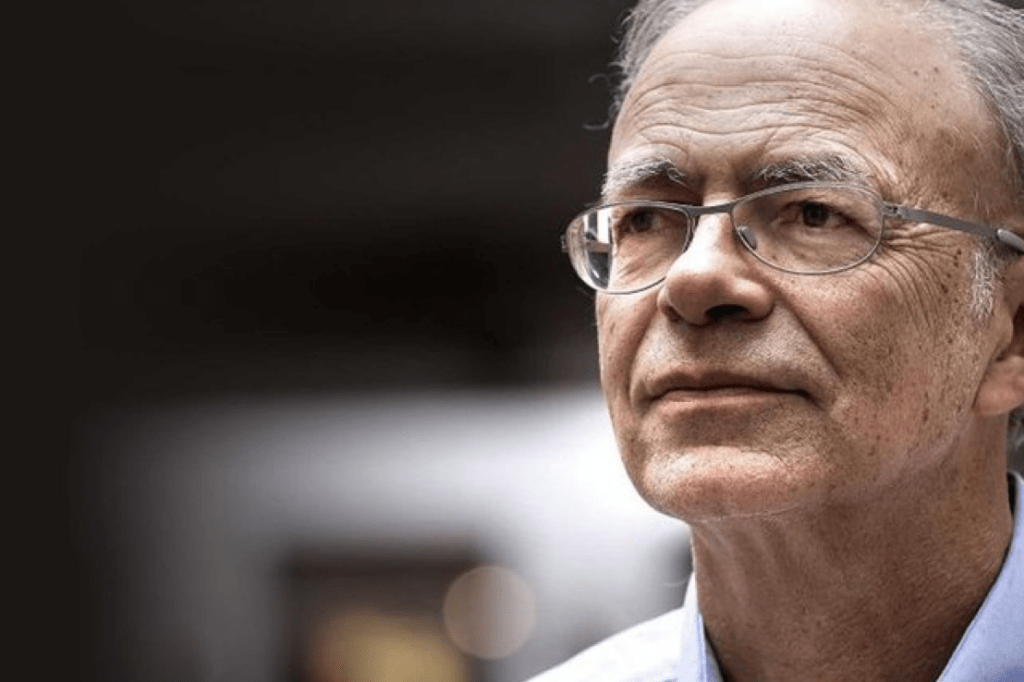
In fall 2021, the philosophy department at Rhodes College invited the bioethicist Peter Singer to speak to the school. A controversial and important figure, the New Yorker has called Singer the “world’s most influential living philosopher,” and in 2005, Time Magazine named him one of most influential people alive.But as one of the world’s foremost utilitarian philosophers, some of Singer’s positions have earned him detractors. In the build-up to his talk on “Pandemic Ethics,” several Rhodes students and faculty waged a campaign to have him disinvited on the grounds that “his reprehensible beliefs … deny the very humanity of people with disabilities.”At a time when other schools like MIT were cancelling speakers deemed problematic, the philosophy department at Rhodes stood firm. In today’s episode, host Amna Khalid speaks with department chair Rebecca Tuvel and professor Daniel Cullen about how and why they refused to disinvite Singer. This is a public episode. If you'd like to discuss this with other subscribers or get access to bonus episodes, visit banished.substack.com/subscribe

COVID-19: Lab Leak Or Natural Leap?
In February 2020, The Lancet, a leading British medical journal, published a statement by more than two dozen scientists condemning the hypothesis that COVID-19 had leaked from a Chinese lab — effectively halting scientific inquiry along those lines. But a handful of researchers refused to rule out the so-called “lab-leak” theory and soon found themselves shunned and ostracized by their colleagues.Alina Chan, a molecular biologist and then-postdoctoral fellow at the Broad Institute of MIT and Harvard, was one such researcher. This week on Banished, host Amna Khalid talks with Chan about the politicization of science.More from Booksmart Studios: This is a public episode. If you'd like to discuss this with other subscribers or get access to bonus episodes, visit banished.substack.com/subscribe
Napoleon in Exile
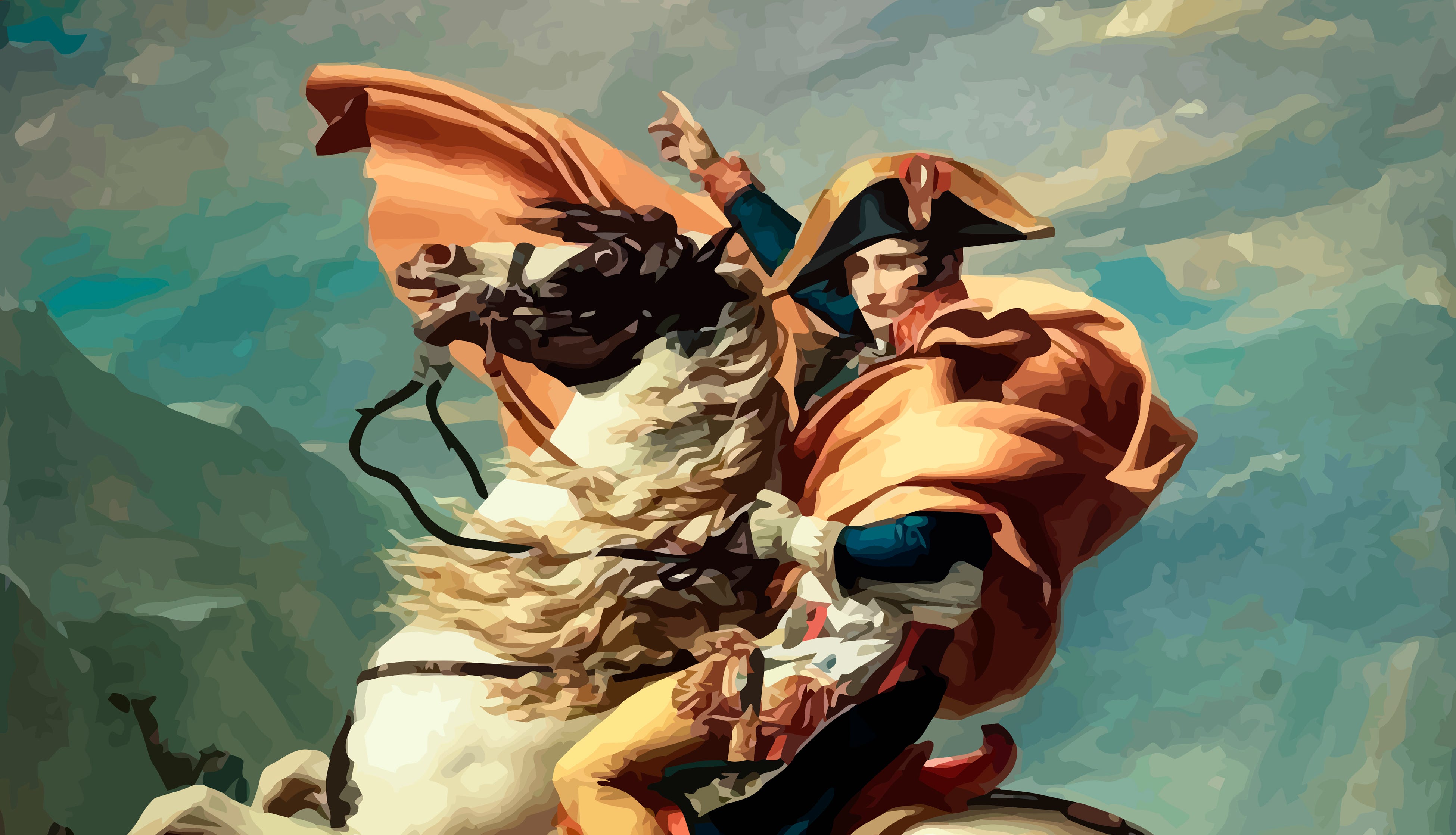
If you’re a solver of crossword puzzles, you probably know that Napoleon was exiled to the island of Elba. But that was just the beginning. Historians Peter Hicks and Rafe Blaufarb tell us the full story. This is a public episode. If you'd like to discuss this with other subscribers or get access to bonus episodes, visit banished.substack.com/subscribe
The Skeptic
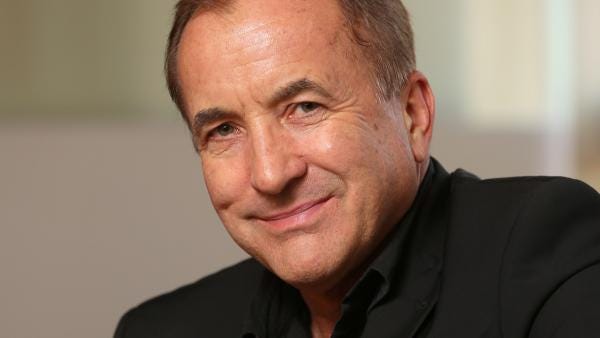
Michael Shermer, founding publisher of Skeptic magazine and host of the podcast The Michael Shermer Show, was a regular writer for Scientific American for 18 years. With more than 200 monthy columns under his belt, he was hoping to match Stephen Jay Gould’s record run of 300 at Natural History and was due to hit his target within a few years. In December, 2018, however, he was abruptly let go.In this episode of Banished, Amna Khalid talks to Shermer about the souring of his relationship with SciAm, the importance of skepticism and the rise of censoriousness in recent years. This is a public episode. If you'd like to discuss this with other subscribers or get access to bonus episodes, visit banished.substack.com/subscribe
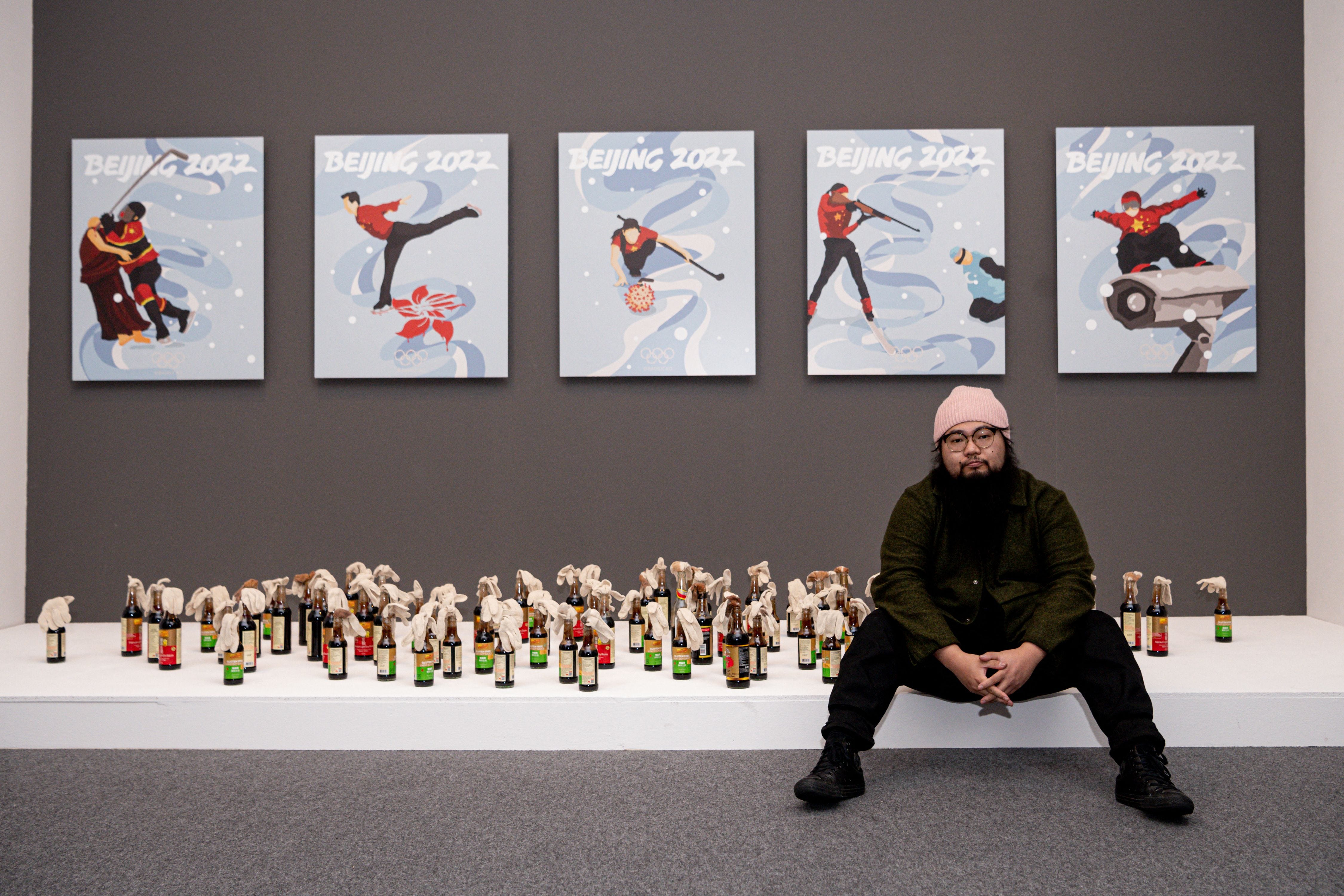
The Cartoon is Mightier Than the Sword
Badiucao is a Chinese political dissident and artist who self-exiled to Australia in 2009. In the buildup to the Beijing Olympics, he was catapulted into the limelight for a series of protest posters that at first glance seem like advertisements for the Games. On closer inspection, however, the images are a scathing visual commentary on the Chinese government’s human rights violations and the role of the Olympic Games in legitimizing the regime. In this episode of Banished, Amna Khalid speaks with Badiucao about his work, his activism and his life as a dissident. This is a public episode. If you'd like to discuss this with other subscribers or get access to bonus episodes, visit banished.substack.com/subscribe
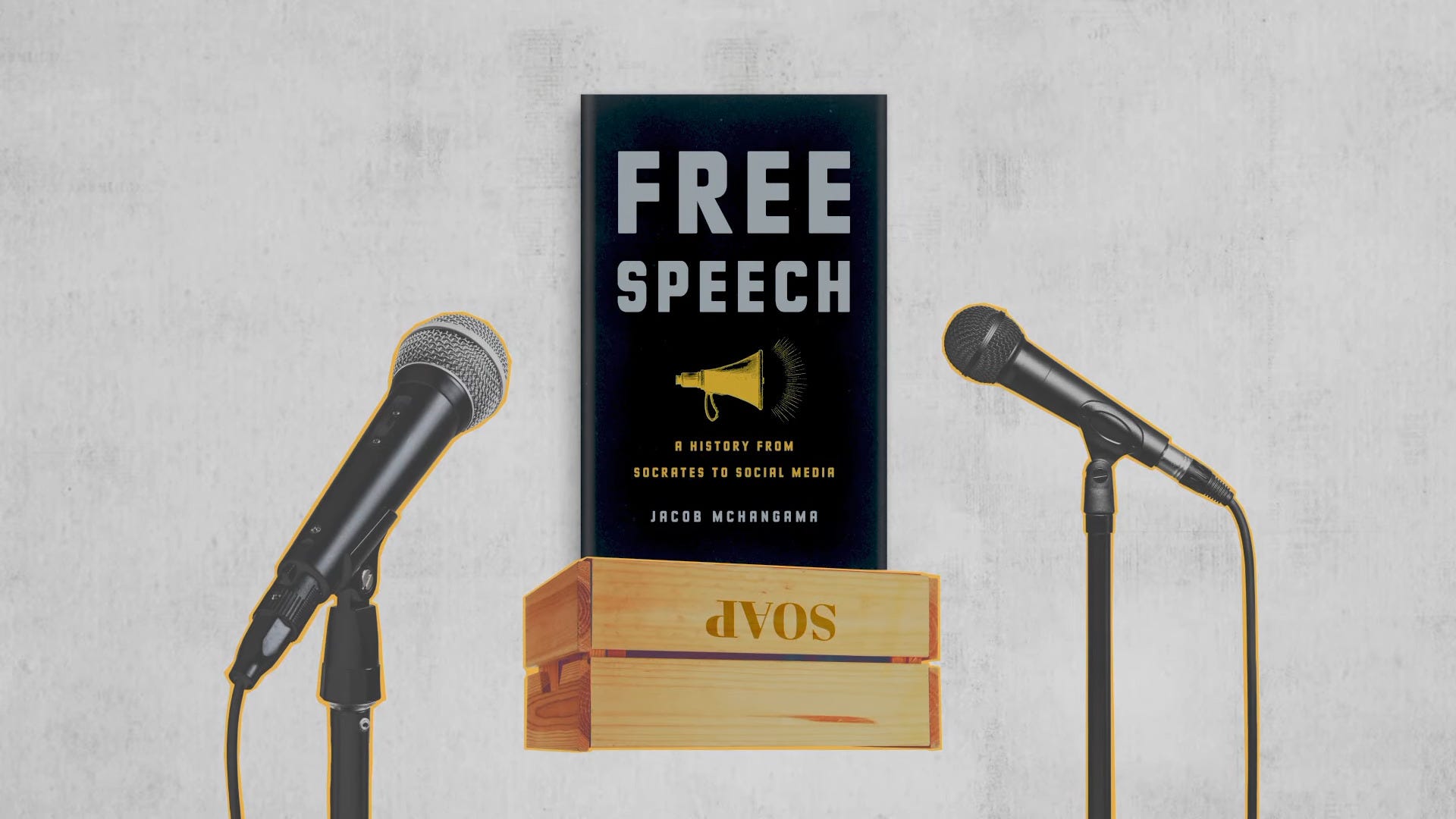
Does Free Speech Discriminate?
Over the past five years or so, free speech — like so many other topics — has been weaponized for use in the culture wars. Far right media sources have embraced the free speech mantle, arguing that liberals and progressives who dominate higher education are silencing conservative voices. For many Republicans, “free speech” means having the right to express an opinion, regardless of how unfounded and unsubstantiated it may be. As a consequence, many on the left now incorrectly view free speech as a right-wing ideal.In this episode of Banished, Amna Khalid discusses the history and legacy of free speech with Jacob Mchangama, a Danish lawyer, human-rights advocate and author of Free Speech: A History from Socrates to Social Media, newly published by Basic Books. This is a public episode. If you'd like to discuss this with other subscribers or get access to bonus episodes, visit banished.substack.com/subscribe
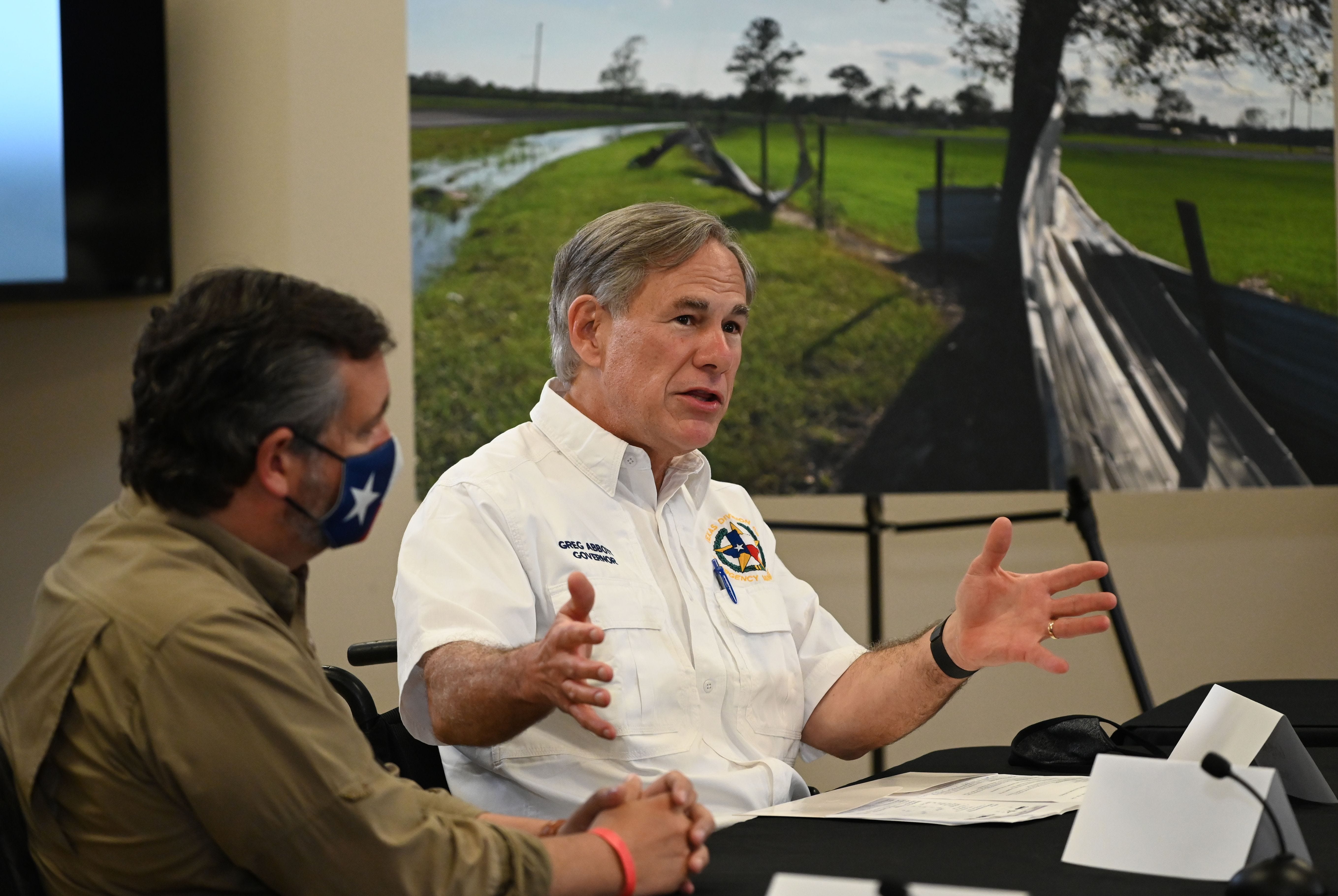
Common Sense, Unmasked
Michael Phillips has taught history at Collin College in Texas for the past 14 years, but after speaking out about the school’s anti-masking policy his contract was not renewed. Which makes him the fourth faculty member to lose his job there since Neil Matkin assumed the role of College President in 2015.Amna Khalid spoke with Phillips about what led to his firing, and about academic freedom more generally in American higher education. This is a public episode. If you'd like to discuss this with other subscribers or get access to bonus episodes, visit banished.substack.com/subscribe
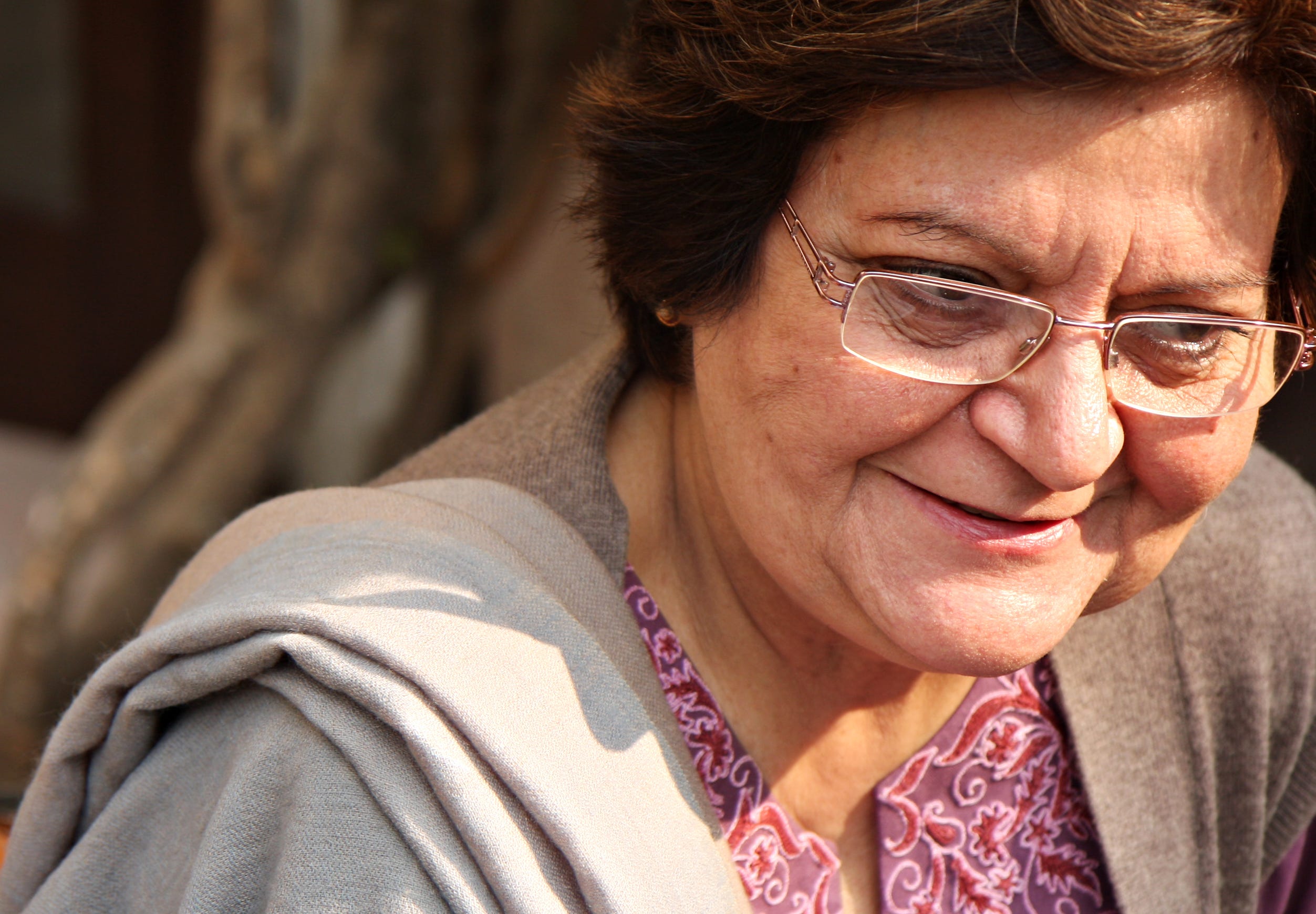
The Subversiveness of Humor
During her visit back to Pakistan in December, Banished host Amna Khalid spoke with Salima Hashimi — artist, curator, activist and former principal of the National College of Arts, the premier Art school of Pakistan. They discussed the state of free expression in Pakistan under the 11-year military regime of General Muhammad Zia-ul-Haq, who was a key ally of the United States in the Cold War; how things are now under a democratically elected government; and how she sees cancellation attempts to constrain free speech in the U.S. This is a public episode. If you'd like to discuss this with other subscribers or get access to bonus episodes, visit banished.substack.com/subscribe
Why the Seuss Estate Pulled Six of Its Own Books
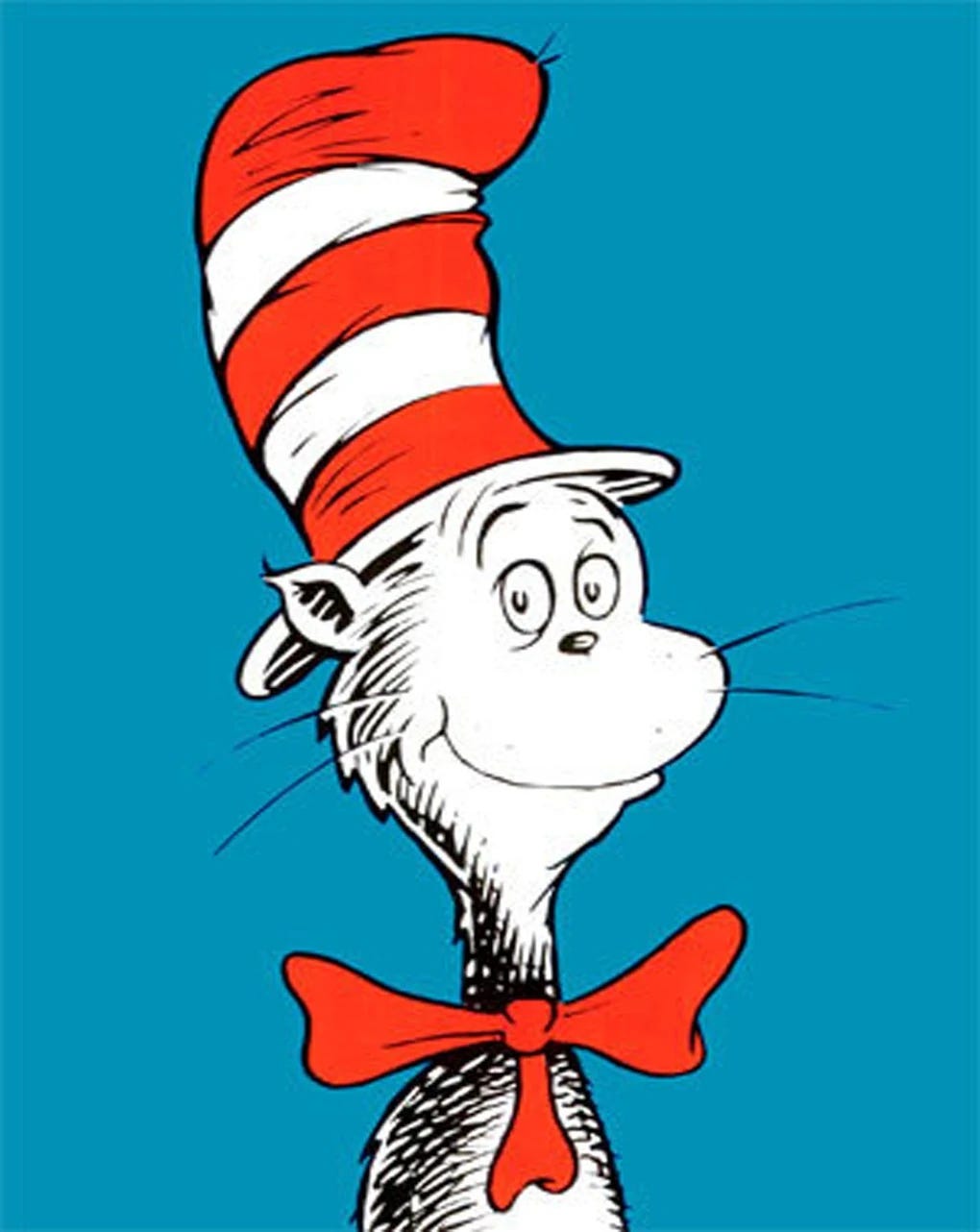
In the age of “cancel culture,” it comes as no surprise that the publishing industry is cowering before demands to remove “problematic” books. Dr. Seuss’s estate recently announced that it will no longer allow the publication and licensing of six of his books because of the racist and stereotypical imagery used for minority groups.Should these books no longer be published? Does a single stereotypical representation justify the pulling of a book? And who gets to decide? On this episode of Banished, Amna Khalid discusses Dr. Seuss’s life and legacy with Brian Jay Jones, author of Becoming Dr. Seuss: Theodor Geisel and the Making of an American Imagination. This is a public episode. If you'd like to discuss this with other subscribers or get access to bonus episodes, visit banished.substack.com/subscribe

The Bother With Baby
Broadway-bound songsmith Frank Loesser wrote “Baby It’s Cold Outside” as a call-and-response duet for he and his wife to perform at parties. Several years later, the tune made its way into a movie and soon took the Christmas canon by storm. But is it a “rapey” relic of a bygone era that should be buried permanently in the winter snow? Amna Khalid investigates.Happy New Year! In the warm and generous spirit of the holidays, we’re offering 30% off a subscription to Booksmart Studios until the end of the year. You’ll get extra written content and access to bonus segments and written transcripts like this one. More importantly, you’ll be championing all the work we do here. Become a member of Booksmart Studios today. Thank you for your support.* TRANSCRIPT *MAN: Thank you, thank you, thank you. Do we have any more requests?WOMAN: Baby, It's Cold Outside!MAN: I think we can make that happen. Who wants to take the duet?AMNA KHALID: In the new Netflix rom-com Love Hard, Josh volunteers to sing a duet with his girlfriend — his pretend girlfriend, actually — Natalie:JOSH: Natalie and I got this one, Dad.KHALID: The two are out caroling with his family in snowy Lake Placid.NATALIE: Over my cold, dead, lifeless body. I am not singing that — that is like the sexual assault theme song.KHALID: Natalie refuses at first to sing that Christmas song, because, you know, it's that song — the one in which a man is possibly pressuring a woman into spending the night. But Josh has an idea.JOSH: Look, this is what we’re gonna do, okay? You just do your part. I will change my lyrics so the song doesn't sound so, uh, rapey. NATALIE: Fine, let's just get this over with.JOSH: Dad, hit it. 🎶NATALIE: I really can’t stayJOSH: No problem, there’s the doorNATALIE: I’ve got to go awayJOSH: I hear you, say no moreNATALIE: This evening has beenJOSH: Totally consensualNATALIE: So very niceJOSH: I hope you get home safe tonightKHALID: It's become fashionable in recent years to alter the lyrics of Baby, It's Cold Outside to make them less “rapey,” as the character Josh put it. Others have pushed back, however. The song, they claim, is about a desirous woman battling not the unwanted advances of her date but the unsolicited judgment of society.🎶LYNN GARLAND: I really can't stayFRANK LOESSER: But Baby, it's cold outsideGARLAND: I've got to go awayLOESSER: But Baby, it's cold outsideGARLAND: This evening has been —LOESSER: Been hoping that you'd drop inGARLAND: So very niceLOESSER: I'll hold your hands, they're just like iceKHALID: I'm Amna Khalid. On this episode of Banished, The Bother with Baby.CHRIS WILLMAN: The song was written in 1944 as a song that Frank Loesser and his wife originally sang at a housewarming party.KHALID: Chris Willman is a longtime music journalist, currently at Variety.WILLMAN: Kind of like, the night’s about to end, we’re about to kick you out, and here’s a song about whether to stay or whether to go.KHALID: Wow, I would have loved to be at that party.WILLMAN: Oh, yeah. And apparently they performed it over a period of years to the point that, when it was licensed for a film in 1949, Frank Loesser’s wife resented it. She may have been joking, but she was resentful that it was no longer their private thing because they were such a hit on the party circuit with it.KHALID: The song existed in private for five years, sung only by Loesser and his wife Lynn Garland. The two made one of the very first recordings of the song, which we’re listening to now. 🎶LOESSER: Baby, make my conscious your guideGARLAND: I really can't stay LOESSER: Oh, Baby, don't hold outGARLAND AND LOESSER: Ah but it's cold outsideLOESSER/GARLAND in the clearKHALID: Baby was evocative of the holidays, it was redolent of cigarettes and booze and, yes, it was sexually suggestive.GARLAND: And it was our song.KHALID: That’s Lynn Garland from the documentary Heart and Soul: The Life and Music of Frank Loesser:GARLAND: And we became the most desired guests at parties from coast to coast. And we never failed to slam.KHALID: Garland recalled once that, "Parties were built around our being the closing act.”🎶LOESSER: I thrill when you touch my handGARLAND: But don't you see? LOESSER: How can you do this thing to me?KHALID: It was merely the opening act, however, for the song itself. Baby was such a sensation at private gatherings that Loesser worked it into his score for the 1949 movie Neptune's Daughter. This would be the first time anyone heard the song outside of someone’s living room.WILLMAN: And when it went public in 1949 it kind of exploded. Immediately, people started covering it. My favorite version of the song, by Johnny Mercer and Margaret Whiting. I think that was the biggest hit anyone had with it that year.🎶WHITING: I really can't stayMERCER: But Baby, it's cold outsideWHITING: I've got to go awayMERCER: But Baby, it's cold outsideWHITING: This evening has beenMERCER: Been hoping that you'd drop inWHITING: So very niceMERCER: I'll hold your hands,
Should More Colleges Drop the ACT and SAT?
Last week, Harvard announced it will extend its test-optional admissions policy for at least another four years. The stated reason is that the pandemic has reduced access to test sites — but this decision has added grist to the test-elimination mill. The movement to do away with standardized testing is predicated on the idea that tests are culturally and racially biased, and that they don’t reflect the true abilities of students. Some even refer to them as proxies for privilege.On this episode of Banished, Amna Khalid discusses testing and meritocracy with Jeff Snyder, associate professor of educational studies at Carleton College. Snyder argues that scrapping admissions tests won’t make a dent in two of the biggest advantages held by more affluent students: legacy status and athletic skills. This is a public episode. If you'd like to discuss this with other subscribers or get access to bonus episodes, visit banished.substack.com/subscribe
Out of Darkness, Into the Fire
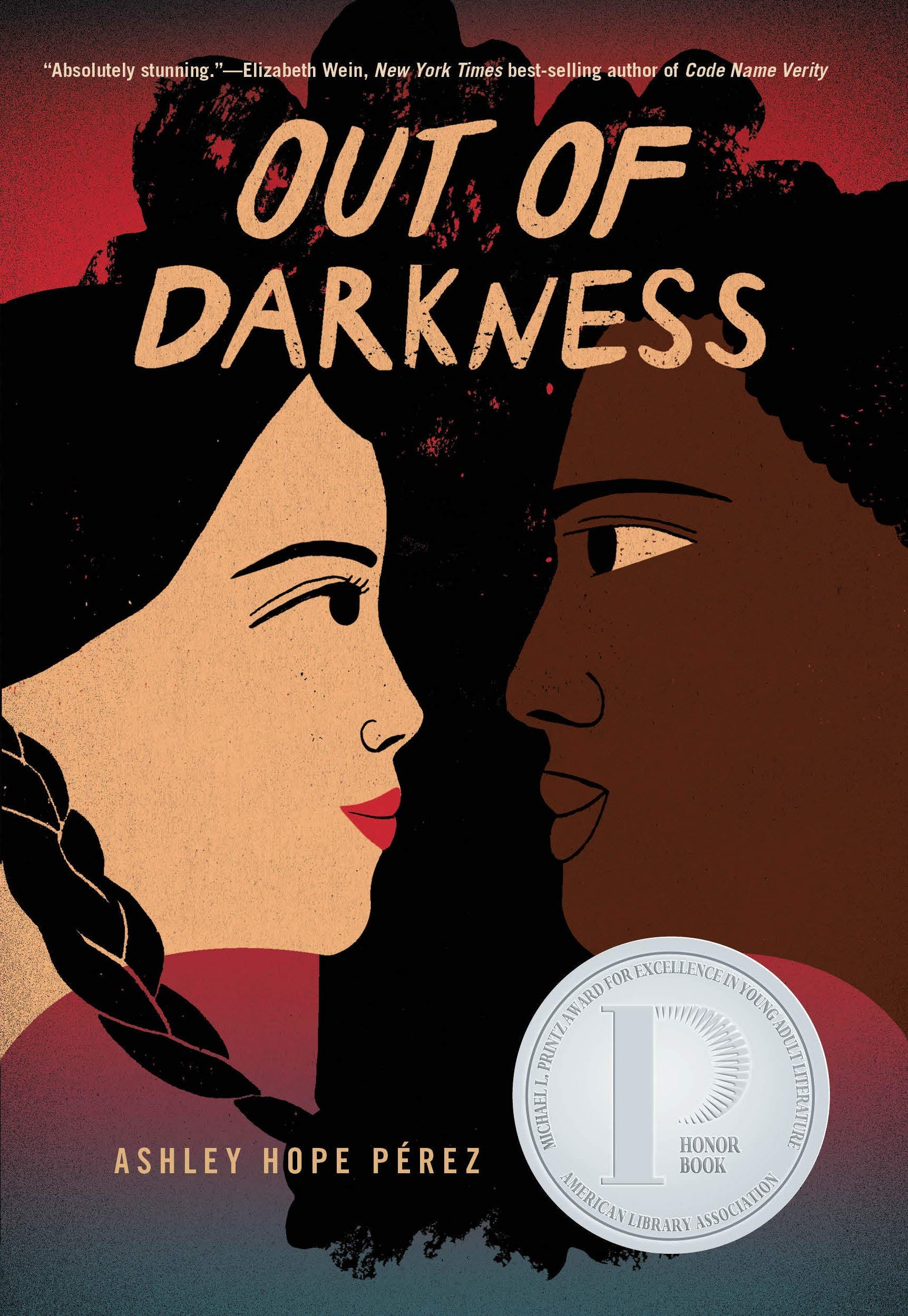
Author and professor Ashley Hope Pérez gained prominence for her novel Out of Darkness, which explores themes of segregation, love and family against the backdrop of the 1937 New London School explosion. The book won rave reviews from critics and the Américas Award from the Library of Congress, but has recently become embroiled in controversy after calls to ban it from school libraries. Today on Banished, host Amna Khalid speaks with Pérez about the firestorm surrounding her book, and the rise in concerted efforts from a certain part of the political spectrum to censor literature that might highlight the troubling history of gender and race relations in the United States. This is a public episode. If you'd like to discuss this with other subscribers or get access to bonus episodes, visit banished.substack.com/subscribe
Fear and Scapegoating in the Time of Pandemics
Scapegoating particular communities during an epidemic — be it tuberculosis, HIV or COVID-19 — is nothing new. Outbreaks of disease are often accompanied by the demonizing of some portion of humanity that is supposedly the source of the contagion. They are to blame.Must it be this way? Why do we feel the need to point the finger at each other when threatened like this — even when the threat is ultimately not from people but from viruses or bacteria? And what does this sort of blanket indictment during a health crisis have in common with cancel culture? Host Amna Khalid discusses these pressing issues with Nicholas Christakis, the Sterling Professor of Social and Natural Science, Internal Medicine & Biomedical Engineering at Yale University, and the author of Apollo’s Arrow: The Profound and Enduring Impact of Coronavirus on the Way We Live, now out in paperback.TRANSCRIPTDONALD TRUMP: Covid-19 — that name gets further and further away from China, as opposed to calling it the “Chinese virus.” [Cheers]...it’s got all different names: Wuhan…...Chinese virus......Kung flu, yes. [Cheers] Kung flu...AMNA KHALID: That was former president Donald Trump taking every opportunity to suggest that the coronavirus was spread by China — rather than by American apathy and incompetence. Of course, scapegoating particular communities during an epidemic — be it tuberculosis, HIV or Covid — is nothing new. Outbreaks of disease are often accompanied by the demonizing of some portion of humanity that is supposedly the source of the contagion. They are to blame.Must it be this way? Why do we feel the need to point the finger at each other when threatened like this — even when the threat is ultimately not from people but from viruses or bacteria? And what does this sort of blanket indictment during a health crisis have in common with cancel culture?Joining me to talk about the connection is Nicholas Christakis, the Sterling Professor of Social and Natural Science, Internal Medicine & Biomedical Engineering education at Yale University. A sociologist and a physician, Christakis directs the Human Nature Lab at Yale and is the author of Apollo’s Arrow: The Profound and Enduring Impact of Coronavirus on the Way We Live. He is also a keen critic of cancel culture, especially as it's playing out on college campuses.Nicholas, thanks for being here.NICHOLAS CHRISTAKIS: Thank you so much for having me.KHALID: We’re in the middle of a pandemic. Some people think we're towards the end of it, but I believe you describe it as towards the end of the beginning of the pandemic, which I, as an historian of medicine, would very much agree with having studied how epidemics play out. But shortly after we were hit by COVID, you wrote a most phenomenal book called Apollo's Arrow, and I was struck by how quickly you were able to put together what you were seeing, both of how the virus was progressing and the kinds of ways in which it was impacting our society. So can you tell me a little bit about what led you to write that book?CHRISTAKIS: What happened was I had a long standing collaboration with some Chinese scientists. We had been studying phone data that tracks people's social interactions and their movements, doing a bunch of research on different topics. And it dawned on us in January of 2020 we could use that data to study the spread of the virus. And we scrambled, beginning January 15th, to write a paper that was eventually published in April in the journal Nature about how the flow of people through Wuhan perfectly predicted the timing, intensity, and location of the epidemic throughout China through the end of February. So as a result of this, I was paying attention to this virus very early on. And as a result of that, became aware of the fact that on January 24th the Chinese promulgated regulations that required 930 million people to stay at home. In other words, the Chinese saw in the virus an enemy of sufficient magnitude that they basically detonated a social nuclear weapon to stop it. And this really got my attention. Of course, I knew the history of epidemic disease having studied that. And I was following what Chinese, and soon after, Italian scientists were putting online. It was very clear to me this was going to be a serious epidemic. And meanwhile, our public discourse was very minimalizing. The president of the United States was saying it'll go away, which is ridiculous. Any expert knew that was false. So I began to send out Twitter threads with sort of basic EPI 101 information about here's what happens with respiratory pandemics. Here's what's going to unfold and so on. And to my amazement, several of those went viral. I think there was a hunger in the United States for sort of basic scientific information about respiratory pandemics. By the middle of March, I began to redirect all the efforts of my lab towards the pandemic — or most of the efforts, not all — March the 15th, I started writing the book and it was due July the 15t
Temptations of the West Reconsidered
If you’ve been listening to Banished, you’ll recall that in just a few short months we’ve talked about attempts to abolish artwork, to repudiate literature and even to eliminate entire curricula throughout the United States. But you may wonder, as I sometimes still do, why me? Why am I, Amna Khalid, pulled toward these topics, compelled by what we casually call “cancel culture”?And so, dear listeners, it feels like the right time to step back — to give you a sense of who I am and why I am deeply disturbed by the censorship and intolerance now thriving in the West. For this week’s episode, I will read aloud from a letter that I wrote earlier this year, to a loved one with whom I grew up in Pakistan. I hope that I leave you with a better understanding of why this show, why Banished and why me.Mani,My darling, darling Mani. What a ways the two of us have come. From the long, lazy days of Ammi’s home-cooked meals and family chatter, with all of us huddled together on her bed in Islamabad, to where we are now: you in the endless grey that runs through your years in Britain, now visible in the hairs on your face; and I enduring my tenth Minnesota winter.We’ve taken to our new homes — quite seamlessly and effortlessly for the most part. You’ve internalized the sorry-reflex of the Brits and I, as you point out every chance you get, have inadvertently started mimicking the rhotic accent of the Midwest that grates on you so much. And though we never dare to speak of the oceans of losses that we have buried deep within us, you and I both know there is much that we have left behind. The dewy mornings of fall, the warmth of the winter sun, the oppressive dry heat of the summer months and the intensity of the monsoon rains punctuated by days of stifling humidity that would only let up with the next downpour — and the cycle would begin once again.But that was not the suffocation that you and I ran away from. Our escape, if you will, was from a different kind of claustrophobia. You being gay and unable to live freely in your fullness and write in ways that challenged reigning orthodoxies; and me — then a young woman with too many ideas, hungry for intellectual stimulation, challenging all norms and limitations. Flamboyant and outspoken, we flirted with the idea of crossing the line of what was acceptable, but only in our small social circles of other misfits like you and me.For me, the closing in of the walls came into focus for the first time that fateful evening in February 1989. I remember we could hear the mob outside the American Cultural Center which was miles away from our house. You turned on the tv and we watched it happen — the riots protesting Salman Rushdie’s Satanic Verses. The streets were teaming with thousands of zealots after Ayatollah Khomeini declared a fatwa against Rushdie — the atmosphere was chilling. I was only 10 then but the gravity of the situation wasn’t lost on me. In the following months we sat night after night watching riots ripple across the globe, for Rushdie had committed blasphemy — (certain) Muslims were offended and their offense was translating into terror and violence.It was only in the wake of the Rushdie affair that I fully came to appreciate the expansiveness of the notion of blasphemy and the legal infrastructure within Pakistan that gave it teeth. I started reading the newspaper and, of course, it was all too apparent for anyone to see, even to a ten year old, how these blasphemy laws — perverted in their very criminalization of speech to begin with — became a tool for repressing and dispossessing non-muslims. How these developments gave license to the outright targeting of minority groups hit home for me a year later when my friend Asha’s neighbor, an Ahmadi, was shot in his own driveway by a group of vigilantes. As I cast my mind back I can see my dumbstruck eleven-year-old self, holding Asha’s hand in school the next day -- both of us terror-stricken as she recounted how she and her father heard the shots, ran out and then helped load her neighbor’s bleeding body in their car only to have him declared dead when they got to the hospital.It was around then that I consciously started paying attention to the politics of the times: the misogyny entrenched in the Zina Ordinance that resulted in rape victims becoming criminally liable for offenses against them; the systematic purging of progressive teachers and professors; the ideological tyranny that shaped the curriculum in public schools and universities; media censorship and the erosion of democratic institutions across the board.Remember when all women newscasters were told they had to cover their heads? And when dance performances were categorized as “obscenity”? Oh and that time when we were walking to Jinnah Market for ice-cream and this man came up to me and told me that I should wear a dupatta? We were both so stunned and frightened that we said “yes” and walked on, neither one of us daring to even comment to each other on
The Cancellation of Dorian Abbot
Dorian Abbot, associate professor of geophysical sciences at University of Chicago, was invited to give the prestigious Carlson Lecture at MIT this month. He was going to speak about the insights gained from studying Earth’s climate and how those insights have been used to predict which planets outside the solar system might be habitable. But, following an outcry about his political views about diversity, equity and inclusion initiatives on college campuses — a topic that had nothing to do with what he was going to talk about — MIT cancelled the lecture. Amna Khalid talks to Professor Abbot about what happened and what this says about academic freedom in American higher education today. This is a public episode. If you'd like to discuss this with other subscribers or get access to bonus episodes, visit banished.substack.com/subscribe

Rethinking the Canon: What Makes a Classic?
This is the second in our occasional series on Rethinking the Canon. Is there value in reading the classics at a time when they are increasingly viewed as unrepresentative texts that don’t speak to the diverse experiences of modern students? This week Amna talks with Roosevelt Montás, senior lecturer in American Studies and English at Columbia University. FULL TRANSCRIPTAMNA KHALID: A liberal education is one that takes the complicated condition of human freedom seriously, and addresses itself to its dilemmas and to the urgency of its lived experience. To think and reason through these kinds of questions is to learn to live with them in an honest and ongoing way.That was an excerpt from Roosevelt Montás’s book, “Rescuing Socrates: How the Great Books Changed My Life and Why They Matter for a New Generation.” Roosevelt Montás, who emigrated from the Dominican Republic as a teenager, is now a senior lecturer in American Studies and English at Columbia University. He specializes in antebellum American literature and intellectual history. He’s also spent 10 years as the director of the Center for the Core Curriculum at Columbia, teaching and running what is often called the “Great Books” program.I started our conversation by asking him if he could give our listeners a sense of what motivated him to write so passionately about Great Books.ROOSEVELT MONTÁS: The book is a meditation on my experience of liberal education and an argument about why liberal education based on the study of Great Books matters today. I draw on my own biographical, personal experience of encountering the Great Books as an undergraduate, but also on my experience teaching them and encountering the kind of struggles and challenges of organizing undergraduate, general education around the study of books that are often old and often don't speak directly to the issues that are most salient in people's daily, lived experience. So, the book tries to take in my personal, intellectual, institutional experience and put it all together into an argument about why reading these books seriously with undergraduates matters today.KHALID: Let's peel back what this term “Western canon” means. One of the things that I have found a little disturbing of late is how quickly people will jump to calling something “white supremacy” or just “white” for that matter. And if we look at the Greco-Roman tradition, how in the Mediterranean region these ideas were coming from different places. Once you start looking to the historical roots of these ideas, my understanding as a historian is that it complicates the notion of even what is considered white. Can you speak a little bit about what is loosely referred to as the Western tradition and Western canon and where the roots of some of the key traditions lie?MONTÁS: So, you know, “Western” — I remember when I first began to encounter that term, “Western,” when I went to college — I would always say, you know, west of what? KHALID: (Laughs)MONTÁS: When you name a direction, it only makes sense from a particular point of view. So, west of what? But often people use “Western” synonymously with “European.” When you think about the Western canon, you're not thinking about a European canon. Obviously, some very, very important roots of what came to be the texts that we associate with the Western canon lie in the ancient Mediterranean, in the — what we now call the Middle East, biblical texts in North Africa. One of the central figures I deal with in my book and one of the thinkers that has been most influential in modern development is St. Augustine. You might hear the name St. Augustine and not realize that we're talking about a North African, Berber man, who turns out to be the towering intellect in the Christian tradition and in Western philosophy, a major major figure. And of course, you have the biblical texts that originate in a matrix of oral traditions that are not by any stretch European, although they do end up having a very powerful influence in Europe. So when we think about the West, we should not be thinking narrowly, geographically. I like to think about it as including the lands and peoples and cultures and traditions around the Mediterranean Sea. That loose tradition ends up, first of all, leaving a textual record, leaving a genealogy of text and debates that we can trace today. And we're very fortunate and lucky that we can have access to those texts. Then there's a second term about “canon.” Again, you can understand why people resist the idea of canon, why people resist the idea that there is a set of text that is handed down to you from on high by some intellectual or traditional cultural authority that says these are the essential texts, this is what matters. But if I can quote an old friend of mine, who said about the Literature Humanities syllabus at Columbia's first year requirement — this is this kind of a Great Books course that all first years take, and it's been around for over 80 years now, this
The "Critical Race Theory" Hysteria
“Critical Race Theory,” also known as CRT, is a phrase that has become shorthand for just about any classroom instruction on racism, past or present. But what is this fight really about? What are these anti-CRT bills aiming to accomplish, and how will they affect schooling in the US? Amna Khalid discusses the rise of anti-CRT bills with Harvard Law Professor Randall Kennedy; Acadia University Professor Jeffrey Sachs; and former president of the ACLU, Professor Emerita Nadine Strossen of New York Law School.SPEAKER 1: Critical race theory is teaching that white people are bad.SPEAKER 2: We’re demonizing white people for being born.SPEAKER 1: This theory was never meant to be brought into grade schools, high schools at all. It’s actually taught in the collegiate atmosphere.SPEAKER 2: These are systemic things. Ignoring it perpetuates the problem. By acknowledging it, we can find solutions and we can address the problems and the inequality that exists in our country. SPEAKER 3: You gonna deliberately teach kids: “This white kid right here got it better than you because he’s white”? You gonna purposely tell a white kid, “Oh, well, black people were all down and suppressed”? How do I have two medical degrees and I’m sitting here oppressed? [cheers] How did I get that? [cheers]AMNA KHALID: Most parents of young schoolchildren are familiar with the stories--third graders in California are given an assignment: rank yourselves by power and privilege based on your racial identity. Parents in North Carolina say middle schoolers are forced to apologize in class to their peers for their privilege. In an elementary school in Manhattan, children are sorted by race for mandatory training. In some Buffalo schools, students are taught that all white people are guilty of implicit racial bias. Sometime towards the end of last year, parents and politicians freaked out, mostly conservatives, who see all this as a kind of liberal indoctrination of our youth. In at least 26 states around the country, Republican legislators have introduced what are now called anti-CRT bills. CRT stands for critical race theory, a phrase that has become shorthand for just about any classroom instruction on racism, past or present. But what is this fight really about? What are these bills aiming to accomplish and how will they affect schooling in the US? I spoke to three experts about the rise of anti-CRT bills. First is Harvard Law Professor Randall Kennedy, who says that although CRT was coined decades ago as a purely legal, academic term, it has now all but lost its original meaning. RANDALL KENNEDY: Now, if I'm in a seminar at my law school and we're talking about critical race theory, I'm thinking about a community of people, a community of thought that has its origins in the 1980s, that believes that liberal legalism was inadequate to get us to a state of racial justice. They’re people who believe that mere anti-discrimination would not suffice to redress the terrible injuries of racial oppression. Something much more activist, something much more deep-seated, had to be done to get us to where we needed to go. On the other hand, if we're just talking about on the street, if we're talking about television, if we're talking about radio today, for many people, especially for its most vocal critics, critical race theory is anything that they don't like that has to do with race. It's an open category and it's more of a slogan than anything else. KHALID: Let's move a little bit away from its origins and from the academic context and think about what it's come to mean today, particularly when we're referring to these anti-CRT bills. We've seen a rise in bills that have been drafted across the country, primarily in Republican-dominated states, where there is an attempt to banish, if you will, what they call teaching of critical race theory, particularly at the K-12 level. Now, as someone who is a scholar, a legal scholar, can powers that be do that? Is it legally sanctioned to stipulate what K-12 curriculum should be or is it in contravention of the First Amendment? KENNEDY: It can be done. It's a well-known tenet of American practice that public primary and secondary schooling is largely under the control of local political forces. It's deemed to be perfectly proper for primary and secondary schools, for instance, to inculcate patriotism. You know, that's viewed as uncontroversial. Of course you're going to inculcate patriotism. Of course you're going to inculcate various attitudes that the ascendant political forces in your jurisdiction want to be taught in schools and nourished and lauded. We want our youngsters to know about the Founding Fathers and the greatness of American democracy, et cetera, et cetera. Well, if you can do all of that, I mean, that's inculcation. This is another type of inculcation, or it's saying what we don't want taught. Well, you can do that. You can, for instance, have a school system in which you say, “We're going to bani
Expanding the Canon: Are 'Great Books' Obsolete?
Is there value in reading the classics at a time when they are increasingly viewed as tools of oppression and white supremacy? Do they speak to non-white students? Dr. Anika Prather, founder and principal of the Living Water School in Maryland and lecturer at Howard University in DC talks to Amna Khalid about the deep history of the significance of classics for Black Americans.Click here for the full-length, subscriber-only interview. This is a public episode. If you'd like to discuss this with other subscribers or get access to bonus episodes, visit banished.substack.com/subscribe
The Evolution of 'Woke'
What does it mean to be woke? Has the word problematic become problematic? Lexicon Valley’s John McWhorter talks to Amna Khalid about the fraught vocabulary of modern censorship. * FULL TRANSCRIPT *AMNA KHALID: From Booksmart Studios, this is Banished. And I’m Amna Khalid.NEWSCASTER: Republicans are always denouncing so-called “cancel culture.”BBC GUEST 1: I think that nobody should lose their job because of what they believe in. I think that’s the issue—BBC GUEST 2: —but that’s what “cancel culture” is!POLITICIAN: “Cancel culture” is eroding the very foundation of who we are as an American people.NEWSCASTER 1: He’s woke.NEWSCASTER 2: I’m woke.NEWSCASTER 3: Now you’re woke but you’re like me woke!NEWSCASTER 2: I’m woke to the woke.FOX NEWS GUEST: So we’re woke, and we have to say woke.NEWSCASTER: Wait, so we’re both woke? You and I are both woke?FOX NEWS GUEST: Yeah, I think we’re woke!NEWSCASTER: Who’s the woker of the two, would you say?AK: “Woke” and “cancel culture” are now two terms that are now so much a part of our consciousness, that it feels like they’ve been around forever. But the reality is that they exploded only a few years ago. Like many of our most fraught cultural terms, they evolved over time, jumping from one community to another, shifting slightly in meaning or nuance. Along the way, they get weaponized, fall in and out of favor and even get canceled themselves — in other words, they are linguistically fascinating.Who better to dig into the lexicon of Banished, than John McWhorter, the host of Lexicon Valley here on Booksmart Studios, and an esteemed professor of linguistics at Columbia University. If you’ve never heard his show, it’s an endlessly entertaining deep-dive into everything that makes language so enthralling. I started our conversation by asking him about the word woke, which I first heard in hip-hop lyrics. JOHN McWHORTER: Well, woke actually goes back further than many people would think. It's actually first documented in the early 60s and it was a Black slang. What it meant was politically aware of certain realities that operate largely below the surface, but have a determinative effect on, for example, the Black American condition. And so you might think, if you were you or me, that woke is about 10 years old. But actually people were saying it on the Black street long before that. It did not leave the Black street. Then, in roughly the 2000-teens, it jumped the rails and started being used by a certain kind of politically aware white person on the left. And what it meant at first in the general culture was somebody who understands certain basic leftist analysises of the world. What it really was, was a substitute for a term that had worn out. It replaced politically correct, which, if you're just old enough now, you can remember was used without irony back in the late 70s and early 80s. And what it meant was that you have a basic understanding of liberal/leftist realities. Then it became PC. PCstarted being used as a slur to ridicule the kind of person who used that kind of ideology as a bludgeon in a smug kind of way. And so you couldn't say politically correct without making somebody laugh by, say, 2010. Really, you couldn't do it by about 1990. And so woke replaced that. As recently as 2018, I was on a TV show—STEPHEN COLBERT (crowd cheering): My next guest tonight is a professor at Columbia University, who hosts one of my favorite podcasts.JM: —talking about how woke was taking on a certain pejorative flavor.JM ON COLBERT: When I learned it, it was still just the coolest thing: You are woke to the complexities of society and how injustice really happens. It was cool — it smelled like, roughly, marijuana and lavender. It was that kind of word. And about two seconds later, a certain kind of person started sneering: Oh, is that person woke?People from a certain side of the political spectrum are throwing at other people the idea being that you’re a smug person who thinks that your views are the ones that come from on high. That has happened during the time, roughly, that a certain person has become president, and about six months before that. I’ve found it fascinating. Woke will be all but unusable in ten years.JM: Now, I would say that it has it. It's 2021, woke is now a word that is very much in quotation marks. Nobody would use woke in common parlance to mean that you understand the politics of Ta-Nahisi Coates. Now woke is used to make fun of people of a certain kind of leftist political persuasion who are beyond reasonable address. And so what's happened is that it has become a pejorative word, which happens to words all over the language, all over languages all the time. And so random example, reduce. Reduce used to mean to lead back to, and it could lead back to something good, something bad, something large, something small. You could reduce something to its former glory 500 years ago. That meant just take it back. Now, you could also reduce something to its for
Alice Walker Has Been Cancelled
We are approaching the 40th anniversary of The Color Purple, a novel that garnered critical acclaim, won Alice Walker the Pulitzer Prize for fiction, and brought her sudden literary scrutiny. Both the book and its subsequent feature film adaptation elicited a flurry of criticism, frequently from within the Black community.Accused of reinforcing stereotypes of Black men as inherently violent, Walker was viewed by some as a race traitor. And for reasons that include depictions of rape, incest, homosexuality, violence and explicit language, The Color Purple has consistently remained on the American Library Association’s list of frequently challenged and banned books over the years.Host Amna Khalid speaks with Ms. Walker about what it’s been like to experience a kind of “cancellation” repeatedly throughout her career.* FULL TRANSCRIPT *AMNA KHALID: We’re approaching the 40th anniversary of The Color Purple, the novel that earned Alice Walker the Pulitzer Prize for fiction, making her the first Black woman to receive the award. Shortly after, it was adapted into a feature film by Steven Spielberg, which was nominated for 11 Academy Awards and 4 Golden Globes. The success of the book and then the film arguably made Alice Walker a household name.And yet it also opened her up to some of the harshest criticism of her career. For her use of a Black dialect, her portrayal of Black men and her depiction of same-sex love between women, Walker was excoriated from within the Black community. Many said she was trading in racist stereotypes of Black men as violent rapists. Ishmael Reed, an African American and another giant in the literary world, was incensed, almost personally offended, by Walker’s rendering of Black men in the novel: REED: You look at The Color Purple, you would think that the incest and all the people committing incest and committing rape are Black men. This is not true. Alice Walker said Black men are evil. She said they’re more evil than White men because White men are aware of their evil.AK: When the film was released in 1985, the Coalition Against Black Exploitation protested outside the premier in Los Angeles. Vernon Jarrett, an African American columnist for the Chicago Sun Times, was one of many who were critical of the movie’s portrayal of Black men:JARRETT: If it had been a story of Israel, would the Jews have permitted a movie to be made where every single male character was either a rapist, an incest perpetrator, a beast, or even dumb?AK: The fact that Walker had allowed Spielberg — a White, Jewish man — to adapt the novel for the big screen led many to view her as a race traitor. Here, speaking at the time, is Louis Farrakhan, Leader of the Nation of Islam:FARRAKHAN: He uses her, Whoopi Goldberg. She plays her part so well — I’m telling you — she may win an Oscar for that role. But not just because of her acting ability; but she wins an Oscar in the eyes of White folk because she aids in proving the point that the Black man is a dog. And as long as the Black man remains a dog, you cannot rise, therefore he cannot fall: The Color Purple. AK: Joining us now to discuss censorship, cancelation and the relationship between society and the artist is the author of The Color Purple, Alice Walker. Ms. Walker, thank you so much for your time. ALICE WALKER: Absolutely. AK: The Color Purple and the response that you received to both the book and then the movie and the musical in many ways presaged for us the current moment that we're in and the kind of politics around cultural representation, around art and the role of art, and also around who gets to speak and who gets to tell the story, who does it belong to. And I cannot think of a better person to reflect on our moment today, when everyone is being canceled left, right and center, because there is this objection to how they're presenting things, I can't think of a better person than you to reflect on our moment in light of the experience that you had when The Color Purple came out. AW: Well, you know, it’s not a pleasant feeling to be attacked for expressing the truth of your life, basically. This is how I, at the time, wanted to share what I understood of reality. And it was actually surprising and in some ways shocking that people were so afraid of it, and I understood that that was part of it, that they were really afraid. They were afraid of their own feelings where women loving women are concerned. They were really afraid when I said the God of the Bible was not the one that was interesting to me. So, I just basically bore it and lived my life outside of a lot of the controversy which went on for years.AK: Can I ask you a little bit about some of the responses that you've received to your work and what were you not anticipating and that you were shocked to see?AW: I was surprised that people didn't understand the compassion I feel for Black men. It was so interesting, but then I realized that they didn't read the books and that helped. I said, “
'If It's In The World, It's For Me'
In Episode One of Banished, we covered the controversy around Victor Arnautoff's murals, “Life of Washington” — a series of 13 paintings that cover the entrance and the hallway of George Washington High School in San Francisco. One of the voices in the episode was Professor Dewey Crumpler, an artist who was commissioned to paint so-called “response” murals to Arnautoff’s in the late 1960s when “Life of Washington” first became controversial. In this extended interview, Crumpler waxes lyrical not just about the mural controversy, but also about the place of art in society.“The most important place for young people to confront difficulty is in high school just before you get into the world,” Crumpler told us. “If it’s in the world, it’s for me. If it’s in the world, I have a right to know it. I have a right to experience it. And it’s my youth that helps prepare me for it, even though it will be problematic. That’s how we learn to overcome the difficulties.”Normally, extended guest interviews will only be available to paying subscribers, but we’re sharing this one with all of you to give you a taste of the kind of content you can expect if you subscribe to Booksmart Studios. * FULL TRANSCRIPT *KHALID: This is Banished, and I'm Amna Khalid. Welcome to a special subscriber-only episode of Banished. We're sharing this one with all of you to give you a taste of the kind of content we have in store for paying subscribers to Booksmart Studios. In Episode One, we covered the controversy around Victor Arnautoff's murals, Life of Washington, which is a series of 13 paintings that cover the entrance and the hallway of George Washington High School in San Francisco. These paintings, which were commissioned in the 1930s as part of the New Deal Art Initiative, have recently come under fire. Some people in the community see the imagery as offensive, even traumatizing. For example, one of the murals depicts a dead Native American lying face down on the ground as Washington's troops walk past in their pursuit of westward expansion. Another portrays enslaved African Americans picking cotton and working at Mount Vernon. Just recently, the school board voted to cover the murals with panels at a cost of three quarters of a million dollars. But the alumni association has fought back and filed a lawsuit to prevent this from happening. As part of my research for the story, I interviewed Professor Dewey Crumpler, an artist who was commissioned to paint so-called “response murals” to Arnautoff’s in the late 1960s when Life of Washington first became controversial. Professor Crumpler was only 19 when he painted his set of three murals titled Multiethnic Heritage, which depict the historic contributions and struggles of African Americans, Native Americans, Asians, and other minority groups. Today, Professor Crumpler, who is based at the San Francisco Art Institute, integrates digital imagery, video, and traditional painting techniques to explore themes of globalization and the reduction of culture from a way of life to a mere commodity. Over the next 20 minutes, Professor Crumpler will discuss some of his other work, how he came to paint the response murals, and the importance of context in interpreting art. I had heard that Professor Crumpler saw those horrific photos of Emmett Till's brutalized body at a very young age. I began our conversation by asking him to reflect on that moment.CRUMPLER: Seeing that image of Emmett Till as a six-year-old was traumatizing. And some of the students at George Washington High School were traumatized by seeing that image of a Native American on the ground dead. I empathize completely with those students and felt their pain. And I use that example in relationship to how one comes to grips with difficulty and how important it is for young people to know that they have support, but that the world is complicated, and they will learn to cope. Now, it became more apparent to me that art, that creativity, could do something very important. And so, I understood at a very early age that this was what I wanted to do.KHALID: Could you tell us a little bit about how you identify as an artist? How would you describe who you are?CRUMPLER: Well, culturally I identify as a African American. I don't shy away from that hyphenated reality. I identify myself not as an artist, but as a maker. I think the term “artist” is a flying signifier that moves in any direction that the culture deems necessary at a given moment. But a maker, which is what I believe myself to be, is capable of moving in any direction that interests them spiritually and physically and cognitively to express themselves in the world. And since I was a small child, I believed firmly in that power, because the power of creativity is an extraordinary power. And it really is personal in the sense that it is a projection of my ideas and feelings into the world. I see the creative process as a real privilege and as a real calling. I take it deeply seriously.
Whitewashing History?
In the mid-1930s, Russian-born muralist Victor Arnautoff was commissioned by the New Deal’s Public Works of Art Project to paint a series of frescoes at sites around the San Francisco Bay Area. One of his more ambitious undertakings covered 1,600 square feet of wall space inside the lobby and stairwells of George Washington High School, depicting scenes from Washington’s life as a military leader and statesman. Parts of the work portray a slaughtered Native American and enslaved African-Americans, which Arnautoff — a Communist whose art was an outgrowth of his activism — deliberately foregrounded.Whatever his intentions at the time, Arnautoff is now at the center of a heated controversy among students, parents and community members, some of whom find the images traumatizing and want them “painted over” or removed. Host Amna Khalid spoke with those on both sides of the issue, equally passionate and resolute. She brings us the story.* FULL TRANSCRIPT* ALLISON COLLINS: A Native American that is dead on a wall and having people walk over him? That has cultural significance.DR. JOELY PROUDFIT: Enough is enough. Stop with the racism, stop with the dehumanization, stop with the genocidal artwork. Not in our public schools.COLLINS: That painful history is not something that needs to be consistently in children’s faces.JOHN LEARNED: Hey, as hard as those things are to look at, that's what really happened. There’s Indians that want to tell their history, they want people to know what happened.AMNA KHALID: This is a story of a painting — “Life of Washington,” by Russian artist Victor Arnautoff. It hangs on the walls of a high school in San Francisco. And I say walls because it’s actually 13 separate paintings covering 1600 square feet. It’s a series of vivid and sometimes violent vignettes from George Washington's life. The first panel is of Washington in his 20s. Later on, a scene from the French and Indian War. The Boston Tea Party. Winter at Valley Forge. Surrender at Yorktown.There are members of the community who find some of these images disturbing. Even traumatizing. One painting shows colonists walking past a Native American, dead on the ground. Another is of enslaved African-Americans on Washington’s plantation at Mount Vernon. Many students want the murals ... gone.Of course, it’s not that simple. First, there’s a logistical problem: these are frescoes, which means they were applied directly onto the wet plaster of the walls. But the bigger problem is philosophical: Should we remove the art? Because there are just as many who want these frescoes to stay exactly where they are — where they’ve been since 1936 — forcing us to confront the atrocities of America’s founding for nearly a century. But do they really belong… in a high school?I’m Amna Khalid, and this is Banished.How do we reckon with painful reminders of past sins? What responsibility do we have to shield our children — or adults for that matter — from material that they find offensive? What do we do about paintings and ideas, even people, that we now find unacceptable? Do we just cancel them? What does that even mean? In the case of one high school in San Francisco, it might mean destroying art.TRACY BROWN: The mural depicts violence and triggers emotional trauma, creating an unsafe environment which may get in the way of student learning. This mural has had no teaching significance ...AMY ANDERSON: The depiction of indigenous warriors attacking white soldiers, who stand with the arms raised in surrender, erases the reality that George Washingtion ordered all-out war without diplomacy against indigenous peoples.TRONG: This mural is not teaching students about the history of slavery and indigenous genocide under George Washington or other settlers. Instead it is teaching students to normalize violence and death of our Black and indigenous communities. Paint it down.AK: Those are the voices of parents and students pleading with the San Francisco school board to paint over the mural. On social media, the movement is called “hashtag paint it down.” One of the women you heard was Amy Anderson. She’s an indigenous mother whose son was in 10th grade at the time. Here she is, again before the school board, on the image of the dead warrior face down on the ground.ANDERSON: The size and placement of the deceased American Indian warrior creates in me a deep sadness for the millions of indigenous people who were killed by forced assimilation or all-out war. With the signers of the U.S. Constitution, George Washington stands beside the fallen warrior, but not a single eye is diverted in his direction. There is no remorse for his death. And students and staff who are rushing to beat the bell breeze past this every day.AK: In June, 2019, the school board voted to paint over the murals. The total cost, including a lengthy environmental impact review, would run to about three quarters of a million dollars.PROUDFIT: My name is Dr. Joely Proudfit. I am Luiseño Payómka
The Scarlet C: The New Mob Mentality?
Until about a year or so ago, most of us felt understandably smug when measuring our modern selves next to our ancient ancestors. We are manifestly more advanced — scientifically, morally and, it can be said, rather literally, since we now know that the universe is expanding. We’ve clearly taken considerable steps along the misty path of improvement. Just look around!This rosy view of humanity as carried along by a steady current of progress is known among those in my profession as "whig history," after those who cast their lot with Britain's parliament, as opposed to its monarchy. And though it has long been ridiculed by historians, this whig view continues to inform a popular understanding of the passage of time.The past 18 months, however, have frustrated that reckoning. The pandemic, how little we knew about the virus and how poorly we managed its global spread, shook us out of our complacency. And the brutal murder of George Floyd made us question triumphalist narratives of American history that rely on giant leaps forward from our original sins. Painfully and conspicuously, we were reminded, history is not a linear jaunt toward enlightenment.In addition to the defiant dismissal of scientific consensus and the devaluing of Black lives, both with devastating consequences, there's another danger now lurking: We claim to have disavowed the vigilante justice of the posse and the lynch mob, only to embrace it on social media, in what many on the right decry as cancel culture. Never mind that the dreaded word — C-A-N-C-E-L-L-E-D — is wielded up and down the ideological spectrum with the thoughtfulness of a rubber stamp.What is most notable to me, as an historian, is the apparent tribalism that undergirds cancel culture and what it says about the fragility of our social fabric. We are living through an age of public denunciation in which people, objects, art and ideas are under knee-jerk attack. Calls to cancel — and the inevitable dog-piles that form as a result — are not based on careful consideration of evidence or context. They seem motivated by a desire to “perform” belonging, to zealously adopt the approved posture of a group and to be seen to be doing the “right” thing by others of your tribe. Resorting to a predetermined playbook is an indication of just how resistant we’ve become to the arduous, if ultimately rewarding, work of thinking. As the literary critic Alan Jacobs put it:[W]e suffer from a settled determination to avoid thinking. Relatively few people want to think. Thinking troubles us; thinking tires us. Thinking can force us out of familiar, comforting habits; thinking can complicate our lives; thinking can set us at odds, or at least complicate our relationships, with those we admire or love or follow. Who needs thinking?How, then, do we see our way past this scorched-earth policy to scrub out anything that conflicts with our own current orthodoxy? Or is it too late? Subscribe to Banished and join us as we attempt to answer these questions — with nuance, complexity and, yes, thinking.Please consider a paid subscription to Booksmart Studios! It’s only $7/month or $70/year and will get you extra podcast episodes, extended guest interviews and an opportunity to engage directly with our hosts. Plus, you’ll be supporting all of the work we do here at Booksmart.Banished is just one of at least three shows that we’ll launch during July and August. Others include:* Bully Pulpit: A wry and pointed take on politics, media and society from longtime public radio personality Bob Garfield. His astute cultural criticism, infused with wit and humor, has been called “absolutely necessary” and “very brave.”* Lexicon Valley: A close examination of language — its power to inform and misinform, to elucidate and obfuscate — from renowned Columbia University linguistics professor John McWhorter. A true polymath, McWhorter will analyze the words and phrases that dominate our discourse and make the headlines.And finally: As we craft the first season of Banished, we want to hear from you. What topics do you want us to tackle? Which voices do you want to hear from? Simply comment below, or tweet to us at @BooksmartSocial. This is a public episode. If you'd like to discuss this with other subscribers or get access to bonus episodes, visit banished.substack.com/subscribe
Introducing Banished with Amna Khalid
Banished is about our reassessment of the many people, ideas, objects and even works of art that conflict with modern sensibilities. What can we learn about our present obsession with cancel culture by examining history, and what might it mean for freedom of expression?Amna Khalid is professor of history at Carleton College. Born in Pakistan, Amna earned an M.Phil. in Development Studies and a D.Phil. in History from Oxford University. Growing up under a series of military dictatorships, Amna has a strong interest in issues relating to censorship and free expression. She speaks frequently on academic freedom, free speech and campus politics at colleges and universities. Her essays and commentaries on these same issues have appeared in outlets such as the Conversation, Inside Higher Ed and the New Republic.Banished is coming this July!If you haven’t yet, please consider a paid subscription to Booksmart Studios! It’s only $7/month or $70/year and will get you extra podcast episodes, extended guest interviews and an opportunity to engage directly with our hosts. Plus, you’ll be supporting all of the work we do here at Booksmart.Banished is just one of at least three shows that we’ll launch this summer. Others include:* Bully Pulpit: A wry and pointed take on politics, media and society from longtime public radio personality Bob Garfield. His astute cultural criticism, infused with wit and humor, has been called “absolutely necessary” and “very brave.”* Lexicon Valley: A close examination of language — its power to inform and misinform, to elucidate and obfuscate — from renowned Columbia University linguistics professor John McWhorter. A true polymath, McWhorter will analyze the words and phrases that dominate our discourse and make the headlines.And finally: As we craft the first season of Banished, we want to hear from you. What topics do you want us to tackle? Which voices do you want to hear from? Simply comment below, or tweet to us at @BooksmartSocial. This is a public episode. If you'd like to discuss this with other subscribers or get access to bonus episodes, visit banished.substack.com/subscribe