Awkward Silences
198 episodes — Page 1 of 4
#192 - Slowing Things Down to Speed Up Research with Jared Forney of Okta
#191 - Throwback: UX Lessons from a Decade Researching AI with Jess Holbrook of Microsoft
#190 - How to Navigate the Constant Change in UX Research with Learners CEO Alec Levin
#189 - Throwback: Quantifying Research Impact with Ruby Pryor of Rex
#188 - Why AI Can't Replace Qualitative Research with Sam Ladner of Workday
#187 - Throwback: Harnessing AI For Better Insights with George Whitfield of MIT and Google
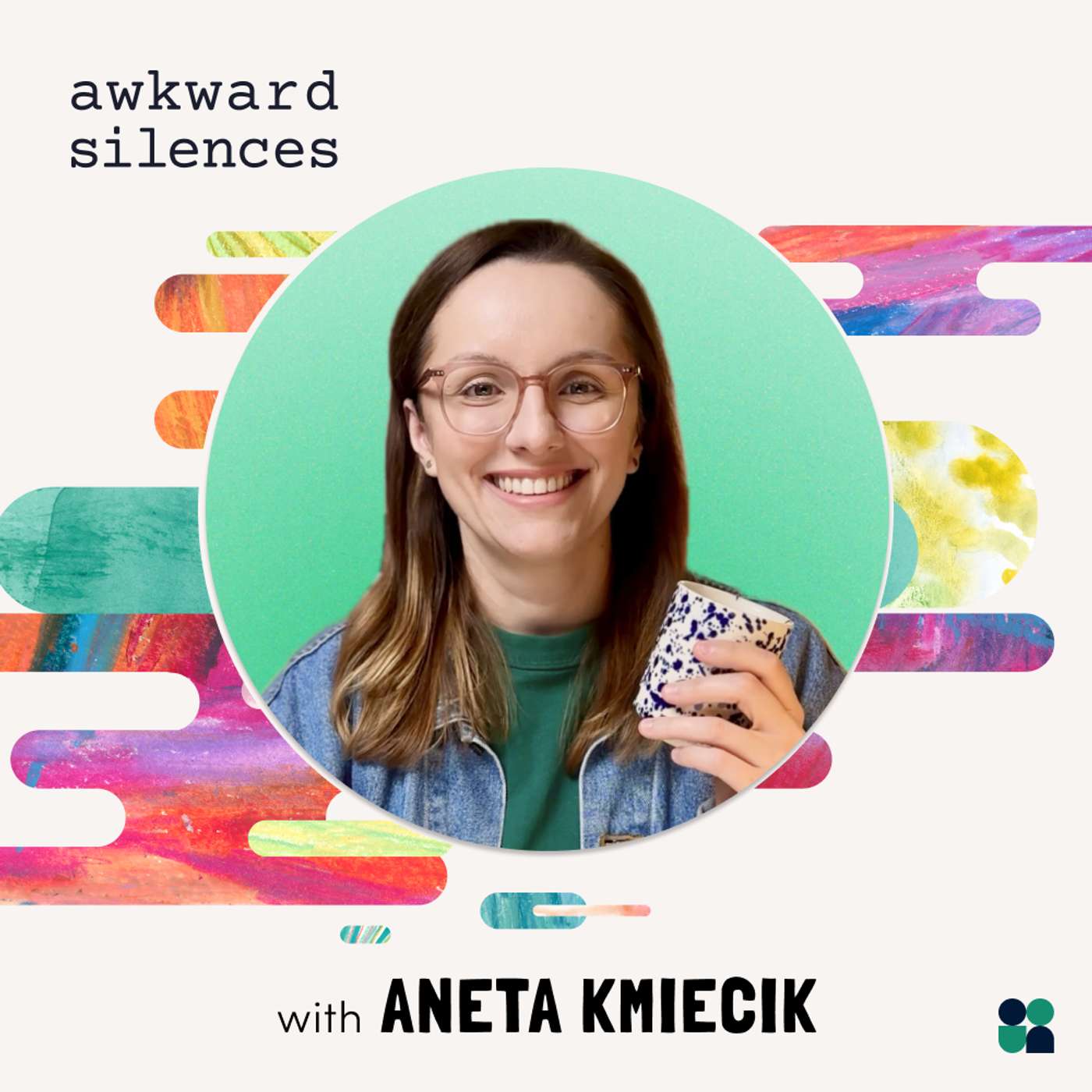
Ep 201#186 - Positioning Your Portfolio for AI Skills with Aneta Kmiecik of Be Your Own Design Team
Erin May sits down with Aneta Kmiecik, founder of Be Your Own Design Team, to tackle one of the biggest questions facing designers today: how to position AI skills in portfolios and resumes. With 15 years in creative industries and a community of 200,000 followers, Aneta brings unique insights into navigating career strategy during this AI transformation.Aneta reveals her Past Present Future framework for career positioning and explains why most companies aren't explicitly requiring AI skills yet, but smart candidates should still showcase them strategically. She discusses the three designer archetypes emerging at AI native companies and shares practical advice on standing out when AI can generate portfolios and case studies for everyone.CHAPTERS00:00 Intro04:06 AI Skills in Job Descriptions Reality Check06:52 Research Strategy for AI Portfolio Positioning14:23 Audience Context Determines AI Skill Positioning17:49 Past Present Future Portfolio Framework27:10 Common Portfolio Mistakes in AI Era35:46 Future of AI Skills in Applications38:39 Favorite Research Interview TechniquesRESOURCESLenny’s Podcast featuring Jenny Wen, Design Lead for Claude - https://www.youtube.com/watch?v=eh8bcBIAAFo 2024 AI in User Research Report - https://www.userinterviews.com/ai-in-ux-research-report CONNECT WITH ANETA KMIECIK:- LinkedIn: Aneta Kmiecik- Instagram: @ux.aneta- Newsletter: Be Your Own Design Team- Portfolio Course: uxportfolio.co
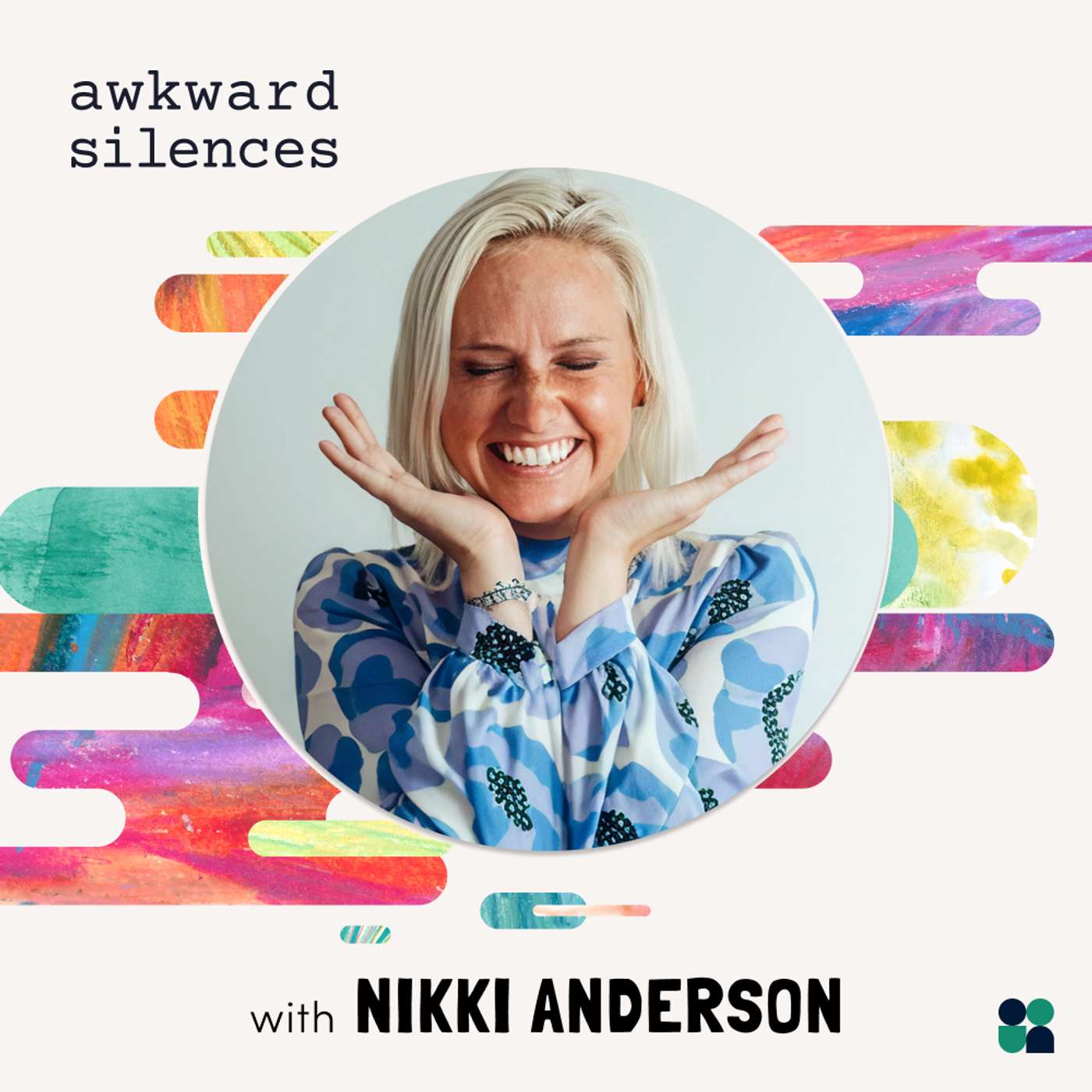
Ep 199#185 - How to Use AI Without Losing Your Research Soul with Nikki Anderson of Drop in Research
Ben Wiedmaier sits down with user research consultant Nikki Anderson to explore how researchers can stay relevant when budgets are tight and stakeholders are stressed. Nikki runs Drop in Research where she helps teams conduct research, facilitate better meetings, and build research practices from the ground up. She shares how companies are increasingly coming to her with validation requests rather than discovery work, driven by pressure to ship fast and hit numbers. The conversation reveals practical strategies for mixed methods research, using facilitation to drive action from insights, and leveraging AI tools without compromising research quality.Nikki explains why she creates forcing functions to slow stakeholders down when they want to rush into AI features without understanding the problem. She advocates for parallel convergent research design where surveys, interviews, and secondary research happen simultaneously to deliver insights faster. The discussion covers why synthesis remains a bridge too far for AI, how to turn research presentations into collaborative workshops, and specific ways researchers can demonstrate value through facilitation skills.Highlights00:00 Intro05:20 Mixed Methods and Data Triangulation10:07 Finding Small Tests When Teams Won't Wait14:46 Stakeholder Stress Driving Validation Requests23:30 Facilitation as Core Research Skill40:03 Using AI for Research Planning45:39 Demonstrating AI Skills to StakeholdersResources- AI for User Research 101 Course- 30+ Tools for every phase of UX Research- AI Context Engineering for Research Course
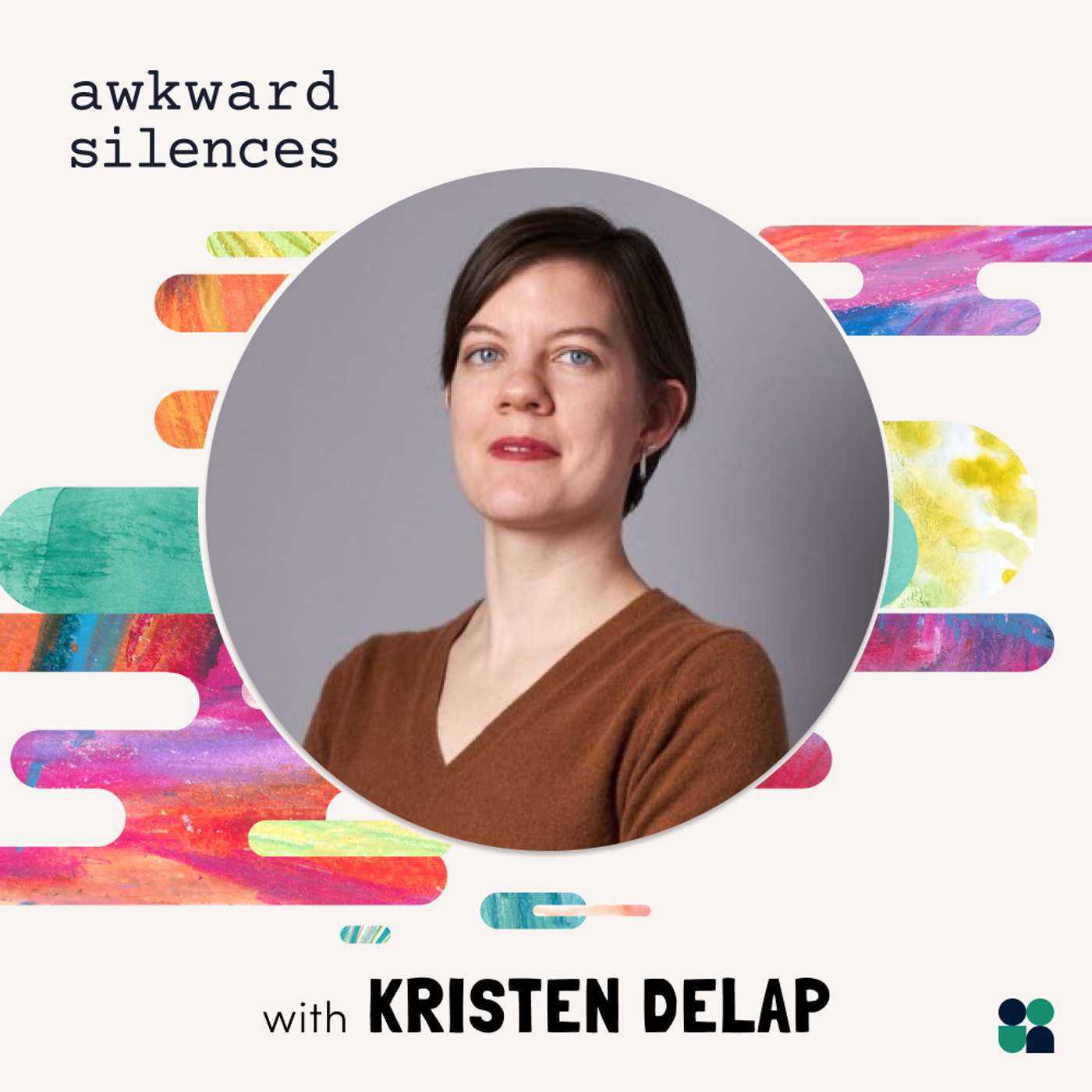
Ep 198#184 - Use Context For More Influence with Kristen DeLap of Econify
Ben talks with Kristen DeLap, fractional COO at Econify, to explore how UX'ers can build influence without formal authority. Kristen brings a unique perspective, having evolved from interior design to leading product teams at Herman Miller and now working as an operations executive. She shares practical strategies for understanding decision-making processes, translating design work into business impact, and creating the conditions where teams do their best work.They also cover essential skills for today's design professionals, including decision literacy, stakeholder translation, and the art of challenging assumptions diplomatically. Kristen emphasizes that while AI can generate design artifacts, it cannot create alignment across teams or orchestrate complex organizational dynamics. She offers concrete tactics like using customer stories to explain roadmaps, minimizing big presentation moments in favor of ongoing stakeholder engagement, and treating colleagues like users to better understand their motivations and constraints.Highlights11:08 Design Skills That Can't Be Replaced by AI15:56 Decision Literacy in Organizations21:42 Surprising Realities of Leadership Meetings24:36 Building Influence Without Organizational Power29:01 Storytelling via Roadmaps Exercise35:47 What Trade Off Are You Most Uncomfortable MakingResourcesA Framework for Decision-Driven ResearchUsing Research Roadshows for InfluenceThe UX Designer's Guide to Research

Ep 197#183 - The Best Ways to Use AI in UX Research with Laura Klein of NN/g
Erin and Ben chat with Laura Klein, Principal Experience Specialist at Nielsen Norman Group, about the practical realities of AI in user research. Laura teaches a class on AI for researchers and brings a refreshingly balanced perspective to cut through the hype. She explains why those "five simple prompts that will change your life" are mostly nonsense and shares where AI actually works well versus where researchers need to proceed with extreme caution.Laura also shares her green, yellow, and red light framework for AI adoption. She champions AI for tasks like transcription and meta-analysis of old research data, while warning against using it for synthesis and insights generation without serious human oversight. The conversation explores how AI can help teams move faster without sacrificing quality, the importance of collaborative analysis sessions, and why junior researchers need extra guidance when using these tools.This episode offers practical guidance for any researcher trying to separate AI reality from the marketing promises flooding their inbox.Highlights07:07 Green light, yellow light, red light framework11:59 Framework for deciding when to use AI21:06 Will AI change the researcher role31:23 Focus on what AI makes possible35:17 Skills for advocating against AI hype42:07 AI makes things that look like insightsResourcesLaura's NN/g AI CourseThe AI in UX Research ReportUsing AI Moderation for Research
Ep 196#182 - The Future of Research (In a Moment of Change)
Ben sits down with Basel Fakhoury, CEO and Co-founder of User Interviews, and Baran Erkel, Chief Strategy Officer at UserTesting, for a conversation about the research industry's evolution. With AI reshaping customer behaviors and business decisions, both executives emphasize how the need for customer insights has never been greater, even as budget pressures mount across organizations.Basek and Baran share frameworks for executive decision making, explore how AI tools are moving beyond simply replacing human moderators toward creating entirely new research methodologies, and stress that as AI transforms products and experiences over the next few years, customer insights will be fundamental to shaping organizational cultures that keep customers at the center.Highlights05:15 How research influences corporate strategy12:25 Building effective decision making cultures19:07 Data formats that drive executive decisions26:28 AI everywhere in research tooling landscape29:30 Consolidating insights across teams and tools36:45 Customer centric approach during acquisition integrationResourcesRead more about the acquisitionThe State of User Research ReportVisual Design for Research Workshop

Ep 195#181 - Why We Need Design Now More Than Ever with Karl Randay of 383
Ben Wiedmaier sits with Karl Randay, Experience Director at 383, to explore how designers can stay relevant in an increasingly automated world. Karl shares insights from working with major brands like Hilton and Jaguar on digital innovation projects that blend strategy, research, and rapid prototyping.They also talk about the "beige-ification" of design, where templated systems and AI tools risk creating homogeneous experiences across brands. Karl explains how his team uses AI as a research copilot while maintaining human craft and creativity. He also breaks down the skills modern designers need beyond visual craft, including business acumen, stakeholder communication, and the ability to translate design impact into executive language.Highlights06:26 Design challenges across multiple touchpoints19:04 Simple questions unlock stakeholder priorities25:31 Multi-skilled designers beyond specialization32:23 Career growth through T-shaped skill development36:53 The beige-ification of modern design42:44 AI as creative exploration partnerResourcesDesigner's Guide to UX ResearchThe 4 Steps to Redesigning SitesConnecting Research & Design Leadership

Ep 194#180 - What to Fix in '26 with Maria Rosala of NN/g & John Whalen of Brilliant Experience
Ben is joined by Maria Rosala from Nielsen Norman Group and John Whalen from Brilliant Experience to wrap up 2025 and make some predictions for 2026. Maria and John share practical insights on everything from AI moderation tools to synthetic users, offering a balanced view of where these technologies excel and where human researchers remain irreplaceable.Maria and John also dig into the democratization of research across product teams, the importance of governance and strategy when implementing AI tools, and how researchers can position themselves as orchestrators of both human and artificial intelligence. Highlights08:22 AI tools creating pressure for faster delivery17:18 Governance and oversight for AI implementation24:55 Composite and synthetic users explained41:56 Hiring advice for new researchers44:27 Demonstrating AI proficiency in job applications49:25 Research industry predictions for 2026ResourcesResearch Wrapped 2025The State of User ResearchUltimate UX Jobs Board
Ep 193#179 - The Future of Research Operations with Kate Towsey LIVE
Erin May sits down with Kate Towsey, founder of Cha Cha Club and author of Research That Scales, for Research Ops Appreciation Week. Kate shares insights from producing an audio documentary series on the future of research ops, including her fascinating experience co-creating content with AI. She reveals how research ops teams are increasingly surviving layoffs while research teams are cut, explaining that ops professionals focus on unblocking systems and delivering measurable business value rather than gatekeeping processes.Kate emphasizes the critical shift happening in research ops from administrative firefighting to strategic systems design. She discusses the importance of discovery over knee-jerk solutions when building research ops from scratch, advocating for focused problem-solving rather than generic panel and library building. The conversation covers the newly released research ops career ladder, the growing need for strategy skills in the field, and how to effectively communicate value to executives by aligning with existing business priorities and measuring concrete outcomes.Highlights03:54 Bringing past skills to research ops17:45 AI context and memory limitations26:37 Future vision for strategic research positioning36:28 Quality governance in AI era44:21 Strategy skills gap in research teams50:27 Translating research value to executivesResourcesStrategy ReferencesKate's MasterclassResearch That Scales (Book)Kate's SubstackThe ResearchOps Review
Ep 192#178 - How to Measure What Matters with Lyndsi Lee of Turnitin
Ben talks with Lyndsi Lee, UX Manager at Turnitin, about moving beyond traditional metrics like NPS and CSAT to measure user experiences more effectively. The conversation centers on outcome-based assessment, a framework that breaks user experiences into atomic outcomes. Rather than asking broad satisfaction questions, this approach focuses on specific user goals like "users can complete repetitive tasks without friction." Lyndsi explains how teams can identify these outcomes through existing research and customer feedback, then prioritize them using methods like card sorting with actual users. The framework helps product teams move away from vague directives and toward specific, measurable improvements that directly impact user success. This episode offers practical guidance for researchers and product teams struggling to demonstrate impact beyond traditional satisfaction scores.Amazon Prime articleHighlights13:49 Complicated Opinion on NPS and CSAT18:51 Outcome Based Assessment Framework27:36 Getting Strategic with Stakeholder Buy-in32:00 Traffic Light System for Stakeholders38:57 Revisiting Outcome Statements Timeline41:40 AI's Role in Quantitative ResearchAbout LyndsiLyndsi is a Senior Manager of UX Research at Turnitin, where she leads efforts to make the student and educator experience more meaningful, measurable, and user-centered. She started her career in public education as a school counselor and School Psychological Examiner, working alongside educators to support students’ learning needs. Eventually, she found her way into UX research, where she combined her love of psychology, education, and technology. Lyndsi is passionate about helping teams stay focused on what truly matters to users, and firmly believes that good research is part art, part science, and part really well-organized sticky notes.ResourcesDefining UX Success MetricsUX ROI CalculatorGetting Started with Analytics
Ep 191#177 - From Informing to Influencing with Shalin Pei & Natalie Golub of Coinbase
Ben is joined by Shalin Pei, Head of Design and Research and Natalie Golub, Head of UXR , both from Coinbase's Base product. Base is part of the crypto space, functioning as a network that offers secure and low cost ways to build decentralized apps, essentially helping create what they call the new internet.The conversation reveals how their small but mighty teams operate in one of the fastest moving industries. Shalin and Natalie share how they've weaved internal stakeholders with customers, played with their structure to maximize visibility and effectiveness, and enabled partners to get more involved. It's a practical conversation on the value of experimentation, cooperation, and building influence.Highlights14:00 Overcoming Impostor Syndrome in New Industries25:37 Embedded Research in Live Design Sprints32:33 The Power of Cross-Functional Collaboration36:21 Documentation Challenges in Fast-Moving Industries40:39 Partner-Led Research Methodology43:33 Future of AI in Design and ResearchResourcesThe Designer's Guide to ResearchAligning Research for More ROIEffective Product <> Research Collaboration

Ep 190#176 - Building a Research Program from the Ground Up ft. Microsoft Azure Data
Erin is joined by Samira Jain, Serena Hillman, and Jackie Ianni from Microsoft Azure Data to discuss how they built the Swift Research Lab over the past two years. The team shares their systematic five-step approach for creating research programs that result in stakeholder satisfaction while delivering insights every 1.5 weeks.The Azure Data team also break down their method for fostering relationships, building infrastructure and templates, measuring success, and continuously iterating. The discussion reveals how clear branding, stakeholder collaboration, and systematic infrastructure helped them action on high priority research requests while spotting cross cutting insights across Microsoft's product ecosystem.About Our GuestsDr. Serena Hillman is a Principal UX Research Manager in Azure Data at Microsoft. Her work focuses on Human-Data and Human-AI-Data Interaction, leading a team that explores how people engage with data and intelligent systems. She has studied user behavior across domains like video games, e-commerce, edTech, and enterprise cloud tools, and has published 40+ peer-reviewed papers presented at leading conferences and organizations including CHI, CSCW, Grace Hopper, Yahoo!, and Google.Samira Jain is a Senior UX Researcher on the Azure Data UX Team, where she has been for over five years. She leads SWIFT, a cross-team research program, which encompasses several key initiatives. With a foundation in product design, she brings dual fluency to her research practice—understanding why things matter from a user perspective and how they can be shaped from a design perspective. With extensive experience in both non-profit and enterprise research, Samira is dedicated to enhancing experiences for data professionals.Jackie Ianni is a UX Researcher on the Azure Data team at Microsoft, specializing in rapid evaluative and programmatic research. Before joining Microsoft, she worked as a researcher at both an agency and in-house, conducting global financial services research. Jackie is passionate about advancing UX research practice, exploring AI tools, and sparking conversations about the evolving role of research.Highlights05:47 Five Step Program Development Method09:02 Building Stakeholder Relationships15:39 Continuously Improving Research Programs18:37 Cross Product Insights and Breaking Silos23:24 Collaborative Team Success Formula33:58 AI Tools in Heuristic ReviewsResourcesBuilding a UX Research Team from ScratchCreate Long Term Impact with Strong RelationshipsThe Ultimate Guide to UX Research Strategy

Ep 189#175 - The Scourge of Wasted Research with Jake Burghardt of Integrating Research
Ben sits down with Jake Burghardt from Integrating Research to discuss his new book Stop Wasting Research and how organizations can maximize the product impact of their customer insights. Jake breaks down the critical problem of research waste, where valuable insights from studies get left behind instead of informing future decisions and planning cycles.Jake introduces his framework of three root causes driving research waste: preparation, motivation, and integration. He emphasizes practical solutions like creating insight summaries with stakeholders, building cross-silo research communities, and establishing recurring touchpoints beyond traditional study deliverables. The conversation covers actionable strategies for researchers at all levels, from individual contributors looking to extend their impact to research leaders building organizational initiatives that elevate research as a collective stakeholder voice.Highlights08:15 Defining research waste and value14:48 Identifying research waste in organizations21:36 Breaking down research silos30:21 Creating insight summary statements37:38 Integration and recurring stakeholder touchpoints42:52 Building research initiatives not individual effortsResourcesConducting Better Stakeholder InterviewsThe 2025 State of Research Strategy ReportThe Research ROI & Impact Calculator

Ep 188# 174 - Qualitative Research's Enduring Impact with Nancy Baum of C+R Research LIVE
The popularity of AI moderation tools, increased attention on "big" data sets (and streams), and the ongoing uncertainty in the research job market have (understandably) led some to wonder about the future of qualitative research. Our guest today, however, is bullish, and explains why.Nancy Baum leads the qualitative research practice at C+R Research. She has nearly 20 years' experience in the field, exposing her to many ebbs and flows. Nancy believes that qualitative practitioners are vital to sifting through the mounds of data, information, and competing interests flooding many companies' attention. Focusing on and uncovering the "Why?" and "How?" still matters today.Listen to learn ways to advocate for qual research, what Nancy thinks of AI-moderation, and how she's developing new researchers.Highlights09:19 How stakeholders misunderstand qualitative research22:46 AI moderation complements quantitative surveys32:32 Customizing deliverables for stakeholder impact41:09 Flexibility navigates unpredictable human conversations47:49 Deep listening trumps active listening50:26 Early stakeholder conversations secure research valueResourcesTry our qualitative sample size calculatorThe best qualitative research tools in 2025Qual vs. quant vs. mixed method approaches

Ep 187Research Ops 2.0, Episode 5: The People of ResearchOps
In just ten years, ResearchOps has transformed from an obscure Silicon Valley speciality into a vibrant global profession. Despite economic headwinds, ResearchOps roles are emerging across industries far beyond tech, and the field is evolving at breathtaking speed. But where have we come from, and where are we going?In this five-part audio documentary, we’re exploring the past, present, and future of ResearchOps—and it’s exciting, fascinating, and, at times, pretty mindblowing stuff! Each episode features the voices of Cha Cha Club members, senior research leaders, and the smart minds behind User Interviews.In this fifth and final—”awwww”, we hear you say—episode of ResearchOps 2.0, we’re turning the spotlight on the people of ResearchOps: the curious minds, problem-solvers, and system-builders who’ve made this profession what it is today. We’ll explore who they are, where they’ve come from, and what drives them to transform how organisations learn from their users.If you’re a ResearchOps professional, this episode will make you feel seen and heard. If you’re a leader looking to hire a ResearchOps role, this episode will help you think differently about who might hire. And if you’re looking to transition into a ResearchOps career, this episode will give you a great sense of the skills you need and the incredible profession you’ll become a part of.
Ep 185Research Ops 2.0, Episode 4: Building Enduring Systems Amidst Constant Change
In just ten years, ResearchOps has transformed from an obscure Silicon Valley speciality into a vibrant global profession. Despite economic headwinds, ResearchOps roles are emerging across industries far beyond tech, and the field is evolving at breathtaking speed. But where have we come from, and where are we going?In this five-part audio documentary, we’re exploring the past, present, and future of ResearchOps—and it’s exciting, fascinating, and, at times, pretty mindblowing stuff! Each episode features the voices of Cha Cha Club members, senior research leaders, and the smart minds behind User Interviews.In this fourth and penultimate episode of ResearchOps 2.0, we’re exploring a timely topic: how to build enduring research systems even when change seems to be the order of the day—every day. You’ll hear top tips from experts who’ve managed to ride the winds of change to deliver successful, responsive research operations.
Ep 176Research Ops 2.0, Episode 3: Taking a Platform Approach to ResearchOps
In just ten years, ResearchOps has transformed from an obscure Silicon Valley speciality into a vibrant global profession. Despite economic headwinds, ResearchOps roles are emerging across industries far beyond tech, and the field is evolving at breathtaking speed. But where have we come from, and where are we going?In this five-part audio documentary, we’re exploring the past, present, and future of ResearchOps—and it’s exciting, fascinating, and, at times, pretty mindblowing stuff! Each episode features the voices of Cha Cha Club members, senior research leaders, and the smart minds behind User Interviews—the only solution you need to recruit high-quality participants for any kind of research.In this third episode, we’re diving deep into what taking a platform approach to ResearchOps means and why research platforms are a pivotal part of the future of ResearchOps.To scale up; tune in.

Ep 175#173 - Prototyping AI in Live Research with Bold Insight & Panasonic Well
Erin May sits down with Larry Becker and Gavin Lew of Bold Insight to explore how researchers can prototype AI experiences that don't exist yet. They're joined by Katie Johnson, Global Head of Research for Panasonic Well. All share their methods for testing everything from voice interfaces for blind users to family wellness bots using low fidelity simulation techniques.⭐️ Larry, Katie, and Gavin are presenting their work at EPIC 2025 in Helsinki ⭐️The conversation reveals how AI research requires new approaches beyond traditional usability testing. Katie explains her work simulating family interactions with AI assistants, where researchers act as human filters for LLM responses to study relationship building over time. The team demonstrates how even small changes in AI personality can be detected by users, highlighting the sensitivity of human-AI relationships.Gavin emphasizes the critical importance of getting AI right from the first interaction, unlike traditional MVP approaches. When AI fails to understand or respond appropriately, users often abandon it permanently, making prototype research essential for building trust before launch. The discussion provides practical frameworks for researchers working with emerging AI technologies and the evolving methods needed to understand human-AI interactions.Highlights[06:25] Prototyping AI experiences mindset[20:53] Human simulation in AI prototyping[31:15] Human vs bot detection challenges[38:52] Context interaction and trust framework[49:33] Team collaboration in groundbreaking research[51:27] Trust themes in AI developmentResourcesThe State of User Research 2025AI For User Research 101 Course20+ AI Tools for User Researchers
Ep 174Research Ops 2.0, Episode 2: Leveraging AI for Research Superstardom
In just 10 years, ResearchOps has transformed from an obscure Silicon Valley speciality into a vibrant global profession. Despite economic headwinds, ResearchOps roles are emerging across industries far beyond tech, and the field is evolving at breathtaking speed. But where has it come from, and where is it going?In this five-part audio documentary series, Kate Towsey of Cha Cha Club explores the past, present, and, most important of all, the future of ResearchOps. Each episode features the voices of Cha Cha Club members, senior research leaders, and the smart minds behind User Interviews. In this episode, we’ll explore how ResearchOps professionals are approaching AI today and what the future holds. Expect several unique case studies, as well as mind-blowing, not-so-futurist concepts. (Hint: Never mind AI research moderators. What about AI as genuine research participants?)CreditsProduction, narration, and audio engineering by Kate Towsey. Co-produced with Cha Cha Club manager, Glenn Familton, and ResearchOps experts, Jenna Lombardo and Renato Venter. Aria, the robotic voice, was generated by Soundly. Music and (most) sound effects featured in this episode were sourced from Epidemic Sound. Explore music and sounds via this playlist.
Ep 173Special Release! Research Ops 2.0, Episode 1: The Evolution of ResearchOps
In just 10 years, ResearchOps has transformed from an obscure Silicon Valley speciality into a vibrant global profession. Despite economic headwinds, ResearchOps roles are emerging across industries far beyond tech, and the field is evolving at breathtaking speed. But where has it come from, and where is it going?In this five-part audio documentary series, Kate Towsey of Cha Cha Club explores the past, present, and, most important of all, the future of ResearchOps. Each episode features the voices of Cha Cha Club members, senior research leaders, and the smart minds behind User Interviews. This episode features insights from User Interviews Co-Founders Basel Fakhoury and Dennis Meng, as well as CMO Erin May.CreditsProduction, narration, and audio engineering by Kate Towsey. Co-produced with Cha Cha Club manager, Glenn Familton, and ResearchOps experts, Jenna Lombardo and Renato Venter. Aria, the robotic voice, was generated by Soundly. Music and (most) sound effects featured in this episode were sourced from Epidemic Sound. Explore music and sounds via this playlist.
Ep 172#172 - Summer Throwback: Caitria O'Neill on the Problems of Research Reports
Welcome to our final Summer Throwback. We're revisiting some of our favorite conversations and insights.We're closing with a topic that technology like AI—and shrinking attention space—is affecting: reporting results. Our guest, Caitria O'Neill, had a sense that stakeholders weren't really engaging with her results (or their implications) as she'd like them to. During her time on teams at Meta, AirBnB, and Google, she'd iterated and evolved how she packaged, presented, and stored research readouts.It's a great listen for anyone who has felt a nagging suspicion that partners just aren't connecting with research.Resources on ReportingRethinking our Approach to Research ReportsA Framework for Simple, Repeatable Reporting30+ Free Report Templates and Examples
Ep 171#171 - Summer Throwback: Kate Towsey on Starting a ReOps Practice
Welcome to Summer Throwbacks, where we revisit some of our favorite episodes. This week's guest is Kate Towsey, who helped spotlight the relevance, urgency, and importance of Research Operations (ReOps) to business. This conversation is from her time leading ReOps at Atlassian. She breaks down the rationale for ReOps and the steps folks can take to start a practice of their own.These days, Kate's investing in Cha Cha Club, a space for ResearchOps pros to connect and learn. Stay tuned for an exclusive podcast series with Kate and Cha Cha Club...coming soon.More ReOps ResourcesWhat is Research Operations and Why Does it MatterThe State of Research For Non-ResearchersBuilding an Accessibility Research Panel
Ep 170#170 - Summer Throwback: Andrea Amorós on Influencing Stakeholders with Strategic Research
Welcome to Summer Throwbacks, where we revisit some of Awkward Silences' most memorable episodes.This week, Andrea Amoros, a Senior Principal Researcher at Ingram Micro talks strategic research (which is different from a research strategy). Andrea shares her definition of strategic research, its value for a company, and showcasing that value for stakeholders and partners.Strategic Research ResourcesWhat is a UX Research Strategy?Creating ROI from User ResearchStrategic vs Tactical Research Projects
Ep 169#169 - Summer Throwback: Eniola Abioye on Breaking into User Research
Welcome to Summer Throwbacks, were we revisit some of Awkward Silences' most memorable episodes.This week, Eniola Abioye, UX Researcher at Meta, discusses what it takes to break into the user research industry. Her advice on creating application materials, searching for roles, and preparing for the interview process offer evergreen insight for any job seeker.UX Career ResourcesFree on-demand course with Eniola: User Research 101The Ultimate UX Research Job BoardGetting started with freelance UX research

Ep 168#168 - Summer Throwback: Amy Chess on Asking Better Questions
Welcome to Summer Throwbacks, where we revisit some of Awkward Silences' most memorable episodes.This week features Amy Chess (then at Amazon) unpacking arguably the most important research skill: asking questions. She shares what makes a "good" question, how questions should connect to insights and impact, and how you can improve your question-creation ability.Research Question ResourcesA Guide to User Research Questions70+ User Testing Question ExamplesWriting Better User Interview Questions
Ep 167#167 - Summer Throwback: Teresa Torres on Continuous Discovery Methods
Welcome to Summer Throwbacks, where we revisit some of Awkward Silences' most memorable episodes.This week brings back an evergreen conversation with Product Talk's Teresa Torres on continuous discovery methods. Since this episode first aired, more companies have brought non-researchers (such as Product Managers, Designers, and Developers) into the process. Continuous Discovery is a practical, repeatable, and accessible way to expose your team to the value of user insights and design research more broadly.Continuous Discovery ResourcesA Launch Kit for Using Continuous InterviewsA Practical Application of Continuous MethodsA Framework for Using Continuous Discovery

Ep 166#166 - Summer Throwback: Erika Hall on Why Surveys (Almost Always) Suck
Welcome to Summer Throwbacks, where we revisit some of Awkward Silences' most memorable episodes.This week features a conversation with Erika Hall on the misuses of surveys. They're overused, often shoddily designed, and can get in the way of a better approach for the question (which might include not doing research at all). This topic has only grown in importance as development and decision cycles shorten, putting pressure on researchers to get insights to stakeholders faster. Erika also recently updated her landmark book, Just Enough Research, to take into account these and other changes in the UX landscape.Research Survey ResourcesA Complete Guide to Survey ResearchCreating Surveys to Identify User ProblemsUse This Checklist for Better Survey Design
Ep 165#165 - High Impact Research on Embedded Teams with Hannah Ghidey of Etsy
Embedded research teams—where UXRs are dedicated to a single product area—are popular. The proximity to design, product, and engineering stakeholders increases subject-matter expertise and user insight integration. But how can those working in this structure balance deep diving product-specific work with longer-term strategic opportunities?Hannah Ghidey, Senior Research Manager at Etsy has successfully navigated this balance, finding big, strategy-setting questions while maintaining product-specific influence and know-how. It’s a great conversation for anyone working as a UXR on a product team or searching for a scaleable way to build a responsive team that’s also strategically-oriented.Highlights03:09 Strategic Research in Business Innovation07:30 Effective Collaborative Research Planning11:03 Harnessing Team Insights for Innovation15:01 Building Trust in Research Collaboration20:15 Sustaining Research Relevance29:53 Integrating Research into Business StrategyAbout HannahHannah Ghidey is a UX leader, currently at Etsy. She is a creative, strategist, and researcher, helping teams shape experiences at the intersection of user needs, business goals, and data.ResourcesUltimate Guide to Research StrategyResearch x Product Collaboration ReportBuild a UX Research Team From Scratch
Ep 164#164 - UX Lessons from a Decade Researching AI with Jess Holbrook of Microsoft
Much of the conversation around AI in UX involves how it will shape and change researchers' work. Today's guest, Jess Holbrook, who leads UX research for Microsoft AI, has been thinking a lot about how this technology can be improved with design and UX best practices. Jess has spent over a decade working on the UX of AI at companies like Meta and Google. He's also helped develop foundational principles for the ethical use of LLMs.Jess joins Erin and Ben to reframe the AI conversation, focusing on how UXRs can and should adapt, what working on these systems has taught him about the UX discipline, and his philosophy for building teams that are ready to take on the innovative challenges of tomorrow.Jess's recommendations: Matt Webb, Maggie Appleton, and the Pessimists Archive Newsletter. Highlights07:15 Human-Centered AI Evolution17:53 Evolving AI Forecast Strategies24:04 Diverse AI Team Building33:27 Navigating Responsible AI Challenges37:01 Qualitative Analysis with AI Tools40:15 Optimism and Concerns About AIAbout JessSenior Director of Research specializing in human-centered AI. Early stage investor in AI, AI hardware ecosystems, climate, and anything that seems like the world would be better with it in it. Currently leading UX research for Microsoft AI. Previously led the Generative AI team and supported all UX functions for the Responsible AI and data transparency teams at Meta. I also served on the Board of Forging Youth Resilience, a nonprofit that empowers young people to build physical and mental strength for life by providing access to a national network of community-based fitness programs and mentorship. ResourcesThe AI in UX Research Report20+ Tools for Every Research PhaseUsing AI in UX: A Day-in-the-Life
Ep 163#163 - Creating Mindful Product Experiences with Jay Vidyarthi of Still Ape
In this episode, Erin and Ben chat with Jay Vidyarthi, designer, author, and founder at Still Ape. Jay is a leading thinker around designing mindful product experiences. He's also published a new book, RECLAIM YOUR MIND, which examines the balance of technology use and mindfulness in our everyday lives.Jay shares his journey to working in the mindful technology space, how we can shift our frame from "user" to "life" experience design, and the benefits companies see when their products consider the whole person on the "other end." Jay also shares strategies for maintaining mindfulness during our own technology use, and ways we can carry these practices into research and design practices.Highlights03:55 Design for Mindful Well-Being08:13 Mindful Design: Impact Over Intentions14:54 Broadening Design's Impact on Life25:20 Holistic Recruitment Strategies34:10 Enhancing Connection Through Mindful Presence42:48 Understanding Technology's Emotional PullAbout JayJay Vidyarthi is the author of RECLAIM YOUR MIND and an accomplished designer, entrepreneur, and thought leader at the unique intersection of mindfulness and technology. As the founder of Still Ape, he’s been involved in over fifty technologies that have helped millions of people improve their well-being, including Muse, the Healthy Minds Program, Sonic Cradle, and many more. His work and ideas have been featured by Harvard, MIT, TED, Forbes, CNN, Fast Company, and Vice.ResourcesThe Self Care Playbook for UX ResearchersCultivating Empathy for Your ColleaguesWellness and UX: Going Beyond the User Experience

Ep 162#162 - Empowering PwDR Using Research Education with Daniel Gottlieb of Microsoft
Many research activities are completed by non-researchers, but whose work is benefited from user insights. Generally, these folks—designers, PMs, developers, among others—are called "PwDR" or "people who do research." In addition to their own work, many UX researchers and operations specialists are focusing on educating and empowering this group. When stakeholders and colleagues are better informed on the hows and whys of user research, more of it gets done, more insights are integrated, and customer experiences improve.Daniel Gottlieb, Head of Research Operation for Microsoft's Developer Division, has spent a lot of time designing research education programs. He joins to discuss his success creating workshops that empower and inspire non-researchers to get involved. He shares the parts of a good workshop, ways to keep attendees engaged, and how he measures success.This is a revealing conversation for anyone who has wondered what successfully "democratizing" user research could look like. Daniel brings pragmatism and positivity to research education. You'll leave with a better sense of how to begin educating your own stakeholders on the power of user research, and maybe even get a democratization practice up and running.Highlights 12:12 - Empowering UX Researchers Multiplies Impact 17:21 - Collaborative Research and Customer Insights 22:08 - Guided Customer Research Workshops 27:22 - Building Excitement Through Coaching 36:38 - Benefits of Diverse Group Dynamics 38:25 - Empowering Developer-Led Research Showcase About DanielDaniel Gottlieb is the Head of Research Operations for Microsoft’s Developer Division User Research Group. He received his PhD in Animal Behavior from the University of California, Davis, where he focused on animal welfare (quality of life) and primate (monkey) behavior. Daniel moved from researching monkey behavior, to managing research logistics at a National Primate Research Center, to managing UX Research Operations in Microsoft’s Developer Division. He is passionate about making research easy and accessible, teaching, and finding ways for disparate groups to work together to support a unified research mission.ResourcesPwDR questions answered live by UXpert Nikki AndersonDiscovery research exploring "people who do research"The "State of Research for Non-Researchers" Report

Ep 161#161 - Learn More Faster About Customers with Michael Margolis of GV
This episode is all about learning from customers...early and often. Our guest, Michael Margolis, UX Research Partner at GV (formerly Google Ventures), has made a career of helping teams do this successfully. He joins to share his Bullseye Customer Method, which is the result of his experience (it's also the subject of his latest book, "Learn More Faster," which is available for free).Michael breaks down the Bullseye Customer Method, including best practices for recruitment, question design, and analysis. He's found that research is more successful when it's a team effort, and shares ways to promote cross-team collaboration throughout the Bullseye process, like using watch parties for share-outs. Michael also weighs in (using his 30+ years in the industry) on topics like the current UX job market, the impact of AI on researchers, and the power democratization for resource-limited teams.It's a must-listen for anyone working on early-stage products or struggling with visibility and buy-in from stakeholders.Highlights06:33 Defining Core Value Proposition16:29 Founders' Key Concerns Analysis21:58 Clarifying Customer Understanding26:38 Effective Open-Ended Survey Questions31:46 Leveraging Associations for Networking43:01 Benefits of Team Watch PartiesAbout MichaelMichael joined GV in 2010 as the venture industry’s first UX research partner. As a UX researcher with over 30 years of experience, Michael has boosted conversion, tested new concepts, streamlined workflows, and defined bullseye customers for hundreds of companies. He helped develop the design sprint method made famous by the seminal book, Sprint. He has also written about his research work for startups at medium.com/@mmargolis. ResourcesChoose the right method with this selection toolMaking research essential to company successThe steps to asking better UX research questions
Ep 160#160 - Where Design Thinking Went Wrong with Brett Krajewski of Accelerant Research
In 2022, the UX community experienced a series of convulsions: layoffs, reorgs, and reduced budgets. A common thread throughout was accountability: user researchers faced frequent questions about their direct impact on and importance for the business. "Doing" UX research and "being" a design thinker was no longer enough.Today's guest believes these questions present opportunities for UX researchers. Brett Krajewski, VP Research and Growth at Accelerant Research, joins Erin and Carol to share strategies for researchers to stay sharp, stay relevant, and stay valuable. These include balancing business goals with user needs, being more experimental with methods, reframing how we use time for research, and more.Highlights06:30 Justifying UX ROI Amid Economic Challenges12:02 Integrating Insights for Improved UX18:50 Balancing User Needs and Business Goals21:07 Scalable Research in Fortune 500 Companies29:47 Innovative Strategies in Research Planning38:30 Storytelling's Role in Research ImpactAbout BrettBrett Krajewski is the Vice President of Research & Growth at Accelerant Research, where he leads the research and client solutions teams, delivering innovative insights to empower businesses and many fortune 500 companies. With a career spanning both in-house industry roles and consulting/agency leadership, Brett has built and led high-performing, multi-method research teams for Fortune 50 companies. His past roles include Head of Design Research: Customer at Walmart and Lead of Product Research at Lowe’s, where he drove customer-focused innovation and strategy.ResourcesComplete Guide to UX Research MethodologiesOn-Demand Business 101 for Researchers CoursePanel Discussion on the Future of UX Research
Ep 159#159 - Building Cross-Functional Research Impact with Judy Xu of Salesforce
Creating strong stakeholder relationships is important for UX researchers at any company. Doing this at "enterprise" companies—large organizations with many products and an international footprint—can feel daunting. Our guest, Judy Xu, has successfully navigated the scale of enterprises like Hubspot, Meta, and Salesforce, where they work as a Senior Researcher. They join Erin to take us inside the enterprise, unpacking how research "happens" and what this has taught them about building cross-functional relationships. Specifically, Judy shares the value of using environmental inputs (like whether it's B2B or B2C) to map stakeholder structures, identify (and start using) meaningful metrics, and choose the right method for the moment. Together, these strategies have helped Judy create lasting UX impact, building influence and trust with key stakeholders. Listen to learn how you can start creating more impact inside your organization, whether it's an enterprise or a startup.Highlights06:16 Learning and Research Challenges in Large Organizations 10:56 B2C vs B2B: User Metrics vs Revenue Focus 15:43 Adapting Research Insight Presentation to Stakeholder Needs 17:43 Collaboration with Key Stakeholders and Functional Diversity 22:39 Understanding Matrix Structures: Cross-Functional Roles & Incentives 26:55 Embrace Details: Mastering Business Processes EfficientlyAbout JudyJudy is a Senior Researcher at Salesforce, where she uses I use qualitative (e.g., interviews, codesign) and quantitative (e.g., text analysis, surveys) approaches to tackle strategic, exploratory, and evaluative research questions. She has worked at Meta, Hubspot, and Simplisafe, and has a Ph.D. in Psychology from Columbia University.ResourcesLearn the fundamentals of business with this free courseUse these five steps to calculate the ROI of UX researchThese skills build credibility and influence for more impact

Ep 158#158 - Leading Design as a Researcher with Emily Wurgler of McDonald's
Erin and Carol are joined by Emily Wurgler, Global Director of Experience Design at McDonald's, whose journey has had many moments of evolution and iteration. She started as an academic researcher in sociology, transitioned to innovation research at growth stage companies, and ultimately to her leading enterprise research and design teams.Emily talks about the unique value researchers bring to design leadership, how she's had to adapt her approach, and explains how product experiences are iterated and improved at large companies with a strong design-research partnership. Emily also shares how she's preparing her team of designers for the future of UX work and the characteristics she looks for in a new hire.Highlights07:30 Essential User Understanding for Product Success13:50 Identifying Users for McDonald's Enterprise Products24:38 Developing Innovative Product Solutions for Shift Leadership30:46 Balancing Innovation with Existing Workflow Challenges34:56 Cultivating Patience and Persistence for Organizational Change39:05 Ranking Four Attributes: A Favorite Interview QuestionAbout EmilyEmily Wurgler is the Global Director, Experience Design at McDonald's. She has over a decade of research experience at places like PeaPod Labs, dscout, and Over the Shoulder. She has a Ph.D. in Sociology from the University of Indiana.ResourcesUX Designer's Guide to ResearchWorking in Design Research ConsultingDesign Thinking for Better Partnerships
Ep 157#157 - The Future of Design Collaboration with Andrew Hogan of Figma
Few companies are most closely associated with UX design right now than Figma, which not only helps designers get their work done, but serves as a bridge for others to get more involved in the process. Erin and Carol are joined by Andrew Hogan, Figma's Head of Insights, to explore the nature of collaboration today and how the structure of that collaboration can impact our ability to effect UX change.Andrew shares some of his team's own research on design collaboration, from how it's changed, what still needs improving, and how UX professionals can collaborate better. This includes the growing and evolving impact of AI. He also talks about what he learned during his recent parental leave—including the pervasiveness of screens—and how he's applying that learning to his own team.Highlights11:13 Design's Role in Software and Team Collaboration18:01 Diverse Methods for Sharing Research Insights20:46 Uncertain Future of AI: Expectations Reset24:34 AI's Impact on Productivity and Team Collaboration29:49 Overcoming Challenges: Standing Out in Content Saturation33:05 Perceptions of Change: Exploring Role SpikinessAbout AndrewAndrew Hogan conducts research on the design industry and design practices to figure out what’s happening. He love anecdotes, anecdata and data. He also likes to write and speak about what he finds, sometimes in the form of jokes and is occasionally quoted by places like Fast Company, WSJ, Forbes, CNN, Business Insider, AdAge, CIO.com and Tech Republic. In the past he authored/co-authored 50+ Forrester reports about design, UX, CX and the design industry, and created CX certification training modules on journey mapping and data/AI + design.ResourcesA Designer's Guide to UX ResearchProduct x Research Collaboration ReportThe 2024 AI in UX Research Report
Ep 156#156 - Change Management with Graham Gardner of U.S. Bank
Change is an important and inevitable part of developing as a user experience professional. But what does change look like when it happens at the organizational level? That is the focus of this episode, featuring Graham Gardner, VP of UX Design Research Operations at U.S. Bank. He joins Erin and Carol to talk about change management, which is the practice and process of evolving and adapting a company's approach to something.Graham takes us inside his strategy for this, including how team structures can affect change (and their impact on research tooling). He also unpacks just how important Research Operations (ReOps) is to planning, executing, and managing change at an organizational level. Finally, Graham looks ahead to the impacts of AI and how he believes it might help teams like CX, analytics, and marketing work together better.If you've ever wondered about how companies grow and develop, and how these developments can impact user insights, check it out. Highlights08:16 Enhancing Collaboration through Transparent Tool Mapping14:37 Harmonizing AI and Human Roles for Success20:44 From Projects to Service Design: A Strategic Shift23:46 Research Insights: Steering Through Complexity for Success28:40 Integrating Research into Client Relationship Strategies31:37 Insights from Backgrounds: Decoding Environmental CuesAbout GrahamGraham Gardner, VP of UX Design Research Operations at U.S. Bank, is a researcher, designer, strategist, and maker. He brings a human-centered design lens to research ops (thanks to a long stint at IDEO and a background in inclusive education research). He works to collaboratively and iteratively understand and design research and design ecosystems that grow and evolve with the changing contexts of our beautifully messy world and the people that live in it. Conversations with Graham usually involve dad jokes, dog cameos, and snack breaks.More ResourcesGuide to UX Research StrategyAI in UX Research ReportThe Importance of Research Operations
Ep 155#155 - Exploratory Design Research with Will Notini of IDEO
The consulting firm IDEO helped pioneer "design thinking" as a way to create products that better solve customer wants and needs, creating fans. Over 30 years later, the interplay between design and research has never been more important.Will Notini joins to dig into that interplay—how research is at the heart of design and vice versa. In particular, he thinks the best companies are using design research principles to explore new opportunities, both what they create and how those experiences function.Will also shares a framework for researching "fast and slow," the importance of participant recruitment, and how building trust with colleagues creates more impactful, lasting user insights.Highlights04:11 Uncovering Unbiased Insights Through Exploratory Design12:20 Finding Participants Who Truly Care and Invest19:43 Building Trust for Collaborative Design Discussions24:54 Interdisciplinary Collaboration and Expertise-Sharing at IDEO30:37 Simulated Research: Addressing Urgency and Resource Challenges34:10 Iterative Learning: Updating Assumptions and ApproachesAbout WillWill Notini is a Senior Design Research Lead at IDEO, where he is a generalist —drawing on his training in social science research to execute design and innovation work for clients in a range of industries. In his role, he manages multi-disciplinary teams and leads the research.His background is in anthropology and did mixed methods market research in the restaurant industry before transitioning to design research and has been at IDEO since. He has also recently picked up an MBA and a potentially unhealthy (unrelated) obsession with tennis.ResourcesThe Designer's Guide to User ResearchHow to Recruit Participants for ResearchStorytelling Basics for UX Researchers
Ep 154#154 - Building the UX Team of Tomorrow with Brad Orego of Webflow
The craft of UX research is at an all-time high. How research leaders structure, staff, and scale their teams is more important than ever. Erin and Carol are joined by Brad Orego, Head of Research at Webflow, to talk all about the ways we can build better research teams.Brad shares their three-step process for creating a research practice that's ready to deliver for the business, including the questions you must ask stakeholders. Using examples from Webflow, Brad also talks about tactical considerations such as managing cross-team research requests, the importance of Operations, and how they think AI will help with democratization.This is must-listen for anyone building a research team, looking for ways to expand their influence or impact, and even early career folks who want a look inside an innovate team. Highlights03:14 Building Relationships and Networks for Long-Term Success16:18 Monitoring Customer Trends for Strategic Insights22:26 Optimizing Best Practices and Research Insights Activation29:37 Enhancing Efficiency and Reducing Risk Through Automation36:22 Four Key Questions to Guide Your Research40:41 Strategic Evolution and Research Maturity at WebflowAbout BradBrad (they/them) is a UX Leader, User Researcher, Coach, and Dancer who's been helping companies from early-stage startup to Fortune 500 develop engaging, fulfilling experiences and build top-tier Research & Design practices since 2009. They have helped launch dozens of products, touched hundreds of millions of users, managed budgets ranging from $0 to $10M+, and coached hundreds of Researchers.ResourcesBuilding a UX Research Team From ScratchCreate Lasting UX Impact With StakeholdersThe Three Facets of High-Impact Research

Ep 153#153 - Security-Minded UX with Caroline Morchio of Dashlane
In our Season 3 finale, Erin and Carol are joined by Caroline Morchio, Head of UX at Dashlane, a credential management platform. Their conversation explores UX research best practices at a security-minded organization like Dashlane, highlighting other what teams can bring to their own work. Caroline shares the ways she structures the UX team to support the product landscape at Dashlane, their processes for empowering colleagues to contribute to research, and why she prefers a "decentralized" model. The conversation also unpacks the core skills that Caroline emphasizes no matter the company: storytelling, actionable insights, and templates. Together, these help her team maintain rigor while scaling to meet new user experiences opportunities.Finally, Caroline discusses how to balance the security and usability when conducting UX research, and forecasts what the future of data privacy and security might have in store, like passwordless authentication. Episode Highlights04:27 Implementing research in stages07:22 The strategic impact of UX on a business11:23 Focusing on ICP segmentation and user sophistication18:06 The importance of privacy and data security23:01 Decentralizing research processes30:17 The importance of research in complex technologyAbout Our GuestCaroline is a Design leader with experience in innovative companies transforming their industries. She has led design teams through all phases of product development and fostered a culture of open collaboration and feedback. Caroline was previously VP of Design at Handshake, Neuralink, and is now an AWS Design ambassador and Head of UX at Dashlane.More Resources on Security in UXRA Researcher's Guide to Data Privacy RegulationsNDAs and Consent Forms for UX ResearchExamining Ethical Design and Respectful UX

Ep 152#152 - The Future of Research in Three Trends with Jo Widawski of Maze
Erin and Carol are joined by Jo Widawski, founder and CEO of Maze, to discuss the major findings from their "Future of User Research" report, which unearthed three trends animating researchers, PMs, and founders alike: 1) the demand for research is growing, 2) research democratization empowers stronger decision making, and 3) new technology—like generative AI—allows teams to scale their research.Erin, Carol, and Jo unpack each of these trends, flagging what they mean for both the work of researchers and the value of research more broadly. For example, these trends signal a rise in importance of the research generalist, the critical value of stakeholder influence, and the skills tomorrow's successful researcher must build today. Together, these trends and skills help create a roadmap for how researcher's can grow from a tactical resource to a strategic partner.Episode Highlights03:57 The nature of research in organizations11:01 Transitioning researcher roles: from operational to educational18:01 The importance of democratization in design22:43 Overcoming resistance to research in design30:25 AI's impact on user research trust37:59 Understanding competitive landscape in building productsAbout Our GuestJo Widawksi is the Founder and CEO at Maze. He’s a veteran Product Designer & former UX teacher. As a UX lead working with clients like McKinsey, Rocket Internet & PSG, he saw first-hand how hard it is for product teams to get the data, insights, and feedback they need to make confident design decisions. Now he’s co-founded Maze, the continuous product discovery platform for user-centric teams.More ResourcesRead the 2024 State of User Research Report (from UI)Read the Future of User Research Report (from Maze)Learn how to create stronger stakeholder relationships

Ep 151#151 - Improving Your UX Research Efficiency with Auzita Irani of AirBnB
Erin is joined by Auzita Irani, a research manager at AirBnB to discuss being a more efficient user experience researcher. In today's work world, resources—time, budget, headcount—always seem to be in limited supply. How can we balance these things along with other important elements of our research practices? Auzita has been thinking about "doing more with less" for a long time and shares practical strategies.After discussing the challenges facing today's UX researcher, the conversation shifts to what Auzita has seen work for researchers, both those working in large and small companies. Erin and Auzita touch on tools (like AI), tactics (like prioritization frameworks), and collaboration approaches to work more productively with stakeholders and teammates. They also discuss burnout's effects and the ways of combatting it.Finally, Erin and Auzita make some predictions on where UX is headed in the months and year ahead, and what these trends might mean for our work.Episode Highlights03:53: Challenges and strategies of "doing more with less"11:23: Addressing time and deadline constraints21:38: Failure modes and avoiding burnout32:05: Balancing tactical and strategic work38:21: Emphasizing your research's impact44:57: Adapting to blurred work boundariesAbout Our GuestAuzita has a background in computer engineering and Human Computer Interaction. She currently leads teams dedicated to optimizing customer support experiences and developing cutting edge AI tooling solutions at Airbnb. Prior to this she led the research and annotation teams at Sprig working on streamlining the process of obtaining real-time insights for product teams.More Resources on Research EfficiencyScaling yourself while combatting burnoutDoing user research on any budgetA blueprint for scaling UX research
Ep 150#150 - The Future of UX Research with Judd Antin, Dave Hora, and Christiana Lackner
It's our 150th episode! To celebrate, we brought together three thought leaders for a discussion about UX research's future. Erin and Carol are joined by Judd Antin, Dave Hora, and Christiana Lackner, who bring over 40 years of combined experience in UX research, both as practitioners and leaders. This wide-ranging conversation combines our guests' reflections on the trends that brought UX to its current moment with an analysis of what the future holds—and how we can prepare ourselves (and our teams) for it. From strategies on creating more business value for our work to tips for creating stronger cross-functional partnerships, this conversation will equip you with practical steps to future-proof your research practice.Episode Highlights09:28 - The evolution of the UX research industry15:48 - Adapting UX methods for team dynamics21:56 - Balancing our focus between the business and the user30:45 - The role of UX research in fostering shared understanding 41:18 - Planning strategically and anticipating team needs47:27 - The promise of AI for user experience professionalsAbout Our GuestsJudd Antin is an executive coach, consultant, advisor, writer, and teacher, leveraging his 15 years of experience as a research, design, and product executive at top companies (Meta, Airbnb) and his PhD in Social Psychology & Information Systems from UC Berkeley to help individuals and organizations achieve their goals and overcome their challenges.Dave Hora is the founder of Dave's Research Co. where he helps product teams drive critical initiatives with the right mix of data, insight, and common sense. He began professional research work in 2011, eventually starting the practice as the first research hire at six companies, including PlanGrid and Instacart.Christiana Lackner is a UX research leader and dot connector. She's building research maturity within organizations so that teams involve the right people, ask the right questions, and act on the answers.More Resources on the Future of UX ResearchThe role AI will play in the future of UXRConnecting UX research to business revenueThe 2023 State of User Research Report
Ep 149#149 - Research Tactics for Designers & PMs with Tyler Wanlass of CommandBar
In this episode, Erin and Carol sit down with Tyler Wanlass, lead product designer at CommandBar, to explore practical strategies for conducting user research without a dedicated research team. They dig into techniques that designers and product managers can use to gather valuable insights efficiently, especially in resource-constrained environments. Tyler's approach is scrappy, flexible, and creative. Tyler shares some of the tools that create his research toolkit, including efficient note-taking, creative approaches to participant recruitment, and mixed-methods continuous discovery methods. He explains how session recordings and account impersonation can offer deeper insights when primary research isn't possible. Tyler reinforces the value of proactive research, such as social listening and competitive analysis.This is a useful conversation for anyone without "researcher" in their title, but who wants to increase their customer engagement, build more thoughtful products, and do so in a way that respects both budgets and timelines.Episode Highlights03:16 - The scrappy mindset: learning from real-life experiences10:21 - Broadening perspective through cross-industry inspiration16:12 - Proactive user research for connecting and learning24:17 - Streamlining customer feedback with TL;DR summaries36:51 - Tools and tactics for customer insights44:09 - The importance of pricing and packagingAbout Our GuestTyler design interfaces for software products, builds internet businesses, and occasionally writes books. In his off time he's renovating a 100 year old Victorian house in the Pacific Northwest. In a past life he designed video games.More Resources on UX Research for Designers and PMsThe Product Manager's Guide to UX ResearchThe UX Designer's Guide to ResearchUncomplicated Recruitment for Non-Researchers"People Who Do Research," a Discovery Study
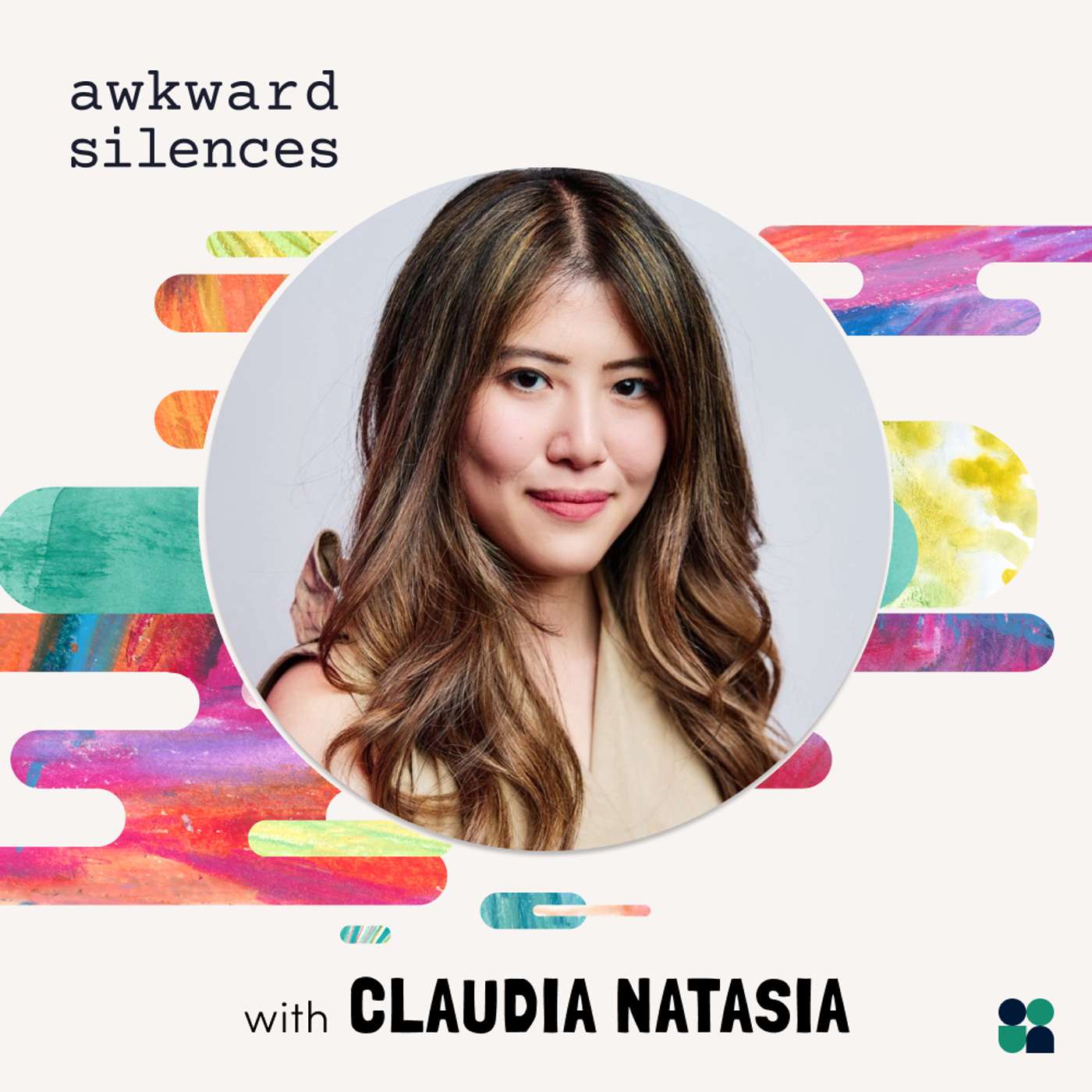
Ep 148#148 - Connecting Research to Revenue with Claudia Natasia of Riley AI
In this episode, Erin and Carol tackle one form of research impact growing in importance and necessity: revenue. Their guest is Claudia Natasia, co-founder and CEO of Riley AI. Before starting Riley, Claudia grew product teams at early-stage companies and worked in the financial industry. These experiences showed her the importance of linking user research outputs to the bottom line of a business.During their conversation, Claudia breaks down what revenue typically looks like for a company and where you can find the specific revenue goals for your company. Then she digs into the important processes of weaving those revenue goals into a research strategy from the start, offering examples from her time on product teams.The discussion also explores the importance of triangulation, or combining multiple data types to form a more complete whole. Claudia explains that user researchers should balance conducting primary research with existing information to help clarify how UX is linked with wider business goals. She offers suggestions for teams big and small looking to make impact with the highest level decision makers and company executives.Episode Highlights06:07 - Strategic frameworks for company growth and revenue12:05 - Leveraging competitive analysis for market success22:06 - Creating meaningful insights for your business30:05 - Tracking research impact: Setting expectations and routine updates37:13 - Elevating projects: Moving from junior to senior stakeholders44:39 - Triangulating data: Connecting research to company successAbout Our GuestClaudia is a leader with 10+ years experience leading product, strategy, and data teams across the enterprise and financial technology space. Her work has directly influenced companywide strategies, leading to a $5B total valuation, a successful international acquisition, and multi-million dollar growth fundraising rounds. She advises and angel invests in early stage startups, in North America and Southeast Asia. Her areas of focus are enterprise, finance, and consumer AI-generated content.Resources on Research Impact and RevenueA guide to showing the value of user researchClaudia's textbook of choice for learning about revenueThe three aspects of high-impact UX researchThe Business of Research Slack Community