PLAY PODCASTS
Audio Journal of Oncology Podcast

Audio Journal of Oncology Podcast

61 episodes — Page 1 of 2

Shuguang Leng MBBS PhD, 2026 AACR: Wildfire Smoke Pollution Associated with Increased Lung, Colorectal, Breast, Bladder and Hematopoietic Cancer Rates

May 15, 202610 min

Rukhmini Bandyopadhyay MD, AACR 2026: AI “Pathomics Platform” Selects Immunotherapy, Predicts Outcome for Patients with Metastatic Non-Small Cell Lung Cancer

May 13, 202610 min

Jonathan Wesley Riess MD; 2026 AACR: Investigational KRAS(ON) Inhibitor Zoldonrasib Showed Effective and Durable Responses in Patients With Advanced G12D-mutated Lung Cancer

May 6, 20268 min

Marija Balic MD PhD, AACR 2026: Whole Exome Sequencing of ctDNA Informs Post-Neoadjuvant Therapy Options for Patients with Triple Negative Early Breast Cancer

Apr 30, 202610 min

Tao Zhu MD; AACR 2026: Anti-Claudin 6 Antibody Drug Conjugate Benefits Patients with Advanced Platinum-Resistant Ovarian Cancer with Low Toxicity

Apr 28, 20264 min

Moran Amit MD PhD; AACR 2026: Oral Intralesional PD 1 Blockade Promises Less Risk of Progression to Oral Cancer than Surgery, with Preserved Quality of Life

Apr 27, 202610 min

Byoung Chul Cho MD PhD; AACR 2026: New Generation KRAS G12C Inhibitor Brings Promising Responses Even in Patients with Advanced Lung Cancers Refractory to Previous KRAS-targeted Therapy

Apr 24, 20267 min

Elena Garralda MD PhD, AACR 2026: Molecular Glue Degrader Improves Outcomes in Heavily Pre-treated Patients with Advanced Solid Tumors

Apr 23, 20268 min

Icro Meattini MD; 2026 EBCC: Safe to Avoid Endocrine Therapy in Older Women with Low Risk Breast Cancers: EUROPA Study Interim Findings

Apr 16, 20265 min

Amparo Garcia-Tejedor MD, PhD; 2026 EBCC: Axillary Radiotherapy Seems As Effective as Axillary Lymphadenectomy in Sentinel Node Positive Early Breast Cancer, with Less Risk of Lymphedema

Apr 13, 20266 min

Eline Verreck BSc; 2026 EBCC: Radiation Boost May No Longer Be Justified After Standard Therapy for Early Breast Cancer

Apr 6, 20267 min

Fleur Mauritz MD; EBCC 2026: RAPCHEM Study Shows Risk-Based Radiotherapy De-Escalation is Safe After Primary Systemic Therapy for Early Breast Cancer
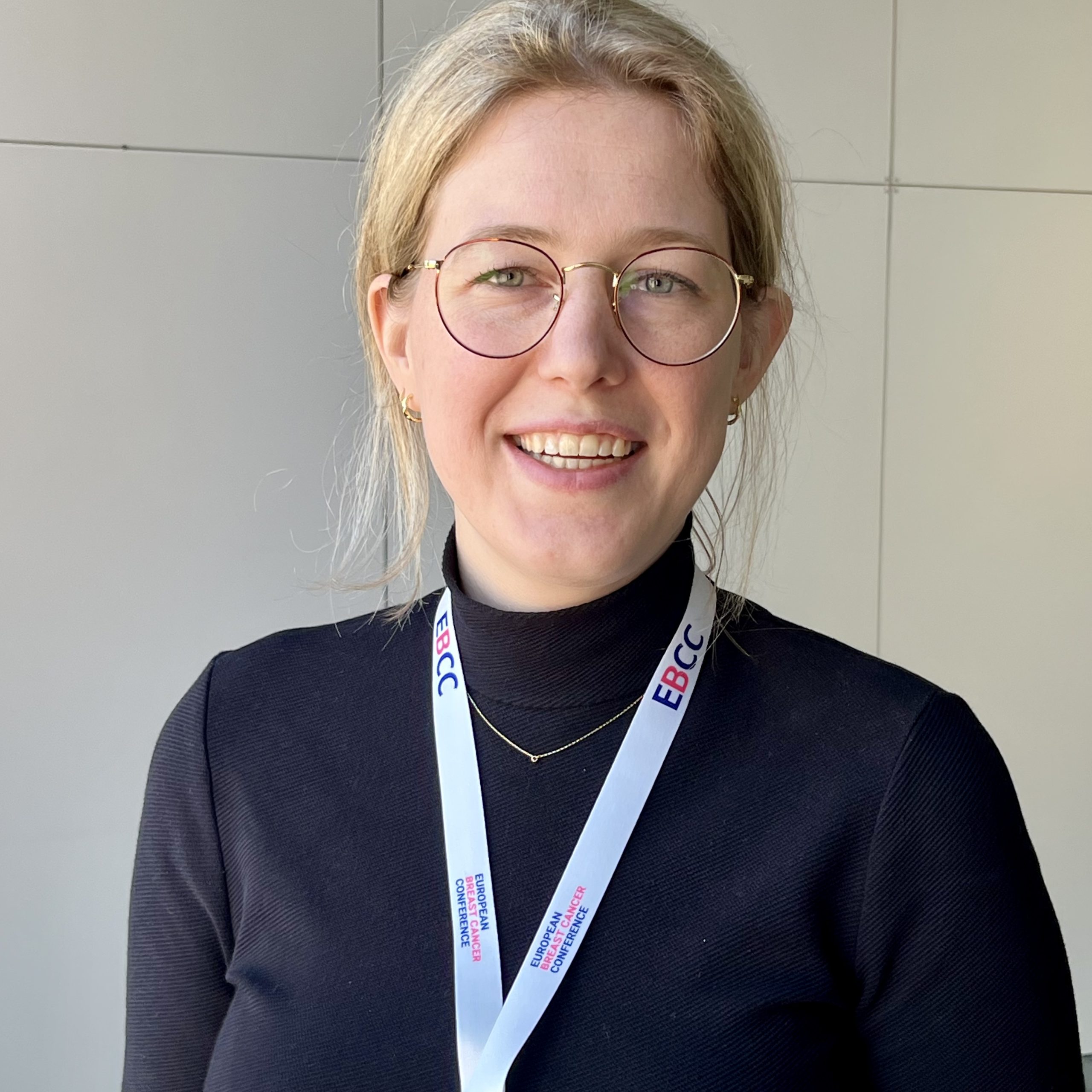
RAPCHEM Study Shows Risk-Based Radiotherapy De-Escalation is Safe After Primary Systemic Therapy for Early Breast Cancer An interview with: Fleur Mauritz MD, Resident in Radiation Oncology, MAASTRO Institute of Radiation Oncology and Research, Maastricht, Netherlands BACELONA, Spain—Radiation therapy after primary systemic therapy for early breast cancer can be safely de-escalated according to risk in the light of 10-year follow-up findings from the RAPCHEM study reported at the 2026 European Breast Cancer Conference. First author Fleur Mauritz MD, who is a resident in radiation oncology at the MAASTRO Institute of Radiation Oncology and Research in Maastricht, Netherlands, gave the Audio Journal of Oncology’s Peter Goodwin the latest: AUDIO JOURNAL OF ONCOLOGY; Fleur Mauritz MD IN: [GOODWIN]”….Welcome to the ….. OUT: ….for the Audio Journal of Oncology, Goodbye.” 6:08secs EBCC 2026 Abstract no: 1, ‘Radiotherapy Long term results of Radiation therapy de-escalation in cT1-2N1 breast cancer After Primary CHEMotherapy (RAPCHEM: BOOG 2010-03): 10-year follow-up results of a Dutch, prospective, registry study’ Authors: Mauritz1,, L. de Munck2,, J. Simons3,, J. Verloop2,, T. van Dalen4,, P. Elkhuizen5,, A. Scholten5,, R. Houben1,, A.E. van Leeuwen6,, S. Linn7,, R. Pijnappel8,, P. Poortmans9,10, L. Strobbe11,, J. Wesseling12,, A. Voogd2,13, L. Boersma1,. 1Maastricht University Medical Centre+, Dept. of Radiation Oncology Maastro- GROW Research Institute for Oncology and Developmental Biology, Maastricht, The Netherlands. 2Netherlands Comprehensive Cancer Organisation, Dept. of Research and Development, Utrecht, The Netherlands. 3Erasmus MC, Dept. of Radiation Oncology, Rotterdam, The Netherlands. 4Erasmus MC, Dept. of Surgery, Rotterdam, The Netherlands. 5Antoni van Leeuwenhoek Hospital, Dept. of Radiation Oncology, Amsterdam, The Netherlands. 6f Dutch Breast Cancer Research Group, BOOG Study Center, Amsterdam, The Netherlands. 7Antoni van Leeuwenhoek Hospital, Dept. of Medical Oncology, Amsterdam, The Netherlands. 8University Medical Centre Utrecht, Dept. of Radiology, Utrecht, The Netherlands. 9Iridium Netwerk, Dept. of Radiation Oncology, Wilrijk-Antwerp, Belgium. 10University of Antwerp, Faculty of Medicine and Health Sciences, Wilrijk-Antwerp, Belgium. 11Canisius Wilhelmina Hospital Nijmegen, Dept. of Surgery, Nijmegen, The Netherlands. 12Antoni van Leeuwenhoek Hospital, Dept. of Pathology, Amsterdam, The Netherlands. 13Maastricht University Medical Centre+, Dept. Epidemiology- GROW Research Institute for Oncology and Developmental Biology, Maastricht, The Netherlands. BACKGROUND The five-year results of the RAPCHEM study (De Wild et al, 2022) and the recently published NSABP-B51 trial (Mamounas et al, 2025) suggest that locoregional radiation therapy (RT) can be tailored to the ypN-status in cT1-2N+ breast cancer (BC) patients treated with primary systemic treatment (PST). However, long-term results are lacking. Here we present the 10-year results of the RAPCHEM study, a prospective registry study, evaluating the long-term safety of tailoring locoregional RT to the nodal response after PST, for locoregional recurrence rate (LRR), recurrence free interval (RFI) and overall survival (OS). MATERIAL AND METHODS From January 2011 to January 2015, cT1-2N+M0 (<4 suspicious nodes at imaging) BC patients were prospectively included. Patients were treated with PST followed by lumpectomy or mastectomy in combination with a sentinel lymph node biopsy (SNLB) and/or removal of marked axillary lymph nodes (MARI), or an axillary lymph node dissection (ALND). cN+ status was histologically confirmed. Three risk groups were defined based on ypN-status, with corresponding RT strategy. Low-risk group (ypN0): whole breast RT (WBRT) after lumpectomy, no RT after mastectomy. Intermediate-risk group (ypN1): WBRT or chest wall RT, and in case of no ALND, RT of axillary levels 1-2. High-risk group (ypN2+): WBRT or chest wall RT, RT of the non-resected part of the axilla (levels 3-4 after ALND, and levels 1-4 if no ALND) with/without internal mammary nodes RT. The endpoints of the current analysis were 10-year LRR, RFI and OS. RFI was defined as time between primary diagnosis until first event (either local, regional, or distant recurrence, or death from BC). Kaplan-Meier survival analysis was used, and log-rank test to compare differences between groups. RESULTS Of the 848 included patients, ten were lost to follow-up. Twenty-four patients had a LRR without synchronous distant metastases. The 10-year LRR was 2.7% for the total cohort, and 2.1%, 3.2% and 2.8% respectively, for the low-, intermediate- and high-risk group. The 10-year RFI was 79.2% and the 10-year OS was 83.0%, both with significant differences between risk groups (Table 1). CONCLUSION De-escalation of locoregional RT after PST appears to be safe in terms of LRR. Stratification in risk groups seems appropriate, even when omitting regional RT (and chest wall RT in case

Apr 3, 20266 min

Jelle Wesseling MD PhD; 2026 EBCC: ‘Lord’ Trial Finds Active Surveillance for Estrogen-Receptor-Positive, HER2- Negative, Grade 1–2 DCIS Just As Effective as Standard Therapy

‘Lord’ Trial Finds Active Surveillance for Estrogen-Receptor-Positive, HER2-Negative, Grade 1–2 DCIS Just As Effective as Standard Therapy An interview with: Jelle Wesseling MD PhD, Pathologist, Medical Director, Early Cancers Detection Centre, Netherlands Cancer Institute, Division of Molecular Pathology, Amsterdam, The Netherlands. BARCELONA, Spain: Because low-risk ductal carcinoma in situ (DCIS) is often unlikely to progress to breast cancer, de-escalating therapy was on the agenda of the Lord trial of active surveillance, that was reported at the 2026 European Breast Cancer Conference. The findings were reassuring: So much so that randomization was stopped early. The lead study author, pathologist Jelle Wesseling MD PhD who is Medical Director of the Early Cancers Detection Centre at the Netherlands Cancer Institute in Amsterdam, gave the details to the Audio Journal of Oncology’s Peter Goodwin. AUDIO JOURNAL OF ONCOLGY: Jelle Wesseling MD PhD IN: [GOODWIN]” I am at the European Breast …. OUT: ….of Oncology, I’m Peter Goodwin 10:34secs EBCC 2025 Abstract no: 2LBA: “De-escalating treatment for low-risk Ductal Carcinoma In Situ: early safety of active surveillance without endocrine therapy in the prespecified interim analysis of the LORD-trial* (BOOG 2014-04)” Authors: Wesseling1,2,3,4, M. Nieberg1, S. Aleikhaneshir1, L. Elshof1, R. Schmitz1, C. Sondermeijer5, S. Balduzzi5, K. Pengel5, J. Weiner1, M. Gerritsma6, E. Engelhardt6, E. Bleiker6, E. Verschuur7, I. Langerak8, R. Mann9, E. van Leeuwen-Stok10, E. Lips1, N. Bijker11, F. van Duijnhoven12 1The Netherlands Cancer Institute, Division of Molecular Pathology, Amsterdam, The Netherlands 2Leiden University Medical Center, Department of Pathology, Leiden, The Netherlands 3 The Netherlands Cancer Institute, Center of Early Cancer Detection, Amsterdam, The Netherlands 4The Netherlands Cancer Institute, Department of Pathology, Amsterdam, The Netherlands 5The Netherlands Cancer Institute, Biometrics Department, Amsterdam, The Netherlands 6The Netherlands Cancer Institute, Division of Psychosocial Research and Epidemiology, Amsterdam, The Netherlands 7Europa Donna & Dutch Breast Cancer Patient Association BVN, Patient Advocacy, Utrecht, The Netherlands 8Dutch Breast Cancer Patient Association BVN, Patient Advocacy, Utrecht, The Netherlands 9The Netherlands Cancer Institute, Department of Radiology, Amsterdam, The Netherlands 10BOOG Study Center, National Breast Cancer Trial Coordination, Utrecht, The Netherlands 11The Netherlands Cancer Institute, Depratment of Radiation Oncology, Amsterdam, The Netherlands 12The Netherlands Cancer Institute, Department of Surgical Oncology, Amsterdam, The Netherlands Background Active surveillance has been proposed as a de-escalation strategy for women with low-risk ductal carcinoma in situ (DCIS). The LORD-trial evaluates the safety of active surveillance compared with standard treatment in women with estrogen-receptor-positive, HER2- negative, grade 1–2 DCIS. Methods The LORD-trial is a multicentre study that followed a patient-preference design after initial randomization proved infeasible. The primary endpoint is ipsilateral invasive breast cancer (iiBC)-free rate at 10 years. A prespecified, non-binding interim futility analysis was planned after 60 iiBC events. Results DSMB prespecified interim analysis 1,423 women had been enrolled with a median follow-up of 23 months. The first n=73 were randomized between the two arms. After transforming to a patient preference design, n=1,025 patients opted for active surveillance and n=330 for standard treatment. No patients received endocrine therapy. On an intention-to-treat basis, iiBC occurred in 4/363 (1%) women allocated to standard treatment and 63/1,060 (6%) women undergoing active surveillance. Based on these findings, the Data Safety Monitoring Board (DSMB) advised cessation of registration and recruitment, while continuing follow-up of enrolled patients. Cohort analysis When iiBCs detected at primary surgery in the standard-treatment group were additionally considered, cumulative iiBC incidence was similar between strategies: 33/363 (9%) in the standard-treatment arm and 63/1060 (6%) in active surveillance. Cases with full pathology characteristics available – for 31 and 55, respectively – were compared between the two arms (Table 1). Conclusions The prespecified DSMB interim analysis resulted in a recommendation to stop inclusion for reasons of futility, leading to early closure of trial inclusion. Follow-up of included women was recommended and is ongoing to assess long-term outcomes and inform the safety of de-escalation strategies for DCIS. Table 1. Comparison iiBCs with fully known pathology characteristics per arm in the cohort analysis https://cm.eortc.org/cmPortal/Searchable/ebcc15/config/Normal#!abstractdetails/0000992920 https://clinicaltrials.gov/study/NCT02492607 Jelle Wesseling Audio Journal of Oncology TEXT April 2nd, 2026

Apr 2, 202610 min

Elisa Agostinetto MD; 2026 EBCC: Circulating Tumor DNA Trumps Clinical Prognostic Markers After Neoadjuvant Therapy for Patients with Early Breast Cancer

Circulating Tumor DNA Trumps Clinical Prognostic Markers After Neoadjuvant Therapy for Patients with Early Breast Cancer An interview with: Elisa Agostinetto MD, Institut Jules Bordet, Brussels, Belgium BARCELONA, Spain—Among patients being treated with neoadjuvant therapy for their early breast cancers, circulating tumor DNA performed better as an independent prognostic marker for predicting relapse and disease progression than clinical markers such as pathological complete remission. This was according to prospective study data from Belgium and Italy reported at the 2026 European Breast Cancer Conference by Elisa Agostinetto MD, a medical oncologist from the Institut Jules Bordet in Brussels. She discussed her findings with Audio Journal of Oncology reporter, Peter Goodwin: AUDIO J0URNAL OF ONCOLOGY: Elisa Agostinetto MD IN: [GOODWIN] “I’m here at the …… OUT: ……of Oncology, I’m Peter Goodwin 10:04secs EBCC 2026: Abstract no: 12 Circulating tumor DNA at completion of neoadjuvant therapy is an independent prognostic marker: an individual patient-level pooled analysis of two prospective studies Agostinetto1, V. Appierto2, P. Minicozzi3, C. Sotiriou1, F. Rothé1, E. Tamborini2, F. Lebrun4, Belfiore2, D. t’Kint4, L. De Cecco5, L. Buisseret4, M.C. De Santis6, A. Gombos4, G. Bianchi7, Aftimos4, P. Verderio3, D. Vincent4, G. Pruneri2, M. Ignatiadis4, S. Di Cosimo MD2 1Institut Jules Bordet- Université libre de Bruxelles ULB- Hôpital Universitaire de Bruxelles H.U.B, Breast Cancer Translational Research Laboratory, Brussels, Belgium 2Fondazione IRCCS Istituto Nazionale dei Tumori, Advanced Diagnostics, Milan, Italy 3Fondazione IRCCS Istituto Nazionale dei Tumori, Epidemiology and Data Science, Milan, Italy 4Institut Jules Bordet- Université libre de Bruxelles ULB- Hôpital Universitaire de Bruxelles H.U.B, Medical Oncology, Brussels, Belgium 5Fondazione IRCCS Istituto Nazionale dei Tumori, Experimental Oncology, Mian, Italy 6Fondazione IRCCS Istituto Nazionale dei Tumori, Radiation Oncology, Milan, Italy 7Fondazione IRCCS Istituto Nazionale dei Tumori, Medical Oncology, Milan, Italy Background: Circulating tumor DNA (ctDNA) is a promising biomarker in early breast cancer. However, limited sample sizes in available clinical studies weaken neoadjuvant evidence. Materials and methods: Data from two independent prospective observational studies, one at the Institut Jules Bordet (Brussels), and one at the Istituto Nazionale dei Tumori (Milan), were pooled at the individual patient level for joint analysis. In both studies, women with early breast cancer received neoadjuvant therapy and underwent primary tumor-informed ctDNA assays at predefined time points: baseline (before initiation of neoadjuvant therapy), end of neoadjuvant therapy before surgery (EoT), and during follow-up. Associations between ctDNA detection and clinico- pathological variables (age, tumor size [e.g. T ≤5 cm vs. >5 cm], hormone receptor status, HER2 status, and pathological complete response (pCR) were evaluated using χ2 or Wilcoxon tests, as appropriate. The effect of ctDNA on event-free survival (EFS) was analyzed by univariable and multivariable Cox proportional hazards models adjusted for relevant covariates. A two-sided p value< 0.05 was considered statistically significant. Results: A total of 81 patients were analyzed. Median age was 48 (range 27-75) years at diagnosis; most had T≤5 cm (72%), node positive (68%) and triple negative (60%) disease. Breast cancer events were 26 throughout a median follow-up of 7 years (IQR 5.3-8.8). ctDNA was detected in 31/54 (57.4%) plasma samples at baseline, and in 11/64 (17%) plasma samples at the EoT. The detection of ctDNA was significantly associated with hormone receptor-negative status both at baseline and at the EoT (p<0.05). No association with pCR was observed at any time point. Patients with baseline ctDNA detection showed a non significant trend toward worse EFS (HR 1.56, 95% CI 0.58-4.22). Notably, detection of ctDNA at the EoT predicted breast cancer events and remained independently associated with decreased EFS even after adjustment for all other clinicopathological variables including pCR (HR 3.58, 95% CI 1.33-9.60). Conclusions: This individual patient-level pooled analysis includes one of the largest numbers of events reported to date in the ctDNA literature. ctDNA predicted breast cancer relapse, particularly when detected at the end of treatment, supporting the use of ctDNA for post-neoadjuvant risk stratification and subsequent therapeutic strategies.

Apr 1, 202610 min

Kerstin Wimmer MD; 2026 EBCC: Polyurethane-Coated Implants Reduce Capsular Contracture Risk after Mastectomy with Radiotherapy for Breast Cancer

Polyurethane-Coated Implants Reduce Capsular Contracture Risk after Mastectomy with Radiotherapy for Breast Cancer An interview with: Kerstin Wimmer MD, Medical University of Vienna, Department of General Surgery, Vienna, Austria; Post-Doctoral Researcher, Karolinska Institute, Stockholm, Sweden BARCELONA, Spain—Women who had mastectomy with immediate pre-pectoral breast reconstruction followed by radiotherapy had less risk of capsular contracture when polyurethane-coated breast implants were used rather than un-coated implants. This finding from the OPBC-09 PRExRT study was reported at the 2026 European Breast Cancer Conference by Kerstin Wimmer MD, from the Medical University of Vienna’s Department of General Surgery in Vienna, Austria, who is currently doing post-doctoral researcher at the Karolinska Institute in Stockholm, Sweden. After her presentation, she discussed the findings with Audio Journal of Oncology correspondent Peter Goodwin: AUDIO JOURNAL OF ONCOLOGY: Kerstin Wimmer MD IN: [GOODWIN]”Peter Goodwin here, reporting…… OUT: on Oncology, I’m Peter Goodwin 2026 EBCC: Barcelona Abstract no: 2 The impact of polyurethane coated implants on the risk of capsular contracture after immediate prepectoral breast reconstruction in the setting of postmastectomy radiotherapy: the OPBC-09 PRExRT study Wimmer1, R. Kiblawi2, F. Fitzal3, C. Kohl4, L. Stenman Skarsgård5, G. Franceschini6, D. Virzi7, Molska8, J.M. Broyles9, A. Agrawal10, G. Montagna11, M. Rivas Ibarra12, M. Banys-Paluchowski13, M. Knauer14, E. Gonzales15, J. Letzkus Berrios16, G. Karadeniz Çakmak17, D. Vorburger18, Ferrucci19, W.P. Weber20 OPBC study group 1Medical University of Vienna, Department of General Surgery, Vienna, Austria 2University Hospital Basel, Department of Gynaecology & Obstetrics, Basel, Austria 3Hanusch Hospital, Department of Breast Reconstruction, Vienna, Austria 4Kliniken Essen-Mitte, Interdisciplinary Breast Center, Essen, Germany 5Oslo University Hospital, Department of Plastic and Reconstructive Surgery, Oslo, Norway 6Fondazione Policlinico Universitario Agostino Gemelli IRCCS, Department of Science and Health of Women- Children and Public Health, Rome, Italy 7Humanitas Istituto Clinico Catanese, Plastic Surgery Unit, Catania, Italy 8University Hospital Zielona Góra, Clinical Department of General and Oncological Surgery, Zielona Góra, Poland 9Dana Farber/Brigham Cancer Center, Division of Breast Surgery- Brigham and Women’s Hospital, Boston, USA 10Cambridge University Hospitals, Department of Breast Surgery, Cambridge, United Kingdom 11Memorial Sloan Kettering Cancer Center, Breast Service- Department of Surgery, New York, USA 12Arturo López Pérez Foundation, Department of Breast Surgery, Santiago, Chile 13University Hospital Schleswig-Holstein- Campus Lübeck, Department of Gynecology and Obstetrics, Lübeck, Germany 14Tumor and Breast Center Eastern Switzerland, Tumor and Breast Center, St.Gallen, Switzerland 15Sanatorio Modelo Quilmes, Department of Senology, Buenos Aires, Argentina 16San Borja Arriarán Clinical Hospital-Clínica MEDS, Breast Surgical Unit, Santiago, Chile 17Zonguldak Bülent Ecevit University Faculty of Medicine, Department of General Surgery, Zonguldak, Turkey 18University Hospital Zurich, Breast Cancer Center- Department of Gynecology, Zurich, Switzerland 19IRCCS, Veneto Institute of Oncology, Padova, Italy 20University Hospital Basel, Breast Clinic, Basel, Switzerland Introduction Patients with breast cancer undergoing mastectomy with implant-based breast reconstruction (IBBR), who are at high risk of locoregional recurrence, often require postmastectomy radiotherapy (PMRT), which increases the risk of capsular contracture (CC). The present study assessed the association between use of polyurethane coated (PUc) versus non-PUc implants and the need for surgical revision due to CC in the setting of PMRT. Material and methods This international multicenter retrospective real-world study included patients with breast cancer who underwent nipple- (NSM) or skin-sparing mastectomy (SSM) with prepectoral IBBR with or without PUc implants followed by PMRT. Primary endpoint was surgical revision due to CC and was analyzed using Cox regression models. Results 1183 women treated between 2016 to 2022 at 19 sites in 13 countries (4 continents) were included. Of them, 773 (65.3%) underwent non-PUc IBBR and 410 (34.7%) PUc IBBR. Median age was 47 years (IQR 41-54) and median BMI was 24.4 kg/m2 (IQR 22- 27.6). Median follow-up was 30.8 months (IQR 18.4-45.4) in the non-PUc group and 37.4 months (IQR 30-46.2) in the PUc group (p<0.001). Of 1183 patients, 863 (73%) had invasive ductal carcinoma and 654 (55.3%) hormone receptor–positive/HER2 negative disease, with a median Ki-67 of 25% (IQR 12-44%). Compared to PUc IBBR, use of non-PUc implants was associated with less frequent NSM (32.5% vs. 73.7%, p <0.001), more frequent use of synthetic mesh (20.3% vs. 1%, p <0.001) or acellular dermal matrix (20.

Mar 31, 20266 min

Fatima Cardoso MD; 2026 EBCC: OASIS-4 Trial Finds Elinzanetant Cuts Vasomotor Symptoms (“Hot Flashes”) in Endocrine Therapy-Treated Patients with Breast Cancer

OASIS-4 Trial Finds Elinzanetant Cuts Vasomotor Symptoms (“Hot Flashes”) in Endocrine Therapy-Treated Patients with Breast Cancer An interview with: Fatima Cardoso MD, Medical Oncologist, Head of Clinical Research & International Collaboration in Breast Cancer, Centre Antoine Lacassagne, Nice, France BARCELONA, Spain—Vasomotor symptoms, or “hot flashes”, were greatly reduced in the OASIS-4 phase three placebo-controlled trial among patients receiving endocrine therapy for their breast cancers who were randomized to treatment with the dual neurokinin receptor antagonist elinzanetant. This was in data reported to the 2026 European Breast Cancer Conference by Professor Fatima Cardoso, a medical oncologist who is Head of Clinical Research and International Collaboration in Breast Cancer at the Centre Antoine Lacassagne in Nice, France. After talking at the conference she met up with the Audio Journal of Oncology’s reporter, Peter Goodwin: AUDIO JOURNAL OF ONCOLOGY: Fatima Cardoso MD IN: [GOODWIN]”I am here now with Fatima …. OUT: …..Oncology, I’m Peter Goodwin 10:30 EBCC 2026 ABSTRACT Abstract no: 3 Efficacy of elinzanetant for the treatment of vasomotor symptoms in women with breast cancer: subgroup analysis of the OASIS-4 trial by type of endocrine therapy Cardoso1, D. Brennan2, T. Simoncini3, L. Wahyudi4, K. Laapas5, C. Seitz6,7 1Champalimaud Clinical Center/Champalimaud Foundation and ABC Global Alliance, Breast Unit, Lisbon, Portugal 2UCD School of Medicine, Mater Misericordiae University Hospital, Dublin, Ireland 3University of Pisa, Department of Clinical and Experimental Medicine, Pisa, Italy 4Bayer CC AG, Medical & Evidence CGT- OPH & WHC CH, Basel, Switzerland 5Bayer Oy, Development- Pharmaceuticals, Espoo, Finland 6Bayer AG, Clinical Development, Berlin, Germany 7Charité – Universitätsmedizin Berlin, Medical Faculty, Berlin, Germany Background In the Phase III trial OASIS-4 (NCT05587296), elinzanetant (EZN), a dual neurokinin (NK)-targeted therapy (NK1 and NK3 receptor antagonist), significantly reduced vasomotor symptom (VMS) frequency vs placebo (PBO) in women taking endocrine therapy (ET) for hormone receptor positive (HR+) breast cancer. This subgroup analysis evaluated EZN’s effects on VMS frequency and severity by type of ET in OASIS-4. Materials and methods Women aged 18–70 years experiencing ≥35 moderate-to-severe VMS/week caused by ET for HR+ breast cancer were randomized 2:1 to receive EZN 120 mg for 52 weeks or PBO for 12 weeks followed by EZN for 40 weeks. Mean changes from baseline in daily moderate-to-severe VMS frequency and severity to weeks 1 (frequency only), 4 and 12 were analyzed by ET type (tamoxifen [TAM], aromatase inhibitor [AI], ovarian function suppression [OFS; i.e., GnRH], no OFS). This post hoc analysis was not powered for statistical testing. Results Mean age (years) was 50.4 for TAM, 51.9 for AI, 45.2 for OFS and 53.4 for no OFS. At baseline, mean average daily moderate-to-severe VMS frequency ranged from 10.8-12.5 per day while VMS severity was 2.5 in all subgroups. Greater reductions in VMS frequency with EZN vs PBO were seen by week 1 across all subgroups (range EZN: -3.3 to -4.2; PBO: -1.6 to -2.1), with further reductions at week 4 (range EZN: -5.6 to -6.9; PBO: -2.5 to -3.7) and 12 (range EZN: -6.9 to -8.1; PBO: -3.0 to -5.8). A similar trend was observed for VMS severity at weeks 4 and 12 (Table). Reductions in VMS frequency and severity were maintained throughout the 52-week treatment period. Conclusions Consistent with results in the overall population, EZN had greater reductions in VMS frequency and severity than PBO with rapid onset and sustained effect over 52 weeks, irrespective of the type of ET. Fatima Cardoso MD at EBCC 2026 A J Oncology March 28, 2026

Mar 30, 202610 min

Elisabetta Bonzano MD PhD; 2025 EBCC: BRAVE-HEART Study Shows How Breath-Holding System Halves Coronary Radiation Dose During Left Breast Irradiation

BRAVE-HEART Study Shows How Breath-Holding System Halves Coronary Radiation Dose During Left Breast Irradiation An interview with: Elisabetta Bonzano MD PhD, IRCCS San Matteo Polyclinic Foundation, Radiation Oncology, Pavia, Italy BARCELONA, Spain—A system known as Active Breathing Co-ordination had a large, consistent and significant effect in reducing radiation dose to the heart and left anterior descending coronary artery in the BRAVE HEART study led by radiation oncologists from Pavia in Italy. Elisabetta Bonzano MD PhD, IRCCS San Matteo Polyclinic Foundation, Radiation Oncology, Pavia, Italy reported her group’s findings at the 2025 European Breast Cancer Conference. Afterwards she talked about more of the details for this edition of the Audio Journal of Oncology: AUDIO JOURNAL OF ONCOLOGY: Elisabetta Bonzano MD PhD IN: [GOODWIN]” Peter Goodwin here at the…. OUT: ………of Oncology, I’m Peter Goodwin. 5: 54 secs EBCC Presentation number:PB-008 Abstract title: BRAVE-HEART: Clinical and dosimetric validation of Active Breath Control for cardiac sparing in breast cancer radiotherapy Bonzano1,, L. Squillace1,, A. Lancia1,, J. Saddi1,, S. Colombo1,, S. La Mattina1,, D.A. Santos1,, P. Pedrazzoli2,. 1IRCCS San Matteo Polyclinic Foundation, Radiation Oncology, Pavia, Italy. 2IRCCS San Matteo Polyclinic Foundation, Oncology, Pavia, Italy. Background: Cardiac exposure during left-sided breast cancer (LBC) radiotherapy remains a key determinant of long-term morbidity and mortality. The BRAVE-HEART trial explores the clinical and dosimetric impact of Deep Inspiration Breath Hold (DIBH) using the Active Breathing Coordinator (ABC) system. This analysis quantifies the cardiac-sparing effect of ABC versus free-breathing (FB) across three fractionation schedules, validates its intrinsic benefit through intra-patient paired replanning, and assesses real-world feasibility. (ClinicalTrials.gov awaiting release) Methods: This ambispective single-center study included 400 patients with early or locally advanced LBC treated with 26 Gy/5 fx, 40 Gy/15 fx, or 50 Gy/25 fx ± SIB. Dosimetric parameters were extracted for the heart and LAD (Dmean, Dmax). Statistical analyses used the Shapiro–Wilk, Mann–Whitney U, and Wilcoxon tests; effect size was reported as Cohen’s d. Model-based estimation of cardiac mortality risk (NTCP) was performed for the replanning subgroup using the Gagliardi relative-seriality model. For this subgroup, paired FB and ABC-DIBH plans were generated on separate CT scans. Breath-hold performance (hold duration, threshold volume) was recorded to evaluate feasibility. The study was approved by the Ethics Committee of the Fondazione IRCCS Policlinico San Matteo, Pavia, Italy. Results: ABC significantly reduced cardiac and LAD exposure across all fractionations (all p < 0.001), with large effect sizes (Cohen’s d ≥0.8) indicating a strong clinical impact (Tab. 1). In intra-patient replanning, ABC confirmed its dosimetric superiority over FB (p < 0.05). Model-based NTCP for late cardiac mortality showed a halving of predicted cardiac risk with ABC (0.04 vs 0.08, p < 0.001). Breath-hold metrics confirmed high feasibility (mean DIBH ≈ 25 s; threshold ≈ 1.4 L), including in elderly patients (mean age 75 years). Conclusions: ABC-assisted DIBH consistently and significantly reduced cardiac and coronary exposure across all dose regimens, with high reproducibility and feasibility. Model-based NTCP and intra-patient replanning analyses demonstrate a clinically and biologically relevant reduction in predicted long-term cardiac mortality, confirming ABC-DIBH as a reliable strategy to improve cardiac safety in left-sided breast cancer radiotherapy. Elisabetta Bonzano MD PhD

Mar 27, 20265 min

Philip Poortmans MD PhD; 2026 EBCC: European Breast Cancer Conference: Focus on Therapy De-escalation and Individualization

European Breast Cancer Conference: Focus on Therapy De-escalation and Individualization An interview with: Philip Poortmans MD PhD, Radiation Oncology Department, University of Antwerp & Iridium Netwerk, Belgium BARCELONA, Spain—One of the important themes at the 2026 European Breast Cancer Conference was to individualize therapy for every patient by de-escalating some modalities of treatment in the light of the increasing efficacy of others. The Audio Journal of Oncology sought the opinion of one of Europe’s oncology leaders, Philip Poortmans MD, PhD, researcher at the Iridium Netwerk and the University of Antwerp, in Belgium about findings from the EUROPA trial looking at older patients with early breast cancer, new date on omitting radiation boost to the tumor bed after breast conserving therapy, using axillary radiotherapy in place of axillary node dissection, and the case for watchful waiting in more patients with DCIS. AUDIO JOURNAL OF ONCOLOGY PODCAST: Philip Poortmans MD PhD IN: [GOODIN] “Now, Philip Poortmans is ….. OUT: …….of Oncology, I’m Peter Goodwin 11:57secs Philip Poortmans MD PhD A J Oncology EBCC 2026

Mar 27, 202611 min

Tess Snellen MD; 2026 EBCC: Molecular Test Distinguishes Ipsilateral Second Primary from Recurrent Breast Cancer

Molecular Test Distinguishes Ipsilateral Second Primary from Recurrent Breast Cancer An interview with: Tess Snellen MD, Netherlands Cancer Institute – Antoni van Leeuwenhoek hospital, Department of Surgical Oncology, Amsterdam, The Netherlands. BARCELONA, Spain—A molecular test using next generation sequencing has proved able to distinguish swiftly, and with great accuracy, the recurrence of a patient’s ipsilateral breast cancer from a completely new primary tumor. The 2026 European Breast Cancer Conference heard findings from researcher Tess Snellen from the Netherlands Cancer Institute in Amsterdam, who then talked with our reporter, Peter Goodwin: AUDIO JOURNAL OF ONCOLOGY: Tess Snellen MSc EBCC 2026 ABSTRACT: Distinguishing True Recurrence from Second Primary Breast Cancer by Molecular Clonality Analysis Snellen1,, E. Lips2,, L. Bosch3,, T. Wiersma4,, A. Scholten4,, M. Noë5,, M.J. Vrancken Peeters6,, V. Dezentjé7,. 1Netherlands Cancer Institute – Antoni van Leeuwenhoek hospital, Department of Surgical Oncology, Amsterdam, The Netherlands. Background A second breast cancer (BC) in the ipsilateral breast or regional lymph nodes may be a true recurrence (TR) or second primary (SP) tumor. This distinction is clinically relevant, as TRs are associated with a poorer prognosis and require a more challenging therapeutic approach compared to SPs. The aim of this study was to describe the findings and success rates of molecular clonality analysis (MCA) techniques used to distinguish a second ipsilateral BC as either a TR or a SP. In addition, a comparison between a MCA-based and a clinicopathological classification was made. Material and methods Through electronic patient files and pathology reports, data were collected from a historical cohort of patients who underwent MCA for a second ipsilateral locoregional BC at the Netherlands Cancer Institute between 2000 and 2024. The primary objective was to describe the findings and success rates of the different MCA techniques. The secondary objective was to compare molecular with clinicopathological classification using the Jobsen Morphology method. Results In total, 85 patients were included, in whom 99 MCAs were performed. Before 2017, all MCA involved loss of heterozygosity (LOH) analysis (100%), hereafter, targeted next-generation sequencing (NGS) panel analysis and copy number variation (CNV) analysis were introduced. After 2017, targeted NGS panel analysis was most frequently applied (65.4%), followed by CNV (18.5%) and LOH analysis (16.0%). CNV analysis had the highest success rate (93.3%) yielding the most conclusive MCA results, followed by targeted NGS panel (73.6%), and LOH analysis (61.3%) (table 1). Of the 99 MCAs, 40.4% tumor pairs were classified as clonally related, 10.1% as likely clonally, 22.2% as not clonally related, 27.3% were inconclusive. A substantial discordance (29.6%) was observed between the MCA-based classification and Jobsen Morphology method, with clinicopathological assessment showing limited predictive value for MCA-determined TRs (PPV 78.7%, NPV 22.2%). Conclusion In conclusion, we demonstrate that MCA, especially targeted NGS panel and CNV analysis, is successful in distinguishing TRs from NPs. Clinicopathological classification using the Jobsen Morphology method however has limited value in predicting clonal relatedness. Therefore, we recommend implementing MCA in the diagnostic workup of second ipsilateral BC when the outcome may influence therapeutic decision-making, as part of a tailored treatment approach for BC recurrence. 260325 Tess Snellen EBCC 2026 Audio Journal of Oncology

Mar 25, 20265 min

Charles E Geyer MD; ESMO 2025: Antibody Drug Conjugate T-DXd Brings Longer Cancer-Free Survival for Patients with HER2-Positive Early Breast Cancer and Residual Invasive Disease

Antibody Drug Conjugate T-DXd Brings Longer Cancer-Free Survival for Patients with HER2-Positive Early Breast Cancer and Residual Invasive Disease An interview with: Charles E Geyer MD, Breast Medical Oncologist, University of Pittsburgh Hillman Cancer Center, Pittsburgh USA, Chief Scientific Officer, NSABP Foundation. BERLIN, Germany— The antibody drug conjugate trastuzumab deruxtecan (T-DXd) was found to bring improved disease-free survival among patients with high-risk HER2-positive primary breast cancer who had residual invasive disease after neoadjuvant therapy, compared to a control group of patients who were treated with trastuzumab emtansine (T-DM1) after the same neoadjuvant therapy. This was reported in an interim analysis of the DESTINY-Breast05 study at the European Society for Medical Oncology Annual Congress in Berlin by lead author Charles Geyer MD, Breast Medical Oncologist at the University of Pittsburgh Hillman Cancer Center in Pittsburgh, USA, who is also Chief Scientific Officer for the NSABP Foundation. After the conference he talked with the Audio Journal of Oncology’s Peter Goodwin: AUDIO JOURNAL OF ONCOLOGY: Charles E Geyer MD IN: [GOODWIN]”Welcome to the Audio Journal of Oncology…. OUT: ……Oncology, I’m Peter Goodwin” 21:18secs ESMO 2025 Abstract: LBA1 – Trastuzumab deruxtecan (T-DXd) vs trastuzumab emtansine (T-DM1) in patients (pts) with high-risk human epidermal growth factor receptor 2–positive (HER2+) primary breast cancer (BC) with residual invasive disease after neoadjuvant therapy (tx): Interim analysis of DESTINY-Breast05 https://www.annalsofoncology.org/article/S0923-7534(25)04791-X/fulltext Speakers Charles E. Geyer (Pittsburgh, United States of America) Authors Charles E. Geyer (Pittsburgh, United States of America) Yeon Hee Park (Seoul, Republic of Korea) Zhi-Ming Shao (Shanghai, China) Chiun-Sheng Huang (Taipei City, Taiwan) Carlos H. Barrios (Porto Alegre, Brazil) Jame Abraham (Cleveland, United States of America) Aleix Prat (Barcelona, Spain) Naoki Niikura (Kanagawa, Japan) Michael Untch (Berlin, Germany) Seock-Ah Im (Seoul, Republic of Korea) Wei Li (Changchun, China) Huiping Li (Beijing, China) Yongsheng Wang (Jinan, China) Herui Yao (Guangzhou, China) Sung-Bae Kim (Seoul, Republic of Korea) Elton Mathias (Basking Ridge, United States of America) Yuta Sato (Shinagawa-ku, Japan) Wenjing Lu (Basking Ridge, United States of America) Hanan Abdel-Monem (Basking Ridge, United States of America) Sibylle Loibl (Neu-Isenburg, Germany) Abstract Background Pts with HER2+ early BC with residual invasive disease after neoadjuvant tx are at high risk of recurrence highlighting a significant unmet need. We present interim analysis results of DESTINY-Breast05 (NCT04622319), an open-label, phase 3 trial of post-neoadjuvant T-DXd vs standard of care (SOC) T-DM1 in HER2+ early BC. Methods Pts with residual invasive HER2+ BC after neoadjuvant tx consisting of taxane-based chemotherapy and anti-HER2 tx and at high risk for recurrence* were randomized 1:1 to T-DXd 5.4 mg/kg or T-DM1 3.6 mg/kg once every 3 weeks for 14 cycles. Primary endpoint was IDFS. Key secondary endpoint was DFS; others were overall survival, distant recurrence-free interval, brain metastasis–free interval (BMFI), and safety. Results At data cutoff (July 2, 2025), 1635 pts were randomized to T-DXd (n = 818) or T-DM1 (n = 817). Median study duration was 29.9 months with T-DXd and 29.7 months with T-DM1. IDFS and DFS benefit with T-DXd vs T-DM1 was statistically significant (HR, 0.47 each; Table); BMFI improvement with T-DXd was clinically meaningful (HR, 0.64; 95% CI, 0.35-1.17). Grade ≥3 treatment-emergent adverse events (TEAEs) occurred in 50.6% of pts with T-DXd and 51.9% of pts with T-DM1; adjudicated drug-related interstitial lung disease occurred in 9.6% (n = 2 grade 5) and 1.6% of pts (0 grade 5) and were mostly grade 1 or 2. TEAEs associated with death occurred in 0.4% (n = 3) and 0.6% (n = 5) of pts, respectively. Table: LBA1 Efficacy summary at interim analysis (data cutoff, July 2, 2025) Efficacy T-DXd n = 818 T-DM1 n = 817 HR (95% CI) IDFS Patients with events, n (%) 51 (6.2) 102 (12.5) 0.47 (0.34-0.66); P † = <0.0001 DFS Patients with events, n (%) 52 (6.4) 103 (12.6) 0.47 (0.34-0.66); P † = <0.0001 DFS, disease-free survival; HR, hazard ratio; IDFS, invasive disease-free survival.*Defined as clinical stages T4, N0-3, M0 or T1-3, N2-3, M0 at presentation (prior to neoadjuvant therapy) or clinical stages T1-3, N0-1, M0, with axillary node-positive disease (ypN1-3) following neoadjuvant therapy.†Stratified log rank. Conclusions T-DXd showed a statistically significant and clinically meaningful IDFS and DFS benefit vs T-DM1, extending its superiority to post-neoadjuvant residual disease in pts with HER2+ early BC, and representing a potential new SOC. Safety of T-DXd was generally manageable with no new safety signals. AUDIO JOURNAL OF ONCOLOGY March 19, 2025: Charles Geyer

Mar 20, 202621 min

Hope S. Rugo, MD; SABCS 2025: Selective Estrogen Degrader Giredestrant Brings Clinically Meaningful Improvements in Metastatic Breast Cancer: evERA Breast Cancer Trial

Hope S. Rugo, MD; SABCS 2025: Selective Estrogen Degrader Giredestrant Brings Clinically Meaningful Improvements in Metastatic Breast Cancer: evERA Breast Cancer Trial An interview with: Hope S. Rugo, MD, Director, Women’s Cancers Program; Division Chief, Breast Medical Oncology; Professor, Department of Medical Oncology and Therapeutic Research, City of Hope Comprehensive Cancer Center, Duarte, California, USA SAN ANTONIO, USA—Further improvements in hormone therapy for ER-positive breast cancer were on display at the San Antonio Breast Cancer Symposium where results from the Phase III evERA Breast Cancer trial were discussed. The study investigated the use of the selective estrogen degrader agent giredestrant used together with everolimus in patients with estrogen receptor-positive, HER2-negative advanced breast cancers that had previously been treated with a CDK4/6 inhibitor. Hope S. Rugo, MD, Division Chief of Breast Medical Oncology at the City of Hope Comprehensive Cancer Center in Duarte, California, delivered the latest findings at the conference. Afterwards she talked with Peter Goodwin from the Audio Journal of Oncology. Audio Journal of Oncology: Hope S. Rugo IN: [GOODWIN]”Peter Goodwin here with the …. OUT: …..thank you so much! Bye! 11:40 secs San Antonio Breast Cancer Symposium, Abstract GS3-09: Clinical and biomarker subgroup analysis of evERA Breast Cancer: A Phase III trial of giredestrant plus everolimus in patients with estrogen receptor-positive, HER2-negative advanced breast cancer previously treated with a CDK4/6 inhibitor. S. Rugo; S. M. Tolaney; K. L. Jhaveri; M. Martin; G. A. Vidal; L. Moscetti; A. Brufsky; W. J. Gradishar; A. Schneeweiss; N. Niikura; A. Favret; M. Alfie; K. S. Lee; S. Khan; M. Feldman; B. M. Day; L. H. Lam; W. C. Darbonne; T. M. Fernando; P. Perez-Moreno; E. L. Mayer Background The first-line standard of care (SOC) for patients (pts) with estrogen receptor-positive, HER2-negative advanced breast cancer (ER+, HER2- aBC) is CDK4/6 inhibitor (i) + endocrine therapy (ET) but effective post-CDK4/6i options remain limited. Giredestrant (GIRE) targets the ER pathway while everolimus (E) targets the PI3K/AKT/mTOR pathway; both of which are implicated in driving resistance in the post-CDK4/6i setting. evERA BC (NCT05306340) is the first Phase III trial to demonstrate statistically significant and clinically meaningful improvement in investigator-assessed progression-free survival (INV-PFS) with an all-oral selective ER antagonist and degrader combination of GIRE + E vs SOC ET + E in pts with ER+, HER2- aBC post-CDK4/6i + ET, both in pts whose tumors had a detectable ESR1 mutation (m) and in the intent-to-treat (ITT) population (Mayer ESMO 2025). The safety profile of GIRE + E was manageable with no unexpected findings (Mayer ESMO 2025). We report results from prespecified exploratory subgroup analyses. Methods Pts who had ER+, HER2- aBC with disease progression (PD) post-CDK4/6i + ET in the aBC setting, or relapse during/after CDK4/6i + ET in the adjuvant setting, were randomized 1:1 to once-daily oral 30 mg GIRE + 10 mg E or SOC ET (exemestane, fulvestrant, or tamoxifen) + E until PD or unacceptable toxicity. Mutational status was determined using circulating tumor DNA at baseline. The co-primary endpoints were INV-PFS per Response Evaluation Criteria in Solid Tumors v1.1 in pts whose tumors had detectable ESR1m and in the ITT population. INV-PFS was assessed by subgroup analyses. Results Three-hundred-and-seventy-three pts were randomized; 183 pts were randomized to GIRE + E and 190 to SOC ET + E. A total of 207 pts (55%) had tumors with ESR1m, 115 (31%) had PIK3CAm, and 137 (37%) had alterations (alt) in the PI3K pathway genes (PIK3CA/AKT1/PTEN). Sixty-four pts (17%) had both ESR1m and PIK3CAm; 76 (20%) had both ESR1m and PIK3CA/AKT1/PTEN alt. Ninety-eight percent of pts received a CDK4/6i in the metastatic setting. INV-PFS benefit was observed for GIRE + E vs SOC ET + E regardless of PIK3CAm status or PIK3CA/AKT1/PTEN alt in both the ESR1m and ITT populations (Table). Consistent benefit was observed regardless of duration of prior CDK4/6i (Table). Data for additional subgroup analyses for prior therapy will be presented. Conclusions GIRE + E led to clinically meaningful improvements in INV-PFS vs SOC ET + E irrespective of PIK3CAm and PIK3CA/AKT1/PTEN alt, and other key relevant subgroups, regardless of ESR1m status. These data support the use of GIRE + E vs SOC ET + E in pts with ER+, HER2- aBC post-CDK4/6i + ET. Audio Journal of Oncology March 6th , 2026.

Mar 6, 202611 min

Othman Al-Sawaf MD PhD; ASH 2025: Fixed-Duration Targeted Combinations As Effective as Extended Monotherapy for Patients with Untreated Chronic Lymphocytic Leukemia

Othman Al-Sawaf MD PhD; ASH 2025: Fixed-Duration Targeted Combinations As Effective as Extended Monotherapy for Patients with Untreated Chronic Lymphocytic Leukemia An interview with: Othman Al-Sawaf MD PhD, Hematologist & Medical Oncologist, University Hospital of Cologne, Department I of Internal Medicine, Cologne, Germany ORLANDO, USA— Early data from the CLL17 international, randomized phase three trial for patients with previously untreated chronic lymphocytic leukemia found that fixed-duration treatment with either venetoclax plus obinutuzumab or venetoclax plus ibrutinib were non-inferior to continuous treatment with ibrutinib and may therefore become the preferred treatment option. Othman Al-Sawaf MD PhD, who is a hematologist & medical oncologist, University Hospital of Cologne’s, Department I of Internal Medicine in Cologne, Germany, reported the findings at the 2025 Annual Meeting of the American Society of Hematology. After his talk he met up with Audio Journal of Oncology reporter Peter Goodwin: Audio Journal of Oncology: Othman Al-Sawaf MD PhD IN: [GOODWIN]”The Audio Journal of Oncology….. OUT: …….I’m Peter Goodwin” 8:15 secs ASH 2025 ABSTRACT Fixed-duration versus continuous targeted treatment for previously untreated chronic lymphocytic leukemia: Results from the randomized CLL17 trial AUTHORS: Othman Al-Sawaf, Janina Stumpf, Can Zhang, Florian Simon, Francesc Bosch Albareda, Emadoldin Feyzi, Paolo Ghia, Michael Gregor, Arnon Kater, Vesa Lindström, Mattias Mattsson, Carsten Niemann, Philipp Staber, Tamar Tadmor, Patrick Thornton, Clemens-Martin Wendtner, Ann Janssens, Thomas Noesslinger, Jan-Paul Bohn, Caspar da Cunha-Bang, Christian Poulsen, Juha Ranti, Thomas Illmer, Bjoern Schoettker, Sebastian Böttcher, Tobias Gaska, Elisabeth Vandenberghe, Ruth Clifford, Ohad Benjamini, Annamaria Frustaci, Lydia Scarfo, Paolo Sportoletti, John Schreurs, Mark-David Levin, Hanneke van der Straaten, Marjolein van der Klift, Hoa Tran, Javier de la Serna, Javier Loscertales, Oscar Lindblad, Anna Bergendahl Sandstedt, Jeroen Goede, Michael Baumann, Anna Maria Fink, Kirsten Fischer, Matthias Ritgen, Karl-Anton Kreuzer, Christof Schneider, Eugen Tausch, Stephan Stilgenbauer, Sandra Robrecht, Barbara Eichhorst, Michael Hallek Blood (2025) 146 (Supplement 1): 1. https://doi.org/10.1182/blood-2025-1 https://ashpublications.org/blood/article/146/Supplement%201/1/553644/Fixed-duration-versus-continuous-targeted Introduction Current treatment for chronic lymphocytic leukemia (CLL) follows two seminal paradigms: continuous Bruton tyrosine kinase inhibitor (BTKi) therapy until progression and fixed-duration regimens combining BCL2 inhibitors with a CD20 antibody or BTKi, typically given over one year. These two different approaches were established through comparisons to chemo(immuno)therapy and are yet to be compared directly. Here we present data of a prospective trial comparing continuous ibrutinib (I) monotherapy to fixed-duration venetoclax plus obinutuzumab (VO) and venetoclax plus ibrutinib (VI) for CLL. Methods CLL17 (NCT04608318) is an investigator-initiated, international, randomized phase 3 trial for patients (pts) with previously untreated CLL. Pts were randomized to receive ibrutinib (I), fixed-duration venetoclax plus obinutuzumab (VO) or fixed-duration venetoclax plus ibrutinib (VI). Randomization was stratified by IGHV status, del(17p)/TP53mut and patient fitness, defined by cumulative illness rating scale (CIRS) score >6 and/or creatinine clearance <70 mL/min. Ibrutinib was given continuously until intolerance or progression; VO consisted of 6 cycles (28 days each) of venetoclax plus obinutuzumab, followed by 6 additional cycles of venetoclax monotherapy; VI was initiated with a 3-cycle ibrutinib lead-in, followed by 12 cycles of VI. The study was designed to test non-inferiority of VO vs I and VI vs I. The primary endpoint was investigator-assessed progression-free survival (PFS). A ≤8% reduction in 3-year (yr) PFS was deemed not clinically meaningful (non-inferiority HR margin 1.608). Per protocol, an interim analysis was planned once 65% of required PFS events (138 of 213) were reached. Secondary endpoints included overall response rate (ORR), undetectable minimal residual disease (uMRD), overall survival (OS) and safety. Results In total, 909 pts were randomized to VO (N=303), VI (N=305), and I (N=301). Data cut-off was on April 11th, 2025, median observation time was 34.2 months (range 0-49). Median age was 66 yrs (34-90), 67.8% were male, median CIRS score was 3 (0-18); 33.7% had a creatinine clearance <70 mL/min. Overall, 7.6% had del(17p) and/or TP53 mutation, 56.5% unmutated IGHV and 19.2% complex karyotype (≥3 aberrations); 53.8% and 6.5% had high or very high CLL-IPI, respectively. Three-yr PFS was 81.1% in the VO arm compared to 81.0% in the I arm (HR 0.87, type-I-error adjusted CI [98.3%] 0.54-1.41) and 79.4% in the VI arm (compared to I arm: HR 0.84, type-I-error ad

Mar 2, 20268 min

Juan Du MD PhD,  ASH 2025: Dual Targeted FasTCAR-T Therapy brings Deep, Durable Responses to Patients with Newly Diagnosed Multiple Myeloma

Juan Du MD PhD, ASH 2025: Dual Targeted FasTCAR-T Therapy brings Deep, Durable Responses to Patients with Newly Diagnosed Multiple Myeloma An interview with: Juan Du MD PhD, Ren Ji Hospital, Shanghai Jiao Tong University School of Medicine, Shanghai, China ORLANDO, USA—Patients with newly diagnosed multiple myeloma had deep, long lasting responses to initial therapy with a new CAR T-cell therapy targeting both B-cell maturation antigen (BCMA) and CD19 using the “FasTCAR-T” platform being tested in a phase one study. Lead author Juan Du MD PhD, from Ren Ji Hospital, and Jiao Tong University School of Medicine, in Shanghai, China reported early findings to the 2025 Annual Meeting of the American Society of Hematology. Afterwards she met up with the Audio Journal of Oncology’s Peter Goodwin: AUDIO JOURNAL OF ONCOLOGY, Juan Du MD PhD https://ashpublications.org/blood/article/146/Supplement%201/258/548757/A-dual-targeting-BCMA-and-CD19-fastcar-t-GC012F A dual targeting BCMA and CD19 fastcar-t (GC012F/AZD0120) as first-line therapy for newly diagnosed multiple myeloma REFERENCE: Blood (2025) 146 (Supplement 1): 258. AUTHORS: Juan Du, Wanting Qiang, Jing Lu, Yanchun Jia, Haiyan He, Jin Liu, Pei Guo, Ying Yang, Zhongyuan Feng, Lina Jin, Xiaoqiang Fan, Nina Shah, Qi Zhang, Lianjun Shen, Jia Liu ASTRACT: Background GC012F/AZD0120 is an autologous CAR-T therapy that targets both B cell maturation antigen (BCMA) and CD19. It is developed using the novel FasTCAR-T platform, which allows for next-day manufacturing. GC012F/AZD0120 has demonstrated deep and durable responses with a manageable safety profile in relapsed/refractory multiple myeloma (RRMM) patients (pts). We conducted two phase 1, open-label, investigator-initiated trials (NCT04935580, NCT05840107) to evaluate safety and efficacy of GC012F/AZD0120 in newly diagnosed multiple myeloma (NDMM) pts, including transplant eligible high risk (TE HR) NDMM and transplant ineligible (TI) NDMM. Here, we report the combined data of these two studies to provide long term follow up data of GC012F/AZD0120 in NDMM pts. Methods Eligible NDMM pts received a single infusion of GC012F/AZD0120 following two cycles lenalidomide, bortezomib and dexamethasone (RVd) induction therapy. Leukapheresis was performed before induction therapy, or after 1 or 2 cycles of induction therapy. GC012F/AZD0120 was administered at 4 dose levels: 1×10⁵/kg (n=1), 1.5×10⁵/kg (n=3), 2×10⁵/kg (n=4), or 3×10⁵/kg (n=22) after a standard 3-day lymphodepletion regimen of fludarabine and cyclophosphamide. Lenalidomide maintenance was permitted to be administered post infusion per investigator’s discretion. Results As of June 3, 2025, a total of 30 patients were infused and evaluable. The median age was 64 years (range, 43-78), with 27% aged over 70 years. 19 pts (63%) were male. 25 pts (83%) had R-ISS stage II/III and 14 of 29 pts (48%) had high risk cytogenetics (dep (17p), amp (1q21), t (4;14), t (14;16)). 17 pts (57%) had plasmacytomas, and 3 of them had soft tissue plasmacytomas. 29 pts (97%) received 2 cycles of RVd induction therapy prior to CAR-T infusion. The overall response rate (ORR) was 100%, and the stringent complete response (sCR) rate was 97%. The median time to first response was 28 days and the median time to best response was 68 days. All treated pts (100%) across all dose levels achieved minimal residual disease (MRD) negativity, as assessed by Euroflow (sensitivity of 10-6). Among MRD evaluable pts, MRD negativity reached 100%, 93% and 92% at Month 1, Month 6 and Month 12, respectively. 81.5% (22/27) pts’ MRD negativity sustained more than 12 months. With a median follow-up of 30 months (range, 13-47), the median progression-free survival (PFS) and overall response (OS) have not been reached. The 30-month PFS rate was 88% (95% CI 67–96) and 30-month OS rate was 92% (95% CI 71–98). For 3 soft tissue plasmacytomas pts, the median PFS was 17.9 months and the median OS was 20.8 months, significantly shorter than bone related plasmacytomas and non-plasmacytomas pts. No difference was observed between pts with high risk and non-high-risk cytogenetics. GC012F/AZD0120 was well tolerated. Cytokine release syndrome (CRS) occurred in 10 pts (33%), all grade 1–2 (grade 1, n=9; grade 2, n=1); no grade ≥3 CRS was observed. The median time to onset was 8 (range, 6-18), with a median duration of 2 days (range, 1-8). 3 pts were treated with one dose of tocilizumab and 1 pt was treated with one dose of tocilizumab and corticosteroids. No patient developed ICANS of any grade. Robust CAR T-cell expansion was observed in all pts, with a median peak expansion (Cmax) of 62,644 copies /μg DNA and a median Tmax of 10 days. The median Tlast was 29 days. sBCMA level declined sharply post infusion, reaching to nadir with a median time of 2 months. 23 pts (77%) received lenalidomide as maintenance treatment, with a median initiation time of 6 months post infusion. Conclusion Consistent

Feb 23, 20267 min

Thorsten Kühn MD PhD; SABCS 2025: No Need for Axillary Node Dissection When Clinically Node-Positive Breast Cancers Convert to Node-Negative After Neoadjuvant Chemotherapy

Thorsten Kühn MD PhD; SABCS 2025: No Need for Axillary Node Dissection When Clinically Node-Positive Breast Cancers Convert to Node-Negative After Neoadjuvant Chemotherapy An interview with: Thorsten Kühn MD PhD, Head, Breast Center, Filderklinik, Stuttgart, Germany; Senior Consultant, University of Ulm; Chairman, European Breast Cancer Research Association of Surgical Trialists SAN ANTONIO, USA— Breast cancers that convert from clinically node-positive to node-negative as a result of neoadjuvant chemotherapy, do not need axillary lymph node dissection, regardless of tumor type. Less invasive axillary surgical staging procedures (such as sentinel node dissection and targeted axillary dissection) were just as good in terms of three-year outcomes, regardless of initial tumor stage or subtype, in findings from the international, prospective, multicenter AXSANA/EUBREAST 3 (R) study reported at the 2025 San Antonio Breast Cancer symposium by Thorsten Kühn MD PhD, Head of the Breast Center at the Filderklinik near Stuttgart, Germany, Senior Consultant, at the University of Ulm and Chairman of the European Breast Cancer Research Association of Surgical Trialists. At the symposium he gave more details to Audio Journal of Oncology reporter, Peter Goodwin: AUDIO JOURNAL OF ONCOLOGY, Thorsten Kühn IN: [GOODWIN]”I’m at the San Antonio…… OUT: ……of Oncology, I’m Peter Goodwin 9:29secs SABCS Abstract GS2-01 TITLE: “More versus less invasive axillary surgical staging procedures in breast cancer patients converting from a clinically node-positive to a clinically node-negative stage through neoadjuvant chemotherapy – primary endpoint analysis of the international prospective multicenter AXSANA/EUBREAST 3(R)study“ AUTHOR: Thorsten Kühn MD PHD, Die Filderklinik gGmbH / University of Ulm, Ulm, Germany Introduction: In breast cancer patients converting from clinically positive (cN+) to negative (ycN0) lymph node status after neoadjuvant chemotherapy (NACT), surgical staging by axillary lymph node dissection (ALND) is increasingly replaced by less invasive procedures like targeted axillary dissection (TAD) or sentinel lymph node biopsy (SLNB), possibly followed by completion ALND or regional radiotherapy if positive. Prospective data comparing oncologic safety of different procedures as a primary approach after NACT are currently scarce. We report 3-year axillary recurrence-free survival (ARFS) as the first primary endpoint analysis of the AXSANA/EUBREAST 3(R) study (NCT04373655, www.eubreast.org/axsana), initiated by the European Breast Cancer Research Association of Surgical Trialists (EUBREAST e.V.). Methods In an international multicenter cohort study, patients with cN+ breast cancer who receive at least four cycles of NACT and convert to ycN0 are eligible. Axillary staging after NACT is performed according to institutional routine. Grouping of patients was based on the primary staging procedure, not on final axillary surgery, e.g., completion ALND following a positive SLNB was classified as SLNB. Co-primary endpoints are ARFS, invasive breast cancer-specific survival (iBCSS), and patient-reported quality of life. Data entry is systematically monitored. Less extensive axillary staging procedures as first surgery after NACT (TAD, SLNB, targeted lymph node biopsy (TLNB)) are considered non-inferior to staging by ALND if the lower bound of a two-sided 90% confidence interval (CI) around 3-year ARFS exceeds 97%. 750 patients were required per group (TAD/SLNB/TLNB vs ALND). Results From June 2020 to April 2025, 6,474 patients (26 countries, 288 study sites) were enrolled, 2,632 of whom had completed surgery by December 31, 2023 and were selected for analysis. Primary staging procedure was ALND in 799 patients (30.4%) and less invasive procedures (419 SLNB, 1399 TAD, 15 TLNB) in 1,833 (69.6%). Nodal complete pathological response was reported in 1,345 patients (51.1%): 423 (31.4%) after ALND and 922 (68.6%) after TAD/SLNB/TLNB. 2489 patients (94.6%) received post-NACT nodal radiotherapy: 759 (95.0%) after ALND and 1730 (94.4%) after TAD/SLNB/TLNB. After a median follow-up of 2.0 years (range, 0.01-4.5), 15 axillary recurrences occurred after TAD/SLNB/TLNB and 4 after ALND (4.2 vs 2.5 events/1000 person-years, p=0.351). 3-year ARFS was 99.2% (95% CI 98.2-100.0) after ALND and 98.8% (95% CI 98.1-99.5) after TAD/SLNB/TLNB. For TAD/SLNB/TLNB, the lower bound of a 90% CI was 98.2%. After SLNB, 1 axillary recurrence occurred and 14 after TAD (1.2 vs 5.1 events/1000 person-years, p=0.132). Results were similar upon controlling for clinicopathological risk factors and neoadjuvant treatment or exclusion of 143 patients without radiotherapy. iBCSS at 3 years was 85.7% (95% CI 82.6-89.0) for ALND and 88.2% (95% CI 86.0-90.3) for TAD/SLNB/TLNB. Conclusion In patients who convert from clinically node-positive to node-negative breast cancer, the AXSANA study showed that less invasive surgical staging procedures are associated with a low axillary

Feb 19, 20269 min

María-Victoria  Mateos; ASH 2025: Unprecedented Survival Benefits with BCMA/CD3 Bispecific Antibody Teclistamab in Patients with Relapsed or Refractory Multiple Myeloma: Majestec-3 Study Findings

María-Victoria Mateos; ASH 2025: Unprecedented Survival Benefits with BCMA/CD3 Bispecific Antibody Teclistamab in Patients with Relapsed or Refractory Multiple Myeloma: Majestec-3 Study Findings An interview with: María-Victoria Mateos MD PhD, Hematologist and Myeloma Unit Director, Hospital Universitario de Salamanca, Instituto de Investigación Biomédica de Salamanca, and Instituto de Biología Molecular y Celular del Cáncer (Universidad de Salamanca-Consejo Superior de Investigaciones Científicas), CIBERONC, Salamanca, Spain. ORLANDO, USA—Statistically significant improvements in progression-free and overall survival among patients with relapsed or refractory multiple myeloma were reported at the 2025 Annual Meeting of the American Society of Hematology. The addition of the B-cell maturation antigen/CD3 bispecific antibody teclistamab to standard second-line therapies, brought “clinically remarkable” benefits in the majestec-3 study. The first author María-Victoria Mateos MD PhD, Hematologist and Myeloma Unit Director at the University Hospital of Salamanca in Spain, gave the details to Audio Journal of Oncology reporter, Peter Goodwin: AUDIO JOURNAL OF ONCOLOGY: María-Victoria Mateos MD PhD IN: [GOODWIN] “Peter Goodwin here at the American ……. OUT: …..I’m Peter Goodwin 8:01 secs From: ASH 2025 Publication Number: LBA-6 Abstract Title : Phase 3 randomized study of teclistamab plus daratumumab versus investigator’s choice of daratumumab and dexamethasone with either pomalidomide or Bortezomib (DPd/DVd) in patients (Pts) with relapsed refractory multiple myeloma (RRMM): Results of majestec-3 https://ashpublications.org/blood/article/146/Supplement%202/LBA-6/556932/Phase-3-randomized-study-of-teclistamab-plus María-Victoria Mateos 1Hospital Universitario de Salamanca, Instituto de Investigación Biomédica de Salamanca, Instituto de Biología Molecular y Celular del Cáncer (Universidad de Salamanca-Consejo Superior de Investigaciones Científicas), CIBERONC, Salamanca, Spain Blood (2025) 146 (Supplement 2): LBA-6. https://doi.org/10.1182/blood-2025-LBA-6 AUTHORS: María-Victoria Mateos1, Nizar Bahlis2, Aurore Perrot3, Ajay Nooka4, Jin Lu5, Charlotte Pawlyn6, 7, Roberto Mina8, Gaston Caeiro9, Alain Kentos10, Vania Hungria11, Donna Reece12, Ting Niu13, Anne Mylin14,Charlotte Hansen15, Raphael Teipel16, Britta Besemer17, Meletios Dimopoulos18, 19, Elena Zamagni20, 21, Satoshi Yoshihara22, Kihyun Kim23, Chang-Ki Min24, Paulus Geerts25, Elena Van Leeuwen-Segarceanu26, Agata Tyczynska27, Juan Luis Reguera28, Magnus Johansson29, Markus Hansson30, Mehmet Turgut31,Mark Grey32, Surbhi Sidana33, Paula Rodriguez-Otero34, Joaquin Martinez-Lopez35, Hamza Hashmi36, Robin Carson37, Rachel Kobos38, Weili Sun39, Kristen Lantz37, Anne Seifert40, Debbie Briseno-Toomey41, Lisa O’Rourke37, Maria Rubin38, Diego Vieyra37, Lijuan Kang39, Luciano Costa42 INSTITUTIONS 1 Hospital Universitario de Salamanca, Instituto de Investigación Biomédica de Salamanca, Instituto de Biología Molecular y Celular del Cáncer (Universidad de Salamanca-Consejo Superior de Investigaciones Científicas), CIBERONC, Salamanca, Spain, 2 Arnie Charbonneau Cancer Institute, University of Calgary, Calgary, AB, Canada, 3 Universite de Toulouse, Centre Hospitalier Universitaire, Service d’Hematologie, IUCT Oncopole CRCT, Toulouse, France, 4 Emory University, Winship Cancer Institute, Atlanta, GA, United States, 5 Peking University People’s Hospital, Peking University Institute of Hematology, National Clinical Research Center for Hematologic Disease, Beijing, China, 6 The Royal Marsden NHS Foundation Trust, London, United Kingdom, 7 The Institute of Cancer Research, London, United Kingdom, 8 Division of Hematology, Department of Molecular Biotechnology and Health Sciences, AOU Città della Salute e della Scienza di Torino, University of Torino, Torino, Italy, 9 Hospital Privado Centro Medico de Córdoba SA, Córdoba, Argentina, 10 Department of Hematology, Hôpital de Jolimont, Haine-Saint-Paul, Belgium, 11 Clinica São Germano, São Paulo, Brazil, 12 Princess Margaret Cancer Centre, Toronto, ON, Canada, 13 Department of Hematology, West China Hospital, Sichuan University, Chengdu, China, 14 Department of Hematology, Rigshospitalet, Copenhagen, Denmark, 15 Department of Hematology, Odense University Hospital, Odense, Denmark, 16 Medizinische Klinik und Poliklinik I Universitätsklinikum Carl Gustav Carus an der Technischen Universität Dresden, Dresden, Germany, 17 Department of Internal Medicine II, University Tübingen, Tübingen, Germany, 18 Department of Clinical Therapeutics, National and Kapodistrian University of Athens, School of Medicine, Athens, Greece, 19 Department of Medicine, Korea University, Seoul, Korea, Rep. of South, 20 IRCCS Azienda Ospedaliero-Universitaria di Bologna, Istituto di Ematologia “Seràgnoli”, Bologna, Italy, 21 Dipartimento di Scienze Mediche e Chirurgiche, Università di Bologna, Bologna, Italy, 22 Department of Hematology, Hyogo Medica

Feb 13, 20268 min

Erika Hamilton MD; 2025 SABCS: Small Molecule HER2 Inhibitor Tucatinib Improves Progression Free Survival in Patients with HER2-positive Metastatic Breast Cancer: in HER2CLIMB-05 Trial

Erika Hamilton MD; 2025 SABCS: Small Molecule HER2 Inhibitor Tucatinib Improves Progression Free Survival in Patients with HER2-positive Metastatic Breast Cancer: in HER2CLIMB-05 Trial An interview with: Erika Hamilton MD, Breast Cancer Research Program Leader, Department of Medical Oncology, Sarah Cannon Research Institute, Nashville, TN, USA. SAN ANTONIO, USA—Adding the small-molecule tyrosine kinase inhibitor tucatinib to a combination of trastuzumab and pertuzumab as first-line maintenance therapy in patients with HER2-positive metastatic breast cancer improved progression-free survival and, according to research reported at the 2025San Antonio Breast Cancer Symposium, did not result in new safety signals. After talking about the latest findings from the HER2CLIMB-05: phase three study at the conference, co-author Erika Hamilton from the Sarah Cannon Research Institute, Nashville USA, met up with Peter Goodwin from the Audio Journal of Oncology. AUDIO JOURNAL OF ONCOLOGY: Erika Hamilton MD IN: [GOODWIN]” I’m in San Antonio ….….. OUT: ……of Oncology, I’m Peter Goodwin” 7:39 REFERENCE: J Clin Oncol 2025 Dec 10:JCO2502600. doi: 10.1200/JCO-25-02600. Online ahead of print. LINK: TITLE: HER2CLIMB-05: A Phase III Study of Tucatinib Versus Placebo in Combination With Trastuzumab and Pertuzumab as First-Line Maintenance Therapy for HER2+ Metastatic Breast Cancer AUTHORS: Veronique Dieras 1, Giuseppe Curigliano 2 3, Miguel Martin 4, Florence Lerebours 5, Junji Tsurutani 6, Marie-France Savard 7, Katarzyna J Jerzak 8, Xichun Hu 9, Luciana Carla Martins de Aquino Pimentel 10, Ciara C O’Sullivan 11, Eriko Tokunaga 12, Alicia Okines 13 14, Chiun-Sheng Huang 15, William Jacot 16, Joohyuk Sohn 17, Eduardo Cronemberger Silva 18, Volkmar Mueller 19, Shan Yang 20, Giovanna Granata 21, Qi Shen 22, Libero Santarpia 23, Erika Hamilton 24; HER2CLIMB-05 Investigators AFFILIATIONS: 1Medical Oncology Department, Centre Eugène Marquis, Rennes, France. 2European Institute of Oncology, IRCCS, Milano, Italy. 3Department of Oncology and Hemato-Oncology, University of Milano, Milano, Italy. 4Medical Oncology Service, Hospital General Universitario Gregorio Marañon, Universidad Complutense, CIBERONC, GEICAM, Madrid, Spain. 5Institut Curie, Saint-Cloud, Paris, France. 6The Innovative Center of Translational Research and Clinical Science for Cancer Therapy, Showa Medical University Hospital, Tokyo, Japan. 7Department of Medicine, The Ottawa Hospital Cancer Centre, Ottawa, ON, Canada. 8Department of Medicine, Sunnybrook Odette Cancer Centre, University of Toronto, Toronto, ON, Canada. 9Department of Medical Oncology, Fudan University Shanghai Cancer Center, Shanghai, China. 10Medical Oncology, Liga Norte-Rio Grandense Contra o Cancer, Natal, Brazil. 11Department of Medical Oncology, Mayo Clinic, Rochester, MN. 12Department of Breast Oncology, National Hospital Organization Kyushu Cancer Center, Fukuoka, Japan. 13Medical Oncology, The Royal Marsden NHS Foundation Trust, London, United Kingdom. 14Institute of Cancer Research, London, United Kingdom. 15Breast Care Center, National Taiwan University Hospital, Taipei, Taiwan. 16Département d’Oncologie Médicale, Institut Regional du Cancer de Montpellier, Montpellier University, INSERM U1194, Montpellier, France. 17Division of Medical Oncology, Yonsei Cancer Center, Yonsei University Health System, Seoul, Republic of Korea. 18Medical Oncology, Centro Regional Integrado de Oncologia (CRIO), Fortaleza, Brazil. 19Department of Gynecology and University Breast Center, Universitaetsklinikum Hamburg-Eppendorf, Hamburg, Germany. 20Biostatistics, Pfizer Inc, Bothell, WA. 21Oncology Late Stage Development, Pfizer AG, Zug, Switzerland. 22Oncology, Research and Development, Pfizer Inc, Collegeville, PA. 23Oncology, Research and Development, Pfizer AG, Zug, Switzerland. 24Medical Oncology, Sarah Cannon Research Institute, Nashville, TN. PMID: 41369677 DOI: 10.1200/JCO-25-02600 ABSTRACT: Purpose: The HER2CLIMB-05 study (ClinicalTrials.gov identifier: NCT05132582) is investigating the efficacy and safety of adding tucatinib to trastuzumab and pertuzumab as first-line (1L) maintenance therapy in patients with human epidermal growth factor receptor 2-positive (HER2+) metastatic breast cancer (MBC). Methods: Patients with centrally confirmed HER2+ MBC without evidence of progression post induction therapy and no or asymptomatic brain metastases (BM) were enrolled. Patients were randomly assigned 1:1 to tucatinib (300 mg) or placebo twice a day combined with trastuzumab/pertuzumab. The primary end point is investigator-assessed progression-free survival (PFS); secondary end points include overall survival (OS), PFS per blinded independent central review, CNS-PFS, and safety. Results: Between March 2022 and July 2024, 654 patients were randomly assigned to tucatinib (n = 326) and placebo (n = 328) arms. All patients were female (median age, 54 years), 69.3% had de novo MBC, 52.6% were hormone receptor

Feb 10, 20267 min

Wojciech Jurczak MD PhD; ASH 2025: Big Study Suggests Non-Covalent BTK Inhibitor Pirtobrutinib Could be New Standard-of-Care for Patients with Untreated Chronic Lymphocytic Leukemia

Wojciech Jurczak MD PhD; ASH 2025: Big Study Suggests Non-Covalent BTK Inhibitor Pirtobrutinib Could be New Standard-of-Care for Patients with Untreated Chronic Lymphocytic Leukemia An interview with: Wojciech Jurczak MD PhD, Professor of Hematology, National Research Institute of Oncology, Krakow, Poland ORLANDO, USA— A non-covalent inhibitor of Bruton’s tyrosine kinase looks superior to the current standard of care as initial therapy for patients with chronic lymphocytic leukemia. That’s in research from Poland reported at the 2025 American Society of Hematology Annual Meeting in which the randomized CLL/SLL (BRUIN CLL-313; NCT05023980) phase three study compared pirtobrutinib with bendamustine plus rituximab in treatment-naïve patients. Lead author Wojciech Jurczak MD PhD, Professor of Hematology at the National Research Institute of Oncology in Krakow, Poland, has been telling the Audio Journal of Oncology’s Peter Goodwin about the results: AUDIO JOURNAL OF ONCOLOGY; Wojciech Jurczak MD PhD IN: [GOODWIN] “Peter Goodwin……. OUT: …….Peter Goodwin. 10:19 AMERICAN SOCIETY OF HEMATOLOGY ABSTRACT Number: LBA 3 Publication: https://ashpublications.org/blood/article/146/Supplement%202/LBA-3/556927/Pirtobrutinib-vs-bendamustine-plus-rituximab-BR-in STUDY TITLE: Pirtobrutinib vs bendamustine plus rituximab (BR) in patients with CLL/SLL: First results from a randomized phase III study Examining a non-covalent BTK inhibitor in untreated patients Blood (2025) 146 (Supplement 2): LBA-3. https://doi.org/10.1182/blood-2025-LBA-3 AUTHORS: Wojciech Jurczak, Michal Kwiatek, Jaroslaw Czyz, Ederson de Mattos, Ki-Seong Eom, Alexander Egle, Anna Panovská, Zhanet Grudeva-Popova, Hsuan-Jen Shih, Luis Felipe Casado Montero, Paolo Sportoletti, Vu Minh Hua, James D’Olimpio, Shinsuke Iida, Rodrigo Ito, Katherine Bao, Anne Fink, Weiji Su, Amy Ruppert Stark, Alejandro Levy, Tomasz Wrobel INSTITUTIONS: 1 National Research Institute of Oncology, Krakow, Poland, 2 AIDPORT Clinical Trials Hospital, Skorzewo, Poland, 3 Collegium Medicum in Bydgoszcz, Nicolaus Copernicus University, Torun, Poland, 4 Hospital Amaral Carvalho Jau, São Paulo, Brazil, 5 Catholic Hematology Hospital, Seoul St. Mary’s Hospital, The Catholic University of Korea, Seoul, Korea, Rep. of South, 6 Paracelsus University Hospital, Salzburg, Austria, 7 Masaryk University, Brno, Czech Republic, 8 Medical University of Plovdiv, Plovdiv, Bulgaria, 9 Linkou Chang Gung Memorial Hospital, Taoyuan, Taiwan, 10 HM CIOCC MADRID (Centro Integral Oncológico Clara Campal), Instituto de Investigación Sanitaria HM Hospitales, Madrid, Spain, 11 Institute of Hematology Centro di Ricerca Emato- Oncologica (CREO), University of Perugia, Perugia, Italy, 12 Liverpool Hospital, New South Wales, Australia, 13 Clinical Research Alliance, Westbury, United States, 14 Nagoya City University Graduate School of Medical Sciences, Nagoya, Japan, 15 Eli Lilly and Company, Indianapolis, IN, United States, 16 Wroclaw Medical University, Wroclaw, Poland Abstract Introduction: Pirtobrutinib is a highly selective, non-covalent (nc) Bruton tyrosine kinase inhibitor (BTKi) that has demonstrated safety and efficacy in patients (pts) with relapsed/refractory (R/R) chronic lymphocytic leukemia/small lymphocytic lymphoma (CLL/SLL), including pts previously treated with a cBTKi. While cBTKi have significantly improved progression-free survival (PFS) for untreated pts with CLL/SLL, there are no Phase 3 data assessing a ncBTKi specifically in the treatment-naïve setting, and significant improvements in overall survival (OS) are uncommon with monotherapy cBTKi. A recent head-to-head phase 3 trial (BRUIN CLL-314 presented at this meeting, ASH abstract 25-2587; NCT05254743) showed a favorable overall response rate (ORR) and a positive PFS trend with pirtobrutinib compared to the cBTKi ibrutinib in a subset of pts with treatment-naïve CLL. Here we present the first results from a randomized, open-label, global phase 3 trial specifically assessing the efficacy and safety of pirtobrutinib versus bendamustine plus rituximab (BR) in treatment-naïve pts with CLL/SLL (BRUIN CLL-313; NCT05023980). Methods: Pts with previously untreated CLL/SLL, without del(17p), were randomized 1:1 to receive pirtobrutinib monotherapy (200 mg QD) or 6 cycles of BR, stratified by IGHV mutation status (mutated vs unmutated) and Rai stage (low/intermediate vs high). Pts with known CLL/SLL CNS involvement, Richter transformation, or significant cardiovascular disease were excluded. Responses were evaluated using iwCLL 2018 criteria. The primary endpoint was PFS assessed by independent review committee (IRC), and a stratified log-rank test compared IRC-assessed PFS between pirtobrutinib and BR using a 2-sided alpha level of 0.05. OS was a key secondary endpoint, gated on IRC-assessed PFS, with a small alpha of 0.000001 spent at this interim OS analysis. Other secondary endpoints included investigator (INV)-assessed PFS and safety. Effica

Feb 5, 202610 min

Gaorav Gupta MD PhD; SABCS 2025: Pre-Op Radiation Improved T-cell Infiltration in Hormone Receptor-positive, HER2-negative Invasive Breast Cancer; Could Boost Systemic Therapy Responses

Gaorav Gupta MD PhD; SABCS 2025: Pre-Op Radiation Improved T-cell Infiltration in Hormone Receptor-positive, HER2-negative Invasive Breast Cancer; Could Boost Systemic Therapy Responses An interview with: Gaorav Gupta MD PhD, Associate Professor Radiation Oncology, University of North Carolina at Chapel Hill, North Carolina, USA SAN ANTONIO, USA—Patients with the most common form of breast cancer could respond better to immunotherapy and chemotherapy if they received neo-adjuvant radiation therapy. This is the implication of findings from the TBCRC-053 (P-RAD) study in patients with hormone receptor-positive, HER2-negative breast cancer which found an increase of T-cell infiltration among patients who had pre-operative radiation compared with those who did not. The study findings were reported at the 2025 San Antonio Breast Cancer Symposium by Garav Gupta, MD PhD, an Associate Professor at the University of North Carolina at Chapel Hill, USA. After his talk at the conference he met up with the Audio Journal of Oncology’s Peter Goodwin: AUDIO JOURNAL OF ONCOLOGY: Garav Gupta MD PhD IN: [GOODWIN] “I’m at the San Antonio…. OUT: ……and the Audio Journal of Oncology, Goodbye” 8:58 SABCS 2025 Presentation Number: GS2-05. TITLE: Primary Results from the HR+/HER2- Cohort of TBCRC-053 (P-RAD): A Randomized Trial of No, Low, or High Dose Preoperative RADiation with Pembrolizumab and Chemotherapy in Node-Positive, HER2-Negative Breast Cancer Authors Gupta1, A. Y. Ho2, F. Gharibpoor3, Y. Abdou3, J. D. Anampa4, R. C. Blitzblau2, B. C. Calhoun5, D. L. Casey3, S. F. Dent6, L. A. Carey7, J. R. Bellon8, L. E. Warren8, J. Lu9, T. J. Hieken10, A. G. Taghian11, A. Bardia12, T. Traina13, G. Plitas14, K. Gallagher15, K. Daugherty16, A. Thompson17, I. Krop18, A. Wolff19, E. Mittendorf20, J. Fox21, H. Garber22, E. Hwang23, A. J. Khan24, J. P. Loene25, R. Mutter26, S. Patil27, C. Santa-Maria19, B. V. Vincent7, J. L. Wright3, L. Spring28; 1Radiation Oncology, University of North Carolina at Chapel Hill, Chapel Hill, NC, 2Radiation Oncology, Duke University, Durham, NC, 3Radiation Oncology, University of North Carolina, Chapel Hill, NC, 4Medical Oncology, Albert Einstein College of Medicine, Bronx, NY, 5Pathology, University of North Carolina, Chapel Hill, NC, 6Medical Oncology, University of Rochester, Rochester, NY, 7Medical Oncology, University of North Carolina, Chapel Hill, NC, 8Radiation Oncology, Dana-Farber Cancer Institute, Boston, MA, 9Medical Oncology, Montefiore Medical Center, Bronx, NY, 10Surgery, Mayo Clinic, Rochester, MN, 11Radiation Oncology, Massachusetts General Hospital, Boston, MA, 12Medical Oncology, University of California Los Angeles, Santa Monica, CA, 13Medical Oncology, Memorial Sloan Kettering Cancer Center, New York, NY, 14Surgery, Memorial Sloan Kettering Cancer Center, New York, NY, 15Surgery, University of North Carolina, Chapel Hill, NC, 16Cancer Center Protocol Office, Massachusetts General Hospital, Boston, MA, 17Surgery, Baylor College of Medicine, Houston, TX, 18Medical Oncology, Yale School of Medicine, New Haven, CT, 19Medical Oncology, Johns Hopkins University, Baltimore, MD, 20Surgery, Dana-Farber Cancer Institute, Boston, MA, 21Radiation Oncology, Montefiore Medical Center, Bronx, NY, 22Medical Oncology, MD Anderson Cancer Center, Houston, TX, 23Surgery, Duke University, Durham, NC, 24Radiation Oncology, Memorial Sloan Kettering Cancer Center, New York, NY, 25Medical Oncology, Dana-Farber Cancer Institute, Boston, MA, 26Radiation Oncology, Mayo Clinic, Rochester, MN, 27Biostatistics, Cleveland Clinic, Cleveland, OH, 28Medical Oncology, Massachusetts General Hospital, Boston, MA. Abstract Introduction: Hormone receptor positive (HR+), HER2- breast cancer (BC) is the most common subtype of BC. Despite advances in chemotherapy and endocrine therapy optimization, local and systemic recurrences frequently occur, especially for patients with node-positive disease. Recent data suggest a subset of patients with this tumor phenotype may benefit from the addition of anti-Programmed Death-1(aPD1) to neoadjuvant chemotherapy. However, T-cell infiltration (TCI), a biomarker of response to a PD1 and chemotherapy, is typically low in this BC subtype. Preclinical models show that combining preoperative radiation therapy (preop RT) with immune checkpoint inhibitors can enhance TCI and anti-tumor immunity. We conducted the first randomized trial to test whether no-, low- or high-dose RT combined with aPD1 increases TCI and improves responses in non-irradiated, metastatic lymph nodes in HR+/HER2- BC (NCT04443348). Materials & Methods: Eligible patients had ER and/or PR≥10%, HER2 negative invasive BC with clipped and biopsy-proven positive axillary node(s), cT1c-T4c, cN1-3, and at least one of the following criteria: grade 3 or grade 1-2 with cN2-N3, Ki67 >20%, or high genomic assay score. Between 2022-2024, 51 patients from 10 centers were randomized to no (0Gy; control arm), low (9Gy) or high (24Gy) dos

Feb 3, 20268 min

Lorenzo Falchi MD; ASH 2025: Bispecific Antibody Epcoritamab Combination Beats Standard of Care for Patients with Relapsed/Refractory Follicular Lymphoma

Bispecific Antibody Epcoritamab Combination Beats Standard of Care for Patients with Relapsed/Refractory Follicular Lymphoma An interview with: Lorenzo Falchi MD, Lymphoma Service, Attending Physician, Memorial Sloan Kettering Cancer Center, New York NY, USA ORLANDO, USA—A bispecific antibody to treat follicular lymphoma has outperformed standard rituximab plus lenalidomide in patients whose disease has relapsed or who are refractory to standard first-line treatments. This was in the phase three epcore FL-1 trial in which patients receiving rituximab and lenalidomide were randomly assigned to have the CD3xCD20 bispecific Epcoritamab or a placebo added to their therapy. At the 2025 Annual Meeting of the American Society of Hematology the findings were reported by Lorenzo Falchi MD, Lymphoma Service, Attending Physician, Memorial Sloan Kettering Cancer Center, New York NY, USA, who afterwards spoke with the Audio Journal of Oncology’s Peter Goodwin: AUDIO JOURNAL OF ONCOLOGY: Lorenzo Falchi MD IN: [GOODWIN] “ I’m at the American ….. OUT: ……..of Oncology, I’m Peter Goodwin 7:58 ASH 2025 ABSTRACT TITLE: “primary Phase 3 results from the epcore FL-1 trial of epcoritamab with rituximab and lenalidomide (R2) versus R2 for relapsed or refractory follicular lymphoma” https://ashpublications.org/blood/article/146/Supplement%201/466/554305/primary-Phase-3-results-from-the-epcore-FL-1-trial Blood (2025) 146 (Supplement 1): 466. https://doi.org/10.1182/blood-2025-466 AUTHORS Lorenzo Falchi1, Marcel Nijland2, Huiqiang Huang3, Kim Linton4, John Seymour5, Rong Tao6, Michal Kwiatek7, Abel Costa8, Theodoros Vassilakopoulos9, Richard Greil10, Ana Jiménez Ubieto 11, ShaneGangatharan12, Ohad Benjamini13, Catherine Thieblemont14, Alessandra Tucci15, Anna ElinderCamburn16, Arpad Illes17, Jan Novak18, Miguel Pavlovsky19, Andrew McDonald20, Dok Hyun Yoon21, Yuko Mishima22, Gauri Sunkersett23, Jian Mei23, Nabanita Mukherjee23, Feng Zhu23, Elena Favaro24, Franck Morschhauser25 INSTITUTIONS: 1 Lymphoma Service, Memorial Sloan Kettering Cancer Center, New York, United States, 2 University Medical Center Groningen, University of Groningen, Groningen, Netherlands, 3 Sun Yat-sen University, Guangzhou, China, 4 The Christie NHS Foundation Trust, Manchester Cancer Research Centre, and Division of Cancer Sciences, University of Manchester, Manchester, United Kingdom, 5 Peter MacCallumCancer Centre and The Royal Melbourne Hospital, Melbourne, Australia, 6 Fudan University Cancer Hospital, Shanghai, China, 7 Aidport Clinical Trials Hospital, Skorzewo, Poland, 8Instituto D’Or de Pesquisa e Ensino, São Paulo, Brazil, 9 Laikon General Hospital, National and Kapodistrian University of Athens, Athens, Greece, 10 Paracelsus Medical University Salzburg; Salzburg Cancer Research InstituteCenter for Clinical Cancer and Immunology Trials; Cancer Cluster Salzburg, Salzburg, Austria, 11 Hospital Universitario 12 de Octubre, Madrid, Spain, 12 Fiona Stanley Hospital, Murdoch, Australia, 13 The Chaim Sheba Medical Center, Ramat Gan, Israel, 14 Hôpital Saint-Louis, Paris, France, 15 ASST degli Spedali Civili di Brescia, Brescia, Italy, 16 North Shore Hospital, Auckland, New Zealand, 17 Debreceni Egyetem-Klinikai Kozpont, Debrecen, Hungary, 18 Fakultni nemocnice Kralovske Vinohrady, Prague, Czech Republic, 19 FUNDALEU, Buenos Aires, Argentina, 20 Alberts Cellular Therapy, Gauteng, South Africa, 21 Asan Medical Center, University of Ulsan, College of Medicine, Seoul, Korea, Rep. of South, 22 Cancer Institute Hospital, Japanese Foundation for Cancer Research, Tokyo, Japan, 23 AbbVie Inc., North Chicago, IL, United States, 24 Genmab, Copenhagen, Denmark, 25 Hôpital Claude Huriez, Lille, France INTRODUCTION: Patients (pts) with relapsed/refractory (R/R) follicular lymphoma FL have limited second line (2L) treatment options, rituximab and lenalidomideR2being the only 2L alternative to immunochemotherapy-based therapy. Epcoritamab (epcor), a CD3xCD20 bispecific antibody, is approved for R/R FL as monotherapy after ≥2 lines of systemic therapy. Epcor plus R2 (E+R2) is a chemotherapy-free regimen which showed promising antitumor activity (97% overall response rate [ORR], 87% complete response [CR] rate) and manageable safety in the phase 1b/2 EPCORE NHL-2 trial (Falchi et al, ASH 2024). We report the results of EPCORE FL-1: the first global phase 3 trial of fixed-duration bispecific antibody regimen E+R2 vs R2 in pts with 2L+ FL (NCT05409066). METHODS: Adults with CD20+ FL R/R after at least 1 prior line, who met GELF criteria, were randomized to receive E+R2or R2for up to 12 cycles (C). Subcutaneous epcor was administered using a 2-step-up dose (2SUD) or 3-step-up dose (3SUD) regimen and full doses (48mg) thereafter. Epcor was administered weekly in C1–3 and q28 days from C4–12. Intravenous rituximab was administered weekly in C1 and q28 days during C2–5. Oral lenalidomide was administered daily from day 1–21 during C1–12. Pts received mandatory CRS prophylaxis in C1

Jan 30, 20267 min

Christian F. Singer MD; 2025 SABCS: Denosumab Bone Protection in ER-Positive Early Breast Cancer Brings Added Benefit with Progesterone Receptor Positive Tumors: ABCSG 18 Study Findings

Denosumab Bone Protection in ER-Positive Early Breast Cancer Brings Added Benefit with Progesterone Receptor Positive Tumors: ABCSG 18 Study Findings An interview with: Christian F Singer MD, Professor of Clinical-Translational Gynecological Oncology, Medical University of Vienna, Austria SAN ANTONIO, USA—Post-menopausal women treated with denosumab to give bone protection along with their aromatase inhibitor hormone therapy did better if their tumors tested positive for the progesterone receptor as well as for the estrogen receptor. This is according to finding from the ABCSG 18 Study (of the Austrian Breast and Colorectal Cancer Study Group). The research was reported at the 2025 San Antonio Breast Cancer Symposium by Christian Singer MD, Professor of Clinical-Translational Gynecological Oncology at the Medical University of Vienna, Austria. The Audio Journal of Oncology’s Peter Goodwin called to see him at his poster to find out more: AUDIO JOURNAL OF ONCOLOGY: Christian F. Singer MD IN: [GOODWIN] “We are at the San Antonio ..….. OUT ……..Journal of Oncology, I’m Peter Goodwin. 7:22secs ABSTRACT: Authors: Singer1, D. Hlauschek2, D. Egle3, A. Reiner4, G. G. Steger5, G. Huber6, R. Greil7, G. Rinnerthaler8, F. Fitzal9, C. Brunner3, C. Suppan8, G. Pfeiler1, S. P. Gampenrieder7, M. Seifert1, S. Kacerovsky-Strobl10, C. Deutschmann1, K. Wimmer11, M. Balic12, R. Jakesz5, C. Fesl2, H. Fohler13, M. Gnant5; Institutions: 1Department of Gynecology and Obstetrics, Medical University of Vienna, Vienna, AUSTRIA, 2Statistics Department, Austrian Breast and Colorectal Cancer Study Group (ABCSG), Vienna, AUSTRIA, 3Department of Obstetrics and Gynecology, Medical University of Innsbruck, Innsbruck, AUSTRIA, 4Institut für Klinische Pathologie, Molekularpathologie und Mikrobiologie, Klinik Donaustadt, Vienna, AUSTRIA, 5Comprehensive Cancer Center, Medical University of Vienna, Vienna, AUSTRIA, 6Ordination Dr. Huber, Breast Center Carinthia, St. Veit/Glan, AUSTRIA, 7Department of Internal Medicine III, Oncologic Center, Salzburg Cancer Research Institute, Paracelsus Medical University, Salzburg, AUSTRIA, 8Division of Clinical Oncology, Department of Internal Medicine, Medical University of Graz, Graz, AUSTRIA, 9Department of Surgery and Breast Health Center, Hanusch Hospital, Vienna, AUSTRIA, 10Department of Surgery, Klinikum Donaustadt, Vienna, AUSTRIA, 11Division of General Surgery, Department of Surgery, Medical University of Vienna, Vienna, AUSTRIA, 12Division of Oncology, University of Pittsburgh Medical School, Hillmans Cancer Center, Pittburgh, PA, 13Management, Austrian Breast and Colorectal Cancer Study Group (ABCSG), Vienna, AUSTRIA. Title: The improved long-term outcome in denosumab-treated postmenopausal women with early luminal breast cancer in ABCSG 18 is driven by progesterone receptor (PR)-positive tumors. Background: The biological effects of progesterone are mediated through the RANK/RANK-ligand system, which promotes tumor growth and malignant behavior in breast cancer models. In the large prospective, double-blind, placebo-controlled, phase 3 ABCSG 18 trial we have demonstrated that the addition of the RANK ligand denosumab dramatically reduces fractures compared to placebo, but also improves disease-free survival (DFS), and overall survival (OS) in aromatase inhibitor-treated postmenopausal patients with early luminal breast cancer. Patients and Methods: Tumor histological grade, as well as immunohistochemically quantified Ki-67, estrogen receptor (ER), and progesterone receptor (PR) data were collected from 2,026 patients. ER and PR were assessed according to the Allred score and considered positive if ≥3. Disease-free survival (DFS), distant recurrence-free (DRFS), and overall survival (OS) data were prospectively collected during a median follow-up (FU) of 8.1 years as part of the ABCSG 18 study. Cox Models were used to evaluate the association with outcome. Results: Overall, luminal A-like tumors had a better DFS, DRFS, and OS than luminal B-like tumors, but PR expression per se was not prognostic in this large prospective clinical trial. Patients with PR positive tumors, however, who were treated with denosumab, enjoyed a considerably better long-term outcome than patients who had been randomized to the placebo arm (HR for DFS: 0.80; 95% CI 0.65-0.98; HR for DRFS: 0.68; 95% CI 0.51-0.90; HR for OS 0.63; 95% CI 0.46-0.88). In contrast, in patients with PR-negative tumors, no differences in long-term outcomes between the denosumab or placebo arm of the trial were observed (HR for DFS: 0.87; 95% CI 0.46-1.64; HR for DRFS: 1.19; 95% CI 0.53-2.66; HR for OS 0.99; 95% CI 0.37-2.65). While the HR for DFS in denosumab vs placebo patients remained stable with increasing Allred scores, HRs for DRFS and OS improved with increasing Allred scores, thereby suggesting that the efficacy of denosumab depends on the degree of intra-tumoral PR expression. Conclusion: Our results indicate that the long-term outcome benef

Jan 29, 20267 min

Amir Fathi MD; ASH 2025: Paradigm Study Finds Young, Fit Adults with Acute Myeloid Leukemia Do Better with Gentler Azacitidine/Venetoclax Initial Therapy

Amir Fathi MD; ASH 2025: Paradigm Study Finds Young, Fit Adults with Acute Myeloid Leukemia Do Better with Gentler Azacitidine/Venetoclax Initial Therapy An interview with: Amir Fathi MD, Leukemia Program Director, Massachusetts General Hospital and Associate Professor of Medicine, Harvard Medical School, Boston, USA. ORLANDO, USA— Young, fit adults with acute myeloid leukemia had fewer toxicities and better response rates when treated with a combination of venetoclax plus azacytidine in comparison with similar group of patients who had standard induction chemotherapy. This was in the Paradigm phase two multi center randomized study reported at the 2025 Annual Meeting of the American Society of Hematology by Amir Fathi MD, the Leukemia Program Director at the Massachusetts General Hospital in Boston and Associate Professor of Medicine at Harvard Medical School, Boston, USA. At the conference he met up with Audio Journal of Oncology reporter Peter Goodwin: AUDIO JOURNAL OF ONCOLOGY: Amir Fathi MD IN: [GOODWIN] “Peter Goodwin here at the American Society ….. OUT: ………of Oncology, I’m Peter Goodwin.” 10:01 secs LINK: https://ashpublications.org/blood/article/146/Supplement%201/6/553639/Results-from-paradigm-a-phase-2-randomized-multi American Society of Hematology 2025 Annual Meeting ABSTRACT 6 Results from paradigm – a phase 2 randomized multi-center study comparing azacitidine and venetoclax to conventional induction chemotherapy for newly diagnosed fit adults with acute myeloid leukemia AUTHORS: Amir Fathi, Alexander Perl, Geoffrey Fell, Brian Jonas, Brittany Ragon, Alice Mims, Uma Borate, Gabriel Mannis, Karen Quillen, Max Stahl, Paul Koller, Andrew Artz, Monzr M. Al Malki, Guido Marcucci, Mary Linton Peters, Timothy Graubert, Peter Westervelt, Philip Amrein, Hanno Hock, Andrew Brunner, Gabriela Hobbs, Rupa Narayan, Michelle Lee, Brandon Aubrey, Alyssa Watson, Richard Hao, Shilton Dhaver, Michael Grunwald, Yi-Bin Chen, Andrew Matthews, Christopher Hourigan, Brent Wood, Donna Neuberg, Areej El-Jawahri, Ibrahim Aldoss INSTITUTIONS: 1 Massachusetts General Hospital / Harvard Medical School, Boston, MA, United States, 2 Abramson Cancer Center, University of Pennsylvania, Philadelphia, PA, United States, 3 Dana Farber Cancer Institute, Boston, MA, United States, 4 University of California Davis Comprehensive Cancer Center, Sacramento, CA, United States, 5 Levine Cancer Institute, Atrium Health, Charlotte, NC, United States, 6 The Ohio State University, Columbus, OH, United States, 7 Stanford University School of Medicine, Stanford, CA, United States, 8 Beth Israel Deaconess Medical Center, Boston, MA, United States, 9 Yale School of Medicine, New Haven, CT, United States, 10 City of Hope, Duarte, CA, United States, 11 Massachusetts General Hospital, Boston, MA, United States, 12 MaineHealth, Brunswick, ME, United States, 13 Fralin biomedical research institute, Virgina Tech University, Roanoke, VA, United States, 14 Children’s Hospital Los Angeles, University of Southern California, Los Angeles, MA, United States Introduction: For decades, standard upfront treatment for acute myeloid leukemia (AML) among fit patients (pts) has been intensive induction chemotherapy (IC), typically with cytarabine and anthracyclines. However, long-term outcomes remain poor, and IC continues to pose substantial short- and long-term morbidities, with significant burden to pts and hospitals. VIALE-A, a phase 3 trial of IC-ineligible pts, established superiority of azacitidine and venetoclax (aza-ven) vs aza alone, with a median OS of 15 months and composite remission rate (CCR) of 66%, which compare favorably to that expected for IC among older pts. We prospectively tested whether aza-ven was superior to IC in fit pts and could challenge the current treatment standard. Methods: This open-label, multicenter, phase II randomized clinical trial compared the therapeutic activity of conventional IC (7+3 regimen or liposomal daunorubicin and cytarabine [CPX351]) to aza-ven among IC-eligible pts aged ≥ 18. Pts with core binding factor fusions, FLT3 mutations, or NPM1 mutations (unless aged ≥ 60) were excluded. The IC arm incorporated cycles of chemotherapy consolidation following induction, for use as clinically appropriate per current standard of care. Pts were allowed to proceed to transplant (HCT) on both arms following response on protocol-directed therapy. The primary endpoint was event free survival (EFS), with events defined as progressive disease, persistent disease prompting therapy change, relapse, hospice, or death. Among secondary endpoints were response rates, OS, toxicity, measurable residual disease (MRD), hospitalization metrics, and quality of life (QOL). Pts were stratified by age (≥ 65 vs < 65) and pre-randomization selection in the IC arm to 7+3 or CPX351. EFS is estimated by Kaplan Meier method and assessed by log rank test and Cox PH regression. Clinical responses are assessed using an exact binomial tes

Jan 28, 202610 min

Jennifer A. Woyach MD, ASH 2024: The Non-Covalent Bruton’s Tyrosine Kinase-Inhibitor Pirtobrutinib is As Effective, While Less Toxic, In Relapsed/Refractory Chronic Lymphocytic Leukemia

Jennifer A. Woyach MD, ASH 2024: The Non-Covalent Bruton’s Tyrosine Kinase-Inhibitor Pirtobrutinib is As Effective, While Less Toxic, In Relapsed/Refractory Chronic Lymphocytic Leukemia An interview with: Jennifer A. Woyach MD, Director of Division of Hematology, The Ohio State University Comprehensive Cancer Center, Columbus, OH, United States ORLANDO, USA—The possibility of using a less toxic Bruton’s tyrosine kinase (BTK) inhibitor to treat chronic lymphocytic leukemia/small lymphocytic lymphoma—especially in treatment naïve patients— could become a reality according to promising findings from the first randomized phase III study comparing a non-covalent with a covalent BTK inhibitor. Study findings were announced at the American Society of Hematology 2025 Annual Meeting by Jennifer A. Woyach MD, Director of the Division of Hematology at the Ohio State University Comprehensive Cancer Center in Columbus, USA. After her talk at the conference Dr. Woyach discussed the data with the Audio Journal of Oncology’s Peter Goodwin: AUDIO JOURNAL OF ONCOLOGY: Jennifer Woyach MD IN: [GOODWIN]“Peter Goodwin here in Orlando Florida …. OUT: ….in Orlando Florida, I’m Peter Goodwin. 5:39 secs PUBLICATION REFERENCE: https://ashpublications.org/blood/article/146/Supplement%201/683/551183/Pirtobrutinib-vs-ibrutinib-in-treatment-naive-and Blood (2025) 146 (Supplement 1): 683. https://doi.org/10.1182/blood-2025-683 TITLE: Pirtobrutinib vs ibrutinib in treatment-naïve and relapsed/refractory CLL/SLL: Results from the first randomized phase III study comparing a non-covalent and covalent BTK inhibitor Jennifer Woyach, Lugui Qiu, Sebastian Grosicki, Tomasz Wrobel, Marcelo Capra, Jaroslaw Czyz, Shuhua Yi, Ki-Seong Eom, Anna Panovská, Wojciech Jurczak, Kamel Laribi, Lutz Jacobasch, Ross Baker, Richy Agajanian, Alejandro Berkovits, Muhit Özcan, Stephane Lepretre, Catherine Coombs, Paula Cramer, Katharine Lewis, Marisa Hill, Katherine Bao, Yuanyuan Bian, Amy Ruppert Stark, Ching Ching Leow, William Wierda 2025 ASH Orlando, Abstract: 683 Abstract Title : Pirtobrutinib vs ibrutinib in treatment-naïve and relapsed/refractory CLL/SLL: Results from the first randomized phase III study comparing a non-covalent and covalent BTK inhibitor Category: 600s – Hematologic Malignancy Review Category: 642. Chronic Lymphocytic Leukemia: Clinical and Epidemiological Lead Author: Jennifer A. Woyach MD, The Ohio State University Comprehensive Cancer Center, Columbus, OH, United States Institutions: 1 The Ohio State University Comprehensive Cancer Center, Columbus, OH, United States, 2 State Key Laboratory of Experimental Hematology, National Clinical Research Center for Blood Diseases, Haihe Laboratory of Cell Ecosystem, Institute of Hematology& Blood Diseases Hospital, Chinese Academy of Medical Sciences & Peking Union Medical College, Tianjin, China, 3 Medical University of Silesia, Department of Cancer Prevention, Katowice, Poland, 4 Department of Hematology, Blood Neoplasms and Bone Marrow Transplantation, Medical University of Wroclaw, Wroclaw, Poland, 5 Centro Integrado de Hematologia e Oncologia, Hospital Mãe de Deus, Porto Alegre, Brazil, 6 Collegium Medicum in Bydgoszcz, Nicolaus Copernicus University in Torun, Departament of Hematology, Bydgoszcz, Torun, Poland, 7 Department of Hematology, Catholic Hematology Hospital, Seoul St. Mary’s Hospital, College of Medicine, The Catholic University of Korea, Seoul, Korea, Rep. of South, 8 Department of Internal Medicine -Hematology and Oncology, Masaryk University and University Hospital Brno, Brno, Czech Republic, 9 Maria Sklodowska-Curie National Research Institute of Oncology, Krakow, Poland, 10 Department of Hematology, Centre Hospitalier Le Mans, Le Mans, France, 11 Praxis of Haematology and Oncology, Dresden, Germany, 12 Western Australia Centre for Thrombosis and Haemostasis, Perth Blood Institute, Murdoch University, Perth, Australia, 13 The Oncology Institute of Hope and Innovation, Whittier, CA, United States, 14 Inmunocel, Santiago, Chile, 15 Ankara University, School of Medicine, Ankara, Türkiye, 16 Centre de Lutte Contre le Cancer – Centre Henri Becquerel, Rouen, France, 17 University of California Irvine, Irvine, CA, United States, 18 Department I of Internal Medicine, Faculty of Medicine and University Hospital of Cologne, Center for Integrated Oncology Aachen Bonn Cologne Duesseldorf, German Chronic Lymphocytic Leukemia Study Group, University of Cologne, Cologne, Germany, 19 Sir Charles Gairdner Hospital, Division of Haematology, Nedlands, Western Australia, Australia, 20 Medical School, University of Western Australia, Division of Internal Medicine, Perth, Western Australia, Australia, 21 Eli Lilly and Company, Indianapolis, United States, 22 University of Texas MD Anderson Cancer Center, Houston, TX, Abstract: Introduction: Covalent Bruton tyrosine kinase inhibitors (cBTKi) are a mainstay of chronic lymphocytic leukemia/small lymphocytic lymphoma (CLL/SLL)

Jan 24, 20265 min

Alexis Ann LeVee MD; 2025 SABCS: Pre-Operative Gut Microbiome Predicts Complete Response to Immune Checkpoint Inhibition in Patients with Early-stage HER2-positive Breast Cancer

Alexis Ann LeVee MD; 2025 SABCS: Pre-Operative Gut Microbiome Predicts Complete Response to Immune Checkpoint Inhibition in Patients with Early-stage HER2-positive Breast Cancer An interview with: Alexis Ann LeVee MD, Clinical Instructor of Medicine, UCLA David Geffen School of Medicine, Los Angeles, USA. SAN ANTONIO, USA—New evidence that what patients eat can have a strong influence on the effectiveness of their cancer treatment was illustrated by new research on the microbiome reported at the 2025 San Antonio Breast Cancer Symposium. The conference saw results from the randomized phase II neoHIP trial looking at microbiome bacterial profiles in patients with HER2-positive early breast cancer at a poster from Alexis LeVee MD of the UCLA David Geffen School of Medicine in Los Angeles. During the session she talked about the results with Audio Journal of Oncology reporter, Peter Goodwin: POSTER TITLE Gut microbiome composition predicts pathologic complete response in patients with early-stage HER2-positive breast cancer receiving neoadjuvant HER2-targeted therapy +/- immunotherapy with pembrolizumab SPEAKER: Alexis LeVee, UCLA David Geffen School of Medicine, Los Angeles, CA AUTHORS: LeVee1, K. Lee2, S. Rice3, I. Chan3, S. Sridharan3, S. Shiao4, S. Pal5, H. McArthur3; 1Department of Medicine, Division of Hematology and Oncology, UCLA David Geffen School of Medicine, Los Angeles, CA, 2TGen Integrated Microbiomics Center (TIMC), Translational Genomics Research Institute (TGen), Flagstaff, AZ, 3Department of Medicine, Division of Hematology and Oncology, UT Southwestern Medical Center, Dallas, TX, 4Department of Radiation Oncology, Cedars-Sinai Medical Center, Los Angeles, CA, 5Department of Medical Oncology & Experimental Therapeutics, City of Hope Comprehensive Cancer Center, Duarte, CA. Background: The gut microbiome has been shown to influence response to immune checkpoint inhibitors (ICI). This study aimed to investigate the association between gut microbiome profiles and clinical outcomes in patients with early-stage HER2-positive (HER2+) breast cancer receiving neoadjuvant HER2-targeted therapy +/- immunotherapy with pembrolizumab (K) as part of the randomized phase II neoHIP trial. Methods: Patients with stage II-III HER2+ breast cancer were randomized to 3 treatment arms: Arm A consisted of paclitaxel (T), trastuzumab (H), and pertuzumab (P), THP; Arm B of THP-K; and Arm C of TH-K. Fecal samples were collected at baseline, cycle 3 day 1, surgery, and at 30 and 60 days post-surgery and were analyzed using deep shotgun metagenomics sequencing. Pre-operative fecal samples were analyzed according to pathologic complete response (pCR) and onset of diarrhea during the neoadjuvant period. Comparisons were adjusted to control for false discovery rates (q-value). Results: 99 fecal samples (Arm A: n=32; Arm B: n=48; Arm C: n=19) from 27 patients were included in the analysis. Bacterial diversity by Jaccard analysis was significantly different across all time points for all arms (all p<0.05; q<0.05). In the THP and THP-K arms, Jaccard analysis demonstrated differences in gut microbiome diversity in patients who achieved pCR versus non-pCR (p=0.009; q=0.009). In patients treated with THP who achieved pCR, multiple species were in greater abundance including GGB9237 SGB14179 (log fold change [LFC] 6.87), GGB34797 SGB14322 (LFC 6.25), and Faecalicatena fissicatena (LFC 4.61) compared to those with non-pCR (all p<1E-5; q<0.01). In the THP-K arm, patients who achieved pCR had different species in greater abundance, including GGB9365 SGB14341 (LFC 3.15), Hydrogenoanaerobacterium saccharovorans (LFC 2.92), and GGB9502 SGB14899 (LFC 2.56) compared to those with non-pCR (all p<0.0001; q<0.01). Comparing those who achieved pCR in THP vs. THP-K, GGB9715 SGB15260 (LFC 4.89), Brotolimicola acetigignens (LFC 4.88), and Clostridiaceae bacterium Marseille Q4149 (LFC 4.54) were higher in abundance in the THP-K arm, and GGB34797 SGB14322 (LFC 6.27) and GGB3175 SGB4191 (LFC 5.73) were depleted in the THP-K arm (all p<0.0001; q<0.05). In patients with diarrhea vs. without diarrhea, beta diversity was significantly different in the THP arm by Bray Curtis analysis (p<0.05; q<0.05) and in the THP-K arm by Jaccard analysis (p<0.05; q<0.05), with multiple species in different abundances in those with and without diarrhea in both arms (p<0.05). Conclusion: This is the first study to demonstrate that the pre-operative gut microbiome influences response to ICI in patients with early-stage HER2+ breast cancer. Patients who achieved pCR had a significantly different microbiome profile compared to those with residual disease. This study highlights the role of the gut microbiome in influencing response to ICI in patients with breast cancer treated in the curative intent setting. Alexis Ann LeVee 2025 SABCS AJOncology

Jan 22, 20266 min

Meletios Dimopoulos; ASH 2025: B-Cell Maturation Antigen Bispecific Antibody Linvoseltamab Brings High Response Rates in Patients with Relapsed/Refractory Multiple Myeloma

B-Cell Maturation Antigen Bispecific Antibody Linvoseltamab Brings High Response Rates in Patients with Relapsed/Refractory Multiple Myeloma An interview with: Meletios-Athanasios C. Dimopoulos MD, Professor and Chair, Department of Clinical Therapeutics (Alexandra Hospital), School of Medicine, University of Athens, Greece. ORLANDO, USA—The bispecific monoclonal antibody linvoseltamab achieved high rates of clinical response when used in combination with anti-CD 38 therapy in patients who had relapsed/refractory multiple myeloma. Early findings on efficacy and safety from the phase 1b LINKER-MM2 trial were announced at the 2025 Annual Meeting of the American Society of Hematology by Meletios Dimopoulos MD, Chair of Clinical Therapeutics at the University of Athens in Greece. Peter Goodwin caught up with him just after his talk: Audio Journal of Oncology: Meletios-Athanasios C. Dimopoulos MD IN: [GOODWIN]I am here at the American…. OUT: ….. Journal of Oncology, I’m Peter Goodwin. 8:20 secs 2025 ASH Abstract 2254 Safety and efficacy of linvoseltamab (LINVO) combined with anti-CD38 monoclonal antibodies (mAbs) daratumumab (DARA) or isatuximab (ISA) in patients (pts) with relapsed/refractory multiple myeloma (RRMM): Initial results from the multicohort, Phase 1b LINKER-MM2 trial ASH ABSTRACT: 2254 Title : “Safety and efficacy of linvoseltamab (LINVO) combined with anti-CD38 monoclonal antibodies (mAbs) daratumumab (DARA) or isatuximab (ISA) in patients (pts) with relapsed/refractory multiple myeloma (RRMM): Initial results from the multicohort, Phase 1b LINKER-MM2 trial” Poster Abstract Session, Speaker: Meletios Dimopoulos, MD Authors Meletios Dimopoulos 1, Sosana Delimpasi2, Salomon Manier3, Jean-Marie Michot4, Enrique Ocio5, Samuel Rubinstein6, Joselle Cook7, Maria Del Carmen Martinez Chamorro8, Aurora Breazna9, Amishi Dhadwal9,Yogita Ghodke9, Sheila Masinde9, Glenn Kroog9, Shawn Sarkaria9, Albert Oriol10 Institutions: 1 Alexandra General Hospital, National and Kapodistrian University of Athens, Athens, Greece, 2Department of Hematology and Bone Marrow Transplantation Unit, General Hospital Evangelismos, Athens, Greece, 3 Hematology Department, Lille University Hospital, Lille, France, 4 Gustave Roussy Cancer Campus, Villejuif, France, 5 Servicio de Hematología y Hemoterapia, Hospital Universitario Marqués de Valdecilla University Hospital (IDIVAL) Universidad de Cantabria Santander, Santander, Spain, 6 Department of Hematology/Oncology, University of North Carolina, Chapel Hill, NC, United States, 7 Mayo Clinic, Rochester, MN, United States, 8 Hematology Department, Hospital Universitario Quirónsalud Madrid and Universidad Europea de Madrid, Madrid, Spain, 9 Regeneron Pharmaceuticals, Inc., Tarrytown, NY, United States, 10 Department of Hematology, Institut Català d’Oncologia i Institut Josep Carreras Hospital Germans Trias i Pujol, Badalona, Spain Phase 1b LINKER-MM2 trial (NCT05137054). Introduction LINVO, a human B-cell maturation antigen (BCMA)xCD3 bispecific antibody, was recently approved for triple-class exposed (TCE) RRMM after ≥3 prior therapies (EU) or ≥4 prior lines of therapy (US), demonstrating high efficacy and a generally manageable safety profile. Combining LINVO with an anti-CD38 mAb, such as DARA or ISA, may provide additional benefit to pts with RRMM. Here we report pooled safety and efficacy results from the LINVO + DARA and LINVO + ISA cohorts during the dose-finding portion of the Phase 1b LINKER-MM2 trial (NCT05137054). Methods Eligible pts were aged ≥18 years with RRMM that progressed after ≥3 lines of therapy (LoTs), or ≥2 LoTs if TCE or double-class refractory (immunomodulatory drug [IMiD] + proteasome inhibitor [PI]). Prior treatment (tx) with DARA or ISA was allowed if previously tolerated and ≥6 months (mos) or ≥3 mos washout, respectively, had elapsed since last exposure. Tx began with LINVO monotherapy (Cycle [C]0; 28-day cycle) consisting of 2 step-up doses (5 mg, 25 mg) and 2 full doses (dose level [DL]1 100 mg; DL1b 150 mg; DL2 200 mg) before standard dosing of DARA or ISA was added at C1. LINVO was given once weekly in C1–3 and once every 2 weeks in C4+. At the end of 2024, dosing once every 4 weeks was implemented after C6 if a very good partial response or better (≥VGPR) was achieved. Dexamethasone premedication was required during the first 2 cycles and then given per label for DARA or ISA. Primary endpoints: dose-limiting toxicities (DLTs) and tx-emergent adverse events (TEAEs). Key secondary endpoints: overall response rate (ORR), duration of response (DOR), progression-free survival (PFS), and rate of minimal residual disease (MRD) negativity. The analyses reported here combine the LINVO + DARA and LINVO + ISA cohorts. Results As of May 7, 2025, 42 pts were enrolled. All pts were included in the safety analysis set: DL1 (DARA, n=12; ISA, n=6), DL1b (n=6; n=10), or DL2 (n=8; n=0); 37 were included in the efficacy analysis set: DL1 (DARA, n=11; ISA, n=5), DL1b (

Jan 20, 20268 min

Antonio Jimenez Jimenez MD MS; ASH 2025: Donor Choice No Longer a Barrier to Allogeneic Stem Cell Transplantation for Patients with Hematologic Malignancies

Antonio Jimenez Jimenez MD MS; ASH 2025: Donor Choice No Longer a Barrier to Allogeneic Stem Cell Transplantation for Patients with Hematologic Malignancies An interview with: Antonio Jimenez Jimenez MD MS, Associate Professor of Medicine, Division of Transplantation and Cellular Therapy, University of Miami Miller School of Medicine, Sylvester Cancer Center, Co-Chair National Marrow Donor Program Access Trial, Miami, FL, United States ORLANDO, USA—A wider, more ethnically diverse range of patients could safely receive allogeneic hematopoietic cell transplantations from unrelated donors according to findings from the USA-based National Marrow Donor Program Access Trial reported at the 2025 Annual Meeting of the American Society of Hematology. The use of post-transplant cyclophosphamide appears to be levelling the playing field for patients who do not have access to a fully matched donor, according to Antonio Jimenez Jimenez MD MS, from the University of Miami Miller School of Medicine, who co-chairs the National Marrow Donor Program Access Trial. After telling the conference about his new data he gave the details to the Audio Journal of Oncology’s Peter Goodwin: Audio Journal of Oncology: Antonio Jimenez Jimenez MD MS IN [GOODWIN]”Here from the American Society of …. OUT: …..I’m Peter Goodwin 10:58secs REFERENCE: https://ashpublications.org/blood/article/146/Supplement%201/936/552282/Mismatching-of-unrelated-donors-beyond-a-single ASH 2025 Abstract Number: 936 ABSTRACT TITLE : Mismatching of unrelated donors beyond a single HLA-locus does not adversely impact outcomes at one year following transplantation: Results from the NMDP sponsored ACCESS study (Category: 700s – Transplantation and Adoptive Cell Therapies Review Category: 722. Allogeneic Transplantation: Acute and Chronic GVHD and Immune Reconstitution) AUTHORS Monzr M. Al Malki1, Stephanie Bo-Subait2, Brent Logan3, 4, Sarah Smith2, Erin Leckrone2, Heather Stefanski2, Jeffery Auletta2, Stephen Spellman2, Craig Malmberg2, Medhat Askar2, 5, Rachel Cusatis4, Brian Shaffer6, Dipenkumar Modi7, Farhad Khimani8, Mahasweta Gooptu9, Mehdi Hamadani4, Martin Maiers2, Joseph Stanek2, Javier Meade10, Uttam Rao11, Jordan Milner12, Ramzi Abboud13, Katarzyna Jamieson14, George Carrum15, Bhagirathbhai Dholaria16, William Hogan17, Ran Reshef18, Satyajit Kosuri19, Rachel Cook20, Karen Ballen21, Alison Loren22, Karilyn Larkin23, Sally Arai24, Muna Qayed25, Sung Choi26, Larisa Broglie4, 27, Bronwen Shaw4, Steven Devine2, Antonio Jimenez Jimenez28 INSTITUTIONS: 1 City of Hope National Medical Center, Duarte, CA, United States, 2 CIBMTR® (Center for International Blood and Marrow Transplant Research), NMDP, Minneapolis, MN, United States, 3 Division of Biostatistics, Data Science Institute, Medical College of Wisconsin, Milwaukee, WI, United States, 4 CIBMTR® (Center for International Blood and Marrow Transplant Research), Medical College of Wisconsin, Milwaukee, WI, United States, 5 Health Sector & College of Medicine, Qatar University, Doha, Qatar, 6 Adult Bone Marrow Transplantation Service, Department of Medicine, Memorial Sloan Kettering Cancer Center, New York, NY, United States, 7 Barbara Ann Karmanos Cancer Institute, Wayne State University, Detroit, MI, United States, 8 Department of Blood and Marrow Transplantation and Cellular Immunotherapy, Moffitt Cancer Center, Tampa, FL, United States, 9 Department of Hematology/Oncology, Dana-Farber Cancer Institute, Boston, MA, United States, 10 Division of Hematologic Malignancies, The Sidney Kimmel Comprehensive Cancer Center at Johns Hopkins, Boston, MA, United States, 11 Sarah Cannon Transplant and Cellular Therapy Program at St. David’s South Austin Medical Center, Austin, TX, United States, 12 Shands HealthCare & University of Florida, Gainesville, FL, United States, 13 Washington University in St. Louis School of Medicine, St. Louis, United States, 14 University of North Carolina Hospitals, Chapel Hill, NC, United States, 15 Baylor College of Medicine Center for Cell and Gene Therapy, Baylor College of Medicine-Methodist Hospital, Houston, TX, United States, 16 Vanderbilt University Medical Center, Nashville, TN, United States, 17 Division of Hematology/BMT, Mayo Clinic, Rochester, MN, United States, 18 Blood and Marrow Transplant and Cell Therapy Program, Columbia University Irving Medical Center, New York, NY, United States, 19 University of Chicago Medicine, Chicago, IL, United States, 20 Knight Cancer Institute, Oregon Health & Science University, Portland, MN, United States, 21 Division of Hematology/Oncology, University of Virginia Health, Charlottesville, VA, United States, 22 Division of Hematology/Oncology, Department of Medicine, Perelman School of Medicine at the University of Pennsylvania, Philadelphia, PA, United States, 23 The Ohio State University Comprehensive Cancer Center, Columbus, OH, United States, 24 Stanford Health Care, Palo Alto, CA, United States, 25 Aflac Cancer and

Jan 19, 202610 min

Safna Naozer Virji MBBS FPBS; 2025 SABCS: Oncoplastic Breast Cancer Surgery Study Reports High Efficacy with Superior Psychosocial Outcomes in a Low or Middle Income Country Setting

Safna Naozer Virji MBBS FPBS; 2025 SABCS: Oncoplastic Breast Cancer Surgery Study Reports High Efficacy with Superior Psychosocial Outcomes in a Low or Middle Income Country Setting An interview with: Safna Naozer Virji MBBS FPBS Breast Surgery Fellow, Aga Khan University Hospital, Karachi , Pakistan SAN ANTONIO, USA—Breast cancer surgeons can deliver high levels of satisfaction to worried patients without sacrificing efficacy in resource-limited settings in a low or middle income country, according to research from Pakistan reported at the 2025 San Antonio Breast Cancer Symposium. Safna Naozer Virji MBBS FPBS, who is a Breast Surgery Fellow at the Aga Khan University Hospital in Karachi, Pakistan, gave a poster presentation at the conference reporting the outcome of a large series of procedures conducted at her center. Audio Journal of Oncology reporter Peter Goodwin caught up with her at her poster to find out more: Audio Journal of Oncology: Safna Naozer Virji MBBS FPBS IN: [Goodwin] “I’m talking now to … OUT: ……Journal of Oncology. I’m Peter Goodwin 7: 58” Source: Poster Session 2, Day 2: December 10, 2025, San Antonio Breast Cancer Symposium Presentation number: PS2-03-04 TITLE: Re-defining Breast Cancer care in an LMIC- a single center study on long term oncological and cosmetic outcomes of Oncoplastic Breast Surgery SPEAKER: Safna Naozer Virji, Aga Khan University Hospital, Karachi, Karachi, Pakistan AUTHORS: N. Virji, L. Vohra, S. Khan, I. Khan; Breast Surgery, Department of Surgery, Aga Khan University Hospital, Karachi, Karachi, PAKISTAN. Background: Surgical management has greatly evolved from a radical mastectomy to the most recent advancement of a more conservative oncoplastic breast surgery (OBS). It has not only proven to be safe, but also has shown superior cosmetic outcomes compared to standard breast conservation surgery as it is able to address larger and even multi-focal tumors. Nevertheless, this is a relatively novel concept in our developing country with a limited number of professionals trained in the field. Furthermore, there is a financial aspect and stigma to take into consideration. Patients have to pay out of pocket for treatment which deters them from risking the possibility of a second surgery – in case of incomplete resection margins. It also adds the burden on the surgeon to deliver optimal cosmetic outcomes with no intervention to the contralateral breast. The purpose of this study is to determine the long-term oncological and cosmetic outcomes of patients with early-stage breast cancer who underwent OBS at our institution. Methodology: A single-center retrospective study was conducted on adult female patients with biopsy proven Stage I to III breast cancer who underwent OBS from January 2017 to June, 2022. Patients who underwent bilateral breast surgery were excluded. A total of 194 women were eligible for the study and data was extracted from patient records to determine the long term oncologic outcomes— breast cancer recurrence, disease-free survival (DFS), and overall survival (OS). Cosmetic outcomes were evaluated via patient-reported satisfaction using the Harvard breast cosmesis scale, through telephonic interview after obtaining informed verbal consent. The study was approved by the institutional Ethical Review Committee (ERC 2025-11482-34955). Results: The mean age of women at diagnosis was 48.3 ± 13.2 years with 81% having invasive ductal carcinoma. Sixty-seven percent of the women had hormone receptor positive breast cancer, while 20% had triple negative disease. Among all the patients who were included in the study, half of the patients received neoadjuvant chemotherapy before OBS, followed by adjuvant radiation therapy. Of note, only 6 (3.1%) out of 194 women had a positive margin for which they underwent a second procedure. Level 1 OBS was performed among 77% of the patients. Among those who underwent Level 2 OBS a variety of local perforator flaps were performed. We had a 68% response rate among the patients who were approached via telephone to determine the self-reported cosmetic outcomes, with 91% of the participants reporting ‘Good’ (51%) or ‘Excellent’ (40%) cosmetic outcomes when compared to the contralateral breast. Eight (4.1%) out of 16 patients had an ipsilateral recurrence, while the remaining developed distant metastases. The Kaplan Meier analysis showed that the mean OS of the study participants was 96 months (95% CI=92.2-99.7) since diagnosis, with death as the outcome event. The mean DFS was 93 months (95% CI=89.5 – 97.6) since diagnosis until recurrence as the outcome event. There were significant differences in survival times for patients by recurrence (log rank test, p=0.000) and hormone receptor status (log rank test, p=0.015). There was no significant difference in survival times for patients by type of OBS (log rank test, p=0.860). Conclusion: Oncoplastic breast surgery is a safe and effective option for early-stage breast cancer, with low

Jan 16, 20267 min

Luciano Costa, MD PhD; ASH 2025:  CAR T Cell Brings Profound Benefit with Long-Term Progression-Free Survival in Patients with Standard-Risk Relapsed/Refractory Multiple Myeloma

Luciano Costa, MD, PhD; ASH 2025: CAR T Cell Brings Profound Benefit with Long-Term Progression-Free Survival in Patients with Standard-Risk Relapsed/Refractory Multiple Myeloma An interview with: Luciano Costa, MD PhD, University of Alabama at Birmingham, Birmingham, Alabama, United States ORLANDO, USA—The CARTITUDE-4 study has f0und that patients with standard-risk relapsed or refractory multiple myeloma can benefit greatly from ciltacabtagene autoleucel CAR-T cell therapy after one to three prior lines of therapy, as do those with high-risk disease. Study findings were reported at the American Society of Hematology 2025 Annual Meeting in Orlando Florida by Luciano Costa, MD, PhD, University of Alabama, in Birmingham, Alabama, USA. After his talk at the conference he discussed the findings with the Audio Journal of Oncology reporter, Peter Goodwin: AUDIO JOURNAL OF ONCOLOGY: Luciano Costa MD PhD IN: [Goodwin] “I’m right here at the …… OUT: …. In Orlando, Florida. 13:04 secs JOURNAL ARTICLE: Reference: Blood: Volume 146, Supplement 1, 3 November 2025, Page 94 LINK: https://www.sciencedirect.com/science/article/pii/S0006497125026692 TITLE: Long-term progression-free survival benefit with ciltacabtagene autoleucel in standard-risk relapsed / refractory multiple myeloma First author: Luciano Costa Authors: University of Alabama at Birmingham, Birmingham, United StatesLuciano Costa 1, Albert Oriol 2, Dominik Dytfeld 3, Salomon Manier 4, Peter Voorhees 5, Yi Lin 6, Myo Htut 7, Wilfried Roeloffzen 8, Phoebe Joy Ho 9, Urvi Shah 10, Man Zhao 11, Quanlin Li 12, Agnes Balogh 13, Katherine Li 14, Ana Slaughter 15, Nina Benachour 13, Carolina Lonardi 16, Arnab Ghosh 17, Huabin Sun 17, Nikoletta Lendvai 17, Tamar Lengil 17, Nitin Patel 18, Mythili Koneru 18, Erika Florendo 18, Octavio Costa 18, Vrinda Mahajan 18, Paula Rodriguez Otero 19, Christopher Strouse 20, Keith Stewart 21, Surbhi Sidana 22 Institutions: 1.University of Alabama at Birmingham, Birmingham, United States 2Institut Català d’Oncologia and Institut Josep Carreras, Hospital Germans Trias i Pujol, Badalona, Barcelona, Spain 3Poznan University of Medical Sciences, Poznań, Poland 4University of Lille, CHU Lille, Lille, France 5Atrium Health/Levine Cancer Institute, Wake Forest University School of Medicine, Charlotte, United States 6Mayo Clinic, Rochester, United States 7Department of Hematology and Hematopoietic Cell Transplantation, City of Hope Comprehensive Cancer Center, Duarte, United States 8Department of Hematology, University Medical Center Groningen, Groningen, Netherlands 9Royal Prince Alfred Hospital, Sydney, Australia 10Myeloma Service, Memorial Sloan Kettering Cancer Center, and Weill Cornell Medical College, New York, United States 11IQVIA, Shanghai, China 12Johnson & Johnson, Apex, United States 13Johnson & Johnson, Beerse, Belgium 14Johnson & Johnson, Spring House, United States 15Johnson & Johnson, Zug, Switzerland 16Johnson & Johnson, Buenos Aires, Argentina 17Johnson & Johnson, Raritan, United States 18Legend Biotech USA Inc, Somerset, United States 19Cancer Center Clínica Universidad de Navarra, Cima, Pamplona, Spain 20Hematology, Oncology, and Blood & Marrow Transplantation, University of Iowa, Iowa City, United States 21University Health Network and the Princess Margaret Cancer Centre, Toronto, ON, Canada 22Stanford University School of Medicine, Stanford, United States ASH Abstract Presentation ID 94 Introduction: The CARTITUDE-4 study (NCT04181827), which enrolled patients with lenalidomide-refractory multiple myeloma (MM) after 1–3 prior lines of therapy (pLOT), demonstrated a significant benefit of ciltacabtagene autoleucel (cilta-cel) over established triplet regimens. However, the benefit of cilta-cel for patients with standard-risk cytogenetics remains less defined. Here, we report outcomes in patients with standard-risk cytogenetics from the intent-to-treat and as-treated populations in CARTITUDE-4. Methods: InCARTITUDE-4, patients randomized to the cilta-cel arm underwent apheresis and bridging treatment with either pomalidomide, bortezomib, and dexamethasone (PVd) or daratumumab, pomalidomide, and dexamethasone (DPd), followed by lymphodepletion therapy with cyclophosphamide and fludarabine, and then a single cilta-cel infusion. Progression-free survival (PFS) was assessed using a validated computerized algorithm. The intent-to-treat population included 208 patients; 32 patients progressed or died on bridging therapy, resulting in an as-treated population of 176 patients. Patients with high-risk cytogenetics, defined as del(17p), t(14;16), t(4;14), gain/amp(1q) (n=105), or with unknown cytogenetics (n=12), were excluded from the as-treated analysis. The 12-month minimal residual disease (MRD)-negative complete response (CR) was defined per the International Myeloma Working Group criteria as the proportion of participants with CR or better prior to and at 12 months (±3 months), achieving MRD

Jan 14, 202613 min

Matteo Lambertini MD PhD; San Antonio Breast Cancer Symposium: ALTTO Trial Shows Adjuvant Aromatase Inhibitors Outperform Tamoxifen in Patients with ER-Positive, HER2-Positive Early Breast Cancer

Matteo Lambertini MD PhD; San Antonio Breast Cancer Symposium: ALTTO Trial Shows Adjuvant Aromatase Inhibitors Outperform Tamoxifen in Patients with ER-Positive, HER2-Positive Early Breast Cancer An interview with: Matteo Lambertini MD PhD, Assistant Professor, University of Genoa, Consultant in Medical Oncology, San Martino IST Hospital, Genoa, Italy. SAN ANTONIO, USA­—Patients with hormone receptor positive HER2-positive early breast cancer had superior outcomes when treated with aromatase inhibitor adjuvant therapy than similar patients treated with adjuvant tamoxifen or other selective estrogen receptor modulators (SERMs). This is the headline finding from a long-term analysis of the large international ALTTO trial reported at the 2025 San Antonio Breast Cancer Symposium by Matteo Lambertini MD PhD, Assistant Professor at the University of Genoa, and Consultant in Medical Oncology, San Martino IST Hospital in Genoa, Italy. After his talk at the conference he discussed the findings with the Audio Journal of Oncology’s Peter Goodwin: AUDIO JOURNAL OF ONCOLOGY: Matteo Lambertini MD PhD IN: [GOODWIN] “Matteo Lambertini I am with you here at the San …….. OUT: ……for the Audio Journal of Oncology, I’m Peter Goodwin. 7:05 secs CONFERENCE DETAILS: 2025 San Antonio Breast Cancer Symposium, San Antonio, Texas USA ORAL SESSION: GS1-03 “Adjuvant aromatase inhibitor or tamoxifen in patients with hormone receptor-positive/HER2-positive early breast cancer: An exploratory analysis from the ALTTO (BIG 2-06) trial” SPEAKER: Matteo Lambertini, University of Genova – IRCCS Ospedale Policlinico San Martino, Genoa, Italy AUTHORS: Lambertini1, F. Samy2, E. Agostinetto3, L. Arecco4, P. Freire5, A. Sonnenblick6, G. Arpino7, L. Del Mastro8, A. Choudhury9, N. Harbeck10, I. Vaz-Luis11, V. Kaklamani12, A. Wolff13, A. Partridge14, S. Loi15, S. Fielding16, M. Piccart17, S. Di Cosimo18, E. de Azambuja17; INSTITUTIONS: 1Medical Oncology, University of Genova – IRCCS Ospedale Policlinico San Martino, Genoa, ITALY, 2Statistics, Frontier Science Scotland, Kingussie, UNITED KINGDOM, 3Oncology, Institut Jules Bordet, Hôpital Universitaire de Bruxelles (H.U.B) and Université Libre de Bruxelles (U.L.B.), Brussels, BELGIUM, 4Oncology, Department of Oncology, Institut Jules Bordet, Hôpital Universitaire de Bruxelles (H.U.B) and Université Libre de Bruxelles (U.L.B.), Brussels, BELGIUM, 5Medical Oncology, Oncologia D’Or Hospital de Câncer de Pernambuco, Recife, BRAZIL, 6Medical Oncology, The Oncology Division, Tel Aviv Sourasky Medical Center, Grey Faculty of Medicine, Tel Aviv University, Tel Aviv, ISRAEL, 7Medical Oncology, Università di Napoli Federico II, Naples, ITALY, 8Medical Oncology, University of Genova – IRCCS Ospedale Policlinico San Martino, Genova, ITALY, 9-, Novartis, Hyderabad, INDIA, 10Oncology, Dept. OB&GYN and CCC Munich, LMU University Hospital, Munich, GERMANY, 11Medical Oncology, Institut Gustave Roussy, Villejuif, FRANCE, 12Medical Oncology, UTH San Antonio, San Antonio, TX, 13Medical Oncology, Johns Hopkins University School of Medicine, Baltimore, MD, 14Medical Oncology, Dana-Farber Cancer Institute, Harvard Medical School, Boston, MA, 15Medical Oncology, Peter MacCallum Cancer Centre, Melbourne, AUSTRALIA, 16Stat, Frontier Science Scotland, Kingussie, UNITED KINGDOM, 17Medical Oncology, Department of Oncology, Institut Jules Bordet, Hôpital Universitaire de Bruxelles (H.U.B) and Université Libre de Bruxelles (U.L.B.), Brussels, BELGIUM, 18Medical Oncology, Istituto Nazionale dei Tumori (INT), Milano, ITALY. DISCLOSURES: Lambertini: Roche, Lilly, Novartis, AstraZeneca, Pfizer, Seagen, Gilead, MSD, Exact Sciences, Pierre Fabre, Menarini, Nordic Pharma , Roche, Lilly, Novartis, Pfizer, AstraZeneca, Takeda, Ipsen, Sandoz, Libbs, Daiichi Sankyo, Gilead, Menarini, Gilead, Daiichi Sankyo, Roche, Gilead (to the institution). BACKGROUND: The optimal adjuvant endocrine therapy (ET) for patients (pts) with hormone receptor-positive (HR+)/HER2-positive (HER2+) early breast cancer (EBC) remains controversial. The present analysis investigated the efficacy of different types of ET in pts with centrally tested HR+/HER2+ EBC treated with modern chemotherapy (CT) and trastuzumab (T)-based regimens at 10-year follow-up. Patients and methods: ALTTO (BIG 2-06) is an international phase 3 trial in pts with HER2+ EBC randomized to 4 adjuvant anti-HER2 treatments with CT: T alone, lapatinib (L) alone, their sequence (T->L) or their combination (T+L). Pts in the L alone arm, pts with HR-/HER2+ disease and pts with HR+ tumours who did not start adjuvant ET were excluded from the analysis. HER2 and HR status were centrally tested for all pts. Disease-free survival (DFS), time to distant recurrence (TTDR) and overall survival (OS) were compared between pts who received a selective estrogen receptor modulator (SERM) vs. those who received an aromatase inhibitor (AI). To avoid the risk of immortal time bias, pts with HR+/HER2+ di

Jan 9, 20267 min

Jesse Tettero MD PhD; ASH 2025: Measurable Residual Disease Can Predict Overall Survival in Patients with Acute Myeloid Leukemia

ASH 2025: Measurable Residual Disease Can Predict Overall Survival in Patients with Acute Myeloid Leukemia An interview with: Jesse Tettero MD PhD, Amsterdam University Medical Center, Department of Hematology, Amsterdam, Netherlands and: Virginia Tech FBRI Cancer Research Center, Fralin Biomedical Research Institute, Washington, USA. Reporting from: American Society of Hematology 2025 Annual Meeting, Orlando, USA ORLANDO, USA—Measurable residual disease (MRD) could soon emerge as a key surrogate endpoint in clinical studies of acute myeloid leukemia indicating overall survival, and speed the introduction of effective new agents. That’s according to findings from the HARMONY Alliance study of European randomized trials reported to the 2025 Annual Meeting of the American Society of Hematology Annual Meeting. After speaking at the conference, the first author Jesse Tettero, from Amsterdam University Medical Center, Department of Hematology in Amsterdam, Netherlands and Virginia Tech FBRI Cancer Research Center, Fralin Biomedical Research Institute, in Washington, USA, discussed the findings with Audio Journal of Oncology correspondent, Peter Goodwin: Audio Journal of Oncology with Jesse Tettero MD PhD IN: [GOODWIN]” I am at the American ….. OUT: …….I’m Peter Goodwin 9:09secs PUBLICATION: “Blood”, 2025: Blood (2025) 146 (Supplement 1): 343. ASH 2025 ABSTRACT Number: 343 LEAD AUTHOR: Jesse Tettero Amsterdam University Medical Center, Department of Hematology, Amsterdam, Netherlands and: Virginia Tech FBRI Cancer Research Center, Fralin Biomedical Research Institute, Washington, United States TITLE: Validation of measurable residual disease as a surrogate endpoint in acute myeloid leukemia: A HARMONY Alliance study of European randomized trials AUTHORS: Jesse Tettero, Sträng Eric, Sylvie Freeman, Richard Dillon, Jacqueline Cloos, Peter Valk, Konstanze Döhner, Michael Heuser, Christoph Röllig, Christian Thiede, Axel Benner, Luciana Carota, Daniele Dall’Olio, Ana Garcia, Alberto Hernandez Sanchez, Sean Johnson, Soren Lehmann, Javier Martinez Elicegui, Rabea Mecklenbrauck, Klaus Metzeler, Marta Sobas, Ian Thomas, Amin Turki, Laura Tur Gimenez, Brain Huntley, Nigel Russell, Jurjen Versluis, Hartmut Döhner, Jesus Maria Hernandez Rivas, Lars Bullinger, Gert J. Ossenkoppele ABSTRACT Introduction: Measurable residual disease (MRD) prior to consolidation therapy is a strong prognostic biomarker for relapse and long-term survival in acute myeloid leukemia (AML). Beyond its prognostic role, MRD is increasingly used to guide therapeutic decisions. A logical next step is regulatory acceptance of MRD as a (co-)primary endpoint in AML, as recently granted by the FDA for MRD in multiple myeloma. However, acceptance in AML is hampered by disease heterogeneity, variability in MRD assessments and a lack of trial-level validation. As MRD-guided treatment becomes more common, future trial outcomes may be confounded by such interventions. Thus, establishing MRD now as a surrogate endpoint is critical to enable accelerated drug approval in AML. Here, we evaluate both individual- and trial-level surrogacy of MRD assessed by multiparameter flow cytometry (MFC) and qPCR for mutant NPM1 using harmonized patient-level data from seven prospective randomized phase II/III trials. METHODS: We included patient-level data from 1,858 adult with AML enrolled in trials conducted by AMLSG, HOVON-SAKK, SAL, and UK-NCRI, collected through the HARMONY Alliance. Eligible trials involved randomization to experimental or placebo treatment added to a standard intensive induction chemotherapy, with ≥20 patients per arm and per MRD subgroup. Patients were included if they had a MRD assessment after two chemotherapy cycles by either MFC or qPCR for mutant NPM1. Data were harmonized using the OMOP common data model. Following FDA guidance, we analyzed two levels of surrogacy. For individual-level surrogacy, we examined the association between MRD status and overall survival (OS) using Plackett’s copula models and multivariable Cox regression. For trial-level surrogacy, we quantified the relationship between treatment effects on MRD and OS using hazard ratios (HR) and odds ratios (OR) in weighted least-squares regression. A coefficient of determination (R²) >0.8 with 95% CI lower bound >0.6 was considered strong trial-level surrogacy, consistent with previously accepted surrogate endpoints. Subgroup analyses were conducted by MRD method and transplant status. RESULTS: The included trials were AMLSG 09-09 (qPCR MRD assessment), three HOVON-SAKK trials (AML-102, AML-103, AML-132; all MFC), the SAL cohort (qPCR), and the UK-NCRI AML17 trial, which included two separate randomizations (both MFC- and qPCR-MRD). In multivariable analysis, MRD positivity was associated with significantly worse OS across the cohort (HR: 1.66, 95% CI: 1.33–2.07, p<0.001). This association persisted when stratified by MRD met

Jan 8, 20269 min

Hisham Abdel-Azim MD MS; ASH 2025: Next Generation Sequencing-Assessed Minimum Residual Disease Identifies Young Patients with High-risk/Relapsed B-cell Acute Lymphoblastic Lymphomas Who Can Omit Pre-Transplant Total Body Irradiation

Next Generation Sequencing-Assessed Minimum Residual Disease Identifies Young Patients with High-risk/Relapsed B-cell Acute Lymphoblastic Lymphomas Who Can Omit Pre-Transplant Total Body Irradiation An interview with: Hisham Abdel-Azim MD MS, Chief, Division of Transplant/Cell Therapy and Hematological Malignancies, Cancer Center, Departments of Pediatrics and Medicine, Loma Linda University School of Medicine, Children Hospital and Medical Center, Loma Linda CA, United States ORLANDO, Florida—Total body irradiation before allogeneic hematopoietic cell transplantation can be avoided in patients with B-cell lymphomas if you monitor their initial treatment responses by assessing minimum residual disease using next generation sequencing rather than by traditional flow cytometry. This finding has emerged from the phase two EndRAD trial reported at the 2025 Annual Meeting of the American Society of Hematology by Hisham Abdel-Azim MD MS, Chief, Division of Transplant/Cell Therapy and Hematological Malignancies, Cancer Center, Departments of Pediatrics and Medicine, Loma Linda University School of Medicine, Children Hospital and Medical Center, Loma Linda CA, United States. After his talk at the conference he discussed the findings with the Audio Journal of Oncology’s Peter Goodwin: AUDIO JOURNAL OF ONCOLOGY: Hisham Abdel-Azim MD MS IN: [GOODWIN]”I’m reporting now from ……. OUT: …for the Audio Journal of Oncology” 11:12 secs PUBLICATION: BLOOD, 2025: https://ashpublications.org/blood/article/146/Supplement%201/163/553049/High-event-free-EFS-and-overall-survival-OS-after TITLE: High event-free (EFS) and overall survival (OS) after non-total body irradiation (TBI) conditioning and allogeneic hematopoietic cell transplantation (HCT) in next-generation-sequencing minimal residual disease (NGS-MRD) negative B-acute lymphoblastic leukemia (B-ALL): Results from the EndRAD trial (PTCTC ONC1701) AUTHORS Hisham Abdel-Azim, Troy Quigg, Neena Kapoor, Yueh-Yun Chi, Christine Higham, Amy Keating, Vanessa Fabrizio, Jodi Skiles, Shalini Shenoy, Sajad Khazal, Aliza Gardenswartz, Lisa Madden, Jordan Milner, Rachel Phelan, Emi Caywood, Ulrich Duffner, Jonathan Fish, Jorge Galvez Silva, Alfred Gillio, Rabi Hanna, Jeffrey Huo, Nahal Lalefar, Kris Mahadeo, Kevin McNerney, J. Gregory Dolan, Dana Salzberg, Heather Stefanski, Michael Pulsipher LEAD INSTITUTION: Division of Transplant/Cell Therapy and Hematological Malignancies, Cancer Center, Departments of Pediatrics and Medicine, Loma Linda University School of Medicine, Children Hospital and Medical Center, Loma Linda, United States ABSTRACT Introduction: HCT is an established curative treatment for children, adolescents, and young adults (CAYA) with high-risk/relapsed B-ALL. Inclusion of TBI in HCT conditioning has been shown to be superior to non-TBI approaches for B-ALL, but is associated with significant late effects. Based upon retrospective data showing low rates of relapse, we hypothesized that patients with negative pre-HCT MRD by next-generation-sequencing of IgH B-cell receptor rearrangements (NGS-MRD) could achieve 2-year EFS exceeding 75% with a non-TBI regimen, an outcome comparable to those receiving TBI-based regimens. METHODS: The Pediatric Transplantation and Cellular Therapy Consortium (PTCTC) conducted a phase II prospective trial at 45 centers in North America (ONC1701 EndRAD: NCT03509961) between 2018 and 2025 to evaluate outcomes of myeloablative non-TBI conditioning regimens for allogeneic HCT in B-ALL patients at lower risk for relapse defined by absence of NGS-MRD (Clonoseq) of B-cell receptor rearrangements (BCR) just prior to HCT. Eligibility criteria included age >/= 1 year to <31 years, first or second complete remission status (CR1/CR2), and no isolated or combined CNS disease at relapse. Prior blinatumomab, inotuzumab ozogamicin, or CAR-T treatments were allowed. All graft sources were permitted. Mismatched related/haploidentical grafts received post-transplant cyclophosphamide or TCRαβ/CD19 depletion according to institutional preference. All patients received myeloablative non-TBI conditioning. Graft-versus-host disease (GVHD) prophylaxis was according to graft source and institutional standards. RESULTS: Fifty-one patients (51% males) in CR1 (49%) or CR2 (51%) status received HCT. Median age (range) at initial diagnosis and HCT were 11.9 (1.2-28.1) and 13.5 (2.3-32.5) years, respectively. Of patients enrolled, 33% were White/Non-Hispanic, 37% Hispanic, 12% Black or African American, and 18% other. Prior to HCT, 28 patients (55%) received blinatumomab, 1 (2%) received inotuzumab, while 11 (21%) received CAR-T, 7 (14%) received 2 prior immunotherapies, and 4 (8%) had no prior immunotherapy. Forty-four patients (86%) received the preferred study non-TBI conditioning regimen (busulfan, fludarabine, thiotepa); 2 comparable allowed regimens were received: fludarabine, melphalan, and thiotepa by 3 patients (6%) and melphalan, fludarabine, clofarabine, an

Jan 6, 202610 min

Aditya Bardia MD MPH; 2025 San Antonio Breast Cancer Symposium: Selective Estrogen Degrader Giredestrant Improves on Standard Endocrine Therapy for Patients with ER-positive, HER2-negative Early Breast Cancer: Phase III lidERA Breast Cancer trial Findings

2025 San Antonio Breast Cancer Symposium: Selective Estrogen Degrader Giredestrant Improves on Standard Endocrine Therapy for Patients with ER-positive, HER2-negative Early Breast Cancer: Phase III lidERA Breast Cancer trial Findings An interview with: Aditya Bardia MD MPH, Professor of Medicine and Director of Translational Research Integration, University of California, Los Angeles and Jonsson Comprehensive Cancer Center, Los Angeles, California USA. SAN ANTONIO, USA—Significant and clinically meaningful improvements in disease-free survival were reported from the Phase III lidERA Breast Cancer trial at the 2025 San Antonio Breast Cancer Symposium, in San Antonio, USA. First author of the study, Aditya Bardia MD MPH, Professor of Medicine and Director of Translational Research Integration at University of California, Los Angeles and the Jonsson Comprehensive Cancer Center, in Los Angeles, California, met up with Audio Journal Oncology reporter, Peter Goodwin. Audio Journal of Oncology with: Aditya Bardia MD MPH IN “[GOODWIN] I am at the San Antonio ……. OUT: …….of Oncology. I’m Peter Goodwin” 7:42 secs San Antonio Breast Cancer Symposium ABSTRACT: GS1-10 “Giredestrant vs standard-of-care endocrine therapy as adjuvant treatment for patients with estrogen receptor-positive, HER2-negative early breast cancer: Results from the global Phase III lidERA Breast Cancer trial Speaker: Aditya Bardia, University of California Los Angeles, Los Angeles, CA Authors: Bardia1, P. Schmid2, M. Martín3, S. Hurvitz4, K. Jung5, M. Rimawi6, S. Saji7, G. Werutsky8, N. Harbeck9, S. Loi10, A. Ogiya11, M. Ruiz-Borrego12, A. Alacacıoğlu13, J. Wu14, C. Ye15, M. Liste-Hermoso16, N. Withana16, T. Badovinac Crnjevic17, M. Shah18, P. Pérez-Moreno19, C. Geyer, Jr.20; 1University of California Los Angeles, Los Angeles, CA, 2Centre for Experimental Cancer Medicine, Barts Cancer Institute, Queen Mary University of London, London, UNITED KINGDOM, 3Universidad Complutense, GEICAM, CIBERONC, Madrid, SPAIN, 4Department of Medicine, UW Medicine, Fred Hutchinson Cancer Center, Seattle, WA, 5Department of Oncology, Asan Medical Center, University of Ulsan College of Medicine, Seoul, KOREA, REPUBLIC OF, 6Dan L Duncan Comprehensive Cancer Center, Baylor College of Medicine, Houston, TX, 7Department of Medical Oncology, Fukushima Medical University, Fukushima, JAPAN, 8Breast Cancer Program, Latin American Cooperative Oncology Group and Centro de Pesquisa em Oncologia, Hospital Sao Lucas PUCRS, Porto Alegre, JAPAN, 9Department of Obstetrics and Gynecology, LMU University Hospital, Munich, GERMANY, 10Division of Cancer Research, Peter MacCallum Cancer Centre and The Sir Peter MacCallum Department of Oncology, University of Melbourne, Melbourne, AUSTRALIA, 11Cancer Institute Hospital, Japanese Foundation for Cancer Research, Tokyo, JAPAN, 12Breast Cancer Unit, Hospital Universitario Virgen del Rocío, Sevilla, SPAIN, 13Department of Oncology, İzmir Kâtip Çelebi University, Atatürk Training and Research Hospital, İzmir, TURKEY, 14Department of Breast Surgery, Cancer Hospital/Institute, Fudan University, Shanghai, CHINA, 15Department of Oncology Biostatistics, Genentech, Inc., South San Francisco, CA, 16Global Product Development – Clinical Science Oncology (PDOH), F. Hoffmann-La Roche Ltd, Basel, SWITZERLAND, 17PDO – Clinical Science Oncology, F. Hoffmann-La Roche Ltd, Basel, SWITZERLAND, 18Product Development Safety, Genentech, Inc., South San Francisco, CA, 19Product Development Oncology/Hematology (PDOH), Genentech, Inc., South San Francisco, CA, 20Department of Medicine, University of Pittsburgh School of Medicine-UPMC Hillman Cancer Center, Pittsburgh, PA. Background: Adjuvant (adj) endocrine therapy (ET) is the mainstay treatment (tx) for estrogen receptor-positive, HER2-negative early breast cancer (ER+ HER2- eBC). However, up to 1/3 of patients (pts) eventually experience recurrence. Clinically, there is an unmet need for more tolerable and efficacious ET to improve adherence and pt outcomes. Giredestrant, a next-generation oral selective estrogen receptor antagonist and degrader (SERD), was shown to be more potent than other SERDs (Liang 2021; Bardia 2023) and demonstrated superior antiproliferative activity vs anastrozole in the neoadj coopERA BC trial (Hurvitz 2023). Results of the prespecified interim analysis of the global, randomized lidERA BC trial (NCT04961996) are presented. Methods: Pts with Stage I-III ER+ HER2- eBC were randomized 1:1 to giredestrant 30 mg oral daily (with an LHRH agonist in pre- and peri-menopausal women, and men) or standard-of-care ET (tamoxifen or aromatase inhibitor) for 5 years (yr). The primary endpoint was invasive disease-free survival (IDFS). Key secondary endpoints were overall survival (OS), distant recurrence-free interval (DRFI), and safety. Results: 4170 pts were randomized (Aug 2021-Sep 2023): 2084 to giredestrant; 2086 to standard-of-care ET. Median age was 54.0 yr; 59.3% of pts were postmenopausal; 13.0

Dec 18, 20257 min

Daniel J Zheng MD, MHS, MSHP; ASH 2025 Orlando: Childhood Leukemia Cured But Families Broke! “Financial Toxicity” is Often More Worrying than your Child’s Cancer

ASH 2025 Orlando: Childhood Leukemia Cured But Families Broke. “Financial Toxicity” is Often More Worrying than you Child’s Cancer An interview with: Daniel J Zheng MD, MHS, MSHP, Instructor, Children’s Hospital of Philadelphia, Attending Oncologist, Division of Oncology, Philadelphia PA, United States ORLANDO, USA—Although most children with acute lymphoblastic leukemia can look forward to a cure, their families may face catastrophic financial hardship, according to Daniel Zheng, an Instructor and Attending Oncologist at the Division of Oncology, Children’s Hospital of Philadelphia in Philadelphia, PA, United States. After reporting on the challenge families face of “financial toxicity” from extended curative treatment for ALL Dr. Zheng talked about his findings from the Dana Farber Cancer Institute ALL 16-001 Trial with Audio Journal of Oncology correspondent, Peter Goodwin: Audio Journal of Oncology: Daniel Zheng IN: “[GOODWIN] I’m reporting direct … OUT: Oncology, I’m Peter Goodwin 7:38secs American Society of Hematology 2025 Annual Meeting Abstract 710: “Cumulative incidence of household material hardship and income loss as measures of financial toxicity during pediatric acute lymphoblastic leukemia (ALL) treatment: A report from the DFCI: ALL 16-001 Trial” Authors Daniel Zheng1, Eva Robinson 2, Yael Flamand, 3, Rahela Aziz-Bose 4, Victoria Koch3, Peter Cole5, Lisa Gennarini6, Kelly Getz7, Justine Kahn8, Kristine Karvonen9, Colleen Kelly10, Kara Kelly11, Bruno Michon12, Haley Newman1, Morgan Paul13, Thai Tran14, Puja Umaretiya15, Jennifer Welch16, Edie Weller2, 17, Lewis Silverman8, Kira Bona 10 1 Children’s Hospital of Philadelphia, Division of Oncology, Philadelphia, PA, United States, 2 Boston Children’s Hospital, Biostatistics and Research Design Center, Boston, MA, United States, 3 Dana-Farber Cancer Institute, Boston, MA, United States, 4 Dana-Farber Cancer Institute, Department of Pediatric Oncology, MD, MPH, MA, United States, 5 Rutgers Cancer Institute, New Brunswick, NJ, United States, 6 Montefiore Medical Center, Bronx, NY, United States, 7 University of Pennsylvania, Department of Epidemiology, Philadelphia, PA, United States, 8 Columbia University Irving Medical Center, Division of Pediatric Hematology, Oncology and Stem Cell Transplantation, New York, NY, United States, 9 Seattle Children’s Hospital, Division of Pediatric Hematology-Oncology, Seattle, WA, United States, 10 DanaFarber Cancer Institute, Department of Pediatric Oncology, Boston, MA, United States, 11 Roswell Park Comprehensive Cancer Center, University at Buffalo Jacobs School of Medicine and Biomedical Sciences, Department of Pediatrics, Buffalo, NY, United States, 12 Centre Hospitalier Universitaire de Quebec, SaintFoy, QC, Canada, 13 Dana-Farber Cancer Institute, Department of Data Science, Boston, MA, United States, 14 Charles-Bruneau Cancer Center, CHU Ste-Justine, University of Montreal, Division of Pediatric Hematology-Oncology, Montreal, QC, Canada, 15 UT Southwestern Medical Center, Department of Pediatrics, Dallas, TX, United States, 16 Hasbro Children’s Hospital/Brown University, Division of Pediatric Hematology Oncology, Providence, RI, United States, 17 Harvard Medical School, Department of Pediatrics, Boston, MA, United States Abstract Body, Introduction: Over 90% of children with acute lymphoblastic leukemia (ALL) will survive their cancer in the context of >2 years of multi-agent chemotherapy. This intensive treatment paradigm may lead to significant treatment-related financial toxicity for families— an outcome highly relevant to long-term child and family well-being. The magnitude and trajectories of financial toxicity are unknown in pediatric oncology, and necessary to inform optimal screening and intervention strategies for children with cancer and their families. Development of new household material hardship ([HMH], housing, food, or utility insecurity) or income loss during cancer treatment are concrete, targetable metrics of financial toxicity. We present results from Dana-Farber Cancer Institute (DFCI) ALL Consortium Trial 16-001, the first pediatric oncology clinical trial to systematically collect longitudinal HMH and household income data as an embedded correlative trial aim. Methods: DFCI 16-001 (NCT03020030) enrolled children ages 1-<22 years withde novo B- or T-cell ALL at 8 US and Canadian centers from 2017-2021. Participants <18 years were eligible to opt-in to the correlative HMH study at time of initial trial consent. Parents/guardians of participants completed surveys within 32-days of trial enrollment and longitudinally at 6-, 12-, and 24-months. Financial toxicity was the primary endpoint of interest for this secondary analysis, defined by two variables: (1) development of any new HMH domain (food, housing, or utility insecurity) at 6-24 months as compared to baseline and (2) catastrophic income loss defined as ≥25% annual household income loss

Dec 16, 20250 min

Peihua Lu MD and Robert Chiesa MD PhD; ASH 2025, Orlando: Dramatic Remissions with “Off-the-Shelf” and “Base Edited” CAR T-cell Therapies in Children with Relapsed/Refractory T-Cell Malignancies

https://www.audiomedica.com/wp-content/2025/12/251209-0900-Peihua-Lu-Robert-Chiesa-C2998-Discussion-at-ASH-AJO-PRODUCTION-MASTER.mp3Dramatic Remissions with “Off-the-Shelf” and “Base Edited” CAR T-cell Therapies in Children with Relapsed/Refractory T-Cell Malignancies A discussion interview with Peihua Lu MD from Lu Daopei Hospital in Beijing, China and Robert Chiesa MD PhD from Great Ormond Street Hospital for Children, London, UK, at the American Society of Hematology Annual Meeting in Orlando, Florida, USA ORLANDO, USA—Children and young adults whose T-cell malignancies had become refractory to all standard treatments have been rescued by means of two different chimeric antigen receptor T-cell therapies: one developed commercially in China and the other created in the laboratory of a leading children’s hospital in London by means of a new method of engineering DNA called: “base editing”.   At the 2025 American Society of Hematology annual meeting in Orlando, Florida, lead author of the Chinese study, Peihua Lu MD from Lu Daopei Hospital in Beijing and team-leader Robert Chiesa MD PhD from Great Ormond Street Hospital for Children, London, UK, met up with Audio Journal of Oncology anchor, Peter Goodwin, to discuss their pioneering early studies which seem to offer hope for patients and their families.   Audio Journal of Oncology: Peihua Lu MD and Robert Chiesa MD PhD IN: “[GOODWIN] Welcome to…. OUT: ……..from all of us, Good-bye ” 33:51   A discussion on ASH ABSTRACTS at the 2025 Annual Meeting: Abstract 1042: “CTD402, allogeneic anti-CD7 CAR t-cell, in relapsed or refractory (R/R) t-cell acute lymphoblastic leukemia/lymphoblastic lymphoma (T-ALL/LBL) – report of clinical outcomes at the recommended phase 2 dose (RP2D)” Abstract 1041: “Universal base-edited CAR7 T cells for T-cell acute lymphoblastic leukemia”    

Dec 12, 202533 min

Jeanne Tie MD, ESMO Berlin: Liquid Biopsy Brings Chemo-free Option for Patients with Stage Three Colon Cancer

An interview with Jeanne Tie MD, Medical Oncologist, Peter MacCallum Cancer Centre and Personalised Oncology Division, Walter and Eliza Hall Institute of Medical Research, Melbourne, Australia. BERLIN, Germany—Liquid biopsy as a means of monitoring disease control in patients with stage three colon cancer has been investigated in a study from Melbourne, Australia reported to the 2025 Annual Congress of the European Society for Medical Oncology, ESMO. The aim was to discover whether patients with ctDNA negative biopsy findings could safely avoid chemotherapy and be spared toxicities including neuropathy. After reporting findings from the AGITG DYNAMIC-III trial, lead author Jeanne Tie MD, who is a Medical Oncologist at the Peter MacCallum Cancer Centre in Melbourne, Australia, discussed the results with the Audio Journal of Oncology’s reporter, Peter Goodwin: AUDIO JOURNAL OF ONCOLOGY with:Jeanne Tie MD. IN: “[GOODWIN] I am at the European Society for ….. OUT: …..Audio Journal of Oncology, I’m Peter Goodwin. 10:20 sec ESMO 2025 ABSTRACT LBA9 (Presidential Symposium): “ctDNA-guided adjuvant chemotherapy de-escalation in stage III colon cancer: Primary analysis of the ctDNA-negative cohort from the randomized AGITG DYNAMIC-III trial (Intergroup study of AGITG and CCTG)” Speaker: Jeanne Tie (Melbourne, Australia, VIC) Authors: Jeanne Tie (Melbourne, Australia, VIC) Yuxuan Wang (Baltimore, United States of America) Jonathan M. Loree (Vancouver, Canada) Joshua Cohen (Baltimore, United States of America) David Espinoza (Camperdown, Australia) Rachel Wong (Box Hill, Australia) Timothy J. Price (Woodville, Australia) Niall Tebbutt (Heidelberg, Australia) Matthew Burge (Herston, Australia) James Lynam (Waratah, Australia) Belinda Lee (Melbourne, Australia) Samuel J. Harris (Bendigo, Australia) Lorraine Chantrill (Wollongong, Australia) Daniel A. Breadner (London, Canada) Christopher O’Callaghan (Kingston, Canada) Chetan Bettegowda (Baltimore, United States of America) Nicholas Papadopoulos (Baltimore, United States of America) Kenneth Kinzler (Baltimore, United States of America) Bert Vogelstein (Baltimore, United States of America) Peter Gibbs (Parkville, Australia) Background Adjuvant chemotherapy (ACT) benefit is uncertain for any individual patient (pt). Post-surgery circulating tumour DNA (ctDNA) testing could support risk-adjusted treatment selection. The DYNAMIC-III study explored ACT de-escalation or escalation, informed by post-surgery ctDNA results. Methods In this multicentre, randomised, phase II/III trial, pts with stage III colon cancer underwent tumour-informed ctDNA testing 5-6 weeks post-surgery and were randomised (1:1) to ctDNA-guided or standard management. Clinicians pre-specified standard ACT. In the ctDNA-guided arm, ctDNA-negative results prompted ACT de-escalation: from 6 to 3 months of fluoropyrimidine (FP) or observation, from 3 months of doublet to single-agent FP, or from 6 months of doublet to 3 months doublet or single-agent FP. The primary endpoint was 3-year recurrence-free survival (RFS). A sample size of 750 provided 80% power with a one-sided 97.5% CI to demonstrate non-inferiority (NI) with a NI margin of 7.5%. Results Of 968 evaluable pts, 702 (72.5%) were ctDNA-negative; 353 assigned to ctDNA-guided and 349 to standard management. Median follow-up was 45 months. 319 (90.4%) pts received ctDNA-guided per-protocol de-escalation. Treatment de-escalation reduced oxaliplatin-based chemotherapy use versus standard management (34.8% vs 88.6%, P < 0.001) and lowered grade 3+ adverse events of special interest (6.2% vs 10.6%, P = 0.037) and treatment-related hospitalisation (8.5% vs 13.2%, P = 0.048). However, non-inferiority of ctDNA-guided de-escalation was not confirmed (3-year RFS, 85.3% vs 88.1%; difference = -2.8%; 97.5% lower CI = -8.0%). Pre-planned subgroup analysis suggested de-escalation may be non-inferior in clinical low-risk (T1-3N1) tumours (3-year RFS, 91.0% vs. 93.2%; difference = -2.2%; 97.5% lower CI = -7.2%). Conclusions Stage III colon cancer pts with negative post-surgery ctDNA had low recurrence risk. ctDNA-guided de-escalation is feasible, substantially reduces oxaliplatin exposure and adverse events, with outcomes approaching standard management, especially for clinical low-risk tumours. Clinical trial identification ACTRN12617001566325 Date registered: 21 November 2017. Legal entity responsible for the study Australasian GastroIntestinal Trials Group (AGITG). Funding Marcus Foundation, NHMRC, Virginia and Ludwig Fund for Cancer Research, Lustgarten Foundation, Conrad R Hilton Foundation, Sol Goldman Charitable Trust, NIH, Eastern Health Research Foundation (Zouki Research Grant), Canadian Cancer Society, Canadian Institutes of Health Research (CIHR).

Dec 1, 20250 min

Paul H Cottu MD PhD, ESMO Berlin: Chemo-Free Regimen with Neoadjuvant CDK 4/6 Inhibition plus Endocrine Therapy Benefits Patients with High-Risk ER+ HER2- Early Breast Cancer

Chemo-Free Regimen with Neoadjuvant CDK 4/6 Inhibition plus Endocrine Therapy Benefits Patients with High-Risk ER+ HER2- Early Breast Cancer An interview with: Paul H Cottu MD PhD, Medical Oncologist and Associate Professor, Institute Curie, Paris, France BERLIN, Germany—Patients with high-risk, hormone receptor positive, HER2 negative early breast cancers, who would typically be candidates for chemotherapy, had good clinical responses, high biological responses and good rates of surgery in a clinical trial using a chemotherapy-free neoadjuvant regimen consisting of letrozole hormone therapy plus abemaciclib CDK 4/6 inhibition. Medical Oncologist Paul Cottu MD PhD from the Institute Curie in Paris, France, reported findings from RIBOLARIS trial at the 2025 Annual Congress of the European Society for Medical Oncology held in Berlin. At his poster during the conference he talked about the study findings with Audio Journal of Oncology reporter Peter Goodwin: AUDIO JOURNAL OF ONCOLOGY Paul H Cottu MD PhD IN: “[GOODWIN] I am at the European ….. OUT: …I’m Peter Goodwin 7:56secs ESMO ABTRACT 296O: “Risk of recurrence (ROR) after neoadjuvant ribociclib plus ET in clinically high-risk ER+/HER2− BC: Preliminary analysis of the SOLTI-RIBOLARIS trial” Speaker: Paul H. Cottu (Paris, France) Authors: Paul H. Cottu (Paris, France) Aleix Prat (Barcelona, Spain) Tomás Pascual (Barcelona, Spain) Huilin Hu (East Hanover, United States of America) Estelle Roux (Basel, Switzerland, NJ) Francisco Javier Salvador Bofill (Seville, Spain) Joana M. Ribeiro (Villejuif, France) Isabel Blancas López-Barajas (Granada, Spain) Thomas Bachelot (Lyon, France) Jerome Lemonnier (Paris, France) Juan M. Ferrero-Cafiero (Barcelona, Spain) Pablo Tolosa Ortega (Madrid, Spain, Valencia) Antonio Mulero-Sánchez (Barcelona, Spain) Thayane Antoniolli Crestani (Brussels, Belgium) Roisin M. Connolly (Cork, Ireland, MD) Cynthia X. Ma (St. Louis, United States of America) Antonio C. Wolff (Baltimore, United States of America, MD) Guillermo Villacampa (Barcelona, Spain) Thibault De La Motte Rouge (Rennes, France) Joaquín Gavilá-Gregori (Valencia, Spain) Background The CDK4/6 inhibitors (CDK46/i) are approved for early-stage HR+/HER2− breast cancer (BC). The randomized neoadjuvant NeoPAL and CORALLEEN trials provided proof of concept that CDK4/6i in combination with endocrine therapy (ET) have similar activity to multi-agent chemotherapy in pts with luminal B-PAM50 based- BC subtype. The PAM50-derived ROR score was identified as an endpoint of interest after neoadjuvant CDK4/6i-ET. The RIBOLARIS trial was designed to evaluate whether pts with ROR-low disease following neoadjuvant ribociclib (RIB) and ET can safely omit adjuvant chemotherapy. Methods RIBOLARIS is an open-label, single-arm, multicenter trial in pts with primary operable stage II, grade 2/3, Ki67 ≥20%, HR+/HER2− BC who are candidates for adjuvant chemotherapy. The study evaluates safety and long-term efficacy of a non-chemo regimen (RIB-ET) in pts with tumors showing a ROR-low score after 6 neoadjuvant cycles of RIB-ET (600 mg/day 3 weeks ON/1 week OFF + ET: letrozol 2.5 mg/day) followed by surgery (within 10 days). Pts with ROR-med/high tumors will receive chemotherapy-based treatment followed by RIB-ET. This preplanned Interim Analysis analyzed safety and efficacy after 686 surgeries. We expected at least 40% of the pts to achieve a ROR-low score after neoadjuvant RIB-ET. Results Among the enrolled pts, baseline characteristics included: median age 57 (38-84), postmenopausal status 62%, tumor stage IIA 60%, node-negative 60%, and histological grade 2 74%. At data cut-off, 686 out of 1100 surgeries (62.4%) were performed. Interestingly, we observed that 361 pts (52.6%) achieved a ROR-low score (Mean 11.3, 95% CI 10.5-12.2), while 325 pts (47.4%) had a med/high ROR score (Mean 36.9, 95% CI 34.2-39.5). The most common grade 3-4 severity TEAEs were neutropenia (grade 3: 46.3%; grade 4: 3.5%) and transaminases increased (grade 3: 10.4%; grade 4: 1.5%). Conclusions These preliminary results from the RIBOLARIS trial confirm and extend the findings from CORALLEEN and NeoPAL trials, demonstrating that a subset of pts with early-stage HR+/HER2− BC achieve ROR-low disease after neoadjuvant RIB-ET and may be candidate to spare chemotherapy. There was no new safety signal. Clinical trial identification NCT05296746.

Nov 24, 20250 min

Li Zhang MD; ESMO 2025: Patients with EGFR-mutated Lung Cancer Progressing After Tyrosine Kinase Therapy Live Longer with Sacituzumab Tirumotecan Therapy

An interview with Li Zhang MD, Medical Oncologist and Full Professor, Sun Yat-sen University Cancer Center, Guangzhou, China BERLIN, Germany—A doubling of progression-free survival, and highly statistically significant benefit for overall survival, has been achieved in patients with epidermal growth factor- (EGFR-) mutated non-small cell lung cancers that had become refractory to EGFR tyrosine kinase inhibitor therapy in a study in which treatment with the antibody drug conjugate (ADC) sacituzumab tirumotecan was compared with standard platinum-based chemotherapy. At the 2025 Annual Congress of the European Society for Medical Oncology (ESMO) Professor Li Zhang MD, a medical oncologist and full professor at Sun Yat-sen University Cancer Center in Guangzhou, China, reported findings from the randomized, multi-center phase III OptiTROP-Lung04 study at a late-breaking session. After his talk he discussed the findings with Audio Journal of Oncology reporter, Peter Goodwin: AUDIO JOURNAL OF ONCLOGY: Li Zhang MD IN: “[GOODWIN] I’m here at ……OUT: …..I’m Peter Goodwin 8:42 secs ESMO ABSTRACT LBA5: Sacituzumab tirumotecan (sac-TMT) vs platinum-based chemotherapy in EGFR-mutated (EGFRm) non-small cell lung cancer (NSCLC) following progression on EGFR-TKIs: results from the randomized, multi-center phase III OptiTROP-Lung04 study Speaker: Li Zhang (Guangzhou, China) Authors: Li Zhang (Guangzhou, China) Wen Feng Fang (Guangzhou, China) Lin Wu (Changsha, China) Xiangjiao Meng (Jinan, China) Yu Yao (Xi’an, Shaanxi Province, China) Wei Zuo (Nanchang, China) Wenxiu Yao (Chengdu, China) Yanyan Xie (Nanning, China) Yu Zhang (Mianyang, China) Jiuwei Cui (Changchun, China) Yongchang Zhang (Changsha, China) Xingya Li (Zhengzhou, China) Wu Zhuang (Fuzhou, China) Jian Fang (Beijing, China) Qiming Wang (Zhengzhou, China) Wei Jiang (Nanning, China) Kai Li (Tianjin, China) Yina Diao (Chengdu, China) Junyou Ge (CHENGDU, China) Yunpeng Yang (Guangzhou, China) Background Sac-TMT is a TROP2 ADC developed with a novel linker to conjugate the payload, a belotecan-derivative topoisomerase I inhibitor. Sac-TMT demonstrated significant survival benefits over docetaxel in EGFRm NSCLC after failure of EGFR-TKI and platinum-based chemotherapy (Fang et al., BMJ 2025). Here, we first report the final PFS analysis and preplanned interim OS analysis results from the phase 3 OptiTROP-Lung04 study (NCT05870319). Methods Patients (pts) were randomized (1:1) to receive sac-TMT monotherapy (5 mg/kg Q2W) or chemotherapy (pemetrexed 500 mg/m2 + carboplatin AUC 5 or cisplatin 75 mg/m2 Q3W for 4 cycles followed by maintenance of pemetrexed). The primary endpoint was PFS assessed by blinded independent review committee (BIRC) with OS as a key secondary endpoint tested hierarchically. Results A total of 376 pts (median age 59.5 yrs; 39.6% male; 79.3% ECOG PS 1; 94.7% prior 3rd-generation EGFR TKI) were randomized to the sac-TMT (n=188) or chemotherapy (n=188) groups. At a median follow-up of 18.9 mo, 21.3% of pts (sac-TMT) vs 1.6% (chemotherapy) remained on treatment. Sac-TMT demonstrated highly statistically significant and clinically meaningful improvements in PFS and OS compared to chemotherapy (Table). Grade ≥ 3 TRAEs occurred in 49.5% and 52.2%, and TRSAEs in 7.4% and 17.0% of pts in sac-TMT and chemotherapy arms, respectively. No drug-related interstitial lung disease/pneumonitis occurred in either arm. Sac-TMT (n=188) Chemotherapy (n=188) Median PFS (BIRC), mo (95% CI) 8.3 (6.7 – 9.9) 4.3 (4.2 – 5.5) HR (95% CI) 0.49 (0.39 – 0.62) P-value <0.0001 12-mo PFS rate, %, (95% CI) 32.3 (25.5 – 39.2) 7.9 (4.4 – 12.8) Median OS, mo (95% CI) NR (21.5 – NE) 17.4 (15.7 – 20.4) HR (95% CI) 0.60 (0.44 – 0.82) P-value 0.0006 Adjusted median OS*, mo (95% CI) NR (21.5 – NE) 17.2 (15.4 – 18.9) HR (95% CI) 0.56 (0.41 – 0.77) P-value 0.0002 ORR (BIRC), % (95% CI) 60.6 (53.3, 67.7) 43.1 (35.9, 50.5) Median DOR (BIRC), mo (95% CI) 8.3 (6.2 – 10.0) 4.2 (3.0 – 4.4) Data cutoff: Jul 06, 2025. P-value was presented as one-sided. *censored at the date of initiation of subsequent anti-tumor ADC drug therapy. Conclusions Sac-TMT is the first TROP2 ADC to significantly improve PFS and OS over platinum-based chemotherapy, with manageable safety in EGFR-TKI resistant NSCLC, positioning it as a potential new standard of care for this population. Clinical trial identification NCT05870319. Legal entity responsible for the study Sichuan Kelun-Biotech Biopharmaceutical Co., Ltd.

Nov 19, 20250 min

Erwei Song MD PhD, ESMO Berlin: Antibody Drug Conjugate Trastuzumab Resetecan Brings Early Significant Progression Free Survival Benefit in Patients with Previously Treated HER2+ Advanced Breast Cancer

An interview with: https://www.audiomedica.com/wp-content/2025/11/251019-Erwei-Song-ESMO-2025-PRODUCTION-MASTER.mp3, Director of Health Science Center, President, Sun Yat-sen Memorial Hospital, Guangzhou (SYSU), Guangzhou, China. BERLIN, Germany—The open-label HORIZON-Breast01 phase-three study has reported early data showing that, for previously treated patients with advanced or metastatic breast cancer, progression-free survival improved from a median of 8.3 months with pyrotinib plus capecitabine standard of care to 30.6 months among patients in the experimental arm who received monotherapy with the new antibody drug conjugate (ADC) trastuzumab resetecan. Furthermore, the ADC had a favorable safety profile with low occurrence of interstitial lung disease (ILD). Findings were reported at the 2025 Annual Congress of the European Society for Medical Oncology by Erwei Song MD PhD, Director of the Health Science Center, President, Sun Yat-sen Memorial Hospital, Guangzhou (SYSU), in Guangzhou, China. After his talk at the conference, Professor Song discussed the findings with Audio Journal of Oncology reporter Peter Goodwin: Audio Journal of Oncology: Erwei Song MD PhD IN: “[GOODWIN] I am at …… OUT: …….of Oncology, I’m Peter Goodwin. 7:42secs ESMO ABSTRACT LBA19: “SHR-A1811 versus pyrotinib plus capecitabine in human epidermal growth factor receptor 2-positive (HER2+) advanced/metastatic breast cancer (BC): A multicenter, open-label, randomized, phase III study (HORIZON-Breast01)” Speaker: Erwei Song (Guangzhou, China) Authors: Erwei Song (Guangzhou, China) Herui Yao (Guangzhou, China) Huiping Li (Beijing, China) Yongmei Yin (Nanjing, China) Qing Yuan Zhang (Harbin, China) Shusen Wang (Guangzhou, China) Quchang Ouyang (Changsha, China) Tao Sun (Shenyang, Liaoning, China) Xiaojia Wang (Hangzhou, China) Weimin Xie (Nanning, China) Biyun Wang (Shanghai, China) Wei Li (Changchun, China) Min Yan (Zhengzhou, China) Cuizhi Geng (Shijiazhuang, China) Yuan Peng (Beijing, China) Yaping Yang (Guangzhou, China) Fangli Dong (Shanghai, China) Ying Zhang (Shanghai, China) Lin Cheng (Shanghai, China) Xiaoyu Zhu (Shanghai, China) Background SHR-A1811, a HER2-targeted antibody-drug conjugate, proved substantial single agent antitumor activity in heavily pretreated solid tumors as shown in a global phase 1 trial (J Clin Oncol. 2024). Here, we first report the interim analysis of SHR-A1811 versus pyrotinib plus capecitabine in HER2+ advanced/metastatic BC from the pivotal phase 3 HORIZON-Breast01 study. Methods Taxane- and trastuzumab-pretreated patients (pts) with HER2+ advanced/metastatic BC were randomized (1:1) to receive intravenous SHR-A1811 or oral pyrotinib plus capecitabine. The primary endpoint was PFS by blinded independent central review (BICR). Results As of Jun 30, 2025, 287 pts were randomized (SHR-A1811, n=142; pyrotinib plus capecitabine, n=145; IHC 3+: 76.1% vs. 71.7%; HR+: 47.9% vs. 47.6%; median lines of prior systemic treatments: 1 vs.1; prior pertuzumab: 71.8% vs. 72.4%), with median follow-up of 15.9 months (95% CI 14.6–17.1) for SHR-A1811, and 15.3 months (95% CI 14.3–16.6) for pyrotinib plus capecitabine. The PFS by BICR was significantly improved in the SHR-A1811 group than in the pyrotinib plus capecitabine group (30.6 months vs. 8.3 months; HR 0.22 [95% CI 0.15–0.34]; p<0.0001; table). Although the median OS was not yet reached, SHR-A1811 showed a clear OS benefit trend. Median treatment duration was 19.5 months (95% CI 17.3–NR) with SHR-A1811, 7.1 months (95% CI 5.6–9.2) with pyrotinib, and 7.5 months (95% CI 5.7–9.6) with capecitabine. Similar rates of TRAEs were observed. Interstitial lung disease (ILD) occurred only in 4 pts (2.8%) receiving SHR-A1811 (grade 1/2: 3 [2.1%]; grade 3: 1 [0.7%]). Conclusions SHR-A1811 exhibited significant PFS benefit and strong trend in OS benefit versus pyrotinib plus capecitabine in the second-line therapy in HER2+ advanced/metastatic BC, with favorable safety profile of low ILD occurrence. Clinical trial identification NCT05424835. Legal entity responsible for the study Jiangsu Hengrui Pharmaceuticals Co., Ltd. Funding Jiangsu Hengrui Pharmaceuticals Co., Ltd. Disclosure Dong, Y. Zhang, L. Cheng, X. Zhu: Financial Interests, Personal, Full or part-time Employment: Jiangsu Hengrui Pharmaceuticals Co., Ltd.

Nov 14, 20250 min

Andrew Clamp MD, PhD, ESMO Berlin: Weekly Dose-Dose Chemotherapy Brings Big Survival Benefit for Patients with High-Risk Ovarian Cancer

An interview with: Andrew Clamp MD, PhD, Consultant Medical Oncologist, Christie Hospital, Manchester, UK BERLIN, Germany—An important therapeutic gain in terms of overall- and progression-free survival has been achieved merely by changing the chemotherapy dose schedule given to patients with high-risk stage three or four epithelial ovarian cancer. This was reported from the ICON8B: GCIG phase-three randomised trial by Andrew Clamp MD PhD of the Christie Hospital in Manchester, England, at the 2025 Annual Congress of the European Society for Medical Oncology. Dr. Clamp discussed the findings with our reporter, Peter Goodwin. Audio Journal of Oncology interview: Andrew Clamp MD, PhD IN: “[GOODWIN] I’m at the European ….. OUT: ….Journal of Oncology, I’m Peter Goodwin” 7:21secs https://www.annalsofoncology.org/article/S0923-7534(25)02624-9/pdf ESMO ABSTRACT: 1064O – ICON8B: GCIG phase III randomised trial comparing first-line weekly dose-dense chemotherapy + bevacizumab to three-weekly chemotherapy + bevacizumab in high-risk stage III-IV epithelial ovarian cancer (EOC): Final overall survival (OS) analysis Speaker: Andrew R. Clamp (Manchester, United Kingdom) Authors: Andrew R. Clamp (Manchester, United Kingdom) Iain McNeish (London, United Kingdom) Domenico Radice (London, United Kingdom) Rosemary Lord (Liverpool, United Kingdom) Agnieszka Michael (Guildford, United Kingdom, Surrey) Audrey Cook (Cheltenham, United Kingdom) Roshan Agarwal (Northampton, United Kingdom, Northamptonshire) Axel Walther (Bristol, United Kingdom) Sarah P. Blagden (Oxford, United Kingdom) Dearbhaile O’Donnell (Dublin, Ireland) James D. Brenton (Cambridge, United Kingdom) Sudha Sundar (Birmingham, United Kingdom) Cristiana Sessa (Bellinzona, Switzerland) Laura R. Murphy (London, United Kingdom) Francesca Schiavone (London, United Kingdom) Aleksandra Gentry-Maharaj (London, United Kingdom) Richard S. Kaplan (London, United Kingdom) Mahesh K. Parmar (London, United Kingdom, London) Jonathan A. Ledermann (London, United Kingdom) ESMO Abstract Background In ICON8B the use of dose-dense weekly paclitaxel (ddwT) with 3-weekly (q3w) carboplatin (C) and bevacizumab (BEV) as first-line treatment improved median progression-free survival (PFS) by 5.5 months (m) compared to standard q3w paclitaxel (T) dosing with C+BEV (22.2m vs 16.7m; Hazard Ratio (HR) 0.75, 95% CI 0.62-0.90 p=0.002). We now report the final OS analysis conducted at trial closure. Methods Eligible participants (pts) with high-risk stage III (residual disease >1cm diameter after immediate primary surgery (IPS) or requirement for primary chemotherapy) or stage IV EOC were randomised 1:1:1 to Arm B1 (standard- q3w C AUC5/6+q3w T 175mg/m2+ q3w BEV 7.5mg/kg); Arm B2- (q3w C AUC5/6+ddwT 80mg/m2); Arm B3- (q3w C AUC5/6+ddwT 80mg/m2+ q3w BEV 7.5mg/kg). Up to six cycles chemotherapy and 18 BEV cycles were administered. Arm B2 recruitment discontinued after ICON8 saw no evidence of PFS improvement with q3wCddwT vs q3wCT. OS was a key secondary outcome and pts were followed for survival endpoints until trial closure on 18th Dec 2024 at end of academic funding. Results From 07/2015 to 03/2020 579 pts were randomised to arms B1 + B3. Median age was 64 years; 91% had High Grade Serous Carcinoma; 93% Stage IIIc/IV; 84% primary chemotherapy with planned delayed primary surgery, 14% IPS, 2% inoperable; 50.2% cases sequenced for germline BRCA1/2 mutations. After a median follow-up of 72.0m, 411 deaths were reported (197 in B3; 214 in B1). Median OS was 49.8m (95% CI 43·7-54.5m) in B3 and 39.6m (95% CI 34·7-45·0m) in B1 (HR 0·79, 95% CI 0·65-0·95, p=0·010). In pts receiving primary chemotherapy, median OS was 47.3m (95% CI 42.0-52.6m) in B3 and 37.1m (95% CI 32.3-42.1m) in B1. Conclusions In pts with high-risk stage III-IV EOC, the use of ddwT in combination with q3w C + BEV as first-line systemic therapy improves median OS by 10.2m compared to q3w T dosing. ddwT with q3wC+BEV should now be considered a standard-of-care first-line treatment option in this group. Further research is required to determine whether efficacy of this regimen is impacted by tumour homologous recombination deficiency and intrinsic chemosensitivity. Clinical trial identification ISRCTN10356387. Legal entity responsible for the study University College London. Funding Cancer Research UK and Medical Research Council.

Nov 12, 20250 min

Nima Nabavizadeh MD; ESMO Berlin: Multi-Cancer Early Detection Test: PATHFINDER II study Finds Early Promise

An interview with Nima Nabavizadeh MD, Associate Professor of Radiation Medicine, Oregon Health & Science University (OHSU), Portland, USA, Chief Medical Officer, Cancer Early Detection Research Center, Portland, Oregon.https://www.audiomedica.com/wp-content/2025/11/251107-Nima-Nabavizadeh-MD-ESMO-2024-PRODUCTION-MASTER.mp3 BERLIN, Germany—A pan-cancer early detection test, that identifies “methylation fingerprints” for a wide range of cancers, has been shown to find more cancers sooner than conventional screening according to research reported to the European Society for Medical Oncology (ESMO) 2025 Annual Congress. Nima Nabavizadeh MD, Associate Professor of Radiation Medicine at the Oregon Health & Science University (OHSU) in Portland, USA, who is also Chief Medical Officer of the Cancer Early Detection Research Center in Portland, Oregon gave a report on the safety and performance of the test at the ESMO congress. Afterwards he spoke with our reporter, Peter Goodwin: Audio Journal of Oncology: Nima Nabavizadeh MD IN: “[GOODWIN]I am at the ESMO meeting …. OUT: ……of oncology. I’m Peter Goodwin” 9:55sec ESMO ABSTRACT LBA64: Safety and performance of a multi-cancer early detection (MCED) test in an intended-use population: Initial results from the registrational PATHFINDER II study https://assets.grail.com/wp-content/uploads/2025/10/ESMO-2025_PF2-Initial-Results_Presentation_FINAL-CLEAN-10.16.2025.pdf Speaker: Nima Nabavizadeh (Portland, United States of America) Authors: Nima Nabavizadeh (Portland, United States of America) Charles McDonnell III (Sacramento, United States of America) Dax Kurbegov (Nashville, United States of America) Marc Matrana (New Orleans, United States of America) Shirish Gadgeel (Detroit, United States of America) Raymond H. Kim (Toronto, Canada) Gretchen Stipec (Fountain Valley, United States of America) Kevin Oeffinger (Durham, United States of America) Michael J. Demeure (Newport Beach, United States of America) Roland Matthews (Atlanta, United States of America) Rebecca Kaltman (Fairfax, United States of America) Tamar Toronjadze (Flushing, United States of America) Cora N. Sternberg (New York, United States of America) Jennifer Tran (Washington, United States of America) Natalia Colocci (Mountain View, United States of America) Leonardo Forero (Amarillo, United States of America) Margarita Lopatin (Menlo Park, United States of America) Margaret McCusker (Menlo Park, United States of America) Karthik Giridhar (Rochester, United States of America) Background The MCED test (Galleri®) detects cancer signals from cell-free DNA in blood and predicts cancer signal origin (CSO) to guide diagnostic (dx) evaluation. PATHFINDER 2 (PF2; NCT05155605) assesses its safety and performance in a large, diverse intended-use population. Methods PF2 is a prospective, multicenter, interventional study that enrolled participants (ppts) aged ≥50y with no clinical suspicion of cancer and no cancer diagnosis/treatment in the past 3y. Primary objectives were safety and performance of the MCED test. Ppts with an MCED cancer signal detected (positive) result underwent dx evaluation based on predicted CSO(s). This prespecified initial analysis included ppts with 12m follow-up (fu) as of Dec 31, 2024. A 3y fu is planned. Results 35,878 ppts were enrolled. Of 23,161 performance analyzable ppts with 12m fu, 216 (0.93%) had a positive MCED test. Specificity was 99.6% (95% CI 99.5-99.7%); positive predictive value (PPV) was 61.6% (54.9-67.8%). First CSO prediction accuracy was 91.7% (85.8-95.3%). Episode sensitivity during 12m fu was 73.7% (65.6-80.4%) in a prespecified subgroup of 12 cancers responsible for ⅔ of US cancer deaths and 40.4% (35.3-45.8%) in all cancers. Of 329 ppts with cancer, 200 had screen-detected cancers: 133 by MCED testing (114 new primaries; 19 recurrent), 20 by USPSTF A/B and 47 by USPSTF C recommended screening tests. Of 133 MCED-detected cancers (MCED cancer detection rate: 0.57%), 75.2% do not have common screening options. Of 114 MCED-detected new primaries, 53.5% were stage I-II; 69.3% were stage I-III. Median time to dx resolution was 46d (IQR 42-59). Of 25,114 safety analyzable ppts, 159 (0.6%) had a protocol-directed invasive procedure. Invasive procedures were ∼2x more common for ppts dx with cancer vs not dx after a positive MCED test. Conclusions MCED testing increased the number of screen-detected cancers nearly 7-fold when added to USPSTF A/B recommended screening (3-fold when added to USPSTF A/B/C). Most MCED-detected new primaries were early stage. With PPV exceeding that of standard of care screening tests and a favorable safety profile, these initial PF2 results support the MCED test’s use for population-scale screening. Clinical trial identification NCT05155605. Editorial acknowledgement Medical writing support for the development of this abstract, under the direction of the authors, was provided by Jennifer Hepker, PhD, and Alexandra L. Thomas, PhD, of Cit

Nov 7, 20250 min

Xiuning Le MD PhD; ESMO 2025: Sevabertinib Success for Patients with HER2-Mutated Non-Small Cell Lung Cancer in SOHO-01 Study

An interview with: Xiuning Le MD PhD, Medical Oncologist, Department of Thoracic Medicine, UT MD Anderson Cancer Center, Houston TX BERLIN, Germany—Mutations in the HER2 molecule can be found in a few per cent of non-small cell lung cancers, and these can now be targeted by the new drug sevabertinib that can bring benefit to patients who have the mutation. That’s according to findings from the SOHO-01 study reported at the 2025 Annual Congress of the European Society of Clinical Oncology. After her talk at the congress, first author Xiuning Le MD PhD, who is a medical oncologist in the Department of Thoracic Medicine, at the University of Texas MD Anderson Cancer Center, in Houston, talked about the new data with Audio Journal of Oncology reporter Peter Goodwin: Audio Journal of Oncology; Xiuning Le MD PhD IN: “[GOODWIN] I am at the European Society for Medical ….OUT: ……. For the Audio Journal of Oncology, I’m Peter Goodwin” 10: 18secs 2025 ESMO Berlin ABSTRACT LBA75: Sevabertinib (BAY 2927088) in advanced HER2-mutant non-small cell lung cancer (NSCLC): Results from the SOHO-01 study Speaker: Xiuning Le (Houston, United States of America) Authors: Xiuning Le (Houston, United States of America) Tae Min Kim (Seoul, Republic of Korea) Xiaorong Dong (Wuhan, China) Herbert Ho Fung Loong (Hong Kong, Hong Kong SAR, China) Nicolas Girard (Paris, France) Shun Lu (Shanghai, China) Hye Ryun Kim (Seoul, Republic of Korea) Boon-Cher Goh (Singapore, Singapore) Arsela Prelaj (Milan, Italy) Yong Fang (Hangzhou, China) Lin Wu (Changsha, China) Yuki Shinno (Tokyo, Japan) Gennaro Daniele (Rome, Italy) Tsung-Ying Yang (Taichung City, Taiwan) Gerrina Ruiter (Amsterdam, Netherlands) Jun Zhao (Beijing, China) Jan Christoph Brase (Basel, Switzerland) Rui Li (Whippany, United States of America) Paolo Grassi (Milan, Italy) Lin Li (Beijing, China) Background Sevabertinib is a potent, reversible, oral HER2 tyrosine kinase inhibitor with FDA Breakthrough Therapy Designation and Priority Review for pretreated patients (pts) with advanced HER2-mutant NSCLC. We report updated efficacy and safety in pretreated and treatment-naïve pts with HER2-mutant NSCLC in the open-label, multicenter Phase I/II SOHO-01 study. Methods Pts with HER2-mutant NSCLC were treated with sevabertinib 20 mg twice daily in 3 cohorts: Cohort D, previous systemic therapy but naïve to HER2 ex20ins-targeted therapy; Cohort E, previous HER2-targeted antibody-drug conjugates; Cohort F, naïve to systemic anti-cancer therapy for advanced disease. The primary endpoint was objective response rate (ORR) by RECIST v1.1 and blinded independent central review. Secondary endpoints were duration of response (DoR) and progression-free survival (PFS). Results At the data cut-off (June 27, 2025), 209 pts with HER2-mutant NSCLC were treated: 81 (D), 55 (E), and 73 (F). ORR (95% CI) was 64% (53, 75; D), 38% (25, 52; E), and 71% (59, 81; F). Median (95% CI) DoR was 9.2 (6.3, 13.5; D), 8.5 (5.6, 16.4; E), and 11.0 (8.1, not evaluable; F) months; 12-month DoR rates (95% CI) were 42% (27, 57; D) and 29% (5, 53; E). Median PFS (95% CI) was 8.3 (6.9, 12.3; D) and 5.5 (4.3, 8.3; E) months, and not reached (F). In Cohort D, pts with baseline brain metastases had a similar ORR to those without (61% vs 65%). Among pts with HER2 tyrosine kinase domain (TKD) mutations, those with Y772_A775dupYVMA had a higher ORR (78% vs 57%) and median PFS (12.2 vs 7.0 months) than those with other HER2 TKD mutations. Overall, grade ≥3 treatment-related adverse events (TRAEs) were reported in 31% of pts. Diarrhea was the most commonly reported TRAE, mostly grade 1/2 (grade 3: 14%). TRAEs led to treatment discontinuation in 3% of pts; none due to diarrhea. There were no reports of interstitial lung disease or pneumonitis. Conclusions Sevabertinib showed rapid and durable responses with a manageable safety profile in pretreated and treatment-naïve pts with advanced HER2-mutant NSCLC. These data support sevabertinib as a potential practice-changing, new targeted therapy for pts with HER2-mutant NSCLC. Clinical trial identification: NCT05099172, March 28, 2025. Editorial acknowledgement: Alice Xue, MSc, Erica Sedgwick, MSc, and Rachel Fairbanks, BA, of Caudex, IPG Health Medical Communications, provided medical writing and editorial assistance in the development of this abstract, funded by Bayer AG. Legal entity responsible for the study: Bayer AG. New England Journal of Medicine https://www.nejm.org/doi/full/10.1056/NEJMoa2511065    

Oct 31, 20250 min