57: Why Rural Stories Get Erased—And What Activist Artist Organizers Like Matthew Fluharty Are Doing to Stop It – Part 1
ART IS CHANGE: Strategies & Skills for Activist Artists & Cultural Organizers · Bill Cleveland
Audio is streamed directly from the publisher (podcasts.captivate.fm) as published in their RSS feed. Play Podcasts does not host this file. Rights-holders can request removal through the copyright & takedown page.
Show Notes
Episode 57: Matthew Fluharty - Art of the Rural - Chapter 1
Matthew Fluharty is a curious, thoughtful, passionate, humble dot connector who asks as many questions of himself as he does of the cosmos in his roles as a poet, essayist, curator, and policy wonk. The Art of the Rural, the organization he founded in 2010, is at the forefront of the story liberation movement.
BIO
Matthew is the Founder and Executive Director of Art of the Rural, a member of M12 Studio, and faculty on the Rural Environments Field School. His work flows between the fields of art, design, humanities, policy, and community development.
His poetry and essays have been published widely, and his work with his colleagues in the American Bottom region of the Mississippi River has been featured in Art in America. Matthew is the organizing curator for High Visibility: On Location in Rural America and Indian Country, a longterm collaboration with the Plains Art Museum. He recently received a Curatorial Fellowship from the Andy Warhol Foundation for the Visual Arts for this ongoing work.
Born into a seventh-generation farming family in Appalachian Ohio, Matthew’s upbringing instilled a belief that everyday, multigenerational knowledge can teach us about where have been, where we are, and where we might be going. Those lessons led him to take vows with the Zen Garland Order, a community that is a part of what’s known as the Socially Engaged Buddhist movement.
Website // Email // Twitter // Instagram // LinkedIn
Notable Mentions
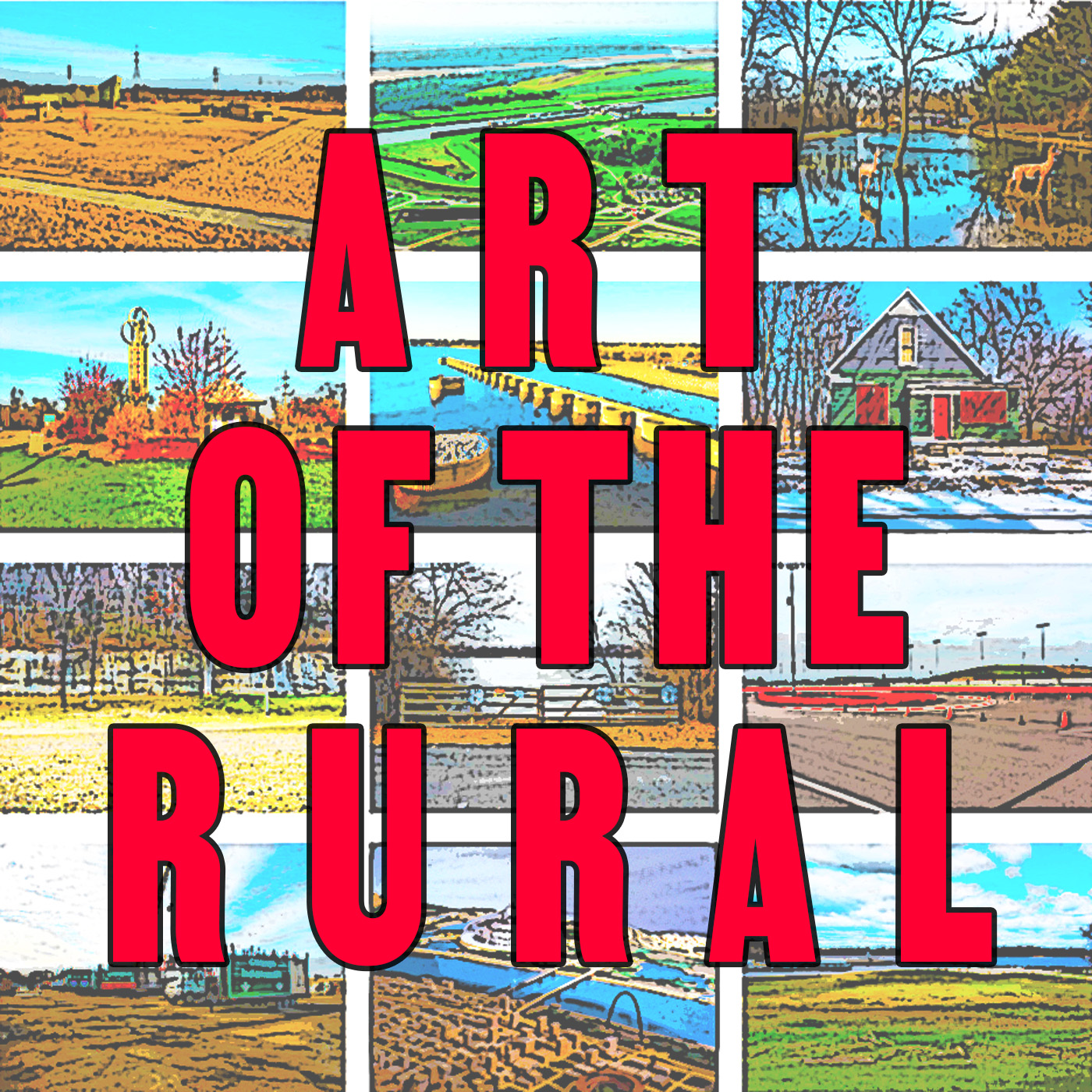
Art of the Rural: Founded in 2010, Art of the Rural is a decentered, collaborative organization that works to forward knowledge sharing, network gathering, and rural-urban exchange.
High Visibility is a longterm, collaborative partnership between Art of the Rural, Plains Art Museum, and individuals & organizations across the continent. Through exhibitions, publications, and place-based programs, our aim over time is to boldly reframe the narrative on rural America and Indian Country and to welcome sustained rural-urban exchange. Plains Art Museum.
American Bottom Project: As a specific geography, the American Bottom has seen a history of human settlement, ecological transformation, and social convergence that we truly find singular in the American context. At the same time, as a typical geography, the American Bottom picks up on patterns that might be recognizable at the divided urban periphery of every large American city at the beginning of the 21st century. And it is to both these registers—the specific and the general—that we hope this project speaks. Mounds UNESCO heritage site
Winona/Dakota Unity Alliance: Mission - Creating sustainable alliances among indigenous Nations and the Winona community with a mutual understanding that we are all related.
Appalshop: is a media, arts, and education center located in Whitesburg, Kentucky, in the heart of the southern Appalachian region of the United States.
Roadside Theater was founded in the coalfields of central Appalachia in 1975 as part of Appalshop, which had begun six years earlier as a War on Poverty/Office of Economic Opportunity youth job training
Ben Fink was the lead organizer of the Performing Our Future coalition and former/founding organizer of the Letcher County Culture Hub. He works at Roadside Theater, a part of Appalshop, a grassroots cultural and media organization in the east Kentucky coalfields. Good Friday Agreement. He is profiled in Change the Story / Change the World Episodes 17 and 18.
Gaeltacht: are the districts of Ireland, individually or collectively, where the Irish government recognises that the Irish language is the predominant vernacular, or language of the home.[1] The Gaeltacht districts were first officially recognised during the 1920s in the early years of the Irish Free State, following the Gaelic Revival, as part of a government policy aimed at restoring the Irish language.[2] says this in his poem
The Archaic Torso of Apollo.by Rainer Maria Rilke
Rainer Maria Rilke was an Austrian poet and novelist. He is "widely recognized as one of the most lyrically intense German-language poets".[
*******
Change the Story / Change the World is a podcast that chronicles the power of art and community transformation, providing a platform for activist artists to share their experiences and gain the skills and strategies they need to thrive as agents of social change.
Through compelling conversations with artist activists, artivists, and cultural organizers, the podcast explores how art and activism intersect to fuel cultural transformation and drive meaningful change. Guests discuss the challenges and triumphs of community arts, socially engaged art, and creative placemaking, offering insights into artist mentorship, building credibility, and communicating impact.
Episodes delve into the realities of artist isolation, burnout, and funding for artists, while celebrating the role of artists in residence and creative leadership in shaping a more just and inclusive world. Whether you’re an emerging or established artist for social justice, this podcast offers inspiration, practical advice, and a sense of solidarity in the journey toward art and social change.