Architecture Business Club with Jon Clayton
129 episodes — Page 3 of 3

Ep 25Lead Generation Explained (Myths, Mistakes, & Tactics) | 025
In this episode, Jon offers a deep dive into lead generation strategies for small to solo architecture practice owners. Jon highlights the significance of lead generation in avoiding the feast and famine cycle common to many businesses, emphasising the importance of both inbound and outbound leads. He busts common myths surrounding lead generation and outlines various misconceptions, such as the overreliance on social media for leads. The episode provides practical advice on generating outbound leads, including understanding the difference between cold, warm, and hot leads, utilising a strategy that aligns with business goals, and avoiding common mistakes like failing to schedule lead generation time. Jon shares tactics tailored to different types of leads and stresses the importance of conversations in converting leads to customers.Episode Highlights...00:00 Introduction to Lead Generation00:46 Understanding Lead Generation Basics02:17 Debunking Common Myths About Lead Generation02:52 Inbound vs. Outbound Leads: What You Need to Know05:56 Strategies for Generating Outbound Leads06:43 Identifying and Nurturing Different Types of Leads08:14 Common Mistakes in Lead Generation and How to Avoid Them14:54 Effective Tactics for Engaging Hot and Cold Leads21:54 Concluding Thoughts and Next Episode TeaserKey Takeaways...👉 Importance of Lead Generation: Lead generation is essential for maintaining a consistent stream of potential clients and to avoid cycles of feast and famine.👉 Inbound vs. Outbound Leads: Inbound leads come to you passively and you have little control over their quality and frequency. Outbound leads require proactive outreach by you or your team but can lead to more consistent lead generation.👉 Lead Nurturing: Recognise and nurture leads based on their level of familiarity with you and their readiness to become paying customers (cold, warm, and hot leads).👉 Avoid Common Mistakes: Like focusing only on cold leads, not scheduling time for lead generation, and being reactive instead of proactive.👉 Lead Tracking and Follow-Up: Track leads and follow up with them. Use a CRM system or a simple method like a spreadsheet to manage and nurture leads effectively.👉 Have a strategy: Develop a lead generation strategy aligned with your business goals. Use the right tactics to attract and nurture cold leads, and convert hot leads into customers.👉 Use The Right Tactics: Implementing tactics like creating valuable content for cold leads and engaging in high-touch, proactive outreach for hot leads to convert leads into customers.👉 Conversations Lead to Conversions: Invite your leads into conversation with you to understand their needs, intent, and move them towards becoming customers.—--👇 Click the link below to grab the Architecture Business Blueprint 🎁It’s the FREE step-by-step formula to freedom for architects, architectural technologists, and architectural designers.https://architecturebusinessclub.com/blueprint—--👇 Join the waitlist & chat group for our Community & Mastermind (for FREE)🎁https://architecturebusinessclub.com/waitlist👇 And if you enjoyed this episode…Please leave a 5-star review or rating wherever you listen to podcasts, and don’t forget to hit the subscribe button so you never miss an episode.👇 Follow or Connect with Jon on LinkedIn at...https://www.linkedin.com/in/mrjonclayton/In The Next Episode...Next time Jon chats with Ronda Jackson about getting paid on time and recovering debts.

Ep 24Location Independence and Digital Nomadism with Sara Kolata | 024
In this episode of the Architecture Business Club podcast, host Jon explores how architects can pursue a location-independent lifestyle and build a career that incorporates their passion for travel. Guest Sara Kolata, an architect turned digital transformation expert, shares her transition from traditional architecture practice to embracing digital nomadism and online business. Sara discusses her mission to improve the financial well-being of architects, her journey across various countries, the challenges and learnings from living a nomadic lifestyle, and how she eventually found a balance that suits her personal and professional life. She underscores the importance of continuous learning, aligning work with one’s essence, and the invaluable insights gained from travelling. Sara encourages architects to explore digital nomadism and various pathways to incorporate travel into their careers without being confined to traditional roles, along with practical advice on handling taxes and choosing destinations conducive to architectural professionals.Today's Guest...Sara Kolata is an architect and a digital transformation expert. Her mission is to raise the financial well-being of architects. She is a host of Architecture Talk: Tank, a show that serves as a platform for industry specialists to talk about business, marketing, and profitability in Architecture. Sara helps architecture professionals develop online businesses and create online courses. She also works as a business developer for medium to large-size architecture firms, helping them manage their finances and implement better client attraction strategies.Episode Highlights...00:00 Introduction: The Journey from Architecture to Digital Nomadism00:59 Meet Sara Kolata: Architect Turned Digital Transformation Expert01:46 Skydiving: A Metaphor for Freedom and Overcoming Fears03:55 The Shift to Location Independence and Online Business12:45 The Challenges and Realities of Being a Digital Nomad18:33 Aligning Work with Lifestyle: The Digital Nomad's Dilemma23:21 Exploring Location Independence in Architecture23:56 Navigating Taxes as a Digital Nomad24:08 The Blueprint for Architects: Business and Travel24:34 Tax Strategies for Globetrotting Professionals27:11 Choosing the Right Destinations for Architecture Enthusiasts30:18 The Impact of Travel on Architectural Practice31:54 Embracing the Digital Nomad Lifestyle in Architecture40:17 Continuous Learning: The Key to a Fulfilling Career43:33 Concluding Thoughts and Future PlansKey Takeaways...👉 Pursue Your Passion: Sara emphasises the importance of aligning one's career with personal passions, such as her transition from traditional architecture to digital nomadism to focus on her love for travel and independence.👉 Embracing Digital Transformation: The digital realm offers architects and related professionals new avenues for career development and business growth, as demonstrated by Sara's ventures into online business, online course creation, and her role at DisruptMag.👉 The Reality of Digital Nomadism: While the lifestyle may seem glamorous on social media, Sara shares the practical challenges and logistics involved, from dealing with time zones to managing work in different locations.👉 Leveraging Continuous Learning: Continuous personal and professional development is vital for adapting to changing circumstances and seizing new opportunities, as highlighted by Sara's continuous engagement in learning.👉 Navigating Location Independence: There are various paths to achieving location independence in architecture, not limited to traditional practice. Sara's journey underscores the importance of aligning work with lifestyle goals for sustainable success.👉 Importance of a Global Perspective: Travel and exposure to different cultures enrich your perspective, fostering creativity and innovation in your architectural work.👉 Tax Considerations for Nomads: Sara advises on the practicalities of managing taxes as a digital nomad, emphasising the importance of understanding tax obligations in one's home country and places of travel.👉 Career Flexibility and Identity: Emphasising the value of unique experiences and personal growth over traditional career paths, Sara encourages architects to live their dreams and design their unique career paths.Links Mentioned In The Episode...https://disruptmag.com/—--👇 Click the link below to grab the Architecture Business Blueprint 🎁It’s the FREE step-by-step formula to freedom for architects, architectural technologists, and architectural designers.https://architecturebusinessclub.com/blueprint—--👇 Join the waitlist & chat group for our Community & Mastermind (for FREE)🎁https://architecturebusinessclub.com/waitlist👇 And if you enjoyed this episode…Please leave a 5-star review or rating wherever you listen to podcasts, and don’t forget to hit the subscribe button so you never miss an episode.👇 Follow or Connect with Jon on LinkedIn at...https://www.linkedin.com/in/mrjo

Ep 23Money Matters: Knowing Your Numbers with Mahmood Reza | 023
In this episode, host Jon interviews Mahmood Reza, a business finance expert, tax advisor, and author of 'I Hate Numbers.' This discussion focuses on the importance for architects, especially those running solo or small practices, to understand their financial numbers for business growth, tax savings, and overall financial health. Mahmood emphasises the significance of planning, recognising money's role in achieving business goals, and overcoming financial stress. They explore the 'Plan It, Do It, Profit' concept which outlines the journey from planning to profitability. Mahmood also shares insights on money mindset, the impact of personal background on financial decisions, and the importance of record keeping for informed business decisions. Additionally, advice on profit margins, managing taxes, and utilising bookkeeping software for financial management is provided. The episode concludes with personal anecdotes and the relevance of having a healthy relationship with money to foster a successful architecture practice.Today's Guest...Mahmood Reza is a business finance fixer, tax advisor, and author of I Hate Numbers. He has helped thousands of sole traders, business owners, artists, creatives, and social enterprises have businesses, not hobbies, make money, save tax, improve their money mindsets, and reduce their financial stress and anxiety. Mahmood believes that once you understand what your numbers are, where they come from, and what they mean, you can use them to make better decisions and ultimately make (or keep) more money.Episode Highlights...00:00 Unlocking Financial Freedom in Architecture00:45 Introducing the Money Matters Expert01:17 The Power of Understanding Your Numbers03:51 A Deep Dive into Money Mindset08:11 The Blueprint to Profit: Plan It, Do It, Profit11:35 Setting Realistic Profit Margins for Small Businesses19:06 The Importance of Record Keeping and Tax Planning26:06 Final Thoughts and Advice from Mahmood28:06 Mahmood's Favourite Place29:24 Wrapping Up and Looking AheadKey Takeaways...👉 Understanding Your Numbers is Crucial: Mahmood emphasises the importance of knowing your business numbers – including expenses, revenues, and profits – to make informed decisions, improve financial health, and ensure sustainable growth.👉 Changing Your Money Mindset: Your background and attitude towards money can significantly impact your business finances. Changing a negative or fearful mindset about money to a more positive and proactive one can lead to better financial management and success.👉 The Impact of Planning and Action: The concept of "Plan It, Do It, Profit" introduced by Mahmood outlines the importance of planning, taking action according to the plan, and focusing on profitable outcomes. This process encourages business owners to have clear goals and a path to achieving them.👉 Financial Targets: Achieving profitability is a gradual process that comes from understanding and managing business finances effectively.👉 The Importance of Record Keeping: Accurate and consistent record-keeping is vital for understanding the financial state of a business, making informed decisions, and staying compliant with tax obligations.👉 Investing in Financial Management Tools: Investing in cloud-based bookkeeping software can simplify financial management, improve efficiency, and reduce stress related to finances.👉 Dealing with Taxes: Preparing for tax obligations by setting aside a portion of income and understanding the impact of different taxes on a business is crucial for financial health and compliance.👉 Personal Fulfillment and Financial Goals: Whilst financial success is important, aligning business goals with personal fulfillment, freedom, and flexibility is equally vital.Links Mentioned In The Episode...Mahmood’s Website > https://www.ihatenumbers.co.uk/—--👇 Click the link below to grab the Architecture Business Blueprint 🎁It’s the FREE step-by-step formula to freedom for architects, architectural technologists, and architectural designers.https://architecturebusinessclub.com/blueprint—--👇 Join the waitlist & chat group for our Community & Mastermind (for FREE)🎁https://architecturebusinessclub.com/waitlist👇 And if you enjoyed this episode…Please leave a 5-star review or rating wherever you listen to podcasts, and don’t forget to hit the subscribe button so you never miss an episode.👇 Follow or Connect with Jon on LinkedIn at...https://www.linkedin.com/in/mrjonclayton/In The Next Episode...Next time, Jon chats with Architect Sara Kolata about how you can craft a location-independent architecture business.

Ep 22Email Newsletters: The Underrated Marketing Tool with Nikita Morell | 022
In this episode of Architecture Business Club, host Jon discusses the importance and effectiveness of email newsletters for solo and small firm architecture practice owners with Nikita Morell, a copywriter who specialises in the architecture industry. They explore how newsletters can create a direct and personal connection with the audience, bypassing social media algorithms, and emphasise consistency and personalization over visual design. Nikita shares insights on crafting engaging content, segmenting the audience for tailored messaging, and strategies for building an email list. And shares tips for writing newsletters that resonate with readers. Will you try using an email newsletter to build relationships, credibility, and likability with your clients?Today's Guest...Nikita Morell is a copywriter for architecture professionals. She is also the founder of Architects WordShop: an online shop dedicated to helping architects with their words. Nikita specialises in helping architecture practices and sole practitioners around the world with their website messaging and uncovering their ‘X factor’ (the one thing that makes them different from every other firm) — so they can get a steady stream of ridiculously good projects. She analysed 663 architecture websites (you can see the results on her website) and is recognised for her unboring email newsletter and slightly controversial LinkedIn posts.Episode Highlights...00:00 Introduction: The Power of Email Newsletters00:56 Meet Nikita Morell: The Architect's Copywriter03:17 The Underrated Marketing Tool: Email Newsletters05:43 Designing Your Email Newsletter: Aesthetics vs. Content07:41 Crafting the Perfect Email Newsletter18:46 Building and Segmenting Your Email List22:15 Final Thoughts and A Personal Favorite PlaceKey Takeaways...👉 Email newsletters are an underrated marketing tool in the architecture industry. They allow architecture professionals to stay top of mind with clients and have a direct, personalised conversation with them. 👉 Email newsletters do not have to look visually stunning. Plain text emails can be just as effective in delivering the message. Focus on the content and writing style to create a genuine, conversational tone.👉 Before writing an email newsletter, consider the value it will provide to your ideal clients and your business. Personalise the content to connect with different segments of your audience and avoid generic, boring newsletters.👉 Use lead magnets on your website to attract subscribers. Segment your email list based on different client types to personalise the content and improve engagement. 👉 Consistency is key in email newsletters, but focus on quality over quantity. Regular newsletters help build trust, credibility, and likability with your audience.👉 Personalise the newsletters by writing directly to the audience and prompting replies with questions. Keep the tone conversational and relatable to humanise the communication.👉 Nikita encourages architects to give email newsletters a try and emphasises the enjoyment and personal connection they can bring.👇 Links Mentioned In The Episode...To get Nikita's hilarious emails full of FREE copywriting tips & templates go to www.nikitamorell.com/newsletter-----👇 Click the link below to grab the Architecture Business Blueprint 🎁It’s the FREE step-by-step formula to freedom for architects, architectural technologists, and architectural designers.https://architecturebusinessclub.com/blueprint-----👇 Join the waitlist & chat group for our Community & Mastermind (for FREE)🎁https://architecturebusinessclub.com/waitlist👇 And if you enjoyed this episode…Please leave a 5-star review or rating wherever you listen to podcasts, and don’t forget to hit the subscribe button so you never miss an episode.👇 Follow or Connect with Jon on LinkedIn at...https://www.linkedin.com/in/mrjonclayton/In The Next Episode...Next time, Jon chats with business finance fixer Mahmood Reza about money, and getting to grips with your numbers.

Ep 21What's Next For Architecture Business Club? | 021
In this episode, Jon announces exciting developments for the Architecture Business Club, aiming to extend its value beyond just being a podcast. The club, intended for solo and small firm architecture practice owners, is about to introduce several new offerings to foster a community within the architecture industry. Key announcements include the launch of a new website for enhanced accessibility to resources, the release of a free 'Architecture Business Blueprint' for business growth, and plans for an interactive community platform that may feature discussion groups, webinars, Q&A sessions, and in-person events. Additionally, Jon introduces the Architecture Mastermind Group for peer support and accountability, and one-to-one coaching, mentoring, and consulting services for personalised business guidance. This episode emphasises the club's vision of being more than a podcast by providing a holistic support system for architects, architectural technologists, and designers.Episode Highlights...00:00 Welcome to Architecture Business Club!03:11 Introducing the New Architecture Business Club Website05:13 Unveiling the Architecture Business Blueprint08:21 Building a Community Beyond the Podcast12:16 Exploring Mastermind Groups and One-to-One Coaching15:10 Wrapping Up and Looking ForwardKey Takeaways...👉 Expansion Plans: Jon is enthusiastic about expanding the Architecture Business Club beyond just being a podcast. He aims to create a community where architecture professionals can come together, socialise, share knowledge, and support each other.👉 New Website Launch: A new website for the Architecture Business Club has been launched to provide a central hub for resources, podcasts, and updates. Jon encourages feedback and engagement from the audience to improve the website further.👉 Architecture Business Blueprint: Jon has prepared a comprehensive document called the Architecture Business Blueprint, aimed at helping architecture professionals build and grow their businesses. The blueprint is offered as a free resource on the website.👉 Focus on Community Building: Community plays a crucial role in Jon's vision for the Architecture Business Club. He emphasises the importance of creating a club-like atmosphere where professionals can connect, learn, and support each other.👉 Mastermind Groups and Coaching: Jon highlights the value of mastermind groups for achieving business goals and offers opportunities for one-to-one coaching, mentoring, and consulting to support professionals in their business endeavors.👉 Future Plans: Jon is dedicated to focusing entirely on the Architecture Business Club and supporting others in the architecture industry. He is committed to providing you with valuable content.-----👇 Click the link below to grab the Architecture Business Blueprint 🎁It’s the FREE step-by-step formula to freedom for architects, architectural technologists, and architectural designers.https://architecturebusinessclub.com/blueprint-----👇 Join the waitlist & chat group for our Community & Mastermind (for FREE)🎁https://architecturebusinessclub.com/waitlist👇 Check out our new website at…https://architecturebusinessclub.com👇 And if you enjoyed this episode…Please leave a 5-star review or rating wherever you listen to podcasts, and don’t forget to hit the subscribe button so you never miss an episode.👇 Follow or Connect with Jon on LinkedIn at...https://www.linkedin.com/in/mrjonclayton/In The Next Episode...Next time Jon chats with Nikita Morell about email newsletters, an underrated marketing tool.

Ep 20Grade-G Student To Grade-A Architecture with Ian Shirvell | 020
In the episode, host Jon interviews Ian Shirvell, a Chartered Architectural Technologist and the founder of Ora Design Architecture. Ian shares his journey from a G-grade high school student to a successful sole practitioner in architecture. Ian discusses how he started his career as a carpenter's apprentice, then moved into architectural technology after stints at a building surveyors, a timber frame company, and two prestigious RIBA registered practices. He chats about the influence his family had on his career choices. Ian discusses his difficulties at school due to undiagnosed dyslexia, his journey through the recession, and his subsequent freelance opportunities during the COVID-19 pandemic.Today's Guest...Ian Shirvell is a Chartered Architectural Technologist and is passionate about all aspects of architecture and construction. He comes from a family of property developers and his career spans over 20 years. Starting as an apprenticeship served Carpenter, he studied Architectural Technology at Oxford and developed his architectural expertise during his time at two prestigious RIBA registered practices. Throughout his career, Ian has worked on a broad range of projects including Residential, Healthcare, Churches, and Education including a new leading Independent School and renowned Oxford University buildings.Episode Highlights...00:00 Introduction and Welcome00:45 Ian's Unconventional Journey into Architecture01:39 Ian's Early Interest in Architecture and DIY03:35 Ian's Struggles in School and Overcoming Dyslexia07:30 Ian's Journey from Carpentry to Architecture10:48 The Importance of Learning and Adapting in Architecture19:20 Ian's Transition to Freelancing and Starting His Own Practice23:17 Challenges and Successes in Running an Architecture Business26:42 Ian's Favorite Places and Closing RemarksKey Takeaways...👉 Overcoming Challenges: Ian's story from being a high school student with low grades to becoming a successful chartered architectural technologist highlights the importance of persistence and determination in overcoming obstacles.👉 Adapting Learning Styles: Ian discussed how his undiagnosed dyslexia influenced his learning and how he found his unique way of understanding and grasping concepts, emphasizing the importance of adapting learning styles to succeed.👉 Career Transition: Ian's unconventional career journey from carpentry to architecture showcases the value of diverse experiences and skill sets in shaping a successful career path.👉 Professional Growth: Ian's progression from working as a freelancer to starting his own practice demonstrates the significance of continuous learning, adaptability, and seizing opportunities for professional growth.👉 Client-Centric Approach: Ian's experience with challenging projects underscored the importance of client relationships, providing value through expertise, and delivering high-quality work to build a successful architecture business.👉 Strategic Career Choices: Ian emphasised the strategic importance of choosing the right firms, gaining diverse experiences, and continuously improving skills to stand out in a competitive industry.👉 Passion for Innovation: Ian's enthusiasm for exploring new technologies and project types reflects the value of innovation, curiosity, and a passion for learning in driving business success.Links Mentioned In The Episode...Ian’s Website > https://www.oradesign.co.uk/-----👇 Click the link below to grab the Architecture Business Blueprint 🎁It’s the FREE step-by-step formula to freedom for architects, architectural technologists, and architectural designers.https://architecturebusinessclub.com/blueprint-----👇 Join the waitlist & chat group for our Community & Mastermind (for FREE)🎁https://architecturebusinessclub.com/waitlist👇 And if you enjoyed this episode…Please leave a 5-star review or rating wherever you listen to podcasts, and don’t forget to hit the subscribe button so you never miss an episode.👇 Follow or Connect with Jon on LinkedIn at...https://www.linkedin.com/in/mrjonclayton/In The Next Episode...Next time, Jon shares exciting plans for Architecture Business Club beyond the podcast and will be sharing an incredible resource with you.

Ep 19Being More Visible and Authentic with Fifi Mason | 019
In this episode, host Jon is joined by personal brand and visibility coach Fifi Mason. They discuss how to be more visible and authentic when running your architecture business. Fifi shares strategies to overcome self-silencing, an internal barrier that prevents individuals from expressing their thoughts or ideas due to fear of perceived consequences. Fifi also highlights the importance of being seen for business owners, especially on social media platforms, and provides practical tips for posting on these platforms. In the episode, they also have a light-hearted conversation about their shared love for dogs.Today's Guest...Fifi Mason is a Personal Brand & Visibility Coach, and her mission and purpose is to help individuals with quieter voices show up authentically, amplify their impact and create the change they wish to see in the world. To find out what’s holding you back from showing up as the face of your business – visit fifimason.com and take Fifi’s Self-Silencing Quiz.Episode Highlights...00:00 Introduction to Visibility in Business00:50 Getting to Know Fifi Mason01:18 A Shared Love for Dogs02:27 Understanding Visibility in Business04:46 Common Visibility Mistakes in Business08:17 Overcoming Self Silencing10:57 The Journey to Visibility13:37 Tips to Overcome Self Silencing20:00 Social Media Visibility Tips29:20 Fifi's Favorite Place30:22 Connecting with Fifi Mason30:50 Closing Remarks and Preview of Next EpisodeKey Takeaways...👉 Visibility in Business: It’s important to be seen and heard, especially online, in order to reach the right people and build meaningful connections.👉 Overcoming Self Silencing: The holding back from sharing thoughts, ideas, and opinions due to fear of the perceived consequences. Strive to break free from these self-imposed barriers and find the confidence to express yourself.👉 Common Visibility Mistakes: Such as hiding behind a logo and not showing your personality. Be authentic and differentiate yourself to really connect with other people.👉 Social Media Visibility: Share your unique approaches, personal stories, and testimonials in order to connect with the audience and build know, like, and trust.👉 Take Small Steps Towards Visibility: Start with sharing personal content with close friends and family, and gradually expanding to a wider audience. Find the right balance between sharing personal stories and maintaining professionalism.👉 Find Your Community: Find and engage with a community of like-minded individuals, whether through existing groups or creating one's own community. This helps you build connections and find an audience receptive to your ideas and opinions.👉 The Power of Stories: Stories are an effective way to connect with people on social media. Sharing stories that show vulnerability and personal growth can help in building deeper connections and resonating with your audience.👉 Hope and Possibility: It’s possible to overcome your shyness, introversion, and the fear of being visible. Gradually step out of your comfort zone and gain a sense of freedom and enjoyment that comes with being visible and authentically you.Links Mentioned In The Episode...Connect with Fifi and take her Self-Silencing Quiz >>> https://fifimason.com/connect-----👇 Click the link below to grab the Architecture Business Blueprint 🎁It’s the FREE step-by-step formula to freedom for architects, architectural technologists, and architectural designers.https://architecturebusinessclub.com/blueprint-----👇 Join the waitlist & chat group for our Community & Mastermind (for FREE)🎁https://architecturebusinessclub.com/waitlist👇 And if you enjoyed this episode…Please leave a 5-star review or rating wherever you listen to podcasts, and don’t forget to hit the subscribe button so you never miss an episode.👇 Follow or Connect with Jon on LinkedIn at...https://www.linkedin.com/in/mrjonclayton/In The Next Episode...Next time Jon is joined by Architectural Technologist Ian Shirvell to discuss his unconventional career journey into architecture.

Ep 18The Power Of Mastermind Groups with Chris Ducker | 018
Jon interviews entrepreneur Chris Ducker about the power of mastermind groups and how they can bolster your business. They discuss the two different types of masterminds; peer-led and leader-led, and the benefits and misconceptions about both. Chris shares his experiences, highlighting the importance of surrounding yourself with the right people and self-education. He emphasises the vital role of the leader in leader-led masterminds. Chris also shares a bit about his background, including his love for sketching, which was inspired by his father's profession as an architect.Today's Guest...Chris Ducker is a serial entrepreneur and author of the bestselling books, Virtual Freedom and more recently, Rise of the Youpreneur. Based in Cambridge, England, Chris owns and operates several businesses, including the VA recruiting hub, VirtualStaffFinder.com, and the personal brand enterprise education company Youpreneur.com. He is regarded as one of the top experts in the world on the subjects of remote team building and scaling an expert business. Since 2008, Chris has been a trusted international business mentor, keynote speaker, and podcaster, and currently spends most of his time working with successful entrepreneurs, as well as investing in and advising startup companies. His work is regularly published on ChrisDucker.com and he can be followed on Instagram and LinkedIn.Episode Highlights...00:00 Introduction to Mastermind Groups00:47 Meet Chris Ducker: Expert Business Mentor & Entrepreneur01:44 Chris's Personal Journey and Love for Sketching07:59 The Power of Mastermind Groups10:59 Benefits and Misconceptions of Mastermind Groups11:33 Types of Mastermind Groups13:23 Chris's Personal Experiences with Mastermind Groups22:08 Choosing the Right Mastermind Group24:38 Final Thoughts and Advice30:39 Closing Remarks and Contact InformationKey Takeaways...👉 Mastermind groups present a platform for validating business ideas and achieving goals. They can be peer-to-peer groups or a leader-led group run by someone more advanced in their business journey, providing guidance and advice to others.👉 Success in business doesn't occur by mere participation in groups such as masterminds, it requires actual action. Entrepreneurs must not only participate in discussions but also implement the strategies and advice offered.👉 The choice of mastermind group must align with an entrepreneur's business stage. An advanced group might feel overwhelming and an overly beginner group may not provide enough growth potential.👉 Continuous education is a must for staying ahead in business. This could be achieved through podcasts, books, and mastermind group discussions.Links Mentioned In The Episode...Chris Ducker's Website - https://www.chrisducker.com-----👇 Click the link below to grab the Architecture Business Blueprint 🎁It’s the FREE step-by-step formula to freedom for architects, architectural technologists, and architectural designers.https://architecturebusinessclub.com/blueprint-----👇 Join the waitlist & chat group for our Community & Mastermind (for FREE)🎁https://architecturebusinessclub.com/waitlist👇 And if you enjoyed this episode…Please leave a 5-star review or rating wherever you listen to podcasts, and don’t forget to hit the subscribe button so you never miss an episode.👇 Follow or Connect with Jon on LinkedIn at...https://www.linkedin.com/in/mrjonclayton/In The Next Episode...Next time Jon chats with visibility coach Fifi Mason about how you can start showing up and be more visible in what you do.

Ep 17Ten Lessons (From Ten Years) As A Sole Practitioner | 017
In this episode, Jon shares 10 key lessons from his decade-long experience as a sole practitioner in architecture. He talks about the importance of learning from mistakes, understanding your financial state even if you're not motivated by money, delegating tasks, and building an emergency fund in your business. He also emphasises the need to make progress over perfection, continuing to find joy in your business, and connecting with others to avoid feeling alone in your journey. Jon encourages you to learn from his mistakes so you can build a profitable future-proof architecture business.Episode Highlights...00:00 Introduction and Welcome00:47 10 Years of Experience: The Journey Begins01:23 The Reality of Being a Sole Practitioner01:56 Learning from Mistakes: The Hard Truths03:00 The Importance of Money in Business04:46 The Gap in Architectural Education06:52 The Power of Differentiation in Architecture08:24 The Impact of Relocation on Business10:43 Dealing with Unexpected Crises12:11 The Perils of Perfectionism13:18 The Struggle of Doing Everything Yourself17:11 The Loneliness of Running Your Own Business19:10 Conclusion and Final ThoughtsKey Takeaways...👉 Learn from your mistakes, fail fast, and move on.👉 Don't neglect your understanding of money and financial management, even if you're not primarily motivated by money.👉 Running a successful architecture business requires more than just being a great architect or designer, it requires developing business skills and knowledge.👉 Educate your customers about the value you offer and how you work.👉 Look for ways to diversify your income so you're not solely reliant on referrals.👉 Build an emergency fund in your business to prepare for unexpected crises.👉 Focus on making progress rather than pursuing perfection in your business.👉 Delegate tasks that don't align with your strengths and priorities.👉 Take the initiative to seek support and connection with others in your field.👉 Your architecture business journey doesn't have to be lonely, find your tribe and create connections.-----👇 Click the link below to grab the Architecture Business Blueprint 🎁It’s the FREE step-by-step formula to freedom for architects, architectural technologists, and architectural designers.https://architecturebusinessclub.com/blueprint-----👇 Join the waitlist & chat group for our Community & Mastermind (for FREE)🎁https://architecturebusinessclub.com/waitlist👇 And if you enjoyed this episode…Please leave a 5-star review or rating wherever you listen to podcasts, and don’t forget to hit the subscribe button so you never miss an episode.👇 Follow or Connect with Jon on LinkedIn at...https://www.linkedin.com/in/mrjonclayton/In The Next Episode...Next time Jon chats about the power of mastermind groups with expert business mentor Chris Ducker.

Ep 16Embracing Your Neurodivergent Quirks with Mike Cole | 016
In this episode of Architecture Business Club, host Jon speaks with Mike Cole, an IFC-accredited coach and qualified accountant, about embracing neurodiversity in your architecture business. Mike discusses his experience with dyslexia and the strengths it has brought to his work, such as problem-solving and big-picture thinking. He shares his journey of self-acceptance and encourages listeners to lean into their uniqueness and find the most efficient ways for them to work. He also highlights the importance of understanding oneself, both strengths and weaknesses, to build a profitable future-proof architecture business. Mike has also created a quiz to help you discover what's holding you back in your businesses and career.Today's Guest...Mike Cole is an ICF-accredited coach and qualified accountant with a wealth of business experience from leading multinational teams in £multi-billion corporates to supporting solopreneurs to develop their unique, profitable businesses. Mike combines skillful coaching, and extensive business experience to guide busy people, who are overflowing with ideas, along their unique path to success. He creates calm, collaborative spaces that unblock thinking, generate rapid insight, and result in actionable steps.Episode Highlights...00:00 Introduction to Neurodiversity00:55 Guest Introduction: Mike Cole03:19 Understanding Neurodivergence04:23 Mike's Personal Journey with Dyslexia06:09 Overcoming Challenges in the Workplace13:26 Transitioning to Small Business Ownership15:18 The Difference Between Coaching and Mentoring16:45 Building a Business Around Your Strengths19:25 Understanding and Embracing Your Unique Strengths20:23 The Coin Analogy: Embracing Both Sides of Your Personality22:19 The Power of Big-Picture Thinking and Trust25:08 The Impact of Diagnosis and Self-Understanding27:50 Leaning into Your Specialness: Final Thoughts and Encouragement31:44 Connecting with Mike and Final RemarksKey Takeaways...👉 Embrace your quirks or your neurodivergent attributes. Whether in business or life, try to understand and lean into your unique traits and strengths, even if they may deviate from the 'norm'. This promotes authenticity and usually leads to better results in one's work.👉 Take time to understand the best working methods for you. By analysing and adjusting the way you work you can leverage your strengths, and boost efficiency. 👉 Everyone has strengths and weaknesses. Find peace with your weaknesses and focus on maximising your strengths. Your strengths are what make you valuable to others.👉 Consider problems from different perspectives. Different people understand and solve problems in unique ways due to their varied experiences, skills, and thought processes. Embracing this diversity of thought can lead to innovative solutions.Links Mentioned In The Episode...Mike’s Quiz - https://www.milico.uk/quizMike’s LinkedIn - https://www.linkedin.com/in/thismikecole/Mike’s Instagram - @thismikecole-----👇 Click the link below to grab the Architecture Business Blueprint 🎁It’s the FREE step-by-step formula to freedom for architects, architectural technologists, and architectural designers.https://architecturebusinessclub.com/blueprint-----👇 Join the waitlist & chat group for our Community & Mastermind (for FREE)🎁https://architecturebusinessclub.com/waitlist👇 And if you enjoyed this episode…Please leave a 5-star review or rating wherever you listen to podcasts, and don’t forget to hit the subscribe button so you never miss an episode.👇 Follow or Connect with Jon on LinkedIn at...https://www.linkedin.com/in/mrjonclayton/In The Next Episode...Next time, host Jon shares stories and lessons learned during the past decade as a sole practitioner in architecture.

Ep 15Reduce Your Risk Designing Roofs With James Talman | 015
In this episode, Jon hosts Architecture Business Club with guest James Talman, CEO of the National Federation of Roofing Contractors and Competent Roofer. They delve into the intricacies of roofing in architectural designs and how architects can minimise risks to ensure that their next roof is designed and built properly. James also shares important information about the NFRC's crucial role in enhancing technical excellence in roofing, elevating industry standards, and offering free resources. The discussion further explores the Building Safety Act and how the industry is preparing to implement it to ensure safety and professionalism.Today's Guest...James Talman is the CEO of the National Federation of Roofing Contractors (NFRC) and CompetentRoofer. Since 2016, James has led a transformation focused on enhancing technical excellence in roofing and elevating industry standards. He's played a key role in partnerships, including CITB's RoofCERT accreditation programme, and represents the NFRC globally, fostering connections with roofing bodies in China, Germany, USA, and Canada. James, a board member of Build UK, balances his professional life with a passion for sports and the outdoors.Episode Highlights...00:53 Introduction to the Guest - James Talman01:39 Personal Interests and Hobbies03:23 Understanding the National Federation of Roofing Contractors (NFRC)06:29 Benefits of Working with NFRC Registered Contractors08:41 Understanding the Competent Roofer Scheme10:27 How NFRC Can Assist Architecture Practices15:32 Reducing Risks and Ensuring Compliance20:09 Understanding the Building Safety Act24:49 Career Opportunities in Roofing26:16 Personal Travel Experiences27:34 Connecting with NFRC Online28:31 Conclusion and Preview of Next EpisodeKey Takeaways...👉 The National Federation of Roofing Contractors (NFRC) is a membership organisation that provides support and resources for contractors, manufacturers, and service providers in the roofing industry.👉 The NFRC offers a Competent Roofer scheme, which allows roofing contractors to self-certify their work to building regulations, eliminating the need for separate building control inspections.👉 NFRC registered contractors undergo rigorous inspections and audits to ensure their commercial probity, office procedures, and health and safety standards meet industry standards.👉 Working with NFRC registered contractors provides advantages such as independent inspections, comprehensive guarantees, compliance with data provision, and recourse in case of any issues.👉 The NFRC has connections with suppliers and manufacturers in the roofing industry and can assist in finding specialist roofing contractors for specific projects, such as heritage buildings.👉 The NFRC provides resources on its website, including essential safety information, guidance bulletins, and books on various types of roofing.👉 The NFRC is actively involved in the development of the roofing industry, including implementing mandatory technical competencies and promoting careers in roofing.👉 The Building Safety Act has introduced legislation and frameworks for competency in the construction industry, including roofing, to ensure safety standards are met.👉 The NFRC is available to provide support, advice, and guidance to architects and other professionals involved in roofing projects.Links Mentioned In The Episode...NFRC’s Website > https://www.nfrc.co.uk/-----👇 Click the link below to grab the Architecture Business Blueprint 🎁It’s the FREE step-by-step formula to freedom for architects, architectural technologists, and architectural designers.https://architecturebusinessclub.com/blueprint-----👇 Join the waitlist & chat group for our Community & Mastermind (for FREE)🎁https://architecturebusinessclub.com/waitlist👇 And if you enjoyed this episode…Please leave a 5-star review or rating wherever you listen to podcasts, and don’t forget to hit the subscribe button so you never miss an episode.👇 Follow or Connect with Jon on LinkedIn at...https://www.linkedin.com/in/mrjonclayton/In The Next Episode...Next time Jon chats with business coach Mike Cole about embracing your neurodivergent quirks.
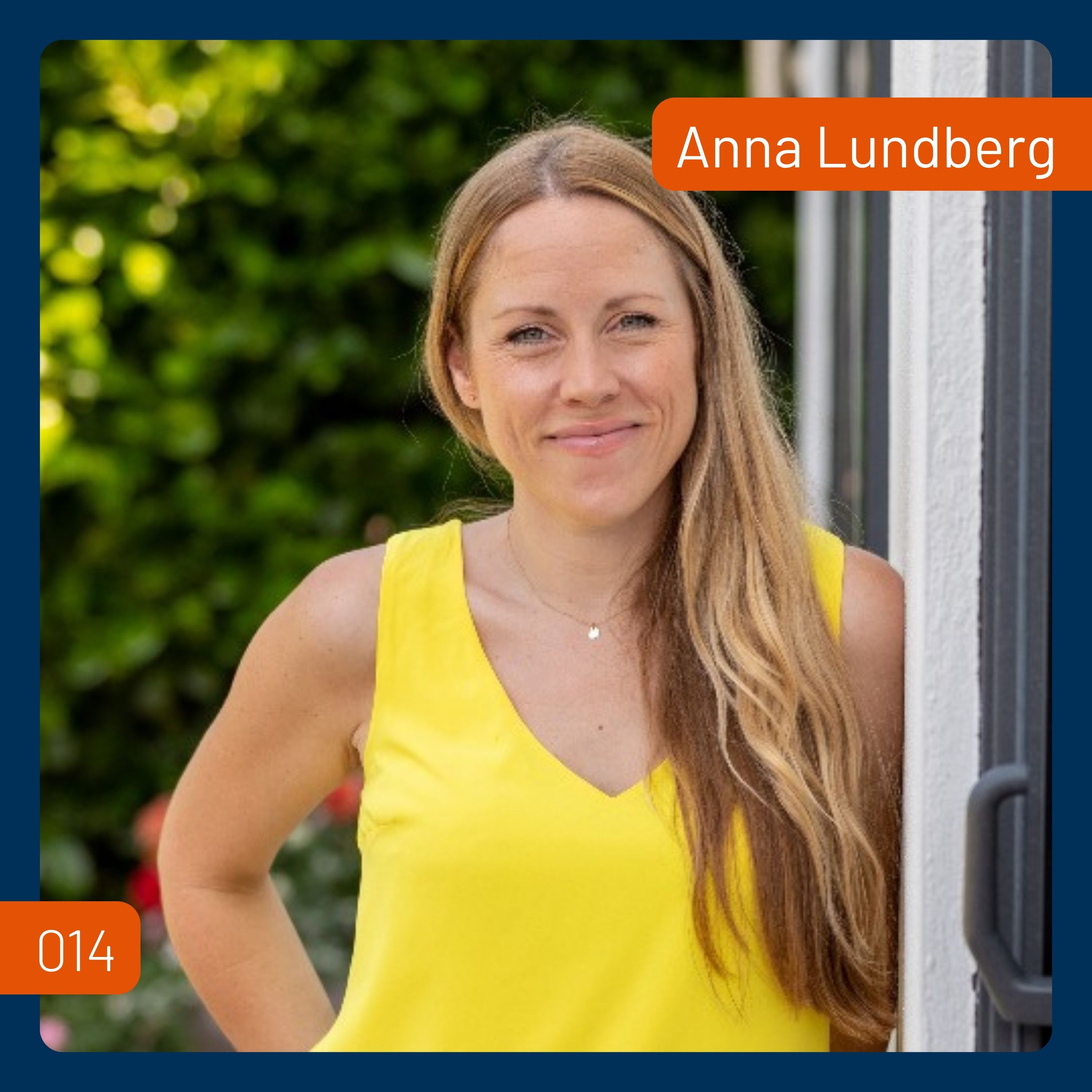
Ep 14Breaking Free From The Nine To Five with Anna Lundberg | 014
In this episode, host Jon is joined by Anna Lundberg, founder of One Step Outside who helps professionals break free from a traditional 9-5 job to find a more meaningful definition of success. They discuss the challenges of transitioning from employee to business owner, the importance of building a personal brand, the need for work-life integration versus balance, and the potential for future-proofing the business. Anna also shares her five-pillar business framework and how it helps solo and small-firm architecture practice owners navigate their business journey. She further explores alternative business models, moving past one-to-one client services. They also touch upon travel experiences and their relevance in expanding horizons and sparking curiosity.Today's Guest...Anna Lundberg is all about crafting careers and businesses that don't just focus on traditional success measures, but take a more balanced approach. Founder of One Step Outside®, she is on a mission to help experienced professionals break free from the 9 to 5 and pursue a more meaningful definition of success. She is the host of the Reimagining Success® podcast and the author of several books. And she's juggling all this while raising two little kiddos down in sunny Dorset.Episode Highlights...00:00 Introduction and Podcast Overview00:56 Guest Introduction: Anna Lundberg01:42 Anna's Journey: Leaving Corporate World02:02 Anna's South America Adventure02:39 The Impact of Travel on Career Decisions05:11 The Five Pillars Framework Overview06:39 Pillar One: Defining Your Version of Success10:05 Pillar Two: Cultivating Confidence and Resilience14:27 Pillar Three: Developing the Right Business Model18:32 Exploring Alternative Business Models21:53 Exploring Creative Solutions in Business22:22 Understanding Client Needs and Preferences23:11 Exploring Different Business Models24:10 Building Trust and Progression in Business26:19 Pillar Four: The Importance of Personal Branding30:38 Pillar Five: Work-Life Integration34:06 Recommendations for Starting or Improving a Business37:45 The Role of Travel and Location in Personal Fulfillment40:58 Connecting with Anna Lundberg Online41:57 Preview of the Next Episode and Closing RemarksKey Takeaways...👉 Importance of Self-Awareness - Understanding one's own strengths, preferences, personality, and life situation is crucial before starting or revamping a business.👉 Redefining Success - Anna encourages not to limit the definition of success to monetary outcomes. Instead, she suggests it should include aspects such as freedom, flexibility, and fulfillment.👉 Cultivating Resilience and Confidence - Building resilience and confidence is essential in managing the ups and downs that come with running a business.👉 Diversifying Business Models - Not to be limited by traditional business models, and consider alternatives such as paid resources, teaching, mentoring, and upselling other services.👉 The Value of Personal Branding - Creating a personal brand can help differentiate a business and establish a stronger connection with clients.👉 Work-Life Integration, not Balance - Anna argues for the idea of work-life integration, suggesting that it's about finding a way for work and personal life to harmoniously co-exist.👉 Importance of Progression - Offering entry-level services or products can help bring clients into your world and possibly upsell them to premium services later.👉 Taking Small Steps towards Big Goals - Ambitious goals can be made more achievable by breaking them down into smaller, more manageable steps.Links Mentioned In The Episode...Anna’s Website >https://onestepoutside.com/-----👇 Click the link below to grab the Architecture Business Blueprint 🎁It’s the FREE step-by-step formula to freedom for architects, architectural technologists, and architectural designers.https://architecturebusinessclub.com/blueprint-----👇 Join the waitlist & chat group for our Community & Mastermind (for FREE)🎁https://architecturebusinessclub.com/waitlist👇 And if you enjoyed this episode…Please leave a 5-star review or rating wherever you listen to podcasts, and don’t forget to hit the subscribe button so you never miss an episode.👇 Follow or Connect with Jon on LinkedIn at...https://www.linkedin.com/in/mrjonclayton/In The Next Episode...Next time Jon chats with James Talman about the National Federation Of Roofing Contractors and how they are supporting architectural practices.

Ep 13Navigating Your Business Journey with Quarterly Planning | 013
In this episode, host Jon discusses the significance of strategic planning for business success. Drawing comparisons between embarking on a business journey and going on a road trip, he stresses the importance of setting a clear destination (dubbed the 'big business goal') for the year ahead. Jon advocates for a quarterly approach, stating that breaking down the year into four manageable chunks allows for better planning, easier course corrections, and the capacity to see real results in a business over a 90-day period. Several measurable metrics and tangible tactics for achieving quarterly goals are suggested. Jon reminds listeners of the value of rewarding achieved goals and introduces the concept of creating 'jeopardy' to add urgency to get the work done. Lastly, he suggests methods for holding oneself accountable for plans, including making your intentions public and utilising accountability buddies.Episode Highlights...00:00 Introduction To Quarterly Planning01:31 The Analogy of Business Journey to a Car Journey02:17 Setting Your Business Goals02:42 The Concept of Quarterly Planning03:54 The Benefits of Quarterly Checkpoints04:08 What to Include in Your Quarterly Plan04:32 Reflecting on the Previous Quarter04:58 Setting a Main Quarterly Goal06:10 Financial Measures in Your Quarterly Plan08:52 Building Your Authority and Visibility10:54 Tying Your Plan with Marketing and Promotion13:03 Sticking to Your Quarterly Plan16:06 What to Do Next Quarter17:20 Outro and Preview of the Next EpisodeKey Takeaways...👉 Planning is essential: it’s important to plan your business journey, just like planning a car trip. Set specific goals and map out the best route to achieve them.👉 Break down your business journey into manageable stages or quarters. By focusing on one stage at a time, it becomes easier to stay on track and make course corrections if needed.👉 Reflect and make improvements on the previous quarter and identify what went well, what could have been better, and any obstacles that stood in the way. This reflection helps in making improvements and ensuring better results in the next quarter.👉 Set clear quarterly goals and focus on one main goal at a time. This helps in making progress towards the overall business goal for the year.👉 Measure key metrics such as revenue, leads, sales conversations, conversion rates, average spend, and profit margin. By monitoring these metrics, you can track your progress and make necessary adjustments.👉 Promote strategically: Think about different ways to promote your business throughout the year. Creating different peak points or focusing on different aspects of your services/products can keep your promotions fresh and engaging.👉 Stay accountable and motivated by making your plan visible, sharing your goals publicly, finding an accountability partner, creating a sense of jeopardy, and rewarding yourself when you achieve your quarterly goals.-----👇 Click the link below to grab the Architecture Business Blueprint 🎁It’s the FREE step-by-step formula to freedom for architects, architectural technologists, and architectural designers.https://architecturebusinessclub.com/blueprint-----👇 Join the waitlist & chat group for our Community & Mastermind (for FREE)🎁https://architecturebusinessclub.com/waitlist👇 And if you enjoyed this episode…Please leave a 5-star review or rating wherever you listen to podcasts, and don’t forget to hit the subscribe button so you never miss an episode.👇 Follow or Connect with Jon on LinkedIn at...https://www.linkedin.com/in/mrjonclayton/In The Next Episode...Next time Jon chats with Anna Lundberg about breaking free from the nine to five.
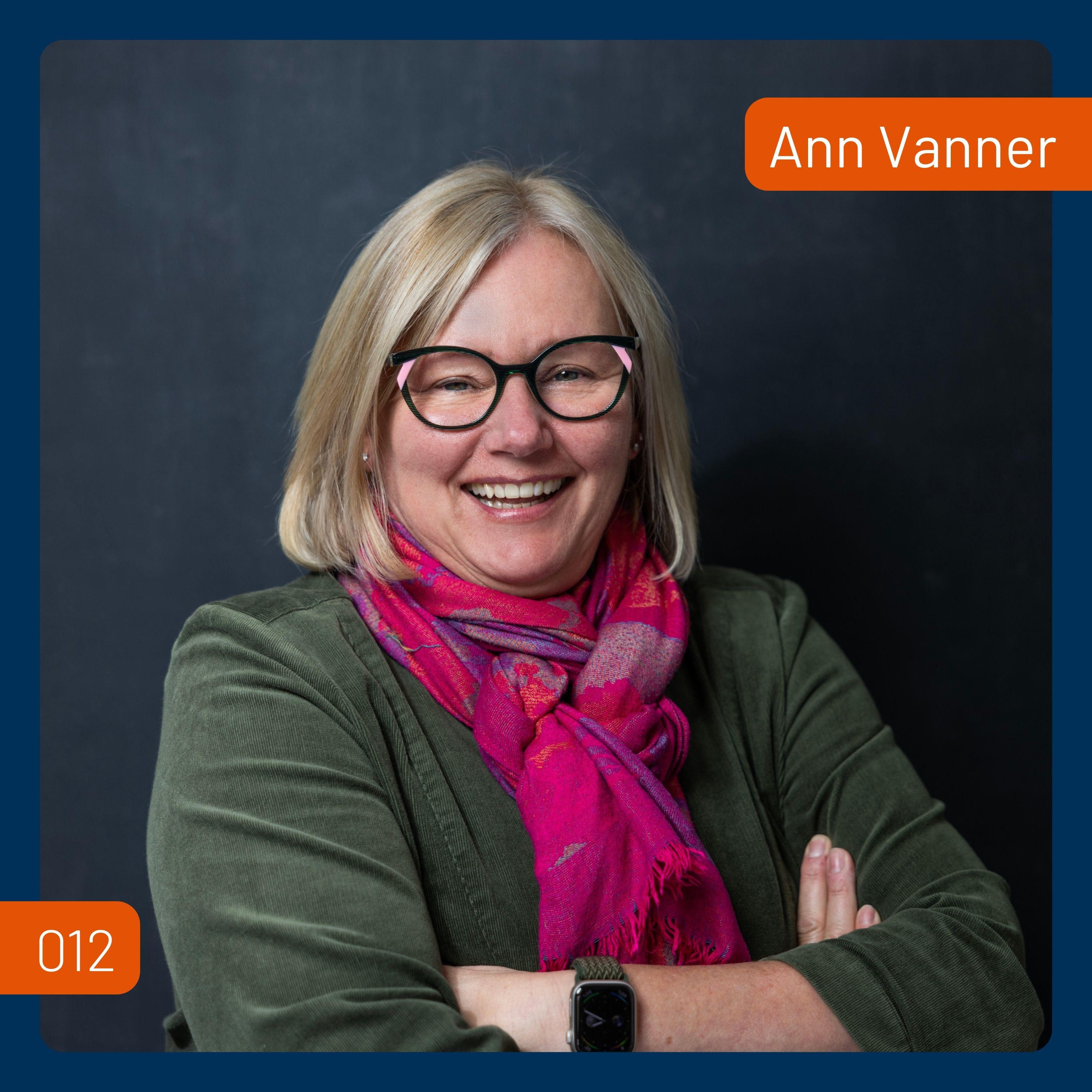
Ep 12Returning to Practice: A Conversation with Ann Vanner | 012
The episode features an in-depth conversation between host, Jon, and guest, Ann Vanner, a fellow of the Chartered Institute of Architectural Technologists and a Chartered Architect who recently returned to practice after a long break. They discuss Ann's experiences and challenges upon reentering the world of architecture, the changes she has noticed in communication modes, document management, planning process, and more. The discussion extends to the importance of continual learning, forming partnerships, aligning visions, and recommendations for those considering a similar transition in their careers.Today's Guest...Ann Vanner is a Fellow of the Chartered Institution of Architectural Technologists, a Chartered Architect, an academic, and a Living Future Accredited Professional. Ann’s starting point and approach to architecture is Practical Creativity. Her practical background spans over 20 years, in architectural practices in the UK and Germany. She brings an unconventional and unwavering passion for the built environment and a desire to make a positive change in the environment and for those who she works with. Ann has recently returned to practicing architecture.Episode Highlights...00:00 Introduction and Overview00:52 Meet the Guest: Ann Vanner01:51 Ann's Personal Interests: Sailing03:14 Returning to Practice: The Decision05:50 Changes in Architecture Practice: Planning Process08:00 Changes in Communication and Document Management13:27 The Importance of Continuous Learning15:03 The Benefits of Partnership in Practice19:03 Tips for Starting a Partnership25:04 Advice for Returning to Practice29:26 Connecting with Ann Online29:54 Closing Remarks and Preview of Next EpisodeKey Takeaways...👉 If you're thinking about returning to practice or starting a practice, know that it's a learning process. Don't be afraid of this; embrace it. Being able to adapt to new technology (like email and YouTube tutorials) and being open to learning new skills can significantly ease the transition.👉 Communication methods have changed significantly, email and different digital communication methods are central now. Managing the information flow through these channels can take time and patience, but maintaining proper documentation and communication is key in any business.👉 When starting a partnership-based business, ensure that there's alignment between the partners on the vision, mission, and values of the practice. Have open and honest discussions and regularly check-in with one another to keep the alignment.👉 Running a personal practice or starting a partnership based business gives you the freedom to create a work environment that suits your preferences and lifestyle. It can be more fulfilling and can bring a new spark of enthusiasm to your career.👉 Document management techniques have changed over time. Modern practices tend to digitize their documents for easier management and tracking of project history.👉 Continual learning is essential in architecture. The methods, tools, and technologies associated with architecture are always changing, so continuous learning is crucial to keep up-to-date and remain competent in the field.👉 Balancing your strengths and weaknesses with your partner can lead to a more effective and productive partnership. Be aware of your strengths and lean on your partner for areas where you are weak. 👉 Finally, it's also crucial to make brave moves when needed. If you have an aspiration or a dream, such as reopening a practice or starting a new one, sometimes the best advice is to just do it. It may not be easy, and it may require a considerable amount of effort, but the rewards can be significant.Links Mentioned In The Episode...Habitat Architects Website > https://www.habitat-architects.co.uk/-----👇 Click the link below to grab the Architecture Business Blueprint 🎁It’s the FREE step-by-step formula to freedom for architects, architectural technologists, and architectural designers.https://architecturebusinessclub.com/blueprint-----👇 Join the waitlist & chat group for our Community & Mastermind (for FREE)🎁https://architecturebusinessclub.com/waitlist👇 And if you enjoyed this episode…Please leave a 5-star review or rating wherever you listen to podcasts, and don’t forget to hit the subscribe button so you never miss an episode.👇 Follow or Connect with Jon on LinkedIn at...https://www.linkedin.com/in/mrjonclayton/In The Next Episode...Next time Jon talks about quarterly planning and the benefits of planning your business year in quarters.
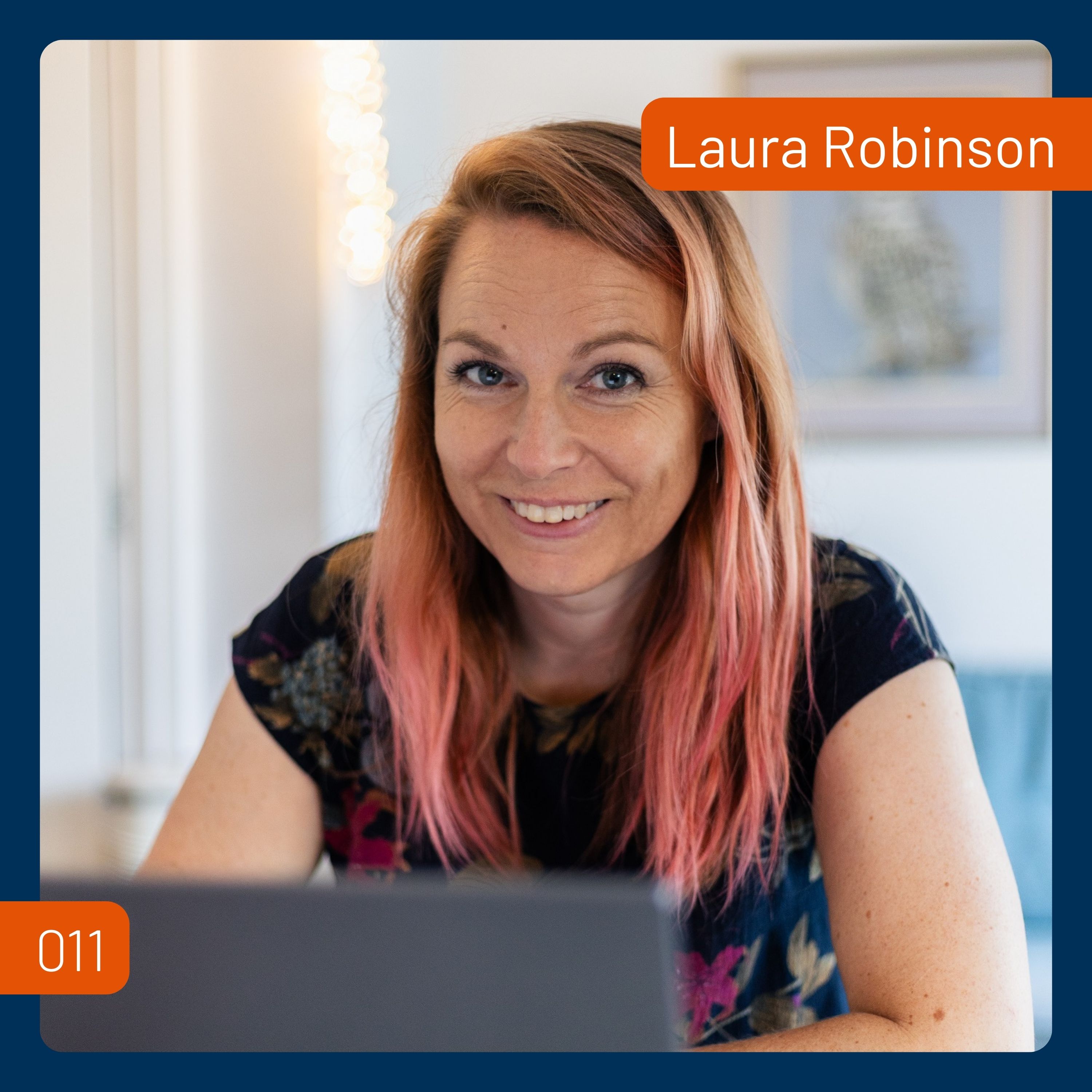
Ep 11Bite-Sized Client Experiences (First Date Offers) with Laura Robinson | 011
In this episode, marketing mentor Laura Robinson explains the concept of 'First Date Offers'. These are short, chargeable, bite-sized experiences designed to attract potential clients and give them a taster of your high-priced services. Laura recommends creating a First Date Offer that's fun and comfortable for you to deliver, ensuring you avoid too broad a scope, follow up promptly, and limit its availability to create an urgent need. She also notes these offers are a low-risk way to differentiate your business in your industry and help you attract customers. Laura illustrates her concept with examples from multiple industries, including architecture.Today's Guest...Laura Robinson is a marketing mentor for expertise-based businesses. She has been working in marketing and copywriting for more than 14 years. In that time, she has helped hundreds of business owners create and sell online offers, and to make their online marketing more effective. She’s delivered masterclasses for Enterprise Nation, Membership Academy, and Andrew & Pete’s Atomic Community. She has also shared her expertise as a speaker at Erin Wong’s Momentum Day, and Atomicon, one of Europe’s largest business conferences.Episode Highlights...00:00 Introduction to the Episode00:31 About the Host and the Show00:54 Introducing the Guest: Laura Robinson01:58 Laura's Unique Experience as a Marine Mammal Medic03:37 Introduction to First Date Offers03:49 The Concept and Creation of First Date Offers05:17 Explaining Voxer and its Benefits06:53 The Impact of First Date Offers on Business08:28 Laura's Experience with Home Renovation and Architects11:54 Brainstorming First Date Offers for Architecture Practices20:22 Pricing and Pitfalls of First Date Offers27:28 Summarising the Concept of First Date Offers30:25 Laura's Favorite Place and ConclusionKey Takeaways...👉 First Date Offers are small, chargeable, one-to-one experiences that you can offer potential clients. It has to be enjoyable for you, quick to deliver, provide value to your customers, and can lead to selling higher-priced services.👉 First Date Offers act as a sample of what it is like to work with you and can lead to hiring you for more extensive services. It is recommended that the delivery method of this offer should mirror your standard mode of communication with clients.👉 Pricing for your First Date Offers should be determined in such a way that there is no resentment from your side for delivering the service. Think creatively about how you make it easy for people to say yes to work with you. 👉 First Date Offers can help you filter the types of clients you'd like to work with more.👉 For your First Date Offers to be successful, it's crucial to stay within a narrow scope. Trying to offer too much within this set time can leave all parties feeling dissatisfied.👉 Follow up after the First Date Offer is essential because it helps you to stay in touch with the client who might become a higher-paying customer in the future.👉 In terms of availability, these offers should be limited in order to generate some sense of urgency in the customers.👉 The First Date Offer shouldn't be about buying a certain amount of time but about getting a particular problem solved or a question answered. It's not reliant on the time taken but about delivering value to the client.👉 Ensure the First Date Offer is something that appeals to the type of client you want to attract. This can help you shape your business to only work with clients who you feel you would enjoy working with.Links Mentioned In The Episode...If you're running a business that needs to fit around your other life challenges, priorities, and adventures...sign up for Laura’s free Comfy Business Newsletter at http://worditude.co.uk/newsletterLaura’s Website > http://worditude.co.uk/-----👇 Click the link below to grab the Architecture Business Blueprint 🎁It’s the FREE step-by-step formula to freedom for architects, architectural technologists, and architectural designers.https://architecturebusinessclub.com/blueprint-----👇 Join the waitlist & chat group for our Community & Mastermind (for FREE)🎁https://architecturebusinessclub.com/waitlist👇 And if you enjoyed this episode…Please leave a 5-star review or rating wherever you listen to podcasts, and don’t forget to hit the subscribe button so you never miss an episode.👇 Follow or Connect with Jon on LinkedIn at...https://www.linkedin.com/in/mrjonclayton/In The Next Episode...Next time Jon chats with Architect and Architectural Technologist, Ann Vanner, about her experience of returning to practice.

Ep 10Why You Should Think More Like A CEO with Janet Murray | 010
In this episode, Jon discusses the CEO mindset with Janet Murray, an online business strategist and copywriter. They delve into why many small business owners or practitioners behave more like freelancers rather than CEOs. Janet highlights how tracking data, developing business skills, and creating commercially viable services or products are key components of CEO thinking. She emphasises having a forward planning strategy, sales skills, and the confidence to assert the value of one's services.Today's Guest...Janet Murray is an online business strategist & copywriter.She’s the creator of the 2024 Courageous CEO Strategic Business Planner & Resource Kit (along with a whole host of content kits that save time on content planning/creation) - and the host of the Courageous CEO podcast.Janet has been podcasting for around a decade and has published more than a thousand podcast episodes.As a copywriter, Janet specialises in creating - and writing strategic copywriting campaigns. Strategic copywriting is about publishing the right content at the right time to achieve a specific goal - which is why it’s typically more effective than other approaches to content.She’s also a keynote speaker who has spoken on big stages all over the world including The Youpreneur Summit (London), CMA Live (Edinburgh), and Inbound (Boston, USA).Janet plays the piano, sings, runs, and talks to her 3 cats (although not at the same time). She’s also the mum of a teenage daughter and is a long-suffering ‘football widow’.Episode Highlights...00:00 Introduction and Podcast Overview00:50 Getting to Know Janet Murray01:52 Janet's Unique Journey: Starting a Choir in 30 Days04:18 The Importance of CEO Mindset in Small Business07:04 The Difference Between Freelancers and CEOs09:34 The Power of Strategic Planning and Data Tracking13:52 Understanding Commercial Viability and Value17:14 The Role of Confidence and Expertise in Business18:46 The Power of Saying No and Understanding Your Value19:27 Janet's Strategic Business Planner and Resource Kit41:12 Closing Remarks and Future Episode TeaserKey Takeaways...👉 Small business owners should adopt a CEO mindset to strategically steer their business. This involves setting clear annual and quarterly financial targets, understanding important sales periods, and having a data-driven approach to business growth.👉 Understanding and harnessing the value of your business is crucial. This could be honing in on unique selling points of the business, establishing effective systems, or creating assets that generate recurring income.👉 Being able to effectively communicate the value of your product or service is important. This includes being able to articulate the transformation your service provides and having the confidence to sell it.👉 Not all business owners are CEOs, but thinking like a CEO can help to grow a business. For the business to be deemed a business, it should have the potential to operate even without the presence of the owner.👉 Pricing should reflect the value and transformation a product or service offers, not just the time it takes to deliver it. Professionals should be confident in their pricing and not underestimate their worth.👉 Instead of trying to do everything, focusing on the right marketing and sales activities that strategically align with business goals will drive success. If a business owner needs immediate income, they should consider tactics that yield short-term results, such as reaching out to potential clients directly.👉 A successful business is not just about generating income, but also about creating a legacy or adding value to the market. Capturing important data and monitoring the business strategy can help achieve this.Links Mentioned In The Episode...USE COUPON CODE ‘JON97’ TO GET £50 OFF Janet’s 2024 Courageous CEO Strategic Business Planner & Resource Kit via the link below.👇https://janetmurray.co.uk/courageous-ceo-planner-2024/Janet’s Websitehttps://www.janetmurray.co.uk -----👇 Click the link below to grab the Architecture Business Blueprint 🎁It’s the FREE step-by-step formula to freedom for architects, architectural technologists, and architectural designers.https://architecturebusinessclub.com/blueprint-----👇 Join the waitlist & chat group for our Community & Mastermind (for FREE)🎁https://architecturebusinessclub.com/waitlist👇 And if you enjoyed this episode…Please leave a 5-star review or rating wherever you listen to podcasts, and don’t forget to hit the subscribe button so you never miss an episode.👇 Follow or Connect with Jon on LinkedIn at...https://www.linkedin.com/in/mrjonclayton/In The Next Episode...Next time Jon chats with Laura Robinson about bite-sized one-to-one experiences (called First Date Offers) that can lead your clients toward your higher-priced services.
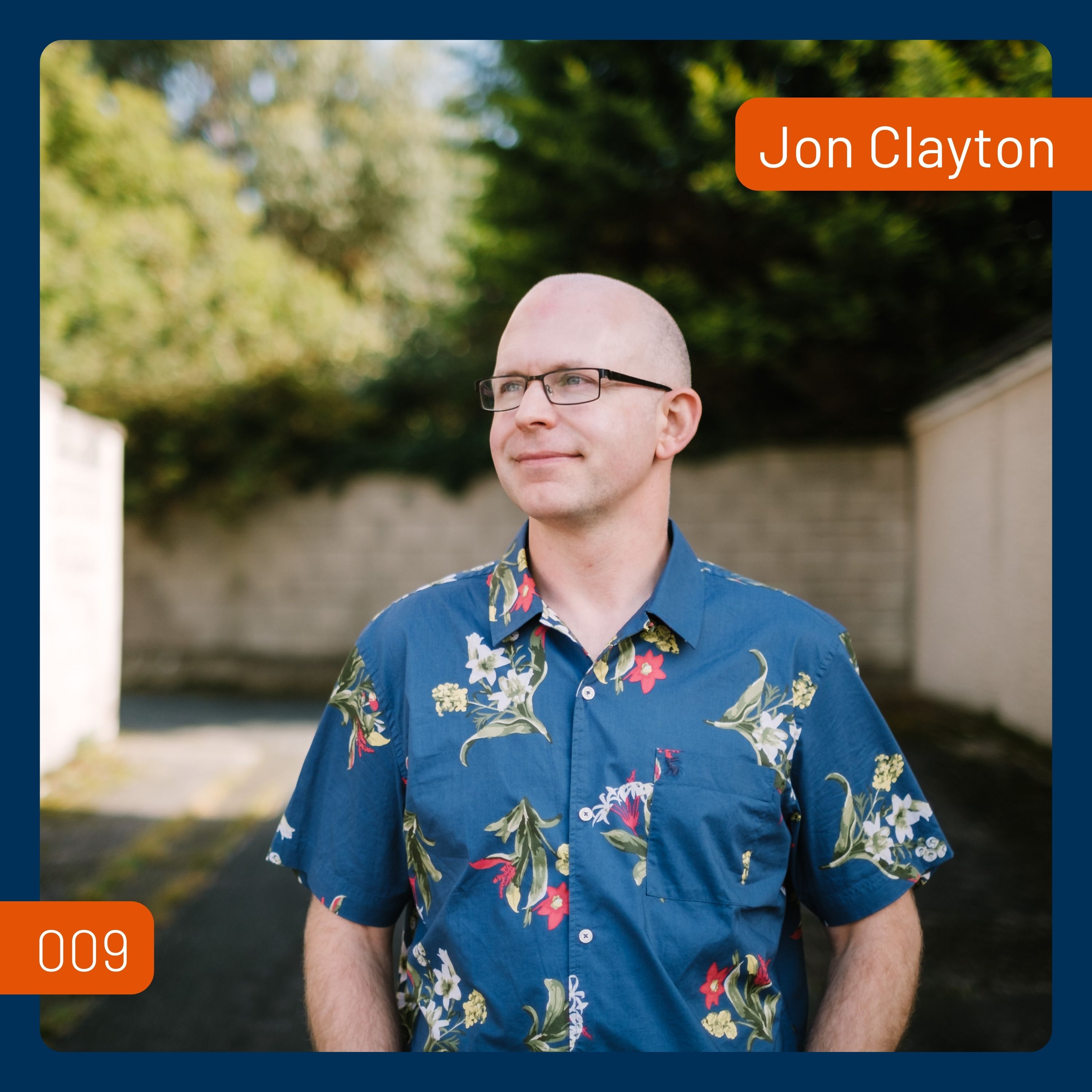
Ep 9Reflecting on Your Business: Preparing for the New Year | 009
In this episode of Architecture Business Club, Jon encourages listeners to reflect on their past year in business and consider their business plans for the upcoming year. Highlighting the importance of setting an objective and assessing which actions led to successful results and which actions were detrimental. Jon discusses his personal achievements and challenges, highlighting his own goals for the year ahead.Episode Highlights...00:00 Introduction and Welcome01:25 Reflecting on the Past Year01:56 Identifying Achievements and Challenges02:37 Overcoming Perfectionism03:40 Setting Goals for the New Year04:27 Choosing a Theme or Word for the Year05:56 Planning for Business Growth07:51 Understanding the Difference Between Goals and Tasks10:53 Creating an Annual Plan for Your Business14:12 Planning in Quarters14:55 Conclusion and Preview of Next EpisodeKey Takeaways...👉 Reflect on your previous year: Take the time to look back and reflect on what worked well and what didn't. Make course corrections if necessary.👉 Set clear goals: Define your objectives for the year and set SMART (Specific, Measurable, Achievable, Relevant, Time-bound) goals.👉 Embrace imperfection: Avoid being a perfectionist and instead focus on progress. It's better to take action and make improvements later.👉 Seek growth opportunities: Continuously strive for personal and professional growth. Look for ways to expand your knowledge, reach new audiences, and increase your income.👉 Break down tasks: When planning, distinguish between goals, projects, and tasks. Break down larger projects into smaller, manageable tasks to stay organised and productive.👉 Consider quarterly planning: Break down your yearly goals into quarterly sprints. Quarterly planning allows for course corrections and helps you stay focused throughout the year.Links Mentioned In The Episode...Andrew & Pete > https://www.andrewandpete.com/Chris Ducker > https://chrisducker.com/Mike Cole > https://thismikecole.com/-----👇 Click the link below to grab the Architecture Business Blueprint 🎁It’s the FREE step-by-step formula to freedom for architects, architectural technologists, and architectural designers.https://architecturebusinessclub.com/blueprint-----👇 Join the waitlist & chat group for our Community & Mastermind (for FREE)🎁https://architecturebusinessclub.com/waitlist👇 And if you enjoyed this episode…Please leave a 5-star review or rating wherever you listen to podcasts, and don’t forget to hit the subscribe button so you never miss an episode.👇 Follow or Connect with Jon on LinkedIn at...https://www.linkedin.com/in/mrjonclayton/In The Next Episode...Next time Jon chats with online business strategist and copywriter, Janet Murray about how to think more like a CEO.

Ep 8Christmas Tales Of Architecture Past, Present and Future | 008
In this festive edition of Architecture Business Club, host Jon takes listeners on a journey revisiting the Christmases of his past, present, and future as a practitioner in the field of architecture. He shares amusing anecdotes of the wild office Christmas parties from the late '90s and early 2000s, contrasts them against his current quieter festivities as a sole practitioner, and outlines his hopeful aspirations for the future. The podcast aims to build a community of solo and small firm architecture practitioners, offering them support, cheerleading, and opportunities to share their experiences. Jon also teases what listeners can expect from the podcast in 2024.Episode Highlights...00:00 Introduction and Podcast Overview01:34 Christmas Parties in the Past03:17 Christmas Gifts and Secret Santa04:13 Christmas Party Gossips06:45 Christmas Party Memories11:30 Christmas Celebrations in 202314:12 Christmas Plans for the Future16:10 Conclusion and FarewellKey Takeaways...👉 Christmas parties and socialising with colleagues can be important. It builds relationships and fosters a sense of community in the industry.👉 Giving a Christmas bonus, even a small one, can help staff feel valued and appreciated. This reinforces the idea that small gestures can have a significant impact on employee morale and satisfaction.👉 Christmas celebrations have changed over the years and can be very different depending on whether you are a sole practitioner or work with a team. If you’ve recently become a sole practitioner try to adapt and find new ways to celebrate.-----👇 Click the link below to grab the Architecture Business Blueprint 🎁It’s the FREE step-by-step formula to freedom for architects, architectural technologists, and architectural designers.https://architecturebusinessclub.com/blueprint-----👇 Join the waitlist & chat group for our Community & Mastermind (for FREE)🎁https://architecturebusinessclub.com/waitlist👇 And if you enjoyed this episode…Please leave a 5-star review or rating wherever you listen to podcasts, and don’t forget to hit the subscribe button so you never miss an episode.👇 Follow or Connect with Jon on LinkedIn at...https://www.linkedin.com/in/mrjonclayton/In The Next Episode...Next time Jon reflects on the past year and shares his thoughts on planning the year ahead to set yourself up for success. He also teases what’s coming up in 2024.

Ep 7How To Find, Hire & Retain Great Architectural Staff with Stephen Drew | 007
Jon talks to Stephen Drew, the founder of Architecture Social and Interior Design Social, about the challenges of finding, hiring, and retaining great architectural staff. Stephen enlightens listeners about the importance of creating engaging job adverts that go beyond listing required skills, and instead paint a vibrant picture of the company culture. He advises businesses to be agile, and transparent about their financial situation, and to constantly engage with employees about their professional goals. Stephen encourages companies to think from an employee's perspective and leverage their unique strengths, like flexibility and opportunities for more hands-on experience, which are particularly attractive to candidates. He also highlights the cost-saving advantage of employee referrals and the importance of fostering relationships with local universities for potential new hires.Today's Guest...Stephen Drew is the Founder of the Architecture Social and Interior Design Social as well as an ambassador for the Architect's Benevolent Society, a Fellow of the Royal Society of Arts, and a professional member of the Recruitment Employment Confederation and the Association Of Professional Staffing Companies. Architecture Social has a fresh spin on an old formula by breaking down traditional barriers between companies and creatives, providing a supportive environment to develop professional skills, find new jobs, and socialise.Episode Highlights...00:00 Introduction and Podcast Overview00:57 Guest Introduction: Stephen Drew01:40 Personal Interactions and Casual Conversation03:31 Stephen Drew's Journey into Recruitment05:46 Challenges and Solutions in Recruitment08:22 Mistakes Employers Make in Recruitment08:35 Effective Job Advertisements and Hiring Strategies15:18 The Importance of Respect and Communication in Hiring19:00 Salary Transparency in Job Advertisements21:46 Understanding the Market and Setting Salaries22:38 Balancing Business Needs and Employee Expectations23:29 The Importance of Flexibility and Progression in Retaining Staff25:32 The Art of Negotiation and Counter Offers28:40 The Role of Flexibility and Experience in Attracting Candidates31:49 Advice for Sole Practitioners on Their First Hire34:18 The Importance of Practice and Comparison in the Hiring Process34:42 Closing Thoughts and Personal ReflectionsKey Takeaways...👉 Putting thought into the job description and the portrayal of your firm can significantly impact the number of quality candidates you attract.👉 Be clear about your expectations and honest about what you can offer. Create clear goals for potential hires to work towards and be open about salary discussions.👉 Ensure that you're ready to make a decision when you start the interview process.👉 Employees need to feel that they can progress in their roles and that their concerns are being listened to.👉 Flexibility is vital in current times, so allowing options like remote working can contribute greatly to job satisfaction and staff retention.👉 When it comes to sole practitioners hiring their first team member, taking the time to establish connections with universities and job boards can open up a pool of eligible candidates.👉 Avoid rushing the hiring process to ensure you find the right fit for your practice.👉 Your job ads should focus on selling your firm as a great place to work rather than just listing what you want in an employee. Be upfront about both your expectations and what you're offering.👉 Mention the benefits that you offer, like flexibility and opportunities for professional development to make your firm more appealing to potential hires.👉 Staying engaged with your staff, setting clear goals for them, and providing them with opportunities to learn and grow can help keep them motivated and loyal to your firm.👉 Be open about salary conversations and be agile to adapt your strategies based on the current market conditions.Links Mentioned In The Episode...Architecture Social's Website > https://architecturesocial.com-----👇 Click the link below to grab the Architecture Business Blueprint 🎁It’s the FREE step-by-step formula to freedom for architects, architectural technologists, and architectural designers.https://architecturebusinessclub.com/blueprint-----👇 Join the waitlist & chat group for our Community & Mastermind (for FREE)🎁https://architecturebusinessclub.com/waitlist👇 And if you enjoyed this episode…Please leave a 5-star review or rating wherever you listen to podcasts, and don’t forget to hit the subscribe button so you never miss an episode.👇 Follow or Connect with Jon on LinkedIn at...https://www.linkedin.com/in/mrjonclayton/In The Next Episode...Next time Jon takes a trip down memory lane and shares a lighthearted look at his Christmas past, present, and future working in architecture.

Ep 6Building Your Personal Brand as an Architecture Practice Owner with Bob Gentle | 006
In this episode of Architecture Business Club, host Jon Clayton invites Bob Gentle to speak about the importance of personal branding for architecture practice owners. Bob is known for helping business leaders all over the world build their online presence and grow their businesses. They discuss the fear factor of being visible in the social media scene and the key advantages of having a personal brand. Bob shares the concept of content creation as an investment and how its long-term benefits include building industry authority and creating opportunities for sales conversations.Today's Guest...Bob Gentle works with leaders at every stage of business to help them step out in front of their marketing with a powerful personal brand. He does this through his podcast, youtube channel, coaching, masterminds & consulting. His mission?.. Helping business leaders around the world discover, set and achieve their goals online - then build a business they love. Bob is also the author of : ‘The Personal Brand Business Roadmap ~ Everything you need to start, scale or just fix your Expert Business.’Episode Highlights...00:00 Introduction to Personal Branding00:56 Guest Introduction: Bob Gentle01:58 Getting to Know Bob: Personal Interests03:30 Understanding Personal Branding04:44 The Impact of Personal Branding on Business05:05 Challenges in Marketing for Architecture Practices12:01 The Power of Personal Branding in Business Growth17:43 Overcoming Fear in Personal Branding20:48 Effective Content Creation for Personal Branding24:23 The Long-Term Benefits of Personal Branding31:30 Connecting with Bob Gentle32:37 Preview of Next Episode and Closing RemarksKey Takeaways...👉 A personal brand is essential for individuals and can have a significant impact on building a successful business. By intentionally cultivating and amplifying their personal brand, architecture business owners can differentiate themselves from their competitors and attract more opportunities.👉 Many architecture practices rely heavily on referrals for winning work. While referrals are valuable, Bob suggests that combining them with other marketing strategies, such as content creation and building an audience through social media, can lead to greater growth and specialisation in the industry.👉 Bob addresses the fear of visibility that many individuals have when it comes to personal branding. He encourages people to understand their fears, write them down, and gradually desensitize themselves to overcome these fears.👉 It’s important to create valuable and diverse content to engage with your audience. Bob advises against being repetitive and suggests incorporating different dimensions of your life into your content, such as personal interests and experiences.👉 By positioning yourself as an industry authority and providing valuable content, you can establish a strong bond with your audience and make it a no-brainer for them to choose you over your competitors.👉 Embrace criticism and the fact that not everyone will like your personal brand. It's okay to repel some people because it allows you to attract the right audience and makes decision-making easier for potential clients.👉 Personal branding can help architecture business owners grow beyond their local areas and limitations. By establishing a globally amplified personal brand, individuals can gain visibility outside their catchment areas and open doors to specialised projects and opportunities.Links Mentioned In The Episode...Get Bob’s Personal Brand Business Roadmaphttps://amplifyme.agency/roadmapBob’s Website > Amplifyme.agency-----👇 Click the link below to grab the Architecture Business Blueprint 🎁It’s the FREE step-by-step formula to freedom for architects, architectural technologists, and architectural designers.https://architecturebusinessclub.com/blueprint-----👇 Join the waitlist & chat group for our Community & Mastermind (for FREE)🎁https://architecturebusinessclub.com/waitlist👇 And if you enjoyed this episode…Please leave a 5-star review or rating wherever you listen to podcasts, and don’t forget to hit the subscribe button so you never miss an episode.👇 Follow or Connect with Jon on LinkedIn at...https://www.linkedin.com/in/mrjonclayton/In The Next Episode...Next time, Jon will be chatting with Stephen Drew of Architecture Social about how to find, hire, and retain great architectural staff.

Ep 5Leveraging LinkedIn for Architecture Business Growth with Sarah Clay | 005
In this episode of the Architecture Business Club, host Jon Clayton discusses LinkedIn strategies for business growth with social media strategist Sarah Clay. They dissected common misconceptions about LinkedIn, emphasizing its role as a search engine and networking tool, not just a social media platform. Sarah highlighted the importance of showcasing the team and process behind architecture projects on LinkedIn, not just completed works. She affirmed the benefits can include expanding networks, identifying industry trends, and understanding audience needs.Today's Guest...Sarah Clay is a LinkedIn trainer to B2C and B2B companies as well as solopreneurs, who offers a no-nonsense, accessible approach to her teaching whilst injecting some fun into learning. Sarah’s specialism is working with entrepreneurs and business owners to help them get more leads from LinkedIn. An award-winning social media trainer and strategist, Sarah has over 10 years’ experience heading up marketing and PR departments. Sarah ran her own social media agency ‘Sarah Clay Social’ looking after social media for all sizes of business before focusing on training business owners how to love and leverage LinkedIn to accelerate their business growth.Episode Highlights...00:00 Introduction and Welcome00:58 Getting to Know Sarah Clay02:48 Debunking LinkedIn Myths04:19 How Architects Can Leverage LinkedIn06:42 Benefits of Being Active on LinkedIn09:26 Exploring LinkedIn's Search Feature10:49 Intermission and Reminder to Subscribe11:10 Practical Use of LinkedIn's Search Feature14:47 Three Steps to LinkedIn Success17:09 Overcoming Fear of LinkedIn17:52 Sarah's Home Renovation Experience21:03 Sarah's Favorite Place in the World22:13 Contact Details and Closing Remarks22:41 Preview of Next Episode and FarewellKey Takeaways...👉 LinkedIn is more than just a social media platform. It is a search engine, a directory, and a networking tool. It can be leveraged by architecture practices to find collaborators, connect with potential clients, and stay updated on industry trends.👉 Architectural practices should showcase not only their work but also their personalities on LinkedIn. Sharing personal stories, talking about why they love what they do, and highlighting their team members can help build trust with clients and differentiate themselves from competitors.👉 The search bar on LinkedIn is a powerful tool that can be used to find specific individuals or companies with expertise in certain areas, such as energy efficiency. By using relevant keywords and filtering by location, architects can connect with the right people for their projects.👉 To succeed on LinkedIn, architecture practice owners should focus on three key steps: optimize their profile with keywords, consistently post valuable content, and actively engage with others using the search bar.Links Mentioned In The Episode...Sarah Clay’s Website > https://sarahclaysocial.com/-----👇 Click the link below to grab the Architecture Business Blueprint 🎁It’s the FREE step-by-step formula to freedom for architects, architectural technologists, and architectural designers.https://architecturebusinessclub.com/blueprint-----👇 Join the waitlist & chat group for our Community & Mastermind (for FREE)🎁https://architecturebusinessclub.com/waitlist👇 And if you enjoyed this episode…Please leave a 5-star review or rating wherever you listen to podcasts, and don’t forget to hit the subscribe button so you never miss an episode.👇 Follow or Connect with Jon on LinkedIn at...https://www.linkedin.com/in/mrjonclayton/In The Next Episode...Next time, Jon will be chatting with Bob Gentle about building your personal brand.
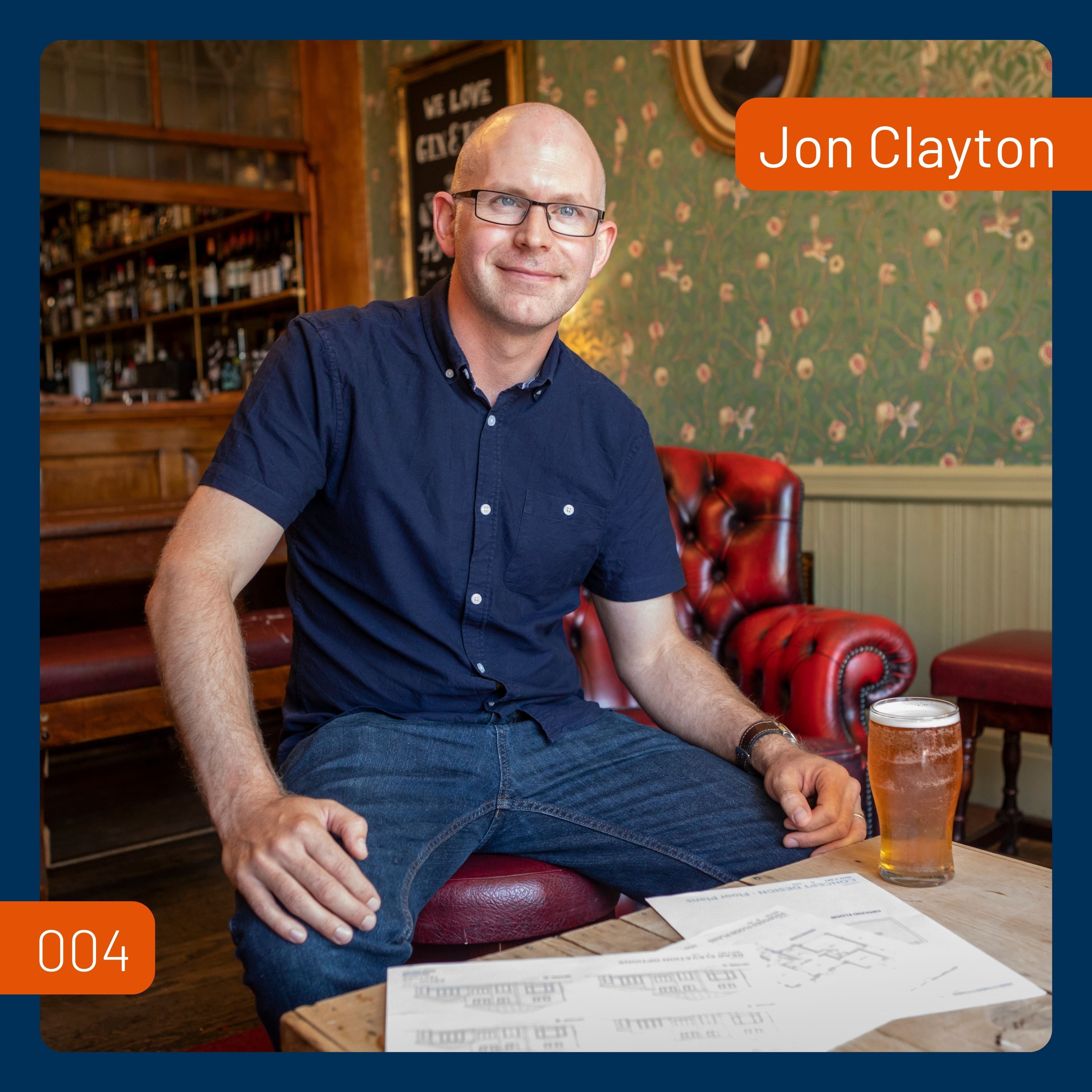
Ep 4Starting Your Architecture Side Hustle (How & Why I Did It) | 004
In this episode of Architecture Business Club, host Jon discusses starting his own architectural design side hustle in 2010. He takes us through his motivation for starting a side business, shares details about the challenges he faced including dealing with job insecurity due to redundancy and his drive to create a location-independent business. Jon provides insights on how he got off the ground with consultations, grant funding opportunities, and forming a business plan. He also highlights the importance of having a proper presence for the business and a great online presence. In the latter part of the episode, he provides advice for those thinking of pursuing a similar path about avoiding perfectionism, understanding their motivations, and advice on possible conflicts of interest with current employers. The episode concludes with Jon sharing his lessons learned and answering key considerations for anyone thinking about starting an architecture side hustle.Episode Highlights...00:00 Introduction and Background01:08 Understanding Side Hustles01:32 Why Start a Side Hustle?03:20 Starting the Side Hustle Journey07:35 Overcoming Perfectionism and Launching the Business10:31 Reflections and Lessons Learned12:37 Tips for Starting a Side Hustle13:50 Closing Remarks and Future EpisodesKey Takeaways...👉 Starting a side hustle in architecture can provide additional income and flexibility.👉 Side hustles are usually extra jobs or small businesses done outside of a regular job.👉 Starting a side hustle can be motivated by factors like job insecurity, the desire for location independence, and the need for extra money.👉 To start a side hustle, it is important to have a plan and consider factors like business goals, products/services, competition, and financial forecasts.👉 Seeking advice from professionals, such as mentors, accountants, and insurance brokers, can be beneficial when starting a side hustle.👉 Establishing a virtual office, creating a website, and setting up business listings are important steps to establish a presence for the side hustle.👉 It is important to consider why you are starting a side hustle and whether you want it to remain a small venture or grow into a larger business.👉 Contingency plans should be considered in case the side hustle grows more quickly than expected or takes up more time.👉 Finding a niche and being clear about who you want to serve can help differentiate the side hustle and attract the desired types of projects.👉 Connecting with professionals, peers, and industry organisations can provide valuable advice and support for running a side hustle in architecture.Free Places To List Your Business OnlineApple Maps > https://businessconnect.apple.com/Bing Places > https://www.bingplaces.com/Free Index > https://www.freeindex.co.uk/advertise.htmThomson Local > https://www.thomsonlocal.com/product/freelistingYell > https://www.yell.com/free-listing/Yelp > https://business.yelp.com/advertise/free-online-business-advertising/-----👇 Click the link below to grab the Architecture Business Blueprint 🎁It’s the FREE step-by-step formula to freedom for architects, architectural technologists, and architectural designers.https://architecturebusinessclub.com/blueprint-----👇 Join the waitlist & chat group for our Community & Mastermind (for FREE)🎁https://architecturebusinessclub.com/waitlist👇 And if you enjoyed this episode…Please leave a 5-star review or rating wherever you listen to podcasts, and don’t forget to hit the subscribe button so you never miss an episode.👇 Follow or Connect with Jon on LinkedIn at...https://www.linkedin.com/in/mrjonclayton/In The Next Episode...Next time, Jon chats with award-winning social media trainer and strategist, Sarah Clay about how architecture practices can leverage LinkedIn to accelerate their business growth.

How You Can Help The Show [Bonus]
bonusIn this bonus episode of the Architecture Business Club podcast, host Jon expresses his appreciation for the successful launch of the show which is designed for solo and small firm architecture practice owners. He thanks everyone involved in the show's creation and listeners for their support. To further help the show, he encourages his audience to leave a positive review on Podchaser.Episode Highlights...0:00 Introduction to the Bonus Episode00:52 Gratitude for Successful Podcast Launch01:27 How to Support the Show01:37 Step-by-Step Guide to Leaving a Review on Podchaser02:56 Importance of Your Support03:26 Connecting with the Host on Social Media03:38 Closing Remarks and EncouragementPodchaserhttps://www.podchaser.com/Architecture Business Club’s Podchaser Pagehttps://www.podchaser.com/podcasts/architecture-business-club-5485140How To Leave A Review On Podchaser (step-by-step guide)https://support.podchaser.com/en/articles/4923543-rating-and-reviewing-podcasts-and-episodes-----👇 Click the link below to grab the Architecture Business Blueprint 🎁It’s the FREE step-by-step formula to freedom for architects, architectural technologists, and architectural designers.https://architecturebusinessclub.com/blueprint-----👇 Join the waitlist & chat group for our Community & Mastermind (for FREE)🎁https://architecturebusinessclub.com/waitlist👇 And if you enjoyed this episode…Please leave a 5-star review or rating wherever you listen to podcasts, and don’t forget to hit the subscribe button so you never miss an episode.👇 Follow or Connect with Jon on LinkedIn at...https://www.linkedin.com/in/mrjonclayton/

What’s Coming Up On The Show [Bonus]
bonusUpcoming Exciting Episodes on Architecture Business Club - Next time Jon talks about side hustle architectural services. In future episodes Jon interviews experts such as Sarah Clay, a social media strategist, and Bob Gentle, a digital marketing and personal brand coach. Founder of Architecture Social, Stephen Drew, also shares his insights from the world of architectural recruitment. Furthermore, Jon invites listeners to suggest topics and guests and apply to be guests themselves. He encourages reviews on Podchaser to boost discoverability of the podcast and engagement on LinkedIn and other social media platforms.Guest's Coming Soon...Bob Gentle > https://amplifyme.agency/Sarah Clay > https://sarahclaysocial.com/Stephen Drew > https://architecturesocial.com/Episode Highlights...00:01 Introduction and Welcome00:24 About the Host and How to Stay Connected00:42 Upcoming Episodes Teaser01:04 Guest Interviews Preview02:04 Invitation for Guest Suggestions and Participation02:18 How to Contact the Host02:31 Appreciation and Review Request02:53 Connecting on Social Media03:05 Final Thoughts and Sign Off-----👇 Click the link below to grab the Architecture Business Blueprint 🎁It’s the FREE step-by-step formula to freedom for architects, architectural technologists, and architectural designers.https://architecturebusinessclub.com/blueprint-----👇 Join the waitlist & chat group for our Community & Mastermind (for FREE)🎁https://architecturebusinessclub.com/waitlist👇 And if you enjoyed this episode…Please leave a 5-star review or rating wherever you listen to podcasts, and don’t forget to hit the subscribe button so you never miss an episode.👇 Follow or Connect with Jon on LinkedIn at...https://www.linkedin.com/in/mrjonclayton/
Thank You To Everyone Who Helped Create The Architecture Business Club Podcast [Bonus]
bonusIn this short bonus episode, host Jon thanks numerous individuals and communities for their support in creating the 'Architecture Business Club'. From tutorial influencers, such as Mark Asquith who provided a crucial podcast launch accelerator course, to organisations that posted a press release, like CIAT and Designing Buildings, every shout-out offers a snapshot of the hard work that goes into making a podcast. Special thanks go to his first three guests, Linden Dover, Janine Coombs, and Kris Baxter. The episode concludes with a thanks to followers for their positive reception and a shout out to his wife Jo for her patience and support.Episode Highlights...00:00 Introduction to the Podcast00:53 Acknowledging the Support Teams01:05 Appreciation for Training and Courses01:35 Gratitude for Personal Support02:22 Thanking the Communities02:53 Acknowledging the Writing Club03:19 Appreciation for Press Coverage03:39 Thanking the First Guests04:07 Gratitude for Social Media Support04:20 Special Thanks to Family04:28 Closing Remarks and Call to ActionPodcasting ResoucesCaptivate > https://www.captivate.fm/Colin Gray > https://www.thepodcasthost.com/Descript > https://www.descript.com/Mark Asquith > https://www.markasquith.com/Podcast Launch Accelerator > https://www.captivate.fm/courses/the-podcast-launch-acceleratorSquadcast > https://squadcast.fm/Supportive PeopleAndrew & Pete > https://www.andrewandpete.com/Chris Ducker > https://www.chrisducker.com/Danielle Hone > https://therealmee.com/Mike & Liz Cole > https://thismikecole.com/Rachel Extance > https://rachelextance.com/Trevor Smith > https://www.trevorsmith.design/Awesome CommunitiesAtomic > https://atomic.site/CIAT > https://architecturaltechnology.com/Cole Collective > https://thismikecole.com/cole-collective/Rachel’s Writing Club > https://rachelextance.com/rwc/Youpreneur > https://youpreneur.com/Press CoverageCIAThttps://architecturaltechnology.com/resource/podcast-launched-by-chartered-architectural-technologist.htmlDesigning Buildings (Guest Editor)https://www.designingbuildings.co.uk/wiki/Jon_Clayton_MCIAT,_Chartered_Architectural_Technologist_and_founder_of_Architecture_Business_ClubDesigning Buildings (Podcast Lauch)https://www.designingbuildings.co.uk/wiki/Podcast_launched_by_Chartered_Architectural_TechnologistLynn Newshttps://www.lynnnews.co.uk/news/west-norfolk-man-launches-podcast-to-help-other-companies-9338920/Podcasting Todayhttps://podcastingtoday.co.uk/new-architecture-podcast-launched-to-help-architects-grow-business/First 3 Guests…Janine Coombes > https://www.janinecoombes.co.ukKris Baxter (of Studio 11 Architecture) > https://www.studio11architecture.co.uk/Linden Dover (of Weaver) > https://www.weaver.build/architects-----👇 Click the link below to grab the Architecture Business Blueprint 🎁It’s the FREE step-by-step formula to freedom for architects, architectural technologists, and architectural designers.https://architecturebusinessclub.com/blueprint-----👇 Join the waitlist & chat group for our Community & Mastermind (for FREE)🎁https://architecturebusinessclub.com/waitlist👇 And if you enjoyed this episode…Please leave a 5-star review or rating wherever you listen to podcasts, and don’t forget to hit the subscribe button so you never miss an episode.👇 Follow or Connect with Jon on LinkedIn at...https://www.linkedin.com/in/mrjonclayton/
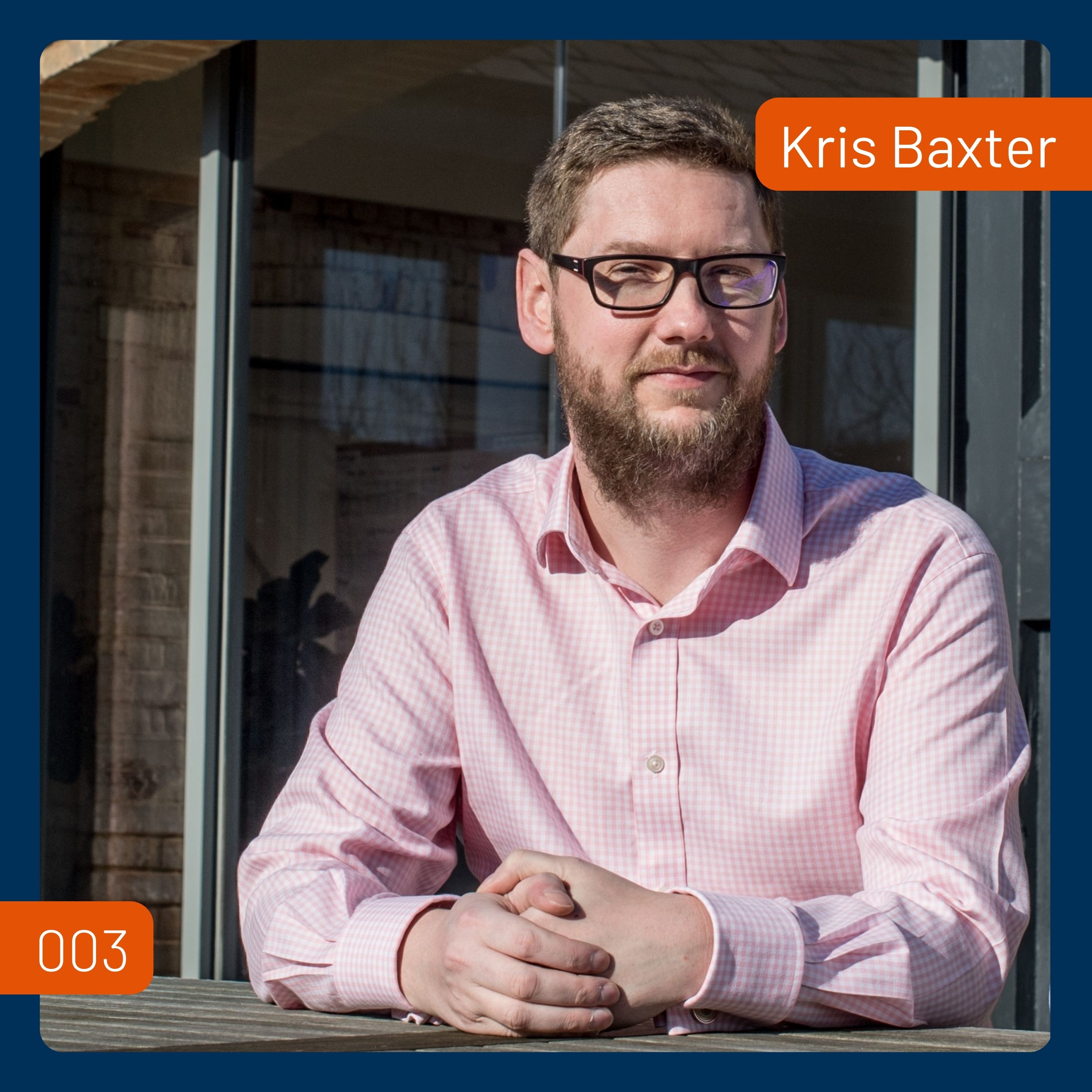
Ep 3Business Coaching: Transforming Your Architecture Practice With Kris Baxter | 003
In this episode of the Architecture Business Club podcast, Jon discusses with Kris Baxter the role of business coaching in transforming architectural practices. Kris, a Chartered Architectural Technologist and founder of Studio 11 Architecture, shares his own experiences with business coaching. He recounts how coaching focused on his personal development, which reflected positively on his business. Looking within, Kris changed the direction of his firm to align it with his personal goals, aspirations, and happiness rather than just creating another job. Their discussion highlights the significance of self-awareness, adaptability in dealing with people, and setting personal end goals for successful business ownership and positive transformation.Today's Guest...Kris is a Chartered Architectural Technologist and the founder of Studio 11 Architecture. A collective of creative designers that produce distinctive, functional architecture across the UK. The team specialise in bespoke home design, has won a string of awards, and had their work featured on the UK's most popular property design show.Episode Highlights...00:00 Introduction to the Podcast00:44 Introduction to Guest Kris Baxter01:17 Personal Interests and Hobbies01:50 Understanding Business Coaching02:17 Kris's Business Before Coaching05:42 The Impact of Coaching on Kris's Personal Life05:57 Misconceptions about Business Coaching07:54 First Coaching Session Experience15:27 Impact of Coaching on the Architecture Business21:02 Advice for Those Considering Coaching25:15 Podcast Wrap-up and Contact InformationKey Takeaways...👉Business coaching can have a profound impact on both the personal and professional aspects of a business owner's life.👉Owning a business should align with your end goals and aspirations, otherwise, it can feel like just going to work.👉Self-reflection and self-awareness are important in understanding one's behavior and how it affects day-to-day interactions with staff and clients.👉Effective communication and adaptability are crucial skills for success in business.👉Finding a coach who works well with you and understands the specific needs of your business is essential.👉Having clear end goals for your business allows you to make strategic decisions and navigate challenges.👉Being open-minded, seeking advice from others, and learning from different sources can lead to new insights and opportunities.👉Building a team that enjoys their work and aligns with the goals of the business can contribute to its success.👉Don't compare yourself to other architectural practices, focus on what you do well and stick with it.👉Taking time for self-reflection and resetting can help in planning for the future and maintaining a healthy work-life balance.Links Mentioned In The Episode...Studio 11 Architecture > https://www.studio11architecture.co.uk/-----👇 Click the link below to grab the Architecture Business Blueprint 🎁It’s the FREE step-by-step formula to freedom for architects, architectural technologists, and architectural designers.https://architecturebusinessclub.com/blueprint-----👇 Join the waitlist & chat group for our Community & Mastermind (for FREE)🎁https://architecturebusinessclub.com/waitlist👇 And if you enjoyed this episode…Please leave a 5-star review or rating wherever you listen to podcasts, and don’t forget to hit the subscribe button so you never miss an episode.👇 Follow or Connect with Jon on LinkedIn at...https://www.linkedin.com/in/mrjonclayton/In The Next Episode...Next time, Jon talks about side hustle architectural services and shares a bit about how and why he started his own side hustle.

Ep 2A Different Approach To Pricing & Positioning Architectural Services with Janine Coombes | 002
In this episode of Architecture Business Club, host Jon Clayton speaks with service positioning expert, Janine Coombes, to discuss different approaches to pricing and positioning architectural services. Acknowledging common charging methods such as percentage of build costs, fixed price, or by the hour, they address the potential of learning from other service sectors. Janine stresses the importance of selling the benefit rather than the service. She urges architectural service providers to emphasize the outcome of their work rather than the service itself. They also delve into the concept of 'niching', carving out a specific corner of the marketplace to establish a unique proposition. The episode also broaches the delicate topic of handling pricing proposals.Today's Guest...Janine Coombes is a service positioning expert who helps coaches and consultants to earn drastically more from their 1:1 services without slogging their guts out or moving to a more complicated business model. She has an extensive background in business and marketing including working with big brands like EE, Orange, and Europcar. Janine also has a business degree, a post-graduate marketing diploma (CIM Dip) and for the last 7 years has been helping small, service-based business owners to position and sell their offers. She regularly speaks on stages like Atomicon, You Are The Media, and MarketEd.Live. She’s a skilled writer and one of the most creative content creators out there.Episode Highlights...00:00 Introduction to Architectural Services Pricing00:27 About the Host and the Show00:59 Introduction to Guest Speaker - Janine Coombes01:12 Janine's Background and Expertise02:01 Janine's Unusual Hobby03:00 Pricing Strategies for Architectural Services03:28 The Importance of Positioning and Niching03:35 Common Mistakes in Pricing Services06:38 How to Present Services to Potential Clients11:02 The Art of Sending a Fee Proposal26:49 The Benefits of Niching30:49 Final Thoughts and Wrap Up33:41 Preview of the Next Episode34:02 Closing Remarks and Contact InformationKey Takeaways...👉Pricing architectural services: Consider a different approach to pricing and positioning architectural services beyond charging by the hour or percentage of bill costs. Sell the benefit and focus on the end result. Position yourself in a specific corner of the marketplace to stand out and avoid being seen as a commodity.👉Presenting services: Be clear on who you want to work with and identify the types of projects and personalities that you enjoy working with. Promote yourself based on the end result and create a unique proposition to attract clients.👉Fee proposals: Take the time to have conversations with potential clients before sending out a fee proposal. Gather information, understand their needs and motivations, and then present the proposal in person or on a video call. Reiterate the benefits of your services before mentioning the price.👉Niching: Explore niching in architectural services by creating different offers for specific target markets. You can have a range of services for different people, each with a sharp target market. This allows you to cut through the competition, be more competitive on price, and become known for your expertise.👉Confidence in pricing: Look at what other businesses are charging for similar services and recognize that you provide more value and care than they do. Associate your price with the benefit you bring to clients' lives. Consider incremental price increases after each successful project.👉Understanding clients: Take the time to understand your clients' motivations, why they want to undertake a project, and the consequences of not doing it. Explore what's at stake for them and how motivated they are to take action before entering into the sales process.👉Referrals: Aim to get referrals from the right kind of clients. It's rare to have pure referrals that perfectly align with your ideal client, but focusing on your target market and providing exceptional service can lead to better-quality referrals over time.👉Standing out: Niche your services to stand out from the competition. Create offers that are targeted and crystal clear in their messaging. Put yourself in a specific market segment, whether it's domestic or commercial work, and focus on that area while still offering a variety of services.Links Mentioned In The Episode...Janine’s Website > https://www.janinecoombes.co.uk-----👇 Click the link below to grab the Architecture Business Blueprint 🎁It’s the FREE step-by-step formula to freedom for architects, architectural technologists, and architectural designers.https://architecturebusinessclub.com/blueprint-----👇 Join the waitlist & chat group for our Community & Mastermind (for FREE)🎁https://architecturebusinessclub.com/waitlist👇 And if you enjoyed this episode…Please leave a 5-star review or rating wherever you listen to podcasts, and don’t forget to hit the subscribe button so you never miss

Ep 1Finding and Vetting Reliable Building Contractors with Linden Dover | 001
In this episode of the Architecture Business Club podcast, host Jon Clayton talks with Linden Dover, co-founder and COO of Weaver, an online platform that assists architects and design professionals in finding, vetting, and hiring building contractors. Linden shares the rigorous three-step approach adopted by Weaver to vet contractors, emphasizing the importance of continual assessment. He also discusses his past experiences, specifically a 2016 instance regarding a rogue contractor that eventually led to the founding of Weaver. Ultimately, the continual vetting process maximises the chances of a successful match between a project and contractor and also ensures clients have a pleasant experience.Today's Guest...Linden Dover is an entrepreneur and seasoned property development professional with a deep-rooted passion for design, craftsmanship, and innovation. As the Co-Founder and COO of Weaver, an online platform connecting contractors to home renovation projects in the UK, he has cultivated a thriving network of trusted professionals. The platform, recognized and backed by influential industry leaders like BTOV, FJ Labs, and Atlassian Executives, stands as a testament to his commitment to elevating the construction and renovation industry.Episode Highlights...00:00 Introduction and Overview01:01 Meet the Guest: Linden Dover01:57 Linden's Personal Journey and Relocation to Mallorca03:02 The Birth of Weaver: A Story of Overcoming Challenges06:55 The Weaver Vetting Process: Ensuring Quality Contractors14:38 The Importance of Continual Assessment16:47 The Two-Way Vetting Process: Ensuring Quality Projects18:31 Tips for Finding the Right Contractor23:09 The Importance of Respect and Communication in the Construction Industry27:54 Linden's Favorite Place: A Hidden Gem in Mallorca29:37 Conclusion and FarewellKey Takeaways...Do your due diligence: Don't just rely on looks or recommendations. Interrogate and thoroughly assess potential contractors.Visit ongoing projects: Whenever possible, go visit a project that the contractor is currently working on. This will give you a good sense of their workmanship and the way they conduct themselves on site.Verify credentials: Check if the contractor has the appropriate insurances and references for your specific type of project. Make sure they have the necessary experience and expertise.Get references and verify them: Reach out to past clients and ask them about their experience working with the contractor. Ask about their communication, timeliness, and ability to resolve disputes. Continual assessment: Look for contractors who are continually assessed and have a good track record. Consider working with platforms or networks that provide ongoing evaluation and feedback.Consider specialization: If your project requires specific skills or expertise (e.g., sustainable design, unique materials), ensure that the contractor has experience in that area.Avoid solely focusing on price: While cost is an important factor, prioritize factors such as communication, timeliness, and overall fit for your project. Cheaper quotes may lead to unexpected costs and low-quality work.Provide feedback: Communicate with contractors and provide feedback on their performance. This helps them improve and ensures transparency.Links Mentioned In The Episode...Learn more about Weaver at…https://www.weaver.build/architectsLinden’s LinkedIn Profilehttps://www.linkedin.com/in/linden-dover-1b080315Linden’s Email [email protected] To Do Next...Get Jon’s free weekly email newsletter (so you never miss an episode).https://mrjonclayton.co.uk/abcLeave a positive review to support the show.https://www.podchaser.com/podcasts/architecture-business-club-5485140Connect with Jon on LinkedIn (with a personalized connection request).https://www.linkedin.com/in/mrjonclayton/Find Jon on other social media platforms by searching for…@mrjonclaytonSubscribe to Jon’s YouTube channel here.https://www.youtube.com/channel/UCGZOAac4salmSX0wWRT7JUgVisit Jon’s website here.https://mrjonclayton.co.uk/In The Next Episode...Jon chats to Janine Coombes, a service positioning expert about how to better position your offers and feel confident in how much you charge.
Trailer - Why You Should Listen & Who I Am
trailerArchitecture Business Club is for solo and small firm architecture business owners who want to build a profitable, future-proof architecture practice that both you and your clients love.It features weekly interviews with inspiring people from the world of architecture and business who share actionable tips to improve your own architecture business.Plus occasional solo episodes to share my own experiences in the industry.-----👇 Click the link below to grab the Architecture Business Blueprint 🎁It’s the FREE step-by-step formula to freedom for architects, architectural technologists, and architectural designers.https://architecturebusinessclub.com/blueprint-----👇 Join the waitlist & chat group for our Community & Mastermind (for FREE)🎁https://architecturebusinessclub.com/waitlist👇 And if you enjoyed this episode…Please leave a 5-star review or rating wherever you listen to podcasts, and don’t forget to hit the subscribe button so you never miss an episode.👇 Follow or Connect with Jon on LinkedIn at...https://www.linkedin.com/in/mrjonclayton/