
Applied Calculus (Chapters 1 - 3) - Course
161 episodes — Page 2 of 4
Chapter 2.6: Properties of Logarithmic Functions - 07) Derivatives Using Properties
Chapter 2.6: Properties of Logarithmic Functions
Chapter 2.6: Properties of Logarithmic Functions - 13) Derivative and Change of Base
Chapter 2.6: Properties of Logarithmic Functions
Chapter 2.6: Properties of Logarithmic Functions - 12) Change of Base
Chapter 2.6: Properties of Logarithmic Functions
Chapter 2.6: Properties of Logarithmic Functions - 08) Solving Logarithmic Equations
Chapter 2.6: Properties of Logarithmic Functions
Chapter 2.6: Properties of Logarithmic Functions - 06) Using the Property
Chapter 2.6: Properties of Logarithmic Functions
Chapter 2.6: Properties of Logarithmic Functions - 10) t in Compound Interest Problems
Chapter 2.6: Properties of Logarithmic Functions
Chapter 2.6: Properties of Logarithmic Functions - 11) Solving for r and t
Chapter 2.6: Properties of Logarithmic Functions
Chapter 2.6: Properties of Logarithmic Functions - 05) Discovering Exponential Property
Chapter 2.6: Properties of Logarithmic Functions
Chapter 2.6: Properties of Logarithmic Functions - 09) Solving Exponential Equations
Chapter 2.6: Properties of Logarithmic Functions
Chapter 2.6: Properties of Logarithmic Functions - 04) Practice with Properties
Chapter 2.6: Properties of Logarithmic Functions
Chapter 2.6: Properties of Logarithmic Functions - 01) Properties of Logs
Chapter 2.6: Properties of Logarithmic Functions
Chapter 2.6: Properties of Logarithmic Functions - 03) Division Property of Logs
Chapter 2.6: Properties of Logarithmic Functions
Chapter 2.6: Properties of Logarithmic Functions - 02) Multiplication Property of Logs
Chapter 2.6: Properties of Logarithmic Functions
Chapter 2.5: Logarithmic Functions - 11) y equlas in plus minus e
Chapter 2.5: Logarithmic Functions
Chapter 2.5: Logarithmic Functions - 13) Generalized Logorithmic
Chapter 2.5: Logarithmic Functions
Chapter 2.5: Logarithmic Functions - 12) Derivative of f of x
Chapter 2.5: Logarithmic Functions
Chapter 2.5: Logarithmic Functions - 09) Graphs and transformation
Chapter 2.5: Logarithmic Functions
Chapter 2.5: Logarithmic Functions - 05) Inverse y equals 10 to x
Chapter 2.5: Logarithmic Functions
Chapter 2.5: Logarithmic Functions - 04) Inverse y equals 2 to x
Chapter 2.5: Logarithmic Functions
Chapter 2.5: Logarithmic Functions - 03) Decay Example: Solve for t, Part 2
Chapter 2.5: Logarithmic Functions
Chapter 2.5: Logarithmic Functions - 06) Practice evaluating logs
Chapter 2.5: Logarithmic Functions
Chapter 2.5: Logarithmic Functions - 02) Decay Example: Solve for t, Part 1
Chapter 2.5: Logarithmic Functions
Chapter 2.5: Logarithmic Functions - 01) Introduction to Logs
Chapter 2.5: Logarithmic Functions
Chapter 2.5: Logarithmic Functions - 08) Logorithms ph
Chapter 2.5: Logarithmic Functions
Chapter 2.5: Logarithmic Functions - 07) Calc. Practice: Napiers Bones
Chapter 2.5: Logarithmic Functions
Chapter 2.4: The Derivative of e - 07) Extrema and Concave Graphs
Chapter 2.4: The Derivative of e
Chapter 2.4: The Derivative of e - 05) Example 4
Chapter 2.4: The Derivative of e
Chapter 2.4: The Derivative of e - 02) Example 1
Chapter 2.4: The Derivative of e
Chapter 2.4: The Derivative of e - 01) Investigating Derivative of e to x
Chapter 2.4: The Derivative of e
Chapter 2.4: The Derivative of e - 03) Example 2
Chapter 2.4: The Derivative of e
Chapter 2.4: The Derivative of e - 04) Example 3
Chapter 2.4: The Derivative of e
Chapter 2.4: The Derivative of e - 06) Implicit Differentiation
Chapter 2.4: The Derivative of e
Chapter 2.3: The Number e - 02) Compound Interest
Chapter 2.3: The Number e
Chapter 2.2: Exponential Functions - 08) Growth Decay Formulas
Chapter 2.2: Exponential Functions
Chapter 2.3: The Number e - 03) Discovering e
Chapter 2.3: The Number e
Chapter 2.3: The Number e - 01) Matching the Graphs of Exp Functions
Chapter 2.3: The Number e
Chapter 2.3: The Number e - 05) Graph of e to x
Chapter 2.3: The Number e
Chapter 2.3: The Number e - 04) Practice Compound Continuously
Chapter 2.3: The Number e
Chapter 2.2: Exponential Functions - 04) Practice 2
Chapter 2.2: Exponential Functions
Chapter 2.2: Exponential Functions - 02) Exploring Exponential Functions
Chapter 2.2: Exponential Functions
Chapter 2.2: Exponential Functions - 01) A New Function
Chapter 2.2: Exponential Functions
Chapter 2.2: Exponential Functions - 05) Solving Special Exponential Equations
Chapter 2.2: Exponential Functions
Chapter 2.2: Exponential Functions - 07) Exponential Turtle Example
Chapter 2.2: Exponential Functions
Chapter 2.2: Exponential Functions - 03) Practice
Chapter 2.2: Exponential Functions
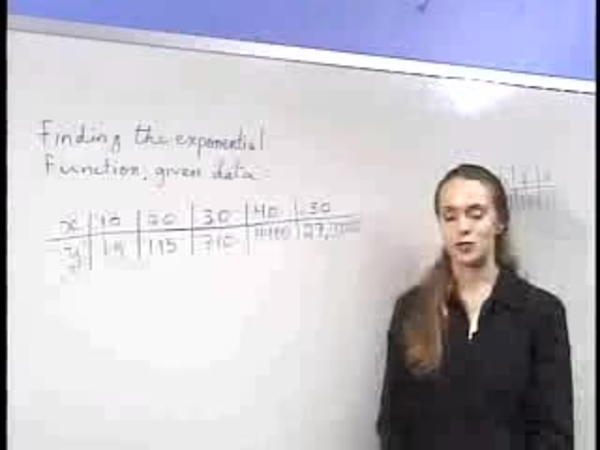
Chapter 2.2: Exponential Functions - 06) Exponential Functions from Data
Chapter 2.2: Exponential Functions
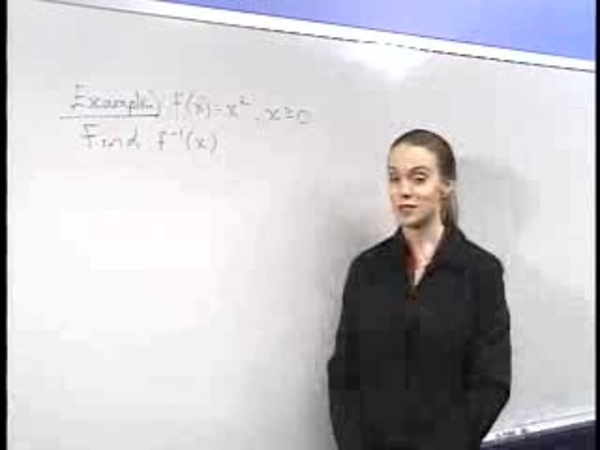
Chapter 2.1: Inverse Functions - 07) One to One Example
Chapter 2.1: Inverse Functions
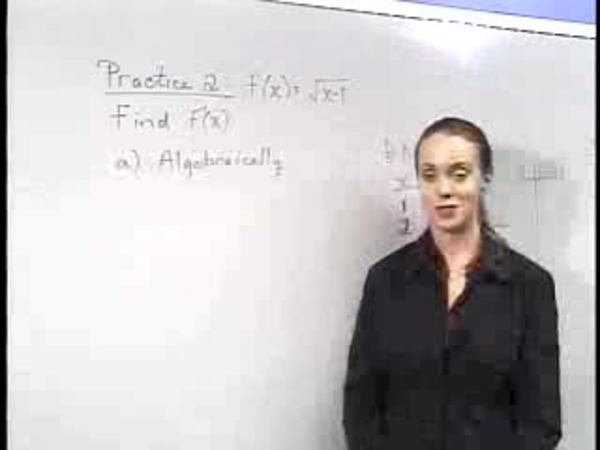
Chapter 2.1: Inverse Functions - 06) Practice 2
Chapter 2.1: Inverse Functions
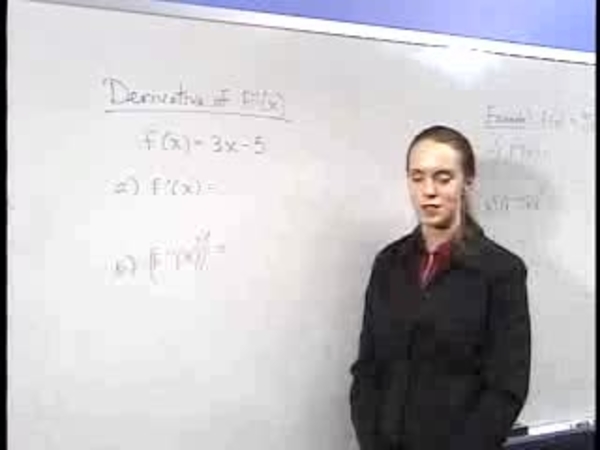
Chapter 2.1: Inverse Functions - 11) Derivative of Inverse Function
Chapter 2.1: Inverse Functions
Chapter 2.1: Inverse Functions - 03) Composition Property
Chapter 2.1: Inverse Functions

Chapter 2.1: Inverse Functions - 04) Example 2
Chapter 2.1: Inverse Functions