
Application Security Weekly (Audio)
417 episodes — Page 4 of 9

OAuth, WebAuthn, & The Impact of Design Choices - Dan Moore - ASW #260
We return to discussions of OAuth and all sorts of authentication. This time around we're looking at the design of authentication protocols, the kinds of trade-offs they weigh for adoption and security, and how a standard evolves over time to keep pace with new attacks and put to rest old mistakes. Segment resources: https://fusionauth.io/docs/v1/tech/core-concepts/modes https://webauthn.wtf/ https://datatracker.ietf.org/doc/html/rfc7636 https://www.ietf.org/about/participate/tao/ In the news, appsec lessons from the Okta breach, directory traversal (and appsec) lessons from SolarWinds, how CISOs and Boards rank factors around vulns and patching, revisiting cryptocurrency attacks for lessons in business logic and threat modeling, CISA and friends update guidance on Secure Design, and more! Visit https://securityweekly.com/asw for all the latest episodes! Follow us on Twitter: https://www.twitter.com/secweekly Like us on Facebook: https://www.facebook.com/secweekly Show Notes: https://securityweekly.com/asw-260
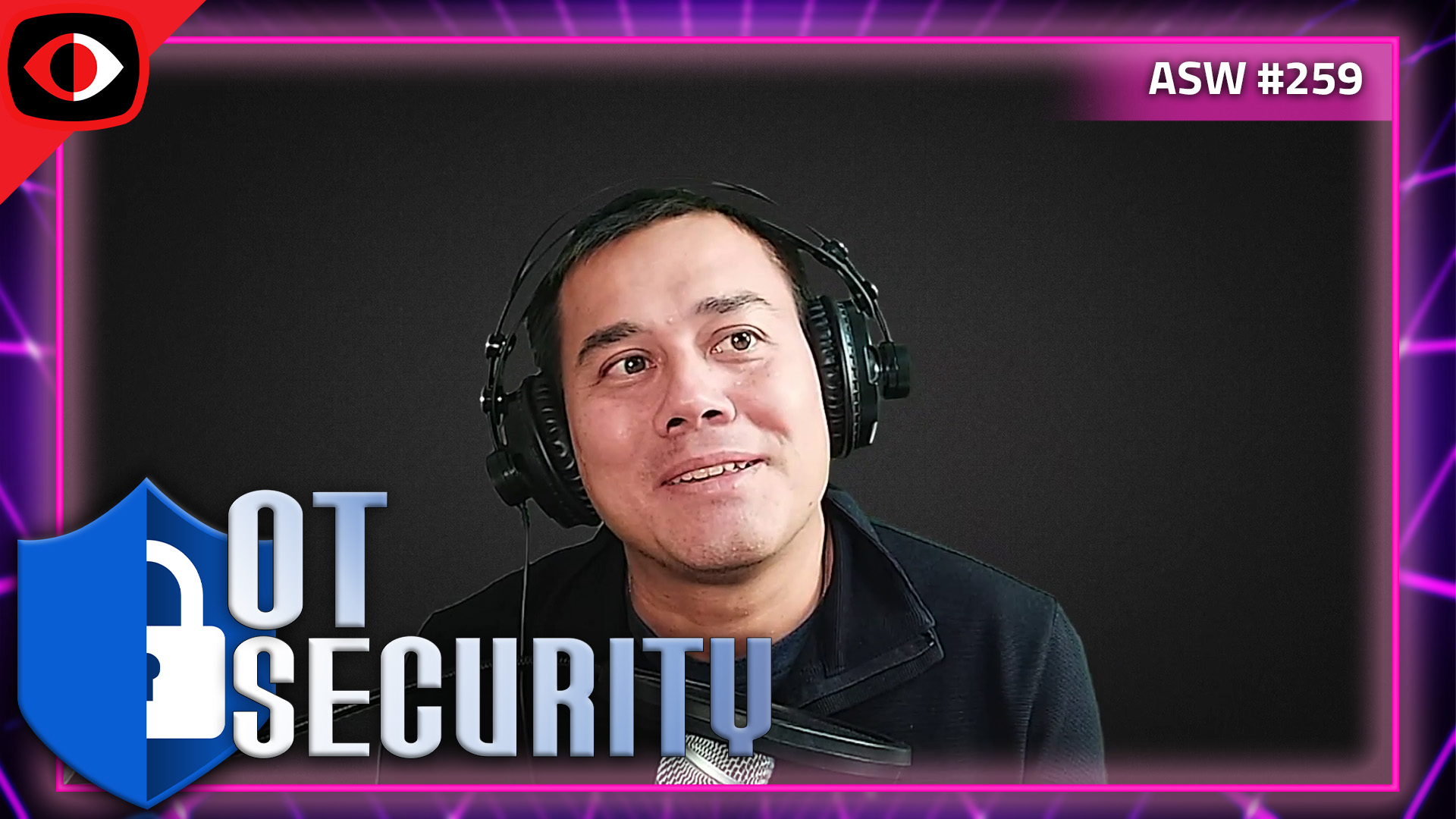
OT Security - Huxley Barbee - ASW #259
It's no surprise that OT security has fared poorly over the last 30+ years. To many appsec folks, these systems have uncommon programming languages, unfamiliar hardware, and brittle networking stacks. They also tend to have different threat scenarios. Many of these systems are designed, successfully, to maintain availability. But when a port scan can freeze or crash a device, that availability seems like it hasn't put enough consideration into adversarial environments. We chat about the common failures of OT design and discuss a few ways that systems designed today might still be secure 30 years from now. In the news, how HTTP/2's rapid reset is abused for DDoS, a look at the fix for Curl's recent high severity bug, OWASP moves to make CycloneDX a standard, Microsoft deprecates NTLM, VBScript, and old TLS -- while also introducing an AI bug bounty program. Visit https://securityweekly.com/asw for all the latest episodes! Follow us on Twitter: https://www.twitter.com/secweekly Like us on Facebook: https://www.facebook.com/secweekly Visit https://securityweekly.com/asw for all the latest episodes!

Shifting Focus to Make DevSecOps Successful - Janet Worthington - ASW #258
What if all these recommendations to shift left were more about shifting focus? It's all too easy to become preoccupied with vulns, whether figuring out how to find them earlier in the SDLC or spending time fixing them within specific number of days. Successful DevSecOps approaches can be so much more than just vulns and so much more than just tools. Sure, tools are useful for identifying known vulns in dependencies and new vulns in code, but teams that emphasize people and culture will find it easier to shift their attention to the security of their product and creating secure designs. In the news, anticipating Curl's upcoming patch for a high severity flaw, the Looney Tunables flaw in Glibc, ShellTorch flaw hits PyTorch and lots of AI, lessons from some X.Org security patches, and more! Visit https://securityweekly.com/asw for all the latest episodes! Follow us on Twitter: https://www.twitter.com/secweekly Like us on Facebook: https://www.facebook.com/secweekly

Creating Presentations and Training That Engage an Audience - Lina Lau - ASW #257
Communication is a skill that doesn't appear on top 10 lists, rarely appears as a conference topic, and doesn't appear enough on job requirements. Yet communication is one of the critical ways that security teams influence developers, convey risk, and share knowledge with others. Even our own Security Weekly site falls a little short with only a podcast category for "Training" instead of more options around communication and collaboration. Lina shares her experience presenting to executives and boards in high-stress situations, as well as training incident responders on real-world scenarios. Segment resources https://training.xintra.org https://www.scmagazine.com/podcast-episode/2839-pointers-and-perils-for-presentations-josh-goldberg-asw-251 In the news segment, attackers impersonate Dependabot commits, an alg of "none" plagues a JWT, CISA calls for hardware bills of materials, OpenSSF lists its critical projects, Exim (finally! maybe?) has some patches, bug bounties and open source projects, and more! Visit https://securityweekly.com/asw for all the latest episodes! Follow us on Twitter: https://www.twitter.com/secweekly Like us on Facebook: https://www.facebook.com/secweekly Show Notes: https://securityweekly.com/asw-257

Supply Chain Security Security with Containers and CI/CD Systems - Kirsten Newcomer - #ASW 256
Supply chain has been a hot topic for a few years now, but so many things we need to do for a secure supply chain aren't new at all. We'll cover SBOMs, vuln management, and putting together a secure pipeline. Segment resources: https://www.solarwinds.com/assets/solarwinds/swresources/whitepaper/2111swiwhitepaper_nextgenbuild.pdf https://next.redhat.com/project/tekton-chains/ https://tekton.dev/ In the news, a stroll back through the Apache Struts breach of Equifax, CISA's list of Known Exploited Vulnerabilities, Rust's replacement for OpenSSL, Go no longer throws programmers for a loop, complexity vs. design (that leads to better security), and more! Visit https://securityweekly.com/asw for all the latest episodes! Follow us on Twitter: https://www.twitter.com/secweekly Like us on Facebook: https://www.facebook.com/secweekly Show Notes: https://securityweekly.com/asw-256

Stopping Business Logic Attacks: Why a WAF is no Longer Enough - Karl Triebes - ASW #255
The majority of attacks are now automated, with a growing number of attacks targeting business logic via APIs, which is unique to every organization. This shift makes traditional signature-based defenses insufficient to stop targeted business logic attacks on their own. In this discussion, Karl Triebes shares how flaws in business logic design can leave applications and APIs open to attack and what tools organizations need to effectively mitigate these threats. This segment is sponsored by Imperva. Visit https://securityweekly.com/imperva to learn more about them! In the news segment, a slew of XSS in Azure's HDInsights, CNCF releases fuzzing and security audits on Kyverno and Dragonfly2, CISA shares a roadmap for security open source software, race conditions and repojacking in GitHub, and more! Visit https://securityweekly.com/asw for all the latest episodes! Follow us on Twitter: https://www.twitter.com/secweekly Like us on Facebook: https://www.facebook.com/secweekly Show Notes: https://securityweekly.com/asw-255
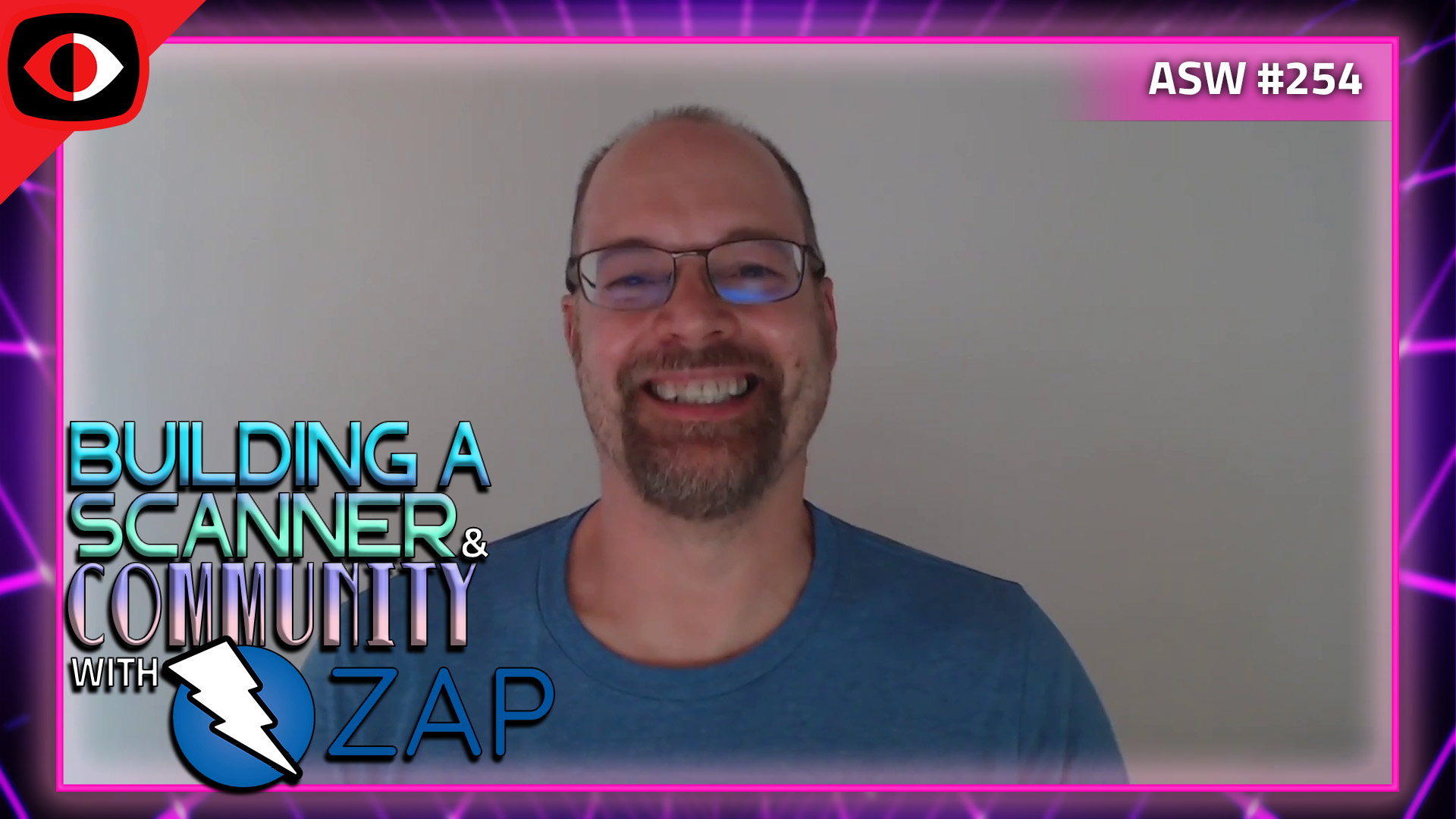
Building a Scanner and a Community with Zed Attack Proxy - Simon Bennetts - ASW #254
Zed Attack Proxy is an essential tool for web app pentesting. The project just recently moved from OWASP to the Secure Software Project. Hear about the challenges of running an OSS security project, why Simon got involved in the first place, and why successful projects are about more than just code. Segment Resources: - https://www.zaproxy.org/ - https://softwaresecurityproject.org/blog/welcoming-zap-to-the-software-security-project/ - https://owasp.org/www-project-vulnerable-web-applications-directory/ In the news segment, a key compromised from a crash dump (and the many, many lessons that followed), more examples of mishandling secrets, URL parsing mismatches show path traversal works well in Rust, an old Linux kernel bug shows how brittle code can be (even when it's heavily audited), an example of keeping OSS projects alive, a quick note on BLASTPASS, and a look at privacy in cars, and more! Visit https://securityweekly.com/asw for all the latest episodes! Follow us on Twitter: https://www.twitter.com/secweekly Like us on Facebook: https://www.facebook.com/secweekly Show Notes: https://securityweekly.com/asw-254

Broadening What We Call AppSec - Christien Rioux - ASW Vault
Check out this interview from the ASW Vault, hand picked by main host Mike Shema! This segment was originally published on January 10, 2022. There's an understandable focus on "shift left" in modern DevOps and appsec discussions. So what does it take to broaden what we call appsec into something effective for modern apps, whether they're on the web, mobile, or cloud? We'll talk about moving on from niche offerings into successful appsec programs. Show Notes: https://securityweekly.com/vault-asw-4

How Can Security Be Smart About Using AI? - Jeff Pollard - ASW #253
We go deep on LLMs and generative AIs to shine a light on areas that security leaders should focus on. There are technical concerns like prompt injection and access controls, and privacy concerns in training and usage. But there are also areas where security tools are starting to address these concerns as well as areas where security tools are adopting AI themselves. We'll share where we see AI showing promise, as well as where we suspect it's still premature. In the news, a Go Crypto presentation from Real World Crypto, Excel releases support for Python, protecting users from malware like the Luna Grabber and WinRAR RCE, DARPA's V-SPELLS project, and more! Visit https://securityweekly.com/asw for all the latest episodes! Follow us on Twitter: https://www.twitter.com/secweekly Like us on Facebook: https://www.facebook.com/secweekly Visit https://securityweekly.com/asw for all the latest episodes! Show Notes: https://securityweekly.com/asw-253

Security in a Cloud Native World & Mobile App Attacks - ASW #252
Two featured interviews from this year's Black Hat. In the news, Discord.io ceases to be, Azure AD breach to get scrutiny from the CSRB, Zoom's AI stumbles show security concerns, model confusion attacks, a look at how far we have -- and haven't -- come with XSS flaws, an approachable article on AI, and more! Visit https://securityweekly.com/asw for all the latest episodes! Follow us on Twitter: https://www.twitter.com/secweekly Like us on Facebook: https://www.facebook.com/secweekly Show Notes: https://securityweekly.com/asw-252

Pointers and Perils for Presentations - Josh Goldberg - ASW #251
A key part of modern appsec is communication. From interpersonal skills for fostering collaborations to presentation skills for delivering a message, the ability to tell a story and engage an audience is a skill that doesn't appear on top ten lists and that doesn't come up in secure coding checklists. Josh shares his path to becoming a presenter on technical topics, including stumbles he's made along the way and how he helps others develop their skills for slides. Resources: - https://www.joshuakgoldberg.com/blog/how-i-apply-to-conferences https://www.joshuakgoldberg.com/blog/how-i-apply-to-conferences-faqs https://www.joshuakgoldberg.com/blog/how-i-apply-to-conferences-faqs/#what-are-your-favorite-conference-talks-youve-seen https://www.youtube.com/watch?v=mPPZ-NUnR-4&t=25743s&ab_channel=JSWORLDConference Then in the news segment, DARPA unleashes an AI Cyber Challenge to find flaws, CISA asks for input on securing open source software and memory safety, what five years of vuln research shows for vuln management programs, siphoning security tokens from VS Code, and more! Follow us on Mastodon: https://infosec.exchange/@AppSecWeekly Follow us on Twitter: https://www.twitter.com/secweekly Like us on Facebook: https://www.facebook.com/secweekly Visit https://securityweekly.com/asw for all the latest episodes! Show Notes: https://securityweekly.com/asw-251

You've Got Appsec, But Do You Have ArchSec? - Merritt Baer - ASW #250
Mature shops should be looking to a security architecture process to help scale their systems and embrace security by design. We talk about what it means to create a security architecture process, why it's not just another security review, and why it requires security to dig into engineering. Segment Resources: - https://www.lacework.com/ciso-boardbook/ciso/merritt-baer Zap gets a jolt of new support, using Clang for security research, LLM attacks learn models, Rust visualizes dependencies, a National Cyber Workforce and Education Strategy, and more! Visit https://securityweekly.com/asw for all the latest episodes! Follow us on Twitter: https://www.twitter.com/secweekly Like us on Facebook: https://www.facebook.com/secweekly Show Notes: https://securityweekly.com/asw-250

Identity and Verifiable Credentials in Cars - Eve Maler - ASW #249
Identity isn't new, but we do have new ways of presenting and protecting identity with things like payment wallets and verifiable credentials. But we also have identity in surprising places -- like cars. We'll answer some questions like: - Why do we even have identities in cars? - What else is your car connected to? - How should devs be thinking about security in this space? In the news segment, Zenbleed in AMD, Google's TAG sees a drop in zero-days, new security testing handbook from Trail of Bits, Phil Venables' advice on public speaking, car battery monitor that monitors location(!?), more news on TETRA, Visit https://securityweekly.com/asw for all the latest episodes! Follow us on Mastodon: https://infosec.exchange/@AppSecWeekly Follow us on Twitter: https://www.twitter.com/secweekly Like us on Facebook: https://www.facebook.com/secweekly Show Notes: https://securityweekly.com/asw-249

Navigating the Complexities of Development to Create Secure APIs - Kristen Bell - ASW #248
Appsec teams and developers must both understand the consequences of what they're doing when building APIs. Appsec teams need to push for collaboration and help implement tools that augment the development process. Dev teams need to wrangle complex architectures and work on addressing classes of vulns rather than just playing BugOps with scanner outputs. In the news, there's a (non-critical, but cool) RCE in ssh-agent forwarding, Node's vm2 bids adieu, zero-day from a CTF eventually makes it to a bug bounty program, Bad.Build, and more! This segment is sponsored by GuidePoint. Visit https://securityweekly.com/guidepoint to learn more about them! Visit https://securityweekly.com/asw for all the latest episodes! Follow us on Twitter: https://www.twitter.com/secweekly Like us on Facebook: https://www.facebook.com/secweekly Show Notes: https://securityweekly.com/asw-248

Securing Non-Election Election Systems, Modernizing AppSec Education - Brian Glas - ASW #247
While much has been written and argued about the security of election systems - the things that do the actual ballot counting - there's other systems that have to be in place and secured before the vote can occur - voter registration databases, ballot delivery systems, etc. Might it be possible to use modern appsec concepts OWASP SAMM to secure them in a more efficient, targeted, cost-effective manner? Brian Glas joins us to talk about this and his ongoing work around providing students with a modern application security education. It's a busy news week - We explore what happens when people trust plugging cables into their EVs in public, how an APT is leveraging docker and kubernetes to build a botnet, why you should be careful running code from "researchers," and much more Visit https://securityweekly.com/asw for all the latest episodes! Follow us on Twitter: https://www.twitter.com/secweekly Like us on Facebook: https://www.facebook.com/secweekly Visit https://securityweekly.com/asw for all the latest episodes! Show Notes: https://securityweekly.com/asw-247

Software Trust & Adversaries, Developer-Focused Security - Shannon Lietz, Melinda Marks - ASW #246
Infosec is still figuring out useful metrics, how to talk about risk, and how to make resilience more relevant. Shannon talks about a new community effort to measure software trust. She also covers threat modeling and adversary management as steps towards determining an org's resiliency and security. Segment Resources: https://community.ravemetrics.com Melinda will share results from her study last year on developer-focused security, "Walking the Line: Shift Left and GitOps Security" and discuss trends to help security keep up with modern software development. Segment Resources: ESG Complete Survey Results: Walking the Line: GitOps and Shift Left Security: https://research.esg-global.com/reportaction/515201532/Toc Addressing the confusion around shift-left cloud security | TechTarget: https://www.techtarget.com/searchsecurity/opinion/Addressing-the-confusion-around-shift-left-cloud-security Melinda Marks's Most Recent Content: https://www.techtarget.com/contributor/Melinda-Marks Visit [securityweekly.com/asw](https://securityweekly.com/asw) for all the latest episodes! Follow us on Twitter: [@SecWeekly](https://www.twitter.com/secweekly) Like us on Facebook: [facebook.com/secweekly](https://www.facebook.com/secweekly) Visit https://securityweekly.com/asw for all the latest episodes! Show Notes: https://securityweekly.com/asw-246

The Psychology of Training - Matias Madou - ASW Vault
Check out this interview from the ASW Vault, hand picked by main host Mike Shema! This segment was originally published on May 23, 2022. Developers want bug-free code -- it frees up their time and is easier to maintain. They want secure code for the same reasons. We'll talk about how the definition of secure coding varies among developers and appsec teams, why it's important to understand those perspectives, and how training is just one step towards building a security culture. Visit https://securityweekly.com/asw for all the latest episodes! Follow us on Twitter: https://www.twitter.com/secweekly Like us on Facebook: https://www.facebook.com/secweekly Show Notes: https://securityweekly.com/vault-asw-3

Latest Web Vulnerability Trends & Best Practices - Patrick Vandenberg - ASW #245
Without visibility and continuous monitoring, dangerous threats expose our blind spots and create risk. Invicti, who brought together Acunetix and Netsparker, analyzes common web application vulns across thousands of assets yearly and releases the Invicti AppSec Indicator for a holistic view of vulnerability trends from automated scan results. In this talk, Invicti Director of Product Patrick Vandenberg shares a deep dive into the trends currently impacting AppSec programs and discusses some of the best practices that will help organizations achieve efficiencies in their programs. Segment Resources: - [AppSec Indicator Spring 2023 edition | Invicti](https://www.invicti.com/clp/appsec-indicator/?utm_medium=contentsyn&utm_source=sc_media&utm_campaign=i-syn_CRA-ASW-Jun2023&utm_content=230424-ga_spring-appsec-indicator&utm_term=brand) This segment is sponsored by Invicti. Visit [securityweekly.com/invicti](https://securityweekly.com/invicti) to learn more about them! In the news, two XSS vulns via postMessage methods in Azure, how to choose (and move on from) a web research topic, OpenSSF finances a security developer-in-residence for Python, more infosec myths, free cybersecurity training resources. Visit [securityweekly.com/asw](https://securityweekly.com/asw) for all the latest episodes! Follow us on Twitter: [@SecWeekly](https://www.twitter.com/secweekly) Like us on Facebook: [facebook.com/secweekly](https://www.facebook.com/secweekly) Visit https://securityweekly.com/asw for all the latest episodes! Show Notes: https://securityweekly.com/asw-245

Policy Momentum in Coordinated Vulnerability Disclosure - Amit Elazari - ASW Vault
Security is one of the most evolving and impactful landscapes in the regulatory sphere. Proposed initiatives in the areas of Incident Response, Software and Product Assurance, Coordinated Vulnerability Disclosure (CVD), and IoT or Connected Products Regulations are among the most active and developing areas of security policy around the world. This evolving landscape also serves as an opportunity for innovation and research collaboration. Elazari will walk us through some of the most recent trends in policy proposals shaping the future of security. We will also talk about bug bounties and vulnerability disclosure, what are some of the industry's best practices in this area, how to implement these programs to foster security, collaboration and transparency, and how this connects to the policy momentum and its impact on security researchers. Segment Resources: Project Circuit Breaker: https://www.intel.com/content/www/us/en/newsroom/news/intel-launches-project-circuit-breaker.html Project Circuit Breaker Landing Page: https://www.projectcircuitbreaker.com/ Intel's 2021 Product Security Report: https://www.intel.com/content/www/us/en/security/intel-2021-product-security-report.html Visit https://www.securityweekly.com/asw for all the latest episodes! Show Notes: https://securityweekly.com/vault-asw-2

Enhancing Security: App Modernization, Identity Orchestration, & Big IAM Challenge - Eric Olden - ASW #244
Eric Olden, CEO and Co-Founder of Strata Identity, discusses the concept of Identity Orchestration. He covers the evolving identity landscape and how it has evolved to keep pace with modern apps, the challenges encountered during an identity modernization project, how Identity Orchestration helps those modernization projects, and best practices for implementing secure identity. Segment Resources: - [Identity Orchestration Use Cases](https://www.strata.io/use-cases/) - [What is Identity Orchestration WhitePaper](https://www.strata.io/resources/whitepapers/what-is-identity-orchestration-and-why-you-need-it-to-succeed-with-multi-cloud/) This segment is sponsored by Strata. Visit https://securityweekly.com/strata to learn more about them! This year's Verizon DBIR is out, CVSS is updating its methodology, poor password reset design, SQL injection in MOVEit, a CTF for AWS IAM Visit https://www.securityweekly.com/asw for all the latest episodes! Visit https://www.securityweekly.com/asw for all the latest episodes! Show Notes: https://securityweekly.com/asw-244
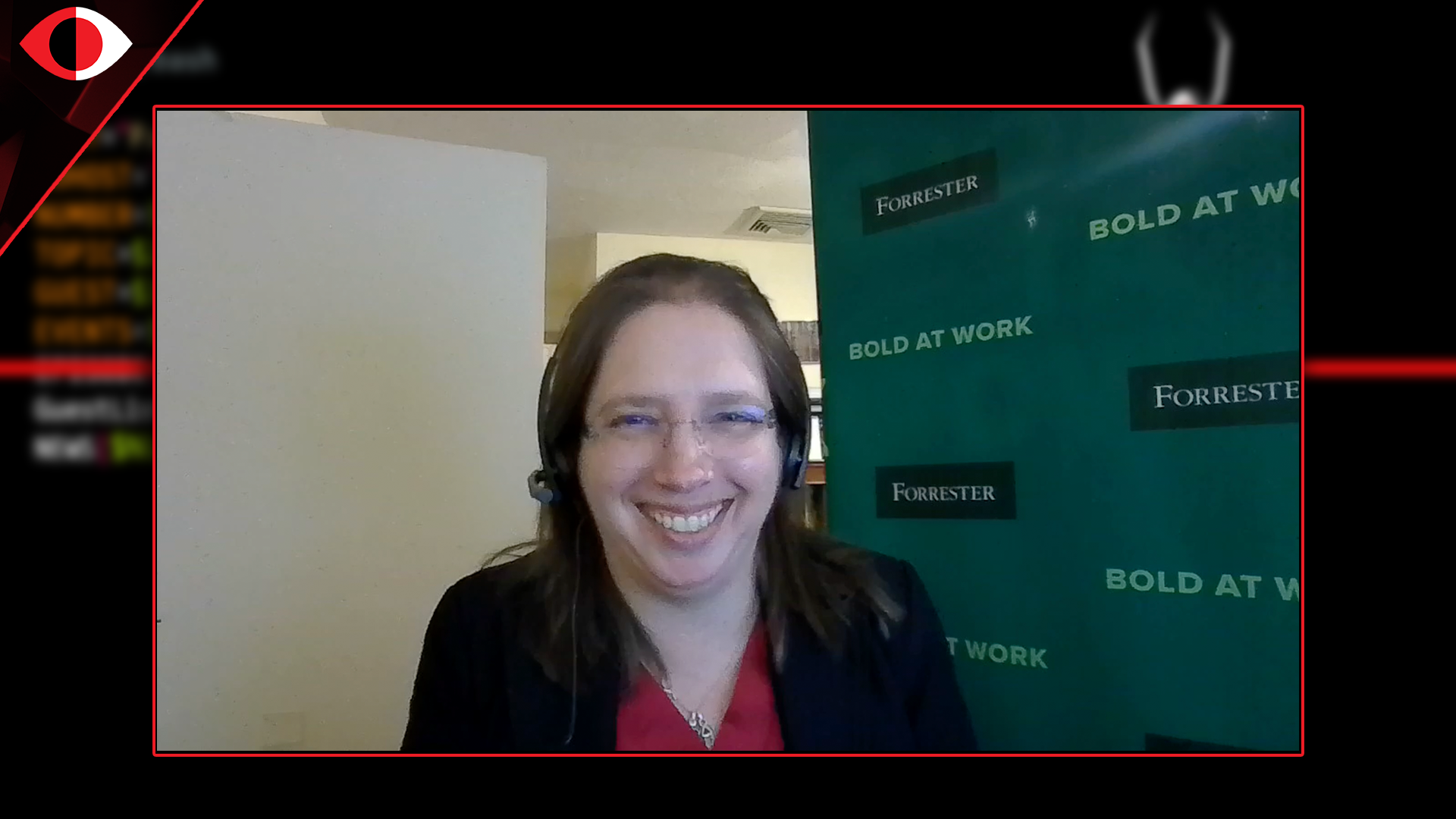
What's the Deal with API Security? - Sandy Carielli - ASW #243
Walking the show floor at RSA Conference, you couldn't trip without falling into an application security vendor booth ... and API security specialists were especially plentiful. Join Forrester Principal Analyst Sandy Carielli for her thoughts on RSA Conference and a deep dive into the challenges of API security. Segment Resources: - https://www.forrester.com/blogs/insights-from-the-2023-rsa-conference-generative-ai-quantum-and-innovation-sandbox/ OWASP has a draft for the LLM Top 10, simple vulns in a modern SaaS app, ancient vuln in a Wordpress plugin, PyPI moves to secure its package manager accounts, ThinkstScape Quarterly research report, having fun with memory variables, DNS, and logins. Visit https://www.securityweekly.com/asw for all the latest episodes! Follow us on Twitter: https://www.twitter.com/secweekly Like us on Facebook: https://www.facebook.com/secweekly Visit https://www.securityweekly.com/asw for all the latest episodes! Show Notes: https://securityweekly.com/asw-243

Doing Application Security Right – Farshad Abasi – ASW VAULT
Check out this interview from the ASW VAULT, hand picked by main host Mike Shema! This segment was originally published on March 14, 2022. Cybersecurity is a large and often complex domain, traditionally focused on the infrastructure and general information security, with little or no attention to Application Security. Security providers usually tack-on AppSec services to their existing menu of offering without understanding the domain, and their team of professionals have little or no experience with software development or inner workings of modern application architectures. As the world turns Digital at a rapid pace accelerated by the recent pandemic, applications become common place in our lives, providing attackers more opportunities to exploit these poorly protected applications. As such, it is important to know what is actually required to build and run software securely, and how to do application security right. Segment Resources: https://forwardsecurity.com/2022/03/07/application-security-for-busy-tech-execs/ Show notes: https://www.scmagazine.com/podcast-episode/asw-188-farshad-abasi

Ten Things I Hate About Lists - ASW #242
The OWASP Top 10 dates back to 2003, when appsec was just settling on terms like cross-site scripting and SQL injection. It's a list that everyone knows about and everyone talks about. But is it still the right model for modern appsec awareness? What if we put that attention and effort elsewhere? Maybe we could have secure defaults instead. Or linters and build tools that point out these flaws. We'll talk about top 10 lists, what we like about them, what we don't like, and what we'd like to see replace them. We'll also test our hosts' knowledge of just how many top 10 lists are out there. Segment resources: [OWASP Top 10:2021](https://owasp.org/Top10/) [OWASP API Security Project](https://owasp.org/www-project-api-security/) [OWASP Top 10 Mobile Risks](https://github.com/OWASP/www-project-mobile-top-10/blob/master/2016-risks/index.md) [OWASP Top 10 CI/CD Security Risks](https://owasp.org/www-project-top-10-ci-cd-security-risks/) and [ASW #220](https://www.scmagazine.com/podcast-episode/asw-220-daniel-krivelevich) [OWASP Low-Code/No-Code Top 10](https://owasp.org/www-project-top-10-low-code-no-code-security-risks/) [OWASP Top 10 Privacy Risks](https://owasp.org/www-project-top-10-privacy-risks/) [OWASP Proactive Controls](https://owasp.org/www-project-proactive-controls/) [OWASP AI Security and Privacy Guide](https://owasp.org/www-project-ai-security-and-privacy-guide/) [OWASP Cheat Sheet Series](https://cheatsheetseries.owasp.org) [OWASP Application Security Verification Standard](https://owasp.org/www-project-application-security-verification-standard/) and [ASW #232](https://www.scmagazine.com/podcast-episode/asw-232-josh-grossman) [Moving on from the OWASP Top 10](https://deadliestwebattacks.com/appsec/2023/03/30/reflecting-on-the-owasp-top-10) New TLDs are already old news, fuzzing eBPF validators, Microsoft sets to kill bug classes, draft RFC to track location trackers, a top ten list with directory traversal on it, conference videos from Real World Crypto and BSidesSF, and an attack tree generator from markdown. Visit https://www.securityweekly.com/asw for all the latest episodes! Follow us on Twitter: https://www.twitter.com/secweekly Like us on Facebook: https://www.facebook.com/secweekly Show Notes: https://securityweekly.com/asw242

Securing the App Lifecycle: Strategies for Long-Term Software Security and Mitigating the Threat of Malicious Packages - ASW #241
What happens to an app's security after six months? What about a year or two years? A Secure SDLC needs to maintain security throughout an app's lifetime, but too often the rate of new flaws can outpace the rate of new code within an app. Appsec teams need strategies and processes to keep software secure for as long as possible. Segment Resources: https://www.veracode.com/state-of-software-security-report Learn how hackers are exploiting the trust that mobile app owners place in their customers. Hackers are increasingly modifying app code, posing as trusted customers, and infiltrating IT infrastructure. This segment is sponsored by Verimatrix. Visit https://securityweekly.com/verimatrixrsac to learn more about them! Unlike vulnerabilities, which can and do often exist for months or years in application code without being exploited, a malicious package represents an immediate threat to an organization, intentionally designed to do harm. In the war for cybersecurity, attackers are innovating faster than companies can keep up with the threats coming their way. A new approach is needed to stay ahead of the impacts of malicious packages within applications. Findings from our latest report "Malicious Packages Special Report: Attacks Move Beyond Vulnerabilities" illustrate the growing threat of malicious packages. From 2021 to 2022, the number of malicious packages published to npm and rubygems alone grew 315 percent. Mend.io technology detected thousands of malicious packages in existing code bases. The top four malicious package risk vectors were exfiltration, developer sabotage, protestware, and spam. Nearly 85 percent of malicious packages discovered in existing applications were capable of exfiltration – causing an unauthorized transmission of information. Threat actors leveraging this type of package can easily collect protected information before the package is discovered and removed. We'll share why as long as open source means open, the door will be left open to bad actors, so it's especially critical to know when things are being brought into your code. Malicious packages represent an immediate threat, unlike vulnerabilities, and can not be taken lightly. This segment is sponsored by Mend.io. Visit https://securityweekly.com/mendrsac to learn more about them! Visit https://www.securityweekly.com/asw for all the latest episodes! Follow us on Twitter: https://www.twitter.com/secweekly Like us on Facebook: https://www.facebook.com/secweekly Show Notes: https://securityweekly.com/asw241
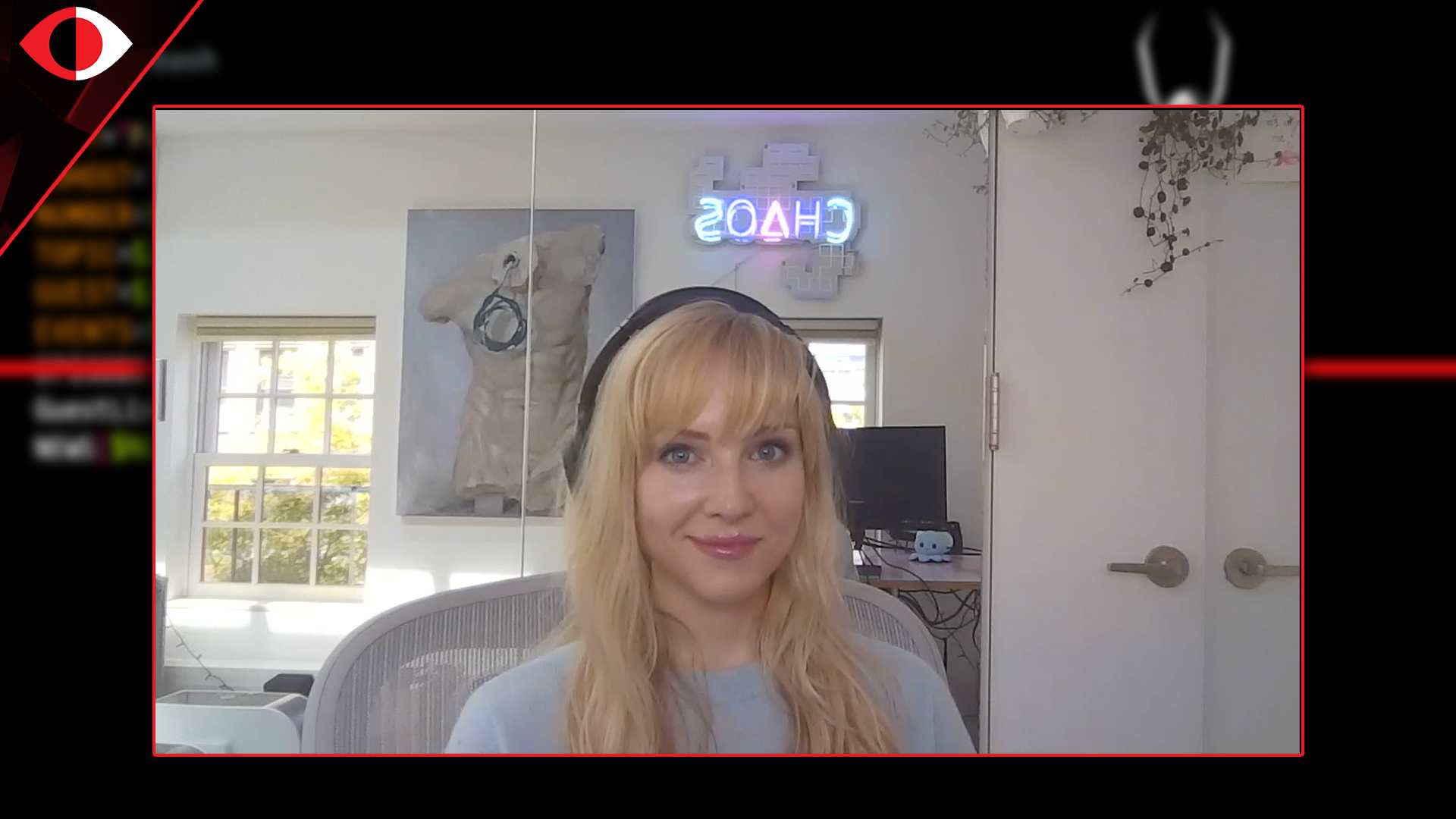
From Security Theater to Resilience: Unveiling New Approaches to Application Security - ASW #240
What does software resilience mean? Why is status quo application security unfit for the modern era of software? How can we move from security theater to security chaos engineering? This segment answers these questions and more. Segment Resources: Book -- https://securitychaoseng.com Blog -- https://kellyshortridge.com/blog/posts/ In the ever-evolving world of cybersecurity, attackers are constantly finding new ways to infiltrate your software supply chains. But with GitGuardian's Honeytoken, you can stay ahead of the game. Deploy honeytokens at scale, monitor for unauthorized use, and detect intrusions before they can wreak havoc on your system. With Honeytoken, you'll have the insight you need to protect your confidential data and know where, who, and how attackers are trying to access it. This segment is sponsored by GitGuardian. Visit https://securityweekly.com/gitguardianrsac to learn more about them! In light of the constant change in the threat landscape, how does an organization keep up with the attackers who're always innovating? New specialized security solutions are regularly being introduced to address new threats, increasing complexities and the non-functional requirement(NFRs) associated with integration of these systems to already complicated enterprise web applications. How does an organization implement holistic defense without increasing cost, complexity and impacting user experience? Edgio will address how an edge-enabled holistic security platform can effectively reduce the attack surface, improve the effectiveness of the defense while reducing the latency of critical web applications via it's multi-layered defense approach. It also offers the ability to integrate with an enterprises' DevSecOps workflow to achieve better security practices. Edio will discuss how its security platform "shrinks the haystacks" so that organizations can better focus on delivering key business outcomes. This segment is sponsored by Edgio. Visit https://securityweekly.com/edgiorsac to learn more about them! Visit https://www.securityweekly.com/asw for all the latest episodes! Follow us on Twitter: https://www.twitter.com/secweekly Like us on Facebook: https://www.facebook.com/secweekly Show Notes: https://securityweekly.com/asw240
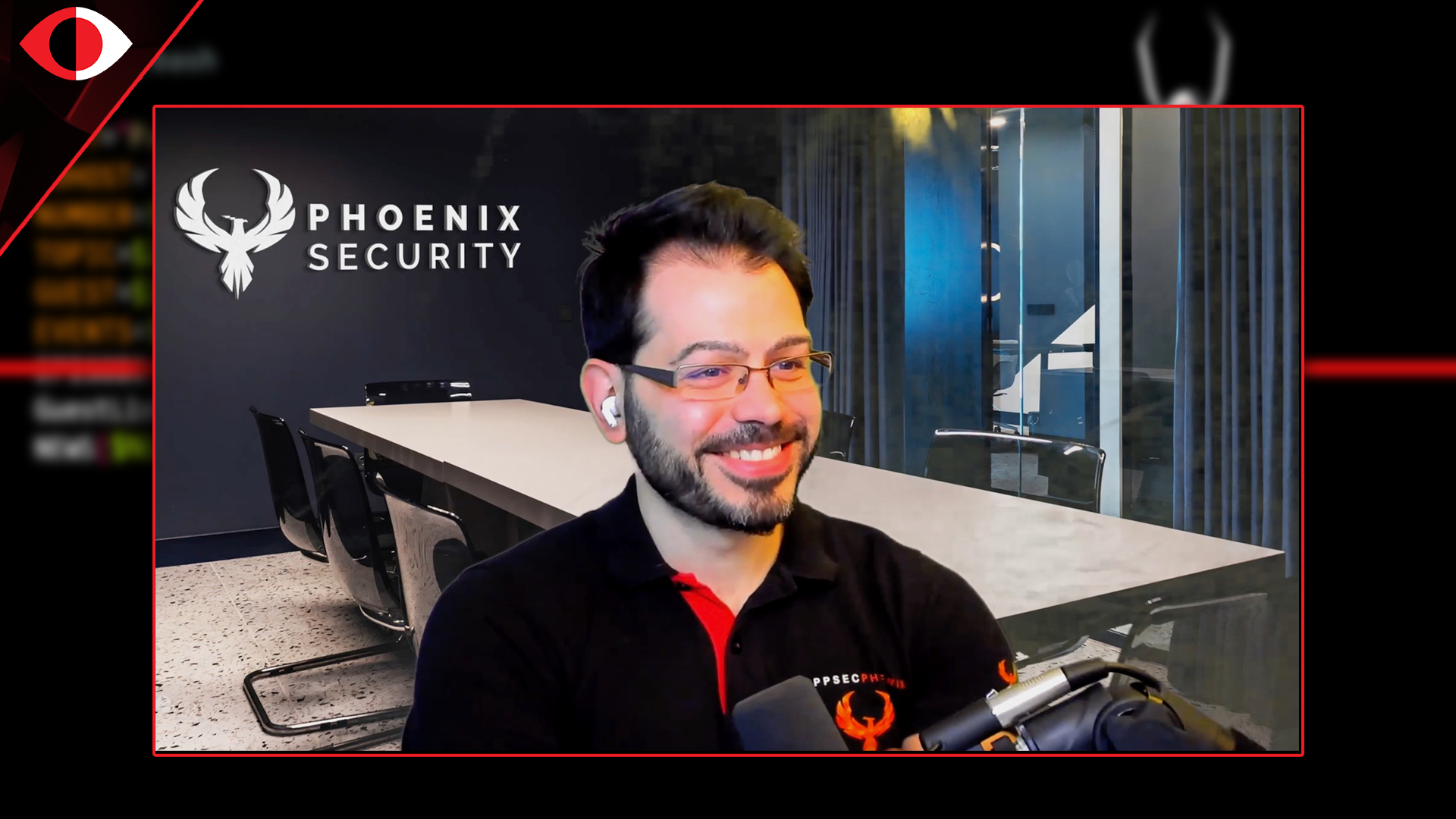
Navigating the Complexities of Application Security: Vulnerability Management, Risk Mitigation, and Business Logic Attacks - ASW #239
Application security is messy and is getting messier. Modern application security teams are struggling to identify what's more important to fix. Cloud security and application security is getting squeezed all together. Modern vulnerability maturity needs a new approach and guidance. Vulnerability management framework and mature defect management is often overlooked as organizations tend to identify issues and stop there. The devil is usually in the details and time gets burned down in identifying who needs to solve what where. Vulnerability Management Maturity Framework has been created to address that. Segment Resources: Framework: https://phoenix.security/vulnerability-management-framework/ Books on metrics: https://phoenix.security/whitepapers-resources/data-driven-application-security-vulnerability-management-are-sla-slo-dead/ Vulnerability aggregation and prioritization https://phoenix.security/whitepapers-resources/whitepaper-vulnerability-management-in-application-cloud-security/ Shift left: https://phoenix.security/shift-everywhere/ Vulnerability management talk: https://phoenix.security/web-vuln-management/ Vulnerability management framework playlist (explained) https://www.youtube.com/playlist?list=PLVlvQpDxsvqHWQfqej5Gs7bOd-cq8JO24 How to act on risk: https://phoenix.security/phoenix-security-act-on-risk-calculation/ Without visibility into your entire web application attack surface and a continuous find and fix strategy, dangerous threats can expose your organization's blind spots and create risk. Invicti analyzes common web application vulnerabilities across thousands of assets yearly and releases the Invicti AppSec Indicator for a holistic view of application vulnerability trends from automated scan results across regions. In this interview, Invicti's Patrick Vandenberg zooms in on the vulnerabilities plaguing organizations, providing insight into this year's report trends, and guidance on how CISOs and AppSec program leaders can create an environment for their teams that mitigates risk. Segment Resources: https://www.invicti.com/clp/appsec-indicator/?utm_medium=contentsyn&utm_source=sc_media&utm_campaign=i-syn_RSA-CRA-interview-2023&utm_content=230424-ga_spring-appsec-indicator&utm_term=brand T his segment is sponsored by Invicti. Visit https://securityweekly.com/invictirsac to learn more about them! Flaws in the design and implementation of an application can create business logic vulnerabilities that allow attackers to manipulate legitimate functionality to achieve a malicious goal. What's more, API-related security incidents exploit business logic, the programming that manages communication between the application and the database. In this discussion, Karl Triebes shares what you need to know about business logic attacks to effectively protect against them. This segment is sponsored by Imperva. Visit https://securityweekly.com/impervarsac to learn more about them! Visit https://www.securityweekly.com/asw for all the latest episodes! Follow us on Twitter: https://www.twitter.com/secweekly Like us on Facebook: https://www.facebook.com/secweekly Show Notes: https://securityweekly.com/asw239
Hackers and Policy: Empowering Users and Shaping Discussions at DEF CON, Jeff Moss - ASW #238
Jeff Moss shares some of history of DEF CON, from CFPs to Codes of Conduct, and what makes it a hacker conference. We also discuss the role of hackers and researchers in representing users within policy discussions. Segment links https://defcon.org https://forum.defcon.org https://media.defcon.org https://defcon.social/about Microsoft turns to a weather-based taxonomy, k8s shares a security audit, a GhostToken that can't be exorcised from Google accounts, BrokenSesame RCE, typos and security, generative AI and security that's more than prompt injection Visit https://www.securityweekly.com/asw for all the latest episodes! Follow us on Twitter: https://www.twitter.com/secweekly Like us on Facebook: https://www.facebook.com/secweekly Show Notes: https://securityweekly.com/asw238
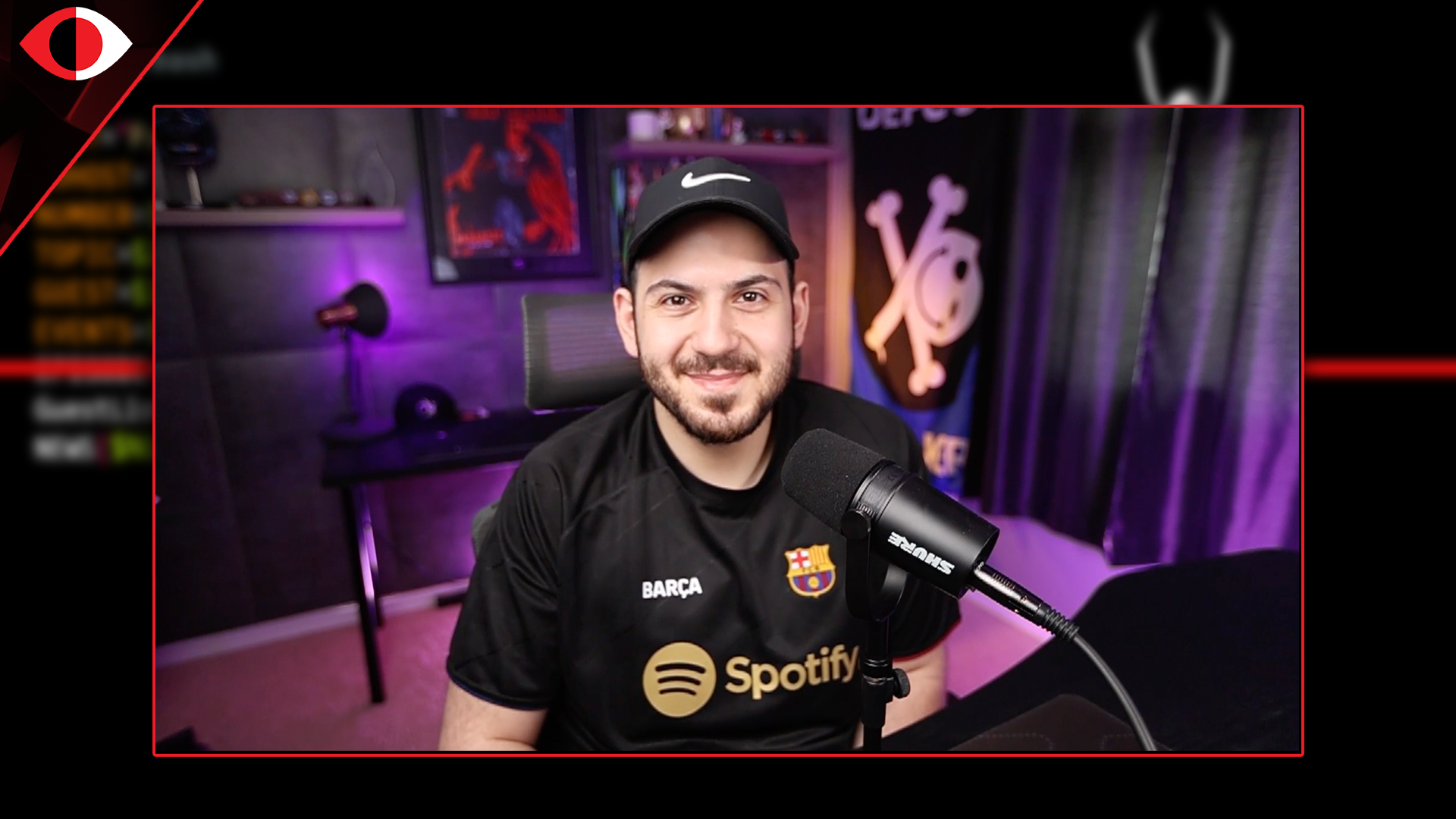
Bug Bounty Programs and Community Building: Unveiling Rewards, Challenges, and Exciting Adventures, Ben Sadeghipour (NahamSec) - ASW #237
We talk with Ben about the rewards, hazards, and fun of bug bounty programs. Then we find out different ways to build successful and welcoming communities. A new deps.dev API for supply chain enthusiasts, hacking and modding agricultural devices, guidance from CISA on secure by design (and by default!), Glaze brings adversarial art to AI training, key transparency for WhatsApp, a new appsec myth(?), Android hacking tool list, and a Chrome extension to find web debugging behavior. Visit https://www.securityweekly.com/asw for all the latest episodes! Follow us on Twitter: https://www.twitter.com/secweekly Like us on Facebook: https://www.facebook.com/secweekly Show Notes: https://securityweekly.com/asw237
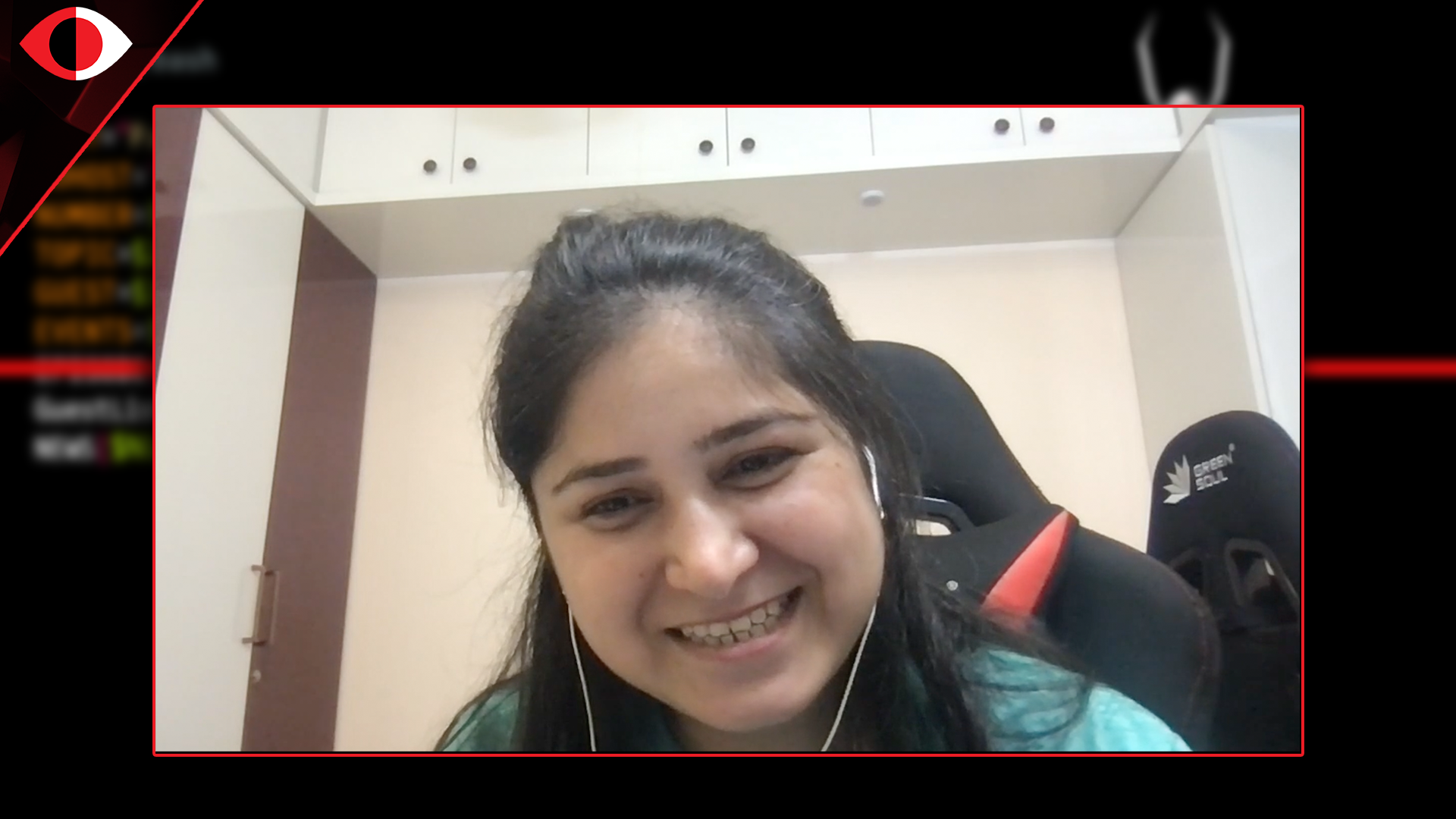
Application Security in the Cloud: Safeguarding Data and Preventing Unauthorized Access, Vandana Verma Sehgal - ASW #236
Application security in the cloud is a crucial aspect of protecting data and preventing unauthorized access to applications hosted on cloud platforms. As cloud computing becomes more prevalent, ensuring the security of applications has become a top priority for organizations. This is because cloud environments present unique security challenges, such as shared resources, multi-tenancy, and a lack of physical control. Therefore, it is essential to implement security measures that are specific to cloud-based applications. Segment Resources: - https://www.youtube.com/@Infosecvandana/videos Lessons from an old 2008 JSON.parse vuln, opening garage doors with a password, stealing cars with CAN bus injection, manipulating Twitter's recommendation algorithm, engineering through complexity, successful tabletop exercises, and the anniversary of Heartbleed. Visit https://www.securityweekly.com/asw for all the latest episodes! Follow us on Twitter: https://www.twitter.com/secweekly Like us on Facebook: https://www.facebook.com/secweekly Show Notes: https://securityweekly.com/asw236
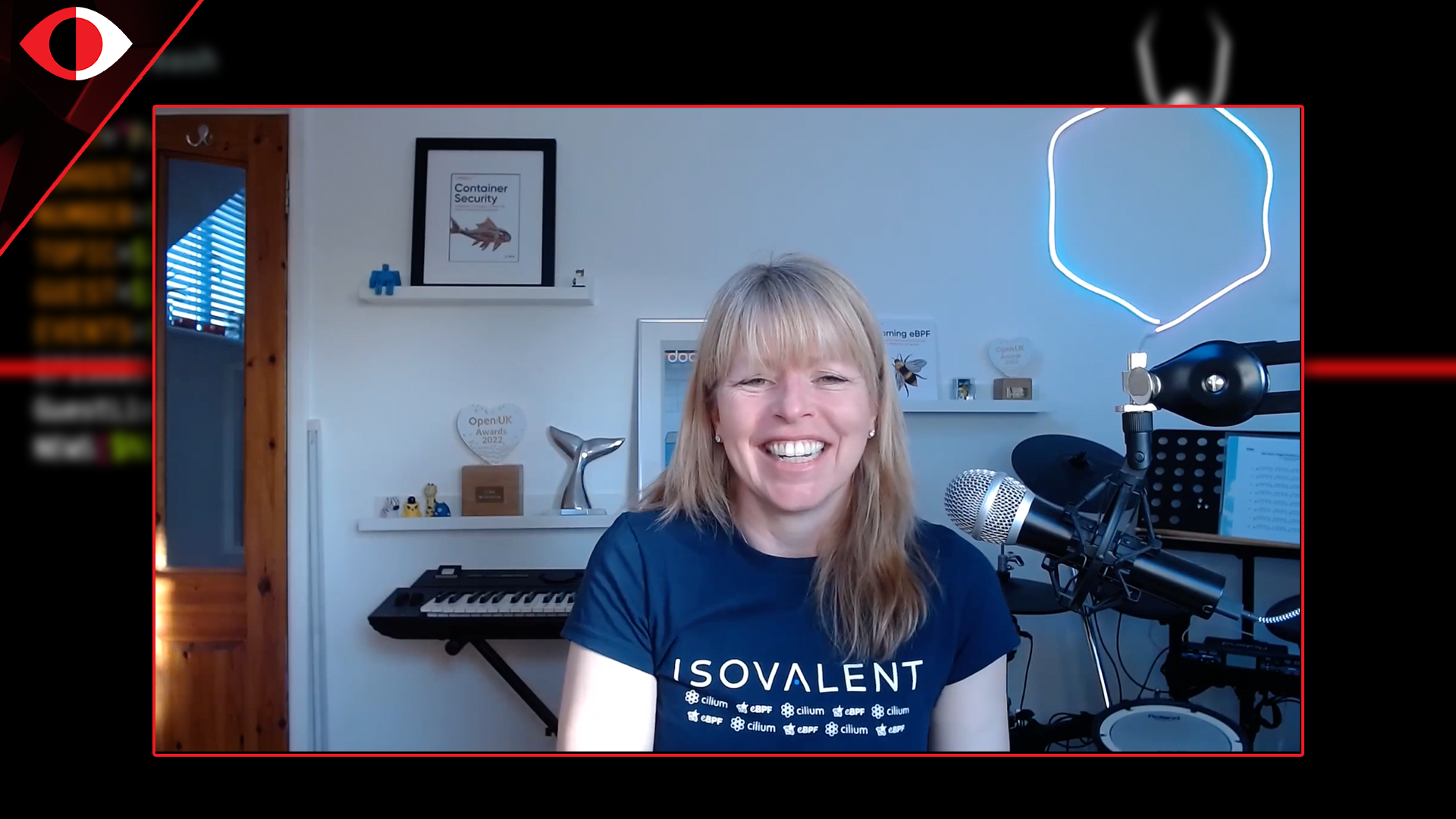
eBPF: The Future of Security and Infrastructure Tools Revealed, Liz Rice - ASW #235
Following on from her successful title "Container Security", Liz has recently authored "Learning eBPF", published by O'Reilly. eBPF is a revolutionary kernel technology that is enabling a whole new generation of infrastructure tools for networking, observability, and security. Let's explore eBPF and understand its value for security, and how it's used to secure network connectivity in the Cilium project, and for runtime security observability and enforcement in Cilium's sub-project, Tetragon. Segment Resources: Download "Learning eBPF": https://isovalent.com/learning-ebpf Buy "Learning eBPF" from Amazon: https://www.amazon.com/Learning-eBPF-Programming-Observability-Networking/dp/1098135121 Code examples accompanying the book: https://github.com/lizrice/learning-ebpf= Cilium project: https://cilium.io Tetragon project: https://tetragon.cilium.io/ BingBang and Azure, Super FabriXss and Azure, reversing the 3CX trojan on macOS, highlights from Real World Crypto, fun GPT prompts, and a secure code game Visit https://www.securityweekly.com/asw for all the latest episodes! Follow us on Twitter: https://www.twitter.com/secweekly Like us on Facebook: https://www.facebook.com/secweekly Show Notes: https://securityweekly.com/asw235

AI in Production: Unveiling Use Cases, Security Risks, and Real-Life Experiences, Frank Catucci - ASW #234
With the increased interest and use of AI such as GTP 3/4, ChatGPT, GitHub Copilot, and internal modeling, there comes an array of use cases and examples for increased efficiency, but also inherent security risks that organizations should consider. In this talk, Invicti's CTO & Head of Security Research Frank Catucci discusses potential use cases and talks through real-life examples of using AI in production environments. Frank delves into benefits, as well as security implications, touching on a number of security aspects to consider, including security from the supply chain perspective, SBOMs, licensing, as well as risk mitigation, and risk assessment. Frank also covers some of the types of attacks that might happen as a result of utilizing AI-generated code, like intellectual property leaking via a prompt injection attack, data poisoning, etc. And lastly, Frank shares the Invicti security team's real-life experience of utilizing AI, including early successes and failures. Segment Resources: On-demand webinar on the topic of generative AI - https://www.scmagazine.com/cybercast/generative-ai-understanding-the-appsec-risks-and-how-dast-can-mitigate-them Invicti Research - https://www.invicti.com/blog/web-security/analyzing-security-github-copilot-suggestions/ - https://github.com/svenmorgenrothio/Prompt-Injection-Playground This segment is sponsored by Invicti. Visit https://securityweekly.com/invicti to learn more about them! Ferrari refuses ransomware, OpenAI deals with security issues from cacheing, video killed a crypto ATM, GitHub rotates their RSA SSH key, bypassing CloudTrail, terms and techniques for measuring AI security and safety Visit https://www.securityweekly.com/asw for all the latest episodes! Follow us on Twitter: https://www.twitter.com/secweekly Like us on Facebook: https://www.facebook.com/secweekly Show Notes: https://securityweekly.com/asw234

The Power of Static Analysis: Strengthening Application Security from Code Scrutiny, Josh Goldberg - ASW #233
Static analysis is the art of scrutinizing your code without building or running it. Common static analysis tools are formatters (which change whitespace and other trivia), linters (which detect likely best practice and style issues), and type checkers (which detect likely bugs). Each of these can aid in improving application security by detecting real issues at development-time. Segment Resources: https://typescript-eslint.io https://eslint.org https://blog.joshuakgoldberg.com Outlook can leak NTLM hashes, potential RCE in a chipset for Wi-Fi calling in phones (and autos!?), the design of OpenSSH's sandboxes, more on the direction of OWASP, celebrating 25 years of Curl. Visit https://www.securityweekly.com/asw for all the latest episodes! Follow us on Twitter: https://www.twitter.com/secweekly Like us on Facebook: https://www.facebook.com/secweekly Show Notes: https://securityweekly.com/asw233

ASW #232 - Josh Grossman
In this segment, Josh will talk about the OWASP ASVS project which he co-leads. He will talk a little about its background and in particular how it is starting to be used within the security industry. We will also discuss some of the practicalities and pitfalls of trying to get development teams to include security activities and considerations in their day-to-day work and examples of how Josh has seen this "in the wild". Segment Resources: Josh's personal website, https://joshcgrossman.com Josh's mastodon handle, https://infosec.exchange/@JoshCGrossman OWASP ASVS site, https://owasp.org/asvs More detailed talk about ASVS v4.0.3, https://www.youtube.com/watch?v=zqj4YuoAlcA The most recent, stable version of the standard (v4.0.3), https://github.com/OWASP/ASVS/tree/v4.0.3/4.0 The "bleeding edge"/in-progress version, https://github.com/OWASP/ASVS/tree/master/5.0 Loom provides transparency on mishandling cookies, GitHub moves to require 2FA, TPM reference implementation includes a buffer overflow, Dropbox shares their security engineer ladder, multiple flaws in a smart intercom Visit https://www.securityweekly.com/asw for all the latest episodes! Follow us on Twitter: https://www.twitter.com/secweekly Like us on Facebook: https://www.facebook.com/secweekly Show Notes: https://securityweekly.com/asw232

ASW #231 - Neatsun Ziv
In this episode, Neatsun Ziv, co-founder and CEO of Ox security takes a deep dive into supply chain security. He focuses on the new Open Software Supply Chain Attack Reference (OSC&R), a consortium of leading cybersecurity leaders. OSC&R the first and only open framework for understanding and evaluating existing threats to entire software supply chain security. Segment Resources: https://pbom.dev/ -https://github.com/pbomdev/ OSCAR WebSocket hijack that leads to a full workspace takeover in a cloud IDE, malicious packages flood public repos, side-channel attack on a post-quantum algorithm, looking at OWASP's evolution, OAuth misconfigs lead to account takeover, AI risk management framework, Zed Attack Proxy Visit https://www.securityweekly.com/asw for all the latest episodes! Follow us on Twitter: https://www.twitter.com/secweekly Like us on Facebook: https://www.facebook.com/secweekly Show Notes: https://securityweekly.com/asw231

ASW #230 - Lina Lau
Join us for this segment with Lina Lau to learn lessons from real incident response engagements covering types of attacks leveraged against the cloud, war stories from supply chain breaches seen in the last 1-2 years, and how defenders and enterprises can better protect and proactively defend against these attacks. Segment Resources: Attacking and Defending the Cloud (Training) https://training.xintra.org/ Blackhat Singapore 2023 Training ADVANCED APT THREAT HUNTING & INCIDENT RESPONSE (VIRTUAL) https://www.blackhat.com/asia-23/training/schedule/index.html#advanced-apt-threat-hunting--incident-response-virtual-29792 Blackhat USA 2023 Training ADVANCED APT THREAT HUNTING & INCIDENT RESPONSE (IN-PERSON) https://www.blackhat.com/us-23/training/schedule/#advanced-apt-threat-hunting--incident-response-30558 Twitter 2FA goes away, safe testing for server-side prototype pollution, OWASP's guide on AI security & privacy, Adobe's approach to smarter security testing, a fast web fuzzer Visit https://www.securityweekly.com/asw for all the latest episodes! Follow us on Twitter: https://www.twitter.com/secweekly Like us on Facebook: https://www.facebook.com/secweekly Show Notes: https://securityweekly.com/asw230

Throwback Episode - ASW #178
It's another holiday week, so enjoy this episode from our archives! What does a collaborative approach to security testing look like? What does it take to tackle an entire attack class as opposed to fixing a bunch of bugs? If we can shift from vulnerability mitigation to vulnerability elimination, then appsec would be able to demonstrate some significant wins -- and they need a partnership with DevOps teams in order to do this successfully. Log4j has more updates and more vulns (but probably not more heartburn...), revisiting outages and whether availability has made it into your threat models, deep dive into hardware security, another data point on bug bounty awards, and looking at risk topics for the next year. This completes another year of the podcast! A very heartfelt thank you to all our listeners! And a special thank you and shout out to the crew that helps make this possible every week -- Johnny, Gus, Sam, and Renee. We'll keep the New Wave / Post-Punk, movie, and pop culture references coming for all the appsec and DevOps topics you can throw our way. Thanks again everyone!! Segment Resources: - https://blog.trailofbits.com/ Show Notes: https://securityweekly.com/asw178

ASW #229 - Nick Selby
Organizations spend hundreds of work hours to build applications and services that will benefit customers and employees alike. Whether the application/service is externally facing or for internal use only, it is mandatory to identify and understand the scope of potential cyber risks and threats it poses to the organization. But where and how do you start with an accurate threat model? Nick can discuss how to approach this and create a model that's useful to security and developers alike. Segment Resources https://github.com/trailofbits/publications/blob/master/reviews/2022-12-curl-threatmodel.pdf Reddit's breach disclosure, simple vulns in Toyota's web portals, OpenSSL vulns, voting results for Portswigger's top 10 web hacking techniques of 2022, tiny IoT cryptography implementations, real world migration of a million lines of code Visit https://www.securityweekly.com/asw for all the latest episodes! Follow us on Twitter: https://www.twitter.com/secweekly Like us on Facebook: https://www.facebook.com/secweekly Show Notes: https://securityweekly.com/asw229

ASW #228 - Adrian Sanabria
Most of the myths and lies in InfoSec take hold because they seem correct or sound logical. Similar cognitive biases make it possible for even the most preposterous conspiracy theories to become commonly accepted in some groups. This is a talk about the importance of critical thinking and checking sources in InfoSec. Our industry is relatively new and constantly changing. Too often, we operate more off faith and hope than fact or results. Exhausted and overworked defenders often don't have the time to seek direct evidence for claims, question sources, or test theories for themselves. Resources - https://www.usenix.org/conference/enigma2023/presentation/sanabria - https://www.usenix.org/sites/default/files/conference/protected-files/enigma2023_slides_sanabria.pdf - https://yourbias.is - Discuss: What Makes a Good Breach Response? - ESW #303: https://www.youtube.com/watch?v=5RpZiVu3xEs The aviation equivalent of ASCII art, a memory safety issue in OpenSSH that might not be terrible, a format string in F5 that might be terrible, a new MITRE framework for supply chain security, programming languages and secure code Visit https://www.securityweekly.com/asw for all the latest episodes! Follow us on Twitter: https://www.twitter.com/secweekly Like us on Facebook: https://www.facebook.com/secweekly Show Notes: https://securityweekly.com/asw228

ASW #227 - Dr. David Movshovitz
A $10M ransom demand to Riot Games, a DoS in BIND and why there's no version 10, an unexpected refactor at Twilio, insights in Rust from the git security audit, SQL Slammer 20 years later, the SQLMap tool We talk with Dr. David Movshovitz about There Is No Average Behavior! Segment Resources: White paper: https://www.reveal.security/lp/white-paper/ Visit https://www.securityweekly.com/asw for all the latest episodes! Follow us on Twitter: https://www.twitter.com/secweekly Like us on Facebook: https://www.facebook.com/secweekly Show Notes: https://securityweekly.com/asw227

ASW #226 - Marudhamaran Gunasekaran
Breach disclosures from T-Mobile and PayPal, SSRF in Azure services, Google Threat Horizons report, integer overflows and more, Rust in Chromium, ML for web scanning, Top 10 web hacking techniques of 2022 Developers write code. Ideally, secure code. But what do we mean by secure code? What should secure code training look like? Visit https://www.securityweekly.com/asw for all the latest episodes! Follow us on Twitter: https://www.twitter.com/secweekly Like us on Facebook: https://www.facebook.com/secweekly Show Notes: https://securityweekly.com/asw226

Throwback Episode - Dev(Sec)Ops Scanning Challenges & Tips - ASW170
We're aren't recording this holiday week, so enjoy this ASW throwback episode! Main host Mike Shema selected this episode to share as it's still relevant to the AppSec community today. This week, we welcome Nuno Loureiro, CEO at Probely, and Tiago Mendo, CTO at Probely, to talk about Dev(Sec)Ops Scanning Challenges & Tips! There's a plenitude of ways to do Dev(Sec)Ops, and each organization or even each team uses a different approach. Questions such as how many environments you have and the frequency of deployment of those environments are important to understand how to integrate a security scanner in your DevSecOps processes. It all comes down to speed, how fast can I scan the new deployment? Discussion around the challenges on how to integrate a DAST scanner in DevSecOps and some tips to make it easier. In the AppSec News: View source good / vuln bad, IoT bad / rick-roll good, analyzing the iOS 15.0.2 patch to develop an exploit, bypassing reviews with GitHub Actions, & more NIST DevSecOps guidance! Show Notes: https://securityweekly.com/asw170 Visit https://www.securityweekly.com/asw for all the latest episodes! Follow us on Twitter: https://www.twitter.com/securityweekly Like us on Facebook: https://www.facebook.com/secweekly

ASW #225 - Dan Moore
Exposed secrets from CircleCI, web hackers target the auto industry, $100K bounty for making Google smart speakers listen, inspiration from Office Space, AWS making better defaults for S3, resources for learning Rust This segment will discuss options for protecting your APIs. First, why protect them? Second, what are the options and the tradeoffs. Segment Resources: - https://stackoverflow.blog/2022/04/11/the-complete-guide-to-protecting-your-apis-with-oauth2/ - https://fusionauth.io/learn/expert-advice/ - https://fusionauth.io/learn/expert-advice/oauth/modern-guide-to-oauth - https://oauth.net/2/ - https://tools.ietf.org/html/rfc6749 - https://datatracker.ietf.org/doc/id/draft-ietf-oauth-v2-1-07.html - https://paseto.io - https://securityboulevard.com/2021/11/biggest-api-security-attacks-of-2021-so-far/ Visit https://www.securityweekly.com/asw for all the latest episodes! Follow us on Twitter: https://www.twitter.com/secweekly Like us on Facebook: https://www.facebook.com/secweekly Show Notes: https://securityweekly.com/asw225

ASW #224 - Keith Hoodlet
How do you mature a team responsible for securing software? What are effective ways to prioritize investments? We'll discuss a set of posts on building talent, building capabilities, and what mature teams look like. Segment resources: - https://securing.dev/categories/essentials/ Metrics for building a security product, hands-on image classification attacks, a proposed PEACH framework for cloud isolation, looking back at Log4Shell, building an appsec toolbox Visit https://www.securityweekly.com/asw for all the latest episodes! Follow us on Twitter: https://www.twitter.com/secweekly Like us on Facebook: https://www.facebook.com/secweekly Show Notes: https://securityweekly.com/asw224

ASW #223 - Jeevan Singh
FreeBSD joins the ping of death list, exploiting a SQL injection through JSON manipulation, Apple's design for iCloud encryption, attacks against machine learning systems and AIs like ChatGPT Threat modeling is an important part of a security program, but as companies grow you will choose which features you want to threat model or become a bottleneck. What if I told you, you can have your cake and eat it too. It is possible to scale your program and deliver higher quality threat models. Segment Resources: - Original blog: https://segment.com/blog/redefining-threat-modeling/ - Open Sourced slides: https://github.com/segmentio/threat-modeling-training Visit https://www.securityweekly.com/asw for all the latest episodes! Follow us on Twitter: https://www.twitter.com/secweekly Like us on Facebook: https://www.facebook.com/secweekly Show Notes: https://securityweekly.com/asw223

ASW #222 - Aviv Grafi
Android platform certs leaked, SQL injection to leaked credentials to cross-tenant access in IBM's Cloud Database, hacking cars through web-based APIs, technical and social considerations when getting into bug bounties, a brief note on memory safety in Android Finding the balance between productivity and security is most successful when it leads to security solutions that help users rather than blames them for security failures. We'll talk about the security decisions that go into handling potentially malicious files so that users can stay calm and carry on. This segment is sponsored by Votiro. Visit https://securityweekly.com/votiro to learn more about them! Visit https://www.securityweekly.com/asw for all the latest episodes! Follow us on Twitter: https://www.twitter.com/secweekly Like us on Facebook: https://www.facebook.com/secweekly Show Notes: https://securityweekly.com/asw222

ASW #221 - Kenn White
Crossing tenants with AWS AppSync, more zeros in C++ to defeat vulns, HTTP/3 connection contamination, Thinkst Quarterly review of research, building a research team MongoDB recently announced the industry's first encrypted search scheme using breakthrough cryptography engineering called Queryable Encryption. This technology gives developers the ability to query encrypted sensitive data in a simple and intuitive way without impacting performance, with zero cryptography experience required. Data remains encrypted at all times on the database, including in memory and in the CPU; keys never leave the application and cannot be accessed by the database server. While adoption of cloud computing continues to increase, many organizations across healthcare, financial services, and government are still risk-averse. They don't want to entrust another provider with sensitive workloads. This encryption capability removes the need to ever trust an outside party with your data. This end-to-end client-side encryption uses novel encrypted index data structures in such a way that for the first time, developers can run expressive queries on fully encrypted confidential workloads. Queryable Encryption is based on well-tested and established standard NIST cryptographic primitives to provide strong protection from attacks against the database, including insider threats, highly privileged administrators and cloud infrastructure staff. So even another Capital One type breach is not possible. Segment Resources: - https://www.mongodb.com/products/queryable-encryption - https://www.wired.com/story/mongodb-queryable-encryption-databases/ - https://www.youtube.com/watch?v=mDKfZlQJO3k - https://thenewstack.io/mongodb-6-0-offers-client-side-end-to-end-encryption/ Visit https://www.securityweekly.com/asw for all the latest episodes! Follow us on Twitter: https://www.twitter.com/secweekly Like us on Facebook: https://www.facebook.com/secweekly Show Notes: https://securityweekly.com/asw221

ASW #220 - Daniel Krivelevich
CosMiss in Azure, $70k bounty for a Pixel Lock Screen bypass, finding path traversal with Raspberry Pi-based emulators, NSA guidance on moving to memory safe languages, implementing phishing-resistant MFA, egress filtering, and how to approach code reviews Cider Security's recently published research of the Top 10 CI/CD Security Risks acts to identify vulnerabilities to help defenders focus on areas to secure their CI/CD ecosystem. They created a free learning tool with a deliberately vulnerable environment to demonstrate these flaws -- "CI/CD Goat". Like similar tools, this helps appsec and devops teams gain a better understanding of major CI/CD security risks and, importantly, their appropriate countermeasures. Segment Resources: - https://www.cidersecurity.io/top-10-cicd-security-risks/ - https://github.com/cider-security-research/top-10-cicd-security-risks - https://www.cidersecurity.io/blog/research/ci-cd-goat/ - https://github.com/cider-security-research/cicd-goat Visit https://www.securityweekly.com/asw for all the latest episodes! Follow us on Twitter: https://www.twitter.com/secweekly Like us on Facebook: https://www.facebook.com/secweekly Show Notes: https://securityweekly.com/asw220

ASW #219 - Karl Triebes
While APIs enable innovation, they're increasingly targeted as a pathway to data. API abuses are often carried out through automated attacks, in which a botnet floods the API with unwanted traffic—seeking vulnerable applications and unprotected data. In this discussion, Karl Triebes shares what you need to know about the automated bot threats targeting your APIs with guidance on how to protect your applications and APIs from these attacks. This segment is sponsored by Imperva. Visit https://securityweekly.com/imperva to learn more about them! The punycode parsing in OpenSSL, missing authentication in Azure Cosmos DB Notebooks, the importance of documentation in security, labeling IoT security, bad response to a security disclosure Visit https://www.securityweekly.com/asw for all the latest episodes! Follow us on Twitter: https://www.twitter.com/secweekly Like us on Facebook: https://www.facebook.com/secweekly Show Notes: https://securityweekly.com/asw219

ASW #218 - Sandy Carielli, Martha Bennett
A critical OpenSSL vuln is coming this Tuesday, a SQLite vuln, Apple blogs about memory safety and bug bounties, determining a random shuffle The Web3 ecosystem is chock full of applications and projects that have lost money (and their customers' money) due to breaches, code flaws, or outright fraud. How can security teams do a better job of protecting Web3 apps? Web3 applications (including NFTs) aren't just vulnerable to attack, they often present a broader attack surface (due to the distributed nature of blockchains) at the same time as being a desirable target because of the value association with tokens. Join us for a lively discussion about key threats to Web3 apps – both on-chain and off-chain - what we can do to mitigate them…and what we absolutely should not do. Additional resources - https://www.bloomberg.com/features/2022-the-crypto-story/ - https://web3isgoinggreat.com - https://blog.trailofbits.com/2022/06/21/are-blockchains-decentralized/ Visit https://www.securityweekly.com/asw for all the latest episodes! Follow us on Twitter: https://www.twitter.com/secweekly Like us on Facebook: https://www.facebook.com/secweekly Show Notes: https://securityweekly.com/asw218

ASW #217 - Kong Yew Chan
Learn what keeps DevOps and SecOps up at night when securing Kubernetes, container, and cloud native applications, what tactics are best for developers and application architects to consider when securing your latest cloud application and hardening your CI/CD pipeline and processes. This segment is sponsored by Qualys. Visit https://securityweekly.com/qualys to learn more about them! Text4Shell isn't a new patching hell, using supply chain info with GUAC, OpenSSF Scorecards and metrics, Toner Deaf firmware persistence, upcoming OWASP Board Elections, Chrome browser exploitation Visit https://www.securityweekly.com/asw for all the latest episodes! Follow us on Twitter: https://www.twitter.com/secweekly Like us on Facebook: https://www.facebook.com/secweekly Show Notes: https://securityweekly.com/asw217