Anglo Saxon England Podcast
45 episodes
S3 Ep 43.4 Cerdic the Founder of England by Paul Harper
Alfred the Great believed that the House of Wessex stretched back to the earliest days of Anglo Saxon England, to the early 6th century, and that the founder was a warrior - Cerdic. But Alfred was a master of propaganda, and was concerned to position Wessex as the most prestigous of all the kingdoms. So did Cerdic actually exist, or just another foundation story? Paul Harper set out to discover the truth.Find out more from Paul's book "Cerdic Mysterious Dark Age King Who Founded England" Hosted on Acast. See acast.com/privacy for more information.
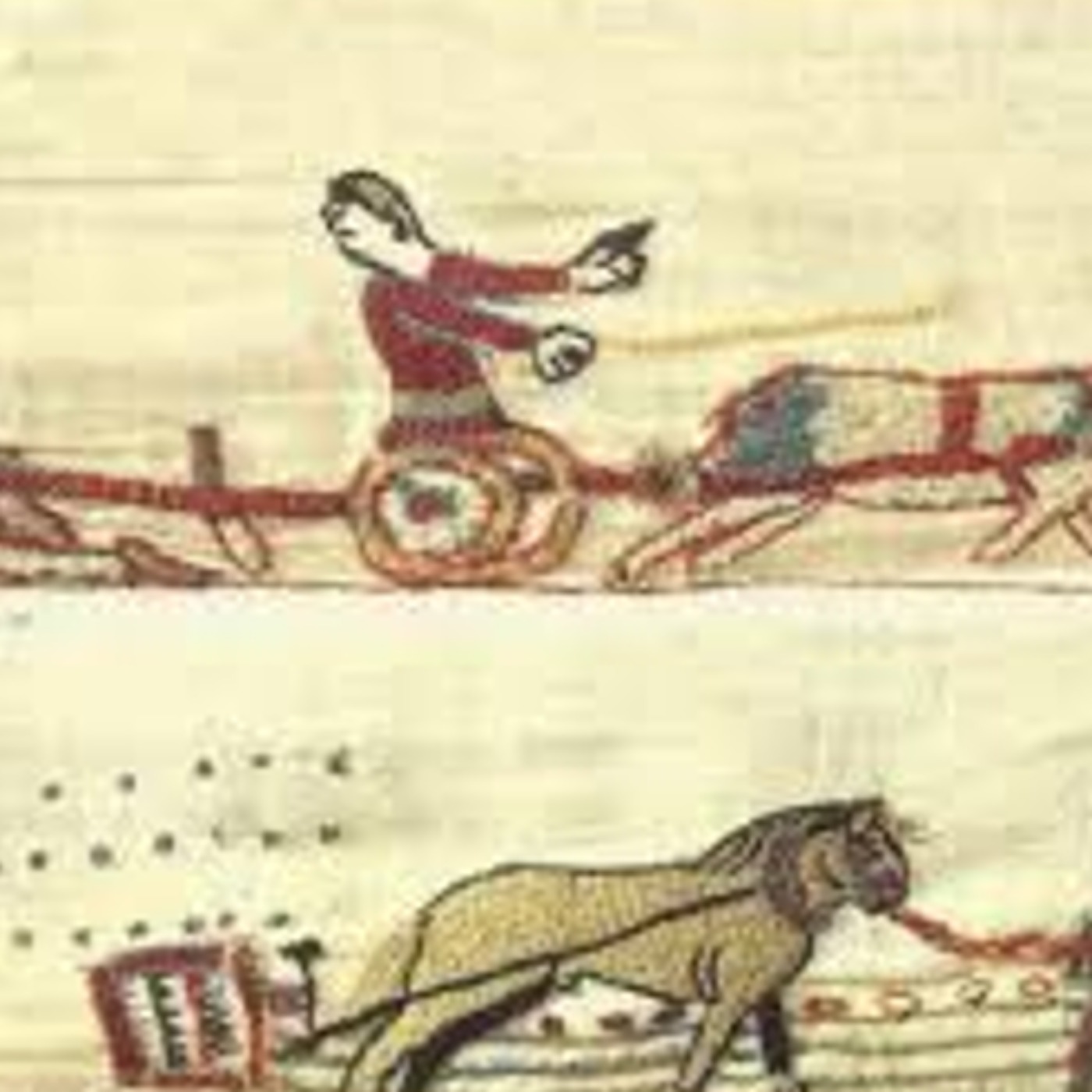
S3 Ep 33.3 Seasons
How people in Anglo Saxon England viewed the seasons that meant so much to their health, happiness and survival. From the iron-bound Winter, to the freedom and bounty of summer Hosted on Acast. See acast.com/privacy for more information.
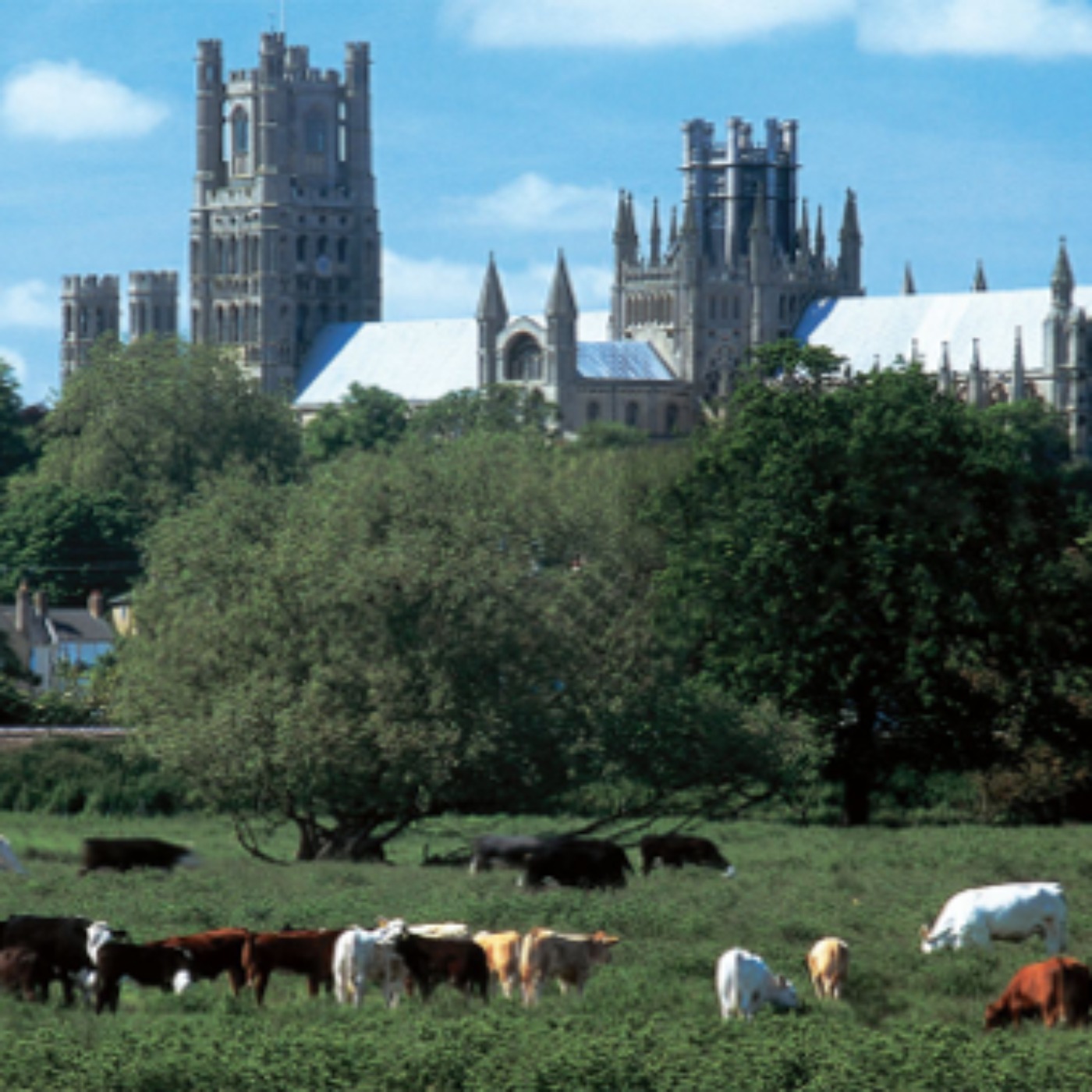
S3 Ep 23.2 The Fens - Home to Monsters and Hermits
Marie Hilder talks about the 'English Holy Land' during the time of the Anglo Saxons - the landscape, monasteries and hermits -and the tale of Hereward the Wake. Hosted on Acast. See acast.com/privacy for more information.
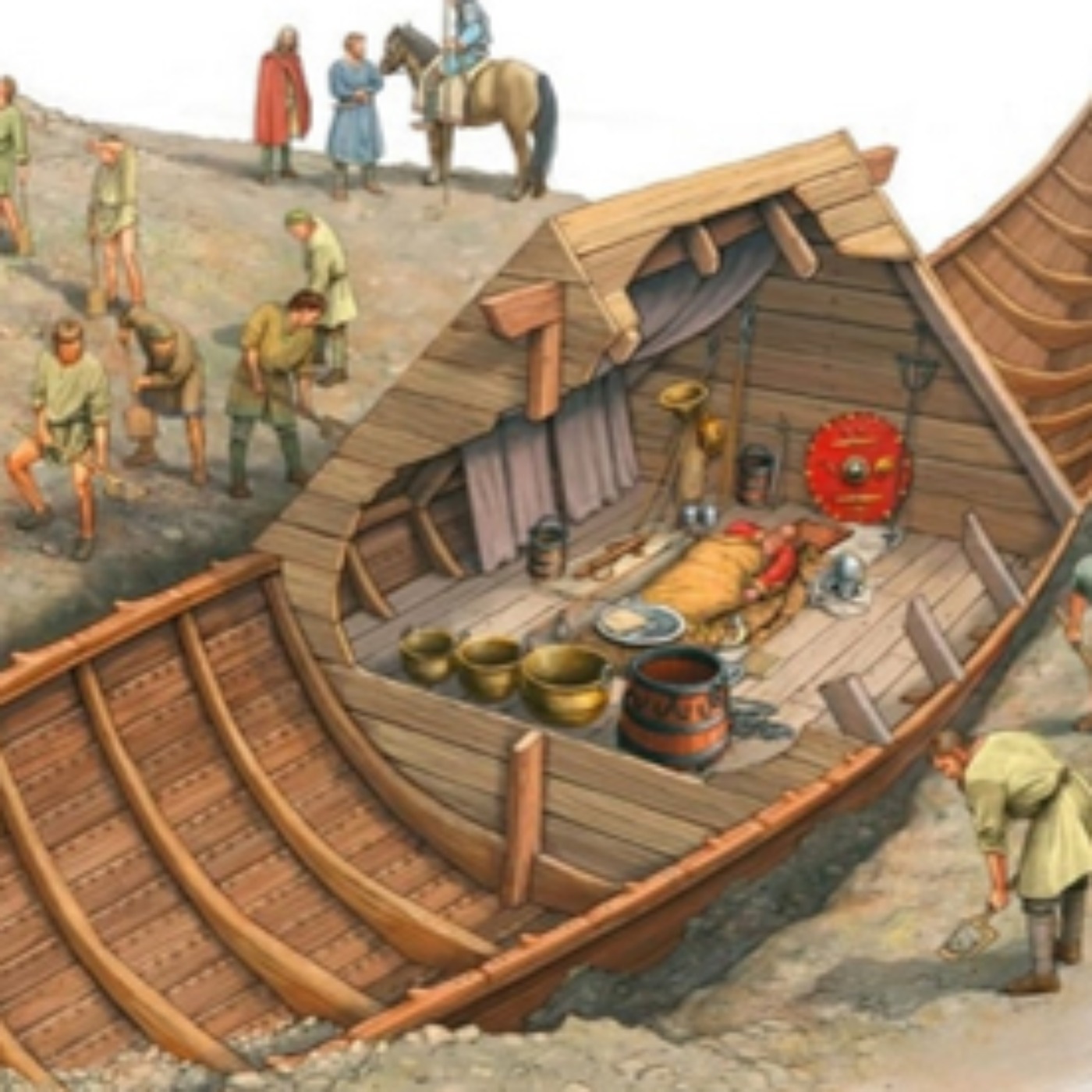
S3 Ep 13.1 The Sutton Hoo King
In May 1939, in the shadow of impeding war, Edith Pretty comissioned local archaeologist basil Brown to investigate the largest of a series of mounds on her land - at Sutton Hoo. What they found has become part of England's foundation story. Marie Hilder talks about the 7th century King they found buried there. Hosted on Acast. See acast.com/privacy for more information.
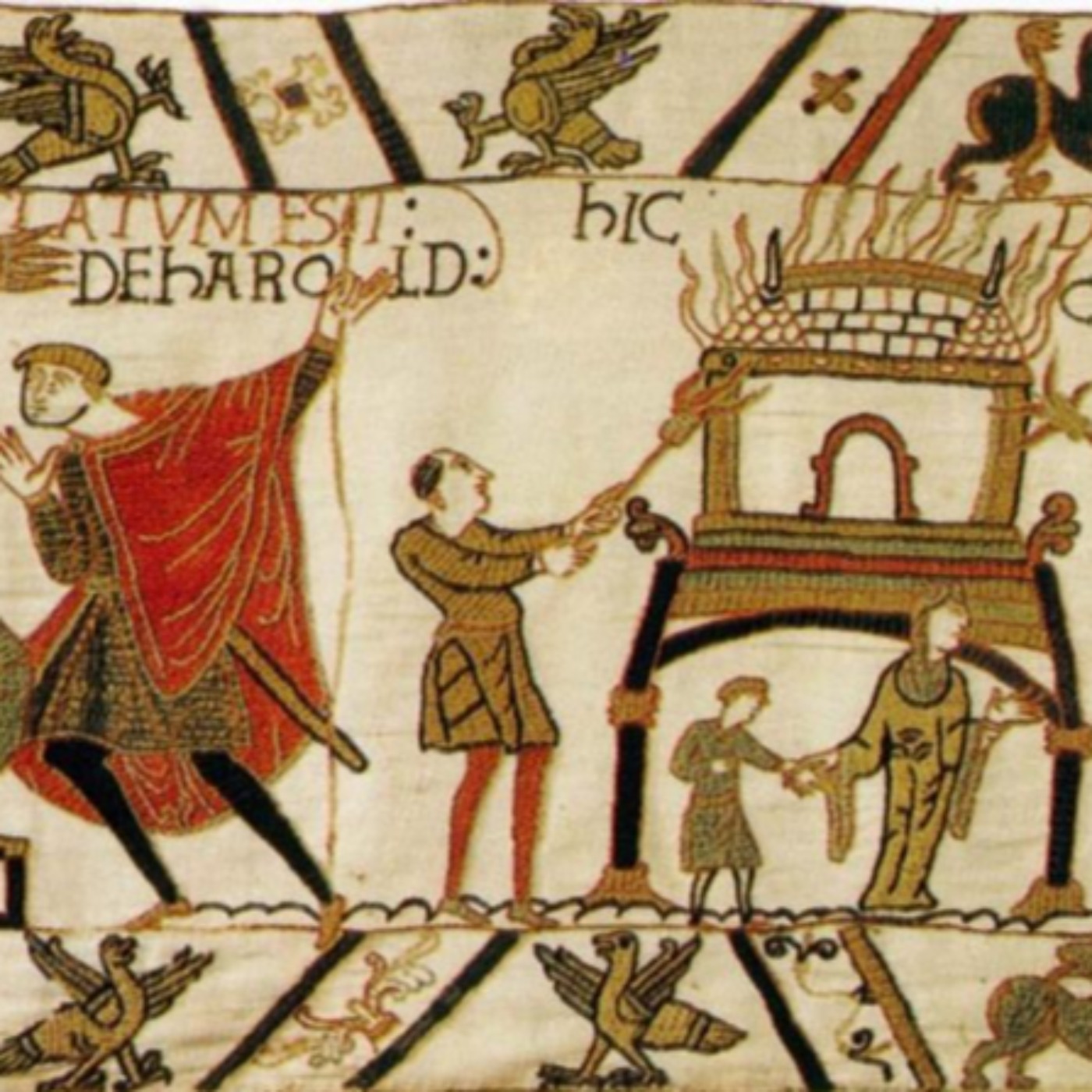
S2 Ep 92.9 Norman Transformation?
1066 and the Norman conquest undoubtedly came with dramatic change in personel and architecture. But did it extend much below the elites, did it change the depths and fundamentals of English society - or just ripple the surface? After all many have argued that feudalism by another name was already well advanmced by 1066. Hosted on Acast. See acast.com/privacy for more information.
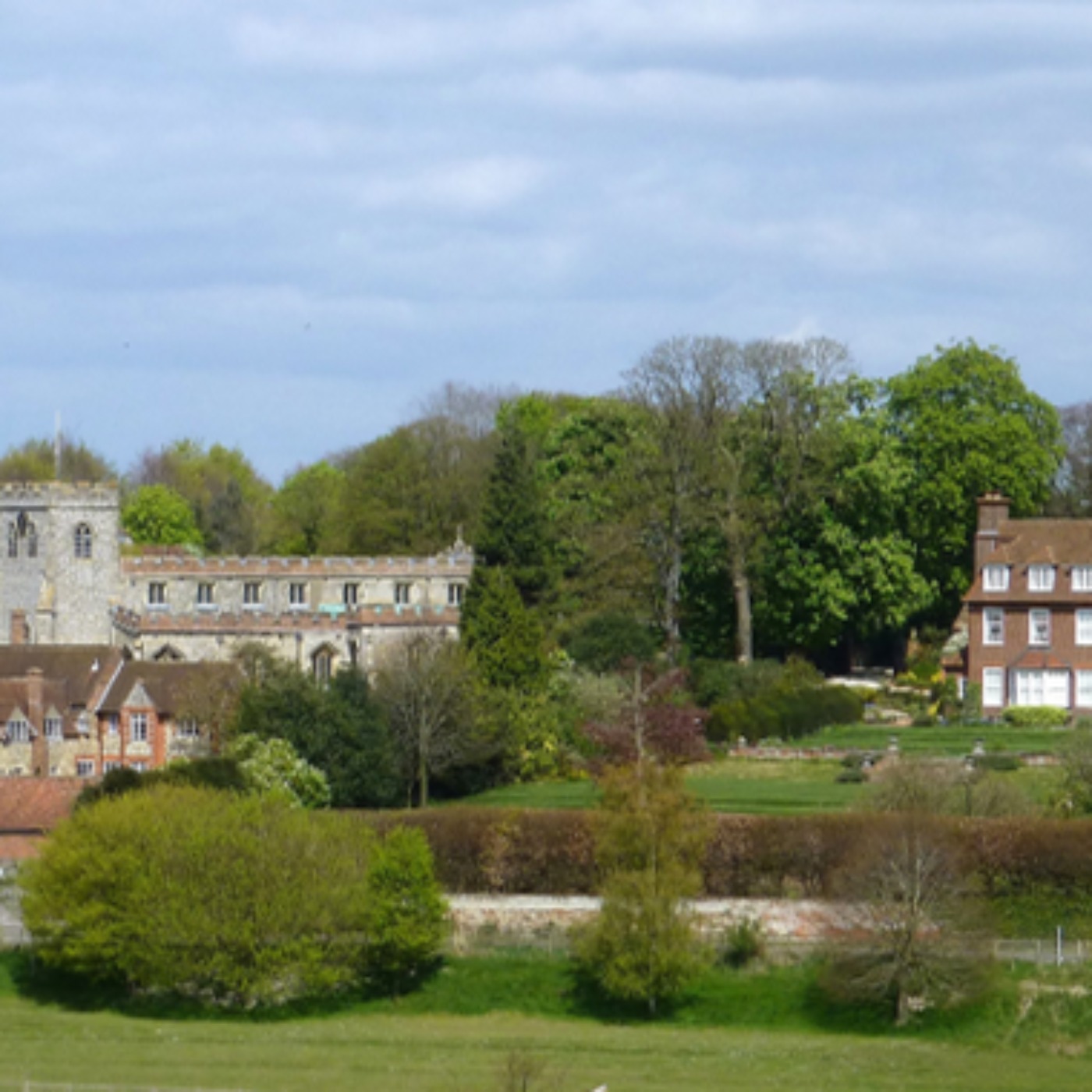
S2 Ep 82.8 A New Landscape
From 9th century, the increasing intensfication of agriculture and population growth led to a transformation of agriculture and settlement in the 'champion' lands of lowland England changes which still define the basic stucture of the rural landscape around us today - and the classic English village. Hosted on Acast. See acast.com/privacy for more information.
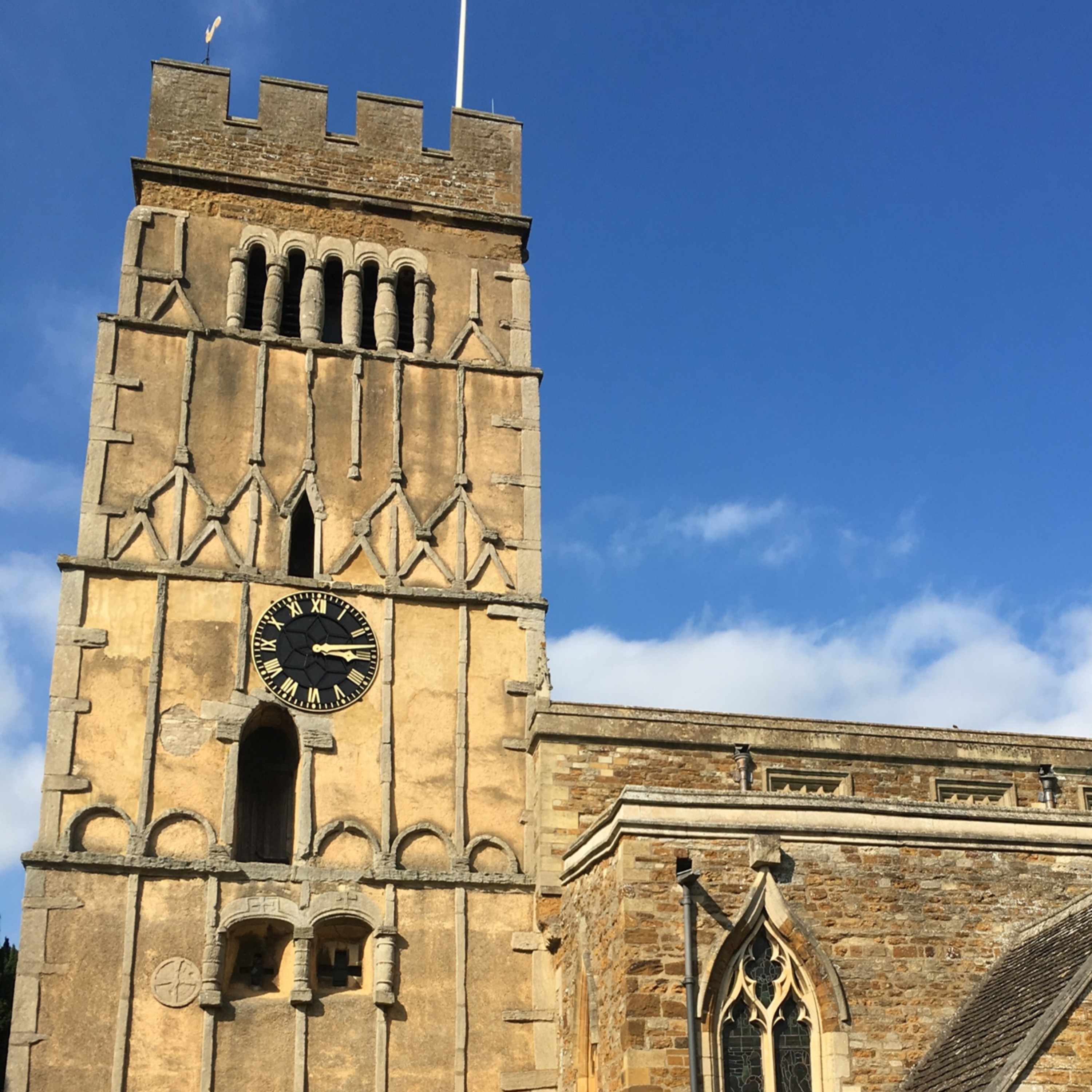
S2 Ep 72.7 Rise of the Thegns
The Danish wars from the 9th century had a enormous impact on the Anglo Saxon state. The national struggle to repel and survive meant the creation of a centralised bureaucratic state - to raise geld, armies, build burghs. The economy was stimulated, towns and markets grew, and a new class of Thegns was endowed to administer this new bureaucracy. These Thegns created and invested in their 'manors' and villages. They intensified the exploitation of their estates, built churches and endowed priests. Thus the lives of English people became inceasingly focussed on their local village Hosted on Acast. See acast.com/privacy for more information.
S2 Ep 62.6 Life in Warland
Warland was held by all free Anglo Saxon families, and so called because the resources of the land were to be used for the waru, defence of the land. That might mean military defence - but it was a much more general concept that tha - it was to be used in defence of the health and well being of the community. The responsibilities of the holder of warland were extensive, public, participatory and based on the cconcept of custom and reciprocity Hosted on Acast. See acast.com/privacy for more information.
S2 Ep 52.5 Life on the Inland
As 7th century turns into 8th, society becomes a little more hierarchical; tribute centres like Rendlesham begin to disappear for more permanent royal sites. But more significant for the life of many Ceorlisc families, was the arrival of Christianity. Because the new religion brought with it new institutions - priests, minsters, monasteries. These institutions required permanent establishments and households. And to support them, more is required from the land. Technology will help, and new, more intensively farmed Inland estates. But to work them, and new breed of peasant farmer will be needed. Hosted on Acast. See acast.com/privacy for more information.
S2 Ep 42.4 Extensive Lordship and the Scir
The 7th and 8th centuries saw the gradual development of territorial grouping, with tribal and political identities, focussed on the lord or king. Despite more well defined hierarchies, lordship remained relatively light, based on lords who travelled from place to place. At tribute centres, they would to meet with their people and receive their tribute, and in return offer their largesse, counsel and listen to local concerns. Relationships remained customary and personal, not formal based on tenancy, legal or contractual ties. Hosted on Acast. See acast.com/privacy for more information.
S2 Ep 32.3 The Early Settlers
The culture of the early Free farmers of the Germanic settlers valued family, kinship and lordship. Oxfordshire may have been one of the earliest areas of settlement, fitting initially into the Romano British states they find as they arrive - such as at the old Roman town of Dorchester. From there they begin to settle the places that offer the best chance of prosterity; and leave their mark in place names on the landscape. Hosted on Acast. See acast.com/privacy for more information.
S2 Ep 22.2 The Old and the New
The departure of Rome from Britain and the Romano British society that follows is the story of many generations. After a brief overview the episode turns to consider some alternate theories of one aspect of the period - the adventus saxonum. Hosted on Acast. See acast.com/privacy for more information.
S2 Ep 12.1 Land, Lordship and People - Introduction
I am reviving my old Anglo Saxon England podcast, with a new, limited series of 9 episodes about Anglo Saxon society, and what made it tick. This episode tell you what, why, and when. Hosted on Acast. See acast.com/privacy for more information.
S1 Ep 321.32 - 22 1066 and Goodbye to all That
1066 was a year that changed a lot of things - though not as much as you might think. 3 experienced war leaders fought for control of England - and we all know who won, so no need to worry about plot spoilers. The History of England podcast takes us up the coronation of William at Westminster Abbey, Christmas day 1066 Hosted on Acast. See acast.com/privacy for more information.
S1 Ep 311.31 - 31 The Normans - A Race Unbridled
The Normans made a massive impact on Europe, not just England. They went on to establish a kingdom in Southern Italy, and lead the Crusades and the resulting state of Outremer. So the History of England looks at where they came from, with a brief history of Normandy before 1066 Hosted on Acast. See acast.com/privacy for more information.
S1 Ep 301.30 - 20 England in the 11th Century
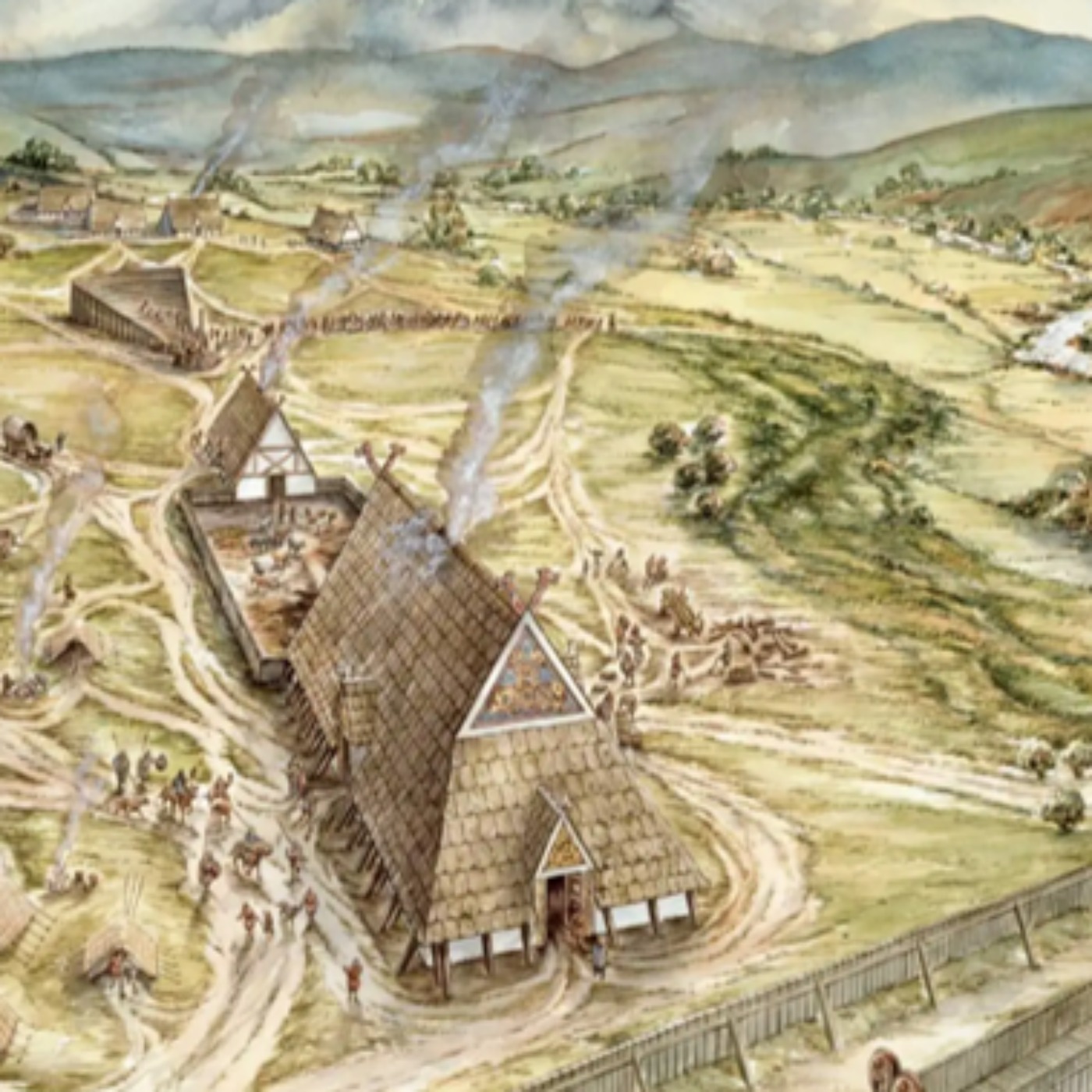
Anglo Saxon England has been seen by some commentators as a bit of a basket case by 1066 - out of date and ready to be conquered. But actually England had its great strengths that would have been the envy of continental monarch, if they'd spent any time thinking about that small, damp island somewhere off the continental coast. The History of England takes a brief look at the English state in the 11th century Hosted on Acast. See acast.com/privacy for more information.
S1 Ep 291.29 - 19 Edward the Confessor
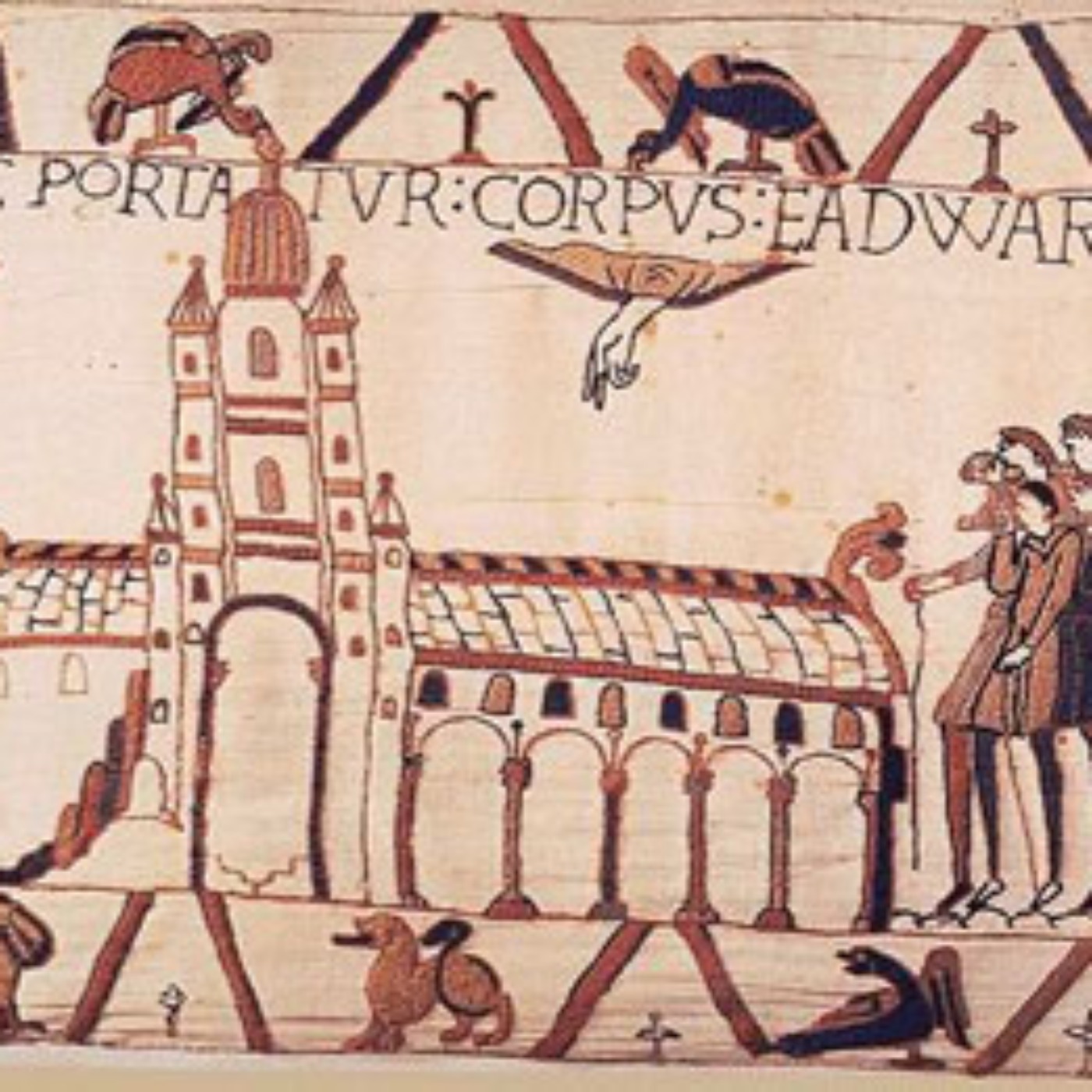
Edward enjoyed one year of independence in 1051-2, before the return of Godwin forced him into humiliating submission. But after Godwin’s death the following year, the rest of his reign was broadly peaceful and prosperous, including building Westminster Abbey. Though that’s not to say there’s no political difficulties along the way. Hosted on Acast. See acast.com/privacy for more information.
S1 Ep 281.28 - 18 The End of the Danish Dynasty
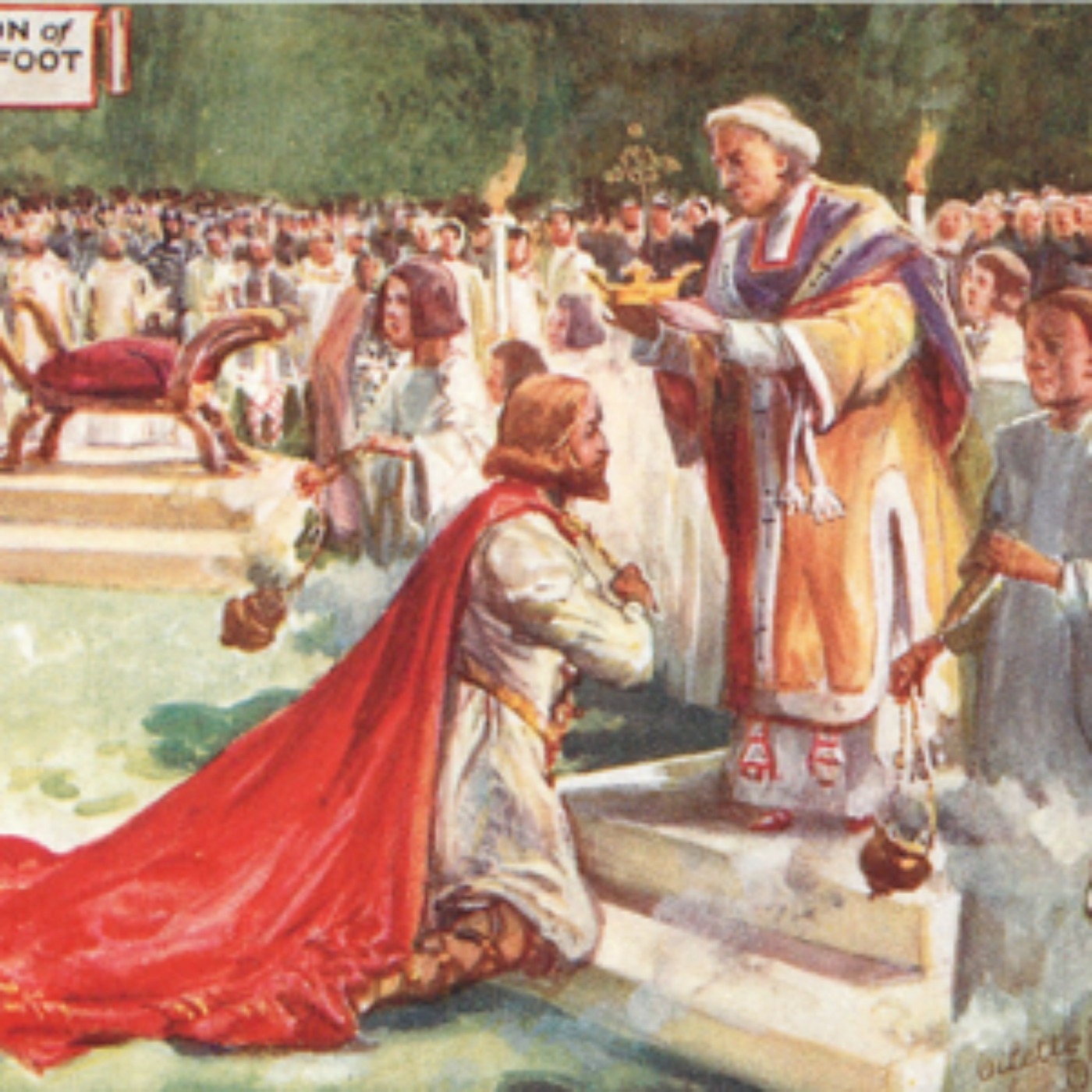
Cnut’s dynasty survived him by only 7 years, and in 1042 the house of Cerdic returned in the form of Edward the Confessor. Edward is an enigma – weak man or determined survivor? This week the History of England podcast looks at how he came to the throne and his first 10 years. Hosted on Acast. See acast.com/privacy for more information.
S1 Ep 271.27 - 17 Cnut the Conqueror
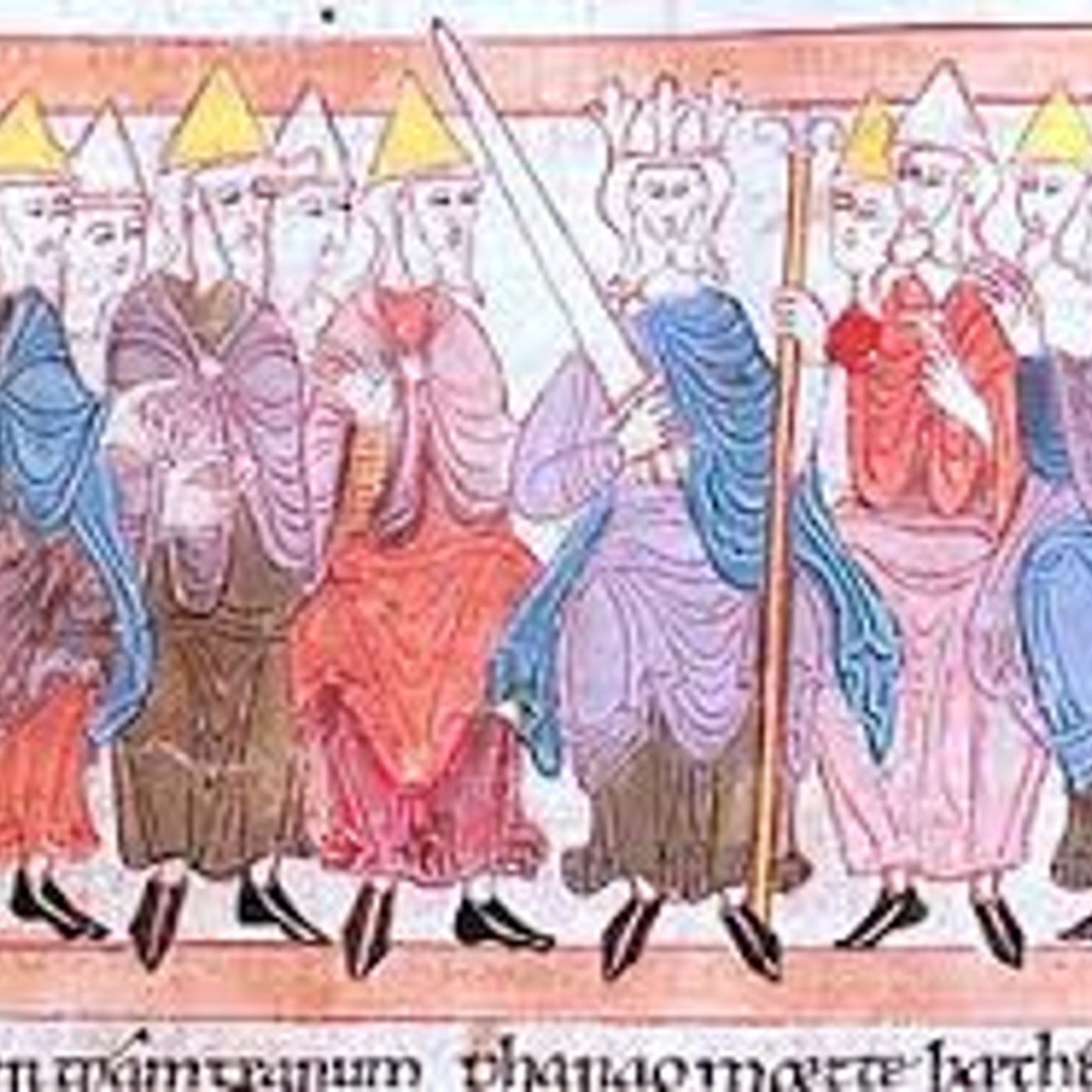
Cnut was pretty much the complete king. Conqueror of the English, ruler of a Scandinavian empire that spanned 4 countries. And a man who knew how to win the peace as well as the war. The History of England podcast this week looks at his reign. Cnut was probably born around 990, and by 1016 had become the ruler of England. He was to rule for the next 19 years, and in the main his years were so full of boring peace, prosperity and lack of discord that the chroniclers could find little to say about his rule Hosted on Acast. See acast.com/privacy for more information.
S1 Ep 261.26 - 16 Ironside
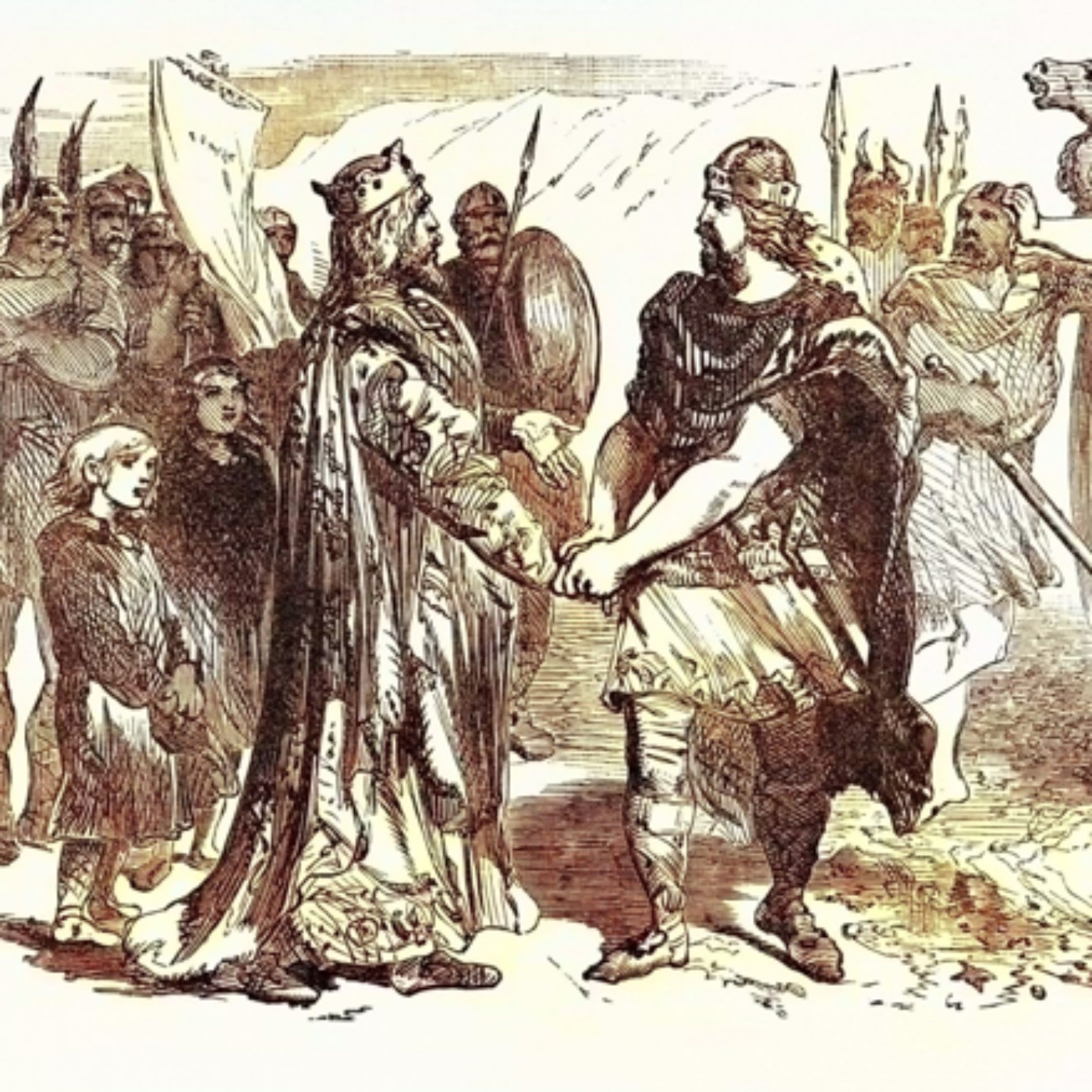
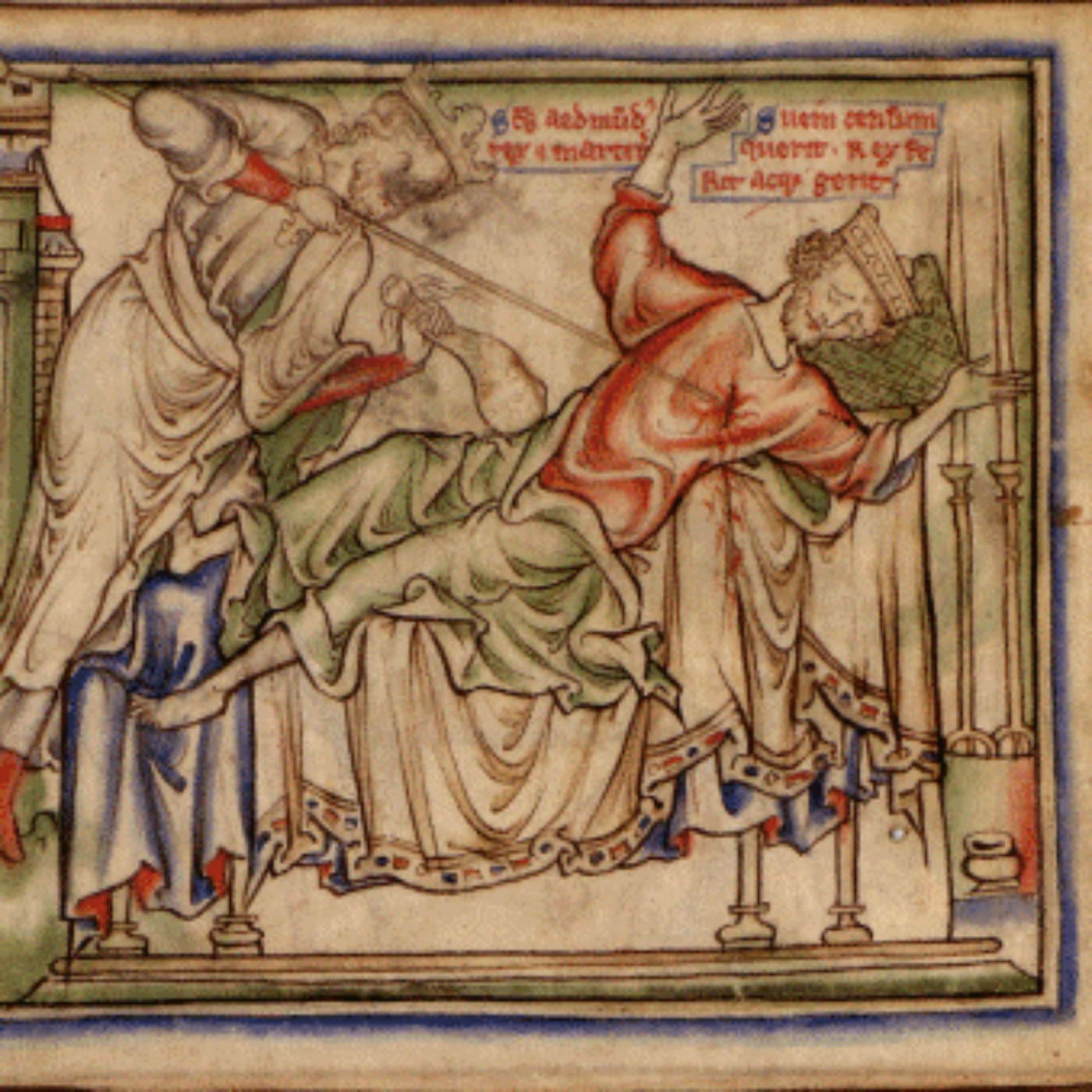
In 1012, Aethelred looked down and out. But Svein died, and Edmund Ironside appeared on the scene. Suddenly, Aethelred was a real king and all action, and Cnut was forced to flee. But he came back, and 1016 saw one of the great confrontations of English History, and a great ‘what-might-have-been’ man in Edmund Ironside, before he got an arrow up his backside. Hosted on Acast. See acast.com/privacy for more information.
S1 Ep 251.25 - 15 Æthelred, Forkbeard and Misery
The Danish threat is notched up a few levels, and Æthelred the Unready and the English state is brought to it knees. The Vikings are too fast, skillful and mobile, and are much better led Hosted on Acast. See acast.com/privacy for more information.
S1 Ep 241.24 - 14 The Rising Tide
Aethelred's mother gets her son onto the throne at last. But it's not long before the disadvantages of kingship become clear, as the Danes begin to return with increasing force. Aethelred turned 18 in 983, and by 984 has sent his mother away and reigns with his own men. But three years of raids, 997-999 beging to demonstrate the weakness of the English reponse. And by 1002, England face a national opponent as Svein Forkbeard joins the party. Hosted on Acast. See acast.com/privacy for more information.
S1 Ep 231.23 - 13 The Golden Age
Edgar the Peaceable's reign was a golden age of peace, prosperity and monastic reform. Unfortunately, once he'd gone his wife stuck a knife into her stepson, and the trouble starts over. But his reign should be remembered as the apogee of the Anglo Saxon state. Edgar's is the first recorded Coronation oath, and still remains the basis for the coronation oath today. Hosted on Acast. See acast.com/privacy for more information.
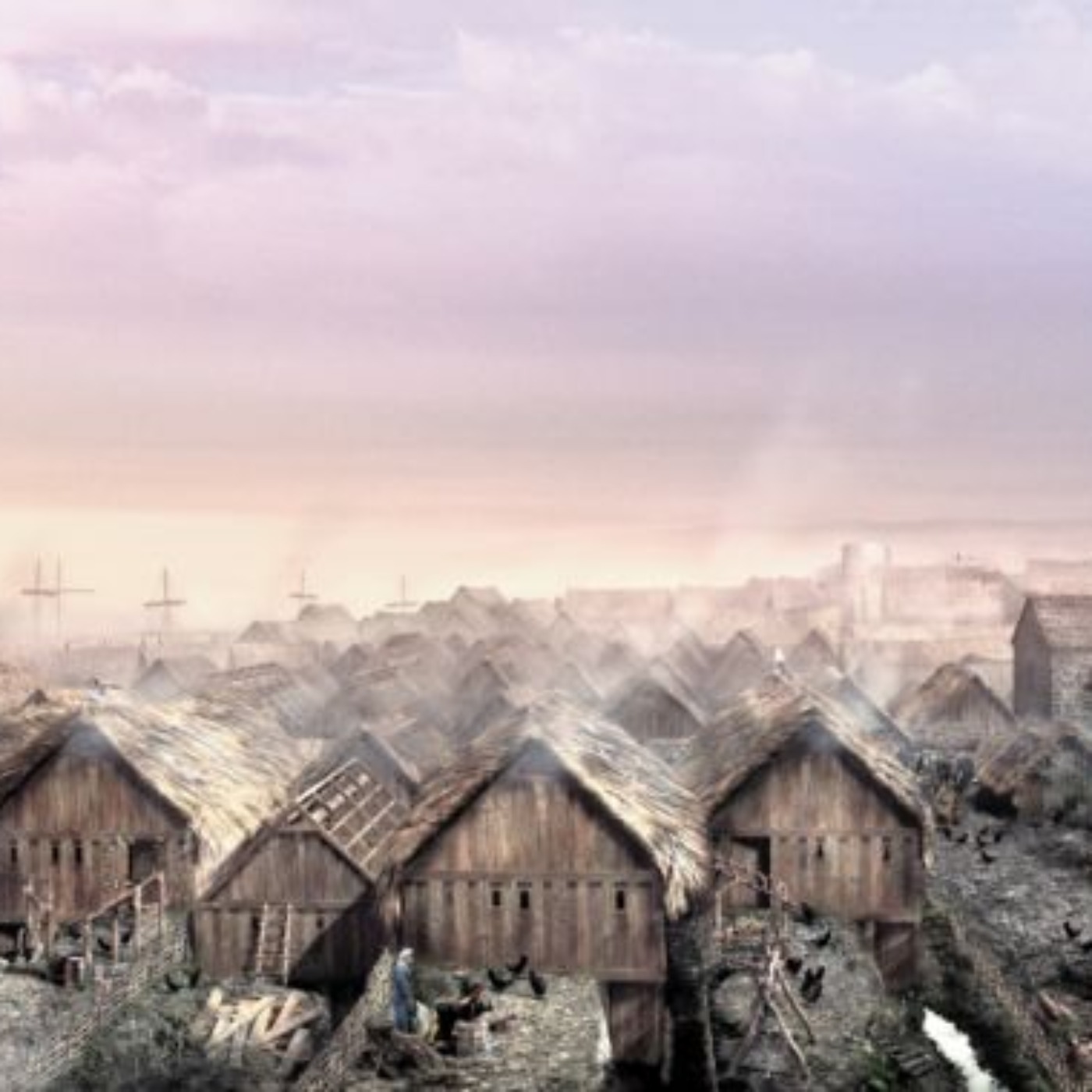
S1 Ep 221.22 Last King in Jorvik
Edmund the Magnificent and Eadred finally defeat Eric Bloodaxe, the last king of Jorvik. But there are some social clouds on the horizon. Hosted on Acast. See acast.com/privacy for more information.
S1 Ep 211.21 His Years were full of Glory
Athelstan was a dynamic and effective ruler, in war, law, and diplomacy. As a war leader he established at least nominal overlordship of all Britain; his marriage alliances included the greatest of European rulers; and he increased the age of legal responsibility from 12 to 16. Hosted on Acast. See acast.com/privacy for more information.
S1 Ep 201.20 English Reconquest
The story of a brother and a sister - Æthelflæd and Edward, and their bid to reclaim the lands of the Danelaw, the north and east of England being settled by the Danes Hosted on Acast. See acast.com/privacy for more information.
S1 Ep 191.19 Pillar of the Western People
In 892, the vikings returned - and found a very different, much better prepared Wessex waiting for them. Until in 899, Alfred died to be succeeded by his Son, Edward, who would in the end turn the tables on the Vikings. Hosted on Acast. See acast.com/privacy for more information.
S1 Ep 181.18 Reconstruction and Defence
Alfred had earned Wessex and period of respite, between 878 and 892. In this time, Alfred laid the foundations not just for the defense against renewed invasions, but for the successes of the 10th century. Hosted on Acast. See acast.com/privacy for more information.
S1 Ep 171.17 Alfred and the Fight for Survival
Between 871 and 878, Wessex came close to extinction, as the Great Heathen Army, the Great Summer Army, and Guthrum the Dane came to conquer. Hosted on Acast. See acast.com/privacy for more information.
S1 Ep 161.16 The Great Heathen Army
Everything changed for Anglo Saxon England in 866; the sons of Ragnar Lothbrok came for conquest, not just treasure and slaves. Hosted on Acast. See acast.com/privacy for more information.
S1 Ep 151.15 The Noble Wolf
Æthelwolf hasn't always had the best press. None the less he laid the basis of an effective and well organised state centred on the traditional heartlands of Wessex, and one better placed to meet the Viking threat than other kingdoms. Hosted on Acast. See acast.com/privacy for more information.
S1 Ep 141.14 Pirates from the North
This week's installment in the History of England is about the Pirates of the north that changed the course of England's history - the Vikings. Hosted on Acast. See acast.com/privacy for more information.
S1 Ep 131.13 Greater Wessex
The death of Offa & his son led to the bloodletting normal when the succession was a bun fight. But this time round, it would have longer term consequences for the balance of power. Hosted on Acast. See acast.com/privacy for more information.
S1 Ep 121.12 The Mercian Supremacy
After Wulfhere, Aethelred and Aethelbald laid the foundations, a prince from the Hwicce, Offa, took Mercia to its greatest achievements. Hosted on Acast. See acast.com/privacy for more information.
S1 Ep 111.11 The Rise of Mercia
Pretty much a century in just one, fun-filled episode - 650 ish to 750 is. It's Mercia's turn - an increasingly integrated Mercia, growing in power. With yer Wulfhere's and Æthelbalds, Mercia's hegemony was held back only by Ine of Wessex and Wihtred of Kent. Hosted on Acast. See acast.com/privacy for more information.
S1 Ep 101.10 Revival
Towns had simply disappeared along with the post Roman economy by 500. But slowly by 600 there's tiny shoots of recovery discernible - so we talk about towns. And we have a hack at something a little tiny bit more literary, and talk of Continental Missionaries. Hosted on Acast. See acast.com/privacy for more information.
S1 Ep 91.9 Conversion
At the start of the 7th century England was a basically pagan country; by the end of it it was officially at least Christian. While no doubt many pagans still held on, Whitred of Kent's laws began to embed Christianity into the fabric of English kingdoms. Hosted on Acast. See acast.com/privacy for more information.
S1 Ep 81.8 The Life and Times of Penda Part II
Through much of the 7th Century, Penda increased the power and influence of the Mercians. He built his kingdom as a traditional warrior, tribal leader - defeating the Northumbrians, and East Anglians, raiding and gathering treasure, rewarding his followers; spreading his influence by marriage, exercising control by influence where he could, by force where he could not. In the long run, Penda was part of the past, rather than the future - the role of leadership was changing for those that called themselves king; the arts of peace and prosperity based around a geographical were called for now; the time of the tribal war leader bringing tribes together under his leadership was fading. That doesn't mean Penda didn't leave a legacy; he created a consolidated, powerful Mercian state that would dominate the 8th century, and England until the Vikings arrived to shake everything up. Hosted on Acast. See acast.com/privacy for more information.
S1 Ep 71.7 The Life and Times of Penda Part I
7th Century England was inherently unstable, populated by a patchwork of communities, petty kingdoms successful and less so. Into this pagan mix also comes the lure of Christianity again. Meanwhile, in central England a pagan warrior called Penda became king, probably in 626. Hosted on Acast. See acast.com/privacy for more information.
S1 Ep 61.6 Founding Kingdoms
It's difficult to know how much to believe of the stories relayed in the Anglo Saxon Chronicle about the formation of the early kingdoms - do they simply reflect the history they wished they'd had? Plus, was Arthur a legend or reality? Hosted on Acast. See acast.com/privacy for more information.
S1 Ep 51.5 Building a New World
What kind of society had arrived in Roman Britain? How how did societies and communities form and become the kingdoms before the days of the Heptarchy. Hosted on Acast. See acast.com/privacy for more information.
S1 Ep 41.4 Adventus Saxonum
The traditional story of the arrival of the Anglo Saxons is one of death and destruction, and the catastrophic and complete replacement of a British population by a new Germanic race within a generation. But there are other theories too - much more peaceful, much more gradual. Hosted on Acast. See acast.com/privacy for more information.
S1 Ep 31.3 Change and Calamity
This is the story of late antique Britain. How in the 3rd to 5th centuries, Britain went through two waves of economic dislocation and transformation, that changed the face of British society. Hosted on Acast. See acast.com/privacy for more information.
S1 Ep 11.2 Chronicles and Arguments
This week is about the people who kept a written record of the Anglo Saxon age, and what later generations thought about the Anglo Saxons. Hosted on Acast. See acast.com/privacy for more information.
S1 Ep 11.1 Why, oh Why?
This is just the start...a brief explanation of why I've decided to start a new podcast on Anglo Saxon England. As if I need an excuse. Hosted on Acast. See acast.com/privacy for more information.