
AnesthesiaExam Podcast
106 episodes — Page 1 of 3
Anesthesia Board Prep: Need to Know Pain Keywords!
Artificial Intelligence in Pain Medicine
Low Dose Ketamine for Chronic Pain: What is the Evidence?
NAD+ Supplementation and Pain
Occipital Neuralgia and Compression Fractures for the Boards
CRPS & Intrathecal Pain Pumps for the Anesthesia Boards
Corticosteroids and Contrast for Pain Procedures: Anesthesia Board Prep Pearls!
Facet Mediated Pain for the Anesthesia Boards
Phantom Limb Pain and SI Joint Dysfunction for the Anesthesia & Pain Boards
🎙️ PainExam Podcast Show Notes Phantom Limb Pain & Sacroiliac Joint Dysfunction — High-Yield Pain Board Review 🔥 Episode Overview In this episode of the PainExam Podcast, David Rosenblum delivers a high-yield review of two must-know topics for the ABA Pain Medicine Board Certification exam: Phantom Limb Pain — mechanisms, risk factors, and advanced treatment strategies Sacroiliac (SI) Joint Dysfunction — diagnosis, provocative testing, and interventional management Whether you're preparing for the ABA, ABPM, ABIPP, or FIPP boards, or looking to sharpen your clinical practice, this episode focuses on testable concepts, real-world applications, and interventional pearls. 👉 Explore full board prep and CME: PainExam.com 🧠 Topic 1: Phantom Limb Pain — Key Points Phantom limb pain is a neuropathic pain syndrome following amputation, driven by both peripheral and central mechanisms. High-Yield Pearls Caused by cortical reorganization + central sensitization Strongly associated with pre-amputation pain Distinct from: Phantom sensation (non-painful) Stump pain (localized) Clinical Features Burning, cramping, or electric pain Perceived in the missing limb May be triggered by stress or environmental factors Treatment Strategies First-line: gabapentinoids, TCAs Advanced: ketamine, neuromodulation Key non-pharmacologic therapy: mirror therapy 🚨 Board Pearl Preemptive analgesia reduces the risk of phantom limb pain 🦴 Topic 2: Sacroiliac Joint Dysfunction — Key Points SI joint dysfunction is a major cause of axial low back pain, accounting for up to 25% of cases. High-Yield Pearls Pain is typically: Unilateral Buttock-dominant Radiates to posterior thigh (rarely below knee) Physical Exam Positive provocative tests: FABER Gaenslen Thigh thrust Compression 👉 3 or more positive tests = high diagnostic accuracy Diagnosis Confirmed with image-guided intra-articular injection Imaging alone is NOT diagnostic Treatment Physical therapy SI joint injections Lateral branch RFA SI joint fusion (refractory cases) 🚨 Board Pearl Diagnostic SI joint injection is the gold standard 🎯 Board Prep Takeaways Always distinguish central vs peripheral mechanisms in neuropathic pain Know diagnostic confirmation strategies (blocks vs imaging) Focus on first-line vs interventional escalation pathways Understand procedure indications for boards 🎓 Upcoming Events & Live Training 🏆 ASPN 2026 Annual Meeting Join Dr. Rosenblum for: Ultrasound-guided peripheral nerve blocks Spine interventions Regenerative medicine techniques (PRP, biologics) Hands-on procedural training 💉 Ultrasound-Guided Regenerative Medicine Course Learn: PRP injection techniques Ultrasound-guided joint and nerve procedures Real-world workflows for integrating regenerative medicine into your practice 👉 Hosted through NRAP Academy 🎤 PainWeek 2026 Lectures Dr. Rosenblum will be presenting on: Precision image-guided pain procedures Ultrasound integration in clinical practice Regenerative medicine in interventional pain Future directions: AI and neuromodulation 🔗 Resources 🌐 Pain Board Review: PainExam.com 🎓 Courses & CME: NRAPPain.org 📺 YouTube: NRAP Academy 🧠 Question Bank + Virtual Fellowship: Available now 📢 Call to Action If you're preparing for the pain boards or want to elevate your clinical skillset: ✅ Subscribe to the PainExam Podcast ✅ Join our Virtual Pain Fellowship ✅ Attend a live ultrasound or regenerative medicine course

What is Red Light Therapy?
PainExam Podcast Show Notes Red Light Therapy (Photobiomodulation) for Pain Evidence, Mechanisms, and Clinical Applications Host: Dr. David Rosenblum Red light therapy, also known as photobiomodulation (PBM) or low-level laser therapy (LLLT), is an emerging non-invasive treatment modality increasingly used in pain medicine, rehabilitation, and regenerative medicine practices. In this episode of the PainExam Podcast, Dr. Rosenblum reviews the mechanisms, clinical evidence, indications, and safety considerations surrounding photobiomodulation therapy for pain. Red and near-infrared wavelengths stimulate mitochondrial activity, increase ATP production, reduce inflammatory mediators, and promote tissue healing. These physiologic effects may translate into analgesic benefits for a variety of musculoskeletal and neuropathic pain conditions. Clinical research suggests potential benefit in temporomandibular disorders, chronic neck pain, and inflammatory oral conditions, though results vary due to differences in dosing parameters and treatment protocols. Despite these limitations, PBM has a favorable safety profile and is increasingly being integrated into multimodal pain management strategies. Key Topics Covered • What is photobiomodulation therapy (PBM) • How red and near-infrared light interact with mitochondria • Mechanisms of analgesia and tissue repair • Evidence from clinical trials in TMD, neck pain, and oral inflammatory pain • The biphasic dose response (Arndt-Schulz law) • Safety profile and contraindications • How PBM may integrate with regenerative pain medicine Mechanism of Action Photobiomodulation works primarily through stimulation of mitochondrial chromophores, particularly cytochrome c oxidase. This leads to: • Increased ATP production • Modulation of inflammatory cytokines • Increased angiogenesis and tissue repair • Reduced oxidative stress These effects may improve pain, inflammation, and healing in certain musculoskeletal conditions. Evidence Discussed in This Episode Temporomandibular Disorders Randomized trial demonstrating improvements in pain and mandibular function with red light therapy. De Carvalho et al., Pain Research and Treatment (2019) https://onlinelibrary.wiley.com/doi/full/10.1155/2019/8578703 Chronic Neck Pain Clinical trial demonstrating improvements in pain scores and pressure pain thresholds after photobiomodulation therapy. Chen et al., Lasers in Medical Science (2022) https://link.springer.com/article/10.1007/s10103-022-03540-0 Oral Pain and Dental Inflammation Randomized study demonstrating reduced pain and improved healing following PBM treatment. Almeida et al., BMC Oral Health (2023) https://link.springer.com/article/10.1186/s12903-023-02784-8 Who May Benefit From Photobiomodulation? Red light therapy may be considered as an adjunct treatment for: • myofascial pain • cervical spine pain • temporomandibular disorder • tendinopathy • peripheral neuropathy • musculoskeletal injury recovery Safety and Contraindications Photobiomodulation has a very favorable safety profile. Reported adverse effects are rare and usually mild: • transient erythema • warmth at treatment site • headache • eye irritation without proper protection Precautions include: • avoiding direct retinal exposure • avoiding treatment over malignancy • avoiding application over the uterus during pregnancy • caution in photosensitive disorders Resources For Patients Seeking Treatment Learn more about integrative and regenerative pain treatments including PRP, ultrasound-guided injections, and advanced pain therapies: AABP Integrative Pain Care & Wellness https://www.AABPpain.com For Pain Physicians and Advanced Practice Providers Training in ultrasound, interventional pain procedures, and pain board preparation: NRAP Academy CME Education https://www.NRAPpain.org
What you need to know about Regenerative Pain Medicine- ASIPP Regenerative Med Talk
Dr. Rosenblum from NRAP Academy presented a webinar on the integration of regenerative medicine into pain practices, highlighting its benefits and applications. He discussed the evolution of treating pain, emphasizing the shift from neural blockade to addressing tissue health. Dave explained the use of PRP and BMAC in treating conditions like knee pain, and shared patient success stories. He addressed common misconceptions about regenerative medicine, including its cost and effectiveness. Dave also mentioned upcoming events and training opportunities in regenerative medicine. Regenerative Medicine Pain Management Events Dr. Rosenblum announced his upcoming involvement in two significant events: a webinar on regenerative medicine for ASIPP and co-directing the ASPN Ultrasound and Regenerative Medicine Pain Workshop in Miami with Dr. Ali Valimoed. He encouraged attendees to register for these events, emphasizing their importance in the field of pain management. He also mentioned a previous lecture he gave on the integration of regenerative medicine into pain practices, though the recording was not successful. Regenerative Medicine in Pain Practices Dr. Rosenblum discussed the integration of regenerative medicine into pain practices, emphasizing its importance in 2026 and beyond. He explained that traditional approaches like steroids and RFA only manage pain without addressing tissue health, using the knee as an example. He suggested combining visco supplements with regenerative techniques like PRP or BMAC to preserve joints in patients seeking alternatives to knee replacement. He noted that while other stem cell products are promising, more research is needed for wider adoption, and he plans to focus on PRP and BMAC for now. Regenerative Medicine Patient Education Dr. Rosenblum discussed the importance of educating patients about regenerative medicine and pain treatment options. He explained that while regenerative treatments cannot fully reverse severe issues like meniscus damage, they can help heal and repair tissues, reduce inflammation, and improve function. He highlighted the growing demand for non-surgical, opiate-sparing solutions and mentioned the role of government and physician-led campaigns in addressing the opiate crisis. PRP's Role in Chronic Pain Management Dr. Rosenblum discussed the growing demand for alternative treatments to opioids and surgeries, highlighting the role of Platelet-Rich Plasma (PRP) in addressing chronic pain by modulating inflammation and stimulating tissue repair. He emphasized the importance of using high-quality PRP preparation methods, such as a double-spin kit, to achieve optimal results, and criticized studies claiming PRP's ineffectiveness, often due to poor preparation techniques. David also noted that effective PRP treatments can improve pain and function better than corticosteroids, and he expressed hope that patients would refer others, leading to business growth. PRP Therapy: A Promising Alternative Dr. Rosenblum discussed the effectiveness of PRP (platelet-rich plasma) therapy compared to steroids and viscosupplements in treating various musculoskeletal conditions. He cited a meta-analysis showing that PRP provided better relief than steroid and viscosupplement treatments for patients with moderate arthritis after one year. David also shared a recent case where he used PRP to treat coccydynia, a condition involving pain in the coccyx, and mentioned its potential use in treating other conditions such as radiculopathy and foraminal stenosis. PRP Injection Treatment Flexibility Dr. Rosenblum discussed a medical procedure involving PRP and lidocaine injections in various areas of the body, including the coccygeal ligaments, caudal space, and transforaminal spaces, to address pain and inflammation. He emphasized the importance of tailoring treatment to individual patients rather than adhering to insurance company guidelines, which can limit the number of injections given in a single session. David highlighted that when patients pay out-of-pocket, practitioners have more flexibility to effectively treat their conditions, potentially avoiding surgery or improving post-surgical outcomes. PRP in Orthopedic Practice Dr. Rosenblum shared his experience treating a patient with PRP for post-operative knee surgery, despite the orthopedic surgeon's skepticism. He discussed how regenerative medicine can enhance a practice by positioning it as innovative and attracting younger patients who prefer non-surgical treatments. David noted that while some orthopedic surgeons may refer patients for PRP, others might be hesitant due to potential decreases in surgical procedures. He also mentioned that primary care doctors may not be aware of the growing evidence supporting PRP's effectiveness and safety. PRP: A Cost-Effective Alternative Dr. Rosenblum discussed regenerative medicine, particularly PRP, highlighting its potential to avoid surgeries and improve patient satisfaction with an
Meralgia Paresethetica for the Anesthesia Boards- NRAPpain.org
Meralgia Paresthetica Education and the Anesthesiology Boards This podcast episode from the NRAP Academy features Dr. David Rosenblum discussing Meralgia Paresthetica, a mononeuropathy affecting the lateral femoral cutaneous nerve. The condition involves entrapment or compression of this purely sensory nerve as it passes under the inguinal ligament near the anterior superior iliac spine, causing burning pain, tingling, and numbness in the anterior lateral thigh. Key clinical points covered include the nerve's L2-3 origin from the lumbar plexus, common causes such as obesity, tight clothing, pregnancy, and diabetes, and the absence of motor weakness or reflex changes. Diagnosis is primarily clinical, though ultrasound can visualize nerve entrapment effectively. Treatment approaches range from conservative management including weight loss, avoiding tight clothing, physical therapy, and neuropathic pain medications (gabapentinoids, duloxetine, tricyclics) to interventional procedures. Dr. Rosenblu strongly advocates for ultrasound-guided nerve blocks over fluoroscopic or blind approaches, citing better visualization and reduced risk of nerve trauma. Advanced treatments mentioned include peripheral neuromodulation and cryoablation for refractory cases. The episode emphasizes that this condition is commonly tested on pain management board examinations (ABA, ABPM, FIPP, osteopathic boards) and can be significantly more painful and disabling than typically appreciated. Upcoming Courses and Training Opportunities: Ultrasound training available at nrappain.org Regenerative medicine training courses Comprehensive Anestheisia and Question Bank for Pain Management board preparation covering ABA, ABPM, FIPP, and osteopathic examinations CME credits available through the platform Clinical consultation services available at Dr. Rosenblum's Brooklyn office for patients seeking treatment. Call 718 436 7246 or go to www.AABPpain.com Meralgia Paresthetica Education and Clinical Guidance Overview: Focused on definition, anatomy, diagnosis, management, and board exam relevance for meralgia paresthetica. Anatomy and Pathophysiology: Nerve: lateral femoral cutaneous nerve (sensory only), typically arising from L2–L3. Course: traverses across the iliacus, passes under or through the inguinal ligament just medial to the ASIS, then enters the thigh. Sensory distribution: anterolateral thigh; anterior cutaneous division extends toward the knee. Etiology and Risk Factors: Common contributors: obesity, tight belts or clothing, pregnancy, prolonged sitting, diabetes, prior pelvic or hip surgery. Entrapment site: under the inguinal ligament near the ASIS (most frequent). Clinical Presentation: Symptoms: burning pain, tingling, numbness, dysesthesia localized to the anterolateral thigh. Provocation/relief: worse with standing or walking; relief with sitting or hip flexion. Neurologic exam: no motor weakness; no reflex changes. Diagnosis: Primarily clinical; Tinel's sign over the inguinal ligament may reproduce symptoms. EMG and nerve conduction studies are typically normal. Ultrasound: superficial nerve, generally easy to visualize, including in obese patients; can identify entrapment. Management Recommendations: First-line conservative care: weight loss; avoidance of tight belts/clothing; physical therapy; NSAIDs for inflammation. Pharmacologic options: gabapentin, pregabalin, duloxetine, tricyclic antidepressants; consider topical analgesic creams (e.g., lidocaine or anti-inflammatory combinations). Interventional approach: Ultrasound-guided nerve block is strongly recommended; the nerve lies lateral to the sartorius; real-time visualization enables precise, safe injection. Avoid fluoroscopic and blind approaches due to risk of further nerve trauma and post-procedure pain. Advanced interventions: Peripheral neuromodulation may provide benefit in select cases. Cryoablation has shown beneficial outcomes for the lateral femoral cutaneous nerve. Surgery is rarely required; options include neurolysis, decompression, or neurectomy as a last resort. Board Exam Preparation Emphasis: Key facts commonly tested: Involved nerve: lateral femoral cutaneous nerve. Nerve roots: L2–L3 (with population variants). Sensory-only nerve; absence of motor deficits. Compression site: under the inguinal ligament near the ASIS. First-line therapy: conservative measures; refractory cases: ultrasound-guided nerve block. Keywords to study: meralgia paresthetica; lateral femoral cutaneous nerve (also called lateral cutaneous nerve of the thigh). Practice Considerations: Severity: can be profoundly painful and disabling; often underappreciated. Referral: clinicians not trained in interventional techniques should refer patients to an interventionalist for diagnosis and treatment. Decisions and Recommendations Ultrasound guidance is the preferred modality for lateral femoral cutaneous nerve interventions, superseding fluoroscopic or blind approaches. Rationale: superior
What is Kratom? Effects, Side Effects and Benefits in Pain Reduction
🎙️ PainExam Podcast Show Notes Kratom (Mitragyna speciosa): What Pain Physicians Must Know for the Boards In this episode, Dr. David Rosenblum reviews the current science, pharmacology, risks, and clinical relevance of Kratom — an herbal substance widely discussed by pain patients and increasingly appearing on pain-medicine board exams. The discussion focuses on evidence-based mechanisms, safety considerations, and counseling points essential for ABA/ABPM/ABIPP/FIPP board preparation. 🔍 Key Board-Relevant Takeaways 1. Pharmacology & Mechanism Kratom's primary alkaloids are mitragynine and 7-hydroxymitragynine. They act as partial mu-opioid receptor agonists and demonstrate G-protein biased signaling, which may reduce β-arrestin–mediated respiratory depression seen with full opioids. No FDA-approved medical use; pharmacokinetics and dose-response remain inconsistent. 2. Reported Effects Potential Benefits (mostly anecdotal or preclinical): Analgesia for chronic pain Mood elevation and increased energy Reduction of opioid withdrawal symptoms Major Limitations: No high-quality randomized controlled trials Not a recommended analgesic for evidence-based pain practice 3. Adverse Effects & Safety Concerns Commonly reported: Nausea, vomiting, constipation Tachycardia, palpitations Hepatotoxicity in some users Dependence and withdrawal syndrome similar to mild-moderate opioid withdrawal Serious risks: Product variability and contamination Potential interactions with CNS depressants Unpredictable potency of alkaloids 4. Regulatory Status Kratom is unregulated, with significant variability in purity and composition. FDA and multiple public-health agencies caution against its use due to safety concerns. Not recommended as a first-line or adjunct pain therapy. 5. What Boards Like to Test Expect questions on: Mechanism: partial MOR agonist, G-protein bias Differences from classical opioids Adverse effects and withdrawal Toxicology and contamination risks Counseling patients who self-medicate Lack of clinical trial data and regulatory approval 🎓 Board Prep Resources Prepare for the ABA, ABPM, ABIPP, FIPP, and AOBPM exams with the PainExam Board Review and full curriculum at the NRAP Academy: 👉 https://www.NRAPpain.org 🫁 Hands-On Ultrasound Training for Pain Physicians Boost your procedural skills with live ultrasound-guided interventional pain and regional anesthesia workshops: 👉 https://www.nrappain.org/pages/ultrasound-training 📚 References (Condensed) Kruegel AC, Grundmann O. Neuropharmacology of kratom alkaloids. Neuropharmacology. Eastlack SC et al. Kratom: Pharmacology & clinical implications. Phytother Res. Striley CW et al. Health effects of kratom. Front Pharmacol. FDA Public Health Advisory on Kratom. Educational Offerings & Learning Opportunities PainExam / NRAP Academy Training & Programs: Neuromodulation & Regional Anesthesia Workshops Ultrasound-Guided Pain Procedures Regenerative Pain Medicine Training Virtual Pain Fellowship Pain Management Board Review & Question Banks Learn More / Register: 🔹 https://PainExam.com 🔹 https://NRAPpain.org Board Prep & Certification Support Prepare for: ABA Pain Boards ABPM ABIPP Pain Management Board Certification Exams (No reference to FIPP included, per request) Access Board Prep Courses & Q-Banks: ➡️ https://PainExam.com ➡️ https://NRAPpain.org Clinical Practice AABP Integrative Pain Care (Brooklyn & Great Neck, NY) To schedule a consultation or referral: 🌐 https://AABPpain.com 📞 Brooklyn: 718-436-7246 About the Host – David Rosenblum, MD Dr. Rosenblum serves as Director of Pain Management at Maimonides Medical Center and Managing Partner at AABP Integrative Pain Care in Brooklyn, NY. He is recognized as an early adopter and leading educator in ultrasound-guided pain procedures, neuromodulation, and regenerative medicine. He has: Developed regional anesthesia training programs Published widely in pain medicine literature Lectured nationally and internationally through ASIPP, ASPN, NANS, IASP, and more Helped over 3000 physicians pass pain board exams Hosted the PainExam, AnesthesiaExam, and PMRExam podcasts Awards (Selected): New York Magazine Top Doctors: 2016–2025 Top Doctors NY Metro Area: 2016–2025 Schneps Media Honors: Multiple Years Connect with Dr. Rosenblum LinkedIn: https://www.linkedin.com/in/davidrosenblummd/ Instagram: https://www.instagram.com/painexam/ Facebook: https://www.facebook.com/david.rosenblum.16 X (Twitter): https://x.com/AlgoSonic Episode Call-to-Action ✅ Join the NRAP Community ✅ Register for an Upcoming Workshop ✅ Access Pain Board Review Training Start here → https://NRAPpain.org | https://PainExam.com
Caudal Epidural Steroid Injeciton with PRP
Caudal Epidural Steroid Injection with PRP Case Reports and a Testimonial! Upcoming Training Courses and Services Regional Anesthesia and IV Vascular Access Courses: New York and Detroit locations scheduled Pain Management Board Preparation Private Coaching Services: Ultrasound guidance Preceptorship Board preparation coaching Contact available via email [email protected] for interested physicians PRP Caudal Epidural Research Review Study Overview: Randomized double-blind controlled pilot study comparing leukocyte-rich PRP versus corticosteroids in caudal epidural space 50 patients randomly assigned to two groups Treatment options: triamcinolone 60mg or leukocyte-rich PRP from 60ml autologous blood Follow-up assessments at 1, 3, and 6 months using VAS and SF-36 surveys Key Findings: Both treatments showed significant pain reduction compared to baseline Steroid group had lower VAS scores at one month PRP group demonstrated superior results at 3 and 6 months PRP group showed significant improvement across all SF-36 domains at 6 months No complications or adverse effects in either group during 6-month follow-up Personal Treatment Experience Dr. Rosenblum received transforaminal PRP injection 9-10 weeks ago Gradual improvement noted from weeks 4-8, with more noticeable benefits from weeks 8-10 Current status: minimal pain (0.5/10) only during weather changes Clinical Practice Philosophy Treatment Approach: Minimalist philosophy focusing on turmeric, PRP, and Pilates Medication Strategy: Low-dose naltrexone as go-to medication, avoiding long-term drugs with side effects Surgical Avoidance: Prioritizing conservative treatments over unnecessary surgical interventions Emergency Department PRP Implementation Case Study Results: Ultrasound-guided caudal epidural steroid injection in ER setting 100% pain resolution achieved Patient discharged directly from ER Cost savings: reduced from $33,000 to $4,800 (approximately $28,000 savings) Training Opportunities: Private training sessions available for ER physicians interested in ultrasound-guided procedures Patient Testimonial Highlights Case Background: Nurse with herniated disc from March, previously considering $30,000 surgery Treatment Outcome: PRP injection completed two months ago with nearly complete pain relief Reduced from multiple pain medications to one Advil daily Eliminated antalgic posture and muscle spasms Returned to full 12-hour hospital shifts without difficulty Overall quality of life restored to normal levels David Rosenblum, MD, currently serves as the Director of Pain Management at Maimonides Medical Center and AABP Integrative Pain Care. As a member of the Department of Anesthesiology, he is involved in teaching, research, CME activities, and was key faculty in developing the anesthesiology residency's regional anesthesia block rotation, as well as institutional wide acute and chronic pain management protocols to ensure safe and effective pain management. He currently is a managing partner in a multi-physician private pain practice, AABP Integrative Pain Care, located in Brooklyn, NY. He is one of the earliest interventional pain physicians to integrate ultrasound guidance to improve the safety and accuracy of interventional pain procedures. Awards New York Magazine: Top Doctors: 2016, 2017, 2018, 2021, 2022, 2023, 2024, 2025 Schneps Media: 2015, 2016, 2017, 2019, 2020 Top Doctors New York Metro Area (digital guide): 2016, 2017, 2018, 2019, 2020, 2021, 2022, 2023 2025 Schneps Media - Brooklyn Courier Life: 2021, 2022, 2023 Dr. Rosenblum written several book chapters on Peripheral Neuromodulation, Radiofrequency Ablation, and Pharmacology. He has published numerous noteworthy articles and most recently is developing the ASIPP Guidelines for Peripheral Neuromodulation in the treatment of chronic pain. He has been named several times in NY Magazine's Best Pain Management Doctor List, Nassau County's Best Pain Physician, has appeared on NY1 News, and has made several appearances on XM Radio's Doctor Talk. He currently is lecturing on a national and international level and has partnered with the American Society of Interventional Pain Physicians (ASIPP), American Society of Pain and Neuroscience (ASPN), IASP Mexican Chapter, Eastern Pain Association (EPA), the North American Neuromodulation Society (NANS), World Academy of Pain Medicine United, as well as various other organizations, to support educational events and develop new courses. Since 2008, he has helped over 3000 physicians pass the Pain Management Boards, and has been at the forefront of utilizing ultrasound guidance to perform pain procedures. He now hosts the PainExam podcast, AnesthesiaExam Podcast, PMRExam Podcasts and uses this platform to promote the safe and effective use of ultrasound in the performance of various procedures such as Peripheral Nerve Stimulation, Caudal Epidurals, Selective Nerve Root Blocks, Cluneal Nerve Blocks, Ganglion impar Blocks, Stellate Ganglion Blocks, Brachia
Supplements for Pain: Does the Evidence Support it?
Episode Overview In this episode, Dr. David Rosenblum discusses the role of supplements and complementary strategies in the management of chronic pain. Drawing from clinical practice at AABP Integrative Pain Care, as well as his teaching and training programs, Dr. Rosenblum reviews how nutraceuticals, regenerative therapies, ultrasound-guided procedures, and neuromodulation can work together to improve patient outcomes and reduce opioid reliance. This episode also highlights educational opportunities and exam-prep resources for pain fellows, residents, anesthesiologists, physiatrists, and APPs looking to expand their interventional pain, ultrasound, and regenerative medicine skill sets. Key Topics Discussed Evidence and clinical rationale for select supplements in chronic pain management The role of ultrasound guidance in improving accuracy and safety in interventional pain procedures How regenerative medicine techniques such as PRP and BMAC are shaping personalized pain care Practical considerations when combining supplements with neuromodulation, RFA, or injections Patient case applications and real-world treatment planning Educational Offerings & Learning Opportunities PainExam / NRAP Academy Training & Programs: Neuromodulation & Regional Anesthesia Workshops Ultrasound-Guided Pain Procedures Regenerative Pain Medicine Training Virtual Pain Fellowship Pain Management Board Review & Question Banks Learn More / Register: www.AABPpain.com 🔹 https://PainExam.com 🔹 https://NRAPpain.org Board Prep & Certification Support Prepare for: ABA Pain Boards ABPM ABIPP Pain Management Board Certification Exams (No reference to FIPP included, per request) Access Board Prep Courses & Q-Banks: ➡️ https://PainExam.com ➡️ https://NRAPpain.org Clinical Practice AABP Integrative Pain Care (Brooklyn & Great Neck, NY) To schedule a consultation or referral: 🌐 https://AABPpain.com 📞 Brooklyn: 718-436-7246 About the Host – David Rosenblum, MD Dr. Rosenblum serves as Director of Pain Management at Maimonides Medical Center and Managing Partner at AABP Integrative Pain Care in Brooklyn, NY. He is recognized as an early adopter and leading educator in ultrasound-guided pain procedures, neuromodulation, and regenerative medicine. He has: Developed regional anesthesia training programs Published widely in pain medicine literature Lectured nationally and internationally through ASIPP, ASPN, NANS, IASP, and more Helped over 3000 physicians pass pain board exams Hosted the PainExam, AnesthesiaExam, and PMRExam podcasts Awards (Selected): New York Magazine Top Doctors: 2016–2025 Top Doctors NY Metro Area: 2016–2025 Schneps Media Honors: Multiple Years Connect with Dr. Rosenblum LinkedIn: https://www.linkedin.com/in/davidrosenblummd/ Instagram: https://www.instagram.com/painexam/ X (Twitter): https://x.com/AlgoSonic Practical Takeaways Evidence strength varies widely; preclinical support is more robust than human RCT data for most supplements. Potentially reasonable adjuncts in select contexts Vitamin D: plausible benefit in deficiency states, including diabetic neuropathy and chronic pain-related quality-of-life factors; confirm deficiency and monitor. Magnesium: consider IV regimens for refractory neuropathic components (e.g., cancer pain, PHN); oral efficacy uncertain. Curcumin: consider as adjunct, especially formulated phytosome combinations; monitor for additive effects and tolerability. B vitamins: consider B12 in deficiency or neuropathy with suspected demyelination; overall human evidence limited. Zinc: mechanistic rationale with preclinical support; limited human data—consider deficiency correction rather than supraphysiologic dosing. Cautions and contraindications St. John's wort: significant drug–drug interaction potential via CYP/P-gp induction. Alpha lipoic acid: may cause hypoglycemia; monitor glucose, especially in diabetes. Agent-specific toxicity thresholds should guide safe upper limits; prioritize lab-confirmed deficiencies. Risks, Limitations, and Research Gaps Heterogeneity in study designs, small samples, lack of controls, and multi-ingredient formulations limit causal inference. Need for large, well-designed RCTs stratified by neuropathic pain etiology (e.g., CIPN vs. DPN vs. PHN) with standardized outcomes. Translational gap between animal models and human clinical efficacy remains significant. References Frediani, Jennifer K., et al. "The role of diet and non‐pharmacologic supplements in the treatment of chronic neuropathic pain: A systematic review." Pain Practice 24.1 (2024): 186-210. Huang, Wei MD, PhD*,†; Shah, Shivani DO†; Long, Qi PhD‡; Crankshaw, Alicia K. MD†; Tangpricha, Vin MD, PhD§,∥. Improvement of Pain, Sleep, and Quality of Life in Chronic Pain Patients With Vitamin D Supplementation. The Clinical Journal of Pain 29(4):p 341-347, April 2013. | DOI: 10.1097/AJP.0b013e318255655d Haddad, H.W., Mallepalli, N.R., Scheinuk, J.E. et al. The Role of Nutrient Supplementation in the Management of Chronic
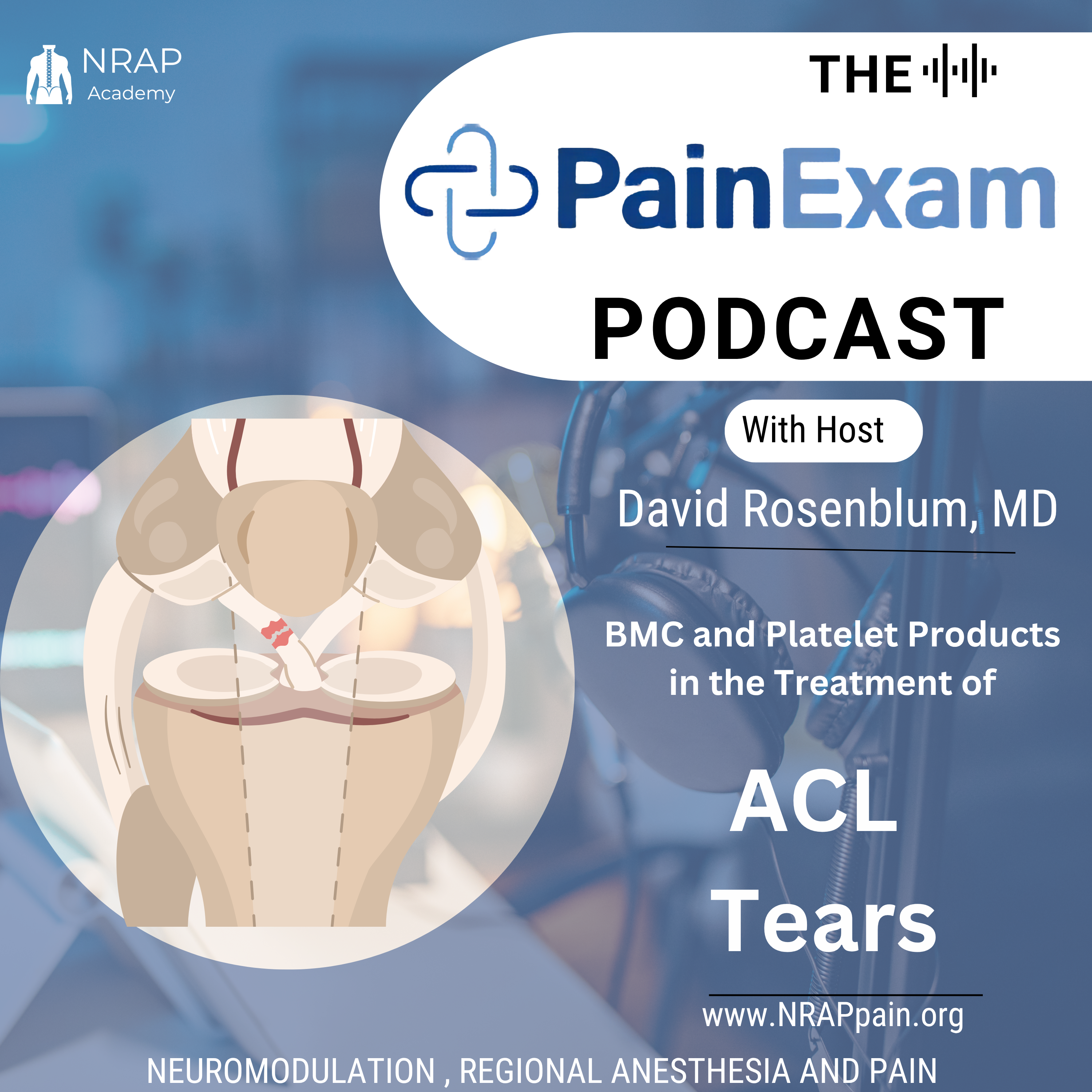
BMAC and PRP for ACL Tears- Journal Club
Pain Exam Podcast Recent Conference Activities London Conference Weekend: Successfully attended and spoke at ISPN and SOMOS care conferences Somos Care Conference: Delivered presentation on pain management for primary care physicians Presentation consisted of 50+ slides with only one slide dedicated to opiates Emphasized shift away from opiate-based treatments in interventional pain management Recommended primary care physicians refer patients to pain specialists for comprehensive treatment options ISPN Conference: Participated in international pain management conference Met with doctors from London, Iraq, and various other countries Observed different international approaches to pain treatment including increased phenol use and varying regenerative medicine restrictions Upcoming Events and Workshops New York-New Jersey Pain Conference: November (NRAP Academy booth presence) IV Ultrasound Placement Workshops: Monthly sessions in New York Regional Anesthesia and Ultrasound-Guided Interventional Pain Medicine Workshops: New York: December 13th, January 10th Florida (Fort Lauderdale/Hollywood): November 8th Detroit: January 18th, February 15th Alternative Options: Online ultrasound courses and shadowing opportunities available Board Prep and NRAP Community at PainExam.com or NRAPpain.org ABA ABPM ABIPP FIPP Pain Management Board prep, Question Banks, and Virtual Pain Fellowship Educational Offerings and Events Training and Courses: Research Review: ACL Treatment Study Study Focus: Non-surgical treatment of ACL tears using bone marrow concentrate (BMAC) and platelet products versus exercise therapy Key Findings: BMAC group showed significantly greater improvement in Lower Extremity Function Scale (LEFS) and Single Assessment Numeric Evaluation (SANE) scores at three months Sustained improvement in function and decreased pain maintained through two-year follow-up Patients reported median subjective improvement of 90% at final follow-up No significant improvements observed in exercise-only group during initial three months Treatment Protocol: Bone marrow harvest from posterior superior iliac crest (60-90ml from 6-8 sites) PRP preparation from 60ml whole blood Fluoroscopy-guided injection directly into ACL ligament Comprehensive 52-week rehabilitation protocol with activity restrictions Clinical Practice Implications Current ACL Treatment Landscape: Over 400,000 ACL reconstruction surgeries performed annually in the US Surgical Limitations: Risk of graft failure, persistent instability, cartilage injury, and increased arthritis risk Return to Sport Statistics: Post-surgical rates vary significantly (33-92% return to sport, 65% return to pre-injury level) Practice Integration Considerations: Potential incorporation of BMAC/PRP protocols for ACL tears, though insurance coverage remains limited David Rosenblum, MD, currently serves as the Director of Pain Management at Maimonides Medical Center and AABP Integrative Pain Care. As a member of the Department of Anesthesiology, he is involved in teaching, research, CME activities, and was key faculty in developing the anesthesiology residency's regional anesthesia block rotation, as well as institutional wide acute and chronic pain management protocols to ensure safe and effective pain management. He currently is a managing partner in a multi-physician private pain practice, AABP Integrative Pain Care, located in Brooklyn, NY. He is one of the earliest interventional pain physicians to integrate ultrasound guidance to improve the safety and accuracy of interventional pain procedures. Awards New York Magazine: Top Doctors: 2016, 2017, 2018, 2021, 2022, 2023, 2024, 2025 Schneps Media: 2015, 2016, 2017, 2019, 2020 Top Doctors New York Metro Area (digital guide): 2016, 2017, 2018, 2019, 2020, 2021, 2022, 2023 2025 Schneps Media - Brooklyn Courier Life: 2021, 2022, 2023 Dr. Rosenblum written several book chapters on Peripheral Neuromodulation, Radiofrequency Ablation, and Pharmacology. He has published numerous noteworthy articles and most recently is developing the ASIPP Guidelines for Peripheral Neuromodulation in the treatment of chronic pain. He has been named several times in NY Magazine's Best Pain Management Doctor List, Nassau County's Best Pain Physician, has appeared on NY1 News, and has made several appearances on XM Radio's Doctor Talk. He currently is lecturing on a national and international level and has partnered with the American Society of Interventional Pain Physicians (ASIPP), American Society of Pain and Neuroscience (ASPN), IASP Mexican Chapter, Eastern Pain Association (EPA), the North American Neuromodulation Society (NANS), World Academy of Pain Medicine United, as well as various other organizations, to support educational events and develop new courses. Since 2008, he has helped over 3000 physicians pass the Pain Management Boards, and has been at the forefront of utilizing ultrasound guidance to perform pain procedures. He now hosts the PainExam po
Chronic Pain and the TENS Unit
Project Sync / Status Update Summary Podcast Episode Overview The host discussed Transcutaneous Electrical Nerve Stimulation (TENS) as a recurring pain board topic and reviewed mechanisms, efficacy, and clinical considerations. Emphasis that TENS appears on pain boards annually and is a foundational topic from early podcast episodes. Board Prep and NRAP Community at PainExam.com or NRAPpain.org ABA ABPM ABIPP FIPP Pain Management Board prep, Question Banks, and Virtual Pain Fellowship Educational Offerings and Events Training and Courses: Monthly ultrasound courses in New York and upcoming courses in Detroit covering ultrasound-guided regional anesthesia and chronic pain. Ultrasound Guided Acute and Chronic Pain course in November near Hollywood/Fort Lauderdale with venue pending confirmation. Multiple instructors to offer diverse perspectives; registration via the CME calendar at nrappain.org. Conferences and Teaching: New York–New Jersey Pain Conference in November (hosted by Soudir Duwan). ISPN conference in London next week, with ultrasound teaching participation by the host. Community and Coaching: Private coaching and shadowing opportunities available; contact via newsletter replies. Access to the NRAP community forum upon signup at nrappain.org for discussions on neuromodulation, regional anesthesia, and pain. TENS: Mechanisms and Parameters Device and Parameters: TENS delivers adjustable pulse frequency and intensity; configurations include low (50–100+ Hz), and mixed frequencies. Mechanisms of Analgesia: Activation of large-diameter, non-noxious A-beta afferent fibers in the periphery, driving descending inhibitory pathways and reducing hyperalgesia. Board-relevant point: selective activation of A-beta fibers is frequently tested. Central effects: Reduces central excitability and nociceptive dorsal horn neuron activity in uninjured and injured models. Frequency-dependent opioid receptor mediation: High-frequency analgesia blocked by delta receptor antagonists. Low-frequency analgesia blocked by mu receptor antagonists (spinal cord and rostral ventral medulla). Additional receptor involvement: muscarinic M1/M3, GABA-A, and cannabinoid (CB1) receptors; blockade reduces or prevents TENS analgesia depending on frequency. Peripheral effects: High-frequency TENS reduces injury-related increases in substance P in DRG neurons. Blockade of peripheral opioid and CB1 receptors can prevent analgesia from both low- and high-frequency TENS. Clinical dosing considerations: Adequate dosing (timing, frequency of use, intensity achieving strong but non-painful paresthesia) influences efficacy. Analgesia has rapid onset/offset and may require repeated administration throughout the day for sustained relief. Evidence and Efficacy Summary Clinical experience suggests potential adjunctive benefit for acute pain, but systematic reviews are conflicting; more rigorous studies are needed. For board preparation, the critical takeaway is A-beta fiber activation. Key Takeaways for Board Prep TENS targets large-diameter non-noxious A-beta afferents to reduce nociceptive signaling. High-frequency TENS: analgesia mediated via delta opioid receptors; blocked by delta antagonists. Low-frequency TENS: analgesia mediated via mu opioid receptors; blocked by mu antagonists in spinal cord and RVM. Additional receptor systems influencing TENS efficacy include muscarinic (M1/M3), GABA-A, and CB1. Action Items Review TENS mechanisms with emphasis on A-beta fiber activation for board prep. Verify and publish final venue details for the November Florida ultrasound course. Share registration links and schedules for Detroit and New York ultrasound and chronic pain courses via CME calendar. Prepare teaching materials for ISPN London ultrasound sessions next week. Update board prep resources on painexam.com and nrappain.org with current TENS evidence and dosing guidance. Promote NRAP community forum access and private coaching/shadowing opportunities through the newsletter. David Rosenblum, MD, currently serves as the Director of Pain Management at Maimonides Medical Center and AABP Integrative Pain Care. As a member of the Department of Anesthesiology, he is involved in teaching, research, CME activities, and was key faculty in developing the anesthesiology residency's regional anesthesia block rotation, as well as institutional wide acute and chronic pain management protocols to ensure safe and effective pain management. He currently is a managing partner in a multi-physician private pain practice, AABP Integrative Pain Care, located in Brooklyn, NY. He is one of the earliest interventional pain physicians to integrate ultrasound guidance to improve the safety and accuracy of interventional pain procedures. Patients can go to www.AABPpain.com or call 718 436 7246 Awards New York Magazine: Top Doctors: 2016, 2017, 2018, 2021, 2022, 2023, 2024, 2025 Schneps Media: 2015, 2016, 2017, 2019, 2020 Top Doctors New York Metro Area (digital guide): 2016,
Exploring the Efficacy of BMAC and ADSC Injections in Knee Osteoarthritis
Exploring the Efficacy of BMAC and ADSC Injections in Knee Osteoarthritis Hosts: David Rosenblum,MD Overview: In this episode, we delve into a recent study published in the Indian Journal of Orthopaedics that compares the therapeutic efficacy of Bone Marrow Aspirate Concentrate (BMAC) and Adipose-Derived Stem Cells (ADSCs) for treating knee osteoarthritis (OA). The study aims to provide insights into the effectiveness of these regenerative treatments and their correlation with mesenchymal stem cell (MSC) cellularity. Key Points Discussed: Background on Osteoarthritis: Definition and impact of OA, particularly in older populations. Overview of traditional treatments and the shift towards regenerative medicine. Study Objectives: To compare the efficacy of BMAC and ADSC injections in symptomatic knee OA patients. To analyze MSC quantity and quality in harvested tissues from both sources. Methodology: Description of the study design involving 60 patients with knee OA. Details on patient demographics, injection protocols, and follow-up assessments (VAS, WOMAC, ROM). Results: Significant improvements in clinical scores for both BMAC and ADSC groups at 6 months. Discussion on the lack of significant correlation between MSC quantity and treatment efficacy. Insights into the success rates of MSC cultures from both bone marrow and adipose tissue. Conclusions: Both treatments demonstrated clinical improvements, with no substantial differences between them. BMAC showed higher MSC counts and faster recovery rates, but further research is needed to understand the underlying factors affecting efficacy. Implications for Clinical Practice: Considerations for clinicians when choosing between BMAC and ADSC treatments. Future directions for research in regenerative therapies for knee OA. References: Vitali, M., Ometti, M., Montalbano, F., et al. (2025). Bone Marrow Aspirate Concentrate (BMAC) Versus Adipose-Derived Stem Cells (ADSCs) Intra-articular Injection Therapeutic Efficacy in Knee OA Correlated to Their Mesenchymal Stem Cell (MSC) Cellularity: An Exploratory Comparative Pilot Study. Indian Journal of Orthopaedics. https://doi.org/10.1007/s43465-025-01525-z Listener Engagement: Join the conversation! Share your thoughts on BMAC and ADSC treatments for knee OA on social media using #JournalClubPodcast. Don't forget to subscribe for more discussions on the latest research in orthopaedics and regenerative medicine.
Intra-articular Ketorolac vs Steroid for Pain: Journal Club
Podcast Summary This episode of the Pain Exam Podcast, hosted by Dr. David Rosenblum, discusses an interesting article about Ketorolac injections for musculoskeletal conditions. The podcast covers: Ketorolac is an NSAID that provides analgesic and anti-inflammatory effects through inhibition of prostaglandin synthesis Multiple studies comparing Ketorolac injections to corticosteroids and hyaluronic acid for various conditions Research shows Ketorolac injections are equally effective as corticosteroids for subacromial conditions, adhesive capsulitis, carpal-metacarpal joint issues, and hip/knee osteoarthritis Ketorolac may be a safer alternative to steroids for certain patients, though it has its own contraindications for those with renal, gastrointestinal, or cardiovascular disease Dr. Rosenblum considers the potential of using Ketorolac injections directly at pain sites rather than intramuscularly Upcoming Courses and Conferences Ultrasound courses in New York and Costa Rica (check unwrappedpain.org) Private ultrasound sessions available Dr. Rosenblum will be speaking at Pain Week about ultrasound in pain practice and PRP Presenting at a primary care conference in London Teaching ultrasound at ISPN LAPS conference in Chile (Dr. Rosenblum won't attend this year) Ketorolac Injections: An Effective Alternative for Musculoskeletal Pain Management Musculoskeletal conditions such as bursitis, adhesive capsulitis, and osteoarthritis affect millions and often require injectable therapies to reduce pain and inflammation. Traditionally, corticosteroid injections have been the mainstay treatment. However, concerns over side effects like tendon rupture, cartilage damage, and systemic hyperglycemia have prompted exploration of alternatives. A recent narrative review by Kiel et al. (2024) highlights ketorolac—a parenteral nonsteroidal anti-inflammatory drug (NSAID)—as a promising substitute for corticosteroids in musculoskeletal injections. Warning: OFF Label use of Ketorolac discussed. Please consult your physician. See full article for details. Subacromial Ketorolac Injections for Shoulder Pain Subacromial bursitis and impingement syndrome are common causes of shoulder pain and disability. Several randomized controlled trials have shown that subacromial ketorolac injections provide pain relief and functional improvement comparable to corticosteroids: Goyal et al. demonstrated significant reductions in pain scores after subacromial injection of 60 mg ketorolac versus 40 mg methylprednisolone, with no difference in outcomes between groups. Taheri et al. found similar short-term pain relief at 1 and 3 months with either ketorolac or corticosteroid subacromial injections. Kim et al. reported equivalent clinical improvement in rotator cuff syndrome patients receiving ketorolac or triamcinolone injections. Min et al. noted ketorolac led to better forward flexion and patient satisfaction at 4 weeks compared to corticosteroids. These studies support ketorolac as an effective agent for subacromial injection, offering an alternative for patients where corticosteroid use is limited. Intra-articular Ketorolac Injections for Adhesive Capsulitis and Osteoarthritis Adhesive capsulitis (frozen shoulder) and osteoarthritis of the hip, knee, and carpometacarpal joint are often treated with intra-articular corticosteroids. Ketorolac injections have shown comparable efficacy in these conditions: Akhtar et al. found intra-articular ketorolac significantly reduced shoulder pain at 4 weeks in adhesive capsulitis compared to hyaluronic acid. Ahn et al. reported similar pain relief between intra-articular ketorolac and corticosteroid injections in adhesive capsulitis, with ketorolac providing superior shoulder mobility at 3 and 6 months. Koh et al. showed that adding ketorolac to hyaluronic acid injections in carpometacarpal osteoarthritis resulted in faster onset of pain relief compared to hyaluronic acid alone. Park et al. observed equivalent functional improvements with intra-articular ketorolac or corticosteroids in hip osteoarthritis. Jurgensmeier et al. demonstrated similar symptom improvement at 1 and 3 months post-injection for ketorolac and triamcinolone in hip and knee osteoarthritis. Xu et al. and Bellamy et al. confirmed ketorolac's comparable pain relief and functional benefits to corticosteroids for knee osteoarthritis, with ketorolac being more cost-effective. Lee et al. noted quicker pain reduction with intra-articular ketorolac combined with hyaluronic acid versus hyaluronic acid alone in knee osteoarthritis. aSafety and Pharmacologic Considerations Ketorolac's anti-inflammatory action stems from cyclooxygenase inhibition, reducing prostaglandin synthesis. Its half-life is approximately 5.2–5.6 hours, and it is metabolized in the liver. Unlike corticosteroids, ketorolac avoids systemic hyperglycemia and cartilage damage risks. Animal and in vitro studies suggest ketorolac may protect cartilage by inhibiting inflammatory cytok
Post Herpetic Neuralgias: Epidurals, Paravertebral Blocks and more!
Summary In this episode of the Pain Exam Podcast, Dr. David Rosenblum provides a comprehensive review of herpes zoster and postherpetic neuralgia (PHN), focusing on pathophysiology, diagnosis, and treatment options. Dr. Rosenblum explains that postherpetic neuralgia affects approximately 25% of patients with acute herpes zoster, causing debilitating unilateral chronic pain in one or more dermatomes. He discusses the three phases of herpes zoster: acute (up to 30 days), subacute (up to 3 months), and postherpetic neuralgia (pain continuing beyond 3 months). Dr. Rosenblum identifies risk factors for developing PHN, including older age, female sex, immunosuppression, prodromal pain, severe rash, and greater acute pain severity. He details the pathophysiology involving peripheral and central sensitization, and explains different phenotypes of PHN that can guide treatment approaches. For treatment, Dr. Rosenblum reviews various options including antiviral medications (which should be started within 72 hours of onset), corticosteroids, opioids, antidepressants (particularly tricyclics and SNRIs), antiepileptics (gabapentin and pregabalin), topical agents (lidocaine and capsaicin), and interventional procedures such as epidural injections and pulsed radiofrequency. He emphasizes that prevention through vaccination with Shingrix is highly effective, with 97% effectiveness in preventing herpes zoster in patients 50-69 years old and 89% effectiveness in those over 70. Dr. Rosenblum mentions that he's currently treating a patient with trigeminal postherpetic neuralgia and is considering a topical sphenopalatine ganglion block as a minimally invasive intervention before attempting more invasive procedures. Chapters Introduction to the Pain Exam Podcast and Topic Overview Dr. David Rosenblum introduces the Pain Exam Podcast, mentioning that it covers painful disorders, alternative treatments, and practice management. He explains that this episode focuses on herpes zoster and postherpetic neuralgia as board preparation for fellows starting their programs, with ABA boards coming up in September. Dr. Rosenblum notes that he's not only preparing listeners for boards but also seeking the latest information to help treat his own patients with this notoriously difficult disease. Upcoming Conferences and Educational Opportunities Dr. Rosenblum announces several upcoming conferences including Aspen in July, Pain Week in September, and events with NYSIP and the Latin American Pain Society. He mentions he'll be teaching ultrasound and regenerative medicine at these events. Dr. Rosenblum invites listeners to sign up at nrappain.org to access a community discussing regenerative medicine, ultrasound-guided pain medicine, regional anesthesia, and board preparation. He also offers ultrasound training in New York and elsewhere, with upcoming sessions in Manhattan on July 12th and October 4th, plus private shadowing opportunities. Overview of Postherpetic Neuralgia Dr. Rosenblum defines postherpetic neuralgia as typically a unilateral chronic pain in one or more dermatomes after acute herpes zoster infection. He states that the incidence of acute herpes zoster ranges between 3-5 patients per thousand person-years, and one in four patients with acute herpes zoster-related pain will transition into postherpetic neuralgia. Dr. Rosenblum emphasizes that while this condition won't kill patients, it can be extremely debilitating and significantly reduce quality of life. Treatment Options Overview Dr. Rosenblum reviews treatment options according to the WHO pain ladder, including tricyclics like nortriptyline and antiepileptic drugs such as gabapentin. He explains that if pain is not significantly reduced, interventional treatments like epidural injections with local anesthetics and corticosteroids or pulsed radiofrequency of the dorsal root ganglion are options. For postherpetic neuralgia specifically, Dr. Rosenblum notes that preferred treatments include transdermal capsaicin, lidocaine, or oral drugs such as antidepressants or antiepileptics. Phases of Herpes Zoster and Definitions Dr. Rosenblum outlines the three phases during herpes zoster reactivation: acute herpes zoster-related pain (lasting maximum 30 days), subacute herpes zoster-related pain (pain after healing of vesicles but disappearing within 3 months), and postherpetic neuralgia (typically defined as pain continuing after 3 months). He mentions that acute herpes zoster pain often begins with prodromal pain starting a few days before the appearance of the rash. Incidence and Risk Factors Dr. Rosenblum states that the incidence of herpes zoster ranges between 3-5 patients per 1,000 person-years, with approximately 5-30% of cases leading to postherpetic neuralgia. He identifies risk factors including older age, female sex, immunosuppression, prodromal pain, severe rash, and greater acute pain severity. Dr. Rosenblum describes the clinical manifestations as a mosaic of somatosensory
The Neurolytic Celiac Plexus Block for the Anesthesia Boards!
Summary In this Pain Exam Podcast episode, Dr. David Rosenblum discusses a journal club article on low volume neurolytic retrocrural celiac plexus blocks for visceral cancer pain. The study reviewed 507 patients with severe malignancy-related abdominal pain, with data retained for 455 patients at the 5-month mark. Dr. Rosenblum explains that the procedure involves injecting 3-5ml of 6% aqueous phenol at the T12-L1 level under fluoroscopic guidance, with an average procedure time of 16.3 minutes. The study found significant pain relief lasting up to six months, reduced opioid consumption, and improved quality of life for patients with primary abdominal cancer or metastatic disease. Dr. Rosenblum shares his personal experience with celiac plexus blocks, including the trans-aortic approach he trained on, and mentions his interest in ultrasound-guided approaches. He also announces upcoming teaching engagements at ASPN, Pain Week, and other conferences, as well as CME ultrasound courses available through nrappain.org. Additionally, he mentions a new community page on the website where users can share board preparation information, though he emphasizes that remembered board questions should not be posted as he is a board question writer himself. Pain Management Board Prep Ultrasound Training REGISTER TODAY! Create an Account and get Free Access to the PainExam- NRAP Academy Community Highlights Introduction and Upcoming Events Dr. David Rosenblum introduces the Pain Exam Podcast and shares information about upcoming events. He mentions teaching ultrasound at ASPN in July, attending Pain Week in September, and participating in the Latin American Pain Society conference. Dr. Rosenblum also promotes his CME ultrasound courses available at nrappain.org and mentions he's considering organizing another regenerative medicine course in fall or winter. He offers private training for those wanting more intensive ultrasound instruction. Board Prep Community Announcement Dr. Rosenblum announces a new community page on the nrappain.org website for board preparation. He explains that registered users can access free information and keywords relevant to board exams. He emphasizes that users should not post remembered questions as this would be inappropriate, noting that he himself is a board question writer for various pain boards. Dr. Rosenblum mentions that a post about phenol in this community inspired today's podcast topic. Journal Article Overview on Celiac Plexus Block Dr. Rosenblum introduces a journal article on low volume neurolytic retrocrural celiac plexus block for visceral cancer pain, a retrospective review of 507 patients with severe malignancy-related abdominal pain. He explains that the study assessed pain relief provided by this procedure, its duration, reduction in daily opioid consumption, and quality of life improvements. The patients received neurolytic blocks without previous diagnostic blocks due to multiple comorbidities, which Dr. Rosenblum acknowledges is sometimes necessary with very sick patients despite the typical preference for diagnostic blocks before neurolysis. Dr. Rosenblum's Personal Experience with Celiac Plexus Blocks Dr. Rosenblum shares his personal training experience with trans-aortic celiac plexus blocks, where a needle is inserted through the aorta after confirming no plaques or aneurysms are present. He describes it as a safe and effective procedure despite sounding intimidating. He mentions he's only performed a handful of these procedures and doesn't do many now as an outpatient pain doctor. Study Methods and Results Dr. Rosenblum details the study methods, noting that of 507 patients studied, data for 455 was retained at the end of the review. Patients were evaluated before and after the neurolytic retrocrural celiac plexus block under fluoroscopic guidance. Assessment included procedure duration, pain scores (0-10 scale), daily opioid consumption, and quality of life improvement. Follow-up was completed six months after the procedure, showing improved pain scores, reduced opioid consumption, and better quality of life throughout the study period. Some pain returned during months 4-6 due to disease progression and the anticipated duration of the neurolytic agent. The study noted a 6.7% initial vascular contrast uptake during the procedure while using digital subtraction angiography with fluoroscopy. Study Limitations and Conclusions Dr. Rosenblum discusses the study's limitations, including the need for a larger sample size and a prospective trial with a control group, though he acknowledges this is unrealistic given the patient population. He mentions that a proven quality of life questionnaire would be beneficial, and that comparing alcohol, phenol, and RF thermocoagulation would be interesting to evaluate duration effects and side effects. The study concluded that low volume neurolytic retrocrural celiac plexus block with phenol is safe, providing up to six months of pain reli
Epidural PRP Injections...What's the deal?
PRP in the Epidural Space for Radiculopathy Brooklyn Based Pain Physician, David Rosenblum, MD known for his work publishing and teaching Regenerative Pain Medicine and Ultrasound Guided Pain Procedures hosts this podcast covering the latest and most advanced concepts in Pain Medicine. Summary Dr. David Rosenblum delivered a comprehensive lecture covering several key topics in pain management. He discussed his upcoming speaking engagements at PainWeek, ASPN and great upcoming meetings like the Latin American Pain Society, and other conferences. Dr. Rosenblum shared his extensive experience with PRP (Platelet-Rich Plasma) epidural injections, reviewing multiple research studies that support their efficacy. He highlighted three significant studies: a randomized control trial comparing PRP epidural injections to traditional treatments, a CT-guided epidural PRP study, and a 2025 meta-analysis comparing PRP to steroids. Dr. Rosenblum emphasized that PRP treatments are showing comparable or better results than traditional steroid injections, with potentially fewer required treatments and longer-lasting relief. He noted that while PRP is currently not covered by insurance, it represents a growing trend in 'natural' treatment approaches that patients increasingly prefer. Chapters Introduction and Upcoming Events Dr. Rosenblum announced his upcoming lectures at Pain Week focusing on ultrasound and regenerative medicine, followed by presentations at the Latin American Pain Society in Chile and the New York, New Jersey Pain Conference. He mentioned the SoMeDocs online pain conference accessible through nrappain.org, and upcoming ultrasound training sessions in New York City. PRP Epidural Research Review Dr. Rosenblum discussed a randomized control trial involving 30 patients receiving transforaminal epidural injections. The study showed that PRP patients demonstrated significant improvements in leg pain scores at 6, 12, and 24 weeks. He noted that while the study didn't use contrast, he personally prefers using contrast diluted with saline for better visualization. CT-Guided Epidural Study Analysis Dr. Rosenblum reviewed a study comparing CT-guided epidural PRP versus steroid injections, questioning the necessity of CT guidance. The study included 60 patients and showed similar results between PRP and steroid groups at six weeks, though he criticized the short follow-up period, noting that PRP typically takes months to show full effects. Meta-Analysis Discussion Dr. Rosenblum presented a 2025 meta-analysis comparing PRP to steroids in epidural injections. The analysis included 310 patients across five RCTs, demonstrating comparable efficacy between PRP and steroid injections without increased adverse events. He emphasized that his clinical experience shows patients typically require fewer PRP injections compared to steroid treatments. Register for Next Weeks SoMeDocs Pain Conference References Wongjarupong, Asarn, et al. ""Platelet-Rich Plasma" epidural injection an emerging strategy in lumbar disc herniation: a Randomized Controlled Trial." BMC Musculoskeletal Disorders 24.1 (2023): 335. Bise, Sylvain, et al. "Comparison of interlaminar CT-guided epidural platelet-rich plasma versus steroid injection in patients with lumbar radicular pain." European radiology 30 (2020): 3152-3160. Muthu S, Viswanathan VK, Gangadaran P. Is platelet-rich plasma better than steroids as epidural drug of choice in lumbar disc disease with radiculopathy? Meta-analysis of randomized controlled trials. Exp Biol Med (Maywood). 2025 Feb 4;250:10390. doi: 10.3389/ebm.2025.10390. PMID: 39968415; PMCID: PMC11832311.
Gender Differences and Responses to Opiates- For the Boards!
Summary Dr. David Rosenblum delivered a comprehensive lecture on gender differences in opiate effects and prescribing practices. He discussed several key studies examining how opiates affect males and females differently, both in animal models and humans. Dr. Rosenblum shared findings showing that morphine has stronger analgesic effects in males, while females experience longer-lasting effects. He also addressed racial disparities in opiate prescribing, noting that white patients are more likely to receive opiates. From his personal clinical experience in Brooklyn, Dr. Rosenblum observed that certain populations tend to be at higher risk for opiate abuse. The lecture covered gender-specific risk factors for opiate misuse, with women tending toward emotional/psychological factors and men showing more behavioral issues. Pain Management Board Prep Ultrasound Training REGISTER TODAY! Chapters Introduction and Upcoming Conferences Dr. Rosenblum introduced himself as the host of the Pain Exam Podcast and announced several upcoming conferences including ASPN in July, PainWeek in September, and other events where he will be teaching ultrasound and regenerative medicine. Board Preparation and Opiate Topics Dr. Rosenblum discussed his role in board preparation through painxam.com and nreppain.org. He emphasized that opiates are a frequently tested topic across different board examinations (FIP, ABPM, ABIP, ABA). Gender Differences in Opiate Effects - Animal Studies Dr. Rosenblum presented research showing that in animal studies, morphine exhibited stronger analgesic effects in males, while females showed longer-lasting effects and could tolerate higher doses. He noted that physical dependence was more severe in male rats during spontaneous withdrawal. Racial and Gender Disparities in Opiate Prescribing Dr. Rosenblum discussed a 2025 study revealing racial disparities in opiate prescribing, with white patients more likely to receive opiates. He shared his personal clinical experience in Brooklyn, noting that young white males were often higher-risk for abuse. Gender-Specific Risk Factors for Opiate Misuse Dr. Rosenblum detailed how women tend to show emotional and psychological risk factors for opiate misuse, while men demonstrate more behavioral risk factors. Women were more likely to report distress and past trauma, while men showed higher rates of criminal behavior and substance abuse history. References Djurendic-Brenesel, Maja, et al. "Gender-related differences in the pharmacokinetics of opiates." Forensic science international 194.1-3 (2010): 28-33. Kosten, Thomas R., Bruce J. Rounsaville, and Herbert D. Kleber. "Ethnic and gender differences among opiate addicts." International Journal of the Addictions 20.8 (1985): 1143-1162. Cicero, Theodore J., Shawn C. Aylward, and Edward R. Meyer. "Gender differences in the intravenous self-administration of mu opiate agonists." Pharmacology Biochemistry and Behavior 74.3 (2003): 541-549. Jamison, Robert N., et al. "Gender differences in risk factors for aberrant prescription opioid use." The Journal of Pain 11.4 (2010): 312-320.
PVD for the Anesthesia and Pain Boards
Podcast Show Notes: Peripheral Vascular Disease in PainManagement Episode Highlights: - Host: Dr. David Rosenblum - Podcast: Pain Exam Podcast - Focus: Peripheral Arterial Disease (PAD) in Pain Management Download the App Key Topics Covered: 1. Peripheral Arterial Disease (PAD) Overview - Definition: Arterial sclerosis condition developing over long term - WHO Definition: Exercise-related pain or ankle-brachial index (ABI) - Prevalence: * 3-4% in 60-65 year olds * Increases to 15-20% in 85-90 year olds * Up to 50% of patients may progress to symptomatic stages 2. Diagnostic Considerations Diagnostic Tests: - Ankle Brachial Index (ABI) - Ultrasound - CT Angiography - Physical examination - Pulse volume recordings - Transcutaneous oximetry ABI Interpretation: - 1.0-1.4: Normal - 0.9-1.0: Acceptable - 0.8-0.9: Some arterial disease - 0.5-0.8: Moderate arterial disease - 3. Pain Characteristics Types of Pain: - Intermittent claudication - Chronic limb ischemia - Nociceptive pain - Neuropathic pain - Mixed pain syndrome 4. Pain Management Strategies Pharmacological Approaches: - Mild Pain: Paracetamol, NSAIDs - Neuropathic Pain: Lidocaine patches, gabapentin, duloxetine - Severe Pain: Morphine, fentanyl, ketamine Non-Pharmacological Interventions: - Music therapy - Aromatherapy - Psychotherapy - Massage - Acupuncture - TENS - Intermittent pneumatic compression Upcoming Conferences Mentioned: - ASPN - ASIPP - Pain Week - Latin American Pain Society Additional Resources: - Pain Exam newsletter: painexam.com - Virtual pain fellowship at nrappain.org Disclaimer: Always consult with a healthcare professional for personalized medical advice. Reference Garba Rimamskep Shamaki, Favour Markson, Demilade Soji-Ayoade, Chibuike Charles Agwuegbo, Michael Olaseni Bamgbose, Bob-Manuel Tamunoinemi, Peripheral Artery Disease: A Comprehensive Updated Review, Current Problems in Cardiology, Volume 47, Issue 11, 2022,101082, Maier, J.A.; Andrés, V.; Castiglioni, S.; Giudici, A.; Lau, E.S.; Nemcsik, J.; Seta, F.; Zaninotto, P.; Catalano, M.; Hamburg, N.M. Aging and Vascular Disease: A Multidisciplinary Overview. J. Clin. Med. 2023, 12, 5512. https://doi.org/10.3390/jcm12175512 Maier, J.A.; Andrés, V.; Castiglioni, S.; Giudici, A.; Lau, E.S.; Nemcsik, J.; Seta, F.; Zaninotto, P.; Catalano, M.; Hamburg, N.M. Aging and Vascular Disease: A Multidisciplinary Overview. J. Clin. Med. 2023, 12, 5512. https://doi.org/10.3390/jcm12175512
Will JOURNAVX™ (Suzetrigine) appear on the Anesthesia Boards
Summary At some point this medication may show its face on the Anesthesia boards. Whether or not Suzetrigine will appear on the Anesthesiology boards, all of us need to know about this new class of analgesic. Brought to you by NRAP Academy, home of the AnesthesiaExam Board Prep Here, Dr. David Rosenblum delivered a comprehensive lecture about a new pain medication called Journavx (Suzetrigine). He discussed its mechanism of action as a NAV 1.8 receptor inhibitor, its clinical applications, contraindications, and dosing guidelines. Dr. Rosenblum emphasized that this non-opioid medication represents a new class of pain management drugs with no addiction potential. He also shared information about upcoming educational events, including ultrasound courses and various pain management conferences. The lecture included detailed information about drug interactions, safety considerations, and clinical trial results comparing Journavx to placebo and hydrocodone-acetaminophen combinations. Key findings from clinical trials showed that Jornavix achieved pain relief in 119 minutes compared to 480 minutes for placebo in abdominoplasty trials, and 240 minutes versus 480 minutes in bunionectomy trials. The recommended dosing is 50mg tablets twice daily, with an initial loading dose of 100mg. While the drug showed promising results for moderate to severe acute pain management, it did not demonstrate superiority over hydrocodone in clinical trials. Important contraindications include CYP3A inhibitors, and special considerations are needed for patients with hepatic impairment or those taking hormonal contraceptives. The medication should be taken on an empty stomach, either one hour before or two hours after food, and patients should avoid grapefruit juice while on this medication. For more infomation.... Chapters Introduction and Upcoming Events Dr. Rosenblum announced several upcoming events, including an ultrasound course in New York City on May 17th, 2025. He mentioned offering ultrasound and IV training for healthcare professionals, particularly nurses, ICUs, PAs, and hospital doctors. He also highlighted upcoming conferences including ASPN, Pain Week, Latin American Pain Society, New York, New Jersey Pain Congress, ASIPP, and EPA. Introduction to Journavx (Suzetrigine) Dr. Rosenblum introduced Suzetrigine (Journavx), a new 50mg tablet medication. He emphasized that this discussion was not sponsored by any pharmaceutical company but rather focused on educating about a new class of pain medication. He noted its potential importance as a future board examination topic. Mechanism of Action Dr. Rosenblum explained that Jornavx works by inhibiting the NAV 1.8 receptor. He detailed how the drug blocks sodium ions from entering pain-sensing neurons, disrupting action potential initiation and propagation. He emphasized that the drug is highly selective, binding over 31,000 times more selectively to NAV 1.8 than other NAV subtypes. Contraindications and Drug Interactions Dr. Rosenblum outlined various contraindications, particularly focusing on CYP3A inhibitors and inducers. He listed specific medications in each category and emphasized the importance of careful monitoring when prescribing Journavx alongside these medications. Clinical Trial Results and Dosing Guidelines Dr. Rosenblum presented clinical trial results showing Journavx's effectiveness in treating moderate to severe acute pain. He detailed the dosing guidelines: 50mg tablets twice daily, with an initial loading dose of 100mg. He emphasized the importance of taking the medication on an empty stomach and avoiding grapefruit juice. Q&A No Q&A session in this lecture
Future of Pain, Board Prep & more! Hamed Sadeghipour, MD
Summary The video covers a conversation between Dr. David Rosenblum and Dr. Hamed Sadeghipour, discussing board preparation experiences and the current state of pain management practice. Dr. Rosenblum begins by announcing upcoming events, including a May 17th ultrasound course in New York City and his lectures at various conferences. He also mentions shadowing opportunities at his office. Dr. Sadeghipour shares his board preparation experience, discussing three main resources he used: Huntoon book (800 questions), Board Vitals (700 questions), and Pain Exam. He achieved notably high scores using these resources. Regarding his current practice, Dr. Sadeghipour describes working both in academic anesthesia (40-50% time) and private pain practice, managing four offices with four nurse practitioners The discussion then shifts to the changing landscape of pain management, with both doctors noting concerning trends: increasing focus on surgery center procedures over office-based ones due to reimbursement differences, the challenge of maintaining competency in advanced procedures, and competition from non-specialists entering the field. They also discuss the future of the specialty, suggesting it's moving toward becoming a hybrid of neurosurgery and orthopedic surgery with traditional pain management procedures. For pain medicine Board Prep go to NRAPpain.org For ultraound training go to NRAP Academy Highlights Introduction and Upcoming Events Dr. Rosenblum introduces the podcast and announces several upcoming events, including an ultrasound course in New York City on May 17th, appearances at ASPN and Pain Week conferences, and opportunities for shadowing at his practice. Board Preparation Experience Discussion Dr. Sadeghipour details his board preparation strategy using three main resources: Huntoon book (800 questions), Board Vitals (700 questions), and Pain Exam(700 questions videos, lectures, ultrasound training, regenerative medicine training and more). He explains the strengths and limitations of each resource and mentions achieving exceptionally high scores. Current Practice Structure Dr. Sadeghipour describes his dual practice model: Evolution of Pain Management Practice Both doctors discuss the shifting landscape of pain management, noting increased focus on surgery center procedures, reimbursement challenges, and competition from non-specialists. They address concerns about fellowship training adequacy and the financial pressures affecting new practitioners. Future of Pain Management Specialty The discussion concludes with perspectives on the specialty's future, suggesting it's evolving toward a combination of minimally invasive spine surgery and traditional pain management, with concerns about maintaining specialty integrity and the need for stronger regulatory oversight.
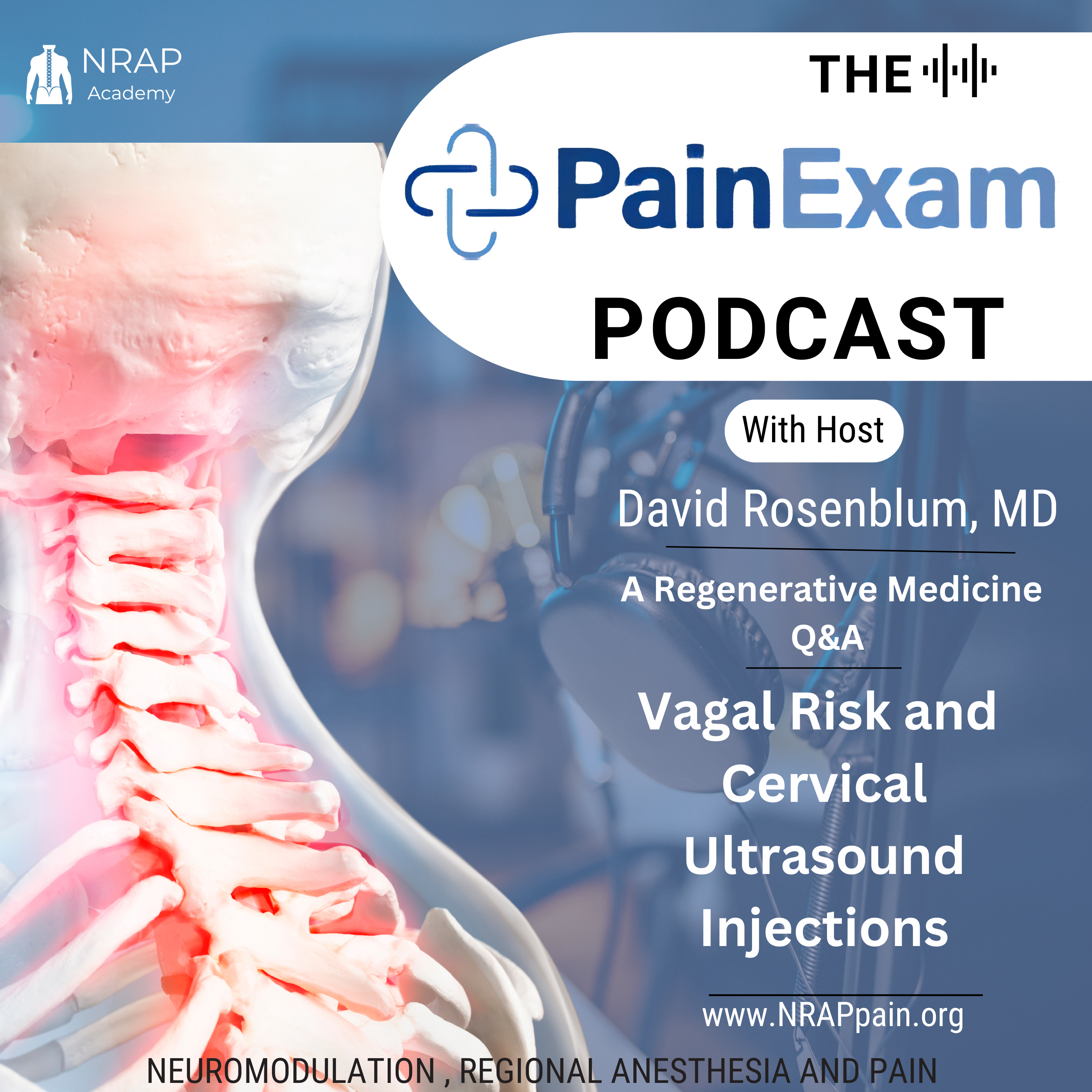
USG Cervical Nerve Root Block and more about PRP!
Dr. Rosenblum Reviews Questions from my previous lecture, he gave at the trigeminal academy in Indonesia. Dr. Rosenblum explores techniques for rich plasma injection and preparation. He discusses centrifuge settings with plasma volume and concentration as well as the addition of hyaluronic acid to platelet rich plasma. Dr. Rosenb;um also received multiple comments on the recent video that he filmed on performing a cervical selective nerve root block under ultrasound. For more informatin go to NRAPpain.org Disclaimer: This Podcast,video, website and any content from NRAP Academy otherwise known as Qbazaar.com, LLC is for general informational purposes only and does not constitute the practice of medicine, nursing or other professional health care services, including the giving of medical advice, and no doctor/patient relationship is formed. The use of information on this podcast or materials linked from this podcast is at the user's own risk. Professionals should conduct their own fact finding, research, and due diligence to come to their own conclusions for treating patients. The content of this podcast is not intended to be a substitute for professional medical advice, diagnosis, or treatment. Users should not disregard or delay in obtaining medical advice for any medical condition they may have and should seek the assistance of their health care professionals for any such conditions.
Scrambler Therapy for Neuropathic Pain: An Interview with Dr. Thomas Strouse
Episode Summary: In this episode of NRAP's PainExam Podcast, host David Rosenblum, MD, interviews Dr. Thomas Strouse about his extensive experience with Scrambler Therapy and the evidence supporting its use in treating chronic pain. They delve into the intricacies of this innovative therapy, discussing treatment protocols, patient responses, and the overall effectiveness of Scrambler Therapy for various pain conditions. Key Topics Discussed: - Overview of Scrambler Therapy and its analgesic response. - The importance of adjusting treatment intensity based on patient feedback. - Sensations experienced by patients during therapy (from burning to tapping). - Safety considerations for patients with pacemakers during treatment. - Insights into the effectiveness of Scrambler Therapy for conditions such as discogenic back pain and peripheral neuropathy. - Discussion on treatment costs for patients and providers. - Experiences with patients who have experienced pain recurrence after treatment. - The role of booster sessions in maintaining pain relief. - Challenges faced by failed back surgery patients and the potential benefits of Scrambler Therapy. Resources Mentioned: - Contact information for Stefan Erickson at [email protected] to integrate Scrambler therapy into your practice. Links to additional resources and research on Scrambler Therapy. Info] Additional Information: - For more information about upcoming webinars, including the next session on cervical ultrasound, visit www.NRAPpain.org Thank you for tuning in to NRAP's PainExam Podcast! We hope you find the insights shared in this episode valuable in your journey toward understanding and managing chronic pain. NY based anesthesiologist, David Rosenblum, MD, is one of the first interventional pain physicians in the country to integrate ultrasound guidance into his pain practice. Since 2007, he has been an international leader in the treatment of chronic pain. He has helped countless of patients suffering from back, neck, knee, shoulder, hip joint pain and has been at the forefront of regenerative pain medicine, minimally invasive pain therapies and medical education. Patients can schedule a consultation by going to www.AABPpain.com or calling: Brooklyn Office 718 436 7246 Creators Biography: David Rosenblum, MD, currently treats patients in Garden City and Brooklyn. He serves as the Director of Pain Management at Maimonides Medical Center and AABP Integrative Pain Care. As a member of the Department of Anesthesiology, he is involved in teaching, research, CME activities, and was key faculty in developing the anesthesiology residency's regional anesthesia block rotation, as well as institutional wide acute and chronic pain management protocols to ensure safe and effective pain management. He currently is a managing partner in a multi-physician private pain practice, AABP Integrative Pain Care, located in Brooklyn , NY. He is one of the earliest interventional pain physicians to integrate ultrasound guidance to improve the safety and accuracy of interventional pain procedures. Dr. Rosenblum has been named several times in NY Magazine's Best Pain Management Doctor List, Nassau County's Best Pain Physician, has appeared on NY1 News, and has made several appearances on XM Radio's Doctor Talk. He currently is working closely with the American Society of Interventional Pain Physicians (ASIPP), Eastern Pain Association (EPA), the North American Neuromodulation Society (NANS), World Academy of Pain Medicine United, and various state societies, to support educational events and develop new courses. Since 2008, he has helped over 3000 physicians pass the Pain Management Boards, and has been at the forefront of utilizing ultrasound guidance to perform pain procedures. He now hosts the PainExam podcast, AnesthesiaExam Podcast, PMRExam Podcasts and uses this platform to promote the safe and effective use of ultrasound in the performance of various procedures such as Peripheral Nerve Stimulation, Caudal Epidurals, Selective Nerve Root Blocks, Cluneal Nerve Blocks, Ganglion impar Blocks, Stellate Ganglion Blocks, Brachial Plexus Blocks, Joint Injections and much more! Doctor Rosenblum is a co-founder of the International Pain Academy and created the NRAP (Neuromodulation Regional Anesthesia and Pain) Academy and travels to teach various courses focused on Pain Medicine, Regenerative Medicine, Ultrasound Guided Pain Procedures and Regional Anesthesia Techniques. Office based Pain Physicians, Physiatrists, Emergency Room Physicians, Anesthesiologists, Neurologists and Orthopedics who treat pain, utilize Neuromodulation and use PRP, Bone Marrow Aspirate or any other Biologics will benefit from this course. #longislandpaindoctor #interventionalpain #paindoctor #scrambler #scramblertherapy

Phillip Kim, MD and the Federation for Pain Care Access
Host: David Rosenblum, MD Guest: Phillip Kim, MD Date: January 24, 2025 Time: 6:30 AM Episode Summary: In this episode of the PainExam Podcast, Dr. David Rosenblum engages with Dr. Phillip Kim to discuss the Federation Pain Care Access, a newly formed organization advocating for improved access to interventional pain treatments. The episode delves into the challenges posed by restrictive insurance coverage policies and the collaborative efforts needed to address these issues effectively. Key Discussion Points: -Introduction to Federation Pain Care Access: A new entity focused on advocating for emergent and standard care in interventional pain treatments, aiming to enhance access through advocacy and legislative solutions. - Impact of Restrictive Policies: Dr. Kim highlights how insurance carriers like Evicor, AIM, and Optum impose restrictive coverage policies that harm patients and practitioners, particularly amid the ongoing opioid epidemic. AIM, Optum and Evicore are not insurance carriers. these are separate entities which oversee utilization management and prior auth requests for insurance carriers (HMO, TPA's etc) e g. BCBS plans, UHS etc. Prior Authorization Challenges: Discussion on the AMA 2022 Prior Authorization Physician Survey, which indicates significant negative impacts on patient care due to prior authorization processes. - Case Studies: Dr. Kim shares specific cases where patients faced harm due to denied claims, including issues related to medical cannabis and necessary medical equipment. - Collaboration with Medical Societies: The Federation works alongside various pain societies and stakeholders to address common concerns and push for better coverage policies. - Future Goals Plans for meetings with CMS and Medicare Administrative Contractors (MACs) regarding specific treatments like SI joint radiofrequency ablation, aiming to improve coverage and access. Fundraising and Outreach: The Federation seeks to grow its membership and funding through outreach to allied health professionals and patient care groups while launching a media campaign to raise awareness of patient struggles Legal and Advocacy Efforts: Emphasis on the need for legal considerations in advocacy efforts and the importance of public support in achieving the Federation's goals. - The No Pain Act: Discussion on recent legislation aimed at expanding access to non-opioid treatments and alternatives for chronic pain management. Guest Bio: Phillip Kim, MD is a leading advocate for pain care access and a founding member of the Federation Pain Care Access. He brings extensive experience in managing chronic pain patients and navigating healthcare policies. Resources Federation Pain Care Access Website: https://www.painfed.org # board Listeners are encouraged to support the Federation Pain Care Access by visiting their website to learn more about their initiatives and consider contributing to help advance their mission. Join Dr. Rosenblum and Dr. Kim in this vital conversation about the ongoing efforts to improve pain care access and the importance of collaboration in overcoming the challenges faced by patients and healthcare providers. Long island based anesthesiologist, David Rosenblum, MD, is one of the first interventional pain physicians in the country to integrate ultrasound guidance into his pain practice. Since 2007, he has been an international leader in the treatment of chronic pain. He has helped countless of patients suffering from back, neck, knee, shoulder, hip joint pain and has been at the forefront of regenerative pain medicine, minimally invasive pain therapies and medical education. Patients can schedule a consultation by going to www.AABPpain.com or calling: Brooklyn Office 718 436 7246 Garden City Office 516 482 7246
Spravato: Integrating Esketamine for Depression into your Practice. Sponsored by Big Leap Health
Unlock new, well-reimbursed services: Spravato, a needle-mover for pain practices. Discover how Spravato, an FDA-approved esketamine treatment for depression, can drive significant financial reimbursement for your practice while improving patient outcomes. Join me as I meet with Yakov Kagan, CEO and co-founder of Big Leap Health, as he highlights the clinical efficacy of Spravato, its comparison to ketamine, and its financial impact. Learn key considerations for launching—whether independently or via an MSO—and actionable steps to get started, from staff training to billing essentials. Yakov will also share insights into future developments like monotherapy developments, helping your practice stay ahead in this rapidly evolving field. For more information and to integrate Spravato into your Pain Practice go to https://www.bigleaphealth.com Host David Rosenblum, MD Long island based anesthesiologist, David Rosenblum, MD, is one of the first interventional pain physicians in the country to integrate ultrasound guidance into his pain practice. Since 2007, he has been an international leader in the treatment of chronic pain. He has helped countless of patients suffering from back, neck, knee, shoulder, hip joint pain and has been at the forefront of regenerative pain medicine, minimally invasive pain therapies and medical education. Patients can schedule a consultation by going to www.AABPpain.com or calling: Brooklyn Office 718 436 7246 Garden City Office 516 482 7246 NRAP Academy also offers: Board Review Anesthesiology Pain Management Physical Medicine and Rehabilitation Regenerative Medicine Training Live Workshops Online Training The Virtual Pain Fellowship (online training program with discount to live workshops) Regional Anesthesia & Pain Ultrasound Course Private Training Available Email [email protected] **Disclaimer:** The information presented in this podcast is for educational purposes only and should not be considered medical advice. Always consult a healthcare professional for medical concerns.
Cancer, Pain and Ketamine plus a Free Ultrasound and Pain Webinar Series!
Episode Title: Ketamine for Cancer and Pain Management - Journal Club Host: David Rosenblum, MD Upcoming Free Webinars: 1. Exploring Innovative Mental Health Treatments which are well reimbursed Discussing Spravato, Transmagnetic Stimulation, and Ketamine Infusion, sponsored by Big Leap Health. Register! 2. Understanding Scrambler Therapy Learn about this revolutionary approach to pain management. Register! 3. Cervical Ultrasound: Anatomy and Interventional Pain Targets Sponsored by Clarius, this session will explore advanced imaging techniques. Register! Sign up for the webinars and check out our full calendar of events. Join us for this insightful episode as we explore the potential of ketamine in transforming pain management practices! Summary In today's episode, we delve into the emerging role of ketamine in managing cancer and chronic pain. Our discussion is anchored around a comprehensive review article titled "Ketamine Use for Cancer and Chronic Pain Management," published in Frontiers in Pharmacology on February 1, 2021. This review, authored by Clayton Culp, Hee Kee Kim, and Salahadin Abdi, explores ketamine's potential as an analgesic in chronic pain conditions, particularly cancer-related neuropathic pain. Key Points from the Review Article: - Mechanism of Action: Ketamine functions as an N-methyl-D-aspartate receptor antagonist, providing analgesic effects at sub-anesthetic doses. Its ability to counteract central nervous system sensitization makes it effective in opioid-induced hyperalgesia. - Clinical Efficacy: Recent studies highlight ketamine's potential to reduce pain scores and opioid consumption, offering a promising alternative for patients with refractory pain. - Safety Profile: At lower doses used for analgesia, ketamine's safety and adverse event profile are significantly improved compared to its use as an anesthetic. - Pharmacogenomics and Interactions: The article discusses how genetic variations can affect ketamine metabolism and highlights potential drug interactions that clinicians should be aware of. Reference Culp, Clayton, Hee Kee Kim, and Salahadin Abdi. "Ketamine use for cancer and chronic pain management." Frontiers in Pharmacology 11 (2021): 599721.

Evidence-Based Pain Medicine with Guilherme Ferreira Dos Santos, MD of Barcelona
Episode Title: Evidence-Based Regenerative Pain Medicine with Guilherme Ferreira Dos Santos, MD CIPS Host: David Rosenblum Guest: Guilherme Ferreira Dos Santos, MD CIPS Episode Overview: In this insightful episode of the PainExam Podcast, Dr. David Rosenblum sits down with Dr. Guilherme Ferreira Dos Santos, a distinguished expert in pain medicine who is well known for his research, educational endeavors and expertise in Regenerative Pain Medicine and Ultrasound-Guided interventions. Together, they delve into the evolving landscape of regenerative pain medicine, focusing on evidence-based practices and the standardization of Platelet-Rich Plasma (PRP) quality. Key Topics Discussed: - Evidence-Based Regenerative Pain Medicine: An exploration of current research and practices that inform effective pain management strategies. - PRP Quality and Standardization: Discussion on the importance of PRP quality in treatment outcomes and the need for standardized protocols. - Ultrasound-Guided Spine Interventions: Insights into the benefits and techniques of ultrasound guidance in performing spinal interventions, including a conversation on avoiding cervical epidurals. - Access to Pain Care: A comparative analysis of the differences in access to pain care across Portugal, Spain, the USA, and Canada, highlighting challenges and opportunities in each region. - Pain Expo Dubai: An overview of the upcoming Pain Expo in Dubai, where both Dr. Rosenblum and Dr. Ferreira Dos Santos will be presenting, sharing their expertise with a global audience. Guest Biography: Dr. Guilherme Ferreira Dos Santos is an Interventional Pain Medicine Specialist and Clinical Scientist with a career spanning Portugal, the United States, Canada, and Spain. He began his journey at the University of Lisbon, earning his Medical Degree in 2014, followed by a five-year residency program in Physical Medicine and Rehabilitation, which he completed in 2020. His fascination with Interventional Pain Medicine led him to the Department of Pain Medicine at Mayo Clinic, where he served as an Invited Clinical Research Scholar in 2018 and 2021 under the mentorship of Dr. Mark Friedrich Hurdle. At Mayo Clinic, he contributed to refining ultrasound-guided techniques for chronic spinal pain. Dr. Ferreira dos Santos further advanced his expertise with a Clinical Fellowship in Chronic Pain Medicine at the University of Toronto in 2022, training under esteemed mentors such as Dr. Anuj Bhatia, Dr. Paul Tumber, and Dr. Philip Peng. In this role, he was instrumental in advancing education on ultrasound-guided techniques nationally and internationally, which deepened his clinical skills and passion for mentorship. Currently based in Barcelona, Dr. Ferreira Dos Santos serves as the Senior Specialist and Responsible Clinical Lead for the Education and Training Excellence Center in Pain Medicine at Hospital Clínic de Barcelona. He is also the Director of the Clinical Fellowship Program in Interventional Pain Medicine. Throughout his career, he has lectured at international conferences in over 25 countries and authored more than 35 peer-reviewed Q1 articles. His contributions have earned him several accolades, including the 2018 Grant for Young Clinical Researcher of the Year in Pain Medicine from the Grünenthal Foundation, the 2020 Gofeld Academic Scholarship Award, and the 2022 Nikolai Bogduk Young Investigator Grant. His journey across four countries has shaped his approach to clinical care, research, and mentorship, fueling his mission to improve pain management globally. Listen to the Episode: Tune in to gain valuable insights from Dr. Ferreira Dos Santos and learn more about the future of pain medicine. Available on all major podcast platforms. Links and Resources: - NRAP Academy - Follow Dr. David Rosenblum on X and LinkedIn - Follow Dr. Guilherme Ferreira Dos Santos on LinkedIn Join the Conversation: We encourage our listeners to reach out with their thoughts and questions! Use the hashtag #PainExamPodcast on social media to engage with us. S ubscribe and Review: If you enjoyed this episode, please subscribe and leave a review on your favorite podcast platform. Your feedback helps us improve and reach more listeners! Next Episode Preview: Stay tuned for our next episode, where we will continue to explore the latest advancements in pain management and treatment options.
Optimizing Genicular Nerve Blocks and Phenol for Knee Pain- Journal Club
Podcast Show Notes Episode Title: Optimizing Genicular Nerve Chemical Ablation: Insights from Dr. David Rosenblum Episode Summary: In this episode, we are joined by Dr. David Rosenblum, a New York-based interventional pain physician, who discusses optimizing genicular nerve chemical ablation. Dr. Rosenblum shares insights as well as his upcoming ultrasound course schedyke in New York City, focusing on regional anesthesia, interventional pain, and IV ultrasound placement. He emphasizes the significance of ultrasound in enhancing pain management procedures and the latest advancements in the field. Key Topics Discussed: Overview of Dr. Rosenblum's upcoming ultrasound courses in NYC, including regional anesthesia and IV ultrasound placement. More information can be found here or at NRAPpain.org. The role of ultrasound in interventional pain management, specifically in optimizing genicular nerve chemical ablation. Discussion on the recent study comparing genicular nerve phenol neurolysis and radiofrequency ablation. Importance of updating anatomical targets for pain management. Recommendations for expanding the number of targets in pain interventions. Insights on the safety and efficacy of chemical neurolysis versus radiofrequency procedures. Challenges and considerations in performing neurolytic blocks. Future directions in personalized treatment for chronic pain patients. For Anesthesia Board Prep go to AnesthesiaExam at NRAPpain.org Featured Article: Dr. Rosenblum references an article from The Korean Journal of Pain discussing the optimization of genicular nerve chemical ablation. Key takeaways include: The evolution of anatomical understanding related to genicular nerves. The recommendation to consider multiple targets for pain management instead of the traditional three. The need for careful patient examination to map pain effectively before intervention. Discussion on Knee Pain Management • ArticlebyAndresRochaRomero: • Discussion on knee pain targeting genicular nerve ablation. • Co-authored by Tony Ng and King K Stanley Lam. • Published in Korean Journal of Pain. • Highlights differences in pain management practices outside the U.S. Other Points on Genicular Nerve Chemical Ablation discussed Phenol ablation being used more internationally vs. radiofrequency ablations. Considerations for more extensive targeting of genicular nerves: • Importance of the median branch of the nerve to the vastus intermedius. • Expansion of targeting to include 6 nerves, not just 3. • Anatomical variations require different approaches. Recommendations and Observations • Importance of considering patient-specific anatomy and pain. • Repeat procedures and rehabilitation: • Concerns about bio intensity and fascia integrity. • Emphasizes muscle strengthening exercises to support knee. • CRPS Considerations: • Elderly patients may develop CRPS post-knee replacement. • Importance of lumbar sympathetic block in diagnosis and treatment. Host Bio: Dr. David Rosenblum, MD is an interventional pain physician based in New York City. With extensive experience in pain management techniques, Dr. Rosenblum is dedicated to advancing the field through education and innovative practices. He is particularly focused on the integration of ultrasound technology into pain management procedures. Course Information: Dr. Rosenblum's upcoming ultrasound courses are CME supported, monthly hands on workshops to give clinicians experience with ultrasound imaging to identify targets for nerve block joint injection, soft tissue injection and more.. • Monthly IV Ultrasound Course in Manhattan: • Ideal for nurses, PAs, anesthesiologists, ER docs. • Provides practice with phantoms, short lecture on IV ultrasound. • Offers CME credits. • Ultrasound Courses: • Held one Saturday a month, mostly in New York, but travels if needed. • Upcoming dates: December 21st, January 11th in Manhattan. • Presentation Invitation at Pain Expo in Dubai: April 26-27. • • Next LAPS conference in September in Chile. Call to Action: Subscribe to our podcast for more episodes on advancements in pain management. Follow us on social media for updates on upcoming courses and events. Share this episode with colleagues who may benefit from learning about ultrasound techniques in pain management. Upcoming Opportunities and Closing Remarks Dr. Rosenblum encourages attending his ultrasound courses and conferences. Mention of upcoming conferences in ASPN inMiami, Pain Expo in Dubai, and LAPS inChile. Recommendations to subscribe to newsletters for updates and free info. The podcast aims to support pain management professionals.
Using PRP or PNS to Treat Back Pain related to Multiifdus Atrophy
Exploring the Efficacy of Autologous Platelet Leukocyte Rich Plasma Injections in Chronic Low Back Pain & Understanding Degenerative Lumbar Spinal Stenosis Host David Rosenblum, MD Episode Date: October 25, 2024 In this episode, Dr. David Rosenblum discusses two significant studies related to chronic low back pain and degenerative lumbar conditions. The first study focuses on the use of autologous platelet leukocyte rich plasma (PLRP) injections for treating atrophied lumbar multifidus muscles, while the second study investigates the correlation between muscle atrophy and the severity of degenerative lumbar spinal stenosis (DLSS). Featured Article 1: - Effect of Autologous Platelet Leukocyte Rich Plasma Injections on Atrophied Lumbar Multifidus Muscle in Low Back Pain Patients with Monosegmental Degenerative Disc Disease - **Authors:** Mohamed Hussein, Tamer Hussein Key Points Discussed 1. Background: Correlation between lumbar multifidus muscle dysfunction and chronic low back pain. 2. Study Overview: 115 patients treated with weekly PLRP injections for six weeks, followed for 24 months. 3. Outcome Measures: Significant improvements in NRS and ODI scores, with high patient satisfaction. 4. Conclusions: PLRP injections into the atrophied multifidus muscle are safe and effective for managing chronic low back pain. Featured Article 2: - Degenerative Lumbar Spinal Stenosis Authors:* Gen Xia, Xueru Li, Yanbing Shang, Bin Fu, Feng Jiang, Huan Liu, Yongdong Qiao Key Points Discussed 1. Background: DLSS is a common condition in older adults, often leading to muscle atrophy and disability. 2. Study Overview: A retrospective analysis involving 232 patients to investigate the correlation between muscle atrophy and spinal stenosis severity. 3. Results: - Significant differences in the ratio of fat-free multifidus muscle cross-sectional area between stenotic and non-stenotic segments. - A strong positive correlation was found between multifidus atrophy and the severity of spinal stenosis. - The atrophy was more pronounced on symptomatic sides of the spine compared to contralateral sides. 4. Conclusions: The findings suggest that more severe spinal stenosis is associated with greater muscle atrophy, emphasizing the importance of addressing muscle health in DLSS patients. Discussion: Dr. Rosenblum provides insights into how these studies inform clinical practices for treating chronic low back pain and managing degenerative conditions. He emphasizes the need for comprehensive treatment strategies that consider both muscle health and spinal integrity which may be achieved via peripheral nerve stimulation of the medial branch nerve and multifidus muscle or PRP injection in to the multifidus muscle. Closing Remarks: Listeners are encouraged to stay informed about innovative treatment options and the importance of muscle assessment in managing spinal disorders. **Follow Us:** - Subscribe to the Painexam Podcast for more episodes discussing the latest in pain management research and treatments. - Connect with us on social media [insert social media links]. NRAP Academy also offers: Board Review Anesthesiology Pain Management Physical Medicine and Rehabilitation Regenerative Medicine Training Live Workshops Online Training The Virtual Pain Fellowship (online training program with discount to live workshops) Regional Anesthesia & Pain Ultrasound Course Private Training Available Email [email protected] **Disclaimer:** The information presented in this podcast is for educational purposes only and should not be considered medical advice. Always consult a healthcare professional for medical concerns. References Xia, G., Li, X., Shang, Y. et al. Correlation between severity of spinal stenosis and multifidus atrophy in degenerative lumbar spinal stenosis. BMC Musculoskelet Disord 22, 536 (2021). https://doi.org/10.1186/s12891-021-04411-5 Hussein M, Hussein T. Effect of autologous platelet leukocyte rich plasma injections on atrophied lumbar multifidus muscle in low back pain patients with monosegmental degenerative disc disease. SICOT J. 2016 Mar 22;2:12. doi: 10.1051/sicotj/2016002. PMID: 27163101; PMCID: PMC4849261.
The use of Corticosteroids in Nerve Blocks- A Recent Review
Podcast Show Note Summary: Episode Title: "New Guidelines for Corticosteroid Injections in Chronic Pain Management" This podcast is a discussion about the recent review article Use of corticosteroids for adult chronic pain interventions: sympathetic and peripheral nerve blocks, trigger point injections - guidelines from the American Society of Regional Anesthesia and Pain Medicine, the American Academy of Pain Medicine, the American Society of Interventional Pain Physicians, the International Pain and Spine Intervention Society, and the North American Spine Society In this episode, we dive into the recently published guidelines on the use of corticosteroid injections for managing chronic pain, developed by the American Society of Regional Anesthesia and Pain Medicine, along with several other prominent pain societies. These guidelines address the safety and efficacy of corticosteroid injections for sympathetic and peripheral nerve blocks, as well as trigger point injections. Key Discussion Points: Background and Need for Guidelines: Overview of potential adverse events from corticosteroid injections, such as increased blood glucose levels, decreased bone mineral density, and suppression of the hypothalamic–pituitary axis. Importance of using lower doses of corticosteroids, which studies have found to be just as effective as higher doses. Development of the Guidelines: The guidelines were approved by multiple pain societies and structured into three categories: sympathetic and peripheral nerve blocks, joint injections, and neuraxial injections. Extensive literature review and consensus-building through a modified Delphi process. Key Recommendations: The addition of corticosteroids to local anesthetics is recommended for certain nerve blocks, such as the greater occipital nerve block for cluster headaches and ilioinguinal/iliohypogastric nerve blocks for post-herniorrhaphy pain. Corticosteroid addition is not recommended for sympathetic nerve blocks, greater occipital nerve blocks for migraines, and pudendal nerve blocks for pudendal neuralgia. Imaging guidance (ultrasound or fluoroscopy) improves the safety and accuracy of certain procedures. Efficacy and Safety: Detailed analysis of various studies on the effectiveness of corticosteroid injections for different types of chronic pain. Discussion on the minimal benefit of corticosteroids in trigger point injections and the potential risks associated with their use. Clinical Implications: How these guidelines can assist clinicians in making informed decisions regarding corticosteroid use in chronic pain management. Emphasis on the need for personalized treatment plans based on individual patient characteristics and clinical data. Future Directions: Identification of gaps in the current research and the need for well-designed studies to further assess the benefits and risks of corticosteroid injections. Join us as we explore these comprehensive guidelines and their potential impact on improving chronic pain management practices. Upcoming Conferences Resources: Link to the full guidelines: Journal Online Other Announcements from NRAP Academy: PainExam App is ready for iphone Pain Management Board Prep migrated to NRAPpain.org AnesthesiaExam Board Prep migrated to NRAPpain.org PMRExam Board Prep migrated to NRAPpain.org Live Workshop Calendar Ultrasound Interventional Pain Course Registration For Anesthesia Board Prep Click Here! References https://rapm.bmj.com/content/rapm/early/2024/07/16/rapm-2024-105593.full.pdf Disclaimer Disclaimer: This Podcast, website and any content from NRAP Academy (NRAPpain.org) otherwise known as Qbazaar.com, LLC is for general informational purposes only and does not constitute the practice of medicine, nursing or other professional health care services, including the giving of medical advice, and no doctor/patient relationship is formed. The use of information on this podcast or materials linked from this podcast is at the user's own risk. Professionals should conduct their own fact finding, research, and due diligence to come to their own conclusions for treating patients. The content of this podcast is not intended to be a substitute for professional medical advice, diagnosis, or treatment. Users should not disregard or delay in obtaining medical advice for any medical condition they may have and should seek the assistance of their health care professionals for any such conditions.
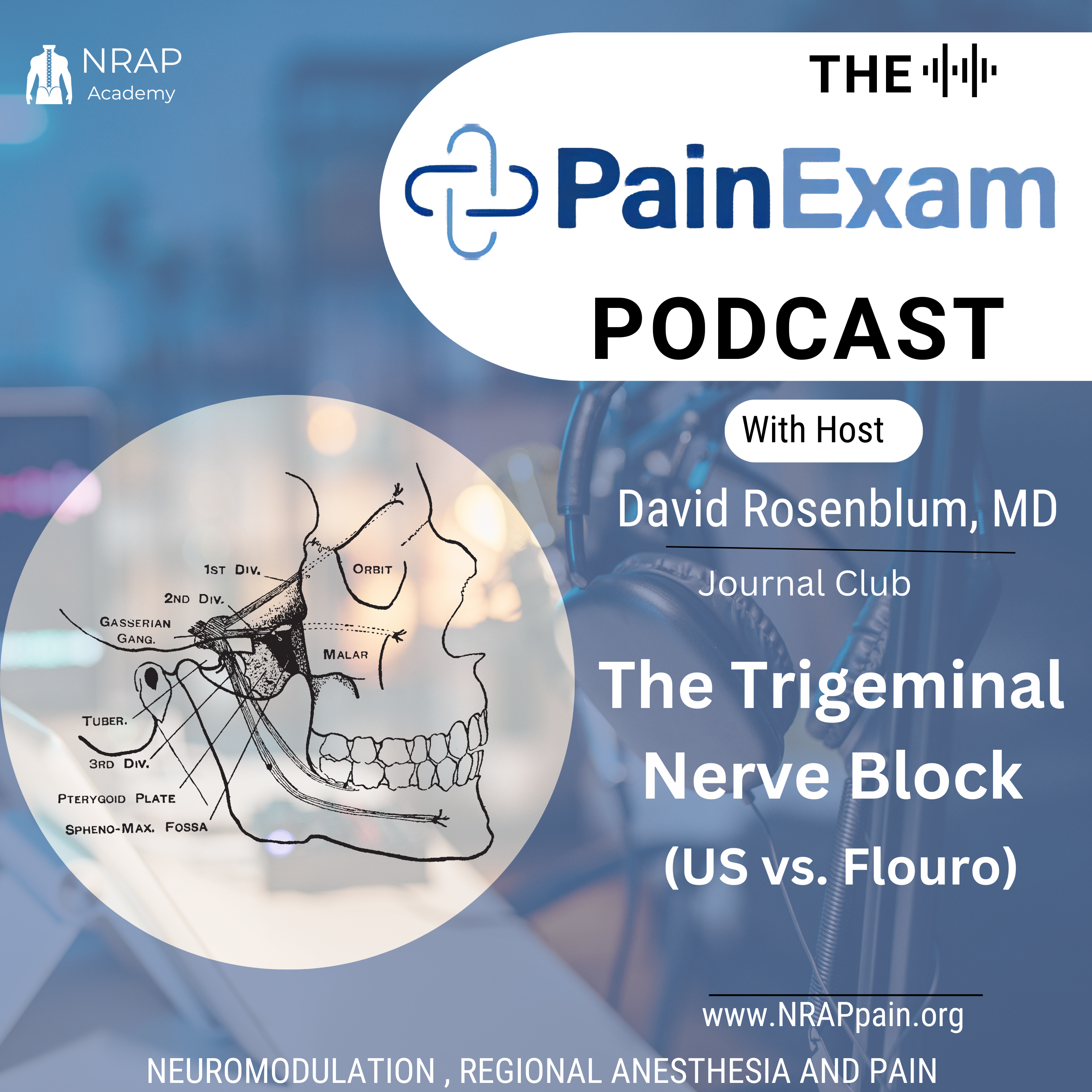
The Trigeminal Nerve Block and Cancer (Ultrasound and Flouroscopic Approaches)
PainExam Show Notes: Mandibular Division of the Trigeminal Nerve Block with Dr. David Rosenblum Introduction Host: Dr. David Rosenblum Topic: Mandibular Division of the Trigeminal Nerve Block for Cancer Pain Management Techniques: Ultrasound and Fluoroscopic Guidance Overview Purpose: Alleviate chronic facial pain, specifically in cancer patients suffering from trigeminal neuralgia or other related conditions. Focus: Detailed discussion on the anatomy, clinical presentation, and procedural techniques for effective nerve block. Anatomy of the Mandibular Nerve Origin: Mandibular nerve is a branch of the trigeminal nerve (cranial nerve V). Pathway: Exits the middle cranial fossa through the foramen ovale and descends between the lateral and medial pterygoid muscles. Sensory Innervation: Anterior two-thirds of the tongue Teeth and mucosa of the mandible Skin of the chin and lower lip Skin over the mandible (excluding the mandibular angle) Tragus and anterior part of the ear Posterior part of the temporalis muscle up to the scalp Ultrasound-Guided Technique Patient Positioning: Patient lies on their side with the affected side facing upward. Transducer Selection: Curvilinear transducer preferred for deeper structures. Transducer Placement: Place distal and parallel to the zygomatic arch to bridge the coronoid and condylar processes. Anatomical Landmarks: Identify the lateral pterygoid muscle and plate. Use power Doppler to locate the sphenoid palatine artery. Needle Trajectory: Introduce the needle using an out-of-plane approach to target the pterygopalatine fossa (anterior to the lateral pterygoid plate). For the mandibular nerve block, target the area posterior to the lateral pterygoid plate between the medial and lateral pterygoid muscles. Electrostimulation (Optional): Utilize a 22G, 10 cm insulated short beveled needle connected to a peripheral nerve simulator. Position confirmed by motor response from the temporalis and masseter muscles. Fluoroscopic-Guided Technique Patient Positioning: Similar to ultrasound guidance, patient lies on their side with the affected side facing upward. C-arm Positioning: Position the C-arm to visualize the foramen ovale. Needle Insertion: Insert the needle under fluoroscopic guidance towards the foramen ovale. Contrast Injection: Confirm needle placement with contrast injection. Anesthetic Administration: Administer local anesthetic and/or neurolytic agents. Clinical Symptoms and Diagnosis Symptoms: Unilateral sharp, stabbing, or burning pain in the mandibular nerve distribution. Pain triggered by activities such as eating, talking, washing the face, or cleaning the teeth. Diagnostic Imaging: MRI or CT scans to identify causes like vascular compression, mass lesions, or fractures. Complications and Considerations Potential Complications: Bleeding, hematoma, infection, and hypersensitivity reaction to the injectate. Serious complications from neurolytic agents like permanent sensory deficit and tissue necrosis. Alternative Treatments: PNS? Radiofrequency or cryoablation for recalcitrant cases. Conclusion Efficacy: Ultrasound and fluoroscopic guidance provide precise targeting of the affected nerves, minimizing collateral damage. Safety: Routine use of power Doppler imaging to avoid injury to surrounding vessels. Recommendation: Consider these techniques for patients unresponsive to oral medications or unsuitable for surgery. These show notes provide a comprehensive overview of the discussion, highlighting key points on the anatomy, technique, and clinical considerations for mandibular nerve blocks in cancer patients. Other Announcements from NRAP Academy: PainExam App is ready for iphone Pain Management Board Prep migrated to NRAPpain.org AnesthesiaExam Board Prep migrated to NRAPpain.org PMRExam Board Prep migrated to NRAPpain.org Live Workshop Calendar Ultrasound Interventional Pain Course Registration For Anesthesia Board Prep Click Here! References Nicholas A Telischak, Jeremy J Heit, Lucas W Campos, Omar A Choudhri, Huy M Do, Xiang Qian, Fluoroscopic C-Arm and CT-Guided Selective Radiofrequency Ablation for Trigeminal and Glossopharyngeal Facial Pain Syndromes, Pain Medicine, Volume 19, Issue 1, January 2018, Pages 130–141, https://doi.org/10.1093/pm/pnx088 Allam, Abdallah El-Sayed, et al. "Ultrasound‐Guided Intervention for Treatment of Trigeminal Neuralgia: An Updated Review of Anatomy and Techniques." Pain Research and Management 2018.1 (2018): 5480728. isclaimer Disclaimer: This Podcast, website and any content from NRAP Academy (NRAPpain.org) otherwise known as Qbazaar.com, LLC is for general informational purposes only and does not constitute the practice of medicine, nursing or other professional health care services, including the giving of medical advice, and no doctor/patient relationship is formed. The use of information on this podcast or materials linked from this podcast is at the user's own risk. Professionals should conduct their own fact finding, research
Regenerative Pain Medicine Journal Club: Interosseous vs Intraarticular vs ESW Inejctions
Dr. Rosenblum addresses 2 Studies on this Pain Management Journal Club Podcast Article 1: The Treatment of Bone Marrow Lesions Associated with Advanced Knee Osteoarthritis: Comparing Intraosseous and Intraarticular Injections with Bone Marrow Concentrate and Platelet Products Article 2: Autologous US-guided PRP injection versus US-guided focal extracorporeal shock wave therapy for chronic lateral epicondylitis: Aminimum of 2-year follow-up retrospective comparative study Editorial: Dr. Rosenblum poses some important questions: Why are regenerative therapies not covered? Why is CMS limiting trigger point injections and not paying for certain peripheral nerve blocks? Who is making the decision? Do lobbying groups or big pharma have a role? Other Announcements from NRAP Academy: PainExam App is ready for iphone Pain Management Board Prep migrated to NRAPpain.org AnesthesiaExam Board Prep migrated to NRAPpain.org PMRExam Board Prep migrated to NRAPpain.org Live Workshop Calendar Ultrasound Interventional Pain Course Registration For Anesthesia Board Prep Click Here! References Alessio-Mazzola M, Repetto I, Biti B, Trentini R, Formica M, Felli L. Autologous US-guided PRP injection versus US-guided focal extracorporeal shock wave therapy for chronic lateral epicondylitis: A minimum of 2-year follow-up retrospective comparative study. Journal of Orthopaedic Surgery. 2018;26(1). Centeno, Christopher, et al. "The treatment of bone marrow lesions associated with advanced knee osteoarthritis: comparing intraosseous and intraarticular injections with bone marrow concentrate and platelet products." Pain Physician24.3 (2021): E279.
Collaborative Research. Exosomes & more with Christopher Robinson, MD PhD
Join us on this episode of the PainExam Podcast where rising star, Christopher Robinson, MD PhD discusses his upcoming paper on exosomes featuring some of the largest names in pain managment. Dr. Rosenblum also alludes to degenerative disc disease being a partially infectious podcast. Other topics discussed on this podcast: The Anesthesiology Job Market Pain Management Fellowship Duration of Pain Management Fellowships Should Pain Management be an Independent Residency? Other Announcements from NRAP Academy: PainExam App almost ready Pain Management Board Prep migrated to NRAPpain.org AnesthesiaExam Board Prep migrated to NRAPpain.org PMRExam Board Prep migrated to NRAPpain.org Live Workshop Calendar Ultrasound Interventional Pain Course Registration For Anesthesia Board Prep Click Here!

Post Operative Pain after Shoulder Replacement: Peri-operative Ablation?
Dr. Rosenblum describes a patient with chronic shoulder pain who failed shoulder replacement, steroid injections, nerve blocks, cryotherapy, and peripheral nerve stimulation of the axillary and suprascapular nerve block. In this podcast, he discusses his perfomance of Shoulder Radiofrequency Ablation targeting the articular branches of the suprascapular nerve, axillary nerve, nerve to subscapularis and lateral pectoral nerve. Reference: https://www.asra.com/news-publications/asra-newsletter/newsletter-item/asra-news/2020/11/01/how-i-do-it-shoulder-articular-nerve-blockade-and-radiofrequency-ablation Other Announcements from NRAP Academy: PainExam App almost ready Pain Management Board Prep migrated to NRAPpain.org AnesthesiaExam Board Prep migrated to NRAPpain.org PMRExam Board Prep migrated to NRAPpain.org Live Workshop Calendar Ultrasound Interventional Pain Course Registration For Anesthesia Board Prep Click Here!

IRO's (Independent Review Organizations)- Physicians Lobby for Oversight and Transparency
Advocating for Transparency and Oversight in Pain Management Introduction: Welcome back to Painexam, where we delve into the latest advancements and challenges in pain management. Today's episode highlights a significant advocacy effort made by leading Interventional Pain Physicians and industry experts. Summary of Lobbying Effort: On March 20, 2024, a group of esteemed physicians and industry leaders, including Drs. Sean Li, Peter Staats, Mehul J. Desai, David Reece, Hemant Kalia, and David Rosenblum, alongside industry figures Mark Stultz, Christopher Conrad, and Cecelia Ruble, visited Capitol Hill to advocate for greater oversight and transparency in independent review organizations. Despite their busy schedules, they recognized the critical need to address the 0% turnover rate in appeals for denied treatments, which disproportionately affects patients seeking alternatives to surgery and opioid medication. Importance of Transparency: The issue extends beyond pain management, impacting patients across various medical fields. While opioid therapy may seem economically favorable initially, the long-term consequences, including delayed care and medication side effects, often outweigh the costs. The group emphasized the importance of an unbiased review for accessible, cutting-edge treatments to improve patient outcomes and reduce overall healthcare expenses. Purpose of the Lobbying Effort: Contrary to pushing any specific company agenda, the initiative aims to highlight the challenges patients and physicians encounter in securing optimal treatment outcomes. For Board Prep, Ultrasound Training and more, visit: Dr. David Rosenblum, a pioneer in interventional pain medicine, particularly in ultrasound- guided procedures and regenerative pain medicine, underscores the necessity of addressing these issues for the benefit of countless patients suffering from chronic pain. Conclusion and Actionable Steps: To schedule a consultation with Dr. Rosenblum, patients can visit www.AABPpain.com or contact the Brooklyn Office at 718-436-7246 or the Garden City Office at 516-482-7246. Stay tuned for more updates on advancements and advocacy efforts in pain management. Outro: Thank you for joining us on this episode of Painexam. Be sure to subscribe for future discussions on navigating the complexities of pain management.
Stellate Ganglion, Ketamine Infusions and Interventional Psychiatry
Dr. Rosenbum discusses Interventional Psychiatry, the role of Stellate Ganglion Blocks in PTSD, Ketamine Infusions for Depression, and the role of Magnesium as a co-factor in ketamine infusions. Other Announcements from NRAP Academy: PainExam App almost ready Pain Management Board Prep migrated to NRAPpain.org AnesthesiaExam Board Prep migrated to NRAPpain.org PMRExam Board Prep migrated to NRAPpain.org Live Workshop Calendar Ultrasound Interventional Pain Course Registration For Anesthesia Board Prep Click Here! References https://www.frontiersin.org/journals/endocrinology/articles/10.3389/fendo.2023.1293358/full References Górska N, Cubała WJ, Słupski J, Wiglusz MS, Gałuszko-Węgielnik M, Kawka M, Grzegorzewska A. Magnesium in Ketamine Administration in Treatment-Resistant Depression. Pharmaceuticals (Basel). 2021 May 3;14(5):430. doi: 10.3390/ph14050430. PMID: 34063604; PMCID: PMC8147622. https://www.frontiersin.org/journals/psychiatry/articles/10.3389/fpsyt.2021.513068/full https://www.sutterhealth.org/services/behavioral-health/interventional-psychiatry Hanling SR, Hickey A, Lesnik I, et al Stellate Ganglion Block for the Treatment of Posttraumatic Stress Disorder: A Randomized, Double-Blind, Controlled Trial Regional Anesthesia & Pain Medicine 2016;41:494-500. https://www.psychiatrist.com/jcp/oral-ketamine-for-depression/
Stellate Ganglion Block and Hot Flashes- Rudy Malayil, MD of WVSIPP
Dr. Rosenblum interviews West Viriginia Society of Interventional Pain Physician's President Rudy Malayil, MD and discusses the upcoming WVSIPP meeting in April 2024 as well as Dr. Rosenblum's upcoming ultrasound course. Rudy Mathew Malayil, M.D., completed his internship in General Surgery at New York Presbyterian/Cornell Hospital in New York City, followed by residency training in Physical Medicine and Rehabilitation at New York University Medical School. Dr. Malayil further completed a Pain Medicine Fellowship at the Albert Einstein School of Medicine at the Beth Israel Medical Center Campus in New York City. After training he went settled in West Virginia and eventually became the president of West Virginia Society of Interventional Pain Physicians and started private practice Pain Management 360. https://pain360.org https://www.malayilmd.com Ultrasound Interventional Pain Course Registration For Anesthesia Board Prep Click Here! References https://www.frontiersin.org/journals/endocrinology/articles/10.3389/fendo.2023.1293358/full

PENG, PNS, Cryoablation for Acute and Chronic Hip Pain
In this episode, Garden City (long island) based Pain Physician, Dr. David Rosenblum explores Peripheral Nerve Stimulation, Biologics and Ablations for hip pain. He reviews a case report of a 67-year-old female with a history of a mechanical fall causing injury to her lumbar spine and pelvis resulting in hip and pelvic pain is presented. The patient had hypertrophic non-union of the right iliac wing fracture and displacement of the pubic symphysis and right sacroiliac joint. Medications were not effectively managing her pain, so she sought treatment at a pain management clinic. The patient underwent diagnostic obturator and femoral articular nerve branch injections, as well as a middle cluneal nerve steroid injection, all guided by fluoroscopy and ultrasound. She experienced improvement in her pain following these procedures. Subsequently, she had a peripheral nerve stimulator (PNS) trial and underwent implantation of leads targeting the right middle cluneal nerve and right obturator and femoral articular nerve branches. The patient reported significant relief in both the posterior and anterior distribution of her pain. Her activities of daily living improved, and she was able to sleep without pain after the PNS implantation. The successful use of combined fluoroscopy and ultrasound in targeting the specific nerves and replicating the patient's pain distribution before permanent PNS implantation is highlighted in this case. Additionally, the show notes mention an events calendar located at this link: https://www.nrappain.org/pages/ultrasound-course-calendar. Upcoming Course schedule for NRAP Academy includes the following events: Ultrasound Guided Pain & Regional Anesthesia Course in New York City on February 10, 2024. This course will cover nerve blocks, joint injections, and more. Attendees will have the opportunity to scan live models after the didactic session. MSK Pain & Regional Anesthesia Course in Miami, Florida on February 18, 2024. This course will focus on ultrasound-guided nerve blocks and MSK (musculoskeletal) pain management. Ultrasound Guided Pain Course in Key West, Florida on February 23, 2024. This 4 CME (Continuing Medical Education) course will cover ultrasound-guided nerve blocks, MSK, PRP (platelet-rich plasma), BMAC (bone marrow aspirate concentrate) targets, and regional anesthesia. Regional Anesthesia and US Guided Pain Management Course in New York City on March 9, 2024. This course will provide training in ultrasound-guided interventional pain management and regional anesthesia. Ultrasound Guided IPM (Interventional Pain Management) Course in West Virginia on April 14, 2024. This course is part of the Appalachian Regional Spine and Pain Meeting and will be conducted by NRAP Academy. It will focus on interventional pain management using ultrasound guidance. Regenerative Pain Medicine Course in New York City on May 4, 2024. This course will cover PRP (platelet-rich plasma) and other regenerative pain medicine techniques. In addition to the live training, attendees will receive bonus material including access to the On Demand Ultrasound Guided MSK Interventional Pain Management Course, a course workbook and certificate, post-course guidance and discounts, and the opportunity to join the mailing list for calendar updates. Please note that these course details are subject to change, so it's recommended to visit the NRAP Academy website for the most up-to-date information. Reference Fu E, Elsharkawy H #35977 Peripheral nerve stimulation implant for chronic post-traumatic hip and pelvic pain Regional Anesthesia & Pain Medicine 2023;48:A193.
Journal Club- Cerebrospinal Fluid and Glymphatic Circulation in Human Nerves
Painexam Podcast Show Notes: Journal Club on "Ventricular Infusion and Nanoprobes Identify Cerebrospinal Fluid and Glymphatic Circulation in Human Nerves" Special Thanks to Robert Stall, MD Introduction: Welcome to another episode of the Painexam Podcast! In today's journal club edition, we delve into a fascinating study by Dr. Joel E. Pessa on cerebrospinal fluid (CSF) circulation in human nerves. Background: The study addresses the growing evidence of CSF circulation in human nerves and its implications in various conditions encountered by plastic surgeons. Conditions such as nerve transection, stretch injuries, and peripheral neuropathy may be related to dysregulation of the CSF system. Methods: Dr. Pessa and his team developed the ventricular infusion technique using buffered saline in 2017. The technique was applied to eight fresh cadavers before dissecting the median nerve. Fluorescent imaging and nanoprobe injections were combined with ventricular infusion in selected specimens. Results: The eight cadaver specimens (six female, two male) aged 46–97 underwent successful ventricular infusion. Ventricular cannulation was performed successfully using specific coordinates. Results suggest that CSF flows in neural sheaths, including pia meninges, epineurial channels, perineurium, and myelin sheaths (neurolemma). Conclusions: Ventricular infusion and nanoprobes effectively identify CSF flow in neural sheaths of human nerves. CSF flow in nerves is described as an open circulatory system occurring via channels, intracellular flow, and cell-to-cell transport associated with glial cells. Neural sheaths, including neurolemma, may play a role in glucose and solute transport to axons. The techniques showcased in this study can be utilized in anatomic dissection and live animal models and have been extended to the central nervous system to identify direct ventricle-to-pia meninges CSF pathways. Significance: This study opens new avenues for understanding the intricate mechanisms of CSF circulation in neural tissues. Plastic surgeons and researchers can benefit from these techniques in studying and addressing conditions related to CSF dysregulation in nerves. The findings have implications not only for nerve-related conditions but also for broader applications in the central nervous system. Closing: Thank you for joining us on this insightful journey through Dr. Joel E. Pessa's study. Stay tuned for more engaging discussions on pain management and neurology in future Painexam Podcast episodes! Reference Pessa JE. Ventricular Infusion and Nanoprobes Identify Cerebrospinal Fluid and Glymphatic Circulation in Human Nerves. Plast Reconstr Surg Glob Open. 2022 Feb 17;10(2):e4126. doi: 10.1097/GOX.0000000000004126. PMID: 35198353; PMCID: PMC8856590.
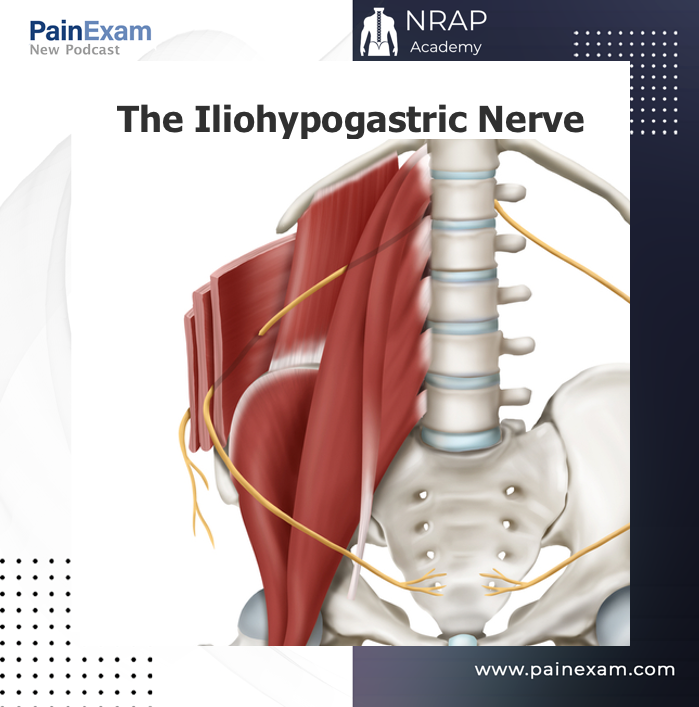
The Iliohypogastric Nerve: An Anatomical Review
Dr. Rosenblum reviews the anatomy of the ilioinguinal nerve and entrapment syndromes related to the nerve and its relationship to the iliohypogastric nerve. He describes cases in which patients have a tender spot (tinel's) over the lateral iliac crest. Live Regenerative Medicine and Ultrasound Workshops For up to date Calendar, Click Here! #painboards #painfellowship #abpm #aspn #abipp #Asipp #nans #painexam #painexampodcast #regionalanesthesia #regemed #regenerativepainmedicine #jointinjections #prppain #bmac #painqbank #uspaininjections #Usjointinjections #interventionalpain References https://assets.cureus.com/uploads/review_article/pdf/94743/20220610-32009-17da8fm.pdf https://www.bizwan.com/en/index.php?view=article&id=82:proximal-entrapments-of-the-lower-extremity&catid=86&start=1
Peptitdes for Wellness
Dr. Rosenblum reviews information he found regarding the various types of peptides that private practices are useing for healht and wellness. Upcoming Pain Management Conferences Upcoming Workshops and Events NYC Regional Anesthesia and Pain Ultrasound CME Workshop Saturday, October 28, 2023 8:00 AM Charleston, SC Regional Anesthesia and Pain Ultrasound CME Workshop Sunday, October 29, 2023 9:00 AM NRAP Academy: Regenerative Pain Medicine Course NYC Saturday, November 11, 2023 8:00 AM NYC Regional Anesthesia and Pain Ultrasound CME Workshop Saturday, December 16, 2023 7:30 AM NYC Regional Anesthesia and Pain Ultrasound CME Workshop Saturday, January 6, 2024 7:30 AM For up to date Calendar, Click Here!
Nerve Block Reimbursement, Genicular plus Pain Management Board Prep Webinar Oct 4
Dr. Rosenblum discusses his concerns over: RFA of the Genicular Nerves being a non reimbursed service when the patient already had them in the past with excellent relief. Plus a discussion on CMS policy toward Peripheral Nerve Block reimbursement limitations and documentation! Pain Management, Anesthesiology, PMR Board Review Upcoming Workshops and Events NYC Regional Anesthesia and Pain Ultrasound CME Workshop Saturday, October 28, 2023 8:00 AM Charleston, SC Regional Anesthesia and Pain Ultrasound CME Workshop Sunday, October 29, 2023 9:00 AM NRAP Academy: Regenerative Pain Medicine Course NYC Saturday, November 11, 2023 8:00 AM NYC Regional Anesthesia and Pain Ultrasound CME Workshop Saturday, December 16, 2023 7:30 AM NYC Regional Anesthesia and Pain Ultrasound CME Workshop Saturday, January 6, 2024 7:30 AM For up to date Calendar, Click Here! Reference
Interview with Dr. Myrdalis Diaz-Ramirez, MD Physician Coach, Mastermind, Pain Management and more!
Drawing from her own experience of transformation from being a burnout physician to regaining, designing, and retaining control of her physician life, Dr. Myrdalis Diaz-Ramirez created the maxAllure Mastermind. It is now her passion to help physicians who feel overwhelmed and lost in medicine to find a new path and control their lives through entrepreneurship. She is a born and self-made entrepreneur with experience in owning different clinics which she successfully sold in the past. She has also owned other businesses, including an entertainment company. Dr. Myrdalis Díaz-Ramírez is a dual Board-Certified Anesthesiologist and Interventional Pain Management Physician. She is also a Medical Expert, Professor, Author, Speaker, Podcaster, Entrepreneur, and Mastermind Facilitator. Through her Mastermind, physicians can transform their personal and professional lives. They have been able to define, plan, and execute a designed vision for their life and business that was once only a dream! Upcoming Workshops and Events Regional Anesthesia and Pain Ultrasound CME Workshop- San Juan, PR Friday, September 15, 2023 8:00 AM Maximizing Profit: Understanding the 2024 Physician Fee Schedule Wednesday, September 20, 2023 8:00 PM NYC Regional Anesthesia and Pain Ultrasound CME Workshop Saturday, October 28, 2023 8:00 AM Charleston, SC Regional Anesthesia and Pain Ultrasound CME Workshop Sunday, October 29, 2023 9:00 AM NRAP Academy: Regenerative Pain Medicine Course NYC Saturday, November 11, 2023 8:00 AM NYC Regional Anesthesia and Pain Ultrasound CME Workshop Saturday, December 16, 2023 7:30 AM NYC Regional Anesthesia and Pain Ultrasound CME Workshop Saturday, January 6, 2024 7:30 AM
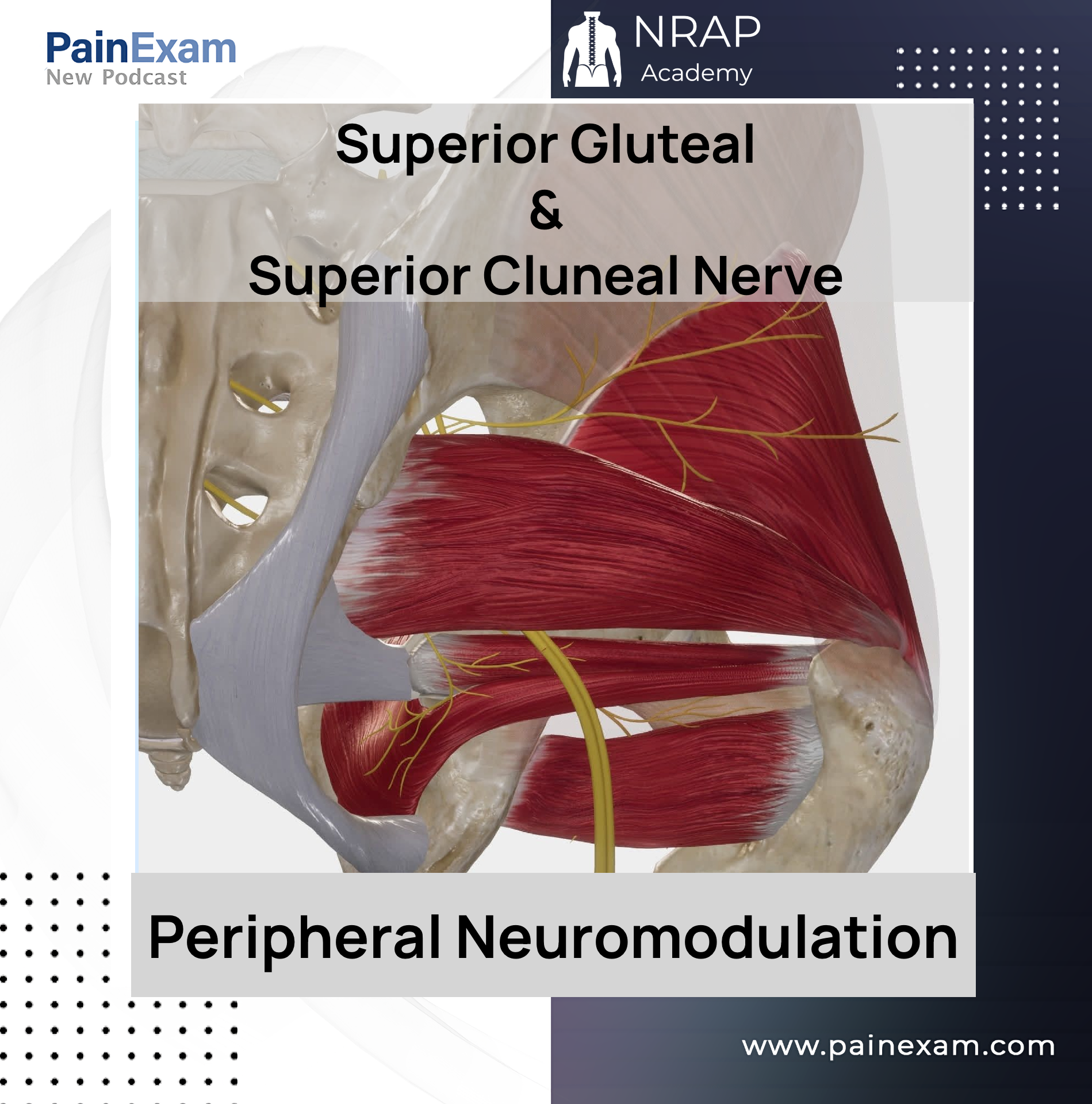
Superior Gluteal and Clueneal Nerve Stimulation
Dr. Rosenblum discusses posterior hip pain/buttock pain near scar after Total Hip Arthroplasty. Included in this episode: Patient Testimonial re: SPRINT PNS (superior gluteal and superior cluneal nerve) Superior Gluteal Nerve Anatomy Hip Innervation Upcoming Private and Group Ultrasound Training Upcoming Pain Management Conferences Course Calendar 2023 Ultrasound Guided Regional Anesthesia and Pain Medicine- Sept 15, 2023, San Juan, PR Oct. 28 Regional Anesthesia and Interventional Pain Medicine NYC Nov.11 Regenerative Pain Medicine Course: NYC Dec. 16th Regional Anesthesia and Interventional Pain Ultrasound Training NYC 2024 Jan. 6 Regional Anesthesia and Interventional Pain Ultrasound Training NYC For up to date Calendar, Click Here! Board Review References Pierre Laumonerie and others, Sensory Innervation of the Hip Joint and Referred Pain: A Systematic Review of the Literature, Pain Medicine, Volume 22, Issue 5, May 2021, Pages 1149–1157, https://doi.org/10.1093/pm/pnab061 Pinho, A.R.; Leite, M.J.; Lixa, J.; Silva, M.R.; Vieira, P.; Nery-Monterroso, J.; Bezerra, M.C.; Alves, H.; Madeira, M.D.; Pereira, P.A. Superior Gluteal Nerve Anatomy and Its Injuries: Aiming for a More Secure Surgical Approach of the Pelvic Region. Diagnostics 2023, 13, 2314. https://doi.org/10.3390/diagnostics13142314 Lung K, Lui F. Anatomy, Abdomen and Pelvis: Superior Gluteal Nerve. [Updated 2023 Aug 14]. In: StatPearls [Internet]. Treasure Island (FL): StatPearls Publishing; 2023 Jan-. Available from: https://www.ncbi.nlm.nih.gov/books/NBK535408/

The Cervical Plexus
David Rosenblum, MD Garden City and Brooklyn Pain Physician, world renown for his work on the PainExam Podcast, PainExam Pain Management Board Review and NRAP Academy's Continuing Medical Education Programs, discusses: a case of paresthesia in the upper neck realted to C3 and C4 stenosis and considers a selective nerve root block while wondering if a deep cervical plexus block would suffice. Rational : Desire to avoid epidural due to proximity to spinal cord Ultrasound approach of cervial plexus may anesthetize C3 and C4 roots and may be sufficient to do with ultrasound alone Unfortunately, no data found to support this particular situation, however, it may be safe and effective if performed properly. Claim CME The CE experience for this Podcast is powered by CMEfy - click here to reflect and earn credits: https://earnc.me/lubWXJ Also discussed on this podcast: The Superficial Cervical Plexus and applications for headache, neck pain, and clavicular fractures. Caution: Phrenic Nerve Anatomy The cervical plexus is a complex network of nerves located in the neck region, originating from the anterior rami (branches) of the cervical spinal nerves, specifically those stemming from the upper cervical segments (C1 to C4). This intricate network serves to provide sensory and motor innervation to various structures within the neck and surrounding areas. The cervical plexus is positioned within a groove between the longus capitis and the middle scalene muscles in the neck. It is organized into different nerve loops and branches that radiate outwards to supply various regions. The cervical plexus can be divided into deep and superficial components, each with distinct functions and innervation patterns. Cervical Plexus: The plexus involves nerve loops and branches that provide both sensory and motor functions. The superficial sensory branches originating from adjacent anterior spinal nerves (C2 to C4) are responsible for providing sensation to specific areas of the skin, particularly in the head, neck, and shoulder regions. These sensory branches include the lesser occipital nerve (C2, C3), great auricular nerve (C2, C3), transverse cervical nerve (C2, C3), and supraclavicular nerves (C3, C4). These nerves typically run posteriorly and then penetrate the prevertebral fascia before reaching the skin and superficial structures. For Pain Management and Anesethesiology Board Review, go to For the Virtual Pain Fellowship Experience, Go to: Subscribe to Receive Free Content, Discounts and Course Updates! * indicates required Email Address * Ultrasound Workshops and Courses Ultrasound Guided Regional Anesthesia and Pain Medicine NYC- July 19, 2023 Ultrasound Guided Regional Anesthesia and Pain Medicine NYC- August 19th, 2023 Ultrasound Guided Regional Anesthesia and Pain Medicine- Sept 15, 2023, San Juan, PR Regenerative Pain Medicine Course NYC- November 11, 2023 For up to date Calendar, Click Here! Refereces Kim JS, Ko JS, Bang S, Kim H, Lee SY. Cervical plexus block. Korean J Anesthesiol. 2018 Aug;71(4):274-288. doi: 10.4097/kja.d.18.00143. Epub 2018 Jul 4. PMID: 29969890; PMCID: PMC6078883. Read more!