
Ancient Greece Declassified
74 episodes — Page 1 of 2
66 Did Odysseus Discover America?
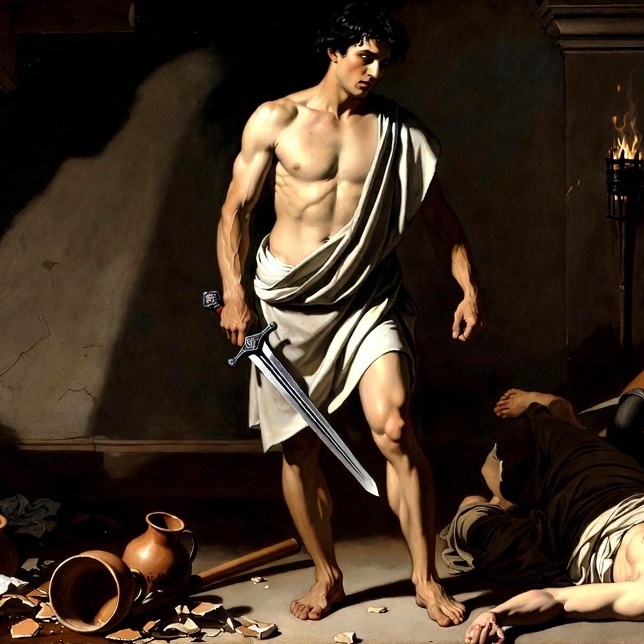
65 From Vengeance to Justice: The Genius of Aeschylus' ORESTEIA w/ Doug Metzger
Aeschylus' "Oresteia" is one of the most extraordinary works of literature to have come from Ancient Greece. It's a story about murder, revenge, and the birth of justice itself. We are joined by Doug Metzger, host of the "Literature and History" podcast to explore how the ancient Athenian tragedian Aeschylus turned a bloody family feud into a vision of civilization, and offered the Athenians a new foundation myth for their democracy. *** Recommended translations of the Oresteia: For readability and beautiful language, you can't go wrong with Fagles. For accuracy and faithfulness to the original Greek syntax, go with Sommerstein. *** To support this show and our mission to bring the classics to the general public, please visit https://patreon.com/greecepodcast *** You can find Doug's incredible podcast on all major platforms and at https://literatureandhistory.com *** TIMESTAMPS 00:00 Introduction to the "Oresteia" 05:22 Agamemnon in the Iliad and Odyssey 12:17 Life of Aeschylus 14:00 The 1st Play: "Agamemnon" 20:03 Sacrifice of Iphigenia 26:58 Agamemnon's Arrival 34:56 The 2nd Play: "Libation Bearers" 41:35 Orestes kills Clytemnestra 51:40 The 3rd Play: "Eumenides" 59:12 The Trial 1:06:58 The Areopagus and Ephialtes's Reforms 1:10:24 Main Takeaways
64 Plato's Republic: Full Summary and Explanation w/ Gina White
Plato's Republic isn't just a cornerstone of Western thought—it's a mirror reflecting the challenges of our own time. In this episode of Ancient Greece Declassified, host Lantern Jack teams up with scholar Gina White to deliver a one-stop, accessible guide to this timeless work—exploring its big ideas, enduring impact, and eerie relevance to today's world. ------------------ Support the show on Patreon: https://patreon.com/greecepodcast ------------------ Timestamps [00:50] Introduction to the Republic [05:35] A bird's-eye view of the entire work [15:20] Book 1: What is justice? [20:56] Book 2: The immoralist challenge [25:33] Book 3: Building the ideal city [34:00] Book 4: Justice defined [43:10] Book 5: Philosopher kings [49:30] Book 6: The Form of the Good [56:33] Book 7: The Cave [1:02:44] Book 8: Bad constitutions, bad souls [1:05:23] Book 9: The secret misery of tyrants [1:07:17] Book 10: The Myth of Er
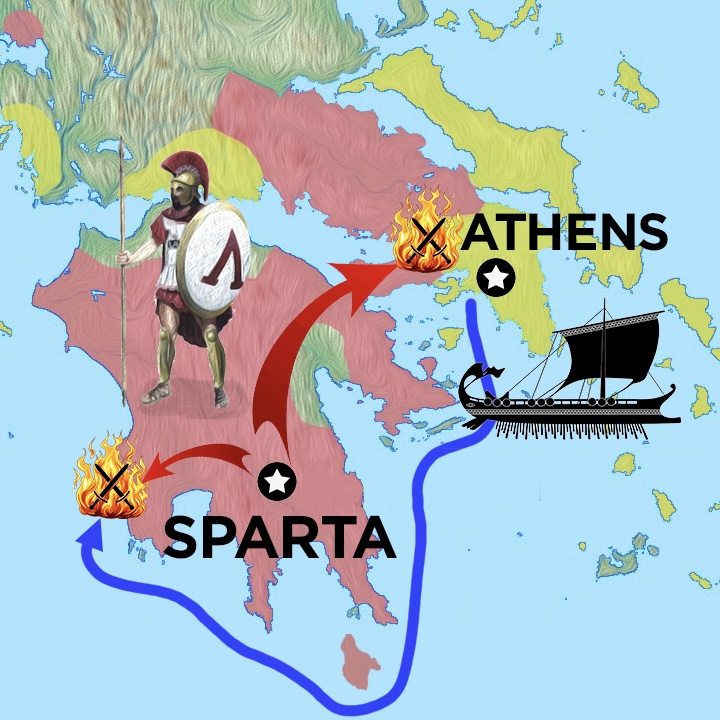
63 The Spartan Strategy for Acquiring and Wielding Power w/ Eric Robinson
How did Sparta—a mere city-state with an agrarian economy and barely any economic growth to speak of—rise to become the supreme power in ancient Greece? We investigate in conversation with renowned historian Eric W. Robinson, author of the forthcoming book "Spartan Legend." ------------------ Support the show on Patreon: https://patreon.com/greecepodcast ------------------ Timestamps [03:28] Origins of Spartan power [12:26] Democratic aspects of the Spartan constitution [17:25] Athenian admiration of Sparta [23:00] How good were Spartan armies? [27:05] Robinson's theory of a Spartan "Mystique" [44:04] Why Sparta won the Peloponnesian War against Athens [48:46] Why Spartan power declined
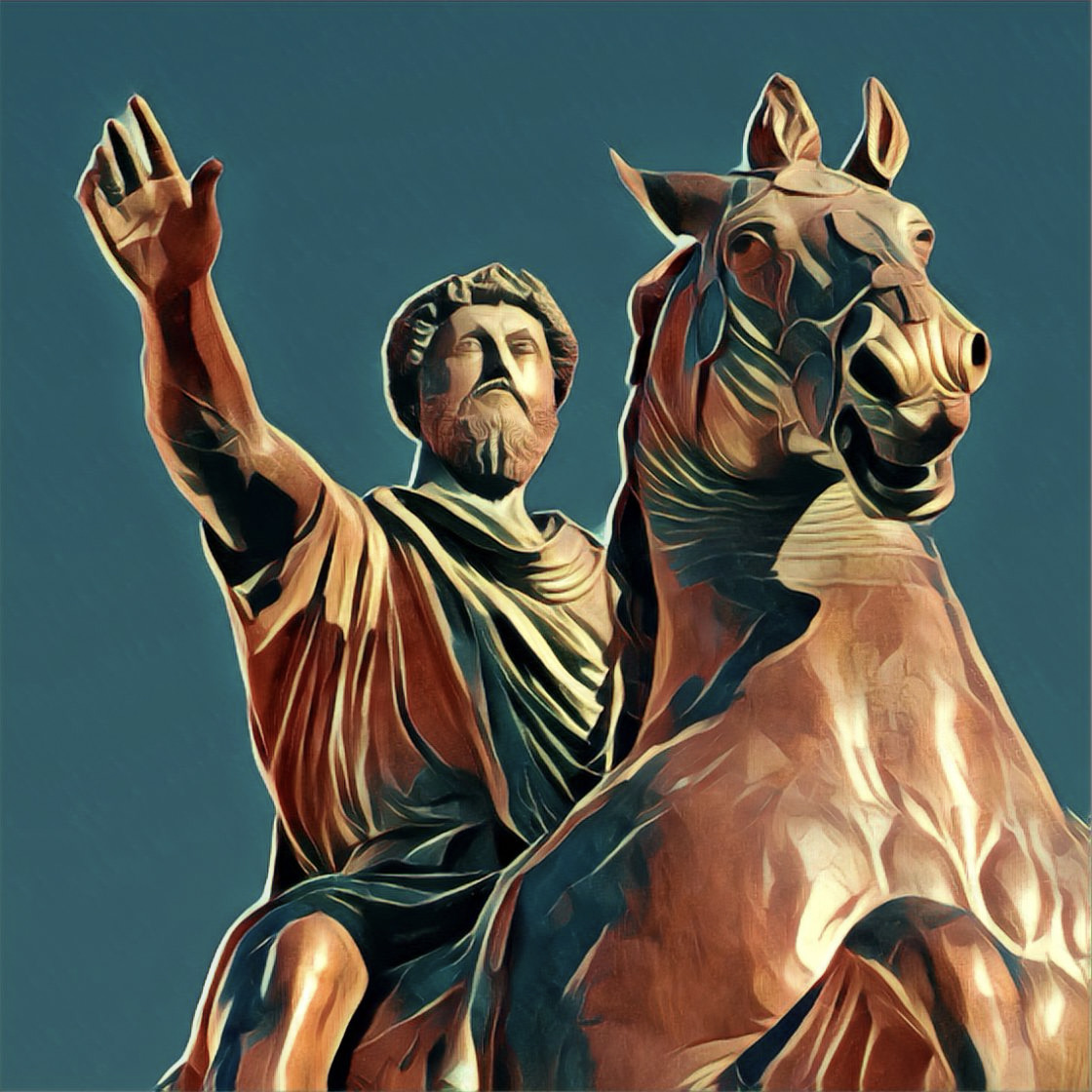
62 Marcus Aurelius and the Kingdom of Gold w/ Judith Stove
Marcus Aurelius became emperor of Rome in 161 AD and went on to win several wars against the northern barbarians. But it wasn't his military exploits that earned him everlasting fame. Rather, it was his philosophical mind and the writings he left behind. In this episode, we are joined by author and scholar Judith Stove to explore the character, writings, and legacy of Rome's "philosopher king." Stove's latest book is called Marcus Aurelius and His Legacy: Seeking Rome's Kingdom of Gold. ------------------ Support the show on Patreon: patreon.com/greecepodcast
Announcements: Next Tour, Seeking Video Editor, Connect on Social Media, Patreon update
Some announcements for those of you who care about what's happening at AGD behind the scenes...

61 Who is Lantern Jack? (Doug Interviews Me)
I chat with friend and fellow podcaster Doug Metzger about how I first became fascinated with the ancient world and share some of the adventures I had on the way to getting a PhD in Classical Philosophy. ------------------ Support AGD on Patreon: patreon.com/greecepodcast ------------------ Timestamps [01:25] Why I started AGD [05:15] Why Stoicism is misunderstood today [11:20] Debunking two big myths about the ancient world [14:45] How I got interested in ancient Greece [19:58] Reggie Foster, renegade priest [25:08] What makes Ancient Greek a precise and musical language [33:57] Hitchhiking adventures [44:27] AGD tours [53:35] The genius of Aeschylus' "Oresteia"
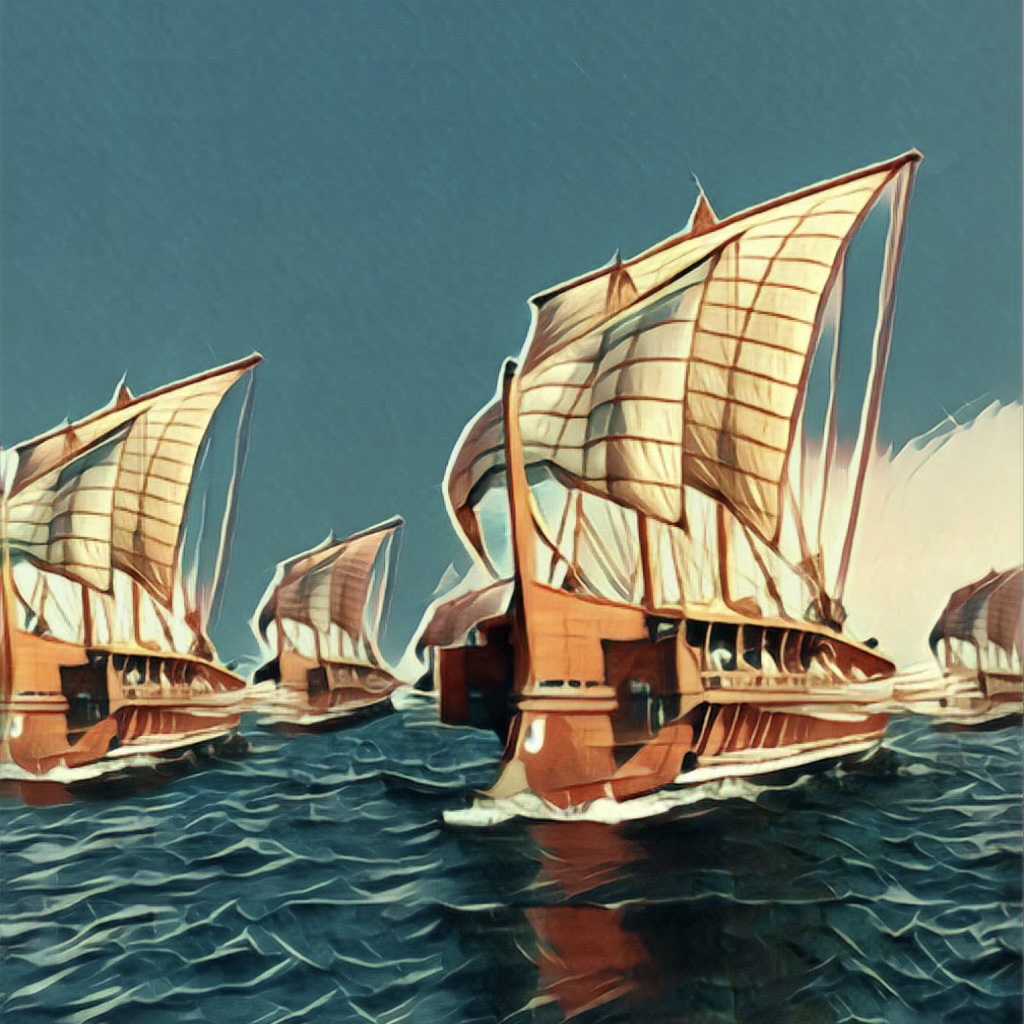
60 The Rise of Athens (Themistocles and the Persian Wars, Part 3)
During the Persian Wars, the city of Athens was completely razed to the ground by the Persian army. And yet, from its ashes, a new Athens was born, more powerful and magnificent than any other city in the Mediterranean. How did the Athenians pull that off? In this finale to our Persian Wars saga, we explore the final battles of the conflict and the clever machinations of Themistocles—one of the chief masterminds and architects of Athenian power. Contents of the episode, with timestamps: [05:35] Aftermath of Salamis [15:50] Xerxes Goes Home [23:20] The Final Battles (Plataea and Mycale) [39:08] The Themistoclean Walls [46:05] Themistocles' Exile and Death [55:50] Conclusion ------------------ Support Ancient Greece Declassified on Patreon: patreon.com/greecepodcast
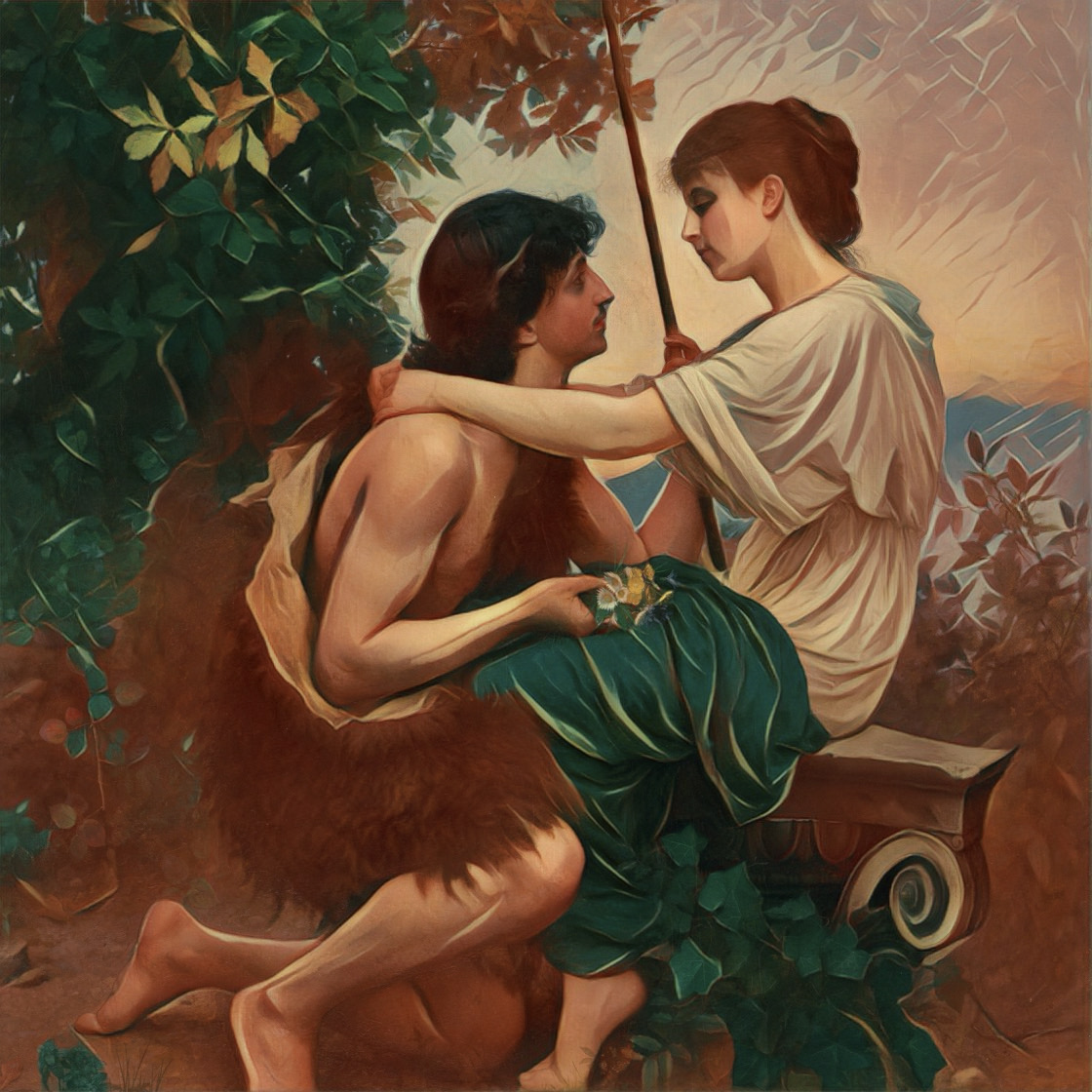
59 The Ancient Novels w/ Doug Metzger (Apuleius, Lucian, Chariton, Heliodorus, Petronius, Achilles Tatius)
Unveiling the wild world of ancient Greek and Roman novels with Doug Metzger, host of the "Literature and History Podcast." ------------------ Support Ancient Greece Declassified on Patreon: patreon.com/greecepodcast ------------------ Contents of the episode, with timestamps: 04:22 When did novels first arise? 09:12 The four genres of ancient novels 11:39 The typical plot (Callirhoe) 17:55 Daphnis and Chloe 21:10 Euripides' romances 28:17 Narrative in the Bible 32:43 Evolution of the ancient novel 34:27 Leucippe and Clitophon 35:47 Heliodorus' Aethiopica 37:35 Lucian and the influence on modernity 43:08 The Second Sophistic 47:14 Greek VS Roman novels 53:44 The X-rated stuff

58 What Did the World's First Pop Star Sound like? | Euripides and Ancient Music w/ Claire Catenaccio
What did ancient music sound like? In this episode, you will hear three songs that are over 2000 years old! Few people in the world today know more about ancient music than our guest in this episode. Claire Catenaccio is an assistant professor of classics at Georgetown University who specializes in the study of ancient drama and its modern reception. Her recent book "Monody in Euripides" explores monody – namely solo actor's song – in the tragedies of Euripides. Her scholarship is informed by her experience as a director and historical consultant in many modern productions of ancient Greek theater plays. Contents of the episode, with timestamps: [02:07] What evidence do we have for ancient music? [13:05] What kind of musical notation did the ancient Greeks use? [13:51] The Song of Seikilos (oldest surviving song with musical score) [20:30] What the aulos (the main musical instrument on stage) sounded like [23:21] The origins of music in Greek tragedy [31:30] Cash prizes and the professionalization of acting/singing [34:45] The incredible popularity of Euripides' new music [37:20] How and Why Euripides' "Orestes" completely rewrites Aeschylus' "Eumenides" [52:30] What Euripides' songs sounded like (Electra's monody from Euripides' "Orestes") ------------------ Support Ancient Greece Declassified on Patreon: patreon.com/greecepodcast

57 The Life of Plato w/ Robin Waterfield
Even after thousands of years of supposed progress in philosophy, there are still some who maintain that the entire history of western philosophy consists of footnotes to Plato. But who was Plato the man? If there is anyone who can answer that question, it's our guest in this episode. Robin Waterfield is a renowned scholar of antiquity who has written the first ever full biography of the ancient philosopher in English. Check out the book here. Contents of the episode, with timestamps: [04:10] Plato's early life [06:46] Relationship to Socrates [12:27] Philosophical method [14:53] Theory of Forms [18:27] How Plato became famous [23:42] Sophists VS Philosophers [31:55] Founding the Academy [35:25] Relationship to Aristotle [47:07] Political intrigues in Sicily [48:51] Disilusionment and later works ------------------ Support Ancient Greece Declassified on Patreon: patreon.com/greecepodcast Or make a one-time donation: paypal.me/greecepodcast
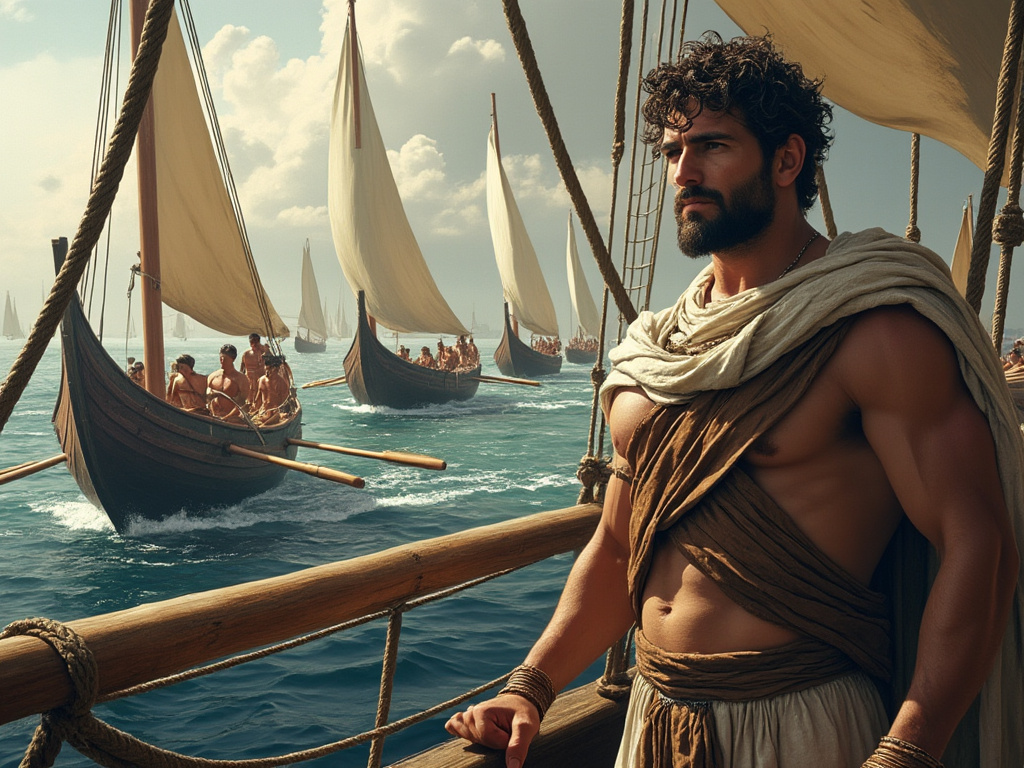
56 The Man Who Defeated the Persian Empire (Themistocles and the Persian Wars, Part 2)
In 480BC the Persian Empire invaded Greece with the largest military force the world had ever seen. Meanwhile in Athens, a man named Themistocles had spent the last ten years preparing for this moment. He had come up with a plan to defeat Persia, but it would require a mix of strategy, intrigue, deception, and plain old good luck... Contents of the episode, with timestamps: [05:45] How to Win Friends and Influence People [13:10] The Mines of Laurion [19:30] Athens VS Aegina [25:10] Battle of Thermopylae [32:00] Battle of Artemisium [40:10] The Wooden Wall [49:55] The Battle of Salamis [53:30] Conclusion ------------------ Support Ancient Greece Declassified on Patreon: patreon.com/greecepodcast Or make a one-time donation: paypal.me/greecepodcast

55 Fire in the Cradle of Democracy (The Persian Wars, Part 1)
The three decades from 508-478BC were possibly the most consequential in all of ancient history. In this episode and the next, we tell the story of the Greco-Persian Wars through the eyes of Themistocles, the Athenian mastermind who guided the Greeks to victory. Contents of the episode, with timestamps: [04:50] Themistocles' Childhood and the Athenian Revolution [10:40] Democracy's Early Challenges [16:10] The Demagogue [26:35] The Ionian Revolt [31:25] Marathon [43:05] "Rejoice! We Are Victorious!" ------------------ Find out more about the upcoming AGD "Persian Wars" Tour in Greece: greecepodcast.com/tour4 ------------------ Support Ancient Greece Declassified on Patreon: patreon.com/greecepodcast Or make a one-time donation: paypal.me/greecepodcast
AGD "Persian Wars" Tour in Greece! Jan. 3-11, 2025
AGD is going back to Greece this January 3-11 for another epic adventure! This time we'll be exploring the Persian Wars and the profound effect they had on Greek civilization. We will visit all the major focal points of the Greco-Persian showdown (Marathon, the Acropolis, Eretria, Salamis, Thermopylae, Plataea, and Delphi) as well as a wide variety of other fascinating historical sites. Check out our highlight reel from the first tour: https://www.youtube.com/watch?v=1g-w7u6aQz0 To reserve your spot, email us at [email protected] For the itinerary visit https://greecepodcast.com/tour4
54 Were the Spartans Proto-Fascist Losers? w/ Bret Devereaux
Bret Devereux is a military historian at North Carolina State University and author of the recent viral article "Spartans Were Losers: The US Military's Admiration of a Proto-Fascist City-State is Based on Bad History." He joins us to explain why he thinks that the traditional image of Sparta as an egalitarian society of warrior badasses is a lie. You can find his blog, where he writes extensively on Sparta, here: https://acoup.blog/2019/08/16/collections-this-isnt-sparta-part-i-spartan-school/ ------------------ This episode is available in video format on the Lantern Jack YouTube channel: https://youtu.be/VngbinpNGIE ------------------ Support Ancient Greece Declassified on Patreon: patreon.com/greecepodcast Or make a one-time donation: paypal.me/greecepodcast
53 Why Platonism and Stoicism Are Going Viral w/ John Vervaeke
As our world becomes increasingly hi-tech, more and more people have been turning to ancient wisdom traditions in search of meaning. There are two schools of ancient philosophy in particular that have seen a meteoric revival in recent years: Platonism and Stoicism. Cognitive scientist John Vervaeke joins us to explore why this is happening. ------------------ Join the upcoming AGD Tour in Greece: greecepodcast.com/tour ------------------ Support Ancient Greece Declassified on Patreon: patreon.com/greecepodcast Or make a one-time donation: paypal.me/greecepodcast
"Enemies of Athens" Tour Announcement Oct. 11-19, 2023
AGD is going back to Greece this fall (Oct. 11-19) for another epic adventure! This time we'll be exploring areas that in ancient times lay in the shadow of – or in direct conflict with – the Athenian hegemony. Check out our video from the first tour: https://www.youtube.com/watch?v=1g-w7u6aQz0 To reserve your spot, email us at [email protected] For the itinerary visit https://greecepodcast.com/tour
52 A New Theory of Democracy's Origins (It Wasn't Greece) w/ David Stasavage
This time we're taking a little break from Greece to explore the broader history of democracy. Was democracy really a Greek invention? Historian David Stasavage, author of The Decline and Rise of Democracy, thinks it was not. And in today's episode he explains why. --------------- Support Ancient Greece Declassified on Patreon: patreon.com/greecepodcast Or make a one-time donation: paypal.me/greecepodcast
51 Anacyclosis – Polybius' Grand Unified Theory of History
Polybius' theory of anacyclosis is the most sophisticated theory of political (r)evolution to have emerged from ancient Greek and Roman political thought. ------------------ To watch the highlight real from the last AGD tour in Greece, click here. ------------------ To read the passage in Polybius where he discusses anacyclosis click here. ------------------ If you'd like to read more about the theory of anacyclosis, I've written a few blogs on the subject: Anacyclosis, Act 1: From Monarchy to Tyranny Anacyclosis, Act 2: The Rise of Republics Anacyclosis, Act 3: The Rise and Fall of Democracy

Announcing the "Mountains and Oracles" Tour in Greece! Jan. 3-11
AGD is going back to Greece this winter (Jan. 3-11) for an epic tour of Greece's northern regions, focusing on mountains and oracles. For more information or to reserve your spot, email us at [email protected]
R8 Does Democracy Lead to Tyranny? | Plato's Republic, book 8
Plato argued that the inevitable next step in political evolution after democracy is tyranny. Many political thinkers throughout history agreed with him. Were they right? ------------------ Support Ancient Greece Declassified on Patreon: patreon.com/greecepodcast Or make a one-time donation: paypal.me/greecepodcast --------------- A full transcript of this episode with references can be found on our website at greecepodcast.com
49 When a Philosopher Ruled the World | Marcus Aurelius w/ Donald Robertson
Was Marcus Aurelius really the enlightened ruler that history books and modern movies portray him as? And is his brand of Stoic philosophy applicable to the modern world? With us to discuss these and other questions is Donald Robertson, a psychotherapist and the author of How to Think Like and Emperor and Verissimus. ------------------ Support Ancient Greece Declassified on Patreon: patreon.com/greecepodcast Or make a one-time donation: paypal.me/greecepodcast
AGD Tour Update – Only a Few Spots Left!
An update on the AGD Tour happening in Greece from August 16-24 For an outline of the itinerary click here.
48 Time Traveling to the Ancient World
Thirty three scholars, philosophers, and archaeologists answer the question: If you could time travel to the ancient world, who would you want to meet? Scholars featured + the timestamps when they appear: 2:10 Edith Hall 3:36 Eric Cline 4:30 Andromache Karanika 5:45 Josiah Ober 6:48 Rush Rehm 7:30 Ian Morris 8:02 Rebecca Newberger Goldstein 9:20 Patrick Hunt 9:46 Raffaella Cribiore 11:04 Mark Adams 12:20 Peter Adamson 13:47 Richard Martin 15:08 M. M. McCabe 16:37 Zina Giannopoulou 18:45 Greg Nagy 19:43 Caroline Winterer 20:04 Melissa Lane 22:28 Alicia Stallings 22:57 Rhiannon Evans 24:04 Barbara Graziosi 24:54 Walter Scheidel 25:12 Matt Simonton 26:30 Emily Greenwood 27:57 Olga Levaniouk 30:00 Steele Brand 32:55 Rachel Barney 33:36 Angie Hobbs 35:31 Adrian Goldsworthy 36:30 Mary Bachvarova 37:42 Jonathan Lear 39:40 Mary Townsend 40:31 Gabriel Richardson Lear 42:14 Ben Morison
R7.5 The Forms, the Matrix, and AI w/ John Vervaeke
Philosophers today often dismiss Plato's Theory of Forms as an outdated and failed attempt by a pre-modern thinker to explain knowledge. However, cognitive scientist John Vervaeke offers a radically different take on Plato's theory and how it ties in with recent debates about the nature of intelligence. John Vervaeke is a professor at the University of Toronto and the creator of the popular YouTube series Awakening from the Meaning Crisis.
AGD Trip to Greece! August 16–24
An announcement about the upcoming Ancient Greece Declassified tour in Greece this summer.
R7 The Cave | Plato's Republic, book 7 w/ Ben Morison
The cave analogy, which takes up the majority of book 7 of the Republic, is one of the most famous passages in all of western philosophy. In this episode, we are joined by Ben Morison, professor of philosophy at Princeton, to dive deep into the allegory and unpack its various levels of meaning.
R6.5 Why People Hate Plato
Plato is at once the most loved and possibly the most hated philosopher of all time. This episode explores five reasons why he drives some people mad. Contents of the episode, with timestamps: Reason 1: Who should rule? [7:30] Reason 2: What political system is best? [12:20] The Ship of State [15:10] Reason 3: What is truth? [20:20] Reason 4: What is knowledge? [30:35] The Divided Line [40:25] Reason 5: What is good?
44 The Invention of Duty
Where does the notion of 'moral duty' come from? In this conversation with Simon E. Drew we dive deep into the history of the concept and discuss my recent book The Invention of Duty. This episode was originally published on The Walled Garden podcast and is here republished as a crosscast.
R6 The Good, the Bad and the Beautiful | Plato's Republic, book 6 w/ Gabriel Richardson Lear
Book 6 of the Republic is the work's core section where Plato lays out his metaphysics. Appealing to his signature Theory of Forms, Plato offers a transcendent vision of the Good as the ultimate source of human knowledge. Joining us to help us unpack this theory is Gabriel Richardson Lear, professor of philosophy at the University of Chicago and author of the book Happy Lives and the Highest Good: An Essay on Aristotle's Nicomachean Ethics. ------------------ Support Ancient Greece Declassified on Patreon: patreon.com/greecepodcast Or make a one-time donation: paypal.me/greecepodcast
42 The Hittite-Homer Connection? w/ Mary Bachvarova
Was Homer was influenced by the stories of civilizations to the east of Greece? Joining us to discuss the Hittites and their potential (direct and indirect) influences on the Greek epic tradition is Mary Bachvarova, professor of classics at Willamette University and author of From Hittite to Homer: The Anatolian Background of Ancient Greek Epic ------------------ Support Ancient Greece Declassified on Patreon: patreon.com/greecepodcast Or make a one-time donation: paypal.me/greecepodcast
R5 Philosopher Queens | Plato's Republic, book 5 w/ Mary Townsend
The most controversial part of Plato's Republic is its fifth book, wherein Socrates argues for the political equality of men and women, the abolition of the nuclear family, a strange eugenics program, and the idea that philosophers kings and philosopher queens should be put in charge of political affairs. With us to discuss book 5 is Mary Townsend, assistant professor of philosophy at Saint John's University in Queens and author of the book The Woman Question in Plato's Republic. ------------------ Support Ancient Greece Declassified on Patreon: patreon.com/greecepodcast Or make a one-time donation: paypal.me/greecepodcast
R4.5 Anatomy of the Soul | Plato's Republic, book 4 w/ Jonathan Lear
In book 4 of the Republic, Plato sets forth perhaps the most famous psychological theory from Greco-Roman antiquity: the tripartite model of the human soul. But how good of a model is it? How does it hold up from the perspective of modern psychology? With us to discuss these questions and more is Jonathan Lear, professor of philosophy at the University of Chicago and a practicing psychoanalyst who serves on the faculty of the Chicago Institute for Psychoanalysis. His article "Inside and Outside the Republic" remains one of the most important pieces of scholarship on the psychological theory offered in book 4. ------------------ Support Ancient Greece Declassified on Patreon: patreon.com/greecepodcast Or make a one-time donation: paypal.me/greecepodcast
R4 Hogwarts and Kallipolis | Plato's Republic, book 4
What do Plato's Republic, Sigmund Freud, and the Harry Potter saga have in common? Find out in this episode, which offers an exploration of book 4 of Plato's Republic and its many parallels in modern literature and psychology.
38 Alexander the Great: Inherited Glory w/ Adrian Goldsworthy
Was Alexander the Great really that *great* on his own? Or did he owe much of his success to the work of his father Philip II of Macedonia? Joining us to discuss the matter is Adrian Goldsworthy, military historian and author of the new book Philip and Alexander: Kings and Conquerors. A video version of this episode is available on YouTube at: https://youtu.be/zZwyvimmX3k ------------------ Support Ancient Greece Declassified on Patreon: patreon.com/greecepodcast Or make a one-time donation: paypal.me/greecepodcast
R3.5 Food for the Soul | Plato's Republic, book 3 w/ Angie Hobbs (pt. 2)
In the second half of book 3 of the Republic, Plato lays out the controversial theory of mimesis, which states that all art, man-made objects, and cultural products in our environment have profound effects on the health of our souls. With us to help us unpack, analyze, and evaluate Plato's arguments is, once again, Angie Hobbs, professor of the public understanding of philosophy at the University of Sheffield, England. ------------------ Support Ancient Greece Declassified on Patreon: patreon.com/greecepodcast Or make a one-time donation: paypal.me/greecepodcast
R3 Who Guards the Guardians? | Plato's Republic, book 3 w/ Angie Hobbs
Following Socrates' claim that the ideal republic should be ruled by a class of "guardians," the question naturally arises: Who or what will keep these guardians in check? How do you prevent the government from becoming an unaccountable and oppressive regime? Our exploration of Plato's Republic continues, this time with Angie Hobbs, professor of the public understanding of philosophy at the University of Sheffield in England. She has written several books including Plato and the Hero, which touches on a lot of the topics we will be discussing today. Her latest book is a short guide to Plato's Republic in the Ladybird Expert Series. Stay tuned at the end of this episode for a chance to win a copy of the book. *** Support us on Patreon: patreon.com/greecepodcast Or make a one-time donation: paypal.me/greecepodcast
R3 Who Guards the Guardians? | Plato's Republic, book 3 w/ Angie Hobbs
Following Socrates' claim that the ideal republic should be ruled by a class of "guardians," the question naturally arises: Who or what will keep these guardians in check? How do you prevent the government from becoming an unaccountable and oppressive regime? Our exploration of Plato's Republic continues, this time with Angie Hobbs, professor of the public understanding of philosophy at the University of Sheffield in England. She has written several books including Plato and the Hero, which touches on a lot of the topics we will be discussing today. Her latest book is a short guide to Plato's Republic in the Ladybird Expert Series. Stay tuned at the end of this episode for a chance to win a copy of the book. *** Support us on Patreon: patreon.com/greecepodcast Or make a one-time donation: paypal.me/greecepodcast
35 Stoic Duty: The Formula for Living Well
This episode is a crosscast in collaboration with the Classical Wisdom Speaks podcast. Anya Leonard, host of that pod and founder of classicalwisdom.com, interviews me about my new book The Invention of Duty: Stoicism as Deontology.
R2.5 The Justice Loophole | Plato's Republic, book 2 w/ Rachel Barney
Our exploration of Plato's Republic continues with this discussion of book 2 with philosopher Rachel Barney. Is the fear of God necessary for morality? How can you educate people so that they value and practice justice? Rachel Barney is professor of classics and ancient philosophy at the University of Toronto. She specializes in the work Plato and has spent many years analyzing and unraveling some of the key issues in the Republic. ------------------ Support the project Via Patreon: patreon.com/greecepodcast Or through a one-time donation: paypal.me/greecepodcast ------------------ Scholarly works mentioned during the conversation: Rachel Barney. "Ring-Composition in Plato: the Case of Republic X," in M. McPherran (ed.), Cambridge Critical Guide to Plato's Republic. Cambridge University Press, 2010, 32-51. (pdf) Jonathan Lear. "Inside and Outside The Republic," in Phronesis, 1992. vol. XXXVII/2 (pdf)
R2 All Men Would Be Tyrants | Plato's Republic, book 2
The third installment in our ongoing series on Plato's Republic. Use the following timestamps for easier navigation: 2:40 Introduction to book 2 11:35 Glaucon's speech in favor of injustice 20:00 Adeimantus' speech on the weakness of pro-justice arguments 26:30 Socrates reply; the city-soul analogy 38:20 The education of the Guardians 44:40 Analysis and conclusion ------------------ Support Ancient Greece Declassified on Patreon: patreon.com/greecepodcast Or make a one-time donation: paypal.me/greecepodcast ------------------ The intro to this episode was provided by Dominic Perry, host of the History of Egypt podcast.
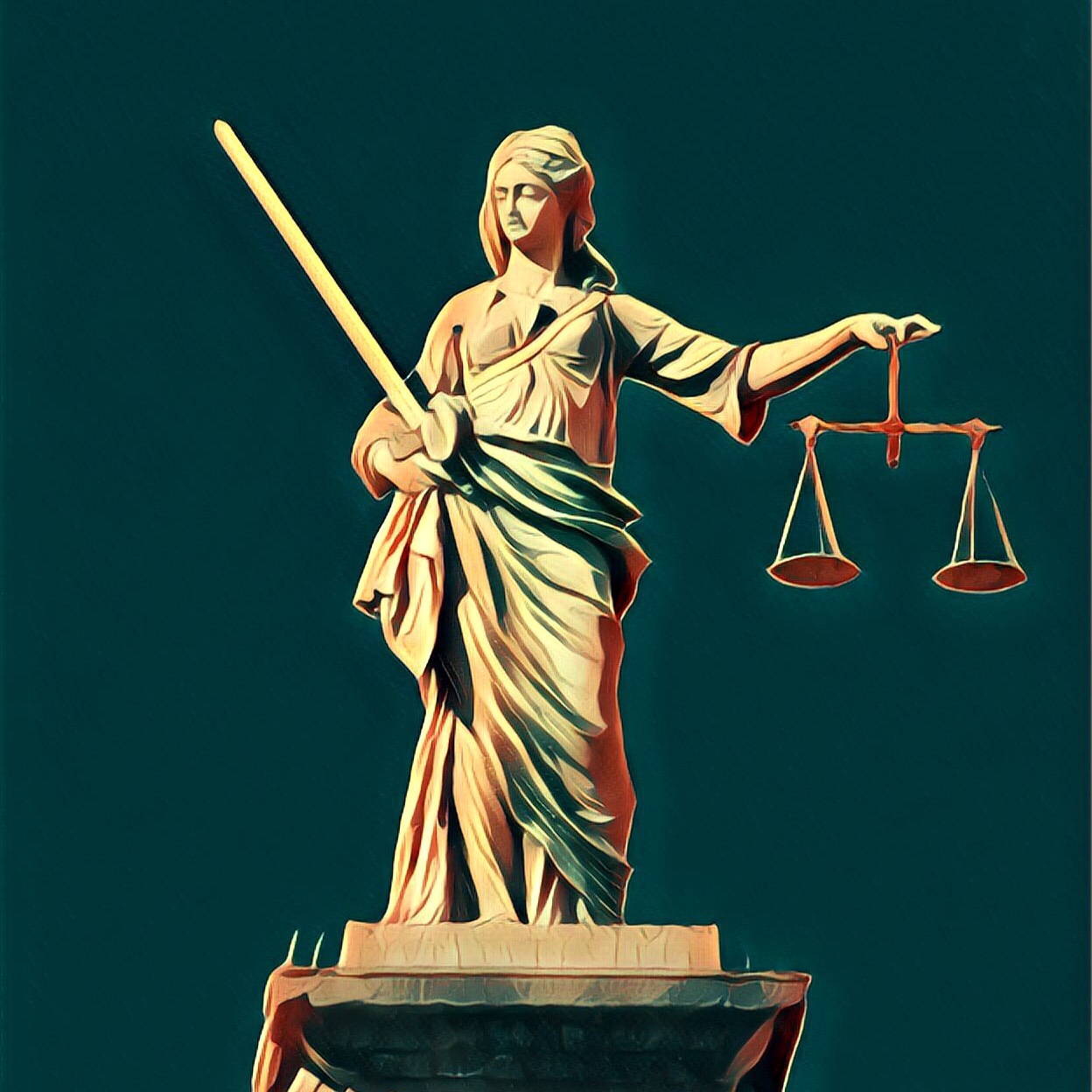
R1 The Hunt for Justice | Plato's Republic, book 1
The second installment in our 11-part series on Plato's Republic. Use the following timestamps for easier navigation: 0:22 Introduction: virtues vs values 7:10 The beginning of the Republic 13:50 Cephalus' "definition" of justice 15:10 Polemarchus tries to define justice 29:30 Thrasymachus challenges Socrates 34:20 Thrasymachus tries to define justice 42:25 Thrasymachus praises injustice 54:45 Epilogue I: Is this good philosophy? 1:08:10 Epilogue II: Is this good literature? ------------------ Support Ancient Greece Declassified on Patreon: patreon.com/grecepodcast Or make a one-time donation: paypal.me/greecepodcast
R0 Plato's Republic, or: How to Stop a Civil War
A foundational text in both ethics and political thought, the Republic was shaped by Plato's traumatic experiences as a young man witnessing civil war and the collapse of Athenian democracy. This is the first installment in an 11-part series on this classic work. The episode has four parts, beginning at the following time-stamps: 0:22 Introduction to the work and to the series 8:50 Historical Background 25:25 Contents and Structure of the Republic 49:45 Conclusion: Irony and Foreboding ------------------ For more information, check out greecepodcast.com/republic ------------------ Support Ancient Greece Declassified on Patreon: patreon.com/greecepodcast Or make a one-time donation: paypal.me/greecepodcast
30 Rome's Most Lethal Weapon w/ Steele Brand
Rome conquered the Mediterranean world without a professional army, relying instead on its citizens to take up arms when necessary. How did these part-time soldiers defeat all the great powers of the ancient Mediterranean? Our guest Steele Brand offers an original answer to this question in his new book Killing for the Republic: Citizen Soldiers and the Roman Way of War. Brand is professor of history at The King's College in New York City. His understanding of military matters is informed by his service in the US army as a tactical intelligence officer including a combat tour in Afghanistan. ------------------ Support Ancient Greece Declassified on Patreon: patreon.com/greecepodcast Or make a one-time donation: paypal.me/greecepodcast ------------------ Scholarly works mentioned during the conversation: Arthur Eckstein, Mediterranean Anarchy, Interstate War, and the Rise of Rome, University of California Press, 2007. (discussed at the 33:55 mark) ------------------ The intro to this episode was provided by Genn McMenemy and Jenny Williamson of the Ancient History Fangirl podcast, a show that offers wildly entertaining and well-researched journeys through the ancient world. Check it out at ancienthistoryfangirl.com
29 Penelope: Weaver of Fate w/ Olga Levaniouk
Penelope is one of the most compelling characters from ancient Greek mythology. And yet her intelligence and agency in Homer's Odyssey is seldom appreciated. Towards the end of the epic, Penelope comes face-to-face with Odysseus, who has finally returned home disguised as a beggar. After they exchange a few stories (with Odysseus still maintaining his disguise), Penelope sets in motion a chain of events that seals the fate of all the major characters in the story. Since antiquity people have debated whether Penelope realizes who this beggar is or not. Obviously, how you come down on that question is going to profoundly affect how you see her as a character. Is she naive and passive or is she discerning and cunning? Homeric scholar Olga Levaniouk has a unique take on this question and other aspects of Penelope's role. She joins us to illuminate the complexities of Penelope's character and mythological background. Levaniouk is Professor of Classics at the University of Washington in Seattle, and author of the book Eve of the Festival: Making Myth in Odyssey 19. ------------------ Support Ancient Greece Declassified on Patreon: patreon.com/greecepodcast Or make a one-time donation: paypal.me/greecepodcast ------------------ Scholarly works mentioned during the conversation: Elizabeth Barber, Prehistoric Textiles: The Development of Cloth in the Neolithic and Bronze Ages with Special Reference to the Aegean, Princeton University Press, 1991. (discusses the shroud/tapestry Penelope weaves on pp. 258-9) Louise Pratt, "Odyssey 19.535-50: On the Interpretation of Dreams and Signs in Homer," Classical Philology 89 (1994): 150-52. (argues that the 20 geese in Penelope's dream symbolize the twenty years she has waited for Odysseus)

28 Thucydides: A Historian for Our Time? w/ Emily Greenwood
The Athenian historian Thucydides observed and chronicled the greatest military conflict of his day: the epic contest between Athens and Sparta known as the Peloponnesian War (431-404BC). Much more than just a straightforward history, his work is a study of the struggle between democracy and oligarchy, as well as a meditation on the dangers of populism and political polarization. Perhaps for this reason, Thucydides' work has experienced a surge in popularity over recent years as polarization and civil strife have spread throughout the developed world. In this episode we are joined by Emily Greenwood, professor of classics at Yale University and author of Thucydides and the Shaping of History. Our conversation covers Thucydides' historical context, his ambition and purpose in writing his history, his insights and blindspots, and his relevance to our world. Stick around at the end of the episode for a chance to win an autographed edition of Thucydides and the Shaping of History. ------------------ Support Ancient Greece Declassified on Patreon: patreon.com/greecepodcast Or make a one-time donation: paypal.me/greecepodcast ------------------ Scholarly works mentioned during the conversation: The Blinded Eye: Thucydides and the New Written Word, by Greg Crane (particularly Chapter 4: "Thucydidean Exclusions and the Language of Polis II: Oikos, Genos, and Polis") ------------------ The intro to this episode was provided by Dr. Greenfield and Dr. Radford of The Partial Historians podcast. Dr. G and Dr. Rad both hold PhD's in Roman history and they offer a unique take on the Roman world that combines humor, storytelling, and scholarly rigor. Check out their pod at partialhistorians.com
27 Oligarchy, Part 2: Nemesis w/ Matt Simonton
What methods and institutions do oligarchic regimes use to maintain their power? How do they fend off the threat of democratic revolution? What happened to the many oligarchies of the ancient Mediterranean? All of these questions and more are explored in this second part of our conversation with historian Matt Simonton, author of Classical Greek Oligarchy. ------------------ Support us on Patreon: patreon.com/greecepodcast Or make a one-time donation: paypal.me/greecepodcast ------------------ Scholarly works mentioned during the conversation: Democracy: A Life, by Paul Cartledge
26 Oligarchy, Part 1: Genesis w/ Matt Simonton
How do ancient oligarchies compare with modern authoritarian regimes? How did civil war in oligarchies differ from civil war in democracies? What does the age-old ideological struggle between democracy and oligarchy imply about our future? These are just a few of the questions we discuss on this and the next episode. This episode covers: what oligarchy actually is, and how this political form arose in the first place. The next episode – Oligarchy, Part 2: Nemesis – is going to be about the institutions of oligarchic regimes, how they maintained their power, and how they tended to break down in the end. Joining us is ancient historian Matt Simonton of Arizona State University, author of the book Classical Greek Oligarchy, which won the Runciman Award in 2018. Stay tuned at the end of the episode for a chance to win an autographed, hard-cover edition of Classical Greek Oligarchy. ------------------ The intro to this episode was provided by host Kate Armstrong of The Exploress Podcast, which time-travels through women's history, era by era, to explore their lives and their world. Check it out on your favorite app or at: theexploresspodcast.com ------------------ Support us on Patreon: patreon.com/greecepodcast Or make a one-time donation: paypal.me/greecepodcast ------------------ Scholarly works mentioned during the conversation: The First Democracies: Early Popular Government Outside Athens, by Eric W. Robinson Democracy Beyond Athens: Popular Government in the Greek Classical Age, by Eric W. Robinson
25 The Origins of Philosophy w/ André Laks (Presocratics, Parmenides, Heraclitus)
According to the historical evidence, the first stirrings of philosophical inquiry began 2600 years ago in ancient Greece with a group of thinkers known as the Presocratics (or pre-Socratics). In this episode we try to shed light on these early pioneers of philosophy. Our guest is André Laks, professor of ancient philosophy at Universidad Panamericana in Mexico City. Laks is the co-editor of the recent 9-volume Harvard Loeb edition of the early Greek philosophical fragments – the first comprehensive edition to be made in over a hundred years. Stay tuned at the end of the episode for a chance to win an autographed, hard-cover edition of Laks' book The Concept of Presocratic Philosophy. ------------------ The intro to this episode was provided by host Drew Vahrencamp of Wonders of the World, a podcast that explores the most amazing historical sites around the world and the stories behind them (plus travel & food tips for visiting them). Check it out on your favorite app or at: wonderspodcast.com ------------------ Support us on Patreon: patreon.com/greecepodcast Or make a one-time donation: paypal.me/greecepodcast
24 A History of Inequality w/ Walter Scheidel
We live at a time of increasing economic inequality worldwide. What is driving this trend? And what are the factors that can stabilize or even reduce levels of inequality? Answering this question empirically would require a deep dive into the archives of history. One would have to sift through millennia of economic data across continents and civilizations. Our guest today took on this gargantuan task of writing a "global survey that covers the broad sweep of observable history" regarding inequality (as he puts it). Walter Scheidel is professor of Classics and History at Stanford University. He is a prolific author, and one of the most cited historians of Rome alive today. In 2017 he rekindled the debate about the history of inequality with the publication of his book The Great Leveler: Violence and the History of Inequality from the Stone Age to the 21st Century. ------------------ ANNOUNCEMENT: Jeff Wright's long-awaited serial reimagining of Homer's Odyssey has finally launched! Check out "Odyssey: The Podcast" on your favorite app or listen at: odysseythepodcast.com ------------------ A big thank you to listener Hein Roehrig for your generous support through Patreon.