alphalist.CTO Podcast - For CTOs and Technical Leaders
The podcast for CTOs and the engineering world
Tobias Schlottke - alphalist CTO Podcast
Show overview
alphalist.CTO Podcast - For CTOs and Technical Leaders has been publishing since 2020, and across the 6 years since has built a catalogue of 147 episodes. That works out to roughly 140 hours of audio in total. Releases follow a fortnightly cadence.
Episodes typically run thirty-five to sixty minutes — most land between 49 min and 1h 3m — and the run-time is fairly consistent across the catalogue. It is catalogued as a EN-language Technology show.
The show is actively publishing — the most recent episode landed 1 weeks ago, with 14 episodes already out so far this year. Published by Tobias Schlottke - alphalist CTO Podcast.
From the publisher
This podcast features interviews of CTOs and other technical leadership figures and topics range from technology (AI, blockchain, cyber, DevOps, Web Architecture, etc.) to management (e.g. scaling, structuring teams, mentoring, technical recruiting, product etc.). Guests from leading tech companies share their best practices and knowledge. The goal is to support other CTOs on their journey through tech and engineering, inspire and allow a sneak-peek into other successful companies to understand how they think and act. Get awesome insights into the world‘s top tech companies, personalities with this podcast brought to you by Tobias Schlottke.
Latest Episodes
View all 147 episodes#147 "Make It Secure" Isn't a Prompt: A L0pht Hacker on Securing AI-Written Code with Chris Wysopal // Chief Security Evangelist @ Veracode
#146 AI Found What Nine Years of Security Research Missed with Charles Guillemet // CTO @ Ledger
#145 "Harness Writing Is Not Hard": Build to Learn, Not to Run with David Soria Parra // Member of Technical Staff @ Anthropic
#144 Writing Code Is No Longer the Job: Dana Lawson on Trusting AI Agents Like Self-Driving Cars // CTO @ Netlify
#143 The Company Brain: How Kombo Runs on a Git Repo and a Cursor Agent — with Aike Hillbrands, Co-Founder & CTO @ Kombo
#142 Why LLMs Need Their Own Programming Language: From Assembly to AI with Vaibhav Gupta // Co-founder @ BAML
#141 AI Pat Works Here Now: Why Agents Must Follow Human Rules with Pat Casey // CTO @ ServiceNow
#140 From Stripe's Fifth Engineer to Serving Millions of Developers with Anurag Goel // Founder & CEO @ Render Goel
#139 Your Future Job Is a Decision Inbox — Max Deichmann Built the Layer That Gets You There // Co-Founder @ Langfuse
#138 From Hacker News to W3C: How One Amazon Engineer Accidentally Shaped the Future of AI Browsers // Alex Nahas, MCP-B
#137 - Only Three Search Engines Left Standing: One of Them Powers Your AI with JP Schmetz // Chief of Ads @ Brave
#136 - AI Writes Code: Who Architects the Consequences? with Neal Ford // Software Architect & Author
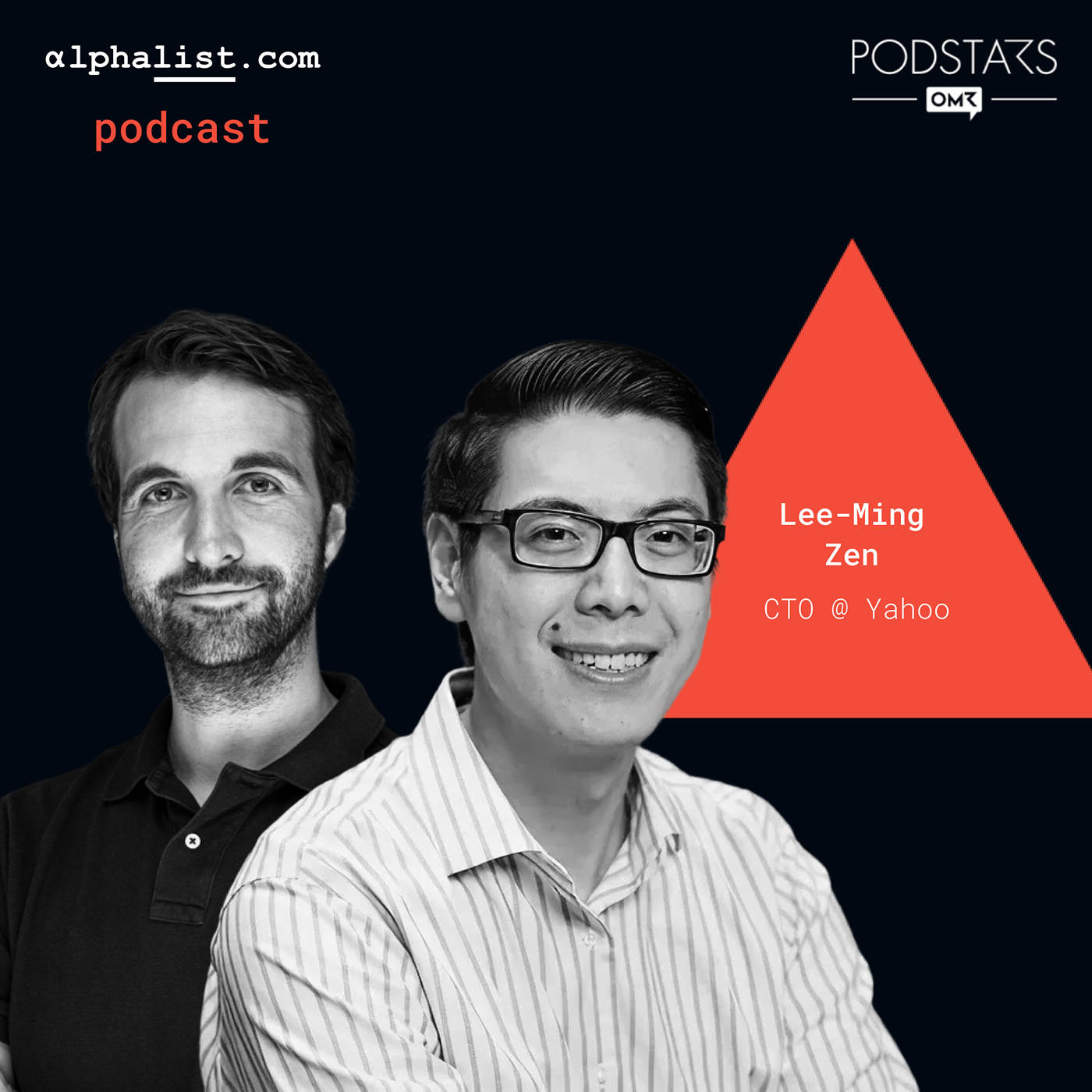
Ep 135#135 - From Legacy to Innovation: Yahoo's Modernization & AI with Lee Zen // CTO @ Yahoo
Lee Zen, CTO of Yahoo, joins Tobias to unpack what it takes to modernize one of the internet’s most iconic consumer portfolios—Mail, Finance, Sports, News, and Search—while operating with real legacy constraints at massive scale. We talk about Yahoo’s evolution from its public days to private equity ownership, how modernization actually happens (cloud, platform bets, experimentation), and why shipping velocity becomes the most honest forcing function when you’re rebuilding the engine mid-flight. Finally, we go deep on AI: where it meaningfully improves consumer experiences (mail catch-up, news takeaways, fantasy insights), how teams should avoid “AI labels” without user value, and what it means when AI becomes a tool—and increasingly a coworker.
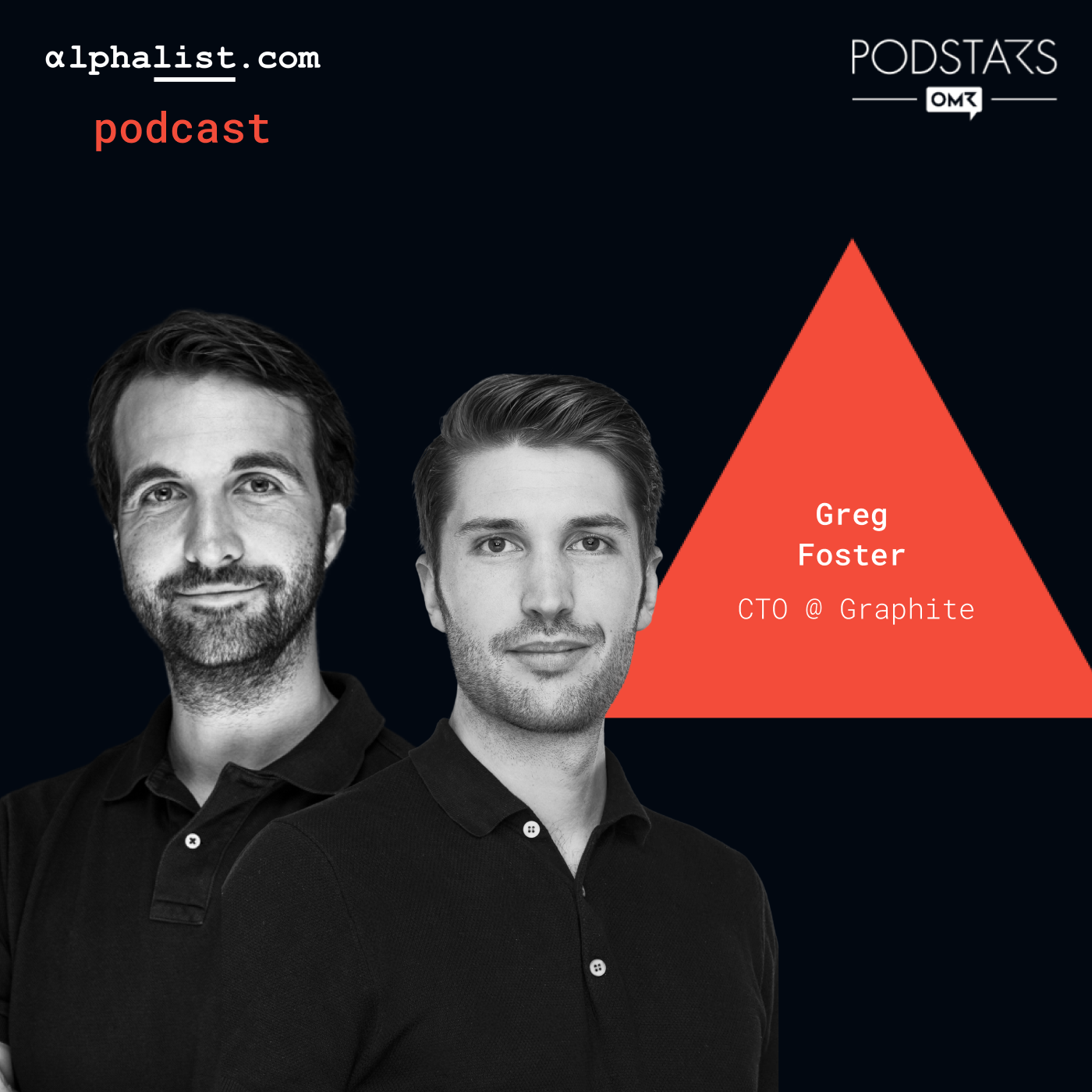
Ep 134#134 - From Inner to Outer Loop: Agentic Coding, Stacking PRs, and the Cursor Merger with Greg Foster // CTO @ Graphite
Greg Foster, Co-founder and CTO of Graphite (recently acquired by Cursor), joins the podcast to discuss the massive shift occurring in software engineering: the move from maximizing "Inner Loop" speed (writing code) to solving "Outer Loop" bottlenecks (reviewing, testing, merging). With AI generating code faster than humans can review it, the traditional Pull Request model is under pressure. Greg explains how "Stacked PRs" and agentic review workflows are essential for high-performing teams, and why he believes the role of the software engineer is evolving into an "architect of agents." We also cover the strategic rationale behind the Graphite/Cursor merger, the controversial "PRs per engineer" metric, and why he predicts that by 2029, manual code writing will be near zero—but demand for engineers will be higher than ever.

Ep 133#133 - Build the Learning Machine: AI Adoption, Flow Metrics, and the Future of the CTO Role with Eric Bowman
Eric Bowman (CTO @ King.com, previously CTO at TomTom and VP Engineering at Zalando) returns to the alphalist podcast to unpack what “agentic engineering” really means in practice—and how to introduce it to teams without turning it into a mandate. We talk about the uncomfortable trade-offs behind “YOLO mode” tooling, why adoption should feel voluntary even when you set explicit goals (like “five AI-assisted commits” as a company-level key result), and why the real opportunity isn’t just faster coding—it’s building a learning system that relentlessly reduces time-to-learning and time-to-value. The conversation spans practical rollout patterns, DORA/value-stream thinking, Toyota’s Andon-cord mindset applied to software, multi-agent decision support with MCP, and why the CTO role may keep converging with product as AI pushes organizations to optimize for iteration speed over output volume.
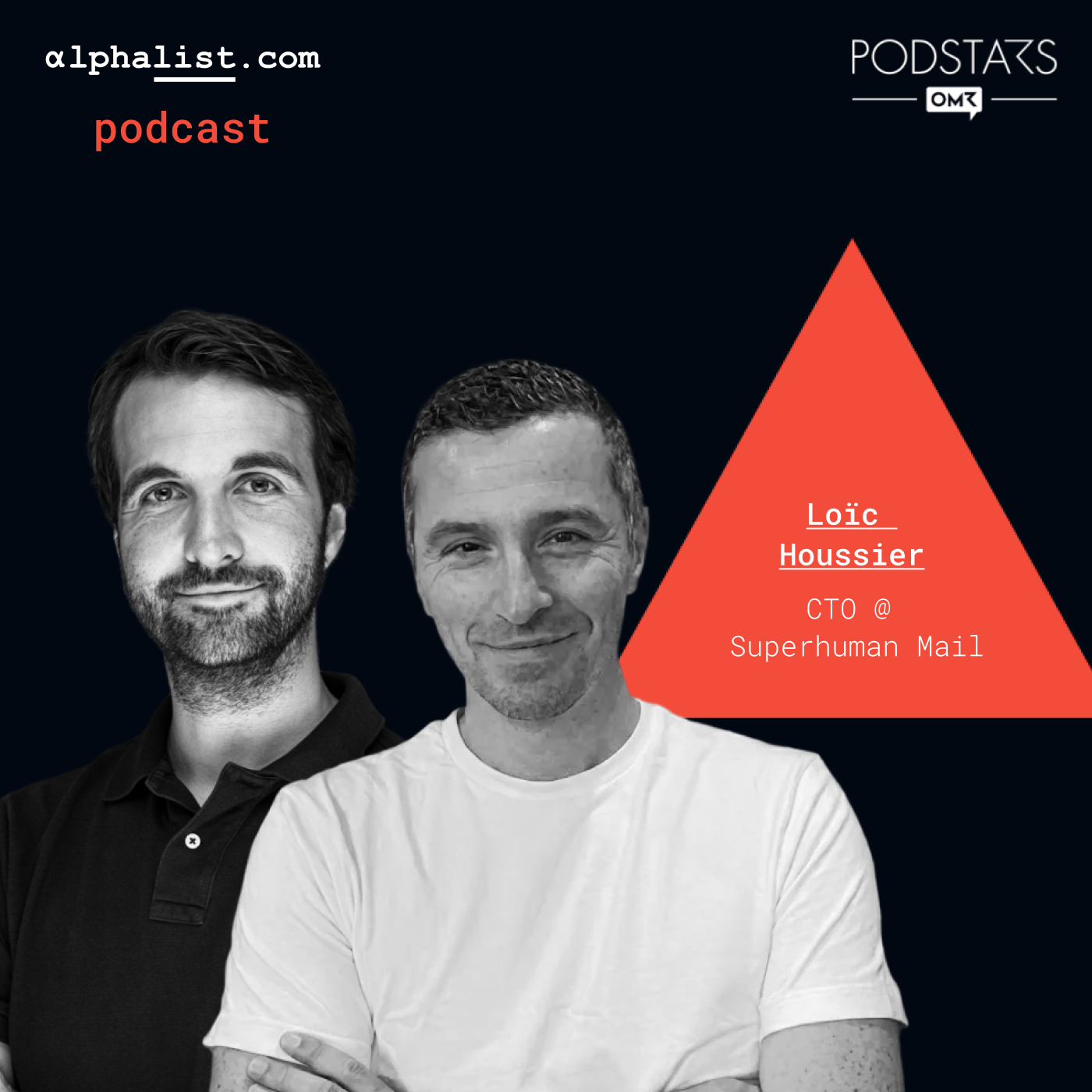
Ep 132#132 - Clarity Over Tooling: Velocity & Building Teams Without Drama with Loïc Houssier // CTO @ Superhuman Mail
What drives execution velocity—better tools or better clarity? Loïc Houssier, CTO of Superhuman Mail (post-Grammarly acquisition), argues that most velocity problems stem from unclear team missions, not inadequate tooling. From steering DocuSign's French acquisition through complex carve-out negotiations to building Superhuman's offline-first architecture with a 100-millisecond interaction rule, Loïc shares hard-won lessons about engineering metrics that actually matter (PR per engineer per week trends over absolutes), when to resist microservices (until it's genuinely painful), and why promotion frameworks determine product quality. Technical leaders will learn how vertical team alignment eliminates dependencies, why guild structures maintain consistency without blocking speed, and how European safety nets create under-appreciated opportunities for technical risk-taking.
Ep 131#131 - AI Product Strategy: When to Build and When to Wait with Matthias Keller // CPO @ Kayak
Matthias Keller, Chief Product Officer at Kayak, shares hard-won lessons about AI product strategy and knowing when to invest in emerging platforms. With a PhD in computer engineering from ETH Zurich and 12 years at Kayak, Matthias has lived through multiple waves of AI hype—from Alexa voice skills in 2016 to today's LLM revolution. He discusses the strategic calculus of early platform bets, the painful lessons from experiments that didn't pan out, and how to recognize when technology has truly shifted. The conversation covers navigating distribution challenges when competing with giants like Google and ChatGPT, balancing first-mover advantage with execution realities, and how LLMs are democratizing AI development for engineering teams. Matthias emphasizes the critical framework: "if you build it, they may come—if you don't build it, they won't come."
Ep 130#130 - From PhD Research to DuckDB: Building the Next Generation of Analytical DBs with Mark Raasveldt // CTO @ DuckDB
Mark Raasveldt, co-founder and CTO of DuckDB Labs, shares his journey from academic research at CWI Amsterdam to creating one of the most innovative analytical databases of the last decade. Mark discusses the technical challenges of building DuckDB from scratch, the philosophy behind embedded analytical databases, and why single-node performance still matters in our cloud-first world. He provides insights into open source business models, the evolution of data formats like Parquet, and how DuckDB is democratizing high-performance analytics for developers everywhere.
Ep 129#129 - $32B Lessons: Building CTO Teams, Rapid Innovation, and Staying Customer-Connected with Solal Raveh
What does it take to build a company worth $32 billion? Solal Raveh, CTO Product Infrastructure at Wiz, shares hard-won lessons from scaling technical teams during one of the fastest-growing security companies in history. Learn how Wiz evolved their CTO office from traditional team building to rapid innovation incubation, why geographic team cloning failed spectacularly, and how staying customer-connected drives product decisions. Discover the three-fold mission of modern CTO roles, the shift from measuring finished features to tracking innovation velocity, and why technical leaders must balance automation expertise with people-first thinking. Technical leaders will gain insights into organizing global remote teams around domain expertise, implementing 3-hour threat response cycles, and building enterprise-ready infrastructure while maintaining startup agility.
Ep 128#128 - From Tickets to Problems: Klaus Breyer // Head of Product & Technology @ Edding
You know how agile transformations always promise better collaboration but somehow teams end up chasing tickets like a factory assembly line? Klaus Breyer from Edding has some thoughts on why this keeps happening—and what actually works instead. Klaus's path to leading product and technology at Germany's most famous pen company wasn't exactly traditional. Before Edding, he spent years managing 40-person World of Warcraft raids (yes, really) and running startups. Now he's applying those lessons to build software teams that actually solve problems instead of just completing tasks. The conversation digs into Shape Up methodology, but more importantly, Klaus explains the mindset changes needed to stop treating software development like an assembly line. His team at Edding has built some pretty cool stuff too—like a B2B driver license verification system using invisible conductive ink that smartphones can read. What you'll learn: • Why "give me a ticket" thinking kills collaboration (even in tiny teams) • How 6-week cycles help teams focus on one problem without distractions • The art of separating problems from solutions before jumping into code • Why late-stage compromises usually mean your team isn't really collaborating • When senior teams can ditch tickets entirely and just... work • Klaus's templates for getting everyone aligned on what problems are worth solving