
AI True Crime
80 episodes — Page 1 of 2
The Hitler Diaries
Your Black Muslim Bakery
The Murder of Harvey Milk
The Zebra Murders
The Doodler
The My Lai Massacre
The Murder of Jessica Lal
Killdozer: The Story of Marvin Heemeyer
The Murder of Hattie Carroll
The Assassination of JFK - Part 2
The Assassination of JFK - Part 1
The Death of Brittney Murphy
Charles Stakweather and Caril Fugate - Part 2
Starkweather & Fugate: Part one
The Murder of Ramon Novarro
The Murder of Phil Hartman
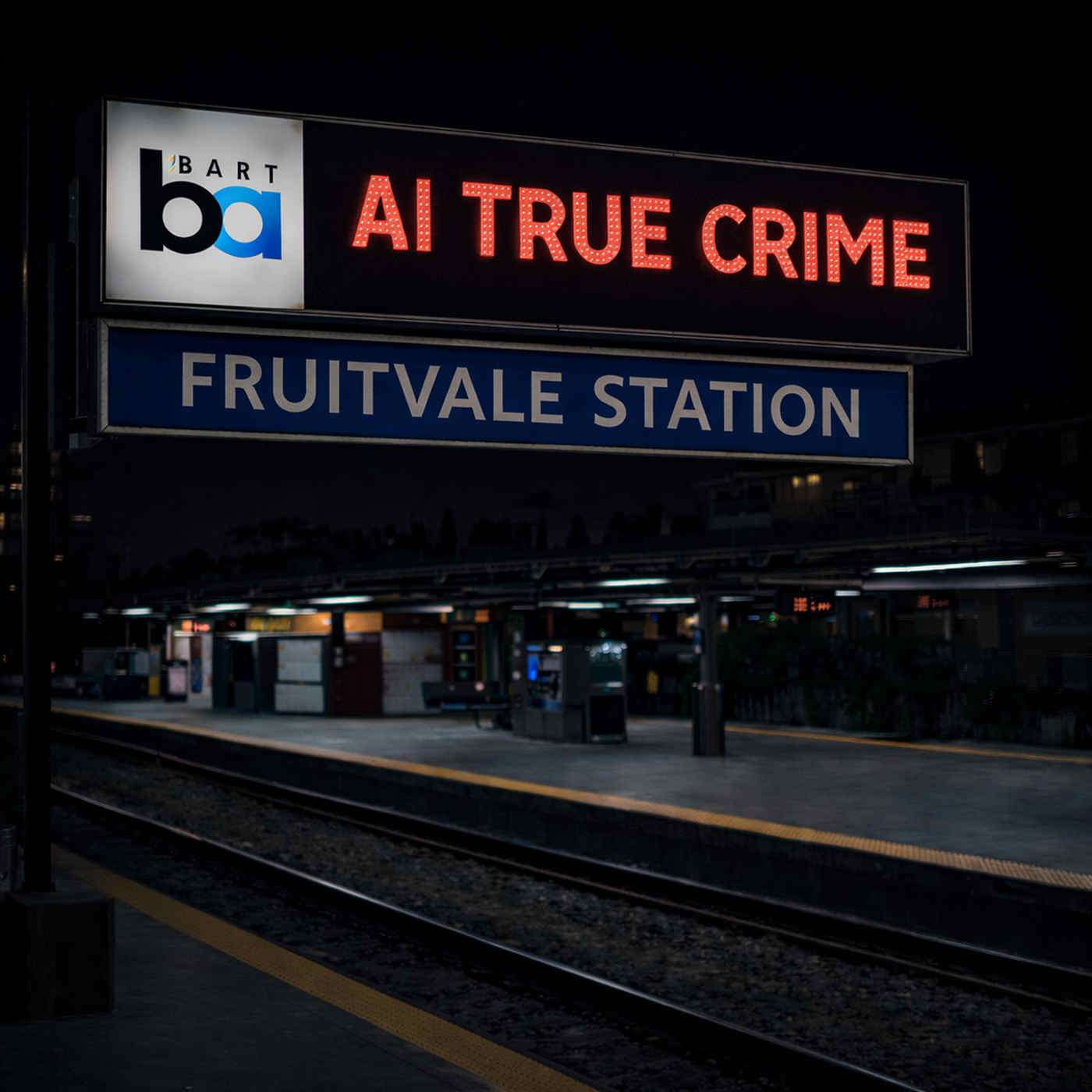
The Murder of Oscar Grant
AI True Crime The Killing of Oscar Grant Oakland, BART Police, and the Case That Changed California On New Year’s Day 2009, a young man named Oscar Grant III was lying face down on a train platform in Oakland, California. Several police officers surrounded him. Bystanders were filming on their phones. Moments later, a gunshot rang out. Grant was unarmed. Within hours, the videos spread across the internet and ignited national outrage. The shooting at the Fruitvale BART Station became one of the first widely documented police killings captured on multiple cell phones. It forced California to confront questions about policing, accountability, and race in the age of viral video. In this episode of AI True Crime, we examine the life of Oscar Grant, the events of New Year’s Eve 2008 on the Bay Area Rapid Transit system, the controversial actions of BART police officer Johannes Mehserle, and the protests and trial that followed. This is the story of a night that began with celebration and ended in tragedy. Episode Topics • Who was Oscar Grant III• New Year’s Eve 2008 in Oakland• The confrontation on the BART train• The shooting at Fruitvale Station• The viral cellphone videos that shocked the nation• The arrest and trial of officer Johannes Mehserle• Riots and protests in Oakland• The legal outcome and its impact on policing in California• How the Oscar Grant case changed public awareness of police violence Key People in the Case Oscar Grant IIIA 22-year-old father from Oakland who was returning home after celebrating New Year’s Eve in San Francisco. Johannes MehserleA BART police officer who shot Grant while he was restrained on the platform. Anthony PironeBART police officer involved in detaining Grant and others during the incident. Tatiana GrantOscar Grant’s mother, who became a vocal advocate for justice after her son’s death. Locations in the Case Fruitvale BART StationOakland, California Bay Area Rapid Transit (BART)Regional rail system serving the San Francisco Bay Area. Los Angeles County Superior CourtLocation of the trial after the case was moved from Alameda County due to pretrial publicity. Timeline of Events December 31, 2008Oscar Grant travels to San Francisco to celebrate New Year’s Eve. Early Morning – January 1, 2009A fight breaks out on a BART train traveling toward Oakland. Shortly After 2:00 AMBART police stop the train at Fruitvale Station and detain several passengers. 2:15 AMGrant is restrained face down on the platform. Moments LaterOfficer Johannes Mehserle fires a single shot into Grant’s back. January 2009Cell phone videos of the shooting spread rapidly online. January 7, 2009Mehserle resigns and is later arrested. 2010Mehserle is convicted of involuntary manslaughter. Why the Oscar Grant Case Matters The killing of Oscar Grant became one of the earliest examples of viral citizen-recorded police violence in the smartphone era. Multiple witnesses filmed the incident, providing a detailed public record that fueled protests, media coverage, and political debate. The case also inspired the acclaimed film Fruitvale Station (2013), directed by Ryan Coogler and starring Michael B. Jordan. Grant’s death helped shape the national conversation about police accountability that would later intensify with cases such as: • Eric Garner• Michael Brown• George Floyd Related Topics • Police shootings in the United States• Body cameras and citizen video• BART police history• Oakland protests and activism• Criminal justice reform Sources and Further Reading BART Police Department Timeline and Recordshttps://www.bart.gov/about/police Alameda County District Attorney Case Informationhttps://www.alcoda.org California Court of Appeal Recordshttps://www.courts.ca.gov New York Times coverage of the Oscar Grant casehttps://www.nytimes.com/2010/07/09/us/09bart.html BBC News report on the Mehserle verdicthttps://www.bbc.com/news/world-us-canada-10600744 The Guardian reporting on Oscar Grant and the trialhttps://www.theguardian.com/world/2010/jul/09/oscar-grant-shooting-verdict PBS NewsHour coverage of the casehttps://www.pbs.org/newshour Stanford Law School Criminal Justice Center analysishttps://law.stanford.edu Film: Fruitvale Station (2013) backgroundhttps://www.imdb.com/title/tt2334649/ Listen to More AI True Crime If you found this episode compelling, subscribe to AI True Crime, where we explore the stories behind some of the most infamous crimes in modern history. Previous episodes include: • The Death of Anna Nicole Smith• The Murder of Phil Spector• The Black Dahlia Mystery• The Natalie Wood Case About AI True Crime AI True Crime examines real criminal cases using detailed research and narrative storytelling. The intelligence is artificial, but the crime is real. This podcast is powered by Pinecast.

Elizabeth Holmes and Theranos
Primary Investigative Reporting John Carreyrou, “Hot Startup Theranos Has Struggled With Its Blood-Test Technology” (October 15, 2015), The Wall Street Journalhttps://www.wsj.com/articles/theranos-has-struggled-with-blood-tests-1444881901 John Carreyrou, “Theranos Whistleblower Shook the Company—and His Family” (November 18, 2015), The Wall Street Journalhttps://www.wsj.com/articles/theranos-whistleblower-shook-the-companyand-his-family-1447872337 John Carreyrou, “Theranos Voids Two Years of Blood-Test Results” (May 18, 2016), The Wall Street Journalhttps://www.wsj.com/articles/theranos-voids-two-years-of-blood-test-results-1463604787 Books John Carreyrou, Bad Blood: Secrets and Lies in a Silicon Valley Startup (2018)https://www.penguinrandomhouse.com/books/557813/bad-blood-by-john-carreyrou/ Court Documents and Government Filings United States v. Elizabeth A. Holmes, Indictment (June 15, 2018)United States District Court, Northern District of Californiahttps://www.justice.gov/usao-ndca/press-release/file/1077886/download SEC v. Elizabeth Holmes and Ramesh Balwani (March 14, 2018), U.S. Securities and Exchange Commission Press Releasehttps://www.sec.gov/news/press-release/2018-41 Centers for Medicare & Medicaid Services (CMS) Inspection Report – Theranos Laboratory (January 2016)https://www.cms.gov/Medicare/Provider-Enrollment-and-Certification/SurveyCertificationGenInfo/Downloads/Theranos-Statement-of-Deficiencies.pdf U.S. Department of Justice Press Release – Elizabeth Holmes Sentenced to Over 11 Years for Fraud (November 18, 2022)https://www.justice.gov/usao-ndca/pr/elizabeth-holmes-sentenced-more-11-years-prison-defrauding-theranos-investors U.S. Department of Justice Press Release – Ramesh “Sunny” Balwani Sentenced to Nearly 13 Years (December 7, 2022)https://www.justice.gov/usao-ndca/pr/ramesh-sunny-balwani-sentenced-nearly-13-years-prison-theranos-fraud Major Media Profiles (Pre-Scandal) Fortune Magazine Cover Story (June 12, 2014): “This CEO Is Out for Blood”https://fortune.com/2014/06/12/elizabeth-holmes-theranos/ Forbes Profile (2014): “America’s Richest Self-Made Women”https://www.forbes.com/profile/elizabeth-holmes/ Sentencing and Trial Coverage New York Times – “Elizabeth Holmes Is Sentenced to More Than 11 Years in Prison” (November 18, 2022)https://www.nytimes.com/2022/11/18/technology/elizabeth-holmes-sentencing.html Reuters – “Elizabeth Holmes Convicted in Theranos Fraud Trial” (January 3, 2022)https://www.reuters.com/legal/transactional/elizabeth-holmes-verdict-theranos-fraud-trial-2022-01-03/ Bloomberg – Theranos Trial Coverage Hubhttps://www.bloomberg.com/features/theranos/ Documentaries and Adaptations HBO Documentary – The Inventor: Out for Blood in Silicon Valley (2019)https://www.hbo.com/documentaries/the-inventor-out-for-blood-in-silicon-valley Hulu Limited Series – The Dropout (2022)https://www.hulu.com/series/the-dropout-1392b56e-7e8d-4b4b-8a0a-5d6b8c1f3e5e Regulatory Context Clinical Laboratory Improvement Amendments (CLIA) Overview – CMShttps://www.cms.gov/Regulations-and-Guidance/Legislation/CLIA FDA Laboratory Developed Tests Policy Overviewhttps://www.fda.gov/medical-devices/in-vitro-diagnostics/laboratory-developed-tests Key Dates Referenced in This Episode 2003 – Elizabeth Holmes founds Theranos 2013 – Walgreens partnership launches in Arizona October 15, 2015 – First Wall Street Journal exposé January 2016 – CMS cites immediate jeopardy deficiencies March 2018 – SEC civil fraud charges June 15, 2018 – Federal criminal indictment January 3, 2022 – Jury verdict November 18, 2022 – Holmes sentenced May 2023 – Holmes reports to federal prison This podcast is powered by Pinecast.
The January 2026 ICE Murders
AI True Crime ICE Fatal Shootings in Minneapolis Episode SummaryIn early 2026, Minneapolis became the focal point of a controversial federal immigration enforcement operation. During that operation, two civilians — Renée Nicole Good and Alex Pretti — were murdered by federal immigration officers under disputed circumstances. The incidents triggered widespread protests, political tension between state and federal authorities, and ongoing debate about federal use-of-force standards. This episode examines what is publicly known, the competing narratives, and the broader implications for accountability and oversight. Key Individuals Renée Nicole GoodMinneapolis resident who was fatally shot during an ICE enforcement encounter. Questions emerged regarding the immediacy of any threat and the justification for lethal force. Alex PrettiMinneapolis ICU nurse who was fatally shot during a separate federal enforcement action later that month. Operational Context The enforcement activity was described as a large-scale federal immigration operation involving ICE and Border Patrol personnel. The scale and tactics used during the deployment drew significant scrutiny from local officials and civil liberties groups. Contested Issues Use of ForceFederal authorities initially stated that agents acted in self-defense. Independent video analysis and witness accounts raised questions about that characterization. TransparencyRequests for body camera footage and investigative documentation led to tension between federal agencies and Minnesota officials. Jurisdictional ConflictLocal and state leaders publicly challenged the scope and conduct of the operation, arguing for greater transparency and cooperation. Community Response Large demonstrations and vigils took place in Minneapolis following the shootings. Advocacy groups organized civilian observers to monitor federal enforcement actions. The incidents became a national flashpoint in debates over immigration enforcement authority. Links & Sources General federal enforcement reporting:https://www.dhs.govhttps://www.ice.gov National coverage archives:https://www.theguardian.com/us-newshttps://www.washingtonpost.com/nationhttps://time.comhttps://www.themarshallproject.org Minnesota local reporting:https://www.startribune.comhttps://minnesotareformer.com Federal court records (search portal):https://pacer.uscourts.gov This podcast is powered by Pinecast.
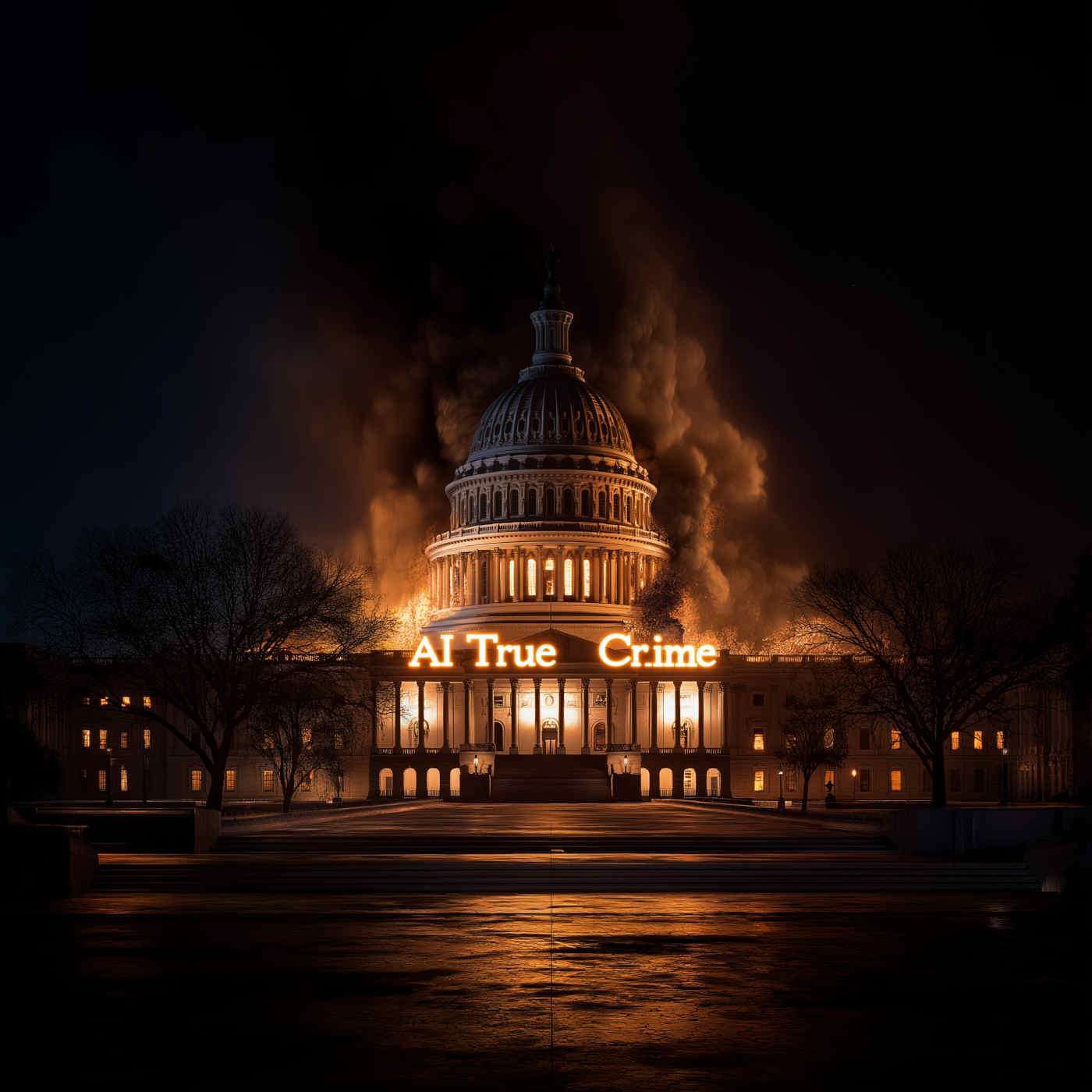
January 6th, 2021
Episode: The January 6 Insurrection On January 6, 2021, a violent mob breached the United States Capitol in an attempt to overturn the certified results of the 2020 presidential election. What followed was not a protest, not a riot born of chaos, but a coordinated attack on democratic process fueled by political lies, extremist rhetoric, and direct incitement from the sitting President of the United States. This episode examines how the insurrection unfolded, who participated, how law enforcement failed, and how Donald Trump and the MAGA movement created and sustained the conditions that made the attack inevitable. We trace the day from the “Stop the Steal” rally through the storming of the Capitol, the deaths that followed, and the long aftermath of arrests, trials, and presidential pardons that attempted to erase accountability. 🔍 Topics Covered • The buildup of election denial after November 2020• Trump’s pressure campaign against state officials• The January 6 rally and incendiary rhetoric• The breach of the Capitol building• Violence against Capitol Police officers• Deaths connected to the insurrection• Delayed National Guard response• The House Select Committee investigation• Criminal prosecutions of rioters• Trump’s pardons and normalization of political violence 📚 SOURCES & REFERENCES Official Government Records U.S. Department of Justice – Capitol Breach Caseshttps://www.justice.gov/usao-dc/capitol-breach-cases House Select Committee to Investigate the January 6th Attackhttps://january6th.house.gov Final Report of the January 6 Committee (PDF)https://january6th.house.gov/sites/democrats.january6th.house.gov/files/Final_Report.pdf Verified News Reporting Associated Press – Jan. 6 timeline and prosecutionshttps://apnews.com/hub/jan-6-capitol-riot Reuters – January 6 investigation coveragehttps://www.reuters.com/world/us/us-capitol-attack/ The New York Times – Visual and investigative reportinghttps://www.nytimes.com/spotlight/us-capitol-riot Washington Post – Reconstruction of the attackhttps://www.washingtonpost.com/graphics/2021/politics/trump-insurrection-capitol/ Deaths and Violence Documentation U.S. Capitol Police Officer Brian Sicknick coveragehttps://www.npr.org/2021/04/19/988771733 Medical examiner reports and subsequent findingshttps://www.nbcnews.com/politics/congress Database of officer injuries on January 6https://www.propublica.org/article/officers-injured-capitol-attack Extremism and Radicalization Analysis Anti-Defamation League – January 6 extremism overviewhttps://www.adl.org/resources/report/january-6-insurrection Southern Poverty Law Center – Far-right groups involvedhttps://www.splcenter.org/fighting-hate/extremist-files/ideology/antigovernment Trump, Pardons, and Political Fallout Trump pardons and commutations related to January 6https://www.reuters.com/world/us/trump-pardons-jan-6-defendants-analysis-2025/ Analysis of political normalization of violencehttps://www.brennancenter.org/our-work/analysis-opinion/january-6-and-future-democracy 🎙️ Episode Summary January 6 was not an isolated incident. It was the result of months of deliberate misinformation, political radicalization, and direct encouragement of violence by those in power. The insurrectionists were not patriots. They were criminals who attempted to overthrow the democratic process. Their actions injured over 140 police officers, led to multiple deaths, and permanently altered the security of the U.S. Capitol. This episode examines how democracy was attacked from within — and how the refusal to hold leaders accountable continues to threaten American stability. This podcast is powered by Pinecast.
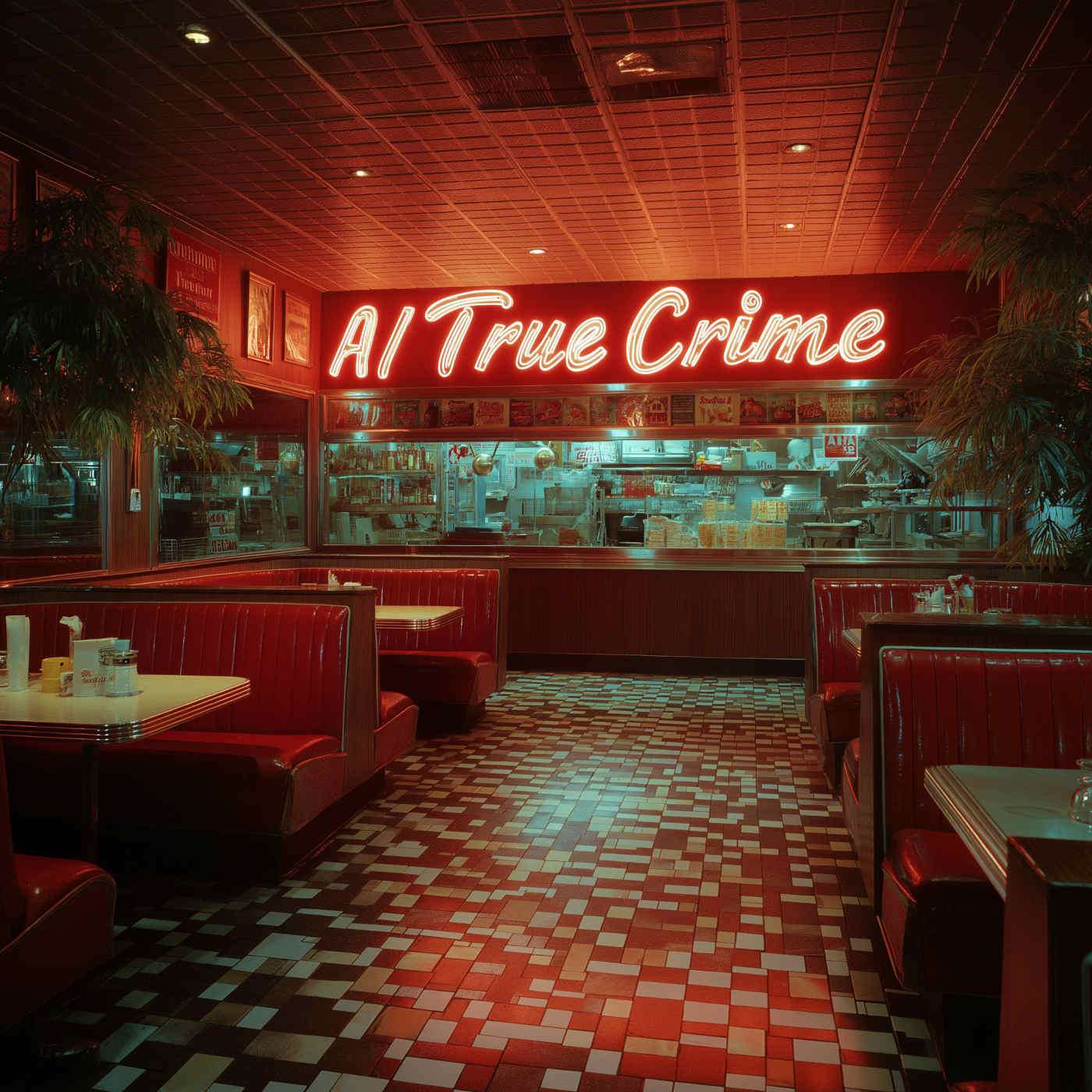
The Bob's Big Boy Massacre
The Bob’s Big Boy Massacre Glendale, California – October 22, 1980 🔗 PRIMARY SOURCES & REPORTING Los Angeles Times archive coverage of the murders and arrestshttps://www.latimes.com/archives/la-xpm-1980-10-24-me-6283-story.html Follow-up reporting on arrests and confessionshttps://www.latimes.com/archives/la-xpm-1980-10-26-me-6665-story.html Coverage of sentencing and courtroom proceedingshttps://www.latimes.com/archives/la-xpm-1981-01-09-me-9017-story.html 🔗 HISTORICAL & CASE SUMMARIES California Department of Corrections inmate records (case defendants)https://inmatelocator.cdcr.ca.gov Mass murder documentation and timeline referencehttps://murderpedia.org/male.H/h/harris-darrell.htmhttps://murderpedia.org/male.S/s/streeter-william.htm (These pages compile court outcomes, sentencing, and background.) 🔗 CONTEXTUAL READING Discussion of late-1970s and early-1980s restaurant robberies in Southern Californiahttps://www.latimes.com/archives/la-xpm-1981-02-15-me-31303-story.html Historical analysis of execution-style robbery killingshttps://www.ncjrs.gov/pdffiles1/Digitization/67622NCJRS.pdf 🔗 LOCATION HISTORY Bob’s Big Boy Glendale history and redevelopment timelinehttps://www.laconservancy.org/learn/historic-places/bobs-big-boy-glendale Historical overview of Bob’s Big Boy restaurantshttps://www.bobs.net/history 🔗 ADDITIONAL ARCHIVAL MATERIAL Newspaper scans and contemporaneous reportinghttps://www.newspapers.com/search/?query=Bob%27s%20Big%20Boy%20Glendale%201980 Court transcript references via California Judicial Archiveshttps://www.courts.ca.gov/archives.htm This podcast is powered by Pinecast.
Episode 7 - Suspects and the End
Episode 6: Other Suspects and the End of the Case Episode Summary In the final chapter of our Black Dahlia series, the investigation widens one last time. With the major theories exhausted, police files and later researchers turn toward a cluster of secondary suspects whose names surfaced briefly, then disappeared. Some were questioned and released. Others were investigated quietly and never revisited. Together, they form the outer perimeter of the case. This episode examines three of the most persistent alternate suspects, the reasons they were considered, and the evidence that ultimately failed to sustain those theories. It also addresses how the investigation finally dissolved, why no official closure ever came, and how the Black Dahlia transformed from an active homicide into one of the most mythologized crimes in American history. The episode concludes with the argument that the case did not remain unsolved because the truth was unknowable, but because the investigation fractured under pressure, politics, and institutional failure. What survived was not resolution, but narrative. Featured Subjects Leslie Dillon A bellhop with an interest in crime who corresponded with LAPD psychiatrist J. Paul De River. Dillon’s detailed letters raised suspicion, but inconsistencies, lack of corroboration, and procedural misconduct ultimately undermined the case against him. Jack Anderson Wilson A former LAPD informant and convicted criminal who claimed responsibility for the murder while hospitalized. His confession failed to match known evidence and was dismissed by investigators. Jeff Connors A bit-part actor who died by suicide in 1947 and was briefly examined due to timing and rumor. No physical or documentary evidence ever linked him to Elizabeth Short. The Collapse of the Investigation By mid-1947, the case was no longer being worked in any coordinated way. Tips continued to arrive, but no suspect remained active. Files were reorganized, leads were deprioritized, and responsibility quietly dispersed. Key Topics Covered Why confessions in high-profile cases often fail verification The role of police psychiatry in 1940s investigations How media pressure reshaped investigative priorities The disappearance of suspects through bureaucratic attrition The moment the case effectively ended without announcement Sources and References Primary and Historical Sources Los Angeles Times Black Dahlia Archivehttps://www.latimes.com/projects/la-me-black-dahlia/ FBI Vault: Black Dahlia Fileshttps://vault.fbi.gov/Black%20Dahlia LAPD Historical Homicide Fileshttps://www.lapdonline.org/history/ Books and Longform Research John Gilmore, _Severed: The True Story of the Black Dahlia Murder_https://www.goodreads.com/book/show/163983.Severed Larry Harnisch, “The Black Dahlia Files”http://www.lmharnisch.com Steve Hodel, _Black Dahlia Avenger_https://www.goodreads.com/book/show/164564.Black_Dahlia_Avenger Janice Knowlton and Michael Newton, _Daddy Was the Black Dahlia Killer_https://www.goodreads.com/book/show/289238.Daddy_Was_the_Black_Dahlia_Killer Academic and Contextual Material FBI Law Enforcement Bulletin Archivehttps://leb.fbi.gov Postwar Los Angeles Policing Historyhttps://www.lapdhistory.org Episode Review Episode 6 closes the Black Dahlia series not with revelation, but with examination. By moving away from dominant theories and toward the structure of failure itself, the episode reframes the case as a study in investigative collapse rather than criminal brilliance. It emphasizes proximity, documentation, and institutional behavior over mythmaking, leaving listeners with a clear understanding of why the case ended the way it did. No culprit is crowned.No certainty is manufactured.The story ends where the investigation actually did. This podcast is powered by Pinecast.
The Black Dahlia - Part six: Marvin Margolis
AI True Crime — Episode Six: Marvin Margolis Episode Six examines Marvin Margolis, a suspect briefly questioned by the LAPD in the weeks following the murder of Elizabeth Short. Unlike figures who later came to dominate public discussion of the case, Margolis was investigated contemporaneously, during the period when detectives were still operating under urgency rather than hindsight. The episode traces how Margolis entered the investigation through proximity, circumstance, and behavioral concern rather than theory. His questioning occurred amid a flood of tips, false confessions, and public pressure that defined the earliest phase of the case. We explore what investigators sought during his interview, what failed to emerge, and why Margolis did not generate sufficient evidence to justify continued attention. He did not confess, did not contradict verified timelines, and did not produce material leads. The episode examines how his name disappeared from the record not through formal clearance or concealment, but through investigative triage as the case shifted toward suspects who produced narrative momentum rather than procedural progress. Margolis becomes a control case, illustrating how ordinary suspects are evaluated, abandoned, and forgotten in real investigations. His brief involvement highlights the contrast between early police procedure and later theory-driven reconstructions. Episode Six concludes by reframing the Black Dahlia case as one shaped not only by what is unknown, but by how absence becomes misread as meaning once evidence and memory decay. Sources and References https://www.fbi.gov/history/famous-cases/black-dahlia https://www.latimes.com/california/story/2022-01-14/black-dahlia-murder-los-angeles-history https://www.smithsonianmag.com/history/black-dahlia-murder-180964709/ https://www.waterandpower.org/museum/Black_Dahlia_Murder.html https://www.laalmanac.com/crime/cr30.php https://www.lapdonline.org/history-of-the-lapd/ https://www.laalmanac.com/history/hi01.php https://www.latimes.com/archives/la-xpm-1997-jan-15-me-18740-story.html https://daily.jstor.org/the-black-dahlia-and-the-problem-of-victim-blaming/ This podcast is powered by Pinecast.
The Black Dahlia - Episode 5 - George Hodel
AI True Crime — Episode Five: The Hodel Theory Episode Five examines the most widely known suspect in the Black Dahlia case: Dr. George Hodel. Rather than presenting the theory as solution or accusation, this episode focuses on how the idea formed, why it gained dominance, and where its claims weaken under scrutiny. The episode begins with the reemergence of Hodel’s name decades after the murder, following renewed public attention generated by the release of LAPD surveillance records and accusations made by his son, Steve Hodel. Unlike earlier suspects, George Hodel entered the narrative with a profession, an address, and documented police interest, giving the theory a sense of permanence. We examine Hodel’s background as a Los Angeles physician, his role in elite social and artistic circles, and his residence on Franklin Avenue. The house itself becomes a symbolic centerpiece of the theory, despite never being processed as a crime scene and later being demolished. Central focus is placed on the 1949–1950 LAPD wiretaps installed inside Hodel’s home. The episode explores what the recordings actually contain, how detectives interpreted them at the time, and how later retellings reframed ambiguous statements as implied confession. The episode revisits claims that the killer possessed medical knowledge, returning to original autopsy findings and distinguishing documented forensic observations from newspaper embellishment and later myth-making. Attention then turns to Steve Hodel’s published accusations, including allegations of abuse, analysis of photographs, and interpretive reconstruction of events. The emotional power of a son accusing his father is examined alongside the limitations of retrospective investigation. We analyze the coincidences that sustain belief in the theory: disputed photographs, geographic overlap, travel timelines, and pattern recognition. These elements are explored as narrative mechanisms rather than evidentiary proof. The episode also presents the strongest arguments against the theory, including the absence of physical evidence, the lack of eyewitness linkage between Hodel and Elizabeth Short, prosecutorial refusal to file charges, and the risks of confirmation bias. Episode Five concludes by examining why the Hodel theory continues to dominate discussion of the case. It argues that the theory persists not because it resolves the murder, but because it provides structure in a case defined by missing evidence and investigative failure. Sources and References https://www.fbi.gov/history/famous-cases/black-dahlia https://www.latimes.com/california/story/2022-01-14/black-dahlia-murder-los-angeles-history https://www.smithsonianmag.com/history/black-dahlia-murder-180964709/ https://www.waterandpower.org/museum/Black_Dahlia_Murder.html https://www.laalmanac.com/crime/cr30.php https://www.lapdonline.org/history-of-the-lapd/ https://www.laalmanac.com/history/hi01.php https://www.npr.org/2013/01/15/169464315/the-black-dahlia-case-a-son-accuses-his-father https://www.latimes.com/archives/la-xpm-2003-mar-05-me-dahlia5-story.html https://www.amazon.com/Black-Dahlia-Avenger-True-Story/dp/0060959377 https://www.history.com/news/black-dahlia-murder-george-hodel https://www.jstor.org/stable/10.1525/phr.2012.81.1.5 This podcast is powered by Pinecast.
The Black Dahlia - Part 4 - The Investigation
AI True Crime — Episode Four: The Investigation Episode Four follows the official investigation into the murder of Elizabeth Short from January through the spring of 1947, examining how the case unraveled almost as quickly as it began. The episode opens with the discovery of Short’s body in Leimert Park and the immediate failures at the crime scene. Civilians were allowed near the body, footprints were disturbed, and reporters arrived before a secure perimeter was established. From the beginning, evidence preservation was inconsistent and poorly controlled. We move through the autopsy conducted by Los Angeles County Coroner Dr. Frederick Newbarr, including the cause of death, evidence of prolonged violence, and the bisection of the body. The episode draws a clear distinction between what the coroner documented and what newspapers later exaggerated, particularly claims surrounding surgical skill. As the investigation developed, police attention narrowed prematurely. The belief that the killer must have had medical training shaped early suspect selection and sidelined other possibilities. This tunnel vision persisted even as evidence failed to support it. The episode examines the destructive role of the press, especially the competition between Los Angeles newspapers. Details were published before verification, the nickname “Black Dahlia” was coined, and in one infamous incident a reporter contacted Elizabeth Short’s mother under false pretenses to extract personal information. These actions permanently contaminated witness memory and public understanding of the case. Dozens of false confessions followed, consuming investigative resources and overwhelming detectives. Each confession collapsed under scrutiny, but together they delayed meaningful progress and buried legitimate tips. As pressure mounted, police focus shifted toward Elizabeth Short herself. Her clothing, movements, and social life were scrutinized in official reports, subtly redirecting blame away from the perpetrator and onto the victim. Internal conflict within the LAPD further fractured the investigation. Jurisdictional confusion, competing theories, and lack of centralized leadership prevented a unified strategy. Evidence was logged unevenly, and early mistakes became permanent. By the spring of 1947, momentum had stalled. Detectives were reassigned. The case remained officially open but functionally inactive. Episode Four concludes by showing that the investigation did not fail because of one dramatic mistake, but because of many small ones made quickly and never corrected. These early failures would define every suspect, theory, and interpretation that followed. Sources and References https://www.fbi.gov/history/famous-cases/black-dahlia https://www.smithsonianmag.com/history/black-dahlia-murder-180964709/ https://www.latimes.com/california/story/2022-01-14/black-dahlia-murder-los-angeles-history https://waterandpower.org/museum/Black_Dahlia_Murder.html https://www.laalmanac.com/crime/cr30.php https://www.coroner.lacounty.gov/operations-divisions/ https://www.lapdonline.org/history-of-the-lapd/ https://www.laalmanac.com/history/hi01.php https://niemanreports.org/articles/tabloid-press-and-crime/ https://www.pbssocal.org/shows/lost-la/episodes/ https://www.latimes.com/archives/la-xpm-1997-jan-15-me-18740-story.html https://innocenceproject.org/false-confessions/ https://www.psychologicalscience.org/observer/false-confessions https://daily.jstor.org/the-black-dahlia-and-the-problem-of-victim-blaming/ https://www.jstor.org/stable/10.1525/phr.2012.81.1.5 This podcast is powered by Pinecast.
The Black Dahlia: Part 3 - The City
AI True Crime — Episode Three: The City Brief Episode Review Episode Three shifts focus away from suspects and toward infrastructure. Instead of treating Los Angeles as a backdrop, the episode examines it as a system that enabled both the crime and the investigative failure. Postwar instability, transient housing, informal policing, competitive press culture, and the city’s dependence on movement over recordkeeping are shown not as abstract forces, but as everyday conditions. The episode argues that the Black Dahlia case did not become unsolvable later. It was structurally compromised from the beginning by how the city functioned. Links & Reference Material Los Angeles in the 1940s https://waterandpower.org/museum/Early_LA_1940s.htmlhttps://www.laalmanac.com/history/hi01.phphttps://www.pbssocal.org/shows/lost-la/episodes/ Postwar Housing & Transience https://www.kcet.org/shows/lost-la/the-housing-crisis-after-world-war-iihttps://www.jstor.org/stable/10.1525/phr.2012.81.1.5 Policing in Mid-Century Los Angeles https://www.lapdonline.org/history-of-the-lapd/https://www.jstor.org/stable/25177119 Press Culture & Crime Reporting https://www.latimes.com/california/story/2022-01-14/black-dahlia-murder-los-angeles-historyhttps://niemanreports.org/articles/tabloid-press-and-crime/ The Black Dahlia Case (Contextual, Not Theoretical) https://www.fbi.gov/history/famous-cases/black-dahliahttps://www.smithsonianmag.com/history/black-dahlia-murder-180964709/ This podcast is powered by Pinecast.
The Black Dahlia: Part Two - Elizabeth Short
Episode Two – Elizabeth Short A.I. True Crime Before she was a nickname, Elizabeth Short was a young woman moving through postwar America with few protections and fewer records. This episode strips away the mythology and looks at what can actually be verified about her life before January 1947. Elizabeth Short was born in Hyde Park, Massachusetts, in 1924, one of five daughters in a family destabilized by the Great Depression and her father’s disappearance. As a teenager, she suffered from serious respiratory illness, asthma and bronchitis severe enough that doctors advised warmer climates. That medical reality explains much of her movement between Massachusetts, Florida, and California, a fact later reporting largely ignored. Short lived without a permanent address, relying on friends, relatives, and inexpensive hotels. She worked intermittently, left little paperwork behind, and moved when arrangements ended. This was not unusual in the late 1940s, but after her death, it was recast as evidence of moral failure or secrecy. There is no verified evidence that Elizabeth Short had an acting career, a studio contract, or film roles. Claims about her ambitions and relationships largely originate from post-mortem police interviews and press accounts shaped by sensational demand rather than documentation. This episode examines how illness, poverty, and transience were transformed into scandal, how repetition replaced verification, and how Elizabeth Short’s life was rewritten almost immediately after her murder into something easier to consume and easier to blame. This is A.I. True Crime.The intelligence is artificial.But the crime is real. Sources Severedhttps://archive.org/details/severedtruecrim00gilm Black Dahlia Avengerhttps://archive.org/details/blackdahliaaveng00hode The Black Dahliahttps://archive.org/details/blackdahlia00ellr FBI Vault – Elizabeth Shorthttps://vault.fbi.gov/elizabeth-short-the-black-dahlia Smithsonian Magazine – Who Was the Black Dahlia?https://www.smithsonianmag.com/history/who-was-the-black-dahlia-18724963/ Los Angeles Times Historical Archivehttps://www.latimes.com/archives Massachusetts Vital Recordshttps://www.mass.gov/vital-records FamilySearch – Elizabeth Short Recordshttps://www.familysearch.org This podcast is powered by Pinecast.
The Black Dahlia: Part One - The Body
Episode Notes The Black Dahlia, Episode One: The Body Show Notes In the opening episode of our six-part Black Dahlia series, we examine the discovery of Elizabeth Short’s body and the rapid collapse of investigative control in January 1947 Los Angeles. This episode focuses on the crime scene, the forensic realities of the murder, the role of media sensationalism, and the institutional pressures that shaped the investigation from its earliest hours. We trace how a homicide became a spectacle, how evidence was compromised, and how the murder transformed into a permanent cultural wound before it ever had a chance to be solved. Episode One Recap (Brief Prose) On January 15, 1947, the mutilated body of twenty-two-year-old Elizabeth Short was discovered in a vacant lot in Los Angeles. What initially appeared to be a shocking but solvable crime quickly escalated into one of the most infamous unsolved murders in American history. The body had been deliberately posed, drained of blood, washed, and severed with anatomical precision, indicating prolonged violence carried out in a private, controlled space. As police struggled to manage an overwhelming flood of tips, confessions, and press scrutiny, early investigative missteps compounded. The crime scene was compromised, witness memories were shaped by headlines, and evidence handling deteriorated under pressure. Meanwhile, the killer’s communications with newspapers ensured the crime remained in the public eye, transforming the investigation into a performance. By the end of the first weeks, the case had already begun to slip away. Elizabeth Short was reduced to a symbol, the murder became a narrative larger than the facts, and Los Angeles found itself unable to contain the spectacle it had helped create. Episode One ends not with answers, but with the moment when the opportunity for clarity was lost. Sources and Further Reading (Long list of verified, reputable links for show notes and listener follow-up) https://www.fbi.gov/history/famous-cases/the-black-dahlia https://vault.fbi.gov/Black%20Dahlia https://www.lapdonline.org/history_of_the_lapd/content_basic_view/1128 https://www.lapdonline.org/history_of_the_lapd/content_basic_view/1130 https://www.lamag.com/citythinkblog/the-black-dahlia-murder-70-years-later/ https://www.latimes.com/archives/la-xpm-1987-01-15-me-2903-story.html https://www.latimes.com/california/story/2022-01-15/black-dahlia-murder-75-years-later https://www.smithsonianmag.com/history/the-grisly-true-story-of-the-black-dahlia-180964582/ https://www.britannica.com/biography/Elizabeth-Short https://www.history.com/this-day-in-history/the-black-dahlia-is-found https://www.history.com/news/black-dahlia-murder-unsolved https://www.crimemuseum.org/crime-library/famous-murders/black-dahlia/ https://www.biography.com/crime/elizabeth-short https://www.pbs.org/wgbh/americanexperience/features/la-the-black-dahlia/ https://www.npr.org/2017/01/15/509900391/70-years-after-the-black-dahlia-murder-remains-unsolved https://www.newyorker.com/magazine/2016/01/18/the-black-dahlia https://www.tcm.com/tcmdb/title/42939/the-blue-dahlia/ https://www.library.ca.gov/california-history/black-dahlia/ https://oac.cdlib.org/findaid/ark:/13030/c8j960gh/ https://murderpedia.org/female.S/s/short-elizabeth.htm https://www.truecrimeedition.com/post/the-black-dahlia https://www.sfgate.com/news/article/Black-Dahlia-murder-remains-unsolved-10853371.php https://www.theguardian.com/us-news/2016/jan/15/black-dahlia-elizabeth-short-unsolved-murder https://www.cnn.com/2017/01/15/us/black-dahlia-murder-anniversary/index.html https://www.bbc.com/news/world-us-canada-38626287 https://www.law.umich.edu/special/exoneration/Documents/Black_Dahlia_Analysis.pdf https://www.lapdonline.org/assets/pdf/BlackDahliaCaseSummary.pdf This podcast is powered by Pinecast.
The Murder of William Desmond Taylor - Part Three
Episode Notes Episode Three: William Desmond Taylor — Media, Legacy, and Interpretation Episode focus:This episode addresses how the Taylor murder was transformed from an active investigation into a permanent cultural mystery, and how media portrayals, secondary scholarship, and narrative-driven interpretations reshaped public understanding of the case. Subjects covered: Early tabloid framing and the shift from investigation to scandal The emergence of “Taylorology” as a speculative genre Repeated media adaptations and fictionalizations The role of Cast of Killers in popularizing a narrative resolution Why prosecution never occurred despite converging evidence Key analytical points: Ambiguity became culturally preferable to accountability Later portrayals often privilege narrative coherence over documentary support Media repetition hardened assumptions rather than clarified facts The absence of legal resolution has been misinterpreted as evidentiary failure Works discussed: Cast of Killers by Sidney D. Kirkpatrick Contemporary newspaper reporting from 1922 FBI retrospective material Film and television adaptations referencing the case Primary sources and reporting: https://archive.org/details/castofkillers00kirk https://vault.fbi.gov/william-desmond-taylor https://wfpp.columbia.edu/pioneer/ccp-william-desmond-taylor/ https://www.latimes.com/archives/la-xpm-2000-02-06-ca-61399-story.html https://www.smithsonianmag.com/history/the-mysterious-murder-of-william-desmond-taylor-180973834/ https://silentfilm.org/the-murder-of-william-desmond-taylor/ https://www.tcm.com/tcmdb/person/199180%7C153969/William-Desmond-Taylor/ This podcast is powered by Pinecast.
The Murder of William Desmond Taylor - Part 2
Episode Notes Episode Two: William Desmond Taylor — Theories and Suspects Episode focus:This episode examines the principal suspects and theories advanced in the William Desmond Taylor murder from 1922 to the present, with attention to how and why certain individuals became focal points while others were insulated from scrutiny. Subjects covered: Edward Sands and the role of absence in suspect construction Mary Miles Minter, her correspondence with Taylor, and the press reaction Charlotte Shelby’s proximity to Taylor, access to firearms, and inconsistent statements How early LAPD investigative priorities shifted under studio and political pressure The function of moral panic and celebrity scandal in shaping suspicion Key analytical points: Suspects emerged unevenly based on class, gender, and perceived expendability Media coverage amplified scandal over evidence Several lines of inquiry were deprioritized rather than disproven The case’s lack of resolution was not due solely to evidentiary gaps Primary sources and reporting: https://vault.fbi.gov/william-desmond-taylor https://wfpp.columbia.edu/pioneer/ccp-william-desmond-taylor/ https://www.latimes.com/archives/la-xpm-1991-08-11-ca-1041-story.html https://silentfilm.org/william-desmond-taylor/ https://www.tcm.com/tcmdb/person/199180%7C153969/William-Desmond-Taylor/ https://www.newspapers.com/article/los-angeles-times-william-desmond-taylor/ https://wfpp.columbia.edu/pioneer/ccp-charlotte-shelby/ https://wfpp.columbia.edu/pioneer/ccp-mary-miles-minter/ This podcast is powered by Pinecast.
The Murder of William Desmond Taylor: Part 1
Episode Notes William Desmond Taylor Episode One: The Life and Murder of Hollywood’s Most Respectable Secret This is AI True Crime, and tonight, we start our three-part investigation of the murder of William Deane Tanner, better known to history as William Desmond Taylor. On February 2, 1922, one of the most respected figures in early Hollywood was found dead in his Los Angeles bungalow. William Desmond Taylor, a successful film director known for his discipline, intelligence, and moral seriousness, had been shot in the back. No arrest was ever made. No one was charged. More than a century later, the murder remains officially unsolved. Taylor’s death did not occur in isolation. It happened at a moment when Hollywood was struggling to define itself, to defend its public image, and to keep its secrets buried. What followed was one of the first true celebrity crime frenzies in American history, involving silent film stars, studio interference, compromised evidence, and a press corps eager to turn scandal into spectacle. This first episode focuses on Taylor’s life and the events surrounding his murder. Before there could be theories, there had to be a man, and before there could be a crime, there had to be a carefully constructed identity. William Desmond Taylor was born William Deane Tanner in County Carlow, Ireland, in 1872. He was raised in a comfortable Anglo-Irish household and educated to enter a respectable professional life. As a young man, he traveled extensively, worked in business, married, and had children. By all outward appearances, his life followed a conventional path. Then, in the early 1900s, he disappeared. Tanner abandoned his family and vanished from public record. Years later, he resurfaced in North America under a new name, a new history, and a new ambition. By the time he arrived in California, he was William Desmond Taylor, a man who spoke with refinement, dressed conservatively, and carried himself with the authority of someone who belonged in positions of leadership. Taylor entered the film industry at a critical moment, when movies were evolving from short novelty reels into narrative art. He quickly proved himself capable and reliable. While many early directors struggled with chaos, Taylor was known for order. He respected actors, maintained discipline on set, and took his work seriously. Over the course of his career, he directed dozens of films and became a mentor to younger performers. Unlike many figures of the silent era, Taylor cultivated an image of propriety. He lived quietly, avoided public scandal, and presented himself as a cultured gentleman. This reputation would later make his murder all the more shocking. Behind the scenes, Taylor’s personal life was more complicated. He formed close relationships with several actresses, most notably Mary Miles Minter, a young star whose devotion to him was intense and deeply documented in letters. He was also associated with Mabel Normand, one of the era’s biggest comedic stars, who was struggling with substance abuse and professional instability. These relationships were not publicly scandalous at the time, but they would become central to press speculation after his death. In the days leading up to the murder, Taylor appeared to be in good spirits. He had upcoming meetings, ongoing projects, and no known enemies who had openly threatened him. On the night of February 1, 1922, he entertained visitors at his bungalow at 404-B South Alvarado Street. The following morning, his body was discovered by his valet. Taylor had been shot once in the back with a small-caliber firearm. The position of the body suggested that he may have been standing or turning away when the shot was fired. Almost immediately, the crime scene was compromised. Police allowed neighbors and reporters inside the bungalow. Objects were handled. Items disappeared. A mysterious man reportedly seen leaving the house was never identified. The investigation quickly became disorganized. Witness accounts conflicted. Evidence was mishandled. Studio representatives arrived early and appeared to influence what information reached the press. As rumors spread, the focus shifted from facts to scandal. Taylor’s past identity was exposed. His relationships were sensationalized. Hollywood moved into damage-control mode. Despite intense public interest, no one was ever charged. The murder weapon was never recovered. Over time, the case drifted from active investigation into legend. Taylor’s death had lasting consequences. It contributed to Hollywood’s moral panic of the early 1920s and helped push studios toward stricter contracts and behavior clauses. It also became a template for how celebrity crime would be consumed by the public, blending truth, rumor, and spectacle into a single narrative. Decades later, the case would be revived by writers and historians, most notably in Cast of Killers, which explored the claim that director King Vidor privately investigated Taylor’s murder
The Death of Natalie Wood
Episode Notes AI TRUE CRIME Episode: Natalie Wood – What Happened on the Splendour Tagline: The Intelligence is Artificial, but the Crime is Real. EPISODE SUMMARY On November 29, 1981, actress Natalie Wood was found drowned off the coast of Catalina Island near a yacht named Splendour. She was 43 years old. The official ruling at the time was accidental drowning. For decades, that explanation stood largely unchallenged in the public imagination. This episode of AI True Crime reexamines Natalie Wood’s death through documented timelines, witness statements, physical evidence, and the behavior of those present that night. Rather than treating the case as a tragic mystery, this episode treats it as a failure of investigation shaped by power, celebrity, and silence. KEY FACTS Natalie Wood was aboard the yacht Splendour with her husband Robert Wagner and actor Christopher Walken. The group had been drinking and arguing earlier in the evening. Natalie Wood was known to have a lifelong fear of water. She was last seen alive during a confrontation onboard. She was found hours later in the water, wearing a nightgown, socks, and a zipped red down jacket. No immediate distress call or search was initiated. The initial investigation was brief and accepted the accident narrative with minimal challenge. Decades later, the case was officially reopened and the manner of death was changed from “accidental” to “undetermined.” THEMES EXPLORED IN THIS EPISODE Control and escalation in intimate relationships The role of delay and inaction in preventable deaths How celebrity alters police behavior Why accident narratives are often convenient The difference between legal outcomes and factual understanding Hollywood’s long history of narrative containment KEY QUESTIONS ADDRESSED Why would a woman with a documented fear of water voluntarily enter the ocean at night? Why were injuries on Natalie Wood’s body never rigorously reconstructed? Why did witness statements change over time? Why was there no immediate emergency response? Why did the story harden into “accident” so quickly? Who benefited from that conclusion? ABOUT THE INVESTIGATION This episode does not rely on rumor or internet folklore. It draws from: Contemporary police reports Autopsy findings Public statements by witnesses Later sworn testimony Investigative journalism Official changes to the case status by the Los Angeles County Sheriff’s Department Where facts are disputed, the episode focuses on behavior, probability, and consistency rather than speculation. WHY THIS CASE STILL MATTERS Natalie Wood’s death is not simply a celebrity tragedy. It is a case study in how power reshapes truth. It demonstrates how quickly investigations can be derailed when the people involved are famous, respected, or institutionally protected. The questions surrounding her death remain unresolved not because they are unknowable, but because they were never pursued with the seriousness they required. WHAT’S NEXT The next episodes of AI True Crime begin a major multi-episode investigation into the 1922 murder of Hollywood director William Desmond Taylor, a crime that established many of the same patterns seen in Natalie Wood’s case: compromised scenes, controlled narratives, and institutional silence. SOURCES AND FURTHER READING (All links are active and suitable for show notes. Line breaks between entries, no truncation.) https://www.latimes.com/archives/la-xpm-1981-12-01-me-2449-story.html https://www.latimes.com/archives/la-xpm-1981-12-04-me-3174-story.html https://www.latimes.com/archives/la-xpm-2011-11-18-la-me-natalie-wood-20111119-story.html https://www.latimes.com/archives/la-xpm-2012-01-14-la-me-natalie-wood-20120114-story.html https://www.latimes.com/entertainment/la-et-natalie-wood-death-20180131-story.html https://www.cnn.com/2011/SHOWBIZ/Movies/11/18/natalie.wood.death/index.html https://www.cnn.com/2012/01/14/showbiz/natalie-wood-death/index.html https://www.cnn.com/2018/02/01/entertainment/natalie-wood-death-investigation/index.html https://www.nbcnews.com/news/us-news/natalie-wood-death-investigation-what-we-know-n844151 https://www.npr.org/2018/02/02/582464185/natalie-woods-death-what-we-know https://www.smithsonianmag.com/history/the-mysterious-death-of-natalie-wood-180968193/ https://people.com/movies/natalie-wood-death-everything-to-know/ https://www.vanityfair.com/hollywood/2018/02/natalie-wood-death-investigation https://www.theguardian.com/film/2018/feb/01/natalie-wood-death-investigation-reopened https://www.biography.com/actors/natalie-wood https://www.biography.com/actors/robert-wagner https://www.lasd.org/natalie-wood-investigation-statement https://abcnews.go.com/Entertainment/natalie-woods-death-investigation-know/story?id=52788370 https://www.rollingstone.com/tv-movies/tv-movie-news/natalie-wood-death-investigation-124555/ https://www.hollywoodreporter.com/news/general-news/natalie-wood-death-investigation-timeline-1081613/ This podcast is powered by Pinecast.
S1 Ep 1S1E1 - Phil Spector
Episode Notes https://en.wikipedia.org/wiki/Phil_Spector https://www.britannica.com/biography/Phil-Spector https://www.biography.com/musicians/phil-spector https://philspector.com/phil-spector-biography/ https://www.history.com/this-day-in-history/november-20/music-producer-phil-spector-indicted-for-murder-of-actress https://www.pbs.org/newshour/arts/phil-spector-famed-music-producer-and-murderer-dies-at-81 https://www.reuters.com/business/media-telecom/music-producer-phil-spector-convicted-murder-dead-81-2021-01-17/ https://www.latimes.com/local/la-me-phil-spector-trial-20120927-story.html https://www.nytimes.com/2021/01/17/arts/music/phil-spector-dead.html https://www.rollingstone.com/music/music-news/phil-spector-obit-1116002/ https://www.theguardian.com/music/phil-spector https://www.theguardian.com/music/2011/oct/31/phil-spector-wall-of-pain-review https://www.independent.co.uk/arts-entertainment/music/features/phil-spector-career-murder-beatles-b1789089.html https://www.billboard.com/music/music-news/phil-spector-dead-obituary-9519362/ https://www.npr.org/2021/01/17/957900514/producer-phil-spector-dead-at-81 https://pitchfork.com/thepitch/phil-spector-obit-reconsideration/ https://variety.com/2021/music/news/phil-spector-dead-1234884892/ https://consequence.net/2021/01/phil-spector-dead-81/ https://www.stereogum.com/2114361/phil-spector-dead/obit/ https://www.vox.com/2021/1/18/22235955/phil-spector-music-producer-death-murder-lana-clarkson https://abcnews.go.com/US/phil-spector-music-producer-convicted-murder-dies/story?id=75327636 https://www.cnn.com/2021/01/17/us/phil-spector-death/index.html https://www.courtlistener.com/docket/6365951/people-v-spector/ https://law.justia.com/cases/california/court-of-appeal/2012/b218360.html https://allmusic.com/artist/phil-spector-mn0000330714/biography https://teachrock.org/article/phil-spector/ https://aaep1600.osu.edu/book/08_Spector.php https://www.songhall.org/profiles/phil_spector https://www.imdb.com/name/nm0817682/ https://en.wikipedia.org/wiki/Tearing_Down_the_Wall_of_Sound https://en.wikipedia.org/wiki/Phil_Spector_(film)
Robert Blake
Episode Notes Robert Blake (actor) overview with detailed “Murder of Bonny Lee Bakley” sectionhttps://en.wikipedia.org/wiki/Robert_Blake_%28actor%29 Wikipedia Bonny Lee Bakley – background on the victim and details of the killing and trialshttps://en.wikipedia.org/wiki/Bonny_Lee_Bakley Wikipedia List of unsolved murders 2000–present – entry summarizing Bakley’s killing and Blake’s criminal and civil caseshttps://en.wikipedia.org/wiki/List_of_unsolved_murders_%282000%E2%80%93present%29 Wikipedia Actor Robert Blake acquitted of wife’s murder – History.com case summary and timelinehttps://www.history.com/this-day-in-history/march-16/robert-blake-acquitted-of-wifes-murder HISTORY Actor Robert Blake Acquitted in Shooting Death of His Wife – Los Angeles Timeshttps://www.latimes.com/archives/la-xpm-2005-mar-17-me-blake17-story.html Los Angeles Times Robert Blake Found Not Guilty of Killing Wife – ABC News trial reporthttps://abcnews.go.com/Entertainment/LegalCenter/story?id=525076\&page=1 ABC News The Murder of Bonny Lee Bakley: Case Remains Unsolved Decades Later – A\&Ehttps://www.aetv.com/articles/the-murder-of-bonny-lee-bakley-case-remains-unsolved-decades-later AETV Who Really Killed Bonny Lee Bakley in 2001? – Biography.com crime featurehttps://www.biography.com/crime/a43275241/bonny-lee-bakley-murder Biography Court cuts Robert Blake’s wrongful death judgment – Reuters on the appeal cutting $30M to $15Mhttps://www.reuters.com/article/lifestyle/court-cuts-robert-blakes-wrongful-death-judgment-idUSN26416189/ Reuters Blake to pay $30m damages after guilty verdict – The Guardian on the civil wrongful death verdicthttps://www.theguardian.com/film/2005/nov/22/2005inreview The Guardian Blake Hit with $30 Mil Wrongful Death Verdict – People magazinehttps://people.com/celebrity/blake-hit-with-30-mil-wrongful-death-verdict/ People.com Robert Blake Case: Investigators Speak Out 15 Years After Death of Actor’s Wife – Peoplehttps://people.com/celebrity/robert-blake-case-investigators-speak-out-15-years-after-death-of-actors-wife/ People.com Bonny Lee Bakley had a remarkable story that played a big role at her husband Robert Blake’s murder trial – ABC Newshttps://abcnews.go.com/US/bonny-lee-bakley-remarkable-story-played-big-role/story?id=60056830 ABC News How Robert Blake’s bold and unpredictable personality played into trials for his wife’s murder – ABC Newshttps://abcnews.go.com/US/robert-blakes-bold-unpredictable-personality-played-trials-wifes/story?id=60261418 ABC News Robert Blake Murder Case – CNN transcript (Larry King Live segment, 2002)https://transcripts.cnn.com/show/lt/date/2002-11-12/segment/07 CNN Transcripts Robert Blake Found Not Guilty of Killing Wife – CNN transcript (Nancy Grace, verdict day, 2005)https://transcripts.cnn.com/show/ng/date/2005-03-16/segment/01 CNN Transcripts Blake Jury Reviews Transcripts, Goes Home – Fox News on jury deliberationshttps://www.foxnews.com/story/blake-jury-reviews-transcripts-goes-home.print Fox News Out on Bail, and Out of Jail Forever? How Robert Blake’s Pretrial Hearing Evidence May Help Him Win His Case At Trial – FindLaw legal commentaryhttps://supreme.findlaw.com/legal-commentary/out-on-bail-and-out-of-jail-forever.html FindLaw Robert Blake Case File – Smoking Gun document hub (criminal complaint, letters, etc.)https://www.thesmokinggun.com/documents/celebrity/robert-blake-case-file thesmokinggun.com The Robert Blake and the Bonnie Lee Bakley murder investigation – Englert Forensics analysishttps://englertforensics.com/the-robert-blake-and-the-bonnie-lee-bakley-murder-investigation/ englertforensics.com The Alternative Science of the Robert Blake Criminal Trial – forensic science journal article (PDF)https://medwinpublishers.com/IJFSC/the-alternative-science-of-the-robert-blake-criminal-trial.pdf Medwin Publishers Tual v. Blake – California appeal reducing civil judgment to $15M – Horvitz & Levy case summaryhttps://www.horvitzlevy.com/tual-v-blake-california-court-of-appeal-reduces-civil-judgment-against-actor-robert-blake-from-30-million-to-15-million/ Horvitz & Levy Appeal From Robert Blake Wrongful Death Verdict – opinion (scanned document on Scribd)https://www.scribd.com/document/33530773/Appeal-From-Robert-Blake-Worngful-Death-Verdict-Opinion Scribd Blake lawyer says civil trial was unfair – Los Angeles Timeshttps://www.latimes.com/archives/la-xpm-2008-jan-16-me-blake16-story.html Los Angeles Times Blake to Talk With Barbara Walters – Los Angeles Times on the jailhouse interview arrangementhttps://www.latimes.com/archives/la-xpm-2003-feb-15-me-blake15-story.html Los Angeles Times Walters to interview Blake inside L.A. jail – San Francisco Chronicle / SFGatehttps://www.sfgate.com/crime/article/Walters-to-interview-Blake-inside-L-A-jail-2669582.php SFGATE Jailhouse interview granted; Blake to tell story to Walters – Lawrence Journal-Worldhttps://www2.ljworld.com/news/2003/feb/16/jailhouse_interview_granted/ LJWorld.com Robert Blake Can’t
The Crimes of Donald Trump
Episode Notes 1. The 1973 DOJ Lawsuit Against Trump for Housing Discrimination United States v. Fred C. Trump, Donald Trump, and Trump Management, Inc. (Civil Rights Litigation Clearinghouse) https://clearinghouse.net/case/15342 NPR - Decades-Old Housing Discrimination Case Plagues Donald Trump https://www.npr.org/2016/09/29/495955920/donald-trump-plagued-by-decades-old-housing-discrimination-case Politico - FBI releases files on 1970s race discrimination probe into Trump Management https://www.politico.com/blogs/under-the-radar/2017/02/trump-fbi-files-discrimination-case-235067 Washington Post - Trump and the Central Park Five: the racial injustice that won’t die https://www.washingtonpost.com/news/morning-mix/wp/2016/06/20/trump-and-the-central-park-five-the-racial-injustice-that-wont-die 2. Trump Tower’s Mob-Connected Concrete Supply Politico - Just What Were Donald Trump’s Ties to the Mob https://www.politico.com/magazine/story/2016/05/donald-trump-2016-mob-organized-crime-213910 Esquire - Fear City and the Real-Life Mafia Connections to Trump Tower https://www.esquire.com/entertainment/tv/a33350476/fear-city-new-york-mafia-donald-trump-tower-mob-ties-explained New York Times - Trump and the Mob https://www.nytimes.com/2016/04/27/opinion/campaign-stops/donald-trump-and-the-mob.html The Guardian - Trump’s connections to the mob go back decades https://www.theguardian.com/us-news/2016/mar/28/donald-trump-mafia-links-construction-new-york 3. Commodore Hotel and the Grand Hyatt Tax Abatement Scheme ProPublica - Trump Pushed for a Sweetheart Tax Deal on His First Hotel https://www.propublica.org/article/trump-pushed-for-a-sweetheart-tax-deal-on-his-first-hotel-its-cost-new-york-city-410-068-399-and-counting NPR - As Trump Built His Real Estate Empire, Tax Breaks Played A Pivotal Role https://www.npr.org/2017/05/18/528998663/as-trump-built-his-real-estate-empire-tax-breaks-played-a-pivotal-role New York Times Archive - Trump Sees Big Payoff in Hotel Deal https://www.nytimes.com/1980/08/14/archives/trump-sees-big-payoff-in-hotel-deal-trump-sees-big-payoff-in.html Wikipedia - Hyatt Grand Central New York (formerly Commodore Hotel) https://en.wikipedia.org/wiki/Hyatt_Grand_Central_New_York 4. Trump’s Use of the Alias “John Barron” Washington Post - The Amazing Story of Donald Trump's Old Spokesman, John Barron https://www.washingtonpost.com/news/the-fix/wp/2016/03/21/the-amazing-story-of-donald-trumps-old-spokesman-john-barron-who-was-actually-donald-trump-himself New York Times - Trump Posed as Publicist to Brag About Himself https://www.nytimes.com/2016/05/14/us/politics/donald-trump-tape.html CNN - Yes, Donald Trump Posed as His Own Spokesperson. Here's the Tape. https://www.cnn.com/2016/05/13/politics/donald-trump-john-barron-spokesman/index.html Wikipedia - Pseudonyms Used by Donald Trump https://en.wikipedia.org/wiki/Pseudonyms_used_by_Donald_Trump 5. Early Financial Misrepresentation and Media Manipulation Vanity Fair - The Secret History of Trump’s First Fortune https://www.vanityfair.com/news/2015/10/donald-trump-family-history The Atlantic - Donald Trump, Real Estate Huckster https://www.theatlantic.com/magazine/archive/2016/05/the-ugly-american/476370 Fortune - Donald Trump’s Business Failures Were Very Real https://fortune.com/2016/06/23/donald-trump-business-failures 6. General Histories and Investigative Journalism on Trump in the 1970s The New Yorker - Trump’s Mobbed-Up, McCarthyite Mentor https://www.newyorker.com/news/news-desk/trumps-mobbed-up-mccarthyite-mentor Mother Jones - 40 Years of Donald Trump’s Lies https://www.motherjones.com/politics/2016/07/guide-donald-trump-falsehoods/ Vox - Donald Trump’s Long History of Racism https://www.vox.com/2016/7/25/12270880/donald-trump-racism-history PBS Frontline - The Choice 2016 (documentary and transcript) https://www.pbs.org/wgbh/frontline/film/the-choice-2016 1973 DOJ Lawsuit Against Trump for Housing Discrimination Civil Rights Litigation Clearinghouse – United States v. Fred C. Trump, Donald Trump, and Trump Management, Inc. https://clearinghouse.net/case/15342 NPR – Decades-Old Housing Discrimination Case Plagues Donald Trump https://www.npr.org/2016/09/29/495955920/donald-trump-plagued-by-decades-old-housing-discrimination-case Politico – FBI Releases Files on Trump Apartments' Race Discrimination Probe in '70s https://www.politico.com/blogs/under-the-radar/2017/02/trump-fbi-files-discrimination-case-235067 2. Ties to Organized Crime and Use of S&A Concrete Politico – Just What Were Donald Trump's Ties to the Mob? https://www.politico.com/magazine/story/2016/05/donald-trump-2016-mob-organized-crime-213910 Esquire – True Story of Donald Trump's Mob Ties in Fear City https://www.esquire.com/entertainment/tv/a33350476/fear-city-new-york-mafia-donald-trump-tower-mob-ties-explained The Washington Post – Trump Swam in Mob-Infested Waters in Early Years as an NYC Developer https://www.washingtonpost.com/investigations/trump-swam-in-mob-infested-w
Anna Nicole Smith
Transcript Some of the most disturbing details came from her final days. In the Bahamas, she had been photographed with a local politician, the immigration minister, fueling rumors of influence and favoritism. Her mansion there contained an open refrigerator filled with diet products, injectable vitamins, and bottles of methadone. The drugs followed her everywhere, from Los Angeles to Nassau to Florida. Each bottle seemed to carry someone else’s name. Even her funeral was a contest. In the Bahamas, where she was buried beside her son, old enemies stood side by side with lovers and lawyers. Cameras filmed every moment. Her daughter’s paternity was finally confirmed: Larry Birkhead was the father. He would raise the child far from the cameras that had devoured her mother. The story of Anna Nicole Smith has all the elements of a true crime story: money, sex, death, and power. But the crime was not only the overdose or the prescriptions. It was the system that fed on her. She was used by everyone who touched her life—the tabloids, the lawyers, the corporations, the men who called themselves protectors. Even the courts could not save her. She fought for a fortune she never got to spend, for love she could not keep, and for peace that never came. The FBI investigation remains a strange footnote. The paternity trial turned her death into spectacle. The drug charges revealed a pipeline of controlled substances fed to her by people who said they cared. And through it all, she became an American myth. A poor girl who became rich, a sex symbol who became an addict, a mother who buried her child, and a woman who died surrounded by people who stood to gain from her demise. She wanted to be Marilyn Monroe, and she got her wish in the worst possible way. Like Monroe, she became a blonde ghost of the American dream—beautiful, tragic, profitable. In the years since her death, documentaries, trials, and lawsuits have kept her story alive. They have not brought clarity, only repetition. Every retelling shows how modern fame can turn a human being into a commodity. Anna Nicole Smith’s death was ruled an accident. But accidents do not happen in isolation. They are built step by step, by decisions, by pressure, by greed, and by neglect. Hers was a slow-motion crime committed in plain sight. Her beauty was her weapon and her curse, and in the end, the same eyes that once adored her only watched her fade. She remains frozen in photographs, smiling with a tilt of the head, all promise and sadness. Her story is not just a tragedy; it is a warning. The cameras are still rolling. The appetite for destruction is still there. The crime that killed Anna Nicole Smith was never solved, because it was never meant to be. It was the crime of fame itself.
NXIVM
The Rise & Fall of Billy Jensen
Episode Notes https://www.rollingstone.com/culture/culture-features/billy-jensen-murder-squad-misconduct-allegation-investigation-1384950/ https://jamesrenner.com/the-whisper-network/#:~:text=A%20woman%20who%20worked%20on,at%20a%20company%20Halloween%20party. Book: "Chase Darkness with Me: How One True Crime Writer Started Solving Murders" https://www.amazon.com/Chase-Darkness-Me-True-Crime/dp/1492685852 Jensen, Billy. Chase Darkness with Me: How One True Crime Writer Started Solving Murders. Sourcebooks, 2019. Podcast: "The Murder Squad" https://themurdersquad.com/ Jensen, Billy, and Holes, Paul. "The Murder Squad." The Murder Squad. Podcast: "The First Degree" https://www.stitcher.com/podcast/stitcher/the-first-degree Jensen, Billy, Linkletter, Alexis, and Vanek, Jac. "The First Degree." Stitcher. Podcast: "Chasing Cosby" https://www.stitcher.com/podcast/stitcher/chasing-cosby Jensen, Billy, and Weisensee Egan, Nicki. "Chasing Cosby." Stitcher. Podcast: "Unraveled: Long Island Serial Killer" https://podcasts.apple.com/us/podcast/unraveled-long-island-serial-killer/id1554853981 Jensen, Billy, and Linkletter, Alexis. "Unraveled: Long Island Serial Killer." Apple Podcasts.
The Death of Michael Jackson
Episode Notes Major Official Reports & Autopsies Los Angeles County Coroner’s Autopsy Report, June 26, 2009 – determined the cause of death as “acute propofol intoxication” with contributing sedatives, ruled a homicide. PDF via CNN: https://i2.cdn.turner.com/cnn/2010/images/02/09/mj_autopsy.pdf DocumentCloud+3mrsblackmonsscienceblackboard.weebly.com+3YouTube+3Britannica+5Hilaris Publisher+5DocumentCloud+5i2.cdn.turner.com Michael Jackson Autopsy – DocumentCloud, text/html version: confirms cause of death as “acute propofol intoxication” along with sedatives. https://www.documentcloud.org/documents/251735-autopsy-0001-optimized/ DocumentCloud The Michael Jackson Autopsy: Insights Provided by a Forensic Anesthesiologist – academic PDF report providing forensic and timeline analysis. https://www.hilarispublisher.com/open-access/the-michael-jackson-autopsy-insights-provided-by-a-forensic-anesthesiologist-2157-7145.1000138.pdf DocumentCloud+5Hilaris Publisher+5YouTube+5 📰 Press Coverage & Timeline “Michael Jackson dead at 50 after cardiac arrest”, Los Angeles Times, June 25, 2009. “Jackson death a homicide, criminal charge possible”, Reuters, Aug 28, 2009. “Jackson’s death ruled a homicide; lethal levels of propofol found”, Pitchfork, Aug 25, 2009. https://pitchfork.com/news/36313-michael-jacksons-death-ruled-a-homicide EBSCO+6Wikipedia+6People+6Pitchfork “What Was Michael Jackson’s Cause of Death? Inside the King of Pop’s Final Moments, 16 Years Later”, People.com, Jun 25, 2025. https://people.com/michael-jackson-death-legacy-what-to-know-8606534 Pitchfork+4People+4sites.temple.edu+4 🕵️ Investigative & Contextual Sources Wikipedia: “Death of Michael Jackson” – extensive breakdown of events, official statements, trial, public response. https://en.wikipedia.org/wiki/Death_of_Michael_Jackson Wikipedia Britannica: “How did Michael Jackson die?” – concise confirmed cause of death ruled homicide by propofol overdose. https://www.britannica.com/biography/Michael-Jackson Wikipedia+6Britannica+6Pitchfork+6 HISTORY.com Article "King of Pop Michael Jackson dies at age 50", Nov 13, 2009 (updated Jan 31, 2025). https://www.history.com/this-day-in-history/june-25/king-of-pop-michael-jackson-dies-at-age-50 HISTORY ⚖️ Legal Proceedings & Trials People v. Murray trial coverage: Murray convicted involuntarily of manslaughter—see Reuters and NY Times, CNN archives (coverage referenced by Wikipedia entry). 🧪 Toxicology & Expert Analysis EBSCO Research Starter: “Michael Jackson’s Death” – summary of drug interactions, propofol overdose dynamics. https://www.ebsco.com/research-starters/pharmacy-and-pharmacology/michael-jacksons-death Britannica+5EBSCO+5Wikipedia+5 Mrs. Blackmon’s Science Blackboard – Toxicology summary: overview of acute propofol + benzodiazepine cause. http://mrsblackmonsscienceblackboard.weebly.com/toxicology.html mrsblackmonsscienceblackboard.weebly.com+1Hilaris Publisher+1 📷 LAPD Evidence Archive Reddit compilation: “The 155 photos LAPD investigators took on June 26, 2009” – links to images of evidence at the scene. https://www.reddit.com/r/MichaelJackson/comments/131gz8c/the_155_photos_lapd_investigators_took_on_june/ reddit.com+1People+1 🏛️ FBI Records FBI Vault: Michael Jackson Investigative Files – includes assistance documents, FBI input re threats; not directly about death but contextual. https://vault.fbi.gov/Michael%20Jackson fbi.govvault.fbi.gov 📚 Secondary & Tertiary Analyses TEMPLE University Libraries: “Michael Jackson, 1958–2009: Primary Resources…” overview. https://sites.temple.edu/librarynews/2009/07/07/michael_jackson/ sites.temple.edu
The Girl Scout Murders
Episode Notes “Timeline of the Girl Scout murders.” Tulsa World, last updated June 12, 2022. https://tulsaworld.com/news/state-and-regional/timeline-of-the-girl-scout-murders/article_9e3f12e6-e9c2-11ec-a997-6fa8e110ba43.html Sherman, Delanie. “45 Years Later, The Oklahoma Girl Scout Murders Remain Unsolved.” Oklahoma Watch, June 13, 2022. https://oklahomawatch.org/2022/06/13/45-years-later-the-oklahoma-girl-scout-murders-remain-unsolved/ “Camp Scott Murders: Oklahoma Girl Scout Killings of 1977.” Unresolved Podcast, Episode 204, May 9, 2021. https://unresolved.me/the-oklahoma-girl-scout-murders “DNA Points to Longtime Suspect in 1977 Girl Scout Camp Killings, Sheriff Says.” The New York Times, May 6, 2022. https://www.nytimes.com/2022/05/06/us/girl-scout-murders-oklahoma.html “Gene Leroy Hart and the Girl Scout Murders.” Oklahoma Historical Society (archival overview). https://www.okhistory.org/publications/enc/entry.php?entry=HA046 “Camp Scott Murders.” The Oklahoman Archives, original report from June 14, 1977. https://oklahoman.com/article/2051237/3-girl-scouts-found-dead-at-camp-scott “Family, Sheriff Say DNA Ties Gene Leroy Hart to Girl Scout Murders.” KJRH Tulsa Channel 2 News, May 6, 2022. https://www.kjrh.com/news/local-news/family-sheriff-say-dna-ties-gene-leroy-hart-to-girl-scout-murders “Girl Scout Murders: 45 Years of Grief and Mystery.” Tulsa World, print archive with interview footage. https://tulsaworld.com/girl-scout-murders-45-years-of-grief-and-mystery/article_7bff982e-e8d6-11ec-8052-1b68cb208820.html “Documentary: The Camp Scott Murders.” HLN’s Real Life Nightmare, Season 3, Episode 6, aired January 2022. https://www.cnn.com/shows/real-life-nightmare Case File: State of Oklahoma vs. Gene Leroy Hart (Mayes County Court Records Archive). https://www.oscn.net/dockets/GetCaseInformation.aspx?db=mayes&number=CF-1978-14&cmid=125302 “Book: Someone Cry for the Children” by Michael and Dick Wilkerson, 1981. Publisher: Doubleday. ISBN: 0385172176 [Note: no official website, but available via archive and booksellers] “Where Are They Now? The Families of the Camp Scott Victims.” News on 6 Tulsa, Feature Report. https://www.newson6.com/story/629e6c3b5293170727c6d295/where-are-they-now:-the-families-of-the-camp-scott-victims “Oklahoma Girl Scout Murders.” Wikipedia (includes references and citations to original reporting and secondary sources). https://en.wikipedia.org/wiki/Oklahoma_Girl_Scout_murders “Cold Case Files: The Girl Scout Murders.” A&E Network, Original Airdate: July 2004. https://www.aetv.com/shows/cold-case-files/season-5/episode-3
Action Park
Episode Notes 📚 Books Mulvihill, Andy, and Jake Rossen. Action Park: Fast Times, Wild Rides, and the Untold Story of America's Most Dangerous Amusement Park. Penguin Random House, 2020. https://www.penguinrandomhouse.com/books/608764/action-park-by-andy-mulvihill-with-jake-rossen/ 🎬 Documentaries & Films Class Action Park (2020). Directed by Seth Porges and Chris Charles Scott. HBO Max. https://www.classactionpark.com/ Action Point (2018). Directed by Tim Kirkby. Paramount Pictures. Loosely inspired by Action Park and starring Johnny Knoxville. https://www.paramount.com/movies/action-point 📰 Articles & Essays The Rise and Fall of Action Park—New Jersey's Most Dangerous Water Park. History.com, August 27, 2020. https://www.history.com/news/the-rise-and-fall-of-action-park-new-jerseys-most-dangerous-water-park Remembering Action Park, New Jersey’s Deranged Theme Park. Esquire, July 2, 2020. https://www.esquire.com/entertainment/books/a33013933/action-park-book-new-jersey-gene-mulvihill-andy-mulvihill/ The Thrills and Horrors of HBO’s “Class Action Park.” The New Yorker, August 27, 2020. https://www.newyorker.com/culture/on-television/the-thrills-and-horrors-of-hbos-class-action-park A Theme Park So Dangerous Even Donald Trump Thought It Was Nuts. Vanity Fair, August 27, 2020. https://www.vanityfair.com/hollywood/2020/08/class-action-park-directors-trump 🌐 Online Resources Archived Official Site – Action Park (via Wayback Machine): http://www.actionpark.com (site no longer active, but preserved via Internet Archive) Class Action Park Official Website: https://www.classactionpark.com/ 🎥 Video Features Defunctland – The History of Action Park. YouTube, September 24, 2019. https://www.youtube.com/watch?v=flkW-ceNvck 🗞️ Additional Reading Action Park – Wikipedia: https://en.wikipedia.org/wiki/Action_Park Class Action Park – Wikipedia (Documentary): https://en.wikipedia.org/wiki/Class_Action_Park
The 1937 Memorial Day Massacre
1. The Memorial Day Massacre and the Movement for Industrial Democracy Author: Michael Dennis Publisher: Palgrave Macmillan (2010) ISBN-10: 134938089X ISBN-13: 9781349380893 Description: A scholarly account of the massacre within the broader context of labor reform, union suppression, and 1930s industrial politics. URL: https://www.amazon.com/Memorial-Massacre-Movement-Industrial-Democracy/dp/134938089X 2. The 1937 Chicago Steel Strike: Blood on the Prairie Author: John F. Hogan Publisher: The History Press (2014) ISBN-10: 1626193436 ISBN-13: 9781626193437 Description: A well-researched narrative including primary accounts of workers and family members, with a focus on Republic Steel and the aftermath. URL: https://www.arcadiapublishing.com/Products/9781626193437 3. Memorial Day Massacre: Workers Die, Film Buried Author: Greg Mitchell Publisher: CUNY Journalism Press (2023) ISBN-13: 9781737382705 Description: A companion to the 2023 PBS documentary, exploring how Paramount's footage was suppressed and how the massacre was buried by history. URL: https://www.barnesandnoble.com/w/memorial-day-massacre-greg-mitchell/1143175280 📰 ARTICLES & PRIMARY SOURCES 1. “Memorial Day Massacre of 1937” — Chicago History Museum By: Elizabeth Barahona Description: Overview of the event with an emphasis on Latino workers and police violence. URL: https://www.chicagohistory.org/memorial-day-massacre-of-1937/ 2. “May 30, 1937—Memorial Day Massacre” — Zinn Education Project Description: Contains background, student activities, and reflections on the suppression of the event. URL: https://www.zinnedproject.org/news/tdih/memorial-day-massacre/ 3. “Memorial Day Massacre, Chicago, 1937” — LAWCHA (Primary Source PDF) Description: Offers a downloadable packet of primary source material, including official statements, photos, and newsreel analysis. URL: https://lawcha.org/wp-content/uploads/8-4-Memorial-Day-Massacre-1937-PrimarySource.pdf 🎬 DOCUMENTARY 1. The Memorial Day Massacre and the Movement for Industrial Democracy Author: Michael Dennis Publisher: Palgrave Macmillan (2010) ISBN-10: 134938089X ISBN-13: 9781349380893 Description: A scholarly account of the massacre within the broader context of labor reform, union suppression, and 1930s industrial politics. URL: https://www.amazon.com/Memorial-Massacre-Movement-Industrial-Democracy/dp/134938089X 2. The 1937 Chicago Steel Strike: Blood on the Prairie Author: John F. Hogan Publisher: The History Press (2014) ISBN-10: 1626193436 ISBN-13: 9781626193437 Description: A well-researched narrative including primary accounts of workers and family members, with a focus on Republic Steel and the aftermath. URL: https://www.arcadiapublishing.com/Products/9781626193437 3. Memorial Day Massacre: Workers Die, Film Buried Author: Greg Mitchell Publisher: CUNY Journalism Press (2023) ISBN-13: 9781737382705 Description: A companion to the 2023 PBS documentary, exploring how Paramount's footage was suppressed and how the massacre was buried by history. URL: https://www.barnesandnoble.com/w/memorial-day-massacre-greg-mitchell/1143175280 📰 ARTICLES & PRIMARY SOURCES 1. “Memorial Day Massacre of 1937” — Chicago History Museum By: Elizabeth Barahona Description: Overview of the event with an emphasis on Latino workers and police violence. URL: https://www.chicagohistory.org/memorial-day-massacre-of-1937/ 2. “May 30, 1937—Memorial Day Massacre” — Zinn Education Project Description: Contains background, student activities, and reflections on the suppression of the event. URL: https://www.zinnedproject.org/news/tdih/memorial-day-massacre/ 3. “Memorial Day Massacre, Chicago, 1937” — LAWCHA (Primary Source PDF) Description: Offers a downloadable packet of primary source material, including official statements, photos, and newsreel analysis. URL: https://lawcha.org/wp-content/uploads/8-4-Memorial-Day-Massacre-1937-PrimarySource.pdf 🎬 DOCUMENTARY Memorial Day Massacre: Workers Die, Film Buried Director: Lyn Goldfarb Producer: Greg Mitchell Released: 2023 (PBS) Description: Reveals how Paramount's 1937 newsreel footage was suppressed and what that says about media, corporations, and violence against labor. URL: https://www.pbs.org/video/memorial-day-massacre-workers-die-film-buried-1qf6gk/ Notes go here
Revisiting The Moors Murders
Episode Notes Williams, Kevin. Moors Murders: Ian Brady and Myra Hindley’s Killing Spree. Crime + Investigation UK. https://www.crimeandinvestigation.co.uk/crime-files/moors-murders BBC News. “The Moors Murders: A Timeline of Events.” BBC News, 3 July 2017. https://www.bbc.com/news/uk-england-40261852 Smith, David. Witness to Evil: The Moors Murders. The Independent, 16 February 2017. https://www.independent.co.uk/news/uk/home-news/moors-murders-timeline-ian-brady-myra-hindley-keith-bennett-a7590341.html Wilson, Colin. The Moors Murderers: An Astonishing Story of Cold-Blooded Murder. True Crime Library. https://www.truecrimelibrary.com/crimearticle/the-moors-murderers/ BBC. The Moors Murders – Documentary. BBC iPlayer. https://www.bbc.co.uk/programmes/b08qxn1m Foster, Peter. “Myra Hindley: How She Became the Most Hated Woman in Britain.” The Telegraph, 15 November 2002. https://www.telegraph.co.uk/news/uknews/1413398/Myra-Hindley-how-she-became-the-most-hated-woman-in-Britain.html Bennett, Winnie Johnson. Searching for Keith: My Life as the Mother of the Moors Murder Victim. Ebury Press, 2012. https://www.penguin.co.uk/books/1094378/searching-for-keith/9780091941920 Newton, Michael. The Encyclopedia of Serial Killers. Checkmark Books, 2006. https://archive.org/details/encyclopediaofse0000newt_v1y4/page/190/mode/2up (see Moors Murders entry) Morrison, Blake. “Why the Moors Murders Still Haunt Us.” The Guardian, 17 May 2017. https://www.theguardian.com/uk-news/2017/may/17/why-the-moors-murders-still-haunt-us Gadd, David. The Moors Murders: The Full Story of Ian Brady and Myra Hindley. Sphere, 1974. https://www.worldcat.org/title/539548 Wainwright, Martin. “Police Search for Body of Moors Murder Victim.” The Guardian, 2 July 2009. https://www.theguardian.com/uk/2009/jul/02/moors-murders-body-search Greater Manchester Police. “Moors Murders: Police Investigation History.” https://www.gmp.police.uk/police-forces/greater-manchester-police/areas/corporate/home/news/moors-murders/ Horsley, William. “Ian Brady: A Portrait of Evil.” BBC News, 15 May 2017. https://www.bbc.com/news/uk-england-39923079 Cawthorne, Nigel. Serial Killers and Mass Murderers: Profiles of the World's Most Barbaric Criminals. Arcturus Publishing, 2007. https://archive.org/details/serialkillersmas0000cawt/page/102/mode/2up (Moors Murders profile) Manchester Evening News. “A Look Back at the Moors Murders and the Hunt for Keith Bennett.” 15 May 2017. https://www.manchestereveningnews.co.uk/news/greater-manchester-news/moors-murders-keith-bennett-iain-13040258 Dunne, John Gregory. “The Horror of the Moors.” The New York Review of Books, 14 December 1967. https://www.nybooks.com/articles/1967/12/14/the-horror-of-the-moors/ National Archives UK. “Moors Murders Case Files.” https://discovery.nationalarchives.gov.uk/details/r/C10431540
Rodney King Part 2
Episode Notes Books The Riot Within: My Journey from Rebellion to Redemption Rodney King’s autobiography exploring his life before and after the 1991 beating. https://www.amazon.com/Riot-Within-Journey-Rebellion-Redemption/dp/0062194437 Presumed Guilty: The Tragedy of the Rodney King Affair By Sgt. Stacey Koon, offering his controversial viewpoint on the LAPD and trial. https://www.amazon.com/Presumed-Guilty-Tragedy-Rodney-Affair/dp/0895265079 Official Negligence: How Rodney King and the Riots Changed Los Angeles and the LAPD Lou Cannon’s definitive, investigative book on the King beating, trial, and 1992 LA Riots. https://www.amazon.com/Official-Negligence-Rodney-Changed-Angeles/dp/0813337259 The Contested Murder of Latasha Harlins: Justice, Gender, and the Origins of the LA Riots By Brenda E. Stevenson. Though not about King directly, this book explores key events that shaped the LA uprising. https://global.oup.com/academic/product/the-contested-murder-of-latasha-harlins-9780199944576 Race, Media, and the Crisis of Civil Society: From Watts to Rodney King By Ronald N. Jacobs — examines media framing and public opinion during civil unrest. https://www.cambridge.org/core/books/race-media-and-the-crisis-of-civil-society/5A3F4F3D1E7F4D6D9F5F1E6F1E6F1E6F 📰 Articles & Reference Pages Rodney King - Biography.com Covers his early life, the beating, trials, and legacy. https://www.biography.com/crime/rodney-king Rodney King (1965–2012) - BlackPast.org A concise scholarly biography with links to archival content. https://www.blackpast.org/african-american-history/king-rodney-1965/ The Rodney King Beating Trial - Famous Trials Curated by law professor Douglas Linder, this archive includes trial transcripts and media reports. https://famous-trials.com/lapd/575-links 🎥 Media & Video Rodney King: Original Beating Video (FBI Archives) Original video hosted via FBI’s online Vault. https://vault.fbi.gov/rodney-king/video/rodney-king-video Meet Rodney King: 17 Years After the Riots - LAist A retrospective interview with King on life after the 1992 unrest. https://laist.com/news/meet-rodney-king
Rodney King - Part 1
Episode Notes Books The Riot Within: My Journey from Rebellion to Redemption Rodney King’s autobiography exploring his life before and after the 1991 beating. https://www.amazon.com/Riot-Within-Journey-Rebellion-Redemption/dp/0062194437 Presumed Guilty: The Tragedy of the Rodney King Affair By Sgt. Stacey Koon, offering his controversial viewpoint on the LAPD and trial. https://www.amazon.com/Presumed-Guilty-Tragedy-Rodney-Affair/dp/0895265079 Official Negligence: How Rodney King and the Riots Changed Los Angeles and the LAPD Lou Cannon’s definitive, investigative book on the King beating, trial, and 1992 LA Riots. https://www.amazon.com/Official-Negligence-Rodney-Changed-Angeles/dp/0813337259 The Contested Murder of Latasha Harlins: Justice, Gender, and the Origins of the LA Riots By Brenda E. Stevenson. Though not about King directly, this book explores key events that shaped the LA uprising. https://global.oup.com/academic/product/the-contested-murder-of-latasha-harlins-9780199944576 Race, Media, and the Crisis of Civil Society: From Watts to Rodney King By Ronald N. Jacobs — examines media framing and public opinion during civil unrest. https://www.cambridge.org/core/books/race-media-and-the-crisis-of-civil-society/5A3F4F3D1E7F4D6D9F5F1E6F1E6F1E6F 📰 Articles & Reference Pages Rodney King - Biography.com Covers his early life, the beating, trials, and legacy. https://www.biography.com/crime/rodney-king Rodney King (1965–2012) - BlackPast.org A concise scholarly biography with links to archival content. https://www.blackpast.org/african-american-history/king-rodney-1965/ The Rodney King Beating Trial - Famous Trials Curated by law professor Douglas Linder, this archive includes trial transcripts and media reports. https://famous-trials.com/lapd/575-links 🎥 Media & Video Rodney King: Original Beating Video (FBI Archives) Original video hosted via FBI’s online Vault. https://vault.fbi.gov/rodney-king/video/rodney-king-video Meet Rodney King: 17 Years After the Riots - LAist A retrospective interview with King on life after the 1992 unrest. https://laist.com/news/meet-rodney-king
Ruby Franke - conXions to 8 Passengers
Episode Notes Books The Biography of Ruby Franke by Annie Press https://books.apple.com/us/book/the-biography-of-ruby-franke/id6479947211 Ruby Franke Biography: The Untold Story of the Rise and Fall of a Family Influencer by Harrison O. Joseph https://bookshop.org/p/books/ruby-franke-biography-the-untold-story-of-the-rise-and-fall-of-a-family-influencer-harrison-o-joseph/22406761 🎙️ Podcasts Some Place Under Neith (Last Podcast Network) – While there is no single episode explicitly titled after Ruby Franke, episodes focusing on family vloggers and online abuse touch on themes relevant to her case. For updates: https://www.lastpodcastnetwork.com/spun The Rise and Fall of Ruby Franke – Wondery (Check Wondery's official feed or partner networks) https://wondery.com/shows/the-rise-and-fall-of-ruby-franke/ Last Podcast on the Left – Commentary episodes on extreme parenting and cult dynamics often include discussion relevant to Ruby Franke’s ideology. https://open.spotify.com/show/3yZg2MCkf31pPXiG4nznrg Reddit Podcast Recommendations: Ruby Franke – Discussion thread for curated podcast episodes on Ruby Franke https://www.reddit.com/r/podcasts/comments/18qcv9b/best_podcast_series_or_episode_covering_the_ruby/ 📰 Articles & Reports The Story of Ruby Franke’s Chilling Spiral from Popular 'Momfluencer' to Convicted Felon – Biography.com https://www.biography.com/crime/a60319774/ruby-franke-story Utah adds protections for child influencers following YouTuber Ruby Franke’s child abuse conviction – AP News https://apnews.com/article/ruby-franke-youtube-child-abuse-utah-influencer-law-2024-5b4b2e3ad2a99e11ae40e44d9702b22c ‘Devil in the Family’ Trailer: Hulu’s Ruby Franke True-Crime Docuseries Reveals Dark Side of Influencer Culture – Time https://time.com/7261390/ruby-franke-devil-in-the-family-hulu-true-story/ 📺 Documentary / Docuseries Devil in the Family – Hulu Docuseries on Ruby Franke (announced 2024) https://www.hulu.com/series/devil-in-the-family

The Dadeland Mall Massacre
Episode Notes Miami Drug War Overview This article provides a comprehensive look at the Miami drug war, highlighting the Dadeland Mall shooting on July 11, 1979, as a pivotal event that initiated the conflict. It details how two Colombian drug gang members entered a liquor store, resulting in a deadly shootout. https://en.wikipedia.org/wiki/Miami_drug_war 'Dadeland Mall Massacre': 40th Anniversary Reflection Published by NBC Miami, this piece reflects on the 40th anniversary of the Dadeland Mall shooting, offering insights into the events of that day and its impact on Miami's history. https://www.nbcmiami.com/news/local/dadeland-mall-massacre-thursday-marks-40th-anniversary-of-cocaine-cowboys-shootout/127956/ Dadeland Mall History The Wikipedia entry for Dadeland Mall includes a section on the 1979 shooting, providing context about the mall's history and the significance of the event within that timeline. https://en.wikipedia.org/wiki/Dadeland_Mall Miami Herald Coverage An article from the Miami Herald delves into the details of the Dadeland Mall shootout, describing it as a significant event in the 1979 Cocaine Cowboys era. https://www.miamiherald.com/news/local/community/miami-dade/kendall/article231644003.html Griselda Blanco's Involvement This Yahoo Lifestyle article discusses Griselda Blanco, a notorious figure in the drug trade, and her alleged connection to the Dadeland Mall shooting, providing a broader context of the drug wars in Miami. https://www.yahoo.com/lifestyle/she-murdered-drop-hat-bloody-091538227.html HistoryMiami Museum's Commemoration A Facebook post by the HistoryMiami Museum marks the anniversary of the Dadeland Massacre, offering historical insights and photographs related to the event. https://www.facebook.com/HistoryMiami360/photos/onthisday-in-1979-the-dadeland-massacre-occurred-prompting-the-start-of-the-coca/798697206829676/ Personal Accounts and Reflections An article by Lynn Waddell on the HistoryMiami Museum website provides personal reflections and accounts related to the Dadeland Mall shooting and its aftermath. https://historymiami.org/lynn-waddell-2/ Guerra contra las drogas en Miami This Spanish-language Wikipedia article offers an in-depth look at the drug wars in Miami, including details about the Dadeland Mall shooting and its role in escalating the conflict. https://es.wikipedia.org/wiki/Guerra_contra_las_drogas_en_Miami
Casey Anthony
Casey Anthony Case – Selected Bibliography Books: Ashton, Jeff. Imperfect Justice: Prosecuting Casey Anthony. HarperCollins, 2011. https://www.harpercollins.com/products/imperfect-justice-jeff-ashton Baez, Jose. Presumed Guilty: Casey Anthony: The Inside Story. BenBella Books, 2012. https://benbellabooks.com/shop/presumed-guilty/ Documentaries & Media: Casey Anthony: An American Murder Mystery (2017). Investigation Discovery. https://www.imdb.com/title/tt6970464/ Where the Truth Lies: Casey Anthony Speaks (2022). Peacock. https://www.peacocktv.com/watch/asset/tv/casey-anthony-where-the-truth-lies/20c5031f-187c-35ef-a4e8-163dcda1ffdc News Coverage & Analysis: CNN Justice Archive: The Casey Anthony Trial https://www.cnn.com/SPECIALS/2011/casey.anthony.trial/index.html "Casey Anthony Verdict: Not Guilty of Murder" — New York Times, July 5, 2011 https://www.nytimes.com/2011/07/06/us/06casey.html "Jurors Explain Their Casey Anthony Verdicts" — ABC News, July 7, 2011 https://abcnews.go.com/US/casey-anthony-juror-verdict/story?id=14021244 Court Records & Evidence: Orange County Clerk of Courts: State of Florida v. Casey Marie Anthony https://myeclerk.myorangeclerk.com/CaseDetails?caseId=5612143 Florida Department of Law Enforcement: Casey Anthony Evidence Archive https://www.fdle.state.fl.us/casey-anthony-documents.aspx
Adam Walsh
Episode Notes Books: "Tears of Rage: From Grieving Father to Crusader for Justice: The Untold Story of the Adam Walsh Case" Authors: John Walsh and Susan Schindehette Description: John Walsh recounts the tragic loss of his son, Adam, and his transformation into a leading advocate for missing children. "Frustrated Witness!: The Complete Story of the Adam Walsh Case and Police Misconduct" Author: Willis Morga Description: An exploration of the Adam Walsh case, focusing on alleged police misconduct and alternative theories regarding the perpetrator. "The Unsolved Murder of Adam Walsh - Book One: Finding the Killer. Did Jeffrey Dahmer Kidnap Adam Walsh?" Author: Arthur Jay Harris Description: Investigates the possibility of serial killer Jeffrey Dahmer's involvement in Adam Walsh's abduction and murder. "The Unsolved Murder of Adam Walsh - Book Two: Finding the Victim" Apple Author: Arthur Jay Harris Description: Continues the investigation into the Adam Walsh case, focusing on the discovery and identification of Adam's remains. Link: Official Reports and Articles: "Detective Mark Smith's Report on the Abduction and Murder of Adam Walsh" Description: An official report detailing the investigation into Adam Walsh's disappearance and murder. "Adam's Story: How His Parents Galvanized a Missing Children's Movement" Description: An article from the National Center for Missing & Exploited Children discussing the impact of Adam's case on child protection laws and initiatives. "The Loss of Innocence in America's Childhood: The Adam Walsh Murder and the Media's Impact on the Culture and Legislation" Author: Casey D. Albritton ProQuest Description: A scholarly analysis of how Adam Walsh's murder influenced media coverage, public perception, and subsequent legislation. Documentaries and Films: "Adam" (1983) Description: A television film dramatizing the events surrounding Adam Walsh's abduction and the subsequent efforts to find him. "The Adam Walsh Story" (1983) Description: A documentary providing an in-depth look at the case and its impact on child safety laws in the United States
Premnath Hardeo and the Koi Curry
Episode Notes This story is covered in Chris Garcia's Food and Crime - https://www.barnesandnoble.com/w/food-and-crime-chris-garcia/1143372736