AI Frontline - The Future of Technology in 2025 by Jean & Jane
30 episodes

S1 Ep 20AI Tools for Sales and Business Development
Navigating the 2025 AI Sales and Business Development LandscapeI. IntroductionThis section provides a brief overview of the transformative impact of AI tools in sales and business development, highlighting their ability to automate tasks, enhance customer interactions, and generate valuable insights.II. AI Tools for Sales ProfessionalsA. Sales Consultant Tools: This subsection explores AI tools designed for sales consultants, emphasizing their role in analyzing sales conversations and optimizing sales pitches.1. Chorus.ai: This tool leverages conversation analytics to provide sales teams with insights into customer needs and areas for improvement in their pitches.2. Gong.ai: Gong analyzes recorded sales conversations to offer real-time insights into sales performance and customer engagement, enabling teams to adapt their strategies accordingly.3. Salesforce Einstein AI: Integrated within the Salesforce platform, this tool uses predictive analytics and personalized recommendations to enhance customer relationship management.B. Business Development Specialist Tools: This section focuses on AI tools that aid business development specialists in automating marketing tasks, managing leads, and improving sales processes.1. HubSpot AI: HubSpot's AI capabilities help automate various marketing tasks, manage leads efficiently, and optimize sales processes through data-driven insights.2. Zoho CRM AI (Zia): Zia assists with crucial aspects of business development, including lead scoring, sales forecasting, and email management, streamlining relationship management.3. Outreach AI: This platform automates communication workflows, allowing business development teams to engage with prospects more efficiently.C. Lead Generation Specialist Tools: This section delves into AI tools specifically designed to enhance lead generation efforts.1. LeadFuze AI: This tool empowers businesses to find potential customers by providing detailed information based on specific criteria.2. Clearbit AI: Clearbit enriches lead data with real-time insights, enabling sales teams to make informed decisions quickly.3. ZoomInfo AI: ZoomInfo provides access to a vast database of contacts and companies, facilitating targeted outreach for improved lead generation.D. Customer Success Manager Tools: This subsection explores AI tools that facilitate enhanced customer support interactions and improved customer satisfaction.1. Intercom AI2. Zendesk AI3. Drift AIE. Account Manager Tools: This section discusses how AI tools can help account managers streamline communication and effectively track client interactions.1. Zoho AI2. HubSpot AI3. Pipedrive AIF. Client Relations Manager Tools1. Zendesk AI2. Gorgias AI3. Freshdesk AIG. Market Research Analyst Tools1. GrowthBar2. SurveyMonkey Genius3. Statista AIIII. Key Insights and TrendsThis section summarizes the key benefits and emerging trends related to the use of AI tools in sales and business development.#marketing, #advertising, #sales, #business, #2024, #aitools, #ai@Marketing, @Advertising Hosted on Acast. See acast.com/privacy for more information.
S1 Ep 19AI Tools Reshaping Finance and Accounting
AI Tools in Finance and Accounting: An OverviewI. IntroductionThis Episode provides an overview of the transformative impact of artificial intelligence (AI) on the finance and accounting industry, emphasizing increased efficiency, accuracy, and strategic decision-making. It highlights the analysis's focus on AI tools tailored for various finance professionals, including analysts, accountants, bookkeepers, consultants, planners, payroll specialists, and auditors.II. AI Tools for Financial AnalystsKey Tools:Trefis AI: Utilizes predictive analytics and scenario modeling to forecast financial outcomes.Kensho: Leverages machine learning to analyze vast datasets and rapidly generate insights, proving instrumental in financial decision-making during critical market events.AlphaSense AI: Offers an AI-powered search engine that enables analysts to locate relevant financial data and insights from diverse sources.Yewno Finance: Employs AI to provide contextual insights by analyzing unstructured data from various sources.III. AI Tools for AccountantsKey Tools:Xero AI: Automates invoicing and expense tracking, delivering real-time financial reports.QuickBooks AI: Integrates advanced analytics for budgeting and forecasting alongside traditional accounting functions.FreshBooks AI: Focuses on small businesses with features that automate invoicing and expense management.Botkeeper: Combines human oversight with automated bookkeeping processes to enhance accuracy.IV. AI Tools for BookkeepersKey Tools:Zoho Books AI: Offers automated workflows for invoicing and payment reminders.Sage Intacct AI: Provides advanced reporting capabilities and seamless integration with other financial systems.Bench.co AI: Combines bookkeeping with tax services, leveraging AI to optimize financial reporting.Insights: This section highlights how these tools significantly reduce time spent on manual bookkeeping tasks, allowing bookkeepers to provide timely insights to their clients.V. AI Tools for Tax ConsultantsKey Tools:TaxFyle AI: Streamlines tax preparation processes through automation and document management.QuickBooks AI: Reemphasized here for its robust tax compliance features.Xero AI: Offers tax calculation features integrated into its accounting software.Insights: This section explores how AI enhances the accuracy of tax filings and reduces the administrative burden on tax consultants, allowing them to focus on client strategy.VI. AI Tools for Investment ConsultantsKey Tools:Zignaly AI: Facilitates automated trading strategies based on market signals.eToro AIVII. AI Tools for Financial PlannersKey Tools:Holistic AIWealthfront AIPersonal Capital AIInsightsVIII. AI Tools for Payroll SpecialistsKey Tools:ADP AIGusto AIPaychex AIInsightsIX. AI Tools for AuditorsKey Tools:AuditFile AICaseware AIKPMG Clara AIInsights Hosted on Acast. See acast.com/privacy for more information.
S1 Ep 18AI Tools in Education and Coaching
AI Tools in Education and Coaching: A 2024 LandscapeI. IntroductionThis section provides a brief overview of the transformative impact of AI on education and coaching, emphasizing the diverse applications of these innovative tools.II. Online TutoringWyzant AI: This platform utilizes AI to match students with tutors based on individual learning styles and needs, ensuring a personalized learning experience.Khan Academy AI: Khan Academy employs AI to adapt content to student performance and provides tailored practice exercises, enhancing personalized learning.Chegg Tutors AI: AI-driven insights on this platform assist tutors in understanding student challenges, leading to more effective online tutoring sessions.III. Academic WritingChatGPT: This versatile AI tool assists academic writers by generating content, brainstorming ideas, drafting essays, and creating outlines for papers.Grammarly: Going beyond basic grammar and spelling checks, Grammarly uses AI to enhance writing style and clarity, making it ideal for academic writing.Jasper AI: Jasper AI focuses on content creation and can generate blog posts or articles based on prompts, providing inspiration and assistance for academic writers.Scribbr AI: Dedicated to academic integrity, Scribbr AI specializes in plagiarism detection and citation assistance, ensuring proper attribution and originality in academic writing.IV. Instructional DesignArticulate 360 AI: This platform offers tools for creating interactive eLearning courses with built-in templates and resources, simplifying the instructional design process.Rise AI: Rise AI focuses on responsive course design, making it easy for instructional designers to create engaging content that works seamlessly across multiple devices.iSpring AI: This platform streamlines the instructional design process by offering features for rapid course development and assessments.V. eLearning PlatformsLearnWorlds AI: This all-in-one platform enables users to create courses with interactive elements and utilize analytics to track learner progress, offering a comprehensive eLearning solution.TalentLMS AI: TalentLMS enhances the eLearning experience through personalized learning paths and the automation of administrative tasks, streamlining the learning process.Teachable AI: This platform focuses on course creation and marketing tools, empowering educators to monetize their content effectively and reach a wider audience.VI. Life CoachingCoachAccountable AI: This comprehensive platform facilitates coach-client relationships by managing client information, tracking progress, and utilizing automated reminders and feedback loops.Coaching Loft AI: Coaching Loft streamlines the coaching process by offering tools for scheduling sessions and tracking client goals, ensuring efficient and organized coaching practices.BetterUp AIVII. Career CoachingCareerCoach AIVIII. Business CoachingKnow Your Team AIIX. Fitness TrainingMyFitnessPal AIAaptiv AIFitbod AIX. Educational ConsultingTutorOcean AIBrightwheel AI Hosted on Acast. See acast.com/privacy for more information.

S1 Ep 17AI Tools Transforming Legal and Consulting
AI Revolution: A Deep Dive into Tools Transforming Legal and ConsultingThis Episode provides a brief overview of the rising influence of AI in legal and consulting sectors, highlighting its potential to revolutionize operational efficiency, accuracy, and strategic decision-making processes.II. AI Tools Tailored for Legal ProfessionalsA. Legal ConsultantsLawGeex AI: This subsection delves into LawGeex AI's functionality in automating contract review and compliance checks, emphasizing its benefits in reducing human error, identifying risks, and expediting the review process.DoNotPay AI: This section explores how DoNotPay AI democratizes access to legal services by providing automated advice and assistance for common legal issues, empowering individuals without extensive legal knowledge.ContractPod AI: This subsection focuses on ContractPod AI's comprehensive contract lifecycle management capabilities, highlighting its role in streamlining processes and ensuring compliance from creation to execution.B. ParalegalsEvisort AI: This section examines Evisort AI's role in automating contract analysis and document management, emphasizing its benefits in enhancing efficiency by automatically organizing contracts and extracting relevant data.Clio AI: This subsection explores Clio AI's practice management solutions, focusing on its capabilities in centralizing and streamlining administrative tasks such as billing, scheduling, and document management.Relativity AI: This section delves into Relativity AI's advanced eDiscovery solutions, highlighting its role in facilitating faster and more efficient data retrieval and analysis during litigation processes.C. Compliance SpecialistsRegTech AI: This subsection focuses on RegTech AI's ability to monitor regulatory changes and compliance requirements in real-time, emphasizing its role in helping organizations adapt to evolving regulations and mitigate non-compliance risks.ComplyAdvantage AI: This section explores ComplyAdvantage AI's use of machine learning to assess risk in compliance processes, highlighting its ability to enhance risk management strategies by providing insights into potential compliance issues.OneTrust AI: This subsection details OneTrust AI's functionality in managing privacy compliance and data governance, emphasizing its role in streamlining compliance efforts through automated data protection assessments.D. Intellectual Property ConsultantsTrademarkNow AI: This section examines TrademarkNow AI's ability to analyze trademark applications and potential conflicts, highlighting its benefits in reducing the risk of trademark disputes by providing thorough pre-filing analysis.IPfolio AI: This subsection explores IPfolio AI's efficient intellectual property portfolio management capabilities, emphasizing its role in simplifying the tracking and management of IP assets for better oversight.E. Corporate Law SpecialistsLuminance AIKira Systems AIF. Contract Review SpecialistsLawGeex AI and Kira Systems AIIII. AI Tools Empowering HR ConsultantsBambooHR AIZenefits AIGusto AIIV. Key Insights: Unveiling the Impact of AI in Legal and Consulting Hosted on Acast. See acast.com/privacy for more information.

S1 Ep 16AI Revolution in Media & Communication: Toolkit
AI Revolution in Media & Communication: 2024 ToolkitI. The AI Transformation in Media and CommunicationThis Episode introduces the transformative power of AI in reshaping the media and communication landscape. It emphasizes the efficiency gains, data-driven insights, and predictive capabilities AI offers to various roles within the industry.II. AI-Powered Arsenal for JournalistsA. Wordsmith AI: This subsection explores Wordsmith AI, focusing on its automated content generation capabilities and the time-saving benefits it provides journalists, enabling them to prioritize investigative work.B. Narrativa AI: This section delves into Narrativa AI's natural language generation features for creating news articles from data, highlighting its contribution to faster and more accurate reporting, particularly for data-heavy stories.C. Storytelling AI: Here, the focus is on Storytelling AI's ability to analyze audience engagement and guide compelling narrative construction, ultimately improving storytelling effectiveness and audience retention.D. Newswhip AI: This section examines Newswhip AI's role in tracking trending stories and forecasting their potential impact, enabling journalists to anticipate and capitalize on emerging trends.III. AI for Public Relations Managers: Streamlining StrategiesA. Prowly AI: This subsection explores Prowly AI's streamlined workflow management for PR professionals, highlighting its benefits in press release creation, distribution, and overall efficiency gains.B. Muck Rack AI: This section investigates Muck Rack AI's media monitoring and journalist database services, emphasizing its value in targeted outreach and effective media tracking.C. Cision AI: Here, the focus is on Cision AI's analytics and insights into media coverage, underscoring its role in data-driven decision-making and strategic PR planning.IV. AI-Driven Optimization for Media BuyersA. Adzooma AI: This subsection explores Adzooma AI's automated ad campaign management and optimization features, emphasizing its time-saving benefits and data-driven performance enhancements.B. Wordstream AI: This section delves into Wordstream AI's insights for optimizing PPC campaigns, highlighting its ability to increase ROI through data-backed adjustments to ad strategies.C. Skai AI: Here, the focus is on Skai AI's integrated marketing channel management and comprehensive analytics, emphasizing its ability to enhance cross-channel marketing effectiveness.V. AI Empowering Podcasters: Production to AnalyticsA. Descript: This subsection explores Descript's audio editing and transcription capabilities, emphasizing its simplification of the editing process and focus on content quality for podcasters.B. Riverside.fm AI: This section delves into Riverside.fm AI's high-quality remote recording features with integrated editing tools, highlighting its contribution to professional sound quality regardless of location.C. Buzzsprout AIVI. AI for Video Journalists: Enhancing Visual StorytellingA. Synthesia AB. Runway AIC. Lumen5 AIVII. AI for Radio Hosts: Leveraging Shared ToolsVIII. Key Insights: The Impact of AI in Media & CommunicationIX. The Future of AI in Media: Hosted on Acast. See acast.com/privacy for more information.

S1 Ep 15Exploring the Impact of AI on Affiliate Marketing
Key Tools and BenefitsI. Introduction: The Rise of AI in Affiliate MarketingThis section provides a general overview of how AI is revolutionizing affiliate marketing by automating tasks, providing data-driven insights, and boosting overall efficiency.It highlights the shift towards AI reliance and sets the stage for exploring specific tools and their applications.II. Understanding the Power of AI in Affiliate MarketingThis section emphasizes AI's role in optimizing affiliate marketing strategies.It details how AI automation allows marketers to focus on strategy rather than repetitive tasks.The section also underscores the importance of AI-powered data analysis and predictive analytics in enhancing decision-making.III. Key Functions of AI Tools in Affiliate MarketingThis section delves into the specific functionalities of AI tools that benefit affiliate marketers.A. Automation of Routine Tasks: Explains how AI streamlines operations by handling tasks like content creation, data entry, and reporting, freeing up marketers' time.B. Performance Tracking and Reporting: Details how AI enables real-time monitoring of campaigns, allowing for agile adjustments based on key performance indicators.C. Data Analysis: Highlights AI's ability to analyze customer behavior and market trends, providing valuable insights for campaign optimization.D. Personalization: Explores how AI personalizes user experiences by understanding individual preferences and delivering tailored content and recommendations.IV. Top AI Tools Shaping Affiliate MarketingThis section presents a curated list of impactful AI tools categorized by their core functionalities and key benefits.Tool Name: Lists the name of each tool.Functionality: Briefly describes the primary function of each tool.Key Benefits: Summarizes the main advantages of using each tool for affiliate marketing.V. Detailed Insights on Selected AI ToolsThis section provides expanded insights into several prominent AI tools, offering a deeper understanding of their capabilities.BrandWell: Explains its strength in generating engaging copy across various platforms using multiple AI agents.Jasper: Highlights its proficiency in creating high-quality content quickly, making it ideal for time-constrained marketers.Mailchimp: Focuses on its AI-powered email marketing automation features, such as personalized content and optimized send times.Scaleo: Details its comprehensive tracking, optimization, and fraud detection capabilities tailored for affiliate networks.Rytr.me: Emphasizes its ability to generate original, niche-specific content, supporting personalized affiliate marketing efforts.Dynamic Yield: Explains its role as a personalization engine, delivering customized recommendations to enhance user experiences and conversions.Crayon: Highlights its value in providing competitor analysis and insights to inform strategic decision-making.H2O.ai: Focuses on its predictive analytics capabilities, allowing marketers to anticipate market trends and adapt strategies proactively.Lumen5: Explores its function in transforming written content into engaging video content, catering to the growing demand for video marketing.VI. Benefits of Using AI Tools in Affiliate Marketing Hosted on Acast. See acast.com/privacy for more information.

S1 Ep 14AI Tools Reshaping Fashion Design
AI in Fashion Design: Tools & InsightsSource 1: AI Tools for Fashion DesignersKey AI Tools for Fashion Designers: This section introduces various AI platforms transforming fashion design, including Yoona.ai for streamlined design and sustainability, The New Black for rapid prototyping and customization, Ablo for collaborative brand creation, ZMO.ai for diverse model generation, Heuritech for trend forecasting, NewArc.ai for sketch-to-image conversion, and Resleeve for rapid sketch transformation.Insights into AI's Impact on Fashion Design: This section explores the fundamental shift towards efficiency, sustainability, and innovation brought about by AI tools, highlighting the gains in efficiency, the focus on sustainability, enhanced creativity, market responsiveness, and inclusivity in design.Conclusion: The concluding section emphasizes the expanding role of AI in fashion design, asserting its significance beyond mere trendiness and highlighting the benefits for designers in navigating the evolving fashion landscape.Source 2: The Role of AI Tools in Fashion Design: Insights and ExamplesKey AI Tools for Fashion Designers: This section dives deeper into specific AI platforms and their functionalities, providing examples for each. This includes The Fabricant for virtual garment creation, StyleSage for real-time trend analytics, Techpacker for simplified tech pack creation, Optitex for digital prototyping, Neural Fashion for sketch-based design generation, ZMO.ai for generating model images, Heuritech for social media trend forecasting, CALA for streamlined design-to-production, Vue.ai for virtual model try-ons, and NewArc.ai for instant sketch visualization.Benefits of AI Tools for Fashion Designers: This section summarizes the key advantages of integrating AI into fashion design, including enhanced creativity through new possibilities, time efficiency through automation, data-driven decisions based on market insights, cost reduction through automation and digital solutions, and increased sustainability through reduced waste and optimized production.Conclusion: The conclusion reiterates the transformative impact of AI tools on fashion design, highlighting their ability to streamline workflows, push creative boundaries, and ultimately enhance the consumer experience. Hosted on Acast. See acast.com/privacy for more information.
S1 Ep 13What every CEO should know about generative AI?
Understanding Generative AI: A McKinsey PerspectiveThis Episode contents breaks down key insights from "What every CEO should know about generative AI" published by McKinsey & Company, offering a comprehensive overview of generative AI, its potential, and implementation considerations.Source: "What every CEO should know about generative AI | McKinsey"I. Introduction: The Dawn of Generative AIAmid the excitement: This section introduces the widespread interest and questions surrounding generative AI's potential impact on businesses. It highlights the technology's accessibility and rapid user adoption as key differentiators compared to previous AI iterations.II. A Generative AI PrimerMore than a chatbot: This section expands on generative AI's capabilities beyond text generation, showcasing its potential across various content formats like images, videos, audio, and code. It provides examples of how generative AI can be used for classifying, editing, summarizing, answering questions, and drafting new content.How generative AI differs from other kinds of AI: This section delves into the technical aspects of generative AI, explaining foundation models, transformers, and deep learning. It distinguishes generative AI from traditional AI by highlighting its ability to create new content efficiently in unstructured formats and emphasizes the versatility of foundation models for tackling diverse tasks.Using generative AI responsibly: This section addresses the ethical and practical risks associated with generative AI, including fairness, intellectual property, privacy, security, explainability, reliability, organizational impact, and social and environmental concerns. It emphasizes the importance of responsible AI development and deployment.The emerging generative AI ecosystem: This section explores the evolving ecosystem surrounding generative AI, including specialized hardware, cloud platforms, MLOps, model hubs, and applications built on foundation models. It explains the roles of key players in this ecosystem and anticipates future developments.III. Putting Generative AI to WorkIntroduction: This section underscores the need for CEOs to actively explore generative AI, highlighting its potential value across diverse use cases and the risks of inaction. It encourages the development of strategic approaches to generative AI adoption.Use Case Examples: This section presents four detailed examples of how companies are using generative AI to improve their operations:Changing the work of software engineering: This use case focuses on an off-the-shelf code completion tool that enhances engineer productivity through AI-powered suggestions and code generation.Helping relationship managers keep up with the pace of public information and data: This example illustrates a bank's custom-built solution that utilizes a foundation model via an API to analyze large documents and provide synthesized answers to relationship managers' queries, improving efficiency and insights.Freeing up customer support representatives for higher-value activities: This use case highlights a company that fine-tuned a foundation model for conversations using its own customer interaction data. This fine-tuned model powers a customer service chatbot that handles routine inquiries, allowing representatives to focus on more complex issues. Hosted on Acast. See acast.com/privacy for more information.
S1 Ep 12AI Research and Beyond: Key Developments and Priorities
AI Research in 2024 and Beyond: Key Developments and PrioritiesThis Episode synthesizes key themes and insights from provided source materials, highlighting the transformative role of AI across scientific research, industries, and society as a whole.I. AI Revolutionizing Scientific DiscoveryTransformative Impact: Advancements in deep learning, generative AI, and foundational models are revolutionizing scientific research. Large language models are being deployed to analyze scientific literature, formulate hypotheses, process massive datasets, and integrate with laboratory methods, significantly accelerating the pace of discovery."General-purpose AI is expected to transform every part of the scientific discovery process over the next few years." (Source 1)Applications across Diverse Fields: AI's impact is felt across various scientific disciplines, including predictive modeling, material sciences, biology, and medicine. A prime example is AlphaFold, an AI system that has accurately predicted 3D protein structures, leading to groundbreaking insights into complex biological mechanisms. (Source 1)Challenges and Ethical Considerations: The rapid integration of AI in scientific research raises critical ethical questions around individual privacy, autonomy, and identity. Additionally, the environmental footprint of AI, particularly its energy consumption and resource extraction requirements, demands careful consideration. (Source 1)II. Widespread Adoption of AI Across IndustriesGlobal Surge in AI Adoption: A McKinsey survey reveals a significant surge in AI adoption rates globally, with 65% of organizations reporting regular use of generative AI. This trend is particularly evident in professional services and marketing/sales departments. (Source 3)Strategic Use Cases: Organizations are strategically leveraging generative AI in functions such as marketing, sales, product/service development, and IT. Specific use cases include personalized chatbots and AI-powered generation of descriptive text for properties. (Source 3)III. Future Directions and Emerging TrendsUser-Friendly AI Platforms: Tech giants like Google and OpenAI are developing user-friendly platforms that empower individuals without coding skills to customize powerful language models. This democratization of AI is expected to make generative AI more accessible in 2024. (Source 4)Multimodal AI Capabilities: Cutting-edge AI models like GPT-4 and Gemini are capable of processing diverse data types, including text, images, and videos. This multimodal capability will unlock new applications across industries, including real estate, autonomous driving, and healthcare. (Source 4)IV. Responsible AI InitiativesMicrosoft's Commitment: Microsoft is collaborating with G42 to establish two centers in Abu Dhabi dedicated to advancing responsible AI practices globally. These initiatives focus on ensuring the safe deployment of generative AI models while addressing societal challenges through large language model development and geospatial data analysis. (Source 5)V. Key Insights and PrioritiesStrategic Foresight in ResearchEthical Considerations and Data PrivacySynthetic DataHomomorphic Encryption Hosted on Acast. See acast.com/privacy for more information.

S1 Ep 11AI Revolution: Insights from IMF Research
Artificial Intelligence and Global ReadinessMain Themes:AI's Potential: AI presents significant opportunities for economic growth and productivity enhancement, potentially creating new jobs and industries.AI's Risks: AI could displace millions of jobs, exacerbate existing inequalities within and between countries, and introduce ethical challenges.Global Readiness Disparity: Wealthier economies are generally better prepared for AI adoption than low-income countries due to differences in infrastructure, skills, and regulation.Policy Imperative: Proactive policy interventions are crucial to harness AI's benefits while mitigating its risks.Key Ideas and Facts:Job Impact:AI could endanger up to 33% of jobs in advanced economies, 24% in emerging economies, and 18% in low-income countries (IMF Research).However, AI can also complement existing jobs (30% in advanced economies) and create new ones.Inequality: AI is likely to worsen overall inequality unless addressed through policy interventions.IMF AI Preparedness Index: The IMF has developed an index to assess the readiness of 174 economies for AI adoption based on:Digital infrastructureHuman capital and labor market policiesInnovation and economic integrationRegulationPolicy Recommendations:Advanced economies: Expand social safety nets, invest in worker training, prioritize AI innovation and integration, strengthen regulations to manage risks, and foster international cooperation.Emerging and developing economies: Invest in digital infrastructure and digital skills training.Quotes:"AI can increase productivity, boost economic growth, and lift incomes. However, it could also wipe out millions of jobs and widen inequality.""Measuring preparedness is challenging, partly because the institutional requirements for economy-wide integration of AI are still uncertain.""AI can also complement worker skills, enhancing productivity and expanding opportunities.""The AI transition will require stronger social safety nets, investment in education, and tax systems that support human workers and mitigate inequality.""AI will affect almost 40 percent of jobs around the world, replacing some and complementing others. We need a careful balance of policies to tap its potential." Hosted on Acast. See acast.com/privacy for more information.
S2 Ep 10A Deep Dive into the Evolving Landscape of AI Chips in 2024: A Comprehensive Analysis
I. Overview of AI ChipsIntroduction to AI Chips: This section defines AI chips and outlines their role in handling complex AI workloads, including machine learning and deep learning.Market Trends and Projections: This section explores the rapid growth of the AI chip market, projecting its size to reach USD $300 billion by 2034, with a 22% CAGR fueled by increasing adoption across sectors like healthcare, automotive, and finance.Key Drivers of Market Growth: This section analyzes the factors driving the expansion of the AI chip market, including the increasing adoption of AI technologies, the demand for edge computing, rising investments in R&D, and the emergence of generative AI technologies.II. Types of AI ChipsGraphics Processing Units (GPUs): This section examines the evolution of GPUs from graphics rendering to becoming essential components in AI applications, detailing their architecture, key features, and use cases in data centers, AI development, high-performance computing, cloud gaming, and virtualization.Tensor Processing Units (TPUs): This section provides an in-depth look at Google's TPUs, highlighting their custom-designed architecture optimized for machine learning tasks, their latest developments, use cases in NLP, image generation, GANs, reinforcement learning, and healthcare, and their advantages in performance, scalability, and cost-effectiveness.Application-Specific Integrated Circuits (ASICs): This section analyzes the characteristics of ASICs as custom-designed chips tailored for specific applications, exploring their high performance, energy efficiency, and compact size, as well as their current developments, use cases in cryptocurrency mining, machine learning inference, networking equipment, telecommunications, and HPC, and their advantages in performance, energy efficiency, and scalability.Field-Programmable Gate Arrays (FPGAs): This section delves into the versatility of FPGAs as reconfigurable chips, highlighting their ability to be programmed post-manufacturing, their key features like reconfigurability, parallel processing, and low latency, their current developments in integration with AI frameworks, enhanced performance, and development tools, their use cases in AI inference, data center acceleration, embedded systems, telecommunications, and healthcare, and their advantages in flexibility, performance, and energy efficiency.Digital Signal Processors (DSPs)III. Future Considerations for Buyers of AI ChipsPerformance: This section emphasizes the importance of considering the performance of AI chips, specifically parallel processing capabilities and optimization for specific AI tasks.Customization: This section explores the need for customization, particularly for organizations with unique AI workloads, highlighting the benefits of FPGAs and ASICs in this regard and the importance of vendor support for customization.Energy Efficiency: This section stresses the growing importance of energy efficiency in AI chip selection, focusing on analyzing power consumption relative to performance and aligning with sustainability goals.Scalability: This section discusses the need for scalability in AI chip investments, assessing growth potential, evaluating modular solutions like FPGAs, and exploring cloud-based solutions for dynamic resource allocation. Hosted on Acast. See acast.com/privacy for more information.
S2 Ep 9Governing AI Through Compute Providers
This Episode reviews the main themes and important ideas presented in the research paper "Governing-Through-the-Cloud: The Intermediary Role of Compute Providers in AI Regulation". It focuses on the potential for leveraging compute providers as regulatory intermediaries to oversee the development and deployment of frontier AI systems, defined as "highly capable general-purpose AI models" demanding substantial compute resources.Key Themes:Compute providers as regulatory intermediaries: The paper proposes that compute providers, due to their unique position in the AI supply chain, can act as effective intermediaries for AI governance, similar to financial institutions in anti-money laundering efforts.Focus on frontier AI: The proposed framework specifically targets actors developing and deploying frontier AI systems, leveraging their substantial compute usage as a screening mechanism. This targeted approach aims to ensure regulatory effectiveness and proportionality.Four governance capacities of compute providers: The paper outlines four key capacities that compute providers can utilize for effective AI governance:Securing: Ensuring physical and cybersecurity measures to protect AI models, intellectual property, and sensitive data.Record keeping: Collecting and maintaining information on customer identities and compute usage, enabling transparency and post-incident attribution.Verification: Actively verifying customer identities, activities, and properties of AI systems to ensure compliance with regulations.Enforcement: Restricting or limiting compute access for non-compliant customers or workloads.Technical feasibility and challenges: The paper acknowledges both the technical feasibility and challenges associated with implementing these governance capacities. It suggests several existing technical capabilities, including data collection practices and confidential computing techniques, that can be leveraged for effective oversight. It also identifies potential challenges, such as data privacy concerns and evasion tactics employed by malicious actors.Important Ideas and Facts:Compute providers are already extensive data collectors: For billing, optimization, and legal compliance, compute providers collect a wide range of Workload classification and compute accounting are feasible: Existing data attributes and techniques can likely enable compute providers to verify Confidential computing could enable detailed workload verification: Emerging "confidential computing" techniques could enable compute providers US policy provides a case studyInternational coordination is crucial: The paper emphasizes the need for international cooperation to ensure the effectiveness and durability of Hosted on Acast. See acast.com/privacy for more information.
S2 Ep 8Open Problems in Technical AI Governance: A Deep Dive
Open Problems in Technical AI GovernanceThis Episode summarizes key themes and important facts from excerpts of "Open Problems in Technical AI Governance". The source focuses on technical challenges related to AI governance, highlighting issues around fairness, explainability, robustness, and societal impact.Key Themes:Measurement and Evaluation: The source repeatedly emphasizes the difficulty of measuring and evaluating AI systems across various governance dimensions. This includes assessing fairness, robustness, explainability, and unintended consequences."How do we measure progress toward robust and beneficial AI?""How can we develop benchmarks and evaluation methods that are meaningful, reliable, and scalable?"Data Issues: The document highlights data-related problems, particularly biases present within datasets used to train AI models. This raises concerns regarding fairness and discriminatory outcomes."How can we develop techniques for identifying and mitigating bias in training data?""How can we ensure that data used for AI development is collected and used ethically and responsibly?"Interpretability and Explainability: The "black box" nature of many AI systems poses a challenge for understanding their decision-making processes. This lack of transparency raises issues for accountability and trust."How can we develop AI systems that are more interpretable and explainable?""How can we effectively communicate the limitations and uncertainties of AI systems to stakeholders?"Robustness and Security: Ensuring AI systems are resilient to attacks and perform reliably in unpredictable situations is crucial. The source calls for research on methods to enhance robustness and security."How can we develop AI systems that are robust to adversarial attacks and other forms of manipulation?""How can we develop technical mechanisms for verifying and validating the safety and security of AI systems?"Societal Impact and Value Alignment: The document stresses the importance of aligning AI development with human values and anticipating potential societal impacts. It underscores the need to consider ethical considerations alongside technical aspects."How can we ensure that AI systems are aligned with human values and goals?""How can we anticipate and mitigate the potential negative societal impacts of AI?"Important Facts and Quotes:Bias in Data: "How can we develop techniques for identifying and mitigating bias in training data?" This highlights the critical need for unbiased data to ensure fair and equitable AI systems.Fairness and Evaluation: "How do we measure progress toward robust and beneficial AI?" The source underscores the complexity of defining and evaluating fairness in AI systems.Robustness Challenges: "How can we develop AI systems that are robust to adversarial attacks and other forms of manipulation?" The quote emphasizes the need for AI systems to be resilient and secure against various threats.Data Access and Regulation: "How can we ensure that data used for AI development is collected and used ethically and responsibly?" The source acknowledges the importance of data governance and ethical data practices within AI development.Model Explainability: "How can we develop AI systems that are more interpretable and explainable?" This quote highlights the need for transparency in AI decision-making processes to foster trust and accountability. Hosted on Acast. See acast.com/privacy for more information.
S2 Ep 7Tech AI Skills That Pay in 2024: An In-Depth Look at the Evolving Skill Landscape
Skills That Pay: A Review of Citi GPS ReportThis Episode summarizes the key findings from the Citi GPS report "Skills That Pay: The Returns from Specific Skills as Demanded in Job Advertisements" (October 2024). The report, authored by Helen Krause, Brian Yeung, and Pantelis Koutroumpis, examines the evolution of skills demand in the labor market, focusing on the rise of cognitive skills and their impact on wages, industries, and investment opportunities.Main Themes:The Shift from Routine to Cognitive Skills: The report highlights the ongoing transition from routine tasks to non-routine analytical and interactive tasks driven by the Third and Fourth Industrial Revolutions. This shift necessitates a workforce equipped with cognitive skills for effective decision-making in a rapidly changing technological landscape.Data Science as a Dynamic Field: Data science skills are not static, requiring continuous upskilling and adaptation to stay relevant. While specific data science skills like "big data" and "cloud computing" saw initial wage premiums, these diminished over time as the skills became more common. Machine learning, however, remains highly sought after, reflecting the constant evolution within data science.Sectoral Differences in Skill Demand and Wage Premiums: The report reveals significant variations in skills demand across different industries. Capital-intensive sectors like Energy, Materials, and Industrials are leveraging technology to complement labor, driving demand for collaborative leadership and data science skills. Conversely, labor-intensive sectors like Consumer Discretionary are witnessing technology substituting for labor, leading to a decrease in demand for interpersonal and organizational skills.The Growing Importance of AI Talent: The report dedicates a section to the competition for AI talent, emphasizing the increasing demand for AI skills globally. This demand is driven by the significant value AI brings to the economy and its potential to reach human-level capabilities. The report analyzes the geographic distribution of AI talent, the specific AI skills in demand, and the challenges companies face in recruiting AI professionals.Key Insights:Cognitive Skills and Innovation: Analyzing patent data, the report establishes a link between cognitive skills and innovation. Sectors exhibiting high growth in patent filings also demonstrate a strong demand for data science and related skills.Talent Tenure in Data Science: The dynamic nature of data science is reflected in the tenure of professionals in this field. Data scientists and related roles experience shorter tenures compared to traditional IT jobs, highlighting the need for continuous learning and adaptation.Investment Implications of Cognitive Skills: The report suggests that companies actively seeking cognitive skills exhibit higher rates of innovation and potentially better stock returns. This finding provides investors with a valuable lens for evaluating potential investments.Policy Recommendations:#AIPodcast2024, #ArtificialIntelligenceTrends, #AIAdvancements, #AITechnology, #AIin2024, #MachineLearning, #DeepLearning, #AIInnovation, #AITools, #AIinBusiness, #AIinHealthcare, #AIinFinance, #AIinEducation, #AIforIndustries, #AIPoweredSolutions, #AIEthics, #AIRegulation, #AIStartups, #AIResearch, #AIBreakthroughs, #AIAutomation, #AIandSociety, #AIDrivenInnovation, #FutureofAI, #AIinEverydayLife, #AIRevolution, #AIPodcastEpisodes, #AIExperts, #AICaseStudies, #AIintheWorkforce, #AIApplications2024, #AIPodcastInsights Hosted on Acast. See acast.com/privacy for more information.
S2 Ep 6Public vs. Private Bodies in Advanced AI Auditing: A Comparative Analysis
Public vs. Private Bodies in Advanced AI AuditingThis Episode reviews the main themes and key findings from the provided excerpt of "Public vs Private Bodies_AIGI_2024.pdf". This paper analyzes the role of public and private bodies in auditing advanced AI systems, particularly focusing on AI Safety Institutes and advanced AI Labs.Key Themes:Balancing independence and efficiency in AI auditing: The paper highlights the inherent trade-off between auditor independence (crucial for public safety) and resource efficiency (often found in private auditors). This trade-off must be carefully considered when designing auditing regimes for advanced AI.Criticality of the audit: The level of public body involvement in AI auditing should be determined by the criticality of the audit. Factors such as potential harms to third parties, risk uncertainty, verification costs, and information sensitivity contribute to criticality.Capacity building in public bodies: Public bodies, such as AI Safety Institutes, need to build sufficient capacity (resources, competence, and access) to effectively audit advanced AI systems. This is crucial for maintaining audit quality and ensuring public safety.Most Important Ideas/Facts:Auditing Regime Case Analysis: The paper analyzes nine existing auditing regimes across various industries, including aviation, telecommunications, cybersecurity, finance, and life sciences. This analysis reveals key demand-side factors (industry and audit conditions) and supply-side factors (auditor characteristics) that influence auditing regime design.Three-Step Logic for Auditing Regime Design: A three-step logic is proposed to determine the optimal allocation of auditing responsibilities:Criticality: High-criticality audits, with significant risks and uncertainties, necessitate independent audits by public bodies or publicly appointed auditors.Efficiency: If a high volume of audits is required and skill specificity is low, private auditors can provide efficient solutions.Ecosystem: Public bodies should foster a robust auditing ecosystem by setting standards, providing training, and facilitating access to information and resources.Capacity Estimates for Public Bodies: The paper provides initial estimates for the resources, competence, and access required for public bodies to effectively engage in advanced AI auditing. These estimates are based on case study analyses and highlight the substantial investment needed for building capacity.Recommendations for AI Safety Institutes:Prioritize high-criticality audits.Build internal capacity and competence through direct involvement in auditing.Secure and utilize access to models and facilities.Foster the auditing ecosystem through partnerships, training, and knowledge sharing.Maintain independence and transparency.Utilize open models for audit development and share methods.Recommendations for Advanced AI Labs:Share access and expertise with auditors.Gradually increase access levels to build trust with auditors.Commit to post-audit actions and responsible scaling policies.AI podcast 2024, artificial intelligence trends, AI advancements, AI technology, AI in 2024, machine learning, deep learning, AI innovation, AI tools, AI in business, AI in healthcare, AI in finance, AI in education, AI for industries, AI-powered solutions, AI ethics, AI regulation, AI startups Hosted on Acast. See acast.com/privacy for more information.

S2 Ep 5Exploring Artificial Intelligence: A Deep Dive into Key Insights and Trends
Artificial Intelligence: A Detailed BriefingThis Episode reviews key themes and insights from the provided Our World in Data article on Artificial Intelligence (AI). Main Themes:Rapid Advancements in AI Capabilities: AI has seen remarkable progress in recent years, exceeding human performance in specific areas like language and image recognition.Exponential Growth in AI Investment: Funding for AI research and development has skyrocketed, suggesting even more rapid advancements in the near future.Concentration of AI Hardware Production: A handful of countries dominate the production of crucial AI hardware like CPUs and GPUs, potentially influencing the direction of AI development.Societal Impact and Ethical Considerations: The potential impact of AI on society is immense, requiring broader public engagement beyond the realm of entrepreneurs and engineers.Key Insights and Facts:1. AI Performance Surpasses Humans in Specific Domains:"Just 10 years ago, no machine could reliably provide language or image recognition at a human level. However, AI systems have become much more capable and are now beating humans in these domains, at least in some tests."Quote Significance: This highlights the rapid pace of AI development and its increasing ability to outperform humans in complex tasks.2. AI excels in Content Generation:"Even more importantly, since 2021, the highest-performing AI systems – such as DALL·E or MidJourney – can generate high-quality, faithful images based on complex textual descriptions."Quote Significance: This demonstrates the remarkable ability of AI to generate realistic content based on specific instructions, potentially revolutionizing creative fields.3. Exponential Growth in Computation Power:"The chart shows that over the last decade, the amount of computation used to train the largest AI systems has increased exponentially. More recently, the pace of this change has increased."Quote Significance: This exponential growth in computational power is a key driver of recent breakthroughs in AI, enabling the training of increasingly complex and powerful models.4. AI Hardware Production Concentration:"More than 90% of these chips are designed and assembled in only a handful of countries: the United States, Taiwan, China, South Korea, and Japan."Quote Significance: This concentration of hardware production raises concerns about potential bottlenecks and geopolitical influence on AI development.5. Need for Broader Societal Engagement:"A technology that has such an enormous impact needs to be of central interest to people across our entire society. But currently, the question of how this technology will get developed and used is left to a small group of entrepreneurs and engineers."Quote Significance: This emphasizes the need for a more inclusive and democratic discussion around AI development and its ethical implications.AI podcast 2024, artificial intelligence trends, AI advancements, AI technology, AI in 2024, machine learning, deep learning, AI innovation, AI tools, AI in business, AI in healthcare, AI in finance, AI in education, AI for industries, AI-powered solutions, AI ethics, AI regulation, AI startups, AI research, AI breakthroughs, AI automation, AI and society, AI-driven innovation, future of AI, AI in everyday life, AI revolution, AI podcast episodes, AI experts, AI case studies, AI in the workforce, AI applications 2024, AI podcast insights. Hosted on Acast. See acast.com/privacy for more information.
S2 Ep 4Visualizing AI's Impact on Industry Margins: A Deep Dive in the
Visualizing AI's Impact on Industry Margins: A 2024 Deep Dive Source 1: Visual Capitalist - "How Visualizing AI’s Effect on Industry Margins Over Five Years"I. Introduction: The Slow Adoption of AIThis section highlights the gap between market enthusiasm for AI and its real-world adoption. While billions have been invested in AI, only 5% of American businesses are currently utilizing it.II. The Transformative Potential of AIDespite slow adoption, AI holds immense potential to boost productivity across various sectors, including energy, transportation, media & entertainment, and healthcare.III. AI's Projected Impact on Industry MarginsThis section details an analysis by the Bank of America Institute, which predicts margin expansion in 23 out of 25 industries over the next five years due to AI implementation.IV. Sector-Specific InsightsSoftware and Semiconductors: Expected to experience the highest margin increases driven by rising demand for AI technologies.Energy and Utilities: AI pilot programs focused on exploration and environmental monitoring are anticipated to yield significant operational improvements.Automotive Industry: Adoption of AI-driven predictive maintenance systems is projected to enhance margins through streamlined decision-making and reduced costs.V. Conclusion: The Reshaping Power of AIThe article concludes by emphasizing the transformative potential of AI, predicting annual cost savings of up to $55 billion across S&P 500 companies. This highlights the importance of continued investment in AI for businesses aiming to improve their competitive edge in the digital economy. Hosted on Acast. See acast.com/privacy for more information.
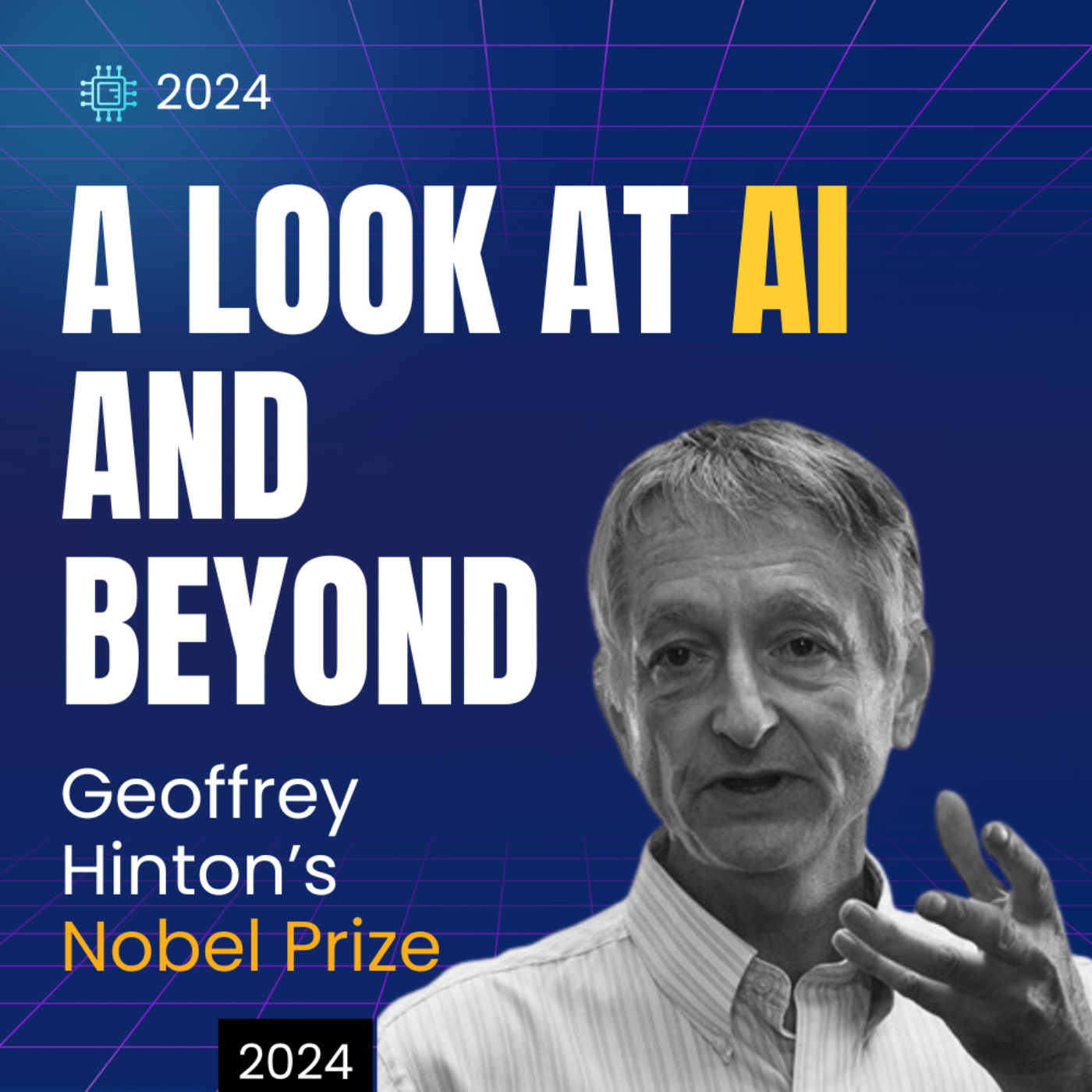
S2 Ep 3 What is the controversy surrounding Geoffrey Hinton's Nobel Prize win 2024?
Understanding Innovation: A Look at AI and Beyond 2024Source: Vivek Wadhwa's "The controversy surrounding AI pioneer Geoffrey Hinton’s Nobel Prize misses the point"I. The Nobel Prize Controversy and the Myth of the Lone Genius: This section explores the controversy surrounding Geoffrey Hinton's Nobel Prize win, arguing that while his contributions are significant, the award overlooks the critical earlier work of Paul Werbos and Shun-Ichi Amari. This oversight exemplifies the broader issue of crediting individual figures while ignoring the collaborative and cumulative nature of innovation.II. Steve Jobs, Elon Musk, and the Reality of Incremental Innovation: This section examines the cases of Steve Jobs and Elon Musk, often hailed as lone geniuses. Wadhwa argues that their successes, while remarkable, were built upon pre-existing technologies and ideas. Jobs refined and popularized existing concepts like the smartphone and personal computer, while Musk transformed the electric car into a commercially viable product. Both cases highlight the importance of refining and scaling existing innovations.III. Silicon Valley's Strength: Refining and Scaling Existing Ideas: This section analyzes Silicon Valley's success, arguing that it stems not from inventing entirely new technologies, but from refining and scaling existing ones. Companies like Facebook and Google built upon existing social networking and search engine concepts, respectively, achieving global dominance through refinement and expansion.IV. Artificial Intelligence: A Collaborative Journey of Incremental Progress: This section applies the same principles to the field of artificial intelligence. Hinton's groundbreaking work was built upon the foundation laid by Werbos and Amari's earlier research in neural networks. This emphasizes the collaborative and incremental nature of progress in AI, where breakthroughs like AlphaGo and GPT are the result of decades of collective effort.V. Rethinking Innovation: Recognizing the Full Spectrum of Contributors: This section summarizes the central argument, emphasizing that true innovation lies not in inventing entirely new concepts but in refining, scaling, and effectively executing existing ideas. Wadhwa calls for a reevaluation of how we recognize innovation, advocating for greater acknowledgement of the foundational work of pioneers like Werbos and Amari.VI. The Future of Innovation: Building Upon Existing Foundations: This section looks towards the future, predicting that significant advancements in AI and other fields will likely come from those who can refine and adapt existing ideas to address new challenges. Wadhwa reiterates that true innovation is measured not by the origin of an idea but by its evolution, improvement, and transformative impact on industries. He concludes by emphasizing the importance of celebrating not just those who popularize ideas, but also those who lay the groundwork for breakthroughs. Hosted on Acast. See acast.com/privacy for more information.
S2 Ep 2AI and the Riddle of the Mind: Unlocking the Enigma
AI and the Riddle of the Mind: A BriefingThese excerpts from Thomas Germain's article "When robots can't riddle: What puzzles reveal about the depths of our own minds" explore the fascinating intersection of artificial intelligence, human cognition, and the challenging world of puzzles.Main Themes:AI's struggle with reasoning and common sense: While AI excels at pattern recognition and complex calculations, it lags behind humans in areas requiring abstract reasoning, temporal understanding, and basic logic.The potential of AI research to illuminate human cognition: Comparing how AI and humans solve problems could offer valuable insights into the workings of our own minds.The evolving capabilities of AI: While current AI models exhibit limitations, rapid advancements suggest they are steadily improving in their ability to tackle complex reasoning tasks.Key Ideas and Facts:AI falls short on basic logic: GPT-4, a leading AI model, struggled to answer a simple question about whether someone was alive at a given time, highlighting its limitations in temporal reasoning. (Quote: "Based on the information provided, it's impossible to definitively say whether Mable was alive at noon," the AI told the researcher.")The "black box" problem: While we understand the general principles behind AI, the specific processes it uses to reach conclusions remain opaque. Similarly, neuroscience is still deciphering the complex mechanisms of human thought.AI can outperform humans on certain tasks: AI can excel in situations where human intuition leads to errors, as seen in the classic "bat and ball" riddle. (Quote: "I'd suspect that AI wouldn't have that issue though. It's pretty good at extracting the relevant elements from a problem and performing the appropriate operations," Frederick says.)Novel problem-solving: Researchers are developing new puzzles, like rebuses, to challenge AI with problems not present in its training data. These tests reveal the evolving reasoning capabilities of AI models.Categorizing reasoning: A lack of clear categorization for different types of reasoning makes it difficult to assess AI's performance across diverse problem sets.AI's progress: Recent models like GPT-o1 demonstrate significant improvements in reasoning, successfully tackling tasks that stumped previous iterations.Combining AI and human intelligence: Leveraging the strengths of both AI and human thinking may lead to the most effective problem-solving systems.Quotes of Note:"As human beings, it's very easy for us to have common sense, and apply it at the right time and adapt it to new problems," says Ilievski."In general, reasoning is really hard. That's an area which goes beyond what AI currently does in many cases," Pitkow says."The specific connections and calculations that tools like ChatGPT use to answer any individual question are beyond our comprehension, at least for now.""Greater insight into the brain can lead to better AI. Greater insight into AI could lead to better understanding of the brain." - PitkowOverall, the article suggests that while AI still has a long way to go in replicating human-level reasoning, its development offers a valuable lens through which to examine the complexities of our own minds. As AI continues to evolve, it may hold the key to unlocking some of the greatest mysteries of human cognition. Hosted on Acast. See acast.com/privacy for more information.
S2 Ep 1Can AI Be Funny?
Main Themes:The capabilities and limitations of AI in generating humor: The article explores whether AI, specifically large language models (LLMs) like ChatGPT, can truly be funny and creative, given their reliance on existing data and patterns.The potential impact of AI on the comedy industry: Concerns are raised about AI potentially stealing jokes, competing with human comedians, and ultimately impacting their livelihoods.The philosophical question of AI creativity: The article delves into whether AI's ability to combine existing ideas in novel ways constitutes true creativity, a question without a definitive answer.The importance of human elements in comedy: The article emphasizes the value of human experience, vulnerability, and adaptability in delivering successful comedy, elements that AI currently lacks.Most Important Ideas & Facts:AI humor relies on existing data: LLMs like ChatGPT generate humor by analyzing and replicating patterns from massive datasets of text, meaning their jokes are inherently derivative."One way that AI can tell jokes is to do what any five-year-old does – repeat a successful joke that they have heard, or try to make an obvious variation of it." - Les Carr, Professor of Web ScienceConcerns about data theft and competition: Comedians are worried about AI potentially stealing their jokes from online content and eventually outperforming them as the technology improves."Comedians should be concerned about data theft and regurgitation, because many of the generative AI tools, especially ChatGPT, are being trained on content on the internet." - Alison Powell, Associate Professor of CommunicationsAI struggles with comedic timing and context: Current AI models lack the ability to understand social context, adapt to audiences in real-time, and deliver the nuanced build-up and punchlines that human comedians excel at."It's no surprise that these models struggle to deliver on satisfying builds and punchlines... Unlike a human comedian, AI can't adapt in real time, at least not the AI tools currently available to the public." - Michael Ryan, AI expertEarly signs of AI success in joke writing: Research has shown that AI-generated jokes can be rated highly by human audiences, suggesting potential for future development."It is not writing [US comedian] John Mulaney-level jokes, but compared to regular people, its jokes were rated in the top 63rd to 87th percentile depending on the prompt we gave it." - Drew Gorenz, PhD studentHuman elements remain crucial: The article emphasizes the importance of authenticity, vulnerability, and adaptability in stand-up comedy, qualities that are currently difficult for AI to replicate."But only a human comedian can suffer through the awkwardness of bombing in front of an audience. For now, AI models haven't yet figured out this particular secret sauce." - Article excerptKey Quotes:"Can a robot be funny?" This question posed by Alison Powell sets the stage for the article's exploration of AI and humor."If you do laugh through the whole thing, we'll all be out of jobs!" Comedian Karen Hobbs highlights the potential threat of AI to the comedy industry."I think that probably a greater benefit would come from investing in human comedians who have many different kinds of ideas that are not statistically similar to ones that have come before." - Powell advocates for supporting human creativity over solely pursuing AI development.#AI, #artificial intelligence, #Ai 2024 Hosted on Acast. See acast.com/privacy for more information.
S1 Ep 10Startups and Emerging AI Technologies to Watch in 2024
Startups and Emerging AI Technologies to Watch in 2024Source: Excerpts from "Episode 10 Startups and Emerging AI Technologies to Watch in 2024.txt"Date: September 2024Key Themes:Rapid growth and investment in the AI sector, particularly generative AI.Increasing focus on AI safety, ethics, and responsible development.The rise of open-source collaboration and democratization of AI technologies.Key Players:1. Hugging Face:Focus: Democratizing AI through its open-source platform for machine learning collaboration.Recent Developments: Secured $235 million in Series D funding, reaching a $4.5 billion valuation. Annualized revenue has increased over 100-fold.Significance: Hugging Face's platform is becoming increasingly central to the AI community, fostering innovation and accelerating development.2. Anthropic:Focus: Developing safe and interpretable AI systems with a strong emphasis on ethical considerations.Recent Developments: Participating in the Generative AI Red Teaming Challenge to evaluate and mitigate potential risks associated with AI deployment.Significance: Anthropic's focus on AI safety and ethics is crucial in ensuring responsible development and deployment of AI technologies.3. Cohere:Focus: Making advanced natural language processing (NLP) accessible to businesses across various sectors.Recent Developments: Providing customizable AI solutions for diverse applications, including content creation and search optimization.Significance: Cohere is well-positioned to compete with larger tech companies by offering high-quality, accessible NLP tools.Emerging Trends:Generative AI:Over $25 billion invested in 2024 alone, driven by the success of platforms like ChatGPT.This surge highlights the immense potential and interest in generative AI technologies.AI Safety and Ethics:Growing concerns regarding the ethical implications and potential risks of AI.Initiatives like the Generative AI Red Teaming Challenge demonstrate proactive efforts to address these concerns.Open-Source Collaboration:Platforms like Hugging Face are driving open-source collaboration in AI development.This fosters innovation, democratizes access to technology, and accelerates the pace of development.Future Outlook:Increased Investment: High investor confidence in AI technologies will likely lead to continued significant funding rounds.Regulatory Developments: Anticipated regulations will play a critical role in guiding ethical AI development and deployment.Technological Advancements: Ongoing advancements in AI models and training techniques will further enhance the capabilities of emerging technologies.Conclusion:The AI landscape is rapidly evolving, with startups like Hugging Face, Anthropic, and Cohere playing key roles. Generative AI, AI safety, and open-source collaboration are major trends shaping the future of the industry. As we move forward, it is crucial to monitor these developments and understand their impact on our world. Hosted on Acast. See acast.com/privacy for more information. Hosted on Acast. See acast.com/privacy for more information.

S1 Ep 9AI in Education - Personalizing Learning
AI in Education: Personalization and Beyond - A BriefingThis Episode reviews the main themes and key insights on the use of artificial intelligence (AI) in education, drawing from a provided excerpt focusing on developments up to September 2024.The Power of Personalized Learning:The source highlights how AI is revolutionizing education by enabling personalized learning experiences. Companies like Duolingo, Coursera, and Khan Academy are leading the way:Duolingo: Employs AI-driven adaptive learning algorithms that personalize language lessons based on real-time user performance, boosting engagement and retention. Future applications promise even more sophisticated and customized experiences.Coursera and Khan Academy: Leverage AI to analyze learner data and create personalized learning paths. This includes recommending courses and identifying areas where students struggle, allowing for timely intervention and a more inclusive learning environment.Emerging Trends in AI Education:Generative AI for Content Creation: Educational institutions are increasingly using AI tools to streamline content creation. This allows educators to produce high-quality presentations and materials efficiently, saving time and resources.Virtual Avatars as Educators: AI-powered virtual avatars are emerging as a novel approach to teaching. They can deliver lessons in multiple languages, provide personalized tutoring, and enhance accessibility to education.AI-Enhanced Homework Assistance: Tools like ByteDance's Gauth showcase how AI can support learning outside the classroom. These tools offer step-by-step solutions to homework problems, making education more interactive and responsive.Challenges and Ethical Considerations:Misinformation and Deepfakes: The rise of generative AI necessitates strategies to combat misinformation. Institutions must equip students to discern credible information from fabricated content.Privacy Issues: Robust data security policies are crucial as educational AI tools gather vast amounts of student data.Equity Concerns: Ensuring equitable access to technology is paramount. Failure to do so risks exacerbating existing inequalities despite AI's potential to broaden learning opportunities.Global Initiatives and the Path Forward:The document highlights a global commitment to shaping the future of AI in education:UNESCO's AI Competency Frameworks (2024): These frameworks aim to equip both educators and students with the skills to engage with AI ethically and effectively.International Research Consortiums: Collaborative research projects are exploring how educational practices must adapt to AI's growing influence on the workforce, ensuring educational systems remain relevant.Conclusion:AI's intersection with education is dynamic and holds immense promise for personalized learning. However, it also presents challenges. By fostering collaboration between educators, policymakers, and technologists, we can leverage AI's potential while mitigating ethical concerns. The key is to embrace responsible innovation, ensuring AI serves as a positive catalyst for change in education worldwide. Hosted on Acast. See acast.com/privacy for more information. Hosted on Acast. See acast.com/privacy for more information.

S1 Ep 8AI for Sustainability - Fighting Climate Change
AI and Sustainability: A Powerful Alliance Against Climate ChangeThis Episode examines the emerging role of artificial intelligence (AI) in tackling climate change, drawing on recent developments and insights from leading organizations.Key Themes:AI for Climate Change Mitigation: AI's predictive power is revolutionizing climate science. Advanced algorithms, particularly deep learning models like CNNs and RNNs, are enhancing the accuracy of extreme weather event forecasts."These models have demonstrated improved accuracy in forecasting extreme weather events such as hurricanes and heatwaves, which are critical for disaster preparedness and response."For example, IBM's Green Horizon project leverages AI to predict air pollution, informing mitigation strategies.Resource Optimization and Efficiency: AI optimizes resource management, significantly contributing to energy efficiency and carbon footprint reduction."Companies like Google have developed AI systems that analyze energy consumption patterns within buildings to suggest more efficient practices."This not only minimizes operational costs but also lowers greenhouse gas emissions. AI-driven simulations are also being used in urban planning to promote sustainable development.Transforming Agriculture: In agriculture, AI-powered precision farming techniques are boosting crop yields while minimizing resource use. Data from IoT devices and drones enable farmers to optimize water usage and pesticide application, enhancing both productivity and environmental sustainability."This precision agriculture approach not only boosts productivity but also supports environmental sustainability by lowering the ecological footprint of farming practices."Challenges and Limitations:Despite its promise, the integration of AI in sustainability faces challenges:Interpretability: The "black box" nature of some AI models hinders trust and understanding of their predictions."This lack of transparency may hinder trust among stakeholders who rely on these insights for decision-making."Accessibility: Ensuring access to computationally demanding AI technologies for developing nations, often hit hardest by climate change, remains crucial.Future Directions:The future of AI in sustainability looks promising:Synergistic Technologies: The convergence of AI, big data analytics, and cloud computing will enhance real-time environmental monitoring and response.Long-Term Climate Predictions: Ongoing research on LSTM networks holds potential for long-term climate forecasting, aiding in long-term planning and policy development."These models could potentially provide insights into global temperature trends over extended periods, which is vital for long-term planning and policy development."Conclusion:The intersection of AI and sustainability represents a transformative opportunity in the fight against climate change. Collaboration between governments, businesses, and researchers is essential to maximize the benefits of these technologies, paving the way for a more sustainable future. As highlighted, industry leaders like Google and IBM are at the forefront of this movement, signifying a promising future for AI-powered sustainability solutions. Hosted on Acast. See acast.com/privacy for more information. Hosted on Acast. See acast.com/privacy for more information.

S1 Ep 7AI in Finance - Revolutionizing the Banking Industry
AI in Finance: A Revolution in ProgressThis Episode explores the transformative impact of Artificial Intelligence (AI) on the finance industry, focusing on banking, trading, and financial decision-making. It draws upon insights from the provided excerpt "Episode 7 AI in Finance - Revolutionizing the Banking Industry.txt".Main Themes:AI is reshaping finance: From algorithmic trading and fraud detection to personalized banking, AI is driving efficiency, security, and enhanced customer experiences across the financial landscape.Key Players Embracing AI: Major institutions like JPMorgan, Goldman Sachs, and Square are leading the charge in AI adoption, demonstrating its transformative potential.Future Opportunities and Challenges: While AI promises significant advancements, ethical considerations, regulatory compliance, and job displacement require careful consideration.Key Applications of AI in Finance:1. Algorithmic Trading:Real-time Analysis: AI processes market signals and executes trades at speeds unattainable for humans, optimizing trading efficiency and potential profits.Pattern Recognition: Machine learning algorithms identify market trends, leading to more informed trading decisions.Risk Management: AI assesses and adjusts for potential trading risks, minimizing losses.2. Fraud Detection:Anomaly Detection: AI analyzes transaction patterns in real-time to flag suspicious activities.Proactive Prevention: AI systems learn from past fraud cases, continuously adapting and strengthening preventative measures.Case Study - Mastercard: MasterCard's AI system scores transactions for fraud likelihood, reducing false declines while effectively identifying fraudulent activity.3. Personalized Banking Services:Tailored Financial Products: AI analyzes customer data to recommend personalized investment strategies and financial advice.Enhanced Customer Experience: AI-powered chatbots and virtual assistants provide instant support and personalized recommendations.Companies at the Forefront:JPMorgan: Utilizes AI for risk management and trading strategy optimization, identifying profitable opportunities.Goldman Sachs: Employs AI for trading optimization, risk assessment, and fraud detection, enhancing security against evolving threats.Square: Integrates AI into payment processing, enhancing security and customer experiences through real-time anomaly detection.Future Prospects and Challenges:Ethical Considerations: Transparency and accountability in AI-driven decision-making processes are crucial for maintaining trust.Regulatory Compliance: Developing frameworks that balance consumer protection with fostering AI innovation is critical.Job Displacement Concerns: Financial institutions must prioritize re-skilling their workforce to adapt to the evolving landscape.Conclusion:AI integration marks a significant shift in the financial sector. While companies reap the benefits of increased efficiency and customer satisfaction, addressing ethical considerations and potential challenges is essential for responsible and sustainable AI adoption. As the financial landscape continues to evolve, adapting to and harnessing AI's power will be critical for success. Hosted on Acast. See acast.com/privacy for more information. Hosted on Acast. See acast.com/privacy for more information.

S1 Ep 6Quantum Computing and AI - The Future Intersection
The Intersection of Quantum Computing and AITheme: This Episode explores the burgeoning field of quantum computing and its implications for the future of artificial intelligence, highlighting both the immense opportunities and the significant challenges.Key Sources:Excerpts from "Episode 6 Quantum Computing and AI - The Future Intersection.txt"Main Points:Synergistic Potential: Quantum computing, leveraging the principles of quantum mechanics, holds the potential to revolutionize AI by enabling the processing of vast datasets at unprecedented speeds. This convergence could lead to significant advancements in machine learning, optimization problems, and complex simulations.Advancements:Companies like IBM and Google are making significant strides in quantum hardware development, with processors like Google's Sycamore already demonstrating computational superiority over classical systems for specific tasks.Quantum machine learning is an active research area, exploring how quantum algorithms can accelerate AI model training, potentially reducing training times from weeks to mere hours.Practical applications are emerging in fields like drug discovery, with companies like Qubit Pharmaceuticals utilizing quantum computing for enhanced simulations.Challenges:Technical Hurdles: Quantum technology is still in its early stages, grappling with issues like error rates and qubit coherence. Integrating quantum principles into existing AI frameworks also poses significant challenges.Skill Gap: A shortage of professionals skilled in both AI and quantum computing necessitates substantial investment in education and training to bridge this gap.Algorithm Development: Developing efficient quantum algorithms tailored to real-world problems is crucial, as current AI models may not translate directly to quantum systems.Future Prospects:Enhanced Decision-Making: Quantum computing's superior processing power could lead to more sophisticated AI decision-making processes across industries like logistics, climate modeling, and genomic research.Security Improvements: Quantum encryption techniques offer enhanced data security for AI systems, crucial as they become integrated into sensitive areas like finance and healthcare.Broader Applications: As both technologies mature, breakthroughs in complex simulations and optimization problems could lead to innovations in fields ranging from drug discovery to financial modeling.Important Quotes:"The integration of quantum computing into AI is expected to enhance machine learning algorithms, allowing them to analyze large datasets more efficiently and uncover patterns that classical systems might miss.""Quantum algorithms have been shown to improve training speeds for AI models, reducing the time required from weeks to mere hours or minutes.""Quantum technology is still in its infancy, with issues such as error rates and qubit coherence needing resolution before reliable quantum computers can be built.""The convergence of AI and quantum computing holds immense potential...As both technologies mature, we can expect breakthroughs in complex system simulations and optimization problems..."Conclusion: The intersection of quantum computing and AI represents a frontier with the potential to reshape technological capabilities. While challenges remain, ongoing research and collaboration between researchers, businesses, and policymakers are crucial to harnessing the full potential of this transformative convergence. Hosted on Acast. See acast.com/privacy for more information. Hosted on Acast. See acast.com/privacy for more information.

S1 Ep 5The Ethics of AI - Navigating a Complex World
The Ethics of Artificial Intelligence: Navigating Bias, Surveillance, and Job DisplacementSource: Excerpts from "The Ethics of AI - Navigating a Complex World.txt"I. IntroductionThis section introduces the growing importance of examining the ethics of artificial intelligence, particularly in light of its rapid advancements and integration into various sectors. It highlights bias, surveillance, and job displacement as key areas of concern and sets the stage for deeper exploration in subsequent sections.II. Ethical Challenges of AIThis section delves into the specific ethical challenges posed by AI, focusing on three major areas:A. Bias in AI: This subsection examines the issue of bias in AI, particularly within facial recognition technology (FRT). It discusses how FRT systems disproportionately misidentify individuals based on race and gender, leading to unjust outcomes in law enforcement and reinforcing systemic discrimination. The section emphasizes the philosophical implications of such biases, arguing that they undermine principles of equality and erode public trust in institutions.B. Surveillance and Privacy Concerns: This subsection explores the ethical dilemmas associated with AI-powered surveillance. It highlights the growing use of FRT by governments for monitoring citizens, raising concerns about privacy violations and potential authoritarian misuse. The section emphasizes the need to balance security concerns with fundamental rights like privacy and freedom of expression.C. Job Displacement: This subsection addresses the ethical implications of AI-driven automation on employment. While acknowledging the potential benefits of increased efficiency, it raises concerns about job displacement across various sectors. This section stresses the importance of ethical frameworks to manage workforce transitions, provide retraining opportunities, and address potential economic inequalities arising from rapid technological advancements.III. Key Players and InitiativesThis section highlights the role of organizations like AI Ethics Labs and Partnership on AI in navigating the ethical landscape of AI. It emphasizes their efforts in developing guidelines and best practices for responsible AI use, focusing on bias mitigation, transparency, and accountability within the tech industry.IV. ConclusionThis section reiterates the urgency of addressing the ethical implications of AI as it becomes increasingly integrated into society. It calls for ongoing dialogue and collaboration among technologists, ethicists, policymakers, and the public to ensure that AI advancements benefit humanity without compromising fundamental rights and values. The section stresses the need for vigilance and proactive measures to navigate the ethical dilemmas presented by an increasingly automated world. Hosted on Acast. See acast.com/privacy for more information. Hosted on Acast. See acast.com/privacy for more information.

S1 Ep 4AI and Autonomous Systems - Driving the Future
AI and Autonomous Systems: A 2024 BriefingThis briefing examines recent developments in AI and autonomous systems, focusing on key players like Tesla, Waymo, and Boston Dynamics, and analyzes their impact on transportation and industry.Tesla: Pushing the Boundaries of Autonomous DrivingTesla continues to spearhead autonomous vehicle technology with its Full Self-Driving (FSD) system. Utilizing deep neural networks trained on vast datasets, Tesla vehicles demonstrate impressive autonomous capabilities:Autonomous Navigation: "Tesla vehicles can change lanes, navigate highways, and park themselves autonomously."Continuous Updates: Regular software updates ensure constant improvement and the addition of new features.AI Inference Chips: Specialized chips optimize real-time decision-making for autonomous systems.Beyond vehicles, Tesla is exploring broader applications with its humanoid robot, the Tesla Bot, signifying the company's ambition to revolutionize various sectors with AI.Waymo: Prioritizing Safety and Public TrustWaymo distinguishes itself through rigorous safety protocols and extensive testing. Their Waymo Driver, designed for full autonomy, undergoes millions of miles of real-world driving and simulation, aiming to minimize traffic accidents and increase road safety. Key aspects of Waymo's approach include:Safety First: Comprehensive mapping and real-world testing are paramount.Diverse Fleet: Utilizing a range of vehicles equipped with advanced sensors and AI systems.Public Acceptance: Actively working towards building public trust in their technology.Boston Dynamics: Advancing Robotics Across IndustriesBoston Dynamics is renowned for its agile and sophisticated robots like Spot and Atlas, capable of complex tasks in diverse industries:Dynamic Stability: Robots designed to adapt to their environments and perform autonomously.Industrial Applications: Increasingly used for inspections, material handling, and hazardous environment operations.Industry Implications and the Transforming LandscapeAdvancements in AI-powered autonomous systems have profound industry implications:Enhancing Efficiency: Automation optimizes operations, reduces costs, and boosts productivity.Transforming Transportation: Autonomous vehicles promise safer roads by minimizing human error.Creating New Markets: Companies like Amazon are investing heavily in drone delivery, signaling a shift toward automated logistics.Challenges on the Road AheadDespite progress, challenges remain in fully realizing the potential of autonomous systems:Regulatory Hurdles: Regulatory bodies are cautious about safety and liability concerns.Public Perception: Building trust and acceptance among the public is crucial for adoption.Job Displacement: Automation raises concerns about job losses, particularly in driving-related professions.Conclusion: Navigating the Future of AI and AutonomyThe convergence of AI and autonomous systems is rapidly transforming our world. While companies like Tesla, Waymo, and Boston Dynamics lead the charge, addressing challenges like regulation, public perception, and job displacement is crucial. As we advance, thoughtful engagement with the implications of this technological revolution will be paramount in shaping a future where AI and autonomy improve lives. Hosted on Acast. See acast.com/privacy for more information. Hosted on Acast. See acast.com/privacy for more information.

S1 Ep 3AI in Healthcare - Saving Lives with Algorithms
Exploring Future Trends in AI and Healthcare: A Deeper DiveBuilding on the key trends already identified, the sources offer a more detailed look at the evolving landscape of AI in healthcare. Let's examine some of the nuances and implications:The Evolving Role of Clinicians: The sources emphasize that a future where AI replaces healthcare professionals is not realistic nor desirable. Instead, the focus is on meaningful use of AI – that is, integrating AI in ways that enhance, not replace, clinical judgment [1]. As AI tools become more sophisticated, the expectation is that they will provide clinicians with clearer insights and actionable recommendations, allowing them to make better-informed decisions [1]. This underscores a future where AI empowers clinicians rather than displacing them.Transparency and Trust as Cornerstones: The sources highlight the growing importance of explainable AI [2]. The concept of "black box" algorithms – where the decision-making process is opaque – is a significant concern in healthcare. For clinicians to trust and effectively utilize AI tools, they need transparency and understand how the AI arrived at its recommendations [2]. This transparency is essential for fostering trust between clinicians and AI systems and ensuring responsible implementation.Navigating Ethical and Practical Challenges: Beyond the need for explainability, the sources point out significant challenges that must be addressed for AI to reach its full potential in healthcare.Data Privacy and Security: The use of AI in healthcare requires access to and analysis of massive amounts of sensitive patient data [3]. Ensuring the privacy and security of this data is paramount and requires robust safeguards and ethical data governance frameworks.Addressing Bias in Algorithms: The sources caution that AI systems risk perpetuating existing biases if not carefully developed and validated across diverse populations [3]. This necessitates proactive measures to identify and mitigate bias in training data and algorithms.Seamless Integration into Existing Workflows: Integrating AI into established clinical practices is not just a technological challenge but also a cultural one [3]. Healthcare professionals may be hesitant to adopt new technologies, particularly if they perceive them as disruptive to their established workflows. Addressing this challenge requires demonstrating the value of AI, providing adequate training and support to clinicians, and ensuring smooth integration into existing systems.The Need for Collaboration and Responsible Innovation: The sources stress that the successful integration of AI into healthcare requires a collaborative effort involving healthcare providers, technology developers, and regulators [4]. Establishing clear regulatory frameworks that ensure patient safety and promote responsible AI use is crucial [3]. This collaborative approach is essential for fostering innovation while mitigating potential risks and ensuring that AI technologies are used ethically and effectively to improve patient outcomes.The sources paint a picture of a future where AI is not a replacement for human judgment and expertise in healthcare, but rather a powerful tool that can enhance and augment it. Achieving this vision requires addressing the ethical and practical challenges outlined in the sources and fostering a collaborative environment that prioritizes responsible innovation and patient well-being. Hosted on Acast. See acast.com/privacy for more information. Hosted on Acast. See acast.com/privacy for more information.
S1 Ep 2Generative AI - Reshaping Creative Industries
Generative AI's Impact on Creative IndustriesThe sources focus on the significant impact of generative AI on various creative industries. Here are some key takeaways:Music creation is being revolutionized. AI tools can now generate original music, suggest melodies and progressions, and even personalize listener experiences. For example, platforms like Runway's Gen-2 AI assist artists in composing by leveraging vast datasets of existing music [1]. Streaming platforms are also using AI to curate playlists based on individual preferences [1].Film production is becoming more efficient and cost-effective. Technologies like Stability AI's Stable Diffusion allow filmmakers to generate realistic background footage (B-roll) quickly, saving time and resources [2]. Experts predict that by 2030, AI could be responsible for generating 90% of a blockbuster movie's content [2]. Additionally, generative AI can contribute to scriptwriting and storyboarding by analyzing existing narratives and suggesting plot developments [2].The gaming industry is shifting towards dynamic and personalized experiences. Developers can use generative AI to create environments that adapt to player actions in real-time [3]. Companies like Ubisoft are incorporating this technology to speed up asset creation and develop more engaging gameplay [3]. Generative AI can also enhance character development by creating non-player characters (NPCs) with realistic behaviors [3].Ethical concerns are emerging alongside these advancements. As AI models become more sophisticated, concerns arise about potential job displacement in creative fields and the nature of creativity itself [4]. The question of whether AI-generated creations constitute true art remains a point of debate [4]. It's crucial for the industry to establish frameworks that protect artists' rights while promoting innovation [4].A collaborative future is key. The sources suggest that the future of creative industries hinges on effectively integrating human creativity with AI capabilities, emphasizing enhancement over replacement [5]. Hosted on Acast. See acast.com/privacy for more information. Hosted on Acast. See acast.com/privacy for more information.

S1 Ep 1The AI Revolution in 2024
Overview:Welcome to the first episode of The AI Revolution in 2024, a podcast where we dive into the world of cutting-edge AI technology. In this episode, we’ll explore how AI has rapidly evolved in 2024, transforming industries and reshaping the way we live and work. We'll discuss 10 key companies leading this revolution and highlight 10 notable AI advancements that are setting the stage for the future of AI. This episode is a starting point for a deep dive into the AI landscape, where we explore both the promises and challenges of this transformative technology.Companies Mentioned:OpenAI:As the creators of ChatGPT, OpenAI continues to lead the charge in natural language processing. In 2024, their advancements in AI-driven communication tools are transforming how businesses and individuals interact with technology.Google DeepMind:Known for breakthroughs in AI research, Google DeepMind is making strides in healthcare, solving complex problems in protein folding and drug discovery with AI models like AlphaFold.Microsoft:Integrating AI into its suite of products, Microsoft is pushing forward with Azure AI services and the inclusion of advanced AI into their Office products, enhancing user productivity.Amazon Web Services (AWS):AWS AI services offer machine learning tools to businesses of all sizes. From predictive analytics to advanced automation, AWS’s AI portfolio helps drive enterprise-level AI adoption.Meta (formerly Facebook):Meta is expanding its AI research with innovations in virtual reality, augmented reality, and the metaverse. AI tools like image recognition and natural language processing are at the forefront of its developments in digital interaction.Tesla:Tesla’s AI innovation extends beyond self-driving cars to optimizing manufacturing processes and energy systems. In 2024, Tesla's AI technology aims to revolutionize autonomous vehicles and robotics.NVIDIA:Powering AI with advanced GPUs, NVIDIA is essential in developing AI infrastructure. Their new AI chips are fueling breakthroughs in deep learning and accelerating AI processing times.IBM:IBM’s AI focus in 2024 is on enterprise applications, using AI for data analysis, predictive maintenance, and enhancing cybersecurity with their Watson AI platform.Salesforce:Salesforce is revolutionizing customer relations with AI-driven CRM systems. Their Einstein AI platform offers predictive analytics and automation tools that streamline customer interaction management.Alibaba Cloud:As a leading cloud provider in Asia, Alibaba Cloud is developing AI solutions in e-commerce and logistics, particularly focusing on supply chain optimization and smart retail technologies.Examples of AI Advancements:ChatGPT Advancements:OpenAI’s ChatGPT has become more intuitive in 2024, offering real-time conversational AI that can analyze and respond in complex scenarios like customer service, content creation, and programming assistance.Google Bard:Google Bard represents advancements in generative AI for creative tasks. By generating text, poetry, and even music, Bard is enhancing content creation for media and entertainment industries.Tesla’s Full Self-Driving (FSD) Software:Tesla’s FSD has made significant advancements in 2024, offering enhanced autonomy for vehicles in urban settings, making self-driving cars more reliable and capable. Etc... Hosted on Acast. See acast.com/privacy for more information. Hosted on Acast. See acast.com/privacy for more information.