
ABC News Daily
362 episodes — Page 7 of 8
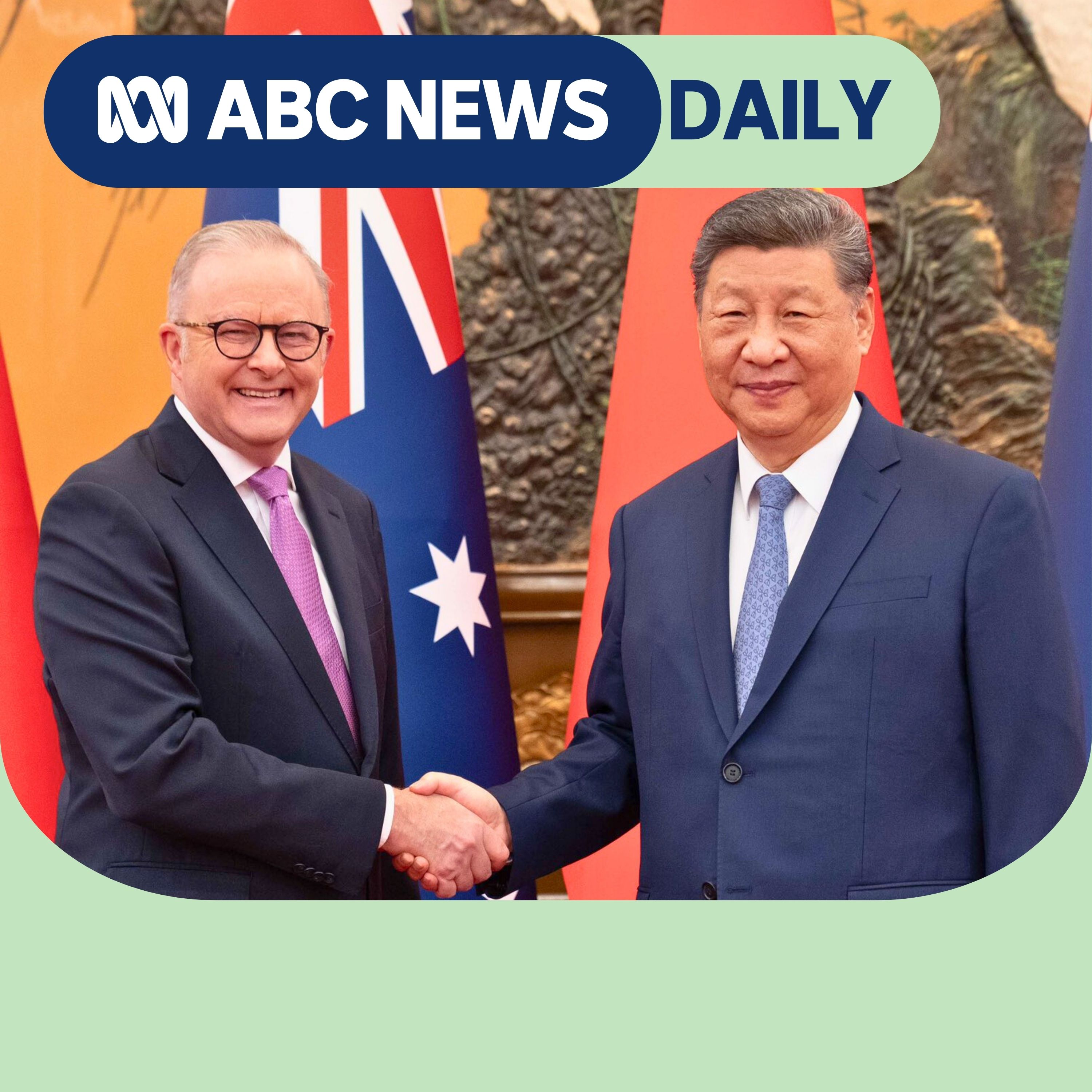
Laura Tingle on tricky diplomacy in China
Would Australia join the United States in a war against China if it invades Taiwan?That’s the question Anthony Albanese faced during his delicate visit to Beijing where he’s trying to strengthen trade and business ties. As the Prime Minister meets the Chinese President, can he drum up more business while managing tensions in the relationship? Today, global affairs editor Laura Tingle joins us from Beijing. Featured: Laura Tingle, ABC Global Affairs Editor
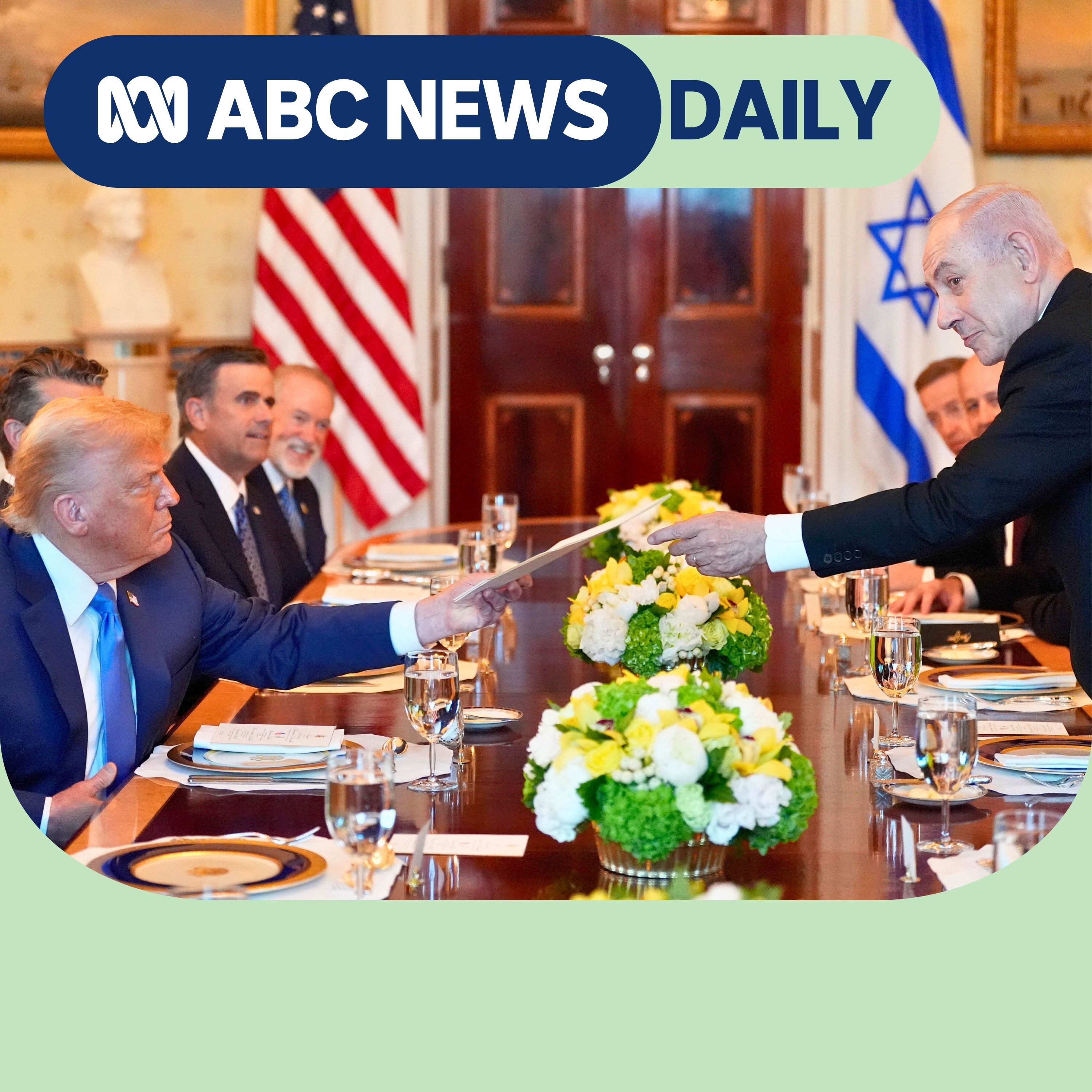
Could Trump actually win the Nobel Peace Prize?
Donald Trump has long aspired to win a Nobel Peace Prize. He’s now collected several nominations for the prestigious award from global leaders, the latest from the Israeli Prime Minister Benjamin Netanyahu. Today, Emma Shortis, director of the International and Security Affairs program at the progressive think tank The Australia Institute, looks at controversial past recipients, the president’s track record on peace and whether he’s in with a chance.Featured: Dr Emma Shortis, director of the International and Security Affairs program at The Australia Institute
Inside the classrooms full of misogyny and abuse
Teenagers influenced by the so-called ‘manosphere’ are bringing the misogyny they absorb online into the classroom. It’s forcing some female teachers to leave the profession entirely.Today, the ABC’s Siobhan Marin on her Compass investigation into where these disturbing ideas are coming from and how we can pull teen boys out of the rabbit hole. This episode includes some confronting accounts of behaviour in our schools.Featured: Siobhan Marin, Compass presenter and host of the Quick Smart podcast

New questions in the sunscreen SPF saga
Sun safety is drilled into Australians from a young age.But the protection offered by some of the most popular sunscreen brands is in question after consumer group Choice released test results showing many are not meeting their SPF claims.Today, ABC reporter Rachel Carbonell on the industry backlash, her investigation into an overseas testing lab and whether we can trust the SPF on the bottle.Featured: Rachel Carbonell, ABC National Health Equity reporter
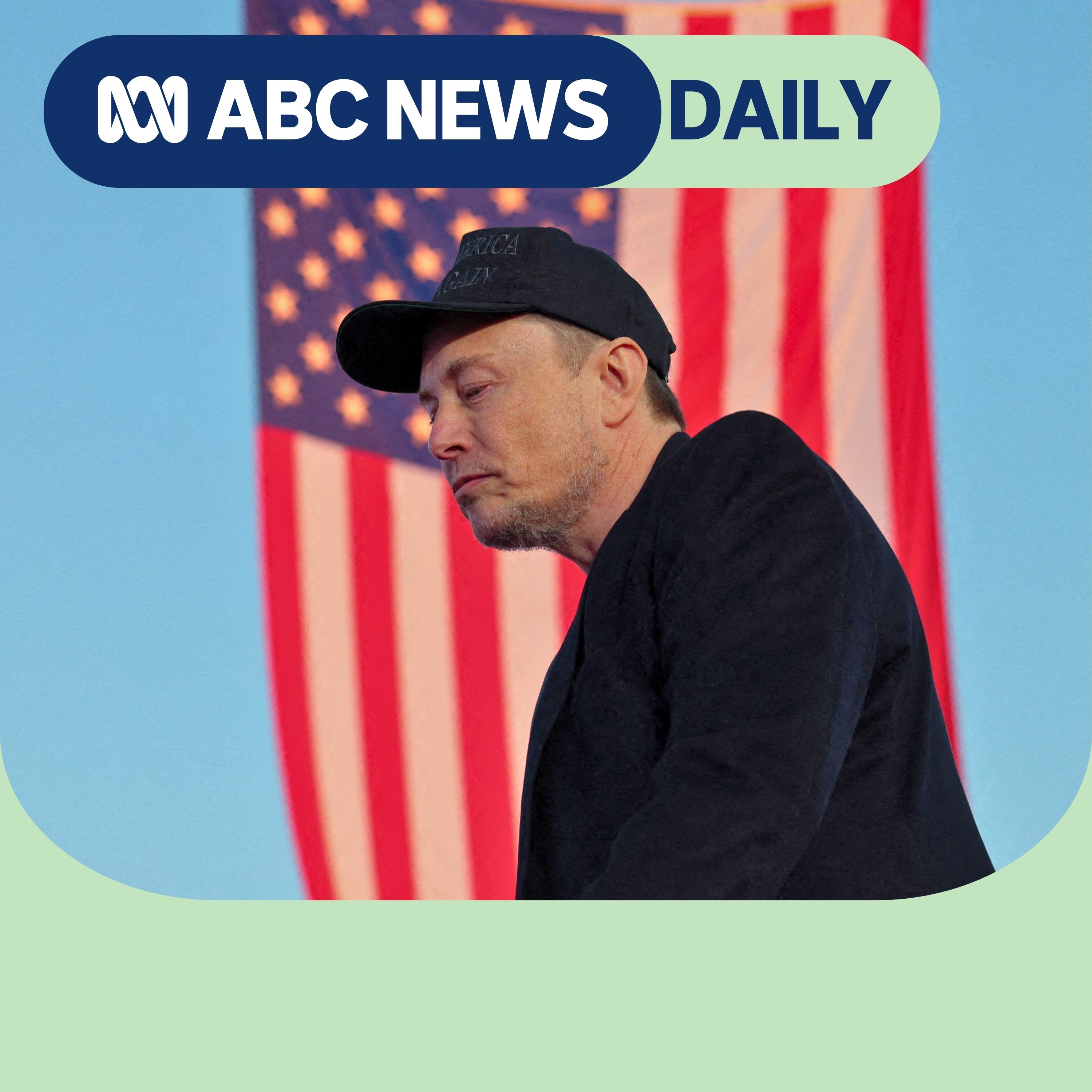
Will Musk’s new 'America Party' take down Trump?
After spending hundreds of millions of dollars to help put Donald Trump in the White House, Elon Musk is launching his own political party. Musk says his ‘America Party’ will challenge the status quo, which he believes is bankrupting the United States. Today, political scientist Geoff Kabaservice from the Niskanen Center on what the party stands for and who might vote for it.Featured: Geoff Kabaservice, vice president for political studies at the Niskanen Center in Washington, DC
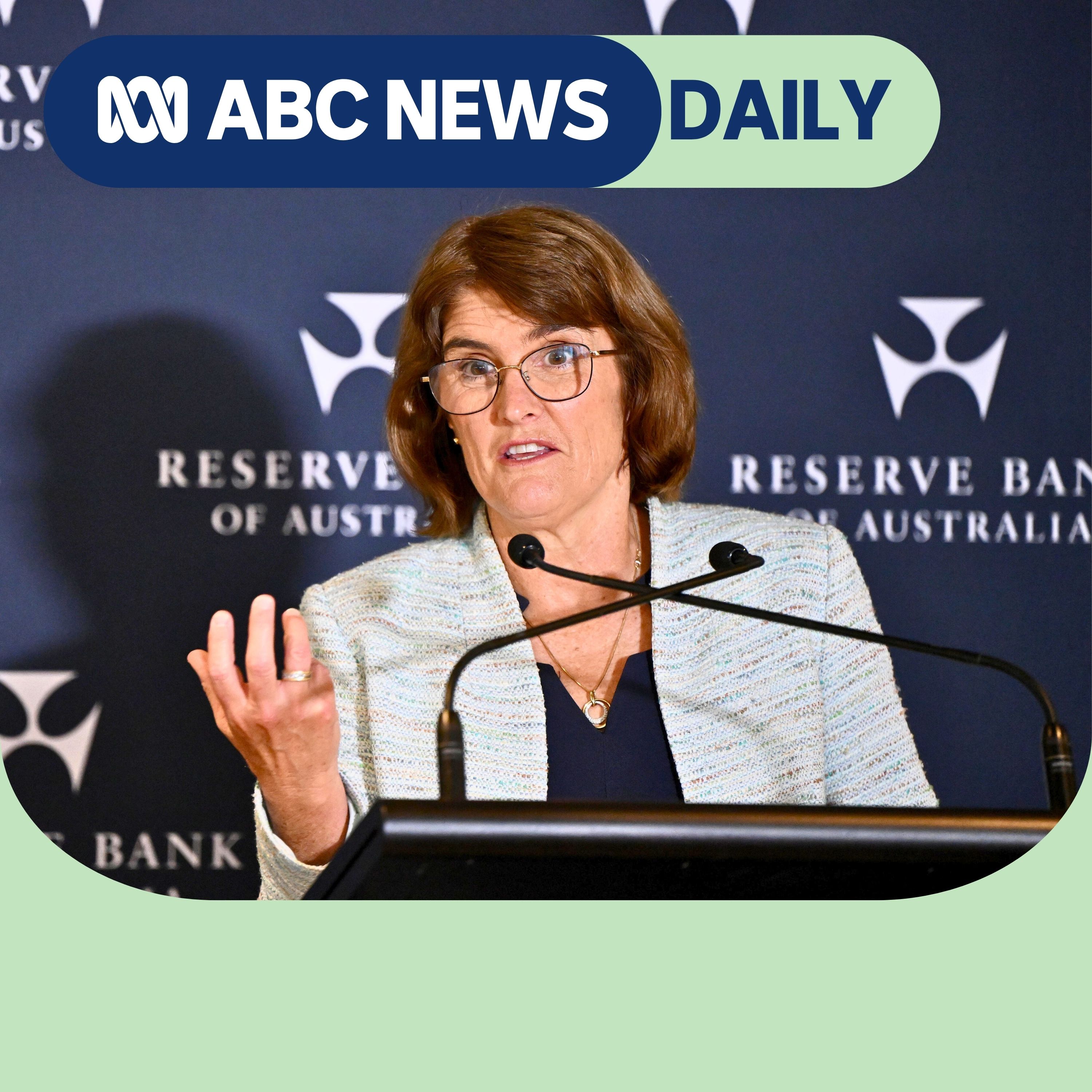
Why the RBA shocked borrowers and held rates
The Reserve Bank board has defied the expectations of investors, many economists and even the treasurer. It’s not giving borrowers an interest rate cut this month, revealing a six to three split on the decision to keep rates on hold. Today, the ABC’s business editor Michael Janda on whether the RBA is playing it too safe. Featured: Michael Janda, ABC Business Editor
Why are so many younger people getting cancer?
Cancer has traditionally been a disease of old age.But younger Australians aged in their 30s and 40s are increasingly being diagnosed with cancer and scientists are desperate to understand why. Could it be processed foods, plastics, or exposures during childhood or birth?Today, Dr Norman Swan on his Four Corners investigation into what could be causing the sharp rise in cancer rates among younger generations and what can be done about it.Featured: Dr Norman Swan, Four Corners reporter and host of The Health Report
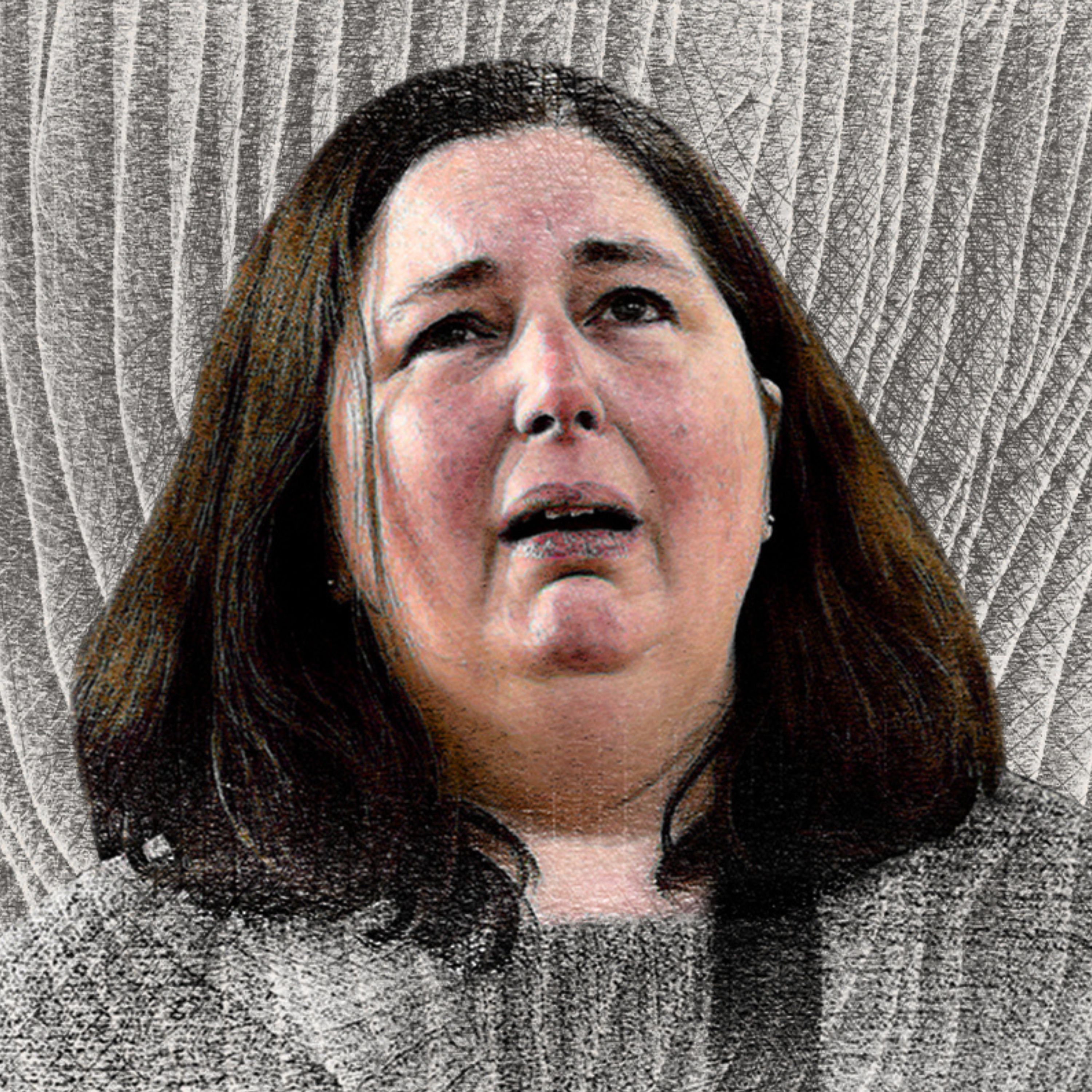
Mushroom Case Daily: Erin Patterson guilty of murder
After deliberating for a week, a jury has found Erin Patterson guilty of murdering three relatives by serving them a beef Wellington lunch laced with death cap mushrooms. She had pleaded not guilty to the crimes, saying the mushrooms were accidentally included in the meals.The team at the ABC’s Mushroom Case Daily podcast has been following every development and today on ABC News Daily we bring you their coverage of the verdict.

The Glastonbury 'death' chant that sparked a firestorm
Music has always been a powerful form of protest, but rap band Bob Vylan could be facing criminal charges after leading a chant at Glastonbury calling for ‘death’ to the Israeli military.The incident was shown on the BBC and the broadcaster, festival organisers and the UK Prime Minister have all raised concerns about anti-Semitism. Today, British music journalist Dorian Lynskey on the controversy and when protests by musicians go too far. Featured: Dorian Lynskey, British music journalist, author and podcaster
Alan Kohler on raising the GST
Treasurer Jim Chalmers has set his sights on bold economic reform with options to be discussed at a meeting of some of the nation’s best policy minds next month. It’s called the economic reform roundtable, but is a big shake up of the tax system, for example, even possible in the current political climate? Today, the ABC’s finance expert Alan Kohler on why these experts would be better off talking about artificial intelligence and even a hike to the GST. Featured: Alan Kohler, ABC finance expert

Why there’s no ‘silver bullet’ to make childcare safe
Parents send their young children to childcare trusting they’ll return home each day safely. But families are in shock after a Victorian childcare worker was charged with 70 offences, including sexual assault and producing child abuse material. The alleged victims were as young as 5 months old. The staff member had worked at 20 different centres and held a valid Working with Children Check. Today, Caroline Croser-Barlow from The Front Project, which works to improve early childhood education, on whether the system is safe and how governments can fix it. Featured: Caroline Croser-Barlow, CEO of The Front Project
Will Netanyahu’s Iran ‘win’ lead to a Gaza ceasefire?
After the strikes against Iran, Israel’s Prime Minister Benjamin Netanyahu is turning his focus back to the conflict in Gaza. Talks are planned between Netanyahu and the US president at the White House next week, as Donald Trump insists “we’re going to get a ceasefire”. Benjamin Netanyahu also faces public pressure in Israel to bring the hostages home, but is it really time to strike a deal with Hamas?Today, Hussein Ibish from the Arab Gulf States Institute on whether new talks with the US could deliver a lasting ceasefire.Featured: Hussein Ibish, senior resident scholar at the Arab Gulf States Institute

Is the teen social media ban ready for rollout?
The countdown is on to the start of the social media ban for Australian children aged under 16. It’s due to start in December, but which platforms are banned and how users will have to prove their age is yet to be revealed. Today, the ABC’s national technology reporter Ange Lavoipierre on the many unanswered questions. Featured: Ange Lavoipierre, ABC’s national technology reporter
Why your AI questions are a power and water drain
How often do you use AI chatbots? They’re becoming part of our everyday lives. But when you pump in a question into something like ChatGPT or Microsoft Copilot, do you ever think about the energy it uses? Today, Gordon Noble from the Institute of Sustainable Futures at UTS on the power hungry data centres driving AI, the water used to keep them cool and the cost for the environment. Featured: Gordon Noble, research director at the Institute for Sustainable Futures at the University of Technology Sydney
Can Trump bomb Iran and still be 'America First'?
Donald Trump was elected on the promise of putting America first and staying out of foreign conflicts. So the US President’s decision to bomb Iranian nuclear facilities caused the first and very public split among his Make America Great Again base, with influential figures like Tucker Carlson and Steve Bannon leading the charge against US involvement.Today, senior political correspondent for the Wall Street Journal Molly Ball on the fighting MAGA factions and what it means for Trump. Featured: Molly Ball, senior political correspondent for The Wall Street Journal
Will Putin help Iran rebuild its nuclear program?
One of Iran’s closest allies outside the Middle East is Russia. So, why did Vladimir Putin decide not to come to Tehran’s aid and provide military support as Israel and then America worked to destroy its nuclear program? Today, Anna Borshchevskaya from the Washington Institute, an expert in Russia’s policy in the Middle East, on what the war means for Moscow and whether Putin might help Iran to rebuild its nuclear capacity.Featured: Anna Borshchevskaya, senior fellow at the Washington Institute
Trump's shaky ceasefire
Donald Trump has announced a ceasefire in the Israel-Iran war, declaring it should be called “The 12 Day War”. But there was confusion over whether Iran and Israel had agreed in the hours following the social media post.It came not long after Iran fired missiles at an American military base in Qatar, retaliating against the US bombing of its key nuclear sites. Today, Jonathan Panikoff from the Atlantic Council’s Middle East program on whether peace will hold. Featured: Jonathan Panikoff, director of the Scowcroft Middle East Security Initiative at the Atlantic Council’s Middle East Program
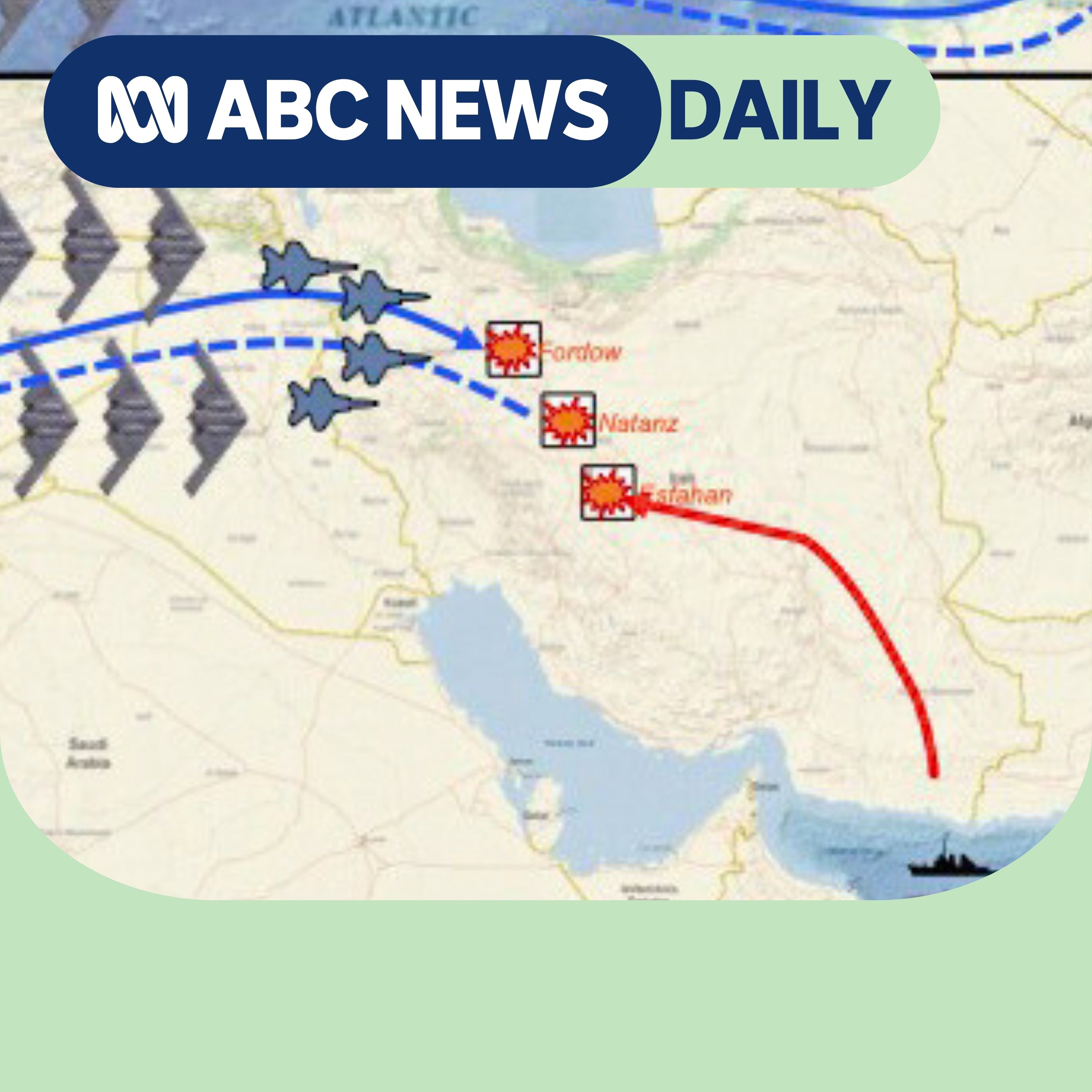
Iran’s three options after Trump’s strikes
After the US bombing of key nuclear facilities, Donald Trump is now raising the prospect of regime change in Iran. He wants to Make Iran Great Again and says it’s not ‘politically correct’ to discuss the idea, but he asks ‘why wouldn’t there be a regime change?’. Today, Ali Vaez from the International Crisis Group on the three options now open to Iran’s leaders and why surrender is not the one they’ll go for. Featured: Ali Vaez, director of the Iran project at the International Crisis Group
The US bombs Iran
The United States has joined the war with Iran, with American war planes dropping bombs on three Iranian nuclear sites. Donald Trump addressed the American people from the White House. He claims US bombs have “totally obliterated” Iran’s key nuclear enrichment sites. Israel’s Prime Minister Benjamin Netanyahu thinks the action could usher in a future of peace in the Middle East.Today, international relations expert Rajan Menon on the widening conflict and what comes next. Featured: Rajan Menon, professor emeritus of international relations at the City College of New York and a senior research fellow at Columbia University’s Saltzman Institute of War and Peace Studies
Alan Kohler on inflation and the Israel-Iran conflict
A week since Israel began the conflict with Iran there’s been no great shock to the global economy. But a significant escalation in the conflict could see a spike in oil and petrol prices, raising the prospect of surging inflation, once again. Today, the ABC’s finance expert Alan Kohler steps through the potential impacts for Australians’ finances and why we shouldn’t be too worried, for now.Featured: Alan Kohler, ABC finance presenter
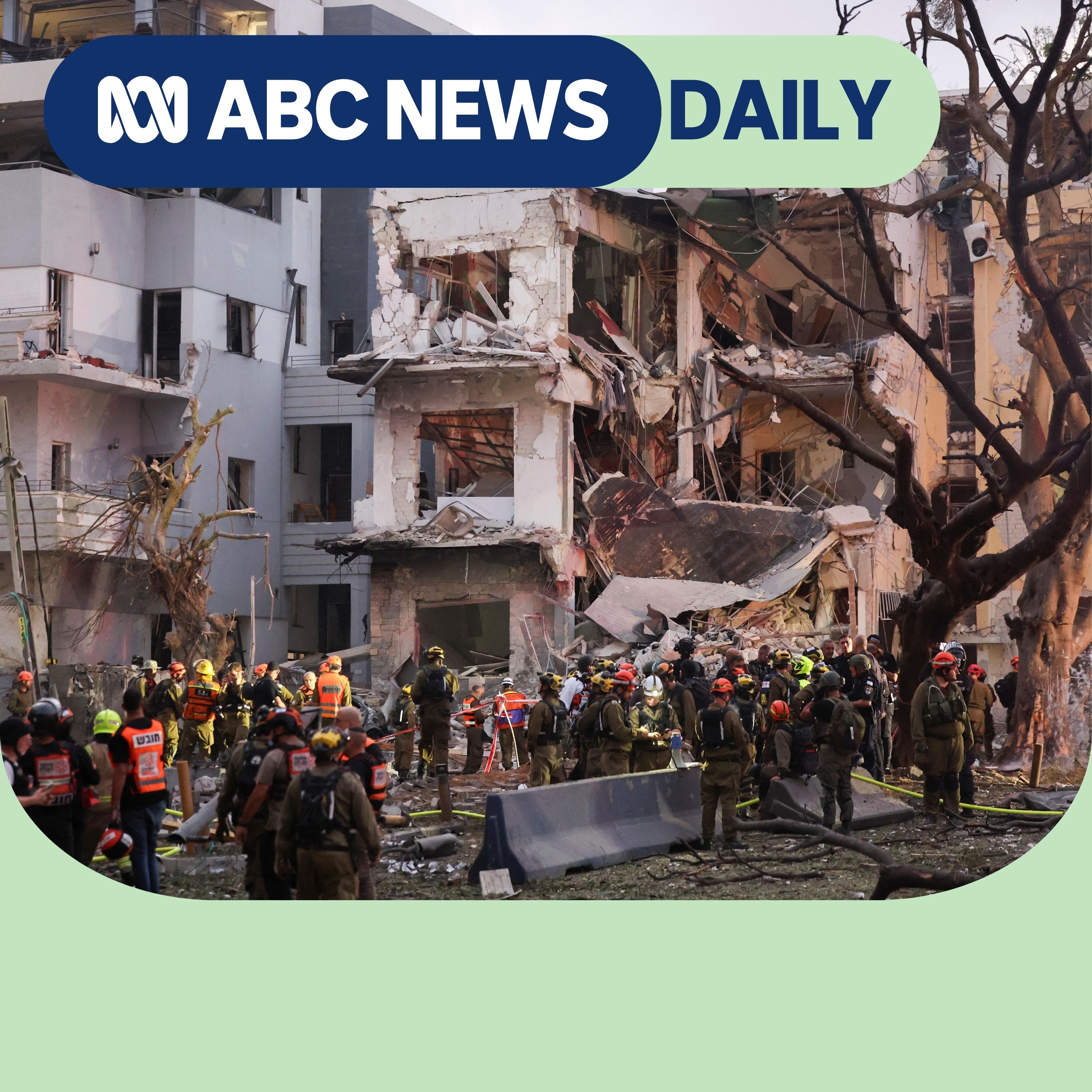
How Israelis view Netanyahu’s strikes on Iran
Israel’s strikes against Iran took the regime and residents in Tehran largely by surprise.Even though striking Iran’s nuclear infrastructure had long been part of Israel’s playbook, the Israeli people have been caught up as some Iranian missiles get through the defences.The conflict has been foreshadowed in warnings Prime Minister Benjamin Netanyahu has given about Iran’s nuclear program for decades. But do Israelis back Netanyahu’s case for action and what is his endgame in Iran?Today, the ABC’s Middle East Correspondent Eric Tlozek on the ground in Israel. Featured: Eric Tlozek, ABC Middle East Correspondent
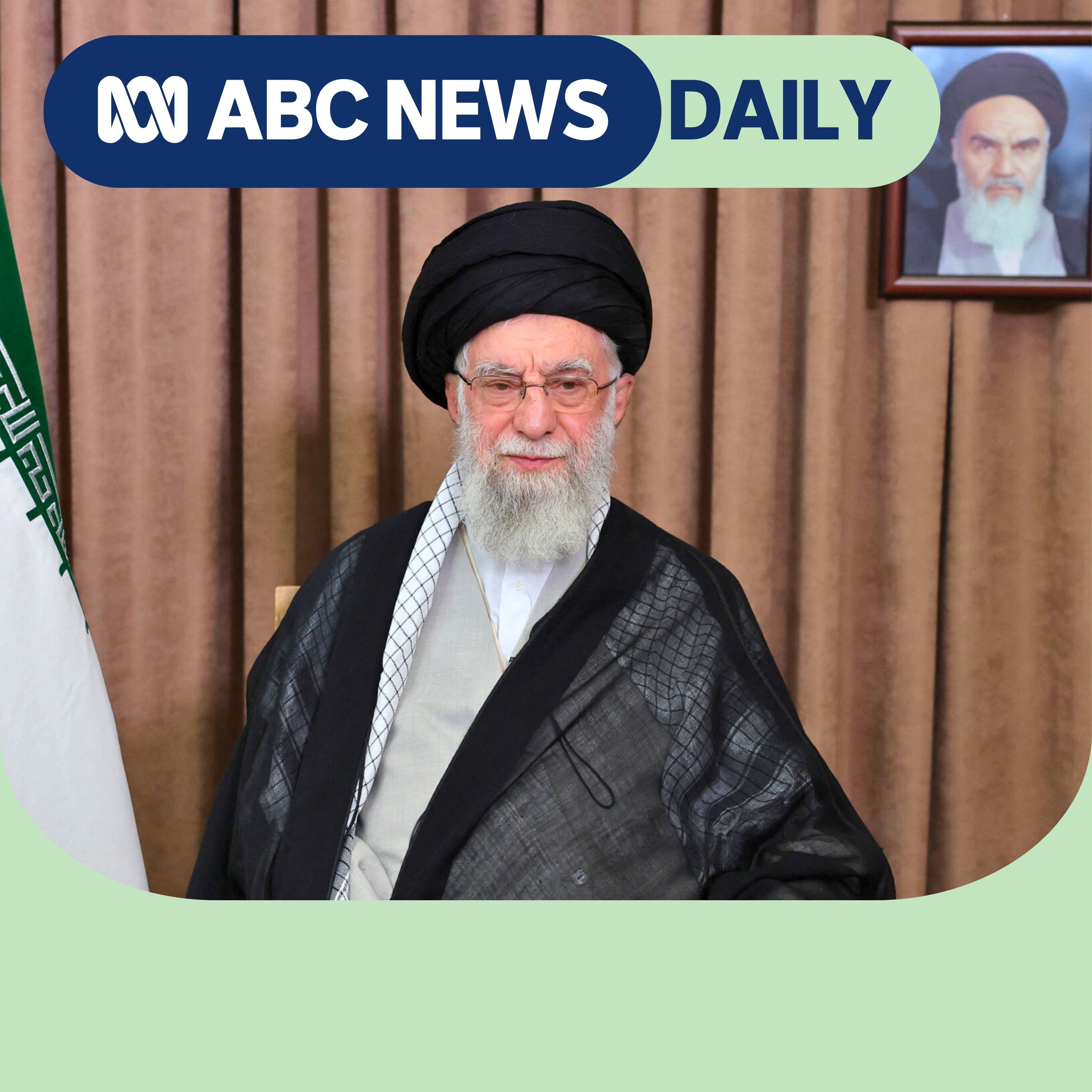
Was Iran really about to build a nuclear bomb?
Israel has been ramping up pressure on Donald Trump for the US to join its strikes on Iran.It’s believed that only the US has the bombs that could destroy Iran’s nuclear facilities hidden deep underground. But does the Iranian regime actually have the nuclear capability the Israeli leader Benjamin Netanyahu says it does and was it really close to building a bomb?Today, nuclear weapons expert Ben Zala from Monash University on Iran’s nuclear program and whether Israel really needed to strike now. Featured: Dr Ben Zala, Senior Lecturer in International Relations at Monash School of Social Sciences
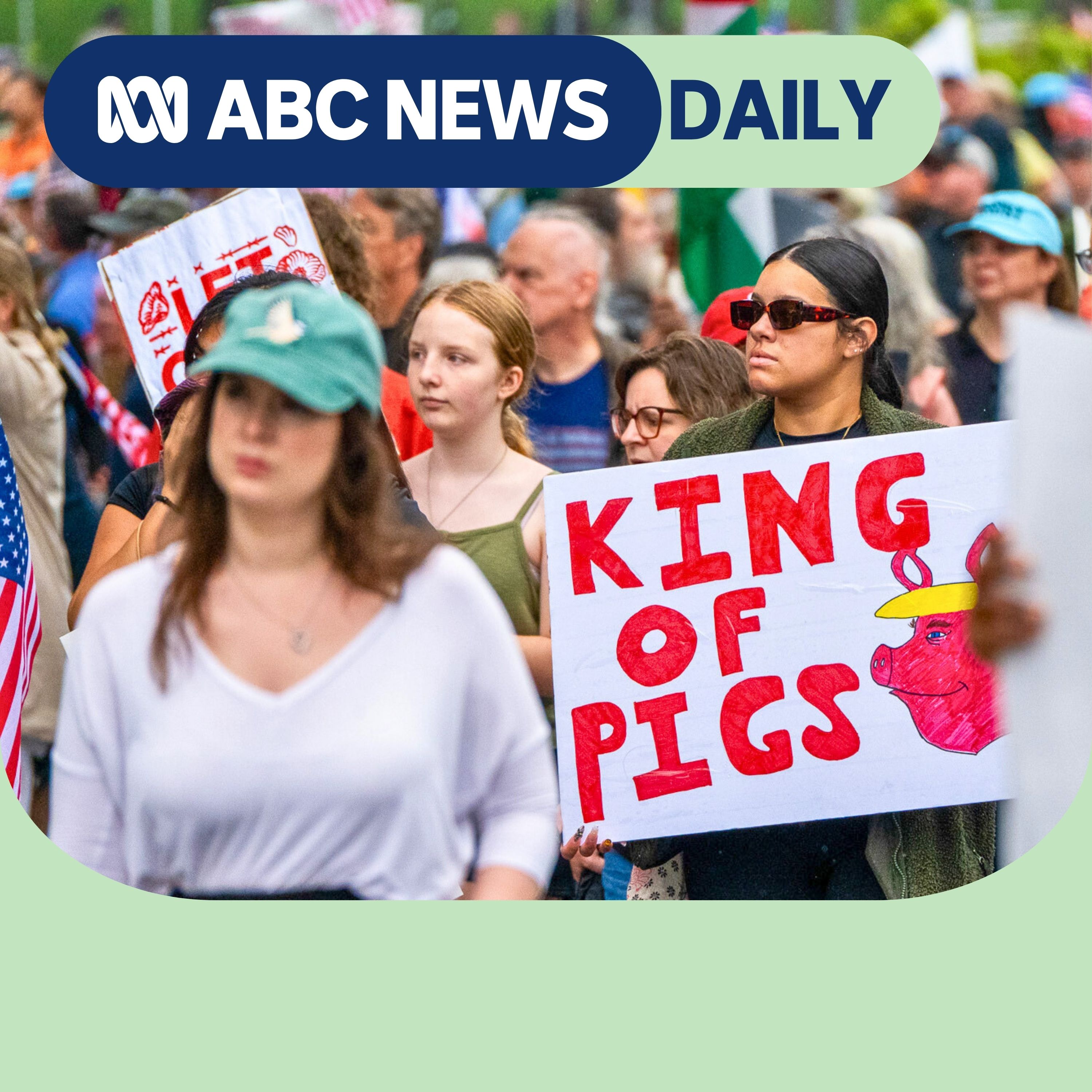
Do anti-Trump protests mark a turning point?
As Donald Trump was watching a military parade in Washington DC, huge numbers of Americans took to the streets in the largest nationwide protests against his administration since his return to the White House. They were declaring ‘No Kings’, rallying against what they say is Trump’s authoritarian tendencies and the threat he poses to democracy. Today, Molly Ball, senior political correspondent for The Wall Street Journal, on the shift in public mood and what it means for the president. Featured: Molly Ball, senior political correspondent for The Wall Street Journal
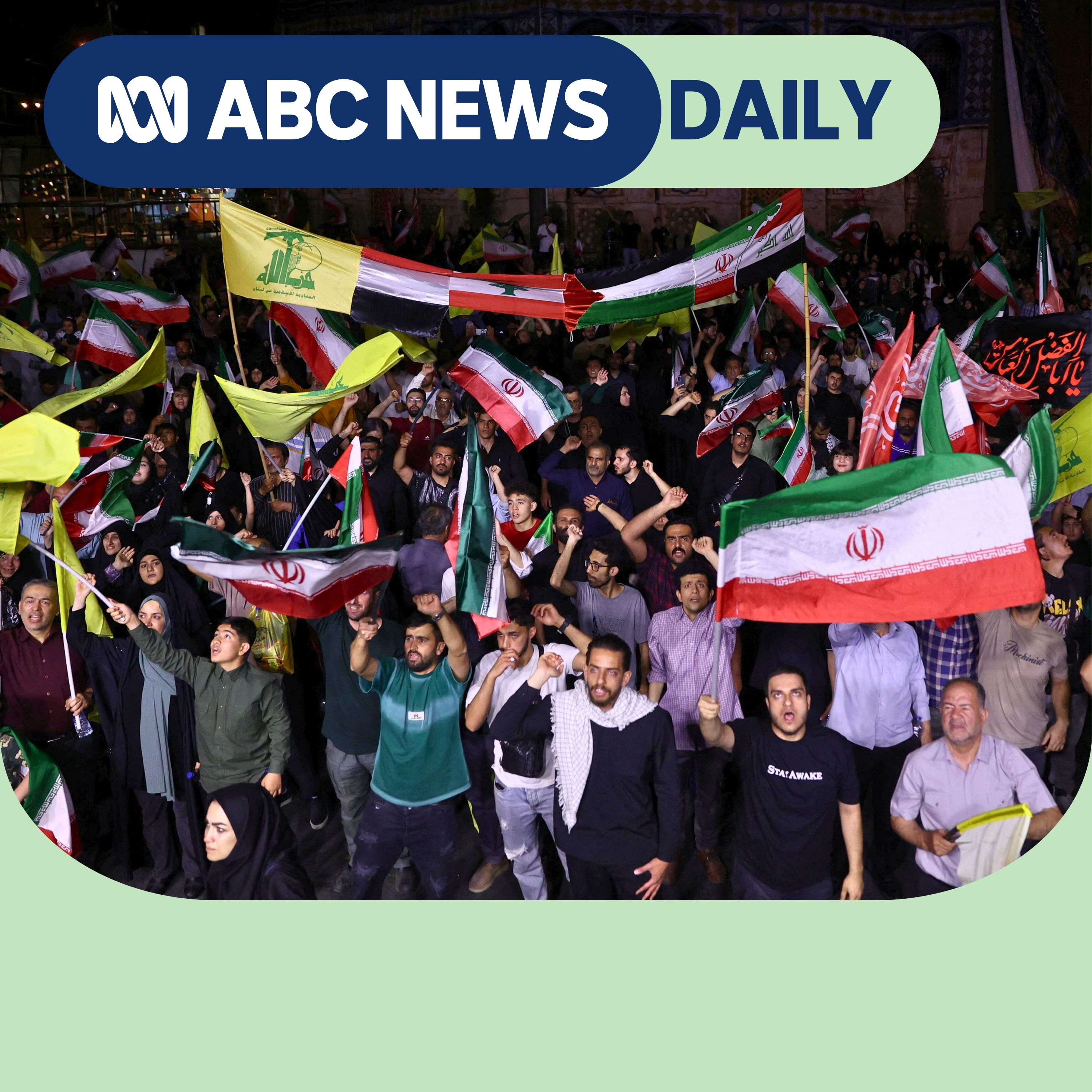
Will Israel’s conflict with Iran draw in the US?
Israeli leader Benjamin Netanyahu insists his sweeping attacks on Iran are a necessity to protect his country from a ‘nuclear holocaust’.But what is his ultimate aim? The two countries are exchanging attacks, with an Israeli strike hitting the world’s biggest gas field and some Iranian missiles hitting buildings inside Israel.Prime Minister Netanyahu insists the attacks were nothing compared to what Iran would see in the coming days. Today, Hussein Ibish from the Arab Gulf States Institute on the risks of further escalation and America being drawn into the conflict. Featured: Hussein Ibish, senior resident scholar at the Arab Gulf States Institute in Washington
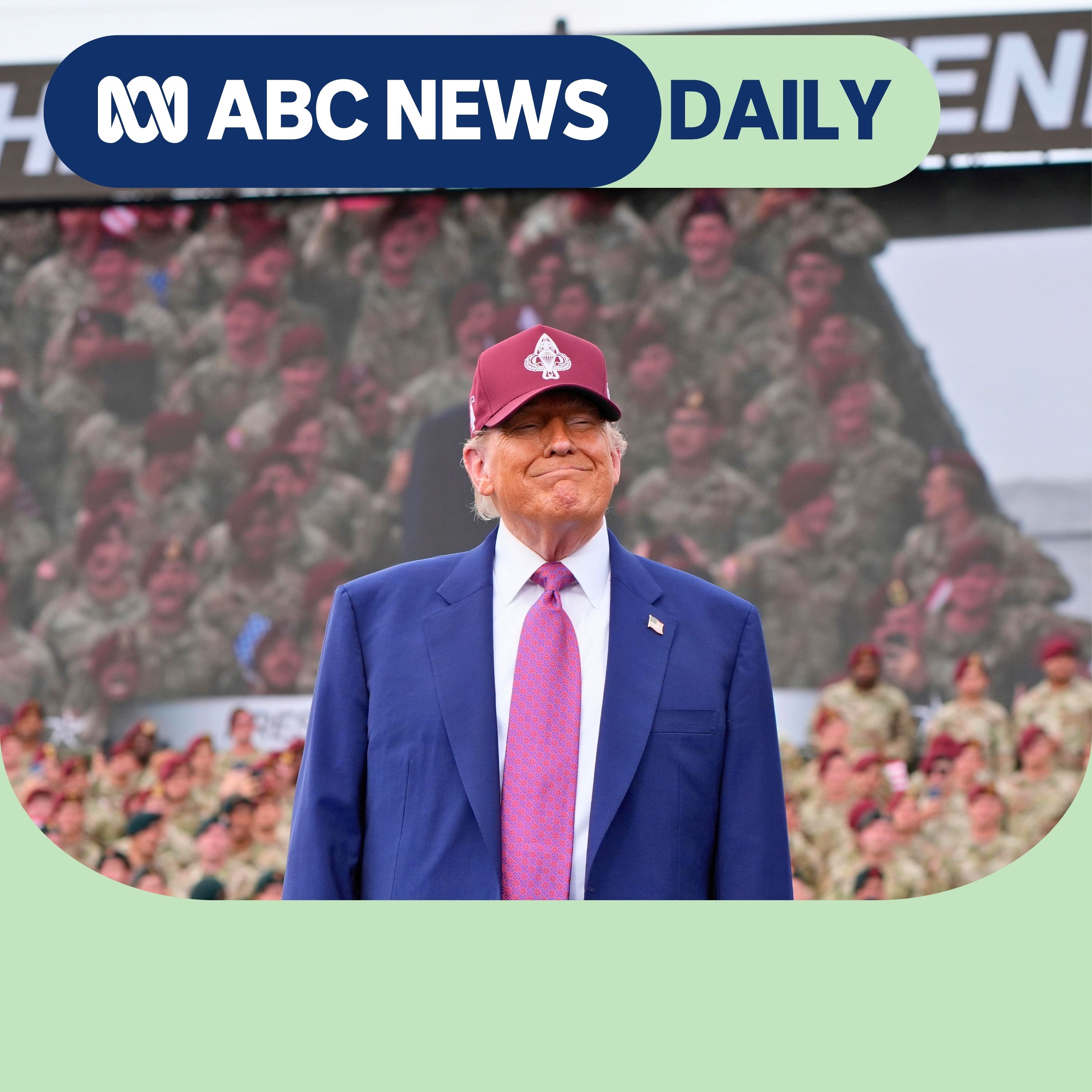
Is Trump trying to normalise troops on US streets?
Across America, protests against Donald Trump’s immigration raids are popping up, a week since the unrest in Los Angeles began. Protesters are incensed that US Immigration and Customs Enforcement agents continue to enter workplaces to round up undocumented immigrants. But it’s Donald Trump’s decision to send California National Guard troops and Marines to LA to protect federal agents and property that’s really causing a stir. Today, Ilya Somin, a law professor at George Mason University, on why it’s an authoritarian move Trump has long wanted to take and the risks of normalising troops on the streets. Featured: Ilya Somin, Professor of Law at the George Mason University in Virginia and the B. Kenneth Simon Chair in Constitutional Studies at the Cato Institute

Why the Israel-backed aid plan sparked chaos
Since Israel began allowing a limited amount of food back into Gaza, the handout has been marked by disturbing scenes, including civilians being shot dead near the limited aid distribution sites.Today, we speak with Australian James Elder, the global spokesman for UNICEF, the United Nations agency for children. He’s on the ground in Gaza and explains why the chaos was inevitable.Featured: James Elder, Global Spokesman for UNICEF
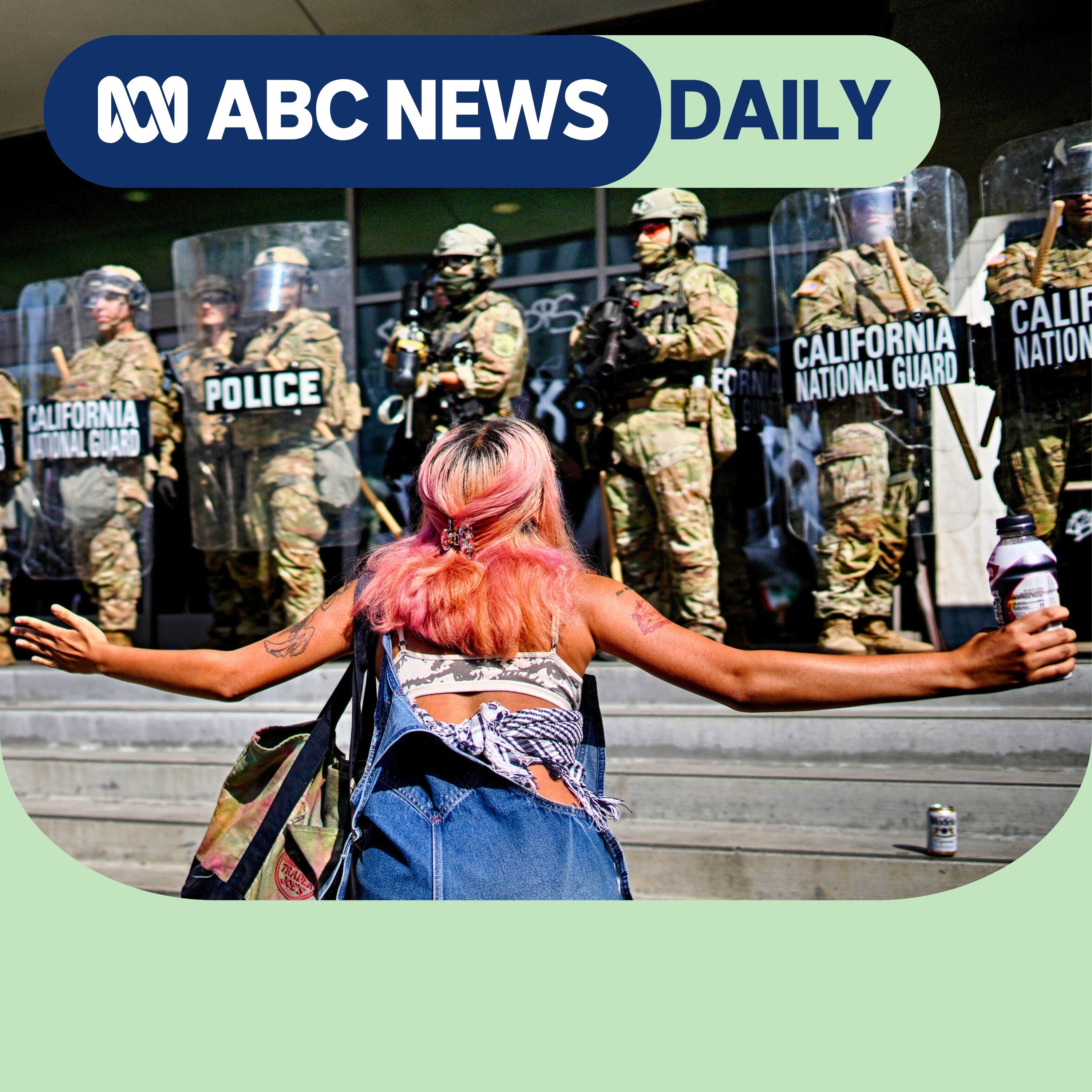
Trump’s military escalation in Los Angeles
California’s governor insists protests against Trump’s immigration crackdown in Los Angeles were being brought under control by local police. So, why did the US president overrule the Democratic state leaders and send in National Guard troops and now the Marines? Today, Melanie Mason, a senior reporter covering California politics for POLITICO on Trump’s dramatic intervention, fears it could escalate the unrest and what’s motivating the US president. Featured: Melanie Mason, senior political reporter covering California politics at POLITICO
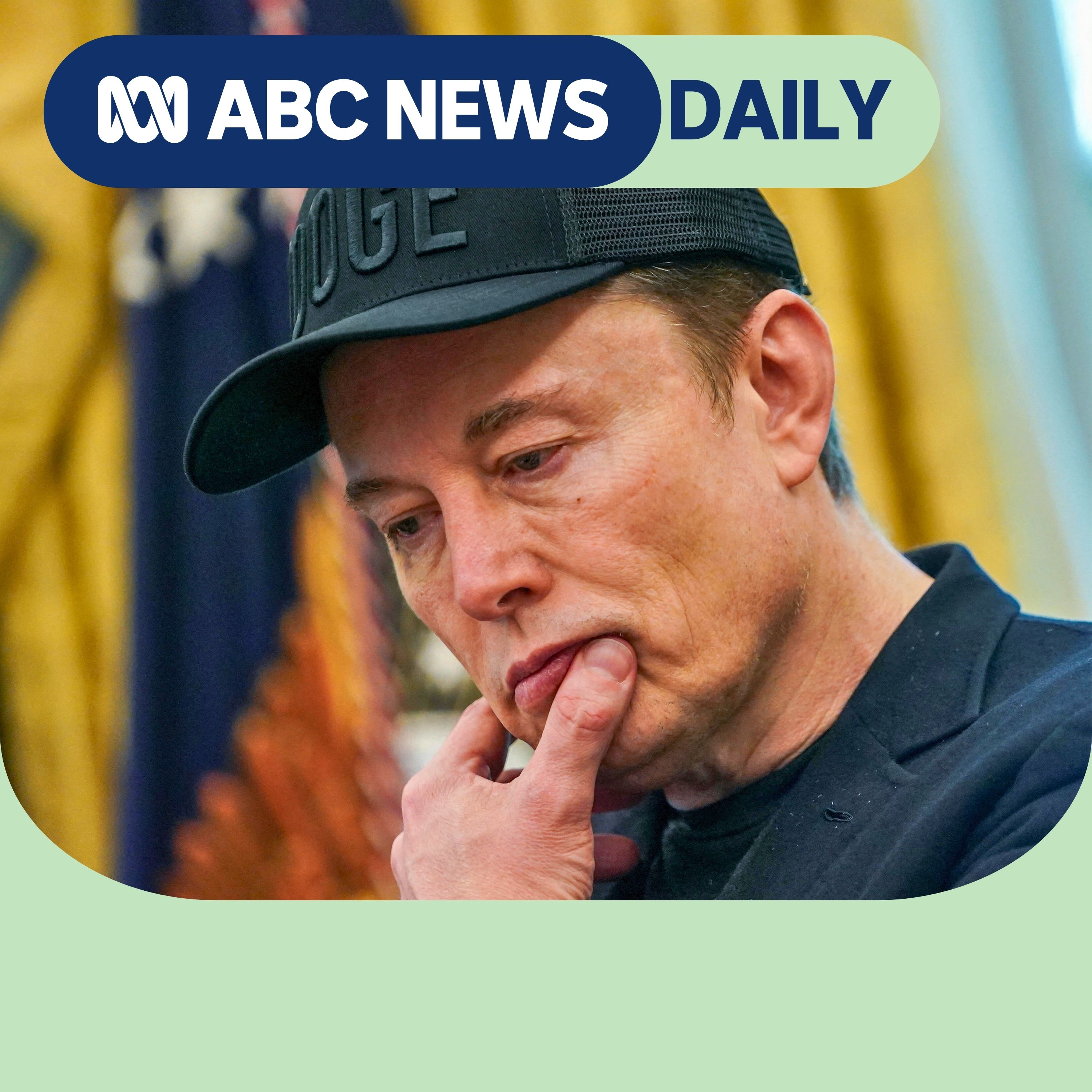
Why Trump and Musk were stronger together
The explosive break-up of Donald Trump and Elon Musk has been fascinating to watch as the pair trade insults and threats. Could there be a reconciliation between the president and the billionaire? Or could Elon Musk follow through on his threats to start backing other political forces?Musk’s space and satellite businesses are heavily involved in the US government, so there could be real world consequences if the two don’t come to some sort of understanding. Today, Geoff Kabaservice from the centre-right think tank the Niskanen Center explains why the disintegration of their relationship is entertaining but also disturbing. Featured: Geoff Kabaservice, vice president for political studies at the Niskanen Center in Washington, DC
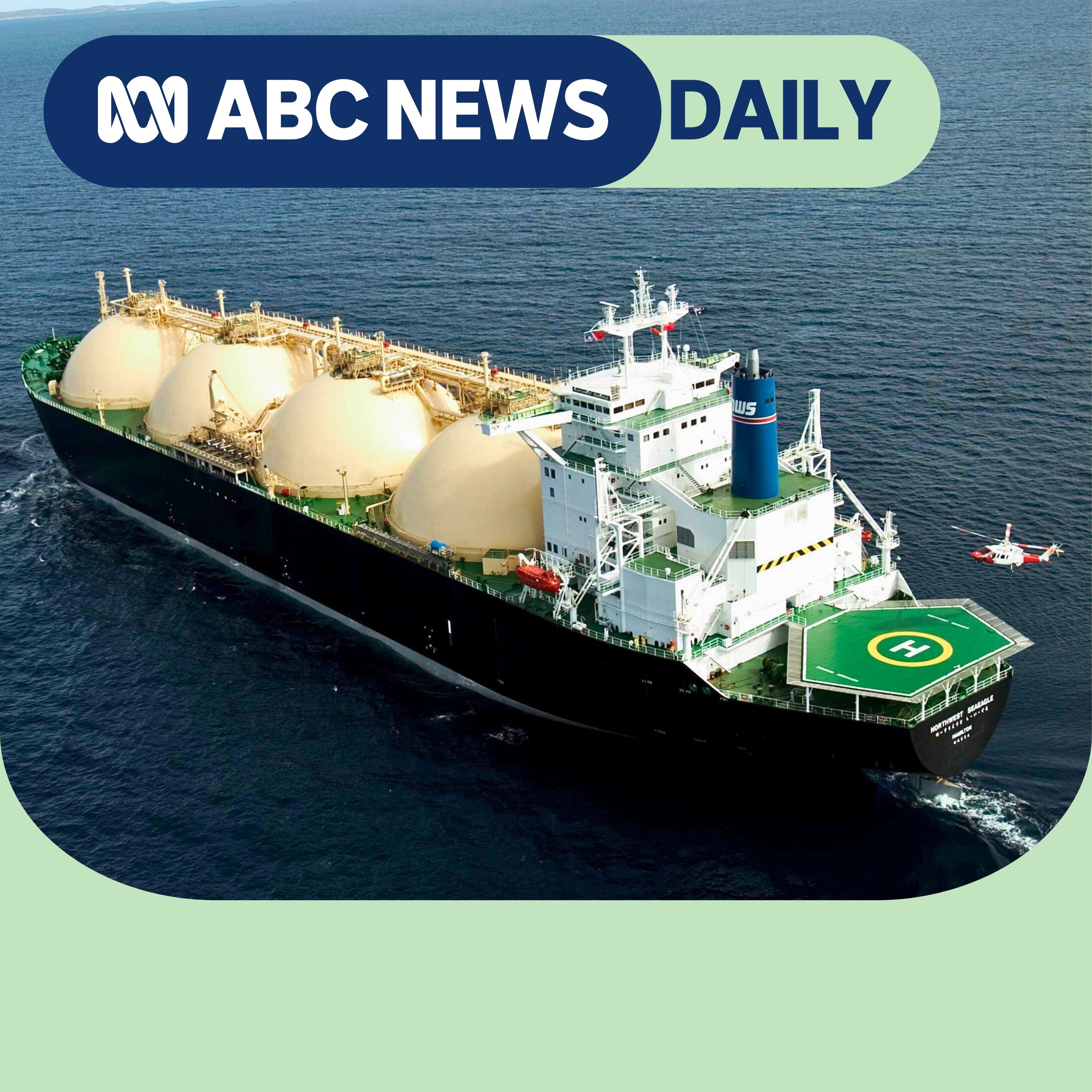
Woodside’s massive gas extension explained
The oil and gas giant Woodside has been handed a big win by Labor, with the life of its massive gas plant in Western Australia extended until 2070.That’s great news for the company that wants to start extracting gas from a new basin off the WA coast. But given that almost all the gas is sent overseas, what’s it in for Australian taxpayers and what about the climate? Today, reporter Jo Lauder from the ABC’s climate team on why the Albanese government has approved the extension even though we’re committed to net zero emissions by 2050.Featured: Jo Lauder, ABC climate reporter
What the US warning on China means for our defence
Donald Trump is demanding America’s allies massively boost defence spending and US Defense Secretary Pete Hegseth says a Chinese invasion of Taiwan could be ‘imminent’.At the same time, the United Kingdom, one of Australia’s closest allies, is rushing to invest billions of dollars in its defence force to make sure it’s ‘war ready’.Today, Peter Dean from the United States Studies Centre at Sydney University on what that all means for us and whether our defence force is fit for purpose. Featured: Peter Dean, Director of Foreign Policy and Defence at the United States Studies Centre at the University of Sydney

Alan Kohler on making housing a bad investment
Interest rates might be coming down, but house prices are heading in the other direction, once again.Given there is a major problem with housing affordability and there are so many people who can’t even afford to enter the market, who keeps pushing up prices?Today, the ABC’s finance expert Alan Kohler on why history is repeating and conditions are ripe for a housing price surge like that in the early 2000s. He explains why housing really needs to become a bad investment. Featured: Alan Kohler, ABC finance presenter
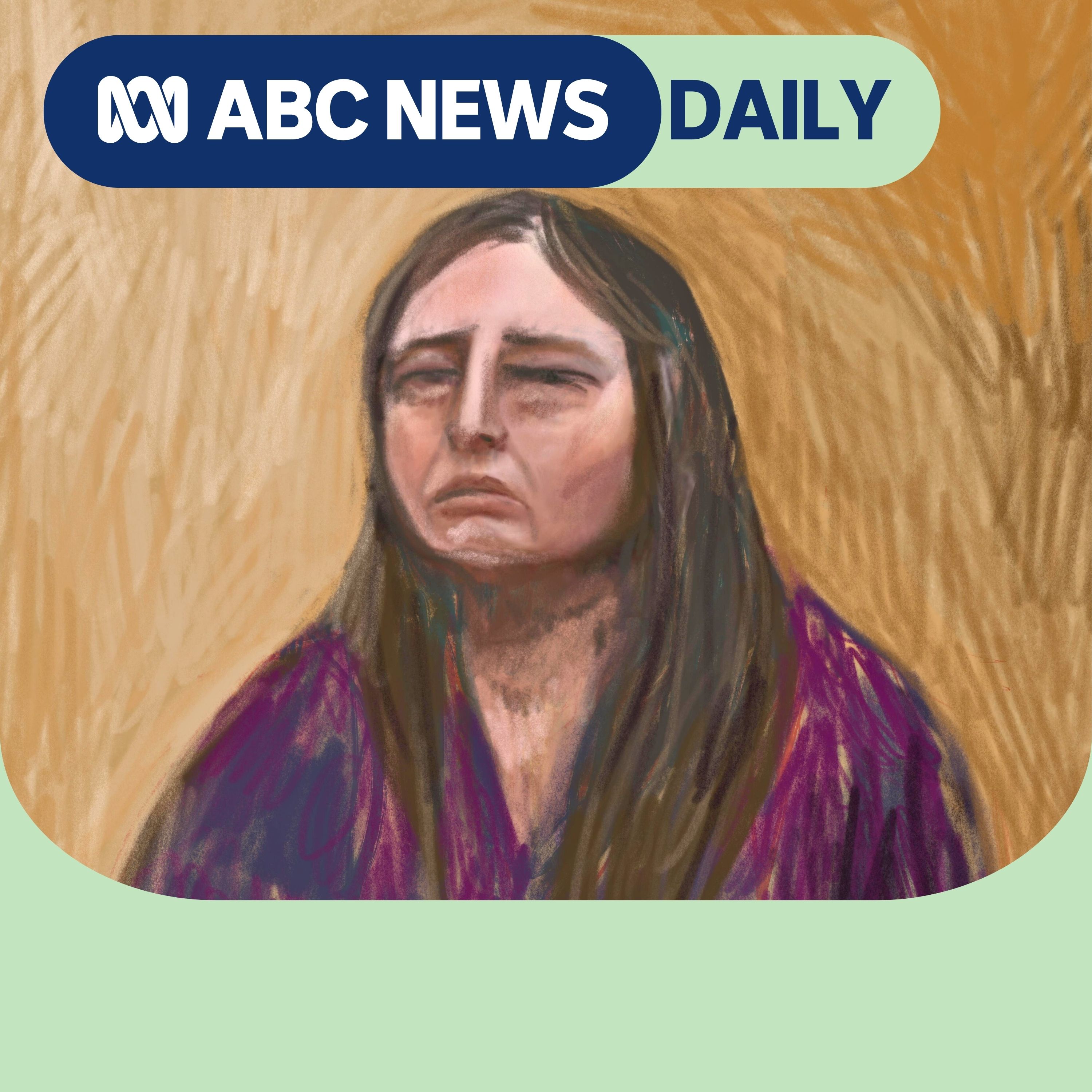
Erin Patterson’s evidence about eating wild mushrooms
For a second day, the accused in the keenly watched mushroom murder trial has been questioned in court.Erin Patterson is accused of murdering her former in-laws Don and Gail Patterson along with Gail’s sister Heather Wilkinson with death cap mushrooms served at a beef wellington lunch in 2023.She denies the charges. Today, co-host of the Mushroom Case Daily podcast, Stephen Stockwell, on Erin Patterson’s evidence and the key evidence the court has heard over the past five weeks. Featured: Stephen Stockwell, Mushroom Case Daily co-host
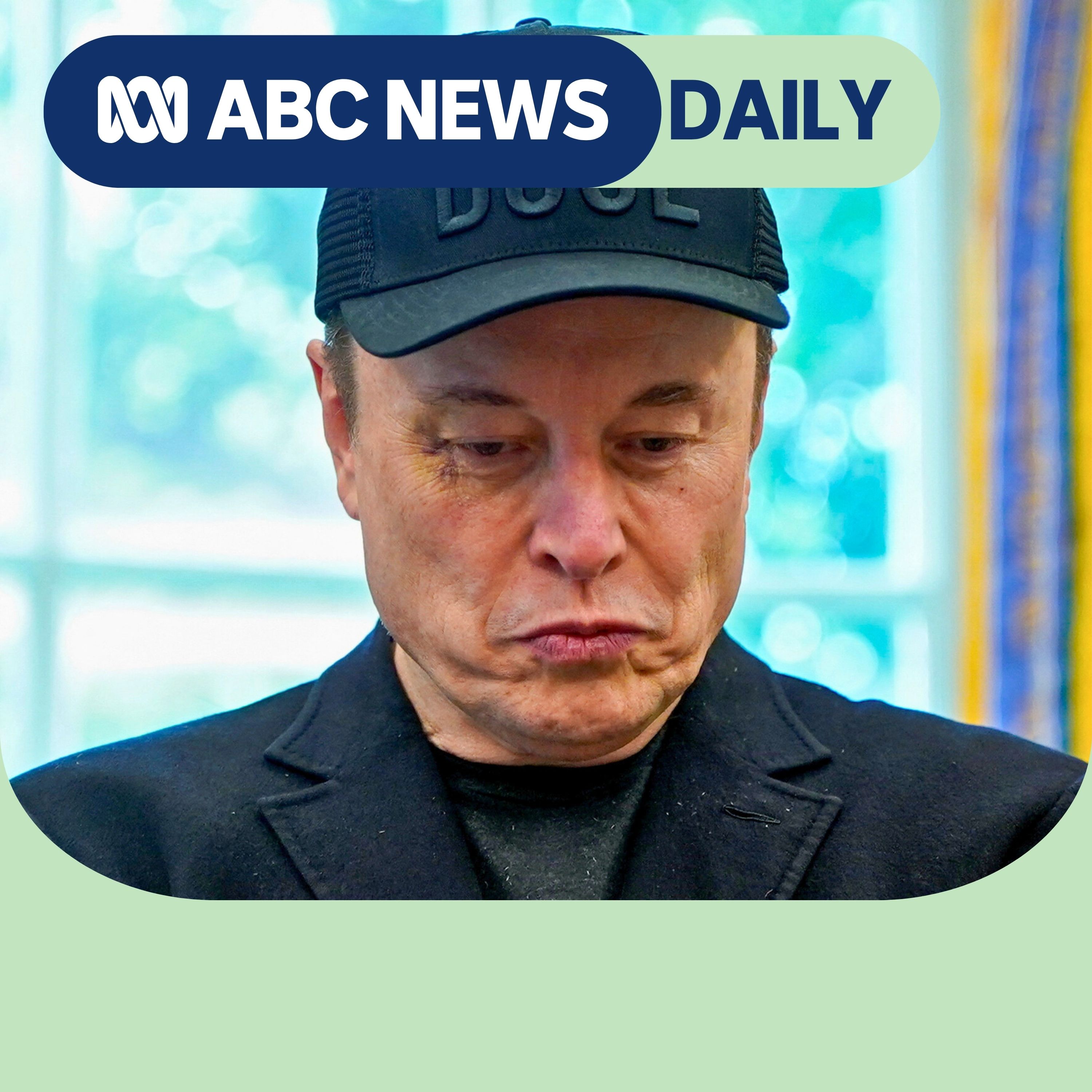
Is it really the end for Elon Musk and Trump?
Elon Musk has spent a lot of time inside the Oval Office since Donald Trump returned to the White House. It was from there that the world’s richest man, sporting a black eye, was farewelled from his role in the Trump administration on Friday. He insists his so-called Department of Government Efficiency, or DOGE, has made great progress, cutting more than $150 billion from the US budget. But that falls well short of his initial wildly optimistic claims that he could slash one trillion dollars in government spending. Today, staff writer at The Atlantic magazine, Ashley Parker, on Elon’s exit and whether that’s really the end of involvement with the Trump administration. Featured: Ashley Parker, staff writer at The Atlantic
Why so many psychiatrists are quitting
Why would dozens of psychiatrists, dedicated to helping people at times of crisis, walk away from their jobs?On one hand it’s a simple pay dispute, but those who’ve been inside the system say it’s broken, with a demoralised workforce delivering substandard care.There’s a spotlight on the failures of mental health care in the New South Wales public system and a doctor has shared fears of another ‘Bondi Junction’ attack after witnessing someone with violent thoughts absconding from hospital.Today, Four Corners reporter Avani Dias on why dozens more doctors are threatening to quit and what it means for patients. Featured: Avani Dias, Four Corners reporterIf this episode has raised any issues for you or anyone you know, Lifeline is one service that can help. Contact them on 13 11 14.
Why Trump can’t get 'crazy' Putin to end the war
Donald Trump has spent a long time praising him, but now the US president’s view of Vladimir Putin is shifting. Trump’s high hopes of getting Putin to the negotiating table are fading and Russia has recently launched one of the largest bombardments on Kyiv since the start of the war. Now, the end of the war in Ukraine seems as elusive as ever and Trump says Putin is ‘crazy’ and ‘playing with fire’.Today, international relations expert Rajan Menon on why Putin is humouring Trump but will never do as he asks and end the war. Featured: Rajan Menon, professor emeritus of international relations at the City College of New York and senior research scholar at Columbia University

Can farmers endure repeated floods and drought?
When it looked like heavy rain was on its way, Taree farmer Josh Hack knew he had to act and move his cattle to higher ground.Now, like so many others, Josh is facing the cleanup from the record-breaking floods that devastated large parts of the NSW Mid North Coast and Hunter regions. Today, we consider the plight of Australia’s farmers like Josh, but also those further south fighting their way through severe drought and ask the question; is Australia still fit for farming? Featured: Josh Hack, Taree farmerJess Davis, ABC climate reporter
Trump’s white 'genocide' claims explained
Donald Trump is beginning to make a habit of confronting world leaders while the cameras are rolling in the Oval Office.His latest victim is South Africa’s president Cyril Ramaphosa who was ambushed with Trump’s claims that white farmers are being persecuted in his country. Today, Nancy Jacobs, a professor of history at Brown University on why Trump is so keen to spread false assertions of genocide and why white South Africans are moving to the US as refugees.Featured: Nancy Jacobs, professor of history at Brown University
Why can’t Israel’s allies stop Netanyahu?
World leaders are strengthening their condemnations of Israel after it's renewed assault in Gaza and limiting the supply of humanitarian aid.Anthony Albanese described the ongoing blockade as 'an outrage' after the UK, France and Canada threatened sanctions last week, urging Israel to halt its latest offensive and allow more food and supplies into the besieged territory. Nevertheless, Israel's leadership is pressing ahead.Today, a British surgeon in Gaza about the conditions on the ground, and a peace and conflict expert about what the world can do now.Featured:Dr Victoria Rose, Plastic and Reconstructive Surgeon in GazaDr Eyal Mayroz, Senior Lecturer in Peace and Conflict studies, University of Sydney
Why energy giants want to control solar batteries
It was a decision driven by spite for Sydney man Peter Anderson. He was determined to buy a solar battery for his home so he could take money away from the big power companies, while never receiving a hefty power bill again. But his plan came unstuck after agreeing to participate in a so-called virtual power plant. Today, energy reporter David Mercer on Peter’s dilemma, how giving back to the grid really works and whether it’s worth it. Featured: Dan Mercer, ABC energy reporter
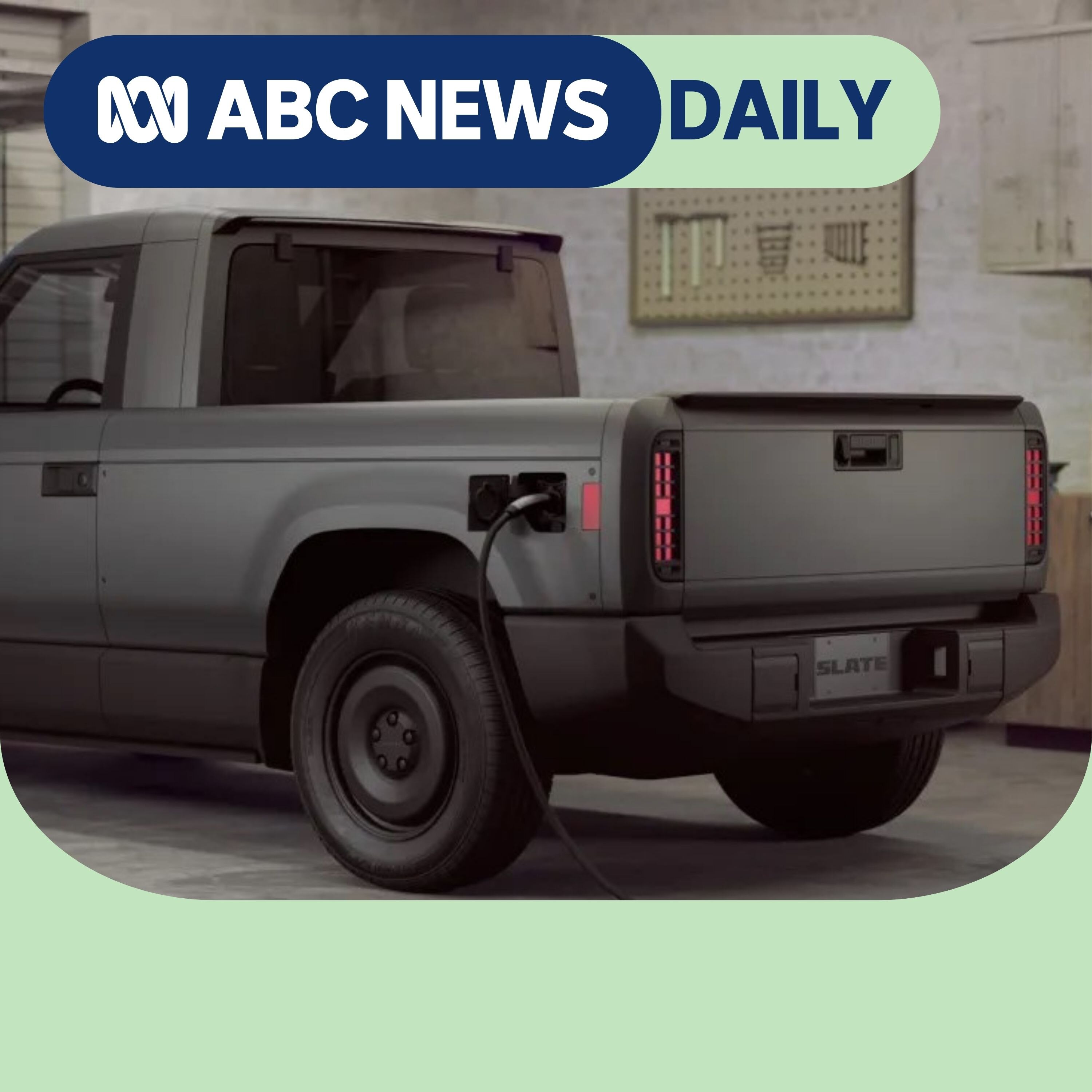
Can Bezos dethrone Musk with a cheap EV ute
Elon Musk’s once firm grasp on the EV market seems to be crumbling as Tesla sales slump, so bring in Amazon founder Jeff Bezos. He’s investing in Slate, an auto start-up building a cheap bare-bones electric pick-up truck in the USA, called a ute in Australia. It’ll be much cheaper than Musk’s controversial Tesla Cybertruck.Today, Giles Parkinson, founder and editor of websites Renew Economy and The Driven gives us an update on the EV market in Australia and how Slate could be a game changer if it ever came here.Featured: Giles Parkinson, founder and editor of Renew Economy and EV website The Driven
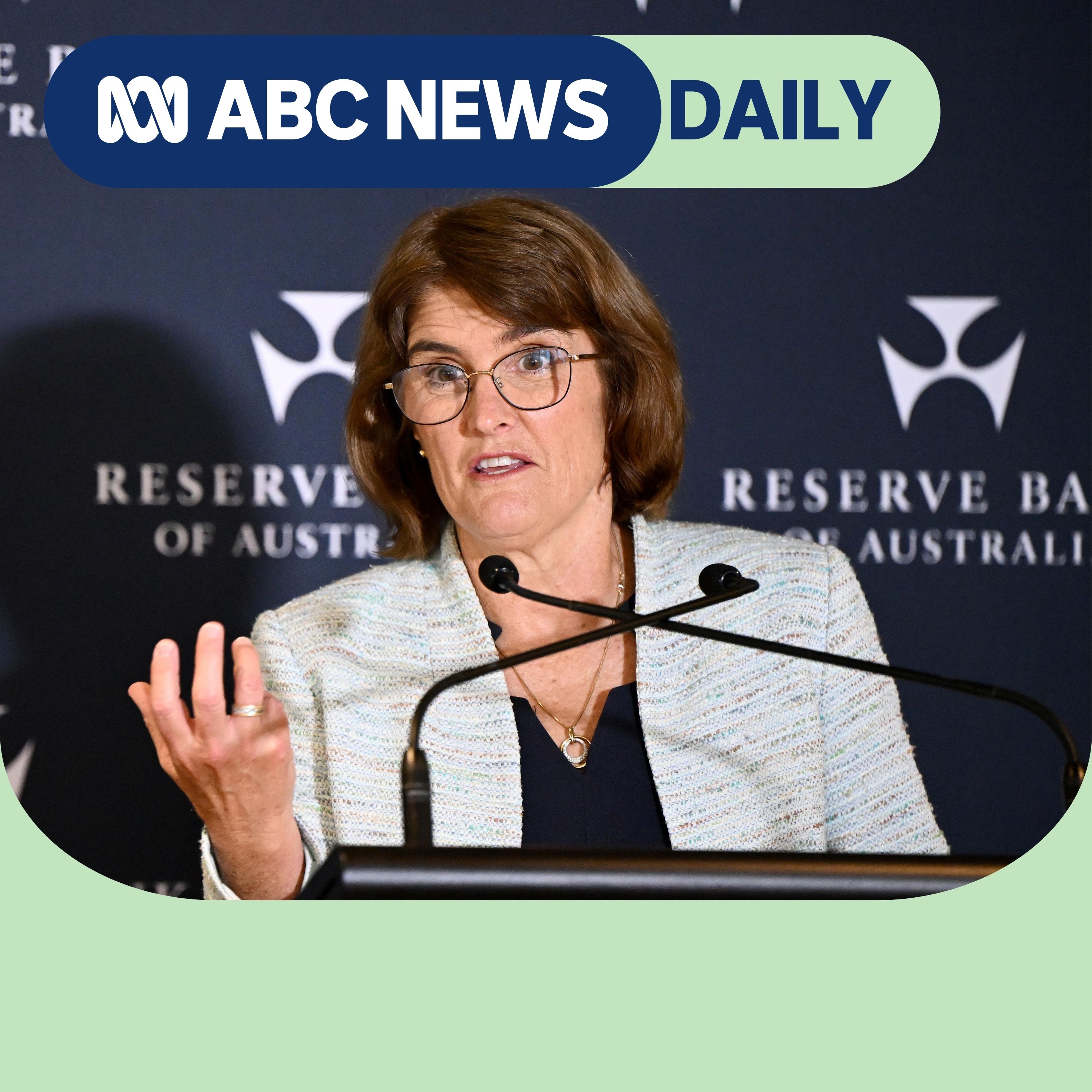
The Trump cloud hanging over the RBA
Interest rates are falling, inflation is down and the Reserve Bank seems happier than it’s been in ages.So, have we achieved the so-called soft landing after all the economic turmoil we’ve suffered since the pandemic?Today, chief business correspondent Ian Verrender on the latest rate cut, how many more we should expect and why Donald Trump could upend it all.Featured: Ian Verrender, ABC Chief Business Correspondent
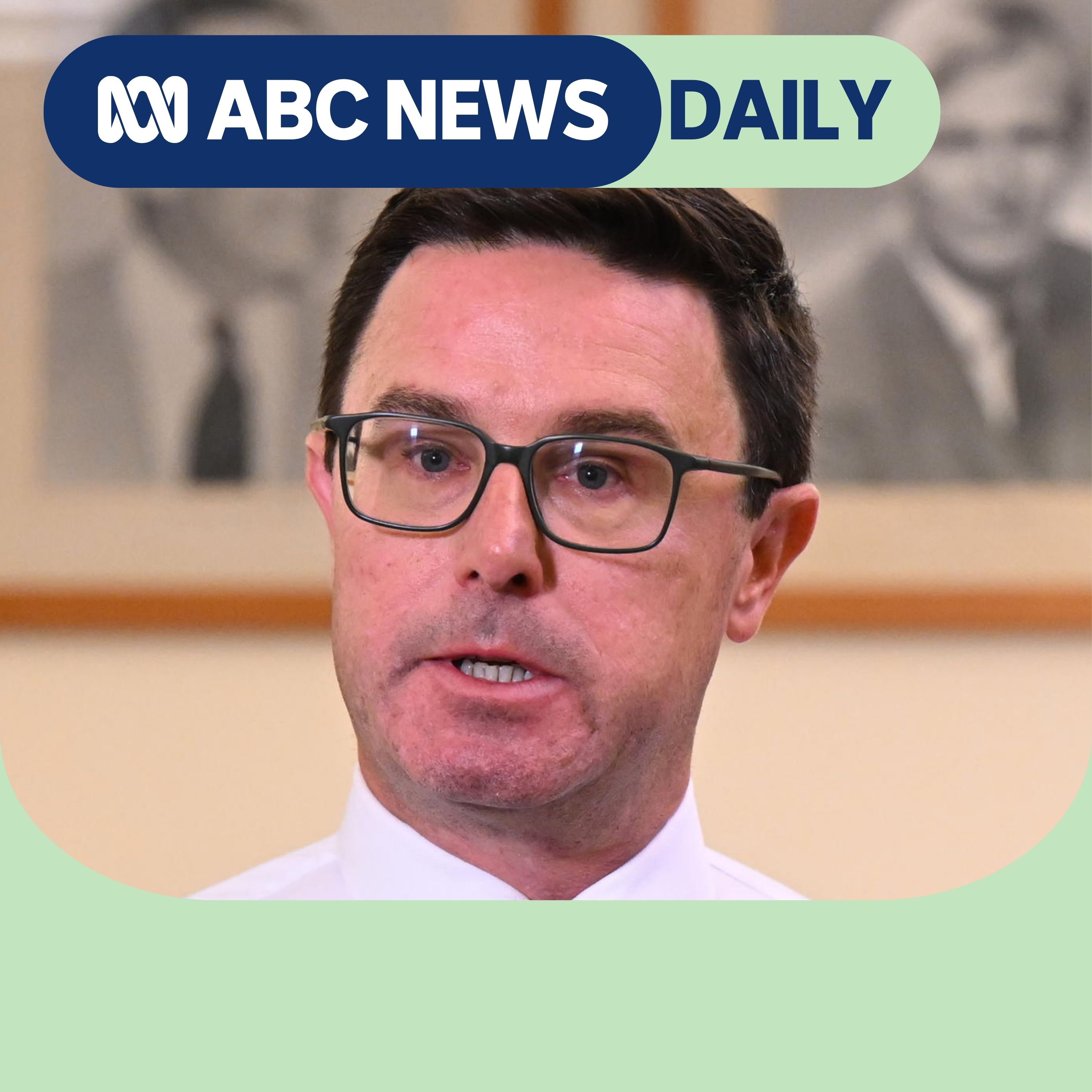
Why the Nationals nuked the Coalition
It had been a constant of federal politics, but the coalition between the Liberal and National parties has come to a dramatic end following a disastrous election defeat.The Nationals are breaking away after the Liberals rejected a demand that key policy areas were part of the agreement between the parties. Today, the ABCs chief digital political correspondent, Jacob Greber, on why they couldn’t move past their differences and what it means for Australian politics.Featured: Jacob Greber, ABC chief digital political correspondent
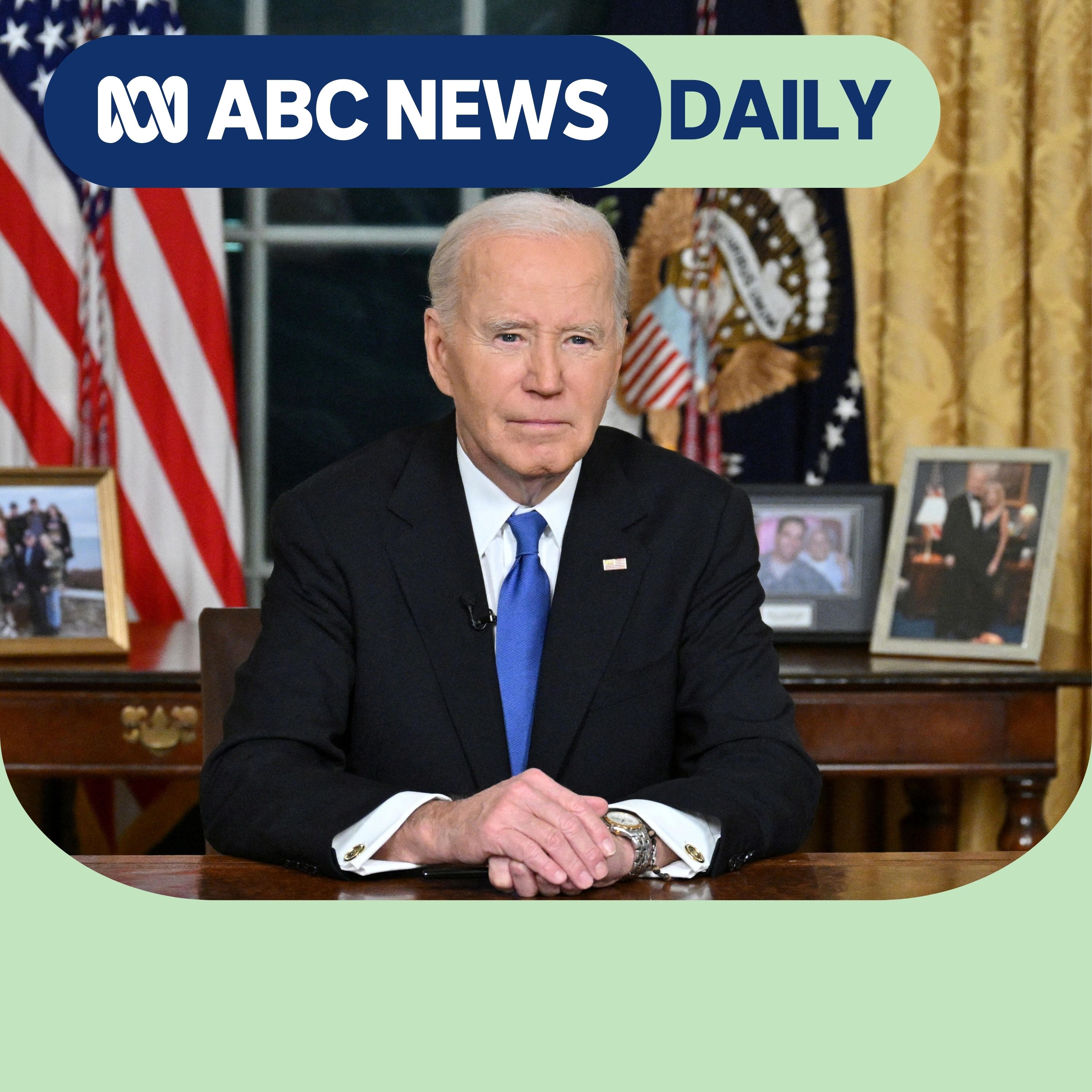
Biden’s health back in focus after cancer news
He dropped out of the presidential race last July, but the focus is now back on Joe Biden. The former US leader has not only been diagnosed with an aggressive form of prostate cancer, but a new book released this week has accused the White House of covering up a decline in his health before he stepped down to make way for Kamala Harris. Today, Bruce Wolpe, a senior fellow from the United States Studies Centre on Biden’s cancer diagnosis and why staying in the race for so long may have changed the course of history. Featured: Bruce Wolpe, a senior fellow from the United States Studies Centre

The growing push for ‘Adult Crime, Adult Time’ laws
When Queensland woman Emma Lovell was stabbed to death by a teenager in 2022, the community and nation was shocked.The 17-year-old offender had broken into her home on Boxing Day as the family slept. The crime was a catalyst for a campaign for stricter sentencing for youths and Queensland went on to become the first state to introduce ‘Adult Crime, Adult Time’ laws. Today, ABC News Queensland presenter Jessica van Vonderen on why other states could follow suit. Featured: Jessica van Vonderen, ABC News Queensland presenter
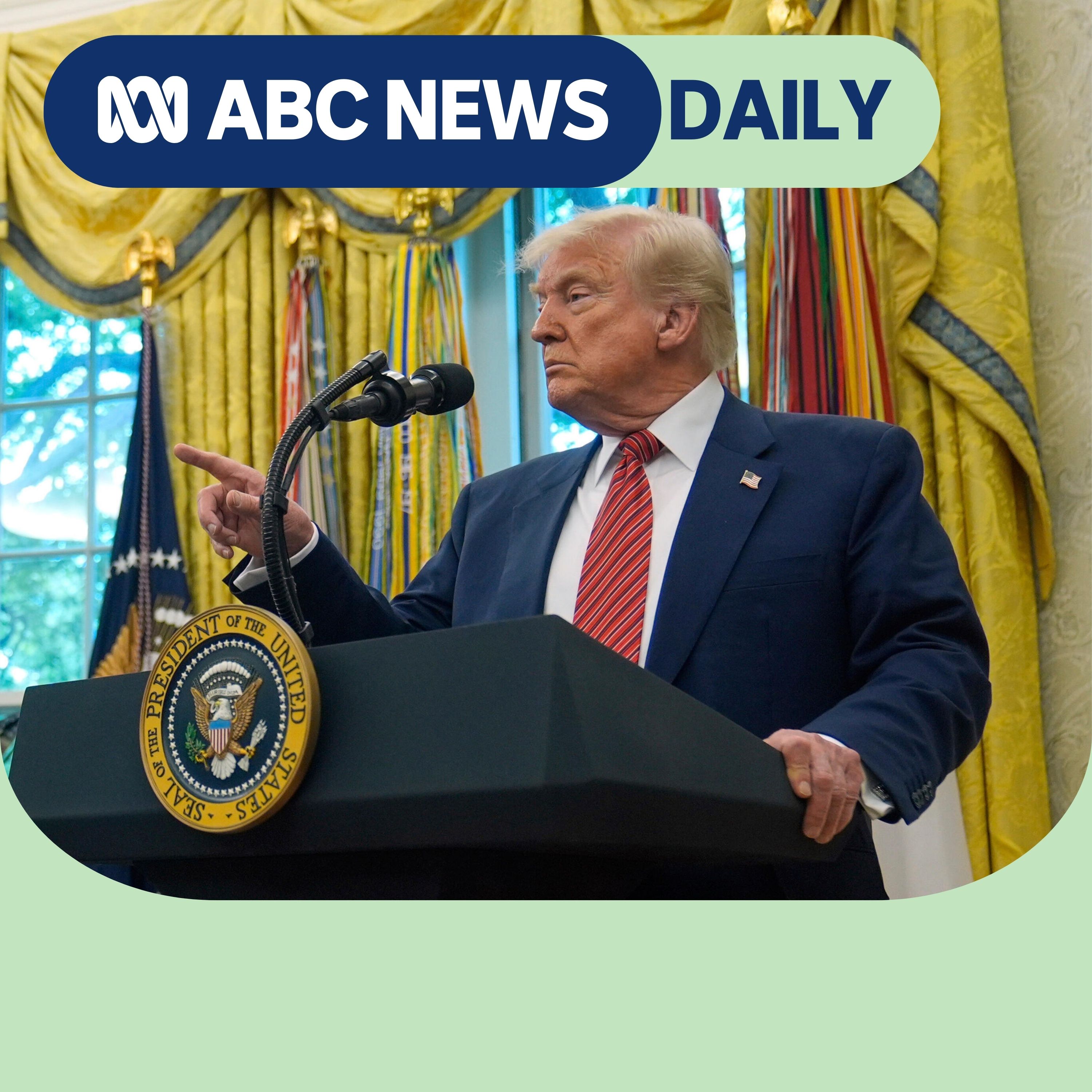
What Trump’s China tariffs did to businesses
This week, Donald Trump paused his massive tariffs on Chinese goods entering the US for 90 days, slashing the rate from 145 to 30 percent.China has also come to the bargaining table, dropping 125 percent tariffs on imports from the US to 10 percent. So, is the US president’s economic dream of bringing manufacturing back to America dead? Today, we speak with a US outdoor clothing designer caught up in the tariff chaos about what it’s been like and to an economist to make sense of it all. Featured: Cassie Abel, founder and CEO of Wild Rye outdoor apparelJustin Wolfers, professor of economics and public policy at the University of Michigan
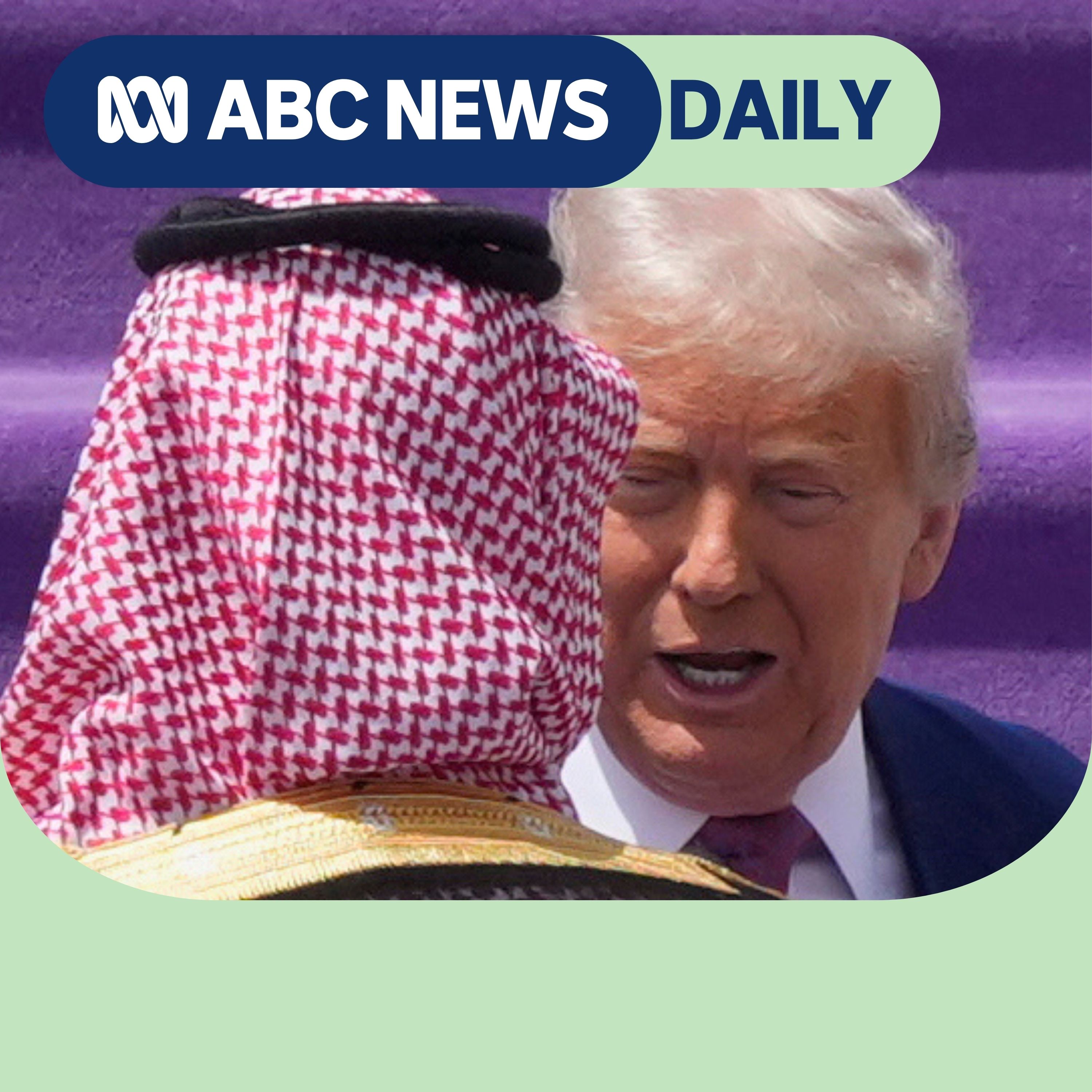
Why Trump’s Middle East tour is about money, not peace
Donald Trump has recently secured a luxury 747 jet from Qatar and billions of dollars in investment deals from Saudi Arabia. But as the US president continues his tour of the Middle East, there’s been no talk of a plan for peace in Gaza. Today, Hussein Ibish from the Arab Gulf States Institute on Trump’s tour and why he won’t be meeting the Israeli leader, Benjamin Netanyahu. Featured: Hussein Ibish, senior resident scholar at the Arab Gulf States Institute in Washington
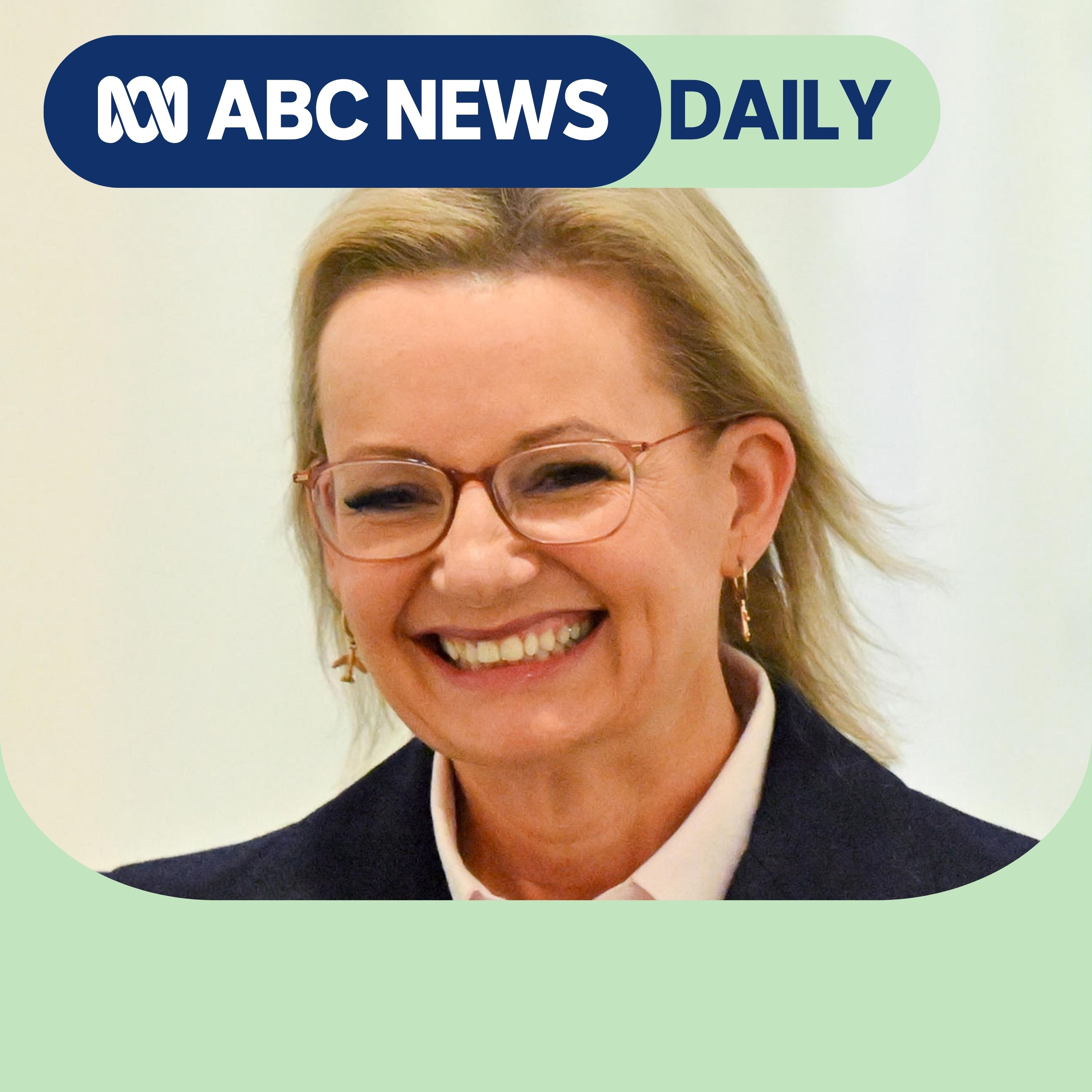
The nuclear problem facing Sussan Ley
The new Liberal leader Sussan Ley has promised a fresh approach after the party’s disastrous result in the federal election. But will the first female leader of the party really be able to bring it back from the brink and build a policy offering that’s attractive to voters? Today, host of ABC TVs 7.30 Sarah Ferguson on the future of the Coalition’s nuclear power plan and Labor’s factional stoush that saw two ministers axed. Featured: Sarah Ferguson, host of 7.30

The nuclear risk in the India-Pakistan conflict
When tensions flared between India and Pakistan last week the world held its breath because both nations have nuclear weapons.While a ceasefire has been agreed, it hasn’t stopped the clashes in the disputed Kashmir region. Today, Aparna Pande from the Hudson Institute in Washington DC explains the long running conflict and what could come next.Featured: Aparna Pande, director of the Initiative on the Future for India and South Asia at the Hudson Institute

How Bunnings crushed its competitors
What really lies behind Bunnings’ promise of lowest prices? The hardware superstore has carefully built a reputation for being part of the local community with its famous sausage sizzles and friendly advertising. But a Four Corners investigation has found that the haven for DIY enthusiasts has grown to dominate the market, squeezing suppliers and competitors. Today, reporter Angus Grigg on why the Bunnings juggernaut isn’t facing the same scrutiny as the supermarkets. Featured: Angus Grigg, Four Corners reporter
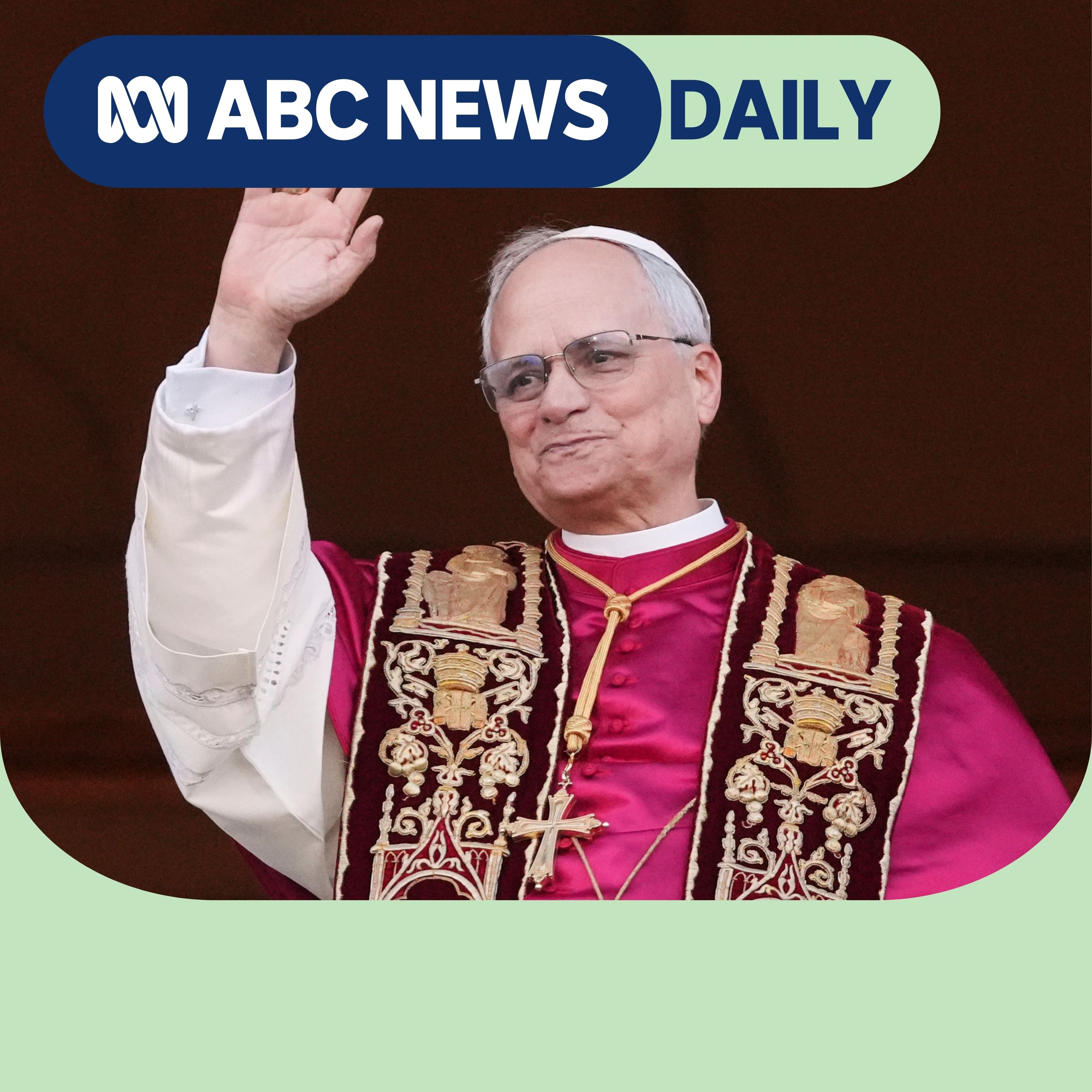
The surprise pick of an American pope
A new pope has been elected to lead the Roman Catholic Church. The moment was marked by white smoke billowing from a chimney above the Sistine Chapel at the Vatican.Pope Leo XIV from Chicago, who worked for years in Peru, has appeared on the balcony above St Peter’s Square to greet the thousands of faithful.Today, Andrew West, host of the ABC’s Religion and Ethics Report, on what we know about the first American pope and what his election means for the future of the church.Featured:Andrew West, host of the ABC’s Religion and Ethics Report